Espoma Organic
  • Products
    • Close
    • Product Line Overview
    • Plant food finder
    • Garden Fertilizers
    • Potting Soils
    • Lawn Fertilizers
    • Liquid Fertilizers
    • Single Ingredients
    • Conventional Plant Foods
    • Animal Care Products
  • Where to Buy
  • Our Story
    • Close
    • Our Story
    • Locations
    • Historical Timeline
    • Our Commitment
    • Directions
    • Solar
    • Join our Team
    • Espoma Brand Partners
  • Learn
    • Close
    • Espoma Blog
    • FAQ’s
    • Pocket Guide
    • Espoma Guides
    • Garden Clubs
    • Safe Paws Lawn
    • PRODUCT FACT SHEETS
    • Fertilizer Fundamentals
      • Close
      • Understanding Plant Nutrition
      • Reading Labels
      • Choosing the Right Type of Fertilizer
      • Terms & Definitions
    • Gardening Projects
    • Resource Links
  • Contact Us
  • Menu Menu

VIDEO: Caring for Your Christmas Cactus with Garden Answer

December 20, 2017/in Blog, Espoma Videos, Garden Answer, Holidays, Indoor Gardening, Succulents, Succulents

In this video, Laura from Garden Answer shares her top tips for nurturing everyone’s favorite holiday plant—the Christmas cactus! These beloved plants can thrive for years with proper care and attention.

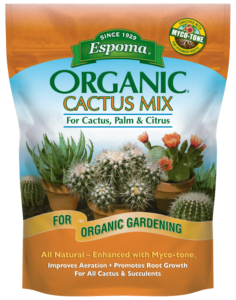
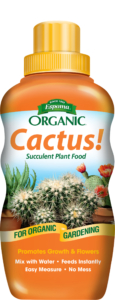
Laura recommends starting with a high-quality organic potting soil, like Espoma Organic Cactus Mix, specially formulated for cacti and succulents. She also emphasizes the importance of fertilizing, suggesting Espoma Organic Cactus! Liquid Plant Food to keep your plant healthy and blooming.

Learn more about Garden Answer here:

https://www.youtube.com/c/gardenanswer

https://www.gardenanswer.com/

https://www.facebook.com/gardenanswer

https://www.instagram.com/gardenanswer/


Featured Products:

Espoma Organic Cactus Mix Espoma Organic Cactus! Liquid plant food bottle


Where to Buy


https://www.espoma.com/wp-content/uploads/2017/12/IMG_7856.jpg 3368 6000 espoma https://www.espoma.com/wp-content/uploads/2023/05/espoma-logo340w-1.png espoma2017-12-20 16:48:072024-11-21 15:17:45VIDEO: Caring for Your Christmas Cactus with Garden Answer

3 Ways to Celebrate National Pollinator Week

June 20, 2017/in Blog, Flowers

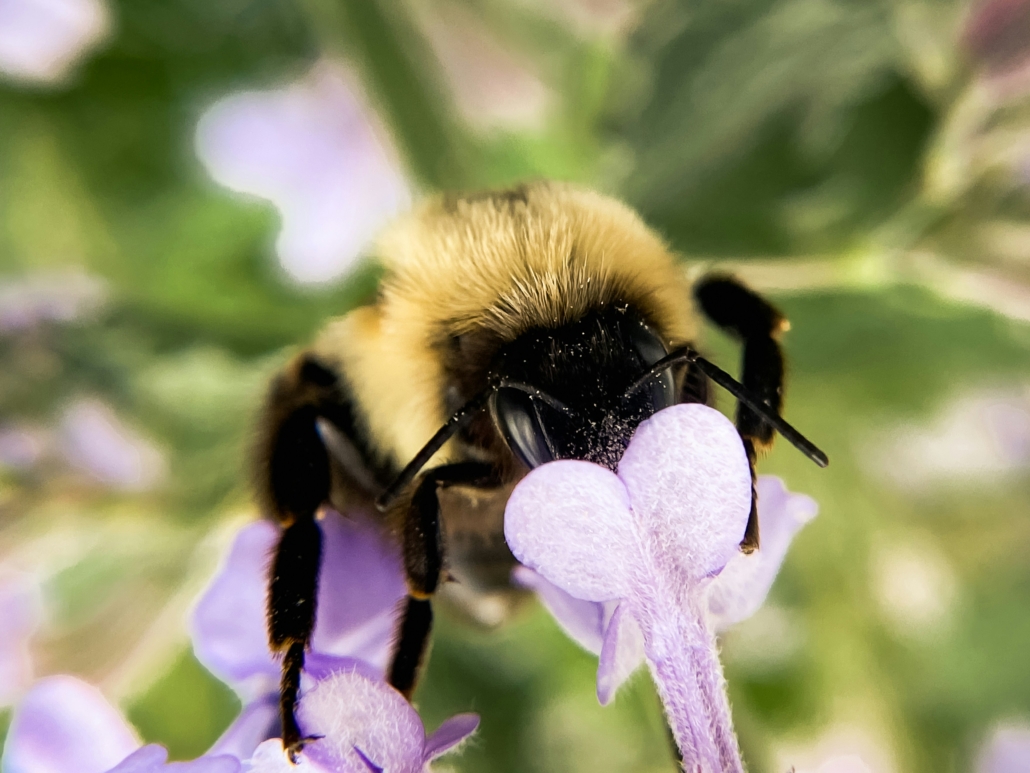
National Pollinator Week is a time to give bees, birds, and bats a little recognition. Pollinators, such as bees and butterflies, play a big part in getting our gardens to grow. Honeybees are directly responsible for pollinating one third of the food we eat. They help fertilize flowers, carrying pollen from one plant to another in exchange for food.

This week, we’re helping to educate people on the purposes these pollinators serve. Keep reading for three ways to celebrate pollinators in your garden.

1. Plant a Pollinator-friendly Garden

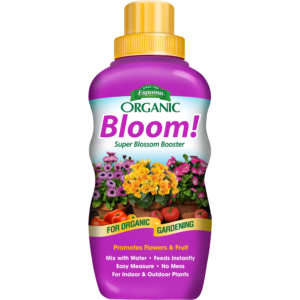
To keep your garden beautiful, you can attract pollinators by planting flowers that appeal to them. Try adding native plants to an existing garden or creating a whole new garden specifically for pollinators. Choose plants that bloom at different times throughout the year, providing long-term food and shelter. Follow this simple formula. Plant tall flowers 18-20” apart, medium flowers 12” apart and short flowers 8-10” apart and then use Espoma’s Bloom! liquid plant food regularly for a boost.

Pollinators especially love these flowering plants:

  • Allium
  • Alyssum
  • Basil
  • Bee balm
  • Bergamot
  • Cosmos
  • Geranium
  • Globe thistle
  • Goldenrod
  • Helianthus
  • Lavender
  • Mint
  • Poppy
  • Rosemary
  • Sage
  • Sunflower
  • Thyme
  • Verbena
  • Wild rose
  • Zinnia

2. Build a Bee Hotel

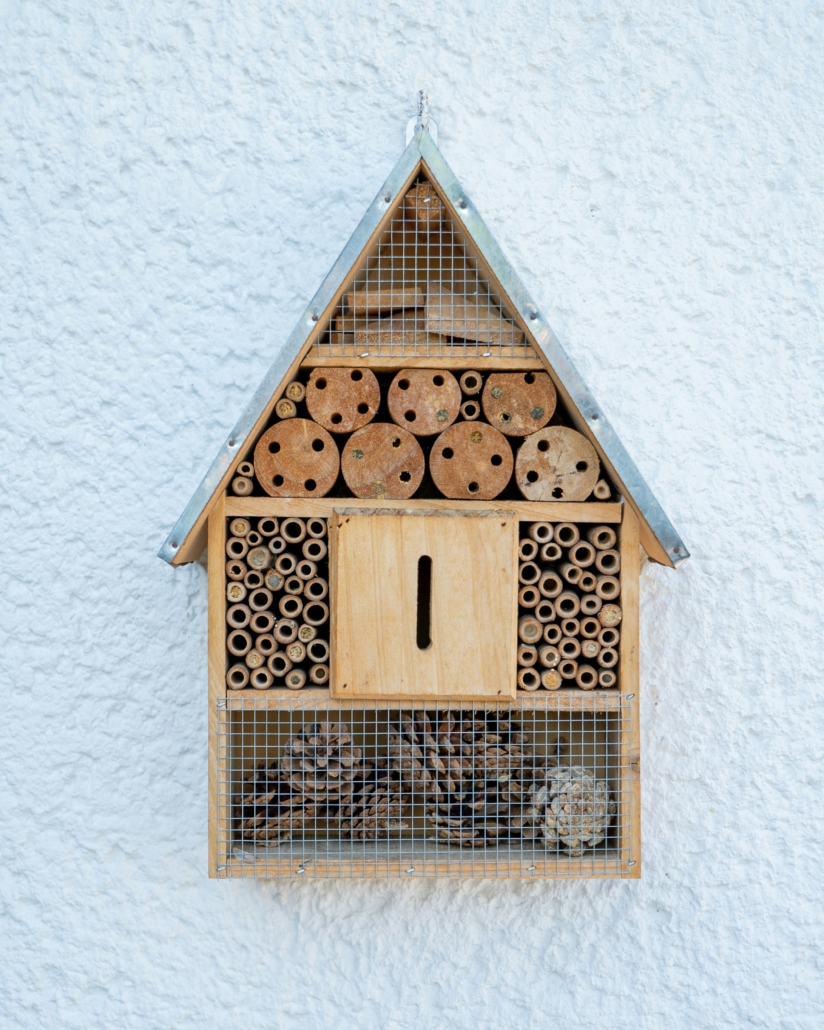
Solitary bees, bees that live alone and not in hives, need a place to make their nests. Welcome these gentle bees to your garden by adding a bee hotel. Solitary bees don’t make honey and rarely sting. Females lay their eggs inside a small hollow tube and then they patch the door with mud. DIY or purchase a bee hotel at your local independent garden center to encourage pollinators to check-in to your garden.

3. Increase Feather Pollinator Population

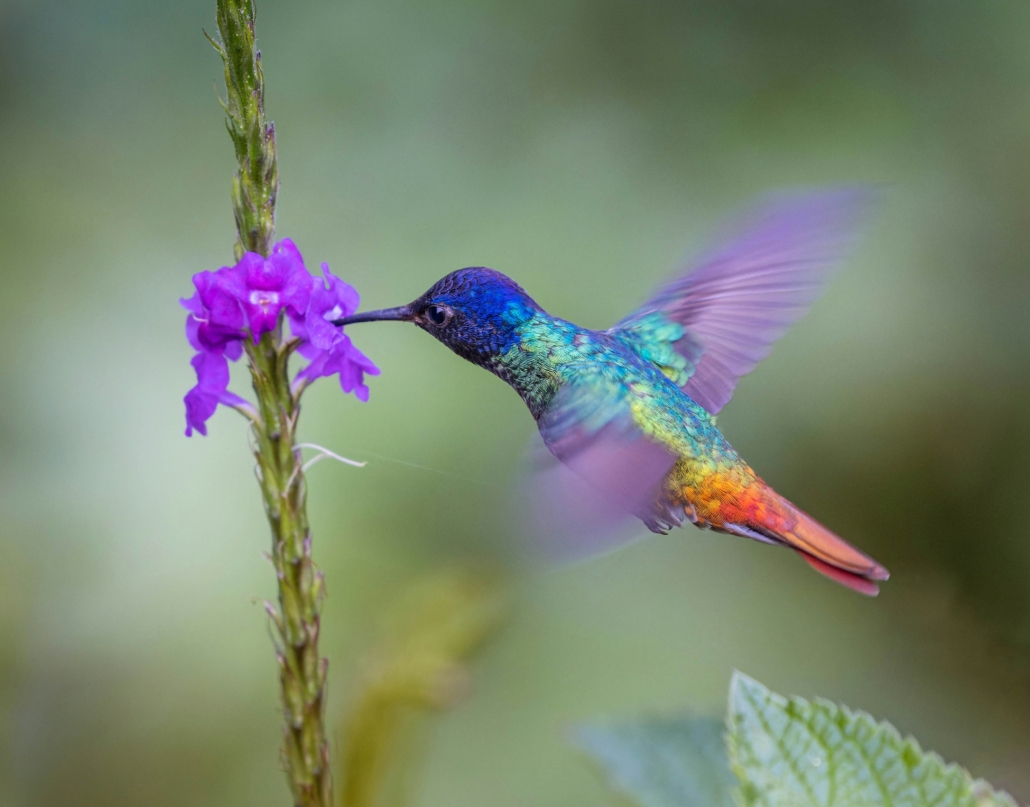
Insects aren’t the only pollinators around town. Hummingbirds are also great pollinators. Build a Hummingbird feeder in your yard to encourage our furry friends to stop by. Ask kids to help building a feeder that will attract these polite birds. The plants that are pollinated by Hummingbirds tend to produce more nectar than plants pollinated by insects, so penciling in some time to create a feeder will pay off in the long run.

*****

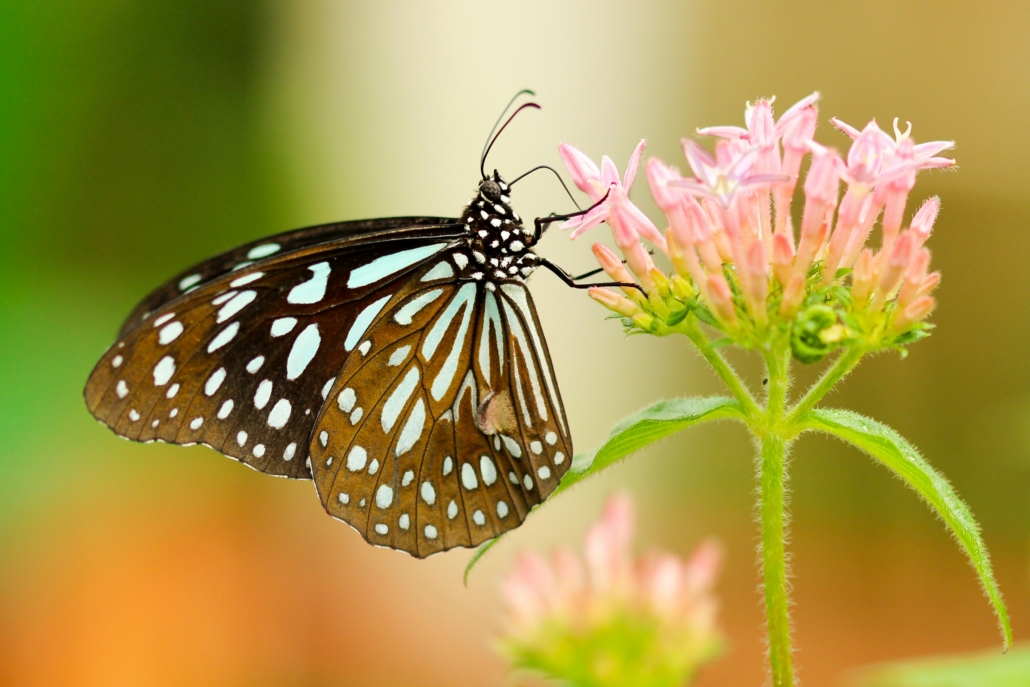
Check out these Breathtaking flowers butterflies will love!


Featured Products:


Where to Buy


https://www.espoma.com/wp-content/uploads/2017/06/Butterfly-Flower.jpg 1667 2500 espoma https://www.espoma.com/wp-content/uploads/2023/05/espoma-logo340w-1.png espoma2017-06-20 17:40:072024-08-20 20:07:183 Ways to Celebrate National Pollinator Week

5 Tips for Growing Veggies in a Drought

June 13, 2017/in Blog, Fruits & Vegetables, Summer Gardening

Summer brings the prime-time vegetable growing season and the delicious harvest of our fruit and vegetable gardens. But what happens when that summer heat gets a little too hot and leaves drought-prone areas high and dry?

Don’t stress — even though water is an essential component to vegetable gardening, there are plenty of ways to grow healthy, fresh veggies during dry times.

Try these low-water vegetable gardening tips for success all season long.

1) Build a Strong Base

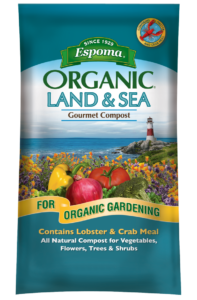
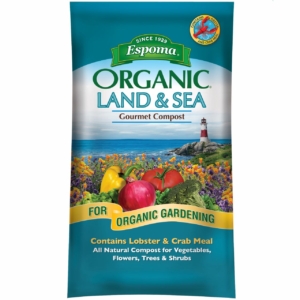
When planting in dry conditions, amending your soil is crucial to success. Start with Espoma’s Bio-tone Starter Plus for big, healthy blooms. Then, add rich Espoma Organic Land & Sea Compost to the soil to increase water retention. After you have healthy soil as your base, be sure to add mulch. A 3-4” layer of mulch on top of your soil can reduce watering needs by up to 50 percent. Mulch keeps the soil cooler and traps moisture in the soil, instead of allowing it to evaporate.

2) Strategic Planning

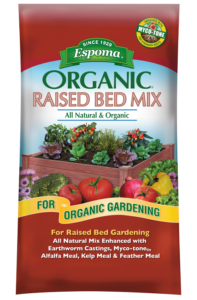
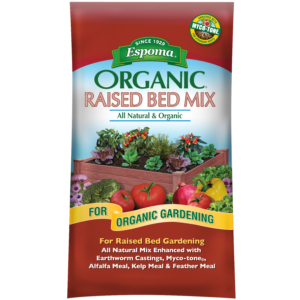
When it comes to drought-tolerant vegetable gardens, plan strategically. Raised bed gardens and containers retain moisture better than open gardens. Use Espoma Organic Raised Bed Mix for all your raised bed plantings to ensure your plants grow deeper roots, greener foliage, and more productive plants.

Instead of planting in straight rows, plant in a zig-zag or diamond pattern. With plants spaced out, their leaves create more shade and keep the soil cooler. Try companion planting, too. Pair plant varieties that work well together and benefit from each other.

3) Drought-resistant veggies to consider planting during drier times:

  • Eggplant
  • Bell peppers
  • Okra
  • Artichoke
  • Sweet potatoes
  • Swiss chard

4) Be Water Wise

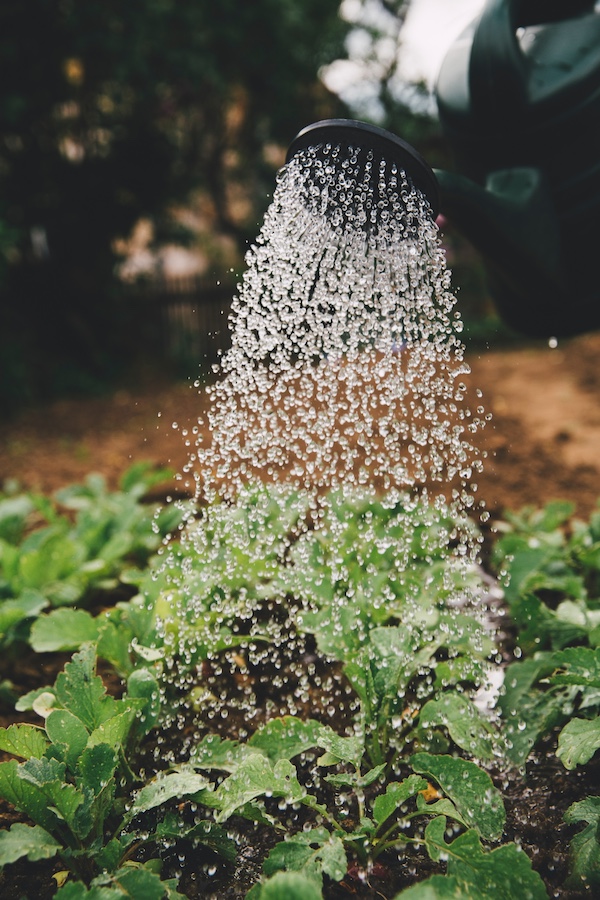
Some of the water used in overhead watering systems never makes it to the soil. Most of the water evaporates on the leaves before serving its purpose.

Instead, try a drip irrigation system for more efficient watering. Drip watering methods can use upwards of 70 percent less water by avoiding evaporation, runoff and wind. Soaker hoses are another water-saving alternative. Lay the hose across an especially dry patch of soil while small holes in the hose allow water to seep through to the soil.

5) Time It Right & Keep Up with Maintenance

The time of day you garden matters, especially during drought. Water early in the morning or later in the evening when temperatures are cooler to reduce evaporation. Check soil moisture regularly and remove weeds, which compete with your veggies for water and nutrients. Prune back excess foliage if needed to help plants conserve energy and moisture. Staying on top of small tasks can make a big difference in helping your garden thrive through the heat.

Bonus Tip: If all else fails, move your garden indoors! Grow smaller varieties of vegetables in small spaces. While indoor vegetable gardens still need proper watering, the soil won’t dry as fast as it would in the hot summer sun.

*****

Love the heat and the sun? Learn more about succulent gardening here!


Featured Products:


Where to Buy

https://www.espoma.com/wp-content/uploads/2017/06/watering-can-garden.jpg 665 1000 espoma https://www.espoma.com/wp-content/uploads/2023/05/espoma-logo340w-1.png espoma2017-06-13 15:29:542025-06-25 14:02:205 Tips for Growing Veggies in a Drought

5 Garden Tasks to Complete this June

June 1, 2017/in Blog, Summer Gardening

field, grasses

Summer is finally here! And we can’t wait to spend more time outdoors enjoying Mother Nature. What better way to get in some quality time outdoors than by prepping your garden for the exciting growing season that lies ahead? Check these five simple tasks off your list and prepare to have a picture-perfect summer garden in no time.

watering plants

Be Water Wise

In a short time, you’ll finally start feeling the heat – and so will your plants. As temps increase, be sure to keep an eye on your plants and ensure they’re getting exactly the right amount of water. If you live in an especially hot climate or simply can’t keep up with watering by hand, invest in some sprinklers or an irrigation system.

planting vegetable

Last Call for Seedlings

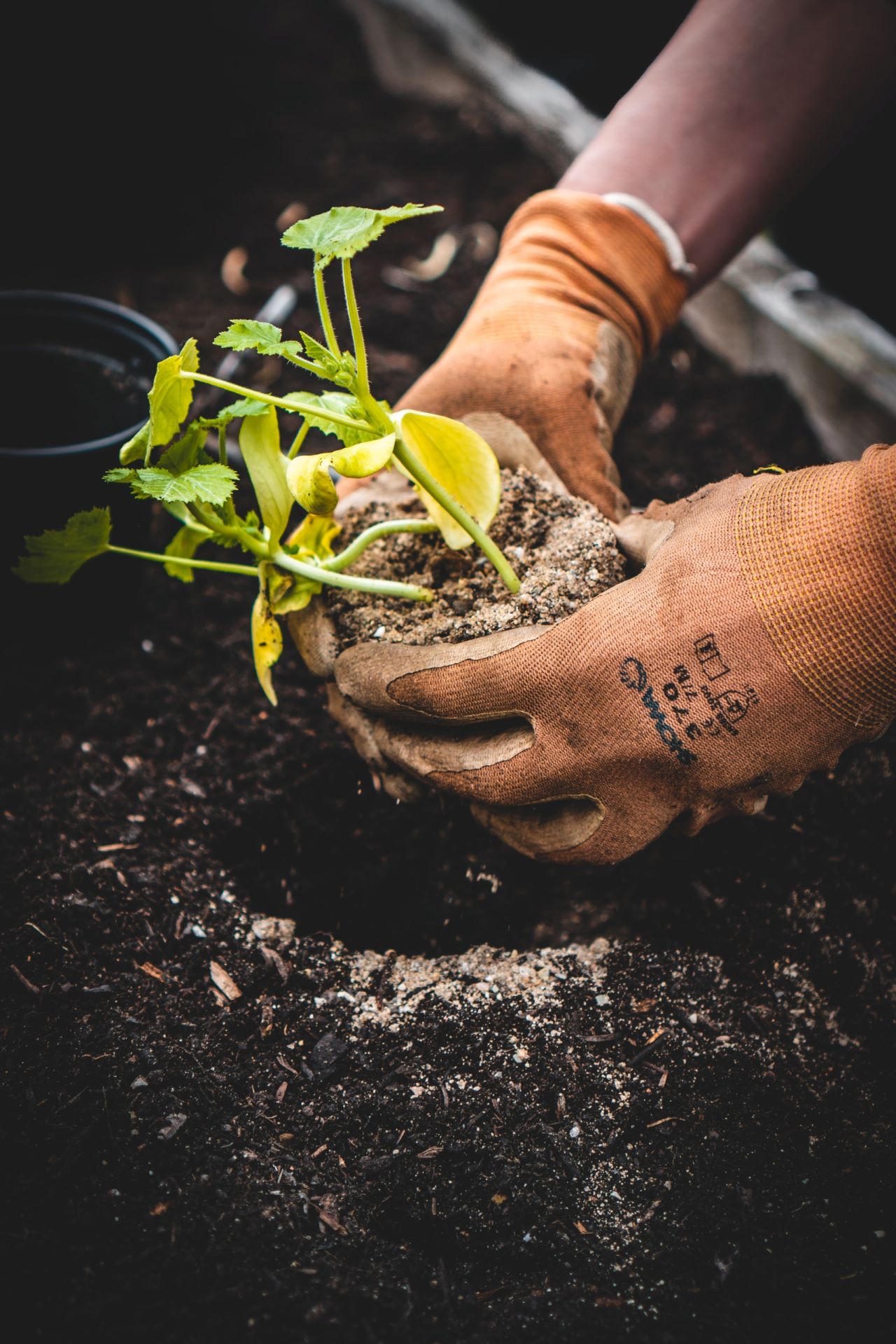
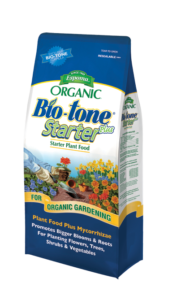
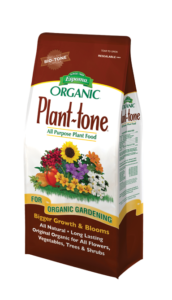
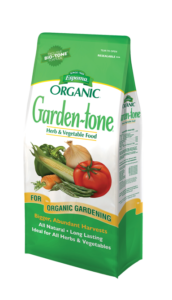
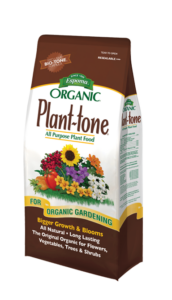
If you haven’t already transferred your indoor seedlings, now is the time. You can also start planting those heat-loving veggies, like tomatoes, squash, eggplant, and peppers. When planting We recommend using Espoma Organic Bio-tone Starter Plus to give your plants the nutrients they need to be successful in their new location. For feeding your newly established plants we recommend Espoma Organic Plant-tone or Garden-tone.

Tidy Up

Tidying up your garden gives you a fresh start for the growing season ahead. Prune plants to encourage healthy growth. Weeds are very persistent, so you should be too. A little bit of weeding here and there will prevent your garden from becoming overrun with invasive weeds.

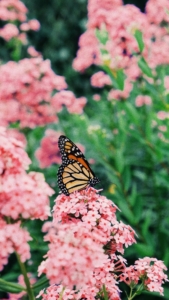
Pink flowers with Monarch Butterfly

Welcome Pollinators

Bees and butterflies play an extremely important role in the garden and their pollination provides us with many of our favorite foods. Create a pollinator-friendly garden with a variety of native plants. And don’t forget to celebrate National Pollinator Week June 19-25!


Lawn Care

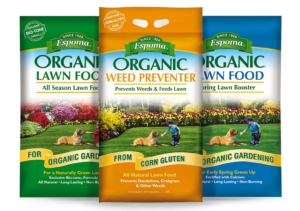
Nothing says summer like the sight of a lush, green lawn. While maintaining a healthy lawn may seem challenging, it’s definitely possible with a little bit of work. With kids and pets playing in the yard all summer long, you’ll want to make sure to stay safe. Choose Espoma’s Organic Lawn Foods for a beautiful green lawn that is safe for the whole family – and the environment.


*****

Featured Products:


Where to Buy


https://www.espoma.com/wp-content/uploads/2017/06/Summer-garden.jpg 4032 6048 espoma https://www.espoma.com/wp-content/uploads/2023/05/espoma-logo340w-1.png espoma2017-06-01 11:47:102024-10-17 14:52:325 Garden Tasks to Complete this June

May Gardening Checklist: 5 Essential To-Dos for a Thriving Garden

May 2, 2017/in Blog, Spring Gardening

May is one of the busiest and most exciting months in the garden. Flowers are blooming, veggies are sprouting, and summer crops are ready to go in. But to keep your garden thriving naturally, it’s important to use the right organic products to nurture your soil, plants, and harvest.

Here’s your Espoma-approved May checklist to prep your garden for a healthy, productive summer season.

Garden Clean up

1: Tidy Up Your Garden Space

Start fresh by clearing out weeds, dead plants, and old debris — this keeps pests and diseases in check and opens up space for new growth. As you tidy up, top off your beds with Espoma Organic Land & Sea Gourmet Compost to enrich the soil with nutrients and improve texture.

Once your garden is clean, you can apply a layer of mulch to help conserve moisture and regulate soil temperature. This simple prep sets the stage for everything that comes next.

spring crops

2: Harvest Early Spring Crops

Your cool-weather crops like lettuce, spinach, radishes, and peas are likely ready to harvest. After picking, don’t leave that soil depleted! Replenish it by working in Espoma Organic Garden-tone or Plant-tone to restore nutrients before planting your summer vegetables.

For container gardens, refresh the mix with Espoma Organic Raised Bed Mix or Potting Mix so your new plants have a rich, organic base to grow in. Healthy soil = healthy crops.

People planning a project

3: Plan Your Garden Layout Thoughtfully

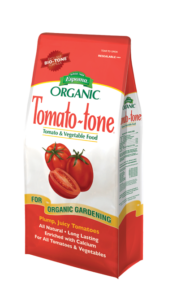
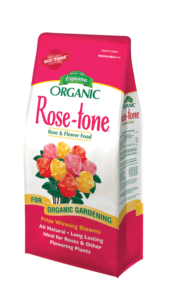
Before you rush to plant, take a little time to sketch out your garden plan. Group plants with similar needs together, and research what varieties perform best in your area. If you’re unsure, visit a local garden center and look for recommendations — and while you’re there, pick up organic fertilizers suited for what you’re planting (like Espoma Organic Tomato-tone for tomatoes, Berry-tone for berries, or Rose-tone for roses).

Planning ahead ensures you can match the right organic products to the right plants, maximizing growth and minimizing problems down the line.

planting with organic fertilizer

4: Get Planting — and Feed Organically

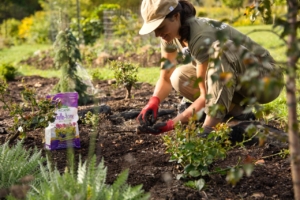
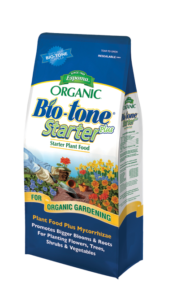
Once your area is frost-free, it’s time to plant! Whether you’re planting veggies, flowers, or herbs, give them the best start by enriching the planting hole with Espoma Organic Bio-tone Starter Plus. This starter fertilizer contains mycorrhizae, which help plants establish strong root systems and reduce transplant shock.

As the season goes on, continue feeding regularly with Espoma Organic Tone Fertilizers, depending on what you’re growing. These slow-release, organic fertilizers keep plants nourished naturally, without the risk of burning or chemical buildup.

planting

5: Transfer Indoor Seedlings Outdoors Carefully

If you started seeds indoors, harden them off gradually before moving them outside. Once ready, plant them in your garden or containers and mix Espoma Organic Bio-tone Starter Plus into the soil. This ensures young plants have access to the nutrients and beneficial microbes they need to get established and grow strong healthy roots.

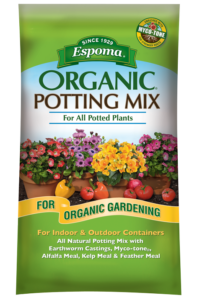
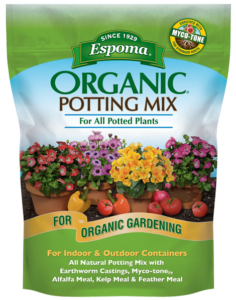
For containers, fill pots with Espoma Organic Potting Mix, which provides excellent drainage and moisture retention while feeding plants with organic ingredients. Don’t forget to water thoroughly after transplanting to help roots settle in.

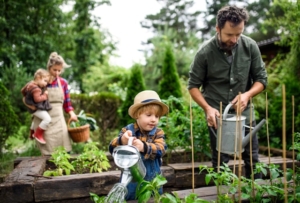
family in vegetable garden

🌸 Bonus Tip: Keep Feeding and Caring All Season Long

Throughout the summer, keep an eye on your plants. Feed every month or as needed with the appropriate Espoma Organic fertilizer for each plant type. Water deeply at the base, mulch to retain moisture, and enjoy the lush, organic garden you’ve worked so hard to create.

With the right products and a little care, you’ll be harvesting beautiful, homegrown food and flowers all summer long — the organic way!

Featured Products:

Espoma Organic Potting soil Mix Big bagEspoma Organic Land and SeaEspoma Raised Bed Mix bag  Espoma Organic Tomato-toneEspoma Organic Rose-tone bagEspoma Organic Plant-tone organic fertilizer

Where to Buy

https://www.espoma.com/wp-content/uploads/2018/05/Curb-appeal-hosta-black-eyed-susan.jpg 850 1280 espoma https://www.espoma.com/wp-content/uploads/2023/05/espoma-logo340w-1.png espoma2017-05-02 08:00:312025-05-06 14:10:27May Gardening Checklist: 5 Essential To-Dos for a Thriving Garden

The April Garden Checklist

April 6, 2017/in Blog, Spring Gardening

Spring is here! Shed off those winter blues and head outdoors to restore your lawn and garden. The days are getting longer and your soil is beginning to wake up. April is a great time to get out in your yard and begin again.

Wondering where to start? We’ve got 6 tasks you can accomplish this month in your own yard.


April Garden Checklist:


1. Start tomato seeds.

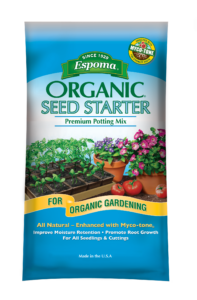
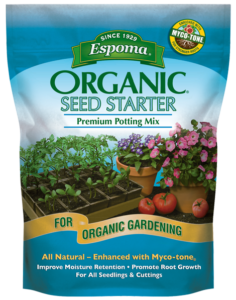
The best way to get a head start on growing tomatoes is to start seeds indoors 4-6 weeks before the last spring frost date in your region. See our Guide to Growing Tomatoes. Start your seeds with Espoma Organic Seed Starter and feed your tomatoes with Espoma Organic Tomato-tone.

2. Get planting.

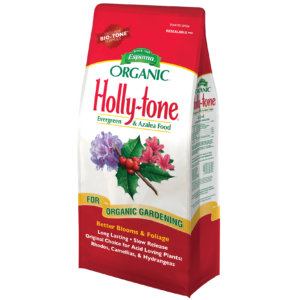
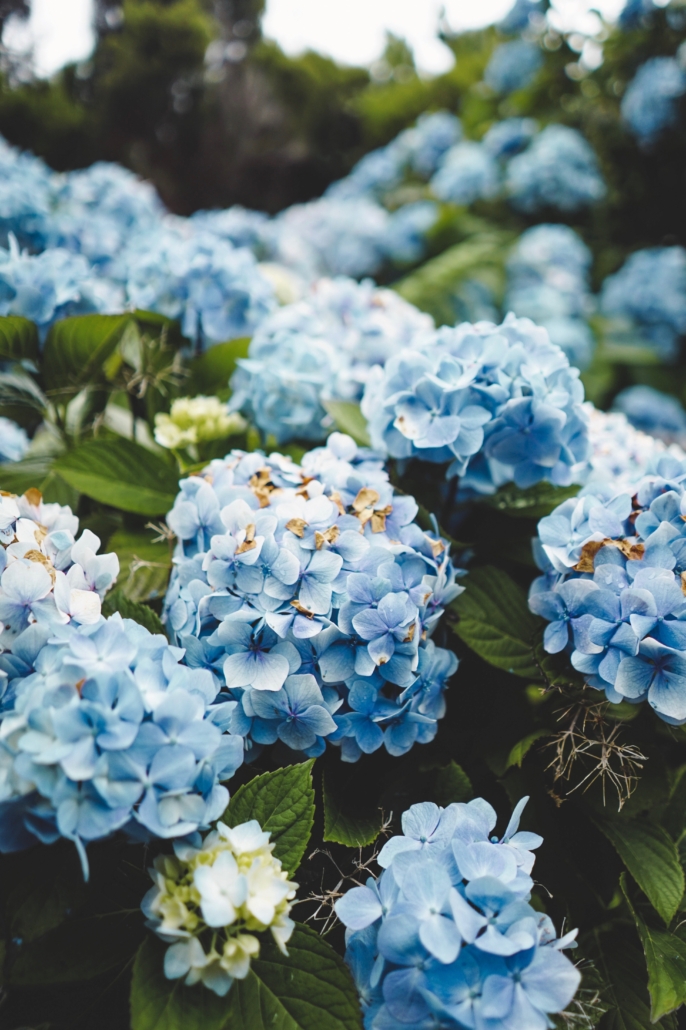
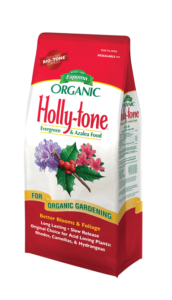
Hydrangeas embody everything we love about gardening. They have billowy textures, come in bright colors, and are easy to care for. Plant some this month for the best blooms. Feed your Hydrangeas with Espoma Organic Holly-tone fertilizer.

3. Grow berries.

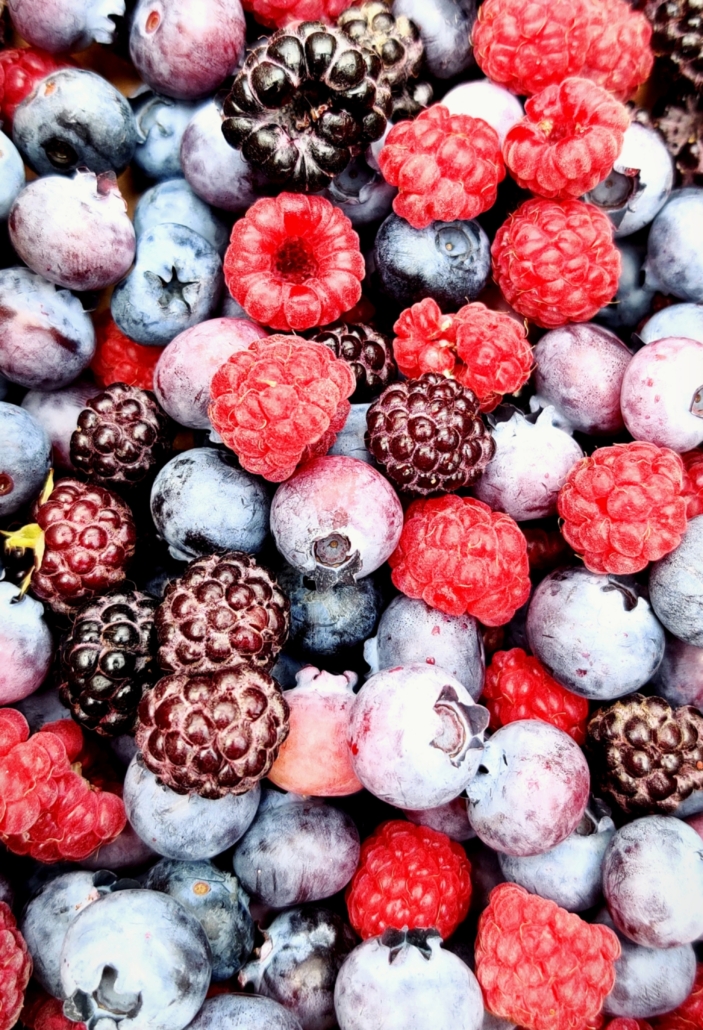
Did you know blackberries have almost as many antioxidants as blueberries? And raspberries make the perfect addition to jam, cobblers, and pies. Berries are just so delicious, scrumptious, and oh-so-juicy. Plus, many berries are easy to grow and care for. Find out when, where, and how to plant your favorite berries. Feed your berry-producing plants with Espoma Organic Berry-tone fertilizer.

4. Revitalize lawns.

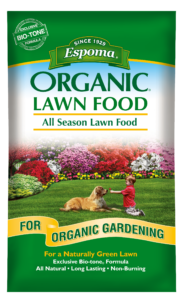
Perform a soil test to find out what your lawn needs, then amend and choose organic. Organic lawns need less watering, fertilizing, and mowing all summer long. Yes — that means you get to spend more time enjoying your beautiful lawn and less time caring for it! Plus, as natural lawn foods break down, your soil becomes stronger on its own and needs less help. Feed your lawn with Espoma Organic All Season Lawn Food.

5. Plant blooms.

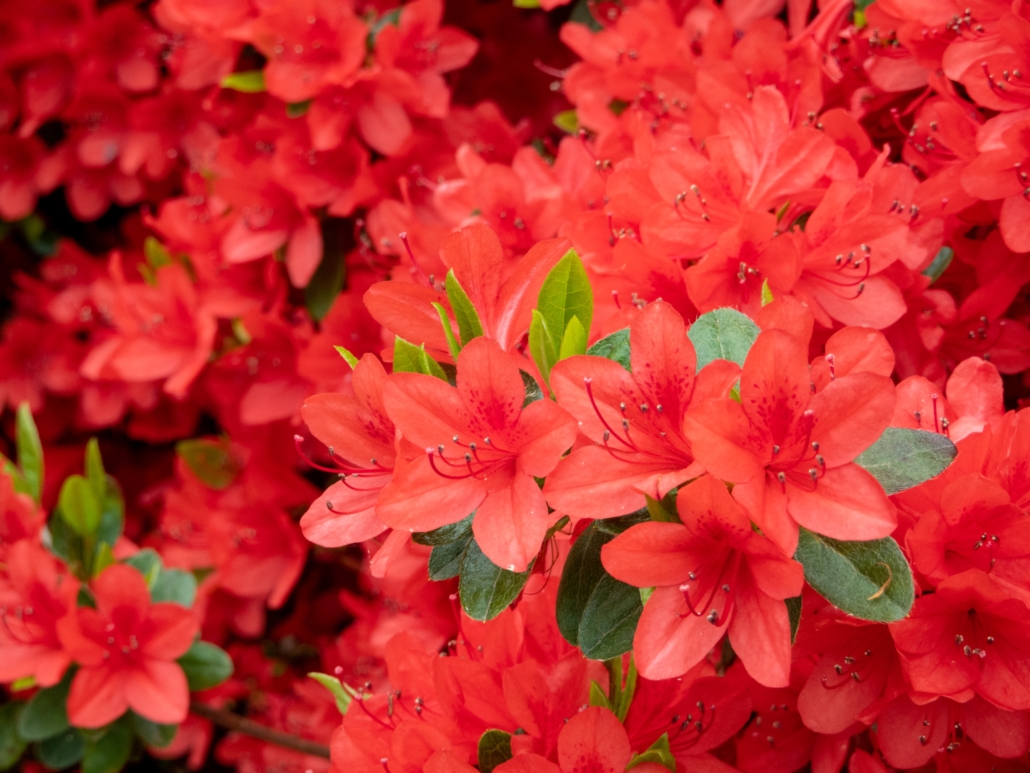
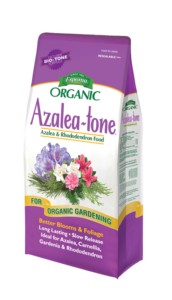
Azaleas and Rhododendrons are some of the most popular flowering shrubs. Blooming from late spring to early summer, these shrubs thrive in almost any garden. Plus, they come in virtually every color of the rainbow — from bold pinks, purples, and reds to soft, muted yellows and whites. Make sure you’re adding these bloomers to your garden this year. Feer your beautiful Azaleas and Rhododendrons with Espoma Organic Azalea-tone fertilizer.

6. Feed roses.

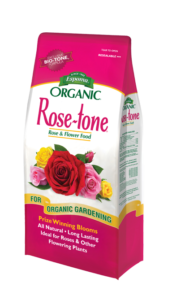
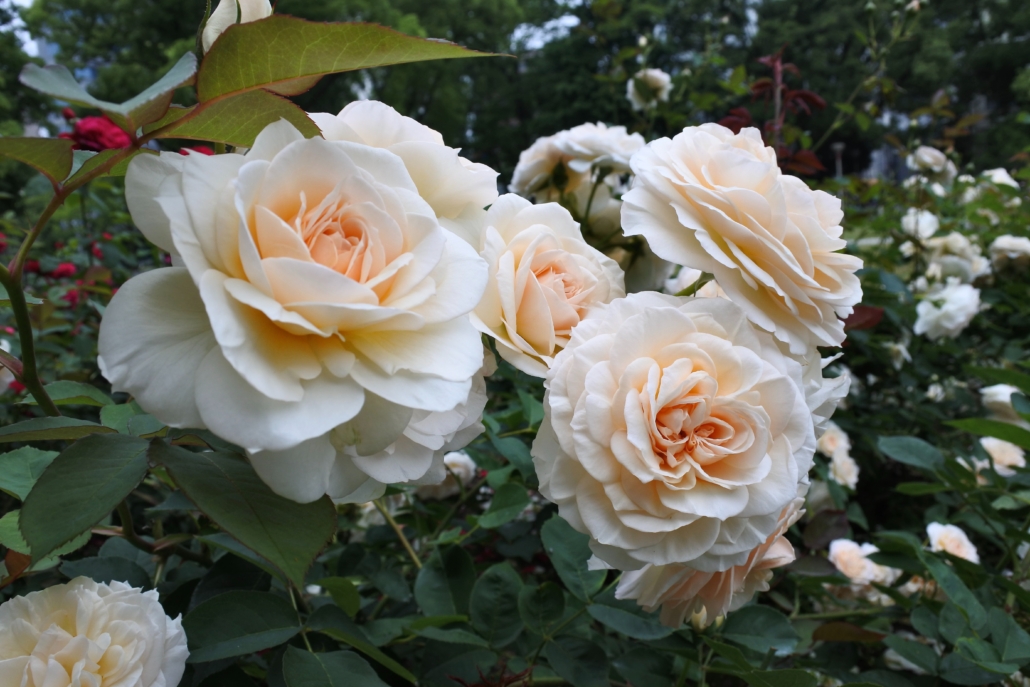
Your roses are waking up now, they’ve made it through a long winter and they are starving! Choose Espoma’s organic Rose-tone. It includes more nutrients than any other rose food. Most rose fertilizers contain three nutrients — nitrogen, phosphorus, and potassium (N-P-K). Here’s how to feed with Rose-tone.

Roses in the Mist

Sit back and relax once you’re done.

April showers will give way to May flowers in no time at all.

*****

Check out our Total Guide to Growing Organic Berries!


Featured Products:

Where to Buy

https://www.espoma.com/wp-content/uploads/2017/04/hydrangeas-898043_1920.jpg 1079 1920 espoma https://www.espoma.com/wp-content/uploads/2023/05/espoma-logo340w-1.png espoma2017-04-06 17:03:132024-10-02 08:27:41The April Garden Checklist

Top Seeds to Sow in March

March 28, 2017/in Blog, Spring Gardening

It’s our favorite time of year again, spring is here! This marks the start of prime-time gardening season as the weather begins to warm up.

Now’s the perfect time to put on some gardening gloves and repot indoor plants or start fresh with new seeds outdoors. Either way, March is the time to get a head start on rejuvenating your outdoor garden to ensure your harvest is ready by mid-spring or early-summer.

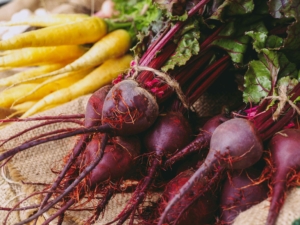
Beets

Healthy and delicious, the best time to plant beets is right now. They’ll harvest quickly, leaving us with an early summer treat. Plus, beets are known to lower blood pressure, fight inflammation and they’re rich in nutrients and fiber.

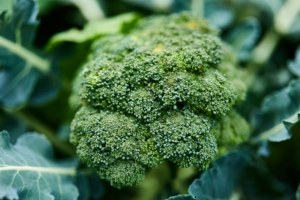
Broccoli

One of our favorite greens, broccoli is a nutritional powerhouse. It contains Vitamin K, Vitamin C, Fiber and Folate. This cool-weather crop can germinate in soil with temperatures as low as 40 degrees Fahrenheit. Be sure to keep the soil wet, though, because this plant is thirsty.

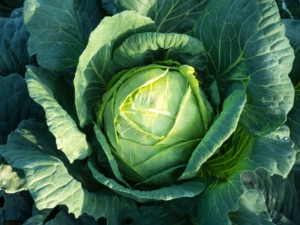
Cabbage

Whether leafy green or perfectly purple, this annual vegetable is perfect for colder temperatures. Pests love Cabbage, so be sure to keep an eye on it. Try using natural repellant methods instead of harmful chemicals to keep your cabbage healthy and safe.

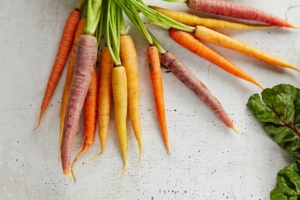
Carrots

Why plant orange carrots when you can choose from the entire rainbow? Choose from purple, black, red, white or yellow. Not only are they good for eyesight, carrots are also one of the best plants for reducing the risk of Cardiovascular Disease.

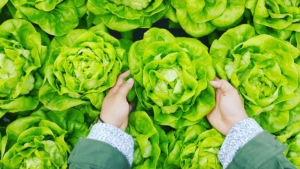
Lettuce

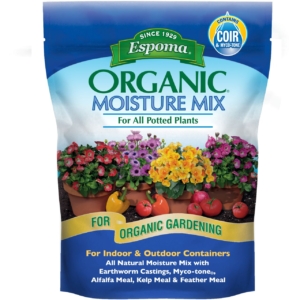
This true cool-weather plant is actually stunted by hot temperatures. Perfect for early spring gardens, lettuce requires light watering since its leaves will develop quickly. And, don’t forget to use Espoma Organic Moisture Mix to conserve water. Once true leaves grow, it is time to harvest the crop before it becomes bitter and tough.

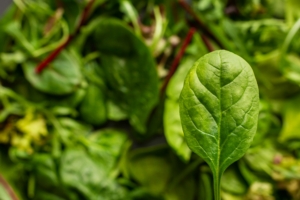
Spinach

Perfect for salads and sides, spinach loves the spring weather. This green is extremely sensitive to excessive heat. Spinach is fast-growing, forming flowers and developing seeds in no time at all.

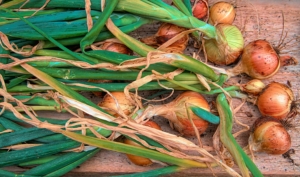
Onions

Onions have disease-fighting power and high nutritional value, making them one of the healthiest vegetables to eat. Onions can endure all of the hardships that come with early spring weather. Note that this crop will not be as fruitful if temperatures drop below 20 degrees Fahrenheit.

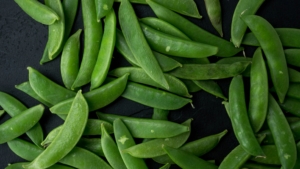
Peas

Sweet peas, snow peas, and snap peas are perfect for planting in March. They’re easy to grow and so delicious.

*****

Give seeds a boost this spring by using Espoma’s Grow! Liquid Plant-food. Use Espoma’s Bio-tone Starter Plus when it comes time to transplant. Bio-tone will help mitigate transplant shock and will provide the essential nutrients needed for your plants to thrive.


Featured Products:

Grow! Liquid Fertilizer


Where to Buy

https://www.espoma.com/wp-content/uploads/2017/03/Seed-starting-3a.jpg 474 1280 espoma https://www.espoma.com/wp-content/uploads/2023/05/espoma-logo340w-1.png espoma2017-03-28 09:00:492024-02-27 14:33:14Top Seeds to Sow in March

VIDEO: Orchid Care 101 with Garden Answer!

January 24, 2017/in Blog, Espoma Videos, Flowers, Garden Answer, Indoor Gardening, Indoor Gardening

Laura from Garden Answer demonstrates how to care for moth orchids, also known as Phalaenopsis orchids. Repot, fertilize and give orchids exactly what they need to help them thrive.

For this project, you will need:

  1. Moth orchid
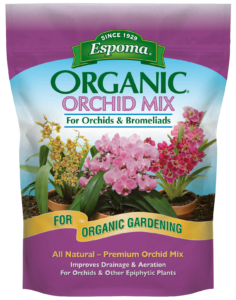
  2. Organic orchid mix
  3. Orchid pot with holes
  4. Watering can
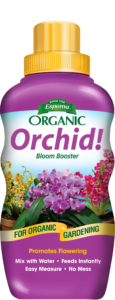
  5. Orchid! Bloom Booster


Featured Products:

Where to Buy

https://www.espoma.com/wp-content/uploads/2017/01/IMG_2375.jpg 3072 5472 espoma https://www.espoma.com/wp-content/uploads/2023/05/espoma-logo340w-1.png espoma2017-01-24 08:00:192024-09-07 08:03:09VIDEO: Orchid Care 101 with Garden Answer!

Five Ways to Celebrate Houseplant Appreciation Day

January 10, 2017/in Blog, Indoor Gardening

The winter season can seem to drag on forever with its harsh weather, short days, and dreary landscapes. Which means now is the perfect time to bring the memory of the warm spring weather indoors with houseplants.

January 10 is Houseplant Appreciation Day, and there’s no better way to celebrate than to acknowledge all the things they do for you. They’re decorative, boost well-being, and purify indoor air.

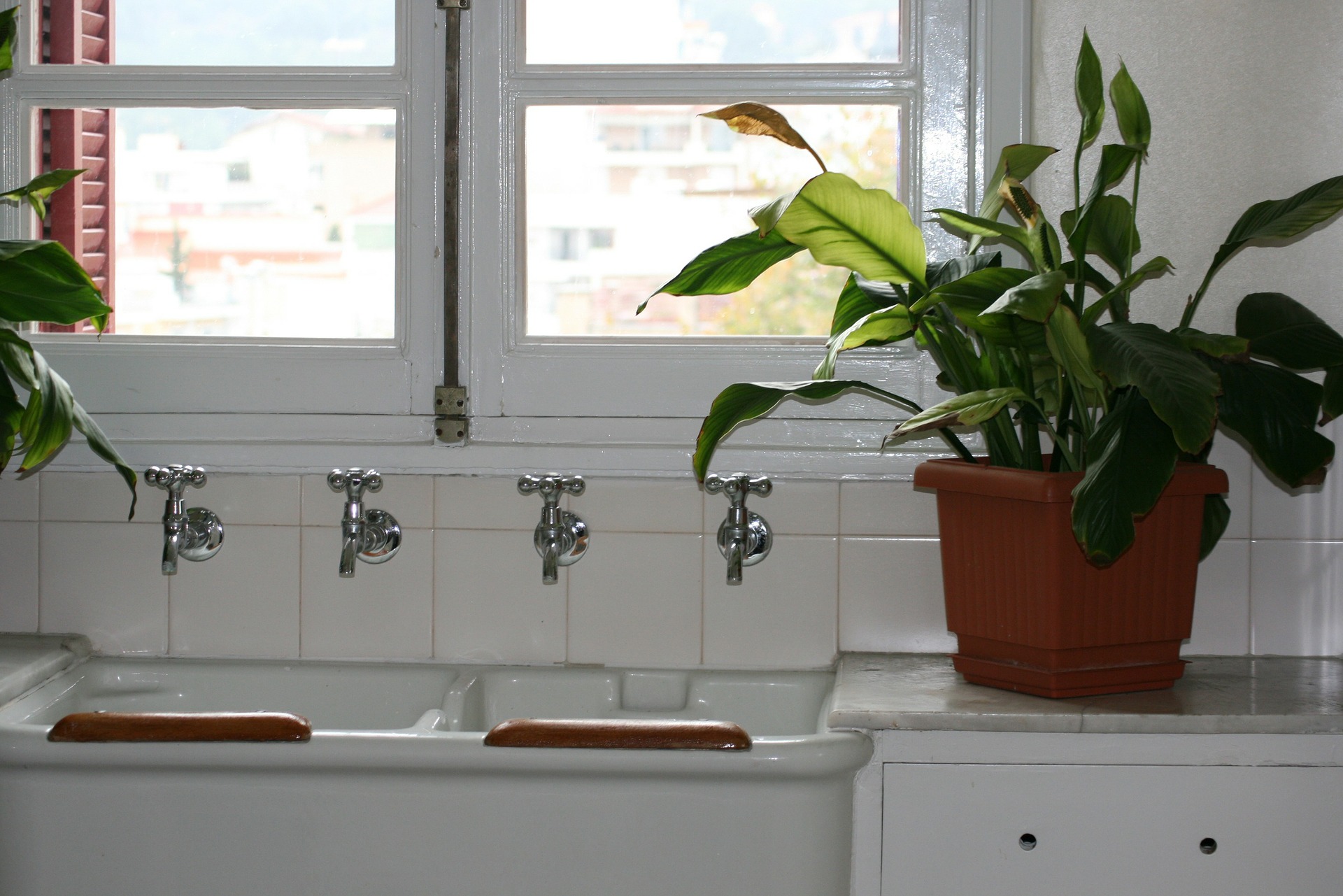
kitchen-sink-212854_1920

Here are 5 simple tips to celebrate the day:

  1. Recognize houseplants for all they do

Many houseplants do double duty by looking good and cleaning the air, absorbing up to 87 percent of volatile organic compounds (VOCs) that hide in ordinary household products such as paints, carpets, and ink. Studies from the US Environmental Protection Agency (USEPA) have found that levels of indoor air pollution can be two to five times higher — and in some cases 10 times more polluted than outdoor air.

  1. Add a Plant

You can never have too many houseplants, right? According to the EPA, most people spend 90 percent of their time indoors; a houseplant is the perfect way to be reminded of the beauty the world has to offer outside. Houseplants bring a breath of fresh air to a room when placed in colorful pots and made into a focal point. Succulents, orchids and African violets all make good additions.

    1. Learn how to care for your plant


Plants need water, light, and nutrients to thrive indoors. Step one; determine what kind of houseplant you have. This can be as simple as checking the plant tag. Your plant will let you know it’s happy by maintaining healthy leaves.

  1. Create a schedule

Houseplants do best with regular care, trust us. Now is the time to create a watering schedule if you don’t already have one. Add water if the soil is dry about an inch below the surface. Overwatering is the number one cause of houseplant death. So if the plant does not seem too dry, check it again in a few days.

  1. Feed them

Fertilizing is easy with Espoma’s liquid plant foods. Give plants the natural proteins and beneficial microbes they need to provide beautiful results.

*****

Show gratitude for your favorite plants by giving them proper care. Learn how here:


Featured Products:


Where to Buy


https://www.espoma.com/wp-content/uploads/2017/01/cactus-1566184_1920.jpg 1317 1920 espoma https://www.espoma.com/wp-content/uploads/2023/05/espoma-logo340w-1.png espoma2017-01-10 12:25:182024-01-11 12:06:59Five Ways to Celebrate Houseplant Appreciation Day

Grab Your Books for a Lesson in Gardening 101

September 6, 2016/in Blog, Fall Gardening

Back to Gardening School: A Fresh Start for Your Garden

Remember the excitement of a new school year? Fresh notebooks, a backpack ready for adventure, and the feeling that anything was possible. That same sense of renewal is waiting in the garden this season.

Whether you’re just starting out or brushing up on your skills, it’s the perfect time to get back to the basics. Sharpen those tools (and pencils) and let’s head to Gardening School.
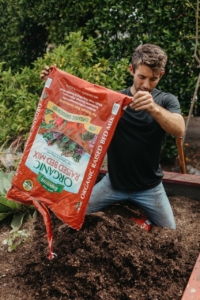
Farmer Nick dumping Espoma Raised bed Mix into a raised garden bed

1. Build a Strong Foundation

Every successful garden begins with healthy soil. Start with a quick soil test to understand what nutrients your garden may be missing, then build from there. For raised beds, fill them with a rich blend of natural ingredients—like those in Espoma Organic Raised Bed Mix—to create the perfect growing environment. Adding an organic compost such as Espoma Organic Land & Sea Gourmet Compost further improves soil structure, boosts moisture retention, and encourages healthy microbial activity. For container plantings, Espoma Organic All-Purpose Potting Mix provides the ideal balance of drainage and organic matter to keep roots thriving. And whenever new plants go in the ground, a starter fertilizer like Espoma Organic Bio-tone Starter Plus helps them establish quickly by supporting strong, resilient root growth. With the right foundation beneath the surface, the garden above will flourish.
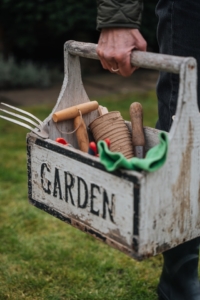
old garden tools

2. Check Your Supplies

Just like gathering fresh notebooks and sharpened pencils, gardeners should review their tools. Replace cracked handles, rusty clippers, or wobbly rakes so nothing slows you down during the season. A little care and preparation now saves frustration later and makes gardening smoother and more enjoyable.
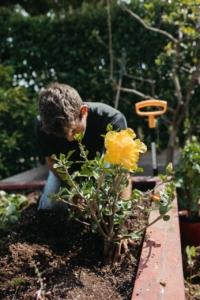
Farmer Nick planting a flowering plant

3. Redefine Your Garden’s Style

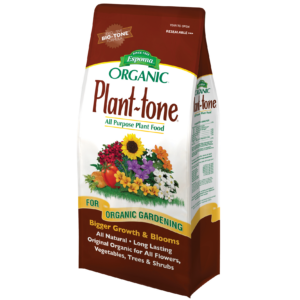
A new season is the perfect time to refresh the look of the garden. Whether the goal is calm and classic or bold and colorful, the right nutrition helps plants live up to their potential. Espoma Organic Plant-tone provides complete, balanced nutrition for a wide variety of plants, while Espoma Organic Holly-tone supports acid-loving favorites such as azaleas, rhododendrons, and hydrangeas. Feeding properly is the simplest way to bring a dream garden style to life.
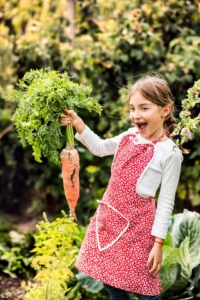
little girl holding a carrot

4. Learn From Last Season

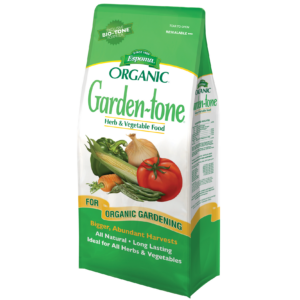
Every garden has its victories and its challenges. Take time to reflect on what thrived and what struggled, then plan for improvement. Espoma Organic Garden-tone is specially formulated for vegetables, helping ensure bigger, tastier harvests season after season. When planting new crops or ornamentals, Espoma Organic Bio-tone Starter Plus gives roots the boost they need to grow stronger and more resilient than before. Each new season builds on last year’s lessons with the right nutrition.

indoor plants

5. Don’t Forget Your Indoor Plants

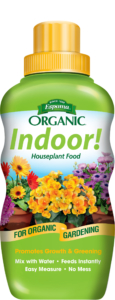
While outdoor gardens take the spotlight, houseplants need care too. Feeding them regularly keeps leaves lush, colors vibrant, and growth steady all year long. Espoma’s Indoor! organic liquid fertilizer makes it easy to give houseplants the nutrition they need with every watering. When repotting, Espoma Organic Potting Mix provides the perfect organic base to keep indoor plants healthy and happy. A thriving indoor garden completes the picture of a gardener’s success.
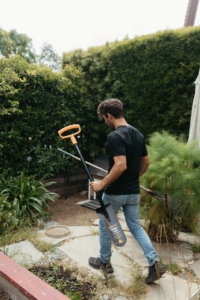
Farmer Nick holding a shovel

6. Sharpen and Shine

Tools are the unsung heroes of every garden. Taking time to clean, sharpen, and maintain them ensures they last longer and work more effectively. Well-maintained tools make every gardening task easier, allowing more energy to be devoted to growing beautiful, thriving plants.
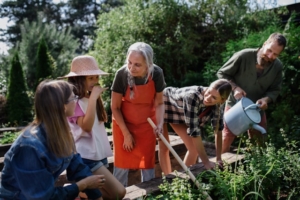
7. Grow Your Community

Gardening is even better when knowledge is shared. One of the most valuable tips to pass along is to start every planting with a quality organic starter fertilizer like Espoma Organic Bio-tone Starter Plus to set roots up for success, and then feed with Espoma Organic Plant-tone throughout the season to keep growth steady and strong. These trusted essentials have been used by generations of gardeners, and passing them along helps the whole community grow stronger together.
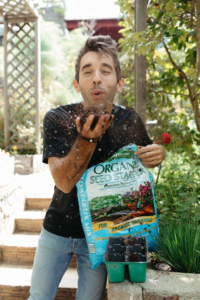
Graduation Time!

Congratulations—you’ve completed your Back-to-Gardening School crash course! Toss those gardening gloves in the air, because the lessons learned here will lead to healthier plants, bigger harvests, and gardens worth celebrating.

At Espoma, teaching organic gardening practices has been a passion since 1929. With products that are safe for people, pets, and the planet, Espoma is here as a mentor and partner on every gardener’s journey. Class dismissed—now go grow with confidence!

Farmer Nick & PlantKids Course 

Looking for a fun way to introduce kids to gardening? Check out our brand partner Farmer Nick’s course, The Adventures of Farmer Nick and Plant! Designed for children ages 4 and up, this 10-episode series inspires a love of gardening and plant science through hands-on lessons. Sometimes silly, always fun, it’s a playful way to spark curiosity and delight both kids and adults alike.

*****

Featured Products:
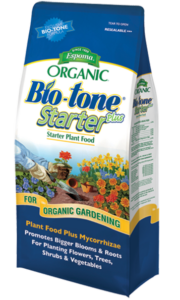
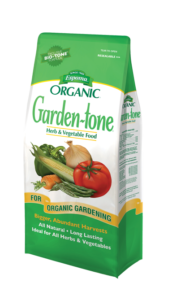
Espoma Organic Bio-tone Starter Plus Bag Image Espoma Organic Holly-tone Organic Fertilizer for all acid loving plantsEspoma Organic Plant-tone organic fertilizerEspoma Organic Garden-tone Espoma Organic Potting soil Mix Big bag Espoma Raised Bed Mix bag Espoma Organic Land and Sea Espoma Organic Indoor! liquid plant food - Organic fertilizer


Where to Buy


https://www.espoma.com/wp-content/uploads/2016/09/9V2A7296.jpg 1280 853 espoma https://www.espoma.com/wp-content/uploads/2023/05/espoma-logo340w-1.png espoma2016-09-06 12:00:482025-09-12 17:16:48Grab Your Books for a Lesson in Gardening 101
Page 32 of 33«‹30313233›
Where to Buy

Get News & Updates

Recent Posts

  • Video: Feeding Evergreens with Skye Hamilton 🌲
  • VIDEO: A Formal Garden Tour with Summer Rayne Oakes
  • VIDEO: Repotting in the Greenhouse with Garden Answer
  • VIDEO: How to Winterize Your Chicken Coop with Summer Rayne Oakes
  • VIDEO: Planting Spring Bulbs in Containers 🪴🌷 with Summer Rayne Oakes

Tags

All-Purpose Potting Mix bio-tone Bio-tone Starter Bio-tone Starter Plus Cactus Mix caring for houseplants Container Gardening DIY project Espoma espoma grown espoma organic Espoma Organics Espoma Video fall gardening Family fert flower garden flowers garden Garden Answer Gardening gardening tips gardens grow holly-tone houseplants Indoor! indoor gardening indoor plants Kaleb Wyse organic organic fertilizer Organic Gardening organic plant food Organic Potting Mix Outdoor Gardening Planting plants Potting Mix potting soil Spring Gardening summer rayne oakes vegetable garden Vegetable Gardening Wyse Guide

Espoma. A Family Tradition Since 1929.

Espoma Organic logo
  • Espoma Dealer
  • Espoma Pro
  • Garden Club
  • Privacy Policy

Scroll to top