Espoma Organic
  • Products
    • Close
    • Product Line Overview
    • Plant food finder
    • Garden Fertilizers
    • Potting Soils
    • Lawn Fertilizers
    • Liquid Fertilizers
    • Single Ingredients
    • Conventional Plant Foods
    • Animal Care Products
  • Where to Buy
  • Our Story
    • Close
    • Our Story
    • Locations
    • Historical Timeline
    • Our Commitment
    • Directions
    • Solar
    • Join our Team
    • Espoma Brand Partners
  • Learn
    • Close
    • Espoma Blog
    • FAQ’s
    • Pocket Guide
    • Espoma Guides
    • Garden Clubs
    • Safe Paws Lawn
    • PRODUCT FACT SHEETS
    • Fertilizer Fundamentals
      • Close
      • Understanding Plant Nutrition
      • Reading Labels
      • Choosing the Right Type of Fertilizer
      • Terms & Definitions
    • Gardening Projects
    • Resource Links
  • Contact Us
  • Menu Menu

A Seed Ahead: Preserving Tomato Seeds

September 6, 2016/in Blog, Fruits & Vegetables

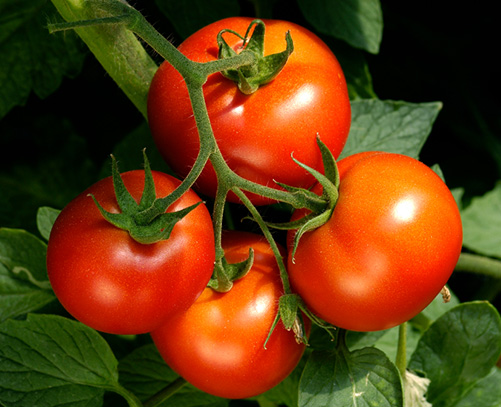
You’ve had a great season tending to your tomato plants! But with the summer winding down and chilly days coming soon, you may be wondering what to do with your tomato plants now.

Get a head start on spring by preserving the seeds from your tomatoes.

Tomato seeds might be available at the store year-round, but saving your own is satisfying and easy. Luckily, September is the perfect time to begin planning for next year!

How do I pick which seeds to preserve?

The general rule of thumb is to only take ‘open-pollenated’ seeds or heirlooms. Hybrid plants often produce sterile seeds. Or, they do not produce seed with the same desirable traits of the parent plant.

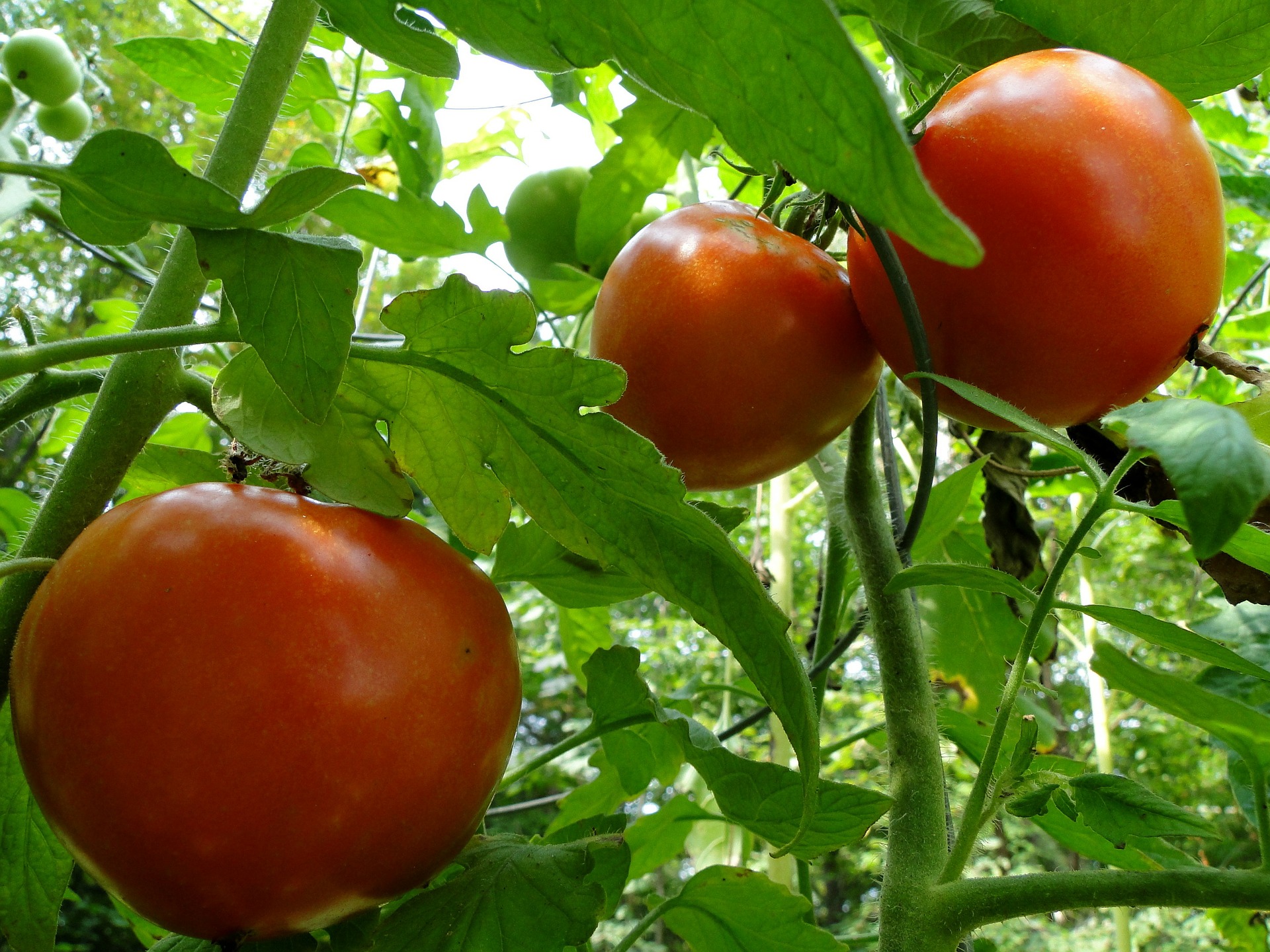
Harvest seeds from tomatoes that are healthy and embody the characteristics you’re interested in preserving. For example, you could pick seeds from the juiciest tomatoes, or the ones with the most interesting colors. It’s your choice, but make sure you pick from healthy plants. Unhealthy plants could carry illnesses.

If possible, save seeds from multiple plants.tomatoes-101845_1920
Method 1: Air-dry

This method is pretty simple. Open the tomato and remove the seeds, squeeze them onto a paper towel, wait for the seeds to air dry and then store them in a jar, an envelope or even the same napkin. This method is quick and straightforward.

Method 2: Ferment

It’s not absolutely necessary to ferment your tomato seeds, but fermenting makes it easier to completely separate seeds from the gel that surrounds them. Fermenting also eliminates the bad seeds and reduces the possibility of seed-borne disease for next season.

1. Wash the tomatoes. Slice each in half across the middle (not the end with the stem). Squeeze the seeds and juice into a (labeled) glass or plastic container.

2. Set containers aside when half-full. Place containers in an area that is out of direct sunlight and out of the way, so the fruit flies and odor will not bother you.

3. Let the seeds sit for three to five days or until the surface of the container shows a whitish mold. This is a good thing! The seeds should be floating at this point. In warmer climates, you may need to add some water to keep the seeds afloat.

4. Gently scrape the mold off with a spoon. Do not remove the seeds.

5. Fill the container with water and then stir it. The seeds you want will sink to the bottom.

6. Pour off the excess to remove floating seeds and pulp.

7. Repeat the process until the good seeds, at the bottom, are cleaned.

8. Pour the good seeds into a strainer, then rinse and drain them.

Storage

An airtight container works best for storage. When packaged correctly, tomato seeds remain usable for up to six years!

You can place the seeds in the refrigerator or freezer, but the seeds will last even when stored at room temperature. When you’re ready to use the seeds, if they’ve been chilling in a refrigerator or freezer, let them adjust to room temperature first to prevent excess condensation from creating any damage.

See our guide to growing tomatoes here

Be sure to visit us on our Facebook page or Twitter page and tell us how you plan to preserve your tomato seeds!


Featured Product:


Where to Buy


https://www.espoma.com/wp-content/uploads/2016/02/tomato-650805_19201.jpg 1440 1920 espoma https://www.espoma.com/wp-content/uploads/2023/05/espoma-logo340w-1.png espoma2016-09-06 11:00:522023-09-11 14:15:36A Seed Ahead: Preserving Tomato Seeds

7 Things To-Do in your Garden this July

July 6, 2016/in Blog, Gardening

Lazy days of summer? Think again! July can be a busy month in the garden.

While watering and deadheading may seem like tedious tasks, harvesting and enjoying the bounty are the reward for months of hard work.

Here are seven things to do in the garden this month.

summer gardening tips, garden checklist, summer garden

1. Follow the Watering Rule

Follow the primary rule of summer watering to ensure garden plants get the right amount of water. Water thoroughly and deeply in the morning by making pools in the soil around the roots. Deep watering allows roots to grow deeper and stronger, making them less likely to dry up and die.

When you water will depend on your weather. Check dryness by touching the soil. It should be moist at least 1” below the surface.

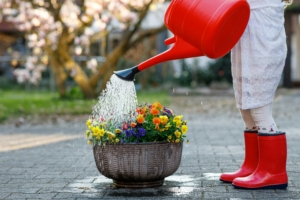
Water containers and hanging baskets daily until water runs from the drainage holes.

2. Pick, Eat, and Replant

You can finally enjoy the fruits of your labor!

Harvest tomatoes, peppers, peas, carrots, cauliflower, beans, broccoli, leeks, onions, eggplants, cucumbers, squash, Brussels sprouts, kale, lettuce, melons, parsnips, potatoes, radishes, pumpkins, and rutabagas.

Harvest tree and vine fruits when they are able to be gently plucked or twisted from their stems. Berries, apples, and stone fruits should all be ready for picking in July.

Pick, dry, and freeze herbs for use later in the year.

Sow seeds of cool-season crops such as greens and root vegetables for harvesting throughout August and September. Plant garlic for harvest next season.

Prune tomato suckers weekly and cut off any leaves growing below the lowest ripening fruit trusses to improve air circulation and prevent diseases. Thin fruit trees for a more robust harvest.

3. Plants Need to Eat, too

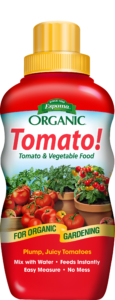
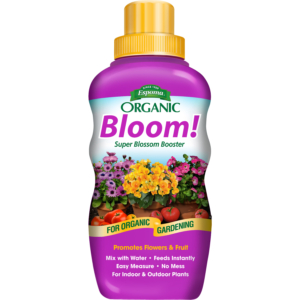
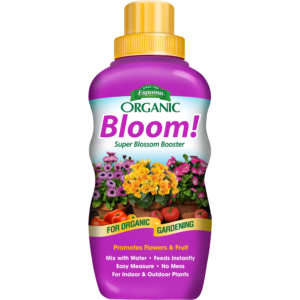
Continue to feed hanging baskets, container gardens, and faded annuals with Espoma Organic Bloom! liquid fertilizer every 2 to 4 weeks.

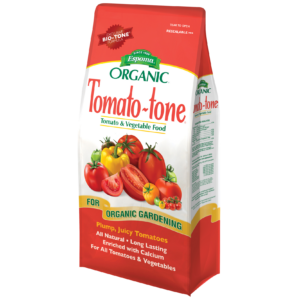
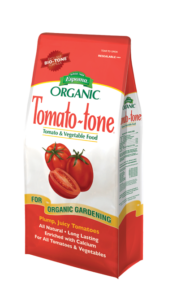
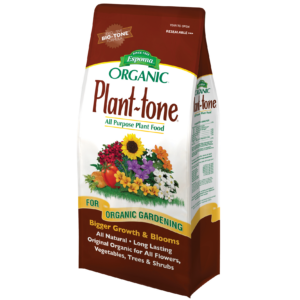
Vegetables such as tomatoes and peppers are heavy feeders. Continue to feed every 2 weeks with organic fertilizers Tomato-tone, Plant-tone, or Garden-tone.

Feed roses monthly through the summer with Rose-tone.

Houseplants are actively growing now and will benefit from monthly feedings of Espoma Organic Grow! liquid plant food.

summer gardening tips, garden checklist, summer garden

4. Continue to Create a Safe Paws Lawn

Using organic lawn food, as well as organic mulch will eliminate the hazards that chemical fertilizers, pesticides, and synthetic mulches present to you, your family, and your pets. July is the time to feed your lawn with the summer revitalizer from our annual feeding program.

Water the lawn regularly, slowly, and deeply. Mow to 3″ to protect from the summer heat.

5. Keep an Eye out for Pests

Watch for insect or disease damage as the weather gets hotter and plants become more stressed.

Beetles, aphids, slugs, snails, and spider mites are just a few of the pests that visit your garden in summer.

Keep an eye out for powdery mildew. Remove any affected leaves to prevent further spread.

Health plants will be more able to fend off pests and diseases.

6. Weed, weed, weed

Clear weeds regularly, as they fight your plants for nutrients and water. Plus, you’ll want to pull them before they have a chance to flower and go to seed. Otherwise, you’ll fight even more weeds next season.

Cover freshly weeded beds with a layer of Espoma Organic Land & Sea Compost or mulch to conserve water and blanket weeds reducing their spreading.

summer gardening tips, garden checklist, summer garden

7. Prune and Deadhead

Prune summer flowering shrubs as soon as the blossoms fade. Deadhead annuals to promote more growth. Pinch fall-blooming flowers such as coneflower and asters in mid-July to promote a fall garden full of color.

Try to hold off on planting anything new until the fall as the hot temperatures and dry conditions can strain young roots. And you’ll benefit because most stores offer major end-of-season sales. If you do plant or transplant, make sure to fill the hole with Bio-tone starter plus and keep well-watered.

Enjoy! Take time to slow down and enjoy your garden with friends and family. We sure will be!


Where to Buy

https://www.espoma.com/wp-content/uploads/2016/07/yellow-flower-839744_1920.jpg 1080 1920 espoma https://www.espoma.com/wp-content/uploads/2023/05/espoma-logo340w-1.png espoma2016-07-06 15:10:032024-10-01 17:33:367 Things To-Do in your Garden this July

How to Fertilize Trees

June 14, 2016/in Blog, Espoma Videos, Garden Answer

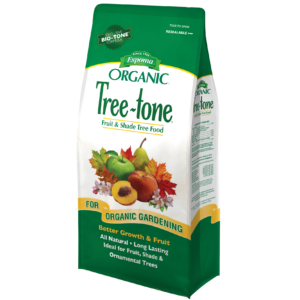
Laura from Garden Answer demonstrates how to fertilize a tree using Espoma’s Tree-tone. The slow release formula provides a long lasting nutrient reservoir to feed the entire tree, leaves, trunk, and roots.

Learn more about Garden Answer here:

Youtube

Website

Facebook

Instagram


Featured Products:


Where to Buy

https://www.espoma.com/wp-content/uploads/2016/06/Tree-Fertilizer-Thumbnail.jpg 720 1280 espoma https://www.espoma.com/wp-content/uploads/2023/05/espoma-logo340w-1.png espoma2016-06-14 13:17:502024-03-06 12:32:30How to Fertilize Trees

Container Garden Tip: Extend Summer Color! 🌸

May 31, 2016/in Blog, Flowers

4 Tips to extend the life of containers for a summer of color.


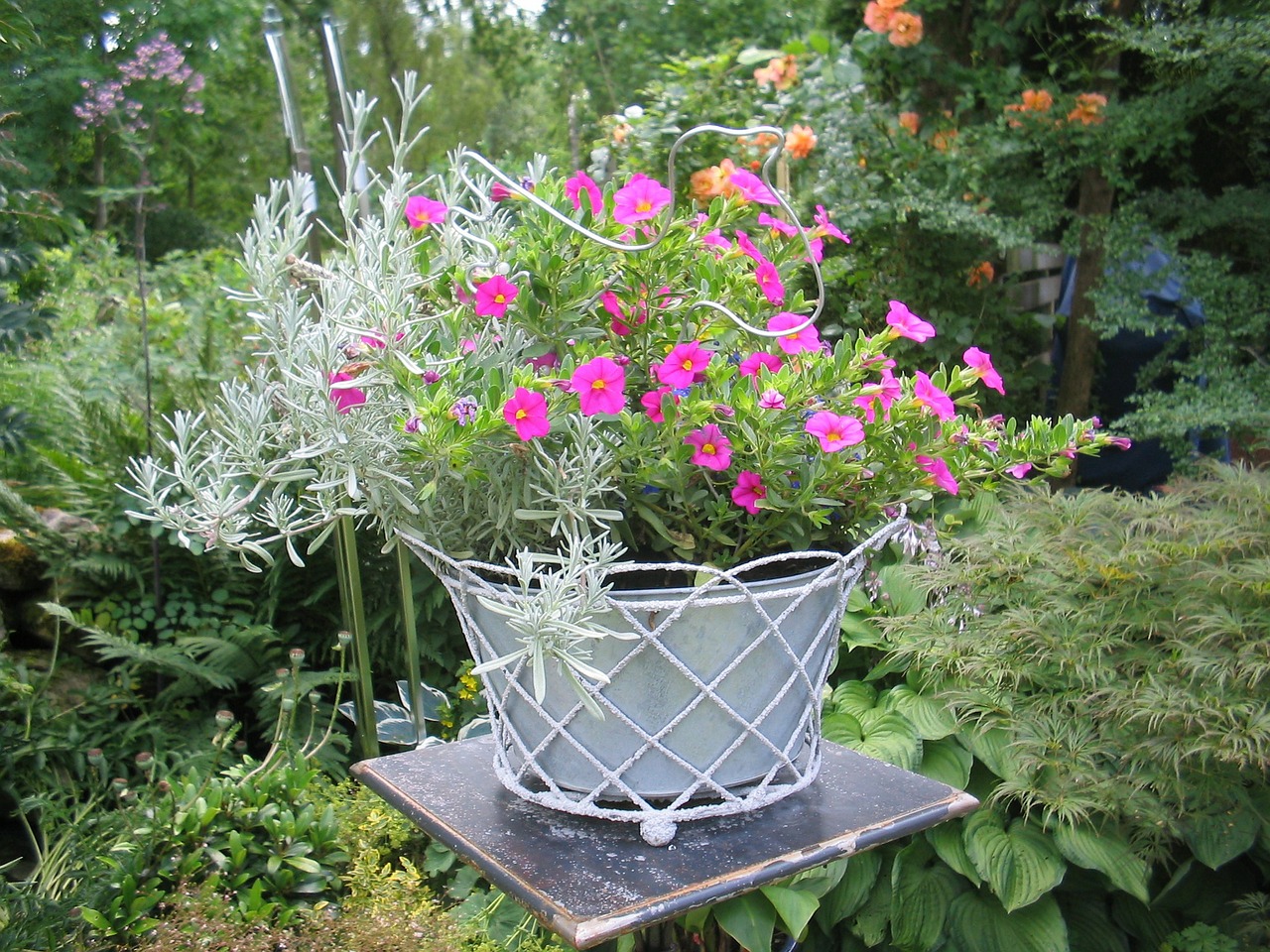
Containers filled with bright blooms are great additions to any patio, yard, or landscape. Containers help add beautiful pops of color and are easy to maintain with the right care.

Before summer’s heat and dry conditions get the best of them, give containers what they need to extend their life into summer with these 4 easy tips.

liquid fertilizer, potting soil, container gardening

1. Deadhead. Use pruners or shears to snip off dead or dying flowers, stems, and foliage. This is called deadheading. Don’t be afraid to clip stems back a little to encourage new growth. This not only makes the plant look better, it helps encourage more blooms.

Hint: Want even less work? You can always opt for plants that do the deadheading on their own, like Million Bells.
liquid fertilizer, potting soil, container gardening

2. Feed. Feed established containers with our Bloom! liquid fertilizer to promote & prolong flowering or sprinkle granular plant food, like Plant-tone, on the soil surface and gently work in and water thoroughly.


3. Water. Containers need to be drenched – generally every day – and make sure to get the roots. Water the container until it pours from the drainage holes. Be sure to empty saucers to keep roots from getting waterlogged.


4. Replace. If all else fails, simply replace the leggy or tired plants in your container garden with late-season bloomers, like ornamental cabbage, coneflowers or sedum.

Now that your containers are taken care of, sit back and enjoy the extra color that will surround you while enjoying the beauty and warmth of summer!

*****

Featured Products:


Where to Buy

https://www.espoma.com/wp-content/uploads/2016/05/plants-252104_1920.jpg 1440 1920 espoma https://www.espoma.com/wp-content/uploads/2023/05/espoma-logo340w-1.png espoma2016-05-31 08:00:162025-08-26 14:50:43Container Garden Tip: Extend Summer Color! 🌸

Turn Your Tomato Garden Upside Down

May 24, 2016/in Blog, Vegetable Gardening

Everyone loves growing tomatoes. And tomatoes are one of the easiest plants to grow.

This summer, put a new twist on growing tomatoes by adding upside-down tomato planters to your organic vegetable garden.

Growing upside down might seem crazy, but it’s actually the perfect solution for those with limited space.

When choosing a variety, opt for smaller tomatoes like cherry or grape or those best suited for containers. Their small size and light weight prevent them from falling off the vines before they’re ready to eat!

early-girl-cropped

Choose Your Container

Purchase a 5-gallon bucket or container to serve as your planter. Drill a hole about 3” big in the bottom of the bucket. If you’re feeling creative, paint the bucket to match your outdoor décor.

Start Planting

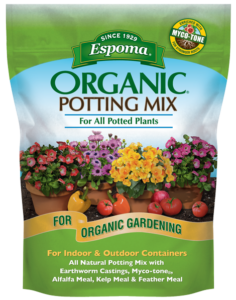
Fill 1/3 of the bucket full with Espoma’s Organic Potting Mix.

Carefully remove the tomato plant from its pot and loosen the roots from the soil.

Turn the bucket onto its side and put the roots of the plant through the hole. Hold the plant in place while turning the bucket upward.

Fill the bucket halfway with Espoma’s Organic Potting Mix.

Pick a spot to hang your planter that gets at least six hours of sun daily. The container will get heavier as the tomatoes grow, so be sure to choose a sturdy base.

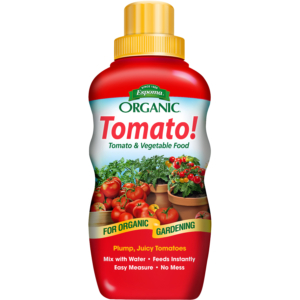
Water your upside-down planter regularly. And fertilize with Espoma’s Tomato-tone, a premium plant food formulated specifically for growing plump and juicy tomatoes.

Watch this Garden Answer video to see how you can DIY your own upside-down planter.

See our guide to growing tomatoes here


Where to Buy

https://www.espoma.com/wp-content/uploads/2016/05/bush-tomatoes-382292_1920.jpg 1278 1920 espoma https://www.espoma.com/wp-content/uploads/2023/05/espoma-logo340w-1.png espoma2016-05-24 08:00:482024-05-16 12:41:58Turn Your Tomato Garden Upside Down

A To-Do List You’ll Love: January Gardening

January 19, 2016/in Blog, Gardening

Ah, a whole year of gardening is ahead of us. January is the best time to pause, reflect and prepare for a year of incredible gardening.

OK, tired of reflecting? Here are a few winter gardening tips to keep you busy this January!

Things to Do in the Garden in January:

Ward off those winter blues with a hearty helping of green, gardening thoughts.  potting soil, garden design, winter gardening tips,

  1. Dream Big. Plan or rework your garden design. Pin inspiration, flip through gardening magazines and daydream ways to make your garden even better. Illustrate your garden plan to visualize the entire space.potting soil, garden design, winter gardening tips,
  2. Plan Small. Make a list of organic edible and flower seeds to grow. Get the most of seed starting by growing unique varieties, heirlooms and expensive grocery store plants. See what seeds to start indoors and when to plant them. winter bird feeding, attract birds to garden, garden for pollinators
  3. Listen to the Songbirds. Nothing livens up a dreary, wintry day like a flock of fluttering birds. Fill bird feeders with tasty seeds this winter. potting soil, garden design, winter gardening tips,
  4. Take a Look. Walk around your home and garden with a notebook. Imagine how you could reduce water usage, recycle more, compost or conserve energy. Each week in January, try one idea to see what works! Start by recycling your Christmas tree.
    potting soil, garden design, winter gardening tips,

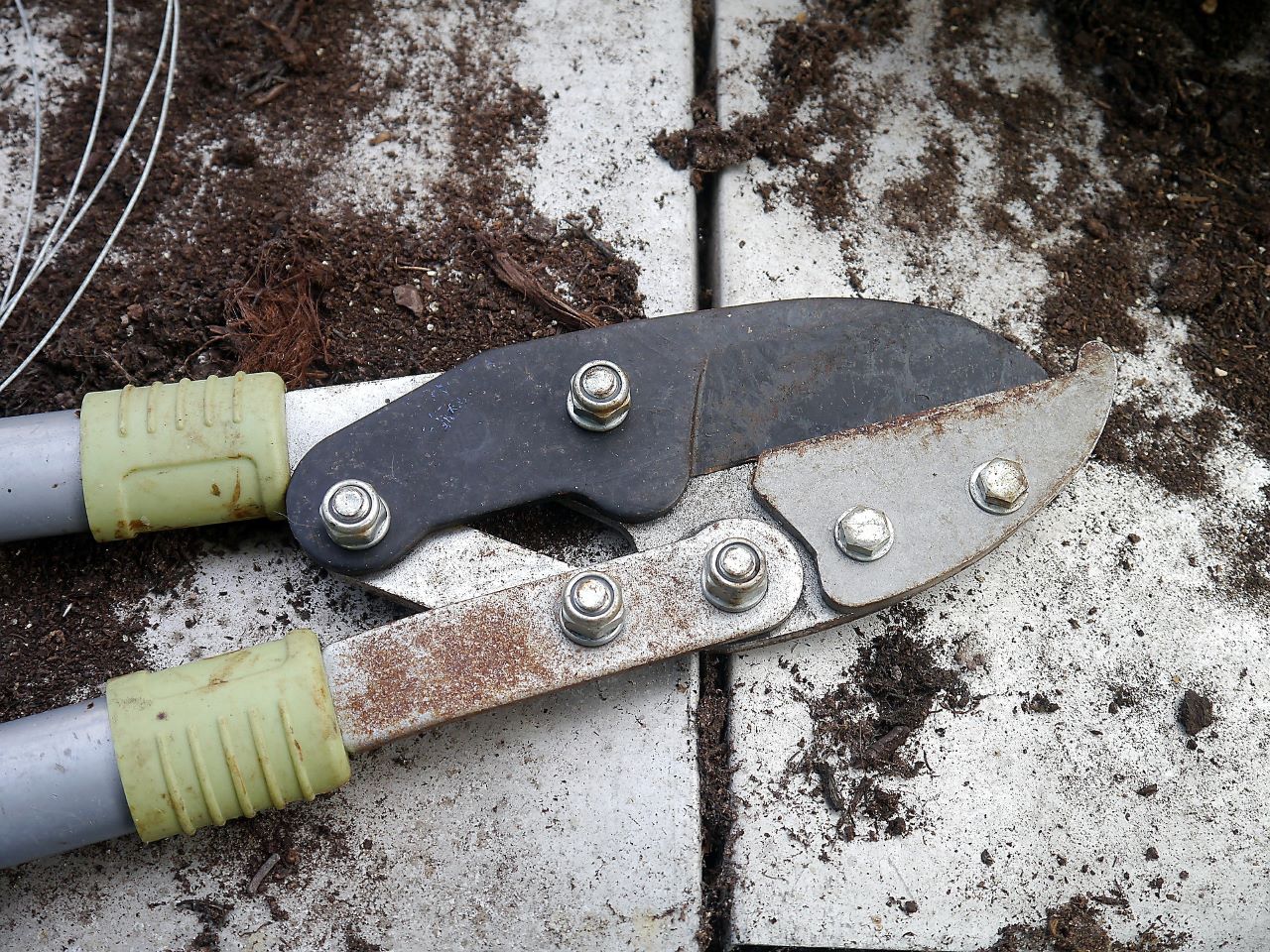
    Gather your trusty garden tools, and give them a good scrub. Rinse off the dirt, sharpen the blades and rub vegetable oil on the metal.


  5. Clean It Up. Gather your trusty garden tools, and give them a good scrub. Rinse off the dirt, sharpen the blades and rub vegetable oil on the metal. potting soil, garden design, winter gardening tips,
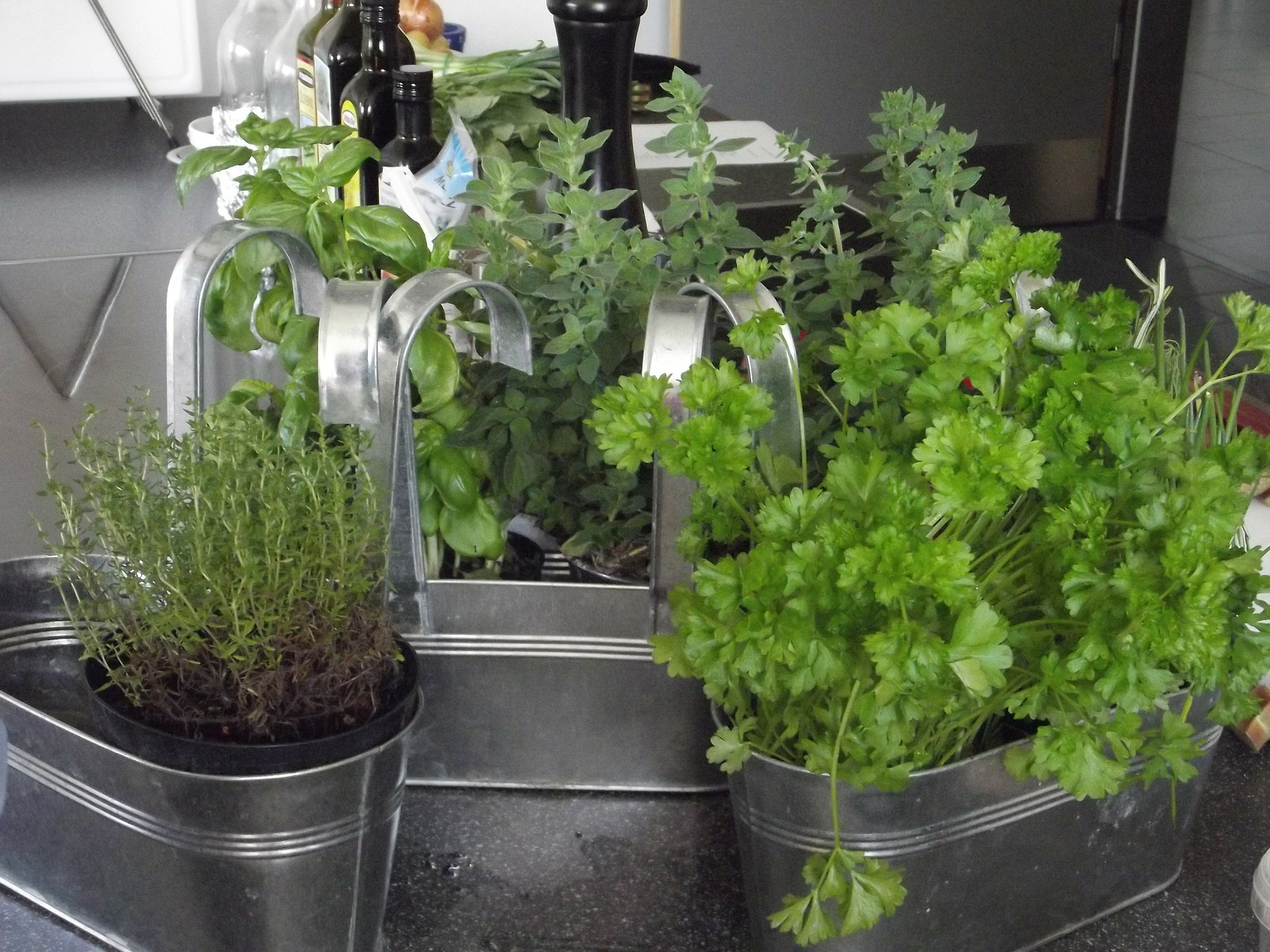
  6. Taste Summer Flavors. Get your green thumb back in the potting soil. Start an indoor herb garden to harvest a garden-fresh taste on the coldest winter days. See what herbs do best indoors here.

Here’s to a home filled with fresh herbs, the sweet song of birds and a stack of gardening magazines. January’s looking quite charming after all!

*****

Featured Products:


Where to Buy


https://www.espoma.com/wp-content/uploads/2016/01/winter-670314_1920.jpg 1279 1920 espoma https://www.espoma.com/wp-content/uploads/2023/05/espoma-logo340w-1.png espoma2016-01-19 08:00:592023-12-07 11:23:34A To-Do List You’ll Love: January Gardening

Thyme to Plant an Indoor Herb Garden

December 1, 2015/in Blog, Indoor Gardening

Add a dash of delight to your daily routine while keeping winter blues at bay. Start an indoor herb garden today.

Each time you grab sprigs of fresh herbs, you’ll forget all about winter! At that moment, all you’ll think of are the fresh, invigorating flavors of summer.

Plus, starting an indoor herb garden is simple with these tips.

Grow Superb Herbs Indoors

Give savory and sweet herbs these five ingredients, and they’ll flourish inside! Use fresh, flavorful herbs in cocktails, teas and recipes all winter long.

 Ray of Sunshine. Place indoor herbs in the sunniest spot possible. They love natural light and need at least 4 hours of sun every day. Keep herbs warm by avoiding chilly windows.

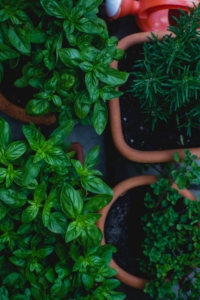
  1. Heaps of Herbs. Not every herb thrives indoors. Plant these herbs that grow best inside: mint, oregano, parsley, rosemary, sage, thyme, lemongrass, chives and bay.
  2. Pile of Pots. Choose pots or upcycle containers with drainage holes on the bottom. Or place stones in the bottom of the pot before adding soil. For unique, DIY planter ideas, check out our Pinterest page.
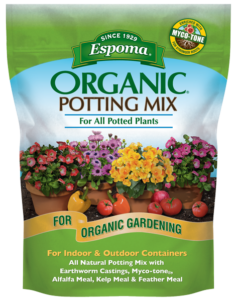
  3. Settle in Soil. Plant herbs in Organic Potting Soil. Pick an organic potting soil that contains earthworm castings and Myco-tone® to ensure herbs grow strong roots.
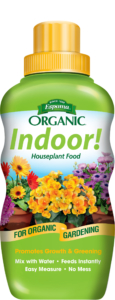
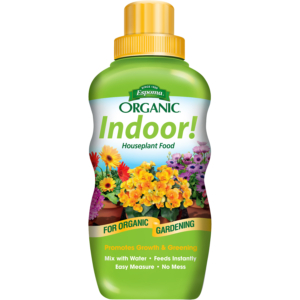
  4. Feed and Repeat. Indoor! is an organic plant food that helps you grow bigger and better herbs. Continue fertilizing herbs once each month.

With your just-plucked herbs, cook up dishes that harness herbs’ intensity. Try a few of our favorite recipes that include herbs here. Bon appétit!

*****

Featured Products:


Where to Buy


https://www.espoma.com/wp-content/uploads/2023/01/matt-montgomery-2fW55mLSiSQ-unsplash-scaled.jpg 1698 2560 espoma https://www.espoma.com/wp-content/uploads/2023/05/espoma-logo340w-1.png espoma2015-12-01 09:40:332023-01-11 01:43:09Thyme to Plant an Indoor Herb Garden
Page 33 of 33«‹313233
Where to Buy

Get News & Updates

Recent Posts

  • Video: Feeding Evergreens with Skye Hamilton 🌲
  • VIDEO: A Formal Garden Tour with Summer Rayne Oakes
  • VIDEO: Repotting in the Greenhouse with Garden Answer
  • VIDEO: How to Winterize Your Chicken Coop with Summer Rayne Oakes
  • VIDEO: Planting Spring Bulbs in Containers 🪴🌷 with Summer Rayne Oakes

Tags

All-Purpose Potting Mix bio-tone Bio-tone Starter Bio-tone Starter Plus Cactus Mix caring for houseplants Container Gardening DIY project Espoma espoma grown espoma organic Espoma Organics Espoma Video fall gardening Family fert flower garden flowers garden Garden Answer Gardening gardening tips gardens grow holly-tone houseplants Indoor! indoor gardening indoor plants Kaleb Wyse organic organic fertilizer Organic Gardening organic plant food Organic Potting Mix Outdoor Gardening Planting plants Potting Mix potting soil Spring Gardening summer rayne oakes vegetable garden Vegetable Gardening Wyse Guide

Espoma. A Family Tradition Since 1929.

Espoma Organic logo
  • Espoma Dealer
  • Espoma Pro
  • Garden Club
  • Privacy Policy

Scroll to top