Espoma Organic
  • Products
    • Close
    • Product Line Overview
    • Plant food finder
    • Garden Fertilizers
    • Potting Soils
    • Lawn Fertilizers
    • Liquid Fertilizers
    • Single Ingredients
    • Conventional Plant Foods
    • Animal Care Products
  • Where to Buy
  • Our Story
    • Close
    • Our Story
    • Locations
    • Historical Timeline
    • Our Commitment
    • Directions
    • Solar
    • Join our Team
    • Espoma Brand Partners
  • Learn
    • Close
    • Espoma Blog
    • FAQ’s
    • Pocket Guide
    • Espoma Guides
    • Garden Clubs
    • Safe Paws Lawn
    • PRODUCT FACT SHEETS
    • Fertilizer Fundamentals
      • Close
      • Understanding Plant Nutrition
      • Reading Labels
      • Choosing the Right Type of Fertilizer
      • Terms & Definitions
    • Gardening Projects
    • Resource Links
  • Contact Us
  • Menu Menu

Garden Answer’s Design Tips for a Romantic Cottage Garden

June 20, 2019/in Blog, Espoma Videos, Garden Answer

English cottage gardens date back centuries. They were used to grow vegetables, herbs for healing, fruit trees, perhaps a beehive, and common flowers. The informal style went through a renaissance in the late 1800’s when they became somewhat more nostalgic than practical. 

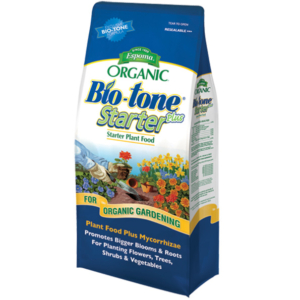
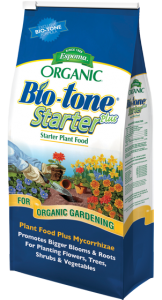
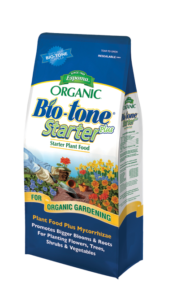
The informal aesthetic of dense planting and natural materials is still en vogue today. In this video, Laura outlines 10 design principles to help you design a cottage garden. Before you start, make sure you have plenty of Espoma’s organic Bio-tone Starter Plus plant food to make sure your plants get the best possible start.

No Straight Lines

Cottage gardens are always informal and a touch whimsical. Avoid straight lines. Gently curving edging looks more natural and playful. If your site restricts you to a straight edge, let the plants spill over it to create an unrestrained look.

Large Groups of the Same Plant

White cottage gardens are more relaxed in their design, it is still best to use large sweeps of the same plant. Think of planting in groups of three, five or seven. That is far more restful to the eye than a jumble of onsies and twosies. 

Spacing Doesn’t Matter

This is one time you do not have to follow the advice on the plant tag. Cottage gardens are always densely planted and generally grow more densely packed with time. Annuals and biennials are often used in cottage gardens and will self-sow in the border. Biennials are plants that take two years to grow and flower from seed like the foxgloves shown. Another advantage to planting things close together is that there is less room for weeds to grow.

Color Harmony

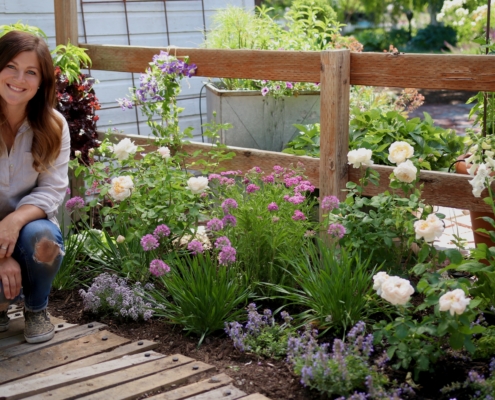
It’s very important to pick a collection of plants that have harmonious colors. Without that the border would look chaotic. Garden Answer uses a collection of soft pinks and peaches with touches of blue and lavender. It needn’t always be soft colors, but they do need to be unified in some way.
Use Varied Heights and Textures

In any planting, it’s a good idea to think about texture, height and foliage color as major design elements. Nothing blooms all the time. Varied foliage forms and colors will create interest even when the flowers aren’t in bloom. Laura uses Heuchera specifically for the silvery foliage color.

Anchor Plants/Structural Elements

This is sometimes referred to as the “bones” of a garden. It’s a structural element that all of the other plants get woven around. In this case, it’s a beautiful shrub rose named Rose ‘The Lady Gardener’, a fragrant beauty with full, apricot blossoms. The rose is repeated three times. Repetition is soothing to the eye.  It’s possible to use evergreens for a slightly more formal feel, or whatever peaks your interest.

Fragrance

The first thing everyone does when they pick a flower is to hold it up to their nose. Cottage gardens are known for their fragrance. Try to select varieties that smell good at the garden center. Roses, lavender, sweet peas, and sweet alyssum are all good choices.

Not Perfectly Maintained

Along with relaxed design principles, comes relaxed maintenance. Planting tightly will discourage weeds. Annuals like poppies will self-seed and move around the border, just like the biennial foxgloves. Weeding everything that comes up might mean that you weed out these plants and inhibit their spontaneous movements.

The Look Will Change Over Time

This style of gardening is the exact opposite of a formal border filled with geometric shaped boxwood. By its very nature this is meant to be more random. People often sow cosmos, violas and other plants that have a tendency to move around. Let them surprise you. If you really don’t like where one popped up, it’s easy enough to remove.

Be Patient

Being patient is really what gardening is all about. A garden is never really finished. Enjoy the journey!

Garden Answers Plant List

Nepeta ‘Cat’s Pajamas’ – catmint

Achillea – pink yarrow

Allium ‘Serendipity’ – ornamental onion

Rose ‘The Lady Gardener’

Heuchera Dolce ‘Spearmint’ – Coral Bells

Clematis ‘Brother Stephan’

Digitalis Foxy Hybrids –  foxglove

Lobularia ‘Blushing Princess’ – sweet alyssum

Here are more videos from Garden Answer we hope you will enjoy.

How to Plant Cottage-Style Flower Beds! 

Plant Your Window Boxes Like Garden Answer

Succulent Pot in a Pot – Quick Version

How to Re-pot Houseplants – Quick Cut

*****

Featured Products:
Where to Buy
https://www.espoma.com/wp-content/uploads/2019/06/IMG_6487.jpeg 3368 6000 espoma https://www.espoma.com/wp-content/uploads/2023/05/espoma-logo340w-1.png espoma2019-06-20 11:00:152024-09-25 16:39:24Garden Answer’s Design Tips for a Romantic Cottage Garden

VIDEO: Spring Flowers Melt the Winter Blues with Garden Answer!

March 19, 2019/in Blog, Flowers, Garden Answer

Spring has sprung and it’s time to get outside and plant up some early spring containers. A trip to the local garden center will surely inspire you. Plant big pots of brightly colored bulbs and annuals to liven up entryways, patios and balconies. Laura from Garden Answer shows you just how easy it is to do in the video below.

Laura fills her containers with tulips and violas, true harbingers of spring. Alternatively, you could also use daffodils and other cold hardy annuals like Iceland poppies or nemesia. In cold climates, it’s important to select plans that are hardy enough to withstand a cold snap.

These early spring containers will flower for a month or so, bridging the gap from early spring to the frost-free date. When it’s time to plant summer containers, replant the tulips out into the garden where they’ll bloom again next spring. The violas may also be moved to a lightly shaded area of the garden.


Four Easy Steps to Early Spring Containers

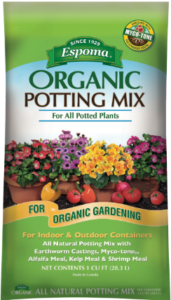
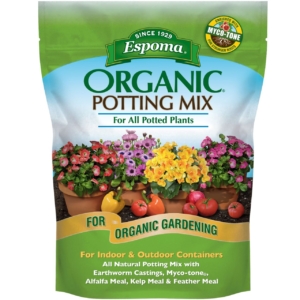
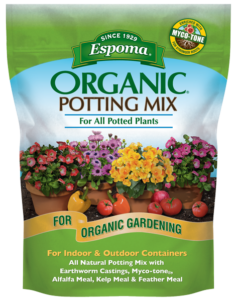
  1. Prep Containers. Fill containers three-quarters full with good, quality potting soil like Espoma’s Potting Mix and prepare to plant bulbs at the depth they were in the nursery pot.
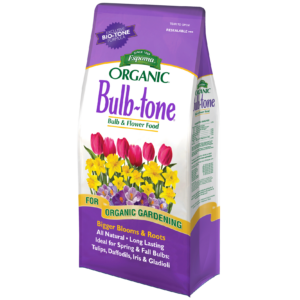
  2. Add Nutrients. Add Bulb-tone fertilizer to the soil, following package directions.
  3. Get ready to plant. Gently remove the plants from their pots and loosen roots. Add plants.
  4. Finish it up. Backfill containers with more potting soil and water deeply.


Enjoy flowers for even longer by choosing tulips or daffodils that are not yet in full bloom. When finished blooming, just remove the flower stem. The leaves will still provide a vertical accent and the bulbs need the foliage to replenish themselves.

Taking time to deadhead the violas will extend their bloom time. If temperatures are cool, you may only need to water containers once a week.

Check out these videos from Garden Answer about tulips and early spring planting.


Plant Your Window Boxes Like Garden Answer


How to Care For Your Tulips After They’ve Bloomed


Featured Products:


Where to Buy

https://www.espoma.com/wp-content/uploads/2019/03/Thumbnail.jpg 1080 1920 espoma https://www.espoma.com/wp-content/uploads/2023/05/espoma-logo340w-1.png espoma2019-03-19 14:13:302024-03-13 15:58:00VIDEO: Spring Flowers Melt the Winter Blues with Garden Answer!

Fern Care Guide

February 22, 2019/in Blog, Indoor Gardening

Ferns are classic yet fussy houseplants. Laura @GardenAnswer has all the tips and tricks you need to be successful in growing ferns indoors.

Here are 10 things to keep in mind as you tend to your fern:

Light Exposure

Contrary to popular belief, ferns need quite a bit of light. Though, they don’t like to be in direct sunlight as their foliage will change to a light yellow color or burn. Keep them near a place that receives plenty of sunshine throughout the day.

Only a few varieties can handle shade and moisture as most people think. Check your plant tag for the most accurate information about your fern.

Temperature

Ferns like their surroundings to be similar to what we like between 65 and 75°F, matching the temperatures in our home. They don’t like it too drafty so keep them away from doors that lead outside and away from air vents.

Humidity

This is the most important thing to be aware of for keeping your fern healthy, especially if you live in a dry climate. Placing your fern in a bathroom or kitchen near the water source can help, since they typically get more moisture in there naturally.

For a more decorative option, place pebbles in a tray with some water and place your fern on top. The moisture will carry up to the foliage as it evaporates. Add water to the tray as needed.

Soil Type

Use Espoma’s Organic Potting Mix for your ferns. Organic potting mixes have the right kind of drainage and will hold just enough water that is needed without drowning your fern.

Repotting

Typically, ferns need to be repotted every two years. Check its roots once a year. If the roots are starting to circle around the container, it is time to repot. If there is still soil around the edge of it, it should be fine for another year.

When it is time to repot your fern, only go up one size for your container. Be sure there is a drainage hole at the bottom of your container. Place a small layer of Espoma’s Organic Potting Mix in the bottom and fill around the sides as needed.

Watering

Ferns like to be consistently damp, but not wet and soggy like many people think. Each fern and home is a bit different, especially this time of year. Water your fern and keep an eye on it. If the soil at the top feels dry, water it again.

Fertilizing

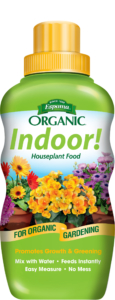
Ferns like to be fed about once a month during their growing season. Each zone and climate will have a different growing season, which you can ask your local garden center about. Feed your fern with Espoma’s Organic Indoor! liquid plant food. Check the label for instructions on how to use.

Grooming

All houseplants should be groomed about once a month. Remove any foliage that looks damaged, unhealthy, or is turning brown or yellow. Discard any leaves or debris that is on top of the soil to keep insects and diseases at bay.

Insects

The most common insects to watch out for are mealybugs, aphids, fungus mites, white flies, and spider mites for just about any houseplant. If you are unsure of the insect you are dealing with, take a picture and take it to your local garden center. They will be able to offer suggestions on how to get rid of it.

Toxicity

Ferns are non-toxic, but it is still a smart idea to keep your pets and kids away from eating or playing with a fern. That might just cause a tummy ache or a mess in your home!

*****


Where to Buy


https://www.espoma.com/wp-content/uploads/2019/02/fern-1.jpg 1080 1920 espoma https://www.espoma.com/wp-content/uploads/2023/05/espoma-logo340w-1.png espoma2019-02-22 11:00:232024-09-07 08:00:46Fern Care Guide

How to Care for Your Monstera

January 30, 2019/in Blog, Indoor Gardening

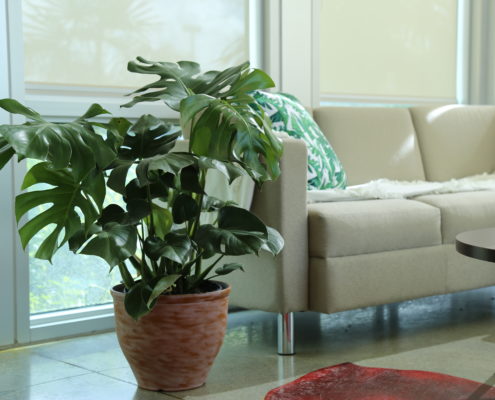
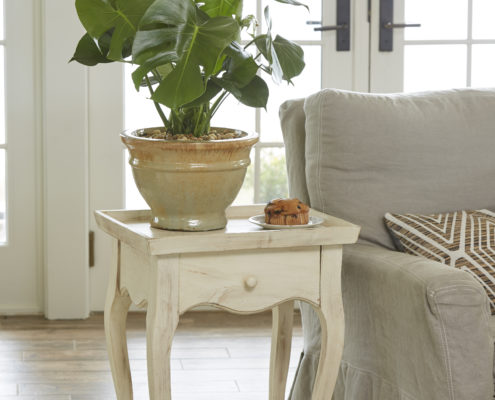
Monstera is commonly called Swiss cheese plant or split-leaf philodendron referring to the beautifully cut leaves. It’s a must have for its Caribbean feel. The foliage is deep green, lush and tropical. With time the foliage can become quite large and exotic looking. There is also a rare white variegated form that is slower growing. They generally don’t bloom indoors but in its natural environment they will produce edible fruit that is said to taste like fruit salad.

Light and Placement

As a tropical plant it’s no surprise that your Monstera likes warm indoor temperatures between 68 and 86 degrees Fahrenheit. A little humidity makes them feel right at home, too. Bathrooms and kitchens can often supply a touch of humidity or you can simply mist your plant now and then. These plants grow naturally in the dappled light of the forest floor. To mimic that, place your Monstera in bright or filtered, indirect light. They can actually grow in deep shade, but may not exhibit as much of the cut leaf foliage. If you live in zones 10 or 11, you can grow it outdoors in a shady spot.

Photo courtesy of Costa Farms

Food and Water

Monstera likes moist soil, but not one that stays soggy or overly wet. Make sure the pot has good drainage. Water weekly, when the top inch of the soil is dry. Make sure any excess water drains away. In spring and summer, when the plants are actively growing, it’s a good idea to feed them once a month with a liquid fertilizer like Espoma’s Organic Indoor!  plant food.

Repotting

Repot young plants every year to encourage growth and add soil nutrients. Gradually go up in pot size by 2 inches per year.  Once your plant has reached its optimal height for your space, you can give it a top dressing of new soil once a year and only repot it about every 3 years. Always use a quality potting soil to help keep the soil moist but free-draining. These are natural climbers that use their aerial roots to hold on to trees. When you do repot your plant, be sure to add a trellis or moss covered plant stake for support.

Photo courtesy of Costa Farms

Pruning

Young plants often have compact, bushy habits. As they grow, they will begin to show their vining nature. You can either give them support to climb and become a tall and dramatic or if you prefer, you can pinch them to rein in the lankiness. Pinch off the new growth tip with your finger at the height you’d like it to stay at. Feel free to prune out stems that are producing few or no leaves. If you can’t tuck the aerial roots back into the pot, you may remove them as well.

Pest and Disease

Monstera is rarely bothered by pest or disease. Wipe off the leaves with a damp cloth from time to time or give it a shower to remove dust. Check for spider mites when you do. This is a long-lived house plant that will give you years of pleasure with little care.

Ready for more houseplants? Check out “How to Fertilize Houseplants” with Homestead Brooklyn!

Best products for Monstera

Where to Buy


https://www.espoma.com/wp-content/uploads/2019/01/shutterstock_593969489-1200w.jpg 800 1200 espoma https://www.espoma.com/wp-content/uploads/2023/05/espoma-logo340w-1.png espoma2019-01-30 08:00:032024-08-16 14:50:05How to Care for Your Monstera

Create a Spa in Your Bathroom

November 27, 2018/in Blog, Indoor Gardening

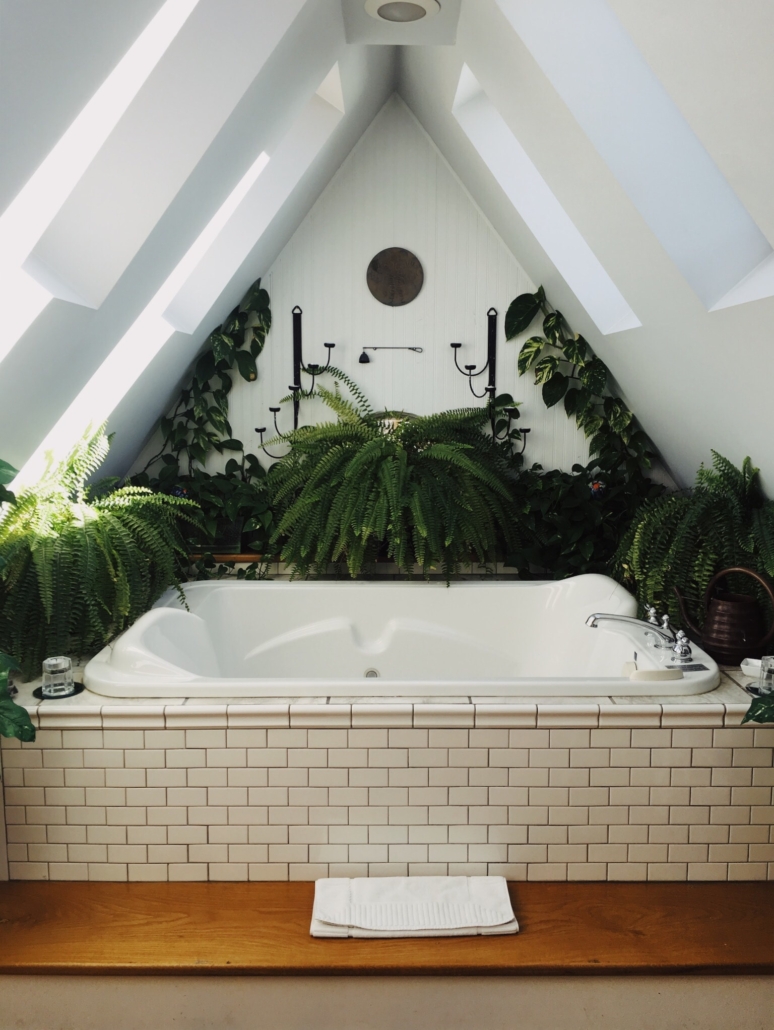
Every room in your house looks cozier and more beautiful filled with houseplants. It’s especially true of your bathroom. Who wouldn’t want a lush, tropical, spa feel at home? In fact, your bathroom is perfect for tropical plants because they love a humid environment.


Research shows that having plants around makes people feel calm, happy, and relaxed. Making them perfect for some spa time. And some houseplants actually purify the air. Ivy can remove 75% of mold spores in a room, which is important if you have allergies. Plants can pull dust from the air to help you breathe easier.

Not sure about the bathroom spa? Find out which plants thrive in your bedroom, living room, and kitchen.

Here are our plant picks for your bathroom –


Nerve Plants – Small Plants for Low Light

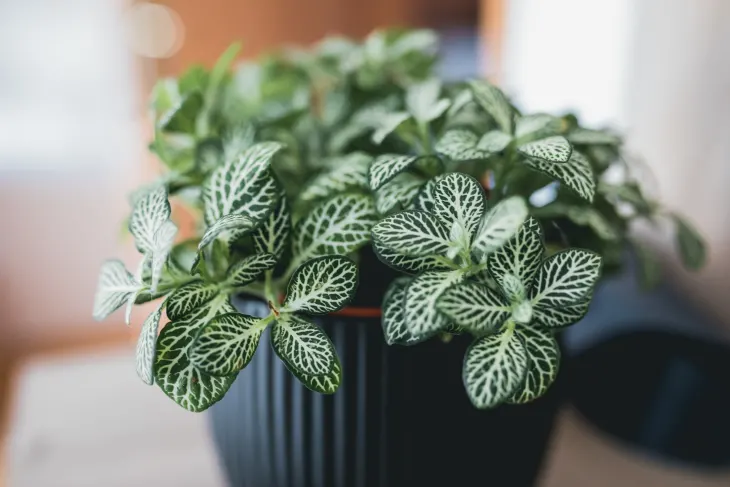
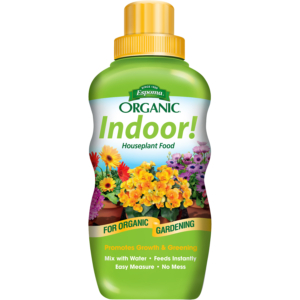
Nerve plants have colorful foliage that’s so attractive they don’t need flowers. Try adding one to a shelf, the corner of the counter, or even hanging from a hook. Nerve plants grow best in medium to low light. If you have sheer curtains you could even grow them in full sun. Water when the surface of the soil is just starting to dry out. They like moist soil but not too wet. Feed them monthly with Indoor! liquid plant food to keep them healthy.

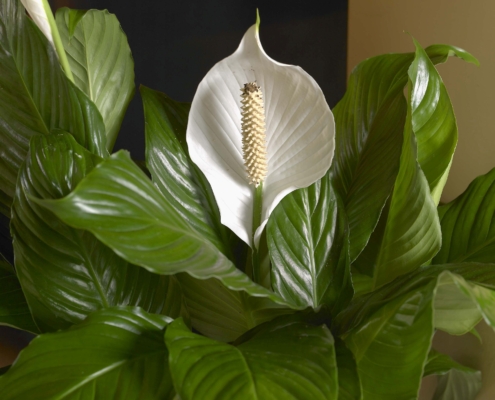
Peace Lily in bloom

Photo courtesy of Costa Farms


Peace Lily – Medium-Large Plant for Low Light

If you are lucky enough to have a lot of space in your bathroom but not a lot of light, you can go large and tropical. Try this easy-to-grow Jungle Queen. The more it grows, the more spectacular it becomes. It tolerates low light but will grow faster and larger with more direct sunlight. Water regularly to keep the soil evenly moist and feed once a month with Indoor! liquid plant food.

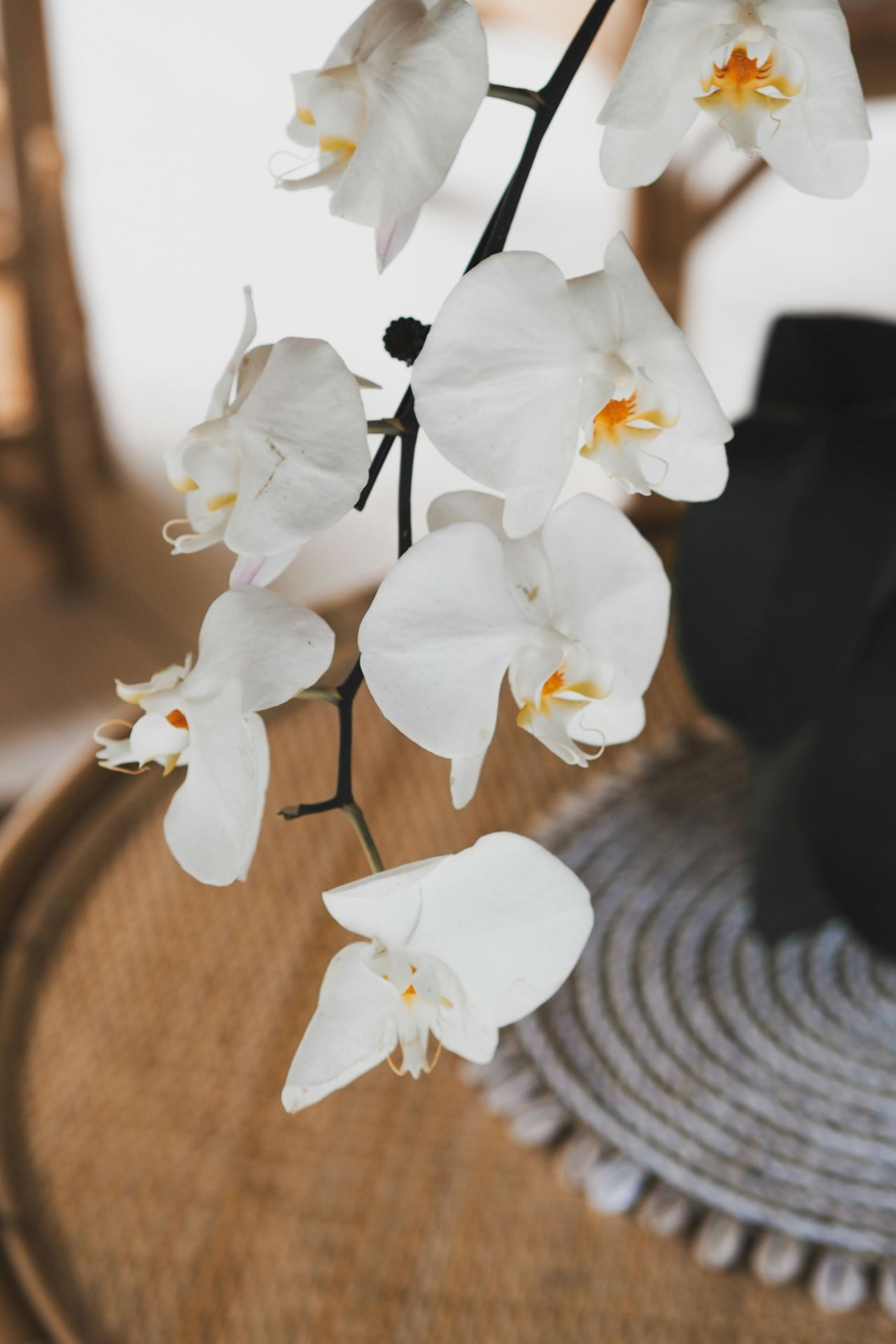
Beautiful spray of orchid flowers

Moth Orchid – Small Plant for Bright Light

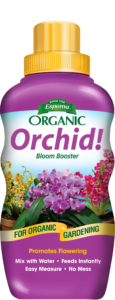
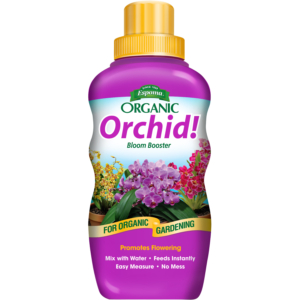
Moth orchids have long, thin stems and large flowers that create a big impact in small places. They flower for an incredibly long time.  If you have the room, arrange a small group of them for a sophisticated look. These are the easiest orchids to grow, even if you are a beginner. Water well once a week, then let them drain completely. Feed regularly with Orchid! liquid plant food.

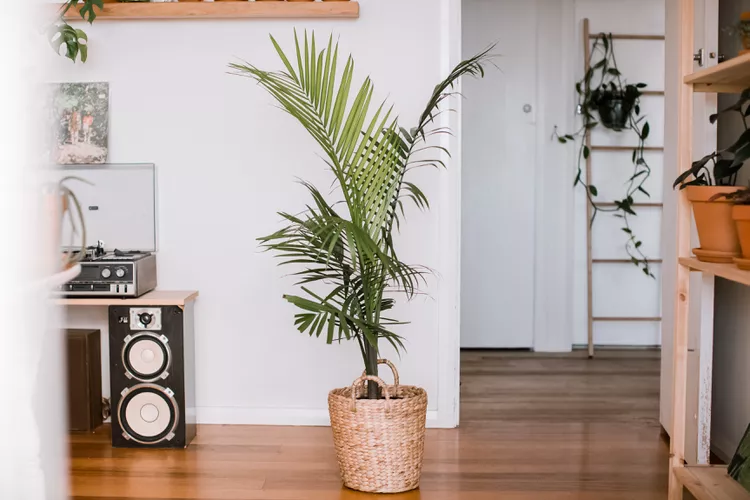
Majesty Palm– Big Plants for Bright Light

Majesty palms are the quintessential tropical plant.  If you have room for one of these, it will transform your bathroom into an oasis.  They thrive in the humidity and like to be kept evenly moist.  Fertilize regularly with Indoor! Liquid plant food for faster growth. These are easy palms to grow and don’t require any pruning except for an occasional old frond.


Is there low light in your home? Laura from Garden Answer tells us about low-light houseplants that you need to bring home.

*****

Featured Products:


Where to Buy

https://www.espoma.com/wp-content/uploads/2017/01/shutterstock_131800958.jpg 3744 5616 espoma https://www.espoma.com/wp-content/uploads/2023/05/espoma-logo340w-1.png espoma2018-11-27 22:46:302024-10-21 09:46:18Create a Spa in Your Bathroom

Rain, Rain, Come My Way

April 6, 2018/in Blog, Spring Gardening

April showers bring May flowers. The old saying is true. April is full of rain, but there’s no reason you can’t have flowers before May.

During rainstorms, water gushes out of downspouts, across lawns and gardens. It has a tendency to accumulate in one place and can overwater or even flood a garden. Excessive rain saturates soil, suffocates roots, breaks plants and attracts pests.

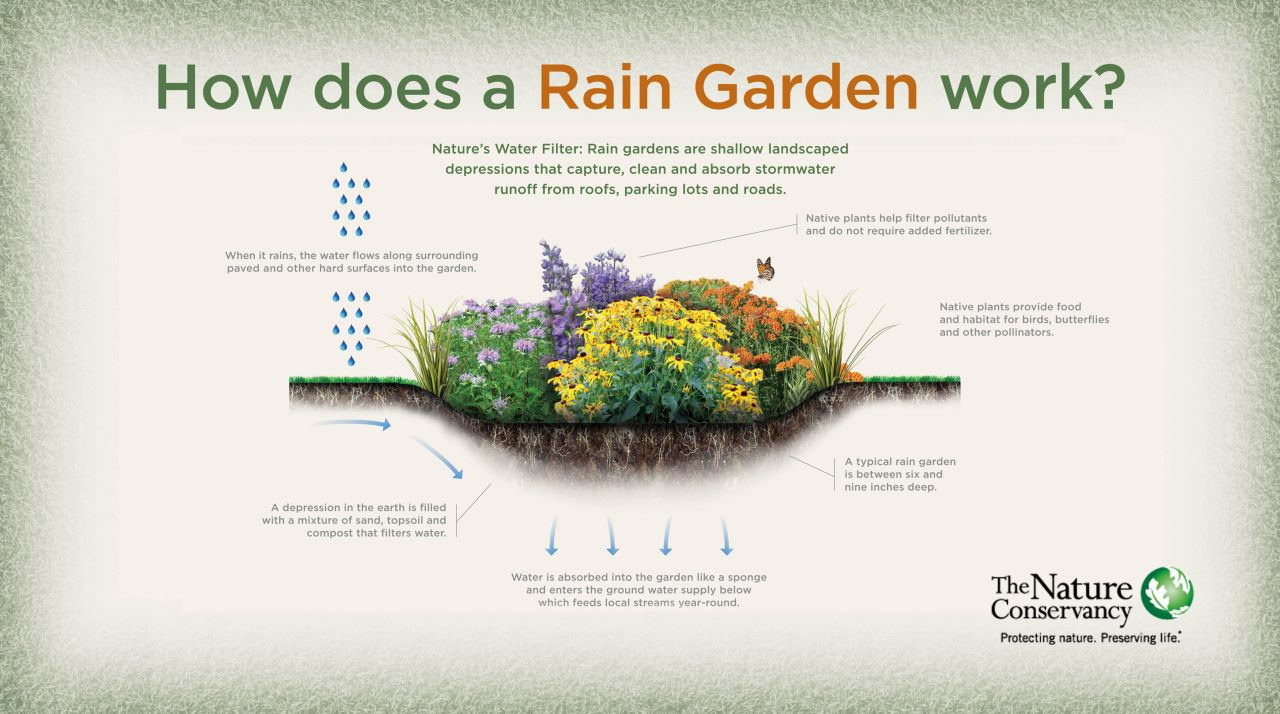
However, when you’ve strategically planted for rain, gushing downspouts are no longer a problem. A rain garden is a garden that uses water-loving plants, with strong roots. It helps use rain where it lands instead of letting it run-off into streams, lakes and rivers.

5 Steps for Building a Rain Garden 

1. Choose your location

Measure out at least 10 feet from your home. Keep your new garden away from septic systems. Find somewhere with a natural downgrade, away from the house, if possible. If your garden is level, then find a place where soil is already absorbing water easily. Stay away from soil that holds moisture for an extended period of time.

2. Create a design

Measure the size and shape of the area. Once you determine what you are working with, you can begin planning what to plant. Plan out what looks best to the eye first, while keeping in mind the plants that do best with wet feet should be in the middle.

orange flowers, organic

3. Choose your plants

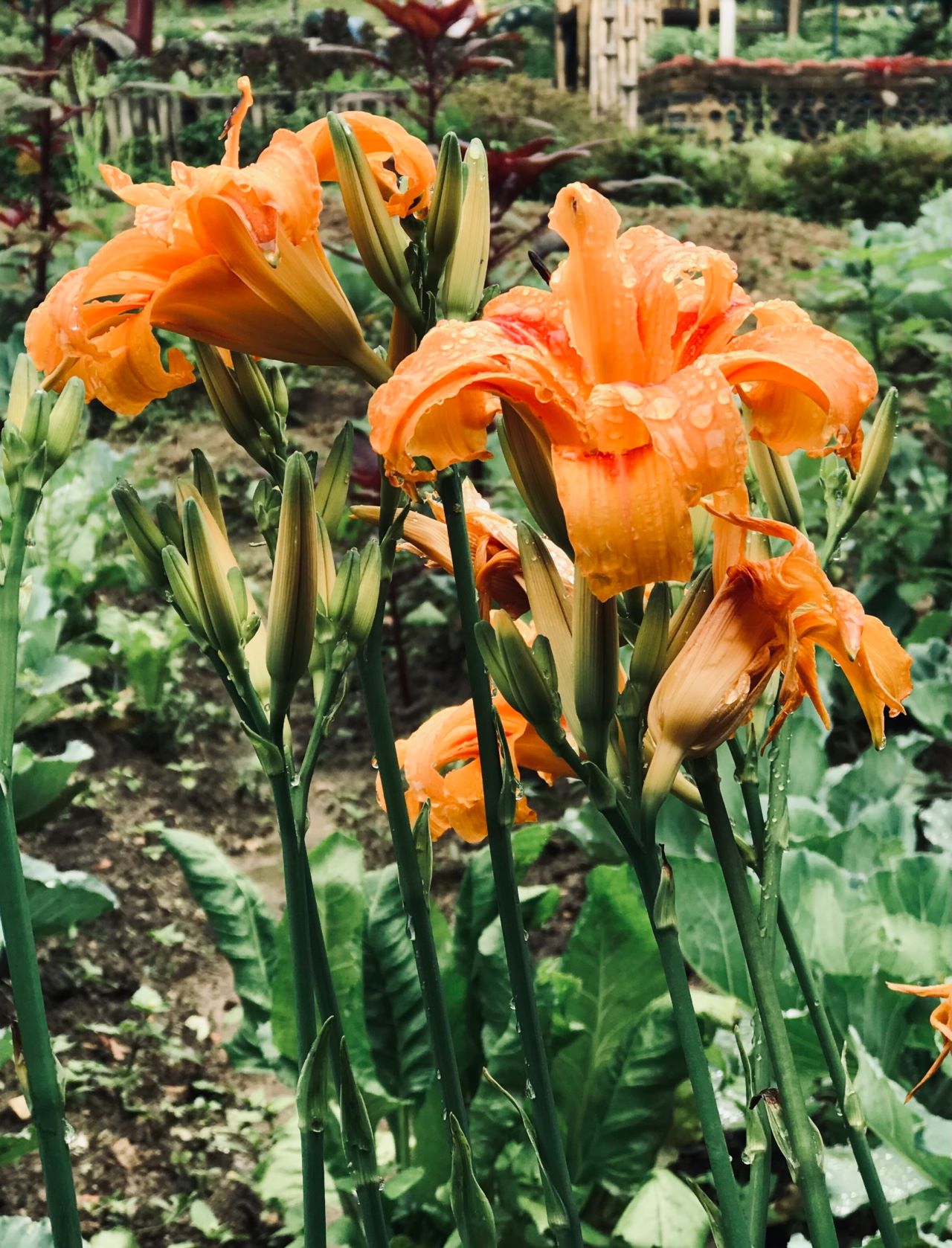
Since each region gets a different amount of rainfall, native plants tend to do best. You will want plants that do well in wet and dry conditions. Rainfall will add up occasionally over the year, but the soil can dry out in the warmer months. Choose plants that don’t mind having wet roots for extended periods of time such as blue fescue grass, daylilies, elderberry and tupelo trees. Look for water-resistant natives such as black chokeberry, meadowsweet shrubs, Joe-Pye weed, Colorado blue spruce, bayberry, ferns and winterberry. Check out your local garden center for tips on the best plants for your region.

dirt and hoe, soil

4. Prepare the soil

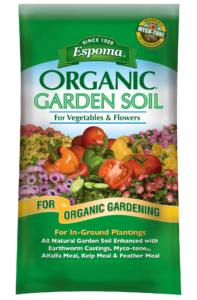
As all gardeners know, it starts with the soil. Good drainage is key to prevent water from sitting. If your soil needs a fresh start, or to be amended, add Espoma’s Garden Soil to help set your rain garden up for success. Further improve drainage by using pervious surfaces, edging puddles and creating paths through low-lying areas with sand or stones.

5. Get ready for rain

It’s time to plant! Get your plants in the ground and watered in to stabilize them. Water every other day for two weeks to get it ready for a heavy rainfall and watch your garden grow!

Planning your rain garden will keep your garden running smoothly.

*****


Featured Products: 


https://www.espoma.com/wp-content/uploads/2018/04/rain-boots-garden-e1523048260521.jpg 406 600 espoma https://www.espoma.com/wp-content/uploads/2023/05/espoma-logo340w-1.png espoma2018-04-06 18:00:012024-10-22 14:09:06Rain, Rain, Come My Way

Spring Cleaning for Your Garden

March 28, 2018/in Blog, Spring Gardening

Spring has arrived! Nothing beats walking outdoors to the sunshine and a beautiful landscape. Now is the time to give your lawn and landscape the TLC it needs. After winter, plants might be in rough shape. Don’t worry, your garden will be back up and running in no time!

From weeding to fertilizing, there’s always something to do when spring rolls around.

When updating your landscape, there may be a few things you need to pick up. Head to your local garden center to find everything you need.

5 Ways to Spruce Up Your Spring Landscape:

Prune

Trim back trees or shrubs that need a little push. It’s best to do this early, before new shoots start to come in. Be sure to carefully remove branches and flowers that have been damaged by the winter storms. You don’t want the branch doing more damage later on.

Soil

Prepare your soil for new growth and new plantings. Sometimes that means getting all new soil like Espoma’s Organic Garden Soil or it could mean freshening up the soil you have by adding Espoma’s Organic Bio-Tone Starter Plus.

Plan

Evaluate your garden. Take the mature size of your plants into account. What holes do you have? If any of your plants need to be caged or staked, planning now will allow you to plant around it without disturbing your growing seedlings later on. Plus it will set top-heavy plants up for success, especially tomatoes, which bend easily.

Fix Uneven Ground

Rain, wind, and snow can wreak havoc on your landscape. When the ground is wet and people walk through it can even cause compaction, which makes for poor growing conditions. But with a little love, it will be ready to host your gorgeous garden once again.

Mulch

After planting, provide beds with a fresh layer of mulch. Mulching is the perfect way to get your garden off to a great start. Not only does it help settle in the roots, but it will provide warmth, hold in moisture, suppress weeds, encourage growth, and make your beds look all around beautiful.

*****

Check out the video below from Wyse Guide for some great gardening inspiration!


Featured Products:


Where to Buy


https://www.espoma.com/wp-content/uploads/2017/03/Seed-starting-3a.jpg 474 1280 espoma https://www.espoma.com/wp-content/uploads/2023/05/espoma-logo340w-1.png espoma2018-03-28 17:13:152024-02-28 10:53:39Spring Cleaning for Your Garden

Spring Container Plants that Pop

March 19, 2018/in Blog, Spring Gardening

Enjoying fresh air, sunshine and beautiful containers filled with spring blooms is a sure sign warmer days are on their way.  Adding a spring container is an easy way to refresh your porch, patio or outdoor area.

Get started by finding the perfect planter. Once nighttime temperatures remain above freezing, not dipping below, 30°F, you’re reading to plant.

Before planting, check to make sure the container has drainage holes at the bottom. When you’re ready to plant, use Espoma Organic Potting Soil Mix to fill the container and then mix in Espoma’s Bio-tone Starter Plus with the soil to give it that extra oomph.

Remember to use a “thriller, filler and spiller” when planting new pots. Put the tallest growing plant in the middle, or at the back. Surround it with smaller plants and finally, those that spill over the edge.

Combine any of the below plants for a look that pops!

Pick Perennials

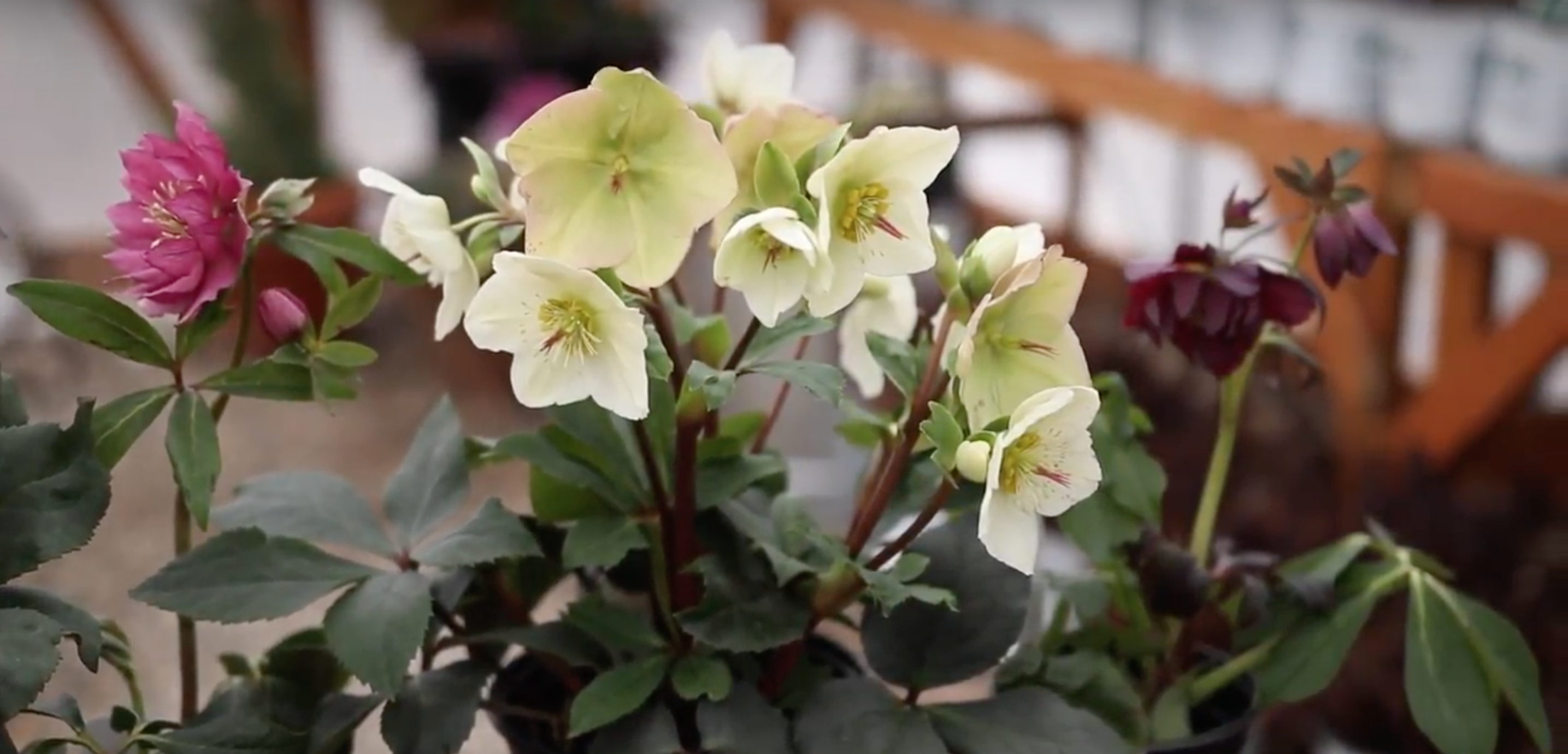
English daisies, hellebores, pansies, primroses and bergenia make for good choices for early perennials.  Find out if a plant can’t tolerate the cool temperatures of early spring by referencing the USDA Plant Hardiness Zone Map.

Watch Laura from Garden Answer‘s comprehensive care guide on how to grow Hellebores.

Think bulbs

There’s still a way to get those beautiful tulip and daffodil blooms even if you didn’t plant them in the fall. Just stop by your local garden center to pick up already-blooming bulbs place them into your container for an instant pick-me-up.

Scallions with a gardening shovel and shears


Enjoy Edibles

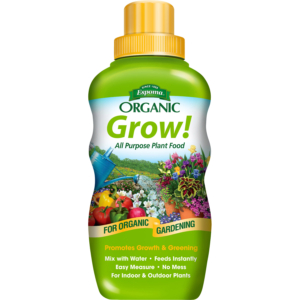
Choose plants that do double duty. Plant a mix of greens including spinach, kale, red and green lettuce and more. A container filled with spring greens will provide healthy salads while also brightening up the landscape. Add in viola blooms for a fun touch of color and don’t forget that herbs will help to create texture.  Use Espoma’s liquid Grow! to give plants a healthy dose of nutrients.

Watch Laura from Garden Answer as she demonstrates how to grow edible plants in small-space gardens.

*****

Featured Products:


Where to Buy

https://www.espoma.com/wp-content/uploads/2018/03/tulip-containers.jpg 854 1280 espoma https://www.espoma.com/wp-content/uploads/2023/05/espoma-logo340w-1.png espoma2018-03-19 16:11:262024-09-26 15:34:39Spring Container Plants that Pop

5 Romantic Red Houseplants

February 7, 2018/in Blog, Indoor Gardening

On Valentine’s Day, there’s always a lot of pressure to find the perfect gift, so we made it simple.

Give something that will live long past the special day, continue to grow, and offer a daily reminder of your love.

Cultivate Love with These 5 Romantic Red Houseplants

  1. Anthurium
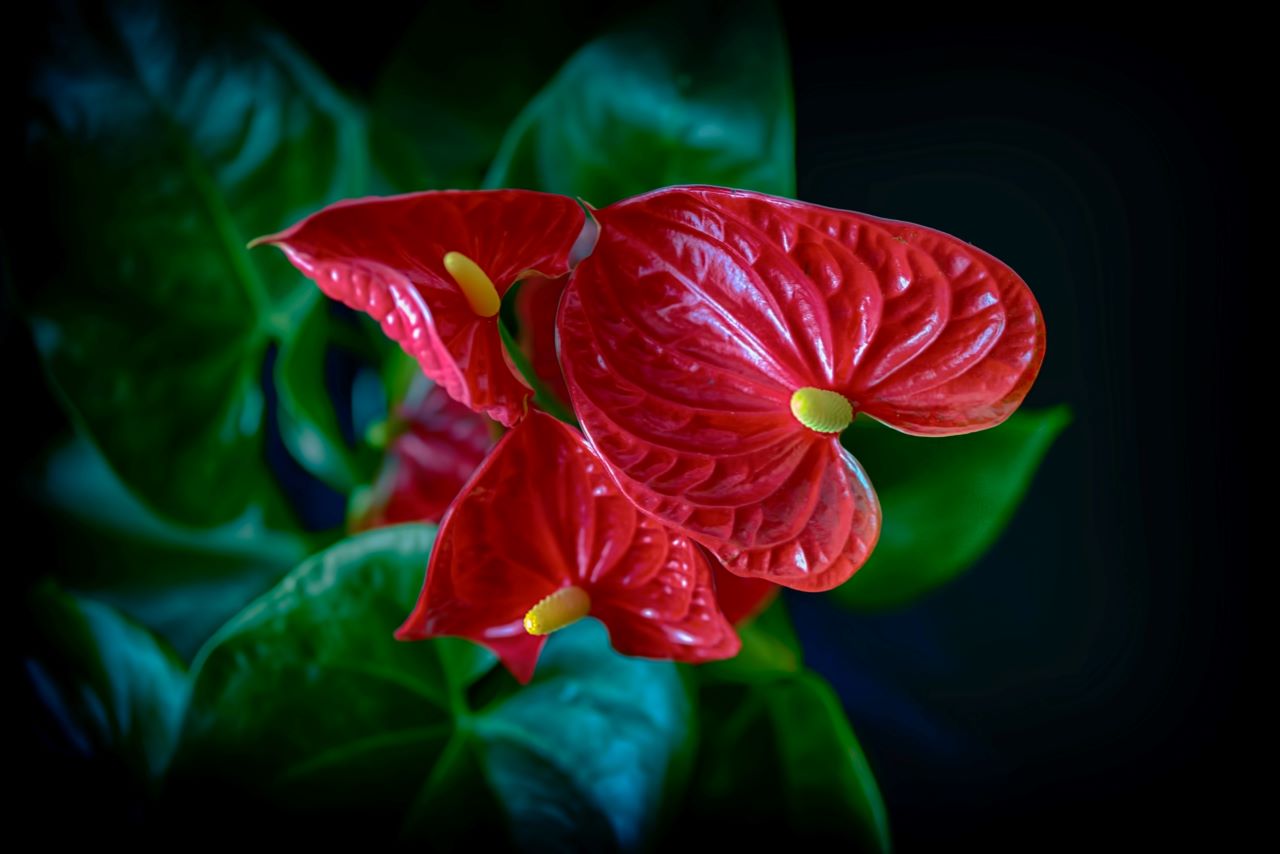
    This lovely houseplant has heart-shaped blooms called spades. Be sure to buy one in bloom to ensure your significant other sees the heart on your sleeve plant. Anthuriums love light, so be sure to place them in a bright area, but not directly in the sunshine.

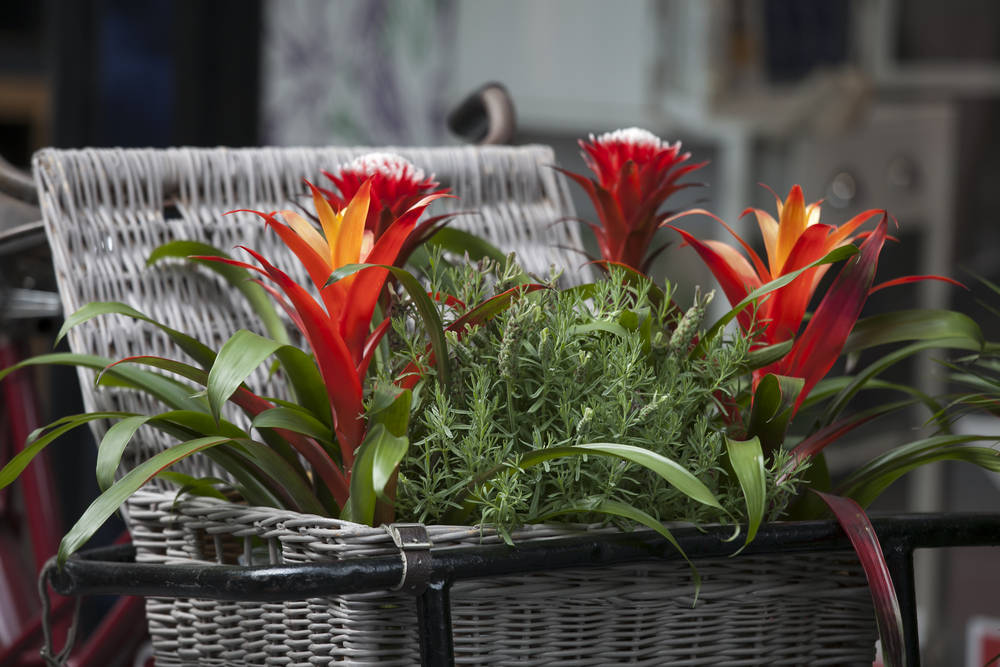
  1. Bromeliad
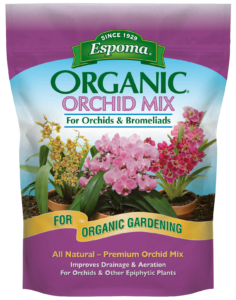
    This easy-to-grow houseplant is the perfect gift. It provides an exotic touch of red to any home. Even with the thick foliage and wide leaves, it gives off a radiance that anyone will fall in love with. Be sure to use Espoma’s Orchid Potting Mix to allow proper drainage and vitality.

    Feed regularly with Indoor! liquid fertilizer to keep your plants happy and healthy.

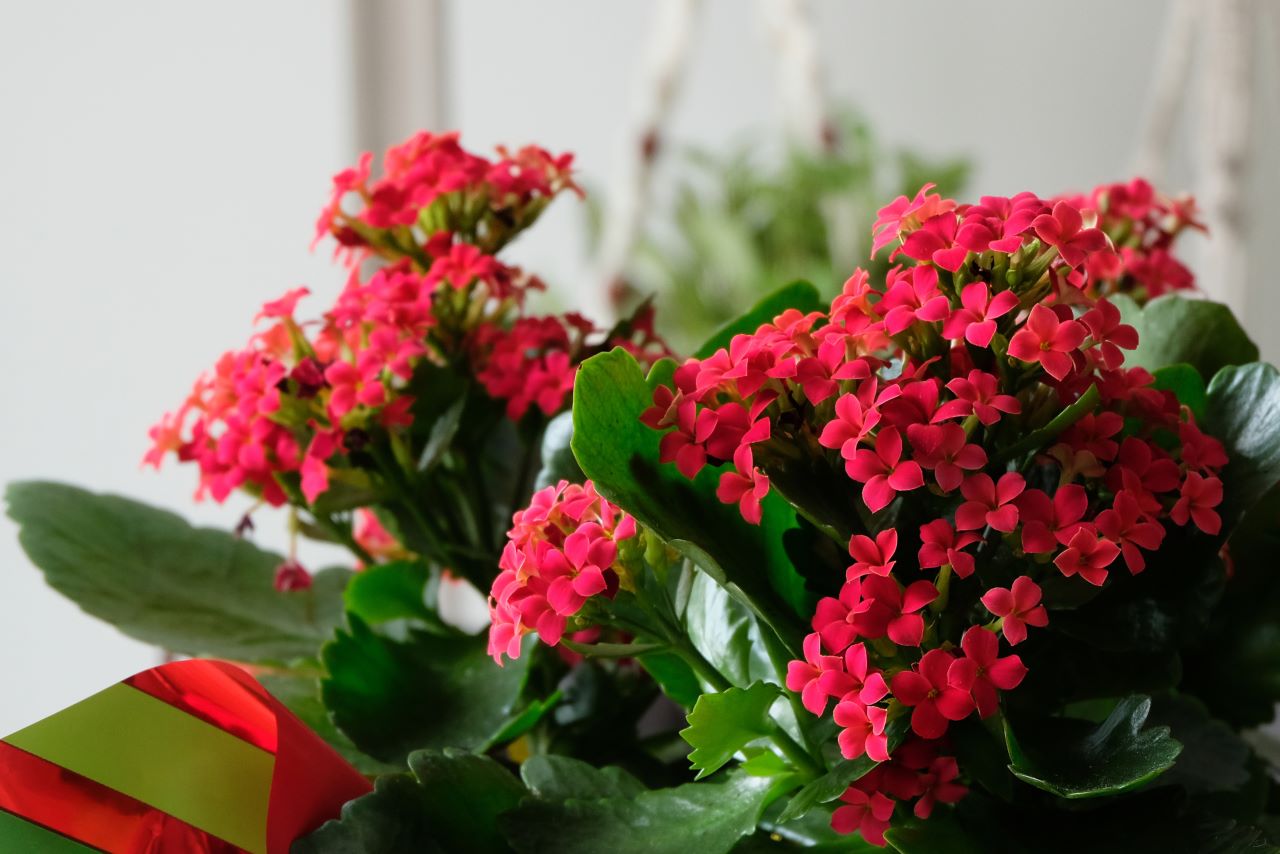
  1. Kalanchoe
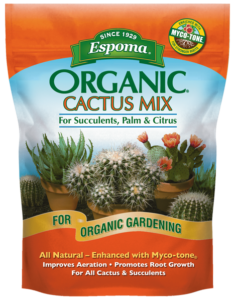
    Succulent love! This succulent produces clusters of tiny red flowers which will last for several seasons. The scalloped greenery is just as gorgeous as the flowers, so you will have a showstopper year round. Use Espoma’s Cactus Potting Mix and Cactus! liquid fertilizer to be sure your Kalanchoe is happy and hearty.

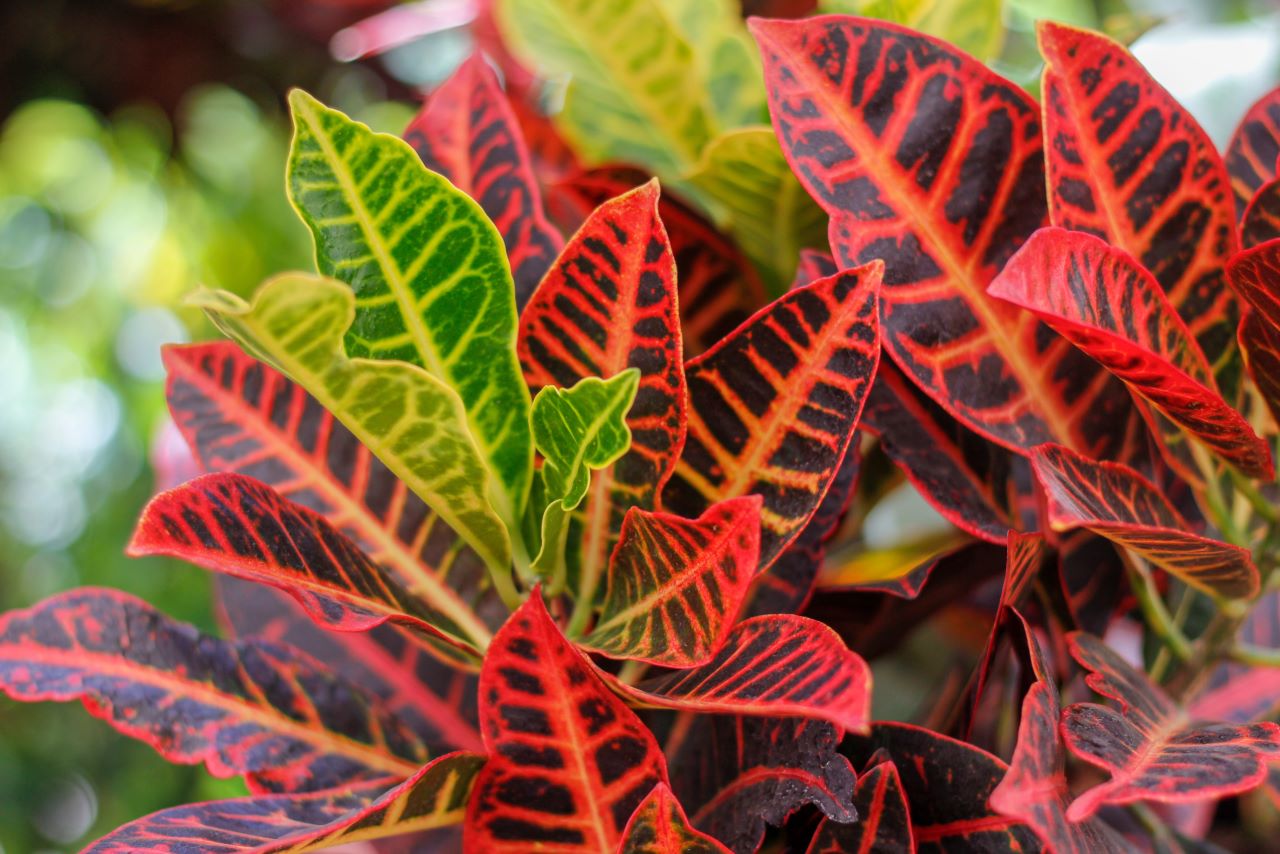
  1. Croton
    Red can be too much for some lovers, so crotons offer the perfect balance of greenery with a subtlety of red. But don’t let it fool you, this houseplant is a bold contender. It offers texture and design to any household that needs extra energy. Crotons also help purify the air, which in turn keeps you calm and relaxed.

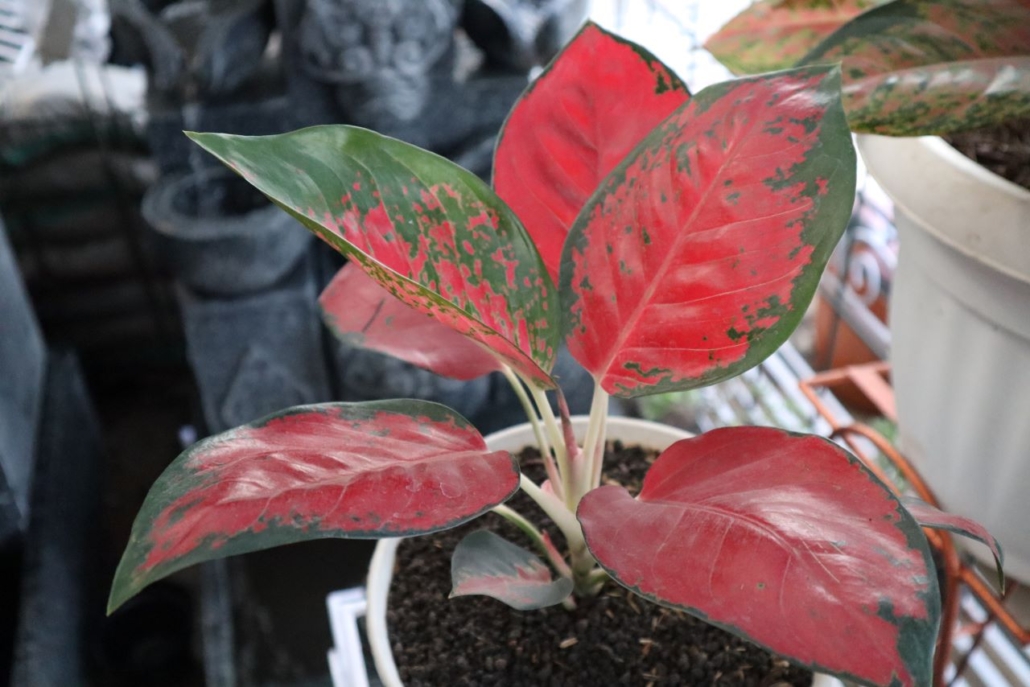
  1. Red Aglaonema
    Another more subtle red houseplant, the Red Aglaonema is a standout in home décor. The bold foliage adds height and eye-drawing texture. Your significant other will love this easy-care plant.


Trust us, gifting any of these romantically red houseplants will show your love for years to come. Feeding plants with Espoma’s Indoor! liquid fertilizer helps keep their red vibrant.

*****

Check out this Anthurium care video by Summer Rayne Oaks:


Featured Products:
   

Where to Buy


https://www.espoma.com/wp-content/uploads/2018/02/stephanie-harvey-nGLw_HBasuU-unsplash-scaled.jpg 2560 1920 espoma https://www.espoma.com/wp-content/uploads/2023/05/espoma-logo340w-1.png espoma2018-02-07 09:00:132024-10-22 14:01:555 Romantic Red Houseplants

Best Houseplants for the Kitchen

January 17, 2018/in Blog, Indoor Gardening

Sometimes we find a beautiful houseplant and have no idea where to put it. Other times we have a space that needs filling and no idea what to put there.

The way we see it, you can never go wrong with more plants!

There’s no better place to start adding plants than the kitchen. If you haven’t thought of adding plants there before, you’re missing out!

Houseplants in the kitchen aid in decreasing cooking scents that consume your home – while it might smell amazing when you bake cookies, cauliflower can really bring you down. Or, you can grow edibles in your kitchen to have easy access while cooking.

Here are our top picks for plants in the kitchen:


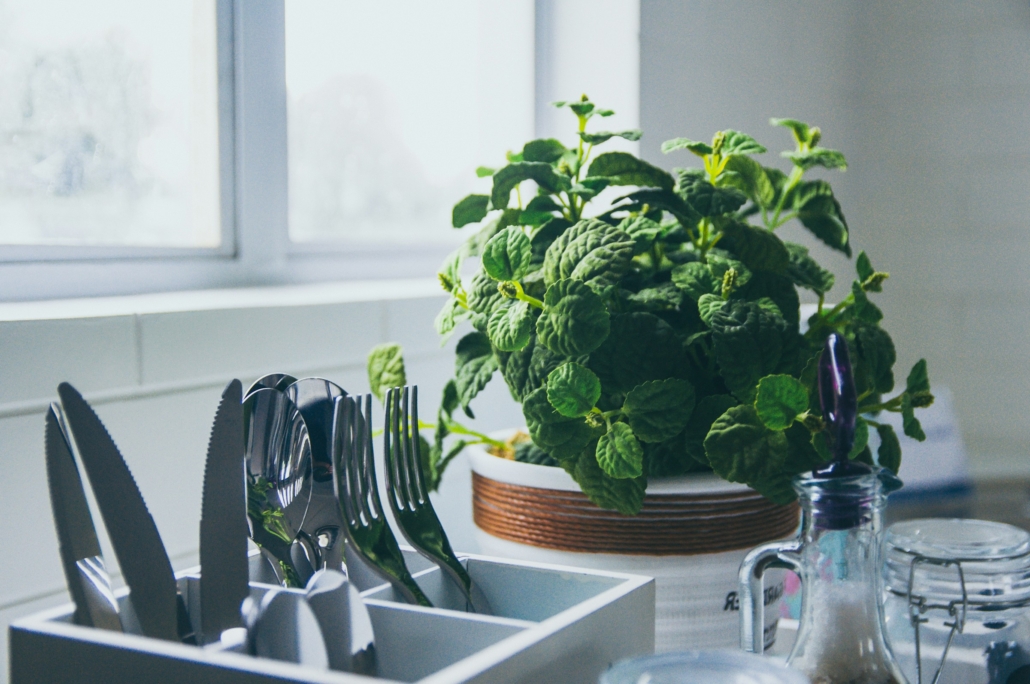
  1. Assorted Herbs
    Herbs are perfect to grow in the kitchen. Place your herb garden on your windowsill or in a hanging basket for ease. Luckily, a lot of herbs grow well indoors with adequate light. They need to be rotated if they start to become leggy. Read more about growing herbs in your kitchen.
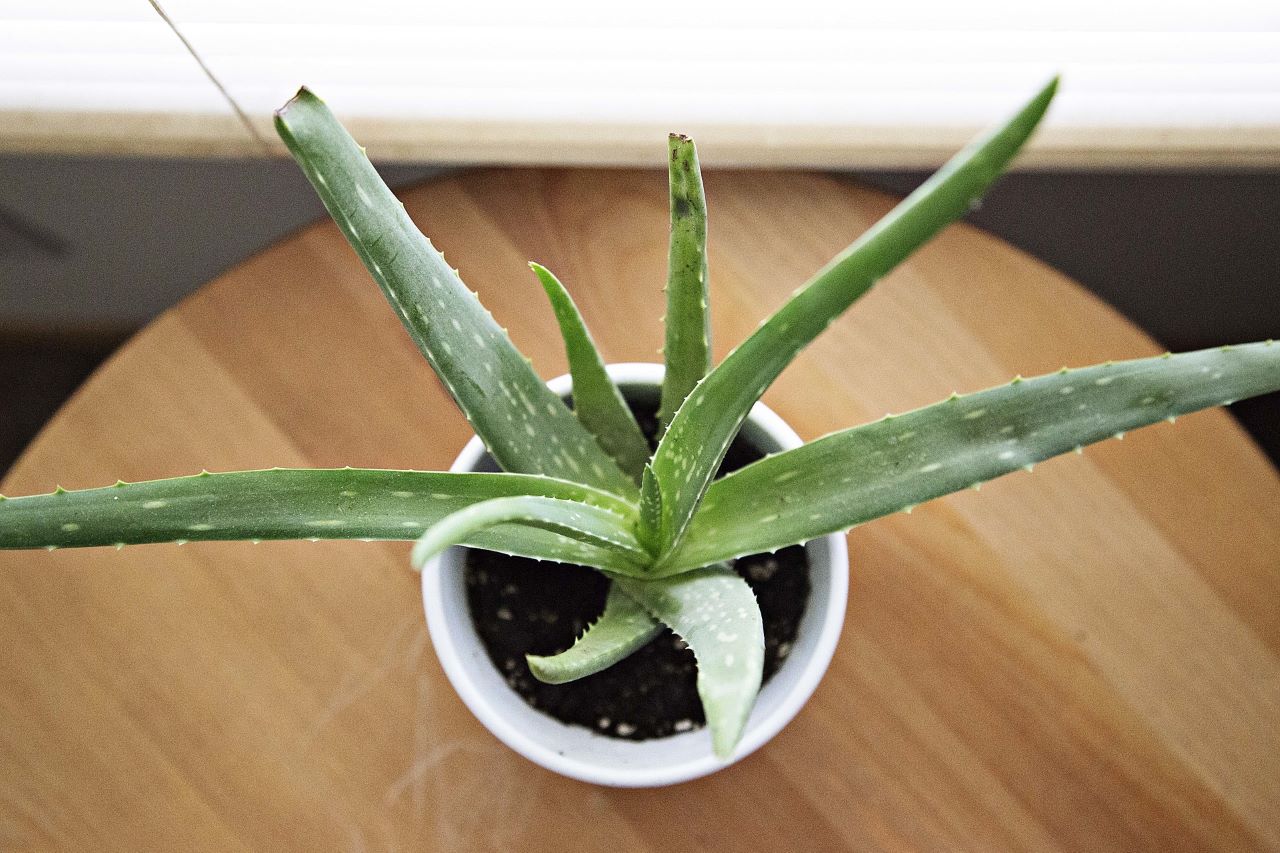
  1. Aloe Vera
    Aloe Vera is one of the easiest plants to grow, so keeping it in your kitchen will bring life there all year long. It’s especially great to have in the kitchen to use its natural coolant in case of a burn. It will do well anywhere in the kitchen, although next to the stove is probably best. Read more about growing aloe and other succulents.

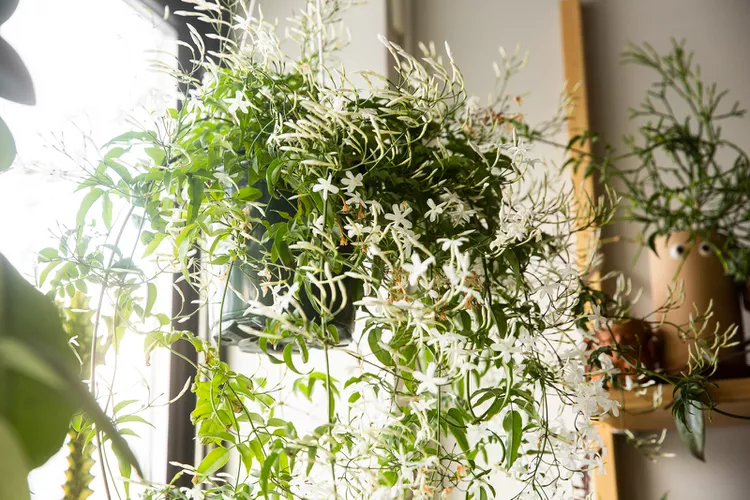
  1. White Jasmine
    The soft jasmine scent that is released from the blooms of this plant will help keep your kitchen smelling nice and fresh. The scent is subtle enough that it won’t overwhelm the kitchen yet can still help your space feel clean and refreshed. Read more about growing jasmine.

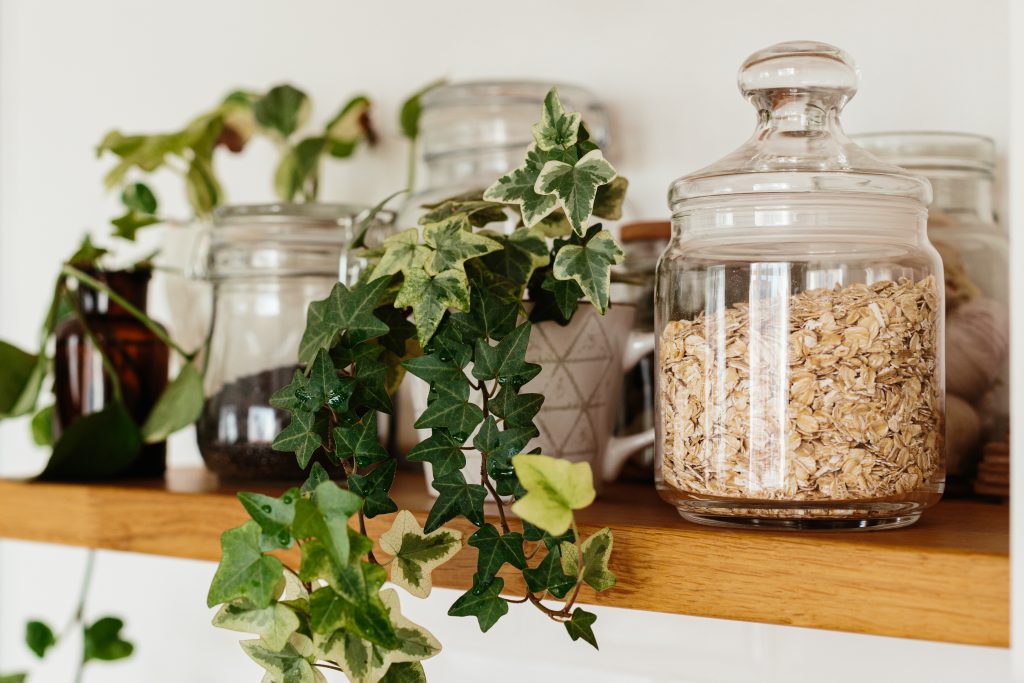
  1. English Ivy
    Ivy is a diverse plant that can thrive in many rooms. Putting it in the kitchen will add dramatic lines and textures while purifying the air. If your cabinets don’t hit the ceilings, this ivy will gladly take up space. It will add wonderful shades of green with accents of whites or yellows. Read more about growing ivy in unusual spaces.

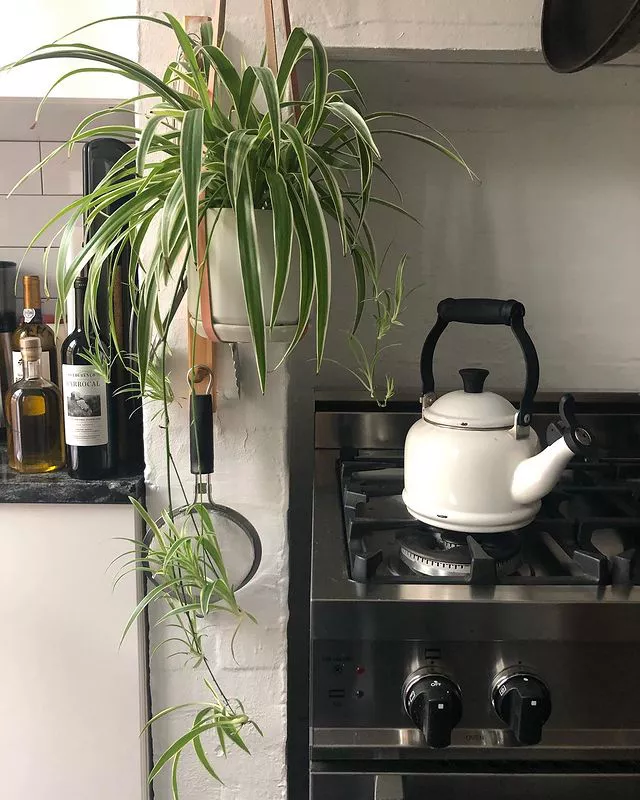
  1. Spider Plant
    Another great air purifier, the spider plant will help keep cooking more enjoyable. Place it somewhere you need to add height and texture to an area. It is an easy-care houseplant that will continue to love you in every season. Read more about the benefits of houseplants.

Don’t forget, all of these plants need to be fed as directed with Espoma’s Indoor! liquid fertilizer to grow strong and highlight their colors.


Featured Products:


Where to Buy

https://www.espoma.com/wp-content/uploads/2018/01/shutterstock_673534633.jpg 667 1000 espoma https://www.espoma.com/wp-content/uploads/2023/05/espoma-logo340w-1.png espoma2018-01-17 16:42:102024-01-24 16:24:35Best Houseplants for the Kitchen
Page 31 of 33«‹2930313233›»
Where to Buy

Get News & Updates

Recent Posts

  • Video: Feeding Evergreens with Skye Hamilton 🌲
  • VIDEO: A Formal Garden Tour with Summer Rayne Oakes
  • VIDEO: Repotting in the Greenhouse with Garden Answer
  • VIDEO: How to Winterize Your Chicken Coop with Summer Rayne Oakes
  • VIDEO: Planting Spring Bulbs in Containers 🪴🌷 with Summer Rayne Oakes

Tags

All-Purpose Potting Mix bio-tone Bio-tone Starter Bio-tone Starter Plus Cactus Mix caring for houseplants Container Gardening DIY project Espoma espoma grown espoma organic Espoma Organics Espoma Video fall gardening Family fert flower garden flowers garden Garden Answer Gardening gardening tips gardens grow holly-tone houseplants Indoor! indoor gardening indoor plants Kaleb Wyse organic organic fertilizer Organic Gardening organic plant food Organic Potting Mix Outdoor Gardening Planting plants Potting Mix potting soil Spring Gardening summer rayne oakes vegetable garden Vegetable Gardening Wyse Guide

Espoma. A Family Tradition Since 1929.

Espoma Organic logo
  • Espoma Dealer
  • Espoma Pro
  • Garden Club
  • Privacy Policy

Scroll to top