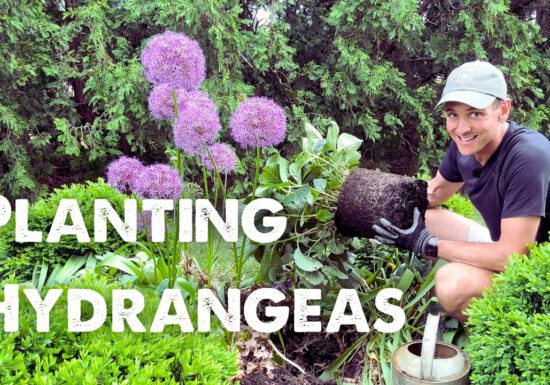
Hydrangeas have a way of stopping gardeners in their tracks—those full, dreamy blooms that shift from creamy whites to rosy pinks or cool blues. Summer Rayne Oakes @flockfingerlakes takes us through her upstate New York garden to explore five types of hydrangeas and how to help them flourish year after year.
Throughout her tour, Summer highlights two of her go-to Espoma Organicproducts:
Espoma Organic Soil Acidifier – for achieving those iconic blue blooms naturally
Espoma Organic Potting Mix – for building strong, healthy roots in containers
Each supports her eco-friendly approach to gardening—feeding the soil, not just the plant—while keeping the process safe for people, pets, and the planet.
From planning to planting, follow along as Laura from Garden Answer transforms her front flower beds with beautiful Fire Light Hydrangeas and New Gen Boxwoods! With the help of an auger, she navigates tough soil to get everything in place. To promote strong root growth and long-term plant health, Laura uses Espoma Organic Bio-tone Starter Plus and installs a drip irrigation setup to keep these new blooms watered and thriving all season long.
Tips from Laura
1. Use a High-Quality Organic Starter Fertilizer
When planting new shrubs like hydrangeas and boxwoods, apply a starter fertilizer such as Espoma Organic Bio-tone Starter Plus. It reduces transplant shock, encourages strong, healthy root growth, and helps plants establish successfully for long-term thriving. 🌿
2. Take Time to Measure and Space Plants Carefully
Laura measured from consistent points (pillars, driveway edges) to ensure hydrangeas and boxwoods were evenly placed on both sides of the entry. Even small adjustments matter for symmetry and a polished final look. 📏
3. Adapt to Tough Soil Conditions
Hard or compacted soil can make digging difficult. Laura and Aaron used both hand tools and a tractor with an auger to create planting holes, showing the importance of being flexible with the tools and methods you use depending on site conditions. 💪
4. Choose Low-Maintenance Plants for Structure & Beauty
Fire Light Hydrangeas, boxwoods, and arborvitae provide year-round structure, seasonal interest, and require minimal maintenance—no deadheading, no heavy cleanup, and they even look pretty through the winter. 🌸🌲
5. Use Simple Tools for Consistent Spacing
Instead of guessing, Laura cut a branch to use as a measuring stick when spacing boxwoods (around 14–15 inches apart). This simple trick ensured consistency when replicating the layout on both sides. 🌿
6. Install Drip Irrigation for Long-Term Success
Drip lines were set up with rings around each hydrangea and evergreen, ensuring consistent moisture at the roots. This helps plants get established and reduces stress during hot weather. 💧
When it comes to hydrangeas, every gardener dreams of full, colorful blooms that light up the landscape. Watch as Kaleb Wyse of Wyse Guideshares how he plants and transplants hydrangeas in his Iowa garden. He walks us through his process step by step—using Espoma Organic Bio-tone Starter Plus to help roots establish, Espoma OrganicHolly-tone to feed acid-loving plants, and how using Espoma OrganicSoil Acidifier can create the perfect conditions for iconic blue blooms.
Here are six top tips and takeaways from Kaleb’s hydrangea planting project:
1. Choose the Right Variety for Your Climate
Not every hydrangea will thrive just because it’s rated for your USDA zone. Kaleb explains how some bigleaf hydrangeas struggled in his area, so he swapped them for hardier Seaside Serenade Cape Cod hydrangeas, better suited for his Zone 4 garden. Always match your plant choice to both your climate and the light conditions in your garden.
2. Protect Roots During Transplanting
Whether moving a shrub or planting a new one, Kaleb emphasizes the importance of keeping the root ball intact to reduce transplant shock. He carefully lifts and moves hydrangeas with as much surrounding soil as possible, ensuring minimal stress on the plant.
3. Always Plant with a Good Organic Starter Fertilizer
Every hydrangea Kaleb plants gets a helping of Espoma Organic Bio-tone Starter Plusin the hole. Packed with beneficial microbes and mycorrhizae, Bio-tone encourages strong root development and helps plants adapt quickly to their new home. As Kaleb puts it, he treats transplants like brand-new plants—and Bio-tone gives them the best start possible.
4. Feed with Fertilizer for Acid-Loving Plants
Hydrangeas love soil on the acidic side. That’s why Kaleb sprinkles in Espoma Organic Holly-tone, a slow-release organic fertilizer crafted specifically for acid-loving plants like hydrangeas, azaleas, and blueberries. Holly-tone not only provides balanced nutrition but also contains elemental sulfur to help gently acidify soil over time.
5. Adjust Soil pH
If your soil isn’t naturally acidic, hydrangeas may need a little extra help. Kaleb mentions how his soil leans neutral, so he often turns to Espoma Organic Soil Acidifier. Made from natural sulfur, it safely lowers soil pH, creating the right conditions for healthier growth and, in the case of bigleaf hydrangeas, can even shift blooms from pink to blue.
6. Prioritize Drainage and Consistent Moisture
Hydrangeas thrive in soil that’s both well-draining and consistently moist. Kaleb demonstrates checking drainage by filling the planting hole with water. If it drains well, you’re set! He also reminds us that even established hydrangeas benefit from supplemental water during dry spells to keep blooms from wilting or scorching in summer heat.
You Can Do It!
Healthy soil, the right plant food, and a watchful eye on moisture make all the difference in hydrangea success. With Espoma Organic Bio-tone Starter Plus, Holly-tone, and Soil Acidifier in your toolkit, you’ll be well on your way to lush, colorful hydrangea blooms—year after year.
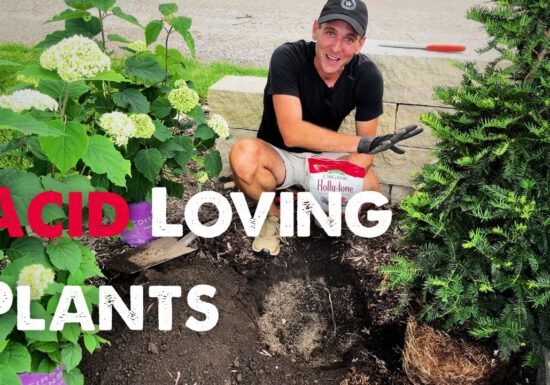
In this Wyse Guide project, Kaleb refreshes the entry to his mom’s driveway with smooth hydrangeas and a Captain yew for four-season structure. He plants each shrub with Espoma Organic Bio-tone Starter Plus to jump-start strong root growth and reduce transplant stress, then adds Espoma Organic Holly-tone because hydrangeas and most yews thrive in slightly acidic soil. Bio-tone delivers beneficial microbes and gentle nutrition right where roots need it; Holly-tone provides a slow, steady feed tailored for acid-loving plants so they establish beautifully in his neutral Iowa soil.
Tips from Wyse Guide:
Plant when you have the window. If the soil is workable and you can water, spring through fall is fair game—plants are often better off in the ground than in pots.
Match plants to the site. Kaleb chose upright, weather-tough, smooth hydrangeas for bloom and a rugged Captain yew for year-round form in part shade with occasional dry spells.
Call before you dig. Always locate underground utilities before starting holes. Safety first.
Plant slightly high. Set the root ball a touch above grade to allow for settling and better oxygen at the crown, especially near thirsty maples.
Prep the roots. Loosen or lightly score tight root balls so roots can spread into native soil. Then, pre-soak the root ball before backfilling.
Feed and mulch smart. Mix Bio-tone and Holly-tone into the planting hole for establishment and acid-loving nutrition. Finish with a 2–3″ layer of compost like Espoma Organic Land & Sea Gourmet Compostmulch to add organic matter to lock in moisture and suppress weeds.
A simple, well-chosen pairing—hydrangeas for flowers and yew for structure—turned this entry into a welcoming focal point. Take your time, let inspiration strike at the nursery, and set new plants up for success with Bio-tone and Holly-ton
Whether you’re working with dry shade or full sun, Kaleb Wyse of Wyse Guide proves that every pocket of your garden can thrive with the right planning—and a little help from Espoma Organic.
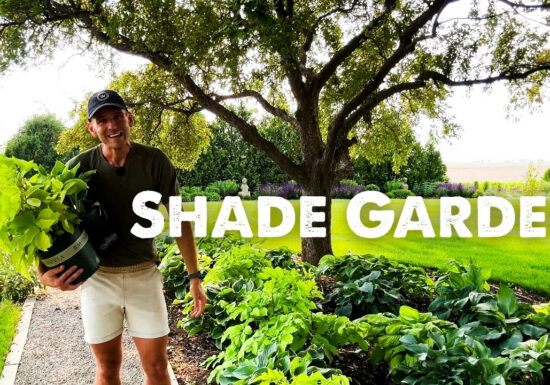
In his latest video, Kaleb brings us along as he refreshes his shade beds and layers in new perennials in full-sun areas, showing how he builds textured, healthy spaces across his Iowa homestead. He’s not just planting—he’s feeding the soil and supporting every root with care.
Kaleb’s shade garden is a great example of adapting to conditions. Not all shade is the same—some spots, often under large trees, are dry shade, where roots compete for moisture and soil drains quickly. Other shady areas, like low spots or places near downspouts, hold more water, creating wet shade. Kaleb’s property has dry shade under mature maple and crabapple trees, so he selects plants that can handle lower moisture while still brightening dim areas.
To get his new additions off to the best start, Kaleb relies on Espoma Organic Bio-tone Starter Plus, his go-to for all new plantings. For hostas and other acid-loving favorites, Espoma Organic Holly-tone is also in his toolkit, enriching the soil with just the right nutrients for long-term success.
🌿 Kaleb’s Top Tips for Planting Success
1) Water Before You Plant Always begin with a well-watered root ball so plants adjust quickly and absorb water efficiently post-planting.
2) Use a high-quality organic Starter Fertilizer “It’s like planting insurance!” Kaleb says. He sprinkles Espoma Organic Bio-tone Starter Plus in every hole to encourage strong root development and minimize transplant shock.
3) Only Disturb Roots When Necessary If roots aren’t bound tightly, skip scarification. Gentle handling helps reduce stress.
4) Embrace Compost—Even Last Year’s Leaves Kaleb layers homemade compost—or a high-quality mix like Espoma Organic Land & Sea Gourmet Compost, a rich blend of natural ingredients enhanced with lobster and crab shells—right over last year’s fallen leaves. This creates a living mulch that enriches the soil naturally and builds long-term garden health.
5) Group Plants in Odd Numbers Repeating clusters of five or seven create harmony and visual rhythm, especially in larger beds.
6) Prioritize Soil Coverage From epimedium to hosta to Agastache, Kaleb aims for dense plantings that naturally suppress weeds and conserve moisture.
Ready to Grow Like Kaleb?
If Kaleb’s video inspires one thing, it’s that soil health is at the heart of every thriving garden. Whether your shade is dry or wet—or your planting area is in full sun—start with rich compost, thoughtful watering, and organic support from Espoma, and your plants will thank you season after season.
Let’s get growing—whether you’re filling a shady nook or bringing a sunlit border to life.
In midsummer, when the sun beats down and gardens are in full swing, our plants need us more than ever. That’s why Laura from Garden Answer spends the day fertilizing her container trees, row crops, raised beds, and flower beds.
Container Plants Need a Helping Hand
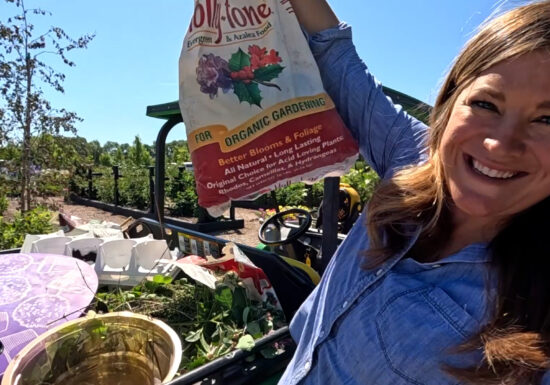
Unlike plants rooted in the ground, container-grown edibles and ornamentals depend entirely on us for nutrients and water. “They have nowhere to draw from,” Laura explains, as she tends to her grape trees and miniature peaches and nectarines. To keep these potted trees healthy and productive, she applies Espoma OrganicHolly-tone as a midseason maintenance feeding.
Even though Holly-tone is crafted for acid-loving plants, it still offers a gentle, balanced boost—perfect for these fruiting favorites when Tree-tone isn’t on hand. “Honestly,” Laura laughs, “I use whatever tone I have in the back of the Gator,” and with Espoma, that flexibility works. Each Tone is crafted with premium organic ingredients and enhanced with Bio-tone® microbes for slow-release, soil-building nutrition.
Out in the raised beds and dirt garden, Laura gives her corn, potatoes, onions, and garlic a second round of nutrients with Espoma OrganicGarden-tone. This midseason feeding ensures her crops stay vigorous as they push toward harvest, supporting everything from root growth to fruit development.
She skips feeding the crops she plans to harvest this week—like cabbage, broccoli, and lettuce—focusing her efforts on what’s still maturing. It’s a smart reminder: timing matters, and so does listening to your plants.
Starting New Flowers With Strong Roots
In a forgotten corner near a thirsty willow tree, Laura refreshes the space with drought-tolerant sedum and her favorite Super Bells. While she typically reaches for Espoma OrganicBio-tone Starter Plus to reduce transplant shock and encourage strong root growth, this time she used Holly-tone, which she had on hand. It’s still a great choice, providing essential nutrients to help these new plantings settle in and thrive.
“It’s like planting insurance,” she says, echoing a sentiment we hear often from gardeners nationwide.
Why Feeding Organically Matters
Laura’s approach is simple but powerful: feed plants what they need, when they need it, and choose fertilizers that build soil health over time. Each Espoma Organic product she uses nourishes more than just the plant. With slow-release nutrients, enhanced microbial life, and no synthetic fillers, they improve the garden’s long-term vitality too.
💚 Pro Tip from Laura: “Fertilize container plants regularly—they rely on you for everything!”
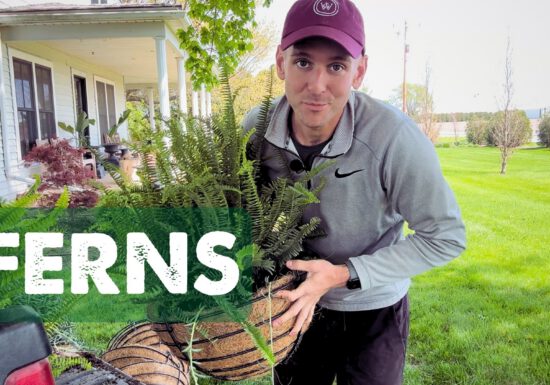
There’s nothing quite like a porch full of lush, thriving greenery to welcome in the warmer months—and no one brings that vision to life quite like Kaleb Wyse of Wyse Guide. In his latest video, Kaleb shares how he transforms his sunny front porch into a shaded retreat using one of our favorite combinations: Boston ferns, Kimberly Queen ferns, and a trusted mix of Espoma Organic Potting Soil Mix and Holly-tone.
Ferns Chosen with Purpose
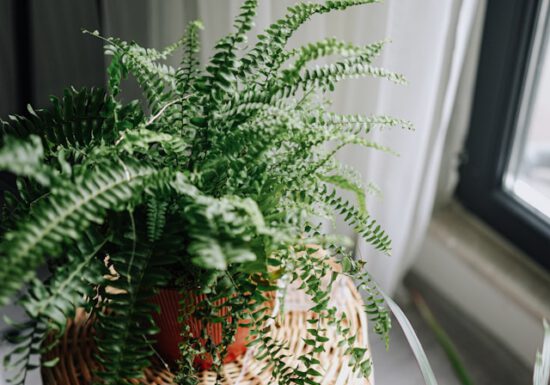
Kaleb’s front porch faces south, which means intense sunlight, reflected heat, and the occasional gusty breeze. Instead of fighting nature, Kaleb leans into it—selecting Kimberly Queen ferns for their upright habit and sun tolerance, while reserving traditional Boston ferns for shadier spots near the house.
His secret to keeping these ferns happy? It starts with the soil.
Kaleb’s Planting Tips:
Kaleb chooses our Espoma Organic Potting Mix because it offers the perfect balance of drainage and moisture retention—critical for ferns, which love even moisture but hate soggy roots. This mix includes:
Perlite for improved aeration
Organic compost for slow-release nutrition
Natural, eco-safe ingredients—no synthetic fillers or plastic beads here
As Kaleb puts it: “It holds on to the moisture needed but also drains really well.”
He also adds a light sprinkle of Espoma Organic Holly-tone, our acidic plant food typically used for hydrangeas and evergreens. Since ferns thrive in slightly acidic conditions, Holly-tone gives them an extra boost without overstimulating growth—perfect for those who prefer a light-touch fertilizing routine.
🌱 Pro tip from Kaleb: Gently loosen or score the roots of pot-bound ferns before planting. It encourages them to branch into the fresh potting mix and establish faster.
Build Your Own Porch Sanctuary
Looking to create your own front porch oasis? Let Kaleb’s video be your inspiration. And when you’re ready to pot up your ferns, reach for the products trusted by generations of gardeners.
Spring is stirring in the Finger Lakes, and Summer Rayne Oakes of Flock Finger Lakes is already deep into her garden chores. In this video, she takes us on an early-season walk through her ever-evolving landscape highlighting emerging bulbs, sharing design plans, and laying the groundwork for a bountiful, sustainable year ahead.
Summer uses organic products for all her gardening projects—including our trusted Tone line of organic fertilizers, premium Potting Mixes, and organic Liquid Fertilizers—to create healthy, thriving spaces across her property. When planting new bulbs like daffodils and tulips, she relies on Espoma Organic Bulb-tone to set them up for success. And whenever she plants something new, Espoma Organic Bio-tone Starter Plus is her go-to to support strong root development from day one.
For all her new garden beds, Summer builds nutrient-rich soil from the ground up with Espoma Organic Raised Bed Mix, Land & Sea Gourmet Compost, and our premium Potting Mix—ensuring each planting area is full of organic matter, supports microbial life, and has optimum moisture-holding capacity.
From rewilding meadows and restoring forest edges to designing pollinator patches and building a 60-foot sustainable chicken coop, Summer’s garden isn’t just beautiful—it’s intentional. Her approach reflects a great mission: to nourish plants, support biodiversity, and build a healthier planet from the soil up. 🌱
Watch the full garden walk to get inspired for your own spring garden reset!
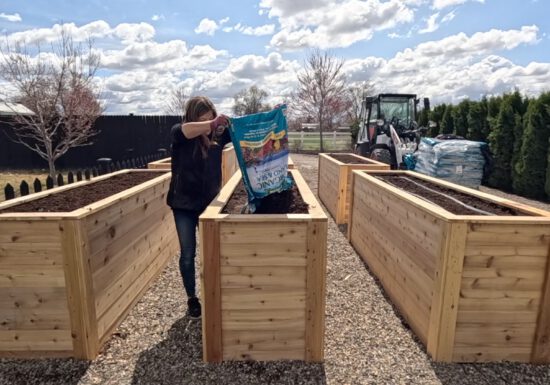
🌱 Join Laura from @gardenanswer as she gets her hands dirty setting up beautiful raised beds for her strawberry patch!
She fills her new beds with Espoma Organic Raised Bed Mix, the perfect foundation for thriving plants. Then, she mixes in our organic starter fertilizer Bio-tone Starter Plus—our secret to strong, healthy root development from day one.
To finish, Laura tops it all off with Espoma Organic Land & Sea Gourmet Compost, adding rich nutrients and moisture-retaining goodness for strawberries that can’t help but flourish. 🍓✨
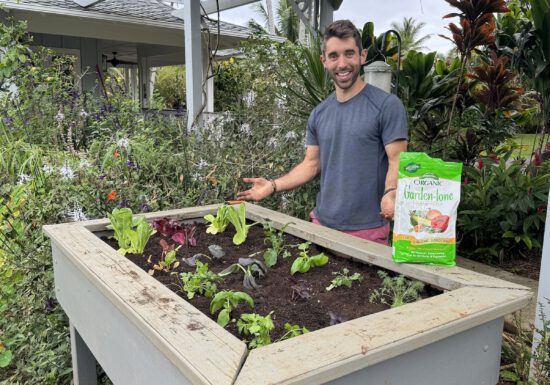
We’re always excited to see our brand partner Farmer Nick (@farmernick) bringing his garden to life with organic fertilizer — and his latest reel is packed with great tips for every gardener!
In his recent project, Nick repaired his planting trug and got it ready for a fresh season of growth using organic fertilizer.
Here are his top takeaways:
✅ Even if your soil still looks good, always amend it before planting — Nick uses Espoma Organic Garden-tone to recharge the soil and get it ready for seedlings.
✅ Some fresh organic compost like Espoma Organic Land & Sea Gourmet Compost can also help boost the soil’s nutrient content.
✅ Nick recommends mixing in an organic fertilizer like Espoma OrganicGarden-tone with rich organic compost like Espoma Organic Land & Sea Gourmet Compost at least once a month during the growing season to keep plants fed and thriving.
✅ Many gardeners forget that plants need regular feeding — consistent fertilizing leads to healthier plants and bigger yields.
✅ Espoma offers specialized “Tone” fertilizers (like Tomato-tone, Rose-tone, and Plant-tone) so you can meet the unique needs of different plants.
Ready to help your garden thrive? Take a page from Nick’s playbook and feed your plants throughout the season!
https://www.espoma.com/wp-content/uploads/2025/05/IMG_4939-copy-2.jpg16001200Matt Dauphinaishttps://www.espoma.com/wp-content/uploads/2023/05/espoma-logo340w-1.pngMatt Dauphinais2025-05-07 13:43:472025-05-07 13:43:47VIDEO: How to Plant a Raised Bed Like a Pro with Farmer Nick