Espoma Organic
  • Products
    • Close
    • Product Line Overview
    • Plant food finder
    • Garden Fertilizers
    • Potting Soils
    • Lawn Fertilizers
    • Liquid Fertilizers
    • Single Ingredients
    • Conventional Plant Foods
    • Animal Care Products
  • Where to Buy
  • Our Story
    • Close
    • Our Story
    • Locations
    • Historical Timeline
    • Our Commitment
    • Directions
    • Solar
    • Join our Team
    • Espoma Brand Partners
  • Learn
    • Close
    • Espoma Blog
    • FAQ’s
    • Pocket Guide
    • Espoma Guides
    • Garden Clubs
    • Safe Paws Lawn
    • PRODUCT FACT SHEETS
    • Fertilizer Fundamentals
      • Close
      • Understanding Plant Nutrition
      • Reading Labels
      • Choosing the Right Type of Fertilizer
      • Terms & Definitions
    • Gardening Projects
    • Resource Links
  • Contact Us
  • Menu Menu

Tag Archive for: organic plant food

How To Make An Easy Terrarium

January 10, 2018/in Indoor Gardening

Terrariums make great additions to any room. There are endless options for variety, decorations and plants. They can be assembled in minutes and will continue to be enjoyed for months.

They can even match this season, like these adorable winter snow globes!

Whether you’re a terrarium expert or just making your first one, here are six easy steps to follow again and again.

Six Steps to Create a Terrarium

Step 1: Assemble materials

First, envision the terrarium you want. Where will you place it? What kind of plants are in it? What type of container will you use? Does it have a lid? Once you’ve got an idea, visit your local garden center to find many of the materials needed to make a terrarium.

You will need:

  • Glass jar or bowl
  • Sand
  • Activated charcoal
  • Espoma’s organic potting soil or cactus mix, depending on plants
  • Ornamental moss
  • Decorative elements such as fairies, rocks, shells, or stones
  • Small plants or succulents
  • Watering can
  • Espoma’s Indoor! or Cactus! liquid fertilizer depending on plant needs
  • Optional: Tweezers
  • Optional: Small sticks or bark

Step 2: Sand Layer

The first layer in your terrarium will be for drainage. Add about a 1-inch layer of sand, rocks or pebbles at the bottom. This ensures that water will not linger in the soil and will help to prevent root rot.

Step 3: Activated Charcoal Layer

Add about ¼ cup of activated charcoal to the terrarium to help keep it healthy. The charcoal helps the water stay clear of buildup and microorganisms that can grow on any living thing.

Step 4: Add Soil and plants

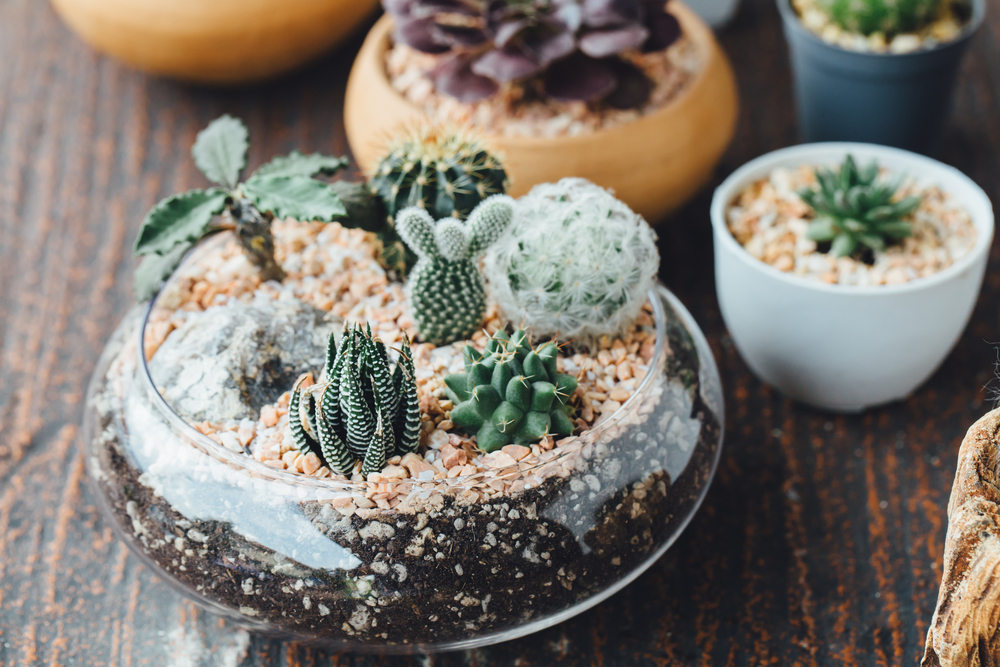
Add an adequate amount of soil for your plants. Dig a small hole to place the plant in. Choose a few standout succulents or add as many plants as you’d like. Make sure each plant has room to grow. Remember to leave some space to add in creative elements.
Step 5: Get Creative

Once your terrarium has plants, it’s time to add the finishing touches. Layer different types of ornamental mosses or decorative stones to enhance the look. If you’ve got fairy garden elements, add them in now. If you’re adding any pieces that you may have brought in from outside, make sure to rinse them off well first. You might find it’s easier to use a set of tweezers to place these pieces in smaller terrariums.

Step 6: Fertilize

Help your terrarium plants stay healthy and strong by feeding with the proper Espoma liquid fertilizer.

Enjoy! Switch up your terrarium whenever you feel like you need a change or new plants!
https://www.espoma.com/wp-content/uploads/2018/01/shutterstock_478365961.jpg 3534 4712 espoma https://www.espoma.com/wp-content/uploads/2023/05/espoma-logo340w-1.png espoma2018-01-10 09:00:012024-08-21 05:04:59How To Make An Easy Terrarium

VIDEO: Caring for Your Christmas Cactus with Garden Answer

December 20, 2017/in Blog, Espoma Videos, Garden Answer, Holidays, Indoor Gardening, Succulents, Succulents

In this video, Laura from Garden Answer shares her top tips for nurturing everyone’s favorite holiday plant—the Christmas cactus! These beloved plants can thrive for years with proper care and attention.

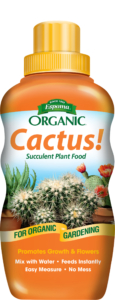
Laura recommends starting with a high-quality organic potting soil, like Espoma Organic Cactus Mix, specially formulated for cacti and succulents. She also emphasizes the importance of fertilizing, suggesting Espoma Organic Cactus! Liquid Plant Food to keep your plant healthy and blooming.

Learn more about Garden Answer here:

https://www.youtube.com/c/gardenanswer

https://www.gardenanswer.com/

https://www.facebook.com/gardenanswer

https://www.instagram.com/gardenanswer/


Featured Products:

Espoma Organic Cactus Mix Espoma Organic Cactus! Liquid plant food bottle


Where to Buy


https://www.espoma.com/wp-content/uploads/2017/12/IMG_7856.jpg 3368 6000 espoma https://www.espoma.com/wp-content/uploads/2023/05/espoma-logo340w-1.png espoma2017-12-20 16:48:072024-11-21 15:17:45VIDEO: Caring for Your Christmas Cactus with Garden Answer

Hauntingly Good Plants for Halloween

October 25, 2017/in Fall Gardening

The spookiest holiday of the year is just around the corner and trick-or-treaters are getting ready for the big night. This year, decorate your house with creepy, living decorations that will add an eerie twist to your night.

With their creepy names, weird colors and devilish shapes, these plants will be the center of every fun, spooky story you tell. Better yet, these plants can stick around all year with the right light, water and feeding directions.

Top 5 Spookiest Houseplants

Photo courtesy of Costa Farms

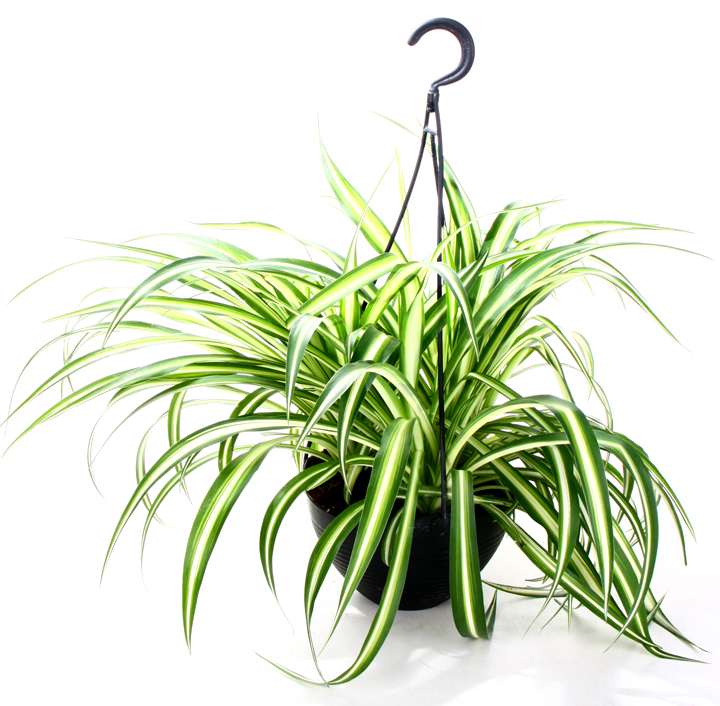
Spider Plant

This creepy plant is fun to decorate with due to its long spider-like legs that grow little “spiderlings” on the ends. Transfer it into a hanging plant basket and wrap synthetic web around the outside of the basket. Cover with plastic spiders to give it extra creep. Make it kid-friendly, by painting a container black and adding spider eyes to the front to make it look like one big spider. Spider plants are known for being low-maintenance so they will grow in almost any spot.

Dracula Orchid

The Dracula orchid is not an ordinary orchid. Aptly named, as it blooms, the center of the plant looks like it could bite you with its vampire-like mouth. Wrap your container in a cape and paint it red down the sides to decorate this plant into a creepy vampire.

Photo courtesy of Costa Farms

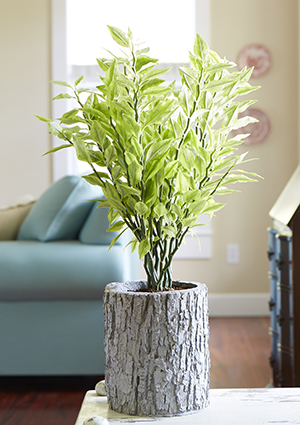
Devil’s Backbone

Devil’s Backbone gets its name from the interesting zigzagging formation of the leaves resembling a creepy spine as it grows. Invite this devilish plant to your home and hang ghouls and ghosts from it to add a spooky charm. Though it may be called the Devil’s Backbone, it works hard to purify the air from toxins.

Photo courtesy of Costa Farms

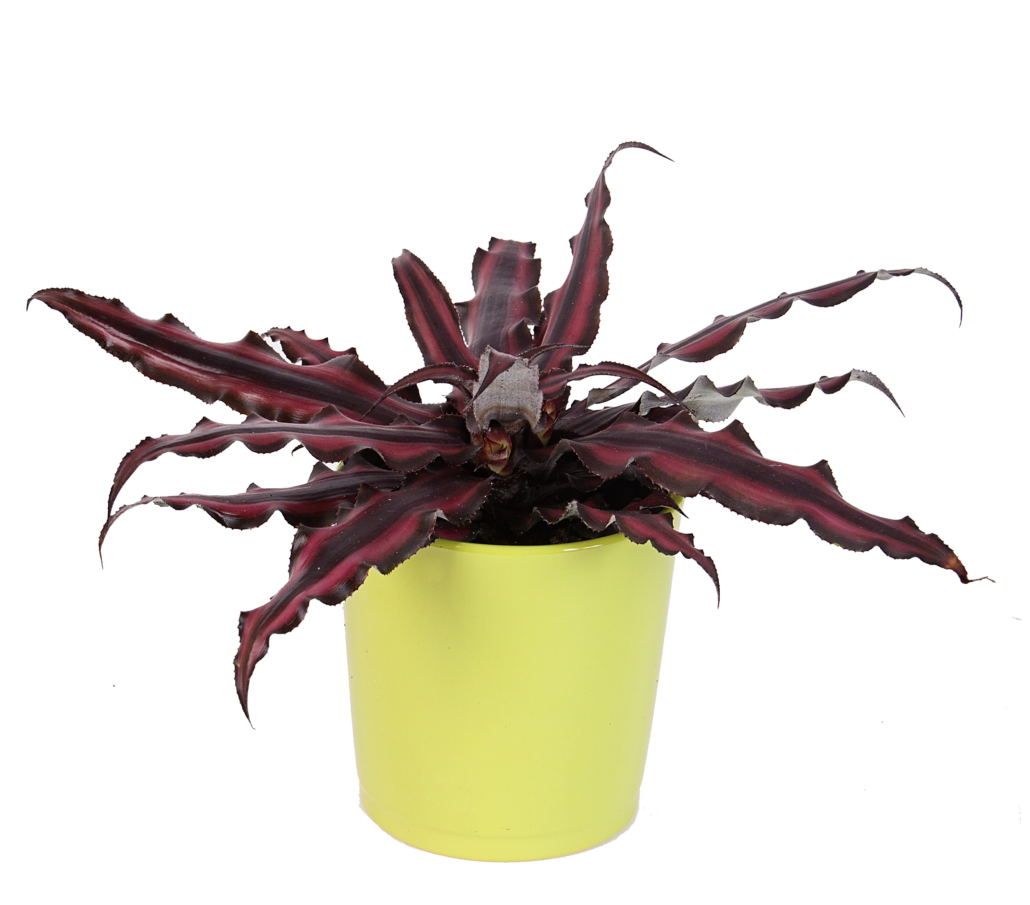
Earth Star

With spiky edges and elongated “fingers”, the earth star plant is a creepy addition to your Halloween décor. Transfer into a spooky container and let it spread and it will look like something is crawling toward you. Keep in bright light to encourage growth.

Photo courtesy of Costa Farms

Rope Plant

The rope plant’s foliage that twists and turns looks like something right out of a witch’s lair. Put a spell on your home with the shadows this plant gives off. The rope plant will flower and last up to a month.

Fun and spooky houseplants are the best way to bring live Halloween décor to your home. Feed as directed with Espoma’s Indoor! plant food.


Featured Products:


Where to Buy

https://www.espoma.com/wp-content/uploads/2017/10/devils-backbone.jpg 2448 2448 espoma https://www.espoma.com/wp-content/uploads/2023/05/espoma-logo340w-1.png espoma2017-10-25 11:00:122023-10-31 10:36:16Hauntingly Good Plants for Halloween

May Gardening Checklist: 5 Essential To-Dos for a Thriving Garden

May 2, 2017/in Blog, Spring Gardening

May is one of the busiest and most exciting months in the garden. Flowers are blooming, veggies are sprouting, and summer crops are ready to go in. But to keep your garden thriving naturally, it’s important to use the right organic products to nurture your soil, plants, and harvest.

Here’s your Espoma-approved May checklist to prep your garden for a healthy, productive summer season.

Garden Clean up

1: Tidy Up Your Garden Space

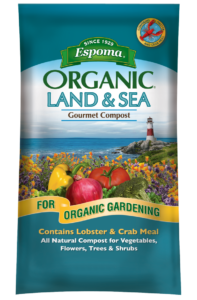
Start fresh by clearing out weeds, dead plants, and old debris — this keeps pests and diseases in check and opens up space for new growth. As you tidy up, top off your beds with Espoma Organic Land & Sea Gourmet Compost to enrich the soil with nutrients and improve texture.

Once your garden is clean, you can apply a layer of mulch to help conserve moisture and regulate soil temperature. This simple prep sets the stage for everything that comes next.

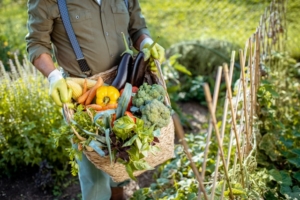
spring crops

2: Harvest Early Spring Crops

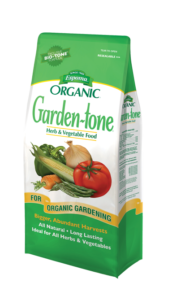
Your cool-weather crops like lettuce, spinach, radishes, and peas are likely ready to harvest. After picking, don’t leave that soil depleted! Replenish it by working in Espoma Organic Garden-tone or Plant-tone to restore nutrients before planting your summer vegetables.

For container gardens, refresh the mix with Espoma Organic Raised Bed Mix or Potting Mix so your new plants have a rich, organic base to grow in. Healthy soil = healthy crops.

People planning a project

3: Plan Your Garden Layout Thoughtfully

Before you rush to plant, take a little time to sketch out your garden plan. Group plants with similar needs together, and research what varieties perform best in your area. If you’re unsure, visit a local garden center and look for recommendations — and while you’re there, pick up organic fertilizers suited for what you’re planting (like Espoma Organic Tomato-tone for tomatoes, Berry-tone for berries, or Rose-tone for roses).

Planning ahead ensures you can match the right organic products to the right plants, maximizing growth and minimizing problems down the line.

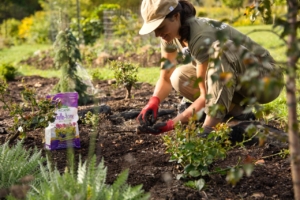
planting with organic fertilizer

4: Get Planting — and Feed Organically

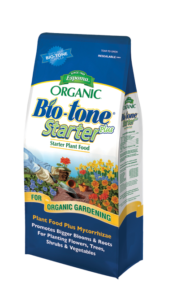
Once your area is frost-free, it’s time to plant! Whether you’re planting veggies, flowers, or herbs, give them the best start by enriching the planting hole with Espoma Organic Bio-tone Starter Plus. This starter fertilizer contains mycorrhizae, which help plants establish strong root systems and reduce transplant shock.

As the season goes on, continue feeding regularly with Espoma Organic Tone Fertilizers, depending on what you’re growing. These slow-release, organic fertilizers keep plants nourished naturally, without the risk of burning or chemical buildup.

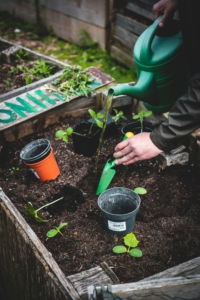
planting

5: Transfer Indoor Seedlings Outdoors Carefully

If you started seeds indoors, harden them off gradually before moving them outside. Once ready, plant them in your garden or containers and mix Espoma Organic Bio-tone Starter Plus into the soil. This ensures young plants have access to the nutrients and beneficial microbes they need to get established and grow strong healthy roots.

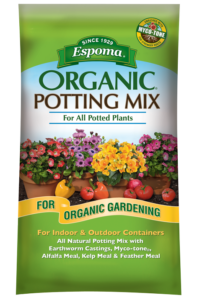
For containers, fill pots with Espoma Organic Potting Mix, which provides excellent drainage and moisture retention while feeding plants with organic ingredients. Don’t forget to water thoroughly after transplanting to help roots settle in.

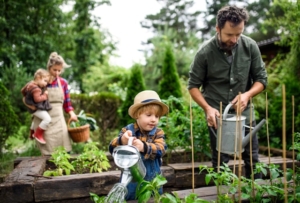
family in vegetable garden

🌸 Bonus Tip: Keep Feeding and Caring All Season Long

Throughout the summer, keep an eye on your plants. Feed every month or as needed with the appropriate Espoma Organic fertilizer for each plant type. Water deeply at the base, mulch to retain moisture, and enjoy the lush, organic garden you’ve worked so hard to create.

With the right products and a little care, you’ll be harvesting beautiful, homegrown food and flowers all summer long — the organic way!

Featured Products:

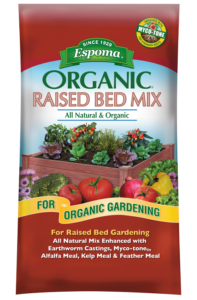
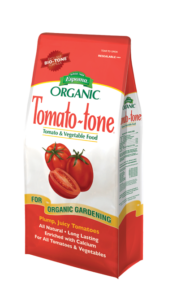
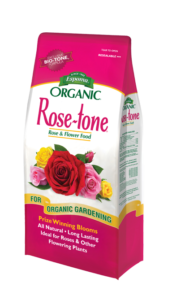
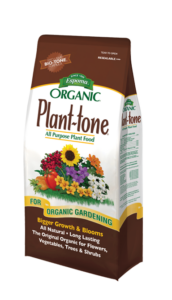
Espoma Organic Potting soil Mix Big bagEspoma Organic Land and SeaEspoma Raised Bed Mix bag  Espoma Organic Tomato-toneEspoma Organic Rose-tone bagEspoma Organic Plant-tone organic fertilizer

Where to Buy

https://www.espoma.com/wp-content/uploads/2018/05/Curb-appeal-hosta-black-eyed-susan.jpg 850 1280 espoma https://www.espoma.com/wp-content/uploads/2023/05/espoma-logo340w-1.png espoma2017-05-02 08:00:312025-05-06 14:10:27May Gardening Checklist: 5 Essential To-Dos for a Thriving Garden

The April Garden Checklist

April 6, 2017/in Blog, Spring Gardening

Spring is here! Shed off those winter blues and head outdoors to restore your lawn and garden. The days are getting longer and your soil is beginning to wake up. April is a great time to get out in your yard and begin again.

Wondering where to start? We’ve got 6 tasks you can accomplish this month in your own yard.


April Garden Checklist:


1. Start tomato seeds.

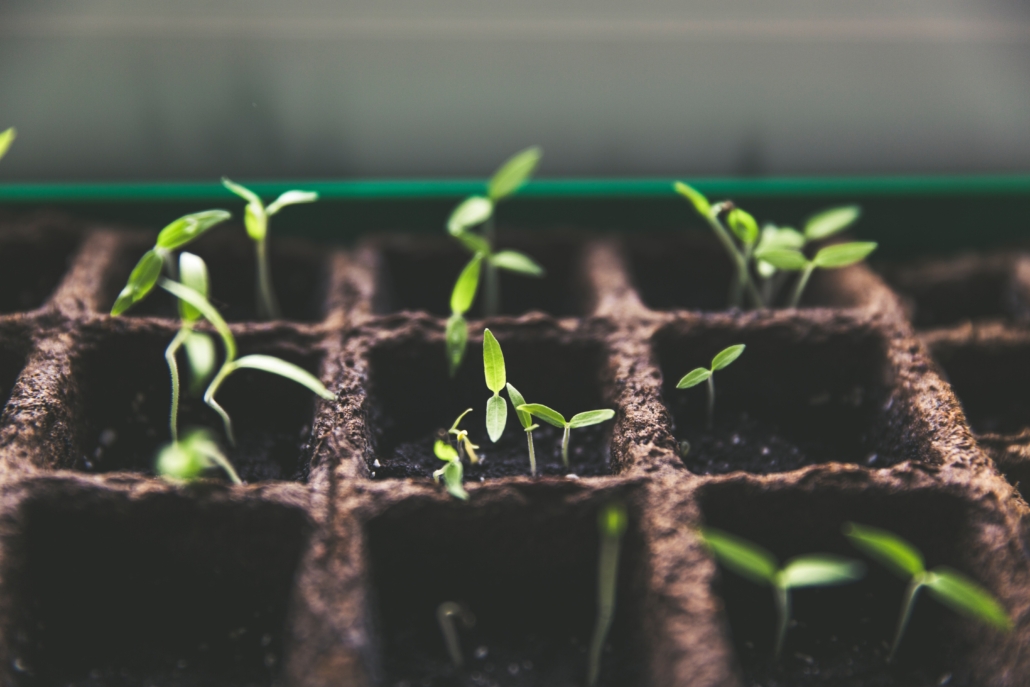
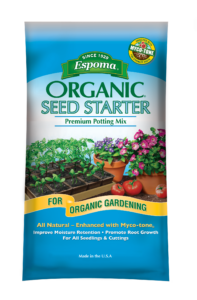
The best way to get a head start on growing tomatoes is to start seeds indoors 4-6 weeks before the last spring frost date in your region. See our Guide to Growing Tomatoes. Start your seeds with Espoma Organic Seed Starter and feed your tomatoes with Espoma Organic Tomato-tone.

2. Get planting.

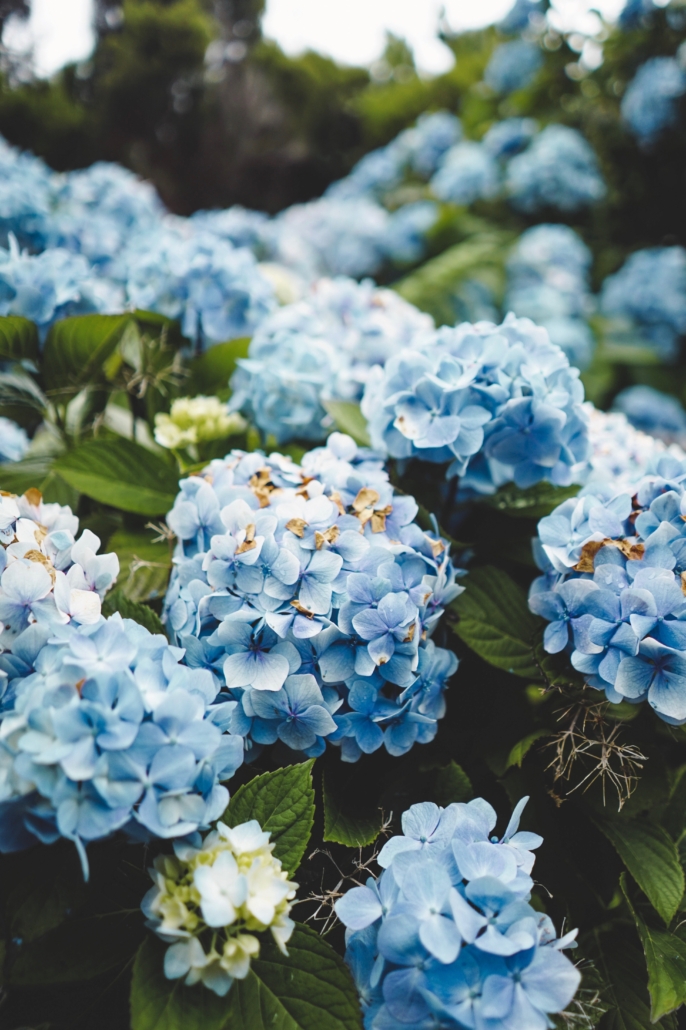
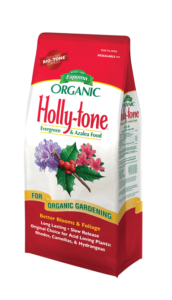
Hydrangeas embody everything we love about gardening. They have billowy textures, come in bright colors, and are easy to care for. Plant some this month for the best blooms. Feed your Hydrangeas with Espoma Organic Holly-tone fertilizer.

3. Grow berries.

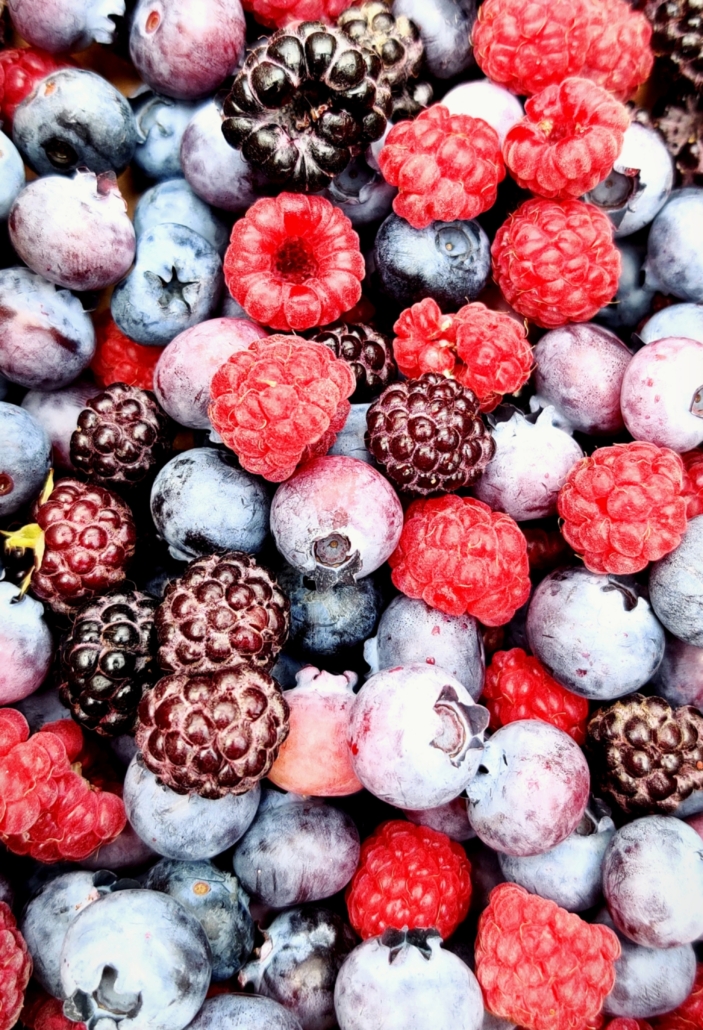
Did you know blackberries have almost as many antioxidants as blueberries? And raspberries make the perfect addition to jam, cobblers, and pies. Berries are just so delicious, scrumptious, and oh-so-juicy. Plus, many berries are easy to grow and care for. Find out when, where, and how to plant your favorite berries. Feed your berry-producing plants with Espoma Organic Berry-tone fertilizer.

4. Revitalize lawns.

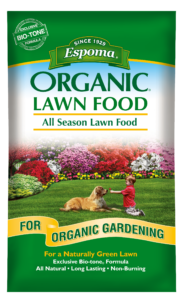
Perform a soil test to find out what your lawn needs, then amend and choose organic. Organic lawns need less watering, fertilizing, and mowing all summer long. Yes — that means you get to spend more time enjoying your beautiful lawn and less time caring for it! Plus, as natural lawn foods break down, your soil becomes stronger on its own and needs less help. Feed your lawn with Espoma Organic All Season Lawn Food.

5. Plant blooms.

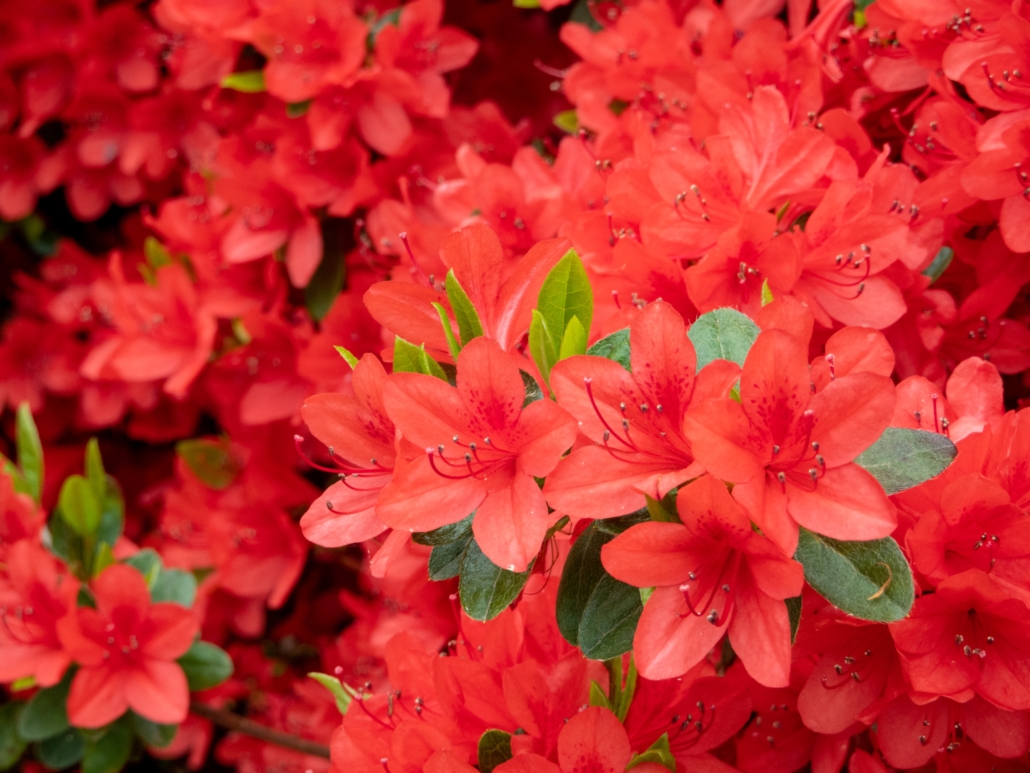
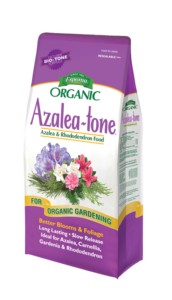
Azaleas and Rhododendrons are some of the most popular flowering shrubs. Blooming from late spring to early summer, these shrubs thrive in almost any garden. Plus, they come in virtually every color of the rainbow — from bold pinks, purples, and reds to soft, muted yellows and whites. Make sure you’re adding these bloomers to your garden this year. Feer your beautiful Azaleas and Rhododendrons with Espoma Organic Azalea-tone fertilizer.

6. Feed roses.

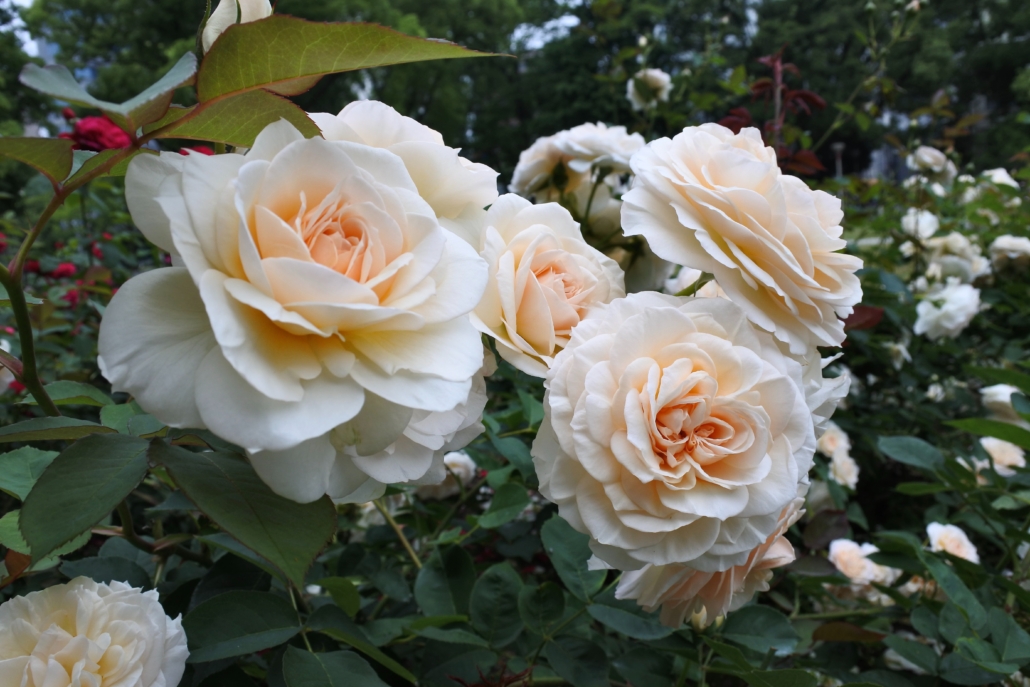
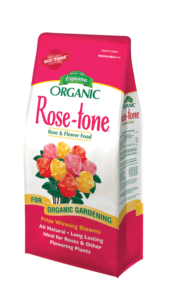
Your roses are waking up now, they’ve made it through a long winter and they are starving! Choose Espoma’s organic Rose-tone. It includes more nutrients than any other rose food. Most rose fertilizers contain three nutrients — nitrogen, phosphorus, and potassium (N-P-K). Here’s how to feed with Rose-tone.

Roses in the Mist

Sit back and relax once you’re done.

April showers will give way to May flowers in no time at all.

*****

Check out our Total Guide to Growing Organic Berries!


Featured Products:

Where to Buy

https://www.espoma.com/wp-content/uploads/2017/04/hydrangeas-898043_1920.jpg 1079 1920 espoma https://www.espoma.com/wp-content/uploads/2023/05/espoma-logo340w-1.png espoma2017-04-06 17:03:132024-10-02 08:27:41The April Garden Checklist

6 Heirloom Plants We Love

March 23, 2017/in Vegetable Gardening

Contrary to popular belief, tomatoes are not the only heirlooms out there. Heirlooms are plants that are grown from seeds that have been passed down through the generations for at least the past 50 years. They must also be open-pollinated, which means they’re pollinated by insects or wind without human intervention.

Your organic vegetable garden wouldn’t be complete without some heirlooms. So grab your shovel and get ready to plant.

Here are six heirlooms we love!

1. Armenian cucumber

This cucumber is also known as yard-long cucumbers or snake melon, because of the cantaloupe-like scent that’s released when sliced. It yields large amounts and turns yellow when ripe. They’re also great for slicing and pickling!

2. Black Diamond Watermelon

It has a blackish green rind that covers its bright red flesh. The seeds are black and can grow to be pretty big. This watermelon is drought resistant and prolific, which means that it produces a lot of “offspring.”

3. Clemson Spineless Green Okra

This plant yields large amounts of pods that should be harvested when they reach three inches long. It will keep growing until the weather cools down during the fall, so it’s possible for them to grow up to 6 feet or taller in warmer areas. It is also a traditional favorite for soups and stews.

4. Early Jersey Wakefield Cabbage

This cabbage is dark green and has a smooth, sweet flavor. It usually harvests pretty early, but is slow to split and bolt. After it matures, it’s best to keep it in the garden for another two to three weeks. It is also really rich in vitamins and minerals.

5. Rutabaga

This plant is grown in the cooler seasons and is desired for its root, the Swedish turnip. It is essentially a natural cross between a cabbage and a turnip, but its yellowish root and smooth leaves differentiate it from an actual turnip.

6. Spaghetti Squash

The squash starts off as white and eventually changes colors to a pale yellow once it matures. It can yield up to four or 5 plants and they will last several weeks after harvesting. This plants it known for its double as a healthy substitute to pasta.

Once your vegetable garden gets growing, don’t forget to feed with an organic fertilizer such as Garden-tone.

https://www.espoma.com/wp-content/uploads/2017/03/Spaghetti-squash.jpg 3456 4608 espoma https://www.espoma.com/wp-content/uploads/2023/05/espoma-logo340w-1.png espoma2017-03-23 15:30:062019-05-07 10:03:176 Heirloom Plants We Love

VIDEO: Orchid Care 101 with Garden Answer!

January 24, 2017/in Blog, Espoma Videos, Flowers, Garden Answer, Indoor Gardening, Indoor Gardening

Laura from Garden Answer demonstrates how to care for moth orchids, also known as Phalaenopsis orchids. Repot, fertilize and give orchids exactly what they need to help them thrive.

For this project, you will need:

  1. Moth orchid
  2. Organic orchid mix
  3. Orchid pot with holes
  4. Watering can
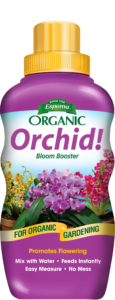
  5. Orchid! Bloom Booster


Featured Products:

Where to Buy

https://www.espoma.com/wp-content/uploads/2017/01/IMG_2375.jpg 3072 5472 espoma https://www.espoma.com/wp-content/uploads/2023/05/espoma-logo340w-1.png espoma2017-01-24 08:00:192024-09-07 08:03:09VIDEO: Orchid Care 101 with Garden Answer!

Prep Gardens for Frost

November 1, 2016/in Fall Gardening

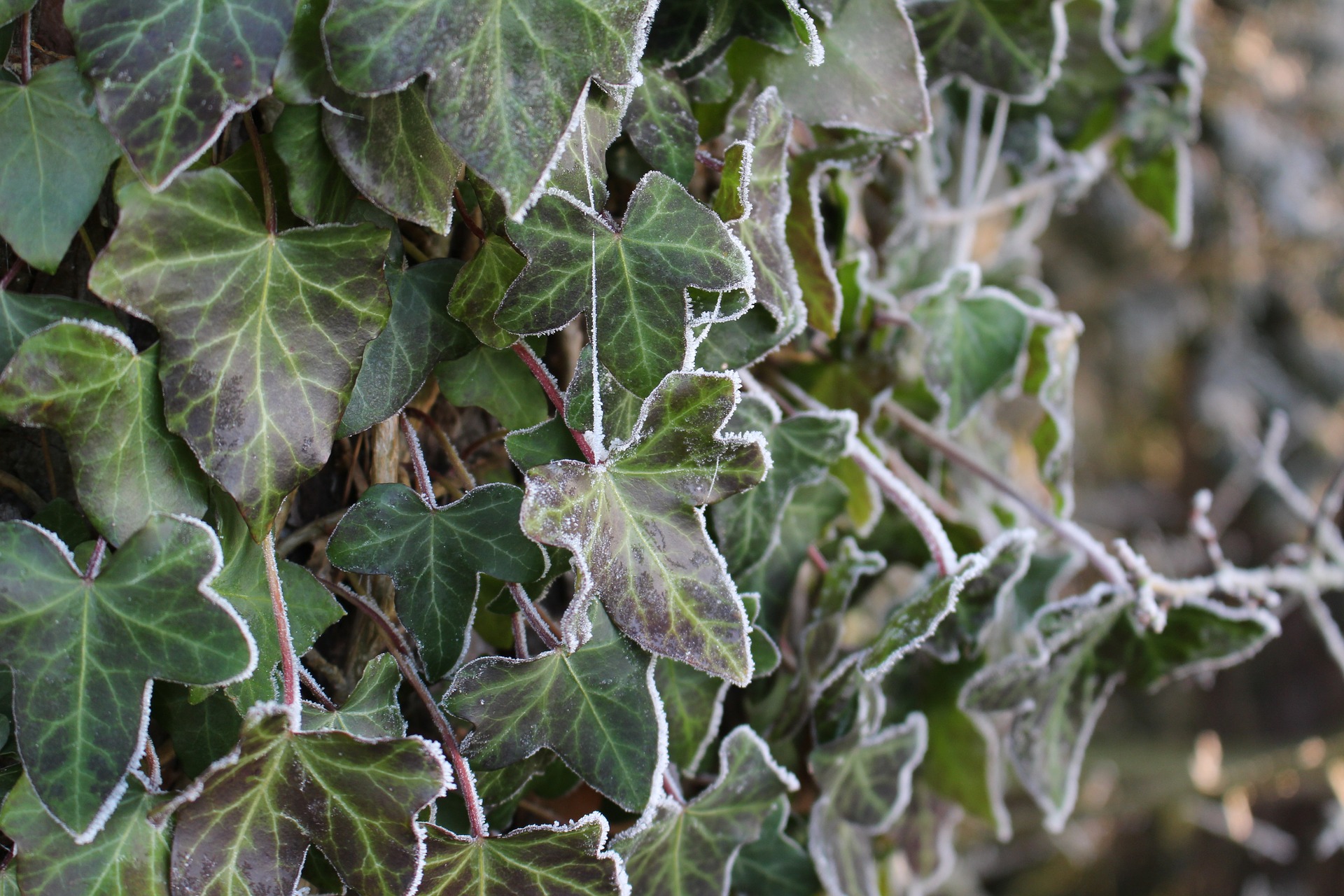
Winter can be hard on any garden, but many plants can be protected from a light frost and continue to grow until your first hard freeze. Now that your garden has transformed for fall, it’s time to shield it.

If the forecast calls for a cold front or frost, it can actually improve the flavor of many cool weather greens, such as spinach, collards, and kale.

While we can’t control the weather, we can protect plants now before they get into trouble.

Winter can be hard on any garden, but many plants can be protected from a light frost and continue to grow until your first hard freeze.

Protect Plants from a Frost:

1. Water your plants the night before a frost. Wet soil releases moisture in the air, which raises the temperature and keeps plants warmer throughout the night.

2. Cover plants with an old sheet, blanket, cardboard boxes or row covers. Row covers can add more than a month to the fall growing season. Use bricks, large stones or landscape pins to anchor covers to the ground. Remove covers as soon as the weather warms up.

Winter can be hard on any garden, but many plants can be protected from a light frost and continue to grow until your first hard freeze.

3. Cover individual plants with an inverted bucket or flower pot. Uncover as soon as the temperature rises above freezing.

4. If you haven’t brought all your container plants inside yet, now is the time to do so. Or, you can simply move large potted plants closer to the house or into direct sun.

If a freeze does do some damage to your garden, don’t fret! Sometimes only a few parts of a plant are injured, and it will continue to grow.

https://www.espoma.com/wp-content/uploads/2016/10/frost-leaves.jpg 960 1280 espoma https://www.espoma.com/wp-content/uploads/2023/05/espoma-logo340w-1.png espoma2016-11-01 08:00:332019-10-03 16:52:59Prep Gardens for Frost

How to Treat Chlorosis

October 12, 2016/in Espoma Videos


Yellow leaves mean plants aren’t producing enough chlorophyll. This common garden problem is known as chlorosis. Laura from Garden Answer shows you how to turn leaves green again.


https://www.espoma.com/wp-content/uploads/2016/10/IMG_0479-resize.jpg 1329 2367 espoma https://www.espoma.com/wp-content/uploads/2023/05/espoma-logo340w-1.png espoma2016-10-12 08:00:332019-05-07 10:04:20How to Treat Chlorosis

Fall Gardening Checklist

September 13, 2016/in Fall Gardening

September marks the turn of a new leaf. The hot summer weather is fizzling out in favor of cool, crisp fall breezes, prompting bonfires, football games, and pumpkin everything.

For gardeners, fall can be one of the busiest seasons. Often, gardeners juggle wrapping up their summer harvests with the responsibilities of preparing for the coming seasons.

With this to-do list from Homestead Gardens, you’ll be ready to fall in love with fall, and with some extra preparation, you’ll be better prepared for winter and spring, too!

organic vegetable gardening, edible schoolyard project, top reasons to start a garden

7 Things To Do in the Garden This Fall  

1. Deadhead to get Ahead

Freshen up flowerbeds by deadheading and removing plants that have stopped blooming. Do maintenance in the morning before the weather gets too hot.

2. Don’t Stop Planting.

After you’ve harvested your remaining summer veggies, you can plant fall crops and begin transplants! Use Espoma Organic Bio-tone Starter Plus at the time of planting to ensure your new or transplanted plants have the nutrients they need for establishment.
3. Serve… or Preserve. Have more vegetables and herbs than you know how to handle? Preserve your harvest. Experiment with making jams or pickles, and try freezing raw fruit, veggies, or herbs. Make sauce out of your tomatoes, or slow-roast them.

4. Flower Power

Keep your annual flowers blooming as long as possible! The key to success? Use Espoma’s Bloom! liquid fertilizer.
5. Watch out for Winter!

Start winterizing your garden’s watering system. Keep an eye out for the first few frosts of the season, and cover plants when necessary. Gradually transition your summer houseplants back indoors.

dahlias-1642686_1920

6. Divide and Conquer

Divide and split your perennials, dig and store tender bulbs like dahlias and caladiums, and start planting spring-flowering bulbs.

7. Red, Dead Ahead!

Are your tomato plants lacking fruit? Producing dull leaves? Sprinkle some Tomato-tone to give them a final boost.

*****

With these tips, your fall landscape will look its best.

Do you have a picture of your fall garden that you’d like to share? Drop by our Facebook page!


Featured Products:


Where to Buy

https://www.espoma.com/wp-content/uploads/2016/09/chrysanthemum-1013083_1920.jpg 1280 1920 espoma https://www.espoma.com/wp-content/uploads/2023/05/espoma-logo340w-1.png espoma2016-09-13 08:00:122025-09-22 14:30:04Fall Gardening Checklist
Page 20 of 23«‹1819202122›»
Where to Buy

Get News & Updates

Recent Posts

  • VIDEO: A Formal Garden Tour with Summer Rayne Oakes
  • VIDEO: Repotting in the Greenhouse with Garden Answer
  • VIDEO: How to Winterize Your Chicken Coop with Summer Rayne Oakes
  • VIDEO: Planting Spring Bulbs in Containers 🪴🌷 with Summer Rayne Oakes
  • VIDEO: Planting the Last Bulbs of the Season with Garden Answer

Tags

All-Purpose Potting Mix bio-tone Bio-tone Starter Bio-tone Starter Plus Cactus Mix caring for houseplants Container Gardening DIY project Espoma espoma grown espoma organic Espoma Organics Espoma Video fall gardening Family fert flower garden flowers garden Garden Answer Gardening gardening tips gardens grow holly-tone houseplants Indoor! indoor gardening indoor plants Kaleb Wyse organic organic fertilizer Organic Gardening organic plant food Organic Potting Mix Outdoor Gardening Planting plants Potting Mix potting soil Spring Gardening summer rayne oakes vegetable garden Vegetable Gardening Wyse Guide

Espoma. A Family Tradition Since 1929.

Espoma Organic logo
  • Espoma Dealer
  • Espoma Pro
  • Garden Club
  • Privacy Policy

Scroll to top