September marks the turn of a new leaf. The hot summer weather is fizzling out in favor of cool, crisp fall breezes, prompting bonfires, football games, and pumpkin everything.
For gardeners, fall can be one of the busiest seasons. Often, gardeners juggle wrapping up their summer harvests with the responsibilities of preparing for the coming seasons.
With this to-do list from Homestead Gardens, you’ll be ready to fall in love with fall, and with some extra preparation, you’ll be better prepared for winter and spring, too!
7 Things To Do in the Garden This Fall
1. Deadhead to get Ahead
Freshen up flowerbeds by deadheading and removing plants that have stopped blooming. Do maintenance in the morning before the weather gets too hot.
3. Serve… or Preserve. Have more vegetables and herbs than you know how to handle? Preserve your harvest. Experiment with making jams or pickles, and try freezing raw fruit, veggies, or herbs. Make sauce out of your tomatoes, or slow-roast them.
4. Flower Power
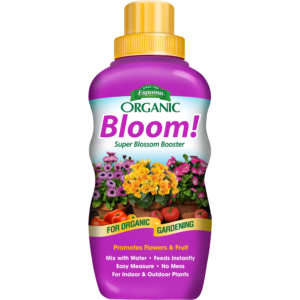
Keep your annual flowers blooming as long as possible! The key to success? Use Espoma’s Bloom! liquid fertilizer.
5. Watch out for Winter!
Start winterizing your garden’s watering system. Keep an eye out for the first few frosts of the season, and cover plants when necessary. Gradually transition your summer houseplants back indoors.
6. Divide and Conquer
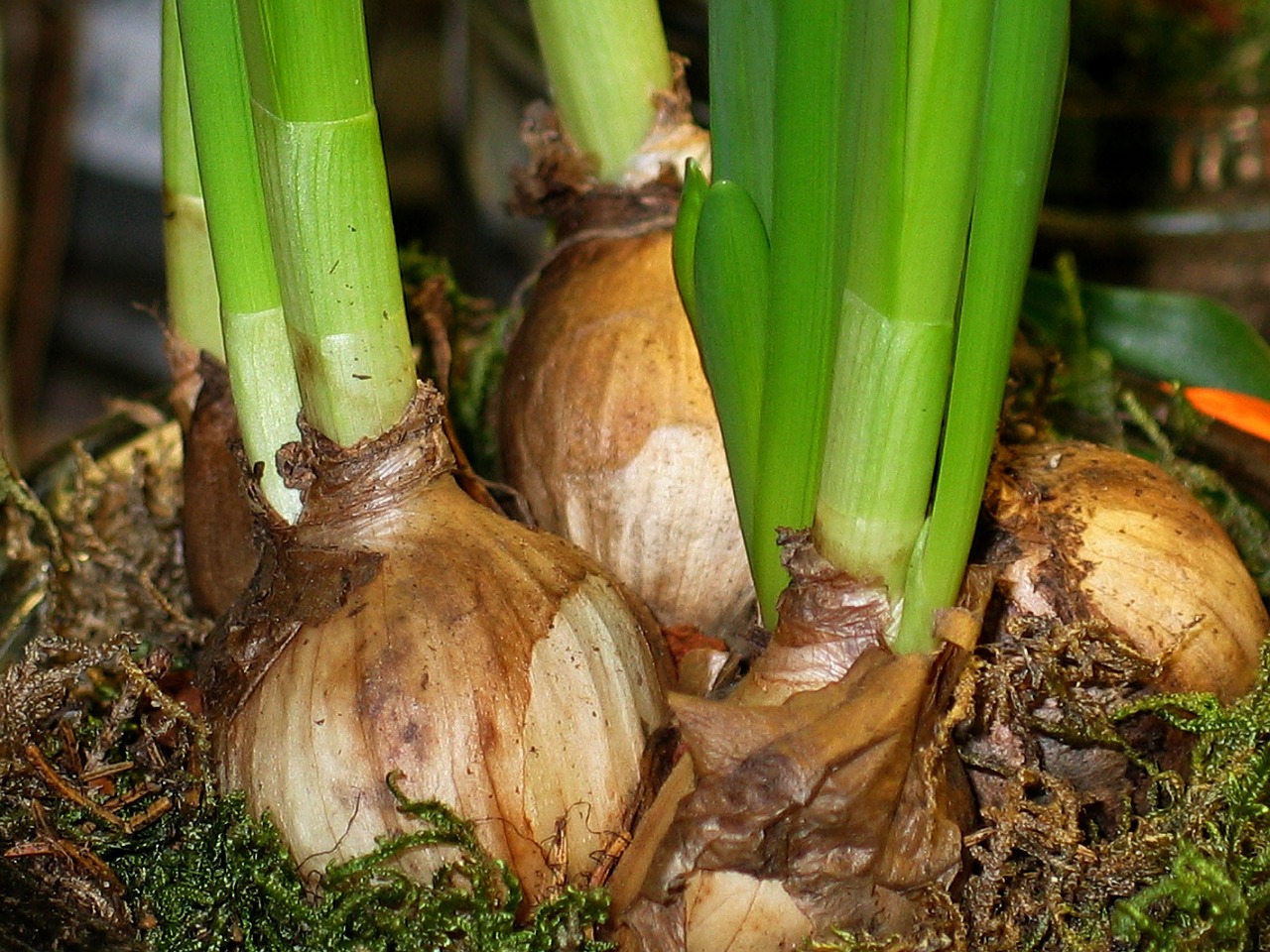
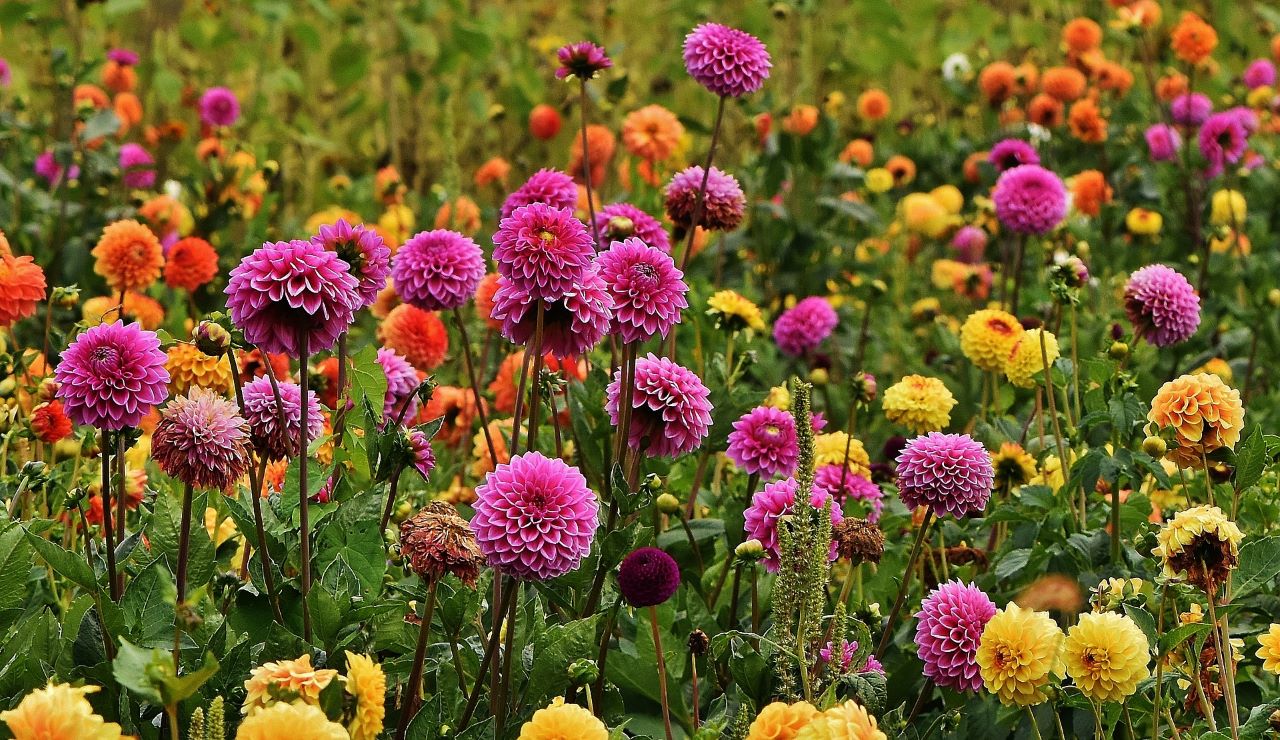
Divide and split your perennials, dig and store tender bulbs like dahlias and caladiums, and start planting spring-flowering bulbs.
7. Red, Dead Ahead!
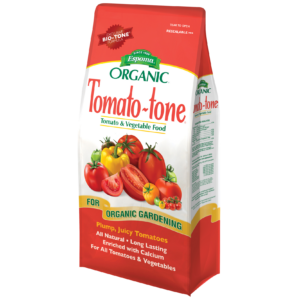
Are your tomato plants lacking fruit? Producing dull leaves? Sprinkle some Tomato-tone to give them a final boost.
*****
With these tips, your fall landscape will look its best.
Do you have a picture of your fall garden that you’d like to share? Drop by our Facebook page!
Back to Gardening School: A Fresh Start for Your Garden
Remember the excitement of a new school year? Fresh notebooks, a backpack ready for adventure, and the feeling that anything was possible. That same sense of renewal is waiting in the garden this season.
Whether you’re just starting out or brushing up on your skills, it’s the perfect time to get back to the basics. Sharpen those tools (and pencils) and let’s head to Gardening School.
1. Build a Strong Foundation
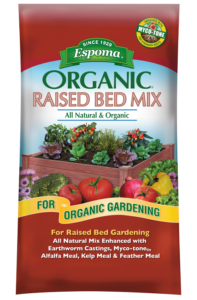
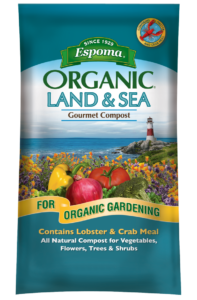
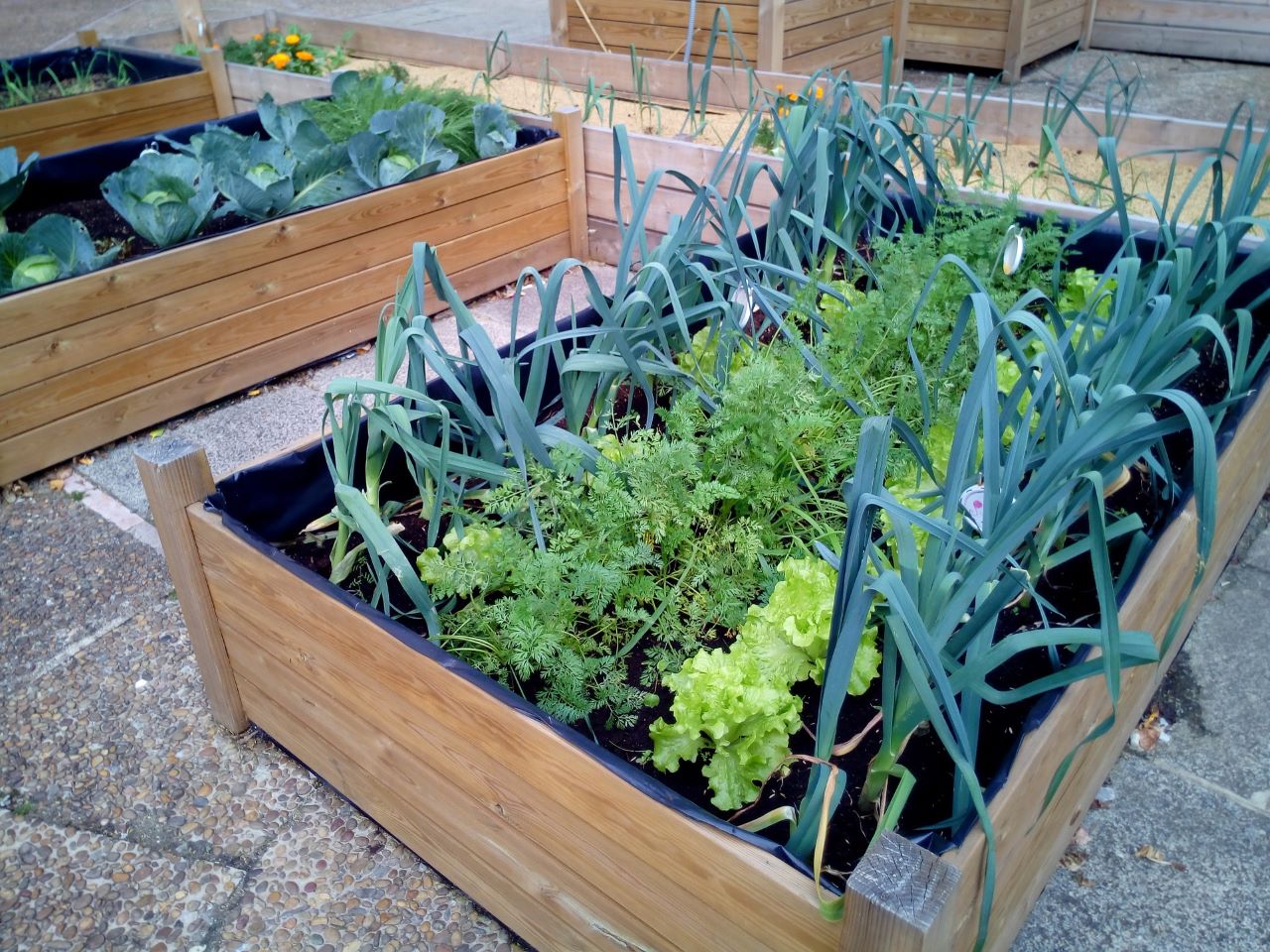
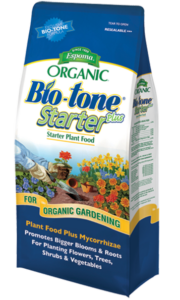
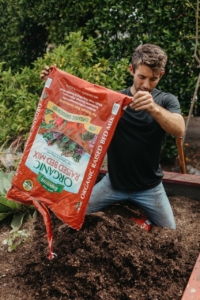
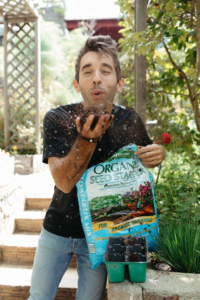
Every successful garden begins with healthy soil. Start with a quick soil test to understand what nutrients your garden may be missing, then build from there. For raised beds, fill them with a rich blend of natural ingredients—like those in Espoma Organic Raised Bed Mix—to create the perfect growing environment. Adding an organic compost such as Espoma Organic Land & Sea Gourmet Compost further improves soil structure, boosts moisture retention, and encourages healthy microbial activity. For container plantings, Espoma Organic All-Purpose Potting Mix provides the ideal balance of drainage and organic matter to keep roots thriving. And whenever new plants go in the ground, a starter fertilizer like Espoma Organic Bio-tone Starter Plus helps them establish quickly by supporting strong, resilient root growth. With the right foundation beneath the surface, the garden above will flourish.
2. Check Your Supplies
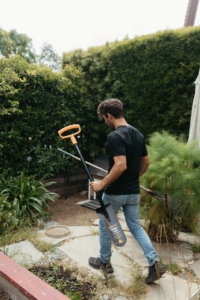
Just like gathering fresh notebooks and sharpened pencils, gardeners should review their tools. Replace cracked handles, rusty clippers, or wobbly rakes so nothing slows you down during the season. A little care and preparation now saves frustration later and makes gardening smoother and more enjoyable.
3. Redefine Your Garden’s Style
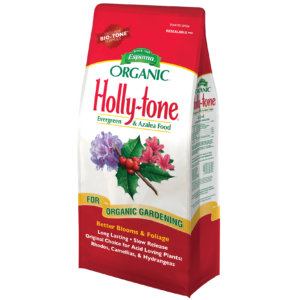
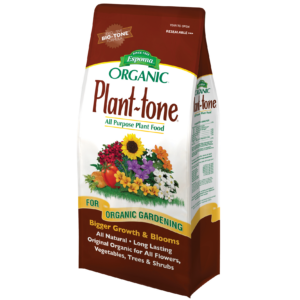
A new season is the perfect time to refresh the look of the garden. Whether the goal is calm and classic or bold and colorful, the right nutrition helps plants live up to their potential. Espoma Organic Plant-tone provides complete, balanced nutrition for a wide variety of plants, while Espoma Organic Holly-tone supports acid-loving favorites such as azaleas, rhododendrons, and hydrangeas. Feeding properly is the simplest way to bring a dream garden style to life.
4. Learn From Last Season
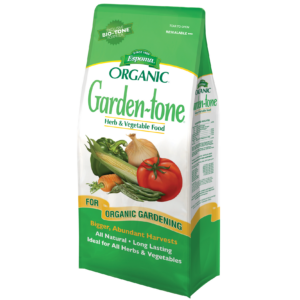
Every garden has its victories and its challenges. Take time to reflect on what thrived and what struggled, then plan for improvement. Espoma Organic Garden-tone is specially formulated for vegetables, helping ensure bigger, tastier harvests season after season. When planting new crops or ornamentals, Espoma Organic Bio-tone Starter Plus gives roots the boost they need to grow stronger and more resilient than before. Each new season builds on last year’s lessons with the right nutrition.
5. Don’t Forget Your Indoor Plants
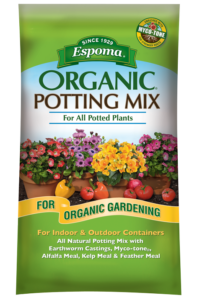
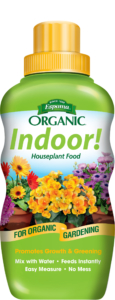
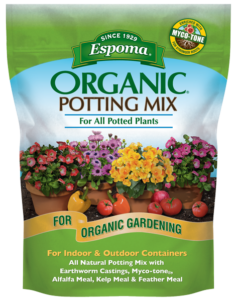
While outdoor gardens take the spotlight, houseplants need care too. Feeding them regularly keeps leaves lush, colors vibrant, and growth steady all year long. Espoma’s Indoor! organic liquid fertilizer makes it easy to give houseplants the nutrition they need with every watering. When repotting, Espoma Organic Potting Mix provides the perfect organic base to keep indoor plants healthy and happy. A thriving indoor garden completes the picture of a gardener’s success.
6. Sharpen and Shine
Tools are the unsung heroes of every garden. Taking time to clean, sharpen, and maintain them ensures they last longer and work more effectively. Well-maintained tools make every gardening task easier, allowing more energy to be devoted to growing beautiful, thriving plants.
7. Grow Your Community
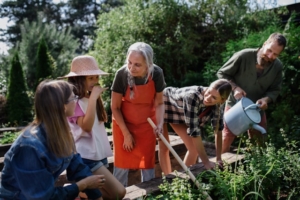
Gardening is even better when knowledge is shared. One of the most valuable tips to pass along is to start every planting with a quality organic starter fertilizer like Espoma Organic Bio-tone Starter Plus to set roots up for success, and then feed with Espoma Organic Plant-tone throughout the season to keep growth steady and strong. These trusted essentials have been used by generations of gardeners, and passing them along helps the whole community grow stronger together.
Graduation Time!
Congratulations—you’ve completed your Back-to-Gardening School crash course! Toss those gardening gloves in the air, because the lessons learned here will lead to healthier plants, bigger harvests, and gardens worth celebrating.
At Espoma, teaching organic gardening practices has been a passion since 1929. With products that are safe for people, pets, and the planet, Espoma is here as a mentor and partner on every gardener’s journey. Class dismissed—now go grow with confidence!
Kids Course
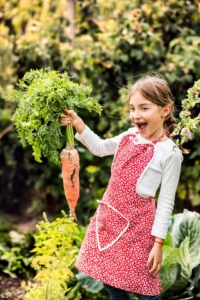
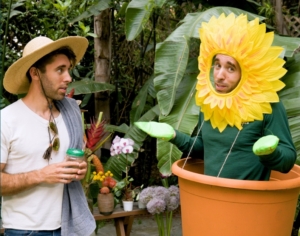
Looking for a fun way to introduce kids to gardening? Check out our brand partner Farmer Nick’s course, The Adventures of Farmer Nick and Plant!Designed for children ages 4 and up, this 10-episode series inspires a love of gardening and plant science through hands-on lessons. Sometimes silly, always fun, it’s a playful way to spark curiosity and delight both kids and adults alike.
https://www.espoma.com/wp-content/uploads/2016/09/9V2A7296.jpg1280853espomahttps://www.espoma.com/wp-content/uploads/2023/05/espoma-logo340w-1.pngespoma2016-09-06 12:00:482025-09-12 17:16:48Grab Your Books for a Lesson in Gardening 101
August is an exciting time. After all, your flower beds are radiant and your vegetable garden is thriving!
Although it may seem like watering and weeding are your only tasks this month, there’s still a lot to do. Help your garden beat the heat and prep for fall at the same time.
Keep your garden beautiful during August:
Maintenance and Preparation
Level low spots in your lawn.
Remove weeds.
Choose your autumn flower seeds and order in advance.
Remove fallen fruit from fruit trees to limit insect infestations.
Mind the Flowers
Divide and transplant spring and summer-flowering perennials after they bloom.
Spray water onto plants to evict seasonal pests like aphids, whiteflies, and spider mites.
Remove diseased foliage before leaves drop.
Deadhead summer-flowering perennials and lightly shear to encourage more blooms.
Move houseplants back indoors to acclimate them to limited sun exposure.
Water, Water, Water!
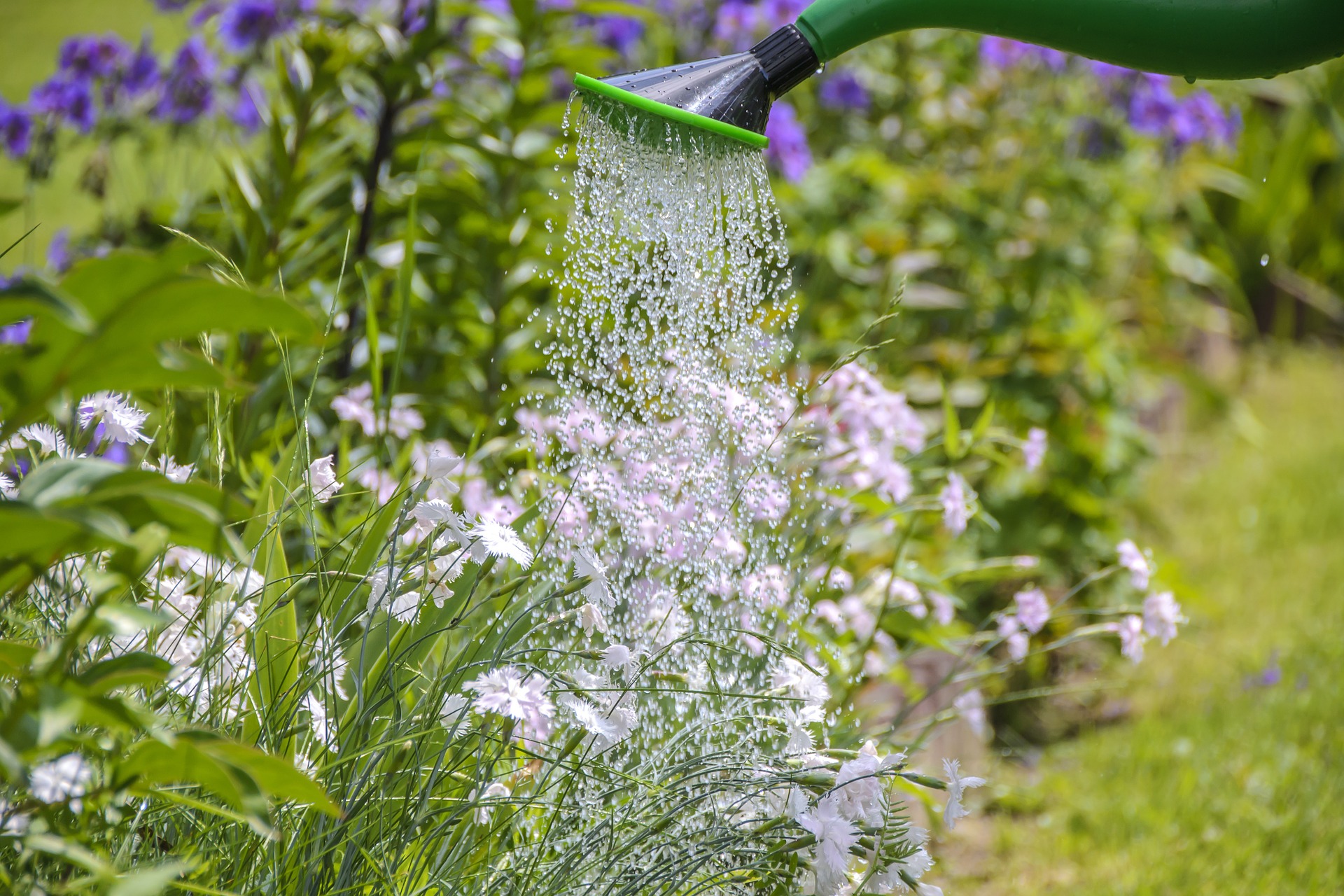
Water plants deeply. Avoid getting leaves wet in the direct sun and avoid soaking containers during the hottest part of the day.
Water before 9:00am. If you can’t water in the morning, aim for watering in the early evening, to avoid letting the water sit all night. Letting the water sit all night can cause mildew and disease.
Raise new plants that grow as big and mighty as Jack’s Beanstalk with these five tips for planting success. Your new plants will look so perfect your neighbors will think you plucked them right from a fairy tale!
Before you even think about picking up your garden trowel, check out these tips.
Say Yes to Success: 5 Tricks for Planting New Flowers, Veggies and More
1. Start with the Best. Make sure you have the right light, space and soil for each plant. Then select plants with shiny, blemish-free leaves that you can easily lift out of the container.
3. Feed Now… and Later. When planting, mix in an organic starter plant food. Adrianna, an Espoma customer, loves Bio-tone Starter Plus. She can even tell “when the roots begin to take up the plant food because they start to grow MUCH faster.” Bio-tone Starter Plus’ secret is mycorrhizae, which promotes bigger blooms and helps plants get established faster.
4. Stay Strong Seedlings. Before moving indoor seedlings outside, toughen them up. Otherwise, they may not make it. To help seeds adjust, begin hardening them off two weeks before transplanting. How-to instructions here.
5. Don’t Forget to Water. While still in their nursery containers, water your plants. Then water deeply after planting. Water reduces plants’ stress levels and helps them adjust to their happy, new abode.
Get ready, your organic flowers, veggies and plants are about to be bigger and healthier than ever! You grow, gardener!
For good reason, tomatoes are the popular kid in the garden. Everyone wants to grow them, but not everyone knows how! So we have collected everything we know about tomatoes – from choosing which tomatoes to grow to how to harvest – and put it in one place!
Have success with Espoma’s Total Guide To Growing Tomatoes!
Best Tomato Varieties for Beginners – Depending on what you’re making and where you live, some tomatoes really are better! With more than 7,500 varieties, you have to know exactly what you’re looking for.
Should I grow heirlooms? – Heirloom tomatoes come from seeds that have been handed down from farmer to farmer for generations for their special characteristics and varieties must be 50 years old at least. Because of this, heirloom tomatoes have minimal disease resistance.
Hybrid tomatoes – With over 7,000 varieties, picking the right tomato to grow can seem overwhelming. If you want your tomato to have it all — flavor, disease resistance, texture and more – try modern, hybrid tomatoes.
Non-Red Tomatoes – When growing tomatoes in your organic garden, you probably envision swathes of red. However, tomatoes were not always red. The earliest varieties were yellow and orange.
Starting tomatoes from seed – In practically no time at all, you can start tomato seeds. The best way to get a head start on growing tomatoes is to start seeds indoors 4-6 weeks before the last spring frost date in your region.
How to start tomato and pepper seeds indoors – The best way to get a head start on growing tomatoes is to start seeds indoors. Whether you’re growing cherry tomatoes or hot peppers, visit your local garden center to pick up supplies.
How to plant tomatoes – Seeing red tomatoes peek through the green leaves in your garden is a true sign that summer is here. The first harvest of the season provides opportunities to finally try those delicious garden-to-table recipes.
Ensuring soil health – Soil, as you may have thought, is not dirt. Healthy soil is a collection of creatures, minerals and living material that holds water and nutrients like a sponge, making them readily available for plants. To continue to grow big, juicy fruits and vegetables, you need to make sure you’re feeding your soil.
Growing tomatoes in containers – Tomatoes grown in portable containers are just as tasty and satisfying as garden grown. Plus, containers are versatile and can easily be moved from one spot to another to suite your gardening needs.
Growing tomatoes upside down – Laura from Garden Answer demonstrates how to make an upside down tomato planter. She uses Espoma’s new liquid fertilizer to give plants the nutrients they need to grow.
Turn your tomato garden upside down – This summer, put a new twist on growing tomatoes by adding upside-down tomato planters to your organic vegetable garden.
Growing tomatoes – To pick the tomatoes best for you, decide if you’d like to snack on tomatoes throughout summer. These are known as Indeterminate. Or if you’d like your crop to ripen at once at the end of summer, select determinate.
Companion Planting for Beginners – Find out how to your plants can help each other in this tutorial with Laura from Garden Answer. She’ll walk you through the basics of what it is, how to get started and how she companion plants in her own garden.
How to fertilize tomatoes – Tomatoes and peppers have big appetites, so they need plenty of organic food. Since plants get all their nutrients from the soil, their all-you-can-eat buffet runs out quick. Feed them right, and they’ll burst full of fresh produce.
3 Ways to Support Tomatoes – Use tomato cages, wood or metal stakes, or a trellis to give plants extra support. It’s really a matter of preference which one you choose. The most important thing is that you’re keeping plants off the ground to avoid pests, diseases and rot.
How to mulch tomato plants – Add mulch, a natural covering on top of soil, to keep moisture in, block weeds and provide added nutrients.
How to prune tomatoes – Tiny tomato seedlings can vigorously turn into huge bushes in no time. In fact, they’ve even been known to bend cages and pull stakes out of the ground!
What are tomato plant suckers? – Tomato suckers are small shoots, or leaves, that sprout out from where the stem and the branch of a tomato plant meet. Although relatively harmless to the plant, suckers don’t serve much of a purpose.
How much water do tomatoes need? – When, and how frequently, you should water your tomato plants depends on the variety, size and location.
6 Secrets to Get The Best Tomatoes – Every tomato has the potential to be great and some extra attention now will pay off big time come harvest. Set the stage for a stellar performance by this year’s crops with these tips.
Blossom end rot – If a dark, water soaked spot has formed on your tomato you may have blossom-end rot. This problem is likely caused by an imbalance of calcium in the plant.
Keep Tomatoes from Cracking and Splitting – Tomatoes split open when the fruit outpaces the growth of the skin — usually after a heavy rain. The bad news: split tomatoes can introduce bacteria into the fruit and cause them to rot.
Protect your plants – 4 common tomato pests – It doesn’t matter if you’re growing hybrids or heirlooms, there are a few pests you don’t want around. Identify harmful pests early before damage is done.
Harvesting tomatoes made easy – Whether you’re cooking, canning, freezing or simply eating your tomatoes raw, you’ll want to pick them at the perfect moment. These harvesting tips will ensure your organic tomatoes are ripe when picked.
Saving tomato seeds – Tomato seeds might be available at the store year-round, but saving your own is satisfying and easy.
Tomato recipes – Make sure to pick tomatoes when they are just right to enjoy with your favorite tomato recipes. These harvesting tips will ensure you get a flavorful tomato every time.
https://www.espoma.com/wp-content/uploads/2016/02/Total-Guide.jpg470700espomahttps://www.espoma.com/wp-content/uploads/2023/05/espoma-logo340w-1.pngespoma2016-02-19 10:03:462024-09-14 12:14:45Total Guide to Growing Tomatoes
Organically feeding your favorite plants just got way easier – and faster. Say farewell to messy measuring and that fishy smell of other organic, liquid fertilizers.
And say hello to Espoma’s new line of liquid plant foods. Learn more about our new collection below.
Here are a few reasons our new liquid plant line will become one of your favorite things.
Instant Nutrition. Espoma’s new liquid plant foods feed your plants instantly – and organically. With these, you can feed your plants faster than you send a text!
Scientifically Magnificent. Our new liquid fertilizers are scientifically proven to grow bigger, better plants with larger blooms. What gives them their mighty power? We’ve loaded them with kelp extracts, humic acids and beneficial microbes.
Less Mess. Ready, set, pop! The new Easy Dose cap on our liquid plant foods effortlessly measures each dose of fertilizer! No more messy bottles, measuring mistakes or spills.
Flip, Fill and Feed. All you do is pop the lid, hold the bottle upside down and voila! The perfect amount of liquid fertilizer drops into your watering can.
Cause for Safe Paws. Our new liquid fertilizers are 100 percent organic and safe to use around children and pets. Safe Paws approved!
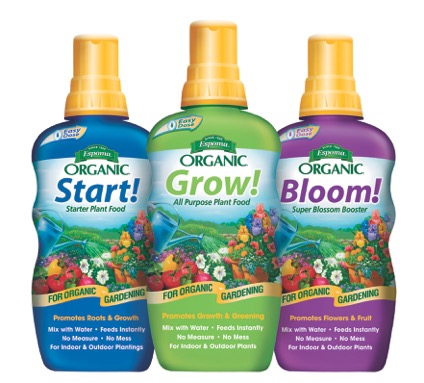
Meet the New Liquid Plant Food Trio
Bigger, better plants are only a flip away!
Begin with Start!Flip open this starter plant food which helps plants get established fast while growing strong roots.
Go with Grow!Add this all-purpose, organic plant fertilizer to promote rapid root growth and encourage green foliage.
Boom with Bloom!Call in the super blossom booster which promotes and prolongs flowering while stimulating the growth of moreblooms!
Try our new liquid organic plant foods with organic potting soil for super amazing results. Can’t wait to see what big beauties you grow!
https://www.espoma.com/wp-content/uploads/2016/02/easy-dose21.png319789espomahttps://www.espoma.com/wp-content/uploads/2023/05/espoma-logo340w-1.pngespoma2016-02-16 08:00:312024-08-16 15:04:36Flip, Fill and Feed with Espoma’s NEW Liquid Plant Foods
Depending on what you’re making and where you live, some tomatoes really are better! With more than 7,500 varieties, you have to know exactly what you’re looking for.
Cherry Tomatoes are the easiest tomatoes for beginners to grow. They produce crop after crop and have very few problems! Here are a few of the best.
Super sweet 100 tomatoes.
Super Sweet 100
The name says it all – these are sweet and easy. Just one plant can bear more than 1,000 tomatoes. Super Sweet 100s grow in long strands or clusters of more than 100 tomatoes. You’ll have thousands of tomatoes that are high in Vitamin-C by the end of the season.
Disease Resistance: V, F and N
Growth Type: Indeterminate
Time to Maturity: 60-70 days
Taste and Texture: Super sweet and juicy with a firm texture
Light: Full sun
Plant Size: 8-12’
Spacing: 18-36” apart
Staking: Yes – Cage or stake
Napa Grape
This classic tomato tastes and looks just like its bigger rivals, but has a higher sugar content than any other grape tomato. Known to be one of the tastiest tomatoes out there, the Napa Grape produces sweet tomatoes that taste yummy in salads or as snacks.
Disease Resistance: Very disease resistant
Growth Type: Indeterminate
Time to Maturity: 65 days
Taste and Texture: Sugary with a firm texture
Light: Full sun
Plant Size: 4-6’
Spacing: 24-36” apart
Staking: Yes – Cage or stake
Golden Nugget
These sweet tasting tomatoes love cool weather and can withstand the heat. Looking more like tangerines than tomatoes, Golden Nuggets ripen early and produce lots of fruit.
Disease Resistance: V and F
Growth Type: Determinate
Time to Maturity: 55-65 days
Taste and Texture: Balanced, mild with a hint of sweetness and a thin skin
Light: Full sun
Plant Size: 2-3’
Spacing: 18-24” apart
Staking: No
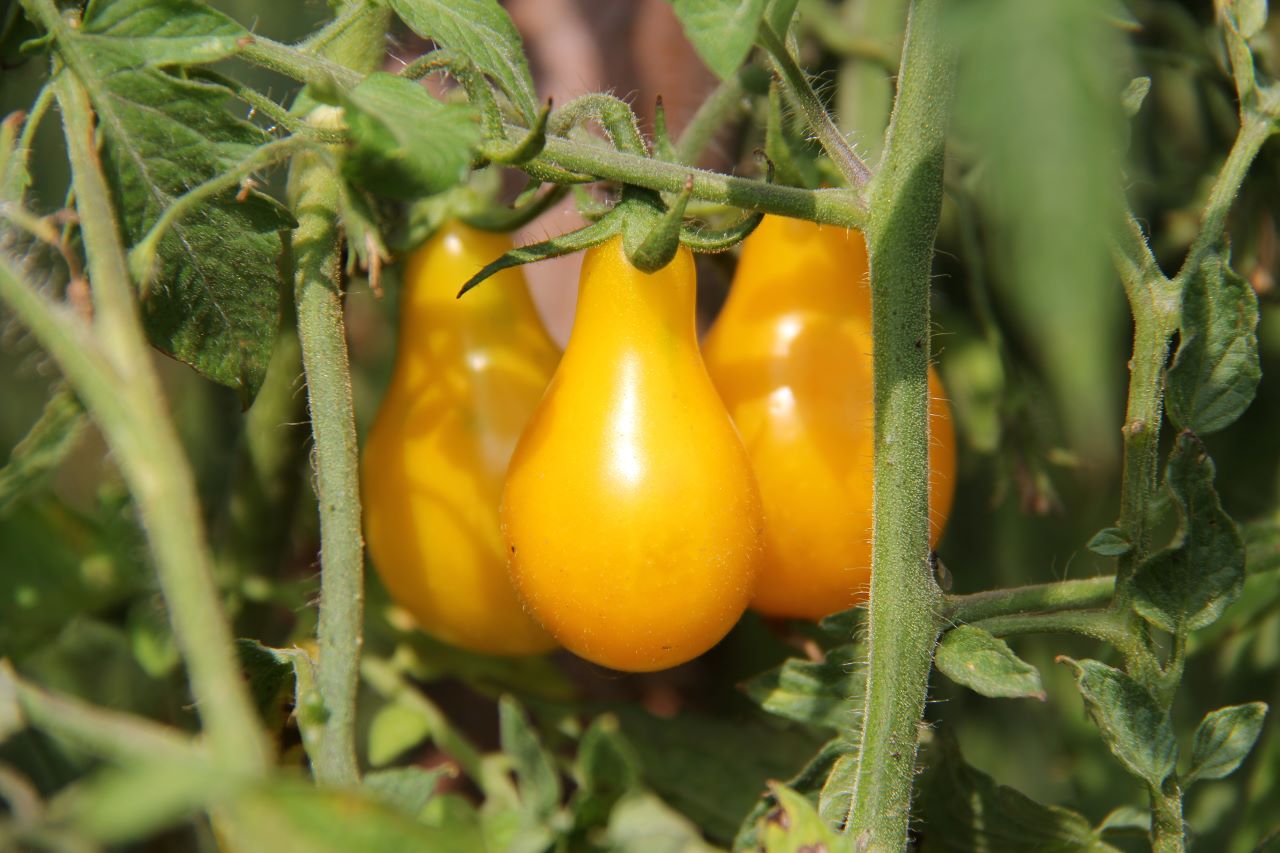
Yellow Pear Tomato
Yellow Pear
Tangy, beautiful and tiny, Yellow Pear tomatoes look charming in salads or as snacks. A favorite of chefs, these dynamic tomatoes love to sprawl, so contain them with a cage or stake.
Disease Resistance: Not susceptible to blossom end, but can develop early blight
Growth Type: Indeterminate
Time to Maturity: 75-80 days
Taste and Texture: Tangy yet mild with a slightly firm and mealy texture
Light: Full sun
Plant Size: 6-12’
Spacing: 24-36” apart
Staking: Yes – Cage or stake
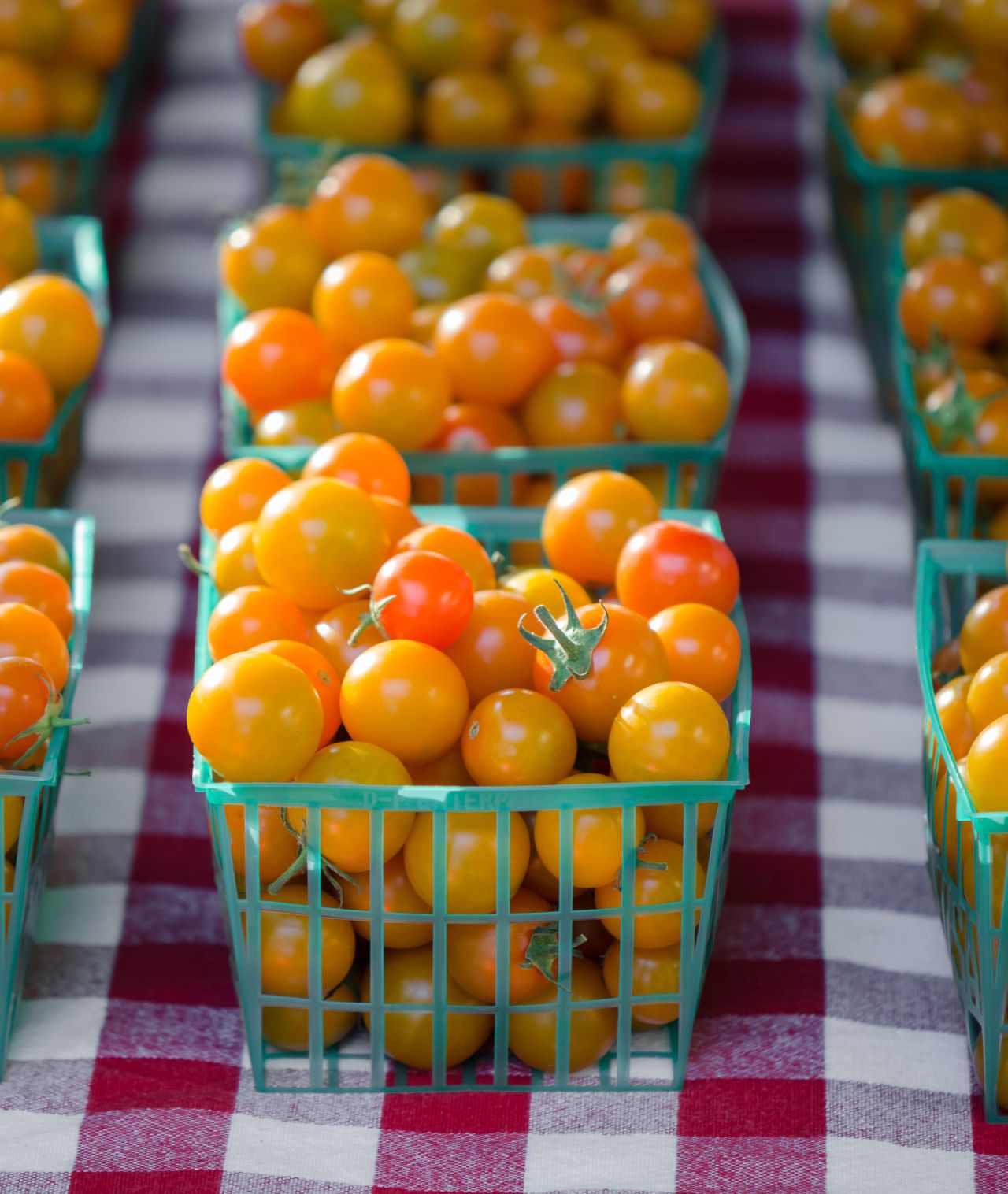
Sun gold tomato
Sun Gold
These orange tomatoes taste like tropical fruit and thrive in hot, sultry climates. Grown in long clusters of 10-15 tomatoes, Sun Golds produce fruit well into fall. Plus, these cherry tomatoes can be grown in containers.
Disease Resistance: V, F and T
Growth Type: Indeterminate
Time to Maturity: 55-65 days
Taste and Texture: Sweet and fruity taste with a firm, crisp texture
Light: Full sun
Plant Size: 5-10’
Spacing: 24-36” apart
Staking: Yes – Cage or stake
Go forth, and grow! When you’re organic gardening, be sure to feed tomatoes lots of Tomato-tone during the growing season.
To Sow or No? Best Veggie Seeds to Start Indoors in Winter
Not all seeds succeed indoors! Save root crops and cold-hardy seeds for when it’s warm enough to plant directly outside. Or, you can grow two crops of broccoli and lettuce. Start seeds indoors now then sow more outside later.
Here are the best vegetable and herb seeds to start indoors in winter.
Tomatoes
Peppers
Cucumbers
Celery
Collard greens
Lettuce
Kale
Broccoli
Beans
Squash
Eggplant
Cabbage
Basil
Thyme
Cilantro
Oregano
Sage
Parsley
Seed to Succeed!
There are three secrets to starting seeds indoors: warmth, light and an organic seed starting mix that promotes root growth.
Start with Espoma’s Organic Seed Starter – a gardener’s favorite! But don’t take it from us. One of our customers, Shelia, shared that she used a lot of seed starter in her day, but “this one is just OUTSTANDING!” Her plants came up just perfect, and she “will never use anything else, ever again.”
Fill seed trays to within ¼” of the top and lightly water. Follow the instructions on the seed packets to see how deep and far apart to plant. Cover with soil, press down and label.
Place tray in a larger pan of shallow water for a minute so thewater seeps up from the bottom.
Place seeds in a warm spot between 65-75°. Try the top of the fridge!
Loosely cover tray with plastic wrap or the cover from your seed-starting kit. Check seeds daily for moisture. Find even more detailed instructions here.
Give seeds 12-16 hours of light daily. Supplement sunlight with grow lights if needed.
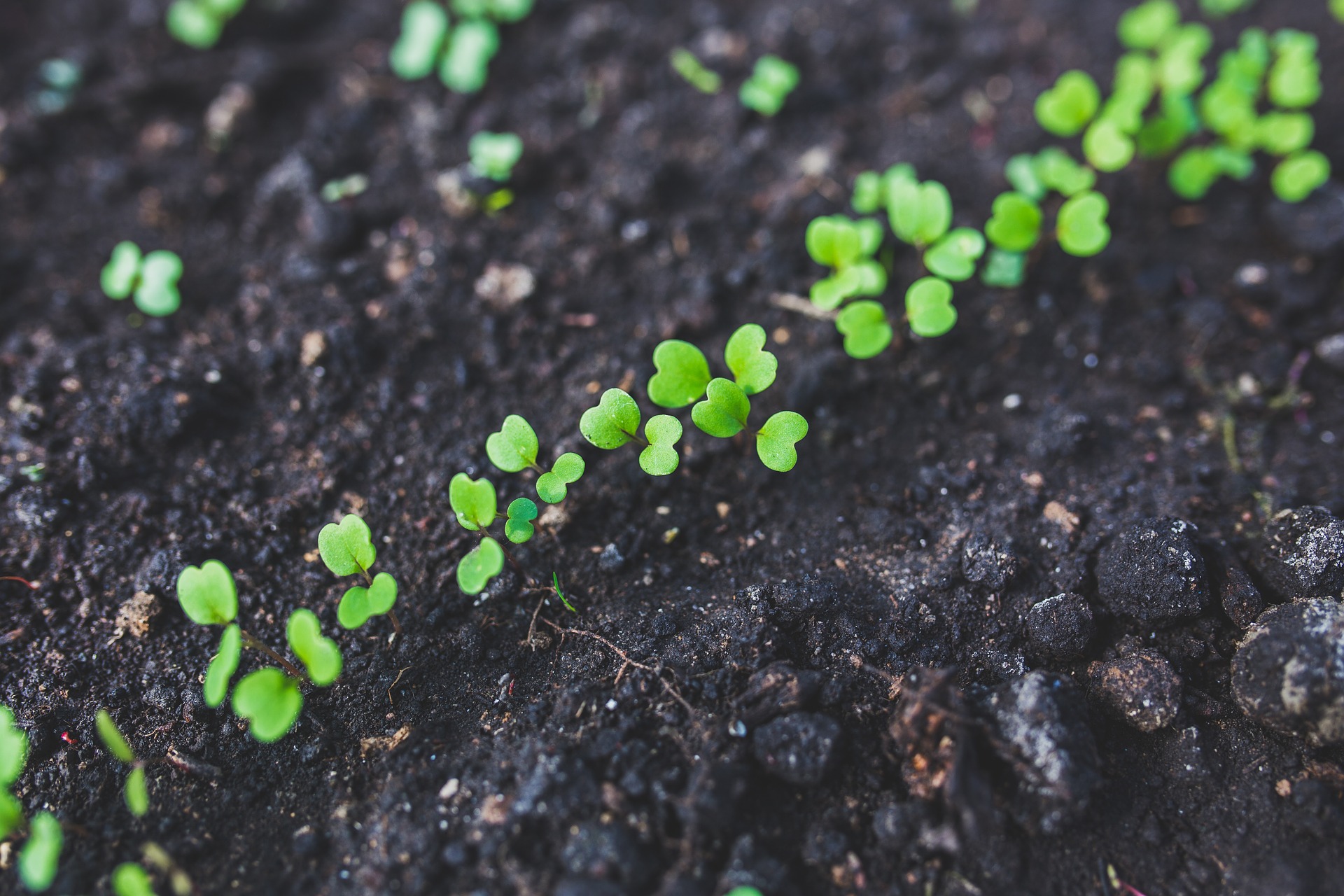
Once you see sprouts, remove the cover and move seeds to a sunny, south-facing window that is 65-75°F. Then, turn the container a little each day to prevent leaning seeds.
When leaves grow, add a bit of fertilizer such as Espoma’s Plant-tone or liquid Grow!. Both are organic fertilizers, so they are safe to use on edibles, around children and pets and they help plants grow bigger than ever before.
Once you see that first sprout peeking through the potting soil, homegrown veggies are only weeks away!
https://www.espoma.com/wp-content/uploads/2016/01/cress-255938_1920.jpg12801920espomahttps://www.espoma.com/wp-content/uploads/2023/05/espoma-logo340w-1.pngespoma2016-01-26 08:00:292024-09-06 11:27:53Seed to Succeed! Seed Starting Secrets
This year, let’s grow your best garden yet! All you need is a sturdy pencil, a blank notebook and a vivid imagination. You’ll almost be able to smell wild lavender and delicate roses.
With a detailed garden plan, your organic garden blooms right off the page.
Grow On! How to Plan Your Dream Garden
1. Reflect to Perfect. Think about last year’s garden. Jot down all your flowers, edibles and shrubs. Mark your favorite and most used plants. Cross off those that didn’t produce, succeed or required too much effort. What plants do you wish you had? What edibles did you spend too much on at the store? Add those to your plant list.
2. Wise Size. Sketch your current garden space. Should you expand or cut back? Consider if and where you’d like to place new garden beds, raised beds, containers or another vegetable garden. If this is your first garden, plan for 50-75 square feet.
3. Site for Light. With your garden design sketched, it’s time to color coordinate! Fill in each area with a different color based on how sunny or shady it is.
4. Single or Mingle. Tweak the list of plants you want to add, keep or remove. Then decide which plants you’ll cluster and which to keep separate. Pair plants with similar water, light and soil needs. Plan where to plant them, and circle the plants you’ll start from seed.
5. Pick to Mix. Scrutinize your list to make sure you have a good mix of: plant types, scents, bloom times, beneficial plants, texture, sizes and color. Do the Safe Paws check to make sure all plants are safe for your pets.
Step back and admire your handiwork! In just a few short months, your hands will be in the soil making your garden plan spring to life.
https://www.espoma.com/wp-content/uploads/2016/01/wild-flowers-571940_960_720.jpg424960espomahttps://www.espoma.com/wp-content/uploads/2023/05/espoma-logo340w-1.pngespoma2016-01-05 08:00:402019-05-07 10:07:38Make Like a Garden and Grow
Add a dash of delight to your daily routine while keeping winter blues at bay. Start an indoor herb garden today.
Each time you grab sprigs of fresh herbs, you’ll forget all about winter! At that moment, all you’ll think of are the fresh, invigorating flavors of summer.
Plus, starting an indoor herb garden is simple with these tips.
Grow Superb Herbs Indoors
Give savory and sweet herbs these five ingredients, and they’ll flourish inside! Use fresh, flavorful herbs in cocktails, teas and recipes all winter long.
Ray of Sunshine. Place indoor herbs in the sunniest spot possible. They love natural light and need at least 4 hours of sun every day. Keep herbs warm by avoiding chilly windows.
Heaps of Herbs. Not every herb thrives indoors. Plant these herbs that grow best inside: mint, oregano, parsley, rosemary, sage, thyme, lemongrass, chives and bay.
Pile of Pots. Choose pots or upcycle containers with drainage holes on the bottom. Or place stones in the bottom of the pot before adding soil. For unique, DIY planter ideas, check out our Pinterest page.
Settle in Soil. Plant herbs in Organic Potting Soil. Pick an organic potting soil that contains earthworm castings and Myco-tone® to ensure herbs grow strong roots.
Feed and Repeat. Indoor! is an organic plant food that helps you grow bigger and better herbs. Continue fertilizing herbs once each month.
With your just-plucked herbs, cook up dishes that harness herbs’ intensity. Try a few of our favorite recipes that include herbs here. Bon appétit!
https://www.espoma.com/wp-content/uploads/2023/01/matt-montgomery-2fW55mLSiSQ-unsplash-scaled.jpg16982560espomahttps://www.espoma.com/wp-content/uploads/2023/05/espoma-logo340w-1.pngespoma2015-12-01 09:40:332023-01-11 01:43:09Thyme to Plant an Indoor Herb Garden

 Kids Course