Espoma Organic
  • Products
    • Close
    • Product Line Overview
    • Plant food finder
    • Garden Fertilizers
    • Potting Soils
    • Lawn Fertilizers
    • Liquid Fertilizers
    • Single Ingredients
    • Conventional Plant Foods
    • Animal Care Products
  • Where to Buy
  • Our Story
    • Close
    • Our Story
    • Locations
    • Historical Timeline
    • Our Commitment
    • Directions
    • Solar
    • Join our Team
    • Espoma Brand Partners
  • Learn
    • Close
    • Espoma Blog
    • FAQ’s
    • Pocket Guide
    • Espoma Guides
    • Garden Clubs
    • Safe Paws Lawn
    • PRODUCT FACT SHEETS
    • Fertilizer Fundamentals
      • Close
      • Understanding Plant Nutrition
      • Reading Labels
      • Choosing the Right Type of Fertilizer
      • Terms & Definitions
    • Gardening Projects
    • Resource Links
  • Contact Us
  • Menu Menu

Tag Archive for: Espoma Organics

Fern Care Guide

February 22, 2019/in Blog, Indoor Gardening

Ferns are classic yet fussy houseplants. Laura @GardenAnswer has all the tips and tricks you need to be successful in growing ferns indoors.

Here are 10 things to keep in mind as you tend to your fern:

Light Exposure

Contrary to popular belief, ferns need quite a bit of light. Though, they don’t like to be in direct sunlight as their foliage will change to a light yellow color or burn. Keep them near a place that receives plenty of sunshine throughout the day.

Only a few varieties can handle shade and moisture as most people think. Check your plant tag for the most accurate information about your fern.

Temperature

Ferns like their surroundings to be similar to what we like between 65 and 75°F, matching the temperatures in our home. They don’t like it too drafty so keep them away from doors that lead outside and away from air vents.

Humidity

This is the most important thing to be aware of for keeping your fern healthy, especially if you live in a dry climate. Placing your fern in a bathroom or kitchen near the water source can help, since they typically get more moisture in there naturally.

For a more decorative option, place pebbles in a tray with some water and place your fern on top. The moisture will carry up to the foliage as it evaporates. Add water to the tray as needed.

Soil Type

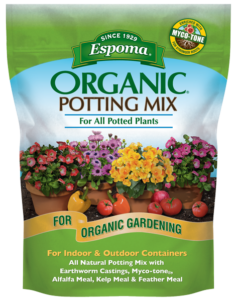
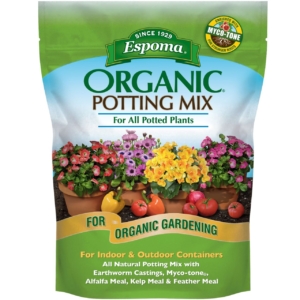
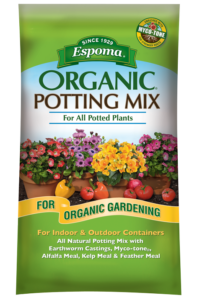
Use Espoma’s Organic Potting Mix for your ferns. Organic potting mixes have the right kind of drainage and will hold just enough water that is needed without drowning your fern.

Repotting

Typically, ferns need to be repotted every two years. Check its roots once a year. If the roots are starting to circle around the container, it is time to repot. If there is still soil around the edge of it, it should be fine for another year.

When it is time to repot your fern, only go up one size for your container. Be sure there is a drainage hole at the bottom of your container. Place a small layer of Espoma’s Organic Potting Mix in the bottom and fill around the sides as needed.

Watering

Ferns like to be consistently damp, but not wet and soggy like many people think. Each fern and home is a bit different, especially this time of year. Water your fern and keep an eye on it. If the soil at the top feels dry, water it again.

Fertilizing

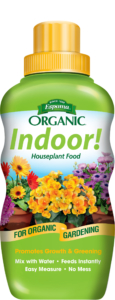
Ferns like to be fed about once a month during their growing season. Each zone and climate will have a different growing season, which you can ask your local garden center about. Feed your fern with Espoma’s Organic Indoor! liquid plant food. Check the label for instructions on how to use.

Grooming

All houseplants should be groomed about once a month. Remove any foliage that looks damaged, unhealthy, or is turning brown or yellow. Discard any leaves or debris that is on top of the soil to keep insects and diseases at bay.

Insects

The most common insects to watch out for are mealybugs, aphids, fungus mites, white flies, and spider mites for just about any houseplant. If you are unsure of the insect you are dealing with, take a picture and take it to your local garden center. They will be able to offer suggestions on how to get rid of it.

Toxicity

Ferns are non-toxic, but it is still a smart idea to keep your pets and kids away from eating or playing with a fern. That might just cause a tummy ache or a mess in your home!

*****
 

Where to Buy


https://www.espoma.com/wp-content/uploads/2019/02/fern-1.jpg 1080 1920 espoma https://www.espoma.com/wp-content/uploads/2023/05/espoma-logo340w-1.png espoma2019-02-22 11:00:232024-09-07 08:00:46Fern Care Guide

5 Ways to Decorate Your Garden for the Holidays

December 22, 2018/in Landscaping

It’s truly the most wonderful time of the year! Everyone seems to be in a better mood when they’re spending time with the people they love.

Going all out with décor is easy and fun. Putting up a big Christmas tree with lights and ornaments, draping garland around the house, really makes it feel cozy and welcoming. Draping lights around the home and statues on your front lawn is a fun way to make the whole neighborhood light up.

This year, incorporate some living décor for your holidays. Here are 5 ways to decorate your garden:

1. Decorate Containers

Containers are a perfect way to liven up a home. Finding a festive container or painting a plain one with festive colors or patterns will bring it to life for the holidays. Fill your container with winter-hardy plants that are right for your zone. Just be sure to use Espoma Organic Potting Soil to give it the nutrients it needs.

2. Design the Grounds

With colorful winter shrubs, vegetables, and flowers, planting in a design can bring cheer in ways that are unique and cheerful. The colors and options your plants provide can make an image come through. Utilize the dead space in between your winter hardy plants to create a holiday design.

3. Plant an Evergreen

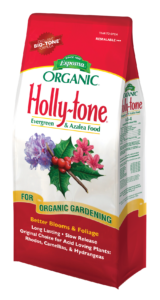
While everyone brings their trees indoors, plant one outside. You can decorate it the same way you decorate the one indoors. Plus, you can enjoy your Christmas morning outside, depending on the weather. Use natural materials, such as pine cones, berries, and flowers collected from your garden to decorate. Be sure to use Espoma Organic Holly-tone to keep the foliage green.

4. Train Your Plants

Adding a toy train to show off your garden is a great way to mix fun and childlike spirit into your garden. Utilize the plants you already have planted that will survive the winter. Have the toy train go around what you want to showcase. Add some twinkling lights, and everyone who stops by will want a garden like yours.

5. Green Your Mailboxes

Draping an evergreen garland over a mailbox is a simple way to incorporate living décor into your holidays. Creating a garland requires few materials and can look festive within a few minutes. Be sure to add a nice, large bow to tie it all together.

*****
Want to keep making decorations for your home? Check out this Succulent Snow Globe from Garden Answer.


Featured Products:

Espoma Organic Potting MixEspoma Organic Holly-tone


Where to Buy


https://www.espoma.com/wp-content/uploads/2017/11/winterberry.jpg 2848 4288 espoma https://www.espoma.com/wp-content/uploads/2023/05/espoma-logo340w-1.png espoma2018-12-22 08:00:542025-11-25 12:49:415 Ways to Decorate Your Garden for the Holidays

Let’s Build a Butterfly Garden 🦋

June 18, 2018/in Flowers

What’s better than decorating your home with summer bouquets of flowers directly from your garden? Having a cut flower garden is not only convenient for on-demand bouquets, but also for adding color to your garden with stunning oranges, yellows, purples, pinks, and blues. While you often choose plants for bees, these flowers are for butterflies.

Pollinators need love year-round, and that starts with gardening organically. In honor of National Pollinators Month, here are our best tips for celebrating by building a butterfly bouquet with the flowers they love!

 Breathtaking Flowers Butterflies Will Love

Yarrow (Achillea)

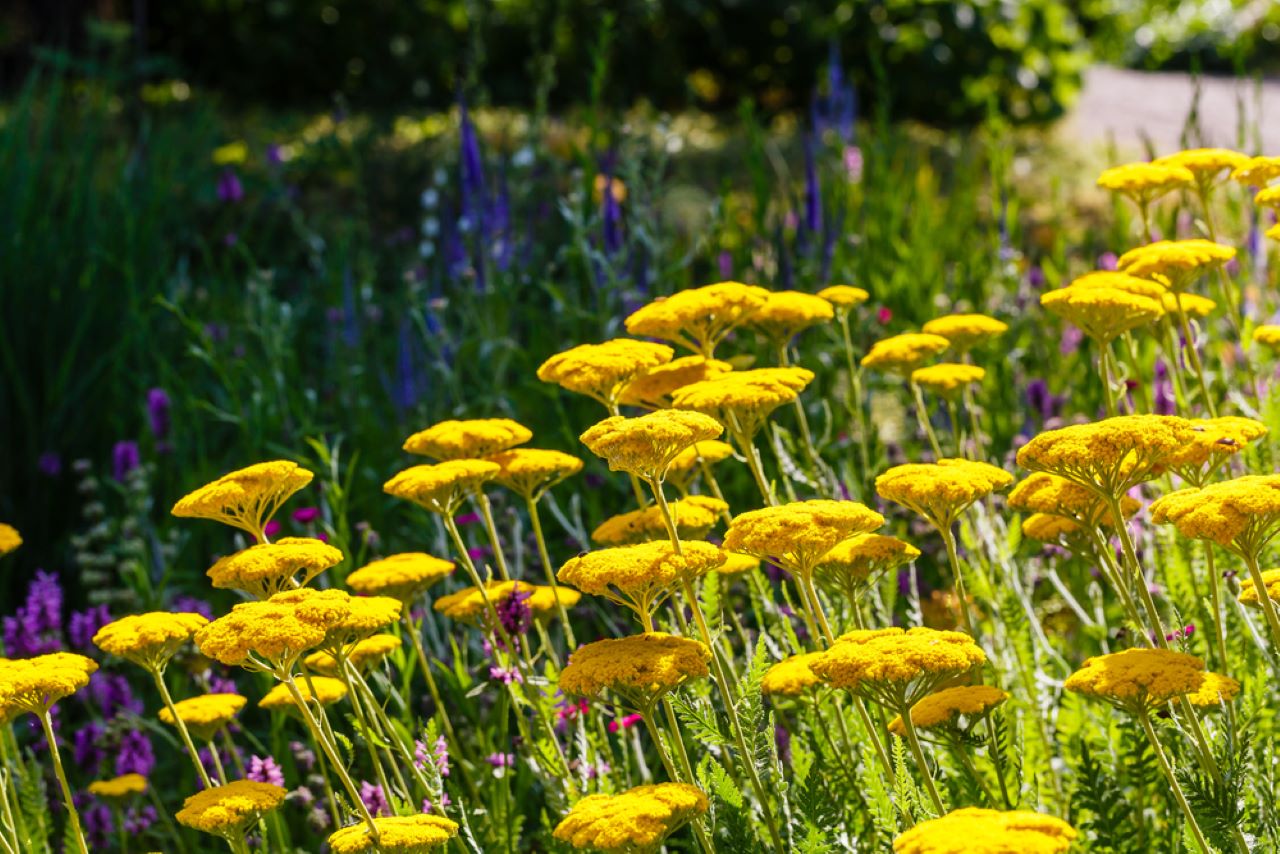
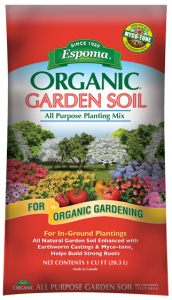
Yarrow is a vibrant yellow perennial. It has a lengthy flowering time from June through September. It is a relatively tall flower with an average growth height of 2.5-3 feet. Butterflies love these flowers because they’re easy to land on and also loaded with sweet nectar. Give your flowers a strong soil base to help them thrive through the hot summer months with Espoma’s Organic Garden Soil. Best suited for zones 3-8.

Ox-Eye Daisies

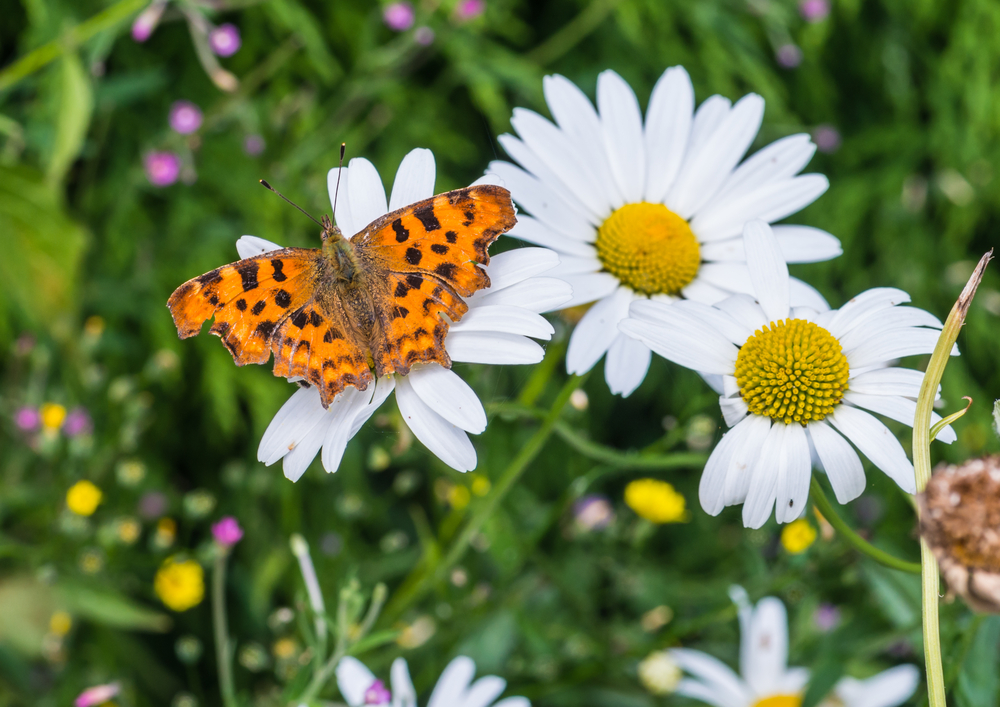
Ox-Eye Daisies are a classic addition to your garden. Their flowering time covers the summer months from May to August. With their white rays and yellow centers, they will be sure to brighten up your cut flower garden. They grow 1-3 feet tall so they will not take up too much space. Butterflies love Ox-Eye Daisies because they are nectar-rich. Best suited for zones 3-8.


English Lavender

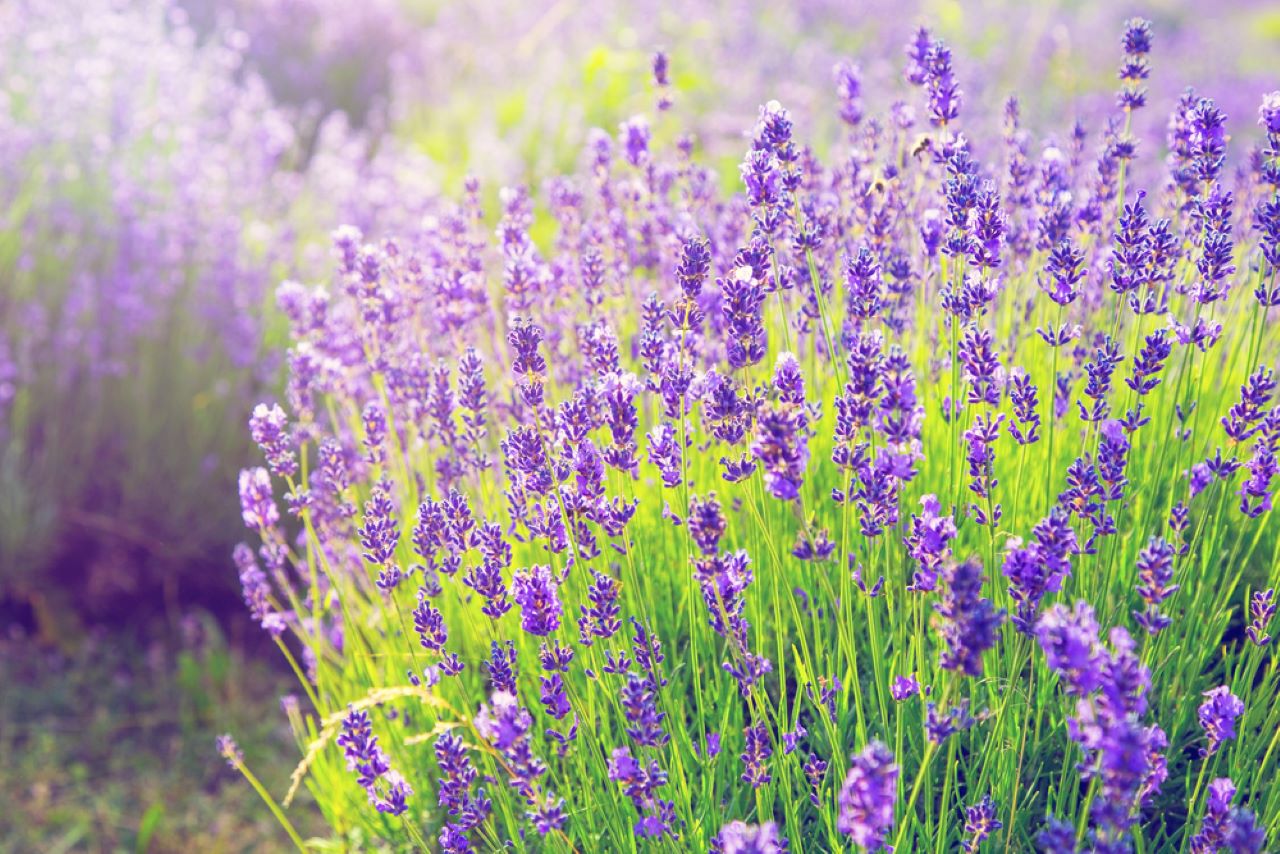
English Lavender is a garden essential! Their flowering period covers the summer months of June to August. They grow to the perfect height of 1.5-2 feet. People and butterflies love English Lavender for its fragrance and remarkable blue-purple color… Best suited for zones 5-8.

Blanket Flower (Gaillardia)

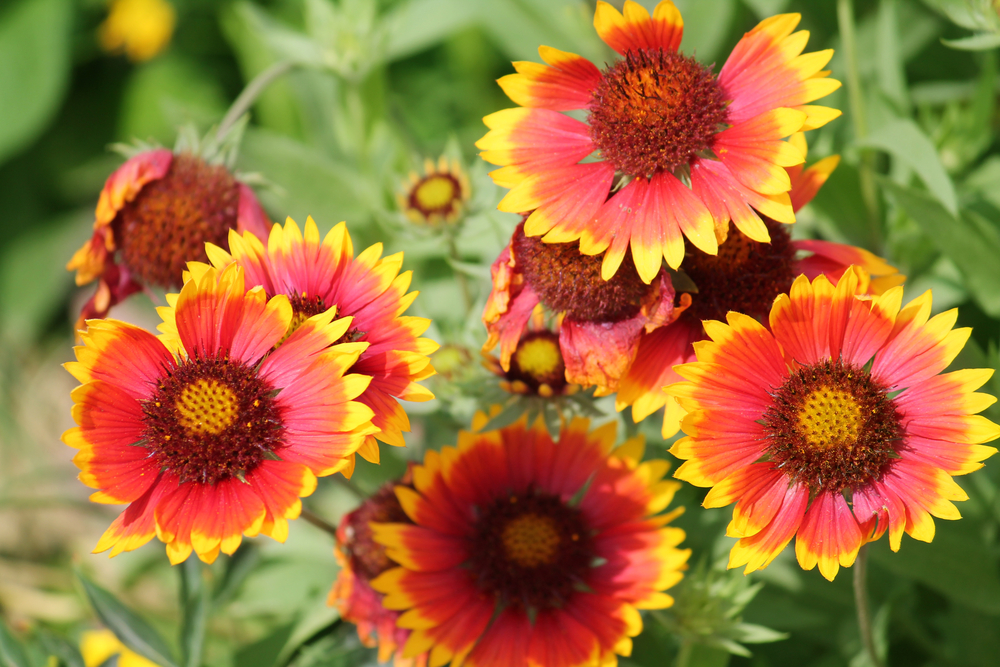
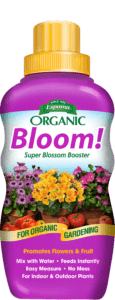
The Blanket Flower is a vivid, color-rich butterfly flower to add to your garden. They flower in summer months from May through August. Blanket Flowers tend to be on the shorter side, only growing 6-12 inches tall. Their stunning blood-orange red petals and yellow tips will have your jaw on the floor by the time flowering season rolls around. Butterflies cannot pass up the nectar and vivid colors on these stunning flowers. In order to get the biggest flowers, fertilize with Espoma’s Bloom! liquid plant food. Best suited for zones 3-10.

Bee Balm

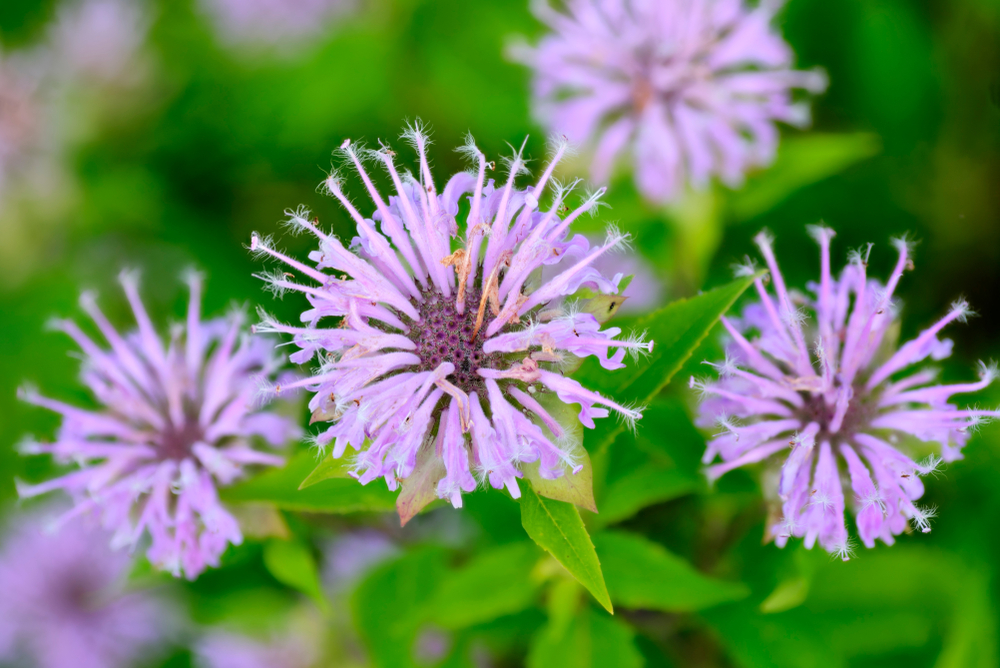
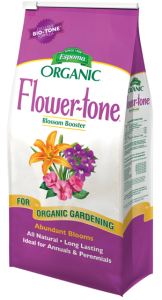
Bee balm is another pollinator favorite that should earn a spot in your pollinator garden. The Bee Balm’s flowering period only covers July through August, but their violet blue, red, pink, or white color will be worth it. They thrive in zones 4-8 and are relatively tall, growing an average of 2-3 feet. Bee balm is nectar-rich and its bright coloring makes it an easy sell to butterflies. Boost your Bee Balm with Espoma’s Organic Flower-tone fertilizer for big, healthy flowers. Best suited for zones 4-8.


Featured Products:


Where to Buy


https://www.espoma.com/wp-content/uploads/2017/06/Butterfly-Flower.jpg 1667 2500 espoma https://www.espoma.com/wp-content/uploads/2023/05/espoma-logo340w-1.png espoma2018-06-18 16:30:192025-06-26 11:24:50Let’s Build a Butterfly Garden 🦋

How to Repot a Bromeliad

April 27, 2018/in Espoma Videos

Summer Rayne Oaks of Homestead Brooklyn demonstrates the ins and outs of repotting bromeliads. Follow along as she explains the difference between the pup and mother plant and what happens when you remove the pup vs leaving it on to continue growing. Utilizing her expansive collection of plants, she shows us what both scenarios look like in the repotting process.

Three takeaways from this video:

Summer Rayne teaches you how to get a brand new bromeliad from a plant that is about to expire. With the right care, she was able to get new life from the plant.

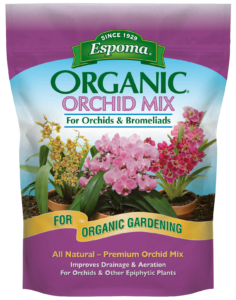
The best soil to use for bromeliads is a barky airy mix, such as The Espoma Company’s Organic Orchid Mix, that’s full of nutrients.

Once the pup is either 1/3 to 1/2 the size of the mother plant, you can decide to remove the pup for the mother to grow another or keep it on and watch it grow from the mother until it expires.

5 Steps for Repotting a Bromeliad:

  1. Grab some gloves. Some of the leaves are going to be prickly, so you want to protect yourself.
  2. Grab scissors or sheers. If the mother plant is desiccated or if you want to remove the pup before repotting, you will need something sharp to remove them.
  3. Remove the bromeliad from the container and separate it from the mother plant, if possible.
  4. When placing the bromeliad into the new container, center it and fill with Espoma’s Orchid Mix. You don’t need to tuck it in too hard, as it likes having room to breathe.
  5. Water it in well to help it settle into its new home.

*Remember, if you have a healthy mother plant and a healthy pup, you can plant them together or separately. You won’t harm it either way.

*****

Learn more about Summer Rayne here:

Website: homesteadbrooklyn.com

Instagram – @homesteadbrooklyn

YouTube – Summer Rayne Oakes

Twitter – @sroakes

Facebook – Summer Rayne Oaks


Featured Products:

Where to Buy

https://www.espoma.com/wp-content/uploads/2018/04/Espoma-Bromeliad-Thumb-1.png 788 1404 espoma https://www.espoma.com/wp-content/uploads/2023/05/espoma-logo340w-1.png espoma2018-04-27 16:46:052023-02-21 11:33:09How to Repot a Bromeliad

5 Romantic Red Houseplants

February 7, 2018/in Blog, Indoor Gardening

On Valentine’s Day, there’s always a lot of pressure to find the perfect gift, so we made it simple.

Give something that will live long past the special day, continue to grow, and offer a daily reminder of your love.

Cultivate Love with These 5 Romantic Red Houseplants

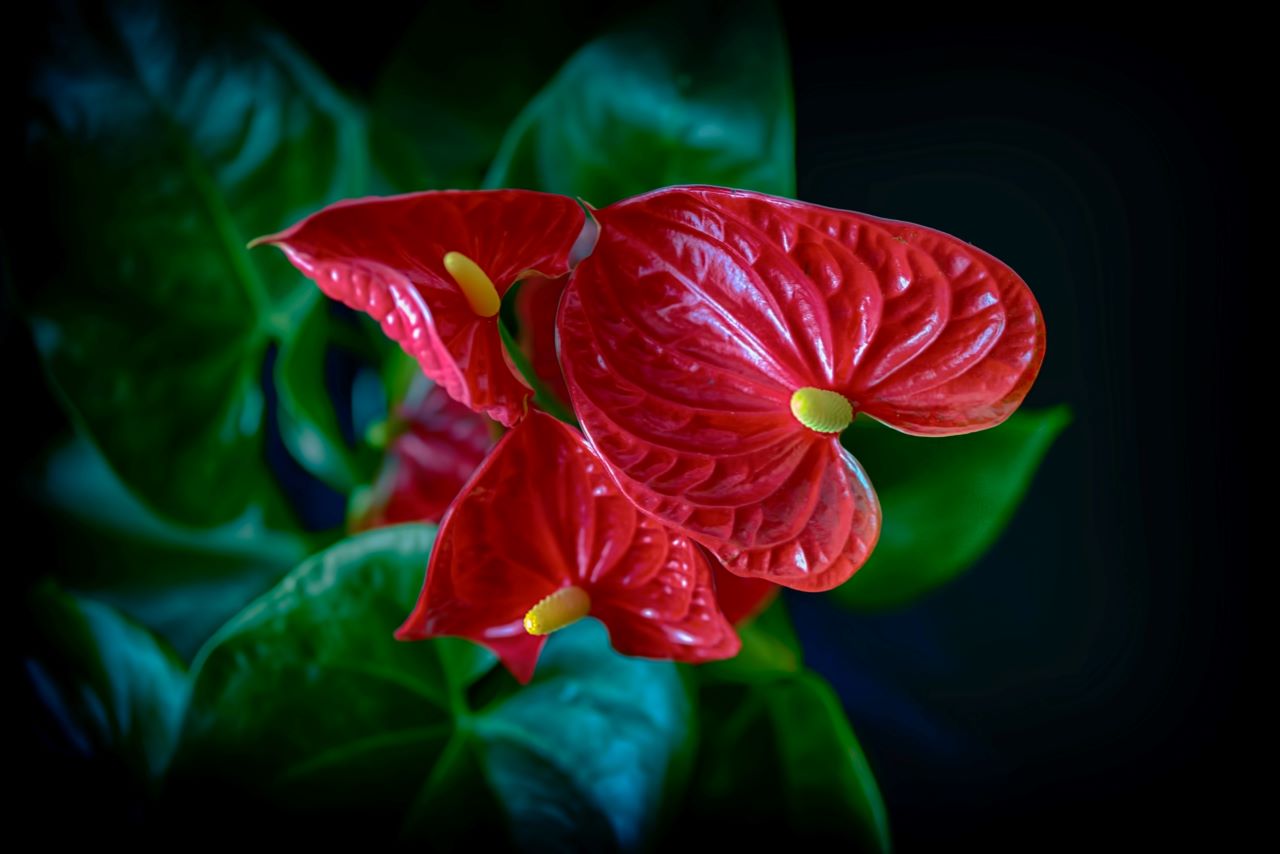
  1. Anthurium
    This lovely houseplant has heart-shaped blooms called spades. Be sure to buy one in bloom to ensure your significant other sees the heart on your sleeve plant. Anthuriums love light, so be sure to place them in a bright area, but not directly in the sunshine.

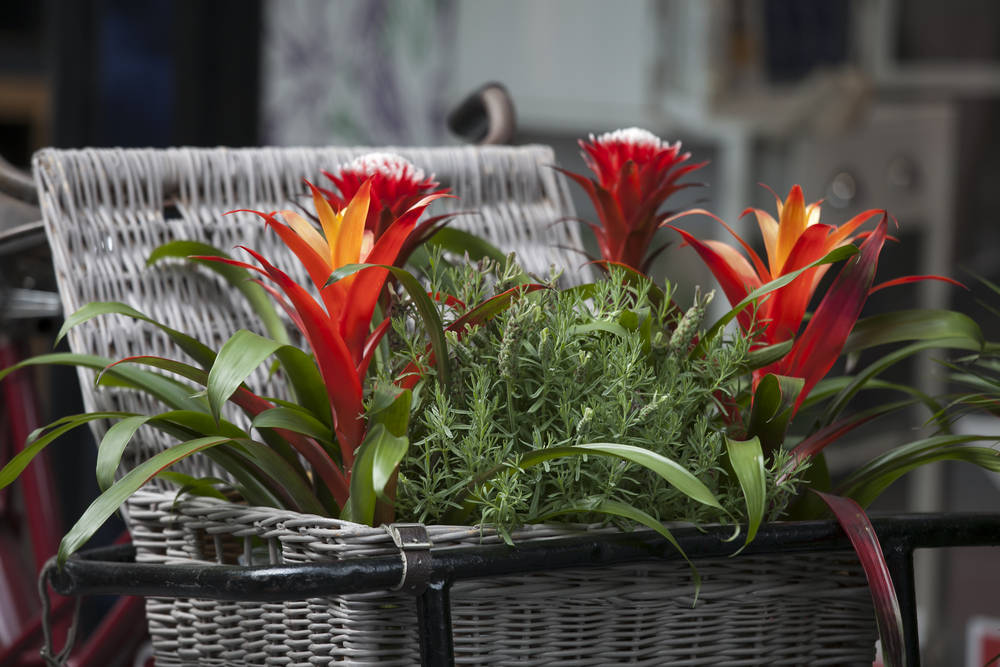
  1. Bromeliad
    This easy-to-grow houseplant is the perfect gift. It provides an exotic touch of red to any home. Even with the thick foliage and wide leaves, it gives off a radiance that anyone will fall in love with. Be sure to use Espoma’s Orchid Potting Mix to allow proper drainage and vitality.

    Feed regularly with Indoor! liquid fertilizer to keep your plants happy and healthy.

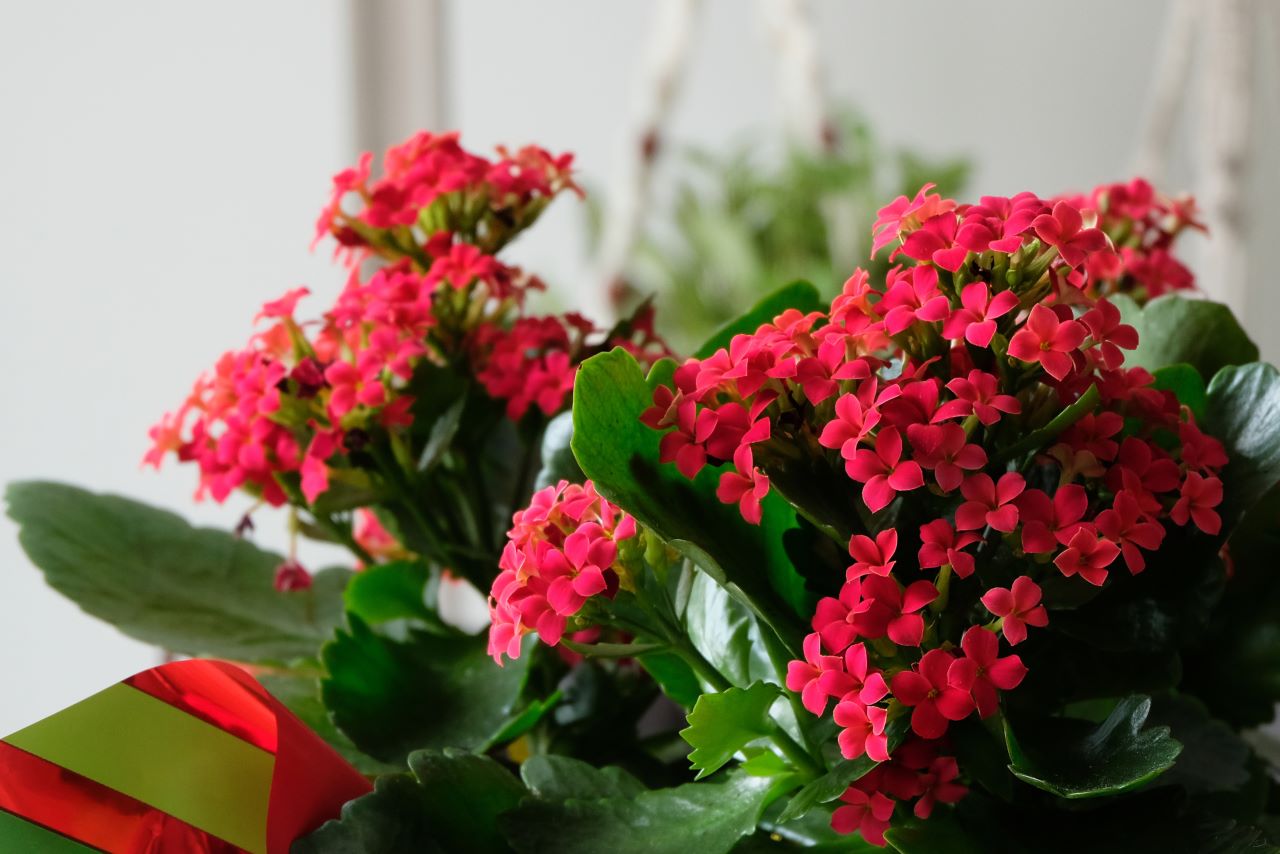
  1. Kalanchoe
    Succulent love! This succulent produces clusters of tiny red flowers which will last for several seasons. The scalloped greenery is just as gorgeous as the flowers, so you will have a showstopper year round. Use Espoma’s Cactus Potting Mix and Cactus! liquid fertilizer to be sure your Kalanchoe is happy and hearty.

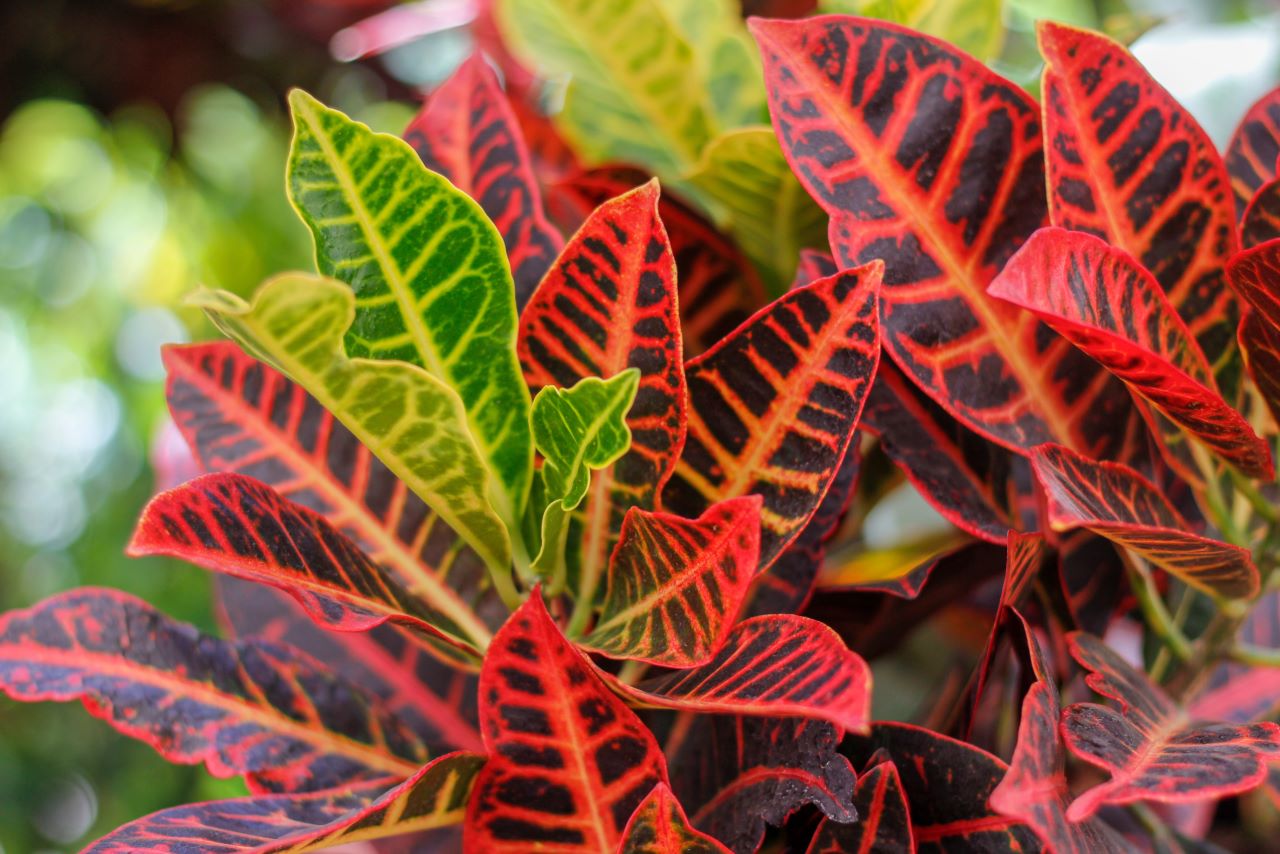
  1. Croton
    Red can be too much for some lovers, so crotons offer the perfect balance of greenery with a subtlety of red. But don’t let it fool you, this houseplant is a bold contender. It offers texture and design to any household that needs extra energy. Crotons also help purify the air, which in turn keeps you calm and relaxed.

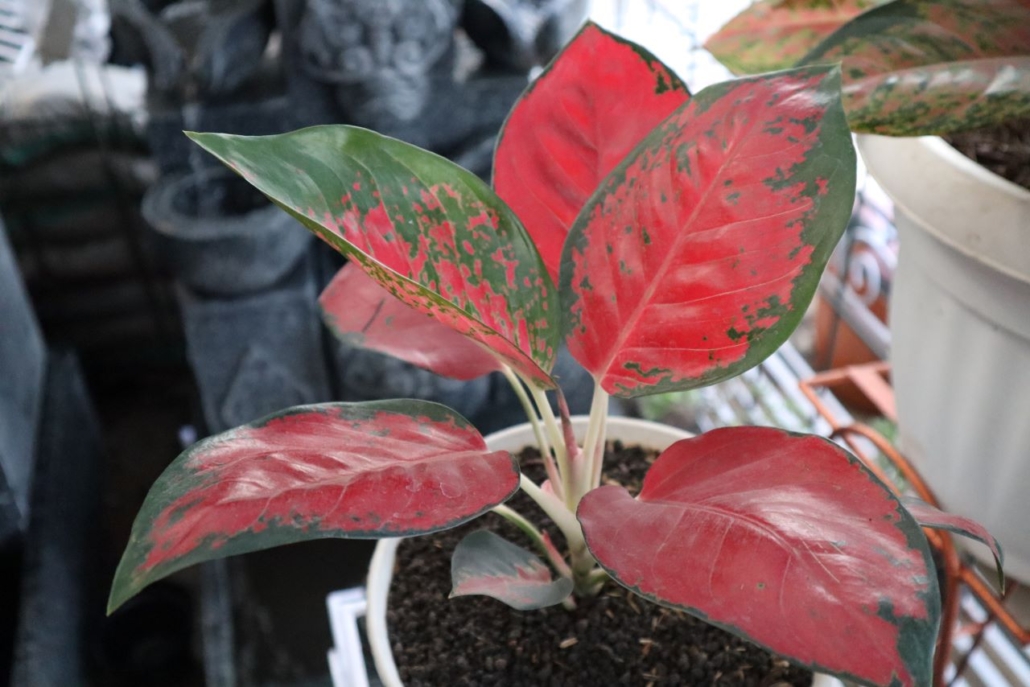
  1. Red Aglaonema
    Another more subtle red houseplant, the Red Aglaonema is a standout in home décor. The bold foliage adds height and eye-drawing texture. Your significant other will love this easy-care plant.


Trust us, gifting any of these romantically red houseplants will show your love for years to come. Feeding plants with Espoma’s Indoor! liquid fertilizer helps keep their red vibrant.

*****
Check out this Anthurium care video by Summer Rayne Oaks:


Featured Products:


Where to Buy


https://www.espoma.com/wp-content/uploads/2018/02/stephanie-harvey-nGLw_HBasuU-unsplash-scaled.jpg 2560 1920 espoma https://www.espoma.com/wp-content/uploads/2023/05/espoma-logo340w-1.png espoma2018-02-07 09:00:132024-10-22 14:01:555 Romantic Red Houseplants

Best Houseplants for the Kitchen

January 17, 2018/in Blog, Indoor Gardening

Sometimes we find a beautiful houseplant and have no idea where to put it. Other times we have a space that needs filling and no idea what to put there.

The way we see it, you can never go wrong with more plants!

There’s no better place to start adding plants than the kitchen. If you haven’t thought of adding plants there before, you’re missing out!

Houseplants in the kitchen aid in decreasing cooking scents that consume your home – while it might smell amazing when you bake cookies, cauliflower can really bring you down. Or, you can grow edibles in your kitchen to have easy access while cooking.

Here are our top picks for plants in the kitchen:


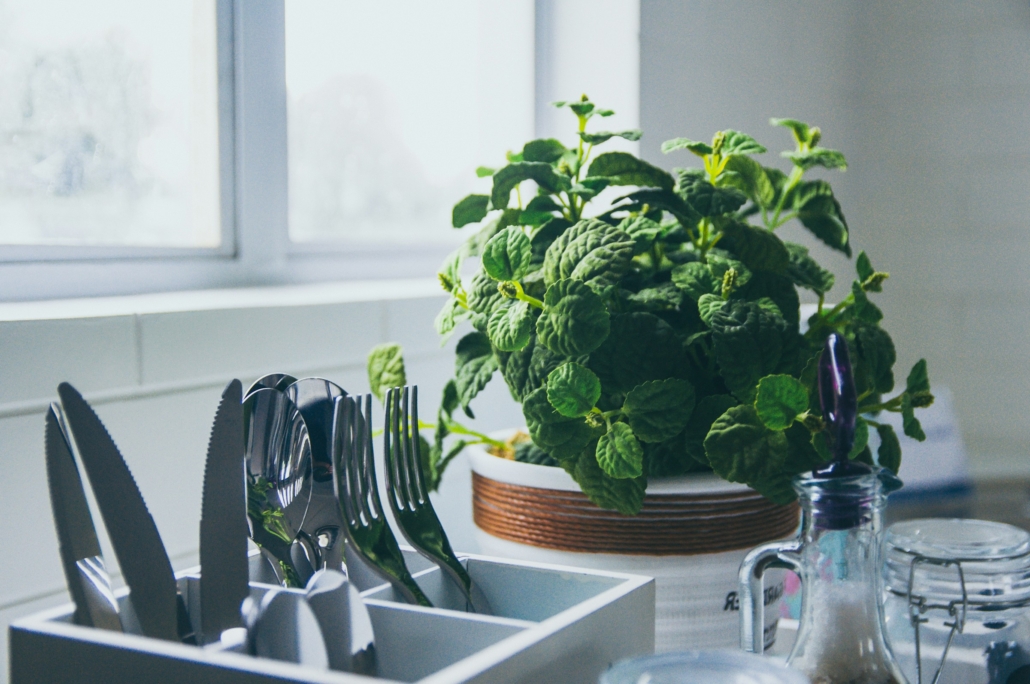
  1. Assorted Herbs
    Herbs are perfect to grow in the kitchen. Place your herb garden on your windowsill or in a hanging basket for ease. Luckily, a lot of herbs grow well indoors with adequate light. They need to be rotated if they start to become leggy. Read more about growing herbs in your kitchen.
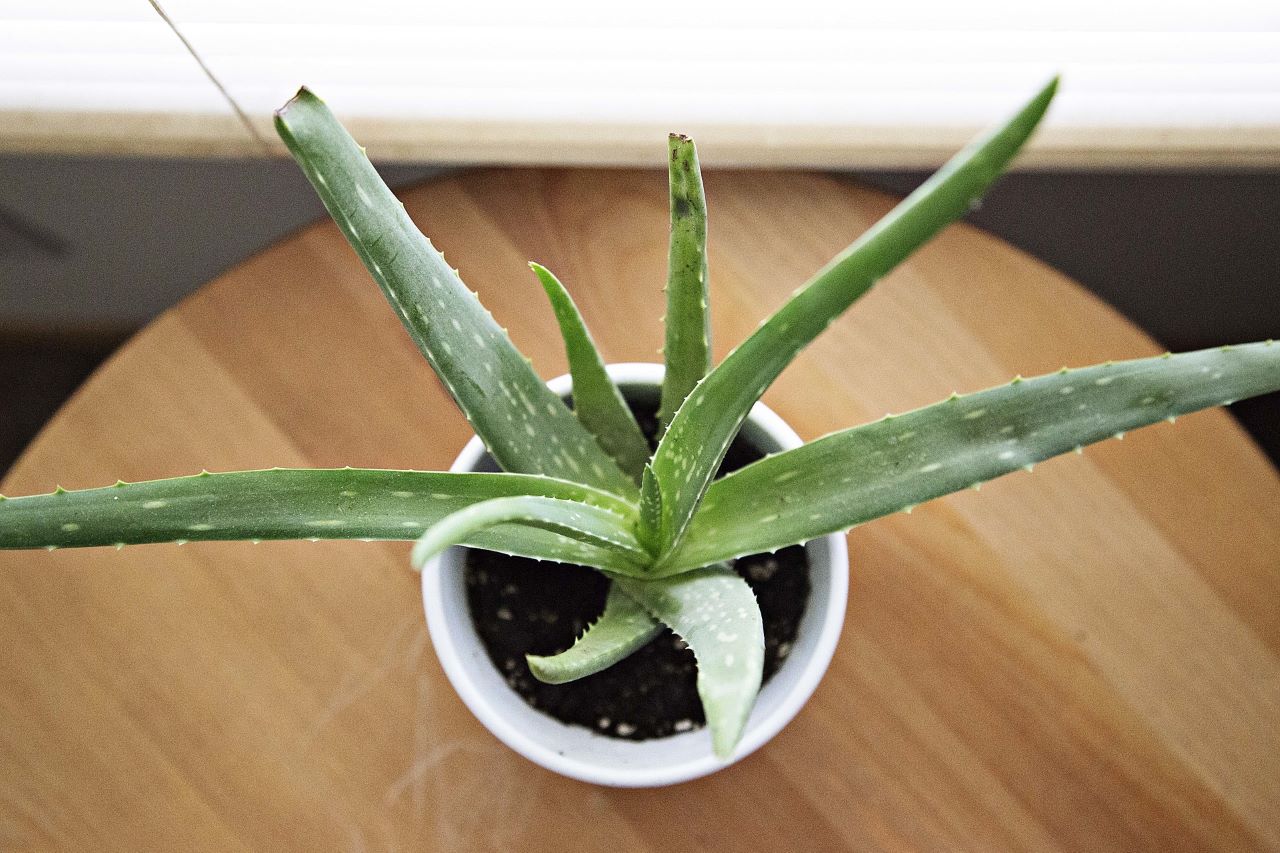
  1. Aloe Vera
    Aloe Vera is one of the easiest plants to grow, so keeping it in your kitchen will bring life there all year long. It’s especially great to have in the kitchen to use its natural coolant in case of a burn. It will do well anywhere in the kitchen, although next to the stove is probably best. Read more about growing aloe and other succulents.

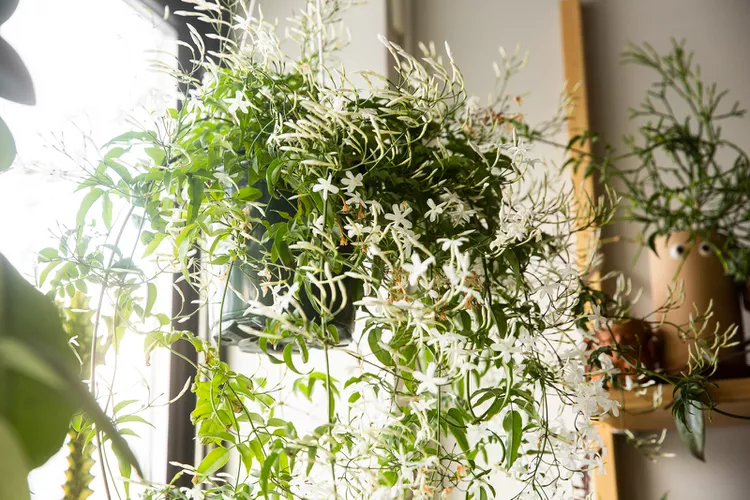
  1. White Jasmine
    The soft jasmine scent that is released from the blooms of this plant will help keep your kitchen smelling nice and fresh. The scent is subtle enough that it won’t overwhelm the kitchen yet can still help your space feel clean and refreshed. Read more about growing jasmine.

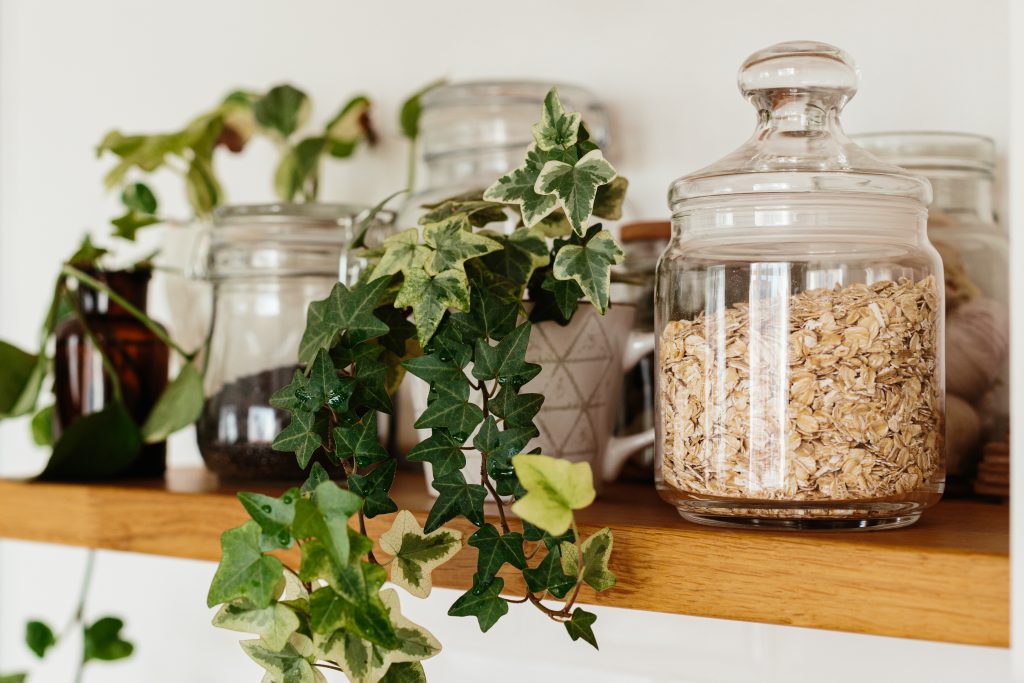
  1. English Ivy
    Ivy is a diverse plant that can thrive in many rooms. Putting it in the kitchen will add dramatic lines and textures while purifying the air. If your cabinets don’t hit the ceilings, this ivy will gladly take up space. It will add wonderful shades of green with accents of whites or yellows. Read more about growing ivy in unusual spaces.

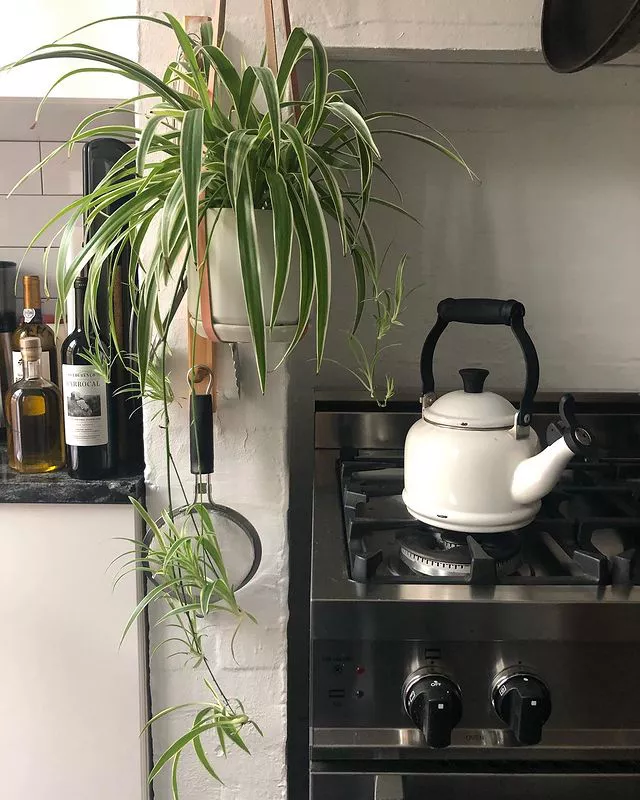
  1. Spider Plant
    Another great air purifier, the spider plant will help keep cooking more enjoyable. Place it somewhere you need to add height and texture to an area. It is an easy-care houseplant that will continue to love you in every season. Read more about the benefits of houseplants.

Don’t forget, all of these plants need to be fed as directed with Espoma’s Indoor! liquid fertilizer to grow strong and highlight their colors.


Featured Products:


Where to Buy

https://www.espoma.com/wp-content/uploads/2018/01/shutterstock_673534633.jpg 667 1000 espoma https://www.espoma.com/wp-content/uploads/2023/05/espoma-logo340w-1.png espoma2018-01-17 16:42:102024-01-24 16:24:35Best Houseplants for the Kitchen

VIDEO: Caring for Your Christmas Cactus with Garden Answer

December 20, 2017/in Blog, Espoma Videos, Garden Answer, Holidays, Indoor Gardening, Succulents, Succulents

In this video, Laura from Garden Answer shares her top tips for nurturing everyone’s favorite holiday plant—the Christmas cactus! These beloved plants can thrive for years with proper care and attention.

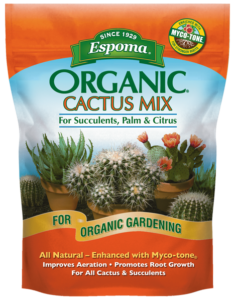
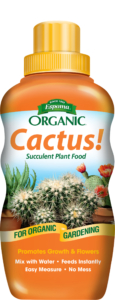
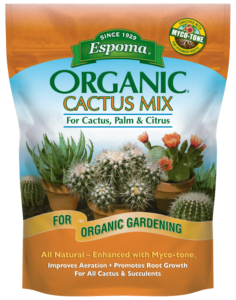
Laura recommends starting with a high-quality organic potting soil, like Espoma Organic Cactus Mix, specially formulated for cacti and succulents. She also emphasizes the importance of fertilizing, suggesting Espoma Organic Cactus! Liquid Plant Food to keep your plant healthy and blooming.

Learn more about Garden Answer here:

https://www.youtube.com/c/gardenanswer

https://www.gardenanswer.com/

https://www.facebook.com/gardenanswer

https://www.instagram.com/gardenanswer/


Featured Products:

Espoma Organic Cactus Mix Espoma Organic Cactus! Liquid plant food bottle


Where to Buy


https://www.espoma.com/wp-content/uploads/2017/12/IMG_7856.jpg 3368 6000 espoma https://www.espoma.com/wp-content/uploads/2023/05/espoma-logo340w-1.png espoma2017-12-20 16:48:072024-11-21 15:17:45VIDEO: Caring for Your Christmas Cactus with Garden Answer

Hauntingly Good Plants for Halloween

October 25, 2017/in Fall Gardening

The spookiest holiday of the year is just around the corner and trick-or-treaters are getting ready for the big night. This year, decorate your house with creepy, living decorations that will add an eerie twist to your night.

With their creepy names, weird colors and devilish shapes, these plants will be the center of every fun, spooky story you tell. Better yet, these plants can stick around all year with the right light, water and feeding directions.

Top 5 Spookiest Houseplants

Photo courtesy of Costa Farms

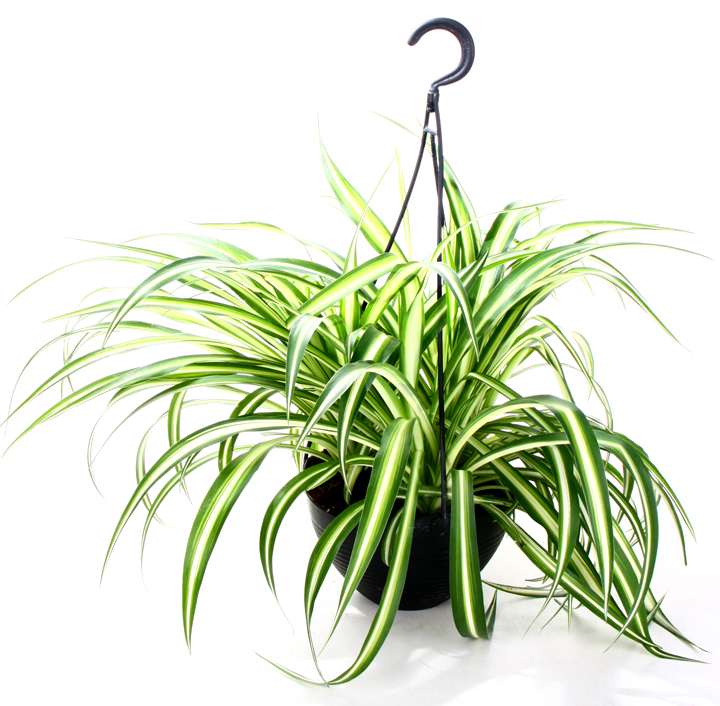
Spider Plant

This creepy plant is fun to decorate with due to its long spider-like legs that grow little “spiderlings” on the ends. Transfer it into a hanging plant basket and wrap synthetic web around the outside of the basket. Cover with plastic spiders to give it extra creep. Make it kid-friendly, by painting a container black and adding spider eyes to the front to make it look like one big spider. Spider plants are known for being low-maintenance so they will grow in almost any spot.

Dracula Orchid

The Dracula orchid is not an ordinary orchid. Aptly named, as it blooms, the center of the plant looks like it could bite you with its vampire-like mouth. Wrap your container in a cape and paint it red down the sides to decorate this plant into a creepy vampire.

Photo courtesy of Costa Farms

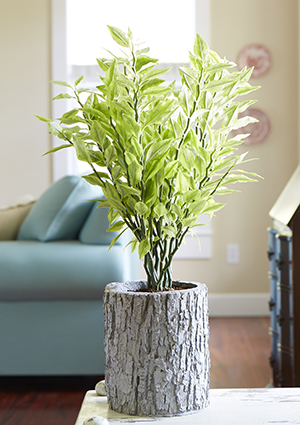
Devil’s Backbone

Devil’s Backbone gets its name from the interesting zigzagging formation of the leaves resembling a creepy spine as it grows. Invite this devilish plant to your home and hang ghouls and ghosts from it to add a spooky charm. Though it may be called the Devil’s Backbone, it works hard to purify the air from toxins.

Photo courtesy of Costa Farms

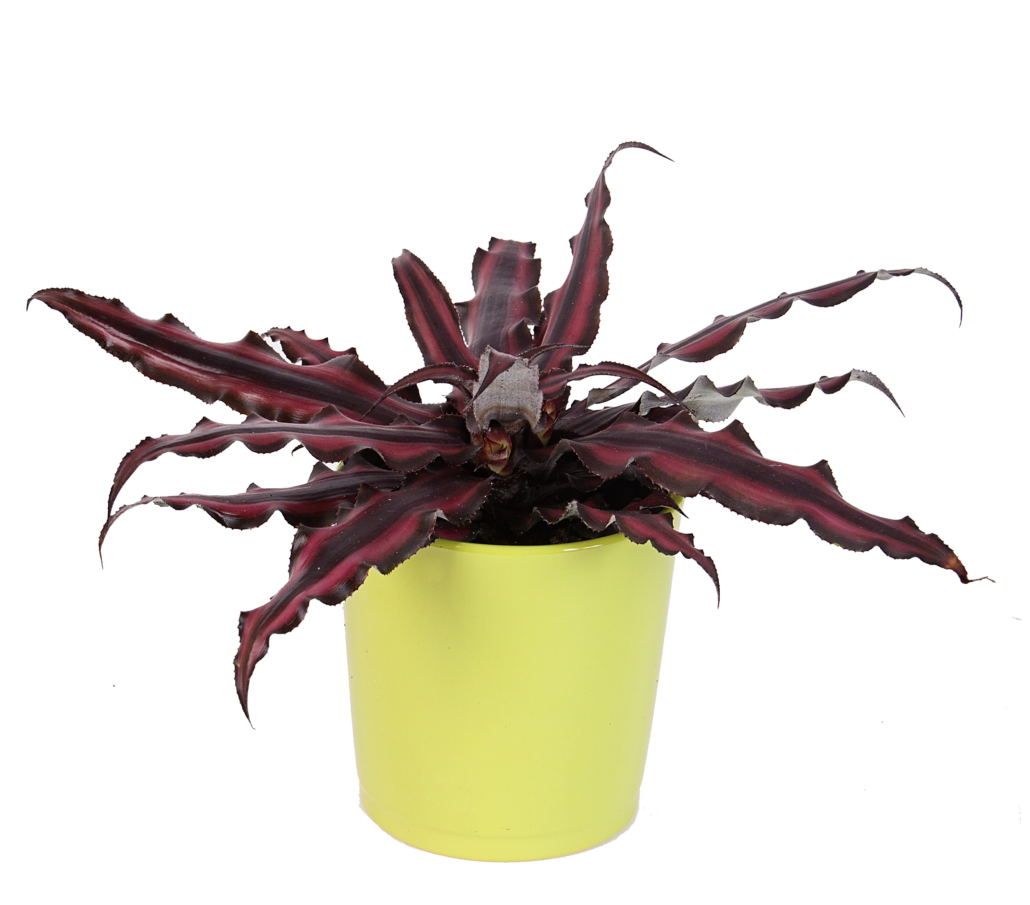
Earth Star

With spiky edges and elongated “fingers”, the earth star plant is a creepy addition to your Halloween décor. Transfer into a spooky container and let it spread and it will look like something is crawling toward you. Keep in bright light to encourage growth.

Photo courtesy of Costa Farms

Rope Plant

The rope plant’s foliage that twists and turns looks like something right out of a witch’s lair. Put a spell on your home with the shadows this plant gives off. The rope plant will flower and last up to a month.

Fun and spooky houseplants are the best way to bring live Halloween décor to your home. Feed as directed with Espoma’s Indoor! plant food.


Featured Products:


Where to Buy

https://www.espoma.com/wp-content/uploads/2017/10/devils-backbone.jpg 2448 2448 espoma https://www.espoma.com/wp-content/uploads/2023/05/espoma-logo340w-1.png espoma2017-10-25 11:00:122023-10-31 10:36:16Hauntingly Good Plants for Halloween

5 Garden Tasks to Complete this June

June 1, 2017/in Blog, Summer Gardening

field, grasses

Summer is finally here! And we can’t wait to spend more time outdoors enjoying Mother Nature. What better way to get in some quality time outdoors than by prepping your garden for the exciting growing season that lies ahead? Check these five simple tasks off your list and prepare to have a picture-perfect summer garden in no time.

watering plants

Be Water Wise

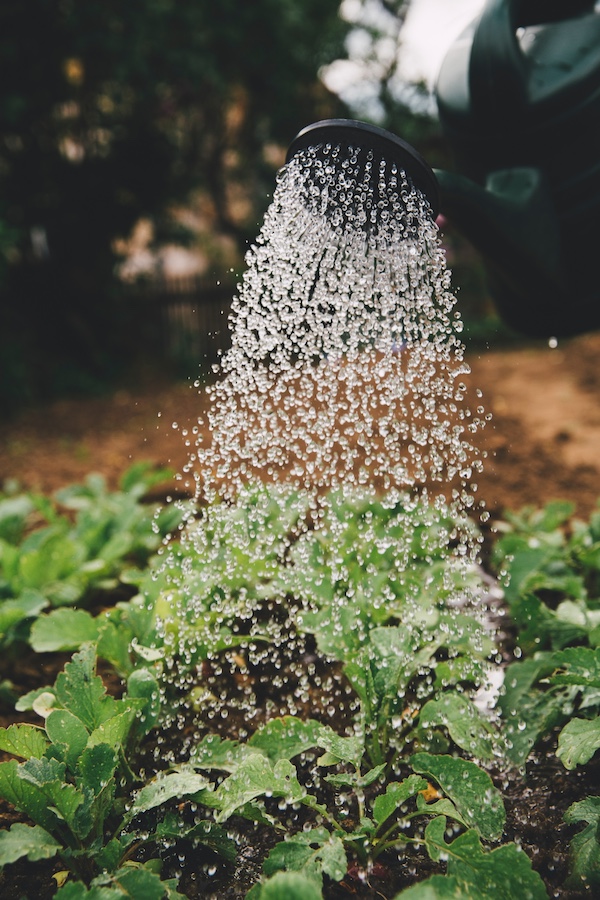
In a short time, you’ll finally start feeling the heat – and so will your plants. As temps increase, be sure to keep an eye on your plants and ensure they’re getting exactly the right amount of water. If you live in an especially hot climate or simply can’t keep up with watering by hand, invest in some sprinklers or an irrigation system.

planting vegetable

Last Call for Seedlings

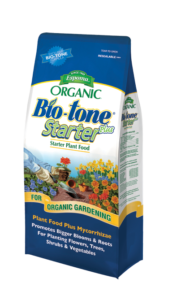
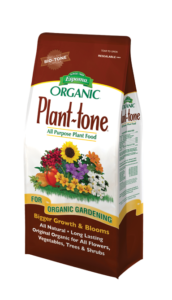
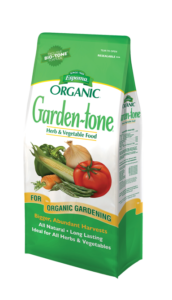
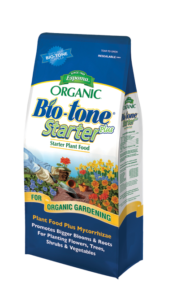
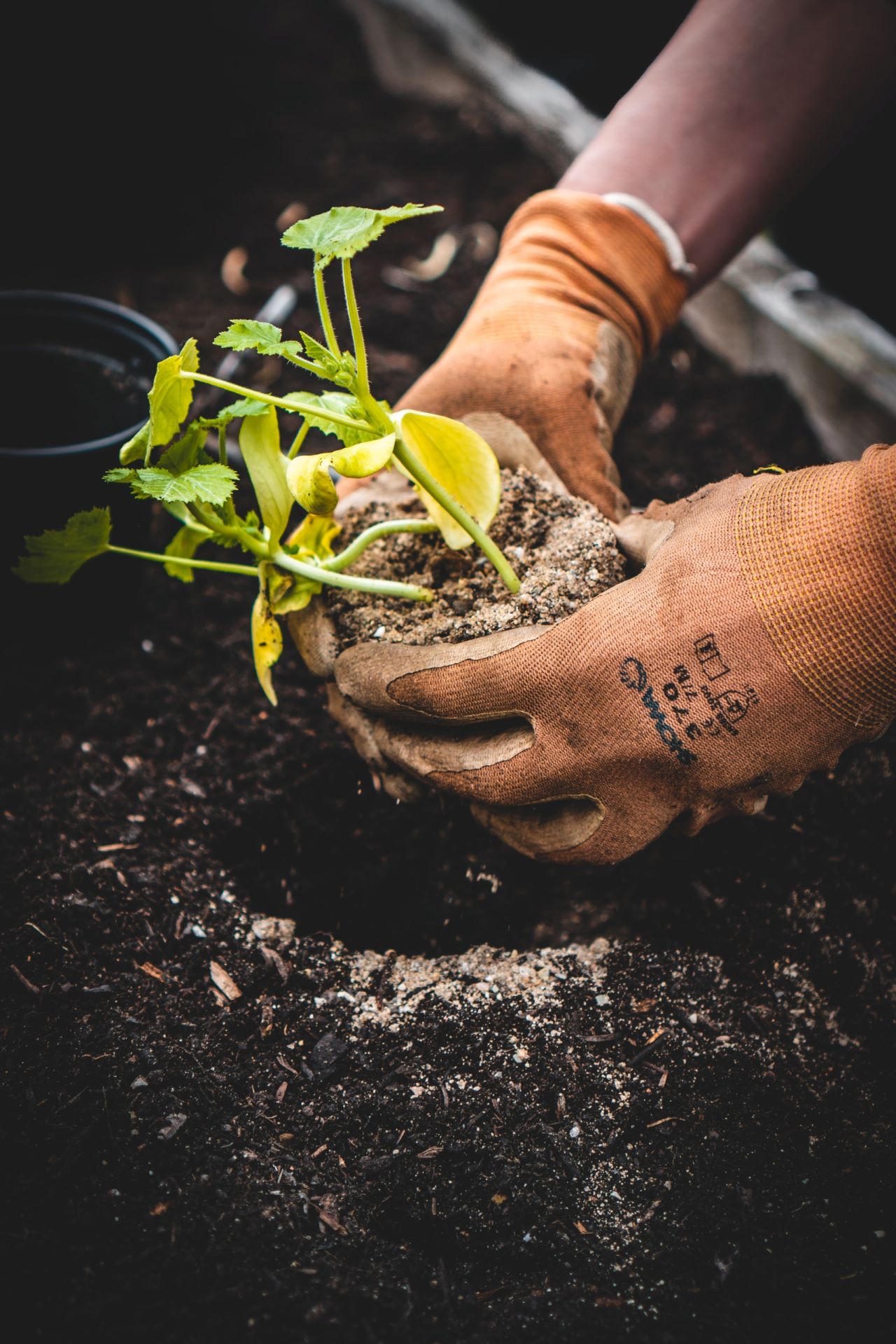
If you haven’t already transferred your indoor seedlings, now is the time. You can also start planting those heat-loving veggies, like tomatoes, squash, eggplant, and peppers. When planting We recommend using Espoma Organic Bio-tone Starter Plus to give your plants the nutrients they need to be successful in their new location. For feeding your newly established plants we recommend Espoma Organic Plant-tone or Garden-tone.

Tidy Up

Tidying up your garden gives you a fresh start for the growing season ahead. Prune plants to encourage healthy growth. Weeds are very persistent, so you should be too. A little bit of weeding here and there will prevent your garden from becoming overrun with invasive weeds.

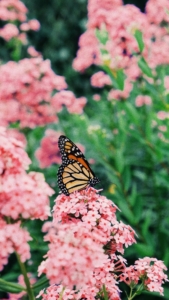
Pink flowers with Monarch Butterfly

Welcome Pollinators

Bees and butterflies play an extremely important role in the garden and their pollination provides us with many of our favorite foods. Create a pollinator-friendly garden with a variety of native plants. And don’t forget to celebrate National Pollinator Week June 19-25!


Lawn Care

Nothing says summer like the sight of a lush, green lawn. While maintaining a healthy lawn may seem challenging, it’s definitely possible with a little bit of work. With kids and pets playing in the yard all summer long, you’ll want to make sure to stay safe. Choose Espoma’s Organic Lawn Foods for a beautiful green lawn that is safe for the whole family – and the environment.


*****
Featured Products:


Where to Buy


https://www.espoma.com/wp-content/uploads/2017/06/Summer-garden.jpg 4032 6048 espoma https://www.espoma.com/wp-content/uploads/2023/05/espoma-logo340w-1.png espoma2017-06-01 11:47:102024-10-17 14:52:325 Garden Tasks to Complete this June

May Gardening Checklist: 5 Essential To-Dos for a Thriving Garden

May 2, 2017/in Blog, Spring Gardening

May is one of the busiest and most exciting months in the garden. Flowers are blooming, veggies are sprouting, and summer crops are ready to go in. But to keep your garden thriving naturally, it’s important to use the right organic products to nurture your soil, plants, and harvest.

Here’s your Espoma-approved May checklist to prep your garden for a healthy, productive summer season.

Garden Clean up

1: Tidy Up Your Garden Space

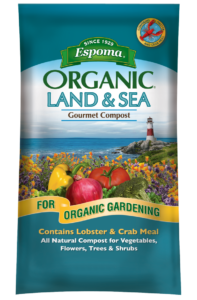
Start fresh by clearing out weeds, dead plants, and old debris — this keeps pests and diseases in check and opens up space for new growth. As you tidy up, top off your beds with Espoma Organic Land & Sea Gourmet Compost to enrich the soil with nutrients and improve texture.

Once your garden is clean, you can apply a layer of mulch to help conserve moisture and regulate soil temperature. This simple prep sets the stage for everything that comes next.

spring crops

2: Harvest Early Spring Crops

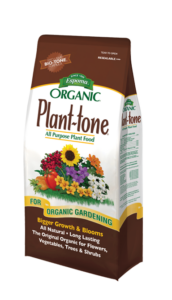
Your cool-weather crops like lettuce, spinach, radishes, and peas are likely ready to harvest. After picking, don’t leave that soil depleted! Replenish it by working in Espoma Organic Garden-tone or Plant-tone to restore nutrients before planting your summer vegetables.

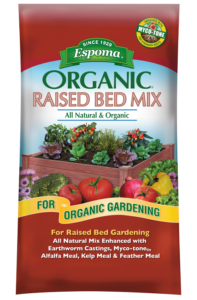
For container gardens, refresh the mix with Espoma Organic Raised Bed Mix or Potting Mix so your new plants have a rich, organic base to grow in. Healthy soil = healthy crops.

People planning a project

3: Plan Your Garden Layout Thoughtfully

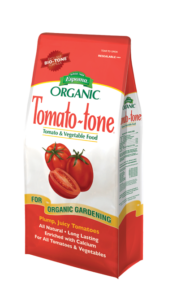
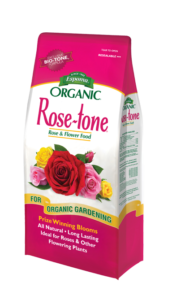
Before you rush to plant, take a little time to sketch out your garden plan. Group plants with similar needs together, and research what varieties perform best in your area. If you’re unsure, visit a local garden center and look for recommendations — and while you’re there, pick up organic fertilizers suited for what you’re planting (like Espoma Organic Tomato-tone for tomatoes, Berry-tone for berries, or Rose-tone for roses).

Planning ahead ensures you can match the right organic products to the right plants, maximizing growth and minimizing problems down the line.

planting with organic fertilizer

4: Get Planting — and Feed Organically

Once your area is frost-free, it’s time to plant! Whether you’re planting veggies, flowers, or herbs, give them the best start by enriching the planting hole with Espoma Organic Bio-tone Starter Plus. This starter fertilizer contains mycorrhizae, which help plants establish strong root systems and reduce transplant shock.

As the season goes on, continue feeding regularly with Espoma Organic Tone Fertilizers, depending on what you’re growing. These slow-release, organic fertilizers keep plants nourished naturally, without the risk of burning or chemical buildup.

planting

5: Transfer Indoor Seedlings Outdoors Carefully

If you started seeds indoors, harden them off gradually before moving them outside. Once ready, plant them in your garden or containers and mix Espoma Organic Bio-tone Starter Plus into the soil. This ensures young plants have access to the nutrients and beneficial microbes they need to get established and grow strong healthy roots.

For containers, fill pots with Espoma Organic Potting Mix, which provides excellent drainage and moisture retention while feeding plants with organic ingredients. Don’t forget to water thoroughly after transplanting to help roots settle in.

family in vegetable garden

🌸 Bonus Tip: Keep Feeding and Caring All Season Long

Throughout the summer, keep an eye on your plants. Feed every month or as needed with the appropriate Espoma Organic fertilizer for each plant type. Water deeply at the base, mulch to retain moisture, and enjoy the lush, organic garden you’ve worked so hard to create.

With the right products and a little care, you’ll be harvesting beautiful, homegrown food and flowers all summer long — the organic way!

Featured Products:

Espoma Organic Potting soil Mix Big bagEspoma Organic Land and SeaEspoma Raised Bed Mix bag  Espoma Organic Tomato-toneEspoma Organic Rose-tone bagEspoma Organic Plant-tone organic fertilizer

Where to Buy

https://www.espoma.com/wp-content/uploads/2018/05/Curb-appeal-hosta-black-eyed-susan.jpg 850 1280 espoma https://www.espoma.com/wp-content/uploads/2023/05/espoma-logo340w-1.png espoma2017-05-02 08:00:312025-05-06 14:10:27May Gardening Checklist: 5 Essential To-Dos for a Thriving Garden
Page 26 of 27«‹24252627›
Where to Buy

Get News & Updates

Recent Posts

  • VIDEO: Repotting in the Greenhouse with Garden Answer
  • VIDEO: How to Winterize Your Chicken Coop with Summer Rayne Oakes
  • VIDEO: Planting Spring Bulbs in Containers 🪴🌷 with Summer Rayne Oakes
  • VIDEO: Planting the Last Bulbs of the Season with Garden Answer
  • How to Care for Ferns 🌿 | Growing Joy with Maria

Tags

All-Purpose Potting Mix bio-tone Bio-tone Starter Bio-tone Starter Plus Cactus Mix caring for houseplants Container Gardening DIY project Espoma espoma grown espoma organic Espoma Organics Espoma Video fall gardening Family fert flower garden flowers garden Garden Answer Gardening gardening tips gardens grow holly-tone houseplants Indoor! indoor gardening indoor plants Kaleb Wyse organic organic fertilizer Organic Gardening organic plant food Organic Potting Mix Outdoor Gardening Planting plants Potting Mix potting soil Spring Gardening summer rayne oakes vegetable garden Vegetable Gardening Wyse Guide

Espoma. A Family Tradition Since 1929.

Espoma Organic logo
  • Espoma Dealer
  • Espoma Pro
  • Garden Club
  • Privacy Policy

Scroll to top