Espoma Organic
  • Products
    • Close
    • Product Line Overview
    • Plant food finder
    • Garden Fertilizers
    • Potting Soils
    • Lawn Fertilizers
    • Liquid Fertilizers
    • Single Ingredients
    • Conventional Plant Foods
    • Animal Care Products
  • Where to Buy
  • Our Story
    • Close
    • Our Story
    • Locations
    • Historical Timeline
    • Our Commitment
    • Directions
    • Solar
    • Join our Team
    • Espoma Brand Partners
  • Learn
    • Close
    • Espoma Blog
    • FAQ’s
    • Pocket Guide
    • Espoma Guides
    • Garden Clubs
    • Safe Paws Lawn
    • PRODUCT FACT SHEETS
    • Fertilizer Fundamentals
      • Close
      • Understanding Plant Nutrition
      • Reading Labels
      • Choosing the Right Type of Fertilizer
      • Terms & Definitions
    • Gardening Projects
    • Resource Links
  • Contact Us
  • Menu Menu

Tag Archive for: gardens

May Gardening Checklist: 5 Essential To-Dos for a Thriving Garden

May 2, 2017/in Blog, Spring Gardening

May is one of the busiest and most exciting months in the garden. Flowers are blooming, veggies are sprouting, and summer crops are ready to go in. But to keep your garden thriving naturally, it’s important to use the right organic products to nurture your soil, plants, and harvest.

Here’s your Espoma-approved May checklist to prep your garden for a healthy, productive summer season.
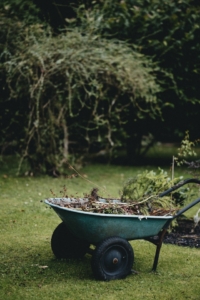
Garden Clean up

1: Tidy Up Your Garden Space

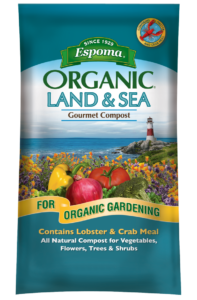
Start fresh by clearing out weeds, dead plants, and old debris — this keeps pests and diseases in check and opens up space for new growth. As you tidy up, top off your beds with Espoma Organic Land & Sea Gourmet Compost to enrich the soil with nutrients and improve texture.

Once your garden is clean, you can apply a layer of mulch to help conserve moisture and regulate soil temperature. This simple prep sets the stage for everything that comes next.
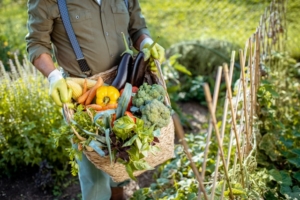
spring crops

2: Harvest Early Spring Crops

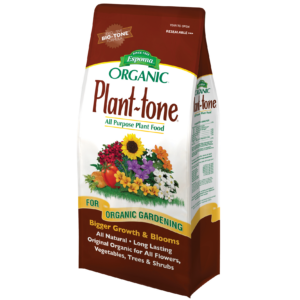
Your cool-weather crops like lettuce, spinach, radishes, and peas are likely ready to harvest. After picking, don’t leave that soil depleted! Replenish it by working in Espoma Organic Garden-tone or Plant-tone to restore nutrients before planting your summer vegetables.

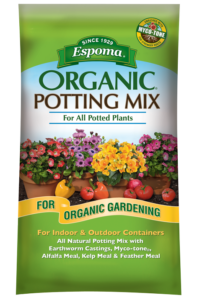
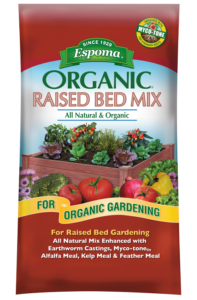
For container gardens, refresh the mix with Espoma Organic Raised Bed Mix or Potting Mix so your new plants have a rich, organic base to grow in. Healthy soil = healthy crops.

People planning a project

3: Plan Your Garden Layout Thoughtfully

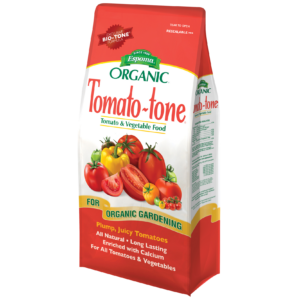
Before you rush to plant, take a little time to sketch out your garden plan. Group plants with similar needs together, and research what varieties perform best in your area. If you’re unsure, visit a local garden center and look for recommendations — and while you’re there, pick up organic fertilizers suited for what you’re planting (like Espoma Organic Tomato-tone for tomatoes, Berry-tone for berries, or Rose-tone for roses).

Planning ahead ensures you can match the right organic products to the right plants, maximizing growth and minimizing problems down the line.
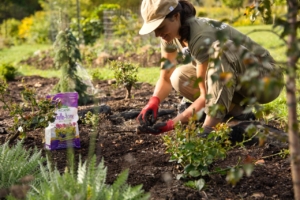
planting with organic fertilizer

4: Get Planting — and Feed Organically

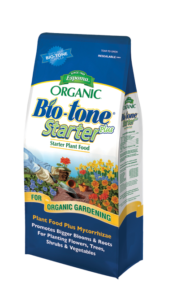
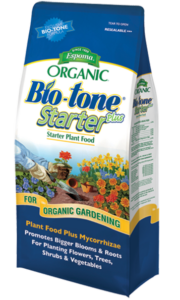
Once your area is frost-free, it’s time to plant! Whether you’re planting veggies, flowers, or herbs, give them the best start by enriching the planting hole with Espoma Organic Bio-tone Starter Plus. This starter fertilizer contains mycorrhizae, which help plants establish strong root systems and reduce transplant shock.

As the season goes on, continue feeding regularly with Espoma Organic Tone Fertilizers, depending on what you’re growing. These slow-release, organic fertilizers keep plants nourished naturally, without the risk of burning or chemical buildup.
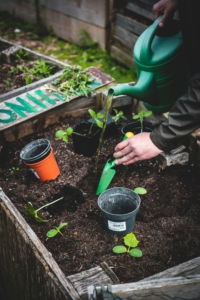
planting

5: Transfer Indoor Seedlings Outdoors Carefully

If you started seeds indoors, harden them off gradually before moving them outside. Once ready, plant them in your garden or containers and mix Espoma Organic Bio-tone Starter Plus into the soil. This ensures young plants have access to the nutrients and beneficial microbes they need to get established and grow strong healthy roots.

For containers, fill pots with Espoma Organic Potting Mix, which provides excellent drainage and moisture retention while feeding plants with organic ingredients. Don’t forget to water thoroughly after transplanting to help roots settle in.
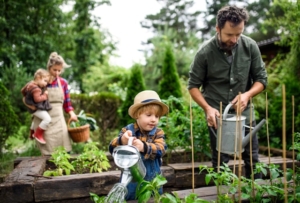
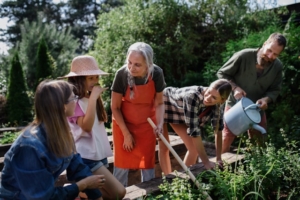
family in vegetable garden

🌸 Bonus Tip: Keep Feeding and Caring All Season Long

Throughout the summer, keep an eye on your plants. Feed every month or as needed with the appropriate Espoma Organic fertilizer for each plant type. Water deeply at the base, mulch to retain moisture, and enjoy the lush, organic garden you’ve worked so hard to create.

With the right products and a little care, you’ll be harvesting beautiful, homegrown food and flowers all summer long — the organic way!

Featured Products:
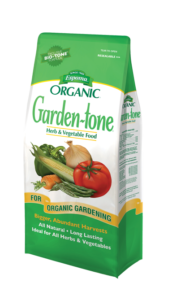
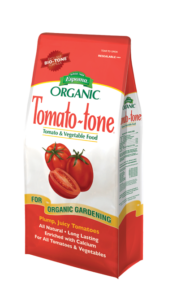
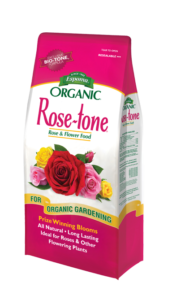
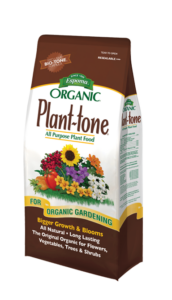
Espoma Organic Potting soil Mix Big bagEspoma Organic Land and SeaEspoma Raised Bed Mix bag  Espoma Organic Tomato-toneEspoma Organic Rose-tone bagEspoma Organic Plant-tone organic fertilizer

Where to Buy

https://www.espoma.com/wp-content/uploads/2018/05/Curb-appeal-hosta-black-eyed-susan.jpg 850 1280 espoma https://www.espoma.com/wp-content/uploads/2023/05/espoma-logo340w-1.png espoma2017-05-02 08:00:312025-05-06 14:10:27May Gardening Checklist: 5 Essential To-Dos for a Thriving Garden

Fall Gardening Checklist

September 13, 2016/in Fall Gardening

September marks the turn of a new leaf. The hot summer weather is fizzling out in favor of cool, crisp fall breezes, prompting bonfires, football games, and pumpkin everything.

For gardeners, fall can be one of the busiest seasons. Often, gardeners juggle wrapping up their summer harvests with the responsibilities of preparing for the coming seasons.

With this to-do list from Homestead Gardens, you’ll be ready to fall in love with fall, and with some extra preparation, you’ll be better prepared for winter and spring, too!

organic vegetable gardening, edible schoolyard project, top reasons to start a garden

7 Things To Do in the Garden This Fall  

1. Deadhead to get Ahead

Freshen up flowerbeds by deadheading and removing plants that have stopped blooming. Do maintenance in the morning before the weather gets too hot.

2. Don’t Stop Planting.

After you’ve harvested your remaining summer veggies, you can plant fall crops and begin transplants! Use Espoma Organic Bio-tone Starter Plus at the time of planting to ensure your new or transplanted plants have the nutrients they need for establishment.

3. Serve… or Preserve. Have more vegetables and herbs than you know how to handle? Preserve your harvest. Experiment with making jams or pickles, and try freezing raw fruit, veggies, or herbs. Make sauce out of your tomatoes, or slow-roast them.

4. Flower Power

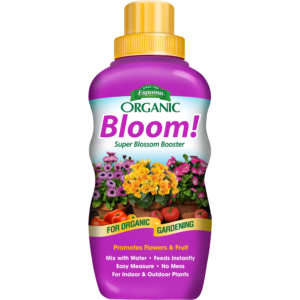
Keep your annual flowers blooming as long as possible! The key to success? Use Espoma’s Bloom! liquid fertilizer.

5. Watch out for Winter!

Start winterizing your garden’s watering system. Keep an eye out for the first few frosts of the season, and cover plants when necessary. Gradually transition your summer houseplants back indoors.

dahlias-1642686_1920

6. Divide and Conquer

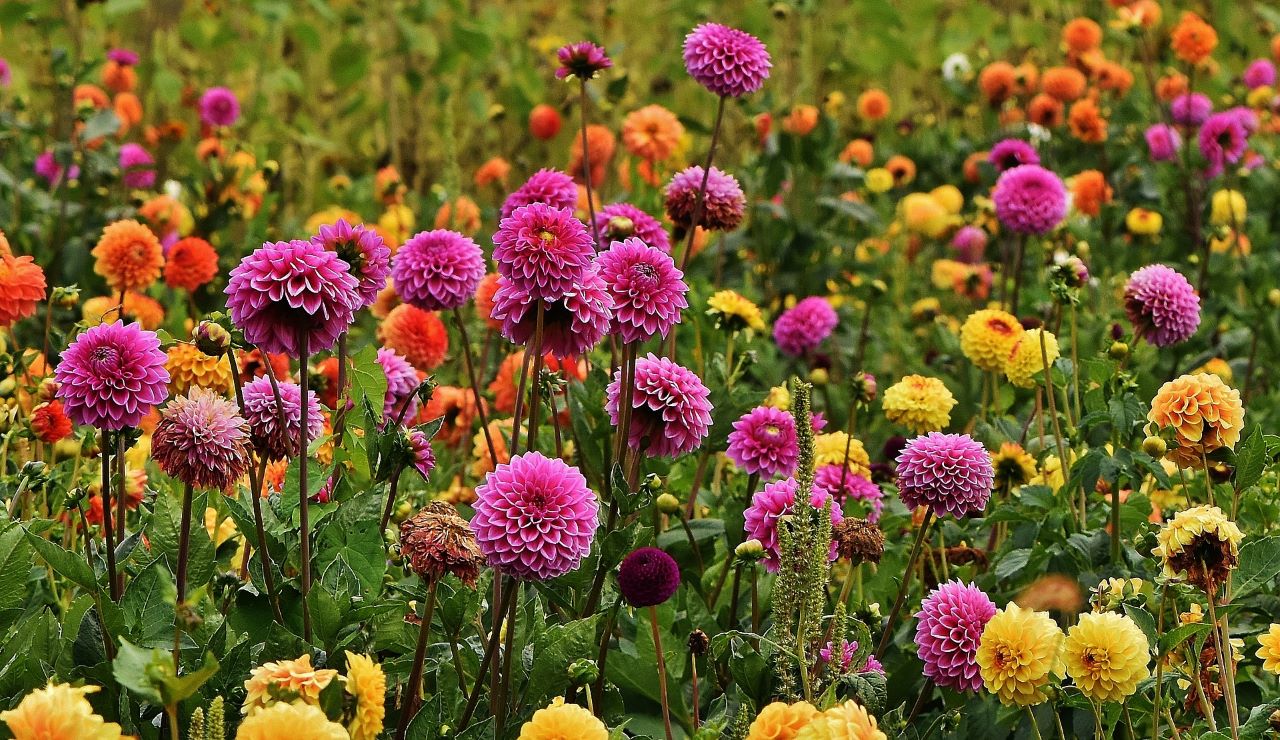
Divide and split your perennials, dig and store tender bulbs like dahlias and caladiums, and start planting spring-flowering bulbs.

7. Red, Dead Ahead!

Are your tomato plants lacking fruit? Producing dull leaves? Sprinkle some Tomato-tone to give them a final boost.

*****

With these tips, your fall landscape will look its best.

Do you have a picture of your fall garden that you’d like to share? Drop by our Facebook page!


Featured Products:


Where to Buy

https://www.espoma.com/wp-content/uploads/2016/09/chrysanthemum-1013083_1920.jpg 1280 1920 espoma https://www.espoma.com/wp-content/uploads/2023/05/espoma-logo340w-1.png espoma2016-09-13 08:00:122025-09-22 14:30:04Fall Gardening Checklist

Grab Your Books for a Lesson in Gardening 101

September 6, 2016/in Blog, Fall Gardening

Back to Gardening School: A Fresh Start for Your Garden

Remember the excitement of a new school year? Fresh notebooks, a backpack ready for adventure, and the feeling that anything was possible. That same sense of renewal is waiting in the garden this season.

Whether you’re just starting out or brushing up on your skills, it’s the perfect time to get back to the basics. Sharpen those tools (and pencils) and let’s head to Gardening School.

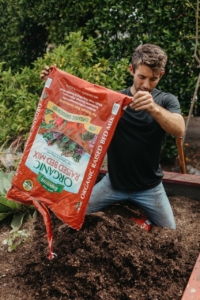
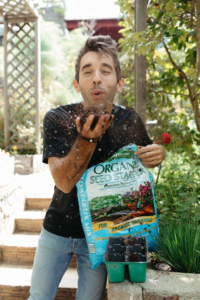
Farmer Nick dumping Espoma Raised bed Mix into a raised garden bed

1. Build a Strong Foundation

Every successful garden begins with healthy soil. Start with a quick soil test to understand what nutrients your garden may be missing, then build from there. For raised beds, fill them with a rich blend of natural ingredients—like those in Espoma Organic Raised Bed Mix—to create the perfect growing environment. Adding an organic compost such as Espoma Organic Land & Sea Gourmet Compost further improves soil structure, boosts moisture retention, and encourages healthy microbial activity. For container plantings, Espoma Organic All-Purpose Potting Mix provides the ideal balance of drainage and organic matter to keep roots thriving. And whenever new plants go in the ground, a starter fertilizer like Espoma Organic Bio-tone Starter Plus helps them establish quickly by supporting strong, resilient root growth. With the right foundation beneath the surface, the garden above will flourish.

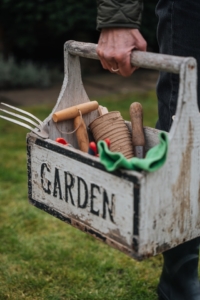
old garden tools

2. Check Your Supplies

Just like gathering fresh notebooks and sharpened pencils, gardeners should review their tools. Replace cracked handles, rusty clippers, or wobbly rakes so nothing slows you down during the season. A little care and preparation now saves frustration later and makes gardening smoother and more enjoyable.

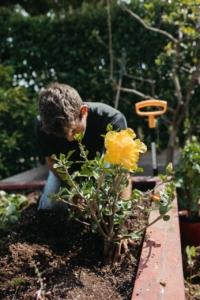
Farmer Nick planting a flowering plant

3. Redefine Your Garden’s Style

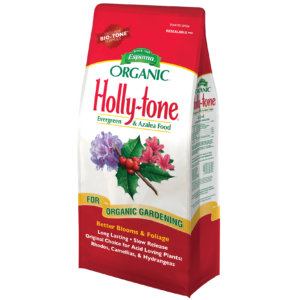
A new season is the perfect time to refresh the look of the garden. Whether the goal is calm and classic or bold and colorful, the right nutrition helps plants live up to their potential. Espoma Organic Plant-tone provides complete, balanced nutrition for a wide variety of plants, while Espoma Organic Holly-tone supports acid-loving favorites such as azaleas, rhododendrons, and hydrangeas. Feeding properly is the simplest way to bring a dream garden style to life.

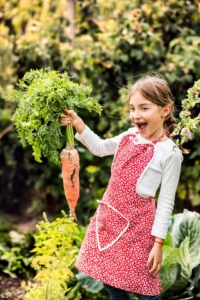
little girl holding a carrot

4. Learn From Last Season

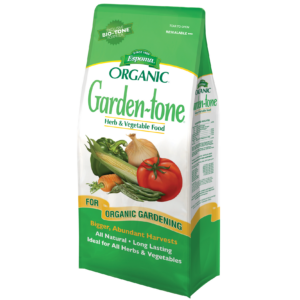
Every garden has its victories and its challenges. Take time to reflect on what thrived and what struggled, then plan for improvement. Espoma Organic Garden-tone is specially formulated for vegetables, helping ensure bigger, tastier harvests season after season. When planting new crops or ornamentals, Espoma Organic Bio-tone Starter Plus gives roots the boost they need to grow stronger and more resilient than before. Each new season builds on last year’s lessons with the right nutrition.

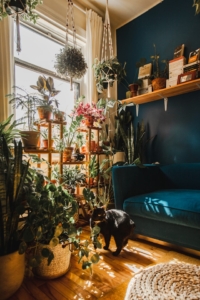
indoor plants

5. Don’t Forget Your Indoor Plants

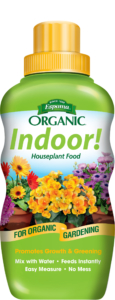
While outdoor gardens take the spotlight, houseplants need care too. Feeding them regularly keeps leaves lush, colors vibrant, and growth steady all year long. Espoma’s Indoor! organic liquid fertilizer makes it easy to give houseplants the nutrition they need with every watering. When repotting, Espoma Organic Potting Mix provides the perfect organic base to keep indoor plants healthy and happy. A thriving indoor garden completes the picture of a gardener’s success.

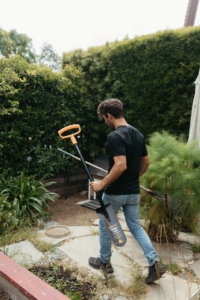
Farmer Nick holding a shovel

6. Sharpen and Shine

Tools are the unsung heroes of every garden. Taking time to clean, sharpen, and maintain them ensures they last longer and work more effectively. Well-maintained tools make every gardening task easier, allowing more energy to be devoted to growing beautiful, thriving plants.

7. Grow Your Community

Gardening is even better when knowledge is shared. One of the most valuable tips to pass along is to start every planting with a quality organic starter fertilizer like Espoma Organic Bio-tone Starter Plus to set roots up for success, and then feed with Espoma Organic Plant-tone throughout the season to keep growth steady and strong. These trusted essentials have been used by generations of gardeners, and passing them along helps the whole community grow stronger together.

Graduation Time!

Congratulations—you’ve completed your Back-to-Gardening School crash course! Toss those gardening gloves in the air, because the lessons learned here will lead to healthier plants, bigger harvests, and gardens worth celebrating.

At Espoma, teaching organic gardening practices has been a passion since 1929. With products that are safe for people, pets, and the planet, Espoma is here as a mentor and partner on every gardener’s journey. Class dismissed—now go grow with confidence!

Farmer Nick & PlantKids Course 

Looking for a fun way to introduce kids to gardening? Check out our brand partner Farmer Nick’s course, The Adventures of Farmer Nick and Plant! Designed for children ages 4 and up, this 10-episode series inspires a love of gardening and plant science through hands-on lessons. Sometimes silly, always fun, it’s a playful way to spark curiosity and delight both kids and adults alike.

*****

Featured Products:
Espoma Organic Bio-tone Starter Plus Bag Image Espoma Organic Holly-tone Organic Fertilizer for all acid loving plantsEspoma Organic Plant-tone organic fertilizerEspoma Organic Garden-tone Espoma Organic Potting soil Mix Big bag Espoma Raised Bed Mix bag Espoma Organic Land and Sea Espoma Organic Indoor! liquid plant food - Organic fertilizer


Where to Buy


https://www.espoma.com/wp-content/uploads/2016/09/9V2A7296.jpg 1280 853 espoma https://www.espoma.com/wp-content/uploads/2023/05/espoma-logo340w-1.png espoma2016-09-06 12:00:482025-09-12 17:16:48Grab Your Books for a Lesson in Gardening 101

Container Garden Tip: Extend Summer Color! 🌸

May 31, 2016/in Blog, Flowers

4 Tips to extend the life of containers for a summer of color.


Containers filled with bright blooms are great additions to any patio, yard, or landscape. Containers help add beautiful pops of color and are easy to maintain with the right care.

Before summer’s heat and dry conditions get the best of them, give containers what they need to extend their life into summer with these 4 easy tips.

liquid fertilizer, potting soil, container gardening

1. Deadhead. Use pruners or shears to snip off dead or dying flowers, stems, and foliage. This is called deadheading. Don’t be afraid to clip stems back a little to encourage new growth. This not only makes the plant look better, it helps encourage more blooms.

Hint: Want even less work? You can always opt for plants that do the deadheading on their own, like Million Bells.

liquid fertilizer, potting soil, container gardening

2. Feed. Feed established containers with our Bloom! liquid fertilizer to promote & prolong flowering or sprinkle granular plant food, like Plant-tone, on the soil surface and gently work in and water thoroughly.


3. Water. Containers need to be drenched – generally every day – and make sure to get the roots. Water the container until it pours from the drainage holes. Be sure to empty saucers to keep roots from getting waterlogged.


4. Replace. If all else fails, simply replace the leggy or tired plants in your container garden with late-season bloomers, like ornamental cabbage, coneflowers or sedum.

Now that your containers are taken care of, sit back and enjoy the extra color that will surround you while enjoying the beauty and warmth of summer!

*****

Featured Products:


Where to Buy

https://www.espoma.com/wp-content/uploads/2016/05/plants-252104_1920.jpg 1440 1920 espoma https://www.espoma.com/wp-content/uploads/2023/05/espoma-logo340w-1.png espoma2016-05-31 08:00:162025-08-26 14:50:43Container Garden Tip: Extend Summer Color! 🌸

2016 Philly Flower Show Hitting It Out of the Park

March 1, 2016/in Flowers

During the final stretch before spring, the Philadelphia Flower Show gives us a magical, beautiful taste of all that’s to come. Which is why we, at Espoma, are thrilled to once again be a contributing sponsor of the show.

Mark your calendar, the show starts in just 4 days! Explore the must-see highlights of the 2016 Philadelphia Flower Show here.

Philadelphia Flower Show, Philly Gardening

Explore All of America’s National Parks in ONE Day

The 2016 Philadelphia Flower Show, “Explore America,” is celebrating 100 years of the National Park Service.

  • Begin in the Big Timber Lodge. Walk into the quintessential National Park building – filled with a 12’ waterfall, a life-size buffalo sculpture and a variety of woodland plants.
  • Ride the Railway Garden. You’ll wish you could hop on this locomotive! The Train Garden shrinks the American landscape and fills it with large-scale model trains.
  • Fly Away in the Butterfly Room. More than 1,000 butterflies flutter around a magical room – landing on native plants and you! Great for kids!
  • Find Your Friends at Fido Friday. The return of Yappy Hour! It’s Fido Friday on March 11th. Bring your dog, talk Safe Paws and meet fellow dog-owners who love gardening.
  • Discover Incredible Containers. Unbelievable colors and textures in stunning containers. Unearth the beauty, fun and adaptability of container gardens at Espoma’s “Beauty of Container Gardening” display. As always, it’s 100 percent organic.

The Skinny on the Philadelphia Flower Show

  • What: The world’s oldest and largest indoor flower show, attracting more than 260,000 people
  • When: Saturday, March 5 – Sunday, March 13.
  • Where: Pennsylvania Convention Center
  • How: Buy tickets online or at the door

 Explore our nation’s majestic National Parks in their full glory – wildflowers and evergreens included!

https://www.espoma.com/wp-content/uploads/2016/02/nature-690046_1280.jpg 853 1280 espoma https://www.espoma.com/wp-content/uploads/2023/05/espoma-logo340w-1.png espoma2016-03-01 08:00:312024-09-06 11:35:342016 Philly Flower Show Hitting It Out of the Park

Don’t Leave Hanging Baskets Out to Dry…

June 30, 2015/in Container Gardening, Flowers, Landscaping, Spring Gardening, Summer Gardening

Hanging baskets make great visual impacts when they are filled to the brim with bright summer blooms. They add instant color to any spot and are a sign of warm weather.

Though as days get hotter and the summer rolls on, hanging baskets can start to look tired: drooping blooms, minimal flowers and straggly plants.

Your hanging basket isn’t doomed. It just needs a good ol’ fashion pick-me-up.

Refresh your hanging baskets to keep them partying all summer long

Get ready to give your hanging baskets a make-over. With these tips, your hanging basket will be back in its prime in no time.

Photo Courtesy Proven Winners

Photo Courtesy Proven Winners

Take the Heat Off Hanging Baskets

  1. Test the Waters Hanging baskets need more water when temperatures rise. During the peak of summer’s heat, water baskets in the morning until water drips from the drainage holes. Check them again in the afternoon to see if they need more water. On windy days, hanging baskets dry out, so they will need even more water.
  2. Food for Thought. Feed hanging baskets  with an organic flower food, like Flower-tone or the new Bloom! liquid plant food. Because of how much water baskets need, nutrients are frequently flushed from the soil. Regular feedings give your hanging baskets the energy they need to shine and bloom continuously.https://www.espoma.com/liquids/
  3. Drop Dead Gorgeous Blooms. As flowers fade, pinch them off where they meet the stem. Deadheading hanging baskets keeps them producing flowers and prevents them from going to seed.
  4. Which to Switch. Not every flower blooms all summer. If one of your flowers is done blooming for the season, swap it out. Gently remove the flower, replace it with a vibrant plant and fill with an organic potting soil.
  5. What to Cut. When your hanging basket is looking a bit wild or leggy, cut it back by 1-2”.

Look at that! Your hanging baskets already look better. Keep up these tips throughout the summer to keep hanging baskets fresh, beautiful and blooming.

https://www.espoma.com/wp-content/uploads/2015/06/flowers-164815_1280.jpg 722 1144 espoma https://www.espoma.com/wp-content/uploads/2023/05/espoma-logo340w-1.png espoma2015-06-30 08:20:202024-08-16 13:54:28Don’t Leave Hanging Baskets Out to Dry…

Out of Town? Don’t Let the Garden Go Brown

June 25, 2015/in Container Gardening, Flowers, Spring Gardening, Summer Gardening

Gardener’s Guide: Hydration while on Vacation

As you pack your bags, finish up at work and plan your vacation adventures, one lingering question remains, “Who will water my plants?

Yes, we’d all like to have a friend or neighbor available to care for our garden while we’re out of town, but that’s not always a possibility.

Luckily, you can prep your garden before you go on vacation. Here are some tricks.

vacation garden tips

While You’re On Vacation, Treat Your Garden to a Stay-cation 

  1. Right on Time. Install a water timer to automate watering. You can opt for a more complex drip irrigation system or simply use a timer with sprinklers. Plan to give plants about 1” of a water a week.
  2. Pack a Snack. Keep your plants well-fed and packed with nutrients while you’re gone. Feeding your veggies, flowers and herbs with the right organic plant food sets them up for success and gives them the strength they need to survive tough situations.
  3. Much Mulch. Mulch helps plants retain 25-50 percent more water, so it’s perfect for vacation use. Make sure all plants have 2-3” of mulch. Water the mulch until it’s wet all the way through.
  4. Cluster Containers. Group containers in a shady spot where they’ll be watered by a sprinkler. Or if going out of town for 1-2 weeks, place containers out of direct sunlight in a kiddie pool filled with a few inches of water.
  5. Take Your Pick. Pick anything and everything from your edible plants. That includes any tomatoes showing color, pint-sized cucumbers and zucchinis and any beans you see. Picking will keep plants producing and provides healthy, organic snacks for your travels, too.
  6. Mow Before You Go. Mow the lawn the day before your trip. Simple!

Now, sit back, relax and get ready for an invigorating vacation! Your plants will surely miss you, but they’ll be just fine while you’re gone.  

https://www.espoma.com/wp-content/uploads/2015/06/pansy-731346_640.jpg 426 640 espoma https://www.espoma.com/wp-content/uploads/2023/05/espoma-logo340w-1.png espoma2015-06-25 08:09:172019-05-07 10:08:44Out of Town? Don’t Let the Garden Go Brown

Double your Roses by Feeding and Deadheading

June 17, 2015/in Flowers, Landscaping, Spring Gardening

Is there anything better than walking into your garden, smelling the heavenly scent of a rose and seeing a luscious rose bloom?

Believe it or not, we think there is!

More roses!

Once your roses start blooming, all you want is for more roses to grow, too! Stack the odds in your favor by feeding and deadheading your roses now.

Give Your Roses an Energy Boost!

roses


To create those gorgeous, lovely rose blooms, roses need lots of energy! You don’t think those beautiful blooms just happen, do you?

  1. Ohm. Find the Right Balance. Roses need a balanced, organic fertilizer made specifically for roses. A balanced food with the same amounts of NPK (nitrogen, phosphorus and potassium) keeps the roots, flowers and foliage growing strong and healthy.
  2. Do as the Experts Do. Don’t the experts always know best? That’s what it seems like from those toothpaste commercials at least! The same is true in the garden. Rose-tone by Espoma, an organic plant food, is preferred by professional rose-growers. Follow their lead to grow bigger, better roses! Dare we say, prizewinning?
  3. The 30 Day Phase. Feed your roses once a month during the growing season. When you use a slow-release, organic fertilizer, your roses have enough to eat for 30 days. After that, they’ve consumed all the soil’s nutrients and need their energy source replenished. If the soil is dry, make sure you water roses heavily before feeding them. Find out more here.
  4. Look Dead? Off with their Head. Anyone who grows roses knows the value of deadheading. Roses will bloom all season if you remove spent flowers. Otherwise, the roses focus on seeding – not flowering. Plus, deadheading is easy! With pruners, simply cut dead roses just below the flower to the first set of leaves. Leave the leaves though, since these help plants grow strong. During drought, deadheading also reduces the plants need for water, increasing its chance of surviving this dry spell.
  5. Don’t stop there. Continue to deadhead roses until late August. This will allow the rose to form the important seed bearing hips it needs to produce even more flowers next spring!

Soon, roses will be coming up every which way! Go forth and create big, beautiful blooms with your newfound knowledge.

https://www.espoma.com/wp-content/uploads/2015/06/Capture1.jpg 328 1218 espoma https://www.espoma.com/wp-content/uploads/2023/05/espoma-logo340w-1.png espoma2015-06-17 16:15:242019-05-07 10:08:44Double your Roses by Feeding and Deadheading

Mother’s Day Container Garden Ideas

May 6, 2015/in Flowers, Landscaping, Spring Gardening

Freshly baked chocolate-chip cookies, homemade sandwiches with the crusts cut off and secret passwords— mom did it all for you. She showered you with love in so many ways, big and small.

Now it’s your turn to remind Mom how much you truly appreciate her.

Since Mom has made so many wonderful treasures for you over the years, take the time to make her a gift she’ll enjoy for months!

From a traditional hanging basket to a funky container garden, select a container that’s just her style, fill it with her favorite flowers and present a homemade gift that will bloom and delight for months!

Watch our video on container gardening for each step of the process, or follow the steps below.

First, find the perfect container. There are tons of fun, colorful and patterned containers out there. Or get creative and use an unexpected object. Either way, select the one that screams “Mom!” to you.

Be sure your container has drainage holes at the bottom and be sure it isn’t too big. Once the container is filled with soil, it can get pretty heavy.

Next, look for 3-5 flowers, grasses or greenery. If you already know Mom’s favorite flowers, definitely use those.

Then, choose plants that spill, thrill and fill! You want a plant that cascades, one that mounds and one that stands out among the rest.

You can mix colors, or stick with a monochromatic color scheme. Have fun with it!

Regardless, it’s best to make sure your plants like the same growing conditions. As a final check before checkout, compare plant tags to see if they all need the same amount of sun and water.

While you’re still shopping, grab a bag of the best organic potting mix.

Espoma Organic Potting Mix is not only 100 percent organic, but contains Myco-tone Mycorrhizae, too.

Plants growing in Espoma Organic Potting Mix require up to 30 percent less water than other potting soils. With water restrictions a concern, Mom will use less water for her container.

Plus, Espoma Organic Potting Mix helps your plants adjust to their new home better and grow bigger roots for bigger plants.

Now, get crafty!

  1. Fill the container 3/4 full with Espoma’s Organic Potting Mix.
  2. Mix in 2 tablespoons of Espoma’s Bio-tone® Starter Plus with the soil to give it that extra oomph. This organic plant food encourages bigger and more plentiful blooms!
  3. Remove the plants from their original containers and arrange them in the new planter.
  4. Play around a bit. Move the plants around to see where each plant looks best.
  5. Once the plants look perfect to you, fill in any gaps in the container with organic potting soil.
  6. Water well.
  7. Stick your Mother’s Day card in the soil on a floral pick and tie a bow around the container.

Wait till you see Mom’s face when you arrive on Mother’s Day with a beautiful, homemade container garden!

Share a photo of your Mom with her homemade Mother’s Day container on our Facebook page! And tell her Happy Mother’s Day from Espoma!

https://www.espoma.com/wp-content/uploads/2015/05/container-garden-mom.jpg 1682 1697 espoma https://www.espoma.com/wp-content/uploads/2023/05/espoma-logo340w-1.png espoma2015-05-06 17:03:142019-05-07 10:08:45Mother’s Day Container Garden Ideas

The Secret to Growing Bigger Plants, Faster

March 31, 2015/in Vegetable Gardening

Drum roll please! The start of planting season is here!

After long weeks spent pouring over seed catalogs and admiring Pinterest gardens, it’s time to finally create the garden of your dreams.

If you started seeds a few weeks ago, it’s time to gradually move them outside. And if you didn’t, a trip to your local garden center awaits you.

So now that you’re ready, let’s plant your soon-to-be flourishing garden.

How to know if your garden is ready for planting:

To see if the ground is thawed and warm enough for planting, dig 3-4” deep. Grab a handful of soil and roll into a ball. If the soil won’t take shape, it’s too hard and dry for new plants.

If you can make a ball, drop it to the ground. If it breaks, your soil is ready. If the ball stays together, your soil is too wet, so try again in a few days.

Now comes the fun part, deciding what to plant!

Roses, snapdragons and pansies are some of our favorite flowers to plant in early spring. Plus, they add a pop of color when you need it most.

As far as veggies go; plant peas, spinach, kale, lettuce, broccoli, carrots and onions in early spring. Imagine how much you’ll save on groceries in the upcoming months!

Before you buy your new plants, check the plant tags to make sure you have enough space and sun.

Now time to plant:

If planting a flower bed, mix 4 lbs. (12 cups) of Bio-tone Starter Plus, an organic plant food, per 100 square feet into the top 4-6” of soil.

Adding all-natural, organic plant food enhanced with bacteria is the secret to bigger, better plants of all kinds.

Bio-tone Starter Plus is like a protein shake for your plants. This organic plant food is jam-packed with microbes and mycorrhizae to provide an instant health boost.

Seriously, the proof is in the plants.

Bio tone Starter Plus gives plants everything they need to grow bigger blooms faster. So, you’ll lose fewer plants along the way. You can also add Bio tone when planting bulbs, container gardens, shrubs and even trees. Using this organic plant food on veggies and fruits is a-ok since it’s all natural.

Now, get digging! You can plant in individual holes or a garden bed. Either way, dig holes as deep as the containers the plants came in, and check the plant tag to see how far apart to plant.

Remove plants from containers; loosen roots and pop ‘em in the hole!

Then, replace the soil around the plants and water.

Finally, add the finishing touch of 2-3” mulch — if you haven’t already.

What are you planting this spring? Comment below or better yet, share a picture on our Facebook page!

https://www.espoma.com/wp-content/uploads/2015/03/3847323170_08bf293f0e_b.jpg 683 1024 espoma https://www.espoma.com/wp-content/uploads/2023/05/espoma-logo340w-1.png espoma2015-03-31 10:21:212019-05-07 10:09:24The Secret to Growing Bigger Plants, Faster
Page 17 of 17«‹151617
Where to Buy

Get News & Updates

Recent Posts

  • VIDEO: A Formal Garden Tour with Summer Rayne Oakes
  • VIDEO: Repotting in the Greenhouse with Garden Answer
  • VIDEO: How to Winterize Your Chicken Coop with Summer Rayne Oakes
  • VIDEO: Planting Spring Bulbs in Containers 🪴🌷 with Summer Rayne Oakes
  • VIDEO: Planting the Last Bulbs of the Season with Garden Answer

Tags

All-Purpose Potting Mix bio-tone Bio-tone Starter Bio-tone Starter Plus Cactus Mix caring for houseplants Container Gardening DIY project Espoma espoma grown espoma organic Espoma Organics Espoma Video fall gardening Family fert flower garden flowers garden Garden Answer Gardening gardening tips gardens grow holly-tone houseplants Indoor! indoor gardening indoor plants Kaleb Wyse organic organic fertilizer Organic Gardening organic plant food Organic Potting Mix Outdoor Gardening Planting plants Potting Mix potting soil Spring Gardening summer rayne oakes vegetable garden Vegetable Gardening Wyse Guide

Espoma. A Family Tradition Since 1929.

Espoma Organic logo
  • Espoma Dealer
  • Espoma Pro
  • Garden Club
  • Privacy Policy

Scroll to top