Espoma Organic
  • Products
    • Close
    • Product Line Overview
    • Plant food finder
    • Garden Fertilizers
    • Potting Soils
    • Lawn Fertilizers
    • Liquid Fertilizers
    • Single Ingredients
    • Conventional Plant Foods
    • Animal Care Products
  • Where to Buy
  • Our Story
    • Close
    • Our Story
    • Locations
    • Historical Timeline
    • Our Commitment
    • Directions
    • Solar
    • Join our Team
    • Espoma Brand Partners
  • Learn
    • Close
    • Espoma Blog
    • FAQ’s
    • Pocket Guide
    • Espoma Guides
    • Garden Clubs
    • Safe Paws Lawn
    • PRODUCT FACT SHEETS
    • Fertilizer Fundamentals
      • Close
      • Understanding Plant Nutrition
      • Reading Labels
      • Choosing the Right Type of Fertilizer
      • Terms & Definitions
    • Gardening Projects
    • Resource Links
  • Contact Us
  • Menu Menu

Tag Archive for: garden

Grab Your Books for a Lesson in Gardening 101

September 6, 2016/in Blog, Fall Gardening

Back to Gardening School: A Fresh Start for Your Garden

Remember the excitement of a new school year? Fresh notebooks, a backpack ready for adventure, and the feeling that anything was possible. That same sense of renewal is waiting in the garden this season.

Whether you’re just starting out or brushing up on your skills, it’s the perfect time to get back to the basics. Sharpen those tools (and pencils) and let’s head to Gardening School.
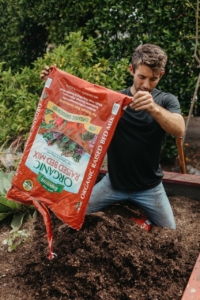
Farmer Nick dumping Espoma Raised bed Mix into a raised garden bed

1. Build a Strong Foundation

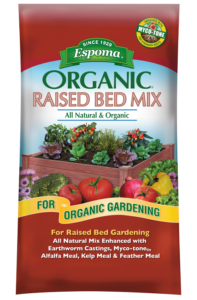
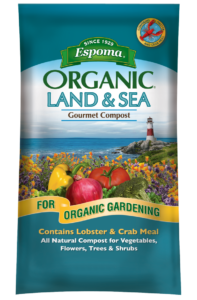
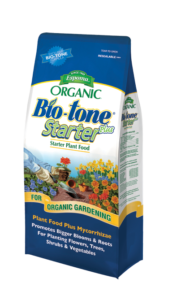
Every successful garden begins with healthy soil. Start with a quick soil test to understand what nutrients your garden may be missing, then build from there. For raised beds, fill them with a rich blend of natural ingredients—like those in Espoma Organic Raised Bed Mix—to create the perfect growing environment. Adding an organic compost such as Espoma Organic Land & Sea Gourmet Compost further improves soil structure, boosts moisture retention, and encourages healthy microbial activity. For container plantings, Espoma Organic All-Purpose Potting Mix provides the ideal balance of drainage and organic matter to keep roots thriving. And whenever new plants go in the ground, a starter fertilizer like Espoma Organic Bio-tone Starter Plus helps them establish quickly by supporting strong, resilient root growth. With the right foundation beneath the surface, the garden above will flourish.
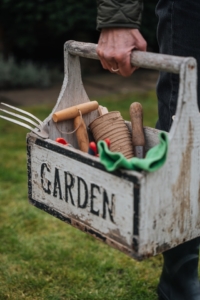
old garden tools

2. Check Your Supplies

Just like gathering fresh notebooks and sharpened pencils, gardeners should review their tools. Replace cracked handles, rusty clippers, or wobbly rakes so nothing slows you down during the season. A little care and preparation now saves frustration later and makes gardening smoother and more enjoyable.
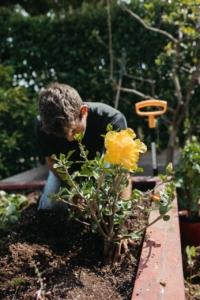
Farmer Nick planting a flowering plant

3. Redefine Your Garden’s Style

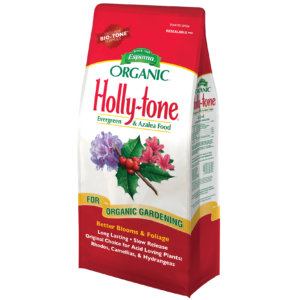
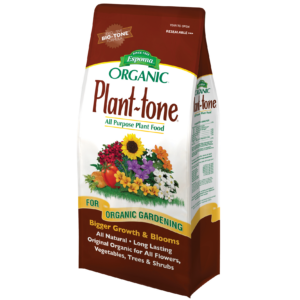
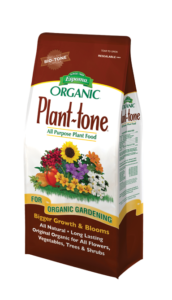
A new season is the perfect time to refresh the look of the garden. Whether the goal is calm and classic or bold and colorful, the right nutrition helps plants live up to their potential. Espoma Organic Plant-tone provides complete, balanced nutrition for a wide variety of plants, while Espoma Organic Holly-tone supports acid-loving favorites such as azaleas, rhododendrons, and hydrangeas. Feeding properly is the simplest way to bring a dream garden style to life.
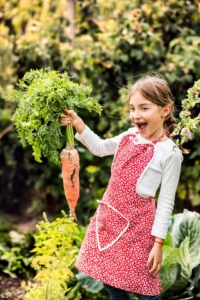
little girl holding a carrot

4. Learn From Last Season

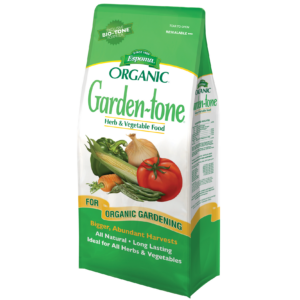
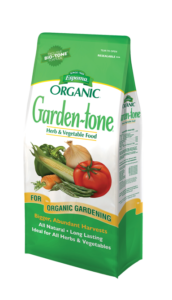
Every garden has its victories and its challenges. Take time to reflect on what thrived and what struggled, then plan for improvement. Espoma Organic Garden-tone is specially formulated for vegetables, helping ensure bigger, tastier harvests season after season. When planting new crops or ornamentals, Espoma Organic Bio-tone Starter Plus gives roots the boost they need to grow stronger and more resilient than before. Each new season builds on last year’s lessons with the right nutrition.
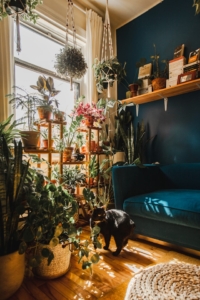
indoor plants

5. Don’t Forget Your Indoor Plants

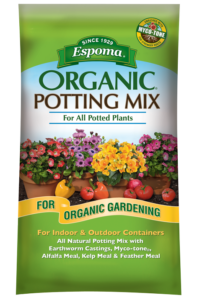
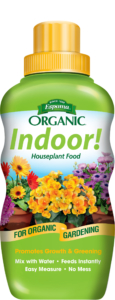
While outdoor gardens take the spotlight, houseplants need care too. Feeding them regularly keeps leaves lush, colors vibrant, and growth steady all year long. Espoma’s Indoor! organic liquid fertilizer makes it easy to give houseplants the nutrition they need with every watering. When repotting, Espoma Organic Potting Mix provides the perfect organic base to keep indoor plants healthy and happy. A thriving indoor garden completes the picture of a gardener’s success.
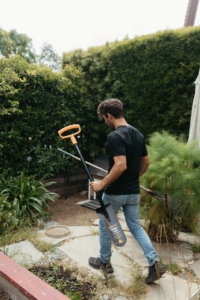
Farmer Nick holding a shovel

6. Sharpen and Shine

Tools are the unsung heroes of every garden. Taking time to clean, sharpen, and maintain them ensures they last longer and work more effectively. Well-maintained tools make every gardening task easier, allowing more energy to be devoted to growing beautiful, thriving plants.
7. Grow Your Community

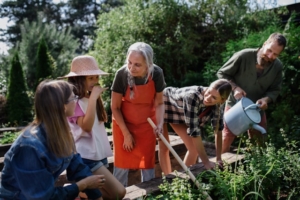
Gardening is even better when knowledge is shared. One of the most valuable tips to pass along is to start every planting with a quality organic starter fertilizer like Espoma Organic Bio-tone Starter Plus to set roots up for success, and then feed with Espoma Organic Plant-tone throughout the season to keep growth steady and strong. These trusted essentials have been used by generations of gardeners, and passing them along helps the whole community grow stronger together.
Graduation Time!

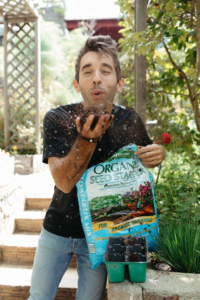
Congratulations—you’ve completed your Back-to-Gardening School crash course! Toss those gardening gloves in the air, because the lessons learned here will lead to healthier plants, bigger harvests, and gardens worth celebrating.

At Espoma, teaching organic gardening practices has been a passion since 1929. With products that are safe for people, pets, and the planet, Espoma is here as a mentor and partner on every gardener’s journey. Class dismissed—now go grow with confidence!

Farmer Nick & PlantKids Course 

Looking for a fun way to introduce kids to gardening? Check out our brand partner Farmer Nick’s course, The Adventures of Farmer Nick and Plant! Designed for children ages 4 and up, this 10-episode series inspires a love of gardening and plant science through hands-on lessons. Sometimes silly, always fun, it’s a playful way to spark curiosity and delight both kids and adults alike.

*****

Featured Products:
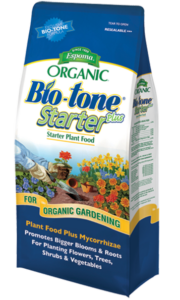
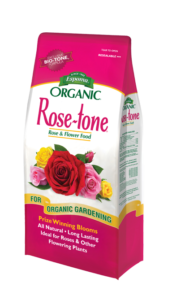
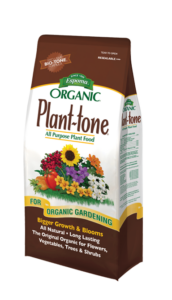
Espoma Organic Bio-tone Starter Plus Bag Image Espoma Organic Holly-tone Organic Fertilizer for all acid loving plantsEspoma Organic Plant-tone organic fertilizerEspoma Organic Garden-tone Espoma Organic Potting soil Mix Big bag Espoma Raised Bed Mix bag Espoma Organic Land and Sea Espoma Organic Indoor! liquid plant food - Organic fertilizer


Where to Buy


https://www.espoma.com/wp-content/uploads/2016/09/9V2A7296.jpg 1280 853 espoma https://www.espoma.com/wp-content/uploads/2023/05/espoma-logo340w-1.png espoma2016-09-06 12:00:482025-09-12 17:16:48Grab Your Books for a Lesson in Gardening 101

Late Summer Gardening Tips ☀️🪏🪴

August 2, 2016/in Gardening

August is an exciting time. After all, your flower beds are radiant and your vegetable garden is thriving!

Although it may seem like watering and weeding are your only tasks this month, there’s still a lot to do. Help your garden beat the heat and prep for fall at the same time.

Keep your garden beautiful during August:

Maintenance and Preparation

  • Level low spots in your lawn.
  • Remove weeds.
  • Choose your autumn flower seeds and order in advance.
  • Fertilize and fortify your lawn with Espoma’s Summer Revitalizer.
  • Harvest produce regularly and hoe weekly to weaken weeds.
  • Add compost and mulch to keep your garden cool and prepared for fall planting.
  • Plant fall veggie starts or transplants.
  • Remove fallen fruit from fruit trees to limit insect infestations.

Pollinators, such as bees and butterflies, play a big part in getting our gardens to grow. They help fertilize flowers, carrying pollen from one plant to another.

Mind the Flowers

  • Divide and transplant spring and summer-flowering perennials after they bloom.
  • Spray water onto plants to evict seasonal pests like aphids, whiteflies, and spider mites.
  • Remove diseased foliage before leaves drop.
  • Deadhead summer-flowering perennials and lightly shear to encourage more blooms.
  • Move houseplants back indoors to acclimate them to limited sun exposure.

Although it may seem like watering and weeding are your only tasks this month, there’s still a lot to do. Help your garden beat the heat and prep for fall at the same time.

Water, Water, Water!

  • Water plants deeply. Avoid getting leaves wet in the direct sun and avoid soaking containers during the hottest part of the day.
  • Water before 9:00am. If you can’t water in the morning, aim for watering in the early evening, to avoid letting the water sit all night. Letting the water sit all night can cause mildew and disease.

Although it may seem like watering and weeding are your only tasks this month, there’s still a lot to do. Help your garden beat the heat and prep for fall at the same time.

Looking Ahead

  • Fall is for planting! Start thinking about what shrubs and trees you want to include in your fall garden.
  • Select and order spring flowering bulbs.
  • Cut or preserve your vegetables for winter use. Begin to save seeds and take cuttings.
  • If you have a cold frame, make sure it is ready to use!
  • When it’s planting time for your region, use colorful plastic golf tees to mark the location of dormant plants like spring bulbs or perennials.
  • Don’t forget, it’s best to work during early morning or early evening so you don’t overheat!

Congratulations on all your hard work on the August garden!

How will you and your garden be celebrating the end of summer? Let us know in the comments!

*****

Featured Products:


Where to Buy


https://www.espoma.com/wp-content/uploads/2016/08/marigold-555811_1920.jpg 1081 1920 espoma https://www.espoma.com/wp-content/uploads/2023/05/espoma-logo340w-1.png espoma2016-08-02 11:00:372025-08-26 14:46:00Late Summer Gardening Tips ☀️🪏🪴

Keep deer and other pests away from plants

July 19, 2016/in Landscaping

You love your garden, and so do the notorious neighborhood deer. They’ll try anything at least once and will come back for more if they like it. Not to mention the rabbits and other critters that think of your yard as their own personal all you can eat buffet.

Get serious about deer proofing your garden before the damage gets out of control.  Early intervention is always best and you can prevent future invasions by taking action now. It’s much easier to deter one deer before the entire herd is grazing on your garden.

fallow-722410_1920

What do deer eat?

More like what won’t deer eat? Deer will eat any vegetation and the hungrier they are, the less picky they get. Growing plants that deer find less attractive is a good starting point, but a desperate deer might still take a bite.

Deer are big eaters. The average adult male consumes about five pounds of food a day.

If you want to keep the deer at bay, try out these tips in your own yard.

deer proof garden, natural ways to repel deer

Deter Deer and Other Animal Pests:

1. Place strong scented plants near entry points such as garlic, rosemary and lavender. Or choose plants with textures like lamb’s ear, thorny roses, barberry or holly.

2. Fences are generally the best force to keep critters at bay, but they can be expensive. Choose an 8’ tall fence or plant tall, thick hedges around borders. If your main concern is rabbits, the fence should be 30” tall and buried 8-12”.

3. Use liquid or granular animal repellant. Spread or spray around the perimeter of your yard. Reapply after rain and as often as directed. Over time, deer can become used to repellents so you may need to switch products if you notice deer near your yard.

4. An element of surprise such as a garden ornament or scarecrow can deter deer. Move it around frequently.

5. Install motion sensors that light up as deer approach.

6. Enlist your pooch. Active and noisy pets can keep deer at bay.

What’s worked for you in the past? Let us know in the comments below!

https://www.espoma.com/wp-content/uploads/2016/07/wildlife-1367217_1920.jpg 1280 1920 espoma https://www.espoma.com/wp-content/uploads/2023/05/espoma-logo340w-1.png espoma2016-07-19 12:13:292019-05-07 10:05:36Keep deer and other pests away from plants

7 Things To-Do in your Garden this July

July 6, 2016/in Blog, Gardening

Lazy days of summer? Think again! July can be a busy month in the garden.

While watering and deadheading may seem like tedious tasks, harvesting and enjoying the bounty are the reward for months of hard work.

Here are seven things to do in the garden this month.

summer gardening tips, garden checklist, summer garden

1. Follow the Watering Rule

Follow the primary rule of summer watering to ensure garden plants get the right amount of water. Water thoroughly and deeply in the morning by making pools in the soil around the roots. Deep watering allows roots to grow deeper and stronger, making them less likely to dry up and die.

When you water will depend on your weather. Check dryness by touching the soil. It should be moist at least 1” below the surface.

Water containers and hanging baskets daily until water runs from the drainage holes.

2. Pick, Eat, and Replant

You can finally enjoy the fruits of your labor!

Harvest tomatoes, peppers, peas, carrots, cauliflower, beans, broccoli, leeks, onions, eggplants, cucumbers, squash, Brussels sprouts, kale, lettuce, melons, parsnips, potatoes, radishes, pumpkins, and rutabagas.

Harvest tree and vine fruits when they are able to be gently plucked or twisted from their stems. Berries, apples, and stone fruits should all be ready for picking in July.

Pick, dry, and freeze herbs for use later in the year.

Sow seeds of cool-season crops such as greens and root vegetables for harvesting throughout August and September. Plant garlic for harvest next season.

Prune tomato suckers weekly and cut off any leaves growing below the lowest ripening fruit trusses to improve air circulation and prevent diseases. Thin fruit trees for a more robust harvest.

3. Plants Need to Eat, too

Continue to feed hanging baskets, container gardens, and faded annuals with Espoma Organic Bloom! liquid fertilizer every 2 to 4 weeks.

Vegetables such as tomatoes and peppers are heavy feeders. Continue to feed every 2 weeks with organic fertilizers Tomato-tone, Plant-tone, or Garden-tone.

Feed roses monthly through the summer with Rose-tone.

Houseplants are actively growing now and will benefit from monthly feedings of Espoma Organic Grow! liquid plant food.

summer gardening tips, garden checklist, summer garden

4. Continue to Create a Safe Paws Lawn

Using organic lawn food, as well as organic mulch will eliminate the hazards that chemical fertilizers, pesticides, and synthetic mulches present to you, your family, and your pets. July is the time to feed your lawn with the summer revitalizer from our annual feeding program.

Water the lawn regularly, slowly, and deeply. Mow to 3″ to protect from the summer heat.

5. Keep an Eye out for Pests

Watch for insect or disease damage as the weather gets hotter and plants become more stressed.

Beetles, aphids, slugs, snails, and spider mites are just a few of the pests that visit your garden in summer.

Keep an eye out for powdery mildew. Remove any affected leaves to prevent further spread.

Health plants will be more able to fend off pests and diseases.

6. Weed, weed, weed

Clear weeds regularly, as they fight your plants for nutrients and water. Plus, you’ll want to pull them before they have a chance to flower and go to seed. Otherwise, you’ll fight even more weeds next season.

Cover freshly weeded beds with a layer of Espoma Organic Land & Sea Compost or mulch to conserve water and blanket weeds reducing their spreading.

summer gardening tips, garden checklist, summer garden

7. Prune and Deadhead

Prune summer flowering shrubs as soon as the blossoms fade. Deadhead annuals to promote more growth. Pinch fall-blooming flowers such as coneflower and asters in mid-July to promote a fall garden full of color.

Try to hold off on planting anything new until the fall as the hot temperatures and dry conditions can strain young roots. And you’ll benefit because most stores offer major end-of-season sales. If you do plant or transplant, make sure to fill the hole with Bio-tone starter plus and keep well-watered.

Enjoy! Take time to slow down and enjoy your garden with friends and family. We sure will be!


Where to Buy

https://www.espoma.com/wp-content/uploads/2016/07/yellow-flower-839744_1920.jpg 1080 1920 espoma https://www.espoma.com/wp-content/uploads/2023/05/espoma-logo340w-1.png espoma2016-07-06 15:10:032024-10-01 17:33:367 Things To-Do in your Garden this July

Spruce Up Your Garden Before Memorial Day Weekend

May 25, 2016/in Flowers

As the official kickoff to summer, Memorial Day weekend is the perfect excuse to tidy up the garden. So before you bring out your red, white and blue and get ready for the summer season, spend a little time cleaning up around the yard.

And yes, Memorial Day may be the start of summer fun, let’s not forget the real reason behind the holiday and thank our veterans.

This federal holiday, observed the last Monday of May, honors those who’ve died serving in our country’s armed forces. Formerly known as Decoration Day, the holiday originated after the Civil War to commemorate both Union and Confederate soldiers who died in the war.

Take some time and  follow these simple, inexpensive and necessary gardening tips to get your yard in tiptop shape.

liquid fertilizer, potting soil, container gardening

Five Ways to Spruce Up:

CLEAN.

It’s not the prettiest task but it is one that can have the most impact. First, give lawns a nice clean cut and trim. Next, rake leaves out of garden beds and borders. Shred or leave them whole and place in a compost pile. Finally, remove tools, debris and the uncoiled hose that may be sitting on the patio.

liquid fertilizer, potting soil, container gardening

WEED.

Another task that’s low on the fun list, but necessary for a clean yard is weeding. Pull any weeds and discard. Do not compost weed seeds.

MULCH.

Adding fresh mulch to the garden makes everything look clean. Mulch with shredded bark, compost or other biodegradable mulch.

FEED.

Now is a good time to apply the second application of your annual feeding program for your lawn. It’s also a good time to give your plants a boost with liquid fertilizer Bloom! to ensure they’re looking their prettiest and peppiest for the party.

liquid fertilizer, potting soil, container gardening

DECORATE.

Colorful flowers do a world of wonder for a garden. Buy annuals and plant them along borders. Choose heat-loving flowers that will bloom all summer. Decorate with colorful containers and place by front door and at focal points. Putting a few plants out around the patio will really set the mood.

Have a safe and happy Memorial Day weekend! If you used any of our tips, let us know! Share your pictures with us on our Facebook page!

https://www.espoma.com/wp-content/uploads/2016/05/shed-418570_1920.jpg 1280 1920 espoma https://www.espoma.com/wp-content/uploads/2023/05/espoma-logo340w-1.png espoma2016-05-25 07:00:172024-08-19 11:33:04Spruce Up Your Garden Before Memorial Day Weekend

Plain as Day – Find Your Perfect Hydrangea

March 15, 2016/in Flowers

Who can resist color-changing blooms as huge as snowballs?!

No one! That’s why no garden is complete until it has at least one hydrangea. With their picturesque foliage and magical blooms, these flower shrubs are a constant delight. Plus, hydrangeas are easy to care for — as long as you pick the right variety for your space.

Before choosing what hydrangea to grow, answer these questions. Then check out our hydrangea varieties guide to pick the best for your garden.

hydrangea care, hydrangea color, growing hydrangas

Couldn’t Ask for More! Questions to Ask Before Choosing a Hydrangea

Growing hydrangeas is easy! Simply answer these questions to find a hydrangea variety that will thrive in your garden.

1. How much sun do hydrangeas need? Most hydrangea varieties like a blast of full sun in the morning followed by a nap in the afternoon shade. Though, be sure to check since there are a few hydrangeas that thrive in full sun.

2. What hydrangea color do you want? While color of hydrangeas may seem important, it’s actually not! You can turn blue hydrangeas pink and vice versa. Hydrangea color and saturation all depend on the soil acidity. The only exception? White hydrangeas don’t change color.

3. What size hydrangea would you like? Hydrangeas come in small, medium or large-size. Larger varieties can grow up to 20’ tall and 18’ wide while dwarf hydrangeas are only 3-5’ tall and wide. No matter the size of your garden, you can find a hydrangea that works — even in container gardens.

4. What type of hydrangea to grow? Depending on what type of hydrangea you grow, it needs to be pruned at different times. Make note of what type of hydrangea you have to make pruning easy later on. Here are a few of the most common hydrangeas: bigleaf, oakleaf, panicle and smooth.

5. Is the hydrangea evergreen or deciduous? Evergreen hydrangeas, as their name implies, stay green all year. Most hydrangeas are deciduous shrubs, so they shed their leaves annually.

Guide to Growing Hydrangeas Here


https://www.espoma.com/wp-content/uploads/2016/03/hydrangea-945926_1920.jpg 1276 1920 espoma https://www.espoma.com/wp-content/uploads/2023/05/espoma-logo340w-1.png espoma2016-03-15 08:00:512022-04-13 11:04:34Plain as Day – Find Your Perfect Hydrangea

Easy Does It: Best Hydrangeas for Beginners to Grow

March 15, 2016/in Flowers
Read more
https://www.espoma.com/wp-content/uploads/2016/03/4193-alice-oakleaf-hydrangea-full-shot.jpg 1000 1500 espoma https://www.espoma.com/wp-content/uploads/2023/05/espoma-logo340w-1.png espoma2016-03-15 08:00:442022-04-13 11:11:41Easy Does It: Best Hydrangeas for Beginners to Grow

Thyme to Plant an Indoor Herb Garden

December 1, 2015/in Blog, Indoor Gardening

Add a dash of delight to your daily routine while keeping winter blues at bay. Start an indoor herb garden today.

Each time you grab sprigs of fresh herbs, you’ll forget all about winter! At that moment, all you’ll think of are the fresh, invigorating flavors of summer.

Plus, starting an indoor herb garden is simple with these tips.

Grow Superb Herbs Indoors

Give savory and sweet herbs these five ingredients, and they’ll flourish inside! Use fresh, flavorful herbs in cocktails, teas and recipes all winter long.

 Ray of Sunshine. Place indoor herbs in the sunniest spot possible. They love natural light and need at least 4 hours of sun every day. Keep herbs warm by avoiding chilly windows.

  1. Heaps of Herbs. Not every herb thrives indoors. Plant these herbs that grow best inside: mint, oregano, parsley, rosemary, sage, thyme, lemongrass, chives and bay.
  2. Pile of Pots. Choose pots or upcycle containers with drainage holes on the bottom. Or place stones in the bottom of the pot before adding soil. For unique, DIY planter ideas, check out our Pinterest page.
  3. Settle in Soil. Plant herbs in Organic Potting Soil. Pick an organic potting soil that contains earthworm castings and Myco-tone® to ensure herbs grow strong roots.
  4. Feed and Repeat. Indoor! is an organic plant food that helps you grow bigger and better herbs. Continue fertilizing herbs once each month.

With your just-plucked herbs, cook up dishes that harness herbs’ intensity. Try a few of our favorite recipes that include herbs here. Bon appétit!

*****

Featured Products:
   

Where to Buy


https://www.espoma.com/wp-content/uploads/2023/01/matt-montgomery-2fW55mLSiSQ-unsplash-scaled.jpg 1698 2560 espoma https://www.espoma.com/wp-content/uploads/2023/05/espoma-logo340w-1.png espoma2015-12-01 09:40:332023-01-11 01:43:09Thyme to Plant an Indoor Herb Garden

Repurpose on Purpose: Trash Transforms into Beautiful Containers

June 23, 2015/in Flowers, Landscaping, Spring Gardening

Container gardening adds a whole new element of style and flair to your outdoor space. Not only do you get to showcase DIY containeryour style through plants, but also in the unique pots you choose. It’s twice the fun!

And you can do it for the planet, too. Growing herbs, veggies and flowers already makes the world a greener place. Now reuse and repurpose a forgotten item into an invigorated planter. Upcycling creates less waste and saves money, too.

Create a repurposed container for a beautiful (and thrifty!) container garden.

Your soon-to-be favorite container may already be in your house. Almost any vessel can be repurposed into a garden container! You’ll be amazed by what you discover (and by what containers you didn’t even know were hiding in your cupboards).

Up for Grabs: Upcycled Containers
  1. Pin Your Style. Create a look that is truly all your own. Decide if you want a rustic, modern, country or bold look. Then browse Pinterest for inspiration.
  2. Start the Search. Browse your kitchen, closet, garage and cupboards for items you no longer use. Any size works! Branch out to yard sales, thrift stores and flea markets for more unique looks.
  3. Add a Special Touch. Personalize your container by painting it, covering it in old wallpaper, or even turning it into a mosaic. Get crafty!
  4. Show Them the Drill. Then Fill. Drill holes in the bottom of your repurposed container to provide drainage. Without drainage holes, soil becomes too wet and causes roots to rot. When ready, fill with the ideal potting soil, Espoma’s Organic Potting Mix, and your favorite plants.
60bc838855263aa8a8875fd58e171bca

These upcycled tires are stacked and painted- as seen by Ellen Wells at Syngenta

Colander-planter_wm

A colorful, retro colander makes a great hanging container

Toy-truck-planter

Think outside of the (toy)box

bra-planter

And, of course, the bigger the better for this container…

Other Types of Repurposed Containers:
Get inspired by some of our favorite items to turn into garden planters below.

  • Teacups and teapots
  • Pitchers
  • Tires
  • Boots and shoes
  • Colanders
  • Desk drawers
  • Buckets
  • Wine crates and whiskey barrels
  • Wheelbarrows and wagons
  • Clothes and lingerie
  • Toolboxes
  • Suitcases
  • Watering cans

Creating repurposed containers is a quick, affordable and fun way to expand container gardens. Once you start, the possibilities are endless!

*thank you MicroGardener for the photos!


https://www.espoma.com/wp-content/uploads/2015/06/Capture2.jpg 261 527 espoma https://www.espoma.com/wp-content/uploads/2023/05/espoma-logo340w-1.png espoma2015-06-23 08:07:142019-05-07 10:08:44Repurpose on Purpose: Trash Transforms into Beautiful Containers

Nothing tastes better than Produce you Grow at Home!

May 27, 2015/in Flowers, Fruits & Vegetables, Vegetable Gardening

Forget farm-to-table. Back-yard-to-table is the next big thing.

While it’s easy to buy strawberries at the grocery store anytime of the year, if you’ve tasted a freshly picked berry, you 61aa2f93fb6601e0a9691958de00e1d3know fresh is best. In a single bite, you can instantly taste the difference.

Through the rise of farmers markets, we’ve been able to get back in touch with our food and our farmers. These markets not only help us to know where our food comes from, but to also to learn more about nutrition, cooking and agriculture.

Growing your own, organic vegetable garden is easier than you think. And, you’ll save hundreds of dollars on groceries. Plus, it’s so rewarding to taste the food you nurtured and know exactly how it was grown.

If you’re just starting out, try growing organic herbs. They grow like crazy and don’t require much work.

If you’ve got kids, plant tomatoes. Eating them fresh off the vine teaches your children where their food comes from and encourages healthy eating habits. Besides, even the pickiest eaters will be much more likely to eat what they grow.

And, if you just want to get into organics, follow these tips for getting started. It’s the healthiest thing you can do for yourself and your family.

Soon, your family will be eating more organic food. Follow our Pinterest board for easy, fresh and organic recipes, too!

At Espoma Organic, we’ve spent decades sharing the benefits of natural, organic gardening. Believe us, taking care of yourself and the planet is well worth it. After all, food should come from the ground, not from a bag.

Share below why you think organic produce and gardening is important.

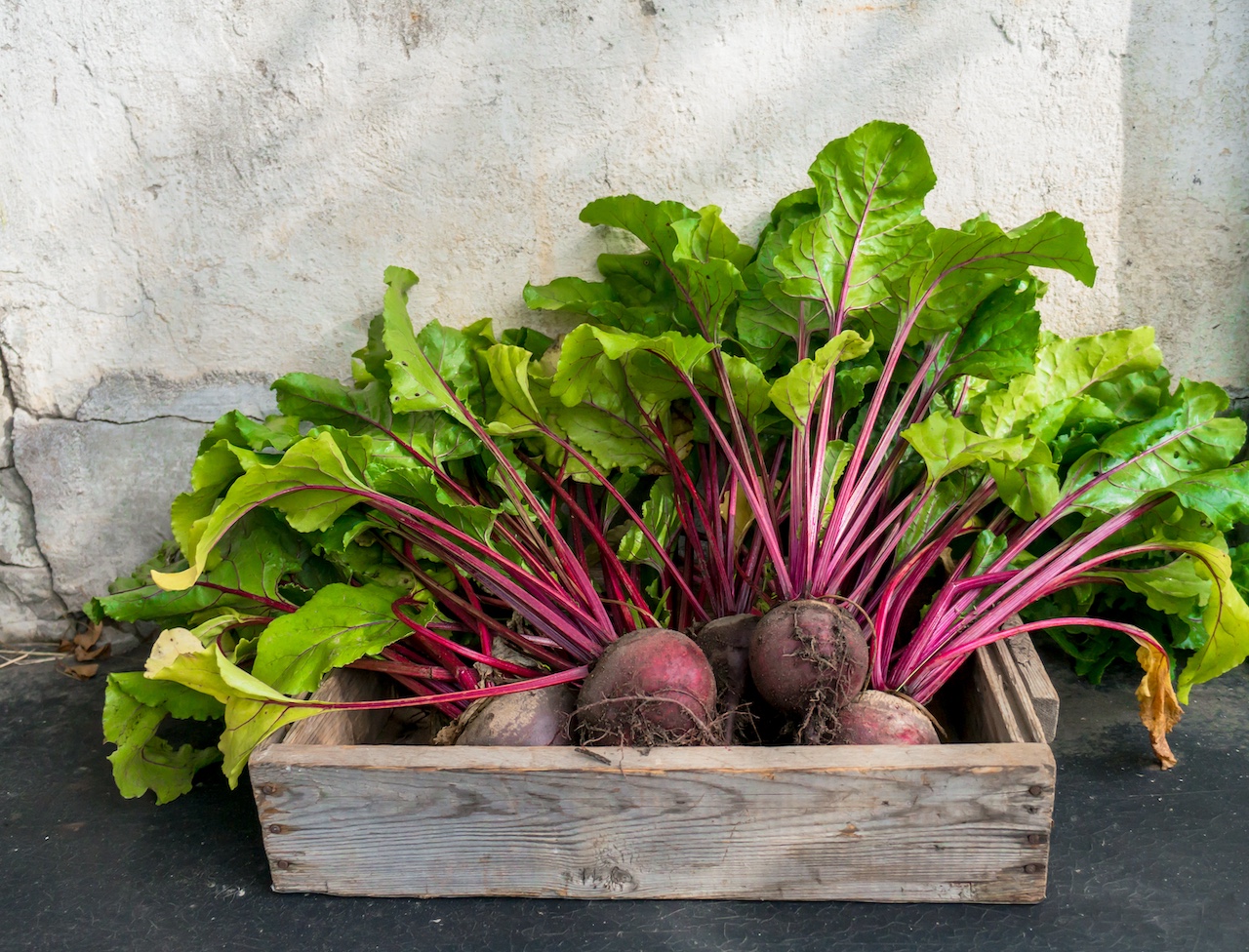
https://www.espoma.com/wp-content/uploads/2015/05/vegetables-742095_1920.jpg 1285 1920 espoma https://www.espoma.com/wp-content/uploads/2023/05/espoma-logo340w-1.png espoma2015-05-27 16:14:512024-08-21 08:09:02Nothing tastes better than Produce you Grow at Home!
Page 20 of 21«‹18192021›
Where to Buy

Get News & Updates

Recent Posts

  • VIDEO: Bringing In Your Plants for Winter 🪴❄️ with Summer Rayne Oakes
  • Final Fall Plantings & Tips for Bringing Plants Inside for Winter 🍁🪴 with Wyse Guide
  • Simple Fall Plantings 🪴🌻🍁 with Garden Answer
  • Video: How to Manage a Wild Garden with Summer Rayne Oakes 🌿🌸
  • VIDEO: Planting Beautiful New Plants and Feeding the Lawn Organically 🌸🚜🌱 with Garden Answer

Tags

All-Purpose Potting Mix bio-tone Bio-tone Starter Bio-tone Starter Plus Cactus Mix caring for houseplants Container Gardening DIY project Espoma espoma grown espoma organic Espoma Organics Espoma Video fall gardening Family fert flower garden flowers garden Garden Answer Gardening gardening tips gardens grow holly-tone houseplants Indoor! indoor gardening indoor plants Kaleb Wyse organic organic fertilizer Organic Gardening organic plant food Organic Potting Mix Outdoor Gardening Planting plants Potting Mix potting soil Spring Gardening summer rayne oakes vegetable garden Vegetable Gardening Wyse Guide

Espoma. A Family Tradition Since 1929.

Espoma Organic logo
  • Espoma Dealer
  • Espoma Pro
  • Garden Club
  • Privacy Policy

Scroll to top