Espoma Organic
  • Products
    • Close
    • Product Line Overview
    • Plant food finder
    • Garden Fertilizers
    • Potting Soils
    • Lawn Fertilizers
    • Liquid Fertilizers
    • Single Ingredients
    • Conventional Plant Foods
    • Animal Care Products
  • Where to Buy
  • Our Story
    • Close
    • Our Story
    • Locations
    • Historical Timeline
    • Our Commitment
    • Directions
    • Solar
    • Join our Team
    • Espoma Brand Partners
  • Learn
    • Close
    • Espoma Blog
    • FAQ’s
    • Pocket Guide
    • Espoma Guides
    • Garden Clubs
    • Safe Paws Lawn
    • PRODUCT FACT SHEETS
    • Fertilizer Fundamentals
      • Close
      • Understanding Plant Nutrition
      • Reading Labels
      • Choosing the Right Type of Fertilizer
      • Terms & Definitions
    • Gardening Projects
    • Resource Links
  • Contact Us
  • Menu Menu

Tag Archive for: Spring Gardening

A To-Do List You’ll Love: January Gardening

January 19, 2016/in Blog, Gardening

Ah, a whole year of gardening is ahead of us. January is the best time to pause, reflect and prepare for a year of incredible gardening.

OK, tired of reflecting? Here are a few winter gardening tips to keep you busy this January!

Things to Do in the Garden in January:

Ward off those winter blues with a hearty helping of green, gardening thoughts.  potting soil, garden design, winter gardening tips,

  1. Dream Big. Plan or rework your garden design. Pin inspiration, flip through gardening magazines and daydream ways to make your garden even better. Illustrate your garden plan to visualize the entire space.potting soil, garden design, winter gardening tips,
  2. Plan Small. Make a list of organic edible and flower seeds to grow. Get the most of seed starting by growing unique varieties, heirlooms and expensive grocery store plants. See what seeds to start indoors and when to plant them. winter bird feeding, attract birds to garden, garden for pollinators
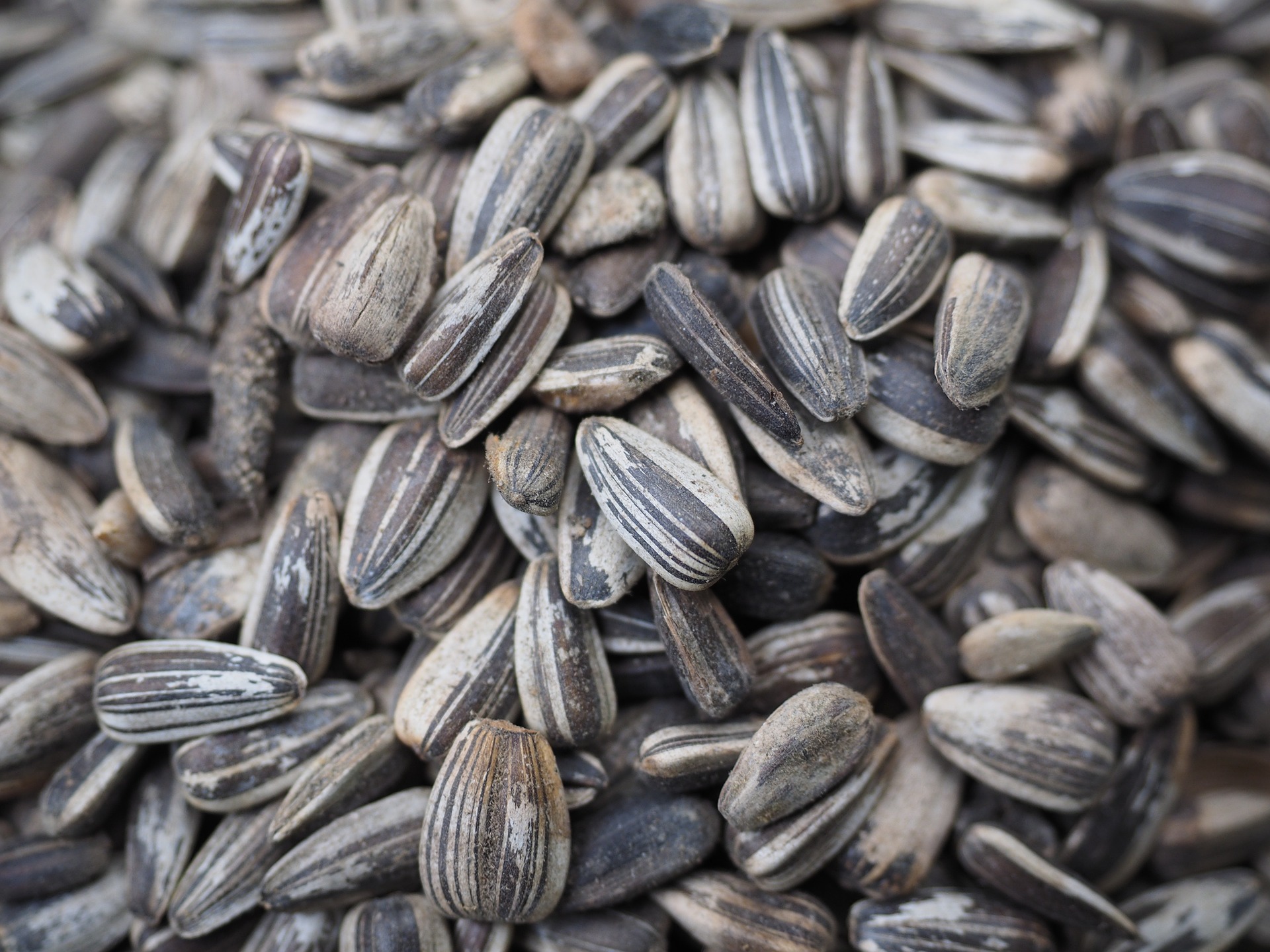
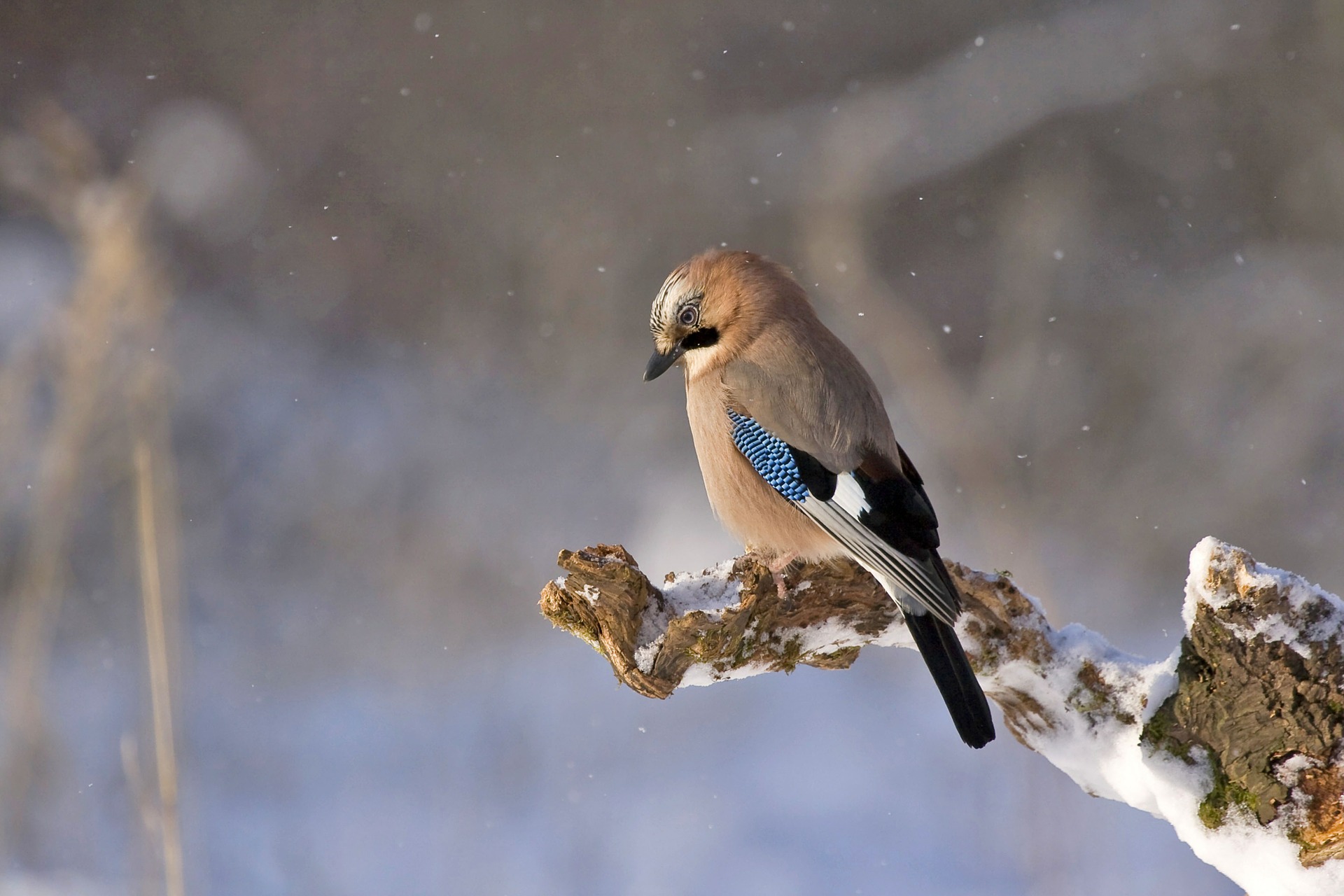
  3. Listen to the Songbirds. Nothing livens up a dreary, wintry day like a flock of fluttering birds. Fill bird feeders with tasty seeds this winter. potting soil, garden design, winter gardening tips,
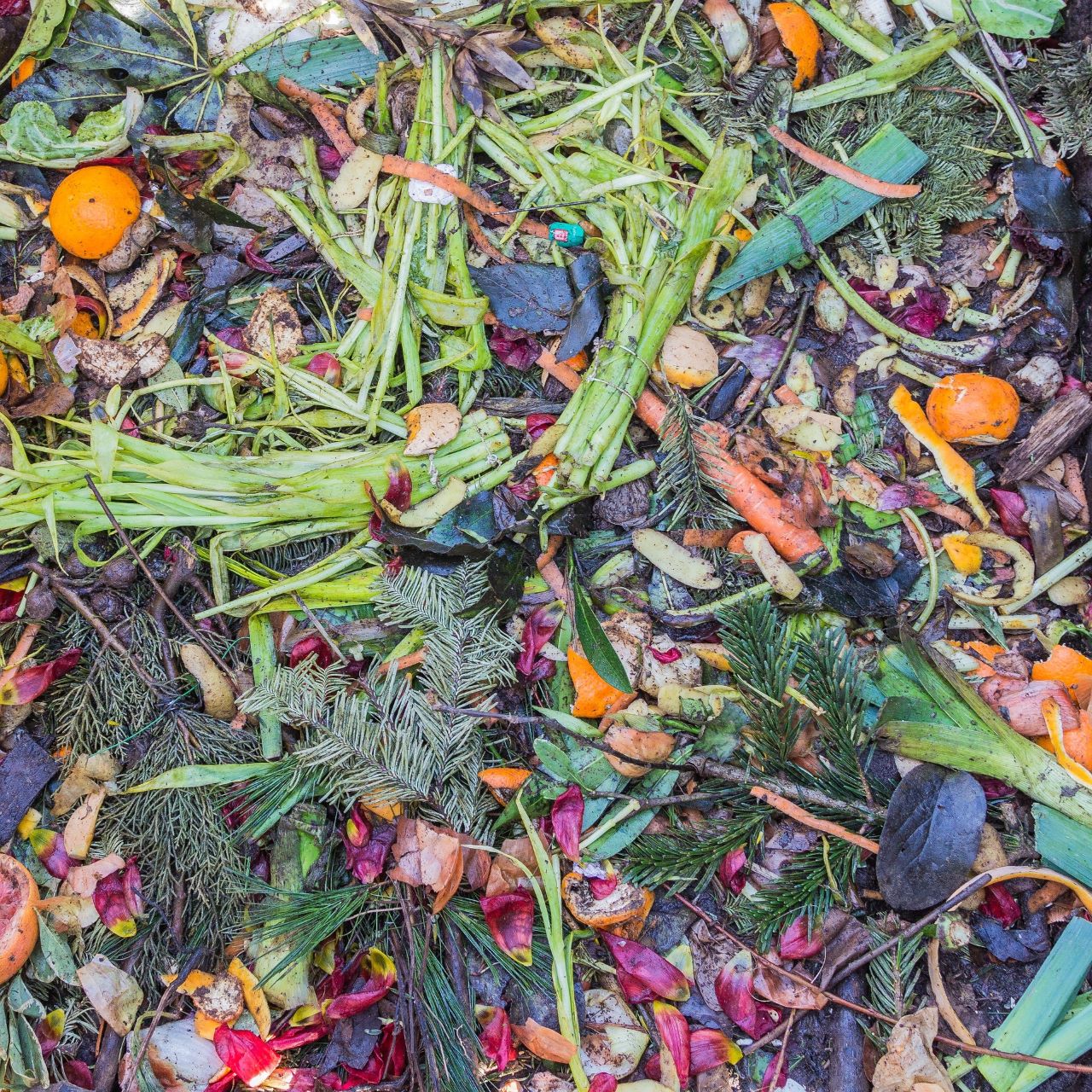
  4. Take a Look. Walk around your home and garden with a notebook. Imagine how you could reduce water usage, recycle more, compost or conserve energy. Each week in January, try one idea to see what works! Start by recycling your Christmas tree.
    potting soil, garden design, winter gardening tips,

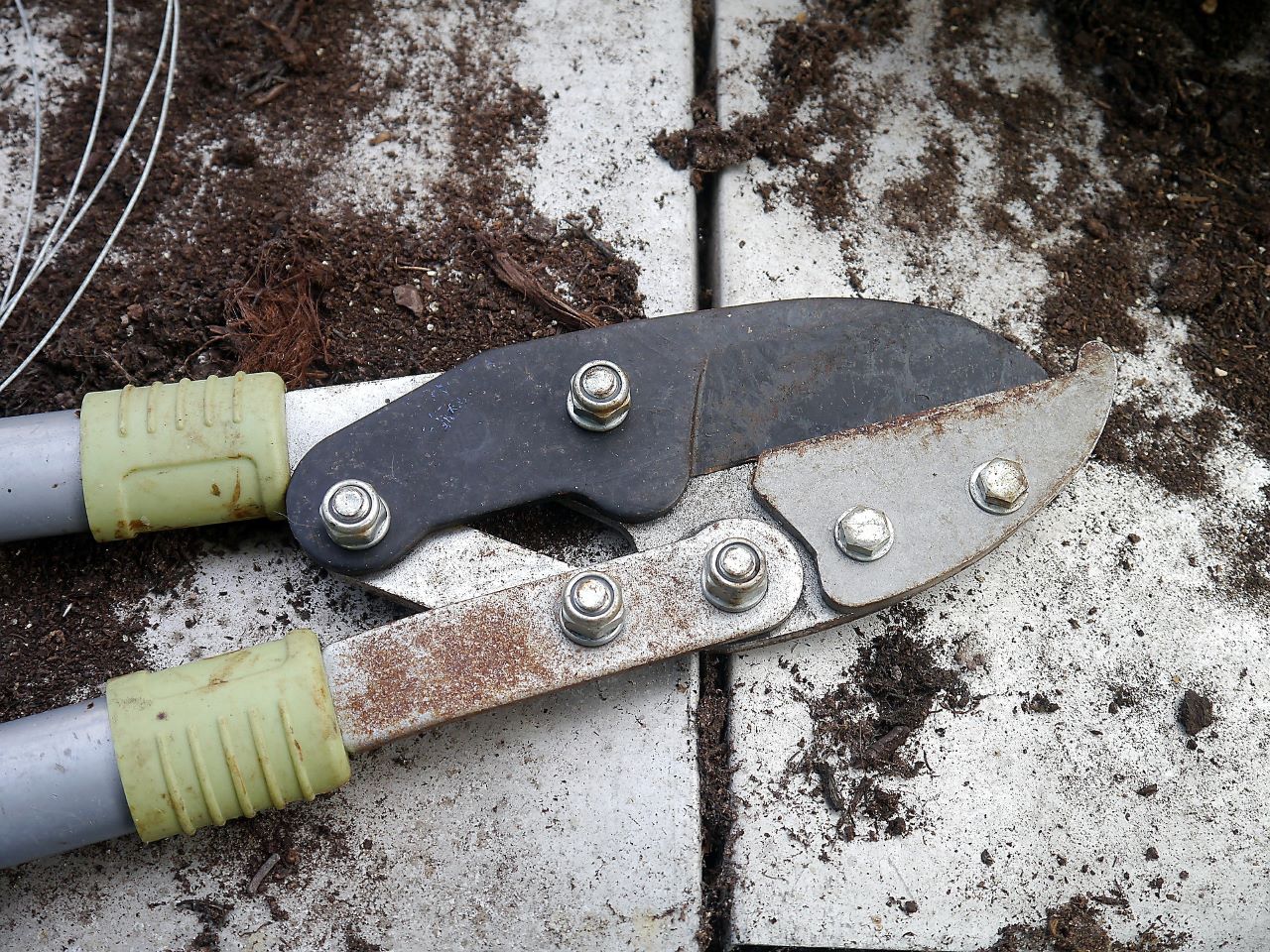
    Gather your trusty garden tools, and give them a good scrub. Rinse off the dirt, sharpen the blades and rub vegetable oil on the metal.


  5. Clean It Up. Gather your trusty garden tools, and give them a good scrub. Rinse off the dirt, sharpen the blades and rub vegetable oil on the metal. potting soil, garden design, winter gardening tips,
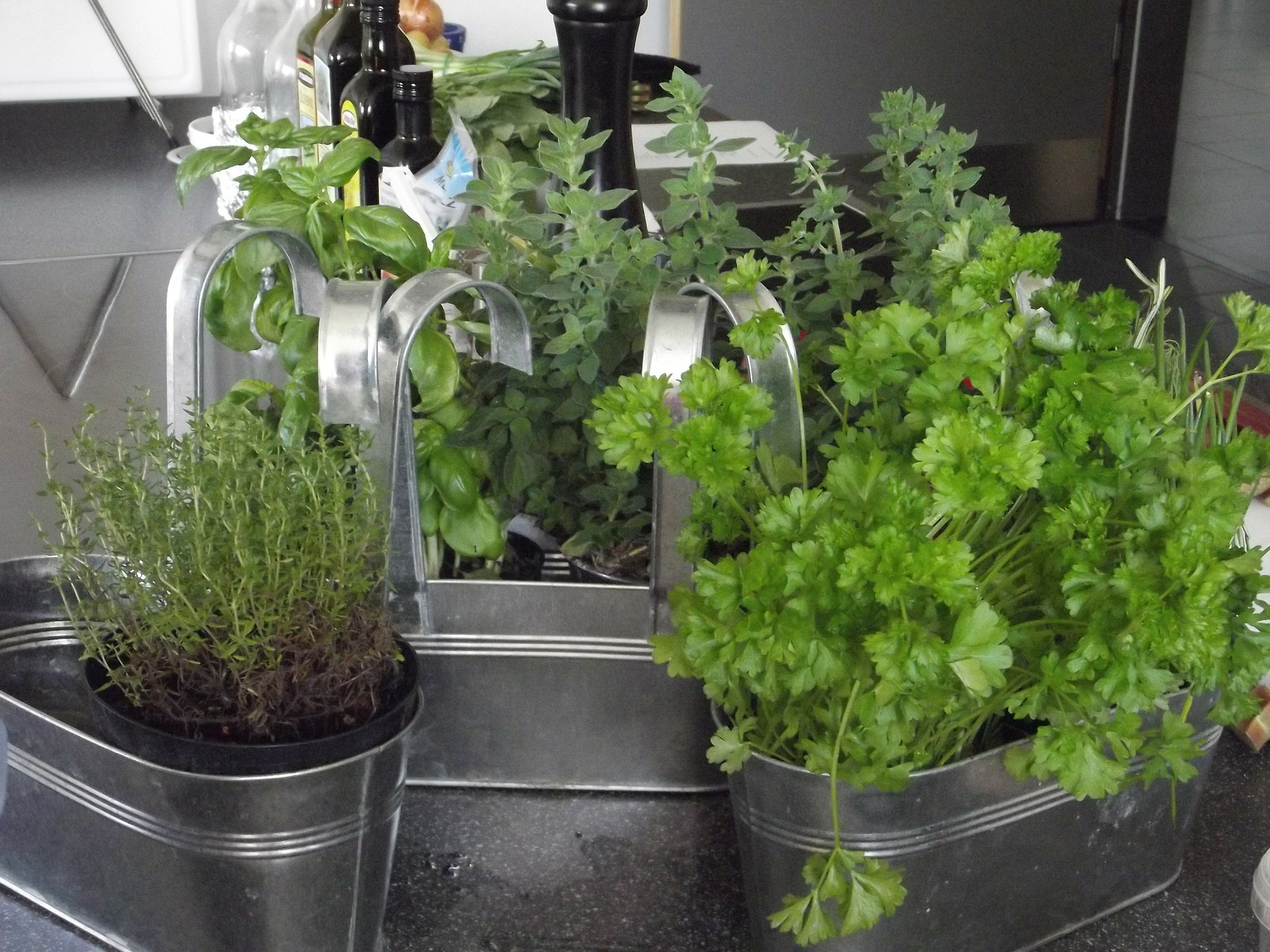
  6. Taste Summer Flavors. Get your green thumb back in the potting soil. Start an indoor herb garden to harvest a garden-fresh taste on the coldest winter days. See what herbs do best indoors here.

Here’s to a home filled with fresh herbs, the sweet song of birds and a stack of gardening magazines. January’s looking quite charming after all!

*****

Featured Products:


Where to Buy


https://www.espoma.com/wp-content/uploads/2016/01/winter-670314_1920.jpg 1279 1920 espoma https://www.espoma.com/wp-content/uploads/2023/05/espoma-logo340w-1.png espoma2016-01-19 08:00:592023-12-07 11:23:34A To-Do List You’ll Love: January Gardening

Make Like a Garden and Grow

January 5, 2016/in Gardening, Landscaping

This year, let’s grow your best garden yet! All you need is a sturdy pencil, a blank notebook and a vivid imagination. You’ll almost be able to smell wild lavender and delicate roses.

With a detailed garden plan, your organic garden blooms right off the page.

 Grow On! How to Plan Your Dream Garden

1. Reflect to Perfect. Think about last year’s garden. Jot down all your flowers, edibles and shrubs. Mark your favorite and most used plants. Cross off those that didn’t produce, succeed or required too much effort. What plants do you wish you had? What edibles did you spend too much on at the store? Add those to your plant list.

2. Wise Size. Sketch your current garden space. Should you expand or cut back? Consider if and where you’d like to place new garden beds, raised beds, containers or another vegetable garden. If this is your first garden, plan for 50-75 square feet.

garden plan, garden design3. Site for Light. With your garden design sketched, it’s time to color coordinate! Fill in each area with a different color based on how sunny or shady it is.

4. Single or Mingle. Tweak the list of plants you want to add, keep or remove. Then decide which plants you’ll cluster and which to keep separate. Pair plants with similar water, light and soil needs. Plan where to plant them, and circle the plants you’ll start from seed.

start seeds, plan garden5. Pick to Mix. Scrutinize your list to make sure you have a good mix of: plant types, scents, bloom times, beneficial plants, texture, sizes and color. Do the Safe Paws check to make sure all plants are safe for your pets.

Step back and admire your handiwork! In just a few short months, your hands will be in the soil making your garden plan spring to life.

https://www.espoma.com/wp-content/uploads/2016/01/wild-flowers-571940_960_720.jpg 424 960 espoma https://www.espoma.com/wp-content/uploads/2023/05/espoma-logo340w-1.png espoma2016-01-05 08:00:402019-05-07 10:07:38Make Like a Garden and Grow

New Year’s Solution: Easy Garden Resolutions

December 29, 2015/in Gardening

The New Year is on the horizon. What an exciting time! We get to dream of the great things the year will bring with new goals, resolutions and hopes for you and your garden.

Now’s the time, grab a warm cup of cocoa and your favorite notepad to draft New Year’s resolutions for your garden.

Put Your Best Flower Forward: New Year’s Resolutions for Gardeners

Spend a few minutes dreaming to enjoy the year in your best garden ever!

Stride Outside. Americans spend 97 percent of their life indoors. Hard to believe, isn’t it? As a gardener, you know the magic, relaxation and beauty of the outdoors. Strive to spend more time outside every day!

Enchant with Plants. This year, grow only what you love! Make a list of all the flowers and edibles you grew last year. Cross off the ones that weren’t worth it, and star the plants you used the most. Add a few plants you’ve always dreamed of growing, too.

Test the Soil. The health of your plants depends on healthy soil. Vow to do a soil test this year before planting anything else. You won’t believe how easy they are!

Pause for Safe Paws. Grow a lawn and garden that puts your pets’ health first. Use only organic, chemical-free products to green your lawn. Take it a step further and by petscaping your yard.

Reduce Your Use. Plant more native and drought-resistant plants to reduce water usage. Or start composting to save kitchen and garden scraps from the landfill.

With your New Year’s Resolutions, the garden of your dreams will soon be a reality. Tastier edibles and bigger flowers ahead!  Track your goals using an app to ensure you achieve them.  

https://www.espoma.com/wp-content/uploads/2015/12/seattle_mounded_planting_bed.jpg 1698 2197 espoma https://www.espoma.com/wp-content/uploads/2023/05/espoma-logo340w-1.png espoma2015-12-29 08:18:542019-05-07 10:07:38New Year’s Solution: Easy Garden Resolutions

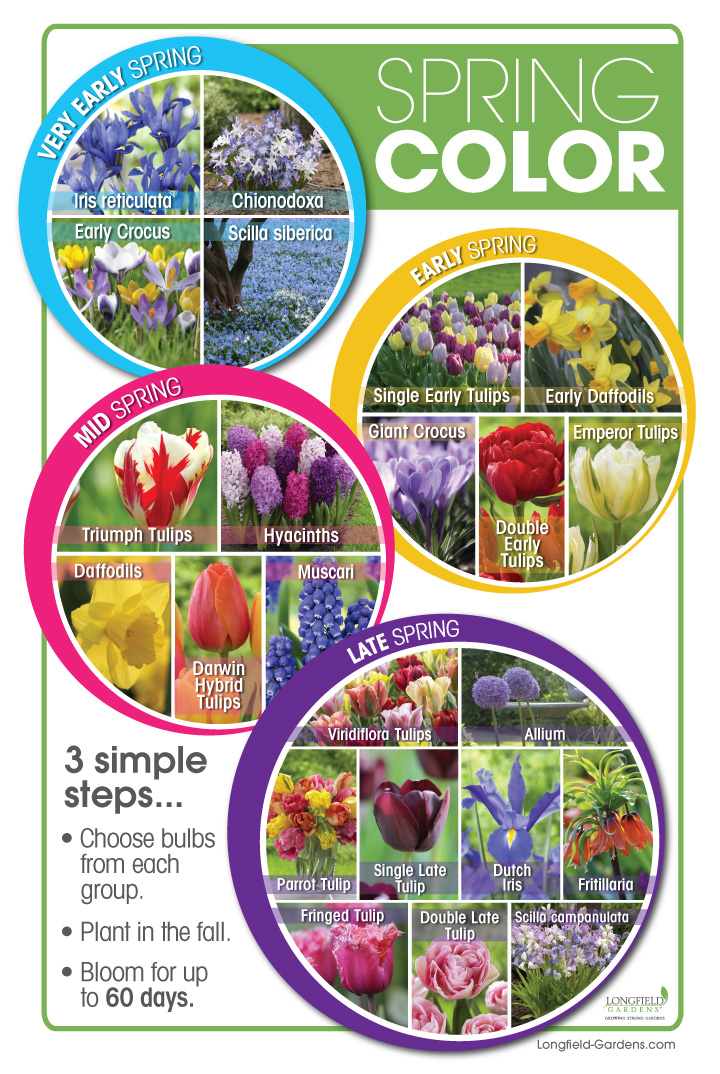
Plant Flower Bulbs in Three Easy Steps

August 11, 2015/in Flowers, Spring Gardening

Tips for planting bulbs from Longfield Gardens, premium online bulb source

Fall is planting time for spring-blooming bulbs such as tulips, daffodils and alliums. There’s nothing difficult about planting bulbs and you can plant dozens of them in just a few minutes.

Spring bulbs are always the first flowers to bloom each spring,” said Hans Langeveld, co-owner of Longfield Gardens. “You plant them in fall and then forget about them until spring rolls around and your garden is filled with flowers that are ready to bloom.”

Langeveld assures gardeners that creating a colorful spring garden requires just 3 easy steps: choosing your bulbs, knowing when to plant, and following some basic planting instructions.
Longfield Gardens


Best Time for Planting Bulbs

“You want to get the bulbs into the ground at the proper planting time for your region,” Langeveld said.

As a general rule, spring-blooming bulbs can be planted anytime before the soil begins to freeze. But bulbs will benefit from having a few weeks to establish roots before the ground is frozen.

Gardeners can reference this map for recommended planting times. Light purple areas should plant bulbs from September to October; medium purple from September to November and dark purple areas should plant between October and December.

Planting is as Easy as 1-2-3

Choosing a good planting location is important. “Bulbs will grow almost anywhere,” said Langeveld. “They will do best in Longfield Gardenssoil that drains well.”

The planting part is easy and the same instructions can be applied to all types of bulbs:

  1. Dig a hole 3-4 times deeper than the height of the bulb.
  2. Set the bulbs into the hole, following spacing guidelines.
  3. Cover bulbs with soil and water only if the soil is very dry.

And of course, we at Espoma recommend a fertilizer made for bulbs such as Bulb-tone.

“Remember when planting bulbs to avoid the temptation to plant them in single rows. For the most natural look, group them in a pyramid, rectangle or circular shape,” Langeveld said.

To see the complete selection of fall-planted, spring-blooming bulbs from Longfield Gardens, click HERE.

https://www.espoma.com/wp-content/uploads/2015/08/Capture.jpg 229 668 espoma https://www.espoma.com/wp-content/uploads/2023/05/espoma-logo340w-1.png espoma2015-08-11 08:16:082024-09-06 11:30:25Plant Flower Bulbs in Three Easy Steps

Growing Blueberries Is Easy With These 4 Tips

July 6, 2015/in Fruits & Vegetables

Pancakes, tarts, pies, we love adding blueberries to any recipe. And we’re not alone.

The U.S. Department of Agriculture recognizes July as National Blueberry Month! If any fruit deserves its own month, it’s the all-American blueberry.

Take advantage of peak fruiting season to celebrate this delicious little berry.

Health Benefits

Not only delicious and popular, blueberries are one of the top 10 healthiest foods.

These nutritional powerhouses are packed with antioxidants that help guard against cancer and heart disease. Blueberries are low in calories, but rich in fiber and vitamins. One serving of blueberries serves up almost 25 percent of the recommended daily intake of Vitamin C. Plus, blueberries have a favorable impact on blood sugar regulation in persons already diagnosed with type 2 diabetes.

Convinced?

Grow your own blueberries – It’s easy!

The secret to blueberry success, according to berry expert Amelie Brazelton Aust, at Fall Creek Farm & Nursery who’s been growing blueberries on her family farm since she was a child, is the Four Ps — planting, pruning, picking and protecting.
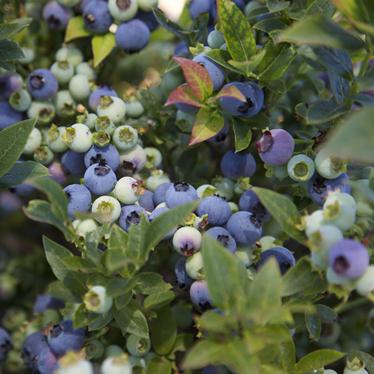
JELLY BEAN Brazelberries blueberries on bush

‘Jelly Bean’ BrazelBerries blueberries

Simply follow these four simple tips to help bushes flourish season after season!

1. Planting

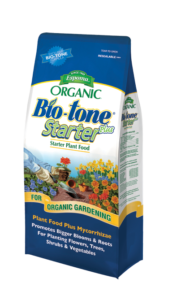
First, plant the right variety. Compact blueberries, like those from BrazelBerries, are perfect for growing in containers, raised beds or even directly in the garden. We recommend using Espoma Organic Bio-tone Starter Plus at the time of planting to help produce large root systems very quickly. This will help ensure that new plantings get maximum water and nutrients from the soil to minimize transplant loss.

Once you’ve chosen a blueberry bush, plant it in a sunny spot with at least six hours of sun each day.

Next, consider the soil. Blueberries love acidic soils. A pH of 4.5-5.5 is ideal. A simple soil test indicates acidity, which can easily be adjusted with a balanced organic fertilizer. Soil kits and amendments are available at any local garden center.

Give the plant’s roots plenty of growing room when planting in a container.

Plant dwarf blueberry bushes in pots 16” or more in diameter and water deeply and regularly to make sure all of the soil within the pot is moist.

2. Pruning

Cutting branches off any plant can be daunting, but it’s best for the plant. Pruning gives berries more space between branches, allowing air to flow freely and preventing disease.

“It’s best to prune blueberries in late winter when the plants are still dormant,” says Aust, “but I’ve pruned mine in the spring before flowering, and they’ve done great.”

Remove stems that are damaged, old, or dead. Take out up to a quarter or even a third of the bush, then trim it up to a neat and tidy look.

Fertilizing is recommended in early spring. “Choose a balanced, organic, slow-release fertilizer for acid-loving plants,” Aust says.

Aust recommends a second application of fertilizer in late spring to give the plants an extra burst of energy for fruit production.
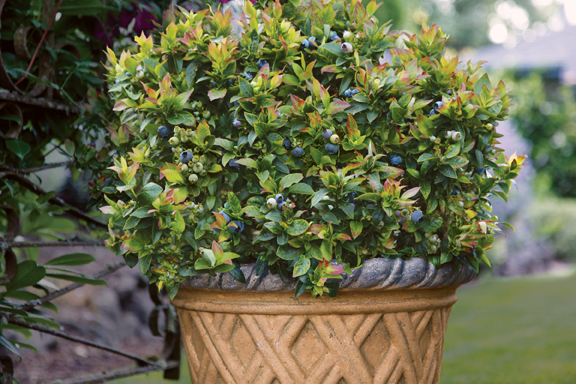
BrazelBerries Jelly Bean in italian pot

‘Jelly Bean’ BrazelBerries blueberries

3. Picking

With planting and pruning in the bag, the next step — picking — is the payoff. Be sure to watch your berries carefully and pick them before the birds do! Aust suggests getting one berry for yourself and one for the birds.

4. Protecting

A little protection ensures your blueberry bush will thrive for another bountiful season. Keep critters away by covering bushes with bird netting in the spring.

Winter weather poses the biggest risk to berry bushes, so be sure to protect roots.

“In very cold regions, apply a deep layer of mulch around the base of the bush to protect the roots,” Aust says. “Blueberries in pots are easiest to protect from the cold — just move the pots into an unheated garage or against a building and cover them with thick mulch, burlap, or a blanket.”

Spring’s sudden cold snaps endanger emerging growth, as well. Be sure to cover blueberry bushes with burlap or blankets when the forecast calls for frost once buds and flowers are emerging.blueberry pancakes Jamie oliver

Are you growing berries this year? What will you be making with them?

Check out this super easy one-cup blueberry pancakes recipe from Jamie Oliver:
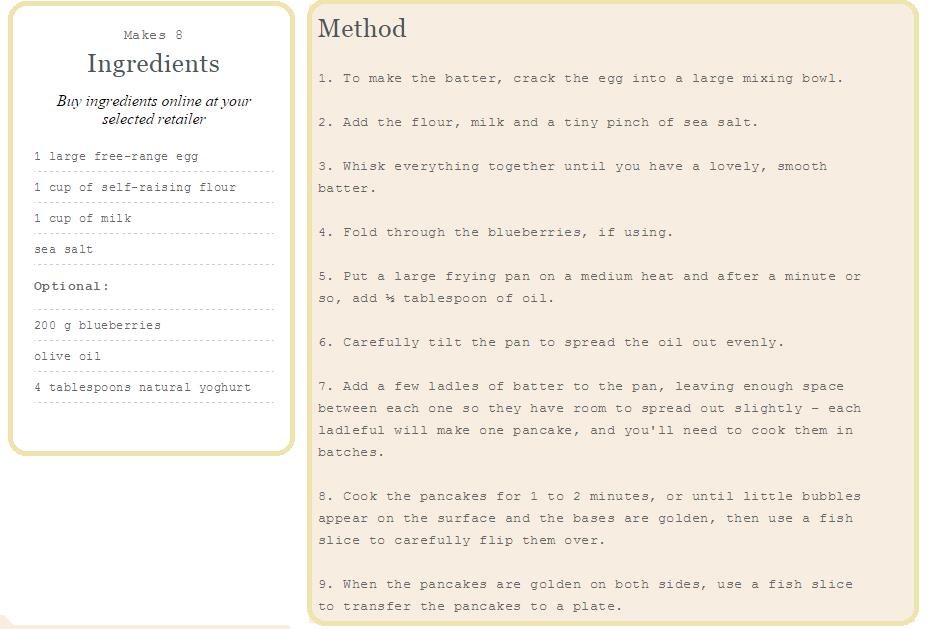
blueberry pancakes Jamie oliver


Featured Products:


Where to Buy

https://www.espoma.com/wp-content/uploads/2015/07/BRAZELBERRIES-Perpetua-Blueberry-cluster-c2013-Fall-Creek-all-rights-reserved.jpg 2592 3888 espoma https://www.espoma.com/wp-content/uploads/2023/05/espoma-logo340w-1.png espoma2015-07-06 13:08:202023-06-27 15:06:38Growing Blueberries Is Easy With These 4 Tips

Don’t Leave Hanging Baskets Out to Dry…

June 30, 2015/in Container Gardening, Flowers, Landscaping, Spring Gardening, Summer Gardening

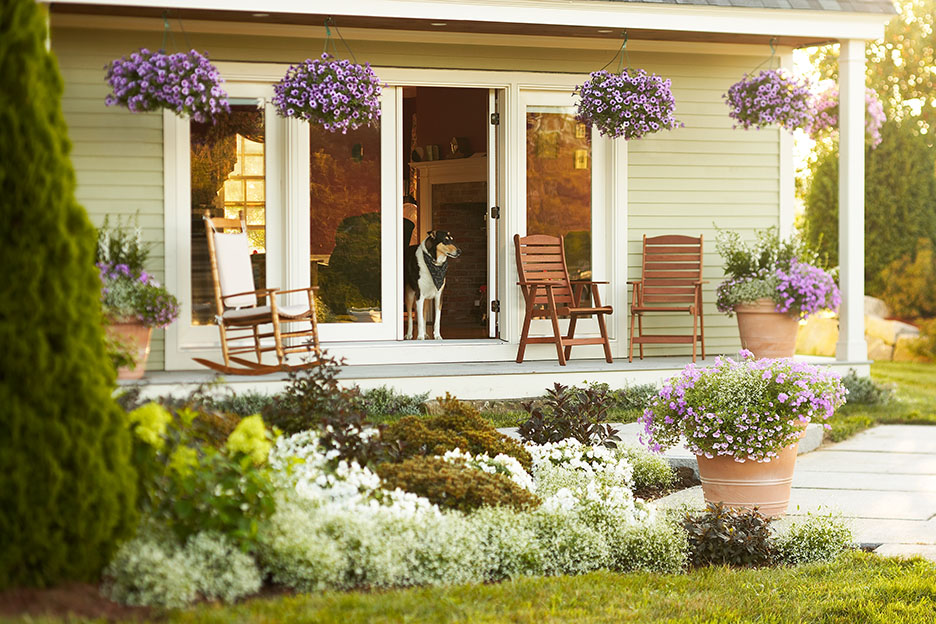
Hanging baskets make great visual impacts when they are filled to the brim with bright summer blooms. They add instant color to any spot and are a sign of warm weather.

Though as days get hotter and the summer rolls on, hanging baskets can start to look tired: drooping blooms, minimal flowers and straggly plants.

Your hanging basket isn’t doomed. It just needs a good ol’ fashion pick-me-up.

Refresh your hanging baskets to keep them partying all summer long

Get ready to give your hanging baskets a make-over. With these tips, your hanging basket will be back in its prime in no time.

Photo Courtesy Proven Winners

Photo Courtesy Proven Winners

Take the Heat Off Hanging Baskets

  1. Test the Waters Hanging baskets need more water when temperatures rise. During the peak of summer’s heat, water baskets in the morning until water drips from the drainage holes. Check them again in the afternoon to see if they need more water. On windy days, hanging baskets dry out, so they will need even more water.
  2. Food for Thought. Feed hanging baskets  with an organic flower food, like Flower-tone or the new Bloom! liquid plant food. Because of how much water baskets need, nutrients are frequently flushed from the soil. Regular feedings give your hanging baskets the energy they need to shine and bloom continuously.https://www.espoma.com/liquids/
  3. Drop Dead Gorgeous Blooms. As flowers fade, pinch them off where they meet the stem. Deadheading hanging baskets keeps them producing flowers and prevents them from going to seed.
  4. Which to Switch. Not every flower blooms all summer. If one of your flowers is done blooming for the season, swap it out. Gently remove the flower, replace it with a vibrant plant and fill with an organic potting soil.
  5. What to Cut. When your hanging basket is looking a bit wild or leggy, cut it back by 1-2”.

Look at that! Your hanging baskets already look better. Keep up these tips throughout the summer to keep hanging baskets fresh, beautiful and blooming.

https://www.espoma.com/wp-content/uploads/2015/06/flowers-164815_1280.jpg 722 1144 espoma https://www.espoma.com/wp-content/uploads/2023/05/espoma-logo340w-1.png espoma2015-06-30 08:20:202024-08-16 13:54:28Don’t Leave Hanging Baskets Out to Dry…

Double your Roses by Feeding and Deadheading

June 17, 2015/in Flowers, Landscaping, Spring Gardening

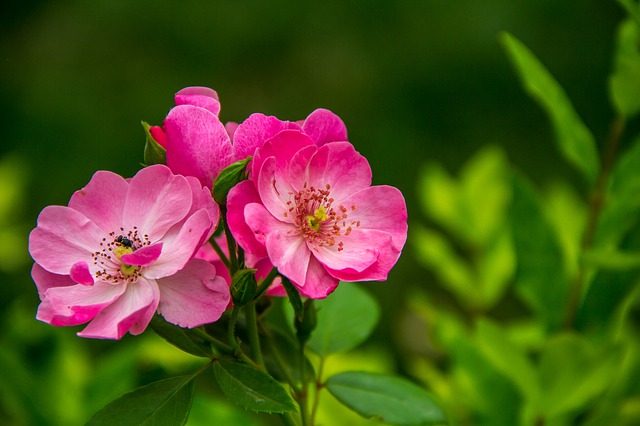
Is there anything better than walking into your garden, smelling the heavenly scent of a rose and seeing a luscious rose bloom?

Believe it or not, we think there is!

More roses!

Once your roses start blooming, all you want is for more roses to grow, too! Stack the odds in your favor by feeding and deadheading your roses now.

Give Your Roses an Energy Boost!

roses


To create those gorgeous, lovely rose blooms, roses need lots of energy! You don’t think those beautiful blooms just happen, do you?

  1. Ohm. Find the Right Balance. Roses need a balanced, organic fertilizer made specifically for roses. A balanced food with the same amounts of NPK (nitrogen, phosphorus and potassium) keeps the roots, flowers and foliage growing strong and healthy.
  2. Do as the Experts Do. Don’t the experts always know best? That’s what it seems like from those toothpaste commercials at least! The same is true in the garden. Rose-tone by Espoma, an organic plant food, is preferred by professional rose-growers. Follow their lead to grow bigger, better roses! Dare we say, prizewinning?
  3. The 30 Day Phase. Feed your roses once a month during the growing season. When you use a slow-release, organic fertilizer, your roses have enough to eat for 30 days. After that, they’ve consumed all the soil’s nutrients and need their energy source replenished. If the soil is dry, make sure you water roses heavily before feeding them. Find out more here.
  4. Look Dead? Off with their Head. Anyone who grows roses knows the value of deadheading. Roses will bloom all season if you remove spent flowers. Otherwise, the roses focus on seeding – not flowering. Plus, deadheading is easy! With pruners, simply cut dead roses just below the flower to the first set of leaves. Leave the leaves though, since these help plants grow strong. During drought, deadheading also reduces the plants need for water, increasing its chance of surviving this dry spell.
  5. Don’t stop there. Continue to deadhead roses until late August. This will allow the rose to form the important seed bearing hips it needs to produce even more flowers next spring!

Soon, roses will be coming up every which way! Go forth and create big, beautiful blooms with your newfound knowledge.

https://www.espoma.com/wp-content/uploads/2015/06/Capture1.jpg 328 1218 espoma https://www.espoma.com/wp-content/uploads/2023/05/espoma-logo340w-1.png espoma2015-06-17 16:15:242019-05-07 10:08:44Double your Roses by Feeding and Deadheading

Feed Tomato and Pepper Plants Now

June 10, 2015/in Fruits & Vegetables, Spring Gardening, Vegetable Gardening

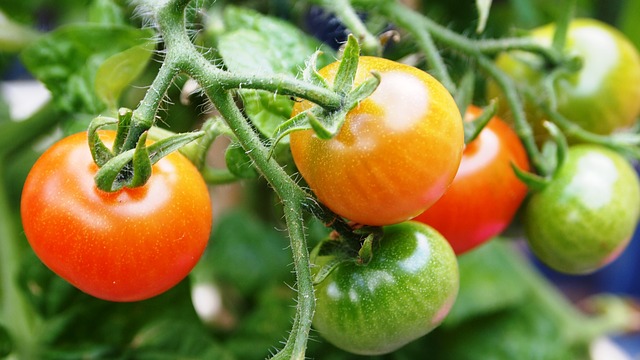
By now you’ve planted your organic tomatoes and peppers! These homegrown veggies should be starting to flower — which means fruit isn’t far behind.

Now, it’s time to sprinkle a little magic.

The trick is to feed veggies monthly with an organic fertilizer. Tomatoes and peppers have big appetites, so they need plenty of organic food. Since plants get all their nutrients from the soil, their all-you-can-eat buffet runs out quick. Feed them right, and they’ll burst full of fresh produce.

how to grow tomatoes

Create a Balanced Diet:

  1. Go Organic. Since you’re eating this food and feeding it to your friends and family, you’ll want to ensure it’s the cleanest and healthiest possible. Choose an organic fertilizer.
  2. Take it slow. Chose a slow-release organic fertilizer. Artificial, rapid growth results in tall, lanky plants. Slow-release, organic fertilizers actually improve the soil as they break down.
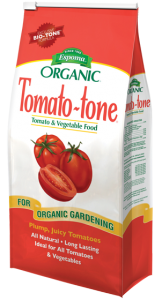
  3. Plants need vitamins, too. Find a balanced food with calcium to help prevent blossom rot. Espoma Tomato-tone has 8% calcium! Be careful that you do not use too much nitrogen which will result in a lush, green plant with very little fruit.
  4. More Magic. Tomato-tone also includes Bio-tone®, a blend containing more than 3 million beneficial microbes. Sounds cool, right?

Don’t take it from us — Veggie Gardener had this to say:

“Bio-tone works magic with this fertilizer. These beneficial microbes do the dirty work of creating big and healthy plants which in turn grow large, plump, and juicy tomatoes. Beneficial microbes support good root growth by helping the roots absorb nutrients from the soil. Well producing tomatoes, or any plant for that matter, starts with a healthy and strong root system. Since I started using Tomato-tone, my tomato plants have grown faster, stronger, and produced more tomatoes.”

Ok, you get it. Fertilizing tomatoes and peppers is like sprinkling them with magic dust that makes them grow bigger, better produce. Now get growing.

how to grow peppers

Tips for Feeding Tomatoes and Peppers:

  1. Measure out the fertilizer according to instructions on bag.
  2. Feed single plants with 3 tablespoons of Tomato-tone. For rows of plants, apply 1 cup on each side per 5 feet. Feed potted plants 1.5 teaspoons per 4” pot diameter. More details here.
  3. Sprinkle Tomato-tone starting approximately 6” from the base of the plant.
  4. After feeding, water well.
  5. Feed tomatoes and peppers every month during the growing season.

Feeding tomatoes and peppers takes just a couple of minutes and drastically increases your harvest.

To feed your family lots of organic, homegrown veggies this summer, you’ll need to first keep your veggies well-fed! Get ready for the biggest, yummiest tomatoes and peppers you’ve ever grown.


Where to Buy

While you’re at it, take a selfie with your Tomato-tone! Tag us in the picture with @Espoma.

https://www.espoma.com/wp-content/uploads/2015/06/tomatoes-19577_640.jpg 360 640 espoma https://www.espoma.com/wp-content/uploads/2023/05/espoma-logo340w-1.png espoma2015-06-10 09:51:582019-05-07 10:08:45Feed Tomato and Pepper Plants Now

Prep the Yard + Garden for Memorial Day!

May 22, 2015/in Lawn, Spring Gardening

The spring season is just flying by and Memorial Day is already here.  Everyone is excited to have the day off, enjoy the outdoors and chow down on BBQ.

Memorial Day may mark the start of the summer vacation season, but let’s remember what the holiday is really about.

This federal holiday, observed the last Monday of May, is to honor and remember the people who died serving in our country’s armed forces. Formerly known as Decoration Day, the holiday originated after the Civil War to commemorate the Union and Confederate soldiers who died in the war.

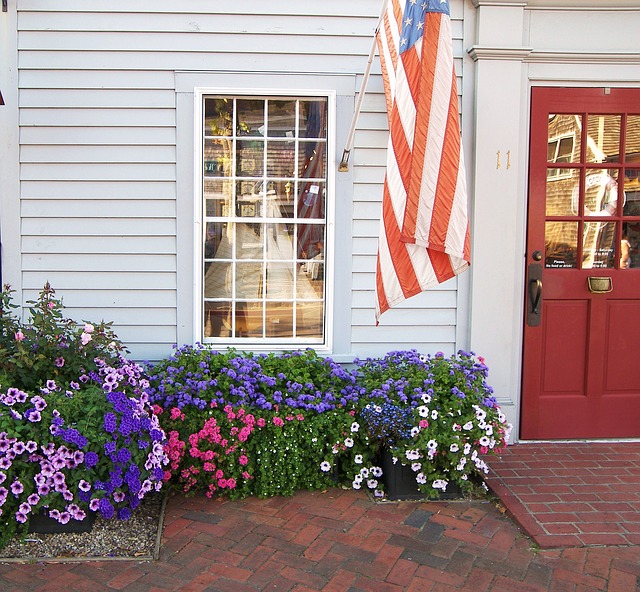
flowers-258415_640To celebrate “decoration day,” bring out your red, white and blue and get ready for the summer season. You’ll want to make sure your lawn and garden is ready, too, by following our tips to prep your outdoor space.

First, get your yard and garden ready for the summer by evaluating your landscape. Make note of any problem areas that simply look messy, empty or that need color.

If your front door entrance looks dull, add containers full of colorful flowers!

Welcome guests by creating an entry way that really pops. Creating colorful, dramatic flower containers is super easy. And, to make it even more festive, use red, white and blue flowers.

Have an awkward, empty spot in the garden bed? If it’s a smaller space, plant a couple more annual or perennial flowers. To fill a large, gaping hole in the garden bed, plant a flowering shrub for a beautiful fix or fill with a container of flowering plants.

Next, refresh your whole yard with new mulch. All your garden beds will look instantly refined. Plus, mulch reduces water and weeds. Add 2-3” of mulch if you haven’t already.

For any unkempt areas in the garden, pick up any debris on the ground. Then, lightly trim any plants that are overstepping their boundary.

Ok, your yard is almost ready. Time for the wow factors! Add decorative lighting along the pathway, hang your American flags and dazzle with festive garland.

How are you celebrating Memorial Day this year? Share your pictures with us on our Facebook page!

https://www.espoma.com/wp-content/uploads/2015/05/usa-239617_640.jpg 428 640 espoma https://www.espoma.com/wp-content/uploads/2023/05/espoma-logo340w-1.png espoma2015-05-22 07:51:022019-05-24 16:39:00Prep the Yard + Garden for Memorial Day!

Guide to Growing Organic Tomatoes

May 18, 2015/in Fruits & Vegetables, Spring Gardening, Vegetable Gardening

If there’s one vegetable that needs to be in your organic garden, it’s tomatoes! Juicy, red tomatoes are the taste of summer.

In a salad, drizzled with olive oil, sliced with fresh mozzarella or even eaten like an apple, homegrown tomatoes make every summer meal taste better.

Like all homegrown food, they’re picked when they’re the juiciest and most flavorful. And since you care for tomatoes all season, you appreciate theorganic tomato care and work it takes to ethically raise them. You know without an inkling of doubt that these tomatoes are organic, packed with nutrients and 100% free of harmful pesticides.
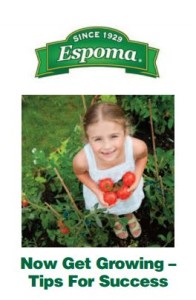
Plus when growing your own tomatoes, you get to pick exactly the kind you want! There are over 10,000 different types of tomatoes, in nearly every size and color.

To pick the tomatoes best for you, decide if you’d like to snack on tomatoes throughout summer. These are known as Indeterminate. Or if you’d like your crop to ripen at once at the end of summer, select determinate.

Also, think about how you’d like to use your tomatoes. Will you use them in lots of fresh recipes or can and preserve and save them for winter? See our favorite tomatoes below to pick the one right for you!

Best Tomatoes to Eat All Summer (Indeterminate)

  • Best Tomatoes for Sandwiches: Brandywine– The original scrumptious beefsteak, and all other beefsteaks
  • Best Tomatoes for Early Harvest: Early Girl– Bright red in color and flavor
  • Best Tomatoes for Sun-Drying: Any Cherry tomatoes

Best Tomatoes for Canning and Sauces (Determinate)

  • Best Tomatoes for Sauces – Full-flavored Roma
  • Best Tomatoes for Canning –Viva Italia which are virtually seedless
  • Best Overall Tomatoes: Rutgers– Abundant, uniform tomatoes that are perfectly tasty

tomato successPick one (or a couple) tomato varieties and get planting! Follow along below or check out how not to be a couch tomato with these tips.
Since tomatoes love the sun, they need a spot that gets at least 6 hours of sunlight a day.

Then, boost your soil. Mix in 3” of homemade compost or organic Garden Soil into the top 6” of your soil.

While you’re at it, mix in 9 cups of Espoma’s Tomato-tone per 50 square feet. For single plants, use 3 tablespoons of Tomato-tone per plant.

An organic plant food like Tomato-tone provides tomatoes the nutrients they need to grow big and plump. Since this is a slow-release, organic fertilizer, Tomato-tone never forces rapid growth, which reduces tomato yield.

Now dig a hole larger than the tomatoes’ original container. Look at the plant tag to see how far apart each tomato plant should be.

Situate the plant in the hole so its lowest leaves are below the soil level. Go ahead and pinch those lower leaves off.

Then fill the hole with amended soil or Espoma’s Organic Garden Soil.

To set your tomatoes up for success, stake them now to increase air circulation and sunlight exposure.

You can support them with a tomato cage, trellis or container. Or hammer 6-8” stakes 1’ into the ground about 3-6” away from the plant. When tomatoes begin blooming, tie them to the stake.

Right now though, all they need is some water! For the next few days, water tomatoes generously. Then, give tomatoes about 2” of water around their base each week.

In addition to watering, feed your tomatoes an organic tomato food each month. Organically fertilizing tomatoes with Tomato-tone produces larger, plumper tomatoes all season.

In 3-5 weeks, add 2-3” of mulch to reduce water consumption.

It won’t be long now until you’re biting into the first, fresh tomato of the season!

Share this post if you LOVE growing tomatoes!

https://www.espoma.com/wp-content/uploads/2015/05/tomato-409404_1280.jpg 853 1280 espoma https://www.espoma.com/wp-content/uploads/2023/05/espoma-logo340w-1.png espoma2015-05-18 13:46:512019-05-07 10:08:45Guide to Growing Organic Tomatoes
Page 13 of 15«‹1112131415›»
Where to Buy

Get News & Updates

Recent Posts

  • Video: Feeding Evergreens with Skye Hamilton 🌲
  • VIDEO: A Formal Garden Tour with Summer Rayne Oakes
  • VIDEO: Repotting in the Greenhouse with Garden Answer
  • VIDEO: How to Winterize Your Chicken Coop with Summer Rayne Oakes
  • VIDEO: Planting Spring Bulbs in Containers 🪴🌷 with Summer Rayne Oakes

Tags

All-Purpose Potting Mix bio-tone Bio-tone Starter Bio-tone Starter Plus Cactus Mix caring for houseplants Container Gardening DIY project Espoma espoma grown espoma organic Espoma Organics Espoma Video fall gardening Family fert flower garden flowers garden Garden Answer Gardening gardening tips gardens grow holly-tone houseplants Indoor! indoor gardening indoor plants Kaleb Wyse organic organic fertilizer Organic Gardening organic plant food Organic Potting Mix Outdoor Gardening Planting plants Potting Mix potting soil Spring Gardening summer rayne oakes vegetable garden Vegetable Gardening Wyse Guide

Espoma. A Family Tradition Since 1929.

Espoma Organic logo
  • Espoma Dealer
  • Espoma Pro
  • Garden Club
  • Privacy Policy

Scroll to top