Video: Time for Fall Wall Planters with Garden Answer
Watch as Laura from Garden Answer creates a beautiful planter for Fall using Flower-tone and Potting Soil Mix!
Learn more about Garden Answer here:
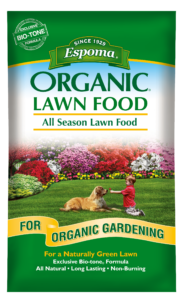
Featured Products:
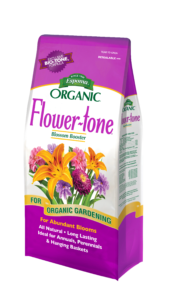
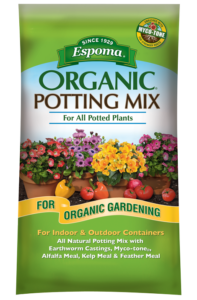

Watch as Laura from Garden Answer creates a beautiful planter for Fall using Flower-tone and Potting Soil Mix!
Featured Products:
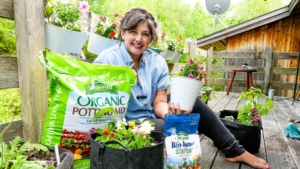
A little vitamin boost from Bio-tone Plus before amending your soil is key when planting up a fresh tomato path. More great tips from Bloom and Grow Radio in the full video!
Products Featured

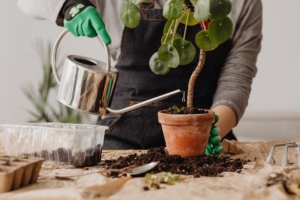
Ever notice how a moment spent tending your plants feels like a mindful pause in a busy day? You’re not just watering—you’re nurturing calm, presence, and connection. We believe that caring for your green companions is one of the most natural forms of self-care. And just like you thrive on nourishing food, your plants thrive when you feed them regularly with Espoma Organic fertilizer —gentle, effective, and safe for people, pets, and the planet.

Sharper Mind + Better Mood
Studies show that being around plants can boost memory and attention by about 20%, while reducing background noise and enhancing productivity and creativity—especially in home or little work-from-home nooks.
Soil for the Soul
That earthy scent? It comes from microbes like Mycobacterium vaccae (lovingly nicknamed “outdoorphins”), and they don’t just feed your plants—they may help boost your mood and immunity, too.
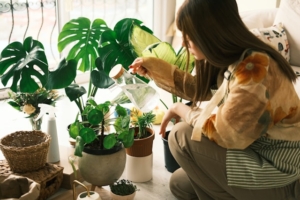
Pulling weeds, misting leaves, or simply observing new growth—these are gentle rituals that anchor us in the now. As one soothing tip from our brand partner, Maria Failla of Growing Joy with Maria, reminds us:
“Use watering or caring for them as an excuse to get up from your computer and take some ‘me-time’—because plant care is self-care.”
Pair that with feeding your plants Espoma Organic fertilizer, and you’re nourishing life in every sense.

Your indoor plants do more than brighten a room—they improve your air, calm your mind, and remind you to slow down. To keep them thriving year-round, a little extra nourishment goes a long way.
That’s where Espoma Organic Indoor! liquid fertilizer comes in. This gentle, balanced formula is made from natural ingredients and feeds instantly, giving your leafy friends the nutrients they need for lush growth and vibrant color—even in the lower light of winter months.
Self-Care Tip: Pair your plant feeding with your own wellness ritual. Set a reminder every 2–4 weeks to water and feed your plants, then take a few minutes to enjoy a cup of tea nearby. Watch how your plants respond over time—you’ll notice deeper greens, healthier new leaves, and a little spark of joy in your day.
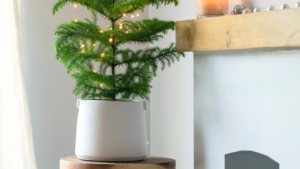
During the busy holiday season, a mini Christmas cypress or Norfolk Island Pine—with its fresh sap-like scent—can be both a peaceful décor choice and a mindful project. Pot it up in our Espoma Organic Potting Mix, give it a slow sip of water, and feed it with an organic fertilizer like Indoor! for lasting joy. It’s a gift that grows for you, not just from you.
Micro-Meditation Moments
Set a daily two-minute ritual—touch the soil, check a leaf, breathe deeply. Call it a “plant-powered reset.”
Mini Salad Gardens with Maria Failla
Maria Failla of Growing Joy with Maria, makes self-care—and dinner—even simpler. She grows an entire salad (including herbs, lettuce, mini-tomatoes, and edible blooms) in a single container using Espoma Organic Potting Mix, Bio-tone Starter Plus, and Garden-tone organic fertilizer for steady nourishment.
Create a Kitchen Corner of Calm
A small shelf of herbs like basil, lavender, or even mint provides an aromatic escape and practical joy when cooking. Watering and feeding them with organic fertilizer like Indoor! can become a lovely action in your daily rhythm.
Mindful Mondays with Biophilia
Start your week by simply sitting with your plants—observing new buds, leaf shapes, and subtle color shifts. This biophilic practice connects you to growth and groundedness.
Plant care is not just about pretty greenery—it’s caring for yourself, too. You pause, breathe, tune in, and the soil responds. Whether it’s a festive tree, a potted herb, or a tranquil succulent, your green space is your sanctuary. And with a little love, light, and organic fertilizer, your plants—and your spirit—can truly thrive.
*****
Here are some of our other blogs and videos we think you will enjoy.
Give Some Green for the Holidays
Parenting Advice for New Plant Parents
Poinsettia Care Guide from Garden Answer
Featured Products:
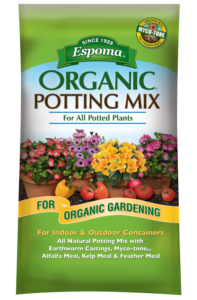
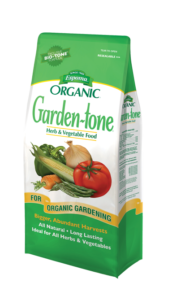
English cottage gardens date back centuries. They were used to grow vegetables, herbs for healing, fruit trees, perhaps a beehive, and common flowers. The informal style went through a renaissance in the late 1800’s when they became somewhat more nostalgic than practical.
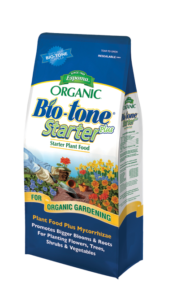
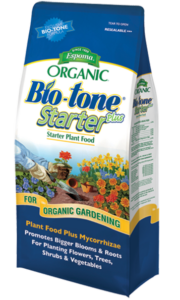
The informal aesthetic of dense planting and natural materials is still en vogue today. In this video, Laura outlines 10 design principles to help you design a cottage garden. Before you start, make sure you have plenty of Espoma’s organic Bio-tone Starter Plus plant food to make sure your plants get the best possible start.
No Straight Lines
Cottage gardens are always informal and a touch whimsical. Avoid straight lines. Gently curving edging looks more natural and playful. If your site restricts you to a straight edge, let the plants spill over it to create an unrestrained look.
Large Groups of the Same Plant
White cottage gardens are more relaxed in their design, it is still best to use large sweeps of the same plant. Think of planting in groups of three, five or seven. That is far more restful to the eye than a jumble of onsies and twosies.
Spacing Doesn’t Matter
This is one time you do not have to follow the advice on the plant tag. Cottage gardens are always densely planted and generally grow more densely packed with time. Annuals and biennials are often used in cottage gardens and will self-sow in the border. Biennials are plants that take two years to grow and flower from seed like the foxgloves shown. Another advantage to planting things close together is that there is less room for weeds to grow.
Color Harmony
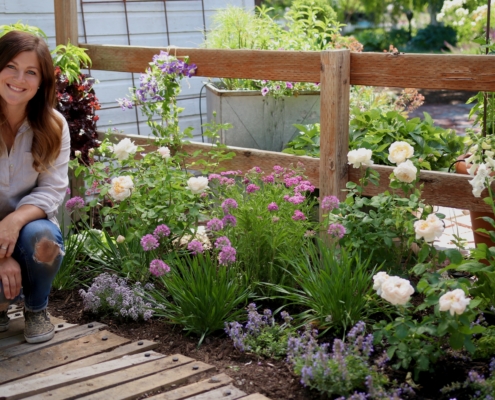
It’s very important to pick a collection of plants that have harmonious colors. Without that the border would look chaotic. Garden Answer uses a collection of soft pinks and peaches with touches of blue and lavender. It needn’t always be soft colors, but they do need to be unified in some way.
Use Varied Heights and Textures
In any planting, it’s a good idea to think about texture, height and foliage color as major design elements. Nothing blooms all the time. Varied foliage forms and colors will create interest even when the flowers aren’t in bloom. Laura uses Heuchera specifically for the silvery foliage color.
Anchor Plants/Structural Elements
This is sometimes referred to as the “bones” of a garden. It’s a structural element that all of the other plants get woven around. In this case, it’s a beautiful shrub rose named Rose ‘The Lady Gardener’, a fragrant beauty with full, apricot blossoms. The rose is repeated three times. Repetition is soothing to the eye. It’s possible to use evergreens for a slightly more formal feel, or whatever peaks your interest.
Fragrance
The first thing everyone does when they pick a flower is to hold it up to their nose. Cottage gardens are known for their fragrance. Try to select varieties that smell good at the garden center. Roses, lavender, sweet peas, and sweet alyssum are all good choices.
Not Perfectly Maintained
Along with relaxed design principles, comes relaxed maintenance. Planting tightly will discourage weeds. Annuals like poppies will self-seed and move around the border, just like the biennial foxgloves. Weeding everything that comes up might mean that you weed out these plants and inhibit their spontaneous movements.
The Look Will Change Over Time
This style of gardening is the exact opposite of a formal border filled with geometric shaped boxwood. By its very nature this is meant to be more random. People often sow cosmos, violas and other plants that have a tendency to move around. Let them surprise you. If you really don’t like where one popped up, it’s easy enough to remove.
Be Patient
Being patient is really what gardening is all about. A garden is never really finished. Enjoy the journey!
Garden Answers Plant List
Nepeta ‘Cat’s Pajamas’ – catmint
Achillea – pink yarrow
Allium ‘Serendipity’ – ornamental onion
Rose ‘The Lady Gardener’
Heuchera Dolce ‘Spearmint’ – Coral Bells
Clematis ‘Brother Stephan’
Digitalis Foxy Hybrids – foxglove
Lobularia ‘Blushing Princess’ – sweet alyssum
Here are more videos from Garden Answer we hope you will enjoy.
How to Plant Cottage-Style Flower Beds!
Plant Your Window Boxes Like Garden Answer
Succulent Pot in a Pot – Quick Version
How to Re-pot Houseplants – Quick Cut
*****
Featured Products:
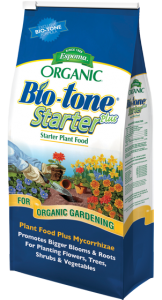
Spring has sprung and it’s time to get outside and plant up some early spring containers. A trip to the local garden center will surely inspire you. Plant big pots of brightly colored bulbs and annuals to liven up entryways, patios and balconies. Laura from Garden Answer shows you just how easy it is to do in the video below.
Laura fills her containers with tulips and violas, true harbingers of spring. Alternatively, you could also use daffodils and other cold hardy annuals like Iceland poppies or nemesia. In cold climates, it’s important to select plans that are hardy enough to withstand a cold snap.
These early spring containers will flower for a month or so, bridging the gap from early spring to the frost-free date. When it’s time to plant summer containers, replant the tulips out into the garden where they’ll bloom again next spring. The violas may also be moved to a lightly shaded area of the garden.
Four Easy Steps to Early Spring Containers
Enjoy flowers for even longer by choosing tulips or daffodils that are not yet in full bloom. When finished blooming, just remove the flower stem. The leaves will still provide a vertical accent and the bulbs need the foliage to replenish themselves.
Taking time to deadhead the violas will extend their bloom time. If temperatures are cool, you may only need to water containers once a week.
Check out these videos from Garden Answer about tulips and early spring planting.
Plant Your Window Boxes Like Garden Answer
How to Care For Your Tulips After They’ve Bloomed
Featured Products:
It’s truly the most wonderful time of the year! Everyone seems to be in a better mood when they’re spending time with the people they love.
Going all out with décor is easy and fun. Putting up a big Christmas tree with lights and ornaments, draping garland around the house, really makes it feel cozy and welcoming. Draping lights around the home and statues on your front lawn is a fun way to make the whole neighborhood light up.
This year, incorporate some living décor for your holidays. Here are 5 ways to decorate your garden:

1. Decorate Containers
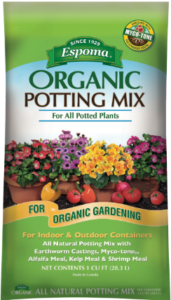
Containers are a perfect way to liven up a home. Finding a festive container or painting a plain one with festive colors or patterns will bring it to life for the holidays. Fill your container with winter-hardy plants that are right for your zone. Just be sure to use Espoma Organic Potting Soil to give it the nutrients it needs.
2. Design the Grounds
With colorful winter shrubs, vegetables, and flowers, planting in a design can bring cheer in ways that are unique and cheerful. The colors and options your plants provide can make an image come through. Utilize the dead space in between your winter hardy plants to create a holiday design.
3. Plant an Evergreen
While everyone brings their trees indoors, plant one outside. You can decorate it the same way you decorate the one indoors. Plus, you can enjoy your Christmas morning outside, depending on the weather. Use natural materials, such as pine cones, berries, and flowers collected from your garden to decorate. Be sure to use Espoma Organic Holly-tone to keep the foliage green.
4. Train Your Plants
Adding a toy train to show off your garden is a great way to mix fun and childlike spirit into your garden. Utilize the plants you already have planted that will survive the winter. Have the toy train go around what you want to showcase. Add some twinkling lights, and everyone who stops by will want a garden like yours.
5. Green Your Mailboxes
Draping an evergreen garland over a mailbox is a simple way to incorporate living décor into your holidays. Creating a garland requires few materials and can look festive within a few minutes. Be sure to add a nice, large bow to tie it all together.
*****
Want to keep making decorations for your home? Check out this Succulent Snow Globe from Garden Answer.
Featured Products:
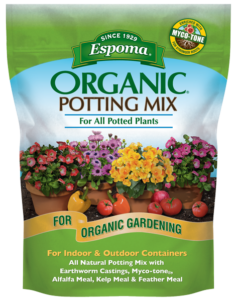
Sometimes we find a beautiful houseplant and have no idea where to put it. Other times we have a space that needs filling and no idea what to put there.
The way we see it, you can never go wrong with more plants!
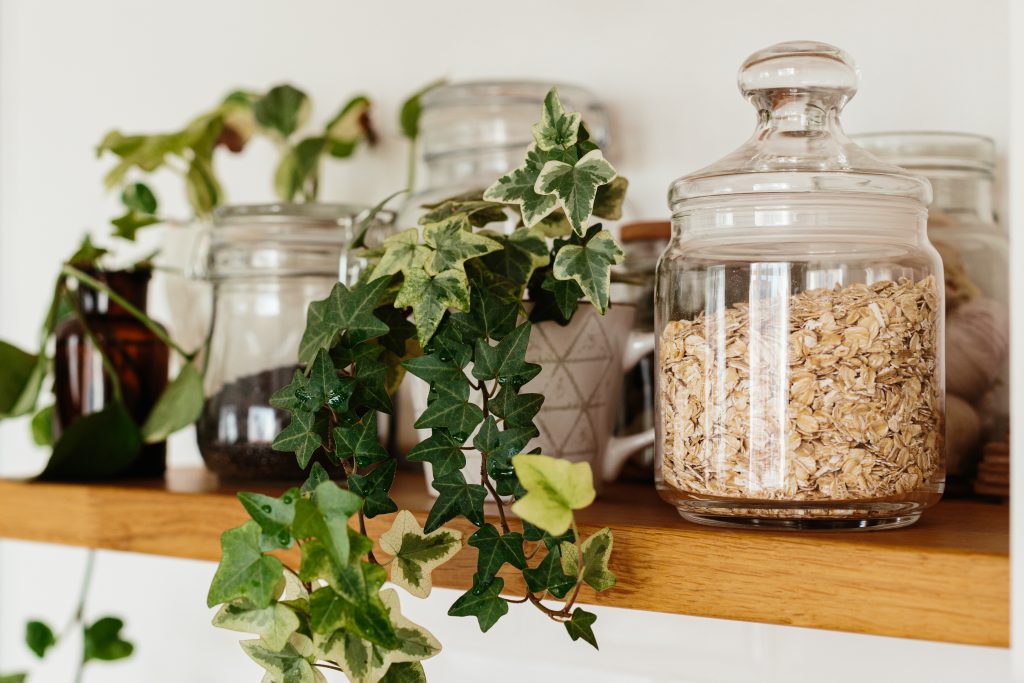
There’s no better place to start adding plants than the kitchen. If you haven’t thought of adding plants there before, you’re missing out!
Houseplants in the kitchen aid in decreasing cooking scents that consume your home – while it might smell amazing when you bake cookies, cauliflower can really bring you down. Or, you can grow edibles in your kitchen to have easy access while cooking.
Here are our top picks for plants in the kitchen:
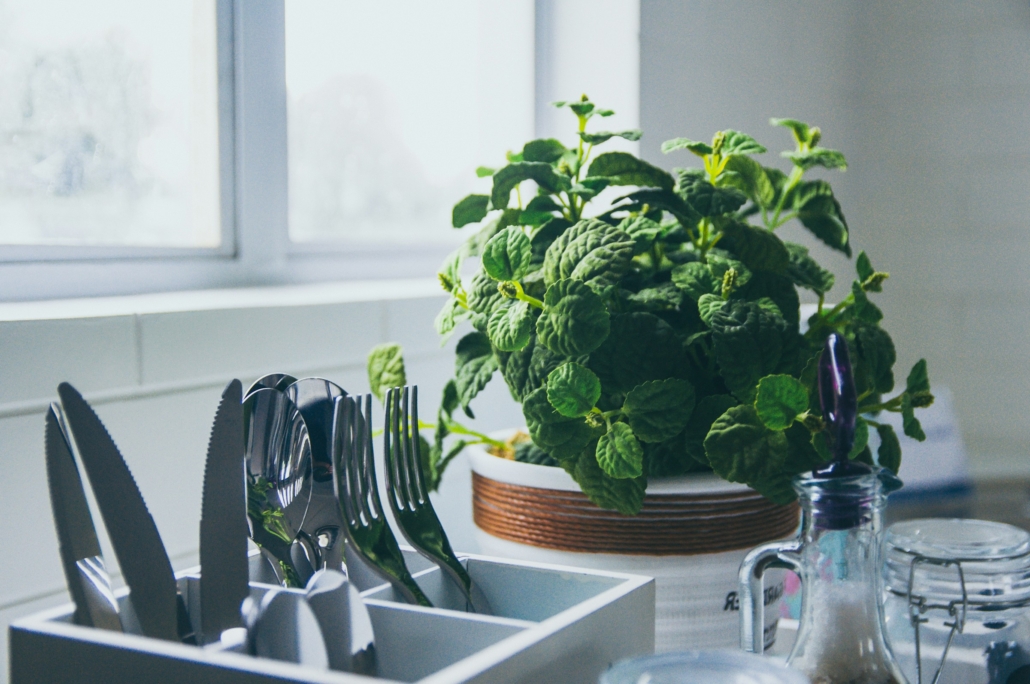
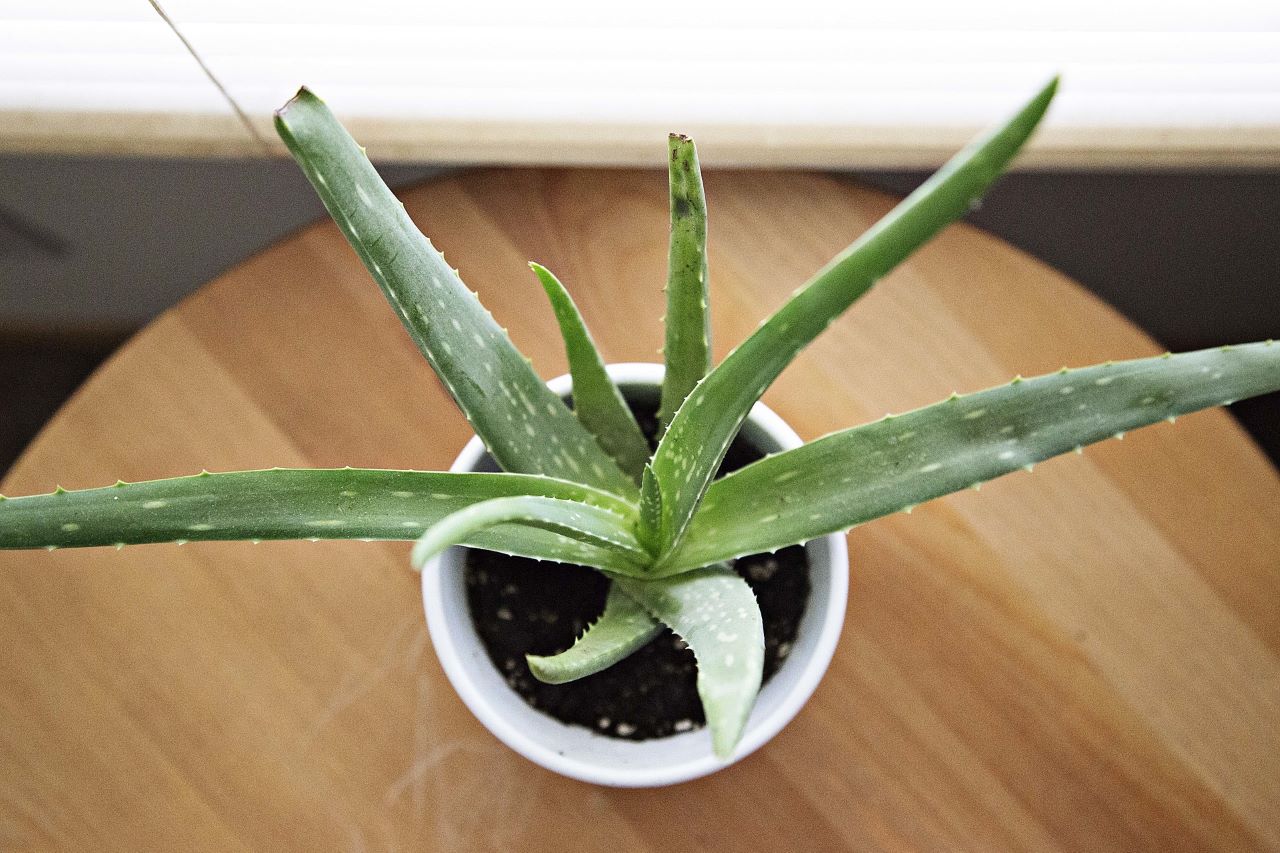
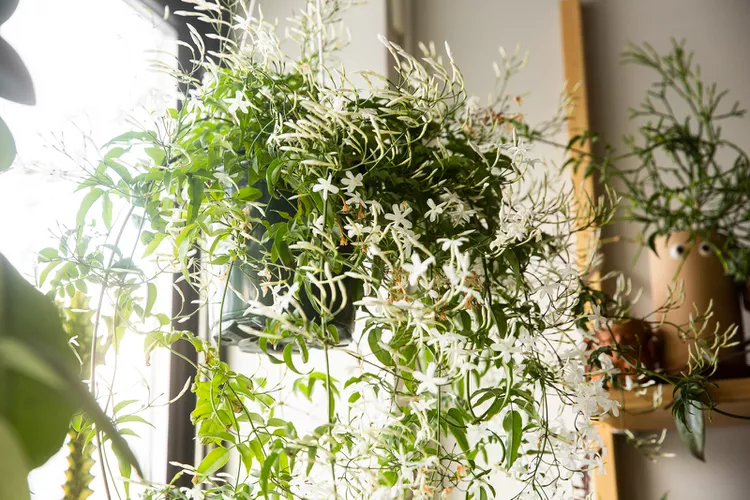
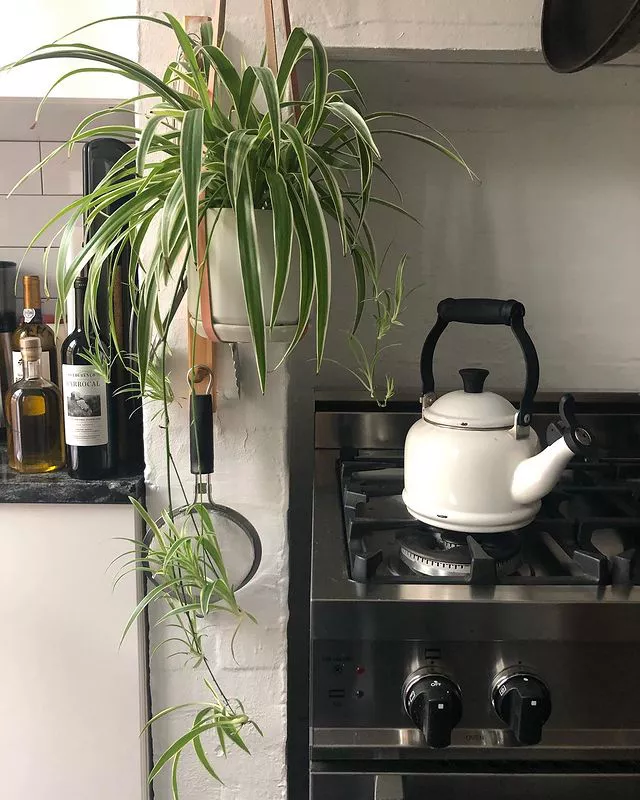
Don’t forget, all of these plants need to be fed as directed with Espoma’s Indoor! liquid fertilizer to grow strong and highlight their colors.
Featured Products:
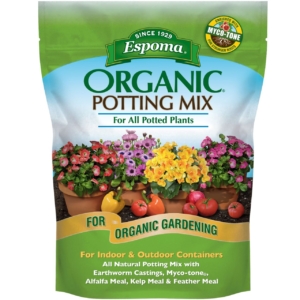
In this video, Laura from Garden Answer shares her top tips for nurturing everyone’s favorite holiday plant—the Christmas cactus! These beloved plants can thrive for years with proper care and attention.
Laura recommends starting with a high-quality organic potting soil, like Espoma Organic Cactus Mix, specially formulated for cacti and succulents. She also emphasizes the importance of fertilizing, suggesting Espoma Organic Cactus! Liquid Plant Food to keep your plant healthy and blooming.
https://www.youtube.com/c/gardenanswer
https://www.facebook.com/gardenanswer
https://www.instagram.com/gardenanswer/
Featured Products:
The spookiest holiday of the year is just around the corner and trick-or-treaters are getting ready for the big night. This year, decorate your house with creepy, living decorations that will add an eerie twist to your night.
With their creepy names, weird colors and devilish shapes, these plants will be the center of every fun, spooky story you tell. Better yet, these plants can stick around all year with the right light, water and feeding directions.
Top 5 Spookiest Houseplants
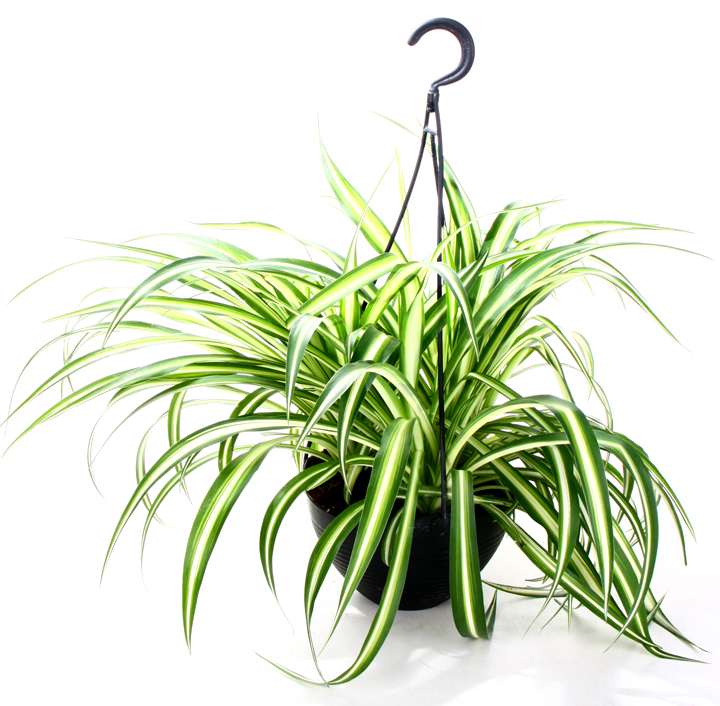
Photo courtesy of Costa Farms
Spider Plant
This creepy plant is fun to decorate with due to its long spider-like legs that grow little “spiderlings” on the ends. Transfer it into a hanging plant basket and wrap synthetic web around the outside of the basket. Cover with plastic spiders to give it extra creep. Make it kid-friendly, by painting a container black and adding spider eyes to the front to make it look like one big spider. Spider plants are known for being low-maintenance so they will grow in almost any spot.
Dracula Orchid
The Dracula orchid is not an ordinary orchid. Aptly named, as it blooms, the center of the plant looks like it could bite you with its vampire-like mouth. Wrap your container in a cape and paint it red down the sides to decorate this plant into a creepy vampire.
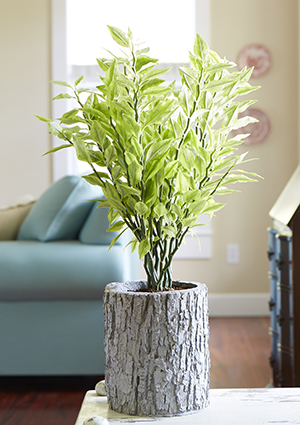
Photo courtesy of Costa Farms
Devil’s Backbone
Devil’s Backbone gets its name from the interesting zigzagging formation of the leaves resembling a creepy spine as it grows. Invite this devilish plant to your home and hang ghouls and ghosts from it to add a spooky charm. Though it may be called the Devil’s Backbone, it works hard to purify the air from toxins.
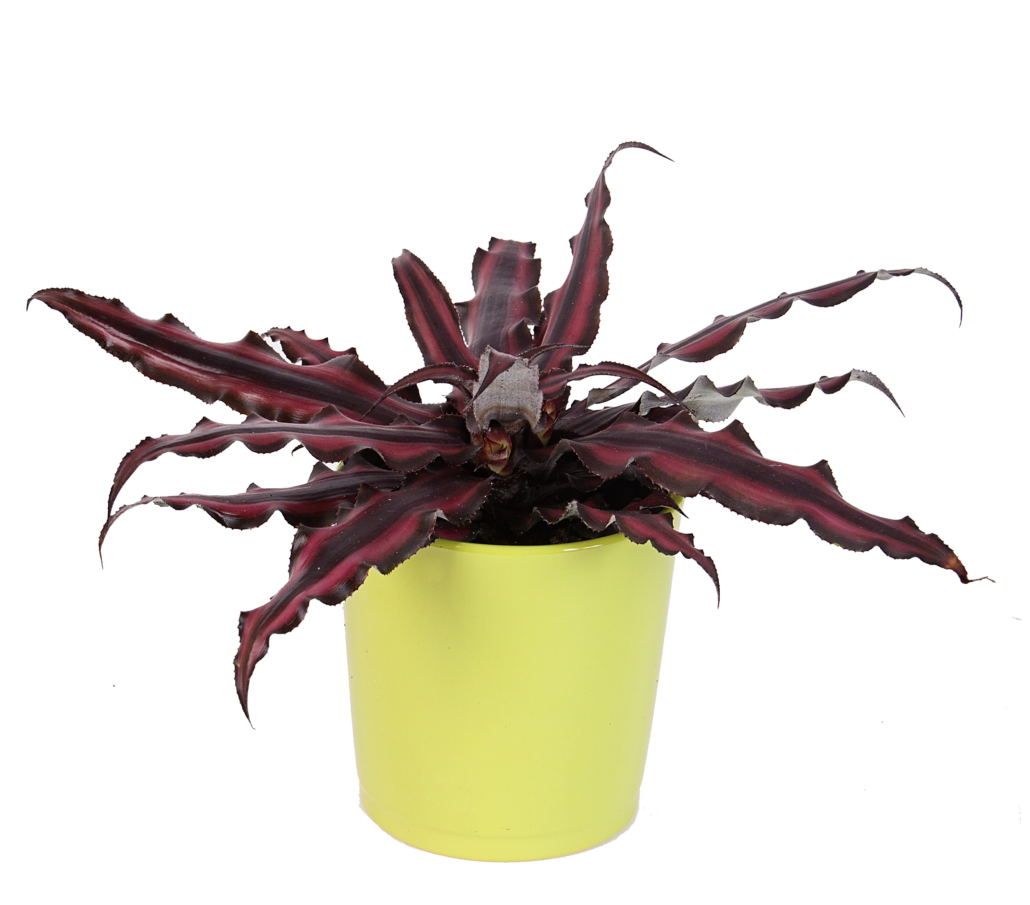
Photo courtesy of Costa Farms
Earth Star
With spiky edges and elongated “fingers”, the earth star plant is a creepy addition to your Halloween décor. Transfer into a spooky container and let it spread and it will look like something is crawling toward you. Keep in bright light to encourage growth.
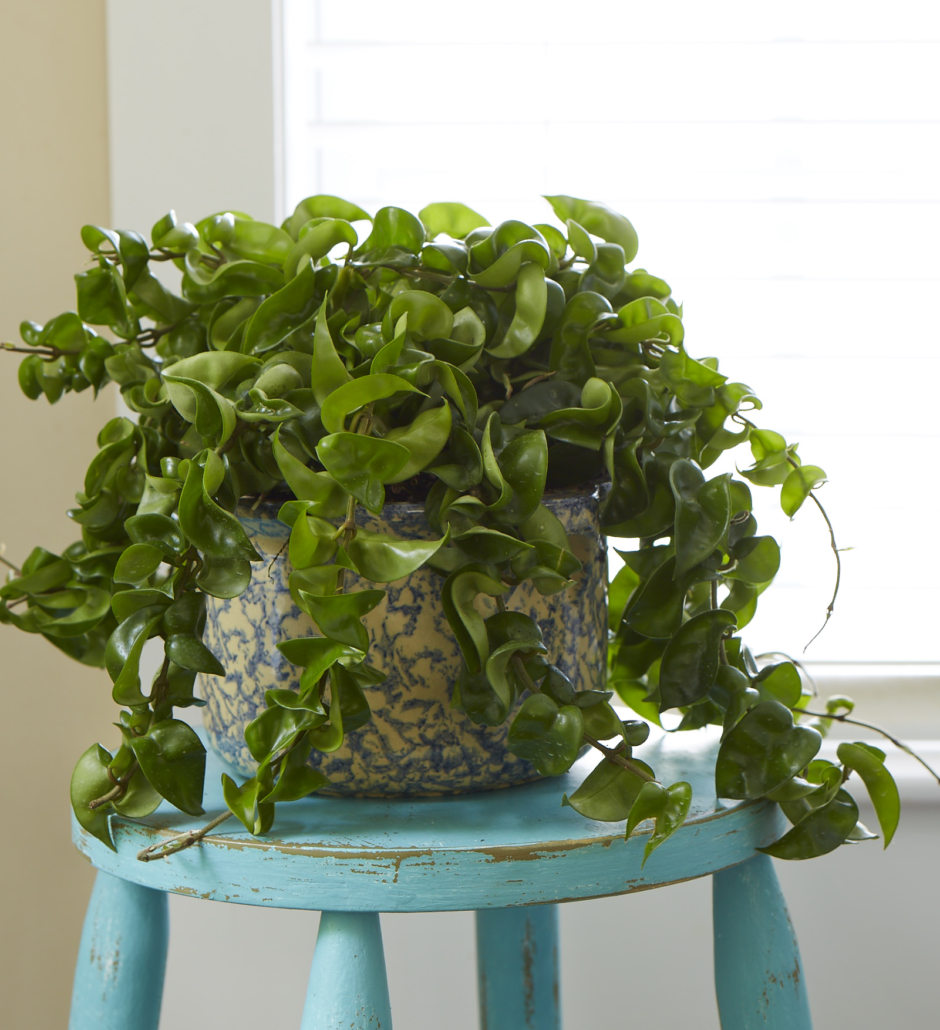
Photo courtesy of Costa Farms
Rope Plant
The rope plant’s foliage that twists and turns looks like something right out of a witch’s lair. Put a spell on your home with the shadows this plant gives off. The rope plant will flower and last up to a month.
Fun and spooky houseplants are the best way to bring live Halloween décor to your home. Feed as directed with Espoma’s Indoor! plant food.
Featured Products:
There’s no better way to enjoy your garden than by encouraging it to grow bigger and better. Before your summer veggies and flowers peak, take your garden to the next-level by refueling it.
Knock-out these 5 essential tasks and your garden will thank you. You’ll extend your summer season and ensure that your lawn and garden are in tip-top shape.
5 Ways to Give Your Summer Garden a Boost
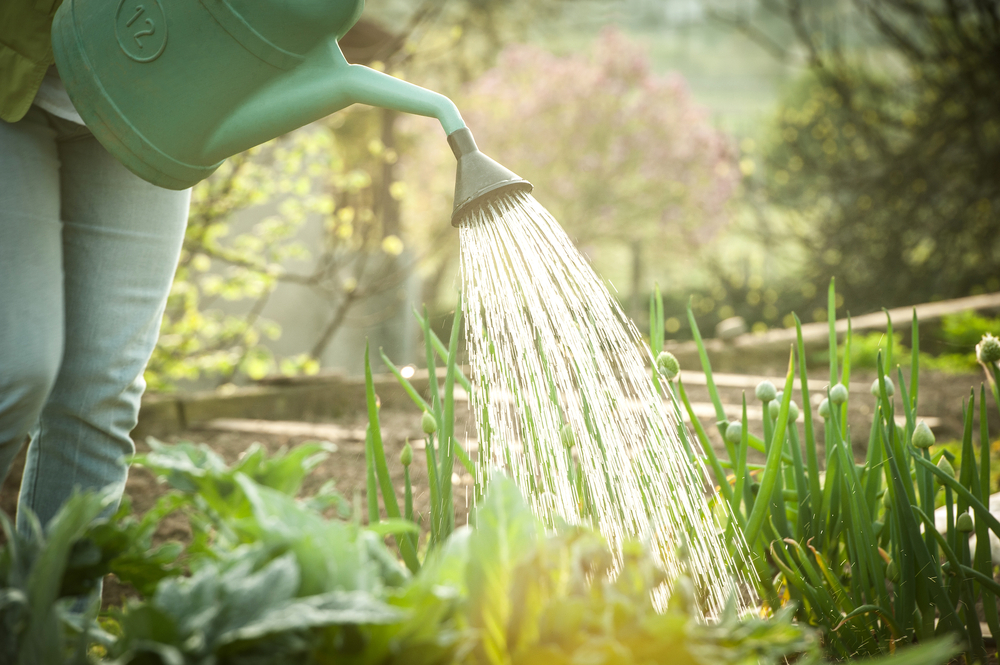
1. Hydrate. When it’s hot, dry and muggy, the best thing is a nice cold drink. Your plants need some H2O, too. The trick to keeping your garden hydrated during the hottest days is not to water more. It’s to water smarter. Water plants deeply in the morning so they have the entire day to soak it up.
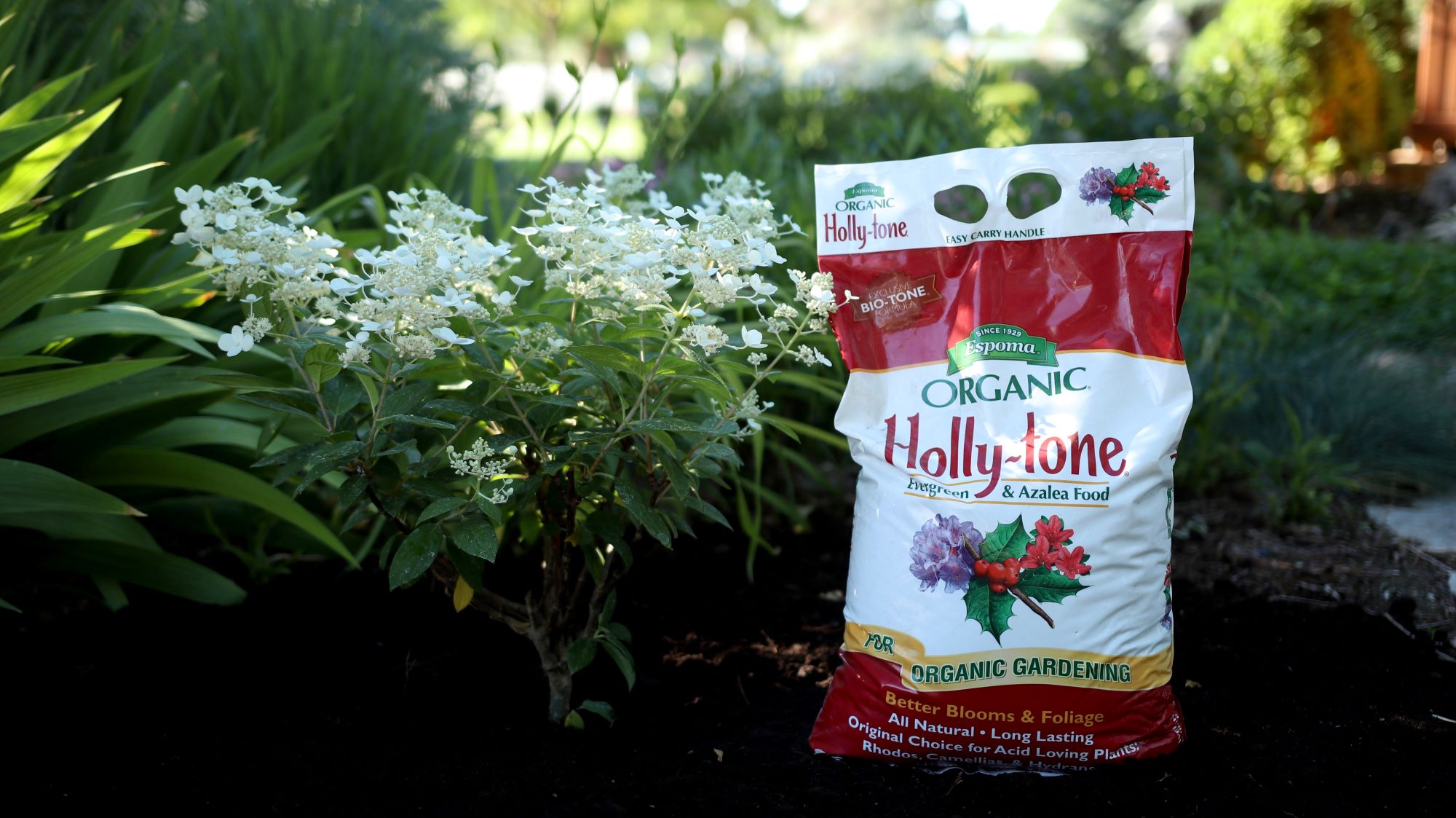
Image courtesy of Garden Answer
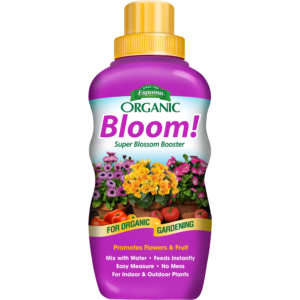
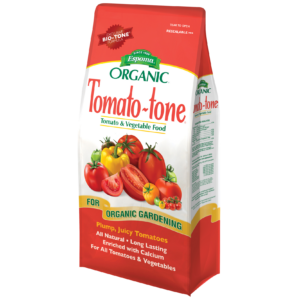
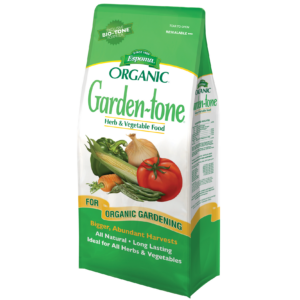
2. Keep plants fed. Your summer veggies and flowers are hungry. Feed hanging baskets, container gardens and annuals with liquid Bloom! plant food every 2 to 4 weeks. Vegetables such as tomatoes and peppers are heavy feeders. Continue to feed every 2 weeks with organic fertilizers Tomato-tone or Garden-tone.
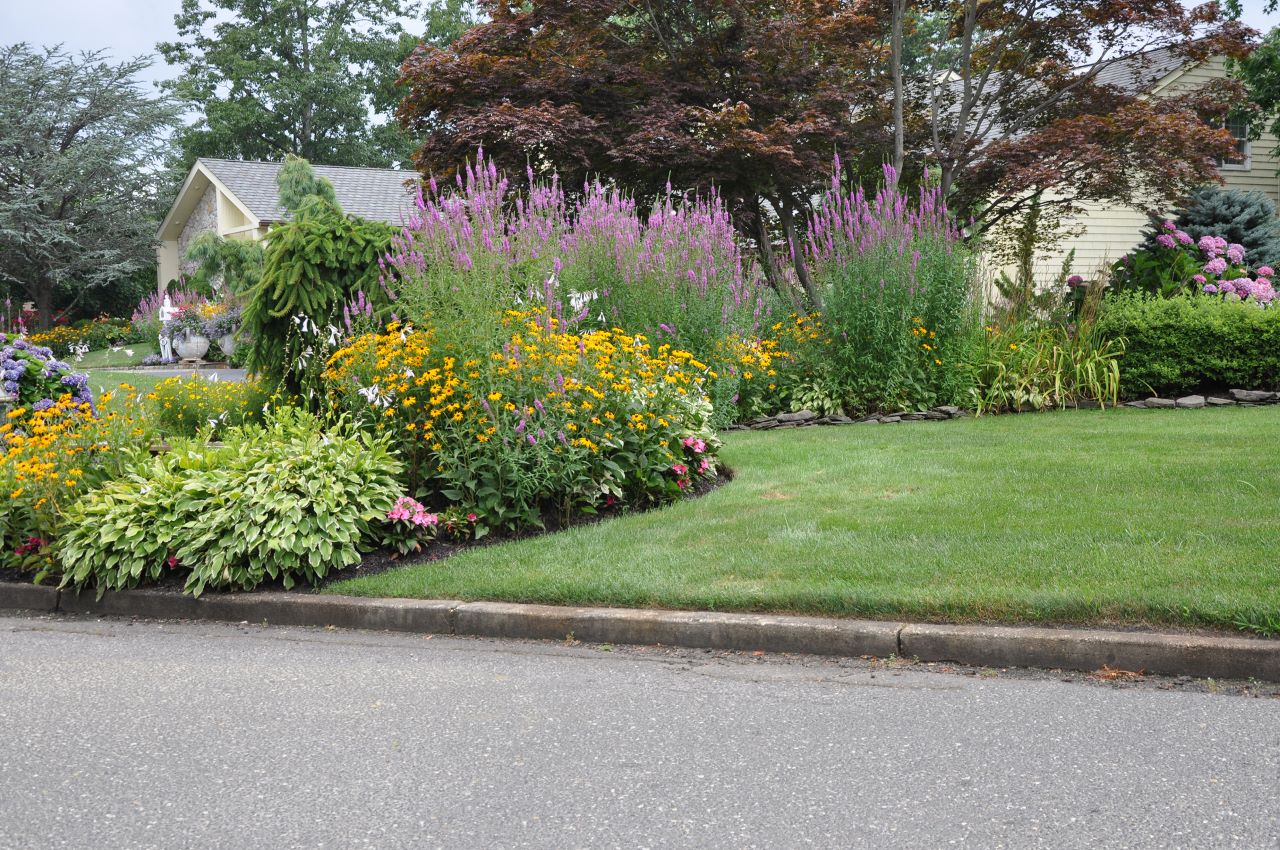
3. Prune and deadhead. Extend the life of perennials by deadheading flowers as soon as they are spent. This will encourage plants to keep blooming as long as weather permits. Your roses will thank you. Prune tomato suckers and shrubs now, for fuller plants later.

4. Mow lawns strategically. When mowing, keep the mower blades high (3” or higher) to encourage healthy roots. Cut grass in the evening to give it time to recover and keep yourself cool.
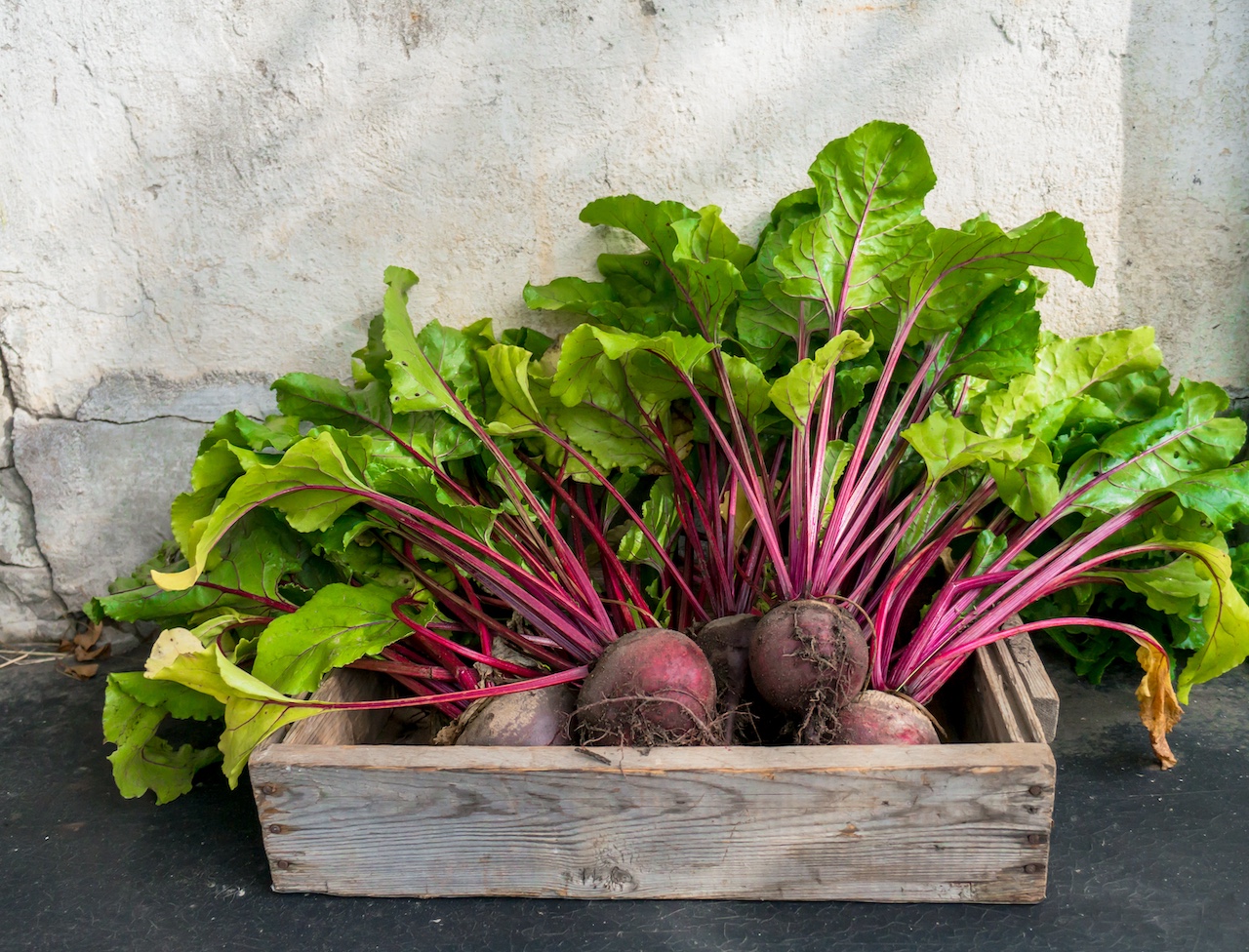
5. Plant more! There are many quickly maturing plants that will thrive in summer gardens and be ready for harvest in the fall. Try planting radishes, cucumbers, beans and more.
Sit back and relax! Take a good look at your hard work and dream about the rewards and bountiful harvests you’ll enjoy in the months to come.
If you’re looking to get a better tomato harvest this summer, be sure to check out our complete tomato guide!
*****
Featured Products: