Espoma Organic
  • Products
    • Close
    • Product Line Overview
    • Plant food finder
    • Garden Fertilizers
    • Potting Soils
    • Lawn Fertilizers
    • Liquid Fertilizers
    • Single Ingredients
    • Conventional Plant Foods
    • Animal Care Products
  • Where to Buy
  • Our Story
    • Close
    • Our Story
    • Locations
    • Historical Timeline
    • Our Commitment
    • Directions
    • Solar
    • Join our Team
    • Espoma Brand Partners
  • Learn
    • Close
    • Espoma Blog
    • FAQ’s
    • Pocket Guide
    • Espoma Guides
    • Garden Clubs
    • Safe Paws Lawn
    • PRODUCT FACT SHEETS
    • Fertilizer Fundamentals
      • Close
      • Understanding Plant Nutrition
      • Reading Labels
      • Choosing the Right Type of Fertilizer
      • Terms & Definitions
    • Gardening Projects
    • Resource Links
  • Contact Us
  • Menu Menu

Tag Archive for: flowers

2017 PHS Philadelphia Flower Show Highlights with Garden Answer

March 16, 2017/in Espoma Videos

The Espoma Company and Laura from Garden Answer visit the 2017 PHS Philadelphia Flower Show, “Holland: Flowering the World.” Bridges, windmills, canals and water gardens explore the architectural aspects of Holland. While a sea of 30,000 flowers reflects the traditionally grown bulbs. The natural and sustainable approach of the Dutch New Wave Movement is evident throughout the garden displays. And a not to miss light display illuminates the beautiful landscapes.

Want more? Check out the full version of our Philadelphia Flower Show tour with Garden Answer.

https://www.espoma.com/wp-content/uploads/2017/03/Highlight-Reel.jpg 1080 1920 espoma https://www.espoma.com/wp-content/uploads/2023/05/espoma-logo340w-1.png espoma2017-03-16 11:50:582024-08-30 14:41:562017 PHS Philadelphia Flower Show Highlights with Garden Answer

5 Reasons to Give Orchids This Valentine’s Day

February 7, 2017/in Indoor Gardening

There is more to a beautiful bouquet of flowers than what meets the eye. For centuries, flowers have been used as a means of expressing romantic sentiments and are symbolic of a beautiful, lasting relationship between two people.

Luckily, for this day dedicated to expressing your devotion and admiration there is a better option than cut flowers, choose orchids that will last all year! Delicate and graceful, orchids are a symbol of luxury, love, strength and beauty. Here are 5 reasons you should give orchids a chance this Valentines’ Day.

shutterstock_131800958

Five Reasons Orchids are The Best

  1. They’re Long-Lasting: An orchid’s blooms serve as a daily reminder that someone is thinking of you long past February 14th. When cared for properly, this exotic flower can last for several months and will continue to bloom year after year.
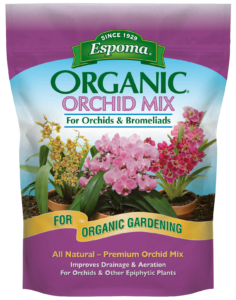
  2. Orchids are Easy to Care For: Your valentine does not need to be an expert gardener to keep an orchid alive. Even in the winter months, orchids are low-maintenance. For more blooms and better health, you can your plant feed bi-weekly with our liquid orchid fertilizer. Your orchid will need to be repotted each year after flowering, and Espoma’s Organic Orchid Mix will give them the nutrients they need to grow. Who knows, your gift of an orchid could inspire someone to take up gardening as a hobby!
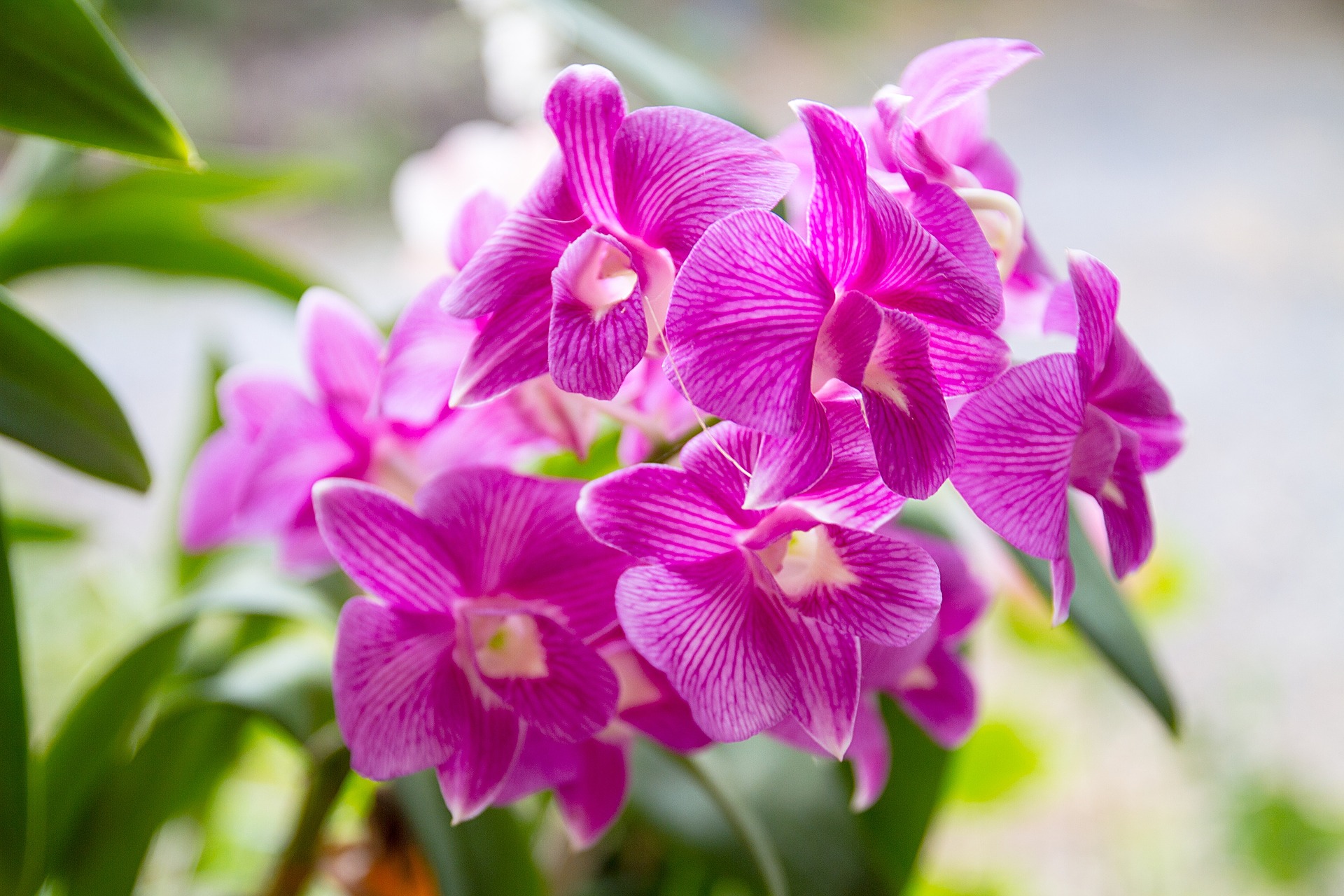
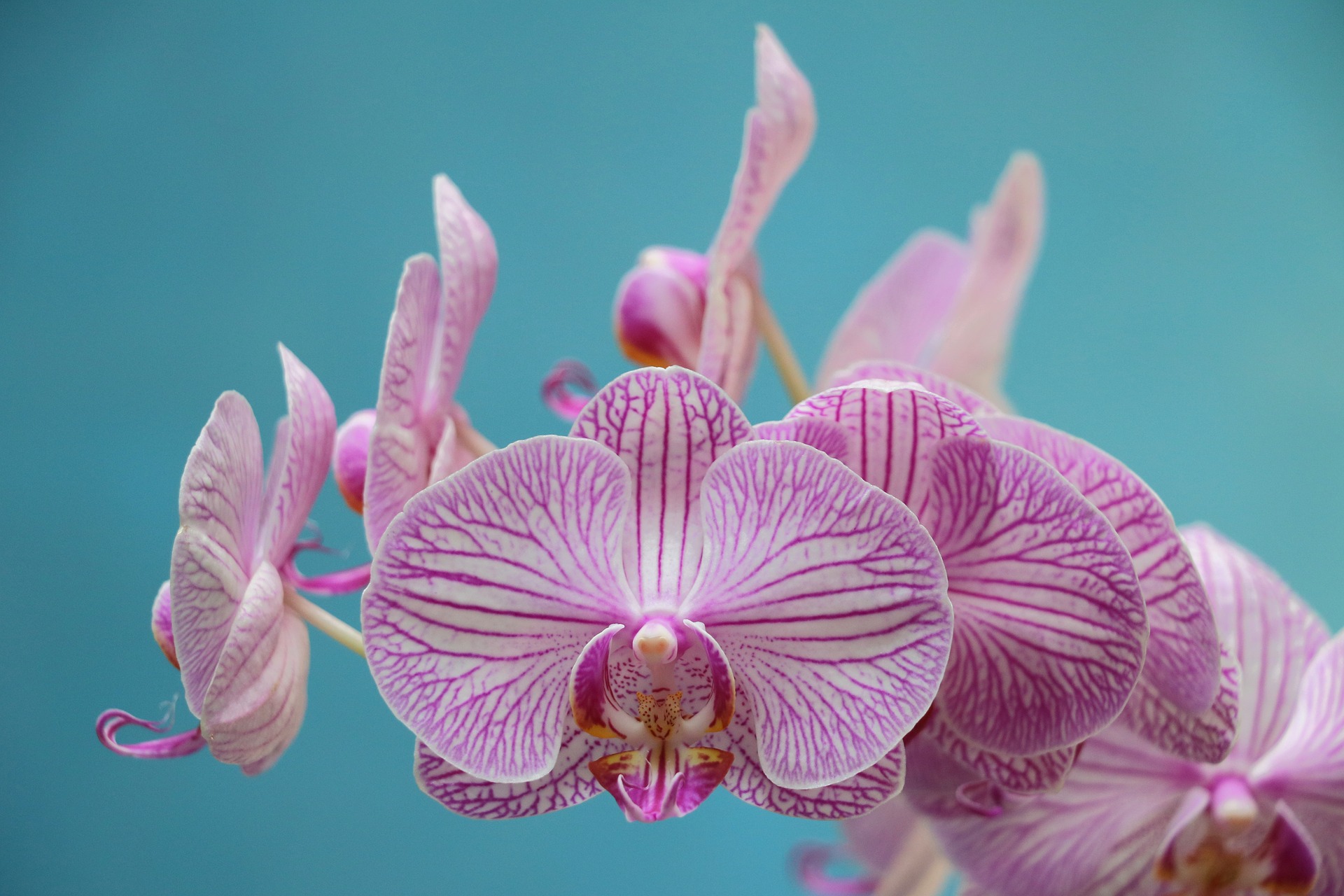
  3. The colors are stunning: Orchids come in a variety of spectacular colors and unique shapes. They have a dramatic presence whether they are a solid color, or have splashes and speckles. Coming in everything from white and light pink, to vibrant reds, oranges, and purples, you will be able to find the perfect orchid to match your valentine’s personality.
  4. Orchids have exotic flair: Coming from far off places such as Hawaii and South America, orchids are said to be reminiscent of the tropics. Their exotic nature sets them apart from the traditional rose and will send a special message to your significant other.
  5. They perk up your home: An orchid’s lifespan combined with its beauty makes it a great way to add an affordable splash of color to any room without spending significant time and money on redecorating efforts

This Valentine’s Day, tell your significant other how valued they are by giving the gift of an orchid.

Help orchids stay beautiful year-round. Watch this video to find out how!

https://www.espoma.com/wp-content/uploads/2017/02/shutterstock_26543839.jpg 850 1280 espoma https://www.espoma.com/wp-content/uploads/2023/05/espoma-logo340w-1.png espoma2017-02-07 08:00:432019-05-07 10:03:485 Reasons to Give Orchids This Valentine’s Day

Common Orchid Problems and How to Fix Them

January 31, 2017/in Indoor Gardening

It’s a myth that orchids are difficult to grow. In fact, they are highly adaptable and fairly low- maintenance plants. The hardest part might be choosing an orchid. There many types of orchids to choose from, and while some are more temperamental, plenty will thrive in in your home.

With that being said, they are susceptible to problems like any other houseplant. Take a look at these common orchid questions and find out what you can do to fix them.

shutterstock_131800958

Why is my orchid’s foliage changing colors?

Orchids are especially sensitive to environmental changes. The problem in this case is likely due to the lighting conditions. If orchids receive too much light, the tissues to yellow. If they don’t receive enough light, they develop dark spots. It can help to gradually expose your orchid to more light over time and to keep it by a window that is shaded by a sheer curtain.

Help! My orchid’s buds are drying up without any sign of pests or disease!

This is a common problem with orchids and again, a good indication of an environmental problem. Bud Blast is a condition where buds dry up and die. This is typically caused by an environment that is not humid or bright enough, but could also be a result of incorrect watering. Orchids should be watered about once per week, allowing the soil to dry out in between. Dropping your home’s temperature by about 10 degrees at night can help initiate flower buds.

My orchid has a sticky substance on its surface, is it harmful?

If you see small white ovals along with the sticky substance, then it is harmful. The sticky substance is left behind by scale pests, which can be treated with an organic insecticide soap. If white ovals aren’t visible, it is harmless and simply due to a drop in temperature.

The leaves of my orchid are turning to mush and the roots look like they are rotting. What am I doing wrong?

Due to the high humidity levels that orchids need to survive, they are at a higher risk for fungal and bacterial diseases. This can lead to conditions like root rot and spots on flowers and leaves. Remove severely damaged leaves using sterile tools and treat plants with a copper based spray.

The orchid’s roots are growing above the soil; does it need to be repotted?

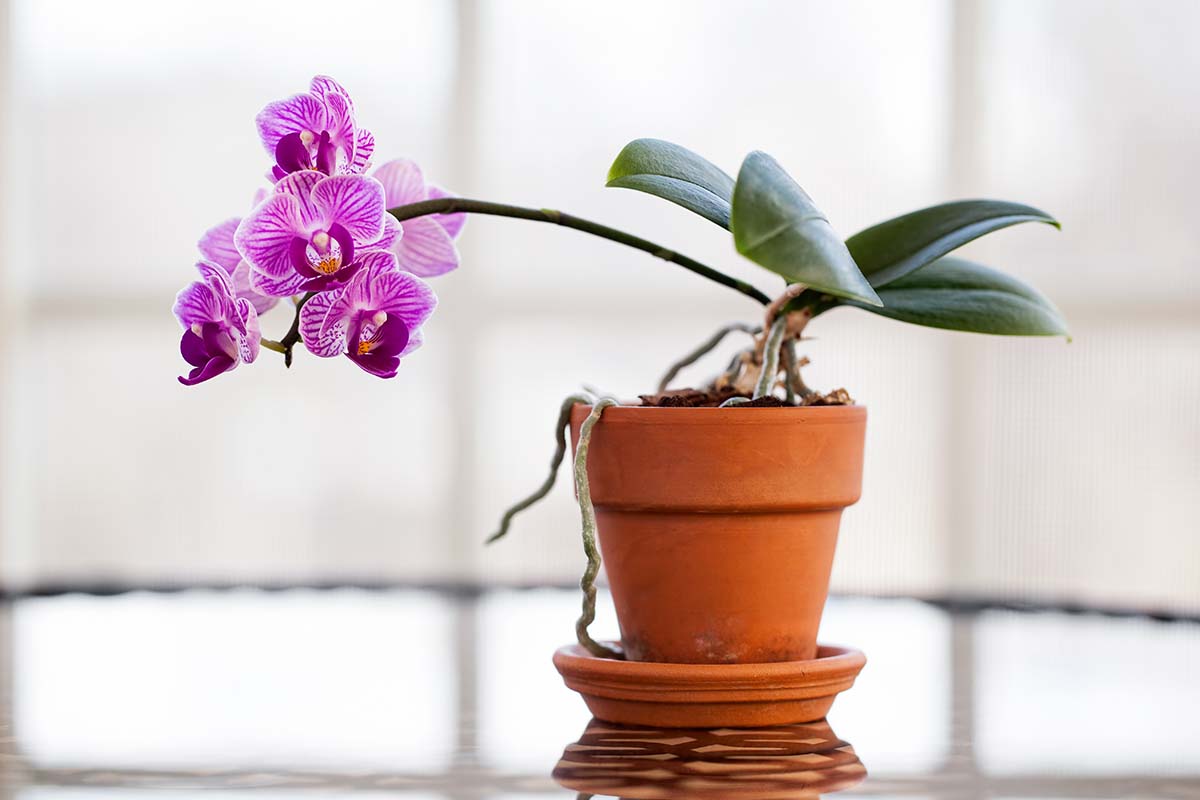
These are called “air roots” and are normal for orchids. Air roots can actually be helpful. Orchids generally need to be re-potted once a year. It’s time to re-pot when you see: yellow foliage, lack of growth or dead or damage roots, or the plant starts growing over the edge of the pot. The best time to re-pot is just after flowering, or when new growth appears. Use Espoma’s Organic Orchid Mix for best results.

Many orchid issues are not as serious as they seem. What may appear as a problem can sometimes be helpful in determining what set of conditions your orchid prefers to grow in.

Ready to know more? Learn what orchids need. 

https://www.espoma.com/wp-content/uploads/2017/01/shutterstock_491195248.jpg 2922 4384 espoma https://www.espoma.com/wp-content/uploads/2023/05/espoma-logo340w-1.png espoma2017-01-31 08:00:382024-08-21 04:48:21Common Orchid Problems and How to Fix Them

VIDEO: Orchid Care 101 with Garden Answer!

January 24, 2017/in Blog, Espoma Videos, Flowers, Garden Answer, Indoor Gardening, Indoor Gardening

Laura from Garden Answer demonstrates how to care for moth orchids, also known as Phalaenopsis orchids. Repot, fertilize and give orchids exactly what they need to help them thrive.

For this project, you will need:

  1. Moth orchid
  2. Organic orchid mix
  3. Orchid pot with holes
  4. Watering can
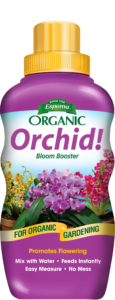
  5. Orchid! Bloom Booster


Featured Products:

Where to Buy

https://www.espoma.com/wp-content/uploads/2017/01/IMG_2375.jpg 3072 5472 espoma https://www.espoma.com/wp-content/uploads/2023/05/espoma-logo340w-1.png espoma2017-01-24 08:00:192024-09-07 08:03:09VIDEO: Orchid Care 101 with Garden Answer!

Picking and Caring for Orchids

December 6, 2016/in Indoor Gardening

With showy flowers that stay in bloom for months, orchids have a flair for the dramatic.

While these plants are show-stoppers with blooms that last for months, orchids are surprisingly easy.

There are so many benefits to having houseplants, why not add an orchid to your collection?

The hardest part of orchids is choosing which type since they are available in a wide range of spectacular colors and exotic shapes. Choose an orchid in a single color such as white, pink, fuchsia or yellow for a pop of color. Or for a more captivating look, choose one with expressive splashes of color.

Keep orchids happy and blooming for months with these simple tips.

orchid-1594602_1920

Picking Your Orchid:

  1. Bloom power. A plant loaded with flower buds with only a few flowers fully opened will provide the most reward. The rest of the buds will open at home.
  2. Healthy glow. Look for a plant with firm, bright green leaves. Check that roots that are not brown or shriveled.
  3. The right temperature. A few minutes of too hot or too cold temperatures can impact new blooms. Help your new orchid to transition easily by not leaving it in the car for too long.

orchid-1677518_1920

Caring for Your New Orchid:

  1. A New Home. Orchids like bright light, but not direct sun. Avoid cold, drafty spots.
  2. Water right. Allow water to flow through drainage holes then drain excess water completely. This is best done in the sink. Water again only when soil is completely dry or the pot feels light.
  3. Just right nutrients. Feed with our liquid orchid fertilizer for more blooms and a healthy plant.
  4. Wait for more blooms. Once all the orchid flowers have withered, cut back stem halfway. If the stem has turned brown or died, cut back to the base of the plant.
  5. Repot when needed. Orchids generally need to be re-potted once a year. It’s time to re-pot when you see: yellow foliage, lack of growth or dead or damage roots, or the plant starts growing over the edge of the pot. The best time to re-pot is just after flowering, or when new growth appears. Use Espoma’s Organic Orchid Mix for best results.

Brown thumbs can easily turn green. Learn more about caring for houseplants here.

https://www.espoma.com/wp-content/uploads/2016/12/orchids-1590724_1920.jpg 1280 1920 espoma https://www.espoma.com/wp-content/uploads/2023/05/espoma-logo340w-1.png espoma2016-12-06 12:38:212024-08-21 04:51:28Picking and Caring for Orchids

Fall Gardening Checklist

September 13, 2016/in Fall Gardening

September marks the turn of a new leaf. The hot summer weather is fizzling out in favor of cool, crisp fall breezes, prompting bonfires, football games, and pumpkin everything.

For gardeners, fall can be one of the busiest seasons. Often, gardeners juggle wrapping up their summer harvests with the responsibilities of preparing for the coming seasons.

With this to-do list from Homestead Gardens, you’ll be ready to fall in love with fall, and with some extra preparation, you’ll be better prepared for winter and spring, too!

organic vegetable gardening, edible schoolyard project, top reasons to start a garden

7 Things To Do in the Garden This Fall  

1. Deadhead to get Ahead

Freshen up flowerbeds by deadheading and removing plants that have stopped blooming. Do maintenance in the morning before the weather gets too hot.

2. Don’t Stop Planting.

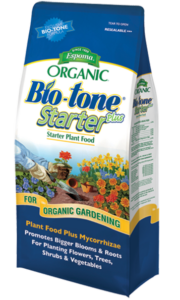
After you’ve harvested your remaining summer veggies, you can plant fall crops and begin transplants! Use Espoma Organic Bio-tone Starter Plus at the time of planting to ensure your new or transplanted plants have the nutrients they need for establishment.

3. Serve… or Preserve. Have more vegetables and herbs than you know how to handle? Preserve your harvest. Experiment with making jams or pickles, and try freezing raw fruit, veggies, or herbs. Make sauce out of your tomatoes, or slow-roast them.

4. Flower Power

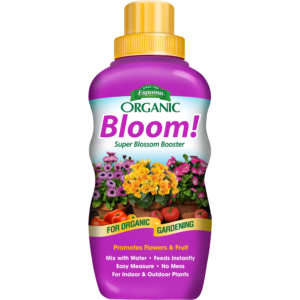
Keep your annual flowers blooming as long as possible! The key to success? Use Espoma’s Bloom! liquid fertilizer.

5. Watch out for Winter!

Start winterizing your garden’s watering system. Keep an eye out for the first few frosts of the season, and cover plants when necessary. Gradually transition your summer houseplants back indoors.

dahlias-1642686_1920

6. Divide and Conquer

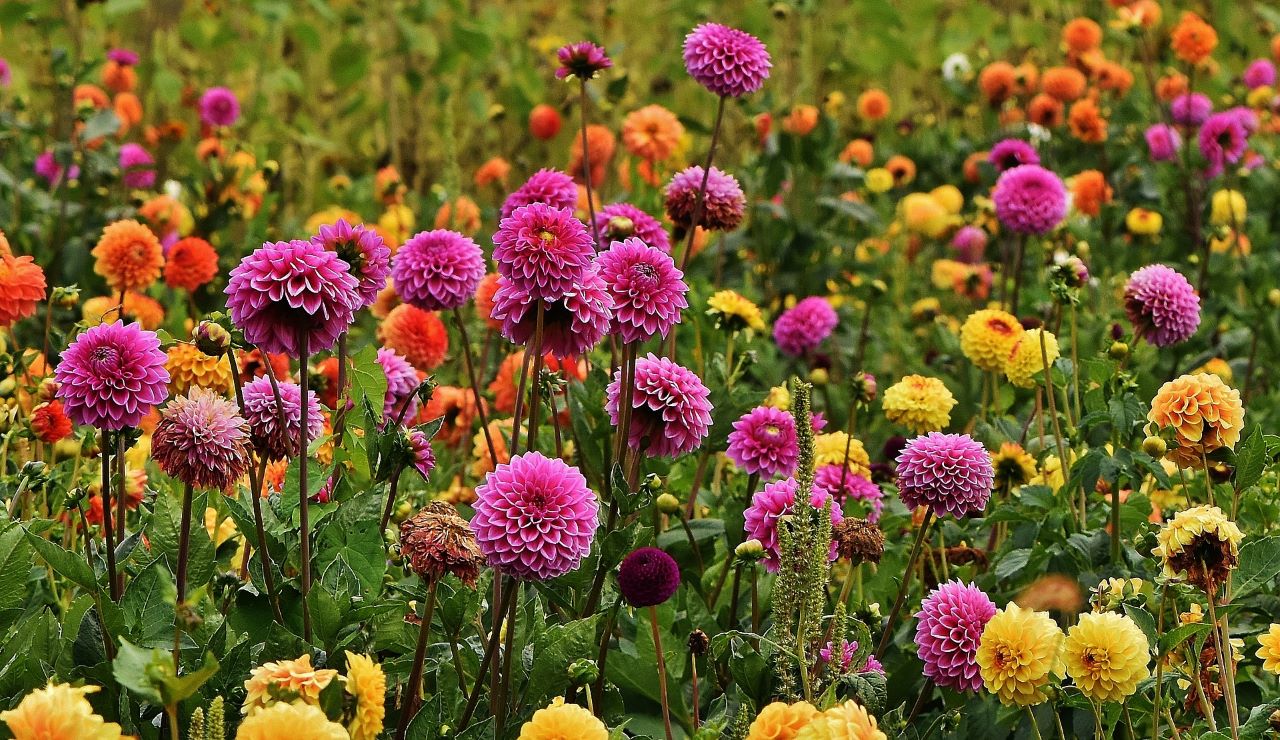
Divide and split your perennials, dig and store tender bulbs like dahlias and caladiums, and start planting spring-flowering bulbs.

7. Red, Dead Ahead!

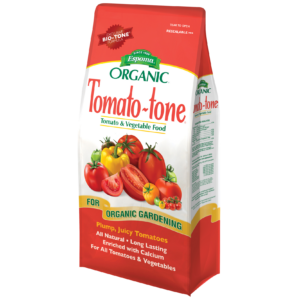
Are your tomato plants lacking fruit? Producing dull leaves? Sprinkle some Tomato-tone to give them a final boost.

*****

With these tips, your fall landscape will look its best.

Do you have a picture of your fall garden that you’d like to share? Drop by our Facebook page!


Featured Products:


Where to Buy

https://www.espoma.com/wp-content/uploads/2016/09/chrysanthemum-1013083_1920.jpg 1280 1920 espoma https://www.espoma.com/wp-content/uploads/2023/05/espoma-logo340w-1.png espoma2016-09-13 08:00:122025-09-22 14:30:04Fall Gardening Checklist

Plant A Fall Container

September 7, 2016/in Espoma Videos

Laura from Garden Answer shows you how to plant a fall container that will add beauty to your landscape all season long.

https://www.espoma.com/wp-content/uploads/2016/09/IMG_0745.jpg 3072 5472 espoma https://www.espoma.com/wp-content/uploads/2023/05/espoma-logo340w-1.png espoma2016-09-07 12:00:112019-05-07 10:04:21Plant A Fall Container

Grab Your Books for a Lesson in Gardening 101

September 6, 2016/in Blog, Fall Gardening

Back to Gardening School: A Fresh Start for Your Garden

Remember the excitement of a new school year? Fresh notebooks, a backpack ready for adventure, and the feeling that anything was possible. That same sense of renewal is waiting in the garden this season.

Whether you’re just starting out or brushing up on your skills, it’s the perfect time to get back to the basics. Sharpen those tools (and pencils) and let’s head to Gardening School.
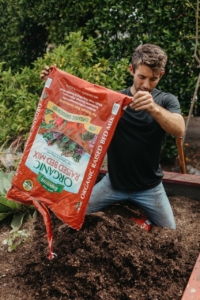
Farmer Nick dumping Espoma Raised bed Mix into a raised garden bed

1. Build a Strong Foundation

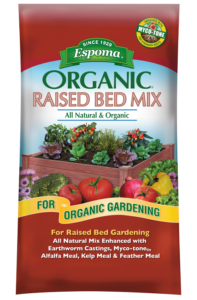
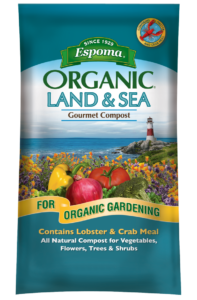
Every successful garden begins with healthy soil. Start with a quick soil test to understand what nutrients your garden may be missing, then build from there. For raised beds, fill them with a rich blend of natural ingredients—like those in Espoma Organic Raised Bed Mix—to create the perfect growing environment. Adding an organic compost such as Espoma Organic Land & Sea Gourmet Compost further improves soil structure, boosts moisture retention, and encourages healthy microbial activity. For container plantings, Espoma Organic All-Purpose Potting Mix provides the ideal balance of drainage and organic matter to keep roots thriving. And whenever new plants go in the ground, a starter fertilizer like Espoma Organic Bio-tone Starter Plus helps them establish quickly by supporting strong, resilient root growth. With the right foundation beneath the surface, the garden above will flourish.
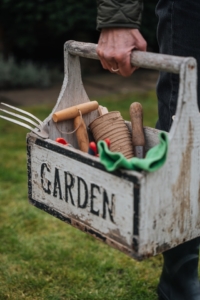
old garden tools

2. Check Your Supplies

Just like gathering fresh notebooks and sharpened pencils, gardeners should review their tools. Replace cracked handles, rusty clippers, or wobbly rakes so nothing slows you down during the season. A little care and preparation now saves frustration later and makes gardening smoother and more enjoyable.
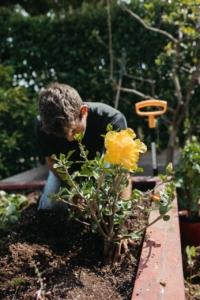
Farmer Nick planting a flowering plant

3. Redefine Your Garden’s Style

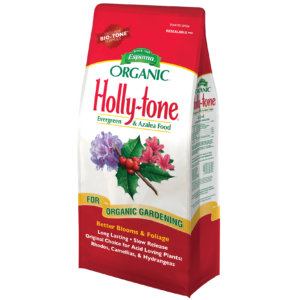
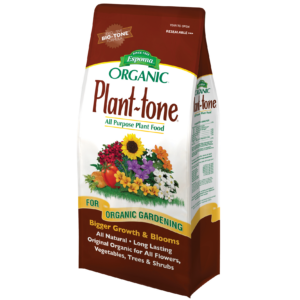
A new season is the perfect time to refresh the look of the garden. Whether the goal is calm and classic or bold and colorful, the right nutrition helps plants live up to their potential. Espoma Organic Plant-tone provides complete, balanced nutrition for a wide variety of plants, while Espoma Organic Holly-tone supports acid-loving favorites such as azaleas, rhododendrons, and hydrangeas. Feeding properly is the simplest way to bring a dream garden style to life.
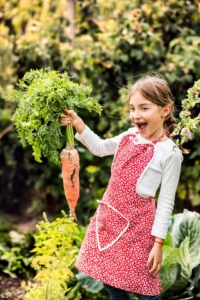
little girl holding a carrot

4. Learn From Last Season

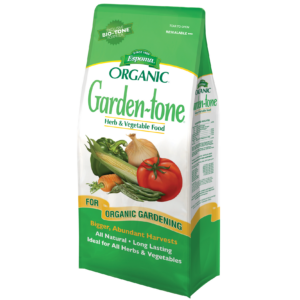
Every garden has its victories and its challenges. Take time to reflect on what thrived and what struggled, then plan for improvement. Espoma Organic Garden-tone is specially formulated for vegetables, helping ensure bigger, tastier harvests season after season. When planting new crops or ornamentals, Espoma Organic Bio-tone Starter Plus gives roots the boost they need to grow stronger and more resilient than before. Each new season builds on last year’s lessons with the right nutrition.
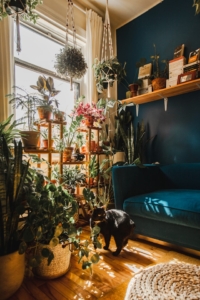
indoor plants

5. Don’t Forget Your Indoor Plants

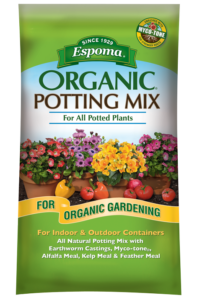
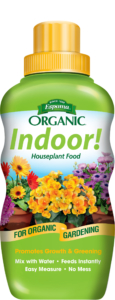
While outdoor gardens take the spotlight, houseplants need care too. Feeding them regularly keeps leaves lush, colors vibrant, and growth steady all year long. Espoma’s Indoor! organic liquid fertilizer makes it easy to give houseplants the nutrition they need with every watering. When repotting, Espoma Organic Potting Mix provides the perfect organic base to keep indoor plants healthy and happy. A thriving indoor garden completes the picture of a gardener’s success.
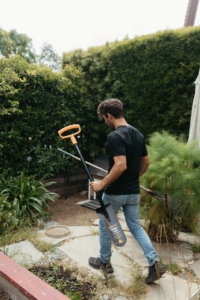
Farmer Nick holding a shovel

6. Sharpen and Shine

Tools are the unsung heroes of every garden. Taking time to clean, sharpen, and maintain them ensures they last longer and work more effectively. Well-maintained tools make every gardening task easier, allowing more energy to be devoted to growing beautiful, thriving plants.

7. Grow Your Community

Gardening is even better when knowledge is shared. One of the most valuable tips to pass along is to start every planting with a quality organic starter fertilizer like Espoma Organic Bio-tone Starter Plus to set roots up for success, and then feed with Espoma Organic Plant-tone throughout the season to keep growth steady and strong. These trusted essentials have been used by generations of gardeners, and passing them along helps the whole community grow stronger together.
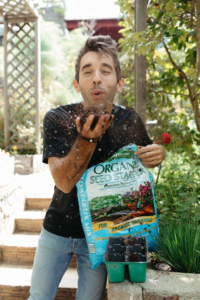
Graduation Time!

Congratulations—you’ve completed your Back-to-Gardening School crash course! Toss those gardening gloves in the air, because the lessons learned here will lead to healthier plants, bigger harvests, and gardens worth celebrating.

At Espoma, teaching organic gardening practices has been a passion since 1929. With products that are safe for people, pets, and the planet, Espoma is here as a mentor and partner on every gardener’s journey. Class dismissed—now go grow with confidence!

Farmer Nick & PlantKids Course 

Looking for a fun way to introduce kids to gardening? Check out our brand partner Farmer Nick’s course, The Adventures of Farmer Nick and Plant! Designed for children ages 4 and up, this 10-episode series inspires a love of gardening and plant science through hands-on lessons. Sometimes silly, always fun, it’s a playful way to spark curiosity and delight both kids and adults alike.

*****

Featured Products:
Espoma Organic Bio-tone Starter Plus Bag Image Espoma Organic Holly-tone Organic Fertilizer for all acid loving plantsEspoma Organic Plant-tone organic fertilizerEspoma Organic Garden-tone Espoma Organic Potting soil Mix Big bag Espoma Raised Bed Mix bag Espoma Organic Land and Sea Espoma Organic Indoor! liquid plant food - Organic fertilizer


Where to Buy


https://www.espoma.com/wp-content/uploads/2016/09/9V2A7296.jpg 1280 853 espoma https://www.espoma.com/wp-content/uploads/2023/05/espoma-logo340w-1.png espoma2016-09-06 12:00:482025-09-12 17:16:48Grab Your Books for a Lesson in Gardening 101

Container Garden Tip: Extend Summer Color! 🌸

May 31, 2016/in Blog, Flowers

4 Tips to extend the life of containers for a summer of color.


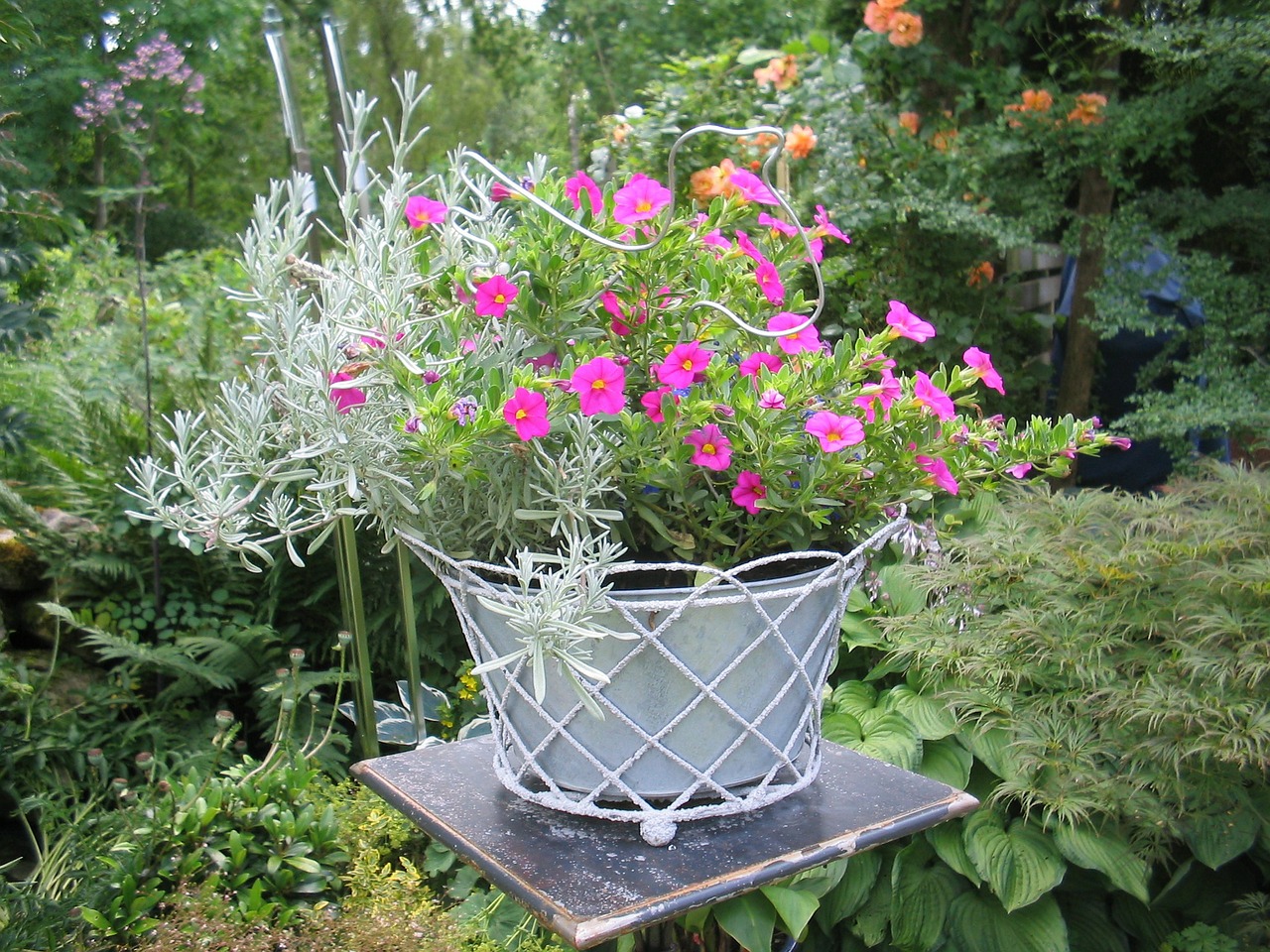
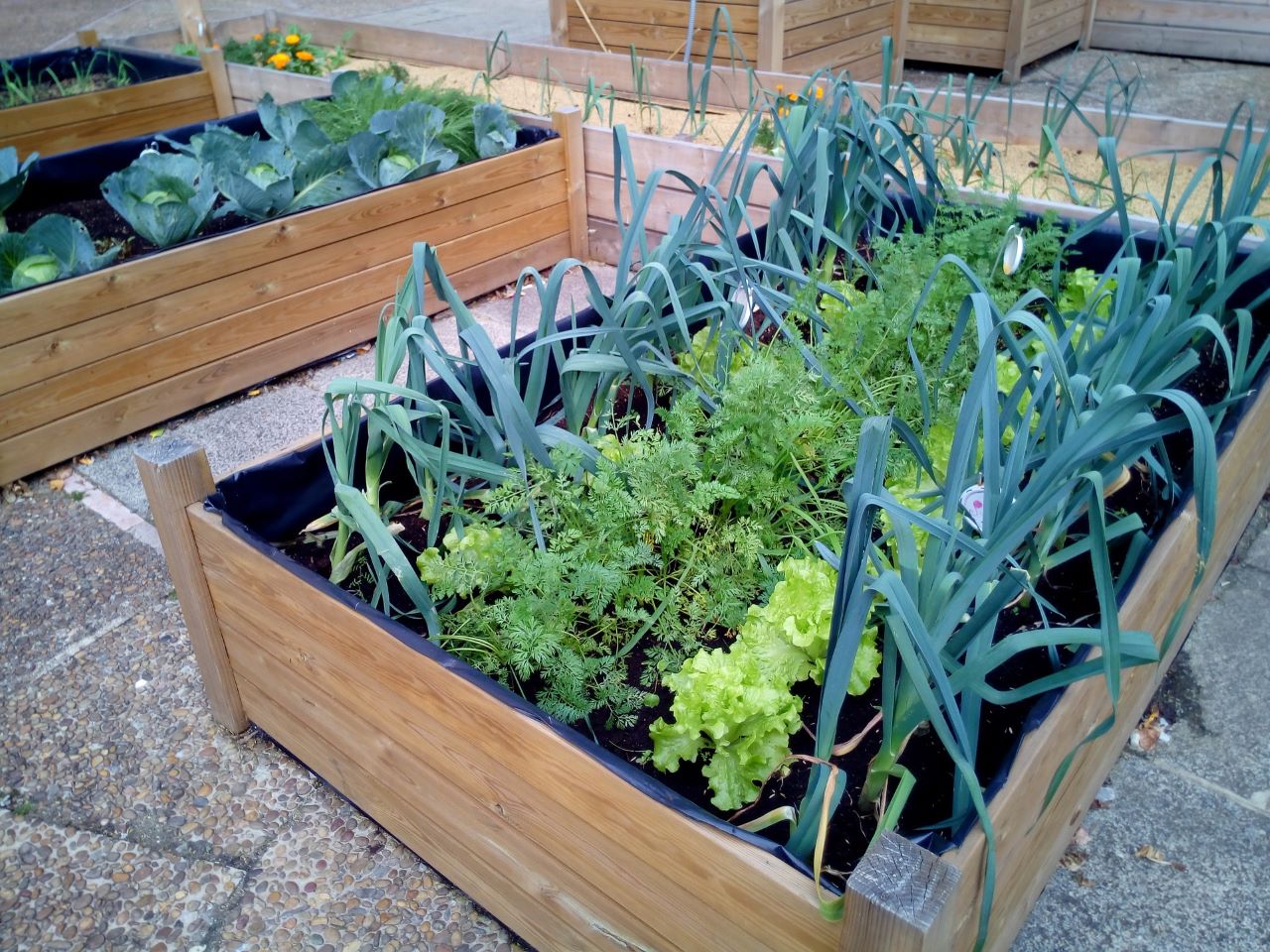
Containers filled with bright blooms are great additions to any patio, yard, or landscape. Containers help add beautiful pops of color and are easy to maintain with the right care.

Before summer’s heat and dry conditions get the best of them, give containers what they need to extend their life into summer with these 4 easy tips.

liquid fertilizer, potting soil, container gardening

1. Deadhead. Use pruners or shears to snip off dead or dying flowers, stems, and foliage. This is called deadheading. Don’t be afraid to clip stems back a little to encourage new growth. This not only makes the plant look better, it helps encourage more blooms.

Hint: Want even less work? You can always opt for plants that do the deadheading on their own, like Million Bells.

liquid fertilizer, potting soil, container gardening

2. Feed. Feed established containers with our Bloom! liquid fertilizer to promote & prolong flowering or sprinkle granular plant food, like Plant-tone, on the soil surface and gently work in and water thoroughly.


3. Water. Containers need to be drenched – generally every day – and make sure to get the roots. Water the container until it pours from the drainage holes. Be sure to empty saucers to keep roots from getting waterlogged.


4. Replace. If all else fails, simply replace the leggy or tired plants in your container garden with late-season bloomers, like ornamental cabbage, coneflowers or sedum.

Now that your containers are taken care of, sit back and enjoy the extra color that will surround you while enjoying the beauty and warmth of summer!

*****

Featured Products:


Where to Buy

https://www.espoma.com/wp-content/uploads/2016/05/plants-252104_1920.jpg 1440 1920 espoma https://www.espoma.com/wp-content/uploads/2023/05/espoma-logo340w-1.png espoma2016-05-31 08:00:162025-08-26 14:50:43Container Garden Tip: Extend Summer Color! 🌸

Prune Hydrangeas a Cut Above the Rest

April 18, 2016/in Flowers
Guide to Growing Hydrangeas Here

Hydrangea care, specifically pruning, doesn’t have to be complicated. Honest. Even those who have been gardening for years still have questions about how to prune hydrangeas.

Discover our secrets to pruning hydrangeas.

Hold Up! How to Prune Hydrangeas

hydrangea care, hydrangea color, growing hydrangas

Hone in on Hydrangeas. Before you prune hydrangeas, you need to know which type you have. If you planted a hydrangea from our Hydrangea Guide, your answer is just a click away.

Take the quiz below to find out what type of hydrangea you have and when to prune.

Does your hydrangea bloom most of the season?

  • Yes? You have a new variety of hydrangea, such as an Endless Summer. If you’re planning on re-shaping, prune in fall after the final blooms. However, you can prune these at any time.

 Does your hydrangea have blooms in early summer that fade away by mid-summer?

  • Yes? You have a bigleaf, modheap, lacecap or oakleaf hydrangea that blooms on old wood. Prune these right as their flowers begin to fade to maximize next year’s blooms. Whatever you do, don’t prune in the late fall, or you’ll remove next year’s flower buds.
  • Pruning Old Wood Hydrangeas. Cut off any dead, diseased or deformed canes. Also, remove any branches that rub. Cut canes off close to the ground. If the hydrangea is older and has smaller blooms, remove up to 1/3 of the oldest canes. If the hydrangea is too tall, cut off the tallest canes.

 hydrangea care, hydrangea color, growing hydrangasDoes your hydrangea start to bloom in mid-to-late summer and flower until the first frost?

  • If yes, you’re the proud owner of a panicle or smooth hydrangea that blooms on new wood. Prune in winter or early spring before they start growing.
  • Pruning New Wood Hydrangeas. For the biggest flowers, prune shrubs to the ground. Over time, this pruning method weakens the plant. If you want to keep hydrangea’s long-term health in mind, cut back canes to 18-24”. Also, prune canes to 18-24” if you’ve noticed your hydrangea flops to the ground due to heavy blooms.

Do you have a climbing hydrangea that grows upward?

  • If yes, prune in late spring or early summer. Skip pruning during their first year, though.
  • Pruning Climbing Hydrangeas. When pruning, remove any dead, diseased or rubbing branches.

 P.S. You can still can deadhead hydrangeas at any point.

There you have it! Now you know how to prune hydrangeas. Impress your friends with this knowledge or by teaching them how to change hydrangea color!

Guide to Growing Hydrangeas Here
https://www.espoma.com/wp-content/uploads/2016/04/hydrangea-696587_1920.jpg 1440 1920 espoma https://www.espoma.com/wp-content/uploads/2023/05/espoma-logo340w-1.png espoma2016-04-18 12:37:012022-04-13 11:19:33Prune Hydrangeas a Cut Above the Rest
Page 18 of 20«‹1617181920›»
Where to Buy

Get News & Updates

Recent Posts

  • VIDEO: A Formal Garden Tour with Summer Rayne Oakes
  • VIDEO: Repotting in the Greenhouse with Garden Answer
  • VIDEO: How to Winterize Your Chicken Coop with Summer Rayne Oakes
  • VIDEO: Planting Spring Bulbs in Containers 🪴🌷 with Summer Rayne Oakes
  • VIDEO: Planting the Last Bulbs of the Season with Garden Answer

Tags

All-Purpose Potting Mix bio-tone Bio-tone Starter Bio-tone Starter Plus Cactus Mix caring for houseplants Container Gardening DIY project Espoma espoma grown espoma organic Espoma Organics Espoma Video fall gardening Family fert flower garden flowers garden Garden Answer Gardening gardening tips gardens grow holly-tone houseplants Indoor! indoor gardening indoor plants Kaleb Wyse organic organic fertilizer Organic Gardening organic plant food Organic Potting Mix Outdoor Gardening Planting plants Potting Mix potting soil Spring Gardening summer rayne oakes vegetable garden Vegetable Gardening Wyse Guide

Espoma. A Family Tradition Since 1929.

Espoma Organic logo
  • Espoma Dealer
  • Espoma Pro
  • Garden Club
  • Privacy Policy

Scroll to top