Espoma Organic
  • Products
    • Close
    • Product Line Overview
    • Plant food finder
    • Garden Fertilizers
    • Potting Soils
    • Lawn Fertilizers
    • Liquid Fertilizers
    • Single Ingredients
    • Conventional Plant Foods
    • Animal Care Products
  • Where to Buy
  • Our Story
    • Close
    • Our Story
    • Locations
    • Historical Timeline
    • Our Commitment
    • Directions
    • Solar
    • Join our Team
    • Espoma Brand Partners
  • Learn
    • Close
    • Espoma Blog
    • FAQ’s
    • Pocket Guide
    • Espoma Guides
    • Garden Clubs
    • Safe Paws Lawn
    • PRODUCT FACT SHEETS
    • Fertilizer Fundamentals
      • Close
      • Understanding Plant Nutrition
      • Reading Labels
      • Choosing the Right Type of Fertilizer
      • Terms & Definitions
    • Gardening Projects
    • Resource Links
  • Contact Us
  • Menu Menu

Tag Archive for: All-Purpose Potting Mix

VIDEO: How to Pot a Japanese Maple in a Container || Flock Finger Lakes

June 2, 2023/in Blog

Watch as Summer Rayne Oakes @FlockFingerLakes demonstrates how to plant a Japanese Maple tree in a container.

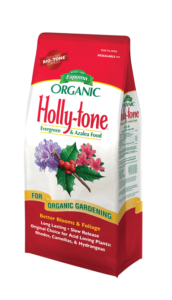
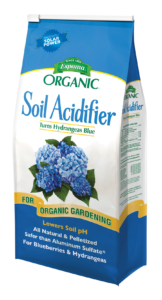
Japanese Maples prefer a more neutral to slightly acidic soil pH (5.5 – 6.5 pH). Summer uses Espoma Organic Potting Soil Mix to provide the proper growing medium and uses Espoma Organic Soil Acidifier and Espoma Organic Holly-tone to feed and promote more acidic soil conditions.

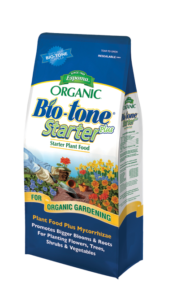
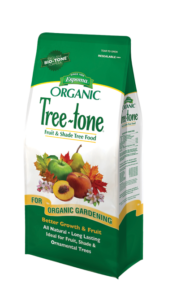
If your soil already has the proper soil Ph then we recommend using Espoma Organic Tree-tone when fertilizing your tree. For all plantings, we also recommend using Espoma Organic Bio-tone Starter Plus.


Learn more about Flock Finger Lakes here:

Website: flockfingerlakes.com

Instagram – @flockfingerlakes

YouTube –Flock Finger Lakes

Twitter – @flockny

Facebook –Flock Finger Lakes

Featured Products:


Where to Buy


https://www.espoma.com/wp-content/uploads/2023/06/Acer-palmatum-Container-frame-000001.jpg 1080 1920 Matt Dauphinais https://www.espoma.com/wp-content/uploads/2023/05/espoma-logo340w-1.png Matt Dauphinais2023-06-02 14:43:442023-08-04 11:55:46VIDEO: How to Pot a Japanese Maple in a Container || Flock Finger Lakes

VIDEO: Planting Spring Flower Pots ?? || Wyse Guide

May 26, 2023/in Blog, Kaleb Wyse

Watch as Kaleb  @WyseGuide  adds some instant color to his decorative front flower pots.

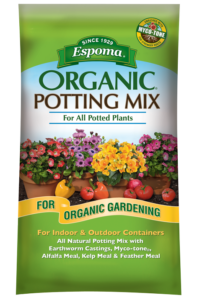
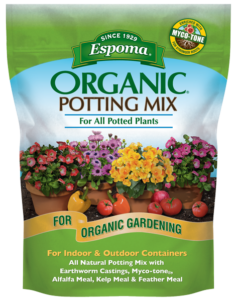
Kaleb uses Espoma Organic All Purpose Potting Mix when adding new plants to his outdoor containers.

When planting, we always recommend adding in some Espoma Organic Bio-tone Starter Plus to help provide the nutrients plants need to thrive in their new location.

Featured Products:

Where to Buy


https://www.espoma.com/wp-content/uploads/2023/05/WG-Front-Flower-Pots.jpg 1080 1920 Matt Dauphinais https://www.espoma.com/wp-content/uploads/2023/05/espoma-logo340w-1.png Matt Dauphinais2023-05-26 14:51:292023-05-26 14:52:18VIDEO: Planting Spring Flower Pots ?? || Wyse Guide

VIDEO: Planting Hanging Pots with Mom?? || Wyse Guide

May 10, 2023/in Blog, Espoma Videos, Kaleb Wyse

Want a Mother’s Day gift that keeps on giving? Consider planting for Mom or anyone special in your life. Or maybe you just like to decorate with hanging plants? Watch Kaleb from @WyseGuide demonstrate how to properly plant your own hanging potted plants.

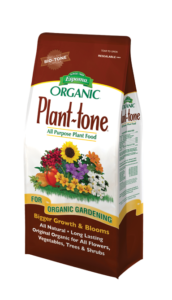
Kaleb uses Espoma Organic Potting Soil Mix and adds some extra nutrients to the soil with Espoma Organic Plant-tone.


*****

Want some other ideas for Mom? Check out these other ideas:

Grow A Garden Spa for Mother’s Day

DIY Mother’s Day Planter with Garden Answer

Mother’s Day Container Garden


Featured Products:

Where to Buy


https://www.espoma.com/wp-content/uploads/2023/05/WG-Hanging-Potted-Plants-YT-short.png 1920 1080 Matt Dauphinais https://www.espoma.com/wp-content/uploads/2023/05/espoma-logo340w-1.png Matt Dauphinais2023-05-10 15:41:512023-05-10 16:03:26VIDEO: Planting Hanging Pots with Mom?? || Wyse Guide

BAGR 89 Blog: Vegetable Gardening for Beginners

April 13, 2023/in Blog, Bloom and Grow Radio, Fruits & Vegetables, Fruits & Vegetables - None

An edible garden can be a wonderful addition to any home. But with all of the information out there on vegetable gardening, it can feel overwhelming to start. This blog is here to help people who are in their first few years of vegetable gardening by covering the need-to-know basics. 

This blog is inspired by Episode 89 of Bloom and Grow Radio Podcast, where host Maria Failla interviewed Toby Adams, the Director of the Edible Academy for the New York Botanical Garden.
 

What Vegetables Should I Grow as a Beginner?

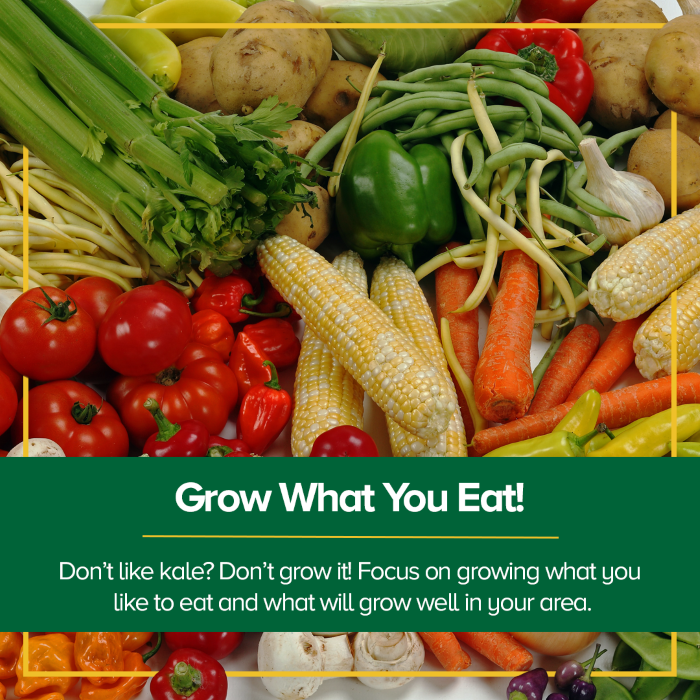
You might be tempted to try growing lots of different vegetables, especially as a beginner. But it’s best to start with just a few varieties and get really good at growing them. From there, you can expand your vegetable garden in the following years, slowly building on your mastery. 

So, where do you start? The simplest way is thinking about what you like to eat! Create a small list of vegetables you purchase regularly at the grocery store or farmer’s market. Then do a little research about the plants themselves and what they require to grow. You may find that some vegetables don’t grow well where you live, or you might be hindered by your growing set up in size, sun, and scale. 

Next, think about your location. If you’re growing in a place like New York City or other Northeastern U.S. locations, you’re likely to have different seasons. Spring and fall are referred to as cool seasons. There are groups of plants that do well in cool weather with some warm days, but colder nights. There are also warm season crops that grow best in summer with no chance of frost. 

If you go back to your wishlist, you can figure out which plants are cool season versus warm season crops, and plan from there. Here are some examples of cool and warm season vegetables: 

Cool season vegetables: lettuce, radish, peas, spinach, carrots, kale, cabbage. 

Warm season vegetables: squash, tomatoes, peppers, eggplant, beans, corn, cucumbers. 
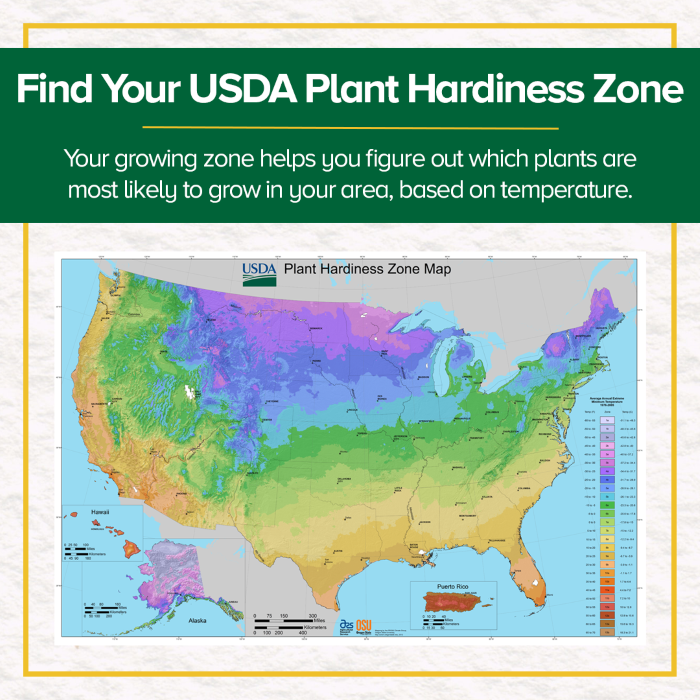
What’s a Hardiness Zone? 

If you’re in the U.S., you can find your USDA plant hardiness zone by entering your zip code. This helps you determine which plants are most likely to grow well in your area based on temperature. 
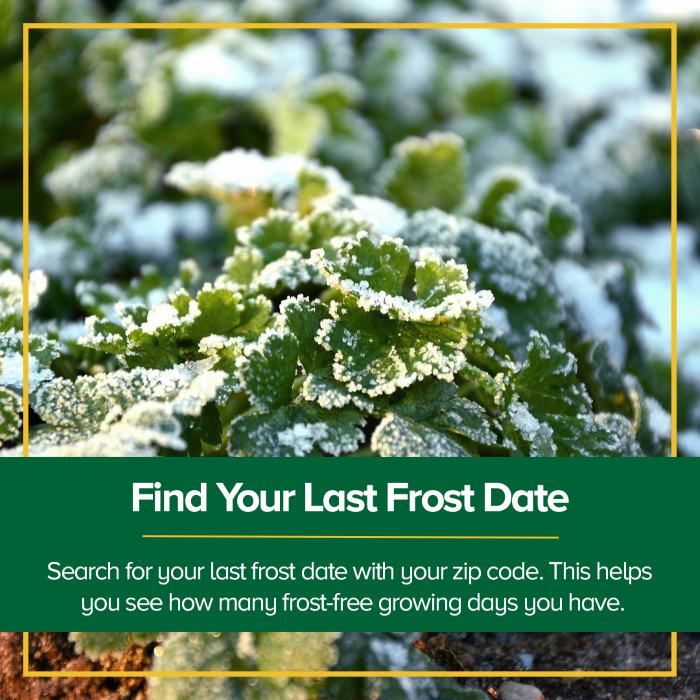
Once you find your hardiness zone, you can also search for the last frost date in your zip code. Your first and last frost dates will show you how many frost-free growing days you have in a season. This can help you figure out which warm and cool season crops will grow best in your area. 

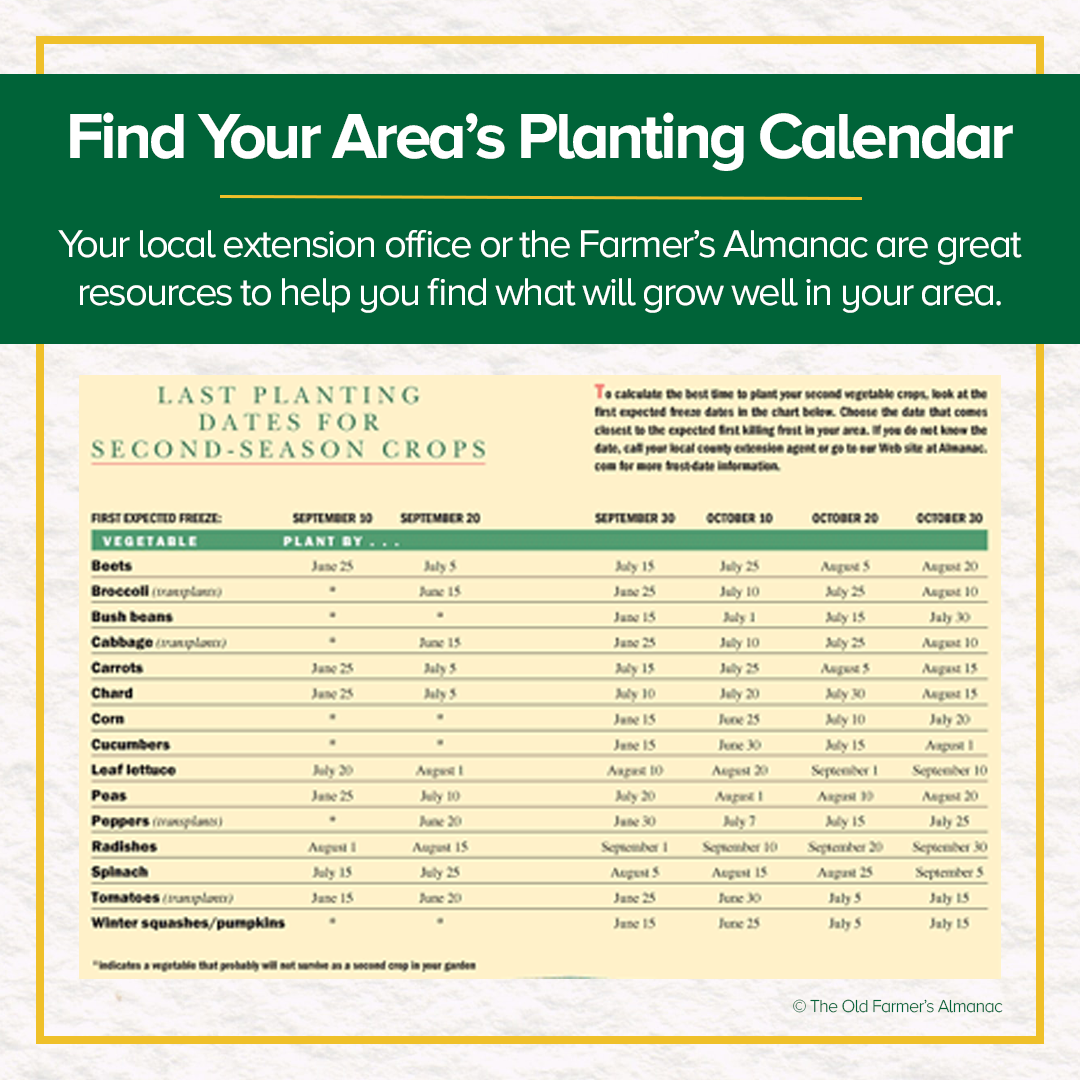
From there, you can even find helpful planting calendars for your area through resources like your local extension office, local or online gardening groups, and the Farmer’s Almanac. 
What Do Vegetables Need to Grow Successfully? 

There are a handful of factors that go into a successful vegetable garden. Below we’ll cover space, sun, water, soil, and fertilizing. 

How Much Space Do My Vegetables Need?

Once you’ve got your list of vegetables, think about other growing factors like space requirements. Some plants require more space, while smaller varieties can be planted in small containers. 

A tomato plant, for example, needs about 18 – 24” to grow successfully. If you’re growing tomatoes in containers, make sure to only plant one tomato per container. 

On the other hand, leafy greens like lettuce and spinach can be planted close together and harvested as baby greens. 

How Much Sun Do I Need for My Vegetable Garden?

The next component of successfully growing vegetables is sun exposure. Most vegetables need a minimum of six hours of direct sunlight, but eight hours is ideal. Think about your garden placement based on how much sun each area receives. 

An easy way to determine how much sun your garden gets is to do a sun analysis. If you have a full day at home, check the area every hour and make note of whether it gets direct sun or not. At the end of the day, add up how many hours of direct sun you get. This will help you determine which plants will thrive in your area.  

Be aware though, if you’re doing your sun analysis in winter and you have trees nearby, those trees will actually have a full canopy of leaves in summer that will cast shade.

An easy way to start is keeping in mind the following: in the Northern hemisphere, gardens that face South will get the most sunlight. Eastern gardens will receive gentle morning sun and Western gardens will receive hotter afternoon sun. Northern gardens will receive the least amount of light and may cause issues for successful growing. 

How Much to Water Vegetables

Water is another key aspect of vegetable gardening. The amount you water will depend on the time of year, the needs of each plant, and the other growing conditions in your garden. A general rule is that plants don’t like to sit in water, but they do need consistent water. 

Deep watering your plants with longer, less frequent periods of watering will encourage robust root systems that grow deep into the soil. During Summer months, this can look like watering 3-4 times a week at 30 minute intervals, depending on your climate. 

What’s the Best Soil for Edible Plants? 

Last, you’ll need a soil medium based on where and how you’re growing. A well-draining soil that contains organic food for your plants, like compost and fertilizer, is a good option. 

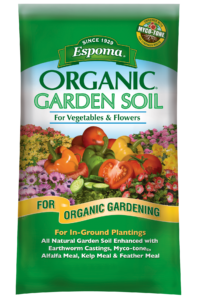
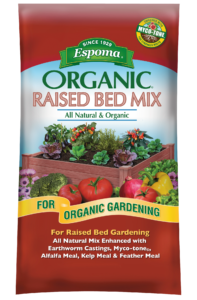
If you’re growing in containers, Espoma’s Organic Potting Mix works great for growing vegetables. If you have an outdoor growing space, the Raised Bed Mix or the Vegetable & Flower Garden Soil work well for edible plants. 

Whatever soil you choose, make sure that it has good drainage. Most of your plants’ root systems need oxygen to grow and don’t like to sit in water. 

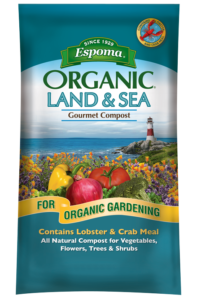
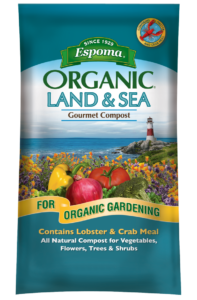
If you’re growing in an in-ground garden, a soil test is essential to know what nutrients and heavy metals are in your soil. Your local extension office may have soil testing or be able to direct you to companies that do. You can use Espoma Organic Land & Sea Compost to amend your soil. 

Do I Need to Fertilize My Vegetable Garden? 

Plant nutrients are broken up into macro and micronutrients. The main macronutrients you need to know about are the famous NPK: Nitrogen (N), Phosphorus (P), and Potassium (K).

Starting with high quality soil and compost sets your edible garden up for success. Throughout the growing season, your vegetable garden will use up and absorb many of the macronutrients in your soil, and they will often need to be replaced by using fertilizers.

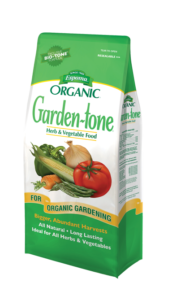
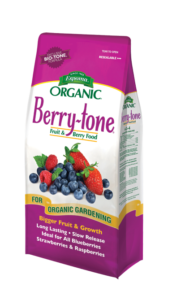
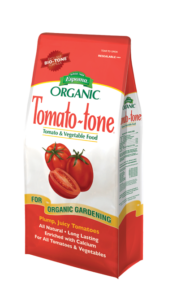
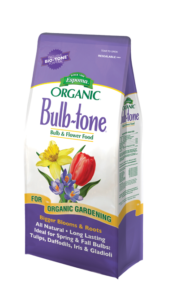
Use a general fertilizer like Garden-tone or use the plant-specific fertilizer line of “Tones” that Espoma has to offer like Tomato-tone, Berry-tone or Bulb-tone. For a list of Espoma’s wide varieties of “tones,” visit our website.  

The Best Vegetable Gardening Advice

What’s the best advice you can get on starting your edible garden? Just start! Remember to try growing only a few different vegetables, making sure they have the right conditions, and expand from there. We hope this blog inspired you to try growing some of your own vegetables right in your own backyard! 

*****

About Bloom & Grow Radio Podcast


Bloom & Grow Radio Podcast helps people care for plants successfully and cultivate more joy in their lives. Host Maria Failla, a former plant killer turned happy plant lady, interviews experts on various aspects of plant care, and encourages listeners to not only care for plants, but learn to care for themselves along the way.


About Our Interviewee


The NYBG Edible Academy is a state-of-the-art educational facility featuring hands-on activities and innovative programs that help children, families, teachers, and the general public learn about growing and preparing vegetables, fruit, and herbs while encouraging a lifelong interest in gardening, nutrition awareness, and environmental stewardship. Toby Adams has worked at the NYBG for almost 20 years, and has a passion for helping people understand how to grow food.


​​Follow the New York Botanical Garden:

Website

Online Courses

Instagram

Facebook


Featured Products:


Where to Buy


https://www.espoma.com/wp-content/uploads/2023/04/Vegetable-Gardening-1.png 1080 1080 Matt Dauphinais https://www.espoma.com/wp-content/uploads/2023/05/espoma-logo340w-1.png Matt Dauphinais2023-04-13 17:02:332024-09-06 14:18:54BAGR 89 Blog: Vegetable Gardening for Beginners

VIDEO: Colorful Spring Containers! 🌷🌼🪴 with Garden Answer!

April 4, 2023/in Fruits & Vegetables - None, Garden Answer

Watch as Laura from  @gardenanswer  freshens up her window boxes with beautiful vibrant flowers. Laura, with the help of  @EspomaOrganic  demonstrates how you too can add a pop of color to your home this spring.


Learn more about Garden Answer here:

https://www.youtube.com/c/gardenanswer 

https://www.gardenanswer.com/

https://www.facebook.com/gardenanswer

https://www.instagram.com/gardenanswer/


Featured Products:
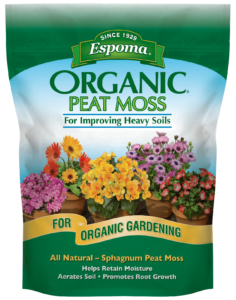
Where to Buy


https://www.espoma.com/wp-content/uploads/2023/04/Spring-container.jpg 1080 1920 Matt Dauphinais https://www.espoma.com/wp-content/uploads/2023/05/espoma-logo340w-1.png Matt Dauphinais2023-04-04 12:08:042025-03-14 15:12:56VIDEO: Colorful Spring Containers! 🌷🌼🪴 with Garden Answer!

VIDEO: Planting Haul of Fame with Garden Answer

December 15, 2022/in Fruits & Vegetables - None

     Another win for Garden Answer! From boxwoods to trees to a brand new bulb-garden, this planting haul is one for the books. Honorable mentions? Espoma Organic’s Bio-Tone, Potting Soil, and Bulb-Tone are the true heroes of this epic. See how they’re essential for long-lasting healthy blooms in the video below!

Learn more about Garden Answer here:

https://www.youtube.com/c/gardenanswer 

https://www.gardenanswer.com/

https://www.facebook.com/gardenanswer

https://www.instagram.com/gardenanswer/


Featured Products:
Where to Buy


https://www.espoma.com/wp-content/uploads/2022/12/trees-shubs-bulbs.jpg 1080 1920 Matt Dauphinais https://www.espoma.com/wp-content/uploads/2023/05/espoma-logo340w-1.png Matt Dauphinais2022-12-15 17:19:572022-12-15 17:19:57VIDEO: Planting Haul of Fame with Garden Answer

Video: Overwintering Tips With Kaleb Wyse!

November 23, 2022/in Blog, Espoma Videos, Fall Gardening, Fruits & Vegetables - None, Kaleb Wyse, Landscaping

Ever wonder how to save your favorite outdoor plants from the winter cold? ❄? @Wyse Guide demonstrates how he overwinters his plants.

Kaleb demonstrates how to use our Espoma Organic Bio-tone Starter Plus and Espoma Organic Potting Soil Mix to re-pot your outdoor container plants and bring them inside for the coming winter months.

Learn more about Wyse Guide here:

YouTube: https://www.youtube.com/user/TheGrayBoxwood 

Facebook: https://www.facebook.com/WyseGuide/ 

Instagram: https://www.instagram.com/WyseGuide/ 

Website: https://www.wyseguide.com/ 


Featured Products: 
Where to Buy

https://www.espoma.com/wp-content/uploads/2022/11/Church-Planter-Update-with-Pumpkins-2.jpg 2119 1350 Matt Dauphinais https://www.espoma.com/wp-content/uploads/2023/05/espoma-logo340w-1.png Matt Dauphinais2022-11-23 18:53:532022-11-23 18:53:58Video: Overwintering Tips With Kaleb Wyse!

VIDEO: Kaleb Wyse Answers Prayers With New Church Planter!

November 23, 2022/in Blog, Espoma Videos, Fruits & Vegetables - None, Kaleb Wyse

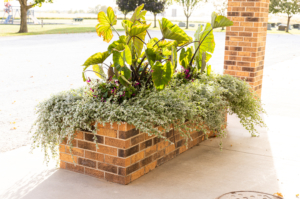
When there’s an important gardening project to be done… you call Kaleb Wyse. ? And he always brings his trusty Espoma Organic products to make sure it’s a job well done! This time he’s tackling a tricky planter in front of his grandparents’ church that gets a lot of sun, a lot of wind, and a lot of eyes on it. Fortunately with our Espoma Organic Potting Soil Mix and Plant-tone, those plants will stay looking heavenly! Check out the full video below to watch Wyse Guide work his magic. 

Learn more about Wyse Guide here:

YouTube: https://www.youtube.com/user/TheGrayBoxwood 

Facebook: https://www.facebook.com/WyseGuide/ 

Instagram: https://www.instagram.com/WyseGuide/ 

Website: https://www.wyseguide.com/ 


Featured Products:


Where to Buy

https://www.espoma.com/wp-content/uploads/2022/11/Church-Planter-for-Grandma-11-scaled.jpg 1708 2560 Matt Dauphinais https://www.espoma.com/wp-content/uploads/2023/05/espoma-logo340w-1.png Matt Dauphinais2022-11-23 15:13:262022-11-23 15:13:26VIDEO: Kaleb Wyse Answers Prayers With New Church Planter!

BAGR 154: How to Build a Terrarium

November 21, 2022/in Blog, Bloom and Grow Radio

This blog is inspired by Episode 154 of Bloom and Grow Radio Podcast, where host Maria Failla interviewed Patricia Buzo of Doodle Bird Terrariums.

Terrariums do so much more than encapsulate our plants within the confines of a vessel. They capture a feeling. They capture a sense of wonder that a simple potted plant just can’t do. We can create entire worlds within a terrarium, and even ecosystems. They become a place that we can escape into for a mindful moment and use to amplify our passion for playing.

In this blog, terrarium guru Patricia of Doodle Bird Terrariums and Maria from Bloom & Grow Radio break down the differences and similarities of terrariums, paludariums, and vivariums to equip you with the knowledge you need to set your first one up!

What’s the Difference Between Terrariums, Vivariums, and Paludariums?

In the plant community, a terrarium usually refers to a small glass jar or fishbowl that has only plants inside. It’s not going to house any type of pet. 

A vivarium, on the other hand, contains pets like frogs or lizards, but has plants too. It’s also typically much bigger than a terrarium.

A paludarium is a type of vivarium that’s usually an even larger enclosure. It incorporates both terrestrial and aquatic elements into it, so it’s like having an aquarium and a terrarium in one. It often houses animals like fish, lizards, or frogs in the top portion.

Benefits and Common Problems of Growing in a Terrarium

One of the benefits to a terrarium is being able to grow diverse plants that you might not have otherwise been able to, as they create a microclimate of higher humidity. Most miniature terrarium plants need very high humidity, which likely doesn’t exist in your home or garden! 

Another benefit of terrariums is that they can be portable. If you’re traveling a lot and miss your plants, you can simply place them in a jar and take them with you.

A common problem in terrariums though, is mold growth. The warm, humid environment creates perfect conditions for mold to take over and eat away at your plants. You can prevent mold growth by avoiding biodegradable items in your terrarium like sticks, leaves, and pine cones. Adding little creatures like springtails and isopods (aka rolly pollies) that feed on decomposing materials can also significantly reduce mold growth. 

How to Choose the Best Terrarium Plants

When choosing which plants you want in your terrarium, opt for smaller varieties of plants to avoid requiring you to keep sizing up your vessel. 

Take advantage of the high humidity terrarium conditions and choose humidity-loving plants. Look for plants in the terrarium or fairy garden section at your local nursery for options. 

Small and miniature orchids work really well in terrariums, growing only an inch or two high with pretty flowers. Peperomia Ripple (Peperomia caperata) grows well in a bigger jar and loves the terrarium environment. 

Asparagus ferns (Asparagus aethiopicus), the little tree plant (Biophytum sensitivum), jewel orchids (Ludisia discolor), and creeping figs (Ficus pumila) are also great plant options for terrariums.

How to Set Up a Terrarium 

Materials Needed: 

  • Aquarium tongs
  • Spray bottle
  • Scissors
  • Small glass container
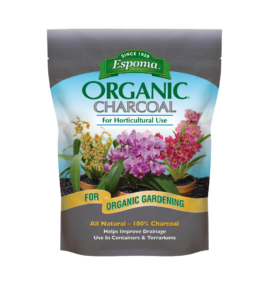
  • Drainage layer: Espoma’s Horticultural Charcoal
  • Soil: Espoma’s peat moss or coco coir base mixed with Espoma’s perlite or Espoma Potting Mix 


Step 1: Make a list of plants you want in your terrarium. Do a quick search of conditions they prefer, including light, temperature, and moisture. 

Step 2: For a humid-loving plant, choose a jar with a lid to maintain humidity. For a plant that needs to dry out a bit, opt for an open jar. You can find great jars secondhand at thrift stores or estate sales, but affordable glass jars are also available at home goods and craft stores.

Step 3: Layer your materials in your glass jar with horticultural charcoal, soil, and plants. Use aquarium tongs to place your plants in the soil and scissors to trim excess plant material. 

Step 4: Water your terrarium using distilled water. Use a spray bottle for moss and if you have rooted plants, pour a small amount of water onto the soil. 

Step 5: Add your bioactive creatures like springtails or isopods and place your lid on top for humidity-loving plants. (This is optional.)

Step 6: Put your completed jar in bright, indirect light and enjoy your new terrarium! 

*****

For a more in-depth look at building terrariums, vivariums, and paludariums, check out Patricia Buzo’s book, A Family Guide to Terrariums. 

About Bloom & Grow Radio Podcast

 Bloom & Grow Radio Podcast helps people care for plants successfully and cultivate more joy in their lives. Host Maria Failla, a former plant killer turned happy plant lady, interviews experts on various aspects of plant care, and encourages listeners to not only care for plants, but learn to care for themselves along the way.

About Our Interviewee

Patricia Buzo founded Doodle Bird Terrariums in 2008 out of her love of plants and creating unique works people would treasure. Each terrarium she creates is handcrafted using the highest grade plants and supplies, utilizing special tricks to carefully package these fragile vessels so they arrive safely.

Now, over 10 years later, she has authored the book A Family Guide to Terrariums, inspired many on her Instagram account, and has been featured in The New York Times.

​​Follow Lisa:

Website

Instagram

Blog

Shop


Featured Products:


Where to Buy

https://www.espoma.com/wp-content/uploads/2022/11/280107698_1828951650627149_8927427597614221368_n.jpg 1167 1080 Matt Dauphinais https://www.espoma.com/wp-content/uploads/2023/05/espoma-logo340w-1.png Matt Dauphinais2022-11-21 17:24:402022-11-21 17:29:10BAGR 154: How to Build a Terrarium

VIDEO: Summer Rayne Oakes’ Festive Fall Urns

November 15, 2022/in Blog, Fruits & Vegetables - None

When it comes to turning a house into a home, Summer Rayne Oakes knows what she’s doing! With gorgeous urns, pretty patio plants, and a little help from Espoma Organic Potting Soil Mix and Perlite for quick root establishment and big blooms, this cozy meadow house got a welcoming entrance. Watch the full video below!


Learn more about Flock Finger Lakes here:

Website: homesteadbrooklyn.com

Instagram – @homesteadbrooklyn

YouTube – Summer Rayne Oakes

Twitter – @sroakes

Facebook – Summer Rayne Oakes


Featured Products:

Where to Buy


https://www.espoma.com/wp-content/uploads/2022/11/Planting-Metal-Urns-IMG_4424-scaled.jpeg 1707 2560 Matt Dauphinais https://www.espoma.com/wp-content/uploads/2023/05/espoma-logo340w-1.png Matt Dauphinais2022-11-15 18:46:202022-11-15 18:48:00VIDEO: Summer Rayne Oakes’ Festive Fall Urns
Page 9 of 12«‹7891011›»
Where to Buy

Get News & Updates

Recent Posts

  • VIDEO: A Formal Garden Tour with Summer Rayne Oakes
  • VIDEO: Repotting in the Greenhouse with Garden Answer
  • VIDEO: How to Winterize Your Chicken Coop with Summer Rayne Oakes
  • VIDEO: Planting Spring Bulbs in Containers 🪴🌷 with Summer Rayne Oakes
  • VIDEO: Planting the Last Bulbs of the Season with Garden Answer

Tags

All-Purpose Potting Mix bio-tone Bio-tone Starter Bio-tone Starter Plus Cactus Mix caring for houseplants Container Gardening DIY project Espoma espoma grown espoma organic Espoma Organics Espoma Video fall gardening Family fert flower garden flowers garden Garden Answer Gardening gardening tips gardens grow holly-tone houseplants Indoor! indoor gardening indoor plants Kaleb Wyse organic organic fertilizer Organic Gardening organic plant food Organic Potting Mix Outdoor Gardening Planting plants Potting Mix potting soil Spring Gardening summer rayne oakes vegetable garden Vegetable Gardening Wyse Guide

Espoma. A Family Tradition Since 1929.

Espoma Organic logo
  • Espoma Dealer
  • Espoma Pro
  • Garden Club
  • Privacy Policy

Scroll to top