Espoma Organic
  • Products
    • Close
    • Product Line Overview
    • Plant food finder
    • Garden Fertilizers
    • Potting Soils
    • Lawn Fertilizers
    • Liquid Fertilizers
    • Single Ingredients
    • Conventional Plant Foods
    • Animal Care Products
  • Where to Buy
  • Our Story
    • Close
    • Our Story
    • Locations
    • Historical Timeline
    • Our Commitment
    • Directions
    • Solar
    • Join our Team
    • Espoma Brand Partners
  • Learn
    • Close
    • Espoma Blog
    • FAQ’s
    • Pocket Guide
    • Espoma Guides
    • Garden Clubs
    • Safe Paws Lawn
    • PRODUCT FACT SHEETS
    • Fertilizer Fundamentals
      • Close
      • Understanding Plant Nutrition
      • Reading Labels
      • Choosing the Right Type of Fertilizer
      • Terms & Definitions
    • Gardening Projects
    • Resource Links
  • Contact Us
  • Menu Menu

Tag Archive for: houseplants

Keeping Things Simple- Propagating African Violets

November 29, 2017/in Indoor Gardening

African Violets are one of the most loveable houseplants — packing lots of beauty in such a small plant. Gardeners love having them as a reminder of spring or summer indoors, while the seasons outside might be a little dreary. They seem to want more and more of them every year.

Save money and take your gardening skills to the next level by propagating them. It may sound intimidating to propagate an African Violet in the first place, but it is actually really simple – even beginning gardeners can do it.
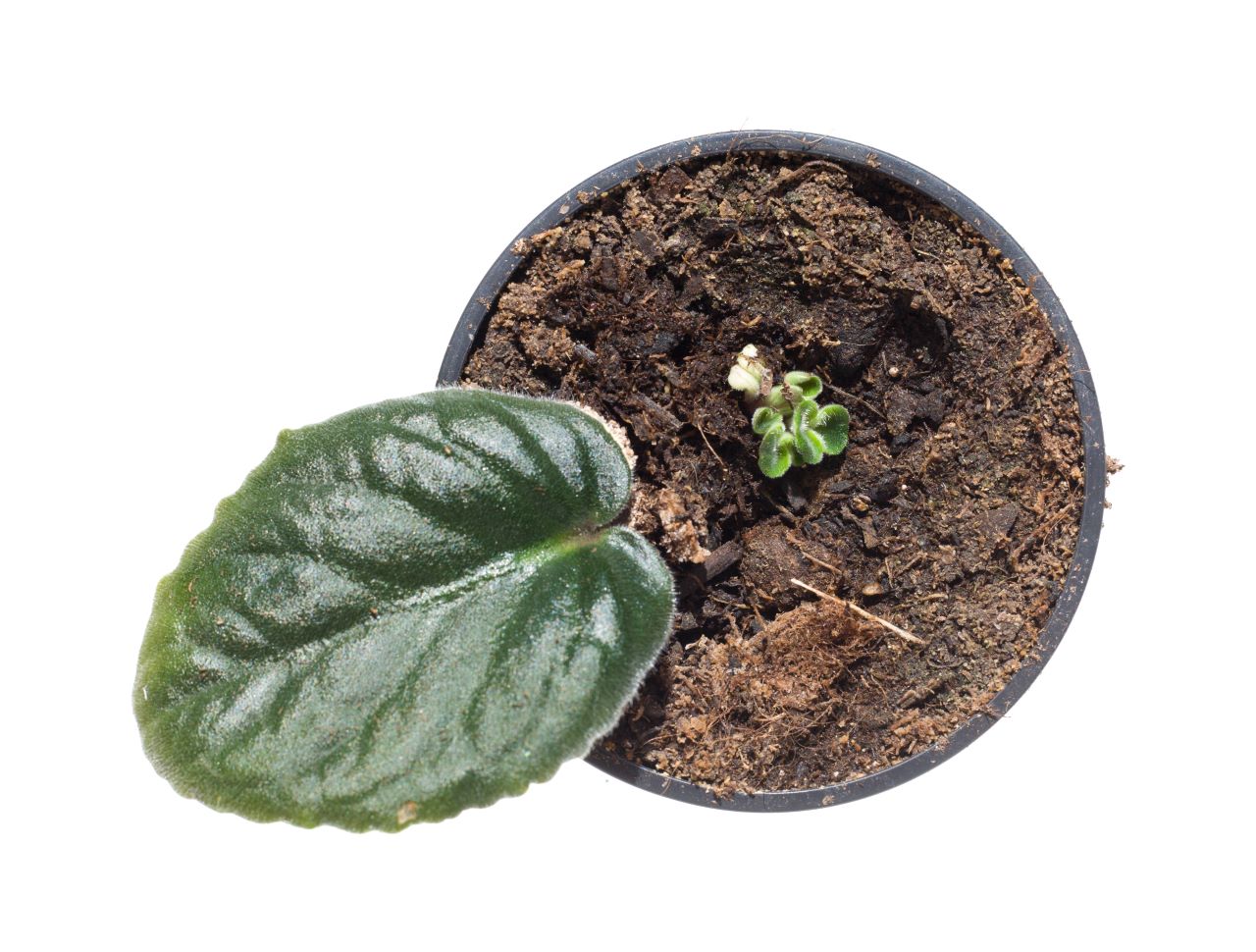
Propagating African Violets from leaves

1. Choose a Leaf

Look for a leaf that is healthy and fresh, but has been established on the plant. You want to be sure the leaf is still full of life and not old and tough. Keep the petiole attached to the leaf.

Optional Step: With a sharp knife or razor, trim off the top of the leaf blade. This will encourage faster production of roots by sending all of the energy back into the soil and not into leaf growth.

2. Cut Leaf Petiole

Trim the petiole (the stem) to about ½ to 1 inch in length for best results. When trimming, be sure to cut it at a 45 degree angle to encourage root and plant growth.

3. Plant your Cutting

Find a small container and fill it with Espoma’s Organic African Violet Potting Mix. Make a shallow hole, using your finger or pencil. Place your leaf cutting in, stem side down, and firm the soil around it. Moisten the soil to lock in the cutting.

4. Give it Sunshine

Your cutting needs humidity and sunshine in order to grow. Place it in a clear covered container or put a clear plastic bag over it to provide humidity. Place this in a bright place without being in direct sun. Try to find a window that provides moderate temperature.

5. Plantlets Sprout

Patience is key here. At about 3-4 weeks, roots should begin forming on the petiole. In another 3-4 weeks, your new leaves will start to sprout. When the sprouts get 2-3 leaves on them, which is around the 2-6 month mark, you will need to repot.

Keep maintaining your sprouts and plantlets to nurse them into full grown African Violets. Keep your fully grown African Violets happy and healthy with Espoma’s Violet! liquid fertilizer.
https://www.espoma.com/wp-content/uploads/2017/11/small-african-violet-.jpg 853 1280 espoma https://www.espoma.com/wp-content/uploads/2023/05/espoma-logo340w-1.png espoma2017-11-29 12:30:342019-09-25 13:42:35Keeping Things Simple- Propagating African Violets

How to Decorate for Thanksgiving With Plants

November 22, 2017/in Fall Gardening

Plants are the perfect décor for any holiday occasion, especially Thanksgiving. Houseplants fit in perfectly with the magnificent fall colors and magical feel of autumn. Use plants to transform your holiday table this Thanksgiving into something truly beautiful. What’s even better is there’s a style for every personality!

Use these easy steps to get the perfect look.

1. Pick a Focal Point

Select a plant that will draw your eye and establish the look for your centerpiece. A popular choice in focal plants is the croton, due to its exceptional color and texture, which brings autumn to the table. Crotons come in bright yellow, rich gold, flaming orange, deep red, and burgundy purple which, paired with its height, will brighten the table. Any houseplant with a full autumn palate is perfect to be a focal point.  Keep the plant well-fed with our Indoor! liquid fertilizer to ensure your plant stays full of color all season long.

2. Dress it Up

To make a beautiful centerpiece really feel complete, find a fun container for your plant. If you are using this as a temporary focal point for Thanksgiving, any container will do. Otherwise, if you are looking for a more long term arrangement, be sure the container has proper drainage holes. Another option is to keep it in the original pot and wrap a seasonal cloth around the container to dress it up. Really stretch your creative mind and find a unique container, like a holiday turkey vase or a cornucopia to fill with a houseplant.

3. Accessorize

Be as creative as you’d like by adding supportive accents and characters to your table. Autumn themes accents like pinecones, colorful leaves or various gourds to compliment your focal point plant. Yellow and orange chrysanthemums placed in a smaller container will keep within the Thanksgiving vibe.

The thing to remember is to have fun with it and make something truly unique for the holidays.  Be sure to remember to monitor the light, water and to feed with Indoor! liquid fertilizer as directed for a long lasting beautiful plant.

Need more autumn inspiration? Check out Garden Answer’s make a fall succulent DIY!


https://www.espoma.com/wp-content/uploads/2017/11/shutterstock_702879712.jpg 662 1000 espoma https://www.espoma.com/wp-content/uploads/2023/05/espoma-logo340w-1.png espoma2017-11-22 09:10:052019-05-07 10:01:06How to Decorate for Thanksgiving With Plants

Hauntingly Good Plants for Halloween

October 25, 2017/in Fall Gardening

The spookiest holiday of the year is just around the corner and trick-or-treaters are getting ready for the big night. This year, decorate your house with creepy, living decorations that will add an eerie twist to your night.

With their creepy names, weird colors and devilish shapes, these plants will be the center of every fun, spooky story you tell. Better yet, these plants can stick around all year with the right light, water and feeding directions.

Top 5 Spookiest Houseplants

Photo courtesy of Costa Farms

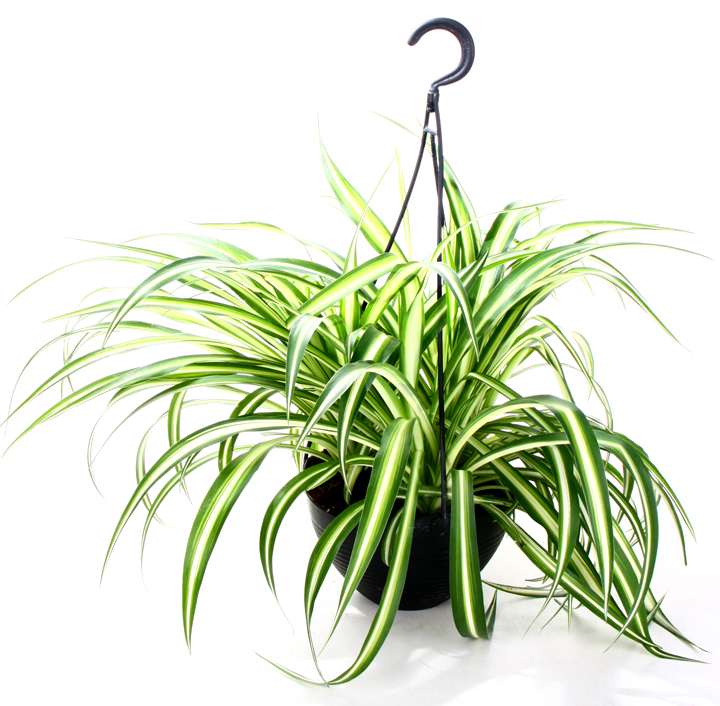
Spider Plant

This creepy plant is fun to decorate with due to its long spider-like legs that grow little “spiderlings” on the ends. Transfer it into a hanging plant basket and wrap synthetic web around the outside of the basket. Cover with plastic spiders to give it extra creep. Make it kid-friendly, by painting a container black and adding spider eyes to the front to make it look like one big spider. Spider plants are known for being low-maintenance so they will grow in almost any spot.

Dracula Orchid

The Dracula orchid is not an ordinary orchid. Aptly named, as it blooms, the center of the plant looks like it could bite you with its vampire-like mouth. Wrap your container in a cape and paint it red down the sides to decorate this plant into a creepy vampire.

Photo courtesy of Costa Farms

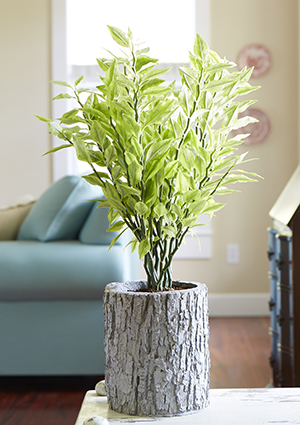
Devil’s Backbone

Devil’s Backbone gets its name from the interesting zigzagging formation of the leaves resembling a creepy spine as it grows. Invite this devilish plant to your home and hang ghouls and ghosts from it to add a spooky charm. Though it may be called the Devil’s Backbone, it works hard to purify the air from toxins.

Photo courtesy of Costa Farms

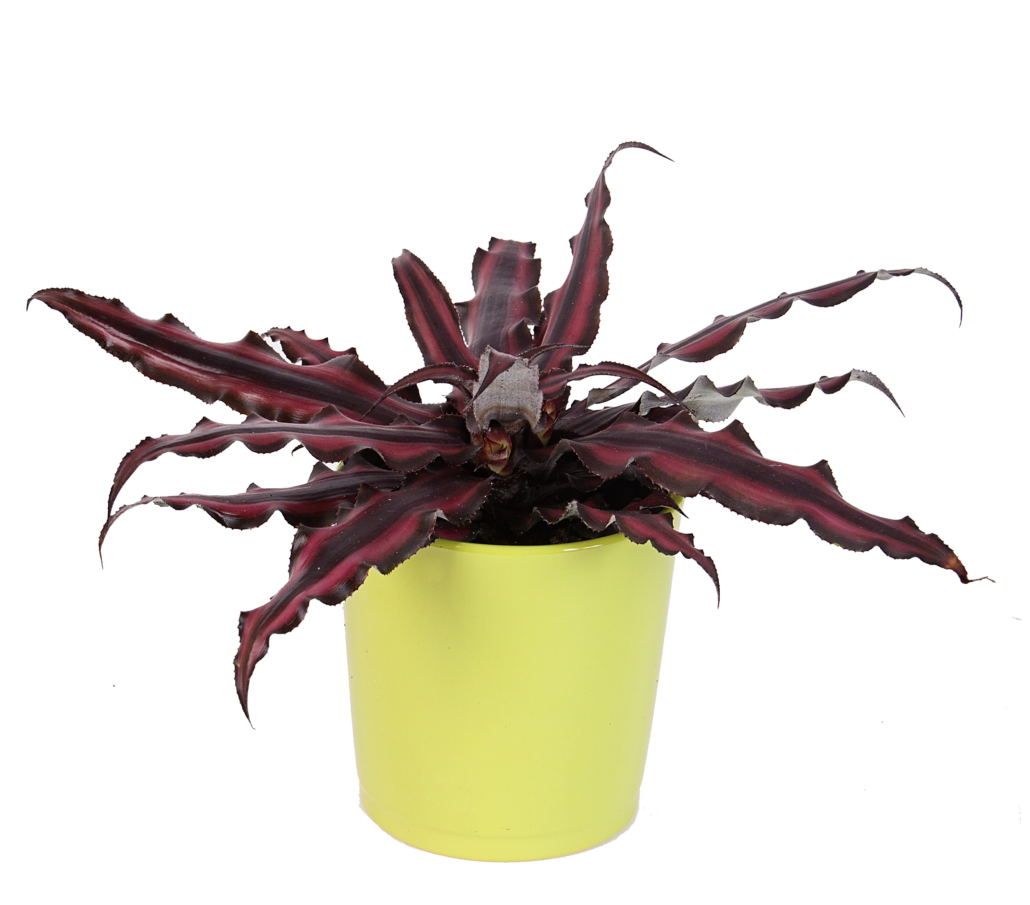
Earth Star

With spiky edges and elongated “fingers”, the earth star plant is a creepy addition to your Halloween décor. Transfer into a spooky container and let it spread and it will look like something is crawling toward you. Keep in bright light to encourage growth.

Photo courtesy of Costa Farms

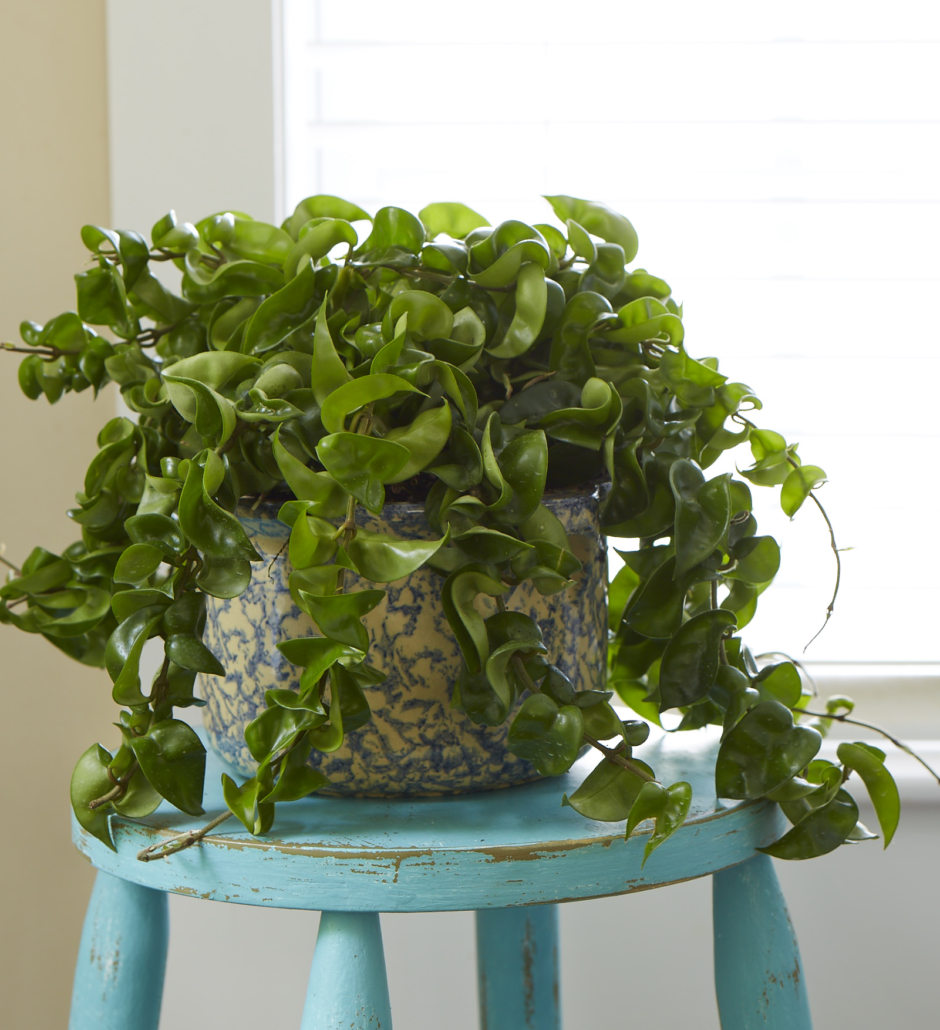
Rope Plant

The rope plant’s foliage that twists and turns looks like something right out of a witch’s lair. Put a spell on your home with the shadows this plant gives off. The rope plant will flower and last up to a month.

Fun and spooky houseplants are the best way to bring live Halloween décor to your home. Feed as directed with Espoma’s Indoor! plant food.


Featured Products:


Where to Buy

https://www.espoma.com/wp-content/uploads/2017/10/devils-backbone.jpg 2448 2448 espoma https://www.espoma.com/wp-content/uploads/2023/05/espoma-logo340w-1.png espoma2017-10-25 11:00:122023-10-31 10:36:16Hauntingly Good Plants for Halloween

Bring the Outside In – Best Indoor Plants

September 20, 2017/in Fall Gardening, Flowers, Indoor Gardening, Indoor Gardening

Having a beautiful garden is what we all dream about, but in the cases we don’t have the space or we want to have more greenery inside, indoor plants come to the rescue.

Some indoor plants come with the added benefit of not only giving color to a blank space, but also cleaning the air you breathe every day. Some plants are better for an office space while others are great as a centerpiece.

Not sure what plants will work for your space or how to care of them so you can enjoy them for a long time? We have you covered! We’ve rounded up the best indoor plants to introduce to your office or home this week and offer some tips on how to keep them happy and healthy. Be sure to monitor the light and water requirements and feed regularly with Espoma’s Indoor! liquid plant food for superior results.

7 Best Indoor Plants

  1. Ficus

Arguably the most popular indoor plant for homes and offices, the ficus’ simplicity in looks makes it well known and well liked. They are great for purifying the air — making the air better and cleaner to breathe. Ficus trees love indirect light, so place plants in a naturally bright room where it will thrive. Keep your ficus away from any drafts as they prefer more heat. This plant is perfect for the home or office; it is both beautiful and sophisticated.

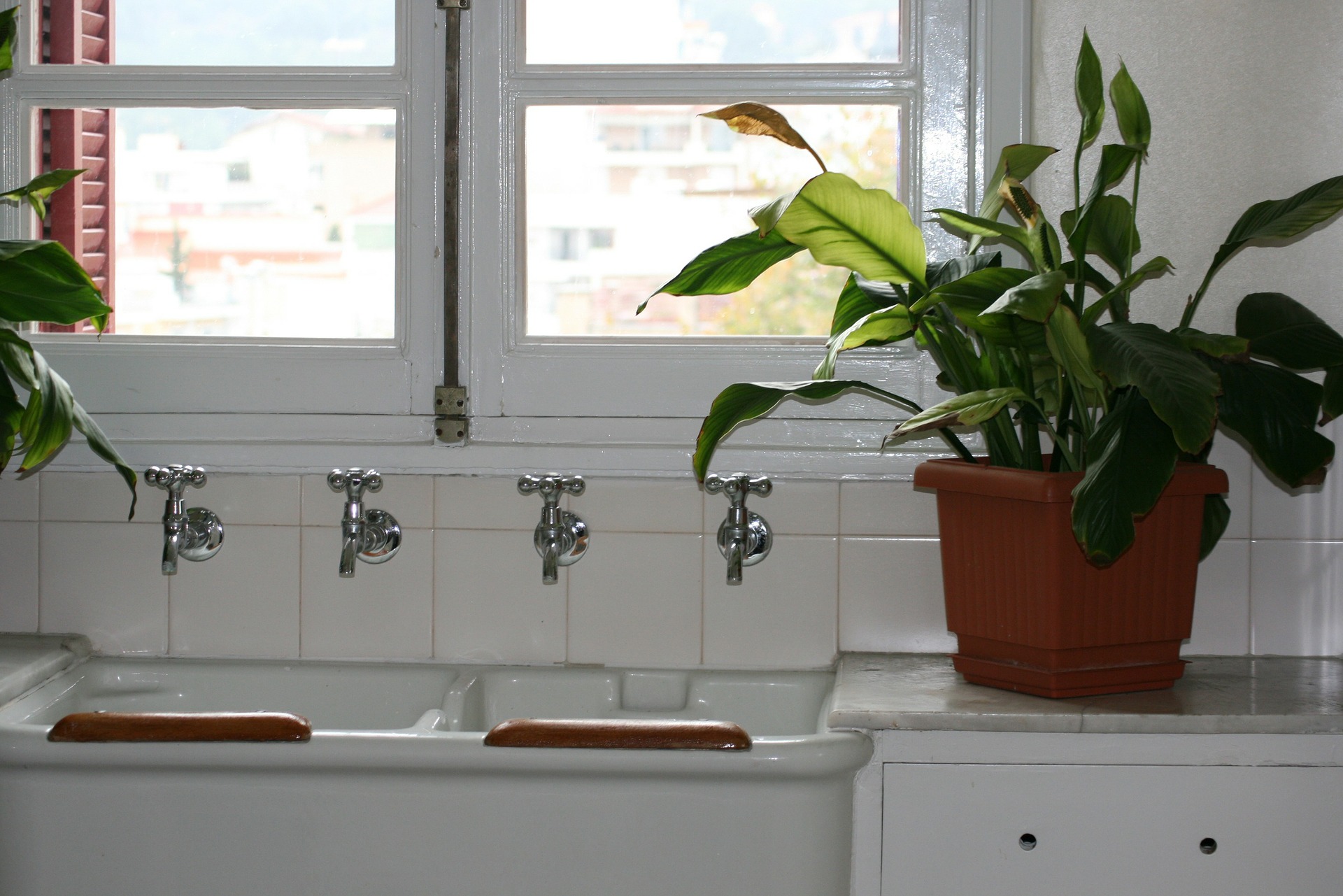
  1. Peace Lily

The peace lily is a hardy, forgiving plant that will let you know when it needs water. It has a telltale droop to signal it’s thirsty. It will pop back up as soon as it gets the water it desires. Peace Lilies prefer bright indirect light, but will be happy with medium light, as well. Place it somewhere light comes through for a few hours of the day.

  1. African Violets

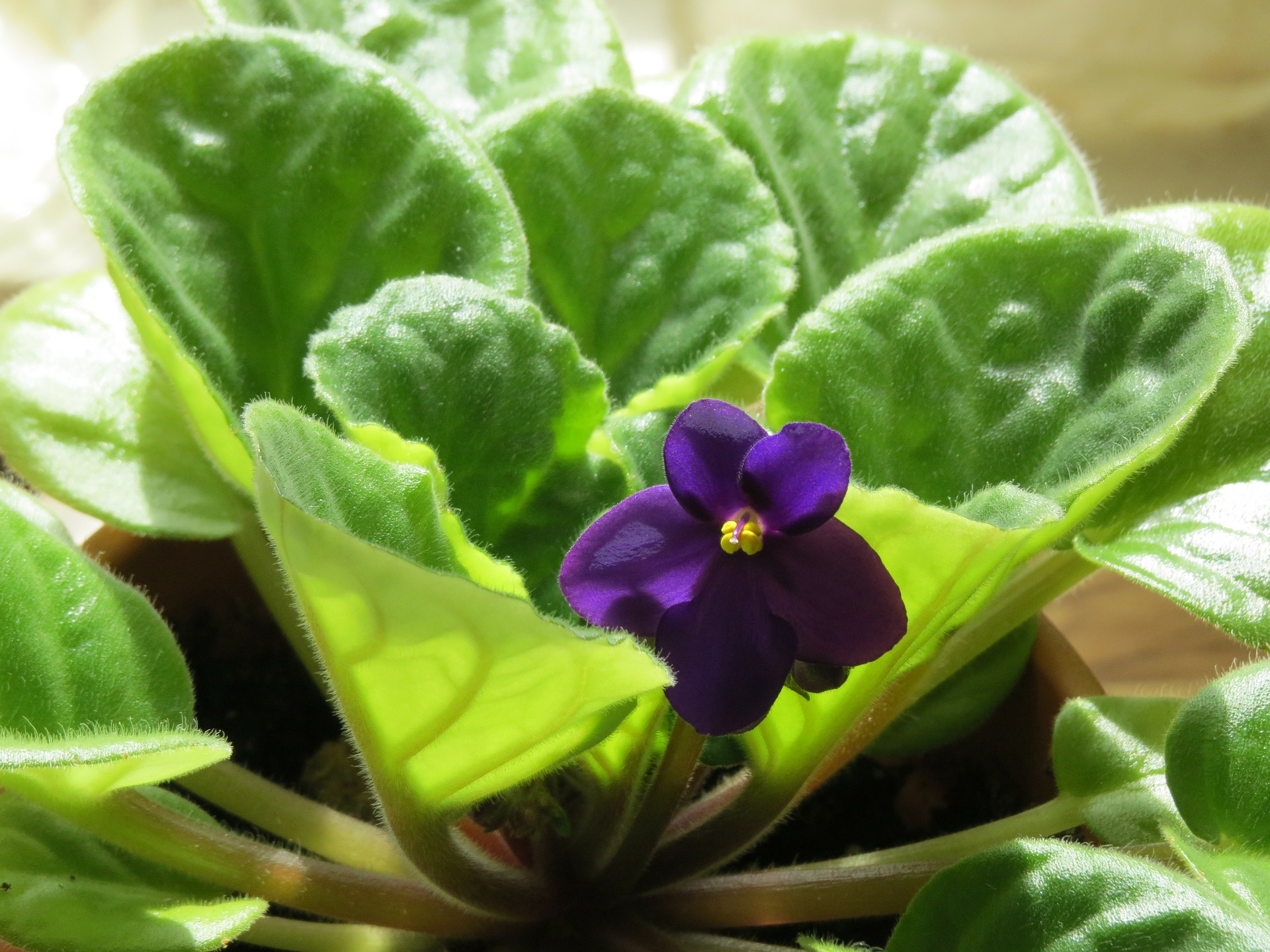
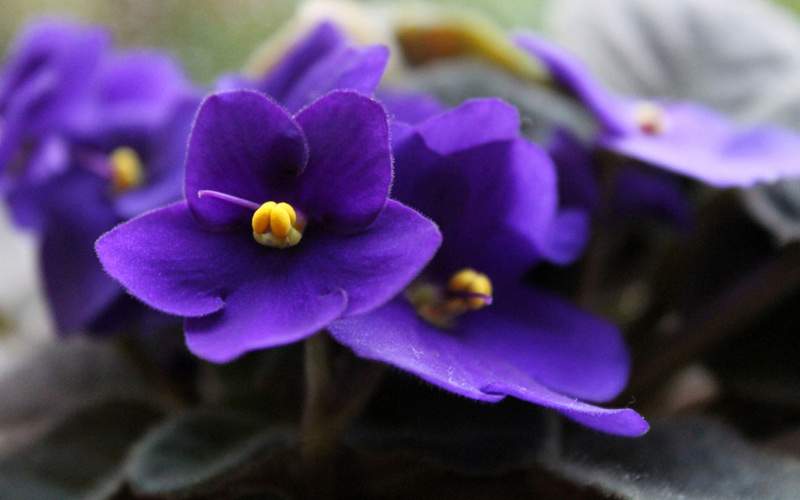
With a little bit of learning, you can introduce brilliant, cheerful blooms to your home easily. They don’t need a lot of room, so any small pot or a group of them in a bigger pot works well. African violets need bright to medium indirect light. Place them 3 feet from a west or south facing window and turn them regularly to ensure proper growth. Feed regularly with Espoma’s Violet! liquid plant food for plenty of blooms. Bring this plant to the table during dinner or hosting a party to make a beautiful and colorful centerpiece.

  1. Golden Pothos

Due to its attractiveness and simplicity to grow, golden pothos is one of the most common houseplants. Golden pothos’ trailing vines love to fall over the sides of the container, making it fun to decorate with. Those who have a “black thumb,” welcome this plant into their homes. It needs low light and minimal watering, so placing it in a bathroom would be perfect.

  1. Rubber Plant

This indoor plant may seem intimidating, being able to grow 10 feet tall, but they are simple to care for. Rubber plants love being the focal point for any home. Place your plant somewhere with bright, indirect light and water with room temperature water. These are great in sunny spots when protected by a sheer curtain.

  1. Kalanchoe

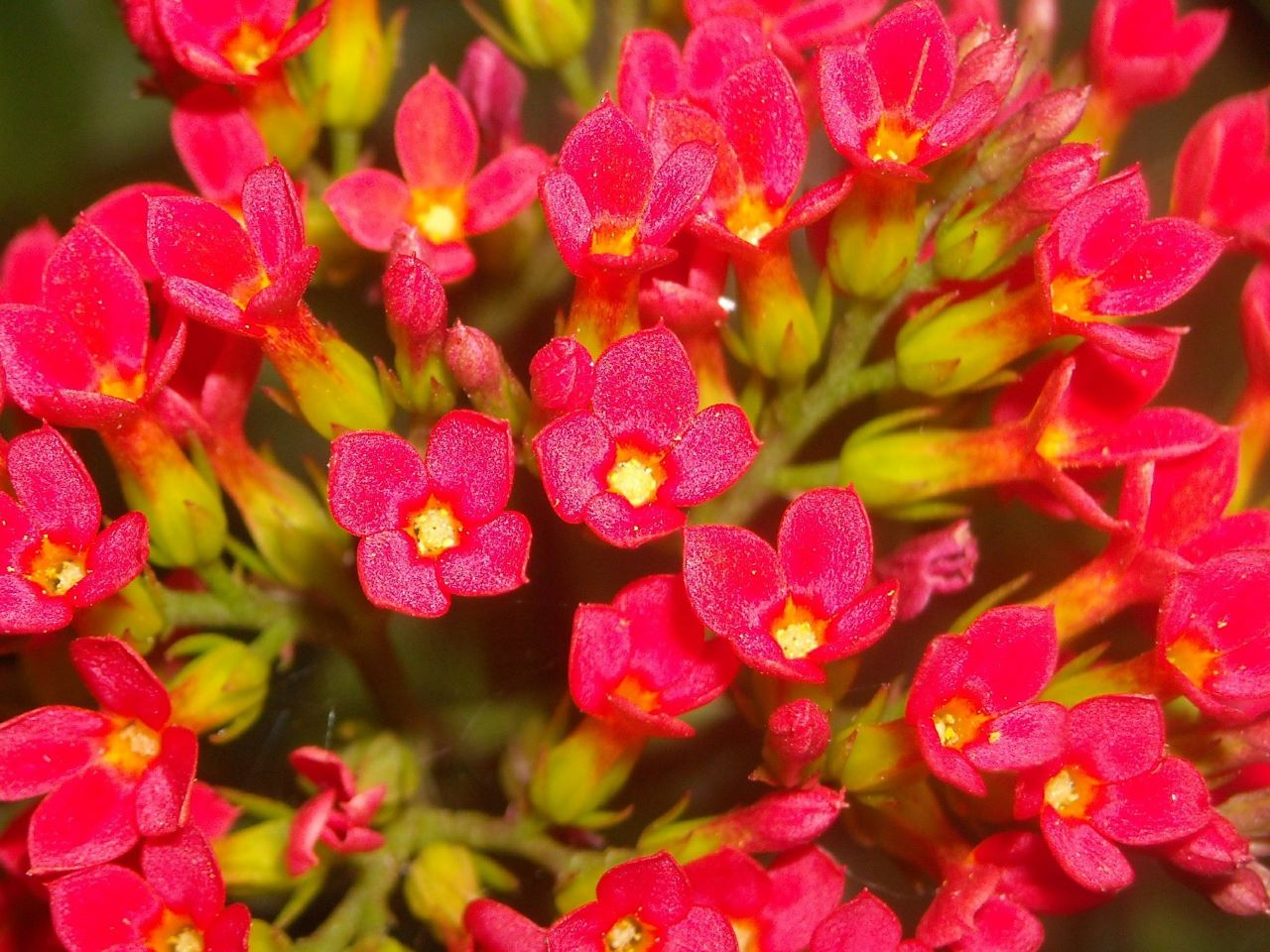
Add a pop of color with this beautiful flowering plant. While it has a reputation for being a disposable plant, with a little care they may rebloom next season. It is easy to propagate a new plant quickly from the cuttings. Place your kalanchoe in a place with bright light, such as a windowsill.houseplant care, potting soil, indoor plants

  1. English Ivy

This gorgeous plant will take over wherever it is stationed. You can train it to grow around an item to make it into a decorative sculpture or allow it to spread freely. English Ivy needs bright indirect sunlight and steady moisture. This would look great on a desk or mantel where the sun hits.

https://www.espoma.com/wp-content/uploads/2016/11/african-violet-290097_1920.jpg 1440 1920 espoma https://www.espoma.com/wp-content/uploads/2023/05/espoma-logo340w-1.png espoma2017-09-20 08:23:362024-08-12 20:20:03Bring the Outside In – Best Indoor Plants

Autumn Houseplants for Any Home

September 12, 2017/in Flowers, Gardening, Indoor Gardening, Indoor Gardening

Autumn is a wonderful (some might say the best) time of the year for color. Trees and landscapes turn into amazing shades of reds, golds, and oranges. Everything in the yard makes us want to bring those same colors indoors.

While a cutting arrangement full of autumn flowers is wonderful, they won’t last all season. That’s why we have autumn houseplants. Indoor plants bring a welcoming burst of color during the dark winter evenings and keep homes feeling cheerful.

Keep plants happy during colder months by following directions for your houseplant’s light and water requirements. Feed regularly with Espoma’s Indoor! liquid fertilizer to keep those amazing colors vibrant all season long.

8 Houseplants You Need This Autumn

  1. Crotons

Invite this bold houseplant to your space this season. The foliage comes in incredible colors of red, green, orange, yellow and even black! You will not be disappointed. Crotons like bright areas, so place it near a big window.

  1. African Violet

Bring vibrant hues to your home with African violets. They can be grown almost anywhere there is light and a bit of humidity. African violets prefer full sun in the winter to get their gorgeous color. Rotate them regularly to keep growth even. Feed regularly with Espoma’s Violet! liquid fertilizer to ensure sensational blooms.

African Violet for color by Espoma

  1. Dracena

Nicknamed the dragon plant, this houseplant brings great texture to any décor. Choose the variety of dracena that best complements your design styles– such as dark green foliage or red lined foliage. These plants are easily cared for, tolerating low light, but thriving in medium to bright spots, too.

  1. Lemon Cypress

This holiday favorite brings joy to your home all season long. Keep it trimmed into the cone shape to keep it looking like a miniature tree throughout the rest of the year. Keep in direct light and cool temperatures.

  1. Chrysanthemum

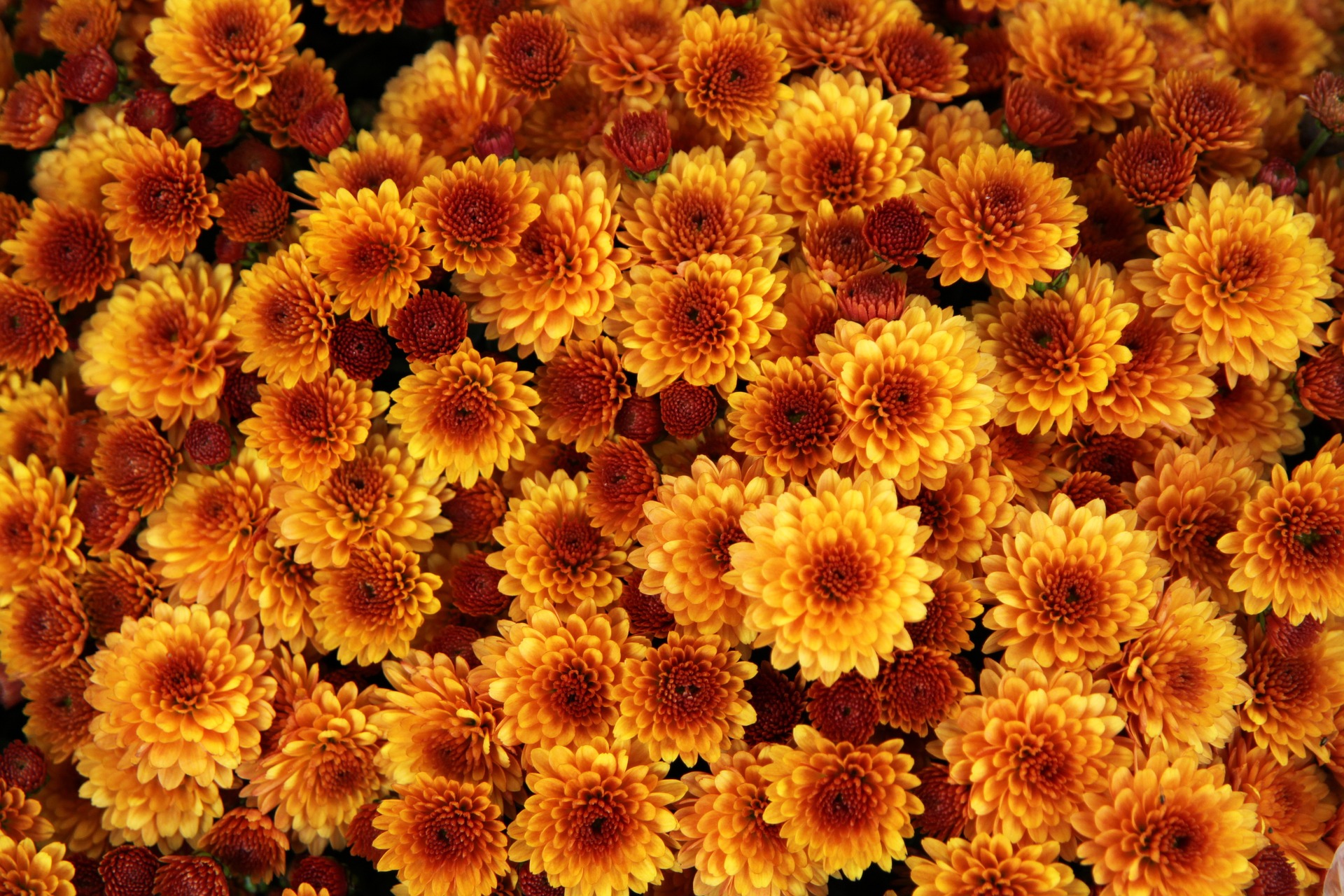
Mums are a sure indicator of autumn with their yellow, orange, and red hues. Put them anywhere they can get bright filtered light during the day, but remain in the dark at night. They look great on shelves and desks that have some sunlight hitting it.

  1. Goldfish Plant

A member of the African violet family, the goldfish plant brings a unique orange flower to your home. It’s named for the flower’s fishlike bodies and puckered mouths. Place this plant a few feet away from windows. Its curved stems make this a great choice for hanging.

  1. Oxalis triangularis

Also known as red shamrock plant, oxalis triangularis is a wonderful addition to any houseplant collection. It has big, redish-purple, clover-shaped leaves which give it the nickname shamrock. It blooms little pink or white flowers that contrast with the foliage so well. It is a dream to have. Oxalis triangularis doesn’t like direct sun, so anywhere will work for this plant. It is a bulb, so allow for drying in between waterings to prevent rotting.

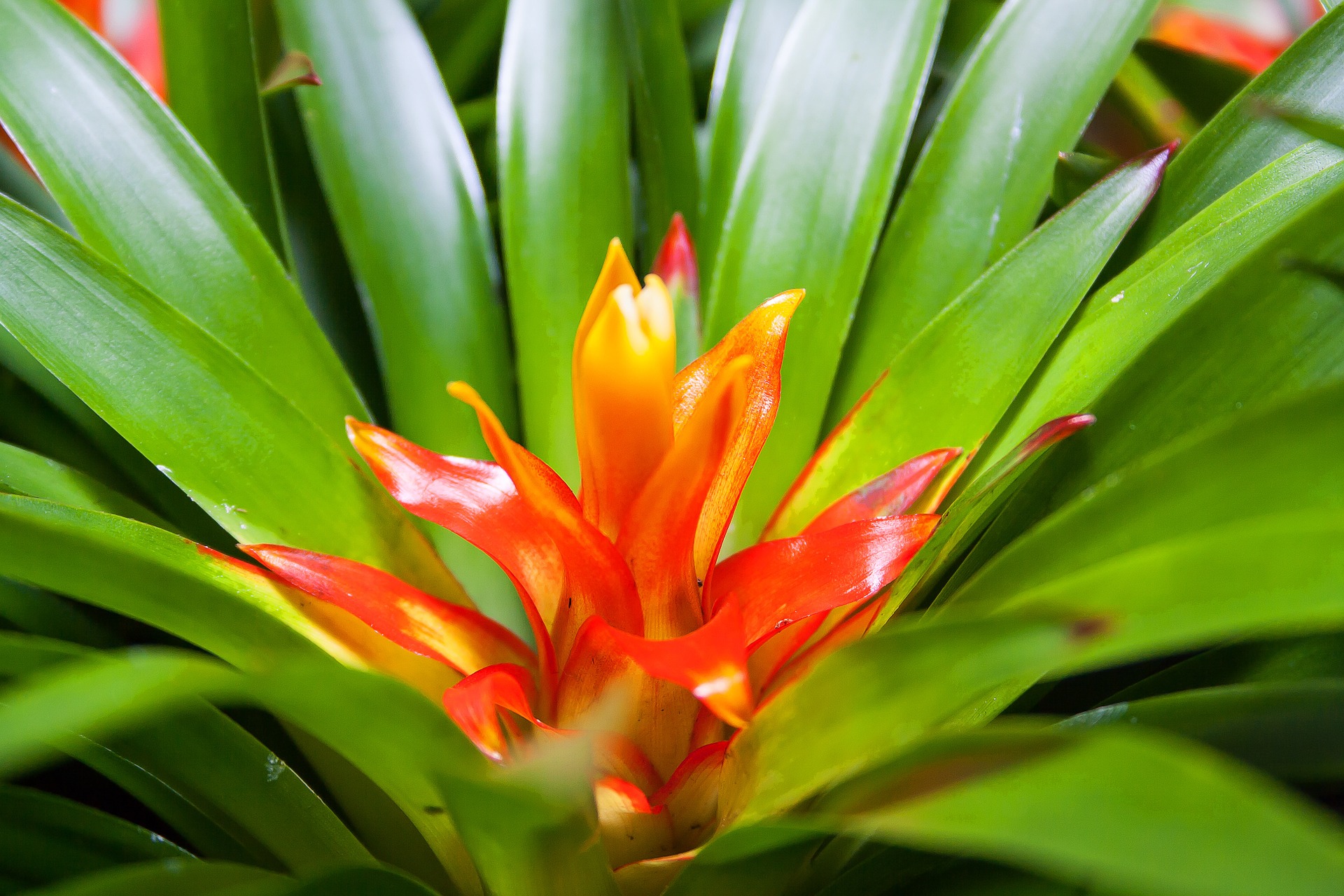
  1. Bromeliads

Known for the bright yellow, it may be surprising to some that bromeliads are offered in a sunset of colors. Bromeliads thrive on low light and minimal watering. So those who are looking for hardy plants, this one’s for you!houseplant care, potting soil, indoor plants

Have pets and want houseplants? Here is a list of pet-friendly houseplants to introduce to your home.

https://www.espoma.com/wp-content/uploads/2017/08/Mums-flowers.jpg 667 1000 espoma https://www.espoma.com/wp-content/uploads/2023/05/espoma-logo340w-1.png espoma2017-09-12 08:04:052024-08-21 04:56:07Autumn Houseplants for Any Home

Summer Care Tips for Your Favorite Orchid

June 15, 2017/in Indoor Gardening

Orchids have become a houseplant fan favorite, and rightfully so. The indoor plants add a touch of the exotic to any home and bloom for weeks at a time. Plus, orchids are typically easy to care for and relatively low-maintenance once they are established.

Here are three ways to keep your orchid happy and healthy this summer.

3 Summer Secrets to Orchid Success

Light

Orchids love light, but direct sun can often burn their delicate leaves and flowers. Avoid damaging orchids, by placing them near a window with a sheer curtain. Sun rays will seep through the curtain, providing your orchid with just the right amount of light. Or, keep your orchid in a well-lit area in your home to completely avoid risk of sun damage.

Temperature

Orchids love warm temperatures during the day; however, they like to keep cool at night. Let your orchid chill at the end of the day in a cooler room. If the heat breaks and temperatures drop below 65 degrees Fahrenheit at night, you can place your orchid outside to cool. Just be sure to remove it from direct sunlight before morning.

Proper Potting

You won’t need to repot your orchid very often, typically once a year. Start with Espoma’s Organic Orchid Mix and then plant your orchid in plastic growing pots. These containers have great drainage, avoiding problems related to overwatering.

If you’d like a more stylish pot to add to your décor, simply place the plastic container inside the decorative one.

Follow these simple tips and your orchid will produce beautiful flowers you’ll be enjoying for years to come!

https://www.espoma.com/wp-content/uploads/2017/06/Orchid-pots.jpg 770 1000 espoma https://www.espoma.com/wp-content/uploads/2023/05/espoma-logo340w-1.png espoma2017-06-15 09:00:112019-05-07 10:02:01Summer Care Tips for Your Favorite Orchid

Pink Succulents Mom Will Love

May 9, 2017/in Spring Gardening

With Mother’s Day right around the corner, you’re probably getting ready to shower your mom with love! But, deciding what to get mom gets harder each year. Instead of pink or red roses, try something new – pink succulents! While succulents typically are seen in various shades of green or blue, pretty pinks and ruby reds are perfect for Mother’s Day.

Succulents are trending in the décor world right now and look great in any home. They’re also very low maintenance and easy to care for, perfect for a busy mom on the go.

Here are five succulents to buy for mom this Mother’s Day:

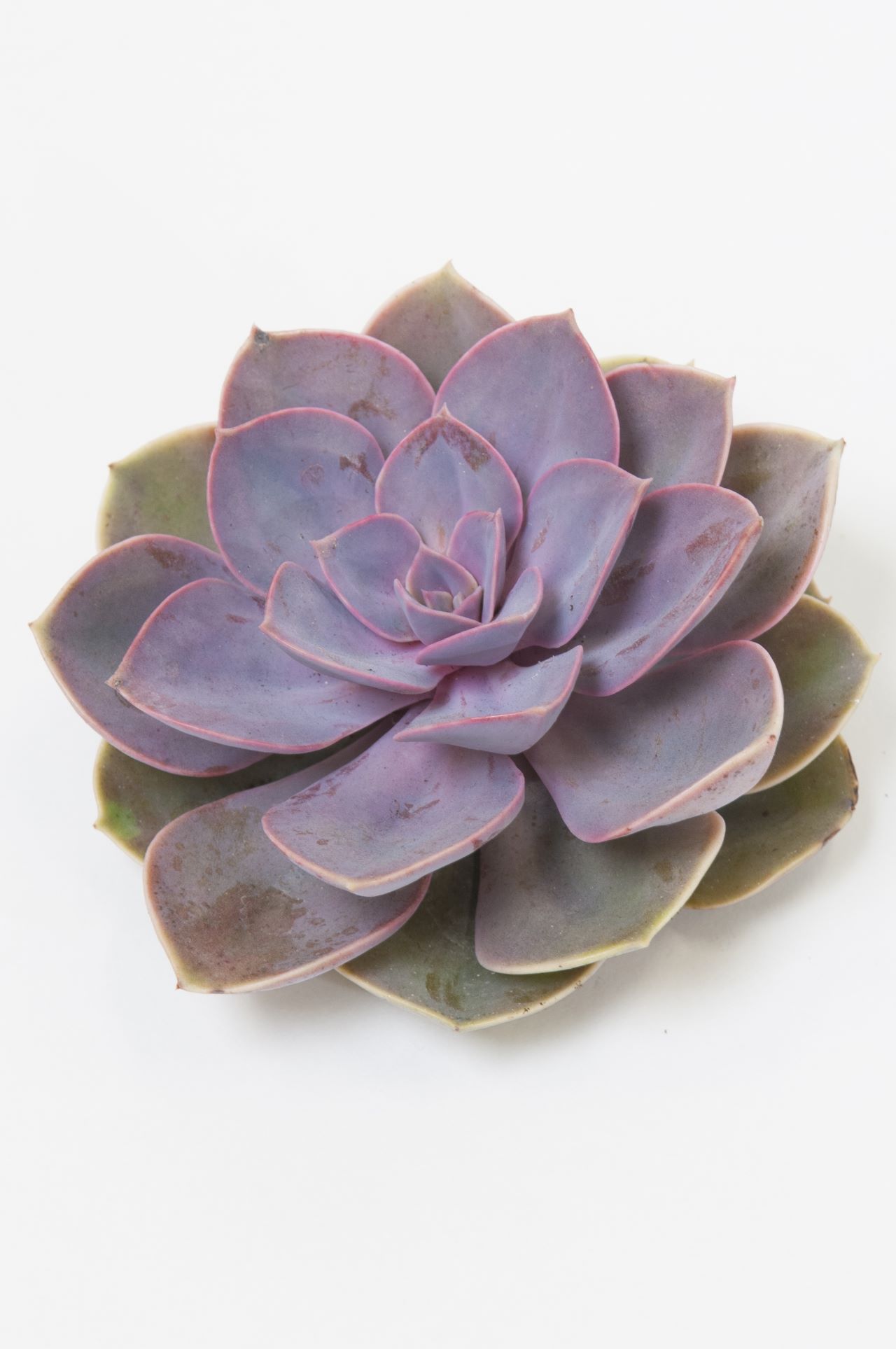
Perle von Nurnberg

The overlapping leaves of this echeveria species are beautiful in color. A greyish brown base with light pink and purple highlights creates contrast between the leaves.  In the summer, the flowers can become coral to red with a yellow interior. As with all succulents, be sure to keep soil dry to avoid root rot and growth damage.

Afterglow

This echeveria truly lives up to its name. With beautiful pastel pink and purple leaves, these succulents look like something from a fairytale, a flower any mom is sure to love. Afterglow is perfect for indoor or outdoor containers. When growing succulents in containers, be sure to use Espoma’s Cactus Mix for best results.

Aurora 

This sedum variety is definitely a fan favorite. Its bead-shaped, pink leaves earned Aurora the adorable nickname “Pink Jelly Beans” – and what mom wouldn’t love that? Yellow and white summer blooming flowers pair perfectly with the existing pink foliage.

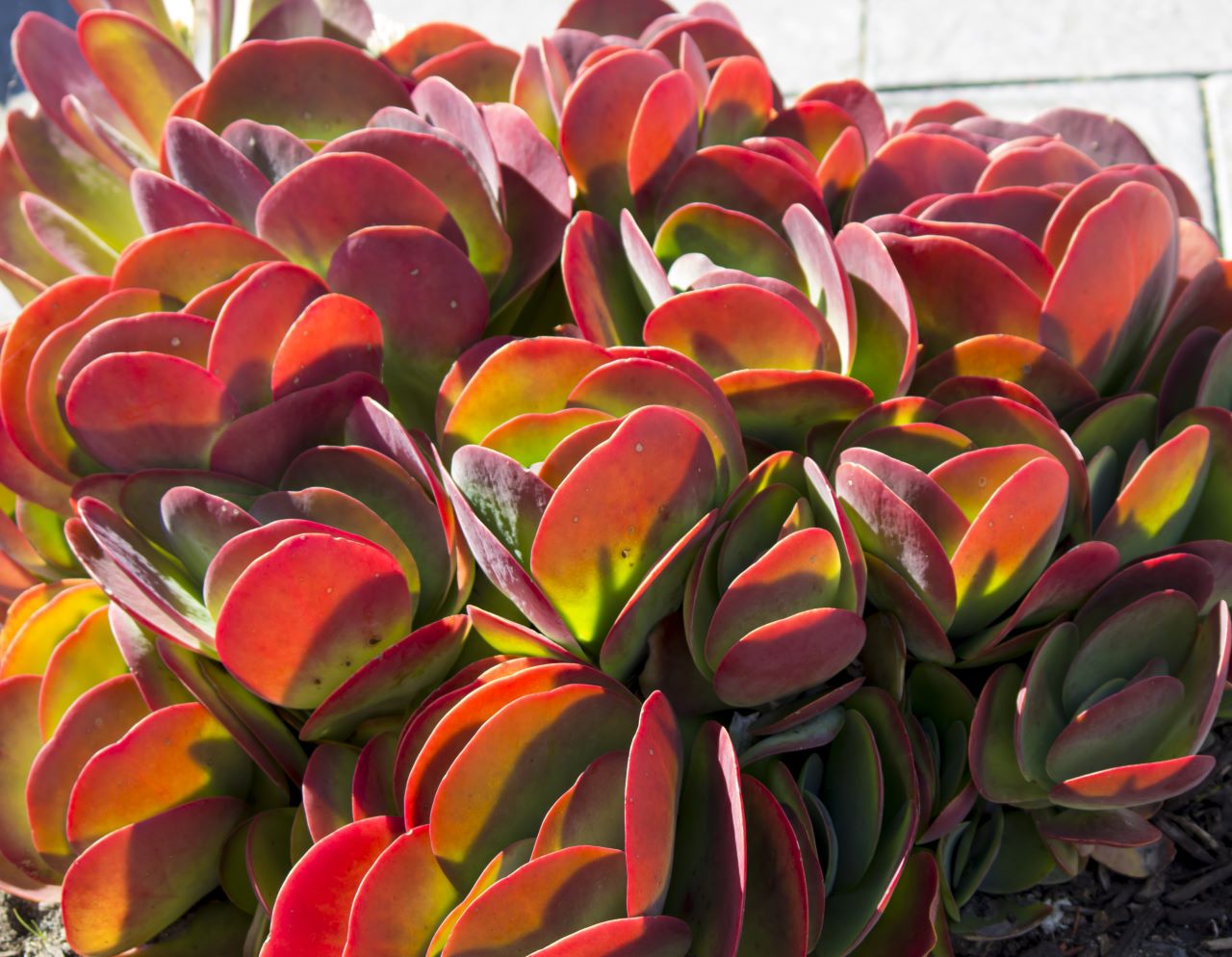
Paddle Plant

Also known as Flapjack Plant or Desert Cabbage, this succulent gets its name from its flat, wide leaves. Paddle plant is typically found in green, but becomes accented with red when it receives enough sunlight. Like most of the succulents on this list, the pink and red color only becomes more prominent with more sun.

Graptopetalum pachyphyllum 

Bonus points for mom if she can pronounce the name! This species has beautiful rosettes of pinkish leaves, topped by tiny, yellow flowers with pointed petals. When given a lot of sunlight, the gray foliage can show a reddish tint.

This Mother’s Day, show mom your love with one – or all – of the succulents on this list. Try incorporating the succulents in a cute planter for a really unique gift!

https://www.espoma.com/wp-content/uploads/2017/05/Aurora-Sedum-Pink.jpg 853 1280 espoma https://www.espoma.com/wp-content/uploads/2023/05/espoma-logo340w-1.png espoma2017-05-09 10:08:512019-05-07 10:02:02Pink Succulents Mom Will Love

May Gardening Checklist: 5 Essential To-Dos for a Thriving Garden

May 2, 2017/in Blog, Spring Gardening

May is one of the busiest and most exciting months in the garden. Flowers are blooming, veggies are sprouting, and summer crops are ready to go in. But to keep your garden thriving naturally, it’s important to use the right organic products to nurture your soil, plants, and harvest.

Here’s your Espoma-approved May checklist to prep your garden for a healthy, productive summer season.

Garden Clean up

1: Tidy Up Your Garden Space

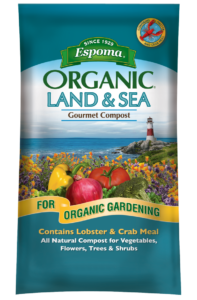
Start fresh by clearing out weeds, dead plants, and old debris — this keeps pests and diseases in check and opens up space for new growth. As you tidy up, top off your beds with Espoma Organic Land & Sea Gourmet Compost to enrich the soil with nutrients and improve texture.

Once your garden is clean, you can apply a layer of mulch to help conserve moisture and regulate soil temperature. This simple prep sets the stage for everything that comes next.

spring crops

2: Harvest Early Spring Crops

Your cool-weather crops like lettuce, spinach, radishes, and peas are likely ready to harvest. After picking, don’t leave that soil depleted! Replenish it by working in Espoma Organic Garden-tone or Plant-tone to restore nutrients before planting your summer vegetables.

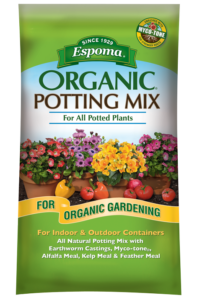
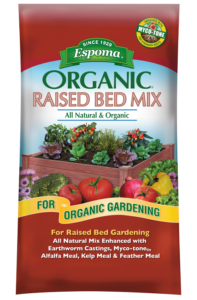
For container gardens, refresh the mix with Espoma Organic Raised Bed Mix or Potting Mix so your new plants have a rich, organic base to grow in. Healthy soil = healthy crops.

People planning a project

3: Plan Your Garden Layout Thoughtfully

Before you rush to plant, take a little time to sketch out your garden plan. Group plants with similar needs together, and research what varieties perform best in your area. If you’re unsure, visit a local garden center and look for recommendations — and while you’re there, pick up organic fertilizers suited for what you’re planting (like Espoma Organic Tomato-tone for tomatoes, Berry-tone for berries, or Rose-tone for roses).

Planning ahead ensures you can match the right organic products to the right plants, maximizing growth and minimizing problems down the line.

planting with organic fertilizer

4: Get Planting — and Feed Organically

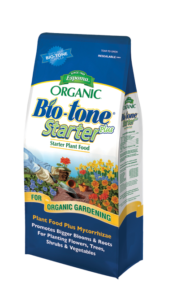
Once your area is frost-free, it’s time to plant! Whether you’re planting veggies, flowers, or herbs, give them the best start by enriching the planting hole with Espoma Organic Bio-tone Starter Plus. This starter fertilizer contains mycorrhizae, which help plants establish strong root systems and reduce transplant shock.

As the season goes on, continue feeding regularly with Espoma Organic Tone Fertilizers, depending on what you’re growing. These slow-release, organic fertilizers keep plants nourished naturally, without the risk of burning or chemical buildup.

planting

5: Transfer Indoor Seedlings Outdoors Carefully

If you started seeds indoors, harden them off gradually before moving them outside. Once ready, plant them in your garden or containers and mix Espoma Organic Bio-tone Starter Plus into the soil. This ensures young plants have access to the nutrients and beneficial microbes they need to get established and grow strong healthy roots.

For containers, fill pots with Espoma Organic Potting Mix, which provides excellent drainage and moisture retention while feeding plants with organic ingredients. Don’t forget to water thoroughly after transplanting to help roots settle in.

family in vegetable garden

🌸 Bonus Tip: Keep Feeding and Caring All Season Long

Throughout the summer, keep an eye on your plants. Feed every month or as needed with the appropriate Espoma Organic fertilizer for each plant type. Water deeply at the base, mulch to retain moisture, and enjoy the lush, organic garden you’ve worked so hard to create.

With the right products and a little care, you’ll be harvesting beautiful, homegrown food and flowers all summer long — the organic way!

Featured Products:

Espoma Organic Potting soil Mix Big bagEspoma Organic Land and SeaEspoma Raised Bed Mix bag  Espoma Organic Tomato-toneEspoma Organic Rose-tone bagEspoma Organic Plant-tone organic fertilizer

Where to Buy

https://www.espoma.com/wp-content/uploads/2018/05/Curb-appeal-hosta-black-eyed-susan.jpg 850 1280 espoma https://www.espoma.com/wp-content/uploads/2023/05/espoma-logo340w-1.png espoma2017-05-02 08:00:312025-05-06 14:10:27May Gardening Checklist: 5 Essential To-Dos for a Thriving Garden

The Best Pet-friendly Houseplants

April 27, 2017/in Indoor Gardening

For most, pets are a member of the family. And like any other family member, we’ll do whatever it takes to keep them happy and safe. Since our furry friends don’t always know what’s best for themselves, it’s up to us to petscape and create a safe environment they can roam freely in.

To remove some of the guesswork, we have comprised a list of plants that add beauty to your home and are problem-free for your pets. Just because these plants are pet-safe, doesn’t mean a mischievous cat still won’t knock your favorite plant off the table or dog might decide to take a bite. If your pet does get into any plants, even the nontoxic kind, be alert for signs of an allergic reaction.

5 Houseplants Safe to Have Around Pets

  1. Spider plant

This classic, indoor plant is a staple in many households because it grows fast growers and improves indoor air quality. Spider plants do need regular waterings, but can live in most light conditions and temperatures.

  1. Bamboo

In addition to being non-toxic to dogs, cats and horses, bamboo adds beauty to any household. The plant prefers a location with indirect, bright light, but can thrive under artificial lighting as well.

  1. African violet

The blooms of African Violets are delicate and come in hues of vibrant purples and pinks. They can thrive in windowsill container gardens and are very easy to care for. Keep them in a warm place in the house where they can get lots of sunlight to ensure year-round flowers.

  1. Boston ferns

Only true ferns are safe for pets, so when shopping make sure to look for this fern. These non-toxic plants can survive in cool, humid, dark places. Humidity is key for these plants, so lightly mist them once or twice a week and be sure to monitor the soil and keep moist.

  1. Phalaenopsis orchids

These orchids are great because they are both pet safe and human safe. This popular edible flower is found often in Hawaiian dishes and tropical drinks. They require indirect, bright light and need water once a week, but don’t overwater.

Now that you’ve taken care of indoor plants, learn how to petscape your yard.

https://www.espoma.com/wp-content/uploads/2017/04/cat-orchid-houseplant.jpg 3071 4606 espoma https://www.espoma.com/wp-content/uploads/2023/05/espoma-logo340w-1.png espoma2017-04-27 09:00:342019-05-07 10:02:03The Best Pet-friendly Houseplants

Hanging Plants: Make Your Own Kokedama

April 13, 2017/in Indoor Gardening

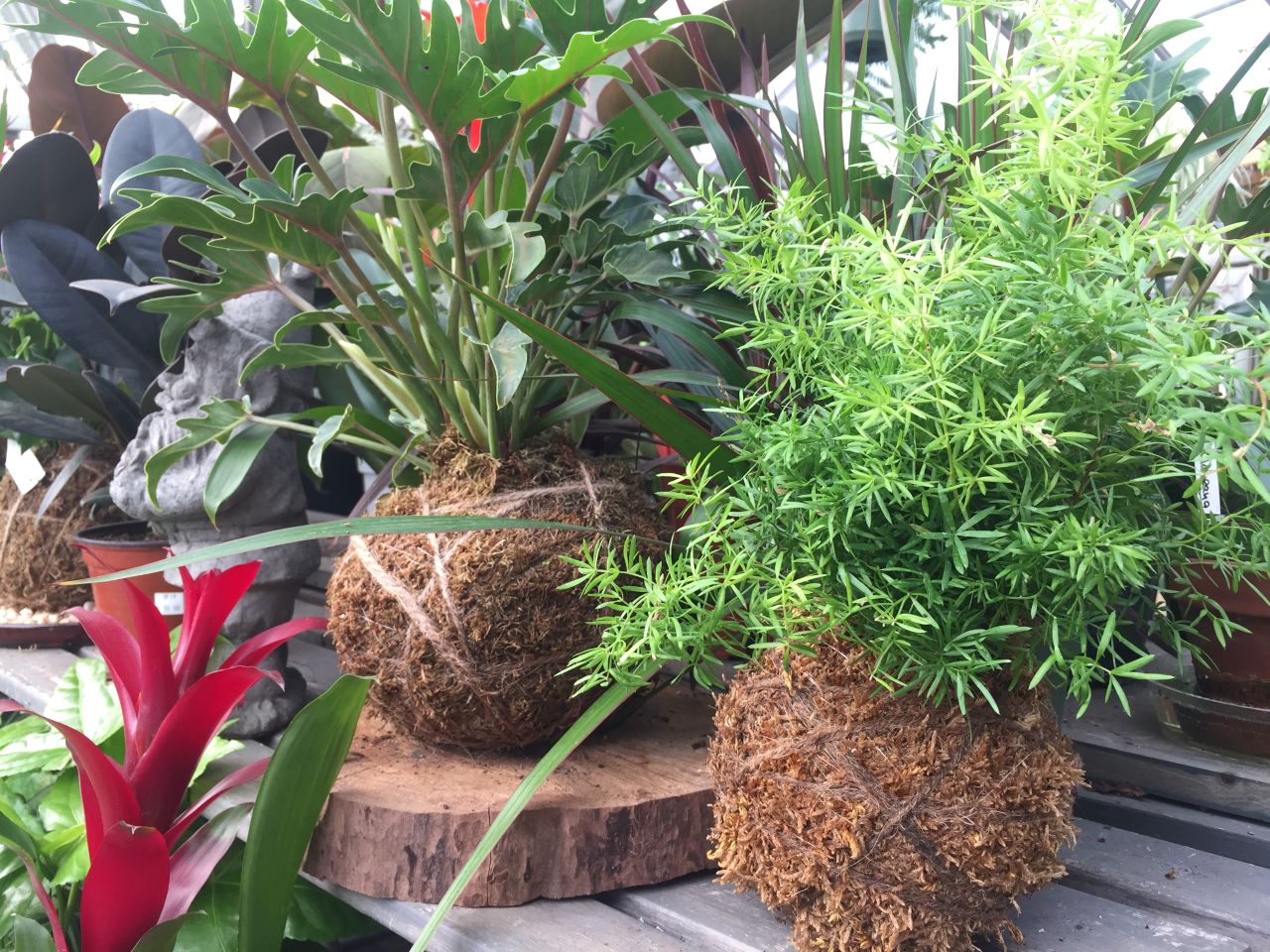
Houseplants that you don’t have to think about are the best. And extremely low maintenance ones that look great are even better. Enter Kokedama. This traditional Japanese art form encloses a plant’s roots in moss to retain moisture.

Kokedama literally mean “moss ball.” The style originated from the Nearai and Kusamono bonsai styles and today, this design goes one step further when the moss balls are suspended with string.

You can use almost any small indoor plant for this project. When choosing your plant, think about where you will display your Kokedama and keep lighting needs in mind for your plant.

It’s not hard to make your own. Follow along with these instructions.

For this project, you will need:

  • Espoma Organic Garden Soil
  • Espoma’s Organic Potting Mix or Espoma’s Organic Orchid Mix
  • Moss
  • Strong twine
  • 26 gauge wire
  • Scissors
  • Water
  • Bucket
  • Small plant such as a fern or ivy

Photo Mar 12, 4 47 17 PM

6 Steps to making a Kokedama

  1. Mix it. Kokedama uses heavier soil and we recommend using a ratio of 70 percent indoor potting soil with 30 percent garden soil. In a bucket, mix soil well. Add a small amount of water to bond the soil together so it has a clay-like feel. Soil should be sticky and pliable once all ingredients have been mixed.
  2. Ball it. Depending on the size of your plant, form a ball ranging in size from a plum to a grapefruit. Gently insert your thumbs into the middle of the ball, keeping the sphere intact. This is where your plant roots will go.
  3. Plant it. Remove plant from container, gently shaking off excess soil. Dunk roots in water. Place your plant’s roots into the soil ball, gently forming the soil around roots and adding more soil if necessary.
  4. Cover it. Dip moss in water, then squeeze out excess water. Place and press the damp moss around the soil ball. Leave enough space around the plant for breathing room.
  5. String it. Once your ball has taken shape, securely wrap and tie it with twine. Now, add a piece or wire or twine at your desired length for hanging.
  6. Soak it. Place the Kokedama in a bucket and cover the moss ball with water without submerging the plant. Let it soak for 10-15 minutes then you’re ready to go! Do not let the Kokedama dry out completely before soaking again. Depending on the plant and environment, soak Kokedama about once a week.

Once you’re done with your Kokedama, try your hand at this succulent planter DIY!

https://www.espoma.com/wp-content/uploads/2017/04/Photo-Mar-12-4-22-46-PM.jpg 2448 3264 espoma https://www.espoma.com/wp-content/uploads/2023/05/espoma-logo340w-1.png espoma2017-04-13 09:00:122019-05-07 10:03:16Hanging Plants: Make Your Own Kokedama
Page 11 of 14«‹910111213›»
Where to Buy

Get News & Updates

Recent Posts

  • VIDEO: A Formal Garden Tour with Summer Rayne Oakes
  • VIDEO: Repotting in the Greenhouse with Garden Answer
  • VIDEO: How to Winterize Your Chicken Coop with Summer Rayne Oakes
  • VIDEO: Planting Spring Bulbs in Containers 🪴🌷 with Summer Rayne Oakes
  • VIDEO: Planting the Last Bulbs of the Season with Garden Answer

Tags

All-Purpose Potting Mix bio-tone Bio-tone Starter Bio-tone Starter Plus Cactus Mix caring for houseplants Container Gardening DIY project Espoma espoma grown espoma organic Espoma Organics Espoma Video fall gardening Family fert flower garden flowers garden Garden Answer Gardening gardening tips gardens grow holly-tone houseplants Indoor! indoor gardening indoor plants Kaleb Wyse organic organic fertilizer Organic Gardening organic plant food Organic Potting Mix Outdoor Gardening Planting plants Potting Mix potting soil Spring Gardening summer rayne oakes vegetable garden Vegetable Gardening Wyse Guide

Espoma. A Family Tradition Since 1929.

Espoma Organic logo
  • Espoma Dealer
  • Espoma Pro
  • Garden Club
  • Privacy Policy

Scroll to top