Espoma Organic
  • Products
    • Close
    • Product Line Overview
    • Plant food finder
    • Garden Fertilizers
    • Potting Soils
    • Lawn Fertilizers
    • Liquid Fertilizers
    • Single Ingredients
    • Conventional Plant Foods
    • Animal Care Products
  • Where to Buy
  • Our Story
    • Close
    • Our Story
    • Locations
    • Historical Timeline
    • Our Commitment
    • Directions
    • Solar
    • Join our Team
    • Espoma Brand Partners
  • Learn
    • Close
    • Espoma Blog
    • FAQ’s
    • Pocket Guide
    • Espoma Guides
    • Garden Clubs
    • Safe Paws Lawn
    • PRODUCT FACT SHEETS
    • Fertilizer Fundamentals
      • Close
      • Understanding Plant Nutrition
      • Reading Labels
      • Choosing the Right Type of Fertilizer
      • Terms & Definitions
    • Gardening Projects
    • Resource Links
  • Contact Us
  • Menu Menu

Tag Archive for: houseplants

A Healthy and Happy New Year with Plants

December 27, 2016/in Indoor Gardening

With the start of a new year, we’ve got resolutions on our mind. Eat right, exercise more and add houseplants.

Yep, you read that right. Houseplants actually boost your wellbeing. In addition to bringing the outdoors in, some houseplants are proven to provide both physical and psychological benefits.

You know that plants produce the oxygen we breathe, but did you know that houseplants are also powerful natural air filters. Common products such as household cleaners, carpets, furniture and nail polish release volatile organic compounds (VOCs) into the air.

Add just few plants to your home to improve air quality. Adding houseplants is one of the easiest and least expensive ways to make your home healthier for the New Year.

Winter houseplants aren’t just limited to holiday plants like poinsettias. The options are endless.

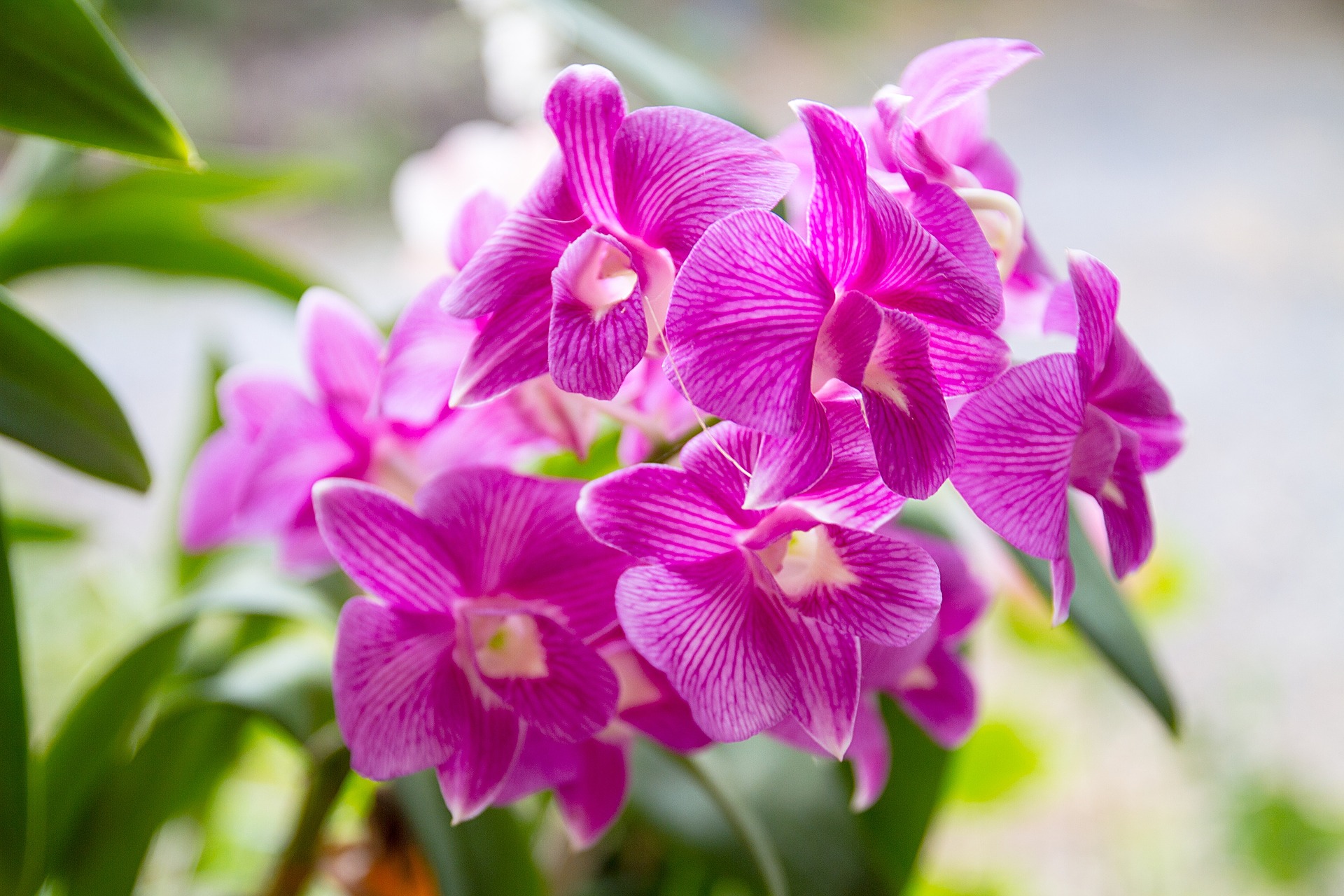
orchid-1594602_1920

The Best Plants for Your Home

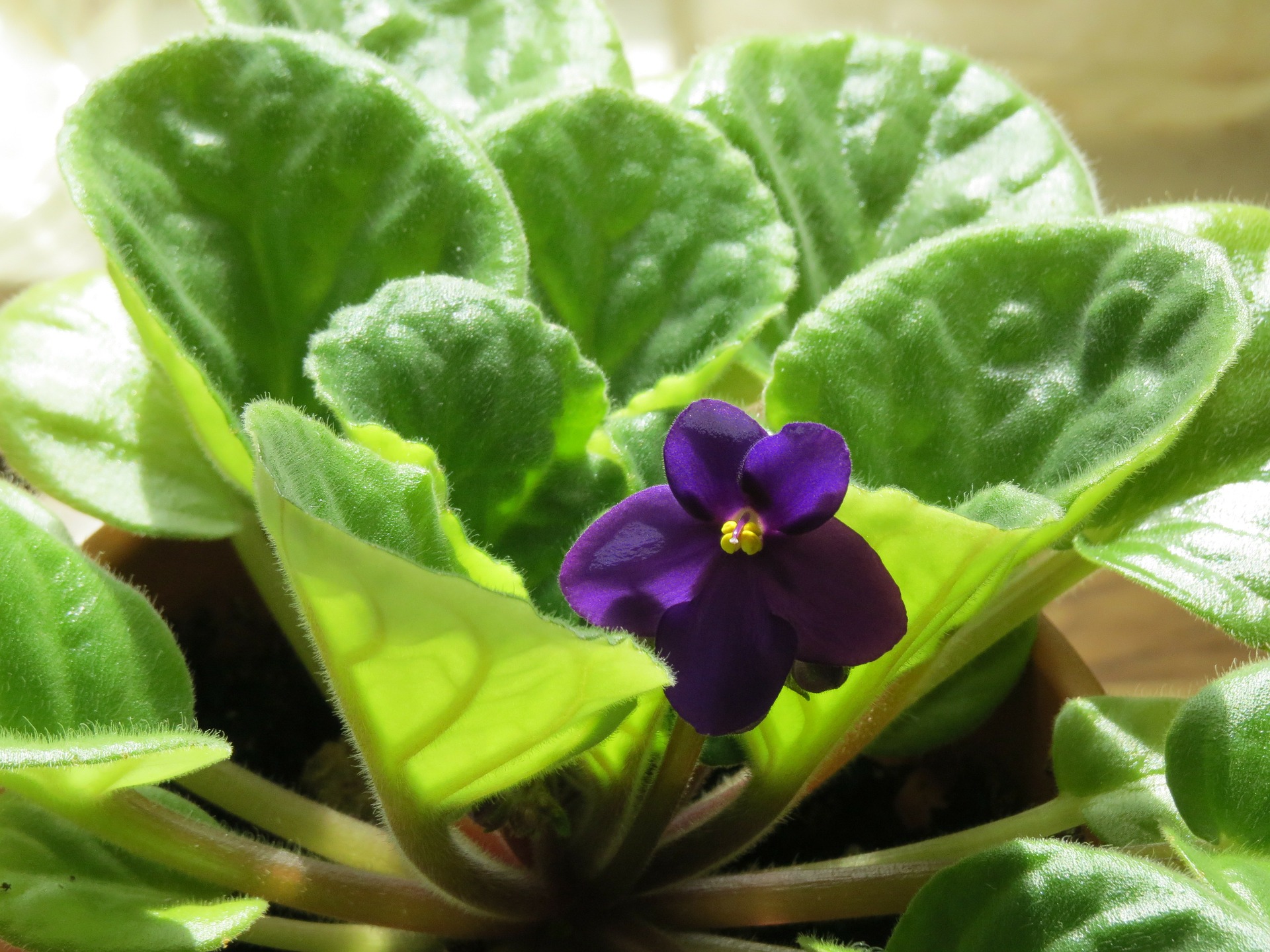
  • African violets
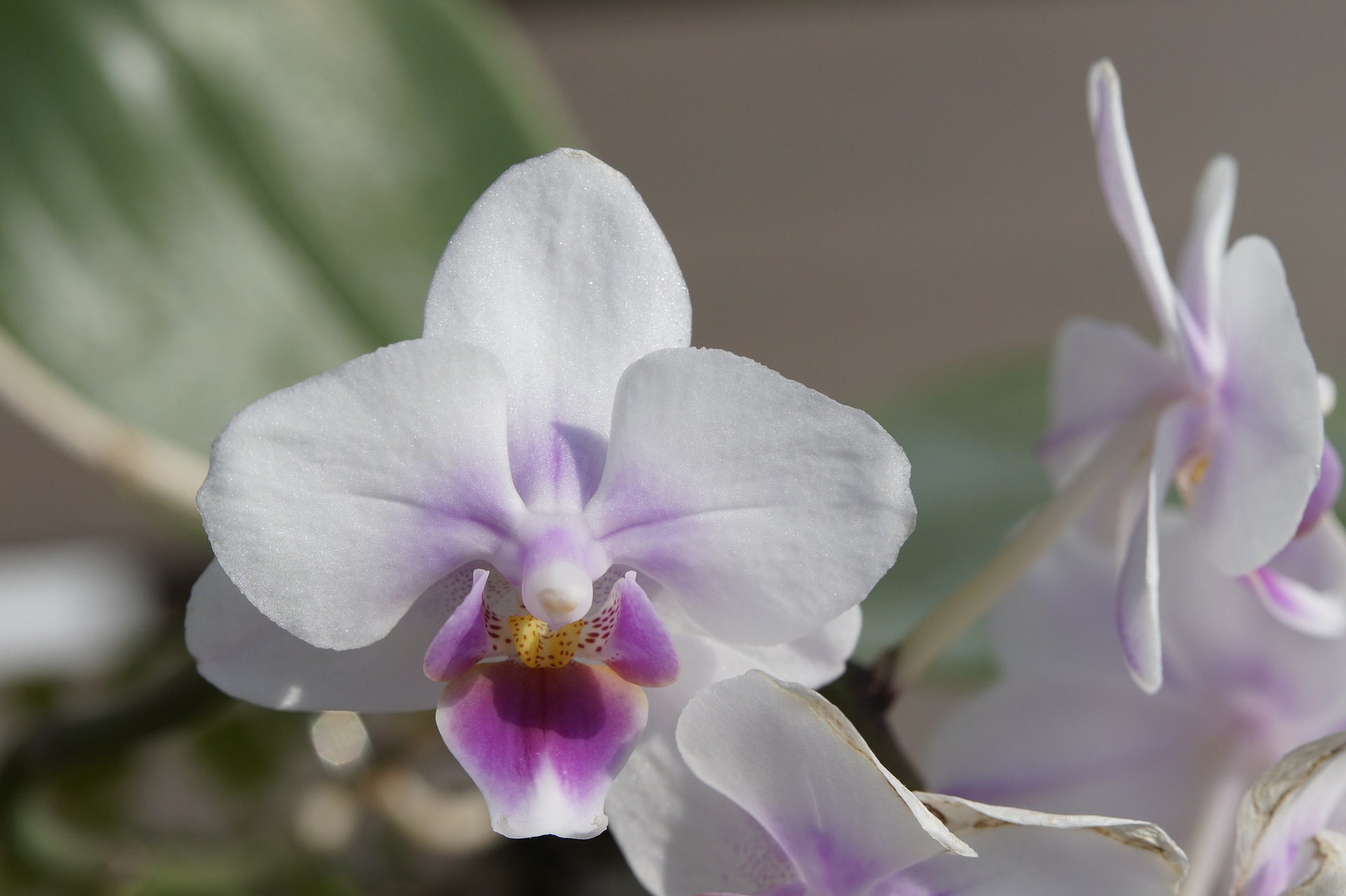
  • Orchids
  • Peace lily
  • Chinese evergreen
  • Philodendron
  • ZZ plant
  • Dieffenbachia

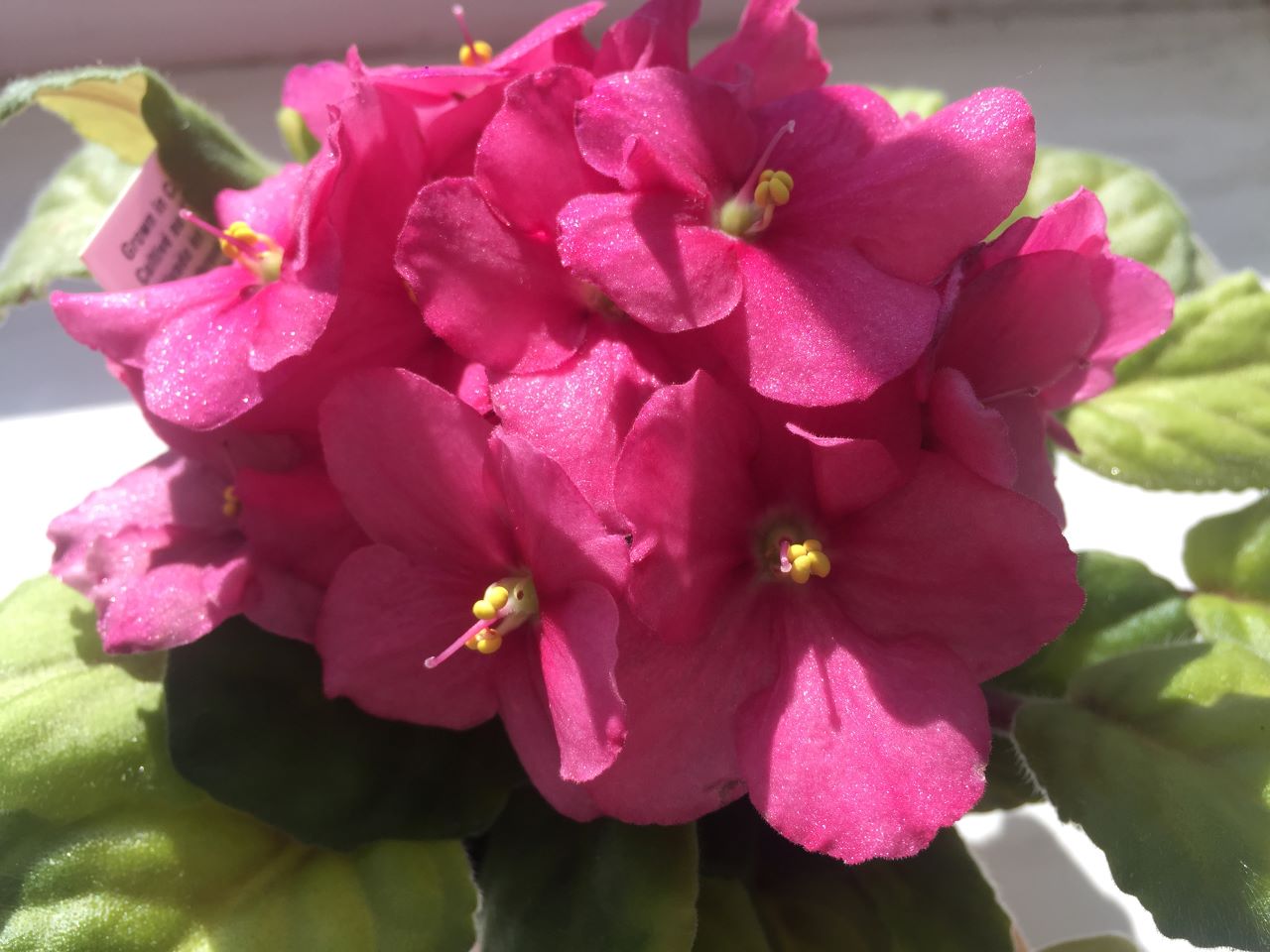
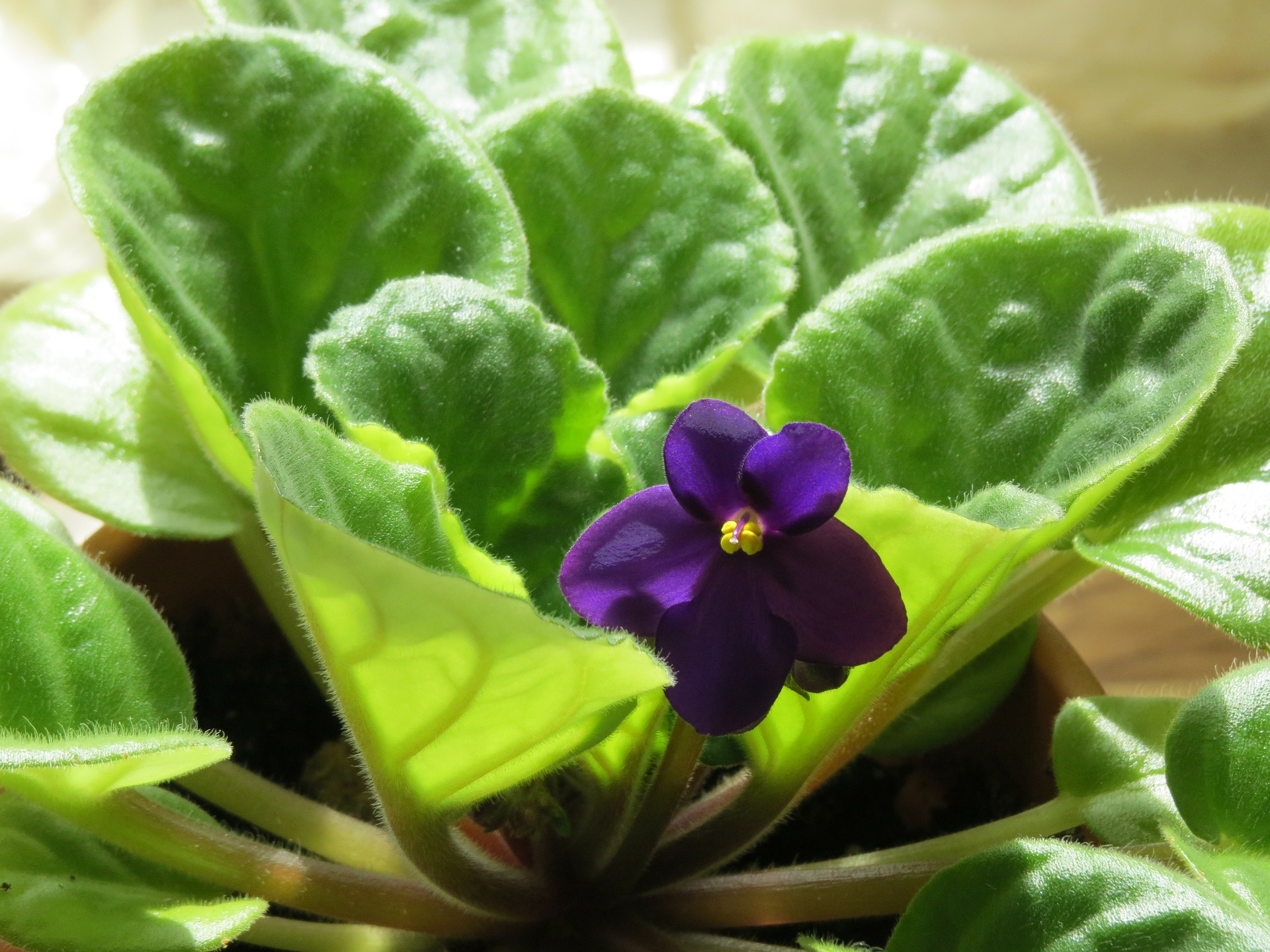
he colorful blooms of African violets are extra special. They’ll instantly add color to any room.

Some houseplants even remove common toxins from indoor air, surely shooing away the winter blues.

Other scientific studies show houseplants can help us stay healthier in other ways, including reducing frequency of headaches, sore throats and stress levels.

Especially after spending so much time indoors for the winter, it’s nice to have a pop of nature. Dry skin and chapped lips are uncomfortable side effects of forced-air heating. A natural remedy is to add houseplants that act as humidifiers, releasing moisture as a part of their natural breathing.

Being around plants, especially in indoor environments, improves creativity, problem-solving skills, memory, and cognitive skills.

While you’re at it, don’t forget to keep houseplants healthy! The cold season can be challenging for houseplants, too. Help houseplants thrive by creating a happy home and they’ll continue brightening winter days. Feed with Espoma’s indoor liquid plant foods to give plants the natural proteins and beneficial microbes they need.

Houseplants give back year-round. Learn more about caring for houseplants here.

https://www.espoma.com/wp-content/uploads/2015/11/potted-cactus-17929_640.jpg 480 640 espoma https://www.espoma.com/wp-content/uploads/2023/05/espoma-logo340w-1.png espoma2016-12-27 08:00:592024-08-21 08:37:32A Healthy and Happy New Year with Plants

Help Houseplants Weather the Winter

December 20, 2016/in Indoor Gardening

Lush green plants filled with blooms aren’t only found in the garden. Even though you’ve put your outdoor garden to bed for the winter, you can still grow thriving houseplants inside.

Winter houseplants aren’t just limited to holiday plants like poinsettias. The options are endless — ranging from African violets to orchids. Some houseplants even remove common toxins from indoor air, surely shooing away the winter blues.

The cold season can be challenging for houseplants, however. Light is low, days are short and indoor humidity is terrible. Help houseplants thrive by creating a happy home and they’ll continue brightening winter days.

african-violet-290097_1920

Four tips to help houseplants thrive over winter:

  1. Keep leaves green. If leaf tips are brown, it means your houseplant isn’t getting enough moisture. The remedy is simple. Place a humidifier near multiple plants or place the plant on a tray of pebbles and water. But don’t let the roots sit in standing water.
  2. Don’t forget to water. This is a common issue for the forgetful gardener. Set up a watering schedule and give plants a drink when soil is dry to the touch, about every seven to 10 days.
  3. Let in the light. A houseplant will tell you it’s happy by maintaining healthy leaves. If there’s enough light for you to read by, there’s probably enough for a low-light houseplant. Don’t put plants near heat or air conditioning ducts, on TVs, or between curtains and chilly windows.
  4. Feed Organically. Fertilizing is easy with Espoma’s indoor liquid plant foods. Give plants the natural proteins and beneficial microbes they need to provide beautiful results. And the innovative Easy Dose cap pours the perfect amount without any measuring or mess.

Brown thumbs can easily turn green. Learn more about caring for houseplants here.

https://www.espoma.com/wp-content/uploads/2016/12/aloe-vera-918662_1920.jpg 853 1280 espoma https://www.espoma.com/wp-content/uploads/2023/05/espoma-logo340w-1.png espoma2016-12-20 16:36:262024-08-20 20:36:01Help Houseplants Weather the Winter

Video: How to Replant African Violets with Garden Answer!

December 1, 2016/in Espoma Videos

Even African violets need to be repotted once to twice a year to keep them growing. Laura from Garden Answer guides you through the steps of choosing a new container and replanting.


Where to Buy


https://www.espoma.com/wp-content/uploads/2016/12/Repotting-thumbnail.jpg 1080 1920 espoma https://www.espoma.com/wp-content/uploads/2023/05/espoma-logo340w-1.png espoma2016-12-01 10:00:272022-12-20 11:25:08Video: How to Replant African Violets with Garden Answer!

6 Tips For Caring for African Violets

December 1, 2016/in Espoma Videos

Laura from Garden Answer shows you how to care for African violets. Once you get in a regular routine of taking care of African violets, you’ll find they grow very easily. All of their basic needs need to be met though, or they won’t bloom. Give them the right temperature, light and a good feeding, and you’ll be blooming in no time!

https://www.espoma.com/wp-content/uploads/2016/12/African-Violet-thumbnail.jpg 1080 1920 espoma https://www.espoma.com/wp-content/uploads/2023/05/espoma-logo340w-1.png espoma2016-12-01 09:30:462019-05-07 10:04:196 Tips For Caring for African Violets

Top 4 Houseplants to Give and Get this Holiday Season

November 29, 2016/in Indoor Gardening

There’s so much to love about the holiday season — the cooking and baking, the time spent with family and friends, and the festive plants. Poinsettias or a blooming Christmas cactus are compact yet boast of holiday spirit. The more plants, the merrier!

With just a little care, holiday houseplants can continue to thrive throughout the year. Knowing how to care for them helps to keep them beautiful. Repot later if needed.

So whether you’re getting or giving holiday houseplants, use these tips to help keep them blooming.

How to Care for Holiday Favorites

poinsettia

Poinsettia: No other plant quite marks the beginning of the holiday season like the poinsettia. With more than 100 varieties available today in colors of red, white, pink, and more, this plant can be found just about everywhere during the holidays.

First things first, don’t let poinsettias get cold on the ride home from the store. Keep trips and exposure to cold as short as possible. Once home, these cheery plants thrive on six hours of indirect light a day away from cold drafts and need proper watering. When the plant needs water, remove the decorative foil and let soak in a few inches of water for an hour or so. Let excess drain and rewrap.

Tip: Take the poinsettia out of its foil and place it in a decorative container.

Norfolk Island pine: A mini Christmas tree, this festive plant looks lovely when adorned with mini lights and homemade ornaments or just plain on its own.

Give pines about six to eight hours of light per day. Any less and lower branches are likely to drop. Water when dry to the touch. Fertilize Norfolk Island pines bi-monthly with Espoma Organic Indoor! liquid houseplant fertilizer to keep them happy and healthy.

Tip: Pines can last for years and be decorated for other seasons as well!

christmas-cactus

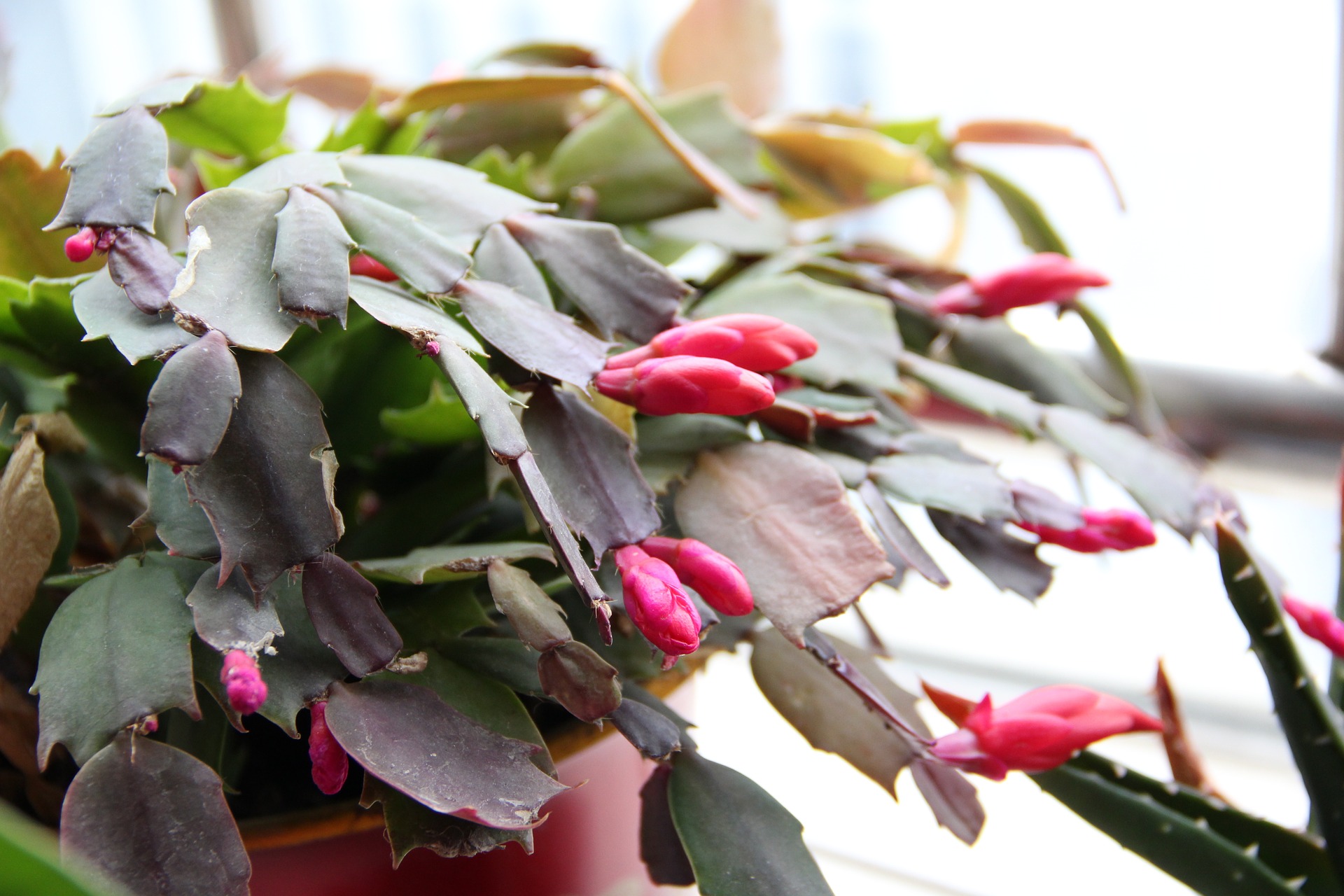
Christmas cactus: Though this cactus is known for blooming around Christmas, it’ll stay strong throughout the year and periodically rebloom. Its ruffled flowers range in color from reds to pinks to oranges and creams.

Give this plant bright indirect light and place it outdoors in a semi-shady spot during the summer months. Allow the plant to become slightly dry between waterings. Keep this holiday plant reblooming for years to come by giving it a rest during the fall and placing it in the dark for about six to eight weeks, encouraging new blooms.

Tip: No matter how diligent you are about care, bloom time may vary based on variety. Whether or not it blooms in time for the holidays, you’ll still have winter blooms to enjoy.

cyclamen-11290_1920

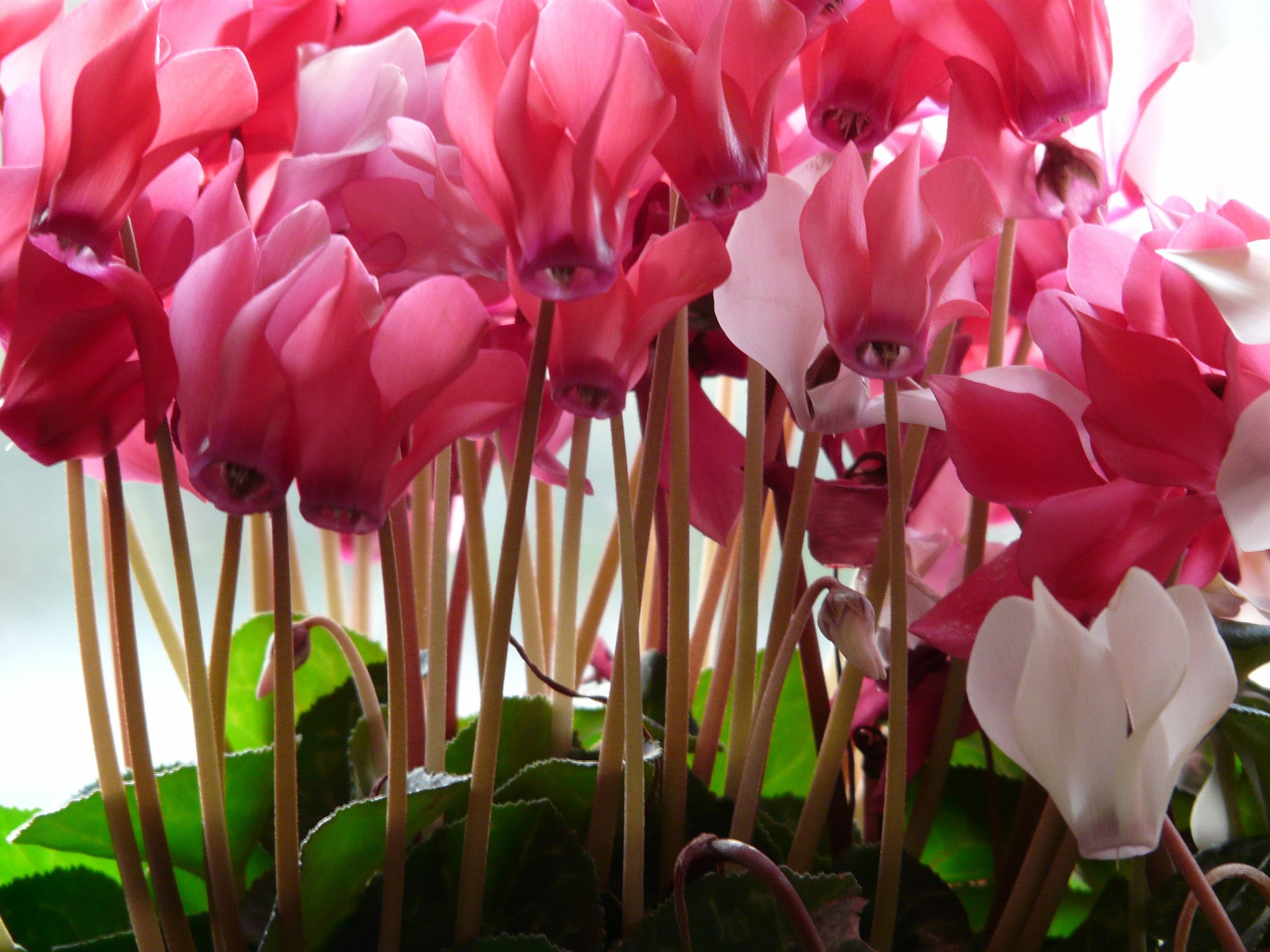
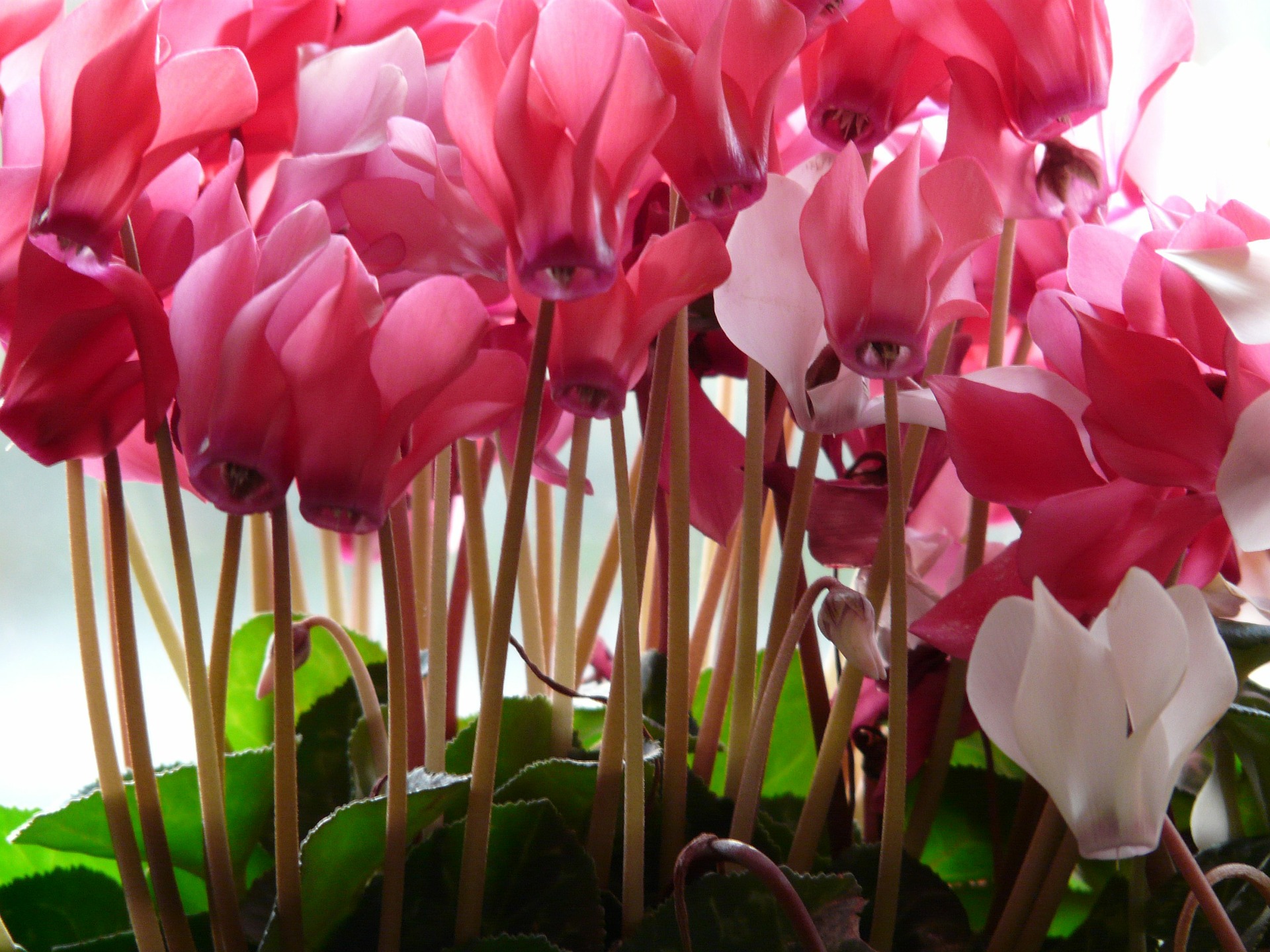
Cyclamen: Cyclamen’s bright flowers in pink, white, or red are great for adding a pop of color where you need it. With the right conditions, they can bloom for more than eight weeks.

Cyclamen likes light, but not super-bright light. Keep the temperature consistent and deadhead spent flowers and leaves. Pour water into a saucer and let the plant absorb it for 15 to 20 minutes.

Tip: During the summer, cyclamen’s foliage turns yellow and dies back. This is their dormant period when they’re storing energy for the next flowering season.

*****

Featured Products: 


Where to Buy


https://www.espoma.com/wp-content/uploads/2016/11/poinsettia-458181_1920.jpg 1080 1920 espoma https://www.espoma.com/wp-content/uploads/2023/05/espoma-logo340w-1.png espoma2016-11-29 08:00:212024-08-20 07:33:09Top 4 Houseplants to Give and Get this Holiday Season

Five Reasons to be Thankful for Houseplants

November 22, 2016/in Indoor Gardening

While you’re counting your blessings and listing those things you’re grateful for this Thanksgiving, don’t forget to include houseplants. Indoor plants provide a pop of color and interesting texture to any space.

Houseplants are more than just a pretty face, though. They impact our everyday lives by cleaning the air and reducing stress. Give houseplants everything they need to grow and they’ll pay you back.

potting soil, houseplant care

Here are the Top Five Reasons to Be Thankful for Houseplants

1. Indoor Plants Purify the Air

Studies from the US Environmental Protection Agency have found that levels of indoor air pollution can be two to five times higher — and in some cases 10 times more polluted — than outdoor air. Houseplants such as bromeliads, spider plants and dracaena, remove the harmful compounds frequently found in homes and offices, produced by cleaning supplies, paint, furniture glue and nail polish remover.

2. Houseplants help us relax

Researchers have found that being around plants—especially indoors, can reduce stress and help us feel happier and more relaxed. You can never have too many houseplants so choose one, or 10 that work for you.

3. Plants Make Us Smarter

Having a plant around can enhance learning abilities by improving our concentration, focus and problem-solving skills. Make sure to place houseplant in home offices, studying spaces and at work.

4. They Improve Our Physical Health

Plants offer physical benefits, too. One study found that adding plants to office spaces reduces headaches, coughs and sore throats. And employees typically use fewer sick days.

Know someone in the hospital? Bring them a plant. A Kansas State University studied found that patients in rooms with plants request less pain medication, have lower heart rates and blood pressure, experience less fatigue and anxiety and are discharged sooner.

5. They’re easy to care for

Seniors feel better and more fulfilled when they take care of houseplants (or pets). Keeping plants healthy, helps make us more socially connected and happy. There’s a perfect plant out there for anyone, and certain plants, such as sansevieria and zz plant, are surprisingly low maintenance .

Show gratitude for your favorite plants by giving them proper care. Learn how here.

https://www.espoma.com/wp-content/uploads/2016/01/orchid-322223_1920.jpg 1278 1920 espoma https://www.espoma.com/wp-content/uploads/2023/05/espoma-logo340w-1.png espoma2016-11-22 08:00:212024-08-21 04:43:24Five Reasons to be Thankful for Houseplants

6 Steps to Keep African Violets Blooming

November 8, 2016/in Flowers

The colorful blooms of African violets are extra special. They’ll instantly add color to any room.

They’re known to bloom continuously, even throughout the darker months of winter. Place them throughout the house to enjoy their colors and velvety texture throughout the year.

Once you get in a regular routine of taking care of African violets, you’ll find they grow very easily. All of their basic needs need to be met though, or they won’t bloom. Give them the right temperature, light and a good feeding, and you’ll be blooming in no time!

he colorful blooms of African violets are extra special. They’ll instantly add color to any room.

Choosing and Caring for African Violets:

1. Start off healthy. Choose a plant with bright emerald leaves and the flower color that you want. Make sure the pot has drainage holes.

2. The right light. The most common reason African violets don’t bloom is because they aren’t getting enough light. African violets need indirect sunlight, direct can burn the leaves. Choose a north- or east- facing window for best results. Keep plants away from cold glass and rotate the pot once a week so all leaves receive light. Extend daylight by placing African violets under a grow light during winter months.

3. Keep warm. African violets prefer the same temperatures most people find comfortable: between 70-80°F during the day, and around 65–70°F at night.

4. Water from below. Fill the saucer using room temperature water. Let sit for about an hour and then pour excess water out. Allow the plant to dry out between waterings.

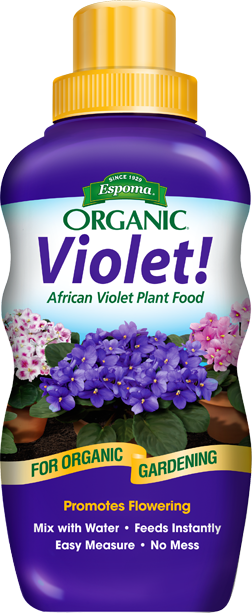
5. Fertilize with Espoma’s new liquid Violet! Indoor houseplant food every 2-4 weeks in spring, summer and fall.

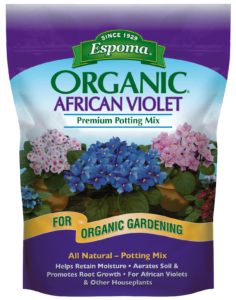
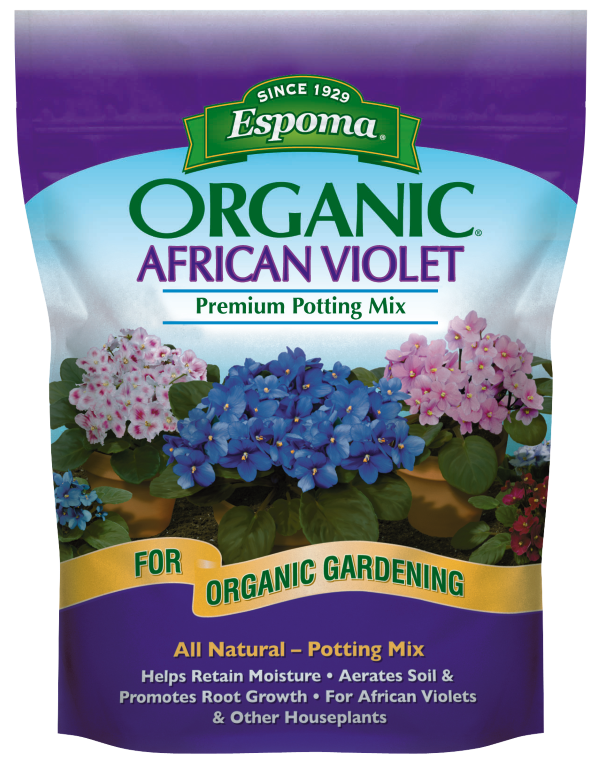
6. Think before replanting. African violets only bloom when they’re root bound. When it is time to repot, be sure to use an organic potting soil made specifically for African violets, such as Espoma’s African Violet Mix. They flower best in small pots — choose one that’s about a third of the diameter of their leaf spread.


Where to Buy


Now that you’re African violet is off to a great start, it’s time to care for your other houseplants!    

https://www.espoma.com/wp-content/uploads/2016/11/african-violet-290097_1920.jpg 1440 1920 espoma https://www.espoma.com/wp-content/uploads/2023/05/espoma-logo340w-1.png espoma2016-11-08 10:48:372024-08-20 07:36:006 Steps to Keep African Violets Blooming

Grab Your Books for a Lesson in Gardening 101

September 6, 2016/in Blog, Fall Gardening

Back to Gardening School: A Fresh Start for Your Garden

Remember the excitement of a new school year? Fresh notebooks, a backpack ready for adventure, and the feeling that anything was possible. That same sense of renewal is waiting in the garden this season.

Whether you’re just starting out or brushing up on your skills, it’s the perfect time to get back to the basics. Sharpen those tools (and pencils) and let’s head to Gardening School.
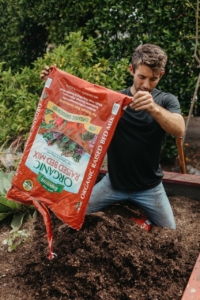
Farmer Nick dumping Espoma Raised bed Mix into a raised garden bed

1. Build a Strong Foundation

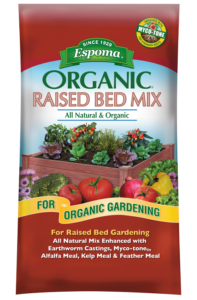
Every successful garden begins with healthy soil. Start with a quick soil test to understand what nutrients your garden may be missing, then build from there. For raised beds, fill them with a rich blend of natural ingredients—like those in Espoma Organic Raised Bed Mix—to create the perfect growing environment. Adding an organic compost such as Espoma Organic Land & Sea Gourmet Compost further improves soil structure, boosts moisture retention, and encourages healthy microbial activity. For container plantings, Espoma Organic All-Purpose Potting Mix provides the ideal balance of drainage and organic matter to keep roots thriving. And whenever new plants go in the ground, a starter fertilizer like Espoma Organic Bio-tone Starter Plus helps them establish quickly by supporting strong, resilient root growth. With the right foundation beneath the surface, the garden above will flourish.
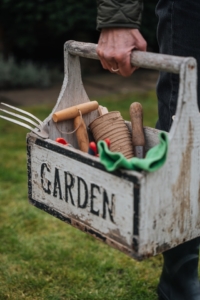
old garden tools

2. Check Your Supplies

Just like gathering fresh notebooks and sharpened pencils, gardeners should review their tools. Replace cracked handles, rusty clippers, or wobbly rakes so nothing slows you down during the season. A little care and preparation now saves frustration later and makes gardening smoother and more enjoyable.
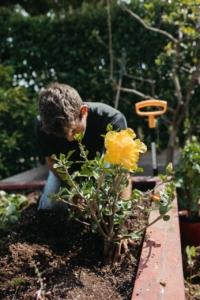
Farmer Nick planting a flowering plant

3. Redefine Your Garden’s Style

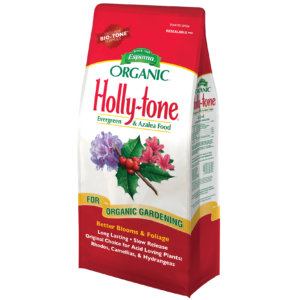
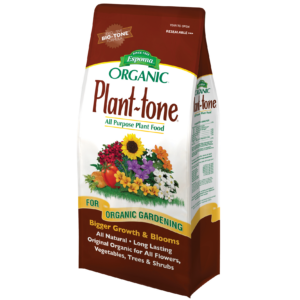
A new season is the perfect time to refresh the look of the garden. Whether the goal is calm and classic or bold and colorful, the right nutrition helps plants live up to their potential. Espoma Organic Plant-tone provides complete, balanced nutrition for a wide variety of plants, while Espoma Organic Holly-tone supports acid-loving favorites such as azaleas, rhododendrons, and hydrangeas. Feeding properly is the simplest way to bring a dream garden style to life.

little girl holding a carrot

4. Learn From Last Season

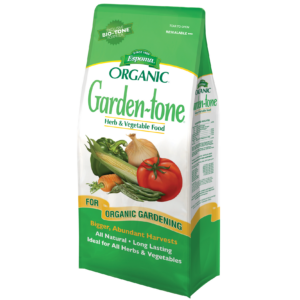
Every garden has its victories and its challenges. Take time to reflect on what thrived and what struggled, then plan for improvement. Espoma Organic Garden-tone is specially formulated for vegetables, helping ensure bigger, tastier harvests season after season. When planting new crops or ornamentals, Espoma Organic Bio-tone Starter Plus gives roots the boost they need to grow stronger and more resilient than before. Each new season builds on last year’s lessons with the right nutrition.
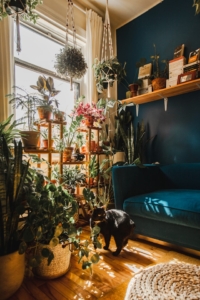
indoor plants

5. Don’t Forget Your Indoor Plants

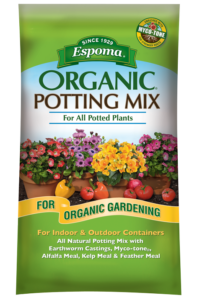
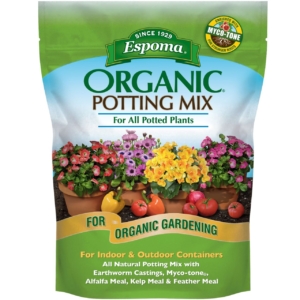
While outdoor gardens take the spotlight, houseplants need care too. Feeding them regularly keeps leaves lush, colors vibrant, and growth steady all year long. Espoma’s Indoor! organic liquid fertilizer makes it easy to give houseplants the nutrition they need with every watering. When repotting, Espoma Organic Potting Mix provides the perfect organic base to keep indoor plants healthy and happy. A thriving indoor garden completes the picture of a gardener’s success.
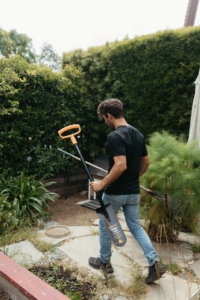
Farmer Nick holding a shovel

6. Sharpen and Shine

Tools are the unsung heroes of every garden. Taking time to clean, sharpen, and maintain them ensures they last longer and work more effectively. Well-maintained tools make every gardening task easier, allowing more energy to be devoted to growing beautiful, thriving plants.

7. Grow Your Community

Gardening is even better when knowledge is shared. One of the most valuable tips to pass along is to start every planting with a quality organic starter fertilizer like Espoma Organic Bio-tone Starter Plus to set roots up for success, and then feed with Espoma Organic Plant-tone throughout the season to keep growth steady and strong. These trusted essentials have been used by generations of gardeners, and passing them along helps the whole community grow stronger together.
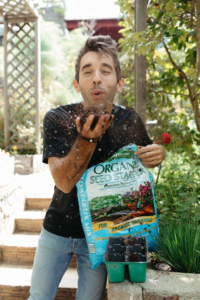
Graduation Time!

Congratulations—you’ve completed your Back-to-Gardening School crash course! Toss those gardening gloves in the air, because the lessons learned here will lead to healthier plants, bigger harvests, and gardens worth celebrating.

At Espoma, teaching organic gardening practices has been a passion since 1929. With products that are safe for people, pets, and the planet, Espoma is here as a mentor and partner on every gardener’s journey. Class dismissed—now go grow with confidence!

Farmer Nick & PlantKids Course 

Looking for a fun way to introduce kids to gardening? Check out our brand partner Farmer Nick’s course, The Adventures of Farmer Nick and Plant! Designed for children ages 4 and up, this 10-episode series inspires a love of gardening and plant science through hands-on lessons. Sometimes silly, always fun, it’s a playful way to spark curiosity and delight both kids and adults alike.

*****

Featured Products:
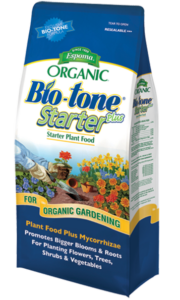
Espoma Organic Bio-tone Starter Plus Bag Image Espoma Organic Holly-tone Organic Fertilizer for all acid loving plantsEspoma Organic Plant-tone organic fertilizerEspoma Organic Garden-tone Espoma Organic Potting soil Mix Big bag Espoma Raised Bed Mix bag Espoma Organic Land and Sea Espoma Organic Indoor! liquid plant food - Organic fertilizer


Where to Buy


https://www.espoma.com/wp-content/uploads/2016/09/9V2A7296.jpg 1280 853 espoma https://www.espoma.com/wp-content/uploads/2023/05/espoma-logo340w-1.png espoma2016-09-06 12:00:482025-09-12 17:16:48Grab Your Books for a Lesson in Gardening 101

Make a Happy Home for Plants

March 22, 2016/in Indoor Gardening

You may have noticed: your houseplants look crowed in their containers, they have droopy leaves or are thirstier than usual.

Moving on up! Now is the time to re-pot them.

Longer days and bright sun means that in just a few weeks, houseplants will wake up and experience a major growth spurt. When you start to see new growth, it’s time to start feeding and watering regularly.

Give houseplants everything they need to grow up in style – a hearty feeding and a stylish home included.

potting soil, houseplant care

Grooving and Moving: Repot and Feed Houseplants in Spring  

Houseplant care tip: Repot houseplants every six months.

 Let It Slide. Lightly water your plant an hour before the big move. When turned upside down, your plant will easily slide out.

Scoot the Roots. Snip off any dead or rotten roots. Then gently loosen living roots.

Room to Grow. Pick a pot one size up from your plant’s current home.

potting soil, houseplant care

Move In. Fill the pot 1/3 full with organic potting soil. Position the plant so it’s at the same depth as it previously was. When situated, backfill with soil, and gently pat it into place.

Clink a Drink. Celebrate a successful move with a refreshing drink. Water your plants, and top them off with potting soil if needed.

Food to Conclude. Feed with an organic plant food every 3-4 weeks. Make it quick and easy this month with one of our new liquid plant foods. With our easy dose lid, all you need to do is flip, fill and feed. No measuring or mess!

Look at those happy plants, making themselves right at home! Housewarming party, anyone? You’ve already got the flowers covered!

https://www.espoma.com/wp-content/uploads/2016/03/plant-324784_1920.jpg 1280 1920 espoma https://www.espoma.com/wp-content/uploads/2023/05/espoma-logo340w-1.png espoma2016-03-22 08:00:342024-08-16 14:57:21Make a Happy Home for Plants

7 Plants Cupid Struck with His Arrow

February 2, 2016/in Indoor Gardening

Roses are red. Violets are blue. All flowers are lovely, but let’s try something new!

Show your love with these seven indoor plants this year.

Tie a big, showy bow around the pot! Then seal the deal with a handwritten love note (complete with houseplant care instructions, of course).

Divine Gifts for Your Valentine: 7 Indoor Plants to Show Your Love

valentine orchid, houseplant care, potting soil, indoor plants

Opulent Orchids. Gift simple elegance to the one you love. Choose pink, purple or multi-colored and opt for a romantic colored pot, too. When repotting, use an organic orchid mix potting soil. Water with three ice cubes weekly, and fertilize monthly.

houseplant care, potting soil, indoor plants

Amorous African Violets. Dainty yet bold, African violets are for sweethearts who are sugar, spice and everything nice. Plant in a pot using potting soil specifically for African violets. Water only when dry to the touch, and feed weekly.

houseplant care, potting soil, indoor plants

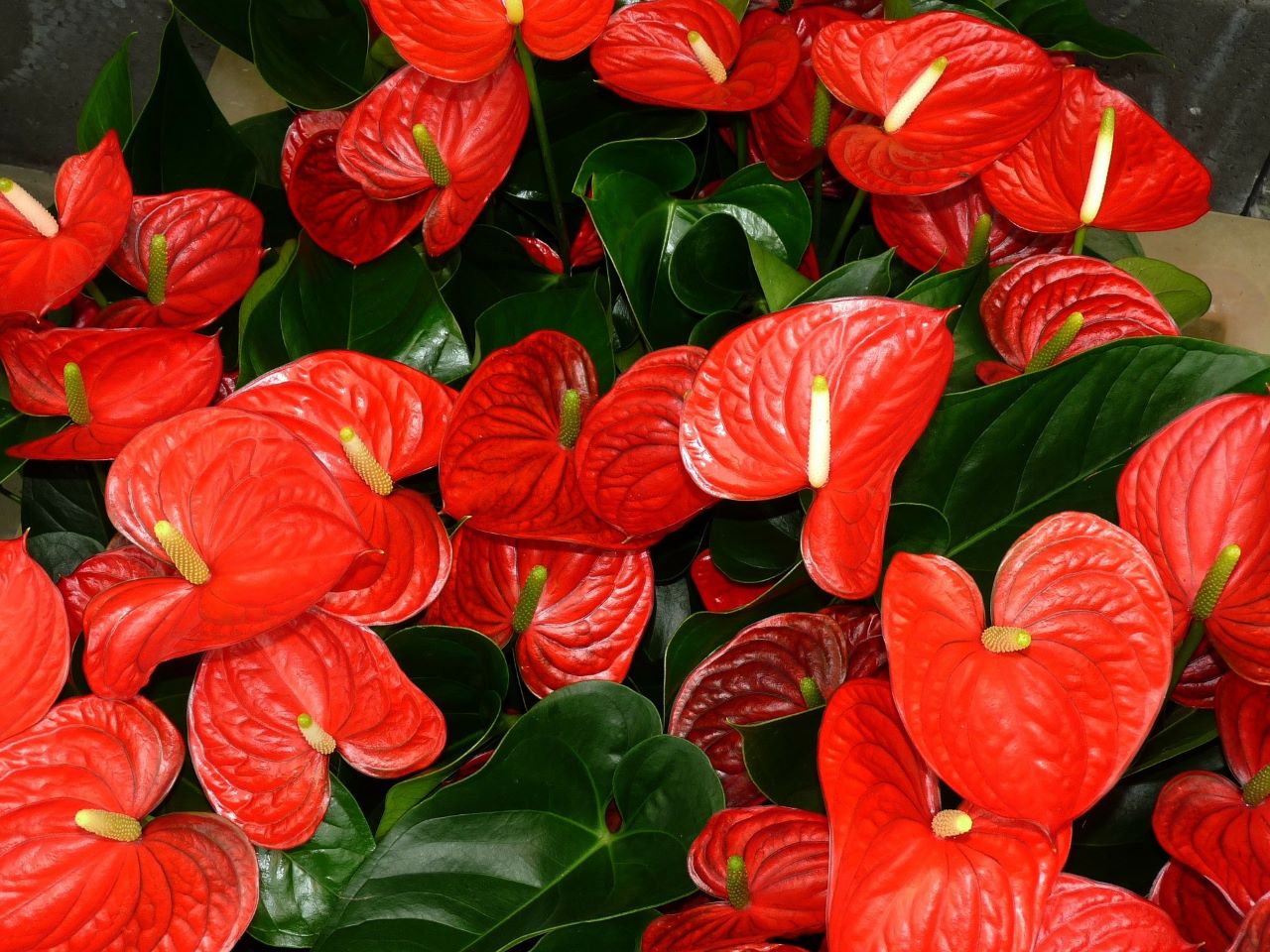
Fiery Flamingo Flowers. Made for Valentine’s Day – complete with red, heart-shaped flowers! Water only when dry to the touch, and feed every 3-4 months.

houseplant care, potting soil, indoor plants

Captivating Cyclamen. Choose sweet pink or daring red flowers coupled with dreamy, marbled leaves to make your valentine swoon. Water when dry, and fertilize monthly when flowering.

houseplant care, potting soil, indoor plants

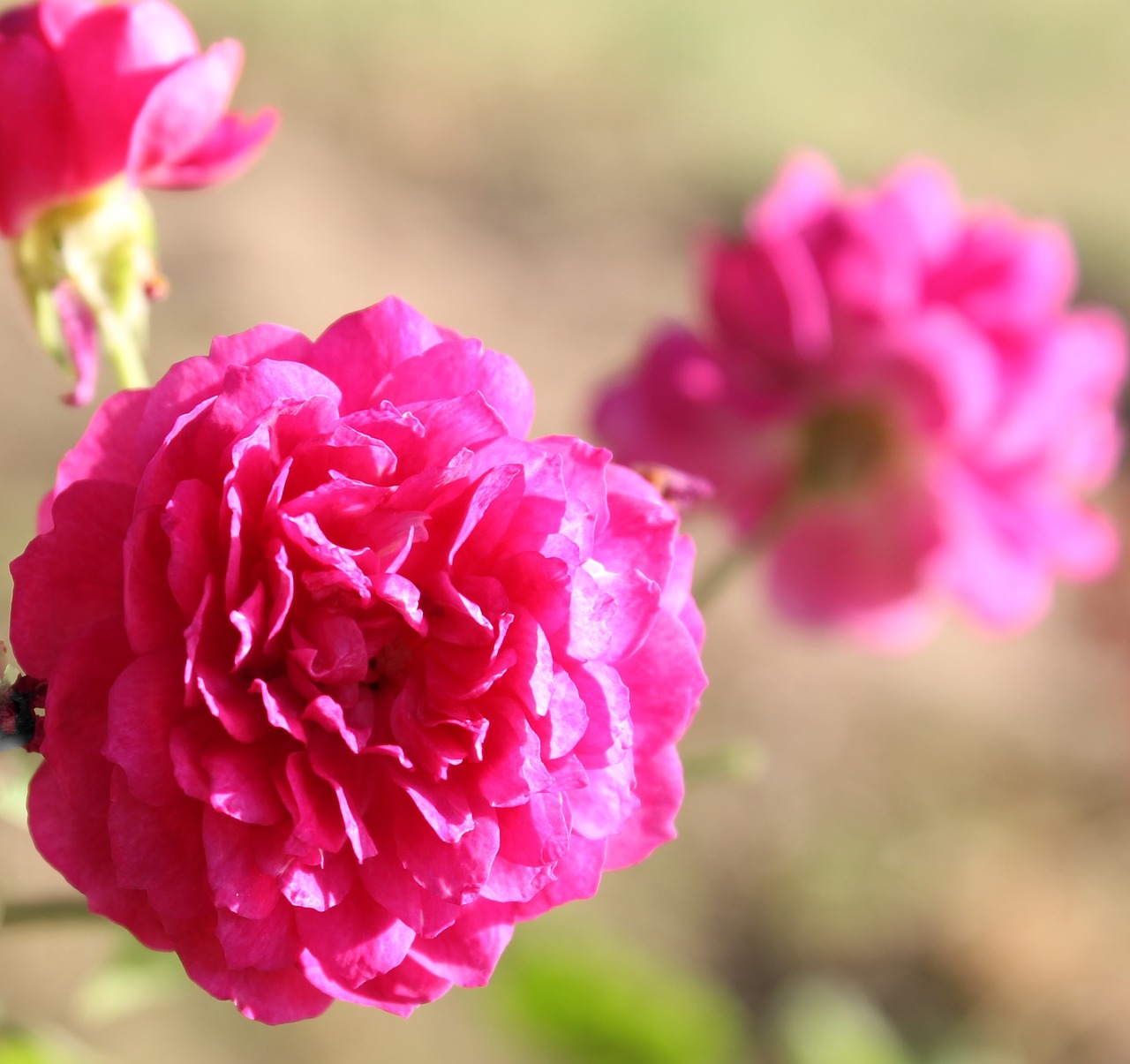
Mesmerizing Miniature Roses. Give pink or red roses for Valentine’s Day that last! During winter, keep soil slightly moist. Come spring and summer, feed every two weeks.

houseplant care, potting soil, indoor plants

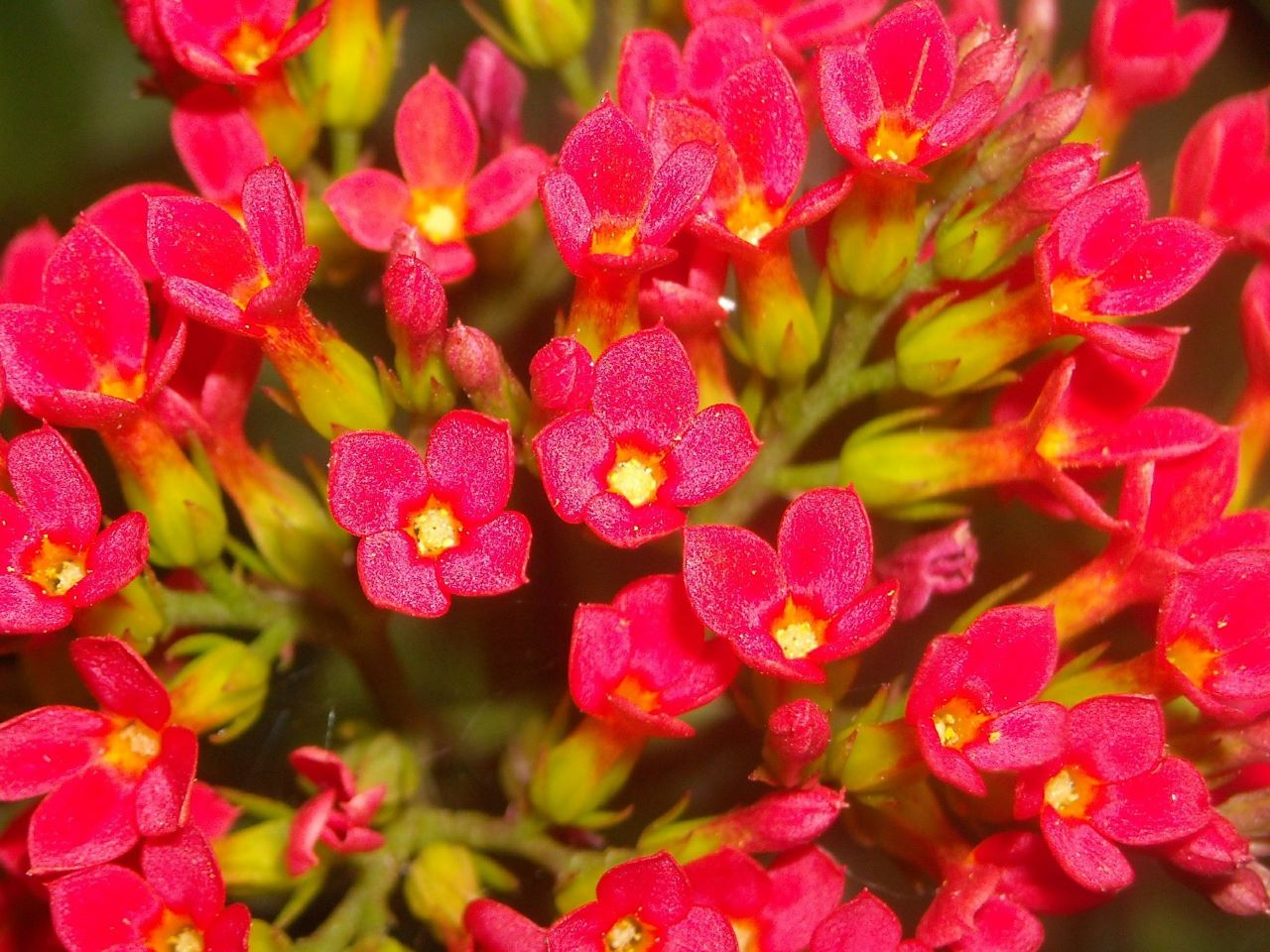
Kindhearted Kalanchoe. These ever-lasting pink or red blooms flourish all on their own, making them perfect for brown-thumb Valentines. Water when dry, and fertilize once a month when flowering.

houseplant care, potting soil, indoor plants

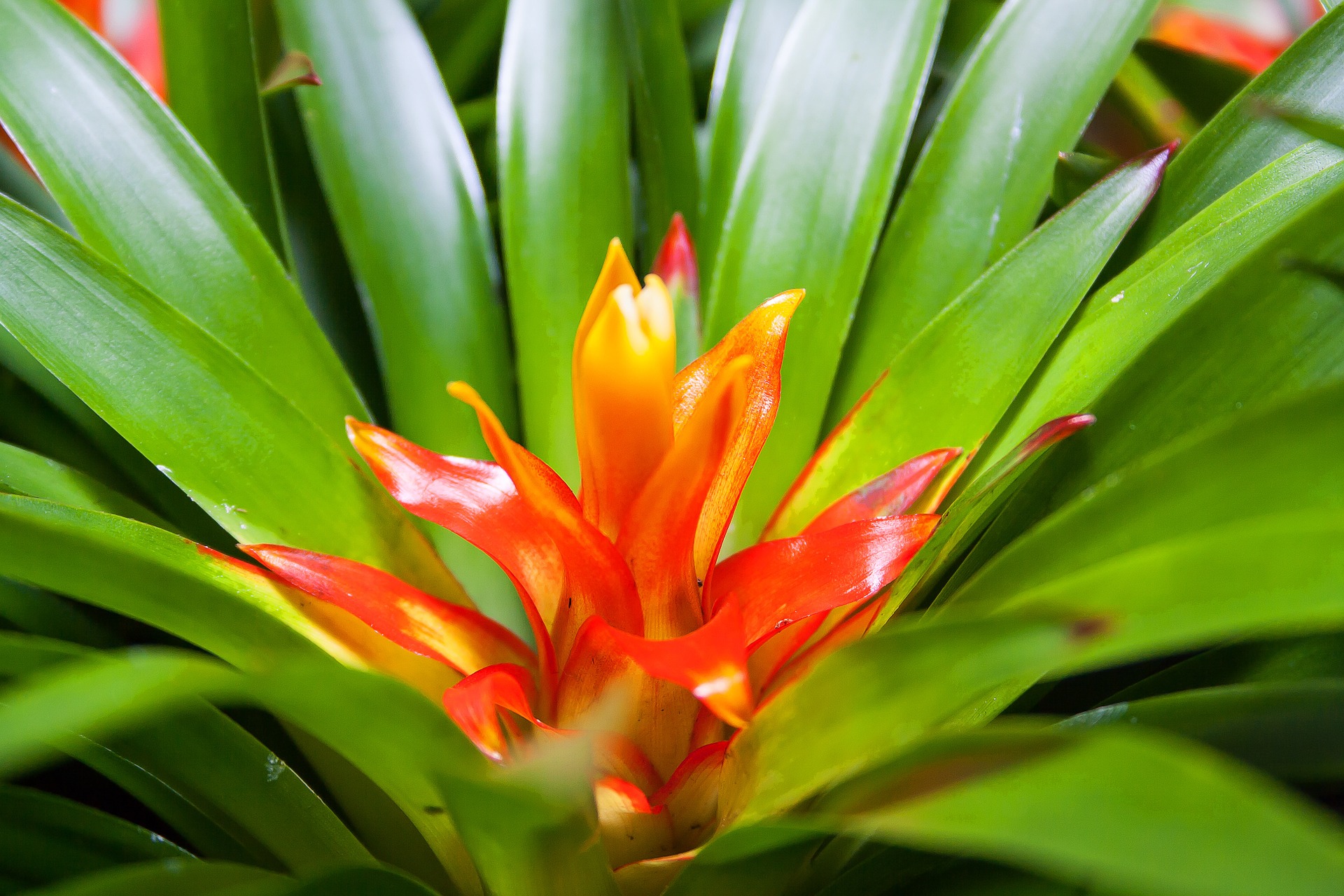
“Be Mine” Bromeliad. Bold, bright and beautiful! Water the center of its bloom when the soil is dry.

 With indoor plants this good looking, your sweetheart is going to be head-over-heels in love!

https://www.espoma.com/wp-content/uploads/2016/01/heart-1156094_1920.jpg 1271 1920 espoma https://www.espoma.com/wp-content/uploads/2023/05/espoma-logo340w-1.png espoma2016-02-02 08:00:042024-08-20 20:03:577 Plants Cupid Struck with His Arrow
Page 13 of 14«‹11121314›
Where to Buy

Get News & Updates

Recent Posts

  • VIDEO: A Formal Garden Tour with Summer Rayne Oakes
  • VIDEO: Repotting in the Greenhouse with Garden Answer
  • VIDEO: How to Winterize Your Chicken Coop with Summer Rayne Oakes
  • VIDEO: Planting Spring Bulbs in Containers 🪴🌷 with Summer Rayne Oakes
  • VIDEO: Planting the Last Bulbs of the Season with Garden Answer

Tags

All-Purpose Potting Mix bio-tone Bio-tone Starter Bio-tone Starter Plus Cactus Mix caring for houseplants Container Gardening DIY project Espoma espoma grown espoma organic Espoma Organics Espoma Video fall gardening Family fert flower garden flowers garden Garden Answer Gardening gardening tips gardens grow holly-tone houseplants Indoor! indoor gardening indoor plants Kaleb Wyse organic organic fertilizer Organic Gardening organic plant food Organic Potting Mix Outdoor Gardening Planting plants Potting Mix potting soil Spring Gardening summer rayne oakes vegetable garden Vegetable Gardening Wyse Guide

Espoma. A Family Tradition Since 1929.

Espoma Organic logo
  • Espoma Dealer
  • Espoma Pro
  • Garden Club
  • Privacy Policy

Scroll to top