Espoma Organic
  • Products
    • Close
    • Product Line Overview
    • Plant food finder
    • Garden Fertilizers
    • Potting Soils
    • Lawn Fertilizers
    • Liquid Fertilizers
    • Single Ingredients
    • Conventional Plant Foods
    • Animal Care Products
  • Where to Buy
  • Our Story
    • Close
    • Our Story
    • Locations
    • Historical Timeline
    • Our Commitment
    • Directions
    • Solar
    • Join our Team
    • Espoma Brand Partners
  • Learn
    • Close
    • Espoma Blog
    • FAQ’s
    • Pocket Guide
    • Espoma Guides
    • Garden Clubs
    • Safe Paws Lawn
    • PRODUCT FACT SHEETS
    • Fertilizer Fundamentals
      • Close
      • Understanding Plant Nutrition
      • Reading Labels
      • Choosing the Right Type of Fertilizer
      • Terms & Definitions
    • Gardening Projects
    • Resource Links
  • Contact Us
  • Menu Menu

Tag Archive for: DIY project

VIDEO: Spring Flowers Melt the Winter Blues with Garden Answer!

March 19, 2019/in Blog, Flowers, Garden Answer

Spring has sprung and it’s time to get outside and plant up some early spring containers. A trip to the local garden center will surely inspire you. Plant big pots of brightly colored bulbs and annuals to liven up entryways, patios and balconies. Laura from Garden Answer shows you just how easy it is to do in the video below.

Laura fills her containers with tulips and violas, true harbingers of spring. Alternatively, you could also use daffodils and other cold hardy annuals like Iceland poppies or nemesia. In cold climates, it’s important to select plans that are hardy enough to withstand a cold snap.

These early spring containers will flower for a month or so, bridging the gap from early spring to the frost-free date. When it’s time to plant summer containers, replant the tulips out into the garden where they’ll bloom again next spring. The violas may also be moved to a lightly shaded area of the garden.


Four Easy Steps to Early Spring Containers

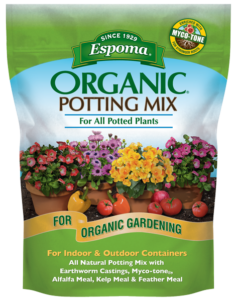
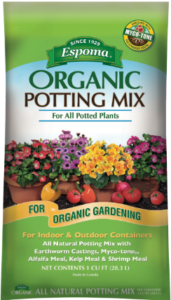
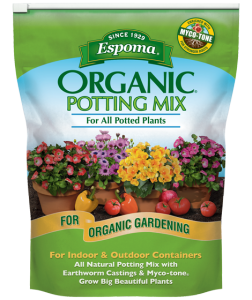
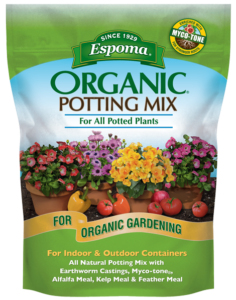
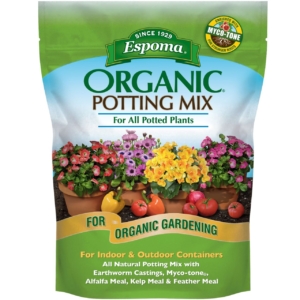
  1. Prep Containers. Fill containers three-quarters full with good, quality potting soil like Espoma’s Potting Mix and prepare to plant bulbs at the depth they were in the nursery pot.
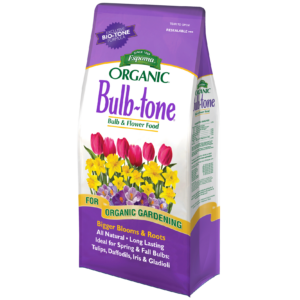
  2. Add Nutrients. Add Bulb-tone fertilizer to the soil, following package directions.
  3. Get ready to plant. Gently remove the plants from their pots and loosen roots. Add plants.
  4. Finish it up. Backfill containers with more potting soil and water deeply.


Enjoy flowers for even longer by choosing tulips or daffodils that are not yet in full bloom. When finished blooming, just remove the flower stem. The leaves will still provide a vertical accent and the bulbs need the foliage to replenish themselves.

Taking time to deadhead the violas will extend their bloom time. If temperatures are cool, you may only need to water containers once a week.

Check out these videos from Garden Answer about tulips and early spring planting.


Plant Your Window Boxes Like Garden Answer


How to Care For Your Tulips After They’ve Bloomed


Featured Products:


Where to Buy

https://www.espoma.com/wp-content/uploads/2019/03/Thumbnail.jpg 1080 1920 espoma https://www.espoma.com/wp-content/uploads/2023/05/espoma-logo340w-1.png espoma2019-03-19 14:13:302024-03-13 15:58:00VIDEO: Spring Flowers Melt the Winter Blues with Garden Answer!

5 Ways to Decorate Your Garden for the Holidays

December 22, 2018/in Landscaping

It’s truly the most wonderful time of the year! Everyone seems to be in a better mood when they’re spending time with the people they love.

Going all out with décor is easy and fun. Putting up a big Christmas tree with lights and ornaments, draping garland around the house, really makes it feel cozy and welcoming. Draping lights around the home and statues on your front lawn is a fun way to make the whole neighborhood light up.

This year, incorporate some living décor for your holidays. Here are 5 ways to decorate your garden:

1. Decorate Containers

Containers are a perfect way to liven up a home. Finding a festive container or painting a plain one with festive colors or patterns will bring it to life for the holidays. Fill your container with winter-hardy plants that are right for your zone. Just be sure to use Espoma Organic Potting Soil to give it the nutrients it needs.

2. Design the Grounds

With colorful winter shrubs, vegetables, and flowers, planting in a design can bring cheer in ways that are unique and cheerful. The colors and options your plants provide can make an image come through. Utilize the dead space in between your winter hardy plants to create a holiday design.

3. Plant an Evergreen

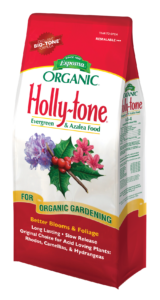
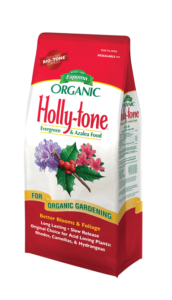
While everyone brings their trees indoors, plant one outside. You can decorate it the same way you decorate the one indoors. Plus, you can enjoy your Christmas morning outside, depending on the weather. Use natural materials, such as pine cones, berries, and flowers collected from your garden to decorate. Be sure to use Espoma Organic Holly-tone to keep the foliage green.

4. Train Your Plants

Adding a toy train to show off your garden is a great way to mix fun and childlike spirit into your garden. Utilize the plants you already have planted that will survive the winter. Have the toy train go around what you want to showcase. Add some twinkling lights, and everyone who stops by will want a garden like yours.

5. Green Your Mailboxes

Draping an evergreen garland over a mailbox is a simple way to incorporate living décor into your holidays. Creating a garland requires few materials and can look festive within a few minutes. Be sure to add a nice, large bow to tie it all together.

*****

Want to keep making decorations for your home? Check out this Succulent Snow Globe from Garden Answer.


Featured Products:

Espoma Organic Potting MixEspoma Organic Holly-tone


Where to Buy


https://www.espoma.com/wp-content/uploads/2017/11/winterberry.jpg 2848 4288 espoma https://www.espoma.com/wp-content/uploads/2023/05/espoma-logo340w-1.png espoma2018-12-22 08:00:542025-11-25 12:49:415 Ways to Decorate Your Garden for the Holidays

Fixer Upper: Chicken Coop Edition

June 28, 2018/in Espoma Videos

Why did the chicken cross the road? To get to Brooklyn’s newest chicken coop!

Summer Rayne Oakes from Homestead Brooklyn crowdsourced funds and donations to build a new chicken coop and garden for Los Sures, a non-profit senior citizen service center. Summer currently fosters Kippee, a Rhode Island hen, in her Brooklyn apartment and embarked on this project in an effort to build Kippee a new home.

Summer is an environmental scientist and entomologist by training. She’s changing the way we think about everything from how to care for houseplants to how we connect our community.

Los Sures’ mission is to develop and preserve sustainable communities in Williamsburg, Brooklyn. They build affordable housing, participate in community service, and even have a food program. The organization originally started to help improve the borough in the seventies.

Summer worked alongside Zach Williams, the food access manager at Los Sures, to purchase tools and equipment for the chicken coop. With the help of the community, the chicken coop was erected in a single day. The Espoma Company was happy to help by donating Sani-Care animal bedding, Sani-Care Odor Control, Bio-tone Starter Plus fertilizer, and Garden Soil.

Sani-Care animal bedding is an all-natural product, manufactured using a blend of NIH approved premium hardwoods that includes beech, birch and maple. Sani-Care Odor Control helps to mitigate the odor of chicken feces.

Summer and Los Sures built a top-notch chicken coop! The chicken coop and garden will serve a variety of purposes for the organization. The chickens provide eggs which contribute to Los Sures’ food program and pantry.

Want to see more about the chickens at Los Sures? See how Homestead Brooklyn creates a garden just for the chickens to enjoy!

Espoma Chicken Coop Essentials


Where to Buy
https://www.espoma.com/wp-content/uploads/2018/06/sani-care-1.jpg 1124 2000 espoma https://www.espoma.com/wp-content/uploads/2023/05/espoma-logo340w-1.png espoma2018-06-28 11:14:502019-05-07 09:58:07Fixer Upper: Chicken Coop Edition

DIY Mother’s Day Planter

May 9, 2018/in Espoma Videos

Calling all moms out there! This Mother’s Day, create a gift any mom will love with the help of your little one. Yes – it is a bit messy, but it is worth every drop of paint. If you don’t have a little one to help, you can make your own classic piece that will go well anywhere you place it.

Laura from Garden Answer is a new mom this year, so she is diving right into this project for her mom – with the help of Benjamin. This project is perfect for any woman out there.

Espoma Products Needed:

Espoma Organic Potting Soil Mix


Where to Buy

Other Materials needed:

  • Terra Cotta Pots
  • Chalk Paint (Two Colors – One Light and One Dark)
  • Tempera Paint (Various Colors, Black)
  • Photo Paper or Stencils
  • Exacto Knife or Box Cutter for Photo Paper
  • Paint Sponges
  • Smaller Paint Brush
  • Q-Tips
  • Clear Acrylic Sealer
  • Two to Three Plants
  • Wet Ones (For Clean- Up)

Steps for Painting a Monogrammed Planter:

  1. Print off what border and monogram you want to use on photo paper and cut out the design. If you want to skip this step and use a stencil you found at the store instead, feel free to do so. Set this aside.
  2. Paint the outside of the pot with the lighter colored chalk paint so it is one even color. Continue painting the inside rim. This is to ensure uniformity when the plant is inside and the soil doesn’t hit the top. Let dry.
  3. Hold the stencil on the pot carefully, or tape it down where you want it. Using a clean sponge brush dab the inside of the stencil with the darker chalk paint. Let dry and repeat if you have multiple stencils.

*If you want to mute the paint a bit, dab it onto paper or cardboard to lessen the amount of paint on the brush.

  1. Once your pot is dry, spray a clear acrylic sealer the all around the outside and inside of your pot. Since terra cotta is porous and water will seep, you want to ensure your paint isn’t ruined.

Steps for Painting a Butterfly Mother’s Day Planter:

Note: This planter requires the use of small feet, best to ask your little one to help! Grab him or her and let’s get started!

  1. Paint the bottom of your little one’s foot and gently place it on the pot. Use the same color twice in a “V” shape to make the butterfly wings.
  2. Repeat with different colors around the pot.
  3. Take the smaller paint brush and paint black bodies for the butterflies.
  4. Use the Q-Tip to make the ends of the antennae. Repeat step for every butterfly around the pot.
  5. Let dry!
  6. Once your pot is dry, spray a clear acrylic sealer the all around the outside and inside of your pot. Since terra cotta is porous and water will seep, you want to ensure your paint isn’t ruined.

Time to fill both planters with Espoma Organic Potting Mix and plant them up! Laura puts a Peachberry Ice Heuchera in the monogrammed pot to give it the classic farmhouse feel. She plants a Superbells Yellow and a Superbells Grape Punch in the butterfly pot to keep the bright fun colors feel.

Every mom – or grandma – will love these custom made planters. Happy Mother’s Day! Watch the extended version here.

https://www.espoma.com/wp-content/uploads/2018/05/IMG_9751-thumbnail.jpg 1684 3000 espoma https://www.espoma.com/wp-content/uploads/2023/05/espoma-logo340w-1.png espoma2018-05-09 11:00:522019-05-07 09:58:08DIY Mother’s Day Planter

How to Grow Your Own Topiary

May 4, 2018/in Trees & Shrubs

Topiaries are plants that have been pruned and trained to grow into distinct decorative shapes. They’re basically slow-growing artistic masterpieces. Whether you grow them geometrically or fanciful like spirals, spheres or even elephants, the options are endless.

Topiaries can be grown from vines or shrubs, and even some herbs. The amount of time it takes to grow a topiary will depend on the topiary’s size and the number of plants you use. Most gardeners use a topiary frame or form to get the look they desire. Visit your local garden center to find out more about the best plants for your topiary.

Topiaries with vining plants

When using vining plants, you’ll need to get a topiary form to encourage the vines to grow in the shape you’ve chosen. English ivy, Boston ivy and periwinkle are popular choices for vining topiaries. To start, fill the form with sphagnum moss to create a full look. Then, plant the vine around the form, allowing the vines to grow upward. You may need several plants to achieve a full look. As the vines grow, train them by wrapping and attaching them around the form with plant ties or wires and pruning regularly.

Topiaries with shrubs

Start small when making a shrub topiary. Choose a variety such as holly, boxwood or laurel. Look for dwarf varieties that will stay compact and won’t need much pruning. If you’re looking to create a pyramid or geometrical shape, select shrubs with tall growth habits such as yews or hollies. For statuesque spirals and cones, choose arborvitae. Beginners will want to use topiary frames to sculpt their designs, which will also help when deciding what needs to be pruned. To train and prune your topiary, you’ll need a clear vision of how you want the topiary to look. Pruning encourages new and bushier growth, but don’t cut off more than 3 inches in the areas you want to trim back.

Fertilizing topiaries

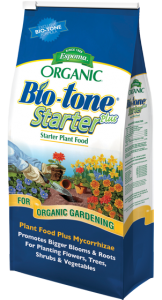
Help topiaries reach their full potential as quickly as they can by using Espoma’s Bio-tone Starter Plus when planting. Follow-up with Espoma’s Grow! liquid fertilizer. Grow! encourages root growth and deep green foliage that will surely delight. For acid-loving plants like hollies, use Holly-tone for best results.

Remember that topiaries take time and so be patient. Your time, maintenance and patience will pay off!

https://www.espoma.com/wp-content/uploads/2018/05/topiary-garden-bench.jpg 874 1280 espoma https://www.espoma.com/wp-content/uploads/2023/05/espoma-logo340w-1.png espoma2018-05-04 15:00:552024-08-16 13:50:39How to Grow Your Own Topiary

Build Your Own Vertical Strawberry Planter (Quick Version)

April 18, 2018/in Espoma Videos

Have a minute? Laura from Garden Answer shows us how to make vertical strawberry planters. She walks you through step by step, showing what materials to use, what potting soil and fertilizer is needed and how to hang the finished product.

This wind chime inspired planter will add life to your garden while adding an element of design to your home.

But, be sure to keep the materials in mind – even Laura almost used toxic tubing for the project.

Pro Tip: Mixing Espoma Organic Potting Mix with the Organic Bio-Tone Fertilizer allows the strawberries to get a boost in their new container while releasing nutrients slowly to ensure the edibles are being fed for a long time.

Want to watch the extended version? View it here!

Materials she used includes:

  • Galvanized Duct Work and Cap
  • Self-Tapping Sheet Metal Screws
  • Drill, Bits and 2.5″ Bi-Metal Saw
  • 1/8 inch Quick Links (x6 pieces)
  • Chain (x3 pieces)
  • 1.5 inch Ring
  • Espoma Organic Potting Mix
  • Espoma Organic Bio-Tone
  • Strawberries of your choice
  • Moss
  • Hook

Step-By-Step Instructions:

Construction

  1. Connect your galvanized tubing. There is a rivet on where they should connect – be sure to work from one end to the other to make sure it is secure.
  2. Drill a drainage hole in the bottom of the cap with a metal drill bit. Place the cap on the corrugated end and use 5 self-tapping screws to secure.
  3. Measure your planting holes. Start an inch away from the seam to keep the integrity of the tubing. Each hole should be 7.5″ away from each other. Use a pencil to mark where to drill. This will be your starting place.
  4. Drill your holes with a 2.5″ bi-metal hole saw. Ask one person to hold the tubing while the other saws. You will end up with about 15-16 holes. Safety tip: Wear long sleeves, gloves and eye protection to protect yourself from the metal.
  5. Keep your gloves on while handling the tube as it is sharp.
  6. Drill 3 holes in the top to get it ready to hang.
  7. Attach 1/8″ quick links to each of the holes. Connect your chain to the quick links. Add one more quick link to the end of each chain and each of those will go into one 1.5″ ring.

Planting:

  1. Starting from the bottom hole, add in Espoma Organic Potting Mix and Bio-Tone Fertilizer. Pro Tip: Mixing Espoma Organic Potting Mix with the Organic Bio-Tone Fertilizer allows the strawberries to get a boost in their new container while releasing nutrients slowly to ensure the edibles are being fed for a long time.
  2. Plant each hole with a strawberry and move your way up! You can also add a plant at the very top!
  3. Take little pieces of moss and add them around the strawberry plant. This will help keep the plant inside of the planter and help clean up your project.
  4. Hang your planter with a hook (Laura uses an S-hook).
  5. Slowly water in your new planter – watering too fast can make the plants fall out since their roots haven’t been established yet.

Enjoy!

See the Total Berry Guide Here

Espoma products to help you grow your best strawberries yet:


Where to Buy
https://www.espoma.com/wp-content/uploads/2018/04/IMG_9208.jpg 3368 6000 espoma https://www.espoma.com/wp-content/uploads/2023/05/espoma-logo340w-1.png espoma2018-04-18 10:56:322024-05-20 14:29:38Build Your Own Vertical Strawberry Planter (Quick Version)

Best Houseplants for the Kitchen

January 17, 2018/in Blog, Indoor Gardening

Sometimes we find a beautiful houseplant and have no idea where to put it. Other times we have a space that needs filling and no idea what to put there.

The way we see it, you can never go wrong with more plants!

There’s no better place to start adding plants than the kitchen. If you haven’t thought of adding plants there before, you’re missing out!

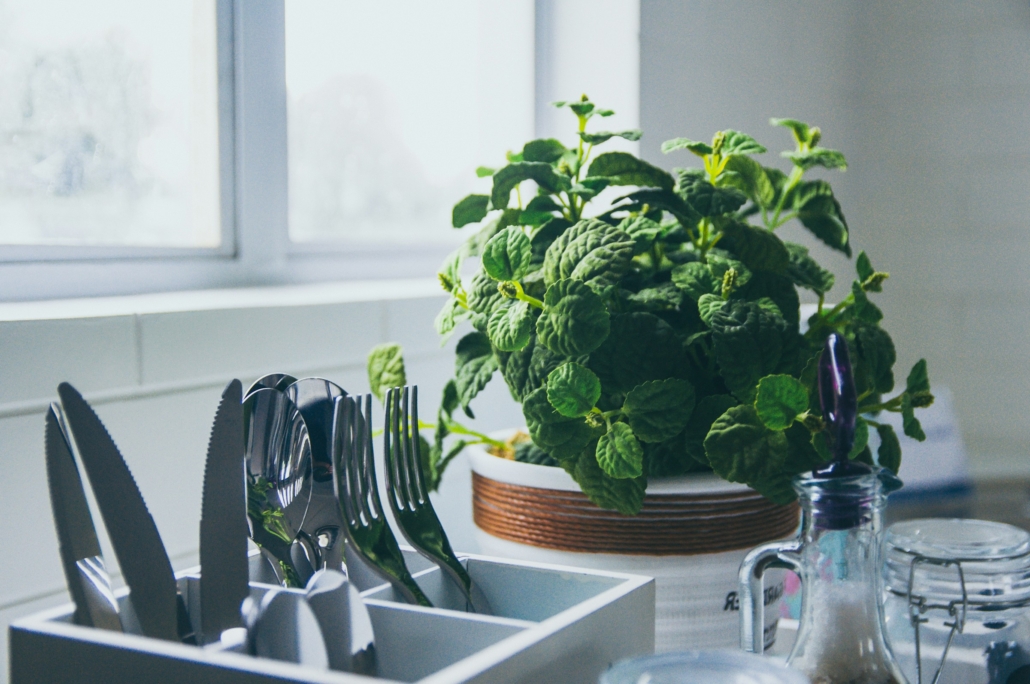
Houseplants in the kitchen aid in decreasing cooking scents that consume your home – while it might smell amazing when you bake cookies, cauliflower can really bring you down. Or, you can grow edibles in your kitchen to have easy access while cooking.

Here are our top picks for plants in the kitchen:


  1. Assorted Herbs
    Herbs are perfect to grow in the kitchen. Place your herb garden on your windowsill or in a hanging basket for ease. Luckily, a lot of herbs grow well indoors with adequate light. They need to be rotated if they start to become leggy. Read more about growing herbs in your kitchen.
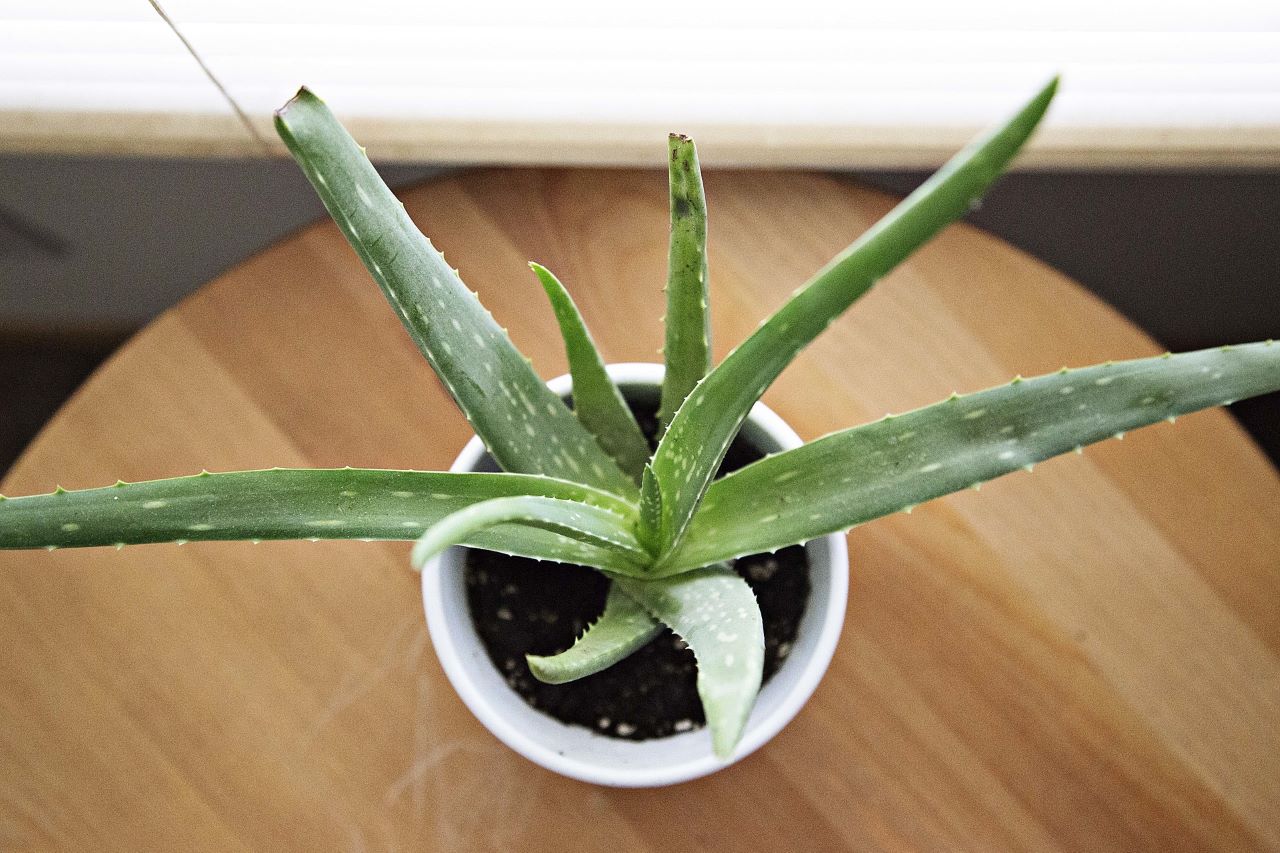
  1. Aloe Vera
    Aloe Vera is one of the easiest plants to grow, so keeping it in your kitchen will bring life there all year long. It’s especially great to have in the kitchen to use its natural coolant in case of a burn. It will do well anywhere in the kitchen, although next to the stove is probably best. Read more about growing aloe and other succulents.

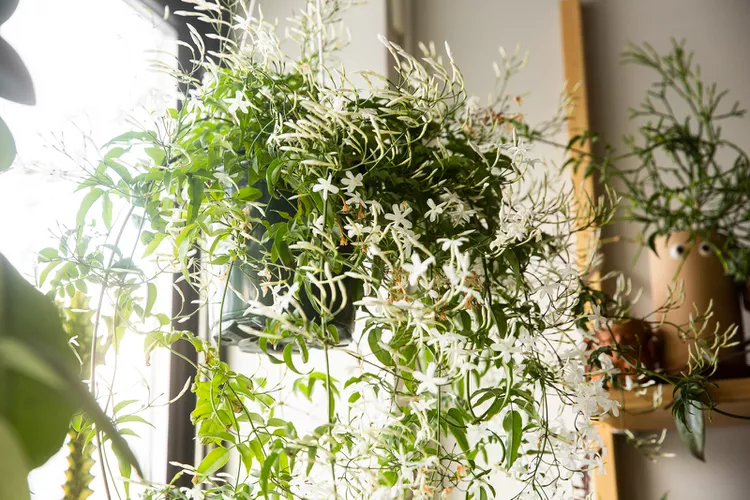
  1. White Jasmine
    The soft jasmine scent that is released from the blooms of this plant will help keep your kitchen smelling nice and fresh. The scent is subtle enough that it won’t overwhelm the kitchen yet can still help your space feel clean and refreshed. Read more about growing jasmine.

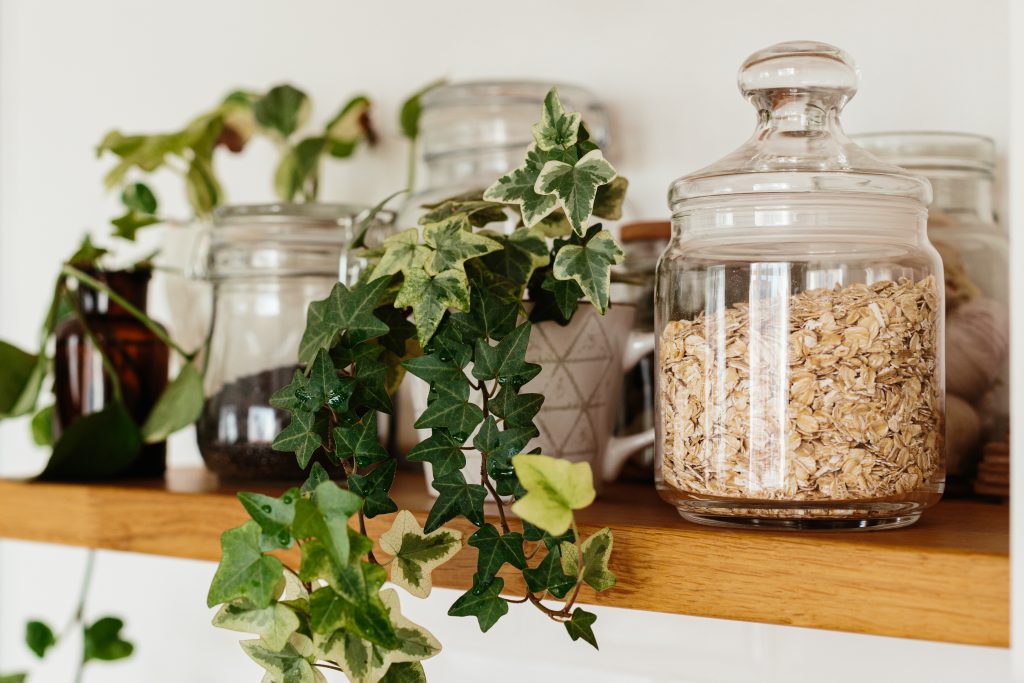
  1. English Ivy
    Ivy is a diverse plant that can thrive in many rooms. Putting it in the kitchen will add dramatic lines and textures while purifying the air. If your cabinets don’t hit the ceilings, this ivy will gladly take up space. It will add wonderful shades of green with accents of whites or yellows. Read more about growing ivy in unusual spaces.

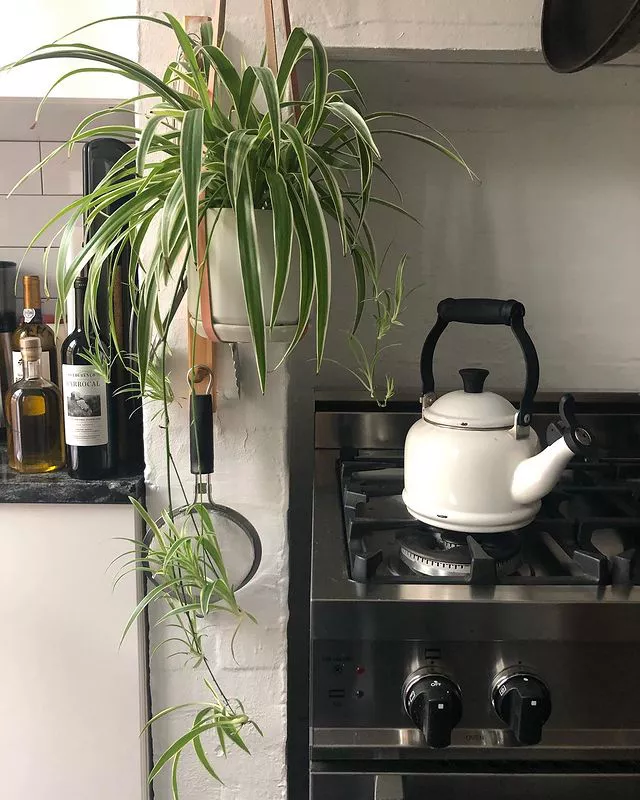
  1. Spider Plant
    Another great air purifier, the spider plant will help keep cooking more enjoyable. Place it somewhere you need to add height and texture to an area. It is an easy-care houseplant that will continue to love you in every season. Read more about the benefits of houseplants.

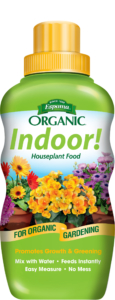
Don’t forget, all of these plants need to be fed as directed with Espoma’s Indoor! liquid fertilizer to grow strong and highlight their colors.


Featured Products:


Where to Buy

https://www.espoma.com/wp-content/uploads/2018/01/shutterstock_673534633.jpg 667 1000 espoma https://www.espoma.com/wp-content/uploads/2023/05/espoma-logo340w-1.png espoma2018-01-17 16:42:102024-01-24 16:24:35Best Houseplants for the Kitchen

VIDEO: Caring for Your Christmas Cactus with Garden Answer

December 20, 2017/in Blog, Espoma Videos, Garden Answer, Holidays, Indoor Gardening, Succulents, Succulents

In this video, Laura from Garden Answer shares her top tips for nurturing everyone’s favorite holiday plant—the Christmas cactus! These beloved plants can thrive for years with proper care and attention.

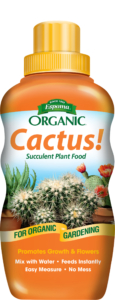
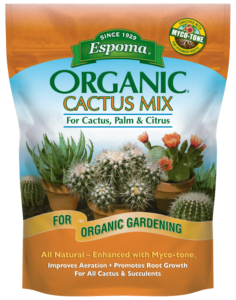
Laura recommends starting with a high-quality organic potting soil, like Espoma Organic Cactus Mix, specially formulated for cacti and succulents. She also emphasizes the importance of fertilizing, suggesting Espoma Organic Cactus! Liquid Plant Food to keep your plant healthy and blooming.

Learn more about Garden Answer here:

https://www.youtube.com/c/gardenanswer

https://www.gardenanswer.com/

https://www.facebook.com/gardenanswer

https://www.instagram.com/gardenanswer/


Featured Products:

Espoma Organic Cactus Mix Espoma Organic Cactus! Liquid plant food bottle


Where to Buy


https://www.espoma.com/wp-content/uploads/2017/12/IMG_7856.jpg 3368 6000 espoma https://www.espoma.com/wp-content/uploads/2023/05/espoma-logo340w-1.png espoma2017-12-20 16:48:072024-11-21 15:17:45VIDEO: Caring for Your Christmas Cactus with Garden Answer

Succulent Snow Globe DIY (Full Version)

December 7, 2017/in Espoma Videos

Laura from Garden Answer shows you how to bring the outdoors in for the winter months. Make this easy potted plant snow globe using succulents and Espoma’s organic cactus mix. Ask kids to help make these tiny globes or make them yourself. They’re perfect for holiday decor or to give as gifts to the plant lover in your life.


Here are the basics:

  1. Gather your winter crafting materials, paint, potting soil, globe ornament, fairies, ribbons and succulents. Choose a small container such as a terracotta pot to serve as your base.
  2. Paint container and let dry.
  3. Fill with Espoma’s Cactus Mix
  4. Cut a large opening in clear ornament
  5. Drill a small hole in the ornament for air flow and to water succulents with an eye dropper
  6. Add a miniature toy, fairy and/or succulents
  7. Make it feel like the holidays by adding faux snow
  8. Tie a ribbon or string around the container and finish with a bow.

Looking for more inspiration? Check out our YouTube page!


https://www.espoma.com/wp-content/uploads/2017/12/IMG_7789.jpg 3368 6000 espoma https://www.espoma.com/wp-content/uploads/2023/05/espoma-logo340w-1.png espoma2017-12-07 12:36:302019-05-07 10:00:28Succulent Snow Globe DIY (Full Version)

Quick Succulent Snow Globe DIY

December 7, 2017/in Indoor Gardening

Laura from Garden Answer shows you how to bring the outdoors in for the winter months. Make this easy potted plant snow globe using succulents and Espoma’s organic cactus mix. Ask kids to help make these tiny globes or make them yourself. They’re perfect for holiday decor or to give as gifts to the plant lover in your life.


Here are the basics:

  1. Gather your winter crafting materials, paint, potting soil, globe ornament, fairies, ribbons and succulents. Choose a small container such as a terracotta pot to serve as your base.
  2. Paint container and let dry.
  3. Fill with Espoma’s Cactus Mix
  4. Cut a large opening in clear ornament
  5. Drill a small hole in the ornament for air flow and to water succulents with an eye dropper
  6. Add a miniature toy, fairy and/or succulents
  7. Make it feel like the holidays by adding faux snow
  8. Tie a ribbon or string around the container and finish with a bow.

Want to see more? Check out our YouTube channel!

https://www.espoma.com/wp-content/uploads/2017/12/IMG_7780.jpg 3368 6000 espoma https://www.espoma.com/wp-content/uploads/2023/05/espoma-logo340w-1.png espoma2017-12-07 12:04:072019-05-07 10:00:28Quick Succulent Snow Globe DIY
Page 18 of 19«‹16171819›
Where to Buy

Get News & Updates

Recent Posts

  • VIDEO: How to Winterize Your Chicken Coop with Summer Rayne Oakes
  • VIDEO: Planting Spring Bulbs in Containers 🪴🌷 with Summer Rayne Oakes
  • VIDEO: Planting the Last Bulbs of the Season with Garden Answer
  • How to Care for Ferns 🌿 | Growing Joy with Maria
  • VIDEO: One Last Autumn Stroll 🍁🍂 with Summer Rayne Oakes

Tags

All-Purpose Potting Mix bio-tone Bio-tone Starter Bio-tone Starter Plus Cactus Mix caring for houseplants Container Gardening DIY project Espoma espoma grown espoma organic Espoma Organics Espoma Video fall gardening Family fert flower garden flowers garden Garden Answer Gardening gardening tips gardens grow holly-tone houseplants Indoor! indoor gardening indoor plants Kaleb Wyse organic organic fertilizer Organic Gardening organic plant food Organic Potting Mix Outdoor Gardening Planting plants Potting Mix potting soil Spring Gardening summer rayne oakes vegetable garden Vegetable Gardening Wyse Guide

Espoma. A Family Tradition Since 1929.

Espoma Organic logo
  • Espoma Dealer
  • Espoma Pro
  • Garden Club
  • Privacy Policy

Scroll to top