Espoma Organic
  • Products
    • Close
    • Product Line Overview
    • Plant food finder
    • Garden Fertilizers
    • Potting Soils
    • Lawn Fertilizers
    • Liquid Fertilizers
    • Single Ingredients
    • Conventional Plant Foods
    • Animal Care Products
  • Where to Buy
  • Our Story
    • Close
    • Our Story
    • Locations
    • Historical Timeline
    • Our Commitment
    • Directions
    • Solar
    • Join our Team
    • Espoma Brand Partners
  • Learn
    • Close
    • Espoma Blog
    • FAQ’s
    • Pocket Guide
    • Espoma Guides
    • Garden Clubs
    • Safe Paws Lawn
    • PRODUCT FACT SHEETS
    • Fertilizer Fundamentals
      • Close
      • Understanding Plant Nutrition
      • Reading Labels
      • Choosing the Right Type of Fertilizer
      • Terms & Definitions
    • Gardening Projects
    • Resource Links
  • Contact Us
  • Menu Menu

Tag Archive for: Container Gardening

DIY Cat Tower Garden

February 22, 2018/in Espoma Videos

Find out how Laura from Garden Answer makes this clever indoor cat tower garden! Laura uses Espoma’s Organic Seed Starter to get her seeds off to a great start.

https://www.espoma.com/wp-content/uploads/2018/02/IMG_8571.jpg 3368 6000 espoma https://www.espoma.com/wp-content/uploads/2023/05/espoma-logo340w-1.png espoma2018-02-22 10:30:592024-09-07 07:58:12DIY Cat Tower Garden

Spice Up Your Life – Start an Indoor Herb Garden

February 14, 2018/in Indoor Gardening

Add an extra special kick to homemade dishes by incorporating fresh herbs from your kitchen garden. It’s especially easy when flavorful herbs just need to be snipped from your kitchen windowsill.

Grow a winter herb garden in your kitchen with easy herbs like rosemary, chives, oregano, thyme, lemongrass and mint in just a few steps.
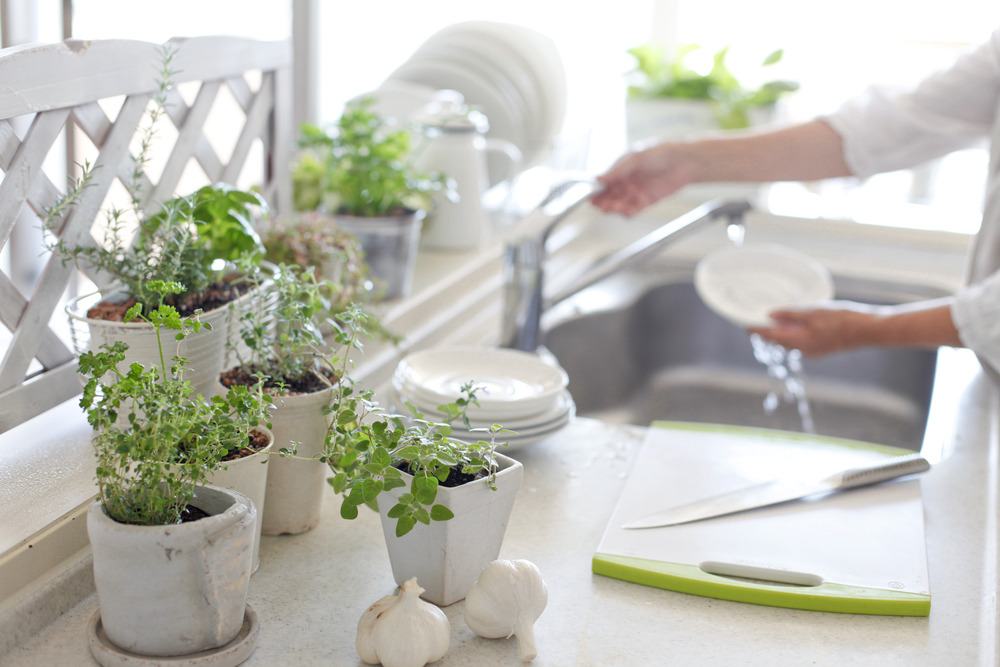
Herbs are perfect for growing in the kitchen. Be sure to feed with Indoor! plant fertilizer to give them a boost.

How to Grow Herbs Indoors in 5 Steps:

  1. Pick a container. Visit your local garden center to purchase herbs and pots. Choose 6” containers that have drainage holes and saucers. Herbs don’t like wet feet.
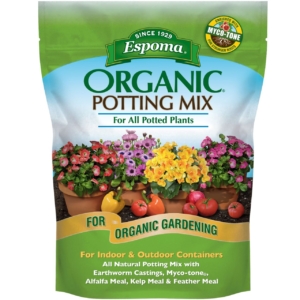
  2. Pot up your herbs. Fill containers halfway with Espoma’s Organic Potting Mix. Remove herbs from containers by pushing from the bottom. Gently loosen roots and place plant in the pot. Fill with soil to the depth the plants were growing in the original pots. Water well.
  3. Choose a Spot. Place plants in a sunny window that receives at least 6 hours of strong sunlight each day.
  4. Refresh plants. Water as needed to keep the soil lightly moist, but don’t overwater.
  5. Give herbs a boost. Feed with Espoma’s Indoor! liquid plant fertilizer as needed to give plants the nutrients they need.

Once warm weather does arrive, get ready to plant more veggie crops!


https://www.espoma.com/wp-content/uploads/2018/02/shutterstock_468372902.jpg 854 1280 espoma https://www.espoma.com/wp-content/uploads/2023/05/espoma-logo340w-1.png espoma2018-02-14 10:45:352024-08-21 05:28:33Spice Up Your Life – Start an Indoor Herb Garden

Best Houseplants for the Kitchen

January 17, 2018/in Blog, Indoor Gardening

Sometimes we find a beautiful houseplant and have no idea where to put it. Other times we have a space that needs filling and no idea what to put there.

The way we see it, you can never go wrong with more plants!

There’s no better place to start adding plants than the kitchen. If you haven’t thought of adding plants there before, you’re missing out!

Houseplants in the kitchen aid in decreasing cooking scents that consume your home – while it might smell amazing when you bake cookies, cauliflower can really bring you down. Or, you can grow edibles in your kitchen to have easy access while cooking.

Here are our top picks for plants in the kitchen:
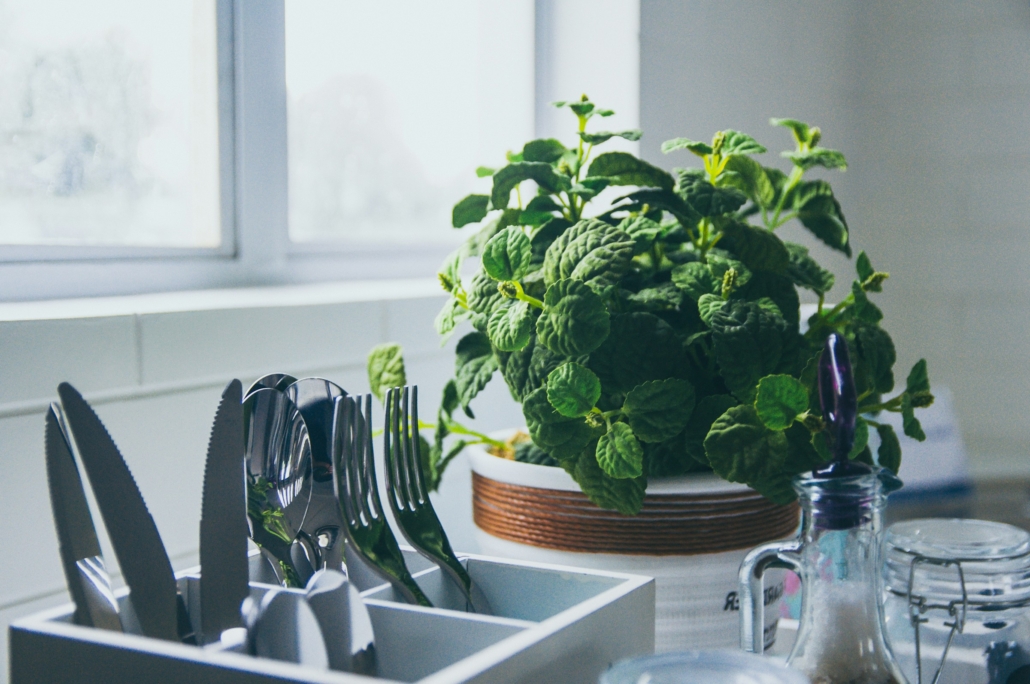
 

  1. Assorted Herbs
    Herbs are perfect to grow in the kitchen. Place your herb garden on your windowsill or in a hanging basket for ease. Luckily, a lot of herbs grow well indoors with adequate light. They need to be rotated if they start to become leggy. Read more about growing herbs in your kitchen.
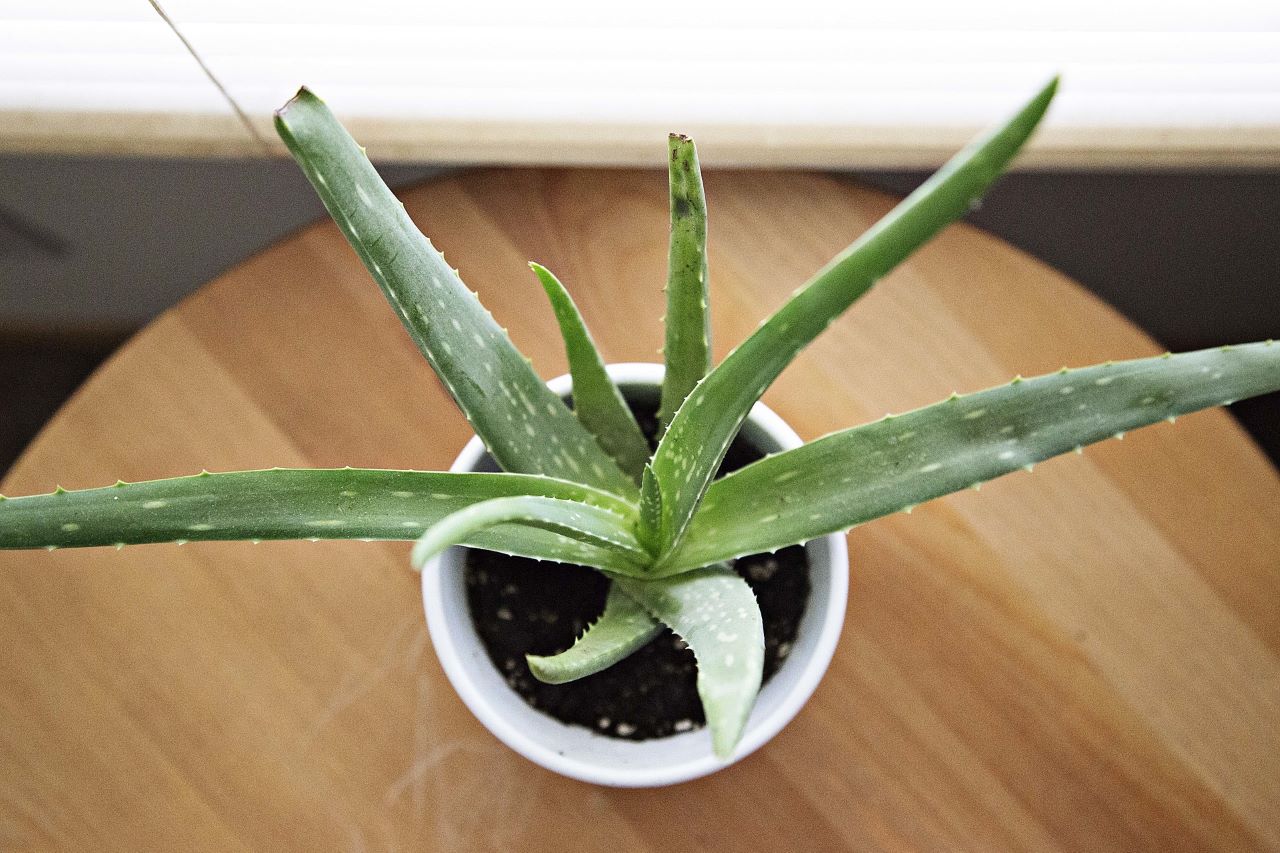
  1. Aloe Vera
    Aloe Vera is one of the easiest plants to grow, so keeping it in your kitchen will bring life there all year long. It’s especially great to have in the kitchen to use its natural coolant in case of a burn. It will do well anywhere in the kitchen, although next to the stove is probably best. Read more about growing aloe and other succulents.

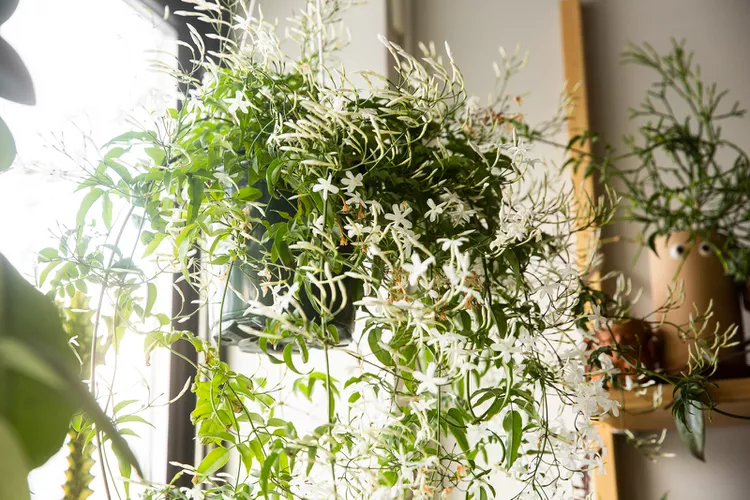
  1. White Jasmine
    The soft jasmine scent that is released from the blooms of this plant will help keep your kitchen smelling nice and fresh. The scent is subtle enough that it won’t overwhelm the kitchen yet can still help your space feel clean and refreshed. Read more about growing jasmine.

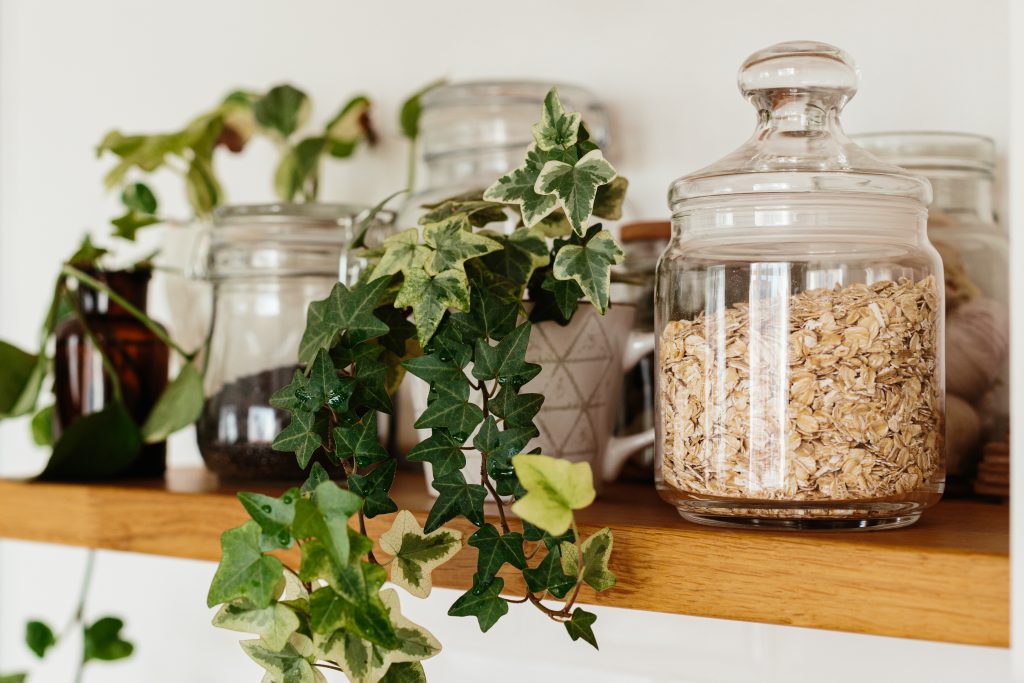
  1. English Ivy
    Ivy is a diverse plant that can thrive in many rooms. Putting it in the kitchen will add dramatic lines and textures while purifying the air. If your cabinets don’t hit the ceilings, this ivy will gladly take up space. It will add wonderful shades of green with accents of whites or yellows. Read more about growing ivy in unusual spaces.

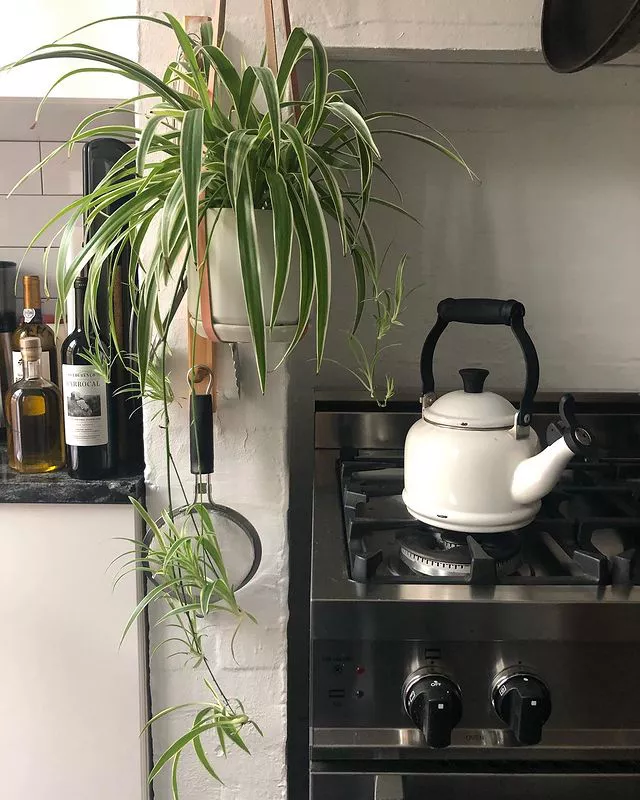
  1. Spider Plant
    Another great air purifier, the spider plant will help keep cooking more enjoyable. Place it somewhere you need to add height and texture to an area. It is an easy-care houseplant that will continue to love you in every season. Read more about the benefits of houseplants.

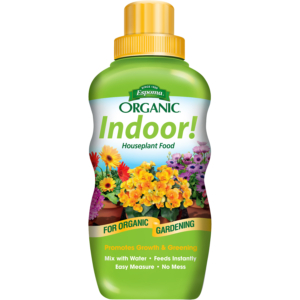
Don’t forget, all of these plants need to be fed as directed with Espoma’s Indoor! liquid fertilizer to grow strong and highlight their colors.


Featured Products:


Where to Buy

https://www.espoma.com/wp-content/uploads/2018/01/shutterstock_673534633.jpg 667 1000 espoma https://www.espoma.com/wp-content/uploads/2023/05/espoma-logo340w-1.png espoma2018-01-17 16:42:102024-01-24 16:24:35Best Houseplants for the Kitchen

VIDEO: Caring for Your Christmas Cactus with Garden Answer

December 20, 2017/in Blog, Espoma Videos, Garden Answer, Holidays, Indoor Gardening, Succulents, Succulents

In this video, Laura from Garden Answer shares her top tips for nurturing everyone’s favorite holiday plant—the Christmas cactus! These beloved plants can thrive for years with proper care and attention.

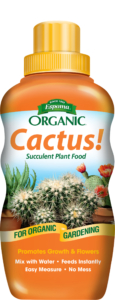
Laura recommends starting with a high-quality organic potting soil, like Espoma Organic Cactus Mix, specially formulated for cacti and succulents. She also emphasizes the importance of fertilizing, suggesting Espoma Organic Cactus! Liquid Plant Food to keep your plant healthy and blooming.

Learn more about Garden Answer here:

https://www.youtube.com/c/gardenanswer

https://www.gardenanswer.com/

https://www.facebook.com/gardenanswer

https://www.instagram.com/gardenanswer/


Featured Products:
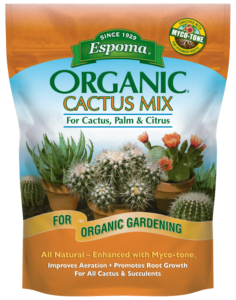
Espoma Organic Cactus Mix Espoma Organic Cactus! Liquid plant food bottle


Where to Buy


https://www.espoma.com/wp-content/uploads/2017/12/IMG_7856.jpg 3368 6000 espoma https://www.espoma.com/wp-content/uploads/2023/05/espoma-logo340w-1.png espoma2017-12-20 16:48:072024-11-21 15:17:45VIDEO: Caring for Your Christmas Cactus with Garden Answer

Stop and smell the roses… Right outside your door!

July 20, 2017/in Flowers

Do you love roses but are stuck with limited space? Is your rose collection growing faster than your raised beds?

Container roses are a great solution for gardeners short on space or those who want the freedom to move their roses around. They give you the option of having roses wherever you want them.

So whether you are trying to cover up some unsightly spot or wanting sweet-smelling roses near your front door, we’re here to help you figure out the best roses for you.

Depending on the size and structure of your container, most roses won’t be a problem. Just be sure the container can hold the roots and soil needed for your roses. Be sure to choose roses recommended for your USDA Hardiness Zone.

Best Types of Roses for Containers

Miniature Roses – Don’t let the name fool you — these roses may be small in bloom size but still produce radiant color. Miniature refers to the size of the bloom, not the size of the bush. Typically they grow between 12”-18”, depending on growing conditions. These roses also love to hangout in window boxes. Choose a container that is at least 10” deep.

Small Roses – These low-growing roses help show off gorgeous containers. Small roses usually reach up to 2’. The variety of small roses is expansive and offer different styles, colors and smells to keep your garden rocking. Due to their small stature, they are perfect for the urban gardener — use these to spruce up your balcony or front stoop. Choose a container that is at least 12” deep.

Patio Roses – With big, colorful and robust blooms, you cannot go wrong with patio roses. They have a neat, bushy growth and regularly blooming rosette flowers. Choose a container that is at least 12” deep.

Floribundas – These one-of-a-kind hybrid roses have vibrant, colorful blooms that will dress up your yard. Grown in clusters, floribundas are wonderful to keep your guests in awe. They require a little more breathing room, so make sure to pick a larger container to keep them comfortable. Choose a container that is at least 15” deep.

6 Steps to Planting Your Rose Bush in a Container

  1. Select a container with drainage holes. The taller the containers the better since roses are deep-rooted.
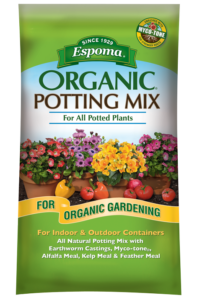
  2. Fill container one third of the way with Espoma’s organic potting mix.
  3. Take the rose out of the pot and gently loosen its roots.
  4. Add 3 cups of Espoma’s Rose-tone to the soil and mix thoroughly.
  5. Place the rose in the soil no deeper than it was growing in the container. Planting depth should be such that the graft knuckle is just below the soil level. Add more potting mix to the container and level out soil.
  6. Water thoroughly.


Feel like you need more container plants? Learn what hydrangeas need to thrive in containers!

https://www.espoma.com/wp-content/uploads/2017/07/Roses-in-containers.jpg 945 1280 espoma https://www.espoma.com/wp-content/uploads/2023/05/espoma-logo340w-1.png espoma2017-07-20 09:00:472019-05-07 10:01:37Stop and smell the roses… Right outside your door!

Perk Up Summer Containers with Stunning Annuals

July 6, 2017/in Flowers

Give yards and patios a boost by adding containers full of summer flowers to your landscape. Revitalize your summer landscape by pulling together your yard with the addition of easy and inexpensive annuals.

Annuals instantly transform the look of a space from year to year or month to month. Choose from a variety of colors and forms that complement your exterior, your patio or even your pool area. The options are endless.

A good-looking container will set your yard apart from your neighbors. To start, choose your containers and make sure they have proper drainage holes. Check plant tags for the mature size and plan to plant accordingly.

5 Summer Container Garden Tips:

  1. Add a few pebbles or rocks to the bottom of your container to keep dirt from escaping and use Espoma’s potting mix to keep plants healthy.
  2. Select annuals in a single color and variety repeat throughout containers in different parts of your yard. Try planting bright, purple petunias near your entrance or mailbox. Add more in containers on your front steps and finish with a pop of color in a hanging basket.
  3. Pair annuals with matching colors and like-forms. Plant purple geraniums with yellow daisies, or orange snapdragons with an edging of blueish lobelia.
  4. Stick with one color and choose an assortment of different annuals to create a monochromatic scheme.
  5. For best results, feed annuals in containers regularly with Espoma’s liquid Bloom! plant food.

Looking to expand your container garden? Learn how to plant fruits and veggies in containers.

*****

Featured Products:
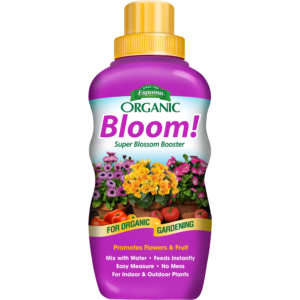


Where to Buy

https://www.espoma.com/wp-content/uploads/2017/07/Purple-petunias-container.jpg 1987 3000 espoma https://www.espoma.com/wp-content/uploads/2023/05/espoma-logo340w-1.png espoma2017-07-06 16:40:022024-07-31 16:00:04Perk Up Summer Containers with Stunning Annuals

May Gardening Checklist: 5 Essential To-Dos for a Thriving Garden

May 2, 2017/in Blog, Spring Gardening

May is one of the busiest and most exciting months in the garden. Flowers are blooming, veggies are sprouting, and summer crops are ready to go in. But to keep your garden thriving naturally, it’s important to use the right organic products to nurture your soil, plants, and harvest.

Here’s your Espoma-approved May checklist to prep your garden for a healthy, productive summer season.
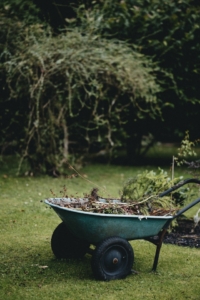
Garden Clean up

1: Tidy Up Your Garden Space

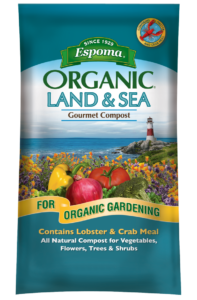
Start fresh by clearing out weeds, dead plants, and old debris — this keeps pests and diseases in check and opens up space for new growth. As you tidy up, top off your beds with Espoma Organic Land & Sea Gourmet Compost to enrich the soil with nutrients and improve texture.

Once your garden is clean, you can apply a layer of mulch to help conserve moisture and regulate soil temperature. This simple prep sets the stage for everything that comes next.
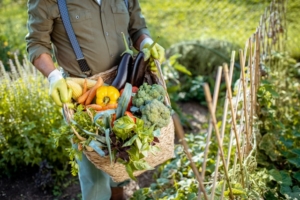
spring crops

2: Harvest Early Spring Crops

Your cool-weather crops like lettuce, spinach, radishes, and peas are likely ready to harvest. After picking, don’t leave that soil depleted! Replenish it by working in Espoma Organic Garden-tone or Plant-tone to restore nutrients before planting your summer vegetables.

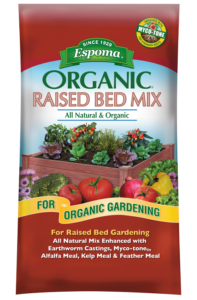
For container gardens, refresh the mix with Espoma Organic Raised Bed Mix or Potting Mix so your new plants have a rich, organic base to grow in. Healthy soil = healthy crops.

People planning a project

3: Plan Your Garden Layout Thoughtfully

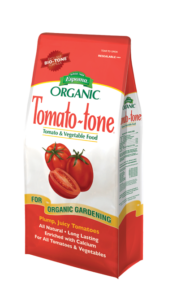
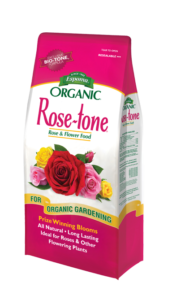
Before you rush to plant, take a little time to sketch out your garden plan. Group plants with similar needs together, and research what varieties perform best in your area. If you’re unsure, visit a local garden center and look for recommendations — and while you’re there, pick up organic fertilizers suited for what you’re planting (like Espoma Organic Tomato-tone for tomatoes, Berry-tone for berries, or Rose-tone for roses).

Planning ahead ensures you can match the right organic products to the right plants, maximizing growth and minimizing problems down the line.
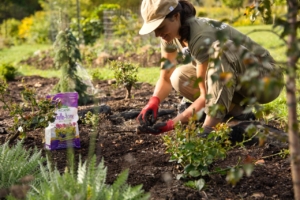
planting with organic fertilizer

4: Get Planting — and Feed Organically

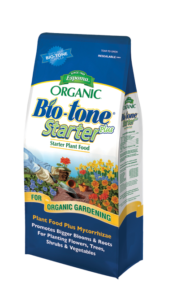
Once your area is frost-free, it’s time to plant! Whether you’re planting veggies, flowers, or herbs, give them the best start by enriching the planting hole with Espoma Organic Bio-tone Starter Plus. This starter fertilizer contains mycorrhizae, which help plants establish strong root systems and reduce transplant shock.

As the season goes on, continue feeding regularly with Espoma Organic Tone Fertilizers, depending on what you’re growing. These slow-release, organic fertilizers keep plants nourished naturally, without the risk of burning or chemical buildup.
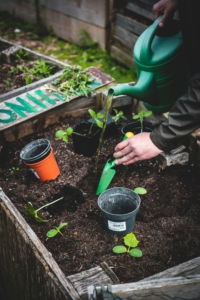
planting

5: Transfer Indoor Seedlings Outdoors Carefully

If you started seeds indoors, harden them off gradually before moving them outside. Once ready, plant them in your garden or containers and mix Espoma Organic Bio-tone Starter Plus into the soil. This ensures young plants have access to the nutrients and beneficial microbes they need to get established and grow strong healthy roots.

For containers, fill pots with Espoma Organic Potting Mix, which provides excellent drainage and moisture retention while feeding plants with organic ingredients. Don’t forget to water thoroughly after transplanting to help roots settle in.
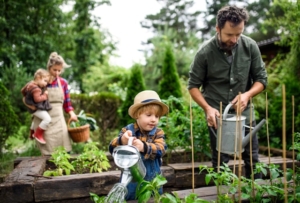
family in vegetable garden

🌸 Bonus Tip: Keep Feeding and Caring All Season Long

Throughout the summer, keep an eye on your plants. Feed every month or as needed with the appropriate Espoma Organic fertilizer for each plant type. Water deeply at the base, mulch to retain moisture, and enjoy the lush, organic garden you’ve worked so hard to create.

With the right products and a little care, you’ll be harvesting beautiful, homegrown food and flowers all summer long — the organic way!

Featured Products:
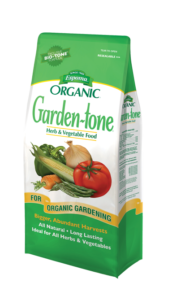
Espoma Organic Potting soil Mix Big bagEspoma Organic Land and SeaEspoma Raised Bed Mix bag  Espoma Organic Tomato-toneEspoma Organic Rose-tone bagEspoma Organic Plant-tone organic fertilizer

Where to Buy

https://www.espoma.com/wp-content/uploads/2018/05/Curb-appeal-hosta-black-eyed-susan.jpg 850 1280 espoma https://www.espoma.com/wp-content/uploads/2023/05/espoma-logo340w-1.png espoma2017-05-02 08:00:312025-05-06 14:10:27May Gardening Checklist: 5 Essential To-Dos for a Thriving Garden

DIY Paint Can Planter for Succulents

March 8, 2017/in Espoma Videos
Read more
https://www.espoma.com/wp-content/uploads/2017/03/IMG_2780.jpg 2966 5284 espoma https://www.espoma.com/wp-content/uploads/2023/05/espoma-logo340w-1.png espoma2017-03-08 10:55:482020-02-04 14:52:44DIY Paint Can Planter for Succulents

6 Tips for Stunning Succulent Containers

March 7, 2017/in Indoor Gardening

The options for succulents are endless. You can spend an entire afternoon at your favorite garden center picking out succulents in all shapes, sizes and colors. And once you have one succulent plant, you can grow even more plants from it!

While planting succulents is a pretty straightforward process, there are a few tricks to ensuring they stay healthy in their new homes.

6 Tips for Creating a Succulent Container

  1. Choose a container. Almost any container can be used for succulent gardening if it has proper drainage. Terra cotta, glazed pottery and wooden boxes are some traditional choices. If you’re feeling crafty, check out our Garden Answer tutorial and create your own.
  2. Don’t let water pool. When placing the plant in the container, the succulent needs to sit above the rim of the pot. If your soil is low and your container has poor drainage, water can pool on top and damage the plant. Don’t let your succulent rot! Make sure to use Espoma’s Cactus Mix when filling your container.
  3. Add Plants. It’s up to you to choose how many plants to put in your container. Succulents that are crowded and planted close together often grow more slowly; and these plants are slow growers to begin with! More space between plants means it’s easier to water and there will be better air flow.
  4. Thriller, filler and spiller. This classic gardening concept can be applied to succulents, too. Add some oomph to your container by choosing a “thriller,” a tall plant that will add a vertical element such as aloe. Next, place a medium succulent such as echevarias. For spillers, look for trailing succulents that will “spill” over the edge such as sedum or string of pearls.
  5. The final touch. For a finished look, top off your container with decorative stones or dried moss.
  6. Feed ‘em. Give your succulents a boost by fertilizing as needed with Espoma’s newCactus! Succulent plant food.

Now that your container is complete, find out what succulents need to keep growing!

https://www.espoma.com/wp-content/uploads/2017/03/Succulent-container.jpg 914 1280 espoma https://www.espoma.com/wp-content/uploads/2023/05/espoma-logo340w-1.png espoma2017-03-07 14:00:502024-08-20 07:30:346 Tips for Stunning Succulent Containers

DIY Your Own Succulent Planter

January 19, 2017/in Espoma Videos

Have a container you think would be perfect to add succulents to? Laura from Garden Answer shows you how to make a quick succulent arrangement…in just one minute.

For this DIY, you will need:

Container for succulents

Drill

Drill bit

Organic Cactus Mix

Succulents

  • Donkey’s Tail Seedum
  • Zwartkop Aeonium
  • Crassula perforata- String of Buttons
  • Springtime crassula
  • Firestorm Seedum
  • Panda Plant
  • Watering can

Cactus! Succulent plant food

Be sure to share your own DIY succulent containers in the comments below!
https://www.espoma.com/wp-content/uploads/2017/01/IMG_2270.jpg 3072 5472 espoma https://www.espoma.com/wp-content/uploads/2023/05/espoma-logo340w-1.png espoma2017-01-19 12:13:532024-08-20 07:17:30DIY Your Own Succulent Planter
Page 13 of 17«‹1112131415›»
Where to Buy

Get News & Updates

Recent Posts

  • VIDEO: A Formal Garden Tour with Summer Rayne Oakes
  • VIDEO: Repotting in the Greenhouse with Garden Answer
  • VIDEO: How to Winterize Your Chicken Coop with Summer Rayne Oakes
  • VIDEO: Planting Spring Bulbs in Containers 🪴🌷 with Summer Rayne Oakes
  • VIDEO: Planting the Last Bulbs of the Season with Garden Answer

Tags

All-Purpose Potting Mix bio-tone Bio-tone Starter Bio-tone Starter Plus Cactus Mix caring for houseplants Container Gardening DIY project Espoma espoma grown espoma organic Espoma Organics Espoma Video fall gardening Family fert flower garden flowers garden Garden Answer Gardening gardening tips gardens grow holly-tone houseplants Indoor! indoor gardening indoor plants Kaleb Wyse organic organic fertilizer Organic Gardening organic plant food Organic Potting Mix Outdoor Gardening Planting plants Potting Mix potting soil Spring Gardening summer rayne oakes vegetable garden Vegetable Gardening Wyse Guide

Espoma. A Family Tradition Since 1929.

Espoma Organic logo
  • Espoma Dealer
  • Espoma Pro
  • Garden Club
  • Privacy Policy

Scroll to top