Espoma Organic
  • Products
    • Close
    • Product Line Overview
    • Plant food finder
    • Garden Fertilizers
    • Potting Soils
    • Lawn Fertilizers
    • Liquid Fertilizers
    • Single Ingredients
    • Conventional Plant Foods
    • Animal Care Products
  • Where to Buy
  • Our Story
    • Close
    • Our Story
    • Locations
    • Historical Timeline
    • Our Commitment
    • Directions
    • Solar
    • Join our Team
    • Espoma Brand Partners
  • Learn
    • Close
    • Espoma Blog
    • FAQ’s
    • Pocket Guide
    • Espoma Guides
    • Garden Clubs
    • Safe Paws Lawn
    • PRODUCT FACT SHEETS
    • Fertilizer Fundamentals
      • Close
      • Understanding Plant Nutrition
      • Reading Labels
      • Choosing the Right Type of Fertilizer
      • Terms & Definitions
    • Gardening Projects
    • Resource Links
  • Contact Us
  • Menu Menu

Tag Archive for: Berry Bushes

VIDEO: Edible Landscaping 🫑 🍓🌿 | Flock Finger Lakes

September 29, 2025/in Blog, Fruits & Vegetables, Summer Rayne Oakes

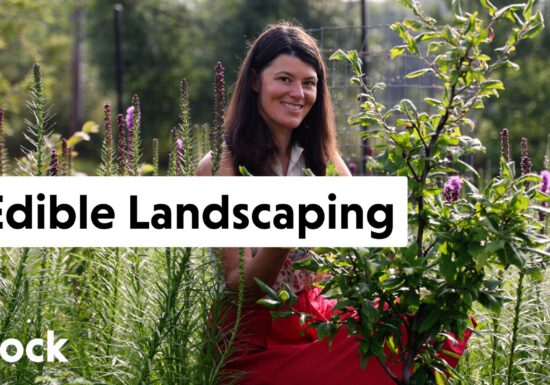
Summer Rayne Oakes @FlockFingerLakes takes us on a tour of her garden packed with edible plants. From fruit trees and berry bushes to roses and kale, Summer shows how beauty and function can grow side by side. Along the way, she nourishes her plants with Espoma Organic products to build strong roots, vibrant blooms, and thriving harvests.

Espoma Products Summer Uses in Her Edible Landscape:

Summer Rayne with Bio-tone Starter Plus

  • Bio-tone Starter Plus
    Summer uses Bio-tone Starter Plus when planting apple trees and preparing new beds. With mycorrhizae and beneficial microbes, it jumpstarts root growth and helps plants establish quickly—like “planting insurance” for long-term success.

Summer Rayne with Raised Bed Mix

  • Espoma Organic Potting Soils 
    To build the foundation of her new garden beds, Summer used a mix of Espoma Organic Soils, including Raised Bed Mix, Potting Mix, Land & Sea Compost, and others. These mixes improve soil structure, boost microbial life, and provide the organic matter plants need for healthy growth.

Espoma Organic Rose-tone in a garden

  • Rose-tone
    For her roses, Summer sprinkles Espoma Organic Rose-tone around the root zone. With its 4-3-2 blend, it encourages lush foliage and beautiful blooms while being safe for the soil and pollinators.

Espoma Organic Soil Acidifier

  • Soil Acidifier
    Blueberries thrive in acidic soil, and Summer keeps them happy with Espoma Organic Soil Acidifier. Made from elemental sulfur and gypsum, it naturally lowers pH to match the needs of acid-loving plants.

Espoma Organic Tomato! liquid fertilizer

  • Tomato! Liquid Fertilizer
    Summer gives her tomato plants a boost with Espoma Organic Tomato! This easy-to-use liquid concentrate provides balanced nutrition and added calcium to prevent blossom end rot, ensuring plump, juicy fruits all season long.

Bringing It All Together

Summer’s edible landscape is proof that food gardens can be as beautiful as they are bountiful—with the right soil, thoughtful plant choices, and natural care. Ready to start your own edible landscape? Explore Espoma Organic products and discover how to feed your garden naturally. 🌱

*****

Featured Products:

Espoma Organic Bio-tone Starter Plus Bag Image Espoma Organic Rose-tone bag Espoma Organic Soil Acidifier BagEspoma Organic Potting soil Mix Big bag Espoma Raised Bed Mix bag Espoma Organic Land and Sea Espoma Organic Tomato! Liquid Plant Food Image


Where to Buy

https://www.espoma.com/wp-content/uploads/2025/09/Edible-Landscaping-in-Small-Backyard-frame-000003.jpg 1080 1920 Matt Dauphinais https://www.espoma.com/wp-content/uploads/2023/05/espoma-logo340w-1.png Matt Dauphinais2025-09-29 12:49:082025-10-01 12:04:19VIDEO: Edible Landscaping 🫑 🍓🌿 | Flock Finger Lakes

Bird Friendly Gardening 🕊️🌸 | Growing Joy with Maria

August 13, 2025/in Blog, Flowers, Fruits & Vegetables, Growing Joy with Maria

Bird-Friendly Gardening with Jen McGuinness, Ep 239

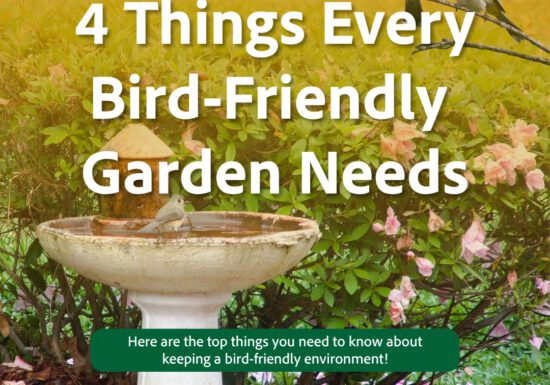
Do you love watching hummingbirds, chickadees, or sparrows right outside your window? One of the key benefits of having a garden is the wildlife that comes to visit your beautiful blooms. Our friend Maria Failla of Growing Joy with Maria gardens specifically for her local birds, because they bring her so much joy, and this blog shares everything she’s learned about bird-friendly gardening.

This blog is inspired by Episode 239 of the Growing Joy with Plants Podcast, where Maria sits down with Jen McGuinness, author of Bird-Friendly Gardening, about how we can make our outdoor spaces safe and welcoming for birds.

Why Should We Help Birds in Our Gardens?

Birds can help pollinate plants and eat harmful insects, which can help keep our garden healthy. But they need our help. Since 1970, about 3 billion birds have disappeared in North America because of habitat loss, pollution, and climate change.

But there’s a way you can make a difference right in your backyard.

What Makes a Garden Bird-Friendly?

A lot of people are probably thinking that bird feeders are enough when they want to help birds, but a bird-friendly garden means using your whole garden to support them by offering them food, water, and shelter.

A bird-friendly garden includes:

  • Native plants that supply seeds, berries, or attract insects (Hummingbirds especially love nectar from flowers)
  • Fresh water sources for drinking and cleaning themselves (and if you have a budget, you can add a solar fountain or mister to your birdbath
  • Safe shelter from predators and bad weather
  • Places to build nests, like trees, grasses, or birdhouses (thick bushes, trees, and tall native grasses are great)

Native plants = natural food for birds in the garden

Add Native Plants to Your Garden

Select native plants when building a bird-friendly garden. You can check your USDA growing zone or use the Audubon Native Plant Finder by simply typing in your zip code to get local recommendations. Garden center employees are also a huge resource that you can ask questions to.

Here are some bird-friendly flowers:

  • Coneflowers and asters
  • Sunflowers
  • Blueberry bushes and crab apple trees
  • Oak trees (they attract insects that the birds eat)
  • Native grasses like Big Bluestem

Using a nutrient-rich soil like Espoma Organic Garden Soil helps these plants grow strong and healthy, which then supports more birds and insects.

add fresh clean water to your bird friendly garden

It’s important to maintain your bird feeders

Make sure to keep your bird feeders clean to stop the spread of diseases like House Finch Eye Disease. Utilize squirrel guards to keep them from stealing from your feathered friends. Different feeders attract different types of birds, so ideally, have a seed feeder and a hummingbird feeder to ensure all your local birds are well fed. 

Note: Maria and Jen love monitoring birds using electronic bird feeders with cameras in them, which use AI to identify the birds that come to visit.

add nesting materials for birds in your garden

Don’t forget nesting areas

To help birds build nests, try leaving out:

  • Twigs
  • Pet hair (like chicken feathers or alpaca furs)
  • Feathers
  • Native grasses

start your bird friendly garden today

Start Small

You don’t need a huge property to create a bird-friendly garden. If you have a small space, you can plant native flowers in containers or hanging baskets. A beautiful hanging basket of fuchsia will keep your hummingbirds happy all summer long!

To keep your plants blooming and productive, feed them during the growing season with a gentle organic fertilizer like Espoma Flower-tone or Berry-tone, depending on what you’re growing.

Birds Bring Joy

Watching birds fly, sing, and raise their babies reminds us that our gardens are part of a whole ecosystem where every creature matters. And when we help birds, we help the Earth. Bird care is ecosystem care.

*****

Learn more about Growing Joy with Maria:

🪴🌿 Website

🪴🌿 Facebook

🪴🌿 Instagram

🪴🌿 YouTube

Featured Products:

Espoma Organic Flower-tone bag Espoma Organic Berry-tone.Espoma Organic Tree-toneEspoma Organic Bio-tone Starter Plus Bag ImageEspoma Organic All-Purpose Garden Soil image


Where to Buy

https://www.espoma.com/wp-content/uploads/2025/08/Bird-friendly-1.jpg 1080 1080 Matt Dauphinais https://www.espoma.com/wp-content/uploads/2023/05/espoma-logo340w-1.png Matt Dauphinais2025-08-13 15:53:262025-08-13 15:55:45Bird Friendly Gardening 🕊️🌸 | Growing Joy with Maria

Kaleb Wyse’s Berry-licious No-Bake Cheesecake!

July 14, 2022/in Blog, Kaleb Wyse

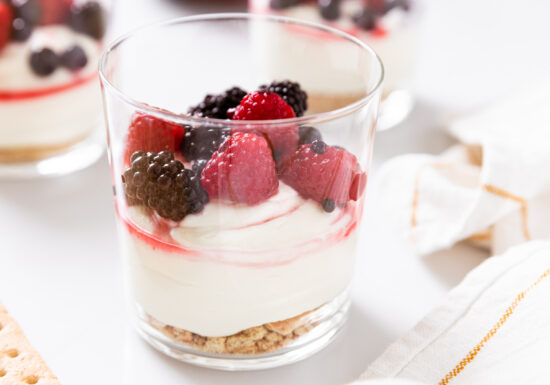
Who doesn’t love fresh berries? Who doesn’t love cheesecake?

Put them together and you’ve got something magical! Take it from Kaleb Wyse, a fourth-generation Iowan gardener who loves creating recipes with his produce as much as he loves growing them. Watch the full video below for this easy, no-bake, triple berry cheesecake—then grab some Espoma Organic Berry-tone fertilizer and start prepping your own.


Featured Products:


Where to Buy

https://www.espoma.com/wp-content/uploads/2022/07/No-Bake-Triple-Berry-Cheesecake-6.jpg 1080 1920 espoma https://www.espoma.com/wp-content/uploads/2023/05/espoma-logo340w-1.png espoma2022-07-14 16:34:522024-08-30 20:22:47Kaleb Wyse’s Berry-licious No-Bake Cheesecake!

How to Choose the Right Strawberry Variety to Grow

May 31, 2018/in Fruits & Vegetables

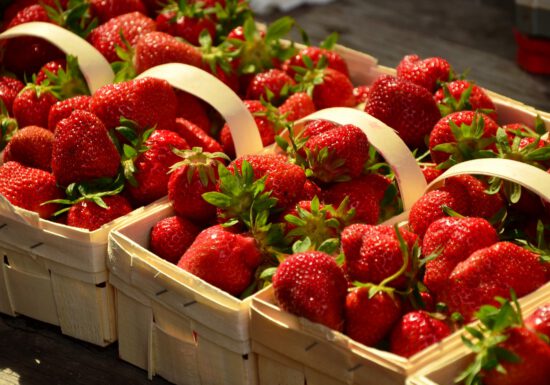
Strawberries are one of the most popular berries for gardeners to grow. They pack quite a punch, they are a great source of Vitamin C and dietary fiber and have only 49 calories per cup.

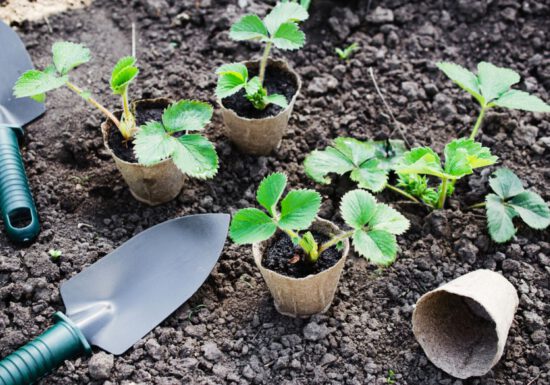
When you are ready to plant strawberries, start by deciding which variety will be best for your location and stop by your local garden center for supplies. Encourage strawberries to grow by adding Espoma’s Holly-tone, an organic plant food perfect for these acid-loving plants.

You can find strawberries either as June bearing or everbearing. June bearing strawberries form flower buds in the fall as the day length decreases. You’ll be able to harvest them the following early to mid-June and for three to four weeks. June-bearing strawberries produce their first crop the second year after planting.

June bearing strawberries are available in early, mid-season and late varieties. These varieties differ by the best time to harvest.  The difference between early and mid-season is only a couple of days, for late season, it’s about seven to nine days.

Though everbearing strawberries begin to bear fruit at the same time as June bearers, they will continue to produce berries throughout summer and into fall — sometimes even all of the way into October. The different varieties in the everbearing group are known as day-neutral. This means the plants do not need a certain amount of daylight to set flower buds.

The best strawberry varieties to grow

For taste. One of the most important factors in deciding which berries to grow is taste. If you’re ordering your strawberries from a catalog, look to see what the dessert quality is rated. We recommend planting the sparkle variety. These fan favorites are widely considered one of the best choices. Sparkle strawberries are medium-sized with an intense flavor and deep red coloring.

For freezing. Some people want berries that will last all season when they freeze them and not turn to mush. When you’re picking a variety, choose one that produces firm, red strawberries with a slight tart flavor. Allstar is a June-bearing strawberry that’s firm with a glossy red coloring. It produces very large berries with a mild, but sweet flavor, making it ideal for freezing and enjoying for months to come.


For size. Another factor to consider is size — do you want very large, large, medium or something in between? If you’re looking for a plant that grows consistently sized berries throughout the season, we recommend June-bearing Honeoye strawberries. These early season berries are large, firm and can be bright orange to red in color. It’s also known to produce plenty of berries.

For canning and jams. Most strawberries are well-suited for canning and jam. Earliglow, a June-bearing strawberry, is especially tasty. It sets and ripens its fruit sooner than virtually every other strawberry variety available. They have an excellent and sweet flavor, plus they are resistant to many strawberry diseases.

For growing in containers. Small space gardeners can still grow large berries. Seascape strawberry plants are everbearing and produce large berries that are bursting with flavor. This variety is also disease-resistant.

For a twist, grow strawberries vertically like Laura from Garden Answer does. 

See the Total Berry Guide Here


Get The Best Berries with:


Where to Buy


https://www.espoma.com/wp-content/uploads/2018/04/strawberry-plants.jpg 847 1280 espoma https://www.espoma.com/wp-content/uploads/2023/05/espoma-logo340w-1.png espoma2018-05-31 13:00:192022-04-12 14:19:30How to Choose the Right Strawberry Variety to Grow

The April Garden Checklist

April 6, 2017/in Blog, Spring Gardening

Spring is here! Shed off those winter blues and head outdoors to restore your lawn and garden. The days are getting longer and your soil is beginning to wake up. April is a great time to get out in your yard and begin again.

Wondering where to start? We’ve got 6 tasks you can accomplish this month in your own yard.


April Garden Checklist:


1. Start tomato seeds.

The best way to get a head start on growing tomatoes is to start seeds indoors 4-6 weeks before the last spring frost date in your region. See our Guide to Growing Tomatoes. Start your seeds with Espoma Organic Seed Starter and feed your tomatoes with Espoma Organic Tomato-tone.

2. Get planting.

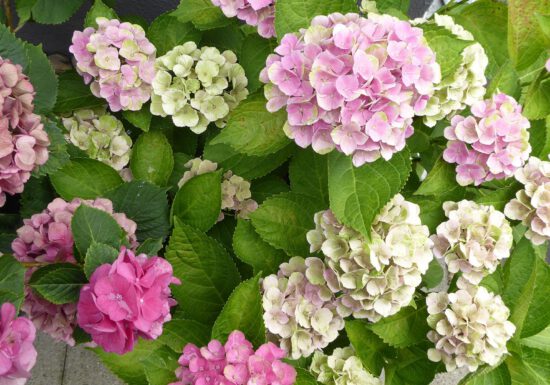
Hydrangeas embody everything we love about gardening. They have billowy textures, come in bright colors, and are easy to care for. Plant some this month for the best blooms. Feed your Hydrangeas with Espoma Organic Holly-tone fertilizer.

3. Grow berries.

Did you know blackberries have almost as many antioxidants as blueberries? And raspberries make the perfect addition to jam, cobblers, and pies. Berries are just so delicious, scrumptious, and oh-so-juicy. Plus, many berries are easy to grow and care for. Find out when, where, and how to plant your favorite berries. Feed your berry-producing plants with Espoma Organic Berry-tone fertilizer.

4. Revitalize lawns.

Perform a soil test to find out what your lawn needs, then amend and choose organic. Organic lawns need less watering, fertilizing, and mowing all summer long. Yes — that means you get to spend more time enjoying your beautiful lawn and less time caring for it! Plus, as natural lawn foods break down, your soil becomes stronger on its own and needs less help. Feed your lawn with Espoma Organic All Season Lawn Food.

5. Plant blooms.

Azaleas and Rhododendrons are some of the most popular flowering shrubs. Blooming from late spring to early summer, these shrubs thrive in almost any garden. Plus, they come in virtually every color of the rainbow — from bold pinks, purples, and reds to soft, muted yellows and whites. Make sure you’re adding these bloomers to your garden this year. Feer your beautiful Azaleas and Rhododendrons with Espoma Organic Azalea-tone fertilizer.

6. Feed roses.

Your roses are waking up now, they’ve made it through a long winter and they are starving! Choose Espoma’s organic Rose-tone. It includes more nutrients than any other rose food. Most rose fertilizers contain three nutrients — nitrogen, phosphorus, and potassium (N-P-K). Here’s how to feed with Rose-tone.

Roses in the Mist

Sit back and relax once you’re done.

April showers will give way to May flowers in no time at all.

*****

Check out our Total Guide to Growing Organic Berries!


Featured Products:

Where to Buy

https://www.espoma.com/wp-content/uploads/2017/04/hydrangeas-898043_1920.jpg 1079 1920 espoma https://www.espoma.com/wp-content/uploads/2023/05/espoma-logo340w-1.png espoma2017-04-06 17:03:132024-10-02 08:27:41The April Garden Checklist

Strawberry-Sweet Recipes: From Your Garden to Your Plate

August 30, 2016/in Fruits & Vegetables

It’s almost September and your strawberry plants  are still yielding fresh, summer-ripened fruit!

Strawberries are delicious and versatile. They can be used in desserts, smoothies or anything that’s cooked or pureed. They can also be frozen and made into jams. Where there’s a strawberry, there’s a way! But first, you have to know how to pick.

Prepare for Picking

In September, many strawberry plants will be busy developing latent buds for next spring’s flowers. Some will rest during late summer, only to be perk up in the middle of fall. Make sure to take advantage of your strawberry plants while they’re still producing fruit! (And remember, they’ll be back next year.)

Pick strawberries in the morning, before the sun gets too hot. Immediately after picking, place strawberries in the refrigerator. Be sure to rinse them before consuming, or before preparing a dish.

If you decide to not eat your strawberries right away or make them into a recipe, you can still freeze, dry or can them.

Our Favorite Recipes

Strawberry Salad Dressing

Ingredients:

  • 1/3 cup canola oil
  • 4 large chopped strawberries
  • 2 tbsp honey
  • 2 tbsp white wine vinegar

Blend ingredients together using a food processor until the consistency of the dressing is smooth.

Leftovers? Store extras in the refrigerator for up to 4 days.

Fresh Strawberry Muffins

Ingredients:

  • 2 ½ cups fresh strawberries, sliced and slightly mashed
  • 3 cups unbleached all-purpose flour
  • 1 ½ cups sugar
  • 2 tsp. baking powder
  • 1 tsp. salt
  • 1 tsp. cinnamon
  • 4 eggs, beaten
  • 1 ¼ cups canola or coconut oil

Preheat oven to 425◦.

Combine dry ingredients in large mixing bowl. Combine eggs and oil in a separate small mixing bowl.

Mix the strawberries into egg mixture.

Blend in flour mixture until thoroughly combined.

Spoon into greased muffin tins until nearly full.

Bake at 425◦ for 5 minutes. After that, reduce heat to 350◦ and bake an additional 15-19 minutes, or until a toothpick inserted in center comes out clean.


Balsamic Strawberry Asparagus

Ingredients

  • 1 pound asparagus, ends trimmed
  • 1 tablespoon olive oil
  • 1 cup balsamic vinegar
  • 20 medium strawberries, sliced
  • 10 leaves basil, chopped
  • Salt and pepper

Preheat oven to 400◦.

Place asparagus on a baking sheet and drizzle with olive oil.

Roast asparagus for 8-10 minutes, until just tender.

Boil. While the asparagus is roasting, boil the balsamic vinegar until reduced to about ¼ cup.

Serve and divide asparagus amongst plates and top with sliced berries, basil, and salt and pepper. Use a spoon to drizzle each serving of asparagus with the balsamic syrup and serve!

For more great berry recipes and other ideas, check out our Pinterest board and our ultimate berry growing guide!

Have a great strawberry recipe you want to share? Drop by our Facebook page!


See the Total Berry Guide Here


https://www.espoma.com/wp-content/uploads/2016/08/strawberries-1452717_1920.jpg 1154 1920 espoma https://www.espoma.com/wp-content/uploads/2023/05/espoma-logo340w-1.png espoma2016-08-30 08:00:582022-04-12 14:28:52Strawberry-Sweet Recipes: From Your Garden to Your Plate

Seeing Red: Raspberries in the Garden

April 28, 2016/in Fruits & Vegetables

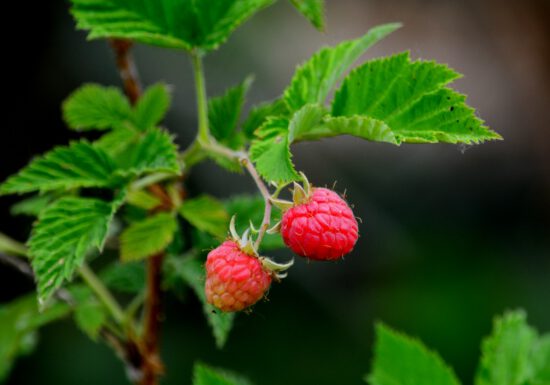
Raspberries are a summer staple in every kitchen. Make them a staple in the organic garden, too.

Whether you are growing berries for jam, raspberry cobbler, or just to eat as a quick and healthy snack, these sweet little fruits will never disappoint!

If you want to enjoy these delicious summer berries, now is the time to start planting. Here’s how, and when to plant raspberries.

Espoma soil acidifier, Holly-tone, growing berries

Pick a Berry

Summer-bearing fruits bear one crop per season, typically summer. Ever-bearing fruits bear two crops, one in the summer and one in the fall. Choose your variety based on how many berries you’d like to harvest.

Contrary to popular belief, raspberries aren’t always red! They also come in yellow, purple and black, so grow a variety of berries and add some color to your organic garden this summer. Visit your local garden center and they can help you choose a variety best fit for your region.

Espoma soil acidifier, Holly-tone, growing berries

When and Where?

The best time to plant raspberries is in early or mid-spring. These berries are inclined to grow in cooler climates, but the ground might not be workable until after the last frost.

When choosing a location, plant raspberries in an area with full sun and good air circulation. Avoid areas with heavy winds that may damage plants. Leave about 3 feet of space in between each plant.

Because some varieties of raspberries send long canes upward as they grow, they need support. Plant them next to a fence or create a simple support alongside the row with stakes and wire.

Espoma soil acidifier, Holly-tone, growing berries

Soil Conditions

Raspberries will grow best in slightly acidic, well-drained soil. Be sure to test your soil — an ideal pH level is anywhere between 5.5 and 6.5. If the soil is not acidic enough, add Espoma’s Soil Acidifier.

Add an organic plant food to the soil to encourage healthy growth. Espoma’s Holly-tone is perfect for raspberries as it is a slow-release fertilizer for extended feeding. Keep the soil evenly moist and water as needed.

And that’s it! You’ll have juicy, fresh-picked raspberries in no time.

See the Total Berry Guide Here


https://www.espoma.com/wp-content/uploads/2016/04/raspberry-368159_1920.jpg 1280 1920 espoma https://www.espoma.com/wp-content/uploads/2023/05/espoma-logo340w-1.png espoma2016-04-28 08:00:132022-04-12 14:45:36Seeing Red: Raspberries in the Garden
Where to Buy

Get News & Updates

Recent Posts

  • VIDEO: Bringing In Your Plants for Winter 🪴❄️ with Summer Rayne Oakes
  • Final Fall Plantings & Tips for Bringing Plants Inside for Winter 🍁🪴 with Wyse Guide
  • Simple Fall Plantings 🪴🌻🍁 with Garden Answer
  • Video: How to Manage a Wild Garden with Summer Rayne Oakes 🌿🌸
  • VIDEO: Planting Beautiful New Plants and Feeding the Lawn Organically 🌸🚜🌱 with Garden Answer

Tags

All-Purpose Potting Mix bio-tone Bio-tone Starter Bio-tone Starter Plus Cactus Mix caring for houseplants Container Gardening DIY project Espoma espoma grown espoma organic Espoma Organics Espoma Video fall gardening Family fert flower garden flowers garden Garden Answer Gardening gardening tips gardens grow holly-tone houseplants Indoor! indoor gardening indoor plants Kaleb Wyse organic organic fertilizer Organic Gardening organic plant food Organic Potting Mix Outdoor Gardening Planting plants Potting Mix potting soil Spring Gardening summer rayne oakes vegetable garden Vegetable Gardening Wyse Guide

Espoma. A Family Tradition Since 1929.

Espoma Organic logo
  • Espoma Dealer
  • Espoma Pro
  • Garden Club
  • Privacy Policy

Scroll to top