Espoma Organic
  • Products
    • Close
    • Product Line Overview
    • Plant food finder
    • Garden Fertilizers
    • Potting Soils
    • Lawn Fertilizers
    • Liquid Fertilizers
    • Single Ingredients
    • Conventional Plant Foods
    • Animal Care Products
  • Where to Buy
  • Our Story
    • Close
    • Our Story
    • Locations
    • Historical Timeline
    • Our Commitment
    • Directions
    • Solar
    • Join our Team
    • Espoma Brand Partners
  • Learn
    • Close
    • Espoma Blog
    • FAQ’s
    • Pocket Guide
    • Espoma Guides
    • Garden Clubs
    • Safe Paws Lawn
    • PRODUCT FACT SHEETS
    • Fertilizer Fundamentals
      • Close
      • Understanding Plant Nutrition
      • Reading Labels
      • Choosing the Right Type of Fertilizer
      • Terms & Definitions
    • Gardening Projects
    • Resource Links
  • Contact Us
  • Menu Menu

Transplant Hydrangeas in Fall

September 27, 2016/in Flowers

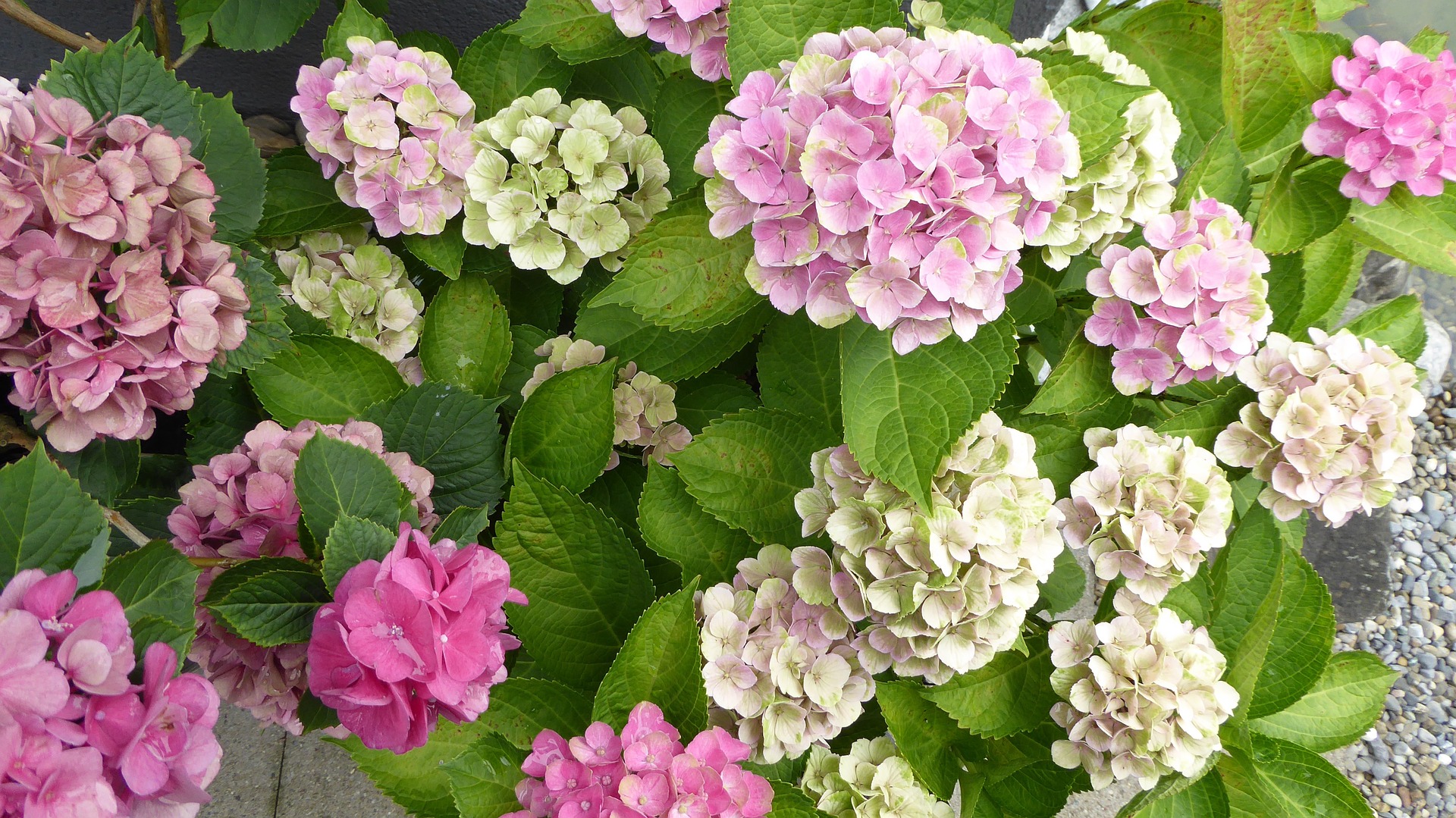
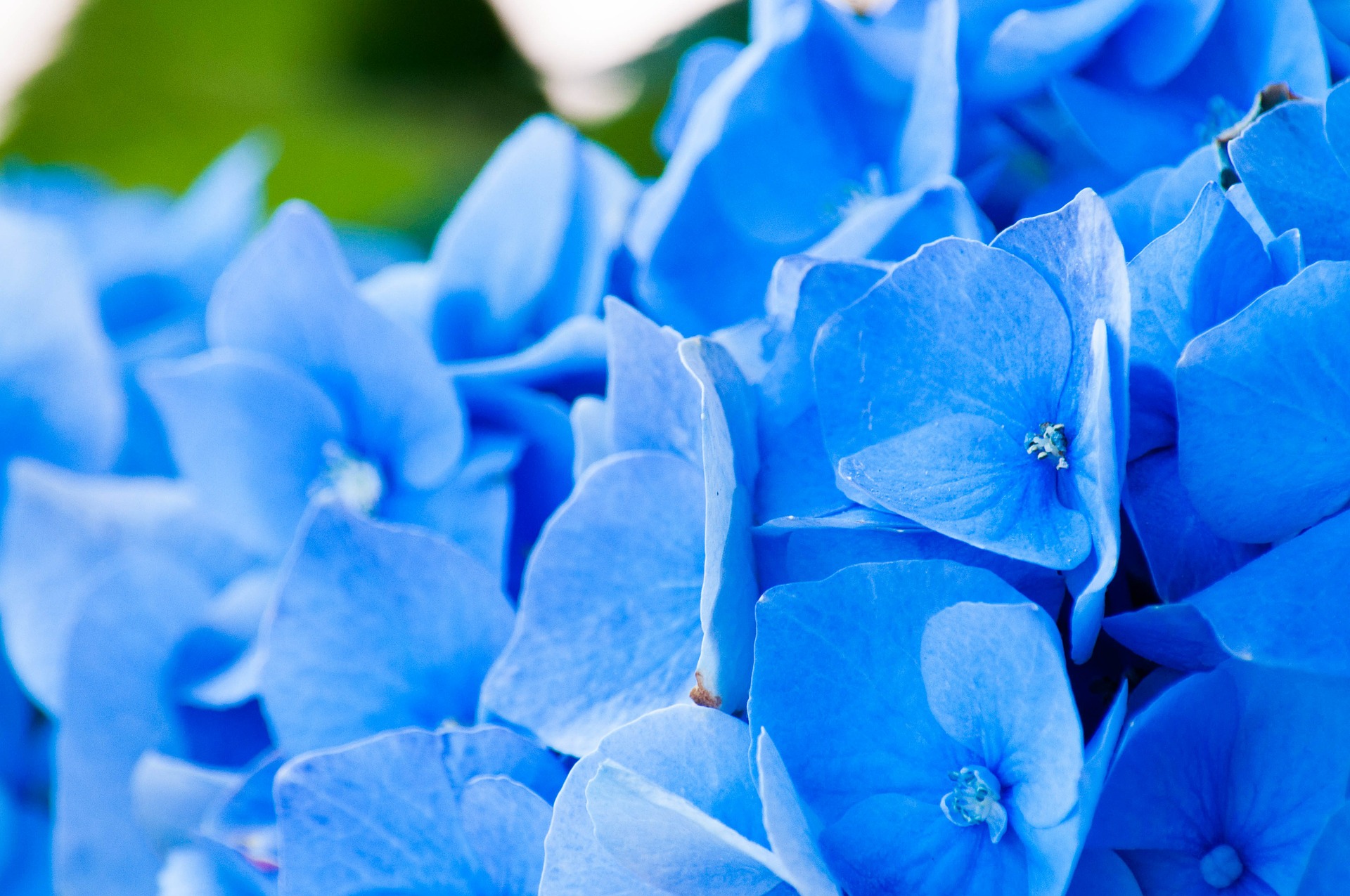
You’ve had an amazing hydrangeas season. But by now, they may have outgrown their spot in your yard. Or, they might need a new spot to thrive.

Luckily, it’s easy to transplant hydrangeas.


Care for hydrangeas by planting them in the right spot.

7 Steps to Transplanting Hydrangeas

1. Transplant at the right time. Plan to transplant before the ground freezes over. Wait until hydrangeas have finished flowering or gone dormant for the year before moving them.

2. Find a new home. Pick a place for the hydrangea that doesn’t receive too much sun. Hydrangeas prefer semi-shade. Make sure your location can accommodate the size of the rootball.

3. Dig carefully. Use your shovel to make cuts around the hydrangea before actually digging it up. When pulling the plant up, remove with it as much of the rootball as possible. The rootball, dense with fibrous roots and soil, may be very heavy, so enlist help if you need it.

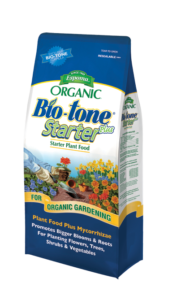
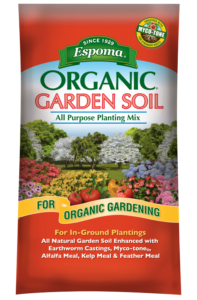
4. Plant right. Move the plant to its new home. When digging the hole for the transplant, be sure to leave enough room for the rootball. Add Bio-Tone Starter Plus to help reduce transplant shock and establish roots. After the plant is moved, fill in the hole with Espoma Organic All-Purpose Garden Soil and compost.

hydrangea care, hydrangea color, growing hydrangas

5. Give them a drink. Dormant transplanted hydrangeas need a deep watering. Water thoroughly once transplanted using a hose, rather than a watering can or sprinkler, to quench the hydrangeas’ thirst.

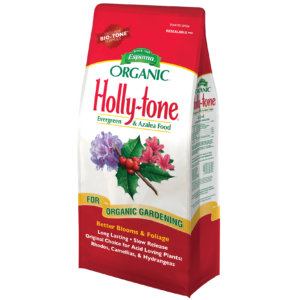
6. Watch closely. After transplanting, pay careful attention to the next two summers. Hydrangeas need plenty of water during these hot months. If the leaves wilt, but the soil seems moist enough, mist leaves. Fertilize hydrangeas twice each year with Espoma’s Holly-tone, once in early spring and a half feeding in fall.

7. Mulch. To prevent the rootball from drying out, apply mulch to the base of the hydrangeas.

Have any tips for transplanting hydrangeas? Let us know in the comment section!

Guide to Growing Hydrangeas Here


Where to Buy


https://www.espoma.com/wp-content/uploads/2016/09/hydrangea-925234_1920.jpg 1280 1920 espoma https://www.espoma.com/wp-content/uploads/2023/05/espoma-logo340w-1.png espoma2016-09-27 08:00:062022-04-13 11:57:43Transplant Hydrangeas in Fall

Your Fall Planted Bulb Questions Answered

September 20, 2016/in Flowers

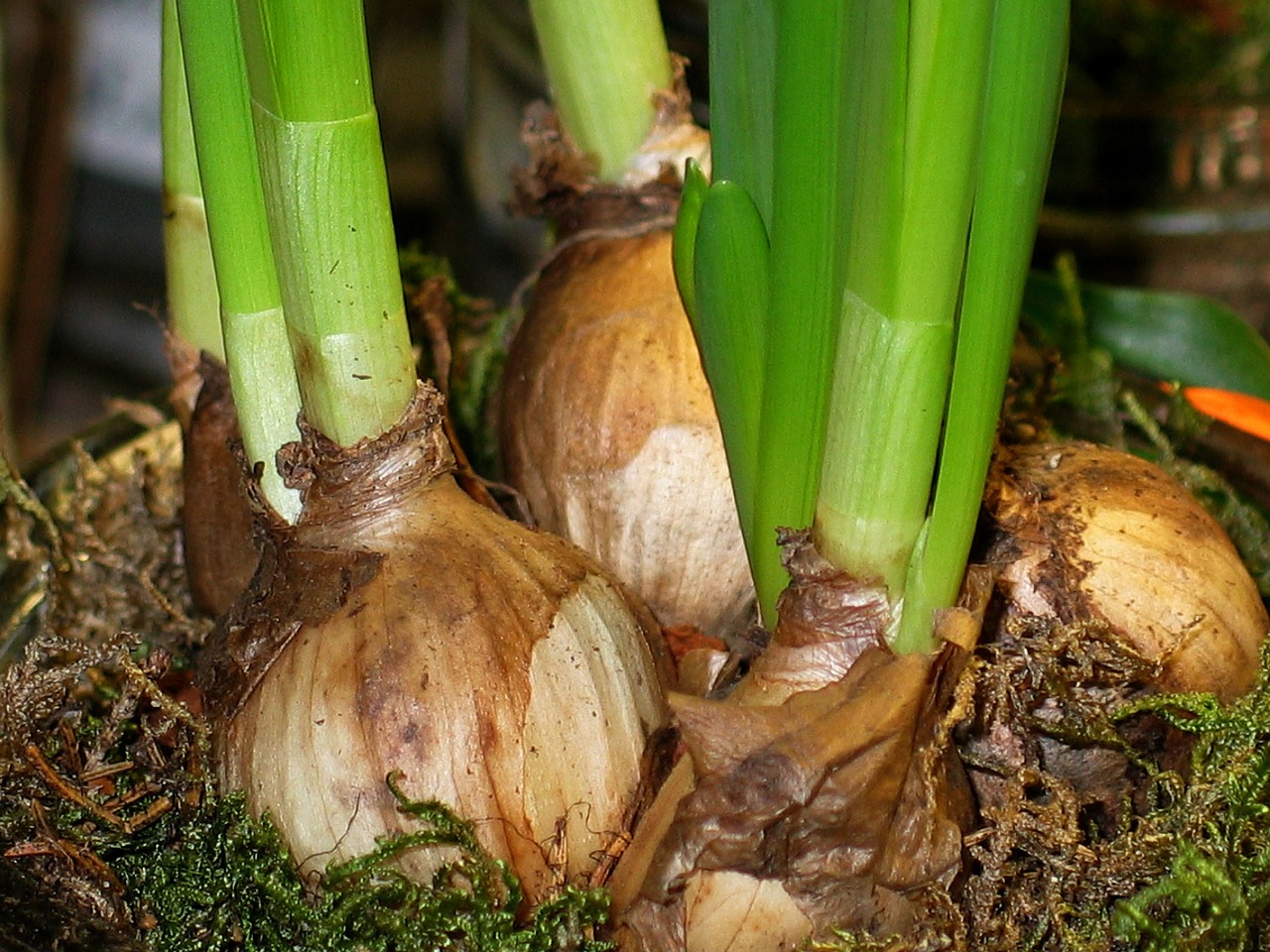
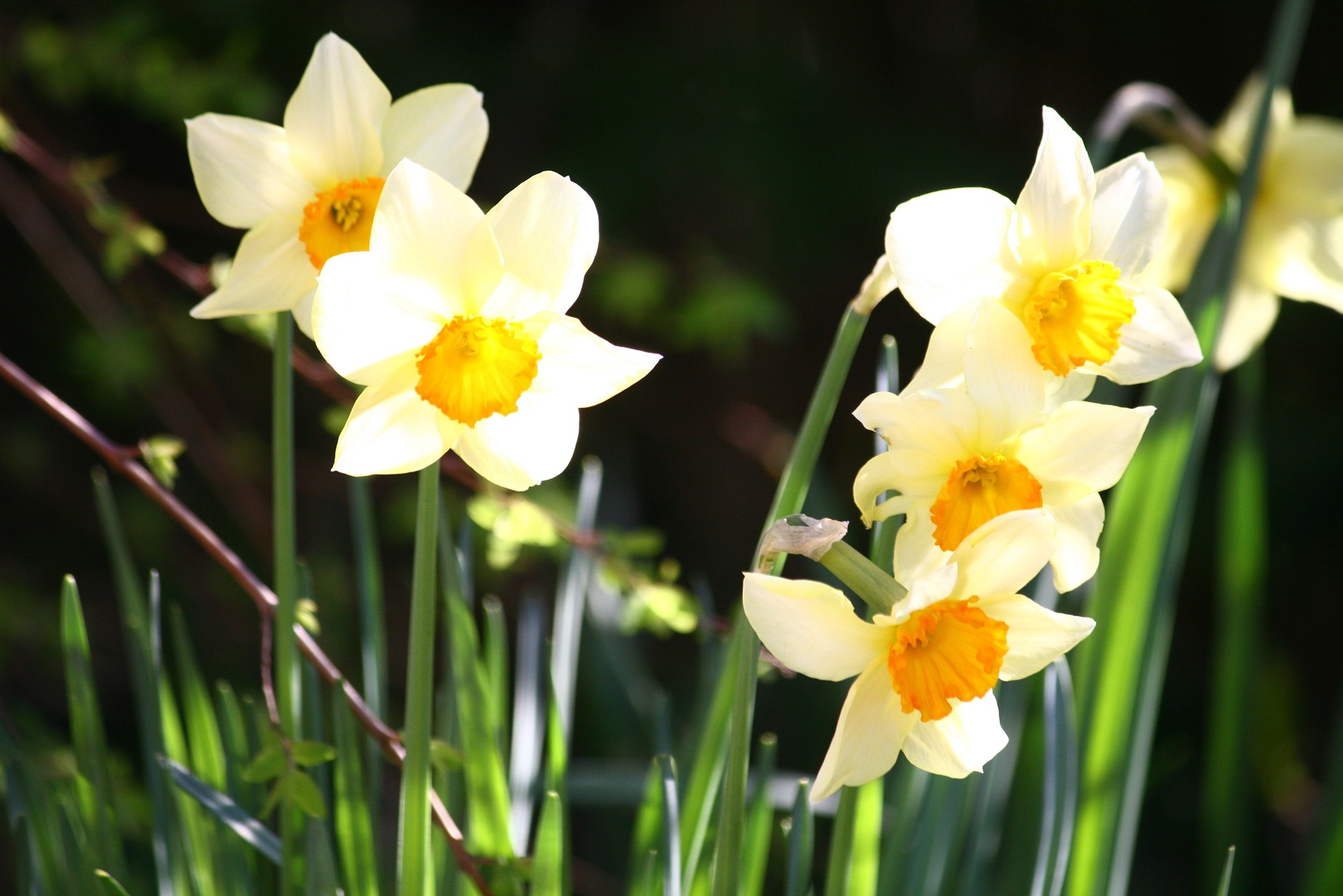
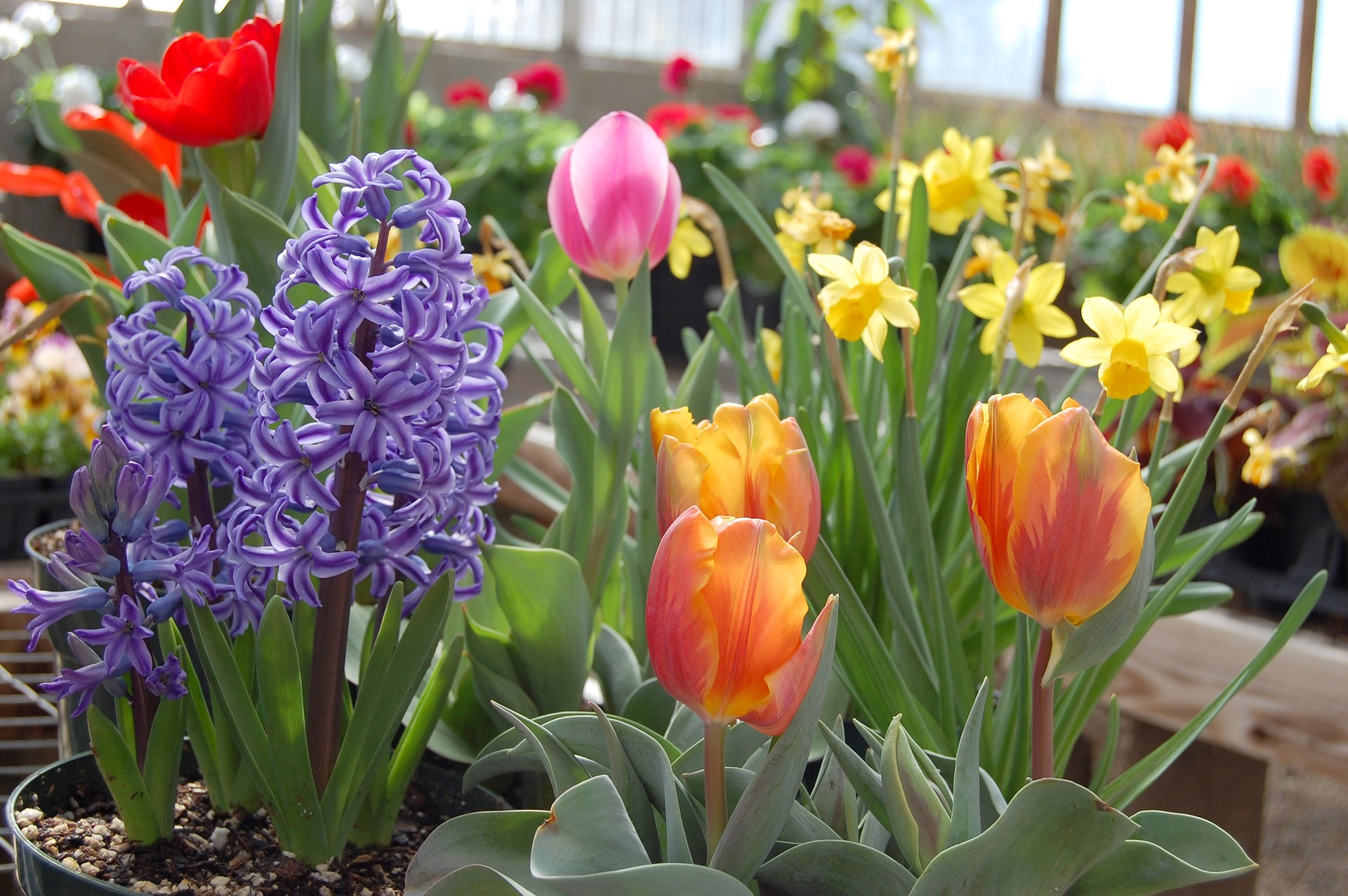
This month we’ve covered how to plant cool-season veggies. If flowers are more your thing, then it’s time to plant spring-blooming bulbs. Favorites such as tulips, daffodils, hyacinth and alliums are planted in fall but burst forth with color in spring.

There’s nothing difficult about planting bulbs and you can plant dozens of them in just a few minutes. Here are three easy steps for planting fall bulbs.

Today, the experts at North Haven Gardens answer the top 10 most common questions about planting bulbs.

bulb-flowers-1462101_1920

Top 10 Burning Bulb Questions

1. When should I plant spring flowering bulbs?

Spring-flowering bulbs such as tulips and daffodils are planted September to November. They need several weeks underground to grow roots before the ground freezes.

Check your hardiness zone to be sure when the best time is to plant. Usually, Zones 1 – 4 can plant late August through late September and Zones 4 – 7 can plant mid-September through early November.

2. How far apart and how deep should I plant?

The bulb package should tell you how deep and wide to plant bulbs. If you’ve lost your package, follow the 3×3 rule. Plant bulbs three times as deep as their height and keep 3x the diameter of the bulb between plantings.

flower-bulbs-1206774_1280

3. Which end is up?

Bulbs with pointy ends make it easy: plant the pointed end up. Corms and tubers should have roots attached. Plant those down.

4. When should I feed my bulbs?

Bulbs do store their own food, but a little extra nutrition will help them last years. Add a sprinkle of Bulb-tone to the hole of each newly planted bulb. Come spring, sprinkle a little more Bulb-tone on top of the soil to give them an extra boost.

5. Should I water the flower bulbs after I plant them?

We call spring-flowering bulbs drought-tolerant. While they’re not exactly, you only need to water immediately after planting them.

pentecost-lilies-1396755_1920

6. Should I mulch bulbs?

We are huge advocates of mulch as long as it’s applied correctly. In cool climates you can mulch after the soil freezes. In warm climates, Zones 8 and above, mulch after planting and watering.

7. What should I do with the leaves after the flowers have faded?

Give leaves at least 8 weeks of growing, after the flowers fade. You can cut the stem, but the foliage provides energy for next year’s blooms. This is also a good time to feed bulbs, as they’re building up reserves.

One solution is to camouflage the fading foliage. Plant perennials or cool-season annuals. They will emerge right as unsightly foliage is fading.

8. Are there any bulbs deer don’t eat?

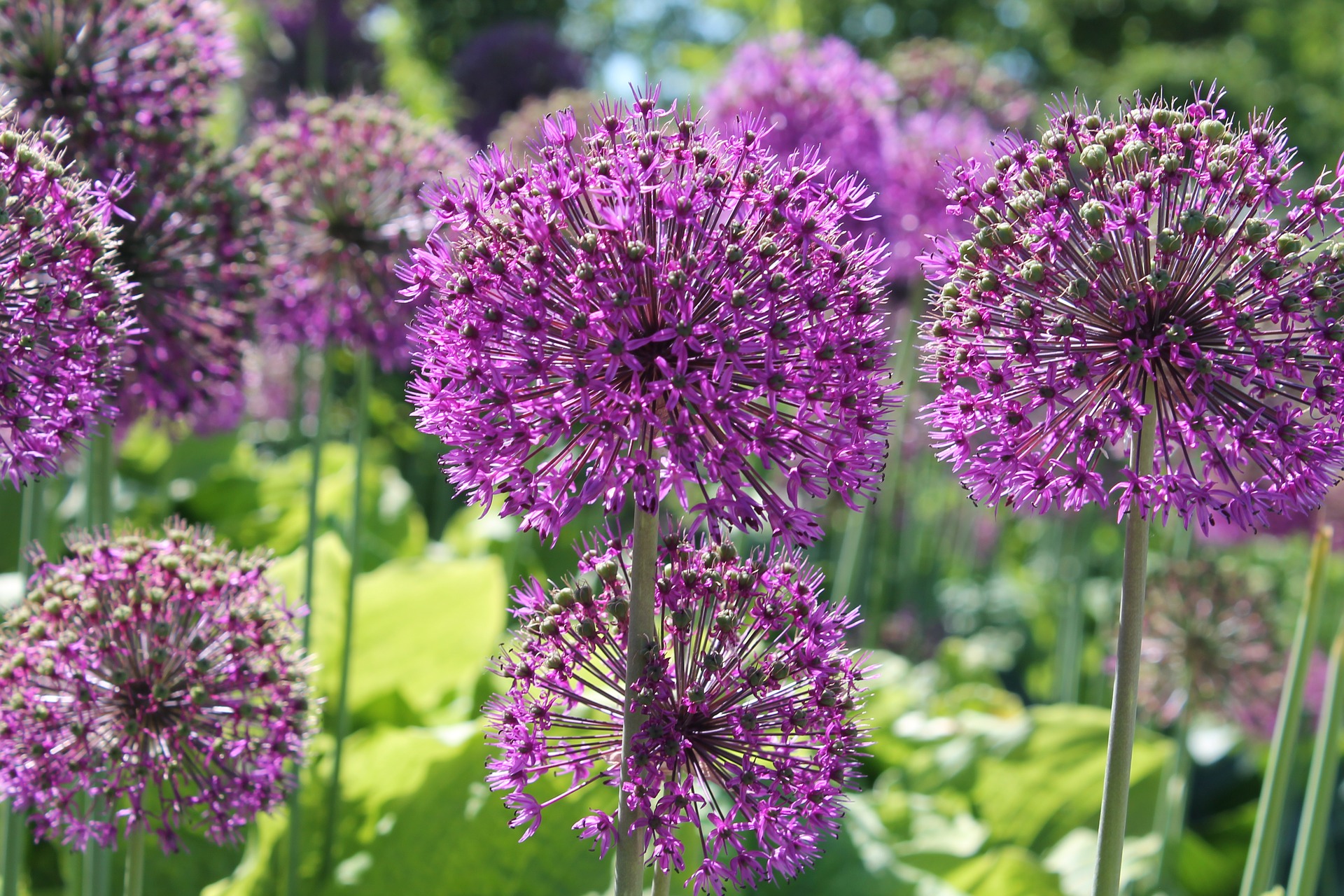
Daffodils are the most pest free spring bulbs you can grow. Alliums, in the onion family, are also unappealing to deer. However, if they’re really hungry, they’ll eat anything.

bulbs-1355570_1920

9. What about other pests?

There are measures you can take to keep unwanted visitors from eating your bulbs. Lay a small layer of hardware cloth or chicken wire over the top and around the sides of the new plantings. Just don’t forget to remove it come spring.

10. Will my flower bulbs come up again next year?

Flower bulbs are divided into three groups: annuals, perennials and naturalizing. Annual bulbs such as tulips produce their most beautiful display during the first year and if you’re lucky, may also emerge the following year. Perennial bulbs such as daffodils and hyacinth emerge and continue to bloom year after year. Naturalizing bulbs such as muscari, snowdrops and crocus will emerge every year and better yet, increase in number.

Have a question we didn’t answer? Visit our Facebook page and ask us!

https://www.espoma.com/wp-content/uploads/2016/09/tulips-2544_1920.jpg 1280 1920 espoma https://www.espoma.com/wp-content/uploads/2023/05/espoma-logo340w-1.png espoma2016-09-20 08:00:202019-05-07 10:04:20Your Fall Planted Bulb Questions Answered

Fall Gardening Checklist

September 13, 2016/in Fall Gardening

September marks the turn of a new leaf. The hot summer weather is fizzling out in favor of cool, crisp fall breezes, prompting bonfires, football games, and pumpkin everything.

For gardeners, fall can be one of the busiest seasons. Often, gardeners juggle wrapping up their summer harvests with the responsibilities of preparing for the coming seasons.

With this to-do list from Homestead Gardens, you’ll be ready to fall in love with fall, and with some extra preparation, you’ll be better prepared for winter and spring, too!

organic vegetable gardening, edible schoolyard project, top reasons to start a garden

7 Things To Do in the Garden This Fall  

1. Deadhead to get Ahead

Freshen up flowerbeds by deadheading and removing plants that have stopped blooming. Do maintenance in the morning before the weather gets too hot.

2. Don’t Stop Planting.

After you’ve harvested your remaining summer veggies, you can plant fall crops and begin transplants! Use Espoma Organic Bio-tone Starter Plus at the time of planting to ensure your new or transplanted plants have the nutrients they need for establishment.

3. Serve… or Preserve. Have more vegetables and herbs than you know how to handle? Preserve your harvest. Experiment with making jams or pickles, and try freezing raw fruit, veggies, or herbs. Make sauce out of your tomatoes, or slow-roast them.

4. Flower Power

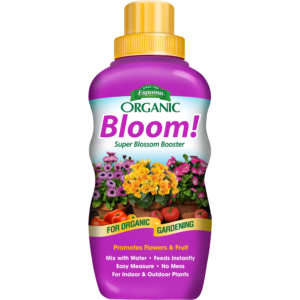
Keep your annual flowers blooming as long as possible! The key to success? Use Espoma’s Bloom! liquid fertilizer.

5. Watch out for Winter!

Start winterizing your garden’s watering system. Keep an eye out for the first few frosts of the season, and cover plants when necessary. Gradually transition your summer houseplants back indoors.

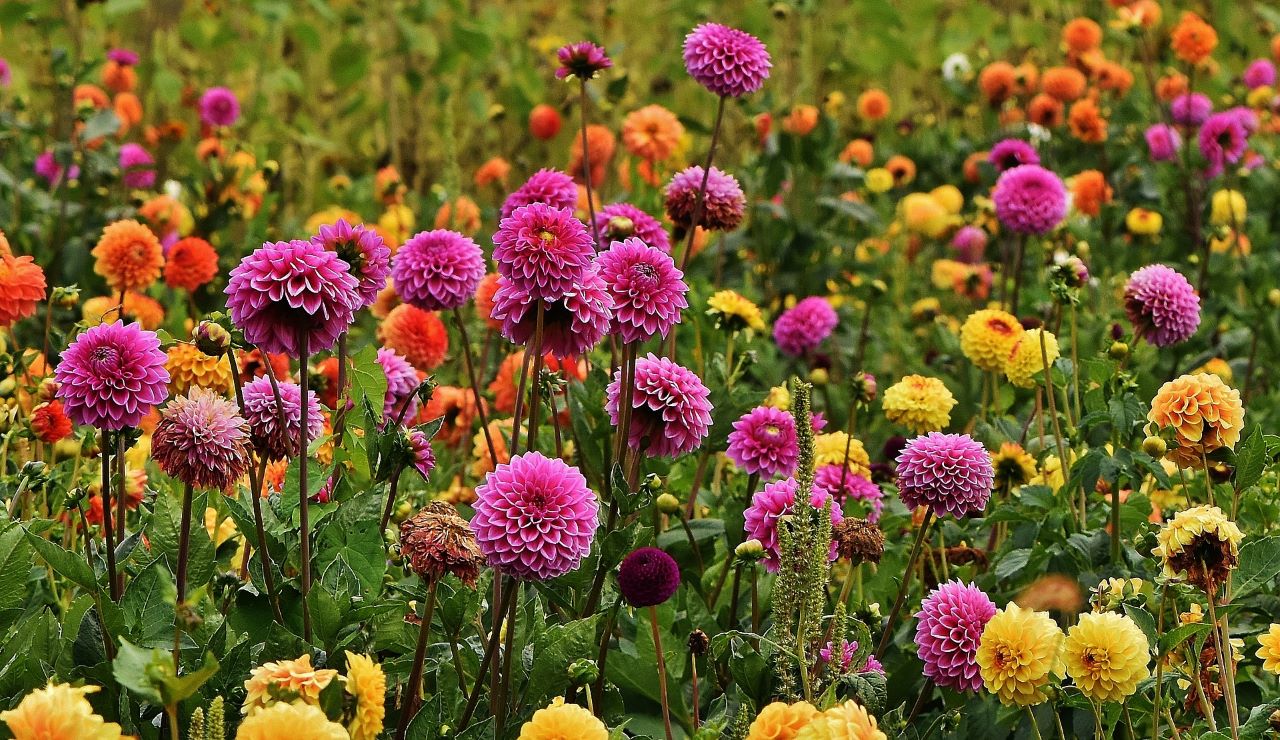
dahlias-1642686_1920

6. Divide and Conquer

Divide and split your perennials, dig and store tender bulbs like dahlias and caladiums, and start planting spring-flowering bulbs.

7. Red, Dead Ahead!

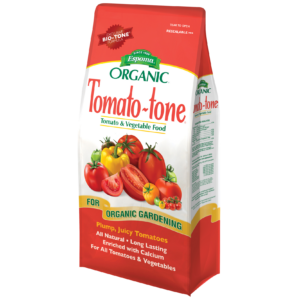
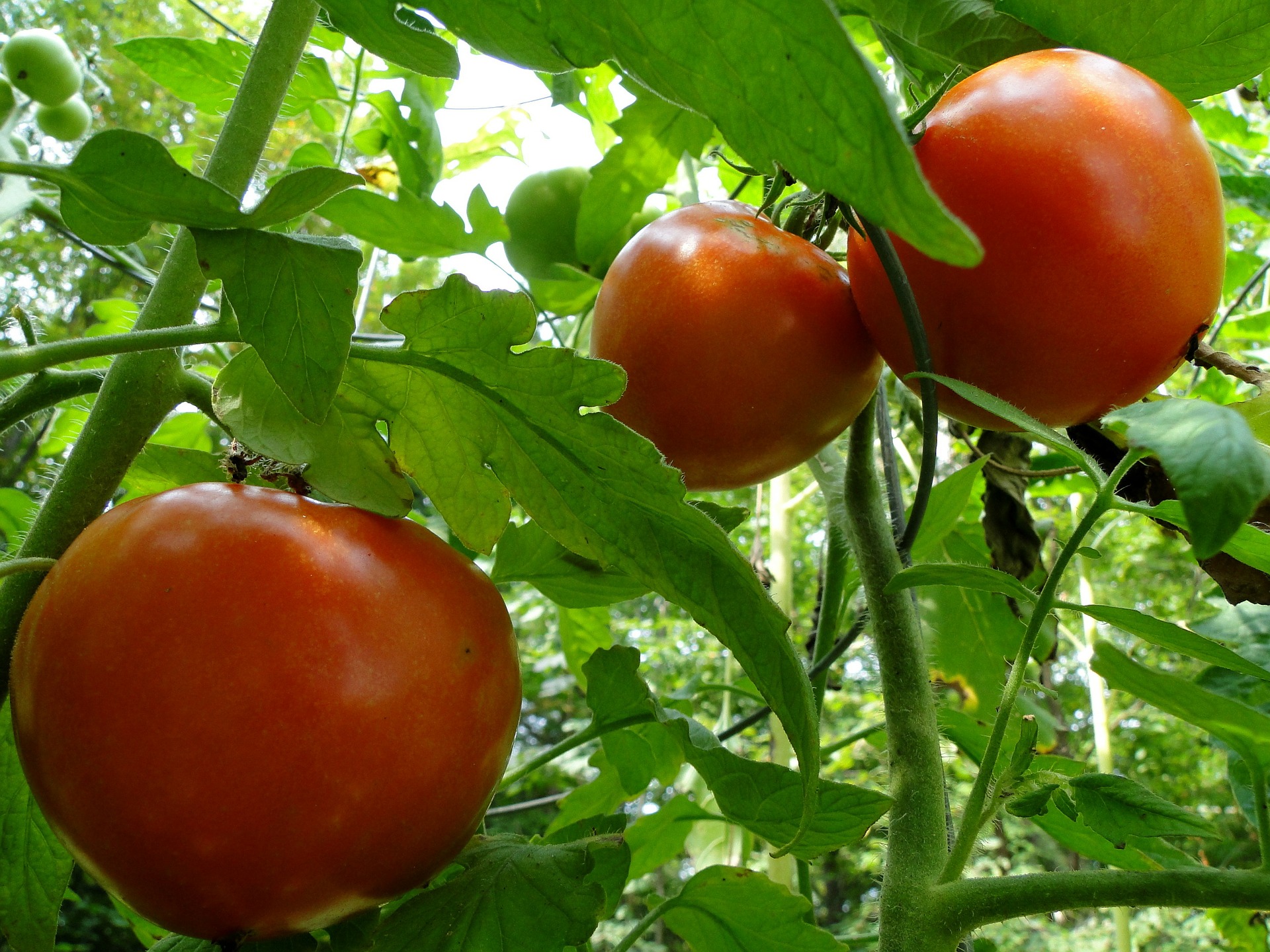
Are your tomato plants lacking fruit? Producing dull leaves? Sprinkle some Tomato-tone to give them a final boost.

*****

With these tips, your fall landscape will look its best.

Do you have a picture of your fall garden that you’d like to share? Drop by our Facebook page!


Featured Products:


Where to Buy

https://www.espoma.com/wp-content/uploads/2016/09/chrysanthemum-1013083_1920.jpg 1280 1920 espoma https://www.espoma.com/wp-content/uploads/2023/05/espoma-logo340w-1.png espoma2016-09-13 08:00:122025-09-22 14:30:04Fall Gardening Checklist

Plant A Fall Container

September 7, 2016/in Espoma Videos

Laura from Garden Answer shows you how to plant a fall container that will add beauty to your landscape all season long.

https://www.espoma.com/wp-content/uploads/2016/09/IMG_0745.jpg 3072 5472 espoma https://www.espoma.com/wp-content/uploads/2023/05/espoma-logo340w-1.png espoma2016-09-07 12:00:112019-05-07 10:04:21Plant A Fall Container

Grab Your Books for a Lesson in Gardening 101

September 6, 2016/in Blog, Fall Gardening

Back to Gardening School: A Fresh Start for Your Garden

Remember the excitement of a new school year? Fresh notebooks, a backpack ready for adventure, and the feeling that anything was possible. That same sense of renewal is waiting in the garden this season.

Whether you’re just starting out or brushing up on your skills, it’s the perfect time to get back to the basics. Sharpen those tools (and pencils) and let’s head to Gardening School.
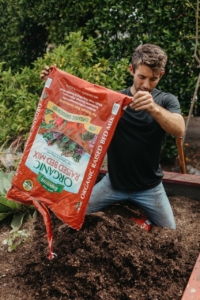
Farmer Nick dumping Espoma Raised bed Mix into a raised garden bed

1. Build a Strong Foundation

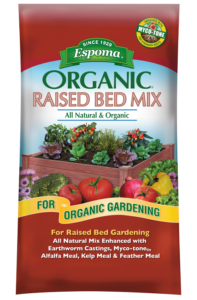
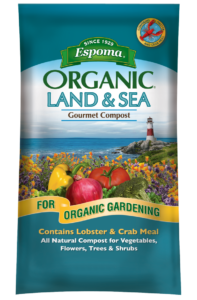
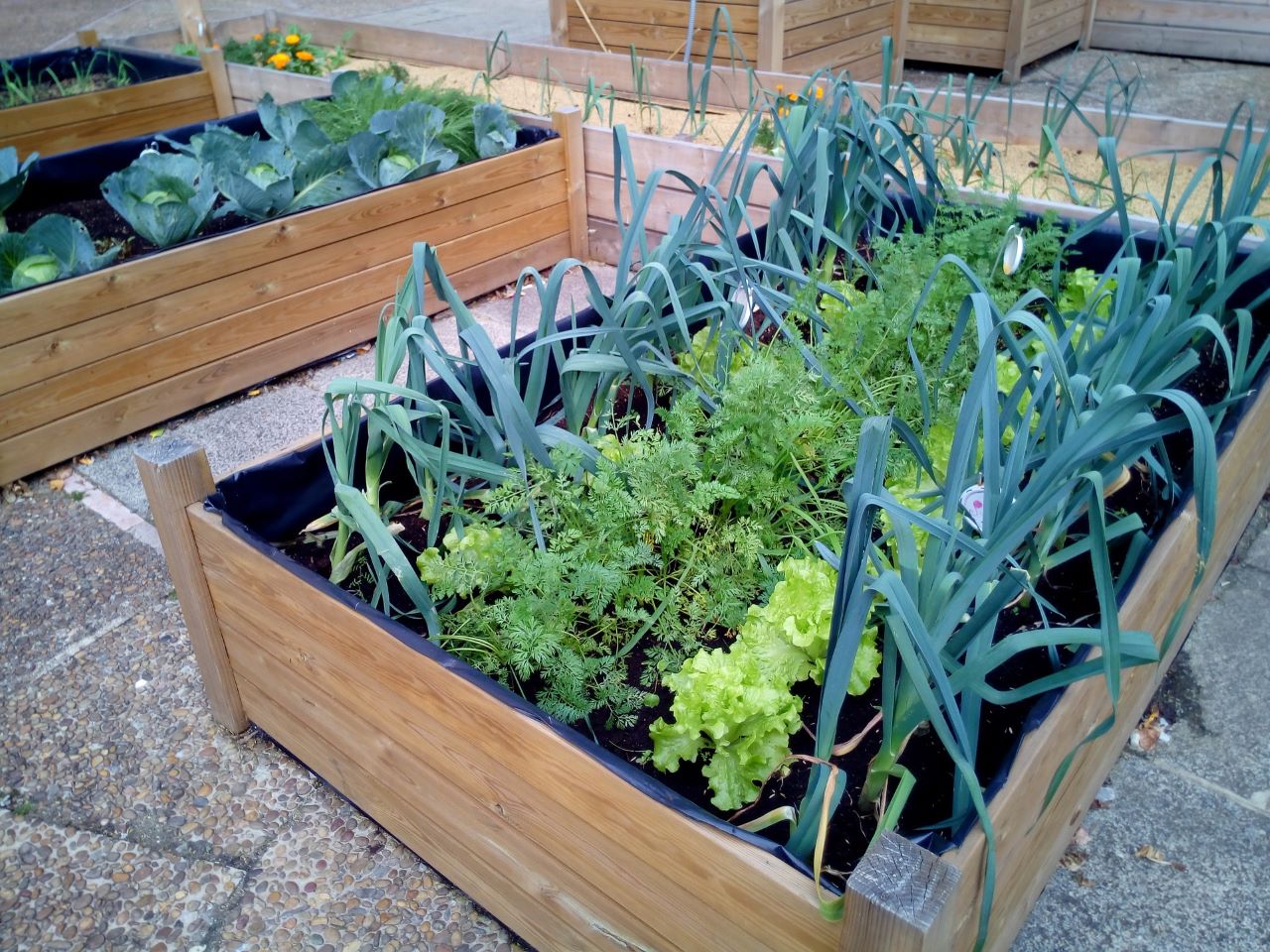
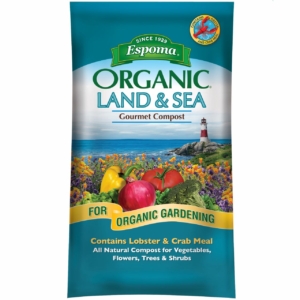
Every successful garden begins with healthy soil. Start with a quick soil test to understand what nutrients your garden may be missing, then build from there. For raised beds, fill them with a rich blend of natural ingredients—like those in Espoma Organic Raised Bed Mix—to create the perfect growing environment. Adding an organic compost such as Espoma Organic Land & Sea Gourmet Compost further improves soil structure, boosts moisture retention, and encourages healthy microbial activity. For container plantings, Espoma Organic All-Purpose Potting Mix provides the ideal balance of drainage and organic matter to keep roots thriving. And whenever new plants go in the ground, a starter fertilizer like Espoma Organic Bio-tone Starter Plus helps them establish quickly by supporting strong, resilient root growth. With the right foundation beneath the surface, the garden above will flourish.
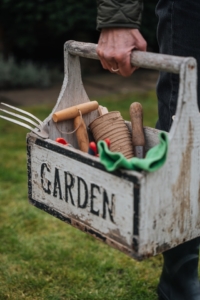
old garden tools

2. Check Your Supplies

Just like gathering fresh notebooks and sharpened pencils, gardeners should review their tools. Replace cracked handles, rusty clippers, or wobbly rakes so nothing slows you down during the season. A little care and preparation now saves frustration later and makes gardening smoother and more enjoyable.
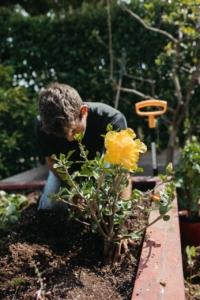
Farmer Nick planting a flowering plant

3. Redefine Your Garden’s Style

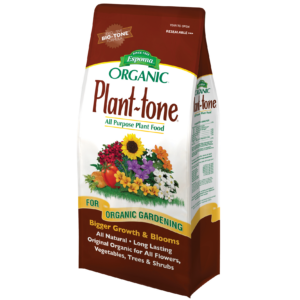
A new season is the perfect time to refresh the look of the garden. Whether the goal is calm and classic or bold and colorful, the right nutrition helps plants live up to their potential. Espoma Organic Plant-tone provides complete, balanced nutrition for a wide variety of plants, while Espoma Organic Holly-tone supports acid-loving favorites such as azaleas, rhododendrons, and hydrangeas. Feeding properly is the simplest way to bring a dream garden style to life.
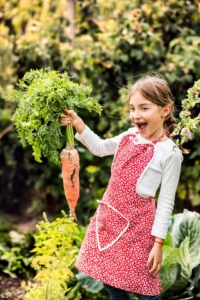
little girl holding a carrot

4. Learn From Last Season

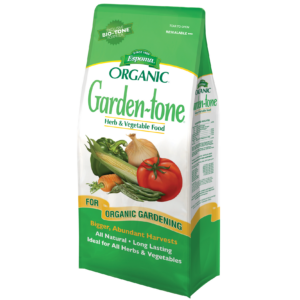
Every garden has its victories and its challenges. Take time to reflect on what thrived and what struggled, then plan for improvement. Espoma Organic Garden-tone is specially formulated for vegetables, helping ensure bigger, tastier harvests season after season. When planting new crops or ornamentals, Espoma Organic Bio-tone Starter Plus gives roots the boost they need to grow stronger and more resilient than before. Each new season builds on last year’s lessons with the right nutrition.

indoor plants

5. Don’t Forget Your Indoor Plants

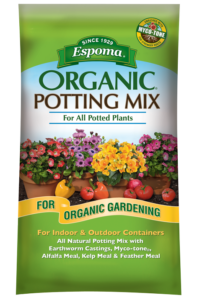
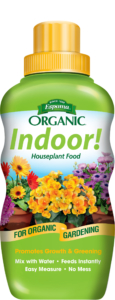
While outdoor gardens take the spotlight, houseplants need care too. Feeding them regularly keeps leaves lush, colors vibrant, and growth steady all year long. Espoma’s Indoor! organic liquid fertilizer makes it easy to give houseplants the nutrition they need with every watering. When repotting, Espoma Organic Potting Mix provides the perfect organic base to keep indoor plants healthy and happy. A thriving indoor garden completes the picture of a gardener’s success.
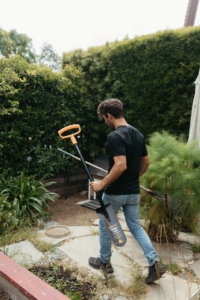
Farmer Nick holding a shovel

6. Sharpen and Shine

Tools are the unsung heroes of every garden. Taking time to clean, sharpen, and maintain them ensures they last longer and work more effectively. Well-maintained tools make every gardening task easier, allowing more energy to be devoted to growing beautiful, thriving plants.

7. Grow Your Community

Gardening is even better when knowledge is shared. One of the most valuable tips to pass along is to start every planting with a quality organic starter fertilizer like Espoma Organic Bio-tone Starter Plus to set roots up for success, and then feed with Espoma Organic Plant-tone throughout the season to keep growth steady and strong. These trusted essentials have been used by generations of gardeners, and passing them along helps the whole community grow stronger together.
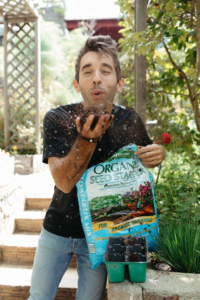
Graduation Time!

Congratulations—you’ve completed your Back-to-Gardening School crash course! Toss those gardening gloves in the air, because the lessons learned here will lead to healthier plants, bigger harvests, and gardens worth celebrating.

At Espoma, teaching organic gardening practices has been a passion since 1929. With products that are safe for people, pets, and the planet, Espoma is here as a mentor and partner on every gardener’s journey. Class dismissed—now go grow with confidence!

Farmer Nick & PlantKids Course 

Looking for a fun way to introduce kids to gardening? Check out our brand partner Farmer Nick’s course, The Adventures of Farmer Nick and Plant! Designed for children ages 4 and up, this 10-episode series inspires a love of gardening and plant science through hands-on lessons. Sometimes silly, always fun, it’s a playful way to spark curiosity and delight both kids and adults alike.

*****

Featured Products:
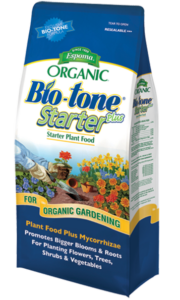
Espoma Organic Bio-tone Starter Plus Bag Image Espoma Organic Holly-tone Organic Fertilizer for all acid loving plantsEspoma Organic Plant-tone organic fertilizerEspoma Organic Garden-tone Espoma Organic Potting soil Mix Big bag Espoma Raised Bed Mix bag Espoma Organic Land and Sea Espoma Organic Indoor! liquid plant food - Organic fertilizer


Where to Buy


https://www.espoma.com/wp-content/uploads/2016/09/9V2A7296.jpg 1280 853 espoma https://www.espoma.com/wp-content/uploads/2023/05/espoma-logo340w-1.png espoma2016-09-06 12:00:482025-09-12 17:16:48Grab Your Books for a Lesson in Gardening 101

A Seed Ahead: Preserving Tomato Seeds

September 6, 2016/in Blog, Fruits & Vegetables

You’ve had a great season tending to your tomato plants! But with the summer winding down and chilly days coming soon, you may be wondering what to do with your tomato plants now.

Get a head start on spring by preserving the seeds from your tomatoes.

Tomato seeds might be available at the store year-round, but saving your own is satisfying and easy. Luckily, September is the perfect time to begin planning for next year!

How do I pick which seeds to preserve?

The general rule of thumb is to only take ‘open-pollenated’ seeds or heirlooms. Hybrid plants often produce sterile seeds. Or, they do not produce seed with the same desirable traits of the parent plant.

Harvest seeds from tomatoes that are healthy and embody the characteristics you’re interested in preserving. For example, you could pick seeds from the juiciest tomatoes, or the ones with the most interesting colors. It’s your choice, but make sure you pick from healthy plants. Unhealthy plants could carry illnesses.

If possible, save seeds from multiple plants.tomatoes-101845_1920

Method 1: Air-dry

This method is pretty simple. Open the tomato and remove the seeds, squeeze them onto a paper towel, wait for the seeds to air dry and then store them in a jar, an envelope or even the same napkin. This method is quick and straightforward.

Method 2: Ferment

It’s not absolutely necessary to ferment your tomato seeds, but fermenting makes it easier to completely separate seeds from the gel that surrounds them. Fermenting also eliminates the bad seeds and reduces the possibility of seed-borne disease for next season.

1. Wash the tomatoes. Slice each in half across the middle (not the end with the stem). Squeeze the seeds and juice into a (labeled) glass or plastic container.

2. Set containers aside when half-full. Place containers in an area that is out of direct sunlight and out of the way, so the fruit flies and odor will not bother you.

3. Let the seeds sit for three to five days or until the surface of the container shows a whitish mold. This is a good thing! The seeds should be floating at this point. In warmer climates, you may need to add some water to keep the seeds afloat.

4. Gently scrape the mold off with a spoon. Do not remove the seeds.

5. Fill the container with water and then stir it. The seeds you want will sink to the bottom.

6. Pour off the excess to remove floating seeds and pulp.

7. Repeat the process until the good seeds, at the bottom, are cleaned.

8. Pour the good seeds into a strainer, then rinse and drain them.

Storage

An airtight container works best for storage. When packaged correctly, tomato seeds remain usable for up to six years!

You can place the seeds in the refrigerator or freezer, but the seeds will last even when stored at room temperature. When you’re ready to use the seeds, if they’ve been chilling in a refrigerator or freezer, let them adjust to room temperature first to prevent excess condensation from creating any damage.

See our guide to growing tomatoes here

Be sure to visit us on our Facebook page or Twitter page and tell us how you plan to preserve your tomato seeds!


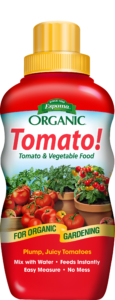
Featured Product:


Where to Buy


https://www.espoma.com/wp-content/uploads/2016/02/tomato-650805_19201.jpg 1440 1920 espoma https://www.espoma.com/wp-content/uploads/2023/05/espoma-logo340w-1.png espoma2016-09-06 11:00:522023-09-11 14:15:36A Seed Ahead: Preserving Tomato Seeds
Where to Buy

Get News & Updates

Recent Posts

  • Simple Fall Plantings 🪴🌻🍁 with Garden Answer
  • Video: How to Manage a Wild Garden with Summer Rayne Oakes 🌿🌸
  • VIDEO: Planting Beautiful New Plants and Feeding the Lawn Organically 🌸🚜🌱 with Garden Answer
  • VIDEO: Hydrangea Care Tips 🌿🌸 with Summer Rayne Oakes
  • VIDEO: Planting Boxwoods & Hydrangeas with Garden Answer

Tags

All-Purpose Potting Mix bio-tone Bio-tone Starter Bio-tone Starter Plus Cactus Mix caring for houseplants Container Gardening DIY project Espoma espoma grown espoma organic Espoma Organics Espoma Video fall gardening Family fert flower garden flowers garden Garden Answer Gardening gardening tips gardens grow holly-tone houseplants Indoor! indoor gardening indoor plants Kaleb Wyse organic organic fertilizer Organic Gardening organic plant food Organic Potting Mix Outdoor Gardening Planting plants Potting Mix potting soil Spring Gardening summer rayne oakes vegetable garden Vegetable Gardening Wyse Guide

Espoma. A Family Tradition Since 1929.

Espoma Organic logo
  • Espoma Dealer
  • Espoma Pro
  • Garden Club
  • Privacy Policy

Scroll to top