Espoma Organic
  • Products
    • Close
    • Product Line Overview
    • Plant food finder
    • Garden Fertilizers
    • Potting Soils
    • Lawn Fertilizers
    • Liquid Fertilizers
    • Single Ingredients
    • Conventional Plant Foods
    • Animal Care Products
  • Where to Buy
  • Our Story
    • Close
    • Our Story
    • Locations
    • Historical Timeline
    • Our Commitment
    • Directions
    • Solar
    • Join our Team
    • Espoma Brand Partners
  • Learn
    • Close
    • Espoma Blog
    • FAQ’s
    • Pocket Guide
    • Espoma Guides
    • Garden Clubs
    • Safe Paws Lawn
    • PRODUCT FACT SHEETS
    • Fertilizer Fundamentals
      • Close
      • Understanding Plant Nutrition
      • Reading Labels
      • Choosing the Right Type of Fertilizer
      • Terms & Definitions
    • Gardening Projects
    • Resource Links
  • Contact Us
  • Menu Menu

Tag Archive for: repotting

Growing Joy with Maria Blog – DIY Houseplant First Aid Kit

February 28, 2024/in Blog, Growing Joy with Maria, Indoor Gardening

As any experienced houseplant parent knows, emergencies happen. Maybe you discover mealybugs infesting your favorite plant. Perhaps a fungal leaf spot is spreading quickly on your Monstera. 

When these problems with your houseplants happen, you have to act quickly. You can’t waste time searching for the right tools to fix them. That is why a DIY houseplant first aid kit is very important.

This blog is inspired by Episode 208 of Growing Joy with Maria Podcast, where host Maria Failla chatted with certified horticulturist Leslie Halleck to talk about the important items to include in your DIY houseplant first aid kit so you can effectively address plant problems as they arise.

Must-Have Products for Your Houseplant First Aid Kit
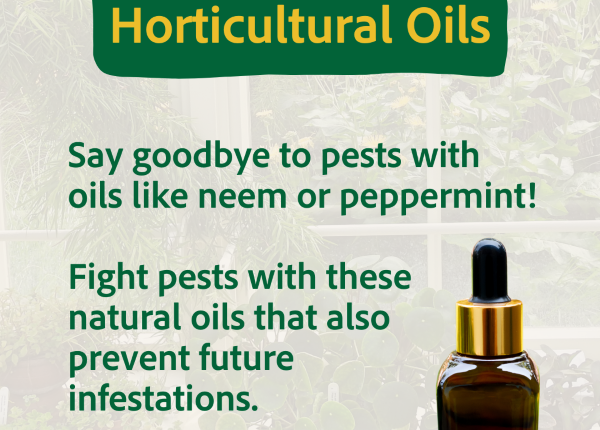
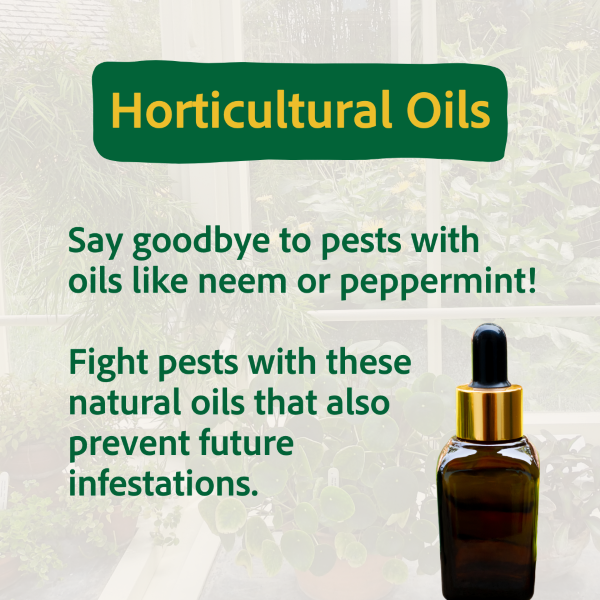
Horticultural Oils

Horticultural oils like neem oil, peppermint oil, etc. work to “smother” soft-bodied insects and fungal spores on contact. Some oils also help prevent future infestations.

Remember that when using these natural oils, pay attention to application instructions as some risk causing leaf burn if left on too long. 

Fungicides

Sometimes those annoying fungal leaf spots and powdery mildews just won’t quit. For these or other fungal issues, use a fungicide like copper soap or a bio-fungicide spray made from helpful soil bacteria.

These products can stop fungal diseases in their tracks and prevent their spread. For similar insect issues, some companies now offer bio-insecticides with ingredients like spinosad to repel pests.
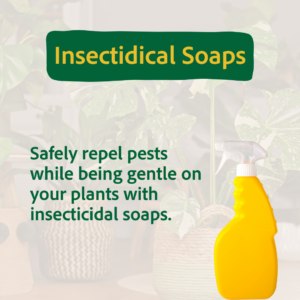
Insecticidal Soap

Made from plant-based fats/oils, insecticidal soaps effectively gets rid of pests that have soft bodies by breaking down their protective coatings when it touches them.

The good thing is that it usually doesn’t harm most plants. If you need to spray or clean up pests from time to time, it’s a good idea to start with insecticidal soap first before resorting to stronger methods.

Systemic Pesticides

When all else fails, it’s time to bring out the final boss—systemics. Unlike other treatments, systemics are absorbed by the plant after application to the soil, causing any pest that feeds on it to ingest the poison.

But this should be used as a last resort due to toxicity concerns, especially if you have curious pets. Still, they’re very effective at managing pest issues.

Hydrogen Peroxide  

Best known for disinfecting human wounds, hydrogen peroxide eliminates pest larvae in potting soil and also increases oxygen flow to plant roots to aid struggling plants. Always dilute it first before applying.

Rooting Hormone 

When restoring a plant that has experienced root loss or damage, using powdered rooting hormone can help it grow back faster after being replanted. It’s also useful to have on standby for propagating cuttings!


Tools to Add to Your Houseplant First Aid Kit
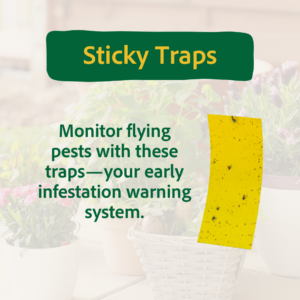
Sticky Traps

Sticky traps can catch adult fungus gnats and other flying pests. Put these traps just above the soil level to keep tabs on potential infestations. 

But if you find a lot of pests stuck to the traps all at once, it’s a sign to do something about it.  While sticky traps alone won’t completely fix the pest problem, using them with soil treatments can help prevent more pests in the future.
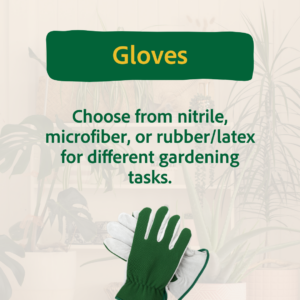
Gloves

It’s important to shield your hands from irritation and chemicals with quality gloves. Leslie recommends these types of gloves when gardening:

  • Nitrile gloves – protect hands and allow you to physically remove pests by squishing or rubbing them off of leaves.
  • Cotton gloves – a softer option for gently cleaning leaves and polishing plants.
  • Rubber/latex gloves – offer hand protection when working with oils and chemicals.

Scissors and Pruners

Invest in a pair of sharp scissors and pruners solely for your houseplants. Not only do clean cuts improve healing, but using kitchen scissors risks bringing diseases inside.

Repotting Mat

These portable silicone mats provide a temporary clean surface for potting and treating plants. They prevent spilled soil or plant debris from dirtying floors and easily hose or wipe off afterward. No mess, no stress!

Humidity Domes

Is your Calathea being a “diva” again and wanting more moisture? Consider creating a mini greenhouse effect by either using plastic wrap to cover the pots or by placing transparent domes over your plants. This extra humidity will help the wilting leaves become healthy again!

Grow Lights  

Supplementing natural light helps stressed plants recover faster. Compact LED grow lights provide therapeutic light when nursing plants back to health.

PAR Meter

Advanced plant parents invest in handheld PAR meters to precisely measure usable light reaching their plants.
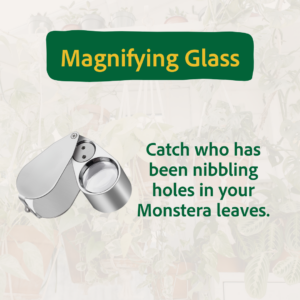
Magnifying Glass

A small magnifying glass equipped with a built-in LED light lets you inspect plants close up for early pest detection. The sooner you spot those tiny insects or fungal spores, the quicker you can spring into action before major damage occurs!

Moisture Meter 

These secondary tools monitor moisture content in potting mixes. While somewhat unnecessary for experienced gardeners, soil probes help prevent underwatering/overwatering issues for new plant parents.

DIY Houseplant First Aid Kit Essentials—Assembled!


*****

Compile your basic houseplant products and tools into a houseplant first aid kit for indoor gardening emergencies. Store supplies in tackle boxes, label them clearly, and keep the kit easily accessible near your plants. Don’t wait until it’s too late; prepare your DIY houseplant care first aid kit today!
Featured Products:


Where to Buy

https://www.espoma.com/wp-content/uploads/2024/02/DIY-First-Aid-Kit-1.png 1080 1080 Matt Dauphinais https://www.espoma.com/wp-content/uploads/2023/05/espoma-logo340w-1.png Matt Dauphinais2024-02-28 16:20:192024-10-21 12:36:09Growing Joy with Maria Blog – DIY Houseplant First Aid Kit

VIDEO: Patio Plants with Summer Rayne Oakes

October 18, 2023/in Blog, Espoma Videos

Join Summer Rayne Oakes of Homestead Brooklyn and Plant One On Me as she revitalizes her patio with fresh potted plants.

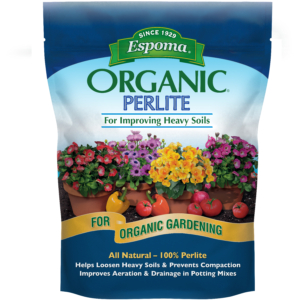
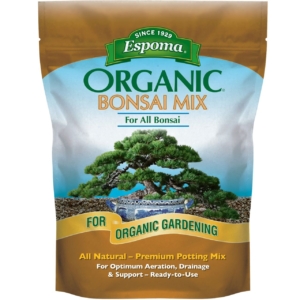
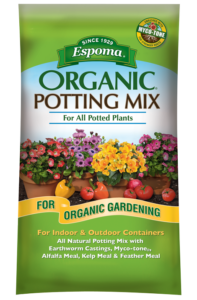
For the optimum growing medium, Summer uses a blend of Espoma Organic Potting Soil Mix and Perlite. Summer uses Espoma’s Bonsai Mix as a soil topper to add a decorative touch.

Learn more about Summer Rayne Oakes here:

Website: homesteadbrooklyn.com

YouTube: @summerrayneoakes

Facebook: facebook.com/homesteadbrooklyn

Instagram: instagram.com/homesteadbrooklyn

Twitter (X): twitter.com/sroakes


Featured Products:


Where to Buy

https://www.espoma.com/wp-content/uploads/2023/10/Ep-330-patio-plants-makeover.jpg 1080 1920 Matt Dauphinais https://www.espoma.com/wp-content/uploads/2023/05/espoma-logo340w-1.png Matt Dauphinais2023-10-18 11:54:282023-11-13 14:24:10VIDEO: Patio Plants with Summer Rayne Oakes

VIDEO: Plant Tips – Repotting a Root-Bound Hoya with Summer Rayne Oakes

September 19, 2023/in Blog, Espoma Videos

Join Summer Rayne Oakes from Homestead Brooklyn as she shares her top tips for rescuing a root-bound Hoya plant.

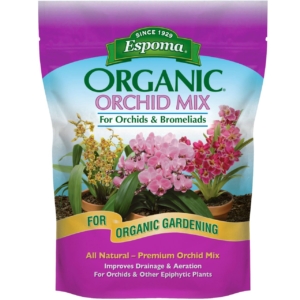
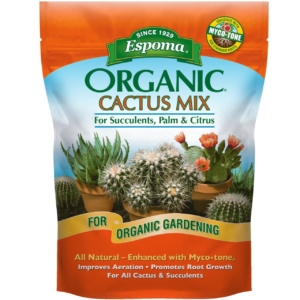
What’s Summer’s secret? A special blend of Espoma Organic Orchid Mix, Cactus Mix, and Perlite.

Summer feeds her plant with Espoma Organic Grow! Grow! liquid plant food has a  balanced 2-2-2 fertilizer analysis which is beneficial for replanting. It has a rich blend of natural proteins enhanced with kelp extracts, humic acids, and beneficial microbes to provide the nutrients your plants need to flourish.

Learn more about Summer Rayne Oakes here:

Website: homesteadbrooklyn.com

YouTube: @summerrayneoakes

Facebook: facebook.com/homesteadbrooklyn

Instagram: instagram.com/homesteadbrooklyn

Twitter (X): twitter.com/sroakes


Featured products: 


Where to Buy

https://www.espoma.com/wp-content/uploads/2023/09/Ep-253-Root-bound-Hoya-Repot-2.jpg 1080 1920 Matt Dauphinais https://www.espoma.com/wp-content/uploads/2023/05/espoma-logo340w-1.png Matt Dauphinais2023-09-19 14:49:292023-09-19 14:49:29VIDEO: Plant Tips – Repotting a Root-Bound Hoya with Summer Rayne Oakes

VIDEO: The Perfect Flower Pot for Grandma || Wyse Guide ??

June 23, 2023/in Blog, Kaleb Wyse

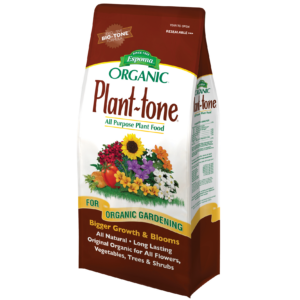
There’s nothing better than the gift of greenery, and Kaleb of @Wyse Guide knows his grandma deserves the best! That’s why he uses Espoma Organic Potting Soil Mix and Plant-tone to give these container plants a strong head-start to last for seasons to come. Follow along for all his tips and tricks for a beautiful addition to any home.

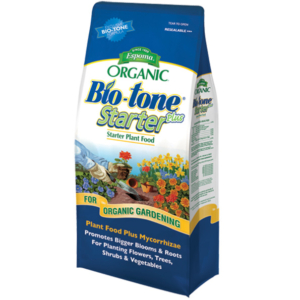
Bonus tip: We also recommend using Espoma Organic Bio-tone Starter Plus at the time of planting to help produce large root systems very quickly.  This will help ensure that new plantings get maximum water and nutrients from the soil to minimize transplant loss.


*****

Learn more about Wyse Guide here:

YouTube: https://www.youtube.com/WyseGuide

Facebook: https://www.facebook.com/WyseGuide/

Instagram: https://www.instagram.com/WyseGuide/

Website: https://www.wyseguide.com/


 Featured Products:


Where to Buy


https://www.espoma.com/wp-content/uploads/2023/06/WG-Flower-pot-for-grandma.jpg 1080 1920 Matt Dauphinais https://www.espoma.com/wp-content/uploads/2023/05/espoma-logo340w-1.png Matt Dauphinais2023-06-23 16:17:502023-06-23 16:46:33VIDEO: The Perfect Flower Pot for Grandma || Wyse Guide ??

VIDEO: Planting Hanging Pots with Mom?? || Wyse Guide

May 10, 2023/in Blog, Espoma Videos, Kaleb Wyse

Want a Mother’s Day gift that keeps on giving? Consider planting for Mom or anyone special in your life. Or maybe you just like to decorate with hanging plants? Watch Kaleb from @WyseGuide demonstrate how to properly plant your own hanging potted plants.

Kaleb uses Espoma Organic Potting Soil Mix and adds some extra nutrients to the soil with Espoma Organic Plant-tone.


*****

Want some other ideas for Mom? Check out these other ideas:

Grow A Garden Spa for Mother’s Day

DIY Mother’s Day Planter with Garden Answer

Mother’s Day Container Garden


Featured Products:

Where to Buy


https://www.espoma.com/wp-content/uploads/2023/05/WG-Hanging-Potted-Plants-YT-short.png 1920 1080 Matt Dauphinais https://www.espoma.com/wp-content/uploads/2023/05/espoma-logo340w-1.png Matt Dauphinais2023-05-10 15:41:512023-05-10 16:03:26VIDEO: Planting Hanging Pots with Mom?? || Wyse Guide

VIDEO: Colorful Spring Containers! 🌷🌼🪴 with Garden Answer!

April 4, 2023/in Fruits & Vegetables - None, Garden Answer

Watch as Laura from  @gardenanswer  freshens up her window boxes with beautiful vibrant flowers. Laura, with the help of  @EspomaOrganic  demonstrates how you too can add a pop of color to your home this spring.


Learn more about Garden Answer here:

https://www.youtube.com/c/gardenanswer 

https://www.gardenanswer.com/

https://www.facebook.com/gardenanswer

https://www.instagram.com/gardenanswer/


Featured Products:

Where to Buy


https://www.espoma.com/wp-content/uploads/2023/04/Spring-container.jpg 1080 1920 Matt Dauphinais https://www.espoma.com/wp-content/uploads/2023/05/espoma-logo340w-1.png Matt Dauphinais2023-04-04 12:08:042025-03-14 15:12:56VIDEO: Colorful Spring Containers! 🌷🌼🪴 with Garden Answer!

Video: Overwintering Tips With Kaleb Wyse!

November 23, 2022/in Blog, Espoma Videos, Fall Gardening, Fruits & Vegetables - None, Kaleb Wyse, Landscaping

Ever wonder how to save your favorite outdoor plants from the winter cold? ❄? @Wyse Guide demonstrates how he overwinters his plants.

Kaleb demonstrates how to use our Espoma Organic Bio-tone Starter Plus and Espoma Organic Potting Soil Mix to re-pot your outdoor container plants and bring them inside for the coming winter months.

Learn more about Wyse Guide here:

YouTube: https://www.youtube.com/user/TheGrayBoxwood 

Facebook: https://www.facebook.com/WyseGuide/ 

Instagram: https://www.instagram.com/WyseGuide/ 

Website: https://www.wyseguide.com/ 


Featured Products: 

Where to Buy

https://www.espoma.com/wp-content/uploads/2022/11/Church-Planter-Update-with-Pumpkins-2.jpg 2119 1350 Matt Dauphinais https://www.espoma.com/wp-content/uploads/2023/05/espoma-logo340w-1.png Matt Dauphinais2022-11-23 18:53:532022-11-23 18:53:58Video: Overwintering Tips With Kaleb Wyse!

VIDEO: Kaleb Wyse Answers Prayers With New Church Planter!

November 23, 2022/in Blog, Espoma Videos, Fruits & Vegetables - None, Kaleb Wyse

When there’s an important gardening project to be done… you call Kaleb Wyse. ? And he always brings his trusty Espoma Organic products to make sure it’s a job well done! This time he’s tackling a tricky planter in front of his grandparents’ church that gets a lot of sun, a lot of wind, and a lot of eyes on it. Fortunately with our Espoma Organic Potting Soil Mix and Plant-tone, those plants will stay looking heavenly! Check out the full video below to watch Wyse Guide work his magic. 

Learn more about Wyse Guide here:

YouTube: https://www.youtube.com/user/TheGrayBoxwood 

Facebook: https://www.facebook.com/WyseGuide/ 

Instagram: https://www.instagram.com/WyseGuide/ 

Website: https://www.wyseguide.com/ 


Featured Products:


Where to Buy

https://www.espoma.com/wp-content/uploads/2022/11/Church-Planter-for-Grandma-11-scaled.jpg 1708 2560 Matt Dauphinais https://www.espoma.com/wp-content/uploads/2023/05/espoma-logo340w-1.png Matt Dauphinais2022-11-23 15:13:262022-11-23 15:13:26VIDEO: Kaleb Wyse Answers Prayers With New Church Planter!

BAGR 154: How to Build a Terrarium

November 21, 2022/in Blog, Bloom and Grow Radio

This blog is inspired by Episode 154 of Bloom and Grow Radio Podcast, where host Maria Failla interviewed Patricia Buzo of Doodle Bird Terrariums.

Terrariums do so much more than encapsulate our plants within the confines of a vessel. They capture a feeling. They capture a sense of wonder that a simple potted plant just can’t do. We can create entire worlds within a terrarium, and even ecosystems. They become a place that we can escape into for a mindful moment and use to amplify our passion for playing.

In this blog, terrarium guru Patricia of Doodle Bird Terrariums and Maria from Bloom & Grow Radio break down the differences and similarities of terrariums, paludariums, and vivariums to equip you with the knowledge you need to set your first one up!

What’s the Difference Between Terrariums, Vivariums, and Paludariums?

In the plant community, a terrarium usually refers to a small glass jar or fishbowl that has only plants inside. It’s not going to house any type of pet. 

A vivarium, on the other hand, contains pets like frogs or lizards, but has plants too. It’s also typically much bigger than a terrarium.

A paludarium is a type of vivarium that’s usually an even larger enclosure. It incorporates both terrestrial and aquatic elements into it, so it’s like having an aquarium and a terrarium in one. It often houses animals like fish, lizards, or frogs in the top portion.

Benefits and Common Problems of Growing in a Terrarium

One of the benefits to a terrarium is being able to grow diverse plants that you might not have otherwise been able to, as they create a microclimate of higher humidity. Most miniature terrarium plants need very high humidity, which likely doesn’t exist in your home or garden! 

Another benefit of terrariums is that they can be portable. If you’re traveling a lot and miss your plants, you can simply place them in a jar and take them with you.

A common problem in terrariums though, is mold growth. The warm, humid environment creates perfect conditions for mold to take over and eat away at your plants. You can prevent mold growth by avoiding biodegradable items in your terrarium like sticks, leaves, and pine cones. Adding little creatures like springtails and isopods (aka rolly pollies) that feed on decomposing materials can also significantly reduce mold growth. 

How to Choose the Best Terrarium Plants

When choosing which plants you want in your terrarium, opt for smaller varieties of plants to avoid requiring you to keep sizing up your vessel. 

Take advantage of the high humidity terrarium conditions and choose humidity-loving plants. Look for plants in the terrarium or fairy garden section at your local nursery for options. 

Small and miniature orchids work really well in terrariums, growing only an inch or two high with pretty flowers. Peperomia Ripple (Peperomia caperata) grows well in a bigger jar and loves the terrarium environment. 

Asparagus ferns (Asparagus aethiopicus), the little tree plant (Biophytum sensitivum), jewel orchids (Ludisia discolor), and creeping figs (Ficus pumila) are also great plant options for terrariums.

How to Set Up a Terrarium 

Materials Needed: 

  • Aquarium tongs
  • Spray bottle
  • Scissors
  • Small glass container
  • Drainage layer: Espoma’s Horticultural Charcoal
  • Soil: Espoma’s peat moss or coco coir base mixed with Espoma’s perlite or Espoma Potting Mix 


Step 1: Make a list of plants you want in your terrarium. Do a quick search of conditions they prefer, including light, temperature, and moisture. 

Step 2: For a humid-loving plant, choose a jar with a lid to maintain humidity. For a plant that needs to dry out a bit, opt for an open jar. You can find great jars secondhand at thrift stores or estate sales, but affordable glass jars are also available at home goods and craft stores.

Step 3: Layer your materials in your glass jar with horticultural charcoal, soil, and plants. Use aquarium tongs to place your plants in the soil and scissors to trim excess plant material. 

Step 4: Water your terrarium using distilled water. Use a spray bottle for moss and if you have rooted plants, pour a small amount of water onto the soil. 

Step 5: Add your bioactive creatures like springtails or isopods and place your lid on top for humidity-loving plants. (This is optional.)

Step 6: Put your completed jar in bright, indirect light and enjoy your new terrarium! 

*****

For a more in-depth look at building terrariums, vivariums, and paludariums, check out Patricia Buzo’s book, A Family Guide to Terrariums. 

About Bloom & Grow Radio Podcast

 Bloom & Grow Radio Podcast helps people care for plants successfully and cultivate more joy in their lives. Host Maria Failla, a former plant killer turned happy plant lady, interviews experts on various aspects of plant care, and encourages listeners to not only care for plants, but learn to care for themselves along the way.

About Our Interviewee

Patricia Buzo founded Doodle Bird Terrariums in 2008 out of her love of plants and creating unique works people would treasure. Each terrarium she creates is handcrafted using the highest grade plants and supplies, utilizing special tricks to carefully package these fragile vessels so they arrive safely.

Now, over 10 years later, she has authored the book A Family Guide to Terrariums, inspired many on her Instagram account, and has been featured in The New York Times.

​​Follow Lisa:

Website

Instagram

Blog

Shop


Featured Products:


Where to Buy

https://www.espoma.com/wp-content/uploads/2022/11/280107698_1828951650627149_8927427597614221368_n.jpg 1167 1080 Matt Dauphinais https://www.espoma.com/wp-content/uploads/2023/05/espoma-logo340w-1.png Matt Dauphinais2022-11-21 17:24:402022-11-21 17:29:10BAGR 154: How to Build a Terrarium

VIDEO: Summer Rayne Oakes’ Festive Fall Urns

November 15, 2022/in Blog, Fruits & Vegetables - None

When it comes to turning a house into a home, Summer Rayne Oakes knows what she’s doing! With gorgeous urns, pretty patio plants, and a little help from Espoma Organic Potting Soil Mix and Perlite for quick root establishment and big blooms, this cozy meadow house got a welcoming entrance. Watch the full video below!


Learn more about Flock Finger Lakes here:

Website: homesteadbrooklyn.com

Instagram – @homesteadbrooklyn

YouTube – Summer Rayne Oakes

Twitter – @sroakes

Facebook – Summer Rayne Oakes


Featured Products:

Where to Buy


https://www.espoma.com/wp-content/uploads/2022/11/Planting-Metal-Urns-IMG_4424-scaled.jpeg 1707 2560 Matt Dauphinais https://www.espoma.com/wp-content/uploads/2023/05/espoma-logo340w-1.png Matt Dauphinais2022-11-15 18:46:202022-11-15 18:48:00VIDEO: Summer Rayne Oakes’ Festive Fall Urns
Page 2 of 3123
Where to Buy

Get News & Updates

Recent Posts

  • VIDEO: How to Plant Spring Bulbs in Containers 🌱🌷 with Garden Answer
  • VIDEO: Bringing In Your Plants for Winter 🪴❄️ with Summer Rayne Oakes
  • Final Fall Plantings & Tips for Bringing Plants Inside for Winter 🍁🪴 with Wyse Guide
  • Simple Fall Plantings 🪴🌻🍁 with Garden Answer
  • Video: How to Manage a Wild Garden with Summer Rayne Oakes 🌿🌸

Tags

All-Purpose Potting Mix bio-tone Bio-tone Starter Bio-tone Starter Plus Cactus Mix caring for houseplants Container Gardening DIY project Espoma espoma grown espoma organic Espoma Organics Espoma Video fall gardening Family fert flower garden flowers garden Garden Answer Gardening gardening tips gardens grow holly-tone houseplants Indoor! indoor gardening indoor plants Kaleb Wyse organic organic fertilizer Organic Gardening organic plant food Organic Potting Mix Outdoor Gardening Planting plants Potting Mix potting soil Spring Gardening summer rayne oakes vegetable garden Vegetable Gardening Wyse Guide

Espoma. A Family Tradition Since 1929.

Espoma Organic logo
  • Espoma Dealer
  • Espoma Pro
  • Garden Club
  • Privacy Policy

Scroll to top