Espoma Organic
  • Products
    • Close
    • Product Line Overview
    • Plant food finder
    • Garden Fertilizers
    • Potting Soils
    • Lawn Fertilizers
    • Liquid Fertilizers
    • Single Ingredients
    • Conventional Plant Foods
    • Animal Care Products
  • Where to Buy
  • Our Story
    • Close
    • Our Story
    • Locations
    • Historical Timeline
    • Our Commitment
    • Directions
    • Solar
    • Join our Team
    • Espoma Brand Partners
  • Learn
    • Close
    • Espoma Blog
    • FAQ’s
    • Pocket Guide
    • Espoma Guides
    • Garden Clubs
    • Safe Paws Lawn
    • PRODUCT FACT SHEETS
    • Fertilizer Fundamentals
      • Close
      • Understanding Plant Nutrition
      • Reading Labels
      • Choosing the Right Type of Fertilizer
      • Terms & Definitions
    • Gardening Projects
    • Resource Links
  • Contact Us
  • Menu Menu

Tag Archive for: potting soil

Seed to Succeed! Seed Starting Secrets

January 26, 2016/in Spring Gardening

Step aside houseplants. Not now indoor herbs. There’s a new indoor winter gardening project in town… indoor seed starting!

Find the Prime Time: When to Start Seeds Indoors

One of the biggest mistakes when starting seeds indoors is starting too soon.

Before starting seeds inside, look up the last spring frost date in your area,  then count back 4-6 weeks. That’s the best time to start seeds indoors.

This handy seed starting chart from Organic Life makes it easy to calculate when to start and transplant your seeds.potting soil, starting seeds indoors, organic seed starting mix, growing tomatoes
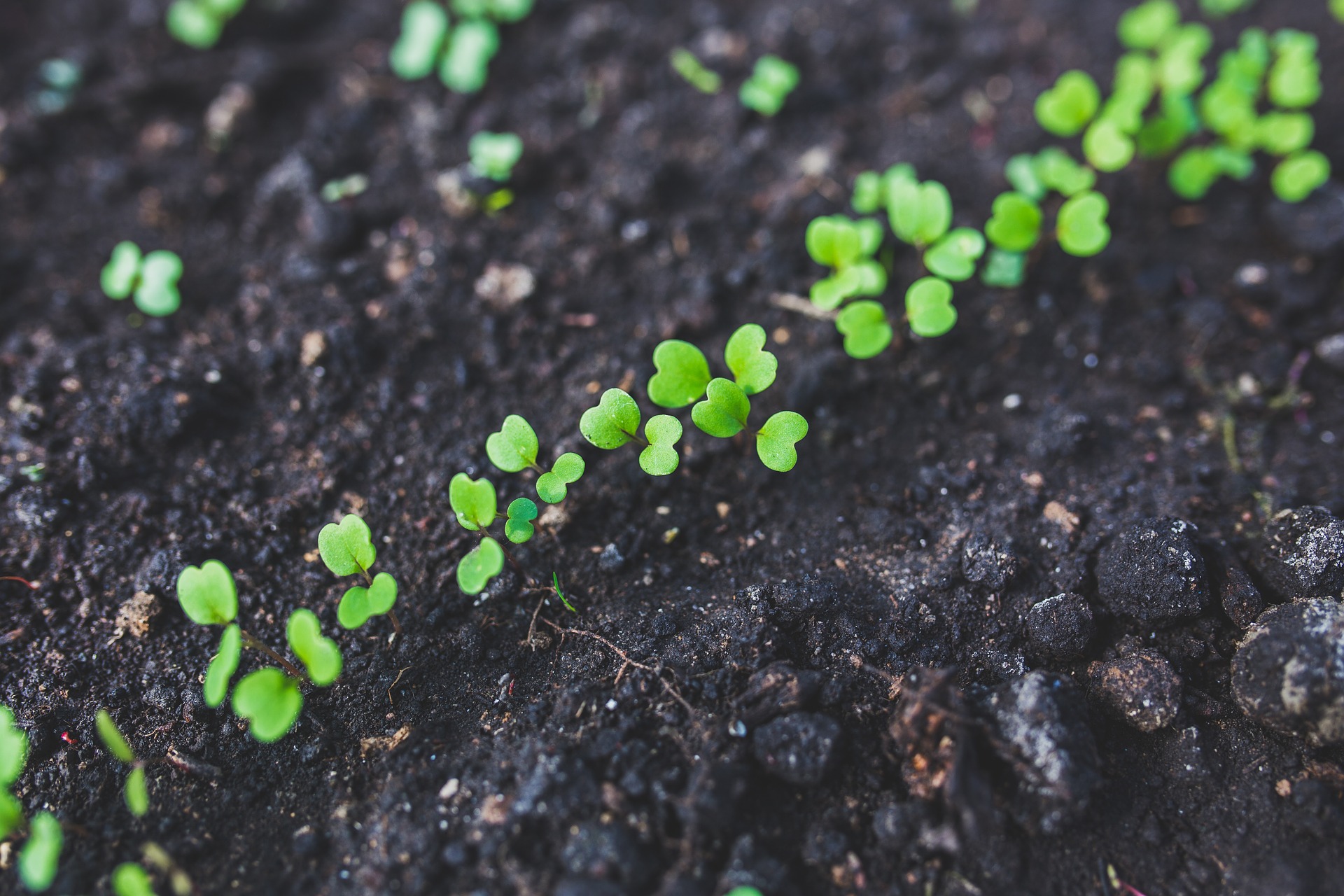
To Sow or No? Best Veggie Seeds to Start Indoors in Winter

Not all seeds succeed indoors! Save root crops and cold-hardy seeds for when it’s warm enough to plant directly outside. Or, you can grow two crops of broccoli and lettuce. Start seeds indoors now then sow more outside later.
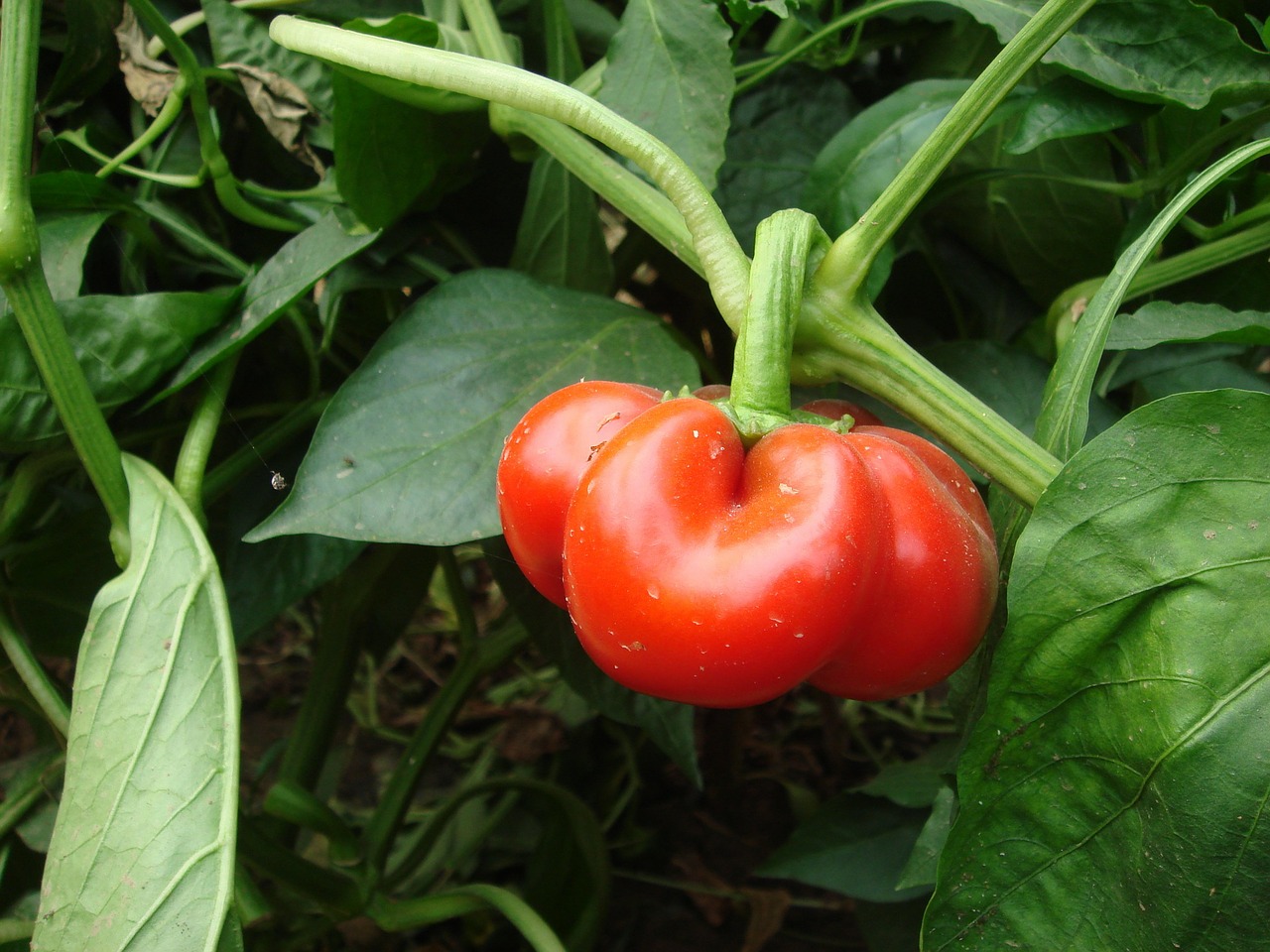
potting soil, starting seeds indoors, organic seed starting mix, growing tomatoes

Here are the best vegetable and herb seeds to start indoors in winter.

  • Tomatoes
  • Peppers
  • Cucumbers
  • Celery
  • Collard greens
  • Lettuce
  • Kale
  • Broccoli
  • Beans
  • Squash
  • Eggplant
  • Cabbage
  • Basil
  • Thyme
  • Cilantro
  • Oregano
  • Sage
  • Parsley 

Seed to Succeed!

There are three secrets to starting seeds indoors: warmth, light and an organic seed starting mix that promotes root growth.

Start with Espoma’s Organic Seed Starter – a gardener’s favorite! But don’t take it from us. One of our customers, Shelia, shared that she used a lot of seed starter in her day, but “this one is just OUTSTANDING!” Her plants came up just perfect, and she “will never use anything else, ever again.”

Fill seed trays to within ¼” of the top and lightly water. Follow the instructions on the seed packets to see how deep and far apart to plant. Cover with soil, press down and label.

Place tray in a larger pan of shallow water for a minute so thewater seeps up from the bottom.

Place seeds in a warm spot between 65-75°. Try the top of the fridge!potting soil, starting seeds indoors, organic seed starting mix, growing tomatoes
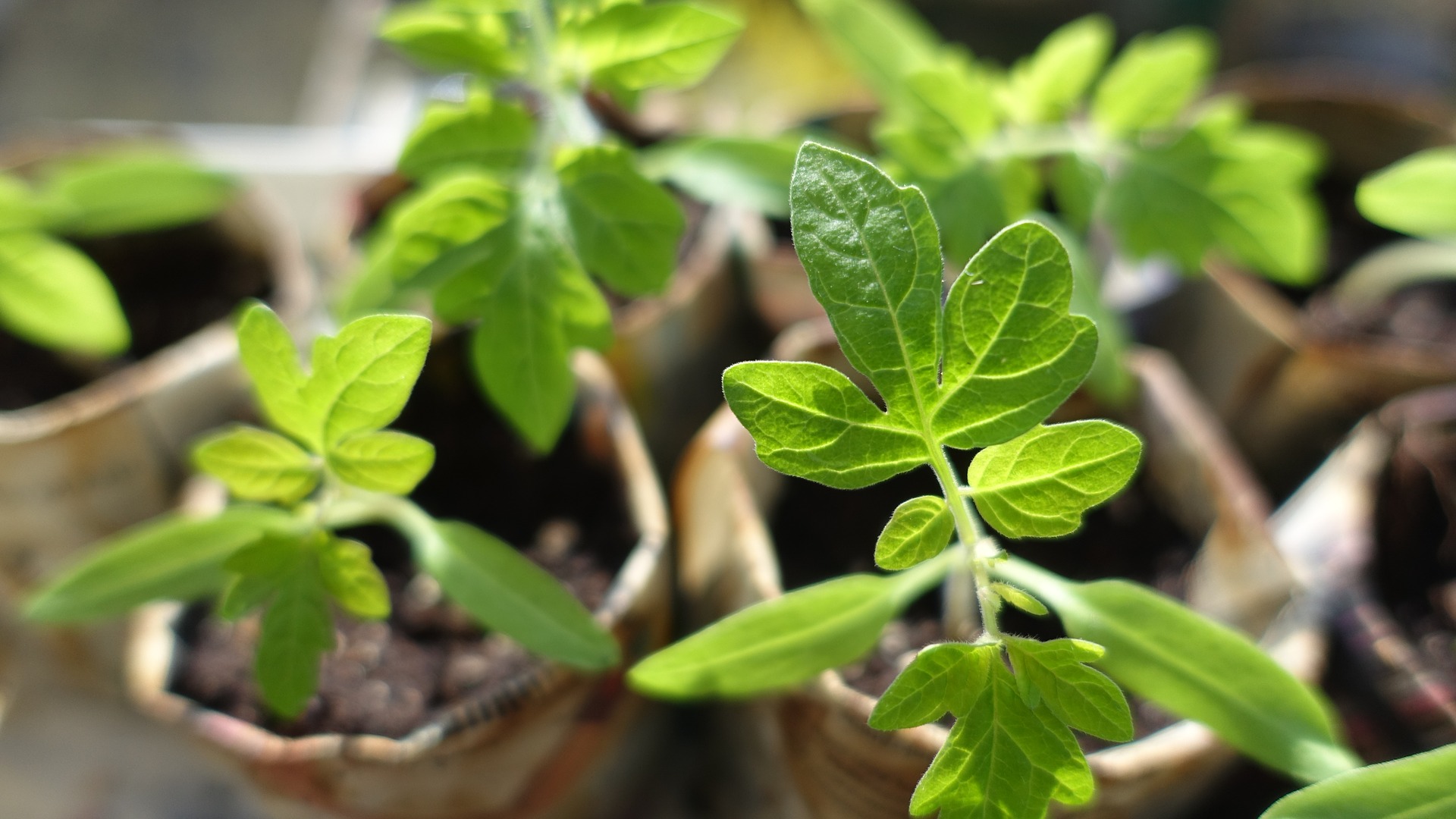
Loosely cover tray with plastic wrap or the cover from your seed-starting kit. Check seeds daily for moisture. Find even more detailed instructions here.

Give seeds 12-16 hours of light daily. Supplement sunlight with grow lights if needed.

Once you see sprouts, remove the cover and move seeds to a sunny, south-facing window that is 65-75°F. Then, turn the container a little each day to prevent leaning seeds.

When leaves grow, add a bit of fertilizer such as Espoma’s Plant-tone or liquid Grow!. Both are organic fertilizers, so they are safe to use on edibles, around children and pets and they help plants grow bigger than ever before.

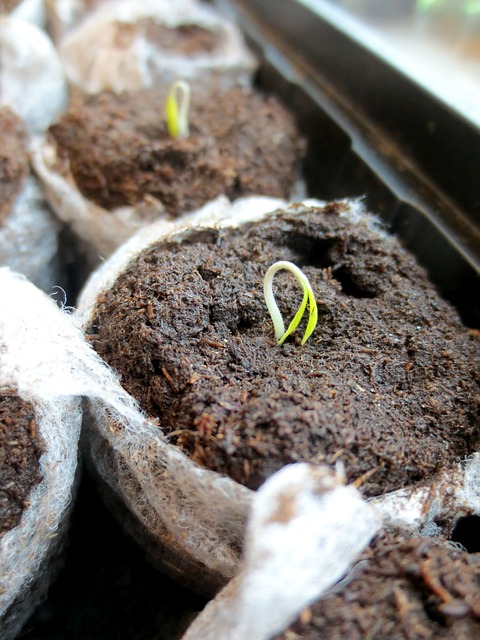
Once you see that first sprout peeking through the potting soil, homegrown veggies are only weeks away!
https://www.espoma.com/wp-content/uploads/2016/01/cress-255938_1920.jpg 1280 1920 espoma https://www.espoma.com/wp-content/uploads/2023/05/espoma-logo340w-1.png espoma2016-01-26 08:00:292024-09-06 11:27:53Seed to Succeed! Seed Starting Secrets

A To-Do List You’ll Love: January Gardening

January 19, 2016/in Blog, Gardening

Ah, a whole year of gardening is ahead of us. January is the best time to pause, reflect and prepare for a year of incredible gardening.

OK, tired of reflecting? Here are a few winter gardening tips to keep you busy this January!

Things to Do in the Garden in January:

Ward off those winter blues with a hearty helping of green, gardening thoughts.  potting soil, garden design, winter gardening tips,

  1. Dream Big. Plan or rework your garden design. Pin inspiration, flip through gardening magazines and daydream ways to make your garden even better. Illustrate your garden plan to visualize the entire space.potting soil, garden design, winter gardening tips,
  2. Plan Small. Make a list of organic edible and flower seeds to grow. Get the most of seed starting by growing unique varieties, heirlooms and expensive grocery store plants. See what seeds to start indoors and when to plant them. winter bird feeding, attract birds to garden, garden for pollinators
  3. Listen to the Songbirds. Nothing livens up a dreary, wintry day like a flock of fluttering birds. Fill bird feeders with tasty seeds this winter. potting soil, garden design, winter gardening tips,
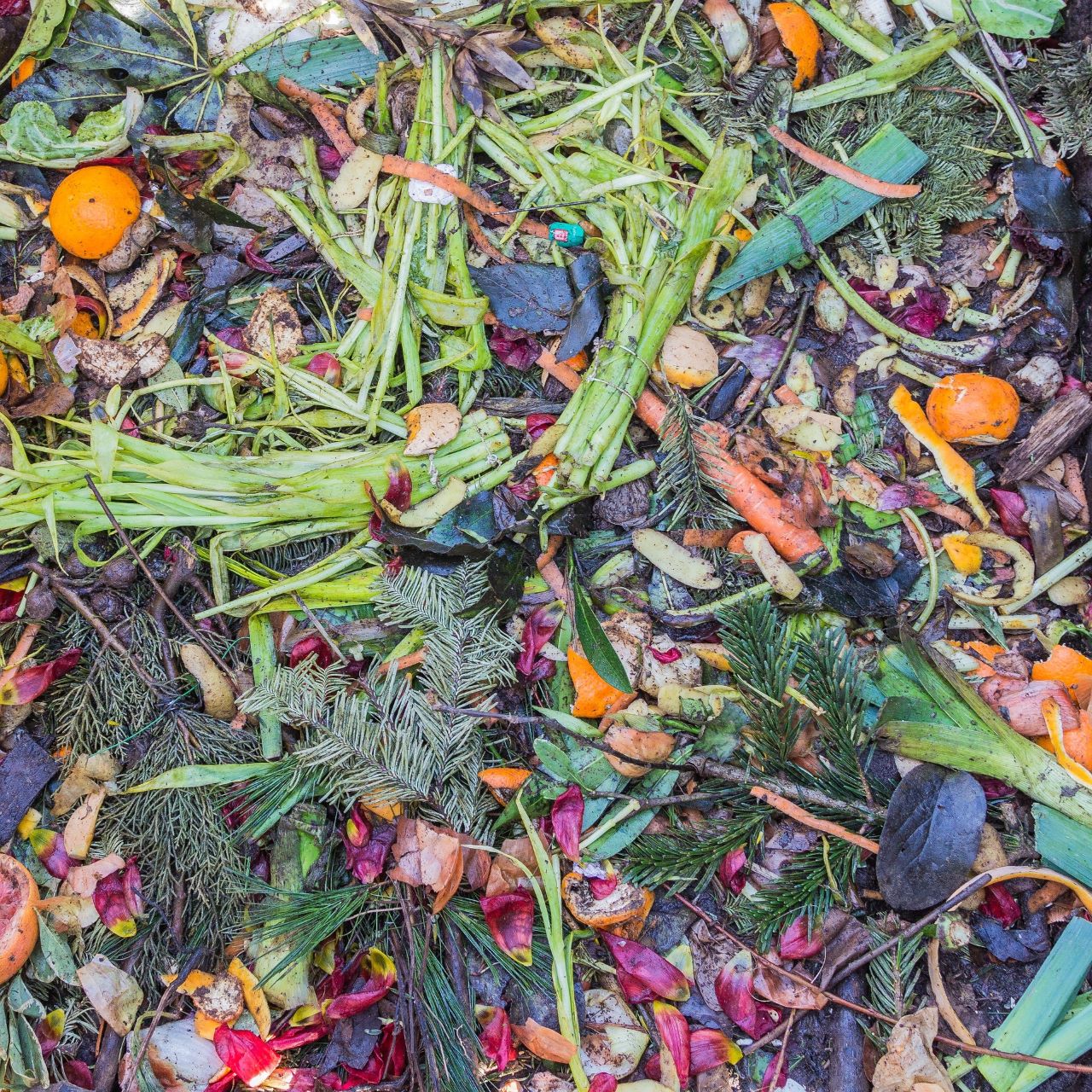
  4. Take a Look. Walk around your home and garden with a notebook. Imagine how you could reduce water usage, recycle more, compost or conserve energy. Each week in January, try one idea to see what works! Start by recycling your Christmas tree.
    potting soil, garden design, winter gardening tips,

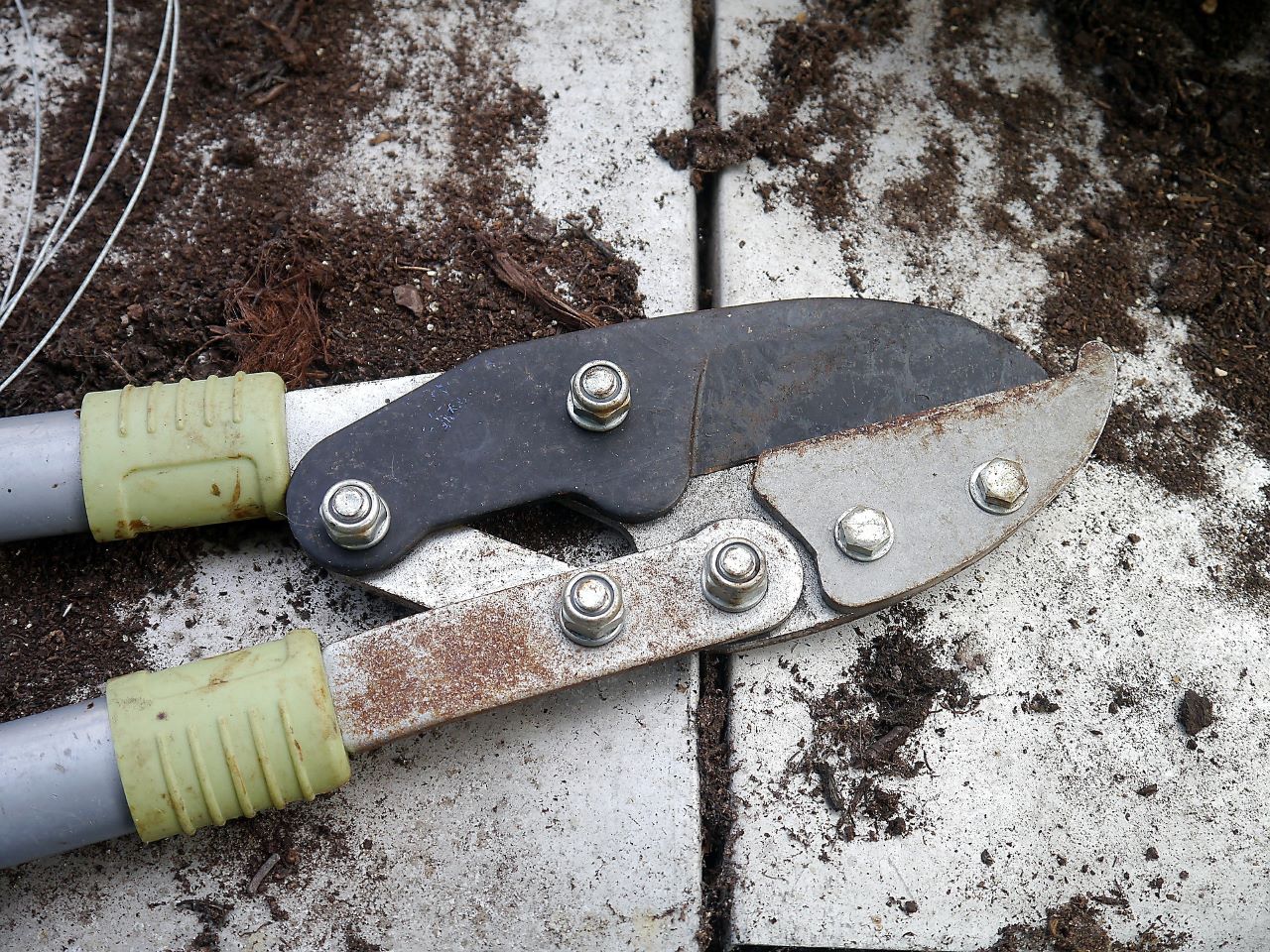
    Gather your trusty garden tools, and give them a good scrub. Rinse off the dirt, sharpen the blades and rub vegetable oil on the metal.


  5. Clean It Up. Gather your trusty garden tools, and give them a good scrub. Rinse off the dirt, sharpen the blades and rub vegetable oil on the metal. potting soil, garden design, winter gardening tips,
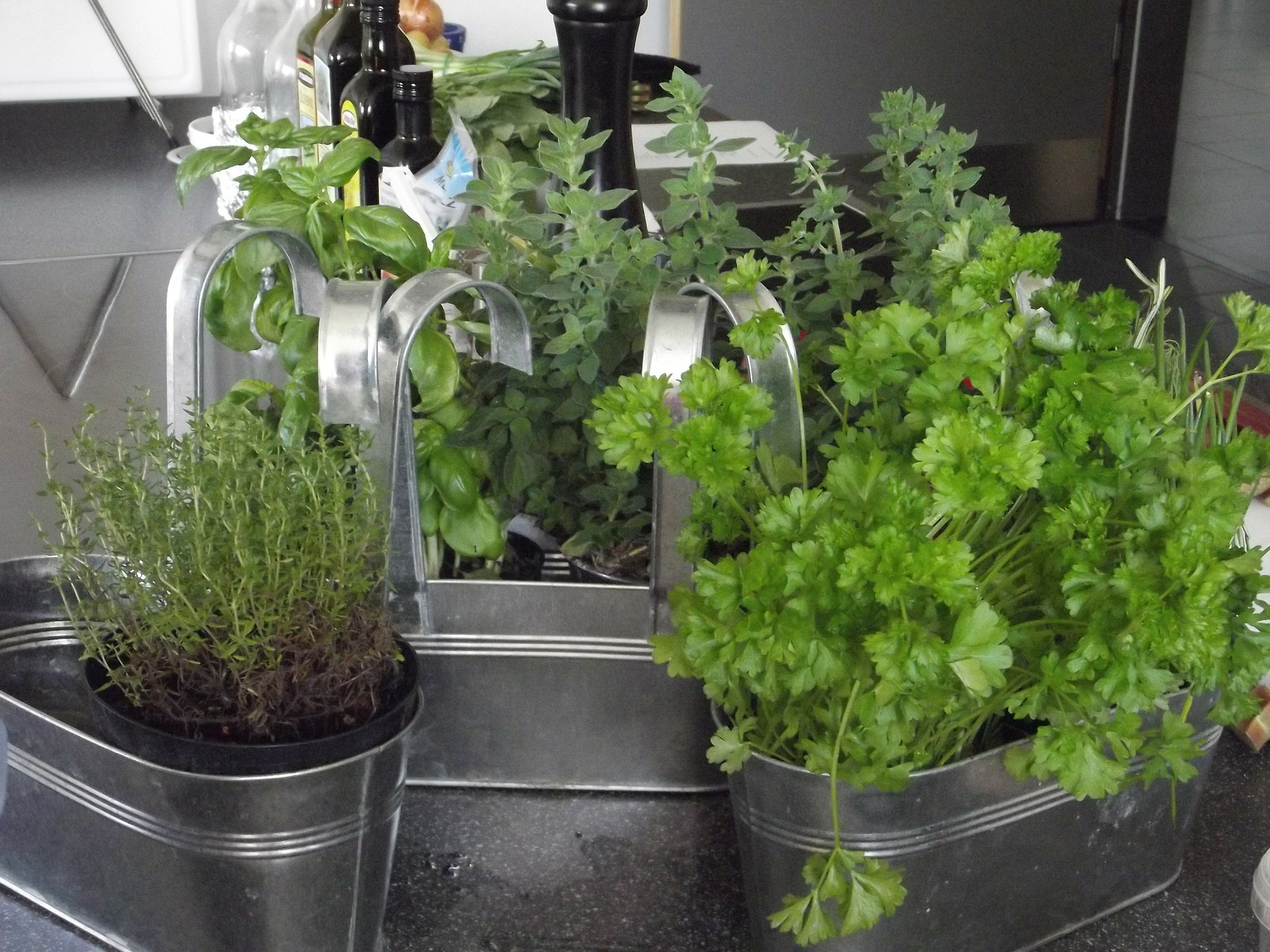
  6. Taste Summer Flavors. Get your green thumb back in the potting soil. Start an indoor herb garden to harvest a garden-fresh taste on the coldest winter days. See what herbs do best indoors here.

Here’s to a home filled with fresh herbs, the sweet song of birds and a stack of gardening magazines. January’s looking quite charming after all!

*****

Featured Products:


Where to Buy


https://www.espoma.com/wp-content/uploads/2016/01/winter-670314_1920.jpg 1279 1920 espoma https://www.espoma.com/wp-content/uploads/2023/05/espoma-logo340w-1.png espoma2016-01-19 08:00:592023-12-07 11:23:34A To-Do List You’ll Love: January Gardening

Deck the Halls with Holiday Houseplants

December 8, 2015/in Indoor Gardening

Hang the stockings by the chimney with care. Decorate the tree with glee. Then spread joy with holiday houseplants.

After all, the halls aren’t decked until the houseplants arrive! Houseplants can stand alone or complement other holiday decor. Plus, their lively blooms, colors and smells are the definition of holiday cheer!

Houseplants make sweet gifts to give — and even sweeter gifts for you to get yourself!

Below is everything you need to know about holiday houseplants.

Holly, Jolly Holiday Houseplants

Start with the perfect holiday houseplant! The rest is easy.

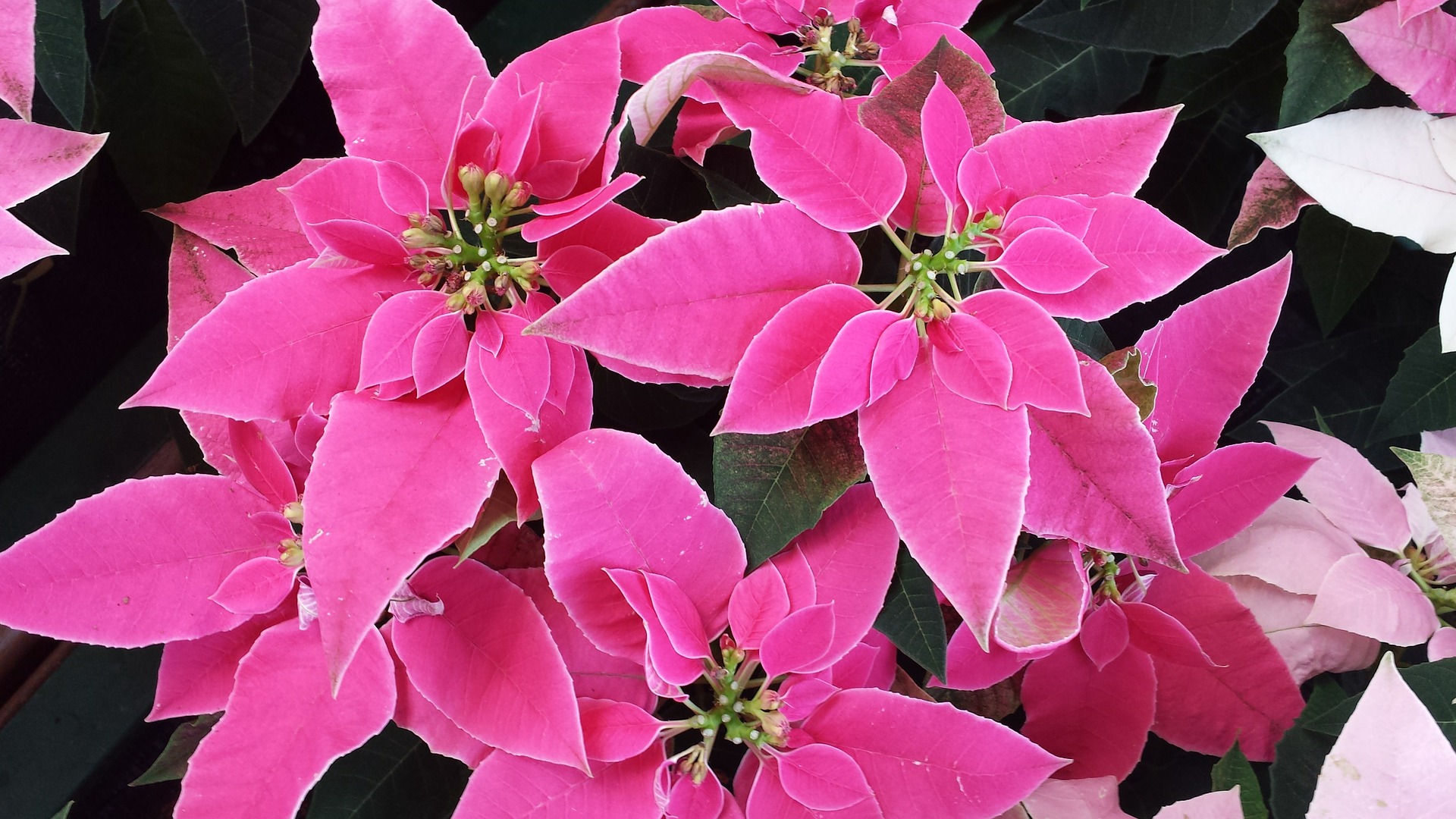
1. Festive Poinsettia. No other houseplant captures the Christmas spirit more than poinsettias.

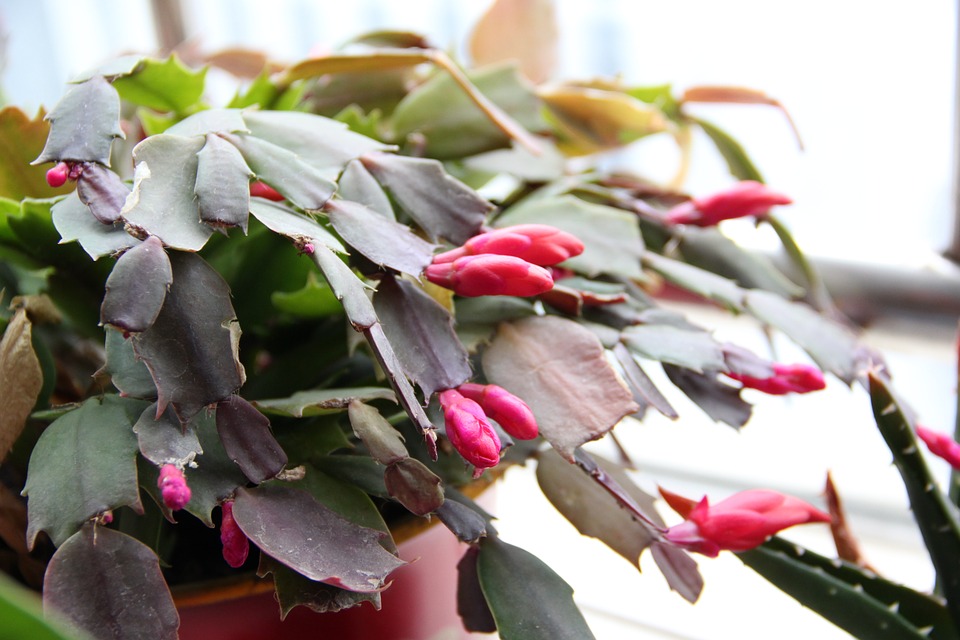
2. Cheerful Christmas Cactus. Red and green all over, this flowering houseplant is super easy to care for and bursts with sweet, red blooms all season.

houseplant

3. Amazing Amaryllis. Bold, stunning and elegant, amaryllis delight with vibrant red and snowy white blooms.

cat houseplant

4. Nifty Norfolk Island Pine. These petite Christmas trees are simply darling! Plus, they can grow up to 12’ tall if properly cared for!


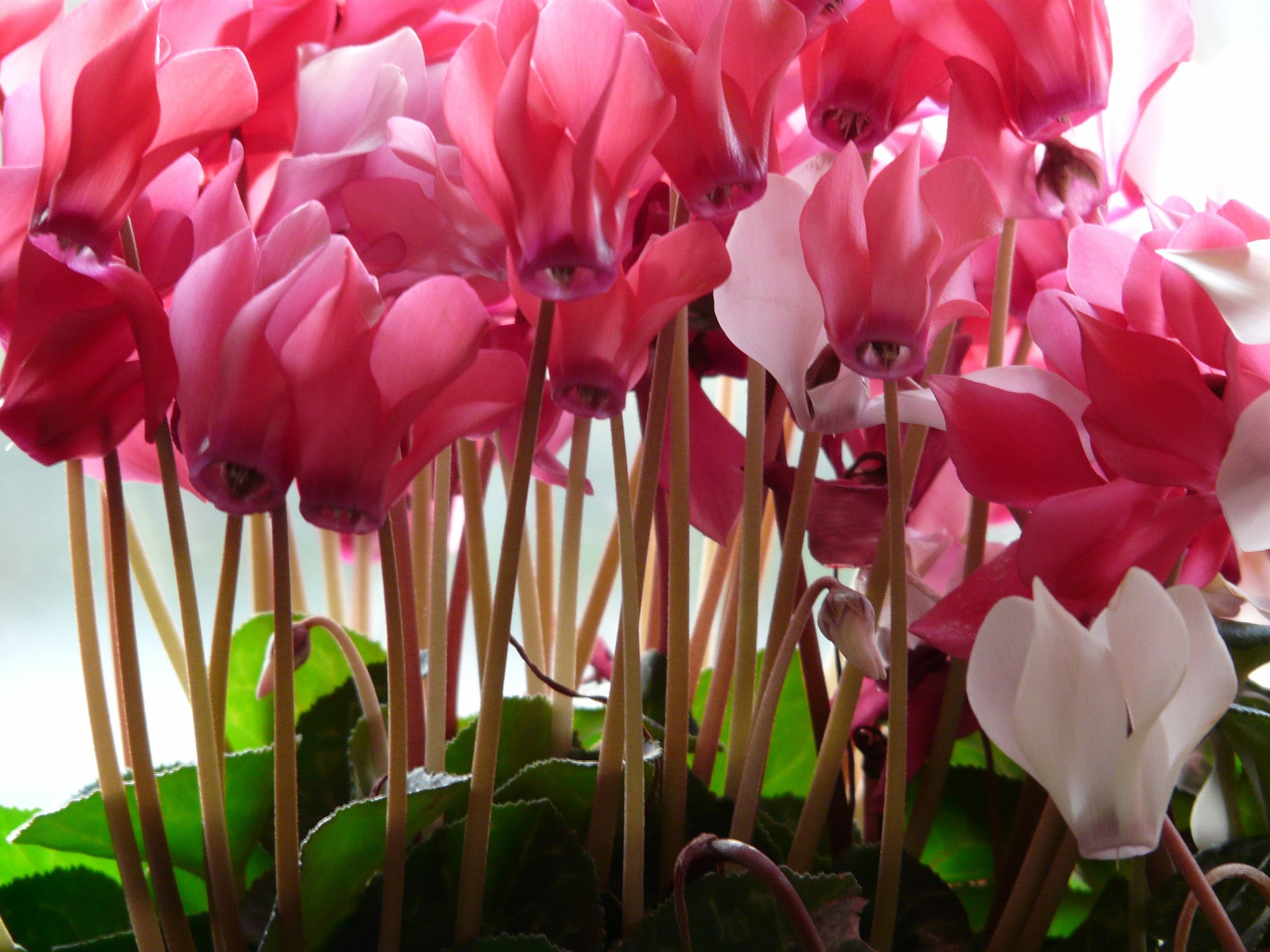
5. Charming Cyclamen. Cyclamen’s heart-shaped red or pink flowers instantly fill spaces with love.

Keep Your Holiday Houseplants Happy

  1. Package It Up. Add your personal touch by potting your houseplant in a container matching your holiday decor. Have fun with it! Tie a bow around it, or paint the pot with chalkboard paint.
  2. Season’s Soil. Add a bit of organic fertilizer, then fill the pot with organic potting soil.
  3. Let It Shine. Read the plant tag to see how much sunlight and water your holiday houseplant needs.
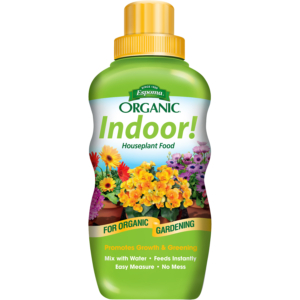
  4. Feast on Food. Enjoy more of those beautiful blooms. Feed with Indoor! every 3-4 weeks during periods of active growth, usually from March through September.

The best way to spread Christmas cheer is by placing a holiday houseplant here and here! Enjoy those blooming beauties all season.

https://www.espoma.com/wp-content/uploads/2015/12/Holiday-Houseplants-2.jpg 500 1000 espoma https://www.espoma.com/wp-content/uploads/2023/05/espoma-logo340w-1.png espoma2015-12-08 08:16:152024-08-20 07:38:41Deck the Halls with Holiday Houseplants

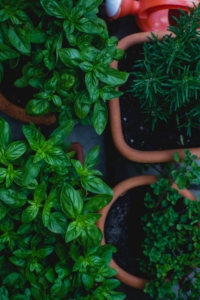
Thyme to Plant an Indoor Herb Garden

December 1, 2015/in Blog, Indoor Gardening

Add a dash of delight to your daily routine while keeping winter blues at bay. Start an indoor herb garden today.

Each time you grab sprigs of fresh herbs, you’ll forget all about winter! At that moment, all you’ll think of are the fresh, invigorating flavors of summer.

Plus, starting an indoor herb garden is simple with these tips.

Grow Superb Herbs Indoors

Give savory and sweet herbs these five ingredients, and they’ll flourish inside! Use fresh, flavorful herbs in cocktails, teas and recipes all winter long.

 Ray of Sunshine. Place indoor herbs in the sunniest spot possible. They love natural light and need at least 4 hours of sun every day. Keep herbs warm by avoiding chilly windows.

  1. Heaps of Herbs. Not every herb thrives indoors. Plant these herbs that grow best inside: mint, oregano, parsley, rosemary, sage, thyme, lemongrass, chives and bay.
  2. Pile of Pots. Choose pots or upcycle containers with drainage holes on the bottom. Or place stones in the bottom of the pot before adding soil. For unique, DIY planter ideas, check out our Pinterest page.
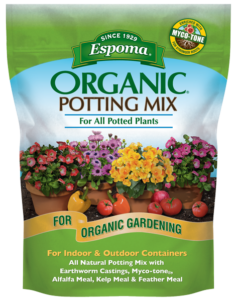
  3. Settle in Soil. Plant herbs in Organic Potting Soil. Pick an organic potting soil that contains earthworm castings and Myco-tone® to ensure herbs grow strong roots.
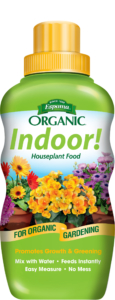
  4. Feed and Repeat. Indoor! is an organic plant food that helps you grow bigger and better herbs. Continue fertilizing herbs once each month.

With your just-plucked herbs, cook up dishes that harness herbs’ intensity. Try a few of our favorite recipes that include herbs here. Bon appétit!

*****

Featured Products:


Where to Buy


https://www.espoma.com/wp-content/uploads/2023/01/matt-montgomery-2fW55mLSiSQ-unsplash-scaled.jpg 1698 2560 espoma https://www.espoma.com/wp-content/uploads/2023/05/espoma-logo340w-1.png espoma2015-12-01 09:40:332023-01-11 01:43:09Thyme to Plant an Indoor Herb Garden

A Plant Today Keeps the Doctor Away

November 17, 2015/in Flowers

For most of us, the outdoor gardening season is winding down. Yet, we want to keep that green thumb moving!

Channel your gardening energy indoors. A green-filled oasis awaits you! Add a few indoor plants today!

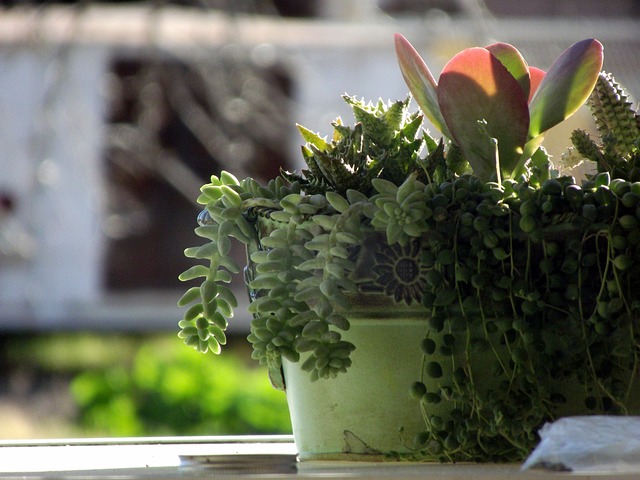
potted-cactus succulent

Top 3 Reasons Why You Can Never Have Enough Houseplants

Plants add a pop of color and a burst of life to spaces. But, they do even more.

  1. Pollution Solution. Indoor plants scrub the air clean by removing toxins, according to NASA research. Houseplants remove 87 percent of volatile organic compounds (VOCs) that are in everything from rugs and grocery bags to paint and vinyl.
  2. Find Your Focus. Houseplants increase well-being by 47 percent, increase creativity by 45 percent and increase productivity by 38 percent, according to new research.
  3. Combat Colds. Powerful indoor plants can reduce fatigue, coughs, sore throats and other cold-related illnesses by more than 30 percent, found the University of Agriculture in Norway.

orchid houseplant

Caring for Houseplants is Easy

Houseplants provide us with all those benefits and ask for very little in return. Here’s all they need!

  1. Strong Soil. Organic potting soil packed with nutrients, enriched with Myco-tone® and fortified with worm castings sets houseplants up for success. Whether you’re planting new or repotting old plants, use an organic soil.
  2. Light It Right. Check your plant tag to see how much sun your plant needs.
  3. Wow with Water. Water most houseplants when the top of the soil feels dry. Only water succulents and cacti when the soil is completely dry.
  4. Fuel with Organic Fertilizer. . Fertilize houseplants with an organic fertilizer such as Indoor! during active periods of growth. This is usually during the spring and summer.

Those happy houseplants will make you smile every day! Check out Espoma’s “Houseplant” Pinterest board for more inspiration and ideas!

https://www.espoma.com/wp-content/uploads/2015/11/houseplants-792091_640.jpg 426 640 espoma https://www.espoma.com/wp-content/uploads/2023/05/espoma-logo340w-1.png espoma2015-11-17 14:30:452024-08-20 07:40:44A Plant Today Keeps the Doctor Away

Host a Haunted Homegrown Halloween Dinner

October 27, 2015/in Fall Gardening

Round up the whole gang and dress in your best for a spine-chilling, homegrown Halloween meal.

Start by gathering the fruits of your organic fall gardening efforts, or head to your local farmer’s market to see what’s in season.

Boo! Prepare a Spooky and Scrumptious Homegrown Halloween Dinner (Because even goblins and ghouls prefer homegrown on Halloween.)

halloween decor

Scary Snacks. Cook up a few frightful and finger-licking good snacks.

  • Phantom Pumpkin Pudding – Stuffed with yummy cranberry-raisin bread pudding.
  • Cackling Caramel Apples – Use fresh-picked apples for the best taste!
  • Ghouly Goodies – Make with homegrown or local eggs.
  • Midnight Morsels – Dark cheeses and fruits elevate this cheese tray from berry to scary!

Capture

Frightening Feast. All the best fall flavors featured in fangtastic dishes.

  • Witches’ Brew – A cursed homemade cider.
  • Sinister Soup – A terrorific tomato soup.
  • Autumn Arugula Salad – Shadowy colors and supernaturally good squash.
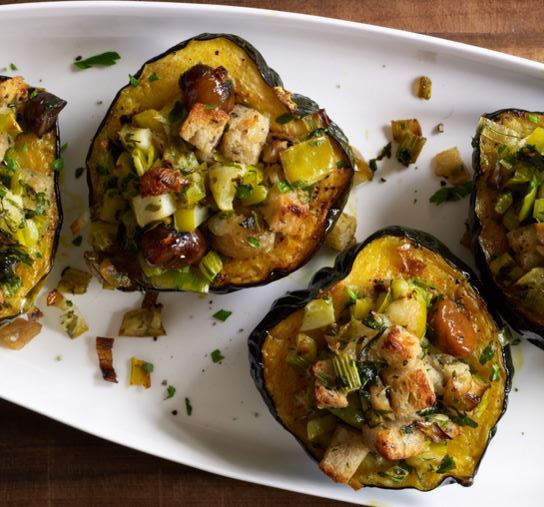
  • Acorn Squash Cauldrons – Overflowing with chestnuts, apples and leeks.
  • Bewitched Brussel Sprouts – Oozing balsamic goodness.

halloween decor

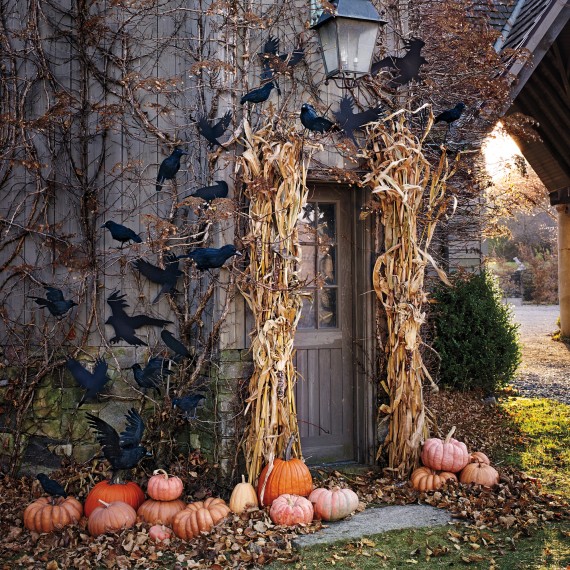
Daring Decor. Use organic and recycled material to create eco-friendly Halloween decor.

  • Stack, scatter and spread pumpkins and gourds inside!
  • Transform old wine bottles into decorative jack-o-lanterns.
  • Add corn stalks and Indian corn.
  • Make a spooky skeleton using recycled milk jugs.
  • Plant paranormal plants in dark containers using organic soil. We’re thinking: spider plants, earth star plants, black orchids and Venus flytraps.

And don’t forget to Post a Pumpkin. Whether you carve, paint or bedazzle your pumpkin, there is still time to show it off in our “Pumpkin Decorating Contest.”

  • To enter, like Espoma on Facebook.
  • Click the Contest Tab and upload a picture of your pumpkin.
  • The photo with the most “likes” on November 3 wins $250. So encourage friends to vote.

Talk about a hoot of a Halloween party! Imagine how much fun your friends and family will find this homegrown Halloween garden dinner!

https://www.espoma.com/wp-content/uploads/2015/10/Capture2.jpg 476 739 espoma https://www.espoma.com/wp-content/uploads/2023/05/espoma-logo340w-1.png espoma2015-10-27 08:32:442024-09-06 13:32:41Host a Haunted Homegrown Halloween Dinner

Celebrate National Indoor Plant Week

September 17, 2015/in Gardening, Indoor Gardening

Indoor plants are the superheroes of the plant world. They have the power to aid in concentration, increase productivity and even boost well-being.

To honor these green heroes, the third week of September is recognized as National Indoor Plant Week. So let’s celebrate!

The US Environmental Protection Agency (EPA) ranks indoor air pollution as one of the top threats to public health. We spend as much as 90 percent of our lives indoors — so it’s time to add some greenery.

Houseplants are surprisingly easy to take care of with these six tips.

1. Bring them indoors. Many people place their houseplants outside in the summer, but when temperatures start to drop below 50º at night, it’s time to bring them in! Check houseplants for pests before moving them. Help houseplants to adjust by bringing them in at night and returning them outdoors during the day. Over the course of two weeks, gradually increase the amount of time plants spend indoors.

houseplant

2. New space. Repot houseplants if they’re in need of some additional space. Select a pot that is at least 2” larger than your current container and transfer. Use Espoma’s Organic Potting Mix to fill the rest of the container.

houseplants

3. Pick the right spot. A houseplant lets you know the spot is right by maintaining healthy leaves. If there’s enough light for you to read by, there’s probably enough for a low-light houseplant. Avoid placing plants near heat or air conditioning ducts, on TVs, or between the curtains and a chilly window.

houseplants

4. Give them a drink. If the soil is dry about an inch below the surface, add water. But don’t overwater! It’s the number one cause of houseplant death. Collect excess water in a tray or saucer and never allow plants to sit in water.

houseplant

5. Stay Comfortable. Houseplants are happiest when temperatures are between 70 and 80ºF during the day and 10-15º cooler at night.

potting soil

6. Feed houseplants. Fertilize houseplants with an organic fertilizer such as Indoor! during active periods of growth. This is usually during the spring and summer.

With these tips, your houseplants will be looking their best in no time! Tell us about your favorite houseplant in the comments!

*****

Featured Products:


Where to Buy


https://www.espoma.com/wp-content/uploads/2015/09/orchid-4780_640.jpg 426 640 espoma https://www.espoma.com/wp-content/uploads/2023/05/espoma-logo340w-1.png espoma2015-09-17 10:07:212024-08-20 07:42:16Celebrate National Indoor Plant Week

Make a Splash in the Garden for Your Labor Day Bash

September 1, 2015/in Fall Gardening

Labor Day is about relaxing, having fun and soaking up every last second of summer. And, it’s the perfect time to reflect on all of your summertime garden accomplishments. Need you look any further than your pile of super-ripe tomatoes or your luscious roses

But just because summer is ending doesn’t mean your garden has to! Your garden can look as fabulous as ever for your Labor Day bash or just to head into fall with these late-summer gardening tips.

Tips to Display a Lavish Garden on Labor Day

  1. Aiding the Fading. Walk through the garden and remove any plants that are done for the season. Be sure to compost them!
  2. Love Late-Bloomers. Swap annuals that have stopped blooming or look less than stellar with late-summer blooming flowers. Plant these colorful annuals to end the summer with a bang: celosia, zinnias, salvia, chrysanthemum or pansies. Boost your blooms with organic Flower-tone.
  3. Include Fresh Food. Hosting a Labor Day party? Plan your menu and snacks by seeing what’s ready for harvest in your garden. Guests love hearing that you grew your organic fruits and veggies. Plus, the home grown flavors will blow them away. Here are some of our favorite garden-to-table recipes. Be sure your fall veggies are planted, too.
  4. Pose with a Rose. Pair your homegrown menu with a homegrown tablescape. Cut garden roses. Pop single flowers in unexpected containers and space them along your table. Intersperse with glass ball jars or votives that have a fresh sprig of herbs tied around them.
  5. Plant Permanent. Late summer and early fall are perfect for adding perennials. Plant fall-blooming perennials before your Labor Day party to add a splash of color to your garden. Black-eyed susan, asters, sedum, daylilies, coneflowers and yarrow will wow for years.
  6. A Breath of Fresh Air. The late-summer heat takes a lot out of your favorite plants in the garden. Give them a good watering before the party, so they’ll look their best!

Now, you’re ready to end the summer in style! A table filled with just-plucked edibles, fresh cut roses and friends and family… That’s the essence of summer.

https://www.espoma.com/wp-content/uploads/2015/08/sparkler-839806_640.jpg 426 640 espoma https://www.espoma.com/wp-content/uploads/2023/05/espoma-logo340w-1.png espoma2015-09-01 09:13:272019-05-07 10:08:09Make a Splash in the Garden for Your Labor Day Bash

Fall into Fall. Easy Ways to Transform Garden

August 18, 2015/in Lawn, Vegetable Gardening

Those dog days of summer are hot, hot, hot. But, the end is surely in sight!

Yes, that means cooler weather is on its way. Fall will settle in soon — especially if the “Back to School” ads are any indicator.

Get your garden ready for the coming season. Stick with us, and you could be eating fresh lettuce in October — maybe even November!

Help Your Garden Fall into Fall

  1. Enchant the Plants. Plant fall veggie starts or transplants You can even sow seeds directly into the garden. Choose fast-growing, frost-tolerant plants such as broccoli, cabbage, kale, cauliflower, beets, carrots, green onions, lettuce and spinach.
  2. Do the Can-Can. If your harvest is maturing faster than you can eat it, store it! There are many ways beyond canning to stockpile your fresh produce for winter. Try making jams or pickles. Freeze raw fruit, veggies or herbs. Make tomato sauce, or slow-roast them.Longfield Gardens
  3. Boost your Keep annual flowers blooming as long as possible! The trick? Apply Espoma Organic’s Flower-tone often!
  4. Ahead with Red. Tomato plants not performing anymore? Or have lackluster leaves? Feed ‘em Tomato-tone to help them pull through until the first frost.
  5. Divide in Stride. Divide and transplant spring-flowering and other dormant perennials. To reduce stress, do so during the coolest part of the day, and don’t skimp on the water!
  6. Finish with Gusto. Deadhead flowers to keep them flowering. Also, keep pinching off those suckers on tomatoes! They can create a heck of a mess later on.
  7. Bury the Bulb. While you’re tidying up, plant those dreamy, spring-blooming flower bulbs.

Ah, the garden will soon be ready for fall. For now, though, the summer sun is still shining! Kick back, relax and enjoy every last drop of summer.  

https://www.espoma.com/wp-content/uploads/2015/08/canning-728269_640.jpg 426 640 espoma https://www.espoma.com/wp-content/uploads/2023/05/espoma-logo340w-1.png espoma2015-08-18 08:07:262019-05-07 10:08:09Fall into Fall. Easy Ways to Transform Garden

Don’t Stall! Start Veggie Seeds for Fall

July 21, 2015/in Fruits & Vegetables, Vegetable Gardening

Today’s garden is bursting full of fresh fruits and veggies! There is nothing better than picking and eating a tomato, bean or pepper fresh off the plant.

Yet – we aren’t always so lucky. With fall around the corner, we are already thinking about how to prolong that never-ending supply of delicious, homegrown produce.

Now is the time to start cool-season seeds indoors.

Reap What You Sow: Starting Cool-Season Seeds Indoors for Fall

organic gardening

  1. Get the Goodies. For fall crops, pick the hardiest and most frost tolerant seeds, so they can survive the first frost. Some of our favorites include broccoli, cabbage, kale, cauliflower, beets, carrots and spinach.
  2. Time to Prime. Find your first fall frost date. Look at the number of days to harvest on each seed packet. Use that number to count back from the first frost date, so the seeds have time to mature. Play it safe and add two weeks since plants can grow slower during short fall days.
  3. Awaken the Seeds. Fill seed starting trays within ¼” of the top with a high-quality organic seed starter, like Espoma’s Organic Seed Starter. Read each seed packet to learn how deep and far apart to plant seeds. Cover with soil, press down, label and lightly water.
  4. Store and Cover. Lightly cover the tray with plastic wrap. Keep in a sunny spot near a south-facing window.
  5. Smart Watering. Keep seeds moist by placing the tray in a pan of shallow water until the water seeps up from the bottom. Refill when empty.
  6. Break Out Sprouts. When leaves start to poke from the soil, remove plastic wrap. Feed with an organic fertilizer, like Espoma’s Plant-tone.
  7. A Home Away from Home. Two weeks before planting outside, begin hardening off seeds. Move outside for a few hours a day, increasing time outdoors daily. Also, reduce watering without letting the soil dry out.
  8. All Grown Up! Gently remove plants from see starting tray, and plant in a prepared bed. Mix-in organic starter plant food to help them adjust and grow strong, such as Espoma’s Bio-tone Starter Plus.

Crunch! You’ll be munching on homegrown produce well into fall. How amazing (and tasty!) is that?

https://www.espoma.com/wp-content/uploads/2015/07/leaf-430419_640.jpg 480 640 espoma https://www.espoma.com/wp-content/uploads/2023/05/espoma-logo340w-1.png espoma2015-07-21 11:26:432024-09-06 11:19:27Don’t Stall! Start Veggie Seeds for Fall
Page 17 of 18«‹15161718›
Where to Buy

Get News & Updates

Recent Posts

  • VIDEO: A Formal Garden Tour with Summer Rayne Oakes
  • VIDEO: Repotting in the Greenhouse with Garden Answer
  • VIDEO: How to Winterize Your Chicken Coop with Summer Rayne Oakes
  • VIDEO: Planting Spring Bulbs in Containers 🪴🌷 with Summer Rayne Oakes
  • VIDEO: Planting the Last Bulbs of the Season with Garden Answer

Tags

All-Purpose Potting Mix bio-tone Bio-tone Starter Bio-tone Starter Plus Cactus Mix caring for houseplants Container Gardening DIY project Espoma espoma grown espoma organic Espoma Organics Espoma Video fall gardening Family fert flower garden flowers garden Garden Answer Gardening gardening tips gardens grow holly-tone houseplants Indoor! indoor gardening indoor plants Kaleb Wyse organic organic fertilizer Organic Gardening organic plant food Organic Potting Mix Outdoor Gardening Planting plants Potting Mix potting soil Spring Gardening summer rayne oakes vegetable garden Vegetable Gardening Wyse Guide

Espoma. A Family Tradition Since 1929.

Espoma Organic logo
  • Espoma Dealer
  • Espoma Pro
  • Garden Club
  • Privacy Policy

Scroll to top