Espoma Organic
  • Products
    • Close
    • Product Line Overview
    • Plant food finder
    • Garden Fertilizers
    • Potting Soils
    • Lawn Fertilizers
    • Liquid Fertilizers
    • Single Ingredients
    • Conventional Plant Foods
    • Animal Care Products
  • Where to Buy
  • Our Story
    • Close
    • Our Story
    • Locations
    • Historical Timeline
    • Our Commitment
    • Directions
    • Solar
    • Join our Team
    • Espoma Brand Partners
  • Learn
    • Close
    • Espoma Blog
    • FAQ’s
    • Pocket Guide
    • Espoma Guides
    • Garden Clubs
    • Safe Paws Lawn
    • PRODUCT FACT SHEETS
    • Fertilizer Fundamentals
      • Close
      • Understanding Plant Nutrition
      • Reading Labels
      • Choosing the Right Type of Fertilizer
      • Terms & Definitions
    • Gardening Projects
    • Resource Links
  • Contact Us
  • Menu Menu

Tag Archive for: fall gardening

Grab Your Books for a Lesson in Gardening 101

September 6, 2016/in Blog, Fall Gardening

Back to Gardening School: A Fresh Start for Your Garden

Remember the excitement of a new school year? Fresh notebooks, a backpack ready for adventure, and the feeling that anything was possible. That same sense of renewal is waiting in the garden this season.

Whether you’re just starting out or brushing up on your skills, it’s the perfect time to get back to the basics. Sharpen those tools (and pencils) and let’s head to Gardening School.
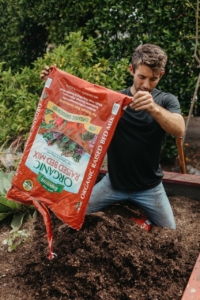
Farmer Nick dumping Espoma Raised bed Mix into a raised garden bed

1. Build a Strong Foundation

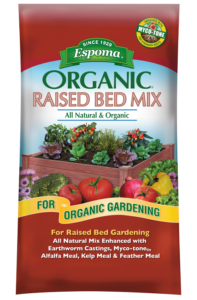
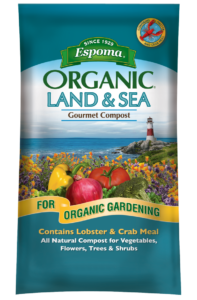
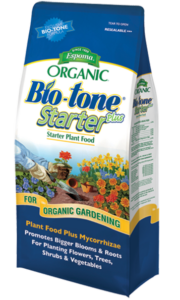
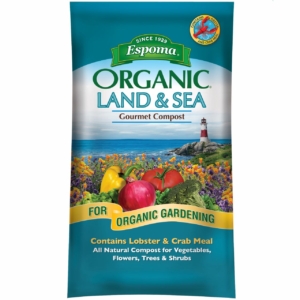
Every successful garden begins with healthy soil. Start with a quick soil test to understand what nutrients your garden may be missing, then build from there. For raised beds, fill them with a rich blend of natural ingredients—like those in Espoma Organic Raised Bed Mix—to create the perfect growing environment. Adding an organic compost such as Espoma Organic Land & Sea Gourmet Compost further improves soil structure, boosts moisture retention, and encourages healthy microbial activity. For container plantings, Espoma Organic All-Purpose Potting Mix provides the ideal balance of drainage and organic matter to keep roots thriving. And whenever new plants go in the ground, a starter fertilizer like Espoma Organic Bio-tone Starter Plus helps them establish quickly by supporting strong, resilient root growth. With the right foundation beneath the surface, the garden above will flourish.
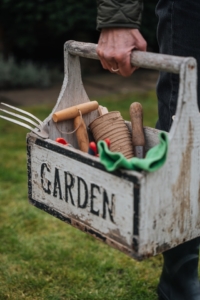
old garden tools

2. Check Your Supplies

Just like gathering fresh notebooks and sharpened pencils, gardeners should review their tools. Replace cracked handles, rusty clippers, or wobbly rakes so nothing slows you down during the season. A little care and preparation now saves frustration later and makes gardening smoother and more enjoyable.
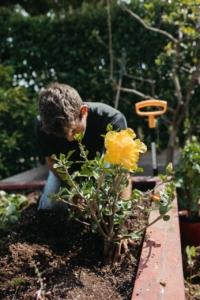
Farmer Nick planting a flowering plant

3. Redefine Your Garden’s Style

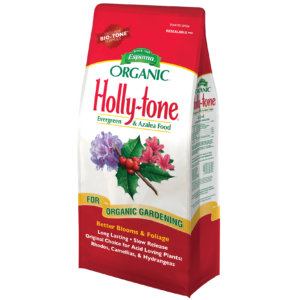
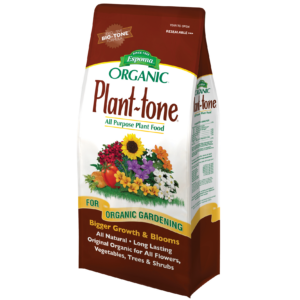
A new season is the perfect time to refresh the look of the garden. Whether the goal is calm and classic or bold and colorful, the right nutrition helps plants live up to their potential. Espoma Organic Plant-tone provides complete, balanced nutrition for a wide variety of plants, while Espoma Organic Holly-tone supports acid-loving favorites such as azaleas, rhododendrons, and hydrangeas. Feeding properly is the simplest way to bring a dream garden style to life.
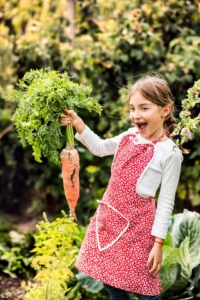
little girl holding a carrot

4. Learn From Last Season

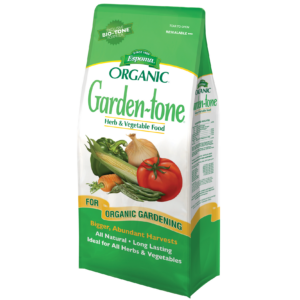
Every garden has its victories and its challenges. Take time to reflect on what thrived and what struggled, then plan for improvement. Espoma Organic Garden-tone is specially formulated for vegetables, helping ensure bigger, tastier harvests season after season. When planting new crops or ornamentals, Espoma Organic Bio-tone Starter Plus gives roots the boost they need to grow stronger and more resilient than before. Each new season builds on last year’s lessons with the right nutrition.
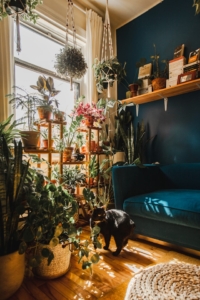
indoor plants

5. Don’t Forget Your Indoor Plants

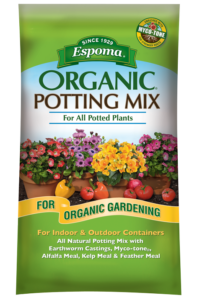
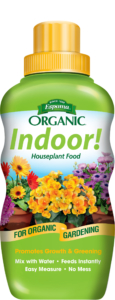
While outdoor gardens take the spotlight, houseplants need care too. Feeding them regularly keeps leaves lush, colors vibrant, and growth steady all year long. Espoma’s Indoor! organic liquid fertilizer makes it easy to give houseplants the nutrition they need with every watering. When repotting, Espoma Organic Potting Mix provides the perfect organic base to keep indoor plants healthy and happy. A thriving indoor garden completes the picture of a gardener’s success.
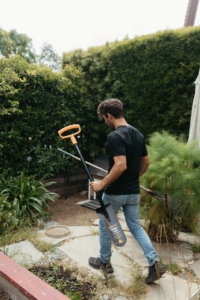
Farmer Nick holding a shovel

6. Sharpen and Shine

Tools are the unsung heroes of every garden. Taking time to clean, sharpen, and maintain them ensures they last longer and work more effectively. Well-maintained tools make every gardening task easier, allowing more energy to be devoted to growing beautiful, thriving plants.
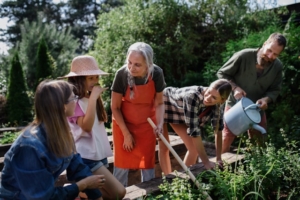
7. Grow Your Community

Gardening is even better when knowledge is shared. One of the most valuable tips to pass along is to start every planting with a quality organic starter fertilizer like Espoma Organic Bio-tone Starter Plus to set roots up for success, and then feed with Espoma Organic Plant-tone throughout the season to keep growth steady and strong. These trusted essentials have been used by generations of gardeners, and passing them along helps the whole community grow stronger together.
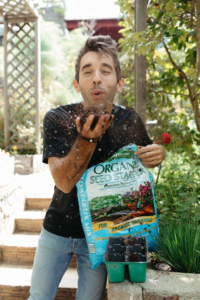
Graduation Time!

Congratulations—you’ve completed your Back-to-Gardening School crash course! Toss those gardening gloves in the air, because the lessons learned here will lead to healthier plants, bigger harvests, and gardens worth celebrating.

At Espoma, teaching organic gardening practices has been a passion since 1929. With products that are safe for people, pets, and the planet, Espoma is here as a mentor and partner on every gardener’s journey. Class dismissed—now go grow with confidence!

Farmer Nick & PlantKids Course 

Looking for a fun way to introduce kids to gardening? Check out our brand partner Farmer Nick’s course, The Adventures of Farmer Nick and Plant! Designed for children ages 4 and up, this 10-episode series inspires a love of gardening and plant science through hands-on lessons. Sometimes silly, always fun, it’s a playful way to spark curiosity and delight both kids and adults alike.

*****

Featured Products:
Espoma Organic Bio-tone Starter Plus Bag Image Espoma Organic Holly-tone Organic Fertilizer for all acid loving plantsEspoma Organic Plant-tone organic fertilizerEspoma Organic Garden-tone Espoma Organic Potting soil Mix Big bag Espoma Raised Bed Mix bag Espoma Organic Land and Sea Espoma Organic Indoor! liquid plant food - Organic fertilizer


Where to Buy


https://www.espoma.com/wp-content/uploads/2016/09/9V2A7296.jpg 1280 853 espoma https://www.espoma.com/wp-content/uploads/2023/05/espoma-logo340w-1.png espoma2016-09-06 12:00:482025-09-12 17:16:48Grab Your Books for a Lesson in Gardening 101

A Seed Ahead: Preserving Tomato Seeds

September 6, 2016/in Blog, Fruits & Vegetables

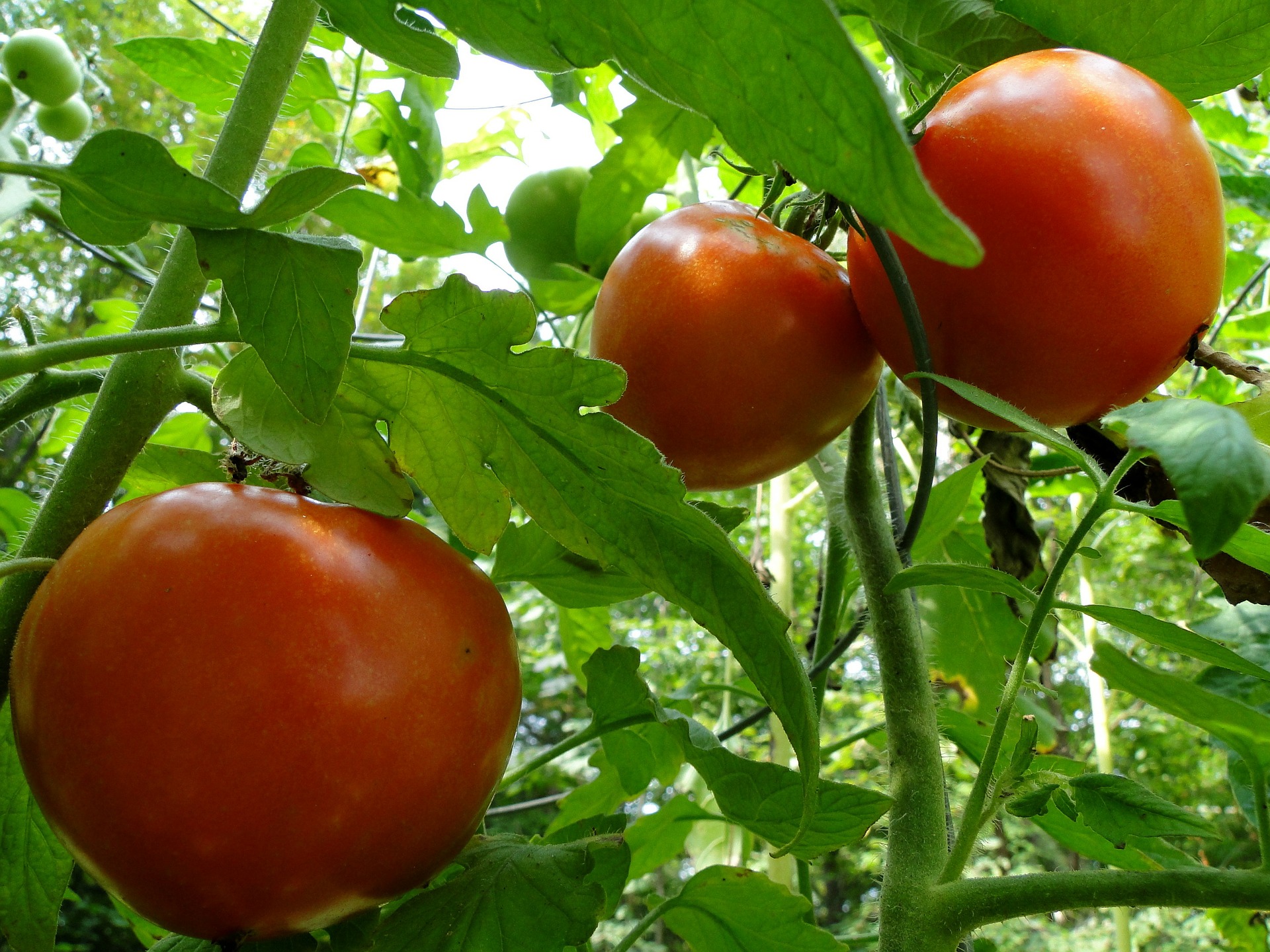
You’ve had a great season tending to your tomato plants! But with the summer winding down and chilly days coming soon, you may be wondering what to do with your tomato plants now.

Get a head start on spring by preserving the seeds from your tomatoes.

Tomato seeds might be available at the store year-round, but saving your own is satisfying and easy. Luckily, September is the perfect time to begin planning for next year!

How do I pick which seeds to preserve?

The general rule of thumb is to only take ‘open-pollenated’ seeds or heirlooms. Hybrid plants often produce sterile seeds. Or, they do not produce seed with the same desirable traits of the parent plant.

Harvest seeds from tomatoes that are healthy and embody the characteristics you’re interested in preserving. For example, you could pick seeds from the juiciest tomatoes, or the ones with the most interesting colors. It’s your choice, but make sure you pick from healthy plants. Unhealthy plants could carry illnesses.

If possible, save seeds from multiple plants.tomatoes-101845_1920

Method 1: Air-dry

This method is pretty simple. Open the tomato and remove the seeds, squeeze them onto a paper towel, wait for the seeds to air dry and then store them in a jar, an envelope or even the same napkin. This method is quick and straightforward.

Method 2: Ferment

It’s not absolutely necessary to ferment your tomato seeds, but fermenting makes it easier to completely separate seeds from the gel that surrounds them. Fermenting also eliminates the bad seeds and reduces the possibility of seed-borne disease for next season.

1. Wash the tomatoes. Slice each in half across the middle (not the end with the stem). Squeeze the seeds and juice into a (labeled) glass or plastic container.

2. Set containers aside when half-full. Place containers in an area that is out of direct sunlight and out of the way, so the fruit flies and odor will not bother you.

3. Let the seeds sit for three to five days or until the surface of the container shows a whitish mold. This is a good thing! The seeds should be floating at this point. In warmer climates, you may need to add some water to keep the seeds afloat.

4. Gently scrape the mold off with a spoon. Do not remove the seeds.

5. Fill the container with water and then stir it. The seeds you want will sink to the bottom.

6. Pour off the excess to remove floating seeds and pulp.

7. Repeat the process until the good seeds, at the bottom, are cleaned.

8. Pour the good seeds into a strainer, then rinse and drain them.

Storage

An airtight container works best for storage. When packaged correctly, tomato seeds remain usable for up to six years!

You can place the seeds in the refrigerator or freezer, but the seeds will last even when stored at room temperature. When you’re ready to use the seeds, if they’ve been chilling in a refrigerator or freezer, let them adjust to room temperature first to prevent excess condensation from creating any damage.

See our guide to growing tomatoes here

Be sure to visit us on our Facebook page or Twitter page and tell us how you plan to preserve your tomato seeds!


Featured Product:


Where to Buy


https://www.espoma.com/wp-content/uploads/2016/02/tomato-650805_19201.jpg 1440 1920 espoma https://www.espoma.com/wp-content/uploads/2023/05/espoma-logo340w-1.png espoma2016-09-06 11:00:522023-09-11 14:15:36A Seed Ahead: Preserving Tomato Seeds

Fall is for Planting: Cool-Season Veggies

August 29, 2016/in Fall Gardening

There is nothing better than the taste of fresh picked produce, except maybe when its fall, and you expected your garden to be put to bed by now!

Even though leaves are starting to change, your organic veggie garden has plenty of time left to produce. Help your fall garden thrive with these four tips from Behnke’s Garden Center.

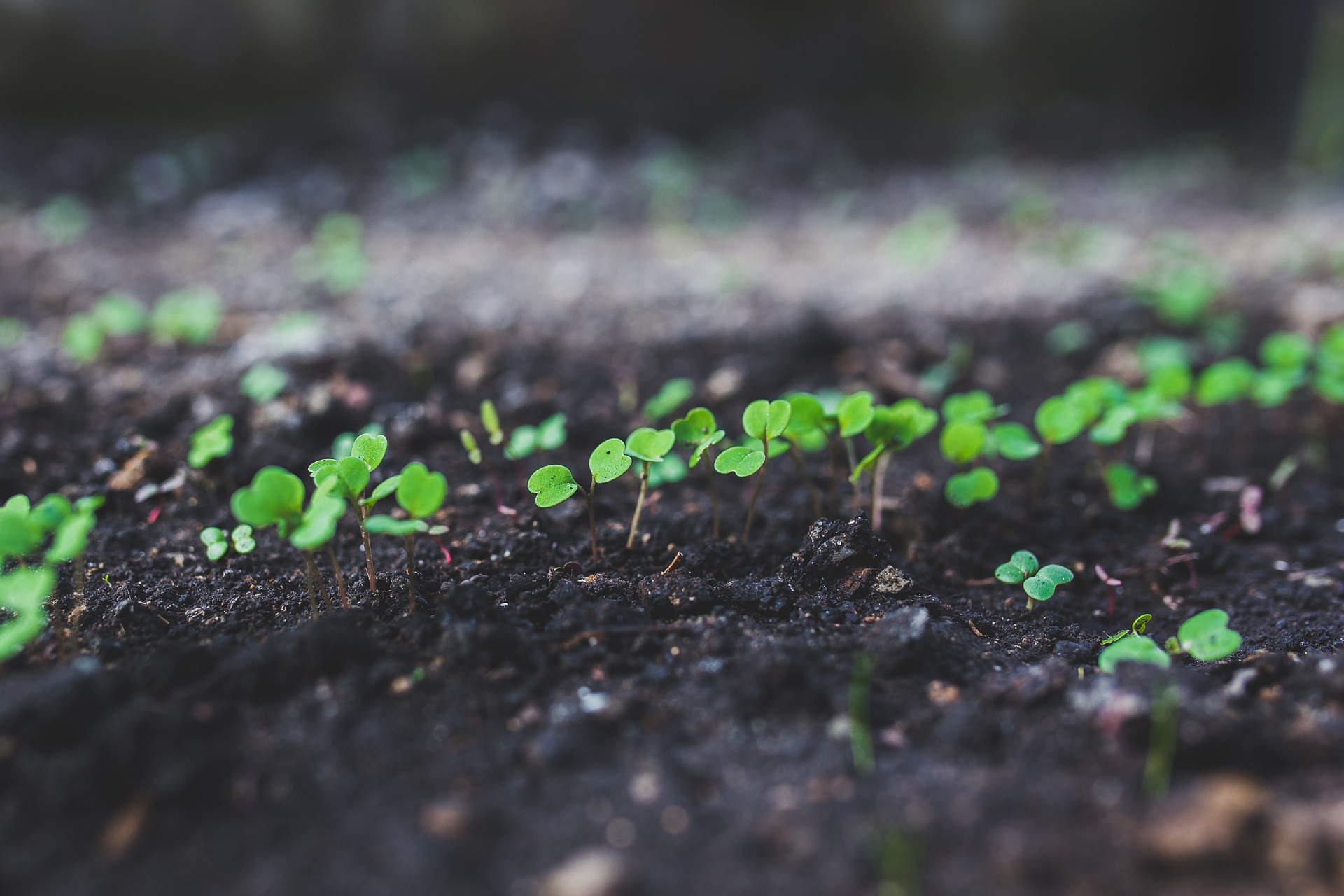
rucola-791380_1920

Fall is For Planting: Four Tips for Growing a Cool-Season Organic Veggie Garden

  1. Start planting. Now is the time to plant fall veggie seedlings. Fast growing, frost-tolerant plants such as broccoli, cabbage, kale, cauliflower, beets carrots, lettuce, spinach and herbs will keep growing even as the temperature drops.
  2. Fertilize. For a bigger harvest, feed veggies monthly with an organic fertilizer. Your soil has been hard at work all summer and is in need of nutrients. Keep your garden growing with a healthy feeding.

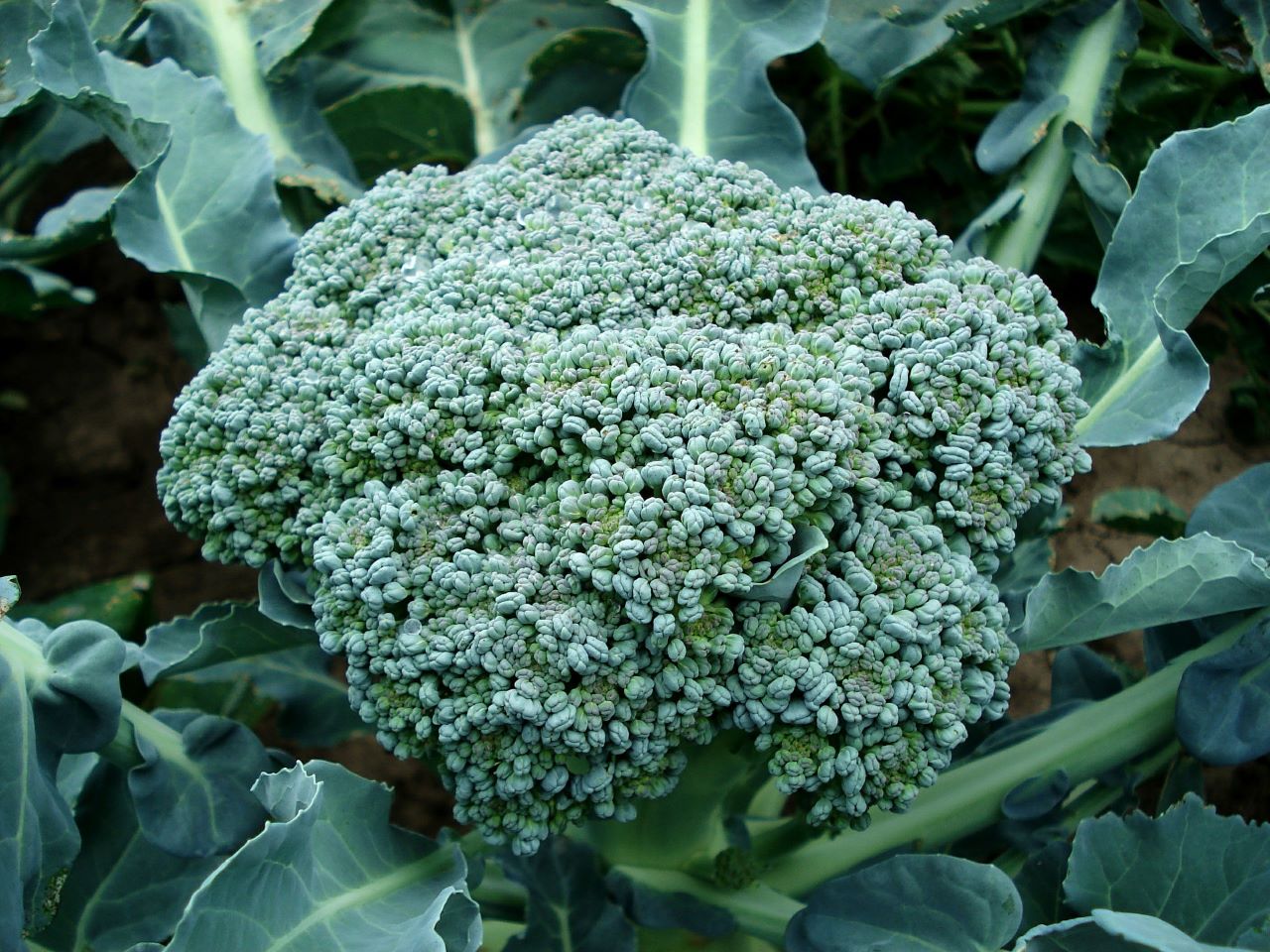
broccoli-494754_1920

  1. Harvest soon. Once your crops start ripening, go out and pick every day. Here’s when to harvest your organic veggies:
  • Lettuce and spinach: Cut outer leaves when young and tender.
  • Kale: Pick when the leaves are as big as your hand.
  • Carrots: Pick when the top of the carrot is 1” wide.
  • Broccoli: Cut broccoli when its head is 4-7” wide.
  • Cauliflower: Cut when its head is 2-3” wide.
  1. Don’t forget to Cover. If frost arrives sooner than expected have a plan to protect your crops from the cold. Water your bed and then cover with a sheet, blanket or tarp. Keep the cover from touching plants with stakes and use bricks to hold it in place. Remove cover when temperatures warm again.

What are you growing in your fall garden? Let us know in the comments!

Behnke Nurseries garden center in Beltsville, MD has provided plants, ceramic pots, and gardening supplies to gardeners since 1930.  Behnke’s offers a very wide selection of perennials, annuals, shrubs, trees and houseplants, and the experienced staff will advise you on the best options for your garden. The Holiday Shop provides a charming Christmas experience and carefully chosen accents for year ’round, while the selection of bonsai by Ducky Hong is unsurpassed.  Behnke’s welcomes gardeners of all levels of expertise: come and learn at their frequent free lectures.

https://www.espoma.com/wp-content/uploads/2016/08/carrot-551661_1920.jpg 1276 1920 espoma https://www.espoma.com/wp-content/uploads/2023/05/espoma-logo340w-1.png espoma2016-08-29 15:29:192019-05-07 10:05:35Fall is for Planting: Cool-Season Veggies

Fall Is the Best Time for Planting

August 23, 2016/in Gardening

Every gardener knows it. Fall is for planting. From the cooler weather and heaps of rain to fewer pests, diseases and weeds, fall has distinct planting benefits.

Throughout the fall we will identify some of the best plants and activities to do in fall. Stay tuned for our expert tips, guest blog posts and giveaway’s.

But in the meantime, learn why planting in fall can make spring gardening much, much easier.

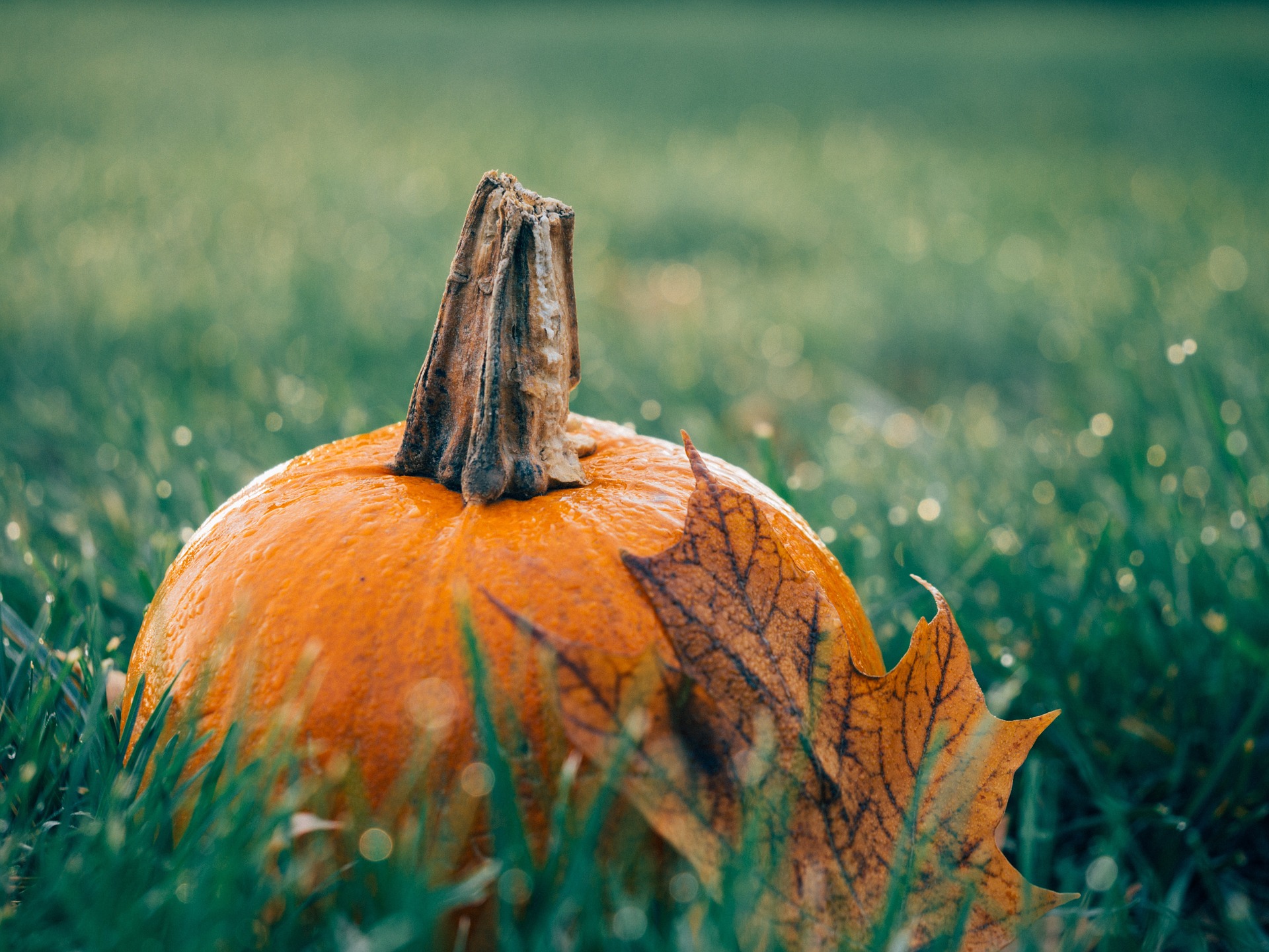
pumpkin-1030817_1920

6 Reasons Why Fall is the Best Time to Garden

1. Work is Easier on Plants… And You

The cooler air temperatures are easier on both plants and gardeners. Neither of you need to suffer through the intense summer heat. Yet, in fall, the soil is still warm enough for roots to thrive. They will grow and get established until the ground freezes.

2. There is More Time in Fall

There are more good days for planting in fall than in spring, when bad weather can make being outside impossible. Plus, you have more free time as a gardener than during the spring rush.

Note: The window for fall planting ends six weeks before your average hard frost, usually September or October.

3. Mother Nature Does the Watering for You

In many regions of the country, fall showers happen often. You might not ever have to water new plantings, which means less maintenance for you. However, due to the cooler temperatures, it’s a cinch to water plants if it doesn’t rain at least 1” per week.

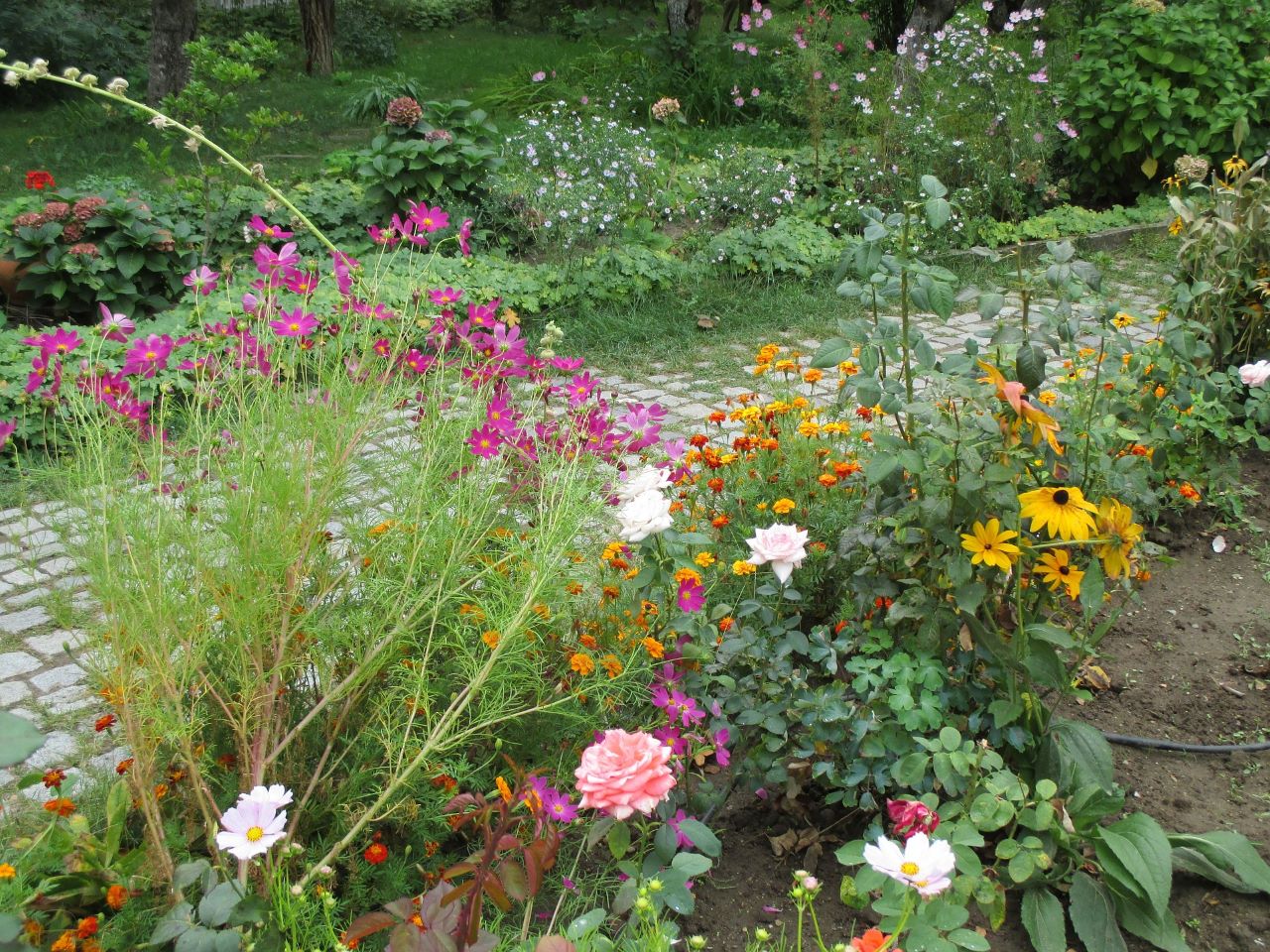
garden-980763_1920

4. Easier Weed Control

In the fall, weed seeds are dormant, i.e., they don’t grow. So any weeds that do grow up in your flowers are easily removed when they first appear as sprouts in spring.

5. Bye-Bye Pests and Diseases

Pests and diseases are less prevalent in the fall. Most of the bugs are either dead or preparing to hibernate in fall. Plus, the humidity that promotes many diseases fades away.

6. Fall Planting Results in Earlier Blooms

Like fall-seeded lawns, fall-planted wildflower seed has a chance to “settle” into your site during the winter, and is ready to burst into growth in early spring. This is why fall-planted wildflower seed is up and in bloom about two weeks earlier than spring-planted seed.

While all of these make compelling reasons to garden in the fall, the season also means bargain time at garden centers. Check back often for the best deals.

Have a picture of your fall garden that you want to share? Drop by our Facebook page!

https://www.espoma.com/wp-content/uploads/2016/08/mums-683924_1920.jpg 1072 1920 espoma https://www.espoma.com/wp-content/uploads/2023/05/espoma-logo340w-1.png espoma2016-08-23 12:00:412019-05-07 10:05:35Fall Is the Best Time for Planting

How to Fertilize Trees

June 14, 2016/in Blog, Espoma Videos, Garden Answer

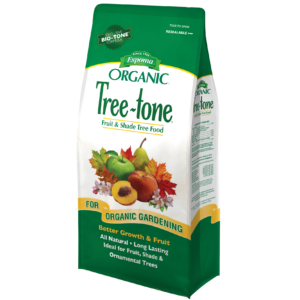
Laura from Garden Answer demonstrates how to fertilize a tree using Espoma’s Tree-tone. The slow release formula provides a long lasting nutrient reservoir to feed the entire tree, leaves, trunk, and roots.

Learn more about Garden Answer here:

Youtube

Website

Facebook

Instagram


Featured Products:


Where to Buy

https://www.espoma.com/wp-content/uploads/2016/06/Tree-Fertilizer-Thumbnail.jpg 720 1280 espoma https://www.espoma.com/wp-content/uploads/2023/05/espoma-logo340w-1.png espoma2016-06-14 13:17:502024-03-06 12:32:30How to Fertilize Trees

Step-by-Step: Prep the Garden for Winter

November 4, 2015/in Fall Gardening

Did you feel that? Jack Frost has flown in for the season. We’ve already felt the first nip of cold weather, which means your garden has, too.

For many, the first frost date arrives in late October or early November.

Help your garden weather the cold this season. Prepare the lawn and garden beds now for an easy, fruitful spring.

Gardening for winter consists mostly of outdoor cleanup, followed by an indoor revival. Cleanup first, though!

winter lawn

Clip, Drip and Equip the Garden before Winter

  • Discard the Deceased. Compost spent annuals and vegetable plants.
  • Protect Perennials. Water perennials (rose bushes included!) once more. Then, after the ground freezes, cut perennials back to 3”, and remove any dead or diseased cane on roses. Finally, mulch.
  • Create a Clean Slate. Remove weeds from garden beds and then create superb soil. Take the soil test and add organic amendments as needed. After a hard freeze, mulch beds.

winter-lawn-care

So Long to the Lawn

  • No More Mow. Stop mowing the lawn once the grass stops growing, usually in late October or early November.
  • Seal the Seed. Reseed bare, thin spots in the lawn.
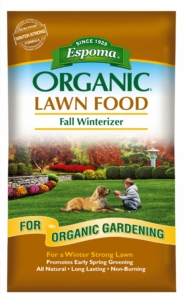
  • Winterize to Win. Apply Espoma’s organic Fall Winterizer to cool-season grasses. This is hands down the year’s most important lawn fertilization!

winter garden tips

Ta-Ta for Now Trees

  • Leave the Leaves. Turn those golden leaves into garden gold by composting them!
  • Bolster the Bark. Feed trees with an organic tree fertilizer, such as Espoma’s Tree-tone for winter sustenance.
  • Stare at the Bare. After the leaves have fallen, examine your tree for weak spots and problems to prevent damage from fallen tree limbs during snow storms.

Your garden’s been put to bed for the winter and will surely sleep soundly. Now, let’s focus on those incredible indoor plants to keep you gardening all winter long.

*****

Featured Products:


Where to Buy

https://www.espoma.com/wp-content/uploads/2015/11/bush-582239_640.jpg 480 640 espoma https://www.espoma.com/wp-content/uploads/2023/05/espoma-logo340w-1.png espoma2015-11-04 14:50:392023-11-13 14:16:47Step-by-Step: Prep the Garden for Winter

Host a Haunted Homegrown Halloween Dinner

October 27, 2015/in Fall Gardening

Round up the whole gang and dress in your best for a spine-chilling, homegrown Halloween meal.

Start by gathering the fruits of your organic fall gardening efforts, or head to your local farmer’s market to see what’s in season.

Boo! Prepare a Spooky and Scrumptious Homegrown Halloween Dinner (Because even goblins and ghouls prefer homegrown on Halloween.)

halloween decor

Scary Snacks. Cook up a few frightful and finger-licking good snacks.

  • Phantom Pumpkin Pudding – Stuffed with yummy cranberry-raisin bread pudding.
  • Cackling Caramel Apples – Use fresh-picked apples for the best taste!
  • Ghouly Goodies – Make with homegrown or local eggs.
  • Midnight Morsels – Dark cheeses and fruits elevate this cheese tray from berry to scary!

Capture

Frightening Feast. All the best fall flavors featured in fangtastic dishes.

  • Witches’ Brew – A cursed homemade cider.
  • Sinister Soup – A terrorific tomato soup.
  • Autumn Arugula Salad – Shadowy colors and supernaturally good squash.
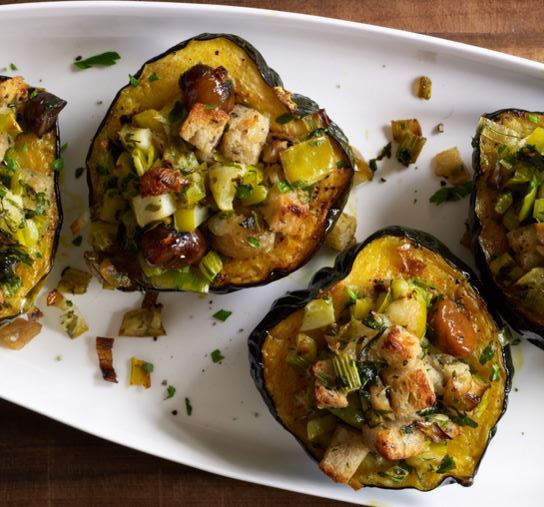
  • Acorn Squash Cauldrons – Overflowing with chestnuts, apples and leeks.
  • Bewitched Brussel Sprouts – Oozing balsamic goodness.

halloween decor

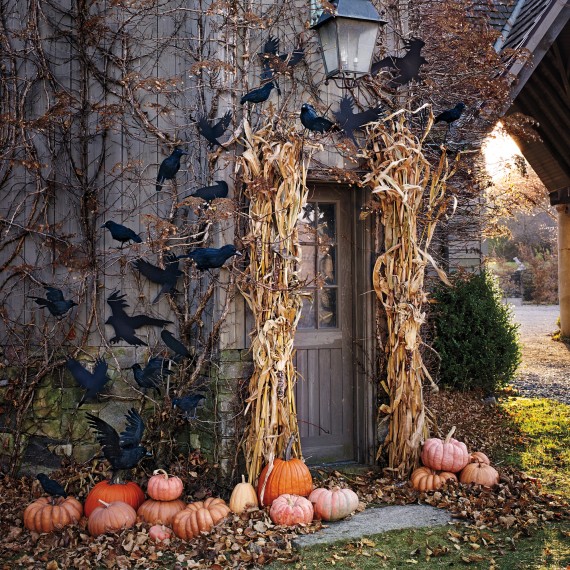
Daring Decor. Use organic and recycled material to create eco-friendly Halloween decor.

  • Stack, scatter and spread pumpkins and gourds inside!
  • Transform old wine bottles into decorative jack-o-lanterns.
  • Add corn stalks and Indian corn.
  • Make a spooky skeleton using recycled milk jugs.
  • Plant paranormal plants in dark containers using organic soil. We’re thinking: spider plants, earth star plants, black orchids and Venus flytraps.

And don’t forget to Post a Pumpkin. Whether you carve, paint or bedazzle your pumpkin, there is still time to show it off in our “Pumpkin Decorating Contest.”

  • To enter, like Espoma on Facebook.
  • Click the Contest Tab and upload a picture of your pumpkin.
  • The photo with the most “likes” on November 3 wins $250. So encourage friends to vote.

Talk about a hoot of a Halloween party! Imagine how much fun your friends and family will find this homegrown Halloween garden dinner!

https://www.espoma.com/wp-content/uploads/2015/10/Capture2.jpg 476 739 espoma https://www.espoma.com/wp-content/uploads/2023/05/espoma-logo340w-1.png espoma2015-10-27 08:32:442024-09-06 13:32:41Host a Haunted Homegrown Halloween Dinner

Keep Your Lawn Strong – Even in the Dead Of Winter

October 20, 2015/in Fall Gardening

If you want a greener lawn in spring, did you know the most important time to organically fertilize your grass is the fall? Most people guess spring!

Learn why a fall fertilizer — or winterizer — is so important and how to correctly apply this organic lawn food.

Winter Lawn Care Essentials: Boost Your Lawn with an Organic Lawn Winterizerwinter lawn care

In the fall and winter, your lawn looks like it’s done growing, but it’s actually flourishing underground. Grass roots are absorbing nutrients so long as the ground isn’t frozen.

Applying a slow-release, organic lawn winterizer supplies your grass with nutrients throughout fall and winter.

A lawn winterizer is simply a food formulated to help your lawn survive winter. Lawn winterizers contain nitrogen to promote thicker, fast-growing grass come spring. This organic, winter fertilizer also possesses potassium to help lawns recover from summer droughts.

In spring, your grass then uses this stored energy to grow greener grass fast — usually by mid-March.

Put Your Lawn to Bed with an Organic Winterizer

  1. Give Your Lawn a Look. Check if you have cool or warm-season grass. Most areas with freezing winters grow cool-season grasses, such as bluegrass, ryegrass or fescue. Southern regions have warm-season grasses, such as Bermuda, Saint Augustine or Zoysia. Only apply winterizer to cool-season grasses. Warm-season grasses do not get fertilized at this time.
  2. Prime Time. Apply an organic lawn winterizer one week after your final mow of the season. Or if it’s easier to remember, apply around the week of Thanksgiving.
  3. Need to Feed. Spread organic fertilizer onto dry grass. Get step-by-step instructions on applying lawn winterizer here.

Applying a lawn winterizer is like wrapping your lawn up in a cozy blanket and presenting a warm cup of soup.  Your lawn stays warm and well-fed during winter, so it can grow back thicker, greener and faster next spring.

Still looking for more info? Check out our Winter Lawn Care Pinterest board?

https://www.espoma.com/wp-content/uploads/2015/10/grass-698649__1801.jpg 177 627 espoma https://www.espoma.com/wp-content/uploads/2023/05/espoma-logo340w-1.png espoma2015-10-20 08:54:582019-05-07 10:08:08Keep Your Lawn Strong – Even in the Dead Of Winter

Score More from Your Organic Fall Garden Crops

October 6, 2015/in Fall Gardening

Organic gardening in the fall always feels like such a treat. Even though the leaves may be changing, your veggie garden is still going strong! While the seasons are transitioning, you’re making the most of every moment — going to football games, bundling up in cozy sweaters, and munching on homegrown produce.

Help your organic garden to produce more veggies than ever this fall with these four tips.

1. Feed to Succeed. Feed your veggies once a month for a bigger, bountiful harvest. This is especially important if you had other crops planted in the same spot earlier. Those crops depleted the garden soil of its nutrients. Luckily, an organic plant fertilizer replenishes the nutrients to keep your produce growing strong.

Step-by-step instructions on adding an organic plant fertilizer here!

2. Pick of the Pack. The more you pick, the more produce you get! Once your crops start ripening, go out and pick every day.

Here’s when to harvest your organic veggies:

  • Lettuce and spinach: Cut outer leaves when young and tender.
  • Kale: Pick when the leaves are as big as your hand.
  • Carrots: Pick when the top of the carrot is 1”
  • Broccoli: Cut broccoli when its head is 4-7”
  • Cauliflower: Cut when its head is between 2-3”

3. A Fresh Feast. Plan your weekly dinners around what’s in harvest in the garden. This is the last hurrah for homegrown meals from the garden, so make the most of it. Of course, save some for winter,

4. Discover the Cover. If the chance of frost arrives earlier than expected, protect your crops. Water and then cover with a sheet, blanket or tarp. Use stakes to keep the cover from touching the plants.

Crunch! How amazing is it that you’re still harvesting veggies from your organic garden in autumn?!

https://www.espoma.com/wp-content/uploads/2015/10/veggies-646107_640.jpg 326 640 espoma https://www.espoma.com/wp-content/uploads/2023/05/espoma-logo340w-1.png espoma2015-10-06 10:13:212019-05-07 10:08:08Score More from Your Organic Fall Garden Crops

See Spot Go. Tricks to Fix Brown Spots in the Lawn

September 23, 2015/in Lawn

At summer’s end, your lawn may begin to look less than stellar.

If your entire lawn is brown, no need to worry. Your grass has gone dormant, which happens during heat waves with little rain. Your lawn should bounce back as soon as the weather cools and rain returns.

The real problem is those random, pesky brown spots in the lawn. Luckily, there’s treatment.

  1. Pup Clean Up. Dog urine is one of the most common causes of brown spots. These small, round patches appear in areas where your dog does his business. Repair these spots with organic gypsum. To avoid future mishaps, train your dog to go only in a certain section of the lawn.
  2. Brown Bares. Some brown spots are actually soil peeking out through bare spots. Now is the time to reseed your lawn to fix bare spots.
  3. Learn from the Burn. Chemical fertilizers when spilled, overused or incorrectly applied cause lawn burns. Dilute by watering. From now on, stick to organic lawn fertilizers. Organic lawn food is safer for you and your pets and more cost-effective in the lawn-term.
  4. H2O Flow. Check your lawn after watering. If the surface stays wet while the soil remains dry, the watering is too frequent and superficial. To fix, water deeply
  5. That Thatch Patch. A thatch layer of more than 1/2” decaying grass prevents water from getting to living grass roots. Break up the thatch with a rake. Then, apply an organic lawn fertilizer.
  6. Know the Mower. A dull mower blade tears grass, causing brown spots. So, sharpen your mower blades every fall and spring. Also, if your mower blades are too low, you’re scalping the lawn. Avoid more brown spots by never cutting off more than 1/3 of the grass’s current height.

See spot disappear! Those unpleasant brown spots are on their way out! You’re one step closer to a greener, lusher lawn.

https://www.espoma.com/wp-content/uploads/2015/09/lawn-care-643561_640.jpg 423 640 espoma https://www.espoma.com/wp-content/uploads/2023/05/espoma-logo340w-1.png espoma2015-09-23 09:04:482019-05-07 10:08:08See Spot Go. Tricks to Fix Brown Spots in the Lawn
Page 10 of 11«‹891011›
Where to Buy

Get News & Updates

Recent Posts

  • VIDEO: A Formal Garden Tour with Summer Rayne Oakes
  • VIDEO: Repotting in the Greenhouse with Garden Answer
  • VIDEO: How to Winterize Your Chicken Coop with Summer Rayne Oakes
  • VIDEO: Planting Spring Bulbs in Containers 🪴🌷 with Summer Rayne Oakes
  • VIDEO: Planting the Last Bulbs of the Season with Garden Answer

Tags

All-Purpose Potting Mix bio-tone Bio-tone Starter Bio-tone Starter Plus Cactus Mix caring for houseplants Container Gardening DIY project Espoma espoma grown espoma organic Espoma Organics Espoma Video fall gardening Family fert flower garden flowers garden Garden Answer Gardening gardening tips gardens grow holly-tone houseplants Indoor! indoor gardening indoor plants Kaleb Wyse organic organic fertilizer Organic Gardening organic plant food Organic Potting Mix Outdoor Gardening Planting plants Potting Mix potting soil Spring Gardening summer rayne oakes vegetable garden Vegetable Gardening Wyse Guide

Espoma. A Family Tradition Since 1929.

Espoma Organic logo
  • Espoma Dealer
  • Espoma Pro
  • Garden Club
  • Privacy Policy

Scroll to top