Espoma Organic
  • Products
    • Close
    • Product Line Overview
    • Plant food finder
    • Garden Fertilizers
    • Potting Soils
    • Lawn Fertilizers
    • Liquid Fertilizers
    • Single Ingredients
    • Conventional Plant Foods
    • Animal Care Products
  • Where to Buy
  • Our Story
    • Close
    • Our Story
    • Locations
    • Historical Timeline
    • Our Commitment
    • Directions
    • Solar
    • Join our Team
    • Espoma Brand Partners
  • Learn
    • Close
    • Espoma Blog
    • FAQ’s
    • Pocket Guide
    • Espoma Guides
    • Garden Clubs
    • Safe Paws Lawn
    • PRODUCT FACT SHEETS
    • Fertilizer Fundamentals
      • Close
      • Understanding Plant Nutrition
      • Reading Labels
      • Choosing the Right Type of Fertilizer
      • Terms & Definitions
    • Gardening Projects
    • Resource Links
  • Contact Us
  • Menu Menu

Tag Archive for: Container Gardening

Grab Your Books for a Lesson in Gardening 101

September 6, 2016/in Blog, Fall Gardening

Back to Gardening School: A Fresh Start for Your Garden

Remember the excitement of a new school year? Fresh notebooks, a backpack ready for adventure, and the feeling that anything was possible. That same sense of renewal is waiting in the garden this season.

Whether you’re just starting out or brushing up on your skills, it’s the perfect time to get back to the basics. Sharpen those tools (and pencils) and let’s head to Gardening School.
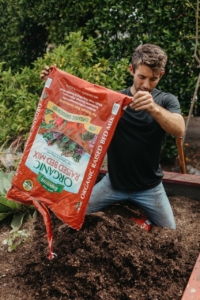
Farmer Nick dumping Espoma Raised bed Mix into a raised garden bed

1. Build a Strong Foundation

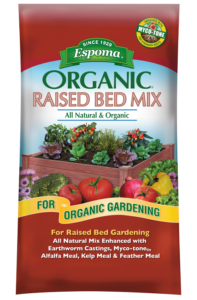
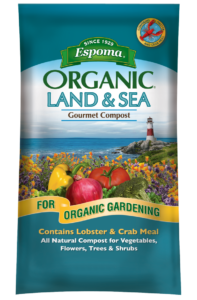
Every successful garden begins with healthy soil. Start with a quick soil test to understand what nutrients your garden may be missing, then build from there. For raised beds, fill them with a rich blend of natural ingredients—like those in Espoma Organic Raised Bed Mix—to create the perfect growing environment. Adding an organic compost such as Espoma Organic Land & Sea Gourmet Compost further improves soil structure, boosts moisture retention, and encourages healthy microbial activity. For container plantings, Espoma Organic All-Purpose Potting Mix provides the ideal balance of drainage and organic matter to keep roots thriving. And whenever new plants go in the ground, a starter fertilizer like Espoma Organic Bio-tone Starter Plus helps them establish quickly by supporting strong, resilient root growth. With the right foundation beneath the surface, the garden above will flourish.
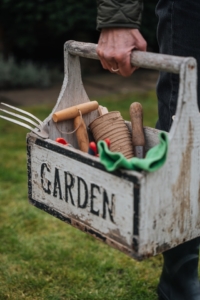
old garden tools

2. Check Your Supplies

Just like gathering fresh notebooks and sharpened pencils, gardeners should review their tools. Replace cracked handles, rusty clippers, or wobbly rakes so nothing slows you down during the season. A little care and preparation now saves frustration later and makes gardening smoother and more enjoyable.
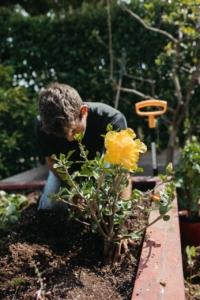
Farmer Nick planting a flowering plant

3. Redefine Your Garden’s Style

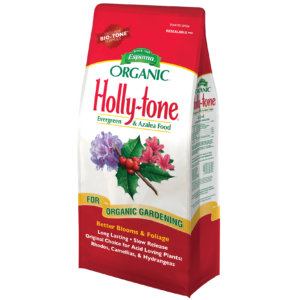
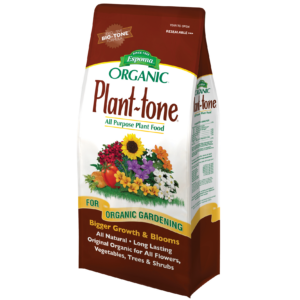
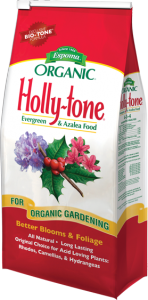
A new season is the perfect time to refresh the look of the garden. Whether the goal is calm and classic or bold and colorful, the right nutrition helps plants live up to their potential. Espoma Organic Plant-tone provides complete, balanced nutrition for a wide variety of plants, while Espoma Organic Holly-tone supports acid-loving favorites such as azaleas, rhododendrons, and hydrangeas. Feeding properly is the simplest way to bring a dream garden style to life.
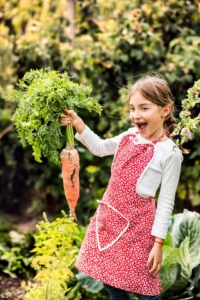
little girl holding a carrot

4. Learn From Last Season

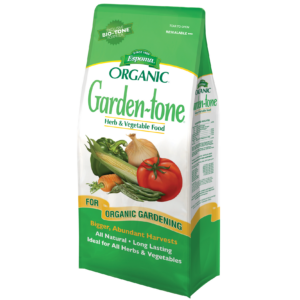
Every garden has its victories and its challenges. Take time to reflect on what thrived and what struggled, then plan for improvement. Espoma Organic Garden-tone is specially formulated for vegetables, helping ensure bigger, tastier harvests season after season. When planting new crops or ornamentals, Espoma Organic Bio-tone Starter Plus gives roots the boost they need to grow stronger and more resilient than before. Each new season builds on last year’s lessons with the right nutrition.
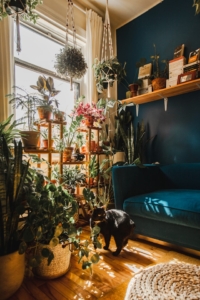
indoor plants

5. Don’t Forget Your Indoor Plants

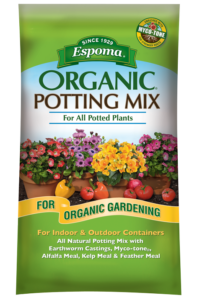
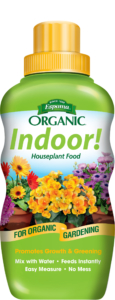
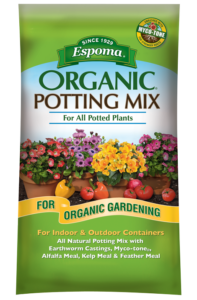
While outdoor gardens take the spotlight, houseplants need care too. Feeding them regularly keeps leaves lush, colors vibrant, and growth steady all year long. Espoma’s Indoor! organic liquid fertilizer makes it easy to give houseplants the nutrition they need with every watering. When repotting, Espoma Organic Potting Mix provides the perfect organic base to keep indoor plants healthy and happy. A thriving indoor garden completes the picture of a gardener’s success.
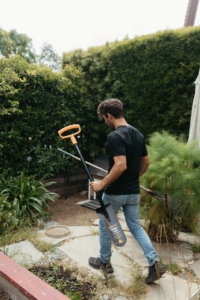
Farmer Nick holding a shovel

6. Sharpen and Shine

Tools are the unsung heroes of every garden. Taking time to clean, sharpen, and maintain them ensures they last longer and work more effectively. Well-maintained tools make every gardening task easier, allowing more energy to be devoted to growing beautiful, thriving plants.
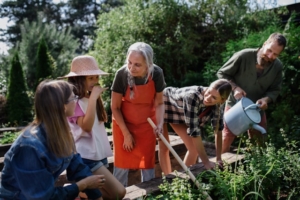
7. Grow Your Community

Gardening is even better when knowledge is shared. One of the most valuable tips to pass along is to start every planting with a quality organic starter fertilizer like Espoma Organic Bio-tone Starter Plus to set roots up for success, and then feed with Espoma Organic Plant-tone throughout the season to keep growth steady and strong. These trusted essentials have been used by generations of gardeners, and passing them along helps the whole community grow stronger together.
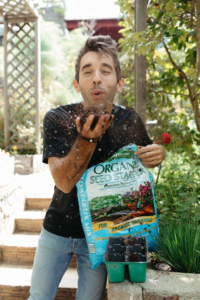
Graduation Time!

Congratulations—you’ve completed your Back-to-Gardening School crash course! Toss those gardening gloves in the air, because the lessons learned here will lead to healthier plants, bigger harvests, and gardens worth celebrating.

At Espoma, teaching organic gardening practices has been a passion since 1929. With products that are safe for people, pets, and the planet, Espoma is here as a mentor and partner on every gardener’s journey. Class dismissed—now go grow with confidence!
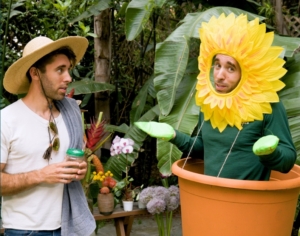
Farmer Nick & PlantKids Course 

Looking for a fun way to introduce kids to gardening? Check out our brand partner Farmer Nick’s course, The Adventures of Farmer Nick and Plant! Designed for children ages 4 and up, this 10-episode series inspires a love of gardening and plant science through hands-on lessons. Sometimes silly, always fun, it’s a playful way to spark curiosity and delight both kids and adults alike.

*****

Featured Products:
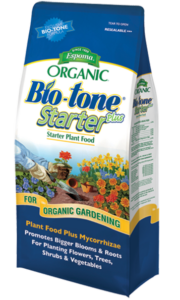
Espoma Organic Bio-tone Starter Plus Bag Image Espoma Organic Holly-tone Organic Fertilizer for all acid loving plantsEspoma Organic Plant-tone organic fertilizerEspoma Organic Garden-tone Espoma Organic Potting soil Mix Big bag Espoma Raised Bed Mix bag Espoma Organic Land and Sea Espoma Organic Indoor! liquid plant food - Organic fertilizer


Where to Buy


https://www.espoma.com/wp-content/uploads/2016/09/9V2A7296.jpg 1280 853 espoma https://www.espoma.com/wp-content/uploads/2023/05/espoma-logo340w-1.png espoma2016-09-06 12:00:482025-09-12 17:16:48Grab Your Books for a Lesson in Gardening 101

How to Plant Fruits and Veggies in Containers

July 14, 2016/in Espoma Videos

Short on space? Grow fruits and vegetables in galvanized buckets! Laura from Garden Answer shows you how to plant the perfect companion plants for containers. Try zucchini, peppers, tomatoes and marigolds or raspberries with strawberries.

https://www.espoma.com/wp-content/uploads/2016/04/raspberry-368159_1920.jpg 1280 1920 espoma https://www.espoma.com/wp-content/uploads/2023/05/espoma-logo340w-1.png espoma2016-07-14 13:01:262019-05-07 10:05:36How to Plant Fruits and Veggies in Containers

Container Garden Tip: Extend Summer Color! 🌸

May 31, 2016/in Blog, Flowers

4 Tips to extend the life of containers for a summer of color.


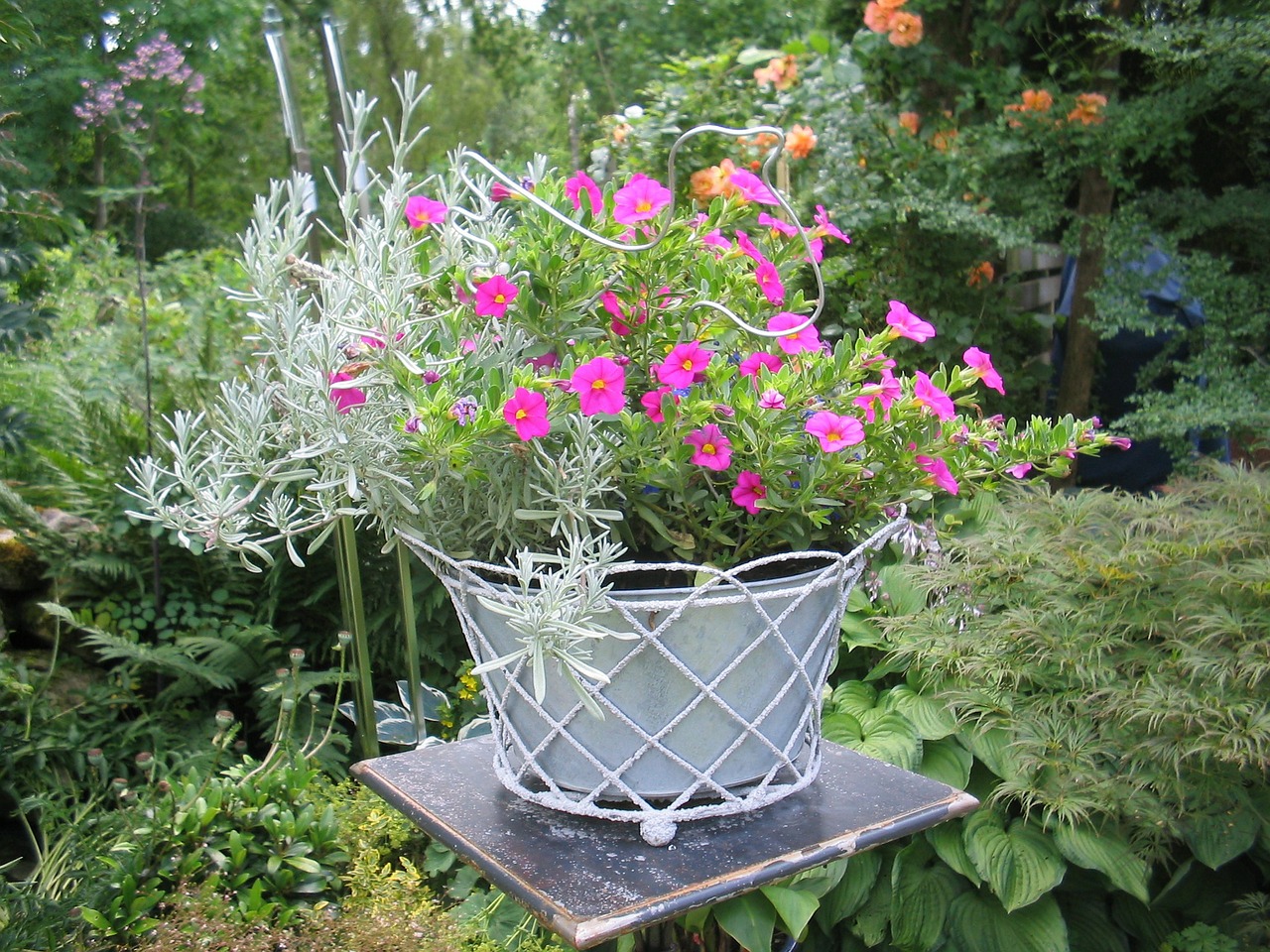
Containers filled with bright blooms are great additions to any patio, yard, or landscape. Containers help add beautiful pops of color and are easy to maintain with the right care.

Before summer’s heat and dry conditions get the best of them, give containers what they need to extend their life into summer with these 4 easy tips.

liquid fertilizer, potting soil, container gardening

1. Deadhead. Use pruners or shears to snip off dead or dying flowers, stems, and foliage. This is called deadheading. Don’t be afraid to clip stems back a little to encourage new growth. This not only makes the plant look better, it helps encourage more blooms.

Hint: Want even less work? You can always opt for plants that do the deadheading on their own, like Million Bells.

liquid fertilizer, potting soil, container gardening

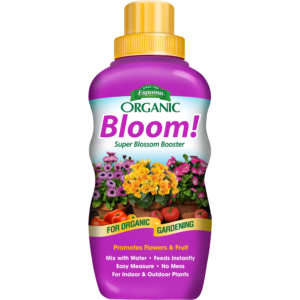
2. Feed. Feed established containers with our Bloom! liquid fertilizer to promote & prolong flowering or sprinkle granular plant food, like Plant-tone, on the soil surface and gently work in and water thoroughly.


3. Water. Containers need to be drenched – generally every day – and make sure to get the roots. Water the container until it pours from the drainage holes. Be sure to empty saucers to keep roots from getting waterlogged.


4. Replace. If all else fails, simply replace the leggy or tired plants in your container garden with late-season bloomers, like ornamental cabbage, coneflowers or sedum.

Now that your containers are taken care of, sit back and enjoy the extra color that will surround you while enjoying the beauty and warmth of summer!

*****

Featured Products:


Where to Buy

https://www.espoma.com/wp-content/uploads/2016/05/plants-252104_1920.jpg 1440 1920 espoma https://www.espoma.com/wp-content/uploads/2023/05/espoma-logo340w-1.png espoma2016-05-31 08:00:162025-08-26 14:50:43Container Garden Tip: Extend Summer Color! 🌸

Spruce Up Your Garden Before Memorial Day Weekend

May 25, 2016/in Flowers

As the official kickoff to summer, Memorial Day weekend is the perfect excuse to tidy up the garden. So before you bring out your red, white and blue and get ready for the summer season, spend a little time cleaning up around the yard.

And yes, Memorial Day may be the start of summer fun, let’s not forget the real reason behind the holiday and thank our veterans.

This federal holiday, observed the last Monday of May, honors those who’ve died serving in our country’s armed forces. Formerly known as Decoration Day, the holiday originated after the Civil War to commemorate both Union and Confederate soldiers who died in the war.

Take some time and  follow these simple, inexpensive and necessary gardening tips to get your yard in tiptop shape.

liquid fertilizer, potting soil, container gardening

Five Ways to Spruce Up:

CLEAN.

It’s not the prettiest task but it is one that can have the most impact. First, give lawns a nice clean cut and trim. Next, rake leaves out of garden beds and borders. Shred or leave them whole and place in a compost pile. Finally, remove tools, debris and the uncoiled hose that may be sitting on the patio.

liquid fertilizer, potting soil, container gardening

WEED.

Another task that’s low on the fun list, but necessary for a clean yard is weeding. Pull any weeds and discard. Do not compost weed seeds.

MULCH.

Adding fresh mulch to the garden makes everything look clean. Mulch with shredded bark, compost or other biodegradable mulch.

FEED.

Now is a good time to apply the second application of your annual feeding program for your lawn. It’s also a good time to give your plants a boost with liquid fertilizer Bloom! to ensure they’re looking their prettiest and peppiest for the party.

liquid fertilizer, potting soil, container gardening

DECORATE.

Colorful flowers do a world of wonder for a garden. Buy annuals and plant them along borders. Choose heat-loving flowers that will bloom all summer. Decorate with colorful containers and place by front door and at focal points. Putting a few plants out around the patio will really set the mood.

Have a safe and happy Memorial Day weekend! If you used any of our tips, let us know! Share your pictures with us on our Facebook page!

https://www.espoma.com/wp-content/uploads/2016/05/shed-418570_1920.jpg 1280 1920 espoma https://www.espoma.com/wp-content/uploads/2023/05/espoma-logo340w-1.png espoma2016-05-25 07:00:172024-08-19 11:33:04Spruce Up Your Garden Before Memorial Day Weekend

Small but Mighty – How to Grow Hydrangeas in Containers

May 12, 2016/in Flowers

When we picture hydrangeas — with their larger-than-life blooms and immense foliage — we naturally envision large plants. Believe it or not, though, hydrangeas come in not one, not two, but three sizes!

No matter how much space you have, find the perfect-sized hydrangea for you. You can even grow hydrangeas in a container.

hydrangea care, hydrangea color, growing hydrangas

Minimal Size, Maximum Blooms! Tips for Growing Hydrangeas in Containers

1. Small Has It All. Pick a hydrangea that will thrive in your small space. Dwarf varieties are petite beauties that pack a powerful punch. Scroll through our Hydrangea Variety Guide to find the right dwarf hydrangea for you. Then, find a spot that matches the amount of light they need.

2. Big, Bold and Full of Holes. Select a pot or re-purpose a container to make a statement. Just make sure it has drainage holes.

3. Solid Gold Soil. Hydrangeas need well-draining soil to thrive, so select a high-quality, organic potting soil Bonus points if it has Myco-tone™ mycorrhizae, which uses 30 percent less water than other soils.

hydrangea care, hydrangea color, growing hydrangas

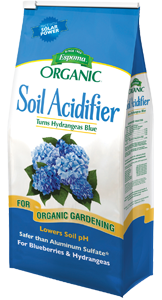
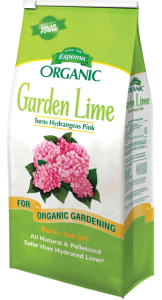
4. Plant with Power. If you want to grow blue hydrangeas, mix in Espoma Organic Soil Acidifier. For pink hydrangeas, add Espoma’s Organic Garden Lime. If you have it, add compost! Then fill planter with potting soil, and plant the hydrangea at the same height it was previously growing.

5. Establish Essentials. When growing hydrangeas in containers, water when the top 1” of soil is dry — or when the hydrangea begins to wilt. For best hydrangea care, feed once a year around June or July with an organic fertilizer. If you want a blue hydrangea color, feed with Holly-tone.

Small space, big blooms! Just think of how lovely your hydrangeas will look glistening in the sun at your Memorial Day party or twinkling in the moonlight during summer garden parties!

To learn more about hydrangeas, check out our organic growing guide. Find the right hydrangea for you by choosing one that loves sun, blooms all summer or is perfect for beginners.

Guide to Growing Hydrangeas Here

Featured in this post:


Espoma Holly-tone


Where to Buy
https://www.espoma.com/wp-content/uploads/2016/05/hydrangeas-759640_1920.jpg 1271 1920 espoma https://www.espoma.com/wp-content/uploads/2023/05/espoma-logo340w-1.png espoma2016-05-12 08:00:592022-04-13 11:18:06Small but Mighty – How to Grow Hydrangeas in Containers

DIY Vegetable Pallet Planter from Garden Answer

April 19, 2016/in Container Gardening


This DIY veggie pallet planter, made by Laura from Garden Answer, is a great upcycled vertical planter idea. Laura shows how you can grow lettuce and flower in a small space using Espoma organic potting soil and organic fertilizer.

https://www.espoma.com/wp-content/uploads/2016/04/Capture.jpg 345 659 espoma https://www.espoma.com/wp-content/uploads/2023/05/espoma-logo340w-1.png espoma2016-04-19 10:50:112019-05-07 10:06:22DIY Vegetable Pallet Planter from Garden Answer

Grow Scrumptious Tomatoes in Easy Containers

April 19, 2016/in Fruits & Vegetables

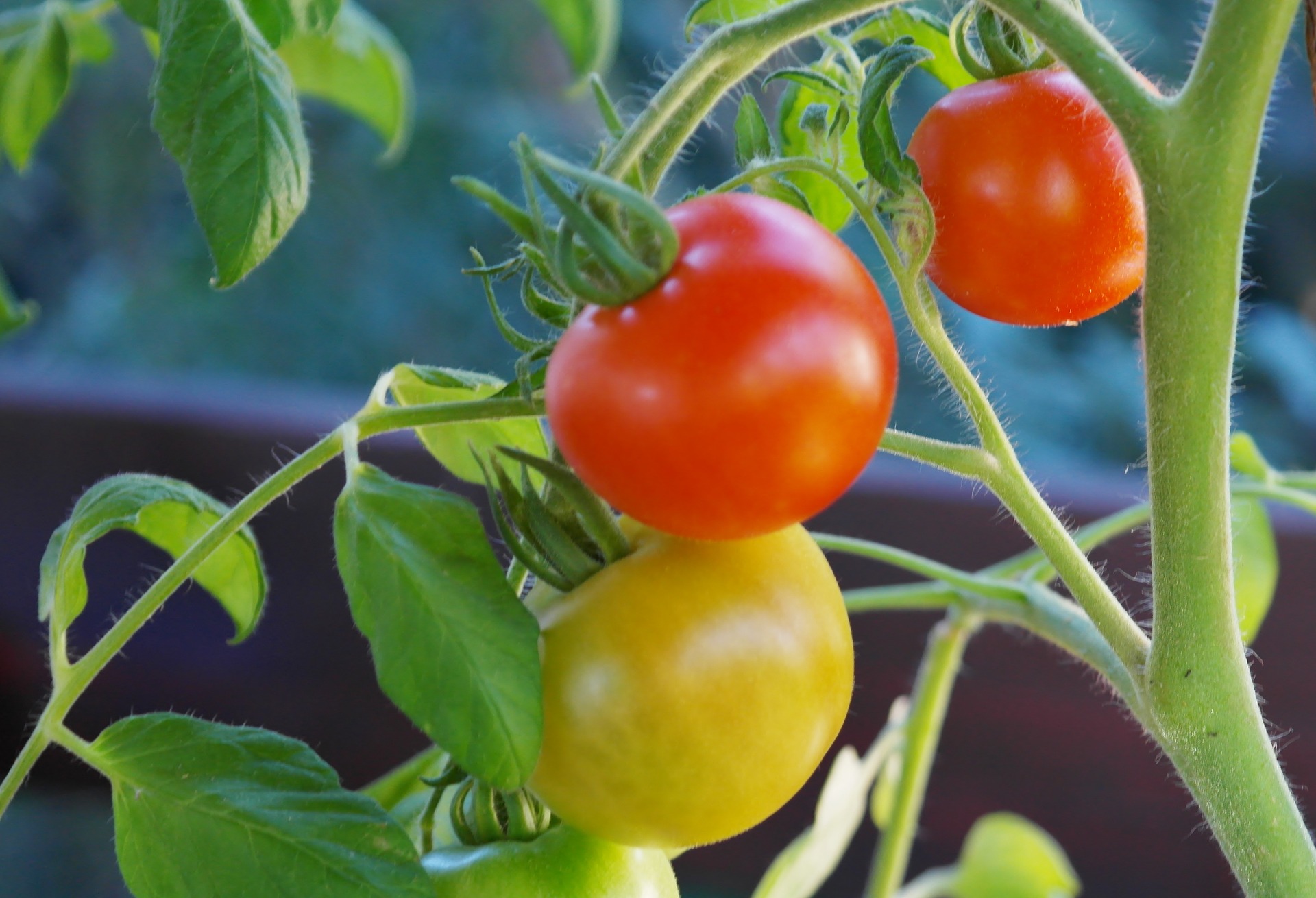
True love is biting into a juicy tomato you’ve just picked off the vine. Even if space is limited, you can still grow delicious tomatoes in pots.

Tomatoes grown in portable containers are just as tasty and satisfying as garden grown. Plus, containers are versatile and can easily be moved from one spot to another to suite your gardening needs.

It takes just a few minutes to plant and maintain for a summer of delicious fruit.

tomato-tone, growing tomatoes, organic gardening

Make Space for Tomatoes with These Easy Planting Tips

Growing tomatoes in containers is easy. Tomatoes just need soil, sun and a little care.

Whether you live in an apartment or farm, containers are the perfect solution when space is limited or soil is tough to work.

1. Start by choosing a sunny patio, driveway, walkway, stairway or deck. Tomatoes need 6-8 hours of full sun a day.

2. Pick a pot big enough for your variety. A container 18 inches or larger in diameter with drainage holes will work. Tomatoes can grow 6-8 feet tall and 2 feet across. Place drainage material (like gravel) in the bottom of the pot before you add soil to provide air pockets so roots don’t drown.

3. Select the right tomato variety for containers. While any variety will perform, determinate varieties such as Patio Princess, Baxter’s Bush cherry tomato and Balcony are great choices.

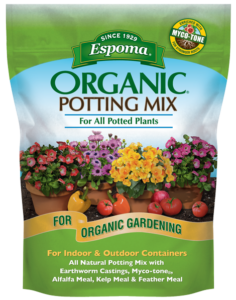
4. Fill container 3/4 full with Espoma’s organic potting mix.

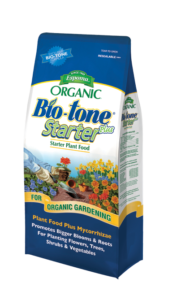
5. Add an organic starter plant food, such as Bio-tone Starter Plus, to keep roots strong.

6. Moisten mix slightly.

7. Add tomato plants. Sit the plant in the hole so its lowest leaves are below the soil level. Pinch off lower leaves.

8. Fill with potting soil.

9. Mix compost into the top few inches of your container.

10. Place container in a sunny spot that’s easy to access so you can regularly monitor plants.

11. Water tomatoes generously for the next few days. Then, give tomatoes about 2” of water at their base each week.

12. Add stakes or cages to your container to keep tomatoes from growing out of control and to help prevent diseases.

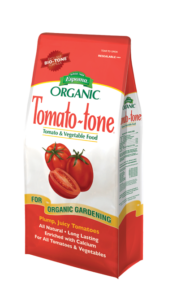
In addition to watering, feed tomatoes with Espoma’s Tomato-tone every other week. Organically fertilizing tomatoes with Tomato-tone produces larger, plumper tomatoes all season.

See our guide to growing tomatoes here


Where to Buy

https://www.espoma.com/wp-content/uploads/2016/04/tomato-999110_1920.jpg 1279 1920 espoma https://www.espoma.com/wp-content/uploads/2023/05/espoma-logo340w-1.png espoma2016-04-19 08:00:202022-04-12 09:56:24Grow Scrumptious Tomatoes in Easy Containers

The Best Blueberries to Grow in Containers

March 29, 2016/in Fruits & Vegetables

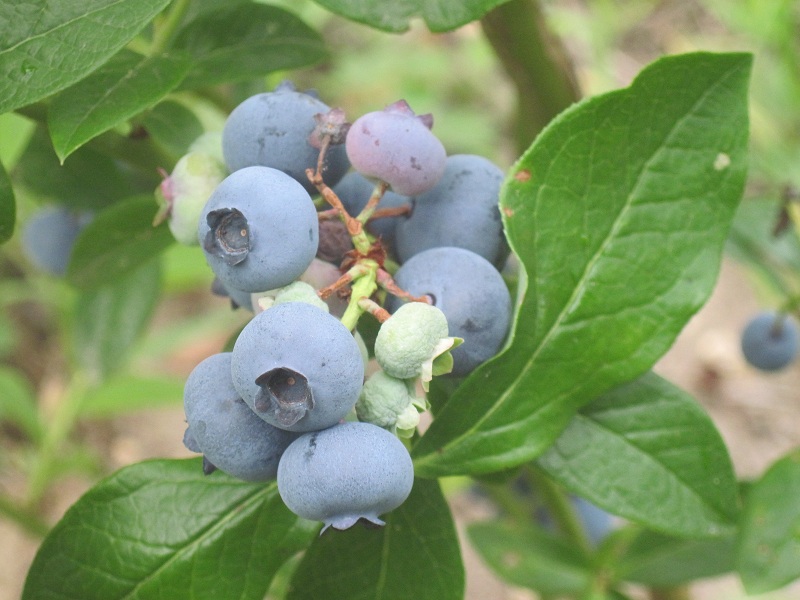
Blueberries are nutritional powerhouses packed with high concentrations of antioxidants that help guard against cancer and heart disease. Just one serving of blueberries serves up almost 25 percent of the recommended daily intake of Vitamin C.

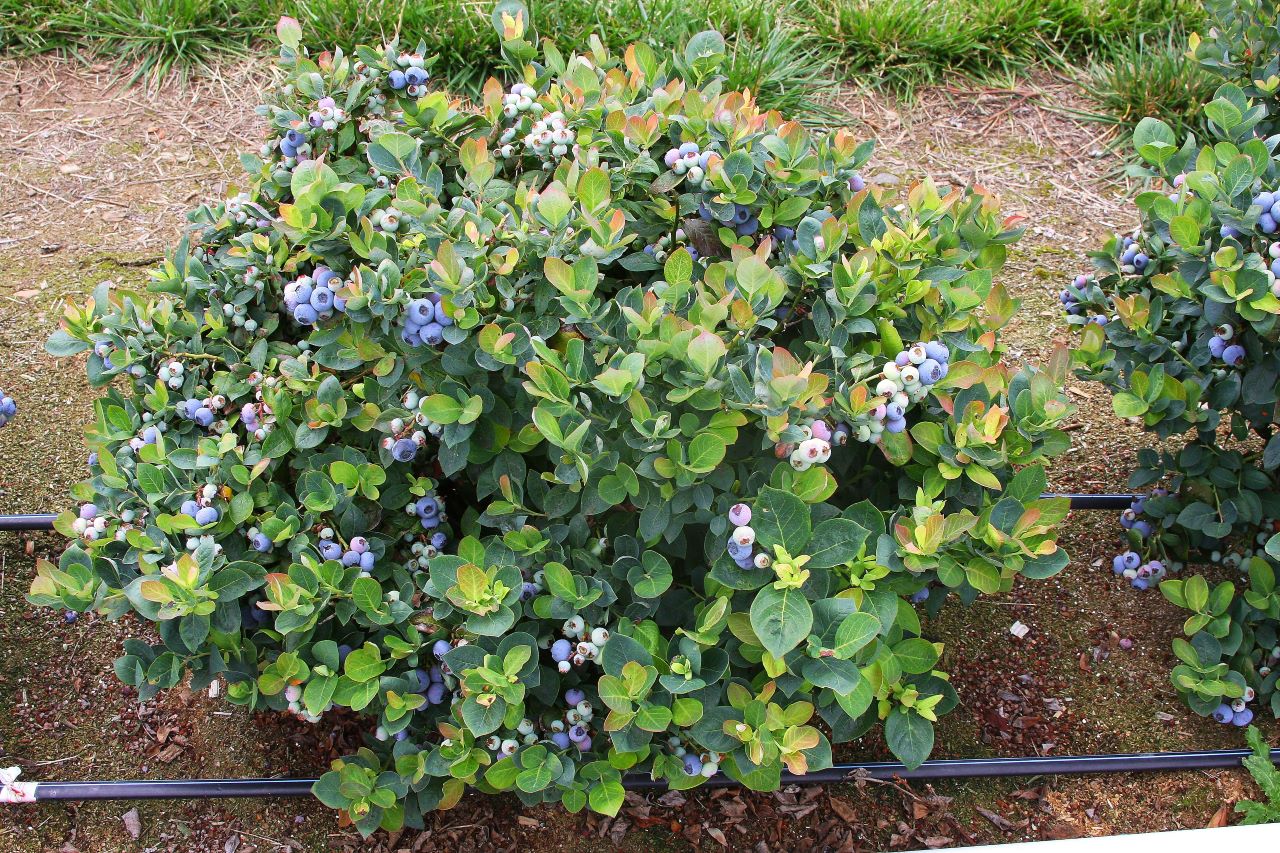
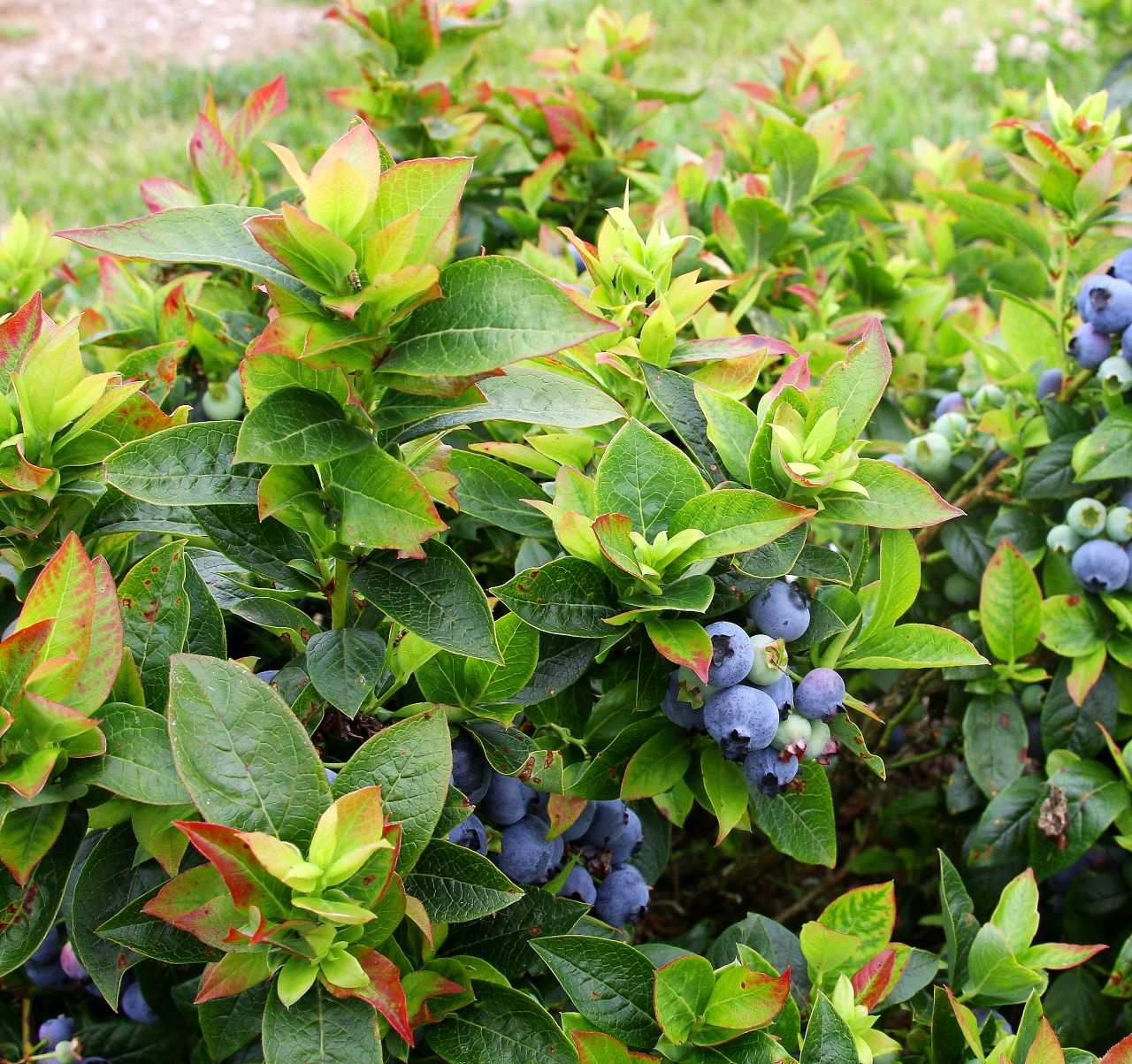
Growing blueberries maximizes small spaces and keeps fresh, nutritious fruit nearby. Even if space is limited, you can still grow blueberries at home. Some blueberry shrubs are the perfect fit for containers on the porch, patio or balcony.

Ought to Pot: The Best Blueberries for Container Gardening

Espoma soil acidifier, Holly-tone, growing blueberries

Photo courtesy of Bushel and Berry™

Bushel and Berry™ Pink Icing – With breathtaking spring and fall foliage and large, sweet berries mid-summer, this gem makes small spaces shine. Plus, these bushes are self-pollinating, so only one bush is needed to produce fruit.

Blueberry Type: Dwarf

Light: Full sun

Size: 3’ H x 4’ W

Zone: 5-10

Chill Hours: 500

Ripening Season: Mid-summer

Taste and Size: Large blueberries with sweet, robust flavor

Yield: Moderate yield

Features:

  • Works well in containers or in landscape
  • Likes acidic soil
  • Beautiful year-round foliage

Espoma soil acidifier, Holly-tone, growing blueberries

Patriot Blueberry – The Patriot puts on a show each season – from striking white blooms in spring to warm, vivid foliage in fall. During summer, you’ll be busy munching on up to 20 pounds of blueberries!

Blueberry Type: Northern Highbush

Light: Full sun

Size: 4-8’ H x 3-5’ W

Zone: 3-7

Chill Hours: 800-1,000

Ripening Season: Early: Mid-End of July

Taste and Size: Large blueberries that taste classically sweet

Yield: High yield, 10-20 pounds of blueberries

Features:

  • Native
  • Cold-hearty
  • Works in the landscape or as a hedge
  • Adapts to various soil types, including heavy or wet soil
Espoma soil acidifier, Holly-tone, growing blueberries, Brazelberries Peach Sorbet

Photo courtesy of Bushel and Berry™

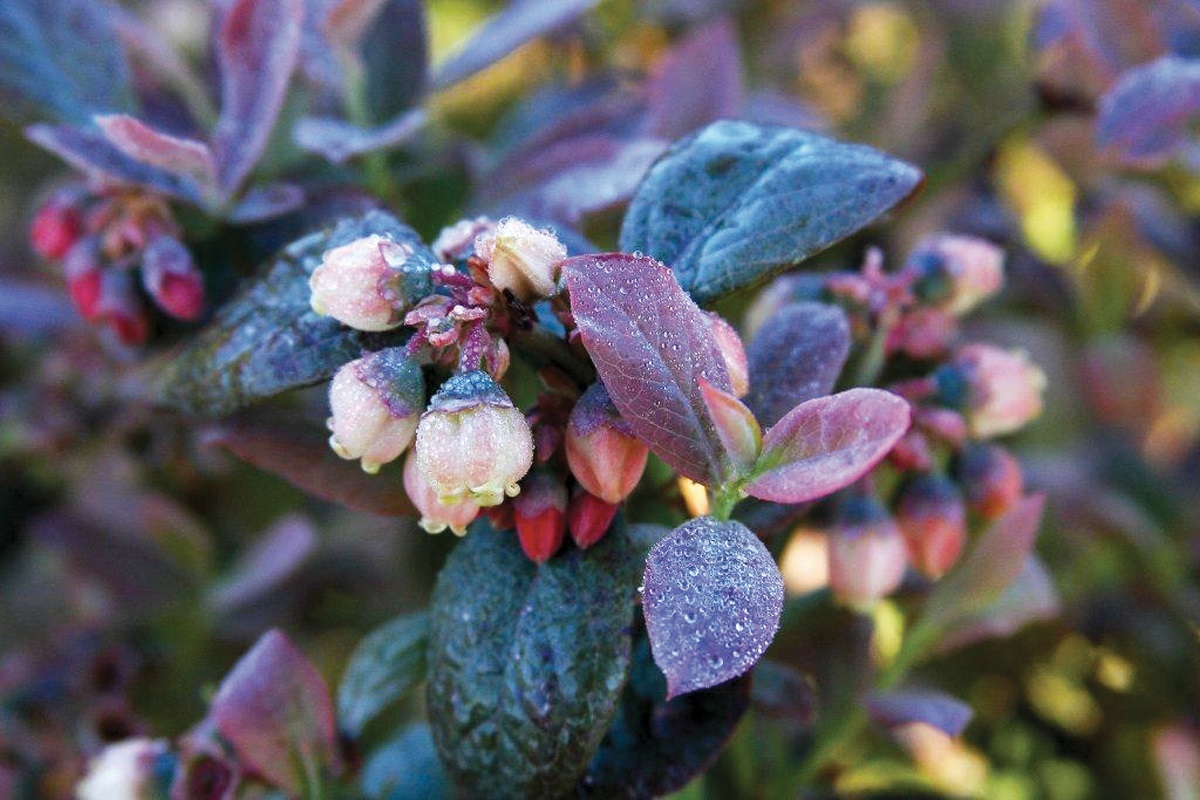
Bushel and Berry™ Peach Sorbet – Full of charm, these compact blueberry plants are four-season showstoppers with stunning leaves ranging from peach to pink to orange to emerald green. Spring’s white, bell-shaped flowers will give way to an abundant summer crop of healthy, sweet blueberries mid-summer.

Blueberry Type: Dwarf

Light: Full sun

Size: 1½’ H x 2’ W

Zone: 5-10

Chill Hours: 300

Ripening Season: Mid-summer

Taste and Size: Medium blueberries with a sweet, tropical essence

Yield: High yield

Features:

  • Works well in containers or in landscape
  • Likes acidic soil
  • Plants keep leaves through winter when the foliage transitions to a rich eggplant purple
Espoma soil acidifier, Holly-tone, growing blueberries

Photo courtesy of Doreen Wynja for Monrovia

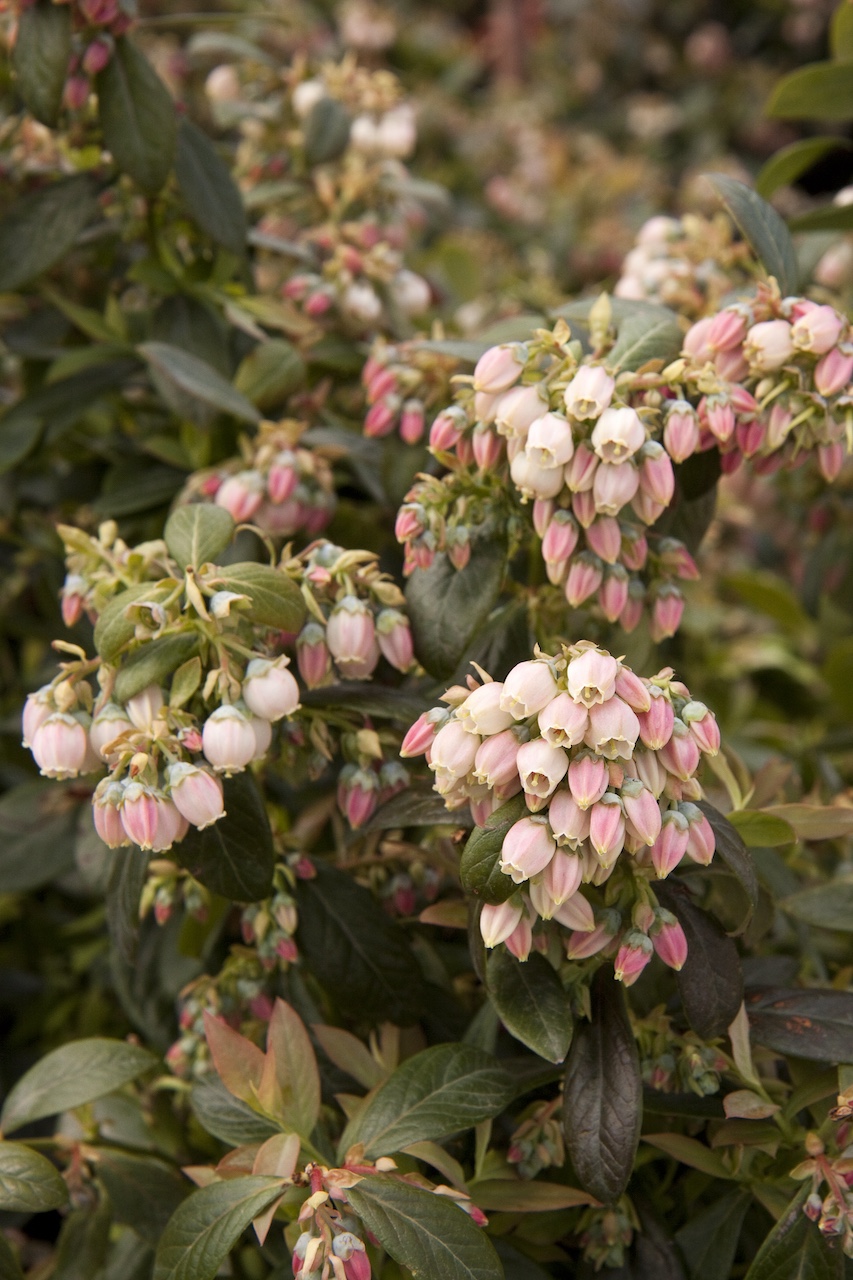
Sunshine Blue Blueberry – These berries are even more nutritious than other blueberries because they’re high in Vitamin P. Another fun attribute of the Sunshine Blue is their hot-pink flowers in spring and blazing red leaves in fall!

Blueberry Type: Southern Highbush

Light: Full sun

Size: 3-4’ H x 3-4’ W

Zone: 5-10

Chill Hours: 150

Ripening Season: Mid-season: End of May-End of June

Taste and Size: Medium blueberries that taste opulent and sweet

Yield: Moderate yield, 5-10 pounds of blueberries

Features:

  • Tolerant of higher soil pH
  • Love the California sunshine and heat
  • Semi-evergreen

Northsky Blueberry – Meet the most cold-hardy blueberry out there. The Northsky can withstand temperatures of -45° and can even bear snow on its branches. In spring, the Northsky produces lots of sweet, white blooms that look absolutely darling.

Blueberry Type: Half-high

Light: Full sun

Size: 2-4 H x 2-3 W

Zone: 3-7

Chill Hours: 800+

Ripening Season: Mid-season: Mid-End of July

Taste and Size: Small, firm blueberries that taste fresh, wild and free

Yield: Small yield, up to 2 pounds of blueberries

Features:

  • Extremely cold-hardy
  • Works in the landscape or as a hedge
  • Elegant burgundy fall foliage
Brazelberries jelly bean, Espoma soil acidifier, Holly-tone, growing blueberries

Photo courtesy of Bushel and Berry™

Bushel and Berry™ Jelly Bean – This blueberry is prolific – producing a bumper crop of large, flavorful blueberries mid-summer with a super sweet flavor like homemade blueberry jelly. Brilliant green new foliage emerges in spring which gives way to darker greens with red hues throughout the summer and fall.

Blueberry Type: Dwarf

Light: Full sun

Size: 1’ H x 2’ W

Zone: 4-8

Chill Hours: 1,000+

Ripening Season: Mid-summer

Taste and Size: Medium to large blueberries with homemade jelly flavor

Yield: High yield, bumper crop

Features:

  • Works well in containers or in landscape
  • Likes acidic soil
  • Beautiful year-round foliage
  • Prune annually during winter dormancy

Looking for more options? To learn more about blueberries, the best tasting berries, how to plant, care for and grow, visit our Organic Blueberry Growing Guide.

https://www.espoma.com/wp-content/uploads/2016/03/Jelly-Bean_in-pot-high-res.jpg 853 1280 espoma https://www.espoma.com/wp-content/uploads/2023/05/espoma-logo340w-1.png espoma2016-03-29 07:00:302019-05-07 10:07:02The Best Blueberries to Grow in Containers

Total Guide to Growing Tomatoes

February 19, 2016/in Vegetable Gardening

Download Total Guide PDF.


For good reason, tomatoes are the popular kid in the garden. Everyone wants to grow them, but not everyone knows how! So we have collected everything we know about tomatoes – from choosing which tomatoes to grow to how to harvest – and put it in one place!

Have success with Espoma’s Total Guide To Growing Tomatoes!

Five questions to ask before growing tomatoes – Know your tomatoes! Answer these five questions before deciding what tomato varieties to grow.

Best Tomato Varieties for Beginners – Depending on what you’re making and where you live, some tomatoes really are better! With more than 7,500 varieties, you have to know exactly what you’re looking for.

Should I grow heirlooms? – Heirloom tomatoes come from seeds that have been handed down from farmer to farmer for generations for their special characteristics and varieties must be 50 years old at least. Because of this, heirloom tomatoes have minimal disease resistance.

Hybrid tomatoes – With over 7,000 varieties, picking the right tomato to grow can seem overwhelming. If you want your tomato to have it all — flavor, disease resistance, texture and more – try modern, hybrid tomatoes.

Non-Red Tomatoes – When growing tomatoes in your organic garden, you probably envision swathes of red. However, tomatoes were not always red. The earliest varieties were yellow and orange.

organic tomatoes

Starting tomatoes from seed – In practically no time at all, you can start tomato seeds. The best way to get a head start on growing tomatoes is to start seeds indoors 4-6 weeks before the last spring frost date in your region.

How to start tomato and pepper seeds indoors – The best way to get a head start on growing tomatoes is to start seeds indoors. Whether you’re growing cherry tomatoes or hot peppers, visit your local garden center to pick up supplies.

How to plant tomatoes – Seeing red tomatoes peek through the green leaves in your garden is a true sign that summer is here. The first harvest of the season provides opportunities to finally try those delicious garden-to-table recipes.

How to Grow Tomatoes in Containers – Laura from Garden Answer demonstrates how to grow tomatoes in planters.

Ensuring soil health – Soil, as you may have thought, is not dirt. Healthy soil is a collection of creatures, minerals and living material that holds water and nutrients like a sponge, making them readily available for plants. To continue to grow big, juicy fruits and vegetables, you need to make sure you’re feeding your soil.

Growing tomatoes in containers – Tomatoes grown in portable containers are just as tasty and satisfying as garden grown. Plus, containers are versatile and can easily be moved from one spot to another to suite your gardening needs.

Growing tomatoes upside down – Laura from Garden Answer demonstrates how to make an upside down tomato planter. She uses Espoma’s new liquid fertilizer to give plants the nutrients they need to grow.

Turn your tomato garden upside down – This summer, put a new twist on growing tomatoes by adding upside-down tomato planters to your organic vegetable garden.

Growing tomatoes  – To pick the tomatoes best for you, decide if you’d like to snack on tomatoes throughout summer. These are known as Indeterminate. Or if you’d like your crop to ripen at once at the end of summer, select determinate.

Companion Planting for Beginners – Find out how to your plants can help each other in this tutorial with Laura from Garden Answer. She’ll walk you through the basics of what it is, how to get started and how she companion plants in her own garden.

organic tomatoes

How to fertilize tomatoes – Tomatoes and peppers have big appetites, so they need plenty of organic food. Since plants get all their nutrients from the soil, their all-you-can-eat buffet runs out quick. Feed them right, and they’ll burst full of fresh produce.

3 Ways to Support Tomatoes – Use tomato cages, wood or metal stakes, or a trellis to give plants extra support. It’s really a matter of preference which one you choose. The most important thing is that you’re keeping plants off the ground to avoid pests, diseases and rot.

How to mulch tomato plants – Add mulch, a natural covering on top of soil, to keep moisture in, block weeds and provide added nutrients.

How to prune tomatoes – Tiny tomato seedlings can vigorously turn into huge bushes in no time. In fact, they’ve even been known to bend cages and pull stakes out of the ground!

What are tomato plant suckers?  – Tomato suckers are small shoots, or leaves, that sprout out from where the stem and the branch of a tomato plant meet. Although relatively harmless to the plant, suckers don’t serve much of a purpose.

How much water do tomatoes need? – When, and how frequently, you should water your tomato plants depends on the variety, size and location.

6 Secrets to Get The Best Tomatoes – Every tomato has the potential to be great and some extra attention now will pay off big time come harvest. Set the stage for a stellar performance by this year’s crops with these tips.

organic tomatoes

Blossom end rot – If a dark, water soaked spot has formed on your tomato you may have blossom-end rot. This problem is likely caused by an imbalance of calcium in the plant.

Tomato woes – How to solve common tomato diseases – If you spot a worrisome sign on your tomatoes, here’s how to identify and fix it – the organic, natural way!

Keep Tomatoes from Cracking and Splitting – Tomatoes split open when the fruit outpaces the growth of the skin — usually after a heavy rain. The bad news: split tomatoes can introduce bacteria into the fruit and cause them to rot.

Protect your plants – 4 common tomato pests – It doesn’t matter if you’re growing hybrids or heirlooms, there are a few pests you don’t want around. Identify harmful pests early before damage is done.

organic tomatoes

Harvesting tomatoes made easy  – Whether you’re cooking, canning, freezing or simply eating your tomatoes raw, you’ll want to pick them at the perfect moment. These harvesting tips will ensure your organic tomatoes are ripe when picked.

Step-by-step Instructions to Can, Save and Preserve Tomatoes  – Preserve tomatoes now to enjoy the sweet rewards of your summer veggie garden long after harvest season is over.

Saving tomato seeds – Tomato seeds might be available at the store year-round, but saving your own is satisfying and easy.

Tomato recipes – Make sure to pick tomatoes when they are just right to enjoy with your favorite tomato recipes. These harvesting tips will ensure you get a flavorful tomato every time.

https://www.espoma.com/wp-content/uploads/2016/02/Total-Guide.jpg 470 700 espoma https://www.espoma.com/wp-content/uploads/2023/05/espoma-logo340w-1.png espoma2016-02-19 10:03:462024-09-14 12:14:45Total Guide to Growing Tomatoes

Flip, Fill and Feed with Espoma’s NEW Liquid Plant Foods

February 16, 2016/in Gardening

Organically feeding your favorite plants just got way easier – and faster. Say farewell to messy measuring and that fishy smell of other organic, liquid fertilizers.

And say hello to Espoma’s new line of liquid plant foods. Learn more about our new collection below.

Hello, Healthy! Espoma’s New, Liquid Organic Plant Food

Here are a few reasons our new liquid plant line will become one of your favorite things.

  • Instant Nutrition. Espoma’s new liquid plant foods feed your plants instantly – and organically. With these, you can feed your plants faster than you send a text!
  • Scientifically Magnificent. Our new liquid fertilizers are scientifically proven to grow bigger, better plants with larger blooms. What gives them their mighty power? We’ve loaded them with kelp extracts, humic acids and beneficial microbes.
  • Less Mess. Ready, set, pop! The new Easy Dose cap on our liquid plant foods effortlessly measures each dose of fertilizer! No more messy bottles, measuring mistakes or spills.
  • Flip, Fill and Feed. All you do is pop the lid, hold the bottle upside down and voila! The perfect amount of liquid fertilizer drops into your watering can.
  • Cause for Safe Paws. Our new liquid fertilizers are 100 percent organic and safe to use around children and pets. Safe Paws approved!

espoma organic liquid plant food

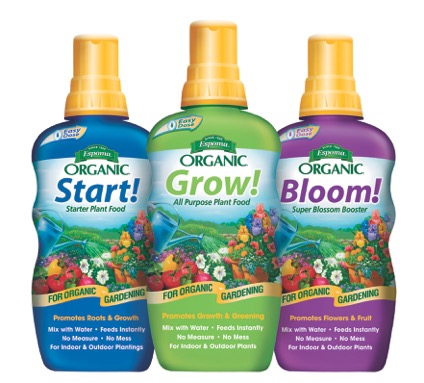
Meet the New Liquid Plant Food Trio

Bigger, better plants are only a flip away!

  • Begin with Start! Flip open this starter plant food which helps plants get established fast while growing strong roots.
  • Go with Grow! Add this all-purpose, organic plant fertilizer to promote rapid root growth and encourage green foliage.
  • Boom with Bloom! Call in the super blossom booster which promotes and prolongs flowering while stimulating the growth of more blooms!

Try our new liquid organic plant foods with organic potting soil for super amazing results. Can’t wait to see what big beauties you grow!  

https://www.espoma.com/wp-content/uploads/2016/02/easy-dose21.png 319 789 espoma https://www.espoma.com/wp-content/uploads/2023/05/espoma-logo340w-1.png espoma2016-02-16 08:00:312024-08-16 15:04:36Flip, Fill and Feed with Espoma’s NEW Liquid Plant Foods
Page 14 of 16«‹1213141516›»
Where to Buy

Get News & Updates

Recent Posts

  • VIDEO: How to Winterize Your Chicken Coop with Summer Rayne Oakes
  • VIDEO: Planting Spring Bulbs in Containers 🪴🌷 with Summer Rayne Oakes
  • VIDEO: Planting the Last Bulbs of the Season with Garden Answer
  • How to Care for Ferns 🌿 | Growing Joy with Maria
  • VIDEO: One Last Autumn Stroll 🍁🍂 with Summer Rayne Oakes

Tags

All-Purpose Potting Mix bio-tone Bio-tone Starter Bio-tone Starter Plus Cactus Mix caring for houseplants Container Gardening DIY project Espoma espoma grown espoma organic Espoma Organics Espoma Video fall gardening Family fert flower garden flowers garden Garden Answer Gardening gardening tips gardens grow holly-tone houseplants Indoor! indoor gardening indoor plants Kaleb Wyse organic organic fertilizer Organic Gardening organic plant food Organic Potting Mix Outdoor Gardening Planting plants Potting Mix potting soil Spring Gardening summer rayne oakes vegetable garden Vegetable Gardening Wyse Guide

Espoma. A Family Tradition Since 1929.

Espoma Organic logo
  • Espoma Dealer
  • Espoma Pro
  • Garden Club
  • Privacy Policy

Scroll to top