Espoma Organic
  • Products
    • Close
    • Product Line Overview
    • Plant food finder
    • Garden Fertilizers
    • Potting Soils
    • Lawn Fertilizers
    • Liquid Fertilizers
    • Single Ingredients
    • Conventional Plant Foods
    • Animal Care Products
  • Where to Buy
  • Our Story
    • Close
    • Our Story
    • Locations
    • Historical Timeline
    • Our Commitment
    • Directions
    • Solar
    • Join our Team
    • Espoma Brand Partners
  • Learn
    • Close
    • Espoma Blog
    • FAQ’s
    • Pocket Guide
    • Espoma Guides
    • Garden Clubs
    • Safe Paws Lawn
    • PRODUCT FACT SHEETS
    • Fertilizer Fundamentals
      • Close
      • Understanding Plant Nutrition
      • Reading Labels
      • Choosing the Right Type of Fertilizer
      • Terms & Definitions
    • Gardening Projects
    • Resource Links
  • Contact Us
  • Menu Menu

Tag Archive for: Spring Gardening

How to Plant Colorful Flowering Shrubs: Azaleas and Rhododendrons

April 7, 2015/in Landscaping, Trees & Shrubs

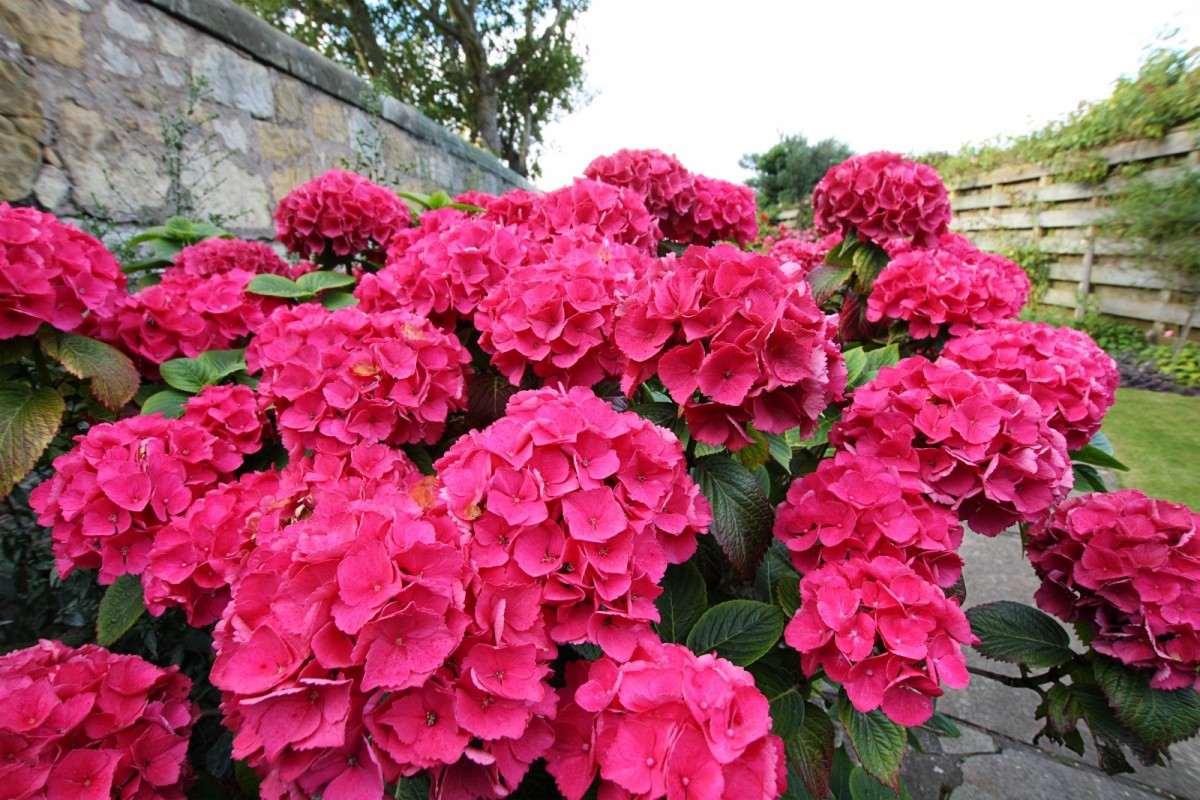
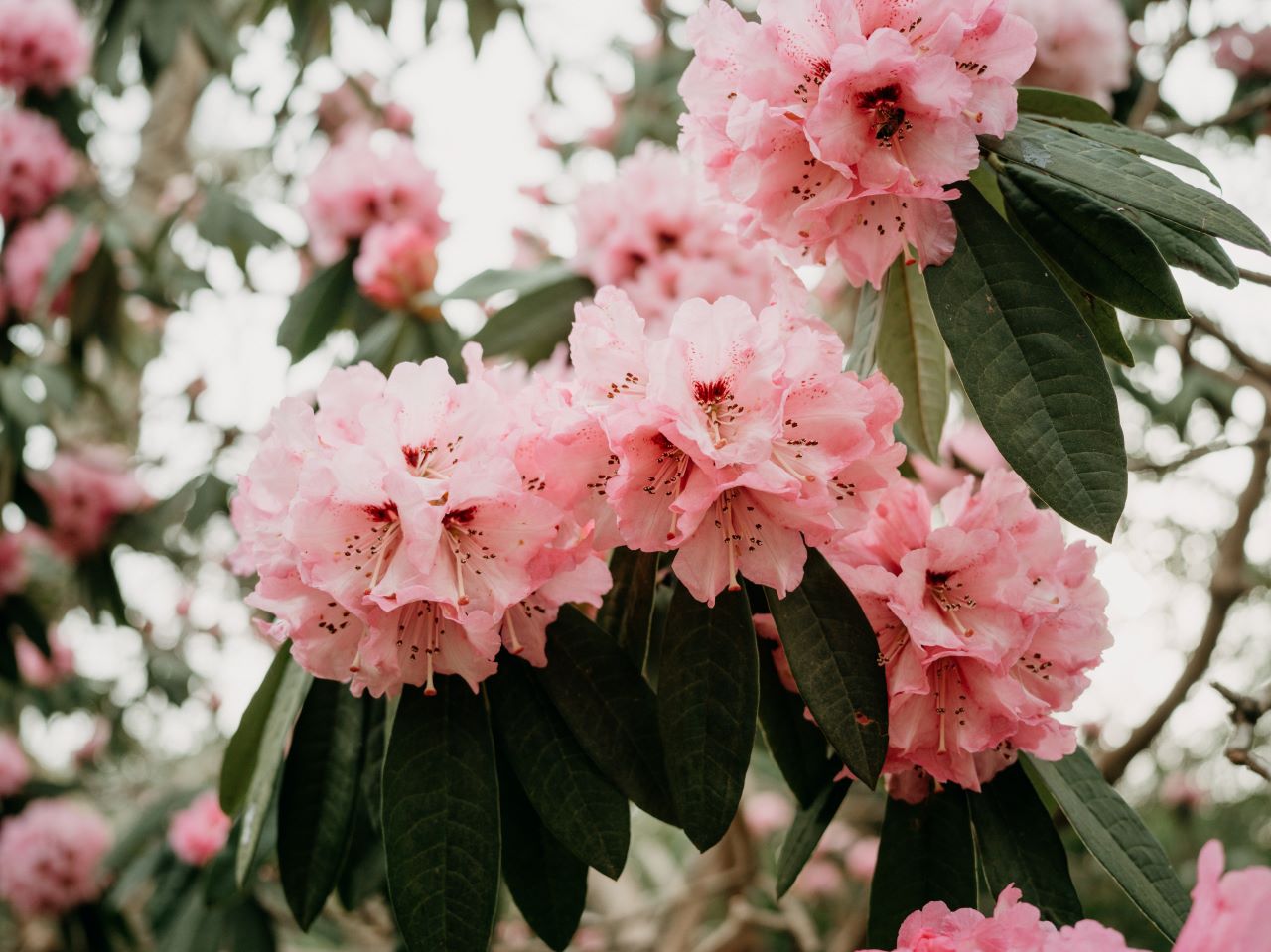
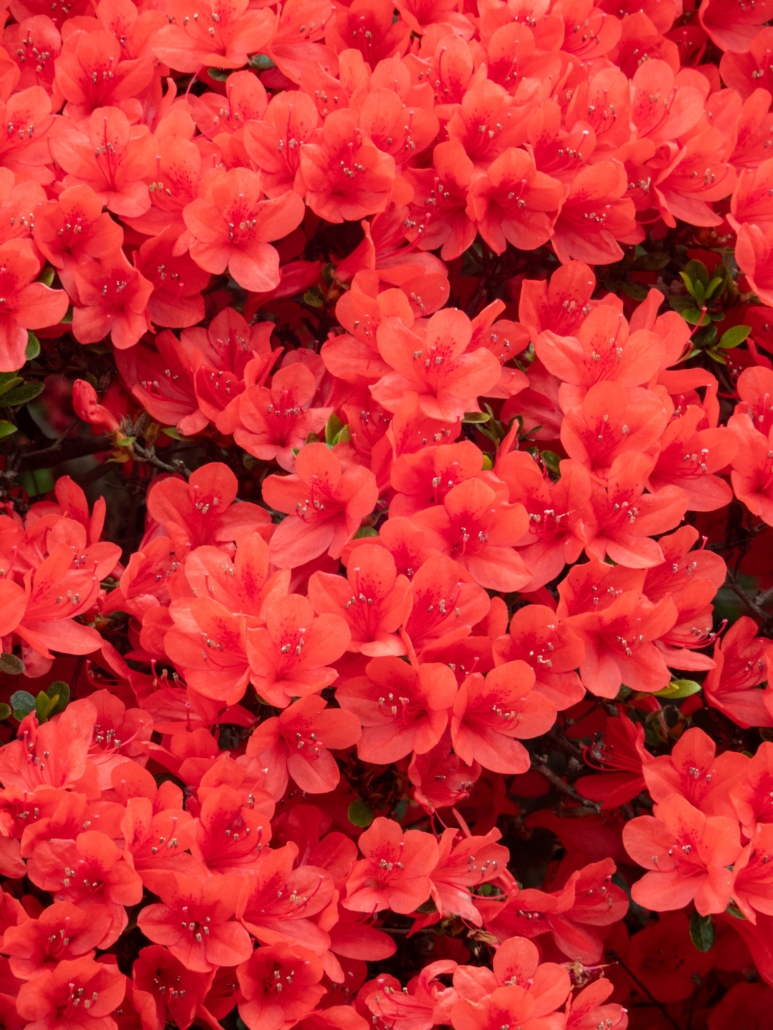
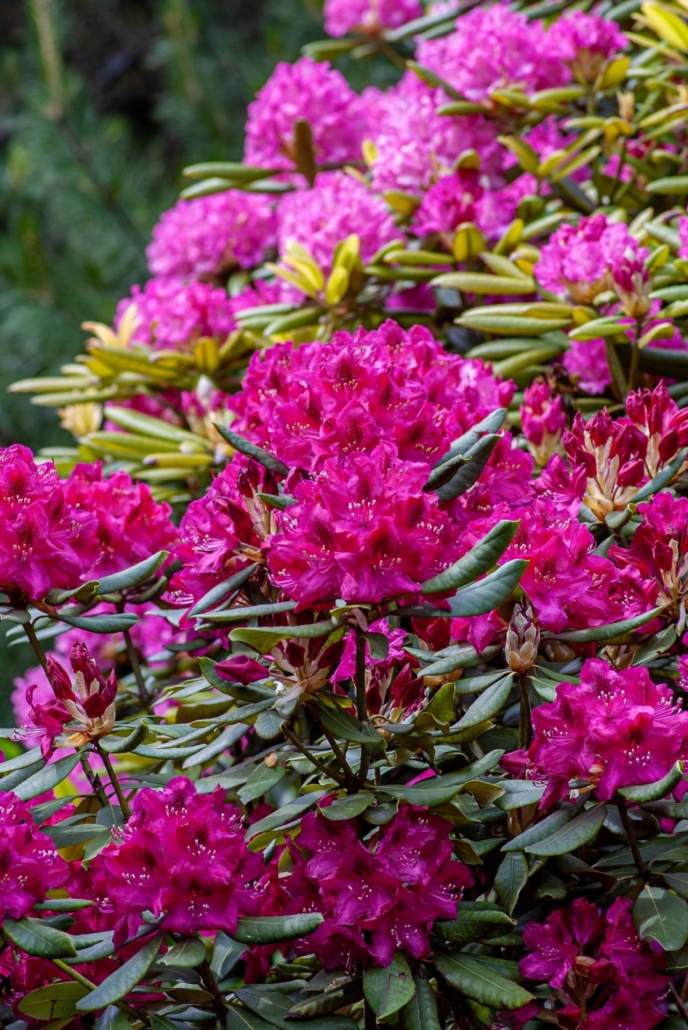
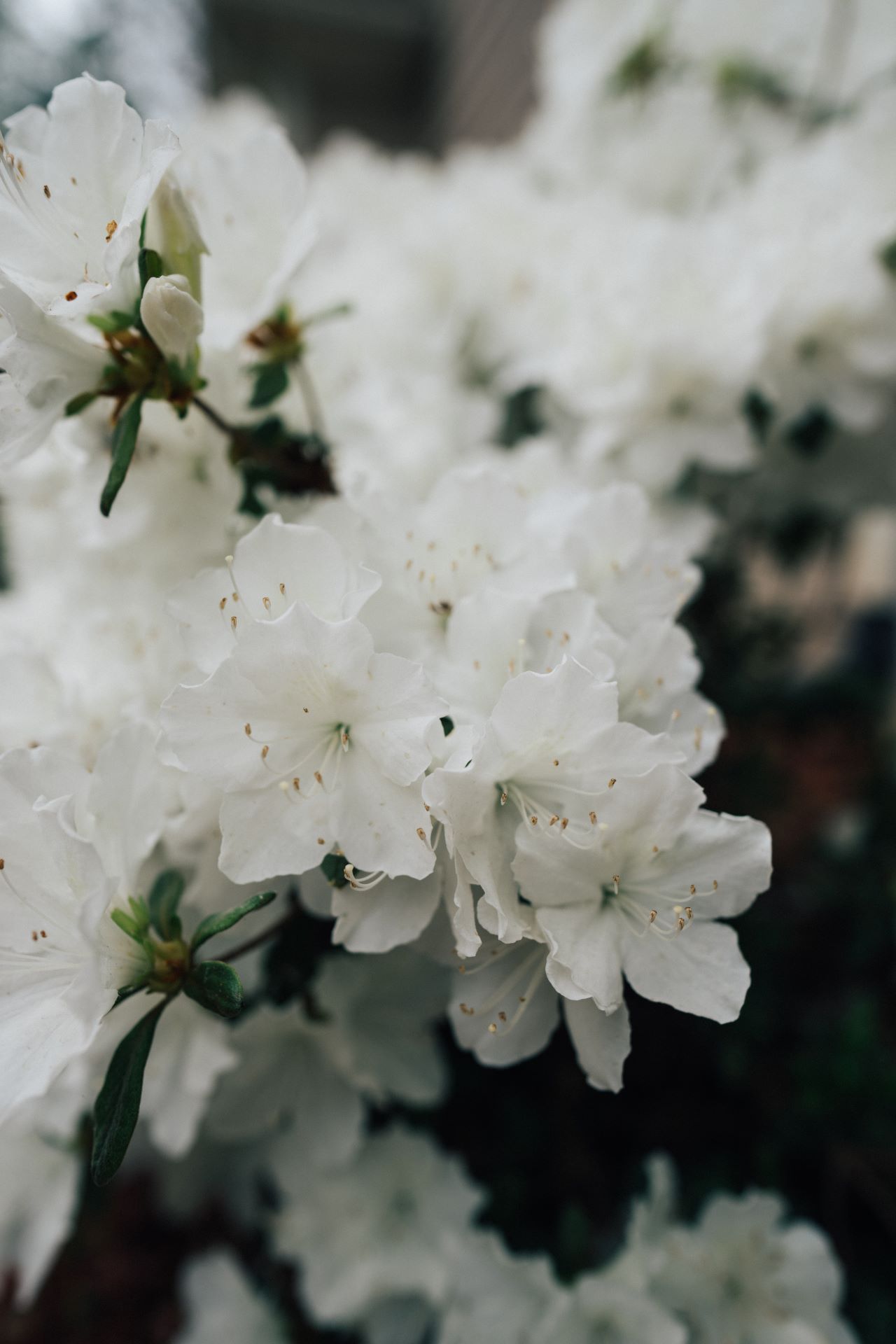
A yard without shrubs is like a completed puzzle, minus one piece. The look is almost perfect, but something is missing! Shrubs work wonders — especially ones with bold, colorful flowers. These easy to care for plants instantly fill in gaps in your garden landscape and look fabulous every season. Complete your garden by planting a shrub or two today! Azaleas and rhododendrons are some of the most popular flowering shrubs. Blooming from late spring to early summer, these shrubs thrive in almost any garden. Plus, they come in virtually every color of the rainbow — from bold pinks, purples, and reds to soft, muted yellows and whites. As an added bonus, hummingbirds and bees cannot get enough of azaleas and rhododendrons.

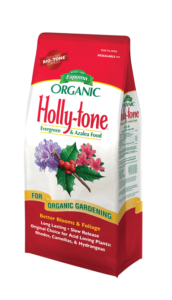
For Established Shrubs: Spring feeding helps develop new growth and the production of new flower buds. Sprinkle one cup of Holly-tone per foot of branch spread now. Holly-tone is long-lasting so you’ll only need to fertilize twice in a season. Don’t wait too long, or you risk encouraging green vegetative growth at the expense of flower bud development. Once now, and again in the fall will ensure a perfect Rhody!

For New Shrubs: Spring is the perfect time to plant so pick your favorite color and variety. Before buying, check the plant tag to see if you have enough space for a full-grown shrub. Azaleas and rhododendrons can range from 2 feet to more than 20 feet tall! If planting shrubs in a row, ensure you have enough space to plant 2 feet to 6 feet apart depending on how big your shrubs will get. Now, before you start digging, choose a spot for your shrub and envision the great impact these plants will have on your landscape! Both these flowering shrubs like to hang in the shade and do not grow well in full sunlight. So, make sure you’ve selected a perfectly shaded spot!

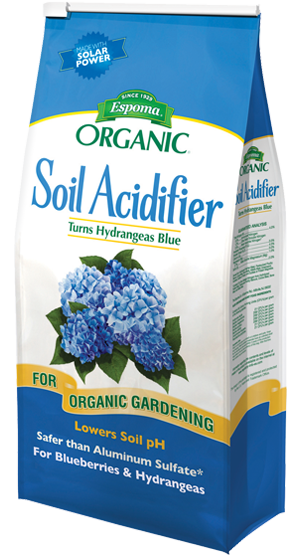
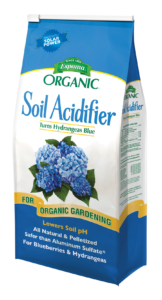
Before you start digging, plan for growth. If planting shrubs in a row, ensure you have enough space to plant 2-6’ apart depending on how big your shrubs will get. These flowering shrubs are so easy to care for because most of the work is done before planting. Keep azaleas and rhododendrons bursting with beautiful blooms by picking the right spot and ensuring you’ve got ideal soil for growing. Don’t forget to test the soil! These acid-loving shrubs need a soil pH of 4.5-5.5. If your soil test reveals a higher pH, your soil is alkaline. Solve the problem by amending with Espoma Organic Soil Acidifier.

Pink Flowers on bush

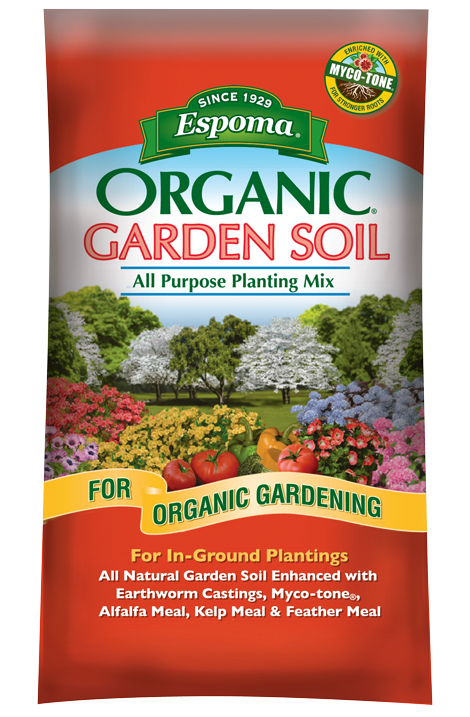
Once your soil is ready, it’s time to plant! Dig a hole as deep as the root ball and twice as wide. Then, remove the shrub from its original container, loosen the roots and dip in a bucket of water. Next, arrange the shrub in the hole, so the top of the root ball is slightly about the ground’s surface. Fill half the hole with compost, peat moss or humus, and mix in 1 cup Holly-tone fertilizer for better blooms. This organic plant food is specially crafted for acid loving plants, like azaleas and rhododendrons. Feeding new shrubs with an organic fertilizer now keeps them well-fed for months, spurs deep evergreen color and dynamic blooms. Fill half the hole with Espoma Organic All Purpose Garden Soil. Now finish planting your shrub by filling the hole with Espoma Organic All Purpose Garden Soil, and add 2-3” of mulch. Water now, and tomorrow, too.

Doesn’t your garden instantly look brighter? For more tips on caring for azaleas, rhododendrons or other acid-loving plants, click here. We’d love to see how a flowering shrub completed your garden. Share a before and after picture on our Facebook page!

*****

Featured Products: 

Where to Buy


https://www.espoma.com/wp-content/uploads/2015/04/blossom-1194065_1920.jpg 1303 1920 espoma https://www.espoma.com/wp-content/uploads/2023/05/espoma-logo340w-1.png espoma2015-04-07 09:56:172024-09-25 07:51:43How to Plant Colorful Flowering Shrubs: Azaleas and Rhododendrons

Feed Your Flower Bulbs Now with an Organic Fertilizer

April 6, 2015/in Flowers, Landscaping

Breathe it in! Spring has arrived and brought the first flowers of the year with it! After the white of winter, sunny daffodils and a rainbow of tulips are a welcome sight.

Flower bulbs are inexpensive, easy to plant, provide stunning cut flowers and can last for years when taken care of properly.

The secret to keep spring flowering bulbs producing year after year is a spring time feeding of Bulb-tone.

Think about it. When planted, bulbs are packed full of nutrients to last all winter. Come spring, they’ve used all the food they have stored.

It’s like they’ve just run a winter-long marathon — and now they need you to greet them at the finish line with snacks and water.

Right now, your spring bulbs — tulips and daffodils included — are exhausted and starving even if they don’t look like it!

So, they need a hefty feeding to keep them robust.

Bulb-tone gives them everything they need to come back strong next year. Fertilizing spring bulbs also helps them fight off diseases and pests.

So, when should you feed spring flowering bulbs?

Fertilize spring bulbs after the plants have bloomed and are about 6” tall. That’s just about as tall as a dollar bill!

Now, what should you look for in bulb food?

Use an organic plant or bulb food that is low in nitrogen and has a higher amount of phosphorous. Nitrogen is the first of three numbers on fertilizer bags, — phosphorus is the second number on the bag. For example, Bulb tone by Espoma has a 3-5-3 Nitrogen- Phosphorous-Potassium ratio, which is exactly what bulbs need.

The advantage of using a plant food made specifically for bulbs is that it provides a complete feeding.

Your bulbs will love Espoma Organic Bulb-tone. This specially formulated bulb food is fortified with microbes to create a healthy soil and environment for bulbs. Plus, of course, it’s pet and kid friendly.

Now to boost spring bulbs, apply Bulb-tone at a rate of 4 lbs. per 60 square feet. Simply sprinkle the organic bulb food around the bulbs to ensure they come back stronger than ever next year.

One thing to remember – leaves on flowering bulbs produce food, and keep bulbs well fed throughout winter. So embrace your bulbs’ leaves! They add a lovely pop of glossy greenery to your landscape.

Only cut bulbs’ leaves when they begin yellowing or showing signs of decay. For tulips and daffodils, this can happen as late as June or July.

Now that your spring blooming bulbs are stocked with food and nutrients, they should come back next year!

What’s your favorite spring blooming bulb? We love white and yellow daffodils with green leaves – since they showcase Espoma colors! Share your favorite on our Facebook Page.

https://www.espoma.com/wp-content/uploads/2015/04/2499490616_d446043e1a_z.jpg 480 640 espoma https://www.espoma.com/wp-content/uploads/2023/05/espoma-logo340w-1.png espoma2015-04-06 10:02:092019-05-07 10:09:24Feed Your Flower Bulbs Now with an Organic Fertilizer

Wait! Before You Plant This Year, Test the Soil!

March 17, 2015/in Vegetable Gardening

Healthy Soil is the Secret to a Great Garden

Want to grow bigger tomatoes, taller sunflowers and all-around healthier plants this season?

The secret is in the soil. Read more

https://www.espoma.com/wp-content/uploads/2015/03/soil-test.jpg 500 800 espoma https://www.espoma.com/wp-content/uploads/2023/05/espoma-logo340w-1.png espoma2015-03-17 19:04:452019-05-07 10:09:24Wait! Before You Plant This Year, Test the Soil!

Apply Mulch Now for Benefits all Season

March 12, 2015/in Landscaping

Spring is almost here — only eight more days! We are itching to get our hands dirty in the garden.

Never do we appreciate the richness of the soil or the sunshine more than at the start of spring. Plus, our garden seems just as happy to see us.

During these first few weeks, we set ourselves up for success in the season ahead.

And one of the first items on the to-do list is laying a new bed of mulch. Not only does it look great and make your neighbors envious, but mulch provides a world of benefits!

Organic mulch can reduce water use in the garden by 25-50 percent, which saves money on water bills and conserves water. A thick blanket of mulch reduces evaporation, so you don’t have to water as much. Mulch also controls weeds. Plus, your flower beds look polished and complete with a finishing touch of mulch.

Best of all, organic mulch improves soil health as it decomposes throughout the season.

To reap these benefits, mulch has to be organic.

While non-organic mulches, such as plastic film and rubber, are cheaper, they cause major problems later. Inorganic mulches do not break down over time, so they don’t condition the soil. Even worse, they begin to block air and water from plants’ roots. Nine out of ten times, you’ll need to remove non-organic mulches by hand later.

Natural mulches are composed of plant matter and are very popular. From wood chips and pine needles to shredded bark, pick the organic mulch you like best. These mulches decompose over time which helps improve the soil but it also means they must be replaced once or twice a year.

How do you apply it? It’s easy and can be done this weekend.

First, you’ll want to lightly rake the soil to loosen up the surface. Once loose, pull any weeds or dead plant material.

Then, give your mulch the smell test. Mulch should smell woody or earthy; if mulch smells sour like vinegar, replace it entirely.

This is an ideal time to feed evergreen and acid-loving plants such as rhododendrons, azaleas, dogwoods and hollies with Holly-tone. Apply it in a circle around the drip line of shrubs or trees.

Finally, lay 2 – 3” of mulch around established plants. Mulch that’s too deep can actually smother young plants.

When mulching trees, the mulch should extend away from the plant to a little beyond the drip line covering a bit of the roots. But don’t build volcanoes! Never pile up mulch. Instead, keep 2 – 3” away from the stems of woody plants and 6 – 12” away from buildings to avoid pests.

Keep your garden healthy and your home safe this season by choosing organic mulch. Make it a priority on your spring garden to-do list.

https://www.espoma.com/wp-content/uploads/2015/03/mulch-early.jpg 1183 710 espoma https://www.espoma.com/wp-content/uploads/2023/05/espoma-logo340w-1.png espoma2015-03-12 19:10:402019-05-07 10:09:24Apply Mulch Now for Benefits all Season

Make Landscapes Not Landfills with Compost

March 9, 2015/in Vegetable Gardening

Why Compost: Turn Food Scraps Into Garden Gold

Stop! Don’t throw out those leftover vegetables and coffee grinds. Mixing these kitchen food scraps with other ingredients turns ordinary garbage into black gold for the garden.

The secret to creating enriched, organic soil is compost. Compost gives the soil nutrient-rich materials and helps plants resist diseases and grow stronger. Plus composting food scraps keeps organic materials out of landfills and garbage disposals and puts them back into the earth. Best of all, it’s free!

Plus, you’ll make the planet cleaner and greener. The US tossed a whopping 131 billion pounds of food in 2010 alone, according to the U.S. Department of Agriculture.

At Espoma, we are always looking for natural solutions. When we founded our company in 1929, we transformed ordinary ingredients into an extraordinary product for your garden.

So, to make great compost, simply follow the recipe, just like when cooking. The best compost is 50 percent green material made of garden and food scraps and 50 percent brown material, such as paper, straw or dried leaves.

Add Espoma Organic Compost Starter to help speed the composting process, for rich, fertile compost. This 100% bio-organic mix contains microbes cultured for fast, healthy composting.

Toss your compost about every two weeks to help it decompose quicker. Make it even easier by investing in a compost tumbler. Trust us, it’s worth it!

And finally, make sure your compost is getting enough to drink. Squeeze a handful of compost – while wearing garden gloves of course! If water drips, it’s too wet, so add dry brown material. If no water dribbles but the compost crumbles when released, moisten with a bit of water. Or if your area often gets rains, make an indent in the top of the compost to collect rain water.

https://www.espoma.com/wp-content/uploads/2015/03/compost-espoma.jpg 500 800 espoma https://www.espoma.com/wp-content/uploads/2023/05/espoma-logo340w-1.png espoma2015-03-09 19:14:032019-05-07 10:09:25Make Landscapes Not Landfills with Compost

Spruce up to Jumpstart the Gardening Season

March 4, 2015/in Vegetable Gardening

Even though we still need cozy scarves and burly winter coats, we won’t for much longer. Our favorite time of year is almost here! We cannot wait to be outside, gardening, playing and basking in the sun in about two weeks.

Enough dreaming about the warmer days though, it’s time to start the yard and garden prep.

Although we’ve got green lawns on the mind all year long, even when they’re covered by 18” of snow, we’re eager to get outside and start prepping for our best lawn yet. Same for you?

Here are our professional tips for tackling early spring yard prep:

First, remove dead or diseased branches from trees and shrubs by cutting at a 45º angle with pruners.

Armed with your pruners, cut flowering perennials to 4-5” and trim ornamental grasses to 2-3”. Just like haircuts make hair grow faster and healthier, pruning plants does the same!

While walking around the yard, pick up fallen branches, spent annuals, lingering leaves and other natural debris. Doesn’t your yard already look better?

Then if the snow has melted, grab a rake and break up any matted, crunchy or discolored spots in the lawn to renew the area.

Finally, if the ground is thawed, scoop up a small handful of soil to test. Testing soil either with an at-home kit or with help from your extension agency is one of the most beneficial actions you can take.

Soil tests tell you what to add to get the perfect soil. Imagine racking your brain to figure out why your veggies are too small or your flowers look unhealthy. In reality, the problem could be your soil.

Take time to test and amend your soil needs — from soil acidifier or organic fertilizer. Cultivating organic, healthy soil now means your garden will deliver its absolute best later on. Come back to our blog later this month for more specific tips on adjusting your soil for that perfect lawn or plant.

Ah, the garden is gearing up for its comeback. Now, start planning what additions you’ll make to the garden this season.

https://www.espoma.com/wp-content/uploads/2015/03/prune-clean-up-espoma.jpg 500 800 espoma https://www.espoma.com/wp-content/uploads/2023/05/espoma-logo340w-1.png espoma2015-03-04 19:17:242019-05-07 10:09:25Spruce up to Jumpstart the Gardening Season
Page 14 of 14«‹121314
Where to Buy

Get News & Updates

Recent Posts

  • VIDEO: Bringing In Your Plants for Winter 🪴❄️ with Summer Rayne Oakes
  • Final Fall Plantings & Tips for Bringing Plants Inside for Winter 🍁🪴 with Wyse Guide
  • Simple Fall Plantings 🪴🌻🍁 with Garden Answer
  • Video: How to Manage a Wild Garden with Summer Rayne Oakes 🌿🌸
  • VIDEO: Planting Beautiful New Plants and Feeding the Lawn Organically 🌸🚜🌱 with Garden Answer

Tags

All-Purpose Potting Mix bio-tone Bio-tone Starter Bio-tone Starter Plus Cactus Mix caring for houseplants Container Gardening DIY project Espoma espoma grown espoma organic Espoma Organics Espoma Video fall gardening Family fert flower garden flowers garden Garden Answer Gardening gardening tips gardens grow holly-tone houseplants Indoor! indoor gardening indoor plants Kaleb Wyse organic organic fertilizer Organic Gardening organic plant food Organic Potting Mix Outdoor Gardening Planting plants Potting Mix potting soil Spring Gardening summer rayne oakes vegetable garden Vegetable Gardening Wyse Guide

Espoma. A Family Tradition Since 1929.

Espoma Organic logo
  • Espoma Dealer
  • Espoma Pro
  • Garden Club
  • Privacy Policy

Scroll to top