Espoma Organic
  • Products
    • Close
    • Product Line Overview
    • Plant food finder
    • Garden Fertilizers
    • Potting Soils
    • Lawn Fertilizers
    • Liquid Fertilizers
    • Single Ingredients
    • Conventional Plant Foods
    • Animal Care Products
  • Where to Buy
  • Our Story
    • Close
    • Our Story
    • Locations
    • Historical Timeline
    • Our Commitment
    • Directions
    • Solar
    • Join our Team
    • Espoma Brand Partners
  • Learn
    • Close
    • Espoma Blog
    • FAQ’s
    • Pocket Guide
    • Espoma Guides
    • Garden Clubs
    • Safe Paws Lawn
    • PRODUCT FACT SHEETS
    • Fertilizer Fundamentals
      • Close
      • Understanding Plant Nutrition
      • Reading Labels
      • Choosing the Right Type of Fertilizer
      • Terms & Definitions
    • Gardening Projects
    • Resource Links
  • Contact Us
  • Menu Menu

Tag Archive for: herbs

Plant Care Is Self-Care: Nurture Yourself as You Nurture Your Plants
December 11, 2019/in Blog, Indoor Gardening

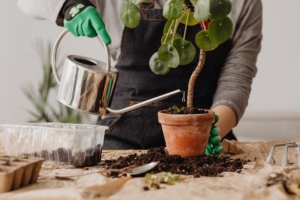
Plant care - person watering a potted plant

Ever notice how a moment spent tending your plants feels like a mindful pause in a busy day? You’re not just watering—you’re nurturing calm, presence, and connection. We believe that caring for your green companions is one of the most natural forms of self-care. And just like you thrive on nourishing food, your plants thrive when you feed them regularly with Espoma Organic fertilizer —gentle, effective, and safe for people, pets, and the planet.


man working in an office filled with plants

The Science Behind the Serene

Sharper Mind + Better Mood
Studies show that being around plants can boost memory and attention by about 20%, while reducing background noise and enhancing productivity and creativity—especially in home or little work-from-home nooks.

Soil for the Soul
That earthy scent? It comes from microbes like Mycobacterium vaccae (lovingly nicknamed “outdoorphins”), and they don’t just feed your plants—they may help boost your mood and immunity, too.
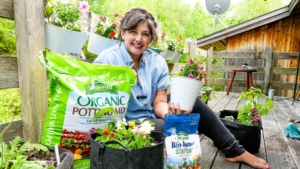

Maria from Growing Joy with Maria with plants and organic potting soil and organic fertilizer from Espoma Organic Potting Mix and Bio-tone on her balcony

Self-Care That Doesn’t Feel Selfish

Pulling weeds, misting leaves, or simply observing new growth—these are gentle rituals that anchor us in the now. As one soothing tip from our brand partner, Maria Failla of Growing Joy with Maria, reminds us:

“Use watering or caring for them as an excuse to get up from your computer and take some ‘me-time’—because plant care is self-care.”

Pair that with feeding your plants Espoma Organic fertilizer, and you’re nourishing life in every sense.


Indoor Joy: Caring for Your Plants with a Gentle Boost

Your indoor plants do more than brighten a room—they improve your air, calm your mind, and remind you to slow down. To keep them thriving year-round, a little extra nourishment goes a long way.

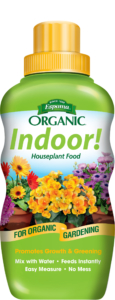
That’s where Espoma Organic Indoor! liquid fertilizer comes in. This gentle, balanced formula is made from natural ingredients and feeds instantly, giving your leafy friends the nutrients they need for lush growth and vibrant color—even in the lower light of winter months.

Self-Care Tip: Pair your plant feeding with your own wellness ritual. Set a reminder every 2–4 weeks to water and feed your plants, then take a few minutes to enjoy a cup of tea nearby. Watch how your plants respond over time—you’ll notice deeper greens, healthier new leaves, and a little spark of joy in your day.


Norfolk-Island-Pine-in-a-white-pot

Festive Downtime: Holiday-Ready Green Retreats

During the busy holiday season, a mini Christmas cypress or Norfolk Island Pine—with its fresh sap-like scent—can be both a peaceful décor choice and a mindful project. Pot it up in our Espoma Organic Potting Mix, give it a slow sip of water, and feed it with an organic fertilizer like Indoor! for lasting joy. It’s a gift that grows for you, not just from you.


Fresh Ways to Deepen Plant-Based Self-Care

  1. Micro-Meditation Moments
    Set a daily two-minute ritual—touch the soil, check a leaf, breathe deeply. Call it a “plant-powered reset.”

  2. Mini Salad Gardens with Maria Failla
    Maria Failla of Growing Joy with Maria, makes self-care—and dinner—even simpler. She grows an entire salad (including herbs, lettuce, mini-tomatoes, and edible blooms) in a single container using Espoma Organic Potting Mix, Bio-tone Starter Plus, and Garden-tone organic fertilizer for steady nourishment. 

  3. Create a Kitchen Corner of Calm
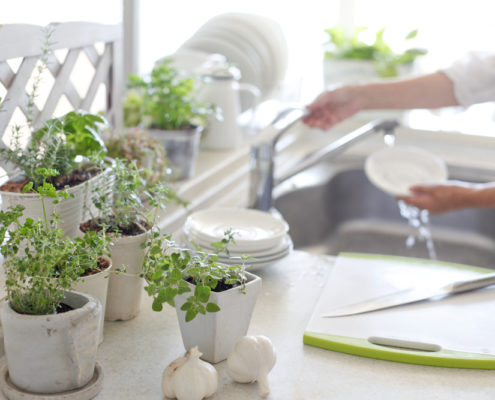
    A small shelf of herbs like basil, lavender, or even mint provides an aromatic escape and practical joy when cooking. Watering and feeding them with organic fertilizer like Indoor! can become a lovely action in your daily rhythm.

  4. Mindful Mondays with Biophilia
    Start your week by simply sitting with your plants—observing new buds, leaf shapes, and subtle color shifts. This biophilic practice connects you to growth and groundedness.
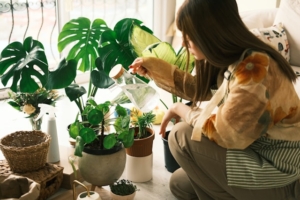

woman watering indoor plants

Let Your Care Shine Through

Plant care is not just about pretty greenery—it’s caring for yourself, too. You pause, breathe, tune in, and the soil responds. Whether it’s a festive tree, a potted herb, or a tranquil succulent, your green space is your sanctuary. And with a little love, light, and organic fertilizer, your plants—and your spirit—can truly thrive.

*****

Here are some of our other blogs and videos we think you will enjoy.

Give Some Green for the Holidays

Parenting Advice for New Plant Parents

Poinsettia Care Guide from Garden Answer

Featured Products:
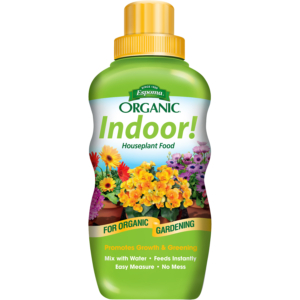
Espoma Organic Indoor! Liquid Plant Food Image

Espoma Organic Bio-tone Starter Plus Bag ImageEspoma garden-tone

Where to Buy

https://www.espoma.com/wp-content/uploads/2019/03/IMG_3162.jpeg 3368 6000 espoma https://www.espoma.com/wp-content/uploads/2023/05/espoma-logo340w-1.png espoma2019-12-11 11:54:012025-08-13 14:53:41Plant Care Is Self-Care: Nurture Yourself as You Nurture Your Plants

How to Dry Herbs

March 13, 2019/in Vegetable Gardening

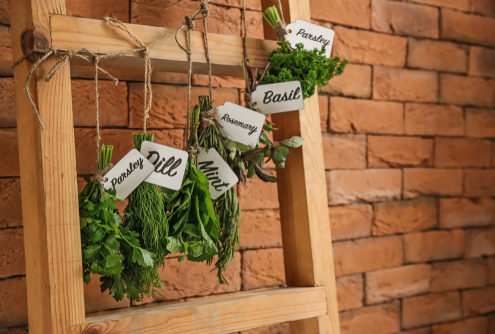
A simple, inexpensive way to enjoy your herbs beyond the growing season is to dry them!

When talking about herbs, we’re referring to the leaves of certain plants that are usually green in color. Spices, on the other hand, are the flowers, fruit, seeds, bark and roots of tropical plants and  are typically more pungent than herbs.

While the best flavors come from freshly picked herbs, however there is always an abundance that you cannot use in one season. Drying your herbs is the next best thing!

Dried herbs can be used for anything from flavoring recipes to making a fragrant fire starter.

When to Harvest:

We recommend growing organic herbs in Espoma Organic’s Potting Mix. To get the most flavor from herbs you need to harvest them at just the right time. The fullest flavor comes from herbs harvested before they flower. If you use a lot of freshly picked herbs, they may never flower. If that is the case, and you want to savor that flavor during the non-growing months, be sure to harvest them by the end of summer before the weather cools to get the most flavor out of them.

Focus on one type of herb at a time and remember to only cut back what you need. Try to avoid cutting back the entire plant, unless you are ready to replace it.

8 Steps to Harvesting and Drying Herbs:

  • Cut healthy branches from your herb plant.
  • Discard any damaged leaves as they have already lost their flavor. Yellowed leaves aren’t worth saving.
  • Gently shake the cut branches to remove insects and excess soil as you won’t be washing the stems.
  • Remove the bottom inch of the stem and the lower leaves to allow room for tying. Place the leaves aside – you can add them to the bag on their own.
  • Tie 5 or 6 stems together with either string or a rubber band. Make sure to check in on them as they dry as herbs shrink down and may slip out of the band.
  • Place herbs in a paper bag, stem side up. Tie the end of the bag closed, being sure not to squish herbs.
  • Poke a few holes in the bag for ventilation.
  • Hang the bag by the top in a warm, well ventilated room.

Once your herbs are dry enough to crumble, they are ready to be stored. Keep dried herbs in an air tight container, like a small canning jar or a zippered bag.

There you have it: freshly dried herbs to enjoy all year long!

Learn what to plant next with Laura from Garden Answer.

Products for Healthy Herbs


Where to Buy

https://www.espoma.com/wp-content/uploads/2019/03/herbs-snip.jpg 854 1280 Kevin Pyles https://www.espoma.com/wp-content/uploads/2023/05/espoma-logo340w-1.png Kevin Pyles2019-03-13 21:33:052024-09-07 08:16:22How to Dry Herbs

May Gardening Checklist: 5 Essential To-Dos for a Thriving Garden

May 2, 2017/in Blog, Spring Gardening

May is one of the busiest and most exciting months in the garden. Flowers are blooming, veggies are sprouting, and summer crops are ready to go in. But to keep your garden thriving naturally, it’s important to use the right organic products to nurture your soil, plants, and harvest.

Here’s your Espoma-approved May checklist to prep your garden for a healthy, productive summer season.

Garden Clean up

1: Tidy Up Your Garden Space

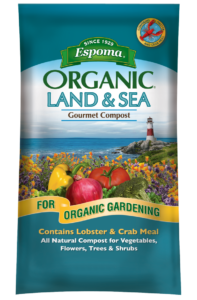
Start fresh by clearing out weeds, dead plants, and old debris — this keeps pests and diseases in check and opens up space for new growth. As you tidy up, top off your beds with Espoma Organic Land & Sea Gourmet Compost to enrich the soil with nutrients and improve texture.

Once your garden is clean, you can apply a layer of mulch to help conserve moisture and regulate soil temperature. This simple prep sets the stage for everything that comes next.

spring crops

2: Harvest Early Spring Crops

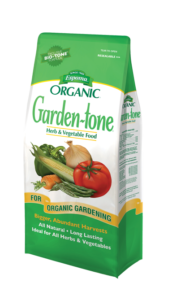
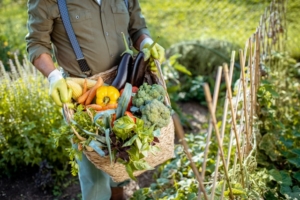
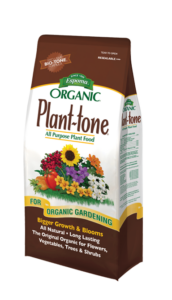
Your cool-weather crops like lettuce, spinach, radishes, and peas are likely ready to harvest. After picking, don’t leave that soil depleted! Replenish it by working in Espoma Organic Garden-tone or Plant-tone to restore nutrients before planting your summer vegetables.

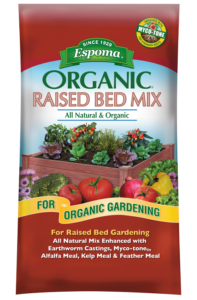
For container gardens, refresh the mix with Espoma Organic Raised Bed Mix or Potting Mix so your new plants have a rich, organic base to grow in. Healthy soil = healthy crops.

People planning a project

3: Plan Your Garden Layout Thoughtfully

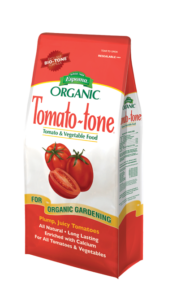
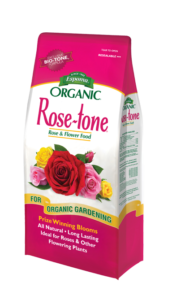
Before you rush to plant, take a little time to sketch out your garden plan. Group plants with similar needs together, and research what varieties perform best in your area. If you’re unsure, visit a local garden center and look for recommendations — and while you’re there, pick up organic fertilizers suited for what you’re planting (like Espoma Organic Tomato-tone for tomatoes, Berry-tone for berries, or Rose-tone for roses).

Planning ahead ensures you can match the right organic products to the right plants, maximizing growth and minimizing problems down the line.

planting with organic fertilizer

4: Get Planting — and Feed Organically

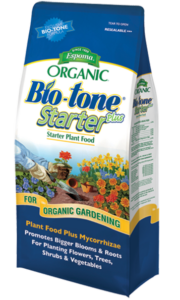
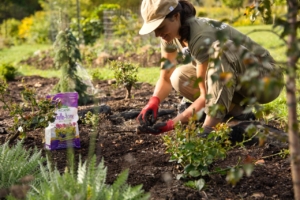
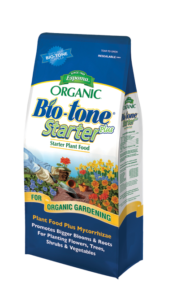
Once your area is frost-free, it’s time to plant! Whether you’re planting veggies, flowers, or herbs, give them the best start by enriching the planting hole with Espoma Organic Bio-tone Starter Plus. This starter fertilizer contains mycorrhizae, which help plants establish strong root systems and reduce transplant shock.

As the season goes on, continue feeding regularly with Espoma Organic Tone Fertilizers, depending on what you’re growing. These slow-release, organic fertilizers keep plants nourished naturally, without the risk of burning or chemical buildup.

planting

5: Transfer Indoor Seedlings Outdoors Carefully

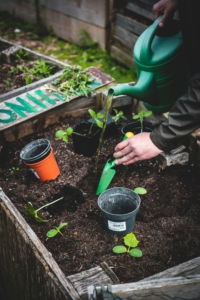
If you started seeds indoors, harden them off gradually before moving them outside. Once ready, plant them in your garden or containers and mix Espoma Organic Bio-tone Starter Plus into the soil. This ensures young plants have access to the nutrients and beneficial microbes they need to get established and grow strong healthy roots.

For containers, fill pots with Espoma Organic Potting Mix, which provides excellent drainage and moisture retention while feeding plants with organic ingredients. Don’t forget to water thoroughly after transplanting to help roots settle in.

family in vegetable garden

🌸 Bonus Tip: Keep Feeding and Caring All Season Long

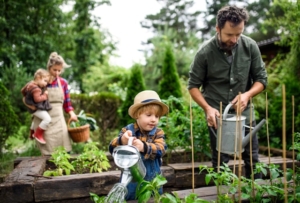
Throughout the summer, keep an eye on your plants. Feed every month or as needed with the appropriate Espoma Organic fertilizer for each plant type. Water deeply at the base, mulch to retain moisture, and enjoy the lush, organic garden you’ve worked so hard to create.

With the right products and a little care, you’ll be harvesting beautiful, homegrown food and flowers all summer long — the organic way!

Featured Products:
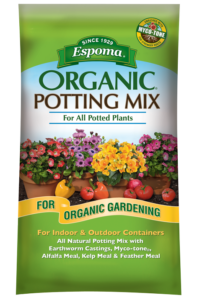
Espoma Organic Potting soil Mix Big bagEspoma Organic Land and SeaEspoma Raised Bed Mix bag  Espoma Organic Tomato-toneEspoma Organic Rose-tone bagEspoma Organic Plant-tone organic fertilizer

Where to Buy

https://www.espoma.com/wp-content/uploads/2018/05/Curb-appeal-hosta-black-eyed-susan.jpg 850 1280 espoma https://www.espoma.com/wp-content/uploads/2023/05/espoma-logo340w-1.png espoma2017-05-02 08:00:312025-05-06 14:10:27May Gardening Checklist: 5 Essential To-Dos for a Thriving Garden

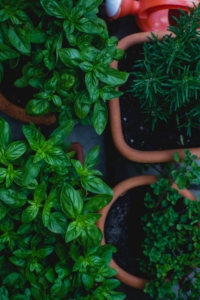
Thyme to Plant an Indoor Herb Garden

December 1, 2015/in Blog, Indoor Gardening

Add a dash of delight to your daily routine while keeping winter blues at bay. Start an indoor herb garden today.

Each time you grab sprigs of fresh herbs, you’ll forget all about winter! At that moment, all you’ll think of are the fresh, invigorating flavors of summer.

Plus, starting an indoor herb garden is simple with these tips.

Grow Superb Herbs Indoors

Give savory and sweet herbs these five ingredients, and they’ll flourish inside! Use fresh, flavorful herbs in cocktails, teas and recipes all winter long.

 Ray of Sunshine. Place indoor herbs in the sunniest spot possible. They love natural light and need at least 4 hours of sun every day. Keep herbs warm by avoiding chilly windows.

  1. Heaps of Herbs. Not every herb thrives indoors. Plant these herbs that grow best inside: mint, oregano, parsley, rosemary, sage, thyme, lemongrass, chives and bay.
  2. Pile of Pots. Choose pots or upcycle containers with drainage holes on the bottom. Or place stones in the bottom of the pot before adding soil. For unique, DIY planter ideas, check out our Pinterest page.
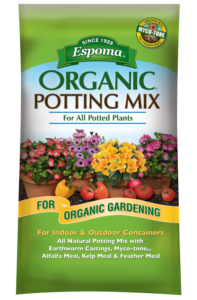
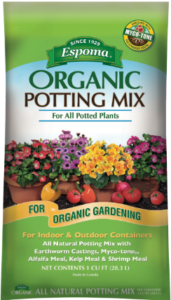
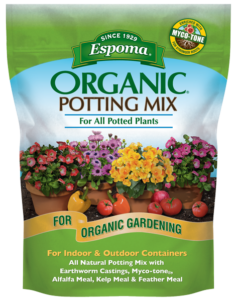
  3. Settle in Soil. Plant herbs in Organic Potting Soil. Pick an organic potting soil that contains earthworm castings and Myco-tone® to ensure herbs grow strong roots.
  4. Feed and Repeat. Indoor! is an organic plant food that helps you grow bigger and better herbs. Continue fertilizing herbs once each month.

With your just-plucked herbs, cook up dishes that harness herbs’ intensity. Try a few of our favorite recipes that include herbs here. Bon appétit!

*****

Featured Products:
   

Where to Buy


https://www.espoma.com/wp-content/uploads/2023/01/matt-montgomery-2fW55mLSiSQ-unsplash-scaled.jpg 1698 2560 espoma https://www.espoma.com/wp-content/uploads/2023/05/espoma-logo340w-1.png espoma2015-12-01 09:40:332023-01-11 01:43:09Thyme to Plant an Indoor Herb Garden
Page 2 of 212
Where to Buy

Get News & Updates

Recent Posts

  • VIDEO: Bringing In Your Plants for Winter 🪴❄️ with Summer Rayne Oakes
  • Final Fall Plantings & Tips for Bringing Plants Inside for Winter 🍁🪴 with Wyse Guide
  • Simple Fall Plantings 🪴🌻🍁 with Garden Answer
  • Video: How to Manage a Wild Garden with Summer Rayne Oakes 🌿🌸
  • VIDEO: Planting Beautiful New Plants and Feeding the Lawn Organically 🌸🚜🌱 with Garden Answer

Tags

All-Purpose Potting Mix bio-tone Bio-tone Starter Bio-tone Starter Plus Cactus Mix caring for houseplants Container Gardening DIY project Espoma espoma grown espoma organic Espoma Organics Espoma Video fall gardening Family fert flower garden flowers garden Garden Answer Gardening gardening tips gardens grow holly-tone houseplants Indoor! indoor gardening indoor plants Kaleb Wyse organic organic fertilizer Organic Gardening organic plant food Organic Potting Mix Outdoor Gardening Planting plants Potting Mix potting soil Spring Gardening summer rayne oakes vegetable garden Vegetable Gardening Wyse Guide

Espoma. A Family Tradition Since 1929.

Espoma Organic logo
  • Espoma Dealer
  • Espoma Pro
  • Garden Club
  • Privacy Policy

Scroll to top