Espoma Organic
  • Products
    • Close
    • Product Line Overview
    • Plant food finder
    • Garden Fertilizers
    • Potting Soils
    • Lawn Fertilizers
    • Liquid Fertilizers
    • Single Ingredients
    • Conventional Plant Foods
    • Animal Care Products
  • Where to Buy
  • Our Story
    • Close
    • Our Story
    • Locations
    • Historical Timeline
    • Our Commitment
    • Directions
    • Solar
    • Join our Team
    • Espoma Brand Partners
  • Learn
    • Close
    • Espoma Blog
    • FAQ’s
    • Pocket Guide
    • Espoma Guides
    • Garden Clubs
    • Safe Paws Lawn
    • PRODUCT FACT SHEETS
    • Fertilizer Fundamentals
      • Close
      • Understanding Plant Nutrition
      • Reading Labels
      • Choosing the Right Type of Fertilizer
      • Terms & Definitions
    • Gardening Projects
    • Resource Links
  • Contact Us
  • Menu Menu

Tag Archive for: ferns

How to Care for Ferns 🌿 | Growing Joy with Maria

December 22, 2025/in Blog, Growing Joy with Maria

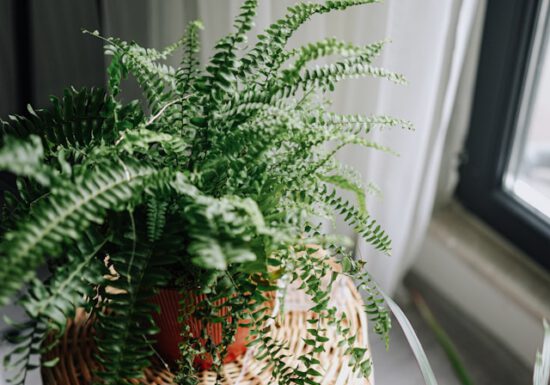
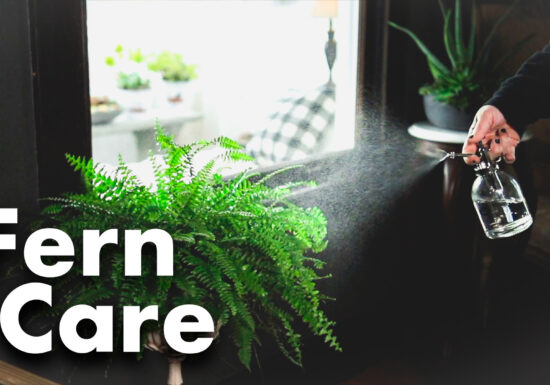
Many plant lovers have killed Boston ferns and sworn off ferns as houseplants, but little do they know that the secret is adding the right ferns to your collection and not the wrong ones.

This blog is inspired by Episode 243 of Growing Joy with Plants Podcast, where Maria talks about fern care, varieties that grow indoors, and simple ways to keep them looking their best.

Why Ferns Are Worth Another Try

Ferns have been around for millions of years, and they date back to prehistoric times. For a plant to survive decade after decade, it needs to be resilient, so it has adapted to changing environments and climates.

In fact, there’s a funny meme where the top picture is a fern growing out of a crack in a rock on the sidewalk, completely neglected, and is thriving, and the bottom photo is a fern indoors, in a pot, completely brown and shriveled. 

How to Care for Your Ferns

Best Light for Ferns: A great thing about ferns is that they’re a low-light-tolerant plant. They grow on the floor and in the shade. This makes ferns the perfect houseplant because we only have so much valuable real estate in our window sills, and most of our homes tend to be low-light.

How to Water Ferns: Your ferns do not want to dry out. Evenly moist soil is what is going to make ferns happy and avoid those crispy brown edges. Use glazed ceramic, plastic pots, or self-watering planters to ensure evenly moist soil. To extend your soil moisture by a few days, add a layer of sphagnum moss on top of the soil to slow down evaporation.

Choosing the Right Potting Mix for Ferns:
Soil plays a major role in fern success. Ferns need a potting mix that holds moisture while still allowing excess water to drain away. Starting with a high-quality mix like Espoma Organic Potting Mix helps maintain evenly moist soil and supports healthy root systems. Pairing the right soil with containers that have drainage holes makes watering more consistent and stress-free.

When planting or repotting ferns, mixing in Espoma Organic Bio-tone Starter Plus into the soil can help roots establish more quickly and reduce transplant stress, giving ferns a strong start in their new container.

Ferns need humidity: Any of the ferns that have super delicate, thin fronds (maidenhair ferns, heart leaf ferns, and some Boston ferns) are going to need high humidity (60% to 80%). ​​Put them in a terrarium or under a glass cloche, or keep them near a humidifier.

How to fertilize ferns: Ferns don’t need a ton of fertilizer, which makes Espoma Organic Indoor! Liquid Fertilizer the perfect liquid plant food for it. It’s super gentle and should be used when you see new growth on your plants.

Don’t be afraid to prune ferns: Ferns are like a pet that needs to be groomed occasionally. No matter how humid your home is, you’ll have fronds that turn brown, and you should feel free to remove them. 

Which Ferns Are Difficult to Grow?

Maidenhair ferns and Heart Leaf ferns are challenging to grow. They need so much humidity to grow and such evenly moist soil. They don’t leave a lot of room for error.

Which Ferns Are Best for Beginners?

Bird’s Nest Fern – The leaves are thicker, more succulent, more hearty. The leaves stick out horizontally and cover the soil, so it’s harder for the soil to dry out.

Rabbit’s Foot Fern – This is a super fun fern that has fuzzy rhizomes that grow on top of the soil that look like little rabbit’s feet.

Boston or Lemon Button Fern – This is one of the hardier ferns. It’s very resilient, so if it does get dried out and turns brown, just cut the entire top off, and it’ll just grow back.

Staghorn Fern – Because they’re “epiphytic” and grow on trees, they are a little bit more tolerant of drying out than other ferns. These are commonly mounted on wooden boards, but you can grow them in potting mix.

Troubleshooting Common Fern Problems

Browning on every frond – likely a humidity issue (or underwatering). 

Yellow leaves – usually a sign of overwatering. Make sure your pots have drainage holes, and the soil isn’t staying super wet.

Brown spots – could indicate low humidity or sensitivity to water minerals (use filtered water or distilled water). Fern spores also look like small brown spots, so they could be an indicator of a happy plant!

Balding (patchy, thinning appearance) – likely means the fern needs more light.

Are You Ready to Try Growing Ferns?

Moist soil and humidity are the name of the game. Keep ferns where you’ll see them every day. Use the right pots. Remember, these plants have survived for millions of years. They’re tougher than they look!

Recommended Espoma Organic Products for Fern Success

Choosing the right products can make fern care much easier. These Espoma Organic essentials support healthy roots, consistent moisture, and gentle feeding so your ferns can thrive indoors or out.

Espoma Organic Indoor! Liquid Fertilizer
A gentle liquid plant food ideal for houseplants like ferns. Use during active growth to provide nutrients without the risk of burning.

Espoma Organic Potting Mix
Designed to retain moisture while still draining well, this mix helps create the evenly moist soil conditions ferns need.

Espoma Organic Bio-tone Starter Plus
Best used when planting or repotting, this microbial-rich formula supports root development and helps reduce transplant stress.

Espoma Organic Holly-tone (for Outdoor Ferns)
For in-ground or outdoor ferns that prefer slightly acidic soil, Holly-tone provides slow-release nutrition and supports long-term soil health when used according to label directions.

*****

Featured Products:

Espoma Organic Holly-toneEspoma Organic Bio-tone Starter Plus Bag Image Espoma Organic Potting Mix Espoma Organic Indoor! liquid fertilizer


Where to Buy


https://www.espoma.com/wp-content/uploads/2025/12/ahmed-xHSzP8XlHkk-unsplash.jpg 960 640 Matt Dauphinais https://www.espoma.com/wp-content/uploads/2023/05/espoma-logo340w-1.png Matt Dauphinais2025-12-22 15:41:322025-12-22 15:41:35How to Care for Ferns 🌿 | Growing Joy with Maria

VIDEO: Porch-Perfect Ferns: 🌿 Planting Hanging Baskets with Wyse Guide

June 17, 2025/in Blog, Espoma Videos, Kaleb Wyse, Spring Gardening

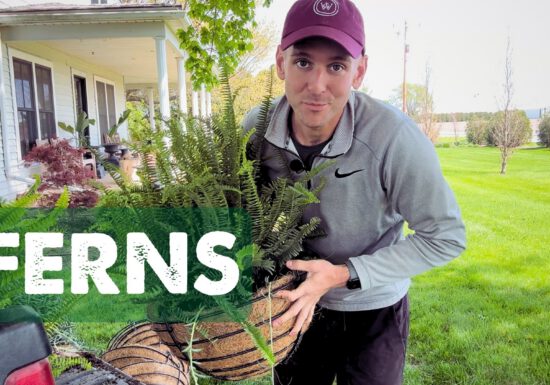
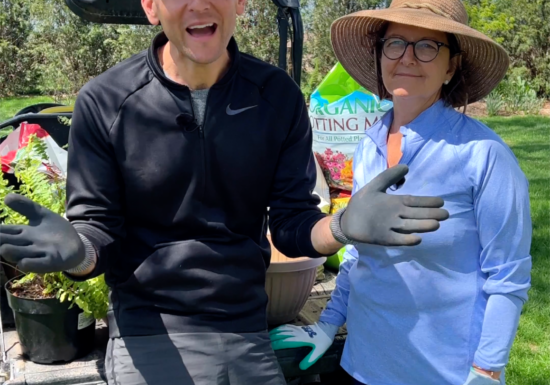
There’s nothing quite like a porch full of lush, thriving greenery to welcome in the warmer months—and no one brings that vision to life quite like Kaleb Wyse of Wyse Guide. In his latest video, Kaleb shares how he transforms his sunny front porch into a shaded retreat using one of our favorite combinations: Boston ferns, Kimberly Queen ferns, and a trusted mix of Espoma Organic Potting Soil Mix and Holly-tone.

Ferns Chosen with Purpose

Kaleb’s front porch faces south, which means intense sunlight, reflected heat, and the occasional gusty breeze. Instead of fighting nature, Kaleb leans into it—selecting Kimberly Queen ferns for their upright habit and sun tolerance, while reserving traditional Boston ferns for shadier spots near the house.

His secret to keeping these ferns happy? It starts with the soil.

Kaleb’s Planting Tips:

Kaleb chooses our Espoma Organic Potting Mix because it offers the perfect balance of drainage and moisture retention—critical for ferns, which love even moisture but hate soggy roots. This mix includes:

  • Perlite for improved aeration

  • Organic compost for slow-release nutrition

  • Natural, eco-safe ingredients—no synthetic fillers or plastic beads here

As Kaleb puts it: “It holds on to the moisture needed but also drains really well.”

He also adds a light sprinkle of Espoma Organic Holly-tone, our acidic plant food typically used for hydrangeas and evergreens. Since ferns thrive in slightly acidic conditions, Holly-tone gives them an extra boost without overstimulating growth—perfect for those who prefer a light-touch fertilizing routine.

🌱 Pro tip from Kaleb: Gently loosen or score the roots of pot-bound ferns before planting. It encourages them to branch into the fresh potting mix and establish faster.

Build Your Own Porch Sanctuary

Looking to create your own front porch oasis? Let Kaleb’s video be your inspiration. And when you’re ready to pot up your ferns, reach for the products trusted by generations of gardeners.

*****

🌷YouTube

🌷 Facebook

🌷 Instagram

🌷 Website

Featured Products:

Espoma Organic Potting Mix Bag Espoma Organic Holly-tone Organic Fertilizer for all acid loving plants


Where to Buy

https://www.espoma.com/wp-content/uploads/2025/06/WG_Porch_ferns.jpeg 1080 1920 Matt Dauphinais https://www.espoma.com/wp-content/uploads/2023/05/espoma-logo340w-1.png Matt Dauphinais2025-06-17 16:15:452025-06-25 13:34:41VIDEO: Porch-Perfect Ferns: 🌿 Planting Hanging Baskets with Wyse Guide

VIDEO: Prepare Your Plants for Winter Storage with Wyse Guide!

December 3, 2024/in Blog, Espoma Videos, Kaleb Wyse

Preparing outdoor container plants for winter is a seasonal challenge for gardeners in colder climates. Watch Kaleb Wyse of Wyse Guide as he shares a detailed, behind-the-scenes look at his winter plant storage techniques.

Preparing Plants for Winter Storage

Kaleb demonstrates the process of transitioning plants like figs, succulents, and cacti from outdoor containers to indoor pots. His method emphasizes:

  1.  Removing root-bound plants gently and trimming where necessary.
  2. Using the proper sized container and balancing root space and top-heaviness.
  3. : Using the right soil mix for specific plants.

One standout product Kaleb uses for his succulents is an organic potting soil mix like Espoma Organic Cactus Mix, which provides an ideal growing medium for succulents, cacti, and citrus plants.

The Plant Room

Kaleb’s storage room is a converted, insulated space tailored to meet the needs of plants during Iowa’s cold winters in Zone 5B. Equipped with radiant heaters, LED grow lights and fans, this room mimics outdoor conditions while protecting plants from frost.

Key features include:

  • Grow Lights: LED grow lights ensure proper light distribution for optimal growth.
  • Temperature Control: Maintains optimal ranges—70-75°F for warm-zone plants.
  • Air Circulation: Fans reduce pests such as scale and spider mites.

Additional Tips and Tricks

  • Pest Prevention: Organic sprays like neem oil and horticultural oil are applied to eliminate pests before bringing plants indoors.
  • Succulent Care: Kaleb repots succulent arrangements into individual containers and propagates new plants through cuttings.

Whether you’re overwintering succulents, ferns, or citrus plants, Kaleb’s method, enhanced by tools like Espoma Organic Potting soils, ensures a healthy and thriving indoor garden all winter long.

*****

Learn more about Wyse Guide here:

YouTube: www.youtube.com/@WyseGuide 

Facebook: https://www.facebook.com/WyseGuide/

Instagram: https://www.instagram.com/WyseGuide/

Website: https://www.wyseguide.com/

Featured Products:

Espoma Organic Potting Mix Bag Espoma Organic Indoor! liquid fertilizer Espoma Organic Cactus! liquid fertilizer Espoma Organic Cactus Mix


Where to Buy


https://www.espoma.com/wp-content/uploads/2024/12/Housplant-1.jpg 720 1280 Matt Dauphinais https://www.espoma.com/wp-content/uploads/2023/05/espoma-logo340w-1.png Matt Dauphinais2024-12-03 17:30:222024-12-03 17:30:22VIDEO: Prepare Your Plants for Winter Storage with Wyse Guide!

VIDEO: Planting Succulents & Ferns with Wyse Guide!

August 8, 2024/in Blog, Container Gardening, Espoma Videos, Gardening, Kaleb Wyse, Succulents

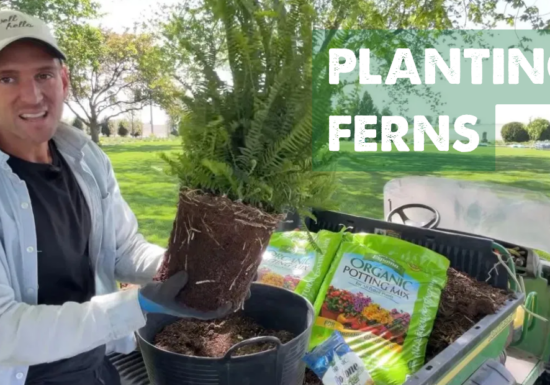
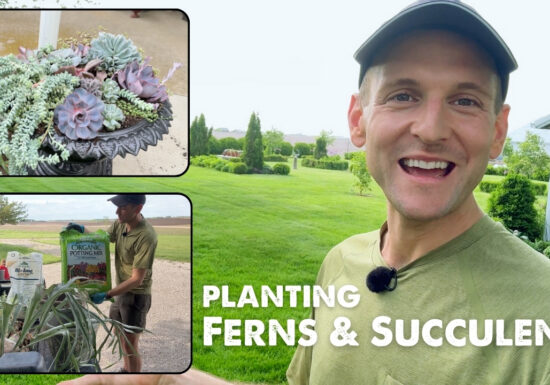
Join Kaleb Wyse from Wyse Guide as he tackles his gardening checklist! Watch as he plants multiple varieties of ferns and succulents in containers.

Kaleb uses Espoma Organic Potting Soil Mix along with Bio-tone Starter Plus to provide the best possible growing conditions for his plants. When planting ferns, Kaleb mixes in Holly-tone to deliver additional beneficial nutrients specifically for acid-loving plants.

Learn more about Wyse Guide here:

? YouTube: www.youtube.com/@WyseGuide 

? Facebook: https://www.facebook.com/WyseGuide/

? Instagram: https://www.instagram.com/WyseGuide/

? Website: https://www.wyseguide.com/

Featured Products:


Where to Buy


https://www.espoma.com/wp-content/uploads/2024/08/planting-2.jpg 720 1280 Matt Dauphinais https://www.espoma.com/wp-content/uploads/2023/05/espoma-logo340w-1.png Matt Dauphinais2024-08-08 12:19:332024-12-03 13:56:36VIDEO: Planting Succulents & Ferns with Wyse Guide!

VIDEO: Repotting Ferns with Wyse Guide!

April 19, 2024/in Blog, Kaleb Wyse

Join Kaleb Wyse of Wyse Guide as he expertly demonstrates how to care for ferns using Espoma Organic’s Potting Mix, Plant-tone, and Bio-tone Starter Plus!

Don’t miss these essential tips!


Learn more about Wyse Guide here:

YouTube: https://www.youtube.com/WyseGuide

Facebook: https://www.facebook.com/WyseGuide/

Instagram: https://www.instagram.com/WyseGuide/

Website: https://www.wyseguide.com/

Featured products:

Where to Buy
√

https://www.espoma.com/wp-content/uploads/2024/04/Screenshot-2024-04-19-at-5.17.54 PM.png 1218 2328 Matt Dauphinais https://www.espoma.com/wp-content/uploads/2023/05/espoma-logo340w-1.png Matt Dauphinais2024-04-19 17:47:402024-04-19 17:55:49VIDEO: Repotting Ferns with Wyse Guide!

VIDEO: Planting Hanging Pots with Mom?? || Wyse Guide

May 10, 2023/in Blog, Espoma Videos, Kaleb Wyse

Want a Mother’s Day gift that keeps on giving? Consider planting for Mom or anyone special in your life. Or maybe you just like to decorate with hanging plants? Watch Kaleb from @WyseGuide demonstrate how to properly plant your own hanging potted plants.

Kaleb uses Espoma Organic Potting Soil Mix and adds some extra nutrients to the soil with Espoma Organic Plant-tone.


*****

Want some other ideas for Mom? Check out these other ideas:

Grow A Garden Spa for Mother’s Day

DIY Mother’s Day Planter with Garden Answer

Mother’s Day Container Garden


Featured Products:

Where to Buy


https://www.espoma.com/wp-content/uploads/2023/05/WG-Hanging-Potted-Plants-YT-short.png 1920 1080 Matt Dauphinais https://www.espoma.com/wp-content/uploads/2023/05/espoma-logo340w-1.png Matt Dauphinais2023-05-10 15:41:512023-05-10 16:03:26VIDEO: Planting Hanging Pots with Mom?? || Wyse Guide

Video: DIY Fern Terrarium with Bloom and Grow Radio

April 13, 2021/in Blog, Bloom and Grow Radio, Container Gardening, Espoma Videos, Indoor Gardening

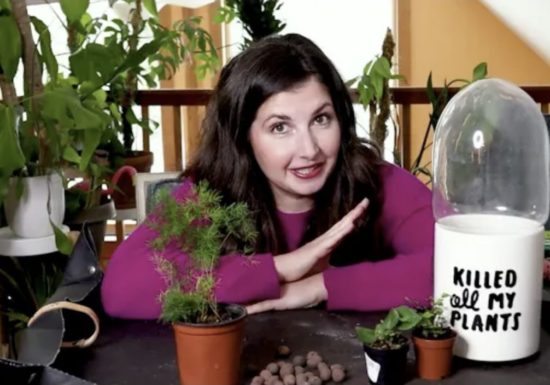
Are you an epic fern killer like our friend Bloom and Grow​? No worries! Join her in this experiment for creating a high-moisture environment under glass where these humidity-loving plants can thrive.

Featured Products: 


Where to Buy
https://www.espoma.com/wp-content/uploads/2021/04/Screen-Shot-2021-04-13-at-12.52.23-PM.png 704 1274 Danielle Kirschner https://www.espoma.com/wp-content/uploads/2023/05/espoma-logo340w-1.png Danielle Kirschner2021-04-13 12:55:462021-04-13 12:55:46Video: DIY Fern Terrarium with Bloom and Grow Radio

Fern Care Guide

February 22, 2019/in Blog, Indoor Gardening

Ferns are classic yet fussy houseplants. Laura @GardenAnswer has all the tips and tricks you need to be successful in growing ferns indoors.

Here are 10 things to keep in mind as you tend to your fern:

Light Exposure

Contrary to popular belief, ferns need quite a bit of light. Though, they don’t like to be in direct sunlight as their foliage will change to a light yellow color or burn. Keep them near a place that receives plenty of sunshine throughout the day.

Only a few varieties can handle shade and moisture as most people think. Check your plant tag for the most accurate information about your fern.

Temperature

Ferns like their surroundings to be similar to what we like between 65 and 75°F, matching the temperatures in our home. They don’t like it too drafty so keep them away from doors that lead outside and away from air vents.

Humidity

This is the most important thing to be aware of for keeping your fern healthy, especially if you live in a dry climate. Placing your fern in a bathroom or kitchen near the water source can help, since they typically get more moisture in there naturally.

For a more decorative option, place pebbles in a tray with some water and place your fern on top. The moisture will carry up to the foliage as it evaporates. Add water to the tray as needed.

Soil Type

Use Espoma’s Organic Potting Mix for your ferns. Organic potting mixes have the right kind of drainage and will hold just enough water that is needed without drowning your fern.

Repotting

Typically, ferns need to be repotted every two years. Check its roots once a year. If the roots are starting to circle around the container, it is time to repot. If there is still soil around the edge of it, it should be fine for another year.

When it is time to repot your fern, only go up one size for your container. Be sure there is a drainage hole at the bottom of your container. Place a small layer of Espoma’s Organic Potting Mix in the bottom and fill around the sides as needed.

Watering

Ferns like to be consistently damp, but not wet and soggy like many people think. Each fern and home is a bit different, especially this time of year. Water your fern and keep an eye on it. If the soil at the top feels dry, water it again.

Fertilizing

Ferns like to be fed about once a month during their growing season. Each zone and climate will have a different growing season, which you can ask your local garden center about. Feed your fern with Espoma’s Organic Indoor! liquid plant food. Check the label for instructions on how to use.

Grooming

All houseplants should be groomed about once a month. Remove any foliage that looks damaged, unhealthy, or is turning brown or yellow. Discard any leaves or debris that is on top of the soil to keep insects and diseases at bay.

Insects

The most common insects to watch out for are mealybugs, aphids, fungus mites, white flies, and spider mites for just about any houseplant. If you are unsure of the insect you are dealing with, take a picture and take it to your local garden center. They will be able to offer suggestions on how to get rid of it.

Toxicity

Ferns are non-toxic, but it is still a smart idea to keep your pets and kids away from eating or playing with a fern. That might just cause a tummy ache or a mess in your home!

*****


Where to Buy


https://www.espoma.com/wp-content/uploads/2019/02/fern-1.jpg 1080 1920 espoma https://www.espoma.com/wp-content/uploads/2023/05/espoma-logo340w-1.png espoma2019-02-22 11:00:232024-09-07 08:00:46Fern Care Guide

How to Care for Your Monstera

January 30, 2019/in Blog, Indoor Gardening

Monstera is commonly called Swiss cheese plant or split-leaf philodendron referring to the beautifully cut leaves. It’s a must have for its Caribbean feel. The foliage is deep green, lush and tropical. With time the foliage can become quite large and exotic looking. There is also a rare white variegated form that is slower growing. They generally don’t bloom indoors but in its natural environment they will produce edible fruit that is said to taste like fruit salad.

Light and Placement

As a tropical plant it’s no surprise that your Monstera likes warm indoor temperatures between 68 and 86 degrees Fahrenheit. A little humidity makes them feel right at home, too. Bathrooms and kitchens can often supply a touch of humidity or you can simply mist your plant now and then. These plants grow naturally in the dappled light of the forest floor. To mimic that, place your Monstera in bright or filtered, indirect light. They can actually grow in deep shade, but may not exhibit as much of the cut leaf foliage. If you live in zones 10 or 11, you can grow it outdoors in a shady spot.

Photo courtesy of Costa Farms

Food and Water

Monstera likes moist soil, but not one that stays soggy or overly wet. Make sure the pot has good drainage. Water weekly, when the top inch of the soil is dry. Make sure any excess water drains away. In spring and summer, when the plants are actively growing, it’s a good idea to feed them once a month with a liquid fertilizer like Espoma’s Organic Indoor!  plant food.

Repotting

Repot young plants every year to encourage growth and add soil nutrients. Gradually go up in pot size by 2 inches per year.  Once your plant has reached its optimal height for your space, you can give it a top dressing of new soil once a year and only repot it about every 3 years. Always use a quality potting soil to help keep the soil moist but free-draining. These are natural climbers that use their aerial roots to hold on to trees. When you do repot your plant, be sure to add a trellis or moss covered plant stake for support.

Photo courtesy of Costa Farms

Pruning

Young plants often have compact, bushy habits. As they grow, they will begin to show their vining nature. You can either give them support to climb and become a tall and dramatic or if you prefer, you can pinch them to rein in the lankiness. Pinch off the new growth tip with your finger at the height you’d like it to stay at. Feel free to prune out stems that are producing few or no leaves. If you can’t tuck the aerial roots back into the pot, you may remove them as well.

Pest and Disease

Monstera is rarely bothered by pest or disease. Wipe off the leaves with a damp cloth from time to time or give it a shower to remove dust. Check for spider mites when you do. This is a long-lived house plant that will give you years of pleasure with little care.

Ready for more houseplants? Check out “How to Fertilize Houseplants” with Homestead Brooklyn!

Best products for Monstera

Where to Buy


https://www.espoma.com/wp-content/uploads/2019/01/shutterstock_593969489-1200w.jpg 800 1200 espoma https://www.espoma.com/wp-content/uploads/2023/05/espoma-logo340w-1.png espoma2019-01-30 08:00:032024-08-16 14:50:05How to Care for Your Monstera
Where to Buy

Get News & Updates

Recent Posts

  • VIDEO: Planting the Last Bulbs of the Season with Garden Answer
  • How to Care for Ferns 🌿 | Growing Joy with Maria
  • VIDEO: One Last Autumn Stroll 🍁🍂 with Summer Rayne Oakes
  • VIDEO: How to Plant Spring Bulbs in Containers 🌱🌷 with Garden Answer
  • VIDEO: Bringing In Your Plants for Winter 🪴❄️ with Summer Rayne Oakes

Tags

All-Purpose Potting Mix bio-tone Bio-tone Starter Bio-tone Starter Plus Cactus Mix caring for houseplants Container Gardening DIY project Espoma espoma grown espoma organic Espoma Organics Espoma Video fall gardening Family fert flower garden flowers garden Garden Answer Gardening gardening tips gardens grow holly-tone houseplants Indoor! indoor gardening indoor plants Kaleb Wyse organic organic fertilizer Organic Gardening organic plant food Organic Potting Mix Outdoor Gardening Planting plants Potting Mix potting soil Spring Gardening summer rayne oakes vegetable garden Vegetable Gardening Wyse Guide

Espoma. A Family Tradition Since 1929.

Espoma Organic logo
  • Espoma Dealer
  • Espoma Pro
  • Garden Club
  • Privacy Policy

Scroll to top