Espoma Organic
  • Products
    • Close
    • Product Line Overview
    • Plant food finder
    • Garden Fertilizers
    • Potting Soils
    • Lawn Fertilizers
    • Liquid Fertilizers
    • Single Ingredients
    • Conventional Plant Foods
    • Animal Care Products
  • Where to Buy
  • Our Story
    • Close
    • Our Story
    • Locations
    • Historical Timeline
    • Our Commitment
    • Directions
    • Solar
    • Join our Team
    • Espoma Brand Partners
  • Learn
    • Close
    • Espoma Blog
    • FAQ’s
    • Pocket Guide
    • Espoma Guides
    • Garden Clubs
    • Safe Paws Lawn
    • PRODUCT FACT SHEETS
    • Fertilizer Fundamentals
      • Close
      • Understanding Plant Nutrition
      • Reading Labels
      • Choosing the Right Type of Fertilizer
      • Terms & Definitions
    • Gardening Projects
    • Resource Links
  • Contact Us
  • Menu Menu

Tag Archive for: Blooms

VIDEO: How to Plant Daffodil Bulbs in Late Fall for Beautiful Spring Flowers 🌼 with Wyse Guide!

December 17, 2024/in Blog, Bulbs, Espoma Videos, Fall Gardening, Kaleb Wyse

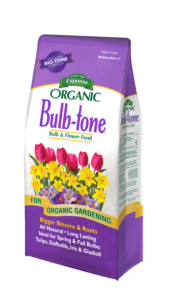
Planting daffodil bulbs in late fall is the perfect way to prepare for a colorful spring garden. Kaleb Wyse from Wyse Guide shares his top tips for planting bulbs to set them up for success. A key step is using a high-quality organic fertilizer like Espoma Organic Bulb-tone when planting. The fertilizer provides essential nutrients that will be ready and waiting when the soil thaws, helping bulbs quickly establish roots and produce vibrant, healthy blooms in spring.

Don’t miss your window to plant before the ground freezes. With just a little effort now, you’ll enjoy bright, cheerful daffodils when spring arrives!

Learn more about Wyse Guide here:

YouTube: www.youtube.com/@WyseGuide 

Facebook: https://www.facebook.com/WyseGuide/

Instagram: https://www.instagram.com/WyseGuide/

Website: https://www.wyseguide.com/

Featured Products:

Espoma Organic Bulb-tone bag


Where to Buy

https://www.espoma.com/wp-content/uploads/2024/12/Planting-Daff.jpg 720 1280 Matt Dauphinais https://www.espoma.com/wp-content/uploads/2023/05/espoma-logo340w-1.png Matt Dauphinais2024-12-17 11:26:562024-12-17 11:27:22VIDEO: How to Plant Daffodil Bulbs in Late Fall for Beautiful Spring Flowers 🌼 with Wyse Guide!

VIDEO: Planting Camassia with Summer Rayne Oakes!

December 2, 2024/in Blog, Bulbs, Espoma Videos, Flowers, Summer Rayne Oakes

Camassia, a native North American bulb, is a stunning spring bloomer that thrives in USDA hardiness zones 3-8. Often underutilized these bulbs are known for their striking blue, lavender, or white flowers.

In this video, Summer Rayne Oakes of Flock Finger Lakes shows how to plant Camassia bulbs and shares her top plant care tips. Summer recommends mixing in a high-quality organic fertilizer like Espoma Organic Bulb-tone when planting. This practice ensures these bulbs get the nutrients they need to produce big, beautiful blooms.


Learn more about Flock Finger Lakes here:

Website: flockfingerlakes.com

Instagram – @flockfingerlakes

YouTube –Flock Finger Lakes

X – @flockny

Facebook –Flock Finger Lakes


Featured Products:

Espoma Organic Bulb-tone bag


Where to Buy


https://www.espoma.com/wp-content/uploads/2024/12/Camassia_Planting.jpg 720 1280 Matt Dauphinais https://www.espoma.com/wp-content/uploads/2023/05/espoma-logo340w-1.png Matt Dauphinais2024-12-02 13:48:422024-12-02 13:48:42VIDEO: Planting Camassia with Summer Rayne Oakes!

VIDEO: Planting a FALL CONTAINER + HYDRANGEAS + Harvesting POTATOES with Garden Answer

October 4, 2024/in Blog, Espoma Videos, Flowers, Garden Answer, Gardening

Join Laura from Garden Answer as she shows how to plant a stunning fall container filled with a mix of annuals and hydrangeas. Along the way, she shares practical gardening tips while sprucing up a flowerbed and harvesting potatoes from her vegetable garden.

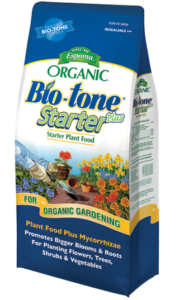
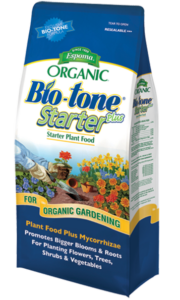
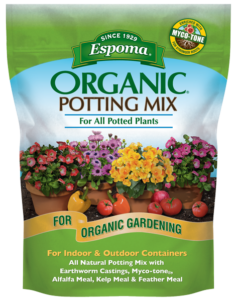
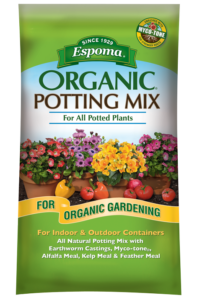
To give her plants the best start, Laura uses Espoma Organic Potting Soil Mix for an ideal growing medium and adds Espoma Organic Bio-tone Starter Plus to ensure strong roots and big beautiful blooms.

Learn more about Garden Answer here:

https://www.youtube.com/c/gardenanswer

https://www.gardenanswer.com/

https://www.facebook.com/gardenanswer

https://www.instagram.com/gardenanswer/

Featured Products:

Espoma Organic Bio-tone Starter Plus bag Espoma Organic Potting soil Mix Big bag


Where to Buy

https://www.espoma.com/wp-content/uploads/2024/10/Untitled-design-12.jpg 720 1280 Matt Dauphinais https://www.espoma.com/wp-content/uploads/2023/05/espoma-logo340w-1.png Matt Dauphinais2024-10-04 12:25:072025-04-10 10:46:04VIDEO: Planting a FALL CONTAINER + HYDRANGEAS + Harvesting POTATOES with Garden Answer

How to Attract Hummingbirds to Your Garden with the Right Plants ?

August 28, 2024/in Blog

Hummingbirds bring a magical touch to any garden with their vivid colors and swift, darting movements. Attracting these tiny birds is all about selecting the right plants that provide plenty of nectar and visual interest. Here are some of the best plants to add to your garden to make it a welcoming space for hummingbirds.
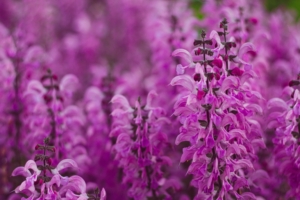
image of Salvia

1. Salvia (Sage)

Salvia is a hummingbird favorite due to its tubular flowers, which are perfect for their long beaks and tongues. With many varieties available, you can find salvias that bloom in shades of red, pink, purple, and blue—all of which will draw hummingbirds in.

Use Espoma Organic Flower-tone when planting to help provide the nutrients needed to produce these beautiful blooms.
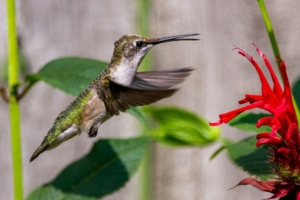
Hummingbird next to bee balm plant

2. Bee Balm (Monarda)

Known for its unique, spiky blooms, bee balm is a magnet for hummingbirds. The bright red, pink, and purple flowers provide plenty of nectar and also attract butterflies and bees, adding even more life to your garden.
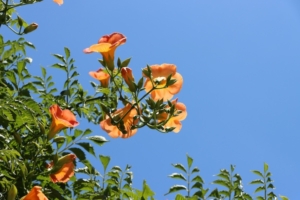
Trumpet vine flower

3. Trumpet Vine (Campsis radicans)

As its name suggests, the trumpet vine produces large, trumpet-shaped flowers that are ideal for hummingbirds. This vigorous climber can cover fences and trellises, providing a striking backdrop of orange or red blooms that hummingbirds will love.
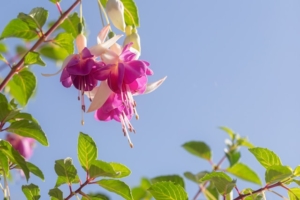
pink Fuchsia flowers and green foliage

4. Fuchsia

Fuchsia plants are well-loved by hummingbirds for their pendulous, brightly colored flowers. These plants do well in hanging baskets and shaded areas, making them versatile additions to your garden space.
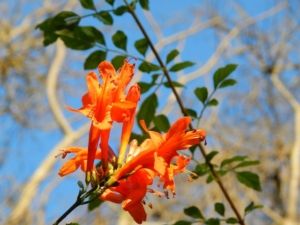
5. Honeysuckle (Lonicera)

Honeysuckle vines offer fragrant, tubular flowers that are perfect for attracting hummingbirds. Look for non-invasive varieties to ensure your garden stays balanced and thriving.
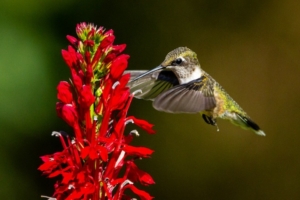
A ruby-throated hummingbird hovers next to a cardinal flower.

6. Cardinal Flower (Lobelia cardinalis)

With its stunning red spikes of flowers, the cardinal flower is a fantastic addition for attracting hummingbirds. This perennial thrives in moist areas, making it a good choice for gardens with water features.
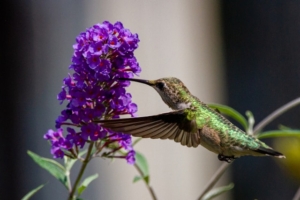
A ruby-throated hummingbird gathering nectar from a butterfly bush.

7. Butterfly Bush (Buddleja)

Despite its name, the butterfly bush is not just for butterflies. Its clusters of small, tubular flowers are excellent sources of nectar for hummingbirds. This shrub comes in many colors, including purple, pink, and white, providing visual interest throughout the blooming season.

Planting Tips for Hummingbird Gardens

  • Variety is Key: Plant a mix of species that bloom at different times to ensure a steady supply of nectar from spring through fall.
  • Go Native: Whenever possible, choose native plants that hummingbirds are naturally attracted to and that will thrive in your local climate. When Planting, use Espoma Organic Bio-tone Starter Plus to provide the essential nutrients needed for these plants to establish strong roots in their new environment.
  • Provide Water: Hummingbirds are drawn to water sources for both drinking and bathing. Consider adding a birdbath or a water mister to your garden.

By incorporating these plants and following these tips, you can create a vibrant and inviting space that will attract hummingbirds to your garden, bringing color and life to your outdoor space. Enjoy the enchanting sight of these tiny birds flitting from flower to flower!

*****

Featured Products:
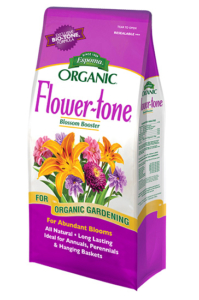
Espoma Organic Flower-tone bag Espoma Organic Bio-tone Starter Plus bag


Where to Buy

https://www.espoma.com/wp-content/uploads/2024/08/hummingbird.jpg 439 560 Matt Dauphinais https://www.espoma.com/wp-content/uploads/2023/05/espoma-logo340w-1.png Matt Dauphinais2024-08-28 15:15:122024-08-28 15:16:36How to Attract Hummingbirds to Your Garden with the Right Plants ?

VIDEO: Planting MUMS & BOXWOODS + Pruning TREE ROSES & More! with Garden Answer

August 15, 2024/in Blog, Garden Answer
Follow along as Laura from Garden Answer pots up heirloom mums, prunes tree roses, and plants boxwoods—all with a little help from Espoma Organic Potting Mix and Bio-tone Starter Plus. ?? For deeper roots and bigger blooms, Espoma Organic makes all the difference.
Learn more about Garden Answer here:

https://www.youtube.com/c/gardenanswer

https://www.gardenanswer.com/

https://www.facebook.com/gardenanswer

https://www.instagram.com/gardenanswer/

Featured Products:


Where to Buy

https://www.espoma.com/wp-content/uploads/2024/08/Thumbnail3-1.jpg 1080 1920 Matt Dauphinais https://www.espoma.com/wp-content/uploads/2023/05/espoma-logo340w-1.png Matt Dauphinais2024-08-15 16:46:502024-08-15 16:47:05VIDEO: Planting MUMS & BOXWOODS + Pruning TREE ROSES & More! with Garden Answer

VIDEO: Using Different Types of ORGANIC Fertilizers ??? with Wyse Guide

July 18, 2024/in Blog, Kaleb Wyse

Join Kaleb Wyse from Wyse Guide in this gardening guide as he prepares strawberry beds, plants onions, and fertilizes fruit trees using different types of organic fertilizer.

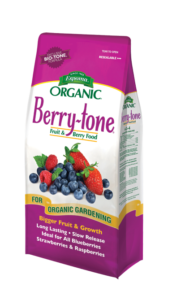
Strawberry Beds Preparation: Kaleb uses Espoma Organic Berry-tone to boost blooms and improve soil health. He also beds the strawberries with weed-free straw to protect the berries and reduce pest issues.

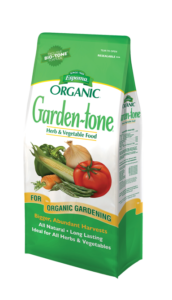
Planting Onions: Espoma Organic Garden-tone is applied to promote healthy green growth in the onion bed. Kaleb carefully selects long-day onion varieties for better growth and storage.

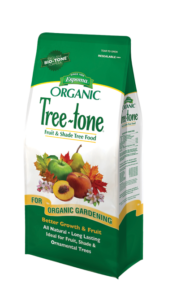
Fertilizing Fruit Trees: In his orchard, Kaleb uses Espoma Organic Tree-tone to support healthy growth and enhance fruit production. He also showcases the benefits of the open vase pruning method for better light and air circulation.

Enhance your garden’s health and productivity with Kaleb’s tips and the help of Espoma organic fertilizers. ?

*****

Learn more about Wyse Guide here:

? YouTube: www.youtube.com/@WyseGuide 

? Facebook: https://www.facebook.com/WyseGuide/

? Instagram: https://www.instagram.com/WyseGuide/

? Website: https://www.wyseguide.com/


Featured Products:


Where to Buy

https://www.espoma.com/wp-content/uploads/2024/07/Fertilize-your-Plants.png 1080 1920 Matt Dauphinais https://www.espoma.com/wp-content/uploads/2023/05/espoma-logo340w-1.png Matt Dauphinais2024-07-18 17:35:422024-07-26 15:36:37VIDEO: Using Different Types of ORGANIC Fertilizers ??? with Wyse Guide

VIDEO: Add Containers to Your Garden with Wyse Guide!

July 3, 2024/in Blog, Espoma Videos, Kaleb Wyse

Watch Kaleb Wyse from@WyseGuide demonstrate how to enhance flower beds with beautifully arranged containers.

In this video, Kaleb shares his tips for planting annuals in containers, highlighting the importance of proper drainage for plant health. He uses Espoma Organic potting soil and incorporates Espoma Organic Bio-tone Starter Plus and Flower-tone fertilizers to help with plant establishment and promote vibrant blooms.

Learn more about Wyse Guide here:

? YouTube: www.youtube.com/@WyseGuide 

? Facebook: https://www.facebook.com/WyseGuide/

? Instagram: https://www.instagram.com/WyseGuide/

? Website: https://www.wyseguide.com/

Featured Products:


Where to Buy


https://www.espoma.com/wp-content/uploads/2024/07/Containers.jpg 720 1280 Matt Dauphinais https://www.espoma.com/wp-content/uploads/2023/05/espoma-logo340w-1.png Matt Dauphinais2024-07-03 10:42:352025-04-10 10:46:59VIDEO: Add Containers to Your Garden with Wyse Guide!

VIDEO: Boosting Blooms with Wyse Guide ??

August 22, 2023/in Blog, Fruits & Vegetables - None, Kaleb Wyse

Looking to get more blooms from your potted annuals? High phosphates in your fertilizer are key! That’s why Kaleb from Wyse Guide uses Espoma Organic Bloom! Liquid Fertilizer. Follow along as he explains why it’s essential to give these flowers all the help they can get. It’s easy, nutritious, and a guaranteed bloom booster!

Learn more about Wyse Guide here:

YouTube: https://www.youtube.com/WyseGuide

Facebook: https://www.facebook.com/WyseGuide/

Instagram: https://www.instagram.com/WyseGuide/

Website: https://www.wyseguide.com/


Featured Product:


Where to Buy

https://www.espoma.com/wp-content/uploads/2023/08/Fertilizing-Annuals-2.jpg 1920 1280 Matt Dauphinais https://www.espoma.com/wp-content/uploads/2023/05/espoma-logo340w-1.png Matt Dauphinais2023-08-22 16:47:242023-08-22 16:47:24VIDEO: Boosting Blooms with Wyse Guide ??

Growing Joy with Maria Podcast Episode 30 Blog: Orchid Care Basics

July 25, 2023/in Blog, Bloom and Grow Radio, Fruits & Vegetables - None

Orchids have long captivated plant parents with their beautiful flowers and unique growth habits. Despite what others commonly think, taking care of them is not as difficult as their reputation implies. With the right knowledge and approach, you can bring the beauty of orchids right into your home.

This blog is inspired by Episode 30 of Growing Joy with Maria Podcast, where host Maria Failla talks about orchid care with Chris Satch, the NYC Plant Doctor and educator for the New York Botanical Garden.

What is an Orchid?

Botanically, orchids are plants that have a unified column, which is a unique reproductive structure that unites the orchid family. They can adapt to different environments, but most of them do love the tropics—which is why you can find them on every continent except Antarctica.

Orchid Care Basics

Let’s get into the basics of taking care of them:

  • Light requirements: Orchids love bright, indirect light. Placing them near an east or west-facing window where they receive filtered sunlight is ideal.


  • Temperature & humidity: Orchids thrive in moderate temperatures, so it’s ideal to maintain them within the range of 60°F to 80°F during the day, with slightly cooler temperatures at night. They also love higher humidity levels!


  • Watering: Orchids have different moisture requirements, depending on the species and growing conditions. As a general rule, water your orchids when the soil is almost dry but not completely dried out.


  • Potting mix: Avoid planting orchids in regular potting soil. They need a well-draining mix that mimics their natural environment. Sphagnum moss, orchid bark mix, or a combination of the two are typically used to provide moisture control for orchid roots. Use Espoma Organics Orchid Mix, which is a blend of organic materials that ensures proper drainage while retaining essential moisture.


Common Orchid Types

  • Phalaenopsis: A popular choice for beginners, with elegant and long-lasting flowers.

Pink Orchid

  • Cattleya: If you’re a collector, you’ll love these orchids. They have vibrant and fragrant blooms but prefer brighter light and slightly cooler temperatures.

Pink and orange Cattleya flower, orchidaceae family

  • Vanda: Known for their striking, colorful flowers and aerial root growth. They like high humidity and bright, indirect light.

Pink, red and yellow flowers

  • Encyclia: These charming, unique flower forms are known for their toughness and ability to adapt to different conditions. 


Fertilizer: To Use or Not to Use?

Fertilizing orchids during their active growth periods is beneficial for the beautiful blooms associated with them. A balanced orchid fertilizer like Espoma Organic Orchid! A bloom booster that will do wonders—just make sure not to overdo it! Too much can build up salts and harm the roots.

Myth Busting: Ice Cubes & Level of Difficulty

Myth 1: Ice Cubes are Good for Orchids 

Myth! Putting ice cubes on the soil can actually harm your orchid. It’s best to water them thoroughly and let any excess water drain out of the pot. You want to avoid letting the roots sit in standing water.

Myth 2: Orchids are Difficult to Care For

Partially a myth. Here’s the truth: some can be tricky, but most of the orchids you’ll find in stores are specifically selected to be tough and adaptable to indoor conditions. In fact, orchids are often described as plants that like “benign neglect.” You can leave them alone for a while, and they’ll still thrive!

Troubleshooting Orchid Problems

Q: Why is my orchid not blooming?

A: If your orchid isn’t blooming, it might need more light or consistent temperatures. 

Q: Why are my orchid leaves turning yellow?

A: If the leaves are turning yellow, you could be overwatering or underwatering. And if you notice mushy or black roots, that might indicate root rot, which can be caused by too much water or poor drainage.

*****

It takes patience, attention, and a willingness to learn to take care of orchids. But it’s totally worth it! Add these plants to your collection, and enjoy their stunning flowers and captivating growth patterns for years to come. 

Featured Products:


Where to Buy


https://www.espoma.com/wp-content/uploads/2023/07/Copy-of-Espoma-Orchid-Care.png 1080 1080 Matt Dauphinais https://www.espoma.com/wp-content/uploads/2023/05/espoma-logo340w-1.png Matt Dauphinais2023-07-25 11:19:432024-09-27 17:00:28Growing Joy with Maria Podcast Episode 30 Blog: Orchid Care Basics

BAGR Blog 159: Houseplants that Bloom

November 22, 2022/in Blog, Bloom and Grow Radio

This blog is inspired by Episode 159 of Bloom and Grow Radio Podcast, where host Maria Failla interviewed Lisa Eldred Steinkopf of The Houseplant Guru.

Houseplants are celebrated for their amazing foliage, but are often overlooked for another ability—the ability to bloom! To give us a better grasp of this beautiful subcategory, let’s dive into the must-knows of houseplants that bloom. 

How to Care for Blooming Houseplants

The main difference between blooming houseplants and normal foliage houseplants is light requirements. If you want to start caring for blooming houseplants, you need to have a good light setup.

Blooming houseplants require a bit more light. That can look like a Southern-, Western-, or an Eastern-facing window for natural light. If you have Northern-facing windows, you will need to supplement with grow lights.

The type of grow light you have will determine the amount of hours needed, but at most your blooming houseplants will need 12 hours of direct light. Inadequate lighting is often the culprit if your blooming houseplants don’t bloom. 

What Does a Houseplant Bloom Cycle Look Like?

Across blooming houseplants, there are long-day, short-day, and day-neutral plants that affect the bloom cycle. A day-neutral plant like the African violet (Saintpaulia) can bloom year round, as it’s not sensitive to day length. A short-day plant, however, will start blooming when the nights get longer, focusing on how much darkness they need.

Houseplants like poinsettias, kalanchoe, and cyclamen are all short-day plants, blooming in the Fall when nights are longer. Most of the annual flowers outdoors like snapdragons and marigolds need light for as long as possible to bloom, so they are categorized as long-day plants. These long-day flowers bloom best in Summer when day length is greatest.

If your plant is not blooming within a year, it may need something different. Often the key can be more light, but it could also be that it’s simply not mature enough yet to produce blooms. If you grow a citrus from seed, it won’t flower for six to seven years—but if you grow a cutting from a mature plant, it could bloom within a year. Consider a plant’s maturity for each variety before you write off your plant parent skills. 

Fertilizing Requirements for Blooming Houseplants

While sun and photosynthesis tend to be the most important factors in getting your plants to bloom, fertilizers can certainly help. An all-purpose fertilizer like Espoma’s Organic Indoor Houseplant Food is a great overall fertilizer. To help your blooms last longer, Espoma’s Super Bloom Booster that’s high in phosphorus will give your plants strong, healthy blooms. Opt for every two to four weeks if you choose a liquid fertilizer. 

How to Make Blooms Last Longer

To get your houseplant blooms to last as long as possible, focus on consistency. Blooming plants want consistent moisture, so do not let them dry out. Keep your plants in a well-lit spot, but not so hot that they become stressed. Be consistent with moisture and temperature during blooming and your plants will be happy. 

Now that we’ve covered some basic care for blooming houseplants, let’s go into some great starter plants for beginners. 

The 6 Best Blooming Houseplants for Beginners

The crown of thorns (Euphorbia milii) is a wonderful blooming houseplant if you have high light. It can even bloom year round with enough light. They come in many colors ranging from white. red, yellow, pink, and orange. 

Hoyas (Hoya carnosa) are another blooming houseplant that are great for beginners. The key with hoyas is to know they won’t bloom until they’re mature enough. It can take anywhere from three to seven years for hoya plants to reach maturity.

Air plants (Tillandsias) are next for beginners. While they need lots of light, they almost constantly bloom and grow. They will send out new pups, because once they bloom, they slowly die off. 

The holiday cactus (Schlumbergera spp.) is another great beginner blooming houseplant, and an often underrated one. Holiday cacti include Christmas, Easter, and Thanksgiving varieties, each slightly different in the shape of their stem segments. Their blooms also come in a range of colors including pink, orange, salmon, and white. 

African violets (Streptocarpus sect. Saintpaulia) are another beautifully blooming houseplant that would be a great fit for a mindful plant parent. African violets prefer to never dry out and to be repotted about every 6 months. Their leaves and stems are easy to propagate, making them a fun houseplant to share with other plant lovers. Try feeding your violets with Espoma Organic Violet! African violet liquid plant food.

The goldfish plant (Columnea nematanthus) is another fantastic blooming houseplant that doesn’t need much light to bloom. Their blooms are orange and shaped like goldfish, looking like a sea of goldfish swimming when in full bloom.

Intermediate Level Blooming Houseplants

If you’re ready to move up to the intermediate level, here are three blooming houseplants to get you started. 

Orchid cacti (Epiphyllums) are a type of climbing cacti with flat, leaflike stems. Despite being a tropical succulent, they actually need stretches of cold before they will bloom again. Give them enough light and enough of a cold period, and you’ll be wowing everyone with these stunning blooms.  

Bromeliads (Bromeliaceae) are another long-blooming houseplant that are typically bought in their blooming stage. Their blooms eventually die back, but not before they send out new babies at the bottom.

While there are beginner orchids, there are plenty of interesting varieties for an intermediate plant parent to try. Dendrobiums, Cattleyas, and Miltonias tend to be a bit more care intensive. To troubleshoot why your orchid isn’t blooming, it can often be a lack of light. Orchids also need to be repotted at least every two years to ensure adequate air for their roots. Try Espoma’s Organic Orchid Mix potting soil to help with drainage and aeration. Apply Espoma Organic Orchid! liquid plant food to make sure your plant has the essential nutrients needed for successful growth. 

*****

For an in-depth look into blooming houseplants, make sure to read Lisa’s new book Bloom: The Secrets of Growing Flowering Houseplants Year-Round. 

About Bloom & Grow Radio Podcast

 Bloom & Grow Radio Podcast helps people care for plants successfully and cultivate more joy in their lives. Host Maria Failla, a former plant killer turned happy plant lady, interviews experts on various aspects of plant care, and encourages listeners to not only care for plants, but learn to care for themselves along the way.

About Our Interviewee

Lisa Eldred Steinkopf is The Houseplant Guru. She’s a blogger, freelance writer, and houseplant enthusiast who loves taking care of her own plants and teaching others to take care of theirs. If you love plants, want to know more, or are just looking to keep your houseplant plant alive, you’re in the right place!

Lisa’s new book Bloom: The Secrets of Growing Flowering Houseplants Year-Round celebrates the beloved houseplants we can grow for blooms in addition to foliage. It focuses on how to get many houseplants to bloom and how to keep them in bloom. 

​​Follow Lisa:

Website

Instagram

Facebook

Books


Featured Products: 


Where to Buy


https://www.espoma.com/wp-content/uploads/2022/11/ryan-gerrard-J7DoRy8SLkA-unsplash-scaled.jpg 2560 1707 Matt Dauphinais https://www.espoma.com/wp-content/uploads/2023/05/espoma-logo340w-1.png Matt Dauphinais2022-11-22 17:19:592022-11-22 17:27:03BAGR Blog 159: Houseplants that Bloom
Page 3 of 41234
Where to Buy

Get News & Updates

Recent Posts

  • VIDEO: Bringing In Your Plants for Winter 🪴❄️ with Summer Rayne Oakes
  • Final Fall Plantings & Tips for Bringing Plants Inside for Winter 🍁🪴 with Wyse Guide
  • Simple Fall Plantings 🪴🌻🍁 with Garden Answer
  • Video: How to Manage a Wild Garden with Summer Rayne Oakes 🌿🌸
  • VIDEO: Planting Beautiful New Plants and Feeding the Lawn Organically 🌸🚜🌱 with Garden Answer

Tags

All-Purpose Potting Mix bio-tone Bio-tone Starter Bio-tone Starter Plus Cactus Mix caring for houseplants Container Gardening DIY project Espoma espoma grown espoma organic Espoma Organics Espoma Video fall gardening Family fert flower garden flowers garden Garden Answer Gardening gardening tips gardens grow holly-tone houseplants Indoor! indoor gardening indoor plants Kaleb Wyse organic organic fertilizer Organic Gardening organic plant food Organic Potting Mix Outdoor Gardening Planting plants Potting Mix potting soil Spring Gardening summer rayne oakes vegetable garden Vegetable Gardening Wyse Guide

Espoma. A Family Tradition Since 1929.

Espoma Organic logo
  • Espoma Dealer
  • Espoma Pro
  • Garden Club
  • Privacy Policy

Scroll to top