Espoma Organic
  • Products
    • Close
    • Product Line Overview
    • Plant food finder
    • Garden Fertilizers
    • Potting Soils
    • Lawn Fertilizers
    • Liquid Fertilizers
    • Single Ingredients
    • Conventional Plant Foods
    • Animal Care Products
  • Where to Buy
  • Our Story
    • Close
    • Our Story
    • Locations
    • Historical Timeline
    • Our Commitment
    • Directions
    • Solar
    • Join our Team
    • Espoma Brand Partners
  • Learn
    • Close
    • Espoma Blog
    • FAQ’s
    • Pocket Guide
    • Espoma Guides
    • Garden Clubs
    • Safe Paws Lawn
    • PRODUCT FACT SHEETS
    • Fertilizer Fundamentals
      • Close
      • Understanding Plant Nutrition
      • Reading Labels
      • Choosing the Right Type of Fertilizer
      • Terms & Definitions
    • Gardening Projects
    • Resource Links
  • Contact Us
  • Menu Menu

Tag Archive for: Blooms

VIDEO: Boosting Blooms with Wyse Guide ??

August 22, 2023/in Blog, Fruits & Vegetables - None, Kaleb Wyse

Looking to get more blooms from your potted annuals? High phosphates in your fertilizer are key! That’s why Kaleb from Wyse Guide uses Espoma Organic Bloom! Liquid Fertilizer. Follow along as he explains why it’s essential to give these flowers all the help they can get. It’s easy, nutritious, and a guaranteed bloom booster!

Learn more about Wyse Guide here:

YouTube: https://www.youtube.com/WyseGuide

Facebook: https://www.facebook.com/WyseGuide/

Instagram: https://www.instagram.com/WyseGuide/

Website: https://www.wyseguide.com/


Featured Product:


Where to Buy

https://www.espoma.com/wp-content/uploads/2023/08/Fertilizing-Annuals-2.jpg 1920 1280 Matt Dauphinais https://www.espoma.com/wp-content/uploads/2023/05/espoma-logo340w-1.png Matt Dauphinais2023-08-22 16:47:242023-08-22 16:47:24VIDEO: Boosting Blooms with Wyse Guide ??

Growing Joy with Maria Podcast Episode 30 Blog: Orchid Care Basics

July 25, 2023/in Blog, Bloom and Grow Radio, Fruits & Vegetables - None

Orchids have long captivated plant parents with their beautiful flowers and unique growth habits. Despite what others commonly think, taking care of them is not as difficult as their reputation implies. With the right knowledge and approach, you can bring the beauty of orchids right into your home.

This blog is inspired by Episode 30 of Growing Joy with Maria Podcast, where host Maria Failla talks about orchid care with Chris Satch, the NYC Plant Doctor and educator for the New York Botanical Garden.

What is an Orchid?

Botanically, orchids are plants that have a unified column, which is a unique reproductive structure that unites the orchid family. They can adapt to different environments, but most of them do love the tropics—which is why you can find them on every continent except Antarctica.

Orchid Care Basics

Let’s get into the basics of taking care of them:

  • Light requirements: Orchids love bright, indirect light. Placing them near an east or west-facing window where they receive filtered sunlight is ideal.


  • Temperature & humidity: Orchids thrive in moderate temperatures, so it’s ideal to maintain them within the range of 60°F to 80°F during the day, with slightly cooler temperatures at night. They also love higher humidity levels!


  • Watering: Orchids have different moisture requirements, depending on the species and growing conditions. As a general rule, water your orchids when the soil is almost dry but not completely dried out.


  • Potting mix: Avoid planting orchids in regular potting soil. They need a well-draining mix that mimics their natural environment. Sphagnum moss, orchid bark mix, or a combination of the two are typically used to provide moisture control for orchid roots. Use Espoma Organics Orchid Mix, which is a blend of organic materials that ensures proper drainage while retaining essential moisture.


Common Orchid Types

  • Phalaenopsis: A popular choice for beginners, with elegant and long-lasting flowers.

Pink Orchid

  • Cattleya: If you’re a collector, you’ll love these orchids. They have vibrant and fragrant blooms but prefer brighter light and slightly cooler temperatures.

Pink and orange Cattleya flower, orchidaceae family

  • Vanda: Known for their striking, colorful flowers and aerial root growth. They like high humidity and bright, indirect light.

Pink, red and yellow flowers

  • Encyclia: These charming, unique flower forms are known for their toughness and ability to adapt to different conditions. 


Fertilizer: To Use or Not to Use?

Fertilizing orchids during their active growth periods is beneficial for the beautiful blooms associated with them. A balanced orchid fertilizer like Espoma Organic Orchid! A bloom booster that will do wonders—just make sure not to overdo it! Too much can build up salts and harm the roots.

Myth Busting: Ice Cubes & Level of Difficulty

Myth 1: Ice Cubes are Good for Orchids 

Myth! Putting ice cubes on the soil can actually harm your orchid. It’s best to water them thoroughly and let any excess water drain out of the pot. You want to avoid letting the roots sit in standing water.

Myth 2: Orchids are Difficult to Care For

Partially a myth. Here’s the truth: some can be tricky, but most of the orchids you’ll find in stores are specifically selected to be tough and adaptable to indoor conditions. In fact, orchids are often described as plants that like “benign neglect.” You can leave them alone for a while, and they’ll still thrive!

Troubleshooting Orchid Problems

Q: Why is my orchid not blooming?

A: If your orchid isn’t blooming, it might need more light or consistent temperatures. 

Q: Why are my orchid leaves turning yellow?

A: If the leaves are turning yellow, you could be overwatering or underwatering. And if you notice mushy or black roots, that might indicate root rot, which can be caused by too much water or poor drainage.

*****

It takes patience, attention, and a willingness to learn to take care of orchids. But it’s totally worth it! Add these plants to your collection, and enjoy their stunning flowers and captivating growth patterns for years to come. 

Featured Products:


Where to Buy


https://www.espoma.com/wp-content/uploads/2023/07/Copy-of-Espoma-Orchid-Care.png 1080 1080 Matt Dauphinais https://www.espoma.com/wp-content/uploads/2023/05/espoma-logo340w-1.png Matt Dauphinais2023-07-25 11:19:432024-09-27 17:00:28Growing Joy with Maria Podcast Episode 30 Blog: Orchid Care Basics

BAGR Blog 159: Houseplants that Bloom

November 22, 2022/in Blog, Bloom and Grow Radio

This blog is inspired by Episode 159 of Bloom and Grow Radio Podcast, where host Maria Failla interviewed Lisa Eldred Steinkopf of The Houseplant Guru.

Houseplants are celebrated for their amazing foliage, but are often overlooked for another ability—the ability to bloom! To give us a better grasp of this beautiful subcategory, let’s dive into the must-knows of houseplants that bloom. 

How to Care for Blooming Houseplants

The main difference between blooming houseplants and normal foliage houseplants is light requirements. If you want to start caring for blooming houseplants, you need to have a good light setup.

Blooming houseplants require a bit more light. That can look like a Southern-, Western-, or an Eastern-facing window for natural light. If you have Northern-facing windows, you will need to supplement with grow lights.

The type of grow light you have will determine the amount of hours needed, but at most your blooming houseplants will need 12 hours of direct light. Inadequate lighting is often the culprit if your blooming houseplants don’t bloom. 

What Does a Houseplant Bloom Cycle Look Like?

Across blooming houseplants, there are long-day, short-day, and day-neutral plants that affect the bloom cycle. A day-neutral plant like the African violet (Saintpaulia) can bloom year round, as it’s not sensitive to day length. A short-day plant, however, will start blooming when the nights get longer, focusing on how much darkness they need.

Houseplants like poinsettias, kalanchoe, and cyclamen are all short-day plants, blooming in the Fall when nights are longer. Most of the annual flowers outdoors like snapdragons and marigolds need light for as long as possible to bloom, so they are categorized as long-day plants. These long-day flowers bloom best in Summer when day length is greatest.

If your plant is not blooming within a year, it may need something different. Often the key can be more light, but it could also be that it’s simply not mature enough yet to produce blooms. If you grow a citrus from seed, it won’t flower for six to seven years—but if you grow a cutting from a mature plant, it could bloom within a year. Consider a plant’s maturity for each variety before you write off your plant parent skills. 

Fertilizing Requirements for Blooming Houseplants

While sun and photosynthesis tend to be the most important factors in getting your plants to bloom, fertilizers can certainly help. An all-purpose fertilizer like Espoma’s Organic Indoor Houseplant Food is a great overall fertilizer. To help your blooms last longer, Espoma’s Super Bloom Booster that’s high in phosphorus will give your plants strong, healthy blooms. Opt for every two to four weeks if you choose a liquid fertilizer. 

How to Make Blooms Last Longer

To get your houseplant blooms to last as long as possible, focus on consistency. Blooming plants want consistent moisture, so do not let them dry out. Keep your plants in a well-lit spot, but not so hot that they become stressed. Be consistent with moisture and temperature during blooming and your plants will be happy. 

Now that we’ve covered some basic care for blooming houseplants, let’s go into some great starter plants for beginners. 

The 6 Best Blooming Houseplants for Beginners

The crown of thorns (Euphorbia milii) is a wonderful blooming houseplant if you have high light. It can even bloom year round with enough light. They come in many colors ranging from white. red, yellow, pink, and orange. 

Hoyas (Hoya carnosa) are another blooming houseplant that are great for beginners. The key with hoyas is to know they won’t bloom until they’re mature enough. It can take anywhere from three to seven years for hoya plants to reach maturity.

Air plants (Tillandsias) are next for beginners. While they need lots of light, they almost constantly bloom and grow. They will send out new pups, because once they bloom, they slowly die off. 

The holiday cactus (Schlumbergera spp.) is another great beginner blooming houseplant, and an often underrated one. Holiday cacti include Christmas, Easter, and Thanksgiving varieties, each slightly different in the shape of their stem segments. Their blooms also come in a range of colors including pink, orange, salmon, and white. 

African violets (Streptocarpus sect. Saintpaulia) are another beautifully blooming houseplant that would be a great fit for a mindful plant parent. African violets prefer to never dry out and to be repotted about every 6 months. Their leaves and stems are easy to propagate, making them a fun houseplant to share with other plant lovers. Try feeding your violets with Espoma Organic Violet! African violet liquid plant food.

The goldfish plant (Columnea nematanthus) is another fantastic blooming houseplant that doesn’t need much light to bloom. Their blooms are orange and shaped like goldfish, looking like a sea of goldfish swimming when in full bloom.

Intermediate Level Blooming Houseplants

If you’re ready to move up to the intermediate level, here are three blooming houseplants to get you started. 

Orchid cacti (Epiphyllums) are a type of climbing cacti with flat, leaflike stems. Despite being a tropical succulent, they actually need stretches of cold before they will bloom again. Give them enough light and enough of a cold period, and you’ll be wowing everyone with these stunning blooms.  

Bromeliads (Bromeliaceae) are another long-blooming houseplant that are typically bought in their blooming stage. Their blooms eventually die back, but not before they send out new babies at the bottom.

While there are beginner orchids, there are plenty of interesting varieties for an intermediate plant parent to try. Dendrobiums, Cattleyas, and Miltonias tend to be a bit more care intensive. To troubleshoot why your orchid isn’t blooming, it can often be a lack of light. Orchids also need to be repotted at least every two years to ensure adequate air for their roots. Try Espoma’s Organic Orchid Mix potting soil to help with drainage and aeration. Apply Espoma Organic Orchid! liquid plant food to make sure your plant has the essential nutrients needed for successful growth. 

*****

For an in-depth look into blooming houseplants, make sure to read Lisa’s new book Bloom: The Secrets of Growing Flowering Houseplants Year-Round. 

About Bloom & Grow Radio Podcast

 Bloom & Grow Radio Podcast helps people care for plants successfully and cultivate more joy in their lives. Host Maria Failla, a former plant killer turned happy plant lady, interviews experts on various aspects of plant care, and encourages listeners to not only care for plants, but learn to care for themselves along the way.

About Our Interviewee

Lisa Eldred Steinkopf is The Houseplant Guru. She’s a blogger, freelance writer, and houseplant enthusiast who loves taking care of her own plants and teaching others to take care of theirs. If you love plants, want to know more, or are just looking to keep your houseplant plant alive, you’re in the right place!

Lisa’s new book Bloom: The Secrets of Growing Flowering Houseplants Year-Round celebrates the beloved houseplants we can grow for blooms in addition to foliage. It focuses on how to get many houseplants to bloom and how to keep them in bloom. 

​​Follow Lisa:

Website

Instagram

Facebook

Books


Featured Products: 


Where to Buy


https://www.espoma.com/wp-content/uploads/2022/11/ryan-gerrard-J7DoRy8SLkA-unsplash-scaled.jpg 2560 1707 Matt Dauphinais https://www.espoma.com/wp-content/uploads/2023/05/espoma-logo340w-1.png Matt Dauphinais2022-11-22 17:19:592022-11-22 17:27:03BAGR Blog 159: Houseplants that Bloom

5 Ways to Get Your Children Involved in Gardening

September 28, 2020/in Fruits & Vegetables - None, Gardening

girl taking pictures of flowers

It’s never too early to teach your children about gardening! From learning about nature to developing patience, horticulture can benefit everyone, no matter their age. But it can be difficult to decide what your little gardener is capable of doing. We pulled together a list to help you get your whole family involved — just in time before the colder months take over.

1. Decorate flower pots

painted mason jars with flowers, home

A great place to start is with potted plants. A benefit of this activity is that it works year-round — even when it’s too cold to be out in the garden. Let them express their creative side with a little acrylic paint on some clay pots. The acrylic will last long and hold up in harsh weather if you plan to keep them outside. With the upcoming holidays, you can encourage them to get festive with their designs and colors!

2. Grow some easy fall vegetables

Lettuce


Do your children know where the food they eat comes from? Use these last few months of warm weather to show them how their favorite veggies are grown. Fall plants like arugula, spinach, and kale can grow from a seed within a month! Your little one will be able to see for themselves how food makes its way to their plate, and they’ll feel super proud that their hard work helped it get there.

3. Plant future spring blooms

pink tulip

Ready to teach your little one about patience? Right now is the best time to plant spring perennials. Be sure to give your future flowers enough time to establish roots in warm enough soil before it gets too cold out. We recommend tulips and hyacinths since they actually need a period of cold weather in order to bloom later! Just don’t forget to help them along with some bulb-specific fertilizer. Your child will soon understand how hard work and patience pays off when your garden turns into a wonderland of flowers in the spring.


4. Carve pumpkins

pumpkin and gutted pumpkin

It doesn’t feel like fall until you break out the pumpkins! But instead of carving them out as porch decorations, try to add a gardening twist this year. You can actually hollow them out and use them as biodegradable flower pots! This is a great time to teach your children about resourcefulness and composting. When you’re done with them, throw them into your fertilizer mix for your soil.

5. Let them decide


Gardening can be a very creative and personal hobby, so let your child have the freedom to explore and choose how they want the garden to look. Teach them what kinds of flowers and vegetables are able to grow at certain times of the year, but let them have the final say. It can also be helpful for you to have a second opinion when you get in your own habits. You’d be surprised to see how it turns out! 

The only thing that can make your gardening hobby better is to get your loved ones involved — no matter how young they are. And it’s never too late in the season for them to jump in and help out! All you need is some patience and quality products to help you along the way. Even in the midst of winter, there are plenty of indoor plants that they can learn from in the meantime. Before you know it, they’ll be counting down the days until they can get outside and start gardening once spring comes around!

Featured Products:

Espoma Organic Bulb-tone


Where to Buy
https://www.espoma.com/wp-content/uploads/2020/09/kelly-sikkema-iu3MkDoQXDM-unsplash-2.jpg 854 1280 Danielle Kirschner https://www.espoma.com/wp-content/uploads/2023/05/espoma-logo340w-1.png Danielle Kirschner2020-09-28 14:50:262024-10-18 10:32:565 Ways to Get Your Children Involved in Gardening

Plant Care Is Self-Care: Nurture Yourself as You Nurture Your Plants

December 11, 2019/in Blog, Indoor Gardening

Plant care - person watering a potted plant

Ever notice how a moment spent tending your plants feels like a mindful pause in a busy day? You’re not just watering—you’re nurturing calm, presence, and connection. We believe that caring for your green companions is one of the most natural forms of self-care. And just like you thrive on nourishing food, your plants thrive when you feed them regularly with Espoma Organic fertilizer —gentle, effective, and safe for people, pets, and the planet.


man working in an office filled with plants

The Science Behind the Serene

Sharper Mind + Better Mood
Studies show that being around plants can boost memory and attention by about 20%, while reducing background noise and enhancing productivity and creativity—especially in home or little work-from-home nooks.

Soil for the Soul
That earthy scent? It comes from microbes like Mycobacterium vaccae (lovingly nicknamed “outdoorphins”), and they don’t just feed your plants—they may help boost your mood and immunity, too.


Maria from Growing Joy with Maria with plants and organic potting soil and organic fertilizer from Espoma Organic Potting Mix and Bio-tone on her balcony

Self-Care That Doesn’t Feel Selfish

Pulling weeds, misting leaves, or simply observing new growth—these are gentle rituals that anchor us in the now. As one soothing tip from our brand partner, Maria Failla of Growing Joy with Maria, reminds us:

“Use watering or caring for them as an excuse to get up from your computer and take some ‘me-time’—because plant care is self-care.”

Pair that with feeding your plants Espoma Organic fertilizer, and you’re nourishing life in every sense.


Indoor Joy: Caring for Your Plants with a Gentle Boost

Your indoor plants do more than brighten a room—they improve your air, calm your mind, and remind you to slow down. To keep them thriving year-round, a little extra nourishment goes a long way.

That’s where Espoma Organic Indoor! liquid fertilizer comes in. This gentle, balanced formula is made from natural ingredients and feeds instantly, giving your leafy friends the nutrients they need for lush growth and vibrant color—even in the lower light of winter months.

Self-Care Tip: Pair your plant feeding with your own wellness ritual. Set a reminder every 2–4 weeks to water and feed your plants, then take a few minutes to enjoy a cup of tea nearby. Watch how your plants respond over time—you’ll notice deeper greens, healthier new leaves, and a little spark of joy in your day.


Norfolk-Island-Pine-in-a-white-pot

Festive Downtime: Holiday-Ready Green Retreats

During the busy holiday season, a mini Christmas cypress or Norfolk Island Pine—with its fresh sap-like scent—can be both a peaceful décor choice and a mindful project. Pot it up in our Espoma Organic Potting Mix, give it a slow sip of water, and feed it with an organic fertilizer like Indoor! for lasting joy. It’s a gift that grows for you, not just from you.


Fresh Ways to Deepen Plant-Based Self-Care

  1. Micro-Meditation Moments
    Set a daily two-minute ritual—touch the soil, check a leaf, breathe deeply. Call it a “plant-powered reset.”

  2. Mini Salad Gardens with Maria Failla
    Maria Failla of Growing Joy with Maria, makes self-care—and dinner—even simpler. She grows an entire salad (including herbs, lettuce, mini-tomatoes, and edible blooms) in a single container using Espoma Organic Potting Mix, Bio-tone Starter Plus, and Garden-tone organic fertilizer for steady nourishment. 

  3. Create a Kitchen Corner of Calm
    A small shelf of herbs like basil, lavender, or even mint provides an aromatic escape and practical joy when cooking. Watering and feeding them with organic fertilizer like Indoor! can become a lovely action in your daily rhythm.

  4. Mindful Mondays with Biophilia
    Start your week by simply sitting with your plants—observing new buds, leaf shapes, and subtle color shifts. This biophilic practice connects you to growth and groundedness.


woman watering indoor plants

Let Your Care Shine Through

Plant care is not just about pretty greenery—it’s caring for yourself, too. You pause, breathe, tune in, and the soil responds. Whether it’s a festive tree, a potted herb, or a tranquil succulent, your green space is your sanctuary. And with a little love, light, and organic fertilizer, your plants—and your spirit—can truly thrive.

*****

Here are some of our other blogs and videos we think you will enjoy.

Give Some Green for the Holidays

Parenting Advice for New Plant Parents

Poinsettia Care Guide from Garden Answer

Featured Products:

Espoma Organic Indoor! Liquid Plant Food Image

Espoma Organic Bio-tone Starter Plus Bag ImageEspoma garden-tone

Where to Buy

https://www.espoma.com/wp-content/uploads/2019/03/IMG_3162.jpeg 3368 6000 espoma https://www.espoma.com/wp-content/uploads/2023/05/espoma-logo340w-1.png espoma2019-12-11 11:54:012025-08-13 14:53:41Plant Care Is Self-Care: Nurture Yourself as You Nurture Your Plants

Garden Answer’s Design Tips for a Romantic Cottage Garden

June 20, 2019/in Blog, Espoma Videos, Garden Answer

English cottage gardens date back centuries. They were used to grow vegetables, herbs for healing, fruit trees, perhaps a beehive, and common flowers. The informal style went through a renaissance in the late 1800’s when they became somewhat more nostalgic than practical. 

The informal aesthetic of dense planting and natural materials is still en vogue today. In this video, Laura outlines 10 design principles to help you design a cottage garden. Before you start, make sure you have plenty of Espoma’s organic Bio-tone Starter Plus plant food to make sure your plants get the best possible start.

No Straight Lines

Cottage gardens are always informal and a touch whimsical. Avoid straight lines. Gently curving edging looks more natural and playful. If your site restricts you to a straight edge, let the plants spill over it to create an unrestrained look.

Large Groups of the Same Plant

White cottage gardens are more relaxed in their design, it is still best to use large sweeps of the same plant. Think of planting in groups of three, five or seven. That is far more restful to the eye than a jumble of onsies and twosies. 

Spacing Doesn’t Matter

This is one time you do not have to follow the advice on the plant tag. Cottage gardens are always densely planted and generally grow more densely packed with time. Annuals and biennials are often used in cottage gardens and will self-sow in the border. Biennials are plants that take two years to grow and flower from seed like the foxgloves shown. Another advantage to planting things close together is that there is less room for weeds to grow.

Color Harmony

It’s very important to pick a collection of plants that have harmonious colors. Without that the border would look chaotic. Garden Answer uses a collection of soft pinks and peaches with touches of blue and lavender. It needn’t always be soft colors, but they do need to be unified in some way.

Use Varied Heights and Textures

In any planting, it’s a good idea to think about texture, height and foliage color as major design elements. Nothing blooms all the time. Varied foliage forms and colors will create interest even when the flowers aren’t in bloom. Laura uses Heuchera specifically for the silvery foliage color.

Anchor Plants/Structural Elements

This is sometimes referred to as the “bones” of a garden. It’s a structural element that all of the other plants get woven around. In this case, it’s a beautiful shrub rose named Rose ‘The Lady Gardener’, a fragrant beauty with full, apricot blossoms. The rose is repeated three times. Repetition is soothing to the eye.  It’s possible to use evergreens for a slightly more formal feel, or whatever peaks your interest.

Fragrance

The first thing everyone does when they pick a flower is to hold it up to their nose. Cottage gardens are known for their fragrance. Try to select varieties that smell good at the garden center. Roses, lavender, sweet peas, and sweet alyssum are all good choices.

Not Perfectly Maintained

Along with relaxed design principles, comes relaxed maintenance. Planting tightly will discourage weeds. Annuals like poppies will self-seed and move around the border, just like the biennial foxgloves. Weeding everything that comes up might mean that you weed out these plants and inhibit their spontaneous movements.

The Look Will Change Over Time

This style of gardening is the exact opposite of a formal border filled with geometric shaped boxwood. By its very nature this is meant to be more random. People often sow cosmos, violas and other plants that have a tendency to move around. Let them surprise you. If you really don’t like where one popped up, it’s easy enough to remove.

Be Patient

Being patient is really what gardening is all about. A garden is never really finished. Enjoy the journey!

Garden Answers Plant List

Nepeta ‘Cat’s Pajamas’ – catmint

Achillea – pink yarrow

Allium ‘Serendipity’ – ornamental onion

Rose ‘The Lady Gardener’

Heuchera Dolce ‘Spearmint’ – Coral Bells

Clematis ‘Brother Stephan’

Digitalis Foxy Hybrids –  foxglove

Lobularia ‘Blushing Princess’ – sweet alyssum

Here are more videos from Garden Answer we hope you will enjoy.

How to Plant Cottage-Style Flower Beds! 

Plant Your Window Boxes Like Garden Answer

Succulent Pot in a Pot – Quick Version

How to Re-pot Houseplants – Quick Cut

*****

Featured Products:

Where to Buy
https://www.espoma.com/wp-content/uploads/2019/06/IMG_6487.jpeg 3368 6000 espoma https://www.espoma.com/wp-content/uploads/2023/05/espoma-logo340w-1.png espoma2019-06-20 11:00:152024-09-25 16:39:24Garden Answer’s Design Tips for a Romantic Cottage Garden

Let’s Build a Butterfly Garden 🦋

June 18, 2018/in Flowers

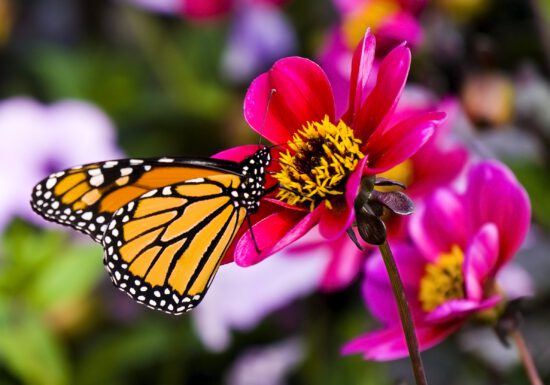
What’s better than decorating your home with summer bouquets of flowers directly from your garden? Having a cut flower garden is not only convenient for on-demand bouquets, but also for adding color to your garden with stunning oranges, yellows, purples, pinks, and blues. While you often choose plants for bees, these flowers are for butterflies.

Pollinators need love year-round, and that starts with gardening organically. In honor of National Pollinators Month, here are our best tips for celebrating by building a butterfly bouquet with the flowers they love!

 Breathtaking Flowers Butterflies Will Love

Yarrow (Achillea)

Yarrow is a vibrant yellow perennial. It has a lengthy flowering time from June through September. It is a relatively tall flower with an average growth height of 2.5-3 feet. Butterflies love these flowers because they’re easy to land on and also loaded with sweet nectar. Give your flowers a strong soil base to help them thrive through the hot summer months with Espoma’s Organic Garden Soil. Best suited for zones 3-8.

Ox-Eye Daisies

Ox-Eye Daisies are a classic addition to your garden. Their flowering time covers the summer months from May to August. With their white rays and yellow centers, they will be sure to brighten up your cut flower garden. They grow 1-3 feet tall so they will not take up too much space. Butterflies love Ox-Eye Daisies because they are nectar-rich. Best suited for zones 3-8.


English Lavender

English Lavender is a garden essential! Their flowering period covers the summer months of June to August. They grow to the perfect height of 1.5-2 feet. People and butterflies love English Lavender for its fragrance and remarkable blue-purple color… Best suited for zones 5-8.

Blanket Flower (Gaillardia)

The Blanket Flower is a vivid, color-rich butterfly flower to add to your garden. They flower in summer months from May through August. Blanket Flowers tend to be on the shorter side, only growing 6-12 inches tall. Their stunning blood-orange red petals and yellow tips will have your jaw on the floor by the time flowering season rolls around. Butterflies cannot pass up the nectar and vivid colors on these stunning flowers. In order to get the biggest flowers, fertilize with Espoma’s Bloom! liquid plant food. Best suited for zones 3-10.

Bee Balm

Bee balm is another pollinator favorite that should earn a spot in your pollinator garden. The Bee Balm’s flowering period only covers July through August, but their violet blue, red, pink, or white color will be worth it. They thrive in zones 4-8 and are relatively tall, growing an average of 2-3 feet. Bee balm is nectar-rich and its bright coloring makes it an easy sell to butterflies. Boost your Bee Balm with Espoma’s Organic Flower-tone fertilizer for big, healthy flowers. Best suited for zones 4-8.


Featured Products:


Where to Buy


https://www.espoma.com/wp-content/uploads/2017/06/Butterfly-Flower.jpg 1667 2500 espoma https://www.espoma.com/wp-content/uploads/2023/05/espoma-logo340w-1.png espoma2018-06-18 16:30:192025-06-26 11:24:50Let’s Build a Butterfly Garden 🦋

Best Houseplants for the Kitchen

January 17, 2018/in Blog, Indoor Gardening

Sometimes we find a beautiful houseplant and have no idea where to put it. Other times we have a space that needs filling and no idea what to put there.

The way we see it, you can never go wrong with more plants!

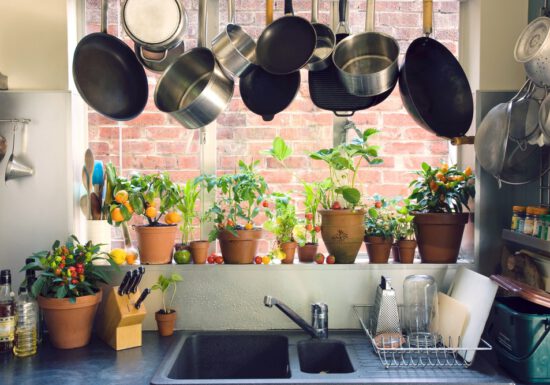
There’s no better place to start adding plants than the kitchen. If you haven’t thought of adding plants there before, you’re missing out!

Houseplants in the kitchen aid in decreasing cooking scents that consume your home – while it might smell amazing when you bake cookies, cauliflower can really bring you down. Or, you can grow edibles in your kitchen to have easy access while cooking.

Here are our top picks for plants in the kitchen:


  1. Assorted Herbs
    Herbs are perfect to grow in the kitchen. Place your herb garden on your windowsill or in a hanging basket for ease. Luckily, a lot of herbs grow well indoors with adequate light. They need to be rotated if they start to become leggy. Read more about growing herbs in your kitchen.
  1. Aloe Vera
    Aloe Vera is one of the easiest plants to grow, so keeping it in your kitchen will bring life there all year long. It’s especially great to have in the kitchen to use its natural coolant in case of a burn. It will do well anywhere in the kitchen, although next to the stove is probably best. Read more about growing aloe and other succulents.

  1. White Jasmine
    The soft jasmine scent that is released from the blooms of this plant will help keep your kitchen smelling nice and fresh. The scent is subtle enough that it won’t overwhelm the kitchen yet can still help your space feel clean and refreshed. Read more about growing jasmine.

  1. English Ivy
    Ivy is a diverse plant that can thrive in many rooms. Putting it in the kitchen will add dramatic lines and textures while purifying the air. If your cabinets don’t hit the ceilings, this ivy will gladly take up space. It will add wonderful shades of green with accents of whites or yellows. Read more about growing ivy in unusual spaces.

  1. Spider Plant
    Another great air purifier, the spider plant will help keep cooking more enjoyable. Place it somewhere you need to add height and texture to an area. It is an easy-care houseplant that will continue to love you in every season. Read more about the benefits of houseplants.

Don’t forget, all of these plants need to be fed as directed with Espoma’s Indoor! liquid fertilizer to grow strong and highlight their colors.


Featured Products:


Where to Buy

https://www.espoma.com/wp-content/uploads/2018/01/shutterstock_673534633.jpg 667 1000 espoma https://www.espoma.com/wp-content/uploads/2023/05/espoma-logo340w-1.png espoma2018-01-17 16:42:102024-01-24 16:24:35Best Houseplants for the Kitchen

Fall Gardening Checklist

September 13, 2016/in Fall Gardening

September marks the turn of a new leaf. The hot summer weather is fizzling out in favor of cool, crisp fall breezes, prompting bonfires, football games, and pumpkin everything.

For gardeners, fall can be one of the busiest seasons. Often, gardeners juggle wrapping up their summer harvests with the responsibilities of preparing for the coming seasons.

With this to-do list from Homestead Gardens, you’ll be ready to fall in love with fall, and with some extra preparation, you’ll be better prepared for winter and spring, too!

organic vegetable gardening, edible schoolyard project, top reasons to start a garden

7 Things To Do in the Garden This Fall  

1. Deadhead to get Ahead

Freshen up flowerbeds by deadheading and removing plants that have stopped blooming. Do maintenance in the morning before the weather gets too hot.

2. Don’t Stop Planting.

After you’ve harvested your remaining summer veggies, you can plant fall crops and begin transplants! Use Espoma Organic Bio-tone Starter Plus at the time of planting to ensure your new or transplanted plants have the nutrients they need for establishment.

3. Serve… or Preserve. Have more vegetables and herbs than you know how to handle? Preserve your harvest. Experiment with making jams or pickles, and try freezing raw fruit, veggies, or herbs. Make sauce out of your tomatoes, or slow-roast them.

4. Flower Power

Keep your annual flowers blooming as long as possible! The key to success? Use Espoma’s Bloom! liquid fertilizer.

5. Watch out for Winter!

Start winterizing your garden’s watering system. Keep an eye out for the first few frosts of the season, and cover plants when necessary. Gradually transition your summer houseplants back indoors.

dahlias-1642686_1920

6. Divide and Conquer

Divide and split your perennials, dig and store tender bulbs like dahlias and caladiums, and start planting spring-flowering bulbs.

7. Red, Dead Ahead!

Are your tomato plants lacking fruit? Producing dull leaves? Sprinkle some Tomato-tone to give them a final boost.

*****

With these tips, your fall landscape will look its best.

Do you have a picture of your fall garden that you’d like to share? Drop by our Facebook page!


Featured Products:


Where to Buy

https://www.espoma.com/wp-content/uploads/2016/09/chrysanthemum-1013083_1920.jpg 1280 1920 espoma https://www.espoma.com/wp-content/uploads/2023/05/espoma-logo340w-1.png espoma2016-09-13 08:00:122025-09-22 14:30:04Fall Gardening Checklist
Page 4 of 41234
Where to Buy

Get News & Updates

Recent Posts

  • VIDEO: A Formal Garden Tour with Summer Rayne Oakes
  • VIDEO: Repotting in the Greenhouse with Garden Answer
  • VIDEO: How to Winterize Your Chicken Coop with Summer Rayne Oakes
  • VIDEO: Planting Spring Bulbs in Containers 🪴🌷 with Summer Rayne Oakes
  • VIDEO: Planting the Last Bulbs of the Season with Garden Answer

Tags

All-Purpose Potting Mix bio-tone Bio-tone Starter Bio-tone Starter Plus Cactus Mix caring for houseplants Container Gardening DIY project Espoma espoma grown espoma organic Espoma Organics Espoma Video fall gardening Family fert flower garden flowers garden Garden Answer Gardening gardening tips gardens grow holly-tone houseplants Indoor! indoor gardening indoor plants Kaleb Wyse organic organic fertilizer Organic Gardening organic plant food Organic Potting Mix Outdoor Gardening Planting plants Potting Mix potting soil Spring Gardening summer rayne oakes vegetable garden Vegetable Gardening Wyse Guide

Espoma. A Family Tradition Since 1929.

Espoma Organic logo
  • Espoma Dealer
  • Espoma Pro
  • Garden Club
  • Privacy Policy

Scroll to top