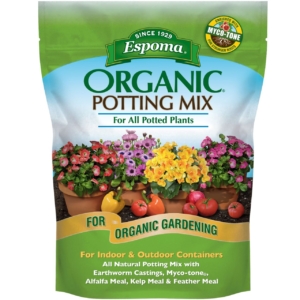
Taking time to care for plants is the perfect way to slow down and enjoy the cooler seasons. Spend the day with Laura from Garden Answer as she repots ornamental grasses and a Mangave plant in her greenhouse, refreshing them with Espoma Organic Potting Mix to keep them happy, healthy, and hungry for new growth!
https://www.espoma.com/wp-content/uploads/2026/02/Espoma_0126_GardenAnswer_RepottingGreenhouse_thumbnail.png360640Matt Dauphinaishttps://www.espoma.com/wp-content/uploads/2023/05/espoma-logo340w-1.pngMatt Dauphinais2026-02-04 12:07:562026-02-04 15:50:50VIDEO: Repotting in the Greenhouse with Garden Answer
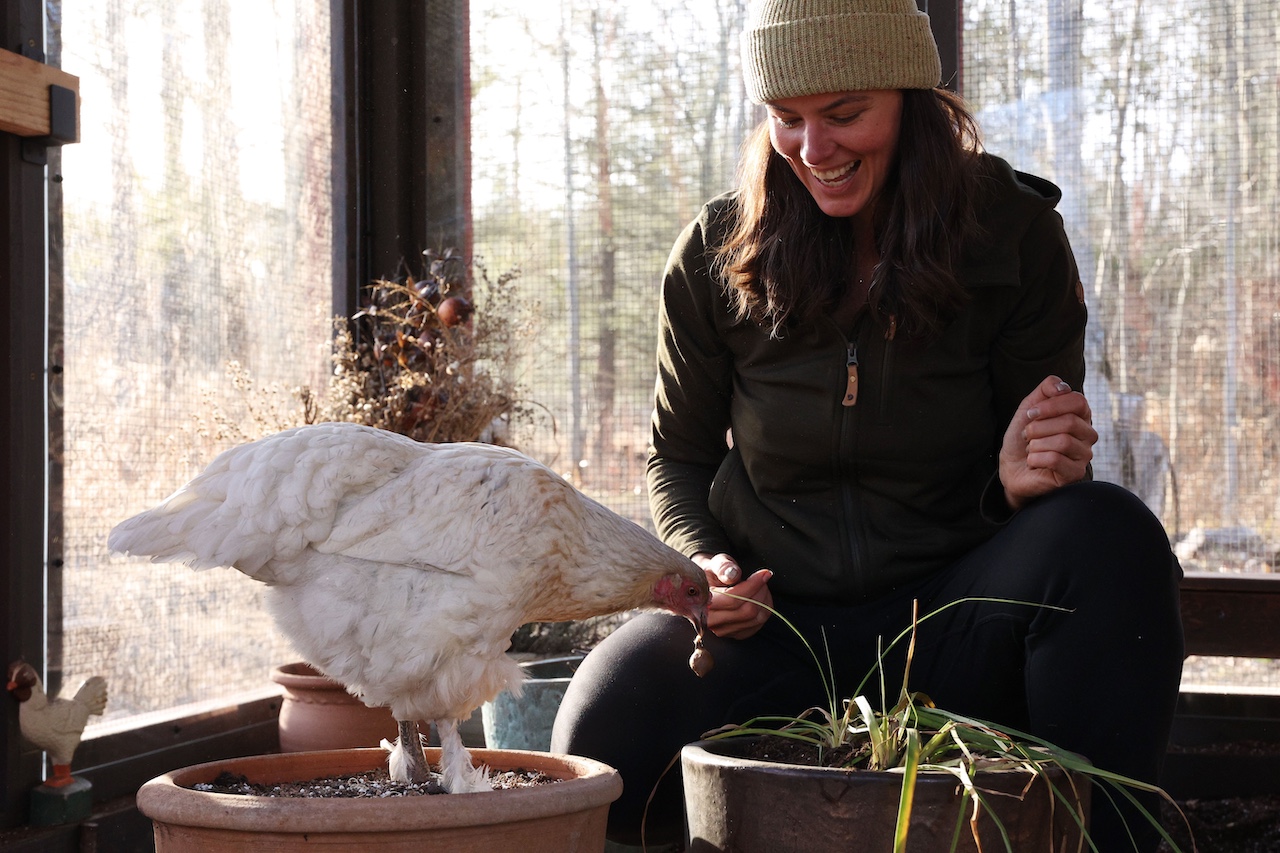
When the garden beds are resting, container gardening keeps the joy of planting alive. In a recent video on her Flock Finger Lakes channel, Summer Rayne Oakes shows how she extends the season by layering spring-flowering bulbs in containers, tucked inside her chicken and duck run. Using Espoma Organic Potting Mix and Espoma Organic Perlite, Summer creates a well-draining, root-friendly environment that helps bulbs overwinter successfully and burst into bloom come spring.
Summer’s Top 3 Tips for Planting Bulbs in Containers
1. Start with a High-Quality, Well-Draining Soil Mix
Healthy bulbs begin with the right foundation. Summer uses Espoma Organic Potting Mix as her base because it’s lightweight, rich in organic matter, and formulated specifically for container gardening. It holds just the right amount of moisture while still allowing excess water to drain away—critical for preventing bulb rot during winter storage.
To further improve drainage, she blends in Espoma Organic Perlite, which keeps the soil loose and airy. This extra oxygen around the bulbs encourages strong root development and helps containers handle fluctuating winter and spring conditions.
2. Layer Bulbs
One of Summer’s favorite techniques is layering bulbs by size and bloom time. Larger, later-blooming bulbs like tulips and daffodils go deeper in the pot, while smaller, early bloomers like snowdrops are placed closer to the surface. This creates a succession of blooms from early to late spring—all in one container.
Planting bulbs a bit closer together in containers also creates a fuller, more impactful display, making pots look lush when they come into flower.
3. Protect Containers While Letting Them Chill
Bulbs need a cold period to bloom, and Summer’s chicken and duck run doubles as a cold greenhouse thanks to added panels. Containers stay protected from harsh weather while still experiencing natural temperature changes. A light soil topper can also help discourage curious critters from digging, especially when overwintering bulbs in shared garden spaces.
Let’s Get Growing
Layering bulbs in containers is a simple, rewarding way to extend the gardening season and enjoy months of spring color. With Espoma Organic Potting Mix and Espoma Organic Perlite, you’re giving bulbs the well-draining, nutrient-rich environment they need to thrive—naturally.
https://www.espoma.com/wp-content/uploads/2026/01/Bulbs-with-Chickens-IMG_6466-1.jpeg8531280Matt Dauphinaishttps://www.espoma.com/wp-content/uploads/2023/05/espoma-logo340w-1.pngMatt Dauphinais2026-01-06 13:45:242026-01-06 13:45:24VIDEO: Planting Spring Bulbs in Containers 🪴🌷 with Summer Rayne Oakes
Fall might feel like the end of the gardening season, but as Kaleb from Wyse Guide shows, it’s actually a perfect time to plant and bring in your favorite tropical plants for the winter months.
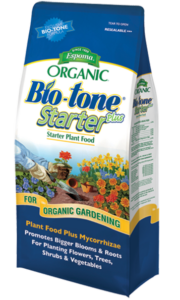
In this project, Kaleb refreshes the front of his home with hydrangeas, using Espoma Organic Bio-tone Starter Plus to support strong root growth, then replants a massive elephant ear and pots it up in Espoma Organic Potting Mix so he can enjoy it again next year.
Kaleb’s late fall gardening tips:
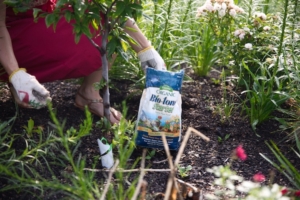
1. Plant for Roots, Not Blooms Kaleb takes advantage of fall’s warm soil and cool air to give hydrangeas time to establish. Adding Espoma Organic Bio-tone Starter Plus helps new shrubs settle in quickly and build the strong root systems that lead to better growth next spring.
2. Build Healthy Soil & Keep Watering Hydrangeas thrive in rich, well-draining soil, so Kaleb amends where needed and uses drip irrigation to keep moisture consistent on his sunny, south-facing porch. Even with drip, he checks soil weekly and waters during fall—and even winter warm-ups—so new roots never dry out.
3. Store Tropicals to Enjoy Them Again Instead of letting frost take his elephant ear, Kaleb trims it back and pots it into Espoma Organic All-Purpose Potting Mix. Over winter, it rests indoors with minimal watering, ready to return outdoors next season.
Even as the season slows, there’s still so much you can do to care for your garden. A little fall planting, some root-focused feeding, and thoughtful winter storage of warm-season plants can set you up for an even more beautiful spring.
https://www.espoma.com/wp-content/uploads/2025/11/Bring.jpg7201280Matt Dauphinaishttps://www.espoma.com/wp-content/uploads/2023/05/espoma-logo340w-1.pngMatt Dauphinais2025-11-18 15:54:332025-11-18 15:54:33Final Fall Plantings & Tips for Bringing Plants Inside for Winter 🍁🪴 with Wyse Guide
Watch as Summer Rayne Oakes@flockfingerlakes tours a small, shrub-forward garden that’s brimming with enthusiasm—thanks to a few “thuggish” growers that love to spread. She shows how her garden beds were built with cardboard, compost, and Espoma Organic soils, and how planting densely with Espoma Organic Bio-tone Starter Plus helped everything establish beautifully. The result: a thriving space that just needs smart, seasonal management.
Summer’s Tips!
1) Decide the goal, then manage to match
Before you pull a single plant from your wild garden, define your vision. If shrubs are meant to be the stars, reduce anything blocking sightlines or competing for height. A clear goal makes every adjustment easier.
2) Build living soil from day one
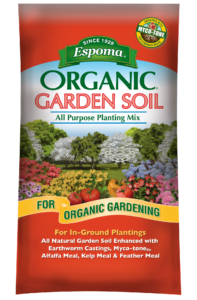
Build a garden bed using organic soil like Espoma Organic Potting Mix, Raised Bed Mix, or All-Purpose Garden soil to create a rich rooting zone. Healthy soil grows resilient plants. Plan for light, regular maintenance.
3) Plant with a quality Starter Fertilizer for confident establishment
At planting, mix in Espoma Organic Bio-tone Starter Plus. Its slow-release nutrition, beneficial microbes, and mycorrhizal fungi help roots colonize quickly, reduce transplant stress, and set plants up for long-term success.
4) Manage early and often
Make quick passes a habit. Trim seed heads after bloom, thin young growth before it crowds, and lift runners that wander into paths. Small, frequent efforts prevent big overhauls later.
5) Read the site and group accordingly
Let the garden tell you what it wants. Moisture-loving plants often reveal wetter spots; cluster them there and relocate dry-site growers to sunnier, leaner areas. Use edging and pathways to reinforce boundaries.
6) Give energetic growers a job
Channel that vigor. Move fast spreaders to meadows, back corners, or containers where they can thrive freely. Use groundcovers as living mulch in designated zones, but keep stepping stones and entries clear for structure and flow.
Healthy soil and thoughtful plant management help any garden strike the right balance between wild and intentional. With organic soil building and mindful upkeep, you can enjoy a garden that’s full of life—and still beautifully under control.
https://www.espoma.com/wp-content/uploads/2025/10/Plant-Thugs-frame-000004.jpg10801920Matt Dauphinaishttps://www.espoma.com/wp-content/uploads/2023/05/espoma-logo340w-1.pngMatt Dauphinais2025-10-22 17:18:222026-01-06 13:11:55Video: How to Manage a Wild Garden with Summer Rayne Oakes 🌿🌸
Summer Rayne Oakes @FlockFingerLakes takes us on a tour of her garden packed with edible plants. From fruit trees and berry bushes to roses and kale, Summer shows how beauty and function can grow side by side. Along the way, she nourishes her plants with Espoma Organic products to build strong roots, vibrant blooms, and thriving harvests.
Espoma Products Summer Uses in Her Edible Landscape:
Bio-tone Starter Plus Summer uses Bio-tone Starter Plus when planting apple trees and preparing new beds. With mycorrhizae and beneficial microbes, it jumpstarts root growth and helps plants establish quickly—like “planting insurance” for long-term success.
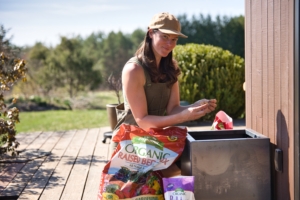
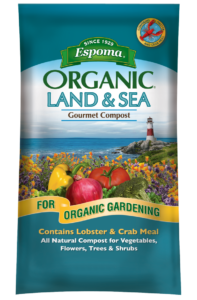
Espoma Organic Potting Soils To build the foundation of her new garden beds, Summer used a mix of Espoma Organic Soils, including Raised Bed Mix, Potting Mix, Land & Sea Compost, and others. These mixes improve soil structure, boost microbial life, and provide the organic matter plants need for healthy growth.
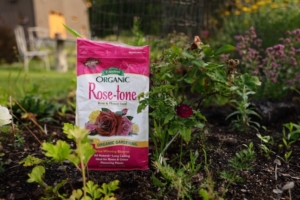
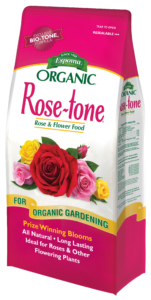
Rose-tone For her roses, Summer sprinkles Espoma Organic Rose-tone around the root zone. With its 4-3-2 blend, it encourages lush foliage and beautiful blooms while being safe for the soil and pollinators.
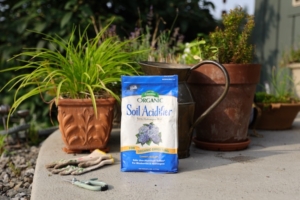
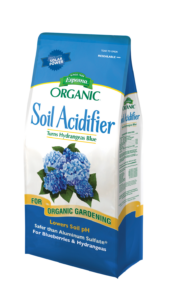
Soil Acidifier Blueberries thrive in acidic soil, and Summer keeps them happy with Espoma Organic Soil Acidifier. Made from elemental sulfur and gypsum, it naturally lowers pH to match the needs of acid-loving plants.
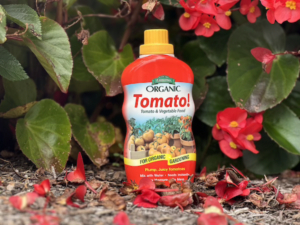
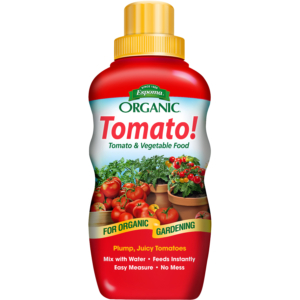
Tomato! Liquid Fertilizer Summer gives her tomato plants a boost with Espoma Organic Tomato! This easy-to-use liquid concentrate provides balanced nutrition and added calcium to prevent blossom end rot, ensuring plump, juicy fruits all season long.
Bringing It All Together
Summer’s edible landscape is proof that food gardens can be as beautiful as they are bountiful—with the right soil, thoughtful plant choices, and natural care. Ready to start your own edible landscape? Explore Espoma Organic products and discover how to feed your garden naturally. 🌱
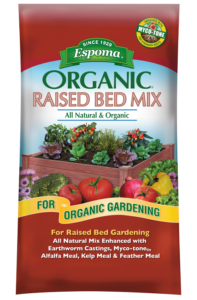
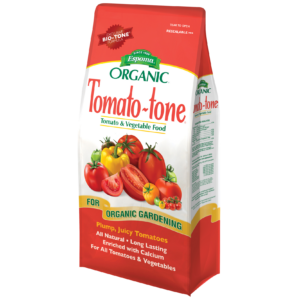
Watch as Kaleb Wyse from Wyse Guide refreshes his raised beds and herb containers. He tops off his raised beds with Espoma Organic Raised Bed Mix and mixes in Espoma Organic Land & Sea Gourmet Compost to improve soil structure and health. He plants heirloom tomatoes and peppers using Espoma Organic Tomato-tone and Bio-tone Starter Plus to give his new plants the nutrients they need to develop strong roots and big blooms.
Kaleb fills terracotta pots with Espoma Organic Potting Mix and mixes in Bio-tone Starter Plus to support healthy growth of basil, rosemary, thyme, and more.
Kaleb’s Top Plant Care Tips:
Refresh raised beds as needed—especially if the soil has settled or it’s time to replant—using high-quality organic soil like Espoma Organic Raised Bed Mix and compost like Espoma Organic Land & Sea Gourmet Compost to improve soil structure, boost microbial activity, and maintain healthy growing conditions.
Feed tomato plants with a high-quality organic fertilizer like Espoma Organic Tomato-tone, which provides calcium to help support proper fruit production.
Whether planting in the ground or containers, mix in an organic starter fertilizer like Espoma Organic Bio-tone Starter Plus to encourage strong root growth and quick establishment.
Regularly harvest herbs to stimulate continuous growth.
Ensure containers receive consistent watering to prevent drying out.
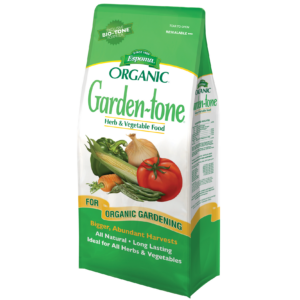
Follow along with Laura of Garden Answer as she brings bold beauty to her landscape by planting a vibrant mix of red-foliage shrubs. These richly colored plants are perfect for adding contrast in sunny areas. As she plants, Laura uses Espoma Organic Garden-tone to feed each shrub with long-lasting nutrients and Bio-tone Starter Plus to promote strong root growth. She also refreshes several containers near her kitchen patio, using Espoma Organic Potting Mix to give her annuals a healthy start and keep them thriving all season.
🌳 Tips for Planting Shrubs
Feed while you plant. Laura adds Espoma Organic Garden-tone to each hole to provide organic, slow-release nutrients that support long-term growth and vibrant foliage.
Jumpstart root growth. She uses Bio-tone Starter Plus to help newly planted shrubs establish quickly and reduce transplant shock.
Design for color and space. Laura mixes bold varieties like Black Ninebark, Weigela, and Beautybush, giving each plant the room it needs to shine at maturity.
🪴 Tips for Planting Containers
Use the right soil. Laura fills her pots with Espoma Organic Potting Mix, which helps retain moisture and provides a healthy growing foundation for container plants.
Choose plants for the conditions. She selects shade-tolerant plants to thrive on her partially shaded patio.
Add visual balance. Each container includes a focal point, surrounded by fillers and spillers for a lush, finished look.
Follow along with Summer Rayne Oakes as she repots and cares for agave plants and succulents, including cold-hardy varieties that can withstand Zone 5 conditions (–20°F). She highlights the importance of using high-quality organic soils and fertilizers—like those from Espoma Organic—to help these resilient plants thrive.
Key Planting and Repotting Tips for Agave:
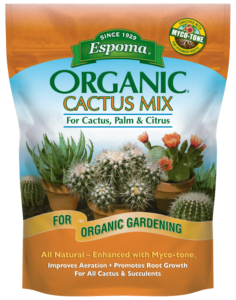
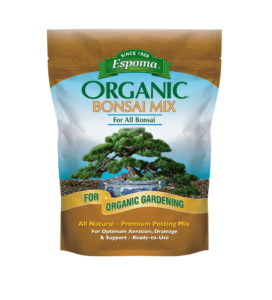
Soil Mix: Summer recommends blending Espoma Organic Cactus Mix with Espoma Organic Perlite and Espoma Organic Bonsai Mix to create a gritty, well-draining soil that helps prevent root rot.
Container Choice: Choose terracotta or fluted-edge pots to promote airflow and support strong root development.
Watering: Allow the soil to dry completely between waterings to prevent overwatering.
Fertilizing: Summer prefers high-quality organic fertilizer like Espoma Organic Cactus! Liquid Fertilizer for steady, healthy growth and vibrant plants.
Take a cue from Summer and give your agaves the best start with Espoma Organic.
There’s nothing quite like a porch full of lush, thriving greenery to welcome in the warmer months—and no one brings that vision to life quite like Kaleb Wyse of Wyse Guide. In his latest video, Kaleb shares how he transforms his sunny front porch into a shaded retreat using one of our favorite combinations: Boston ferns, Kimberly Queen ferns, and a trusted mix of Espoma Organic Potting Soil Mix and Holly-tone.
Ferns Chosen with Purpose
Kaleb’s front porch faces south, which means intense sunlight, reflected heat, and the occasional gusty breeze. Instead of fighting nature, Kaleb leans into it—selecting Kimberly Queen ferns for their upright habit and sun tolerance, while reserving traditional Boston ferns for shadier spots near the house.
His secret to keeping these ferns happy? It starts with the soil.
Kaleb’s Planting Tips:
Kaleb chooses our Espoma Organic Potting Mix because it offers the perfect balance of drainage and moisture retention—critical for ferns, which love even moisture but hate soggy roots. This mix includes:
Perlite for improved aeration
Organic compost for slow-release nutrition
Natural, eco-safe ingredients—no synthetic fillers or plastic beads here
As Kaleb puts it: “It holds on to the moisture needed but also drains really well.”
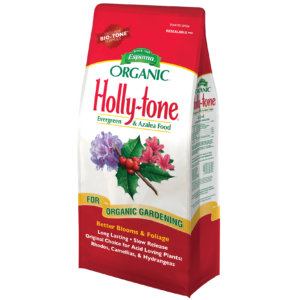
He also adds a light sprinkle of Espoma Organic Holly-tone, our acidic plant food typically used for hydrangeas and evergreens. Since ferns thrive in slightly acidic conditions, Holly-tone gives them an extra boost without overstimulating growth—perfect for those who prefer a light-touch fertilizing routine.
🌱 Pro tip from Kaleb: Gently loosen or score the roots of pot-bound ferns before planting. It encourages them to branch into the fresh potting mix and establish faster.
Build Your Own Porch Sanctuary
Looking to create your own front porch oasis? Let Kaleb’s video be your inspiration. And when you’re ready to pot up your ferns, reach for the products trusted by generations of gardeners.
Join Summer Rayne Oakes as she repots her beautiful Euphorbia plants to prepare them for the summer outdoors. While Euphorbias and cacti may look similar with their spines and upright growth, they belong to entirely different plant families. Euphorbias are part of the Euphorbiaceae family and exude a white, often toxic latex sap. Cacti, part of the Cactaceae family, do not produce this sap and typically have areoles (small, cushion-like structures) from which spines, flowers, and new growth emerge—something Euphorbias lack. Often mistaken for cacti, Euphorbias are succulents native to Africa and require specific care.
Repotting:
Summer creates a well-draining soil mix using Espoma Organic Cactus Mix combined with Espoma Organic Perlite (70% Cactus Mix, 30% Perlite) to ensure excellent aeration and drainage, reducing the risk of root rot. To nourish the plants through the growing season, she applies Espoma Organic Cactus! Liquid Fertilizer every 4–6 weeks.
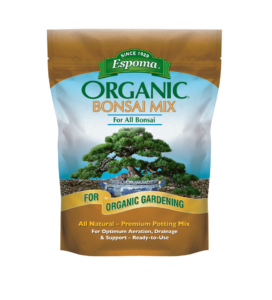
As a final touch, she tops off the containers with Espoma Organic Bonsai Mix, which helps protect the soil surface, reduces moisture loss, and adds a clean, finished look to each pot.
Summer also explains a common condition called “corking,” a natural process where the stems of Euphorbias become woody at the base due to aging, which is not a sign of disease.
Summer’s Euphorbia Care Tips:
Wear gloves when repotting to avoid skin and eye irritation.
Inspect roots and prune away dead or damaged areas.
Water thoroughly, then allow the top 1–2 inches of soil to dry out.
Fertilize regularly during the growing season, pausing in winter.
With Summer’s guidance and Espoma’s organic products, your Euphorbias will thrive outdoors this summer!