Espoma Organic
  • Products
    • Close
    • Product Line Overview
    • Plant food finder
    • Garden Fertilizers
    • Potting Soils
    • Lawn Fertilizers
    • Liquid Fertilizers
    • Single Ingredients
    • Conventional Plant Foods
    • Animal Care Products
  • Where to Buy
  • Our Story
    • Close
    • Our Story
    • Locations
    • Historical Timeline
    • Our Commitment
    • Directions
    • Solar
    • Join our Team
    • Espoma Brand Partners
  • Learn
    • Close
    • Espoma Blog
    • FAQ’s
    • Pocket Guide
    • Espoma Guides
    • Garden Clubs
    • Safe Paws Lawn
    • PRODUCT FACT SHEETS
    • Fertilizer Fundamentals
      • Close
      • Understanding Plant Nutrition
      • Reading Labels
      • Choosing the Right Type of Fertilizer
      • Terms & Definitions
    • Gardening Projects
    • Resource Links
  • Contact Us
  • Menu Menu

Tag Archive for: repotting

BAGR 154: How to Build a Terrarium

November 21, 2022/in Blog, Bloom and Grow Radio

This blog is inspired by Episode 154 of Bloom and Grow Radio Podcast, where host Maria Failla interviewed Patricia Buzo of Doodle Bird Terrariums.

Terrariums do so much more than encapsulate our plants within the confines of a vessel. They capture a feeling. They capture a sense of wonder that a simple potted plant just can’t do. We can create entire worlds within a terrarium, and even ecosystems. They become a place that we can escape into for a mindful moment and use to amplify our passion for playing.

In this blog, terrarium guru Patricia of Doodle Bird Terrariums and Maria from Bloom & Grow Radio break down the differences and similarities of terrariums, paludariums, and vivariums to equip you with the knowledge you need to set your first one up!

What’s the Difference Between Terrariums, Vivariums, and Paludariums?

In the plant community, a terrarium usually refers to a small glass jar or fishbowl that has only plants inside. It’s not going to house any type of pet. 

A vivarium, on the other hand, contains pets like frogs or lizards, but has plants too. It’s also typically much bigger than a terrarium.

A paludarium is a type of vivarium that’s usually an even larger enclosure. It incorporates both terrestrial and aquatic elements into it, so it’s like having an aquarium and a terrarium in one. It often houses animals like fish, lizards, or frogs in the top portion.

Benefits and Common Problems of Growing in a Terrarium

One of the benefits to a terrarium is being able to grow diverse plants that you might not have otherwise been able to, as they create a microclimate of higher humidity. Most miniature terrarium plants need very high humidity, which likely doesn’t exist in your home or garden! 

Another benefit of terrariums is that they can be portable. If you’re traveling a lot and miss your plants, you can simply place them in a jar and take them with you.

A common problem in terrariums though, is mold growth. The warm, humid environment creates perfect conditions for mold to take over and eat away at your plants. You can prevent mold growth by avoiding biodegradable items in your terrarium like sticks, leaves, and pine cones. Adding little creatures like springtails and isopods (aka rolly pollies) that feed on decomposing materials can also significantly reduce mold growth. 

How to Choose the Best Terrarium Plants

When choosing which plants you want in your terrarium, opt for smaller varieties of plants to avoid requiring you to keep sizing up your vessel. 

Take advantage of the high humidity terrarium conditions and choose humidity-loving plants. Look for plants in the terrarium or fairy garden section at your local nursery for options. 

Small and miniature orchids work really well in terrariums, growing only an inch or two high with pretty flowers. Peperomia Ripple (Peperomia caperata) grows well in a bigger jar and loves the terrarium environment. 

Asparagus ferns (Asparagus aethiopicus), the little tree plant (Biophytum sensitivum), jewel orchids (Ludisia discolor), and creeping figs (Ficus pumila) are also great plant options for terrariums.
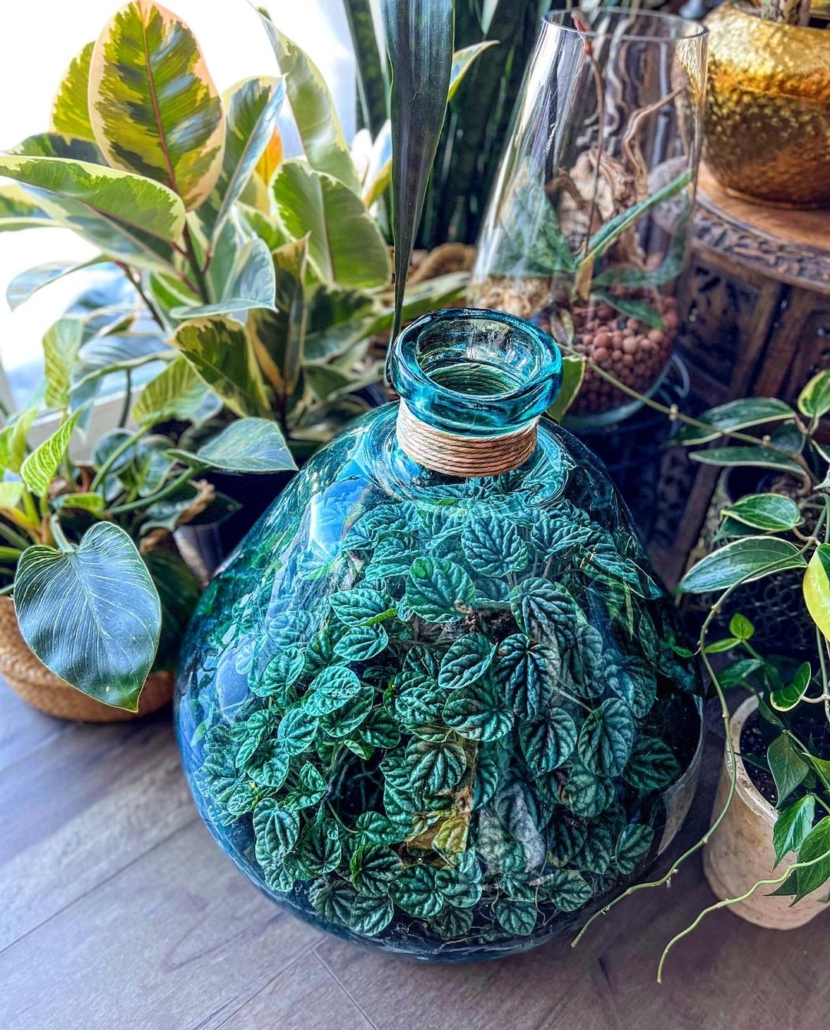
How to Set Up a Terrarium 

Materials Needed: 

  • Aquarium tongs
  • Spray bottle
  • Scissors
  • Small glass container
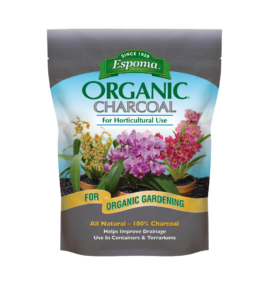
  • Drainage layer: Espoma’s Horticultural Charcoal
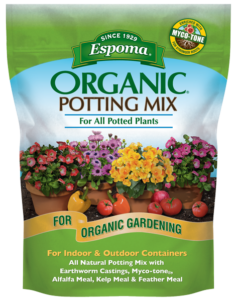
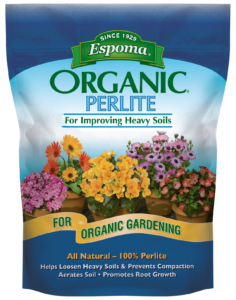
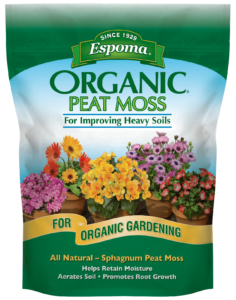
  • Soil: Espoma’s peat moss or coco coir base mixed with Espoma’s perlite or Espoma Potting Mix 


Step 1: Make a list of plants you want in your terrarium. Do a quick search of conditions they prefer, including light, temperature, and moisture. 

Step 2: For a humid-loving plant, choose a jar with a lid to maintain humidity. For a plant that needs to dry out a bit, opt for an open jar. You can find great jars secondhand at thrift stores or estate sales, but affordable glass jars are also available at home goods and craft stores.

Step 3: Layer your materials in your glass jar with horticultural charcoal, soil, and plants. Use aquarium tongs to place your plants in the soil and scissors to trim excess plant material. 

Step 4: Water your terrarium using distilled water. Use a spray bottle for moss and if you have rooted plants, pour a small amount of water onto the soil. 

Step 5: Add your bioactive creatures like springtails or isopods and place your lid on top for humidity-loving plants. (This is optional.)

Step 6: Put your completed jar in bright, indirect light and enjoy your new terrarium! 

*****

For a more in-depth look at building terrariums, vivariums, and paludariums, check out Patricia Buzo’s book, A Family Guide to Terrariums. 

About Bloom & Grow Radio Podcast

 Bloom & Grow Radio Podcast helps people care for plants successfully and cultivate more joy in their lives. Host Maria Failla, a former plant killer turned happy plant lady, interviews experts on various aspects of plant care, and encourages listeners to not only care for plants, but learn to care for themselves along the way.

About Our Interviewee

Patricia Buzo founded Doodle Bird Terrariums in 2008 out of her love of plants and creating unique works people would treasure. Each terrarium she creates is handcrafted using the highest grade plants and supplies, utilizing special tricks to carefully package these fragile vessels so they arrive safely.

Now, over 10 years later, she has authored the book A Family Guide to Terrariums, inspired many on her Instagram account, and has been featured in The New York Times.

​​Follow Lisa:

Website

Instagram

Blog

Shop


Featured Products:


Where to Buy

https://www.espoma.com/wp-content/uploads/2022/11/280107698_1828951650627149_8927427597614221368_n.jpg 1167 1080 Matt Dauphinais https://www.espoma.com/wp-content/uploads/2023/05/espoma-logo340w-1.png Matt Dauphinais2022-11-21 17:24:402022-11-21 17:29:10BAGR 154: How to Build a Terrarium

VIDEO: Summer Rayne Oakes’ Festive Fall Urns

November 15, 2022/in Blog, Fruits & Vegetables - None

When it comes to turning a house into a home, Summer Rayne Oakes knows what she’s doing! With gorgeous urns, pretty patio plants, and a little help from Espoma Organic Potting Soil Mix and Perlite for quick root establishment and big blooms, this cozy meadow house got a welcoming entrance. Watch the full video below!


Learn more about Flock Finger Lakes here:

Website: homesteadbrooklyn.com

Instagram – @homesteadbrooklyn

YouTube – Summer Rayne Oakes

Twitter – @sroakes

Facebook – Summer Rayne Oakes


Featured Products:
Where to Buy


https://www.espoma.com/wp-content/uploads/2022/11/Planting-Metal-Urns-IMG_4424-scaled.jpeg 1707 2560 Matt Dauphinais https://www.espoma.com/wp-content/uploads/2023/05/espoma-logo340w-1.png Matt Dauphinais2022-11-15 18:46:202022-11-15 18:48:00VIDEO: Summer Rayne Oakes’ Festive Fall Urns

VIDEO: Houseplant Heaven with Garden Answer

October 26, 2022/in Blog, Espoma Videos, Garden Answer, Greenhouse Gardening, Indoor Gardening

Is it even possible to have too many houseplants? Not if you’re an expert like Garden Answer! With the help of Espoma’s Organic Potting Mix, walk through a whole haul of exciting, unique, and beautiful houseplants from the research phase all the way to repotting. 


Learn more about Garden Answer here:

https://www.youtube.com/c/gardenanswer 

https://www.gardenanswer.com/

https://www.facebook.com/gardenanswer

https://www.instagram.com/gardenanswer/


Featured Products:


Where to Buy

https://www.espoma.com/wp-content/uploads/2022/10/thumbnail.jpg 1080 1920 Matt Dauphinais https://www.espoma.com/wp-content/uploads/2023/05/espoma-logo340w-1.png Matt Dauphinais2022-10-26 18:45:572023-12-04 12:39:03VIDEO: Houseplant Heaven with Garden Answer

8 Terror-ific Plants to Spookify your Home & Garden for Halloween

October 21, 2022/in Blog, Flowers, Holidays

Pumpkin-picking isn’t the only way to get into the Halloween spirit! With dark shades, peculiar shapes, and scientific names plucked right from the mad scientist’s shelf, plants are a crafty way to give your home and garden a spooky touch your trick-or-treaters will love. Plus, if October isn’t enough to motivate you, these eight plant picks are a great way to spice up your space year-round!


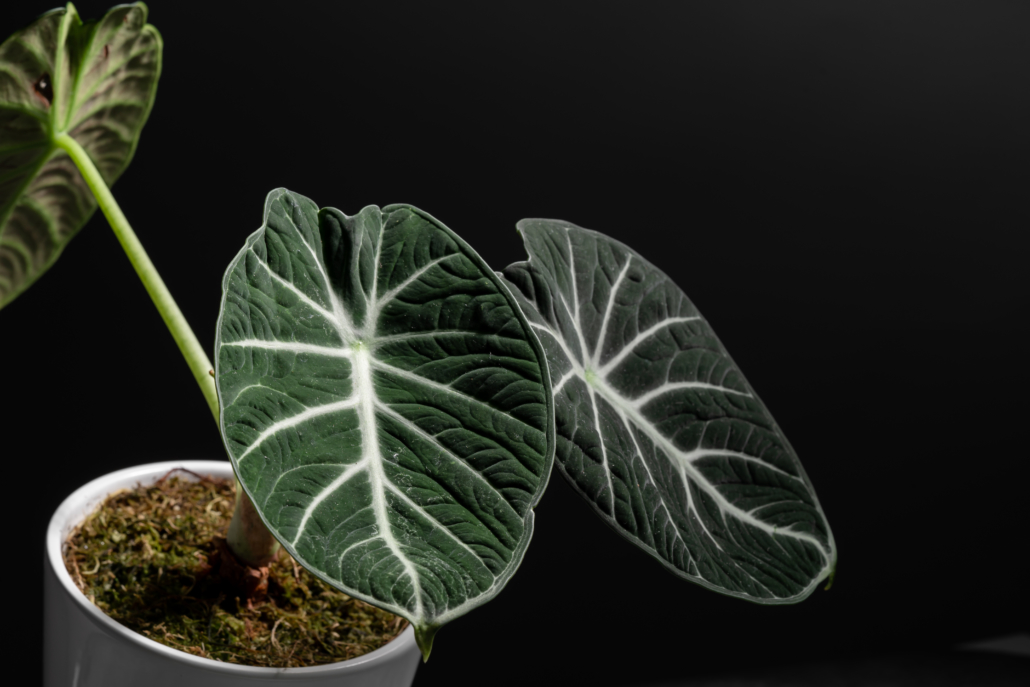
‘Black Velvet’ Elephant Ear— Alocasia reginula

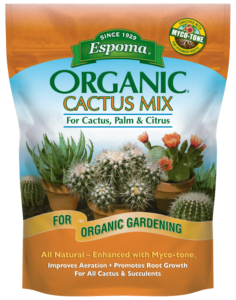
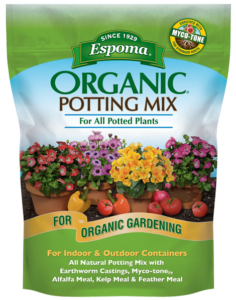
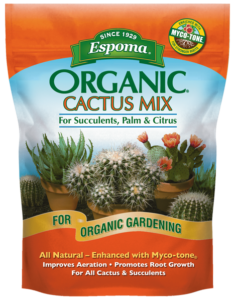
This striking plant earns the name ‘Black Velvet’ for its gothic, nearly black foliage accented by silvery-white veins. This tropical houseplant, a dwarf variety of the Elephant Ear plant, loves warm, moist places and well-drained soil. We suggest a 50/50 combination of our Espoma Organic Potting Soil and Espoma Organic Cactus Mix to keep those ‘Black Velvet’ leaves nice and spooky!


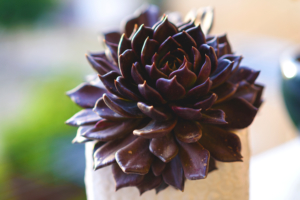
‘Black Prince’ Echeveria— Echeveria affinis

Everyone loves a cutesy succulent, but a ‘Black Prince’ Echeveria is the key to adding some drama to your arrangement. Accented by salmon to red-colored flowers in the fall and early winter, this deep purple, nearly black succulent provides spooktacular color contrast against typical green succulents. Water sparingly and keep the ‘Black Prince’ in the bright light to prevent the dark foliage from fading. 


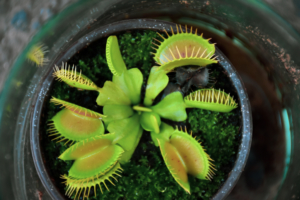
Venus Flytrap— Dionaea muscipula

Dun dun… dun dun… it’s everyone’s favorite insect-eating, horror-movie-starring plant: the Venus flytrap! The carnivorous Venus flytrap has “jaws” that can snap shut in less than a second, and while they’re nowhere near as frightening as Halloween decorations make them out to be, this plant can be a unique, scary-cool addition to your little garden of horrors. 


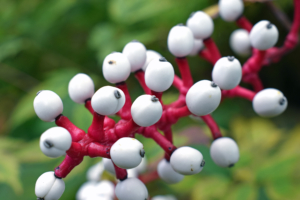
Doll’s Eyes— Actaea pachypoda

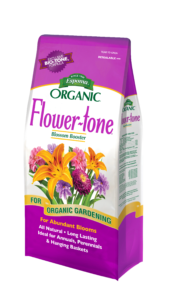
Doll’s eyes plant, also called white baneberry, has an alien appearance with creepy clusters of eyeball-like berries. A slow-growing perennial, Doll’s eyes plant is best planted during late fall or early spring, and it can be a low-maintenance, ornamental addition to your garden, especially with a boost from Espoma Organic Flower-Tone. Just beware of the plant’s berries because they are very toxic if ingested. (Eye wouldn’t be caught dead eating one!)


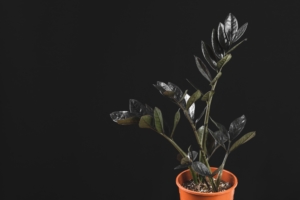
Raven ZZ— Zamioculcas zamiifolia

A group of ravens may be called an unkindness, but there’s nothing mean-spirited about the easy-to-grow Raven ZZ! One of the most loved and sought after houseplants for plant parents and interior designers alike, its shiny, dark foliage and upright form make it a bold way to add a gothic element to your space. To keep a Raven healthy, don’t overwater it!


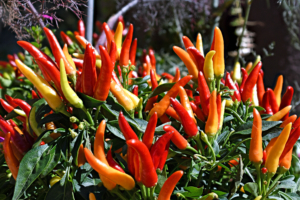
Ornamental Peppers— Capsicum annuum

Want some witchy fingers clawing through your garden? Give your Halloween decor a little pepper-power with ornamental peppers! Coming in a variety of funky shapes and colors, including vibrant oranges, reds, greens, and purples, you can enjoy these plants before the first frost sets in by keeping them in a container in the fall months. 


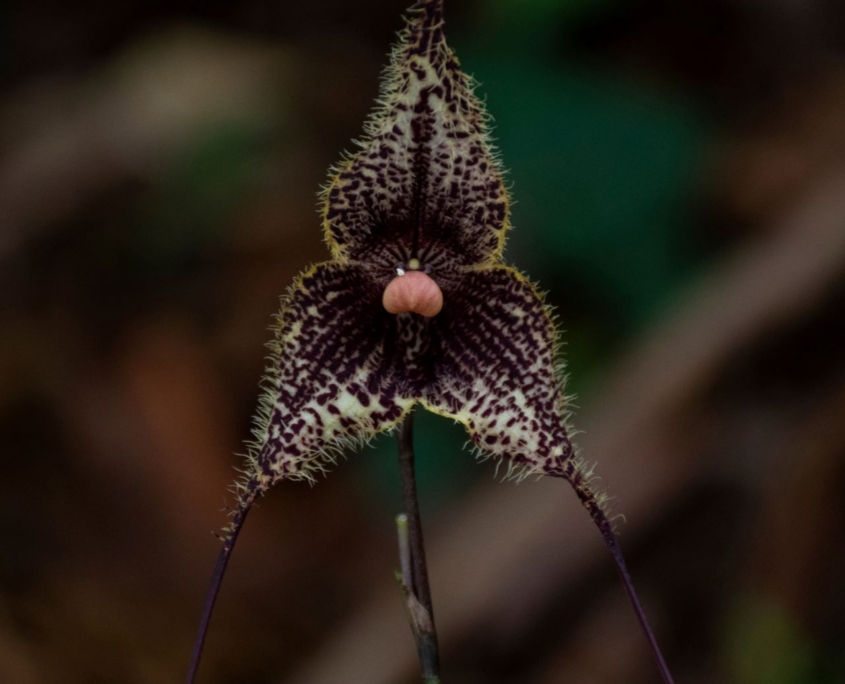
Dracula Orchid— Dracula vampira

Based on its name, it’s no surprise that the Dracula Orchid would be a perfect addition to your home and garden this Halloween. At the center of the bloom, the plant has a vampire-like (or for the Netflix buffs, a Demogorgon-like) mouth that looks ready to bite you. Want to add a festive touch? Wrap your container in a cape and paint it red down the sides to give your Dracula Orchid the proper outfit. 


Dracula orchid, small purple flower


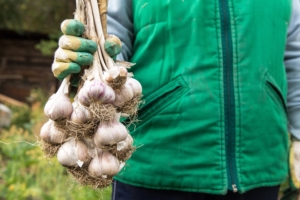
Garlic— Allium sativum

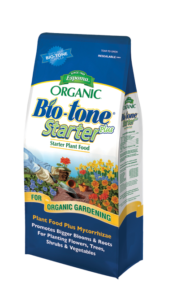
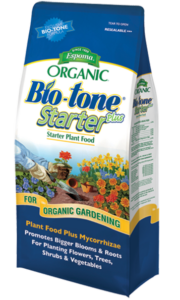
More of a vampire hunter than a Twilight lover? Time to stock up on garlic. Folklore has taught us that garlic is the best way to ward off vampires, and in addition to its protective properties, allium vegetables also do very well this time of year. Kickstart the bulb-planting process with our Espoma Organic Bio-Tone Starter Plus. 


*****

Espoma’s All Purpose Potting Mix and Indoor! fertilizer will help ensure those peculiar plants grow healthy and strong. We hope these eight plants help you and your garden get in the Halloween spirit! Have a spooky suggestion we left out?


Visit our Facebook page

Or on our YouTube Page

Tag us on Instagram!


Featured Products:


Where to Buy


https://www.espoma.com/wp-content/uploads/2022/10/Espoma-Spooky-Szn-Garden-2022-BLOG-Image-1-scaled.jpg 1703 2560 Matt Dauphinais https://www.espoma.com/wp-content/uploads/2023/05/espoma-logo340w-1.png Matt Dauphinais2022-10-21 15:55:012024-09-24 16:21:168 Terror-ific Plants to Spookify your Home & Garden for Halloween

Video: Planting Dahlias with Garden Answer

February 15, 2022/in Blog, Espoma Videos, Flowers, Garden Answer

Take a look at how Laura from @GardenAnswer plants Dahlias with the help of Espoma! 

Featured Products:
 

Where to Buy

https://www.espoma.com/wp-content/uploads/2022/02/Dahlias.jpg 1080 1920 espoma https://www.espoma.com/wp-content/uploads/2023/05/espoma-logo340w-1.png espoma2022-02-15 08:34:032023-02-08 19:19:05Video: Planting Dahlias with Garden Answer

Video: Houseplant Upkeep with Garden Answer

February 1, 2022/in Blog, Espoma Videos, Garden Answer

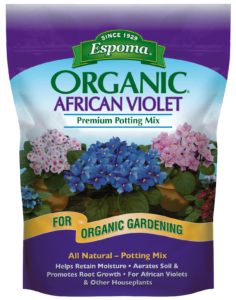
Watch as Laura from @GardenAnswer pots her succulent cuttings, repots her begonia, and grooms her African violets with the help of Espoma! 

Featured Products:


Where to Buy

https://www.espoma.com/wp-content/uploads/2022/02/Capture2.jpg 720 1280 espoma https://www.espoma.com/wp-content/uploads/2023/05/espoma-logo340w-1.png espoma2022-02-01 15:09:182023-01-31 18:43:31Video: Houseplant Upkeep with Garden Answer

Video: Winter Seed Sowing with Garden Answer!

January 19, 2022/in Espoma Videos, Garden Answer

Check out how Laura from @Garden Answer is starting seeds early in the winter season with the help of Espoma.


Featured Products:
 

Where to Buy

https://www.espoma.com/wp-content/uploads/2022/01/Winter-Seed-Sowing_Thumbnail.png 1014 1834 Danielle Kirschner https://www.espoma.com/wp-content/uploads/2023/05/espoma-logo340w-1.png Danielle Kirschner2022-01-19 15:12:492022-12-20 11:32:25Video: Winter Seed Sowing with Garden Answer!

Video: Repotting Fiddle Leaf Fig with Garden Answer

July 9, 2021/in Container Gardening, Espoma Videos, Garden Answer, Gardening, Gardening Projects, Summer Gardening

Follow along as Laura from @Garden Answer takes care of her new fiddle leaf fig cuttings with the help of Espoma!

Featured:

Where to Buy
https://www.espoma.com/wp-content/uploads/2021/07/em.png 476 854 Danielle Kirschner https://www.espoma.com/wp-content/uploads/2023/05/espoma-logo340w-1.png Danielle Kirschner2021-07-09 13:34:412024-08-30 20:46:25Video: Repotting Fiddle Leaf Fig with Garden Answer

Plants to Help You Get Some Rest

November 13, 2019/in Blog, Indoor Gardening

Houseplants are so much more than decorations. They help reduce stress and tension and create a relaxed and happy atmosphere. They absorb carbon dioxide and produce oxygen while purifying the air by removing toxins. They say we spend a third of our life sleeping, so let’s do it in the best possible environment, a room full of house plants.

The best plants for a healthy night’s sleep.   

Photo courtesy of Costa Farms

Snake Plant

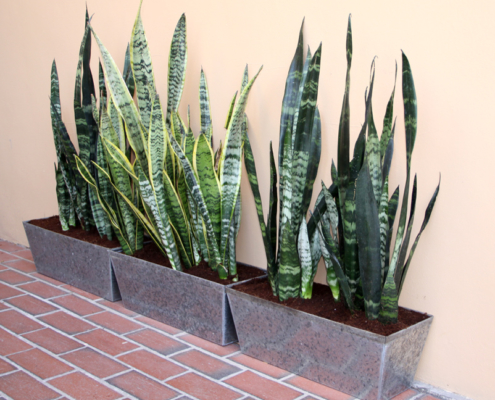
Snake plants convert carbon dioxide to oxygen at night. It is also one of the easiest and most forgiving houseplants you can grow. Whether you have bright or low light, a snake plant will adjust to it. It doesn’t require much water and even if you forget to water it for a couple of weeks, it will still look great. Overwatering it is really the only way to kill it. 

Photo courtesy of Costa Farms

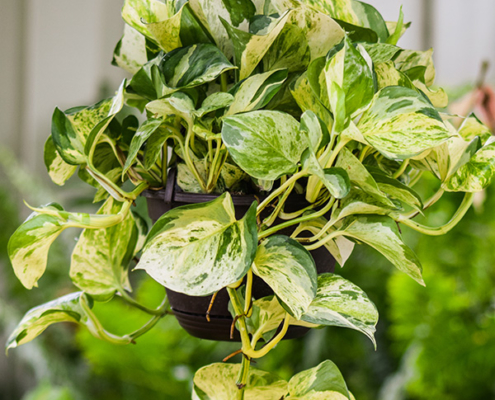
Golden Pothos

A study from NASA shows that pothos removes toxins, mainly carbon monoxide and formaldehyde from the air. This low-maintenance plant grows well in low light. Water it only when completely dry. Always pot your houseplants in quality potting soil like Espoma’s Potting Mix or a mixture of potting mix and Cactus Mix for plants like this that require excellent drainage. 

Photo courtesy of Costa Farms

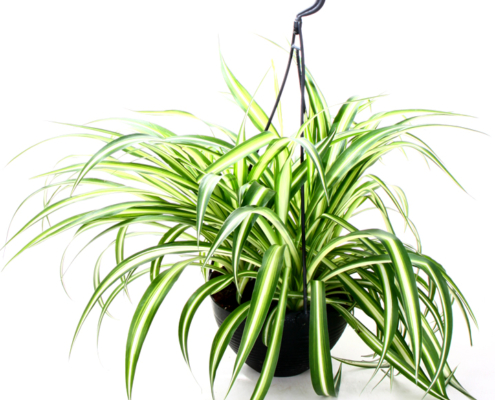
Spider Plant

The spider plant removes formaldehyde from the air, which is a common carcinogen found in many household products and items. This is another easy to grow selection that enjoys bright light, but will adapt to low light situations. Like all house plants, a regular schedule of fertilizing will help keep spider plants in tip-top shape. Organic liquid fertilizer like Espoma’s Indoor! works beautifully and has an easy dose cap, meaning you’ll never use too much or too little.

Photo courtesy of Costa Farms

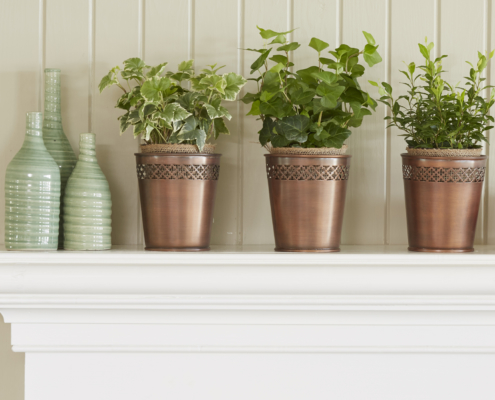
English Ivy

English ivy has the unique ability to clean the air of mold. Ivy is a trailing plant that you can train to grow up a trellis or let it cascade down from a shelf.  It can be an aggressive plant outdoors, but inside it’s well behaved. Keep the soil moist, but not wet, and give it a place with indirect light.

Photo courtesy of Costa Fams

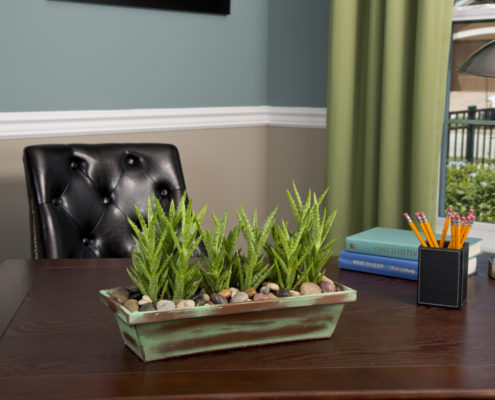
Aloe vera

Aloe has been used as a medicinal plant to heal: sunburn, cuts, insect bites, minor burns, and dry skin. It’s also an air purifier. Aloe likes bright light. Water it well every two weeks or when the soil feels very dry. Fertilize with Cactus!  monthly to give it nutrients.

Photo courtesy of Costa Farms

Peace Lilies

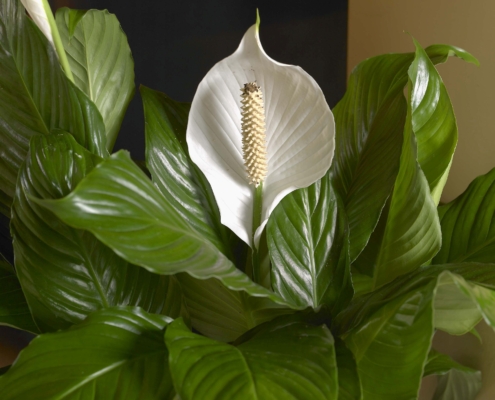
Peace lilies also made it on NASA’s list of toxin removing plants. They can absorb mold spores from the air into their leaves. It’s a pretty plant with calla-like flowers that likes bright light. Regular watering is a must (they’ll let you know when they’re thirsty by letting their leaves droop.)

Lavender

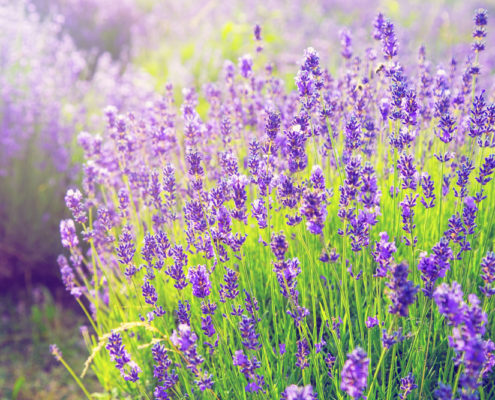
Lavender has been used for centuries for its soothing, sleep-inducing properties. Victorian ladies used to stuff their pillows with lavender to relieve stress. Today you can find a wide array of lavender products to help whisk you off to sleep. Lavender isn’t often sold as a houseplant but you can grow it outdoors and harvest the flowers for the bedroom.

*****

Ready for more relaxing? Check out these blogs for ideas.

Create a Spa in Your Bathroom

Top 5 Low Light Houseplants

How to Decorate for Thanksgiving with Plants


Featured Products:


Where to Buy

https://www.espoma.com/wp-content/uploads/2019/11/timothy-buck-psrloDbaZc8-unsplash-scaled.jpg 2560 2560 espoma https://www.espoma.com/wp-content/uploads/2023/05/espoma-logo340w-1.png espoma2019-11-13 08:00:042022-11-04 17:12:47Plants to Help You Get Some Rest

Grab Your Books for a Lesson in Gardening 101

September 6, 2016/in Blog, Fall Gardening

Back to Gardening School: A Fresh Start for Your Garden

Remember the excitement of a new school year? Fresh notebooks, a backpack ready for adventure, and the feeling that anything was possible. That same sense of renewal is waiting in the garden this season.

Whether you’re just starting out or brushing up on your skills, it’s the perfect time to get back to the basics. Sharpen those tools (and pencils) and let’s head to Gardening School.

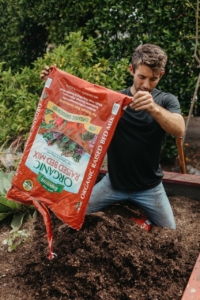
Farmer Nick dumping Espoma Raised bed Mix into a raised garden bed

1. Build a Strong Foundation

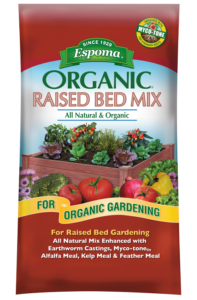
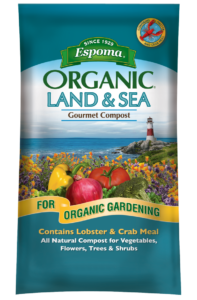
Every successful garden begins with healthy soil. Start with a quick soil test to understand what nutrients your garden may be missing, then build from there. For raised beds, fill them with a rich blend of natural ingredients—like those in Espoma Organic Raised Bed Mix—to create the perfect growing environment. Adding an organic compost such as Espoma Organic Land & Sea Gourmet Compost further improves soil structure, boosts moisture retention, and encourages healthy microbial activity. For container plantings, Espoma Organic All-Purpose Potting Mix provides the ideal balance of drainage and organic matter to keep roots thriving. And whenever new plants go in the ground, a starter fertilizer like Espoma Organic Bio-tone Starter Plus helps them establish quickly by supporting strong, resilient root growth. With the right foundation beneath the surface, the garden above will flourish.

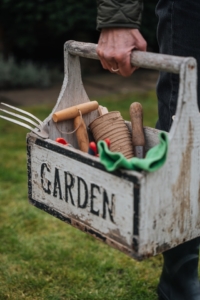
old garden tools

2. Check Your Supplies

Just like gathering fresh notebooks and sharpened pencils, gardeners should review their tools. Replace cracked handles, rusty clippers, or wobbly rakes so nothing slows you down during the season. A little care and preparation now saves frustration later and makes gardening smoother and more enjoyable.

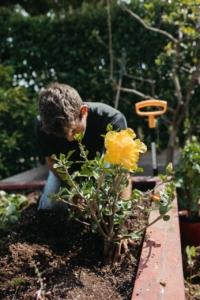
Farmer Nick planting a flowering plant

3. Redefine Your Garden’s Style

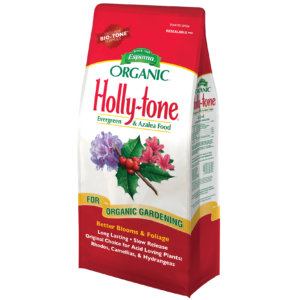
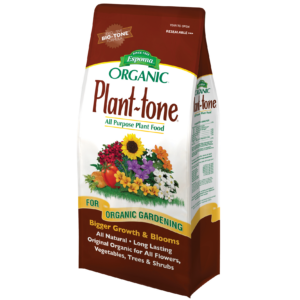
A new season is the perfect time to refresh the look of the garden. Whether the goal is calm and classic or bold and colorful, the right nutrition helps plants live up to their potential. Espoma Organic Plant-tone provides complete, balanced nutrition for a wide variety of plants, while Espoma Organic Holly-tone supports acid-loving favorites such as azaleas, rhododendrons, and hydrangeas. Feeding properly is the simplest way to bring a dream garden style to life.

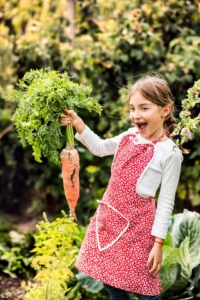
little girl holding a carrot

4. Learn From Last Season

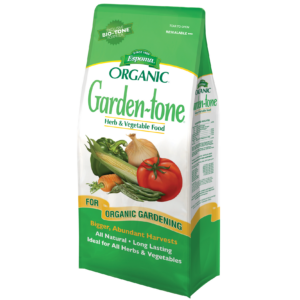
Every garden has its victories and its challenges. Take time to reflect on what thrived and what struggled, then plan for improvement. Espoma Organic Garden-tone is specially formulated for vegetables, helping ensure bigger, tastier harvests season after season. When planting new crops or ornamentals, Espoma Organic Bio-tone Starter Plus gives roots the boost they need to grow stronger and more resilient than before. Each new season builds on last year’s lessons with the right nutrition.

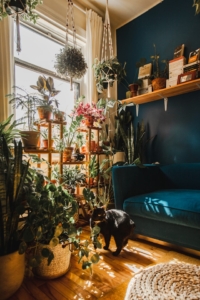
indoor plants

5. Don’t Forget Your Indoor Plants

While outdoor gardens take the spotlight, houseplants need care too. Feeding them regularly keeps leaves lush, colors vibrant, and growth steady all year long. Espoma’s Indoor! organic liquid fertilizer makes it easy to give houseplants the nutrition they need with every watering. When repotting, Espoma Organic Potting Mix provides the perfect organic base to keep indoor plants healthy and happy. A thriving indoor garden completes the picture of a gardener’s success.

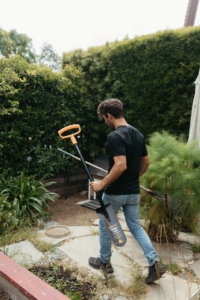
Farmer Nick holding a shovel

6. Sharpen and Shine

Tools are the unsung heroes of every garden. Taking time to clean, sharpen, and maintain them ensures they last longer and work more effectively. Well-maintained tools make every gardening task easier, allowing more energy to be devoted to growing beautiful, thriving plants.

7. Grow Your Community

Gardening is even better when knowledge is shared. One of the most valuable tips to pass along is to start every planting with a quality organic starter fertilizer like Espoma Organic Bio-tone Starter Plus to set roots up for success, and then feed with Espoma Organic Plant-tone throughout the season to keep growth steady and strong. These trusted essentials have been used by generations of gardeners, and passing them along helps the whole community grow stronger together.

Graduation Time!

Congratulations—you’ve completed your Back-to-Gardening School crash course! Toss those gardening gloves in the air, because the lessons learned here will lead to healthier plants, bigger harvests, and gardens worth celebrating.

At Espoma, teaching organic gardening practices has been a passion since 1929. With products that are safe for people, pets, and the planet, Espoma is here as a mentor and partner on every gardener’s journey. Class dismissed—now go grow with confidence!

Farmer Nick & PlantKids Course 

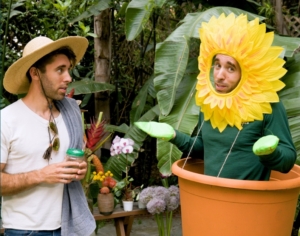
Looking for a fun way to introduce kids to gardening? Check out our brand partner Farmer Nick’s course, The Adventures of Farmer Nick and Plant! Designed for children ages 4 and up, this 10-episode series inspires a love of gardening and plant science through hands-on lessons. Sometimes silly, always fun, it’s a playful way to spark curiosity and delight both kids and adults alike.

*****

Featured Products:
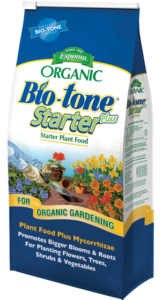
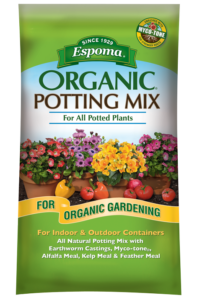
Espoma Organic Bio-tone Starter Plus Bag Image Espoma Organic Holly-tone Organic Fertilizer for all acid loving plantsEspoma Organic Plant-tone organic fertilizerEspoma Organic Garden-tone Espoma Organic Potting soil Mix Big bag Espoma Raised Bed Mix bag Espoma Organic Land and Sea Espoma Organic Indoor! liquid plant food - Organic fertilizer


Where to Buy


https://www.espoma.com/wp-content/uploads/2016/09/9V2A7296.jpg 1280 853 espoma https://www.espoma.com/wp-content/uploads/2023/05/espoma-logo340w-1.png espoma2016-09-06 12:00:482025-09-12 17:16:48Grab Your Books for a Lesson in Gardening 101
Page 3 of 3123
Where to Buy

Get News & Updates

Recent Posts

  • VIDEO: A Formal Garden Tour with Summer Rayne Oakes
  • VIDEO: Repotting in the Greenhouse with Garden Answer
  • VIDEO: How to Winterize Your Chicken Coop with Summer Rayne Oakes
  • VIDEO: Planting Spring Bulbs in Containers 🪴🌷 with Summer Rayne Oakes
  • VIDEO: Planting the Last Bulbs of the Season with Garden Answer

Tags

All-Purpose Potting Mix bio-tone Bio-tone Starter Bio-tone Starter Plus Cactus Mix caring for houseplants Container Gardening DIY project Espoma espoma grown espoma organic Espoma Organics Espoma Video fall gardening Family fert flower garden flowers garden Garden Answer Gardening gardening tips gardens grow holly-tone houseplants Indoor! indoor gardening indoor plants Kaleb Wyse organic organic fertilizer Organic Gardening organic plant food Organic Potting Mix Outdoor Gardening Planting plants Potting Mix potting soil Spring Gardening summer rayne oakes vegetable garden Vegetable Gardening Wyse Guide

Espoma. A Family Tradition Since 1929.

Espoma Organic logo
  • Espoma Dealer
  • Espoma Pro
  • Garden Club
  • Privacy Policy

Scroll to top