Espoma Organic
  • Products
    • Close
    • Product Line Overview
    • Plant food finder
    • Garden Fertilizers
    • Potting Soils
    • Lawn Fertilizers
    • Liquid Fertilizers
    • Single Ingredients
    • Conventional Plant Foods
    • Animal Care Products
  • Where to Buy
  • Our Story
    • Close
    • Our Story
    • Locations
    • Historical Timeline
    • Our Commitment
    • Directions
    • Solar
    • Join our Team
    • Espoma Brand Partners
  • Learn
    • Close
    • Espoma Blog
    • FAQ’s
    • Pocket Guide
    • Espoma Guides
    • Garden Clubs
    • Safe Paws Lawn
    • PRODUCT FACT SHEETS
    • Fertilizer Fundamentals
      • Close
      • Understanding Plant Nutrition
      • Reading Labels
      • Choosing the Right Type of Fertilizer
      • Terms & Definitions
    • Gardening Projects
    • Resource Links
  • Contact Us
  • Menu Menu

Tag Archive for: potting soil

Out of Town? Don’t Let the Garden Go Brown

June 25, 2015/in Container Gardening, Flowers, Spring Gardening, Summer Gardening

Gardener’s Guide: Hydration while on Vacation

As you pack your bags, finish up at work and plan your vacation adventures, one lingering question remains, “Who will water my plants?

Yes, we’d all like to have a friend or neighbor available to care for our garden while we’re out of town, but that’s not always a possibility.

Luckily, you can prep your garden before you go on vacation. Here are some tricks.

vacation garden tips

While You’re On Vacation, Treat Your Garden to a Stay-cation 

  1. Right on Time. Install a water timer to automate watering. You can opt for a more complex drip irrigation system or simply use a timer with sprinklers. Plan to give plants about 1” of a water a week.
  2. Pack a Snack. Keep your plants well-fed and packed with nutrients while you’re gone. Feeding your veggies, flowers and herbs with the right organic plant food sets them up for success and gives them the strength they need to survive tough situations.
  3. Much Mulch. Mulch helps plants retain 25-50 percent more water, so it’s perfect for vacation use. Make sure all plants have 2-3” of mulch. Water the mulch until it’s wet all the way through.
  4. Cluster Containers. Group containers in a shady spot where they’ll be watered by a sprinkler. Or if going out of town for 1-2 weeks, place containers out of direct sunlight in a kiddie pool filled with a few inches of water.
  5. Take Your Pick. Pick anything and everything from your edible plants. That includes any tomatoes showing color, pint-sized cucumbers and zucchinis and any beans you see. Picking will keep plants producing and provides healthy, organic snacks for your travels, too.
  6. Mow Before You Go. Mow the lawn the day before your trip. Simple!

Now, sit back, relax and get ready for an invigorating vacation! Your plants will surely miss you, but they’ll be just fine while you’re gone.  

https://www.espoma.com/wp-content/uploads/2015/06/pansy-731346_640.jpg 426 640 espoma https://www.espoma.com/wp-content/uploads/2023/05/espoma-logo340w-1.png espoma2015-06-25 08:09:172019-05-07 10:08:44Out of Town? Don’t Let the Garden Go Brown

Oh Snap! Pick and Serve Fresh Green Beans

June 23, 2015/in Vegetable Gardening

The best time of the year is here! Harvest season!

And our green beans have never looked, well, greener. They’re ready to be picked and cooked for a yummy side dish. The best part is you’ll be picking and cooking beans now through late July.

Learning when and how to harvest green beans does take a bit of practice. Hang with us and in a few days, you’ll be a green bean pickin’ pro!

Give Beans the Green Light

  1. Pinch the Pod.  Harvest green beans when they’re 4-7” in length and the width of a pencil. Most importantly, they should be firm to the touch and have no visible bulges.
  2. They’re About to Snap!  With one hand, hold the bean where it connects to the vine. With the other hand, hold the vine. Now pinch off with your thumb.
  3. Cool (Green) Beans. Refrigerate in an airtight container. They’ll keep for about 4 days.

Put the Beans to the Test! Taste Test Green Beans with this Delicious Recipe  

As soon as beans leave the vine, you want to taste them! So, we always have a recipe ready to go ahead of time. Try one of our favorite recipes below.

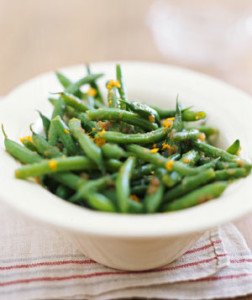
Green Bean Salad with Mustard Vinaigrette

Ingredientsgreen bean recipe

  • 1 ½ lb. freshly picked green beans, trimmed
  • 3 tablespoons EVOO (Extra-Virgin Olive Oil)
  • kosher salt and pepper
  • 1 tablespoon Dijon mustard
  • 2 tablespoons sherry vinegar
  • ½ cup sliced almonds, toasted

Instructions

  1. Boil Water.  Boil a pot of water over high-heat.
  2. Rinse and Trim.  Meanwhile, rinse and cut the stems off your fresh green beans.
  3. Cook. Add 1 tablespoon salt and boil the beans until tender, usually 4-5 minutes. Then drain and run under cool water.
  4. Whisk. Combine mustard, vinegar, oil, salt, and pepper.
  5. Drizzle. Place in serving dish and evenly coat with mixture.
  6. Sprinkle. Scatter almonds over beans.
  7. …and Serve!  

Picking green beans is easy – and delicious. Get ready to enjoy fresh green beans all summer.  Yum!

https://www.espoma.com/wp-content/uploads/2015/06/beans-598185_640.jpg 478 640 espoma https://www.espoma.com/wp-content/uploads/2023/05/espoma-logo340w-1.png espoma2015-06-23 12:07:482019-05-07 10:08:44Oh Snap! Pick and Serve Fresh Green Beans

Repurpose on Purpose: Trash Transforms into Beautiful Containers

June 23, 2015/in Flowers, Landscaping, Spring Gardening

Container gardening adds a whole new element of style and flair to your outdoor space. Not only do you get to showcase DIY containeryour style through plants, but also in the unique pots you choose. It’s twice the fun!
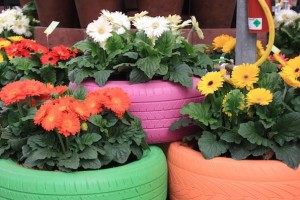
And you can do it for the planet, too. Growing herbs, veggies and flowers already makes the world a greener place. Now reuse and repurpose a forgotten item into an invigorated planter. Upcycling creates less waste and saves money, too.

Create a repurposed container for a beautiful (and thrifty!) container garden.

Your soon-to-be favorite container may already be in your house. Almost any vessel can be repurposed into a garden container! You’ll be amazed by what you discover (and by what containers you didn’t even know were hiding in your cupboards).

Up for Grabs: Upcycled Containers

  1. Pin Your Style. Create a look that is truly all your own. Decide if you want a rustic, modern, country or bold look. Then browse Pinterest for inspiration.
  2. Start the Search. Browse your kitchen, closet, garage and cupboards for items you no longer use. Any size works! Branch out to yard sales, thrift stores and flea markets for more unique looks.
  3. Add a Special Touch. Personalize your container by painting it, covering it in old wallpaper, or even turning it into a mosaic. Get crafty!
  4. Show Them the Drill. Then Fill. Drill holes in the bottom of your repurposed container to provide drainage. Without drainage holes, soil becomes too wet and causes roots to rot. When ready, fill with the ideal potting soil, Espoma’s Organic Potting Mix, and your favorite plants.
60bc838855263aa8a8875fd58e171bca

These upcycled tires are stacked and painted- as seen by Ellen Wells at Syngenta

Colander-planter_wm

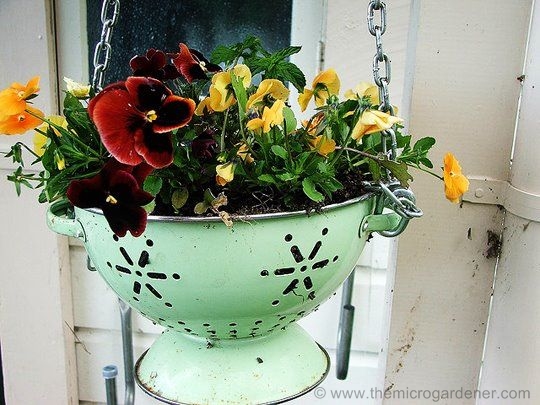
A colorful, retro colander makes a great hanging container

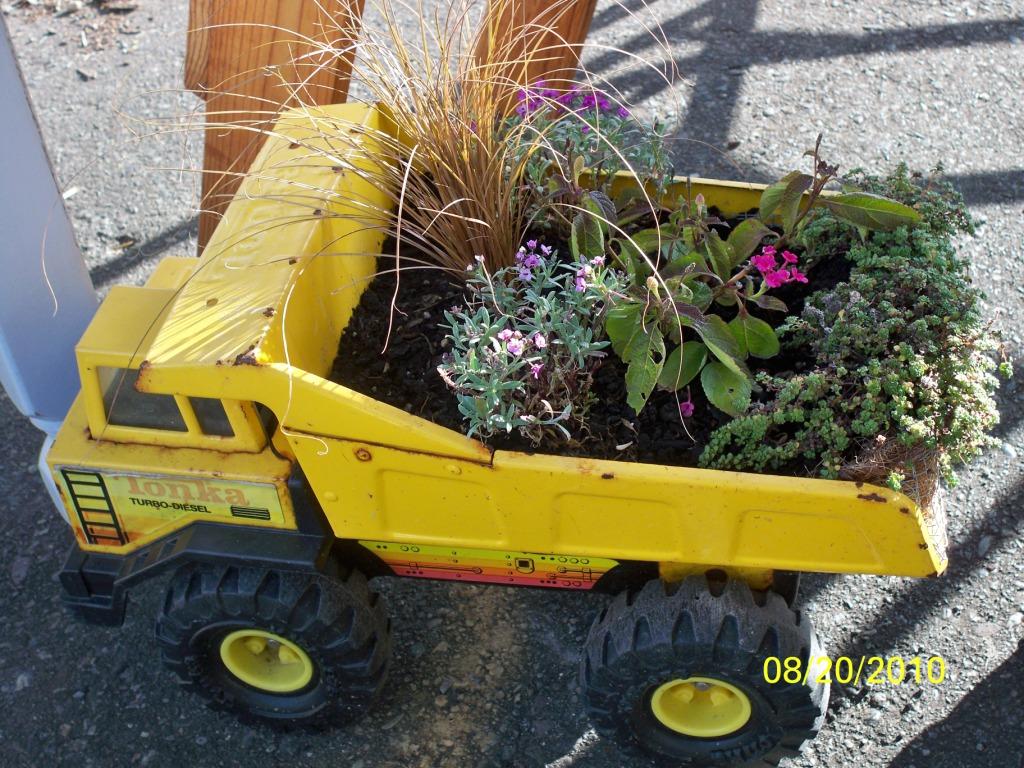
Toy-truck-planter

Think outside of the (toy)box

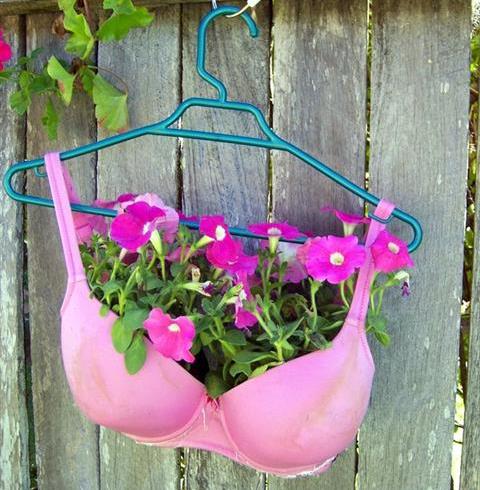
bra-planter

And, of course, the bigger the better for this container…

Other Types of Repurposed Containers:

Get inspired by some of our favorite items to turn into garden planters below.

  • Teacups and teapots
  • Pitchers
  • Tires
  • Boots and shoes
  • Colanders
  • Desk drawers
  • Buckets
  • Wine crates and whiskey barrels
  • Wheelbarrows and wagons
  • Clothes and lingerie
  • Toolboxes
  • Suitcases
  • Watering cans

Creating repurposed containers is a quick, affordable and fun way to expand container gardens. Once you start, the possibilities are endless!

*thank you MicroGardener for the photos!


https://www.espoma.com/wp-content/uploads/2015/06/Capture2.jpg 261 527 espoma https://www.espoma.com/wp-content/uploads/2023/05/espoma-logo340w-1.png espoma2015-06-23 08:07:142019-05-07 10:08:44Repurpose on Purpose: Trash Transforms into Beautiful Containers

Double your Roses by Feeding and Deadheading

June 17, 2015/in Flowers, Landscaping, Spring Gardening

Is there anything better than walking into your garden, smelling the heavenly scent of a rose and seeing a luscious rose bloom?

Believe it or not, we think there is!

More roses!

Once your roses start blooming, all you want is for more roses to grow, too! Stack the odds in your favor by feeding and deadheading your roses now.

Give Your Roses an Energy Boost!

roses


To create those gorgeous, lovely rose blooms, roses need lots of energy! You don’t think those beautiful blooms just happen, do you?

  1. Ohm. Find the Right Balance. Roses need a balanced, organic fertilizer made specifically for roses. A balanced food with the same amounts of NPK (nitrogen, phosphorus and potassium) keeps the roots, flowers and foliage growing strong and healthy.
  2. Do as the Experts Do. Don’t the experts always know best? That’s what it seems like from those toothpaste commercials at least! The same is true in the garden. Rose-tone by Espoma, an organic plant food, is preferred by professional rose-growers. Follow their lead to grow bigger, better roses! Dare we say, prizewinning?
  3. The 30 Day Phase. Feed your roses once a month during the growing season. When you use a slow-release, organic fertilizer, your roses have enough to eat for 30 days. After that, they’ve consumed all the soil’s nutrients and need their energy source replenished. If the soil is dry, make sure you water roses heavily before feeding them. Find out more here.
  4. Look Dead? Off with their Head. Anyone who grows roses knows the value of deadheading. Roses will bloom all season if you remove spent flowers. Otherwise, the roses focus on seeding – not flowering. Plus, deadheading is easy! With pruners, simply cut dead roses just below the flower to the first set of leaves. Leave the leaves though, since these help plants grow strong. During drought, deadheading also reduces the plants need for water, increasing its chance of surviving this dry spell.
  5. Don’t stop there. Continue to deadhead roses until late August. This will allow the rose to form the important seed bearing hips it needs to produce even more flowers next spring!

Soon, roses will be coming up every which way! Go forth and create big, beautiful blooms with your newfound knowledge.

https://www.espoma.com/wp-content/uploads/2015/06/Capture1.jpg 328 1218 espoma https://www.espoma.com/wp-content/uploads/2023/05/espoma-logo340w-1.png espoma2015-06-17 16:15:242019-05-07 10:08:44Double your Roses by Feeding and Deadheading
Page 18 of 18«‹161718
Where to Buy

Get News & Updates

Recent Posts

  • VIDEO: How to Winterize Your Chicken Coop with Summer Rayne Oakes
  • VIDEO: Planting Spring Bulbs in Containers 🪴🌷 with Summer Rayne Oakes
  • VIDEO: Planting the Last Bulbs of the Season with Garden Answer
  • How to Care for Ferns 🌿 | Growing Joy with Maria
  • VIDEO: One Last Autumn Stroll 🍁🍂 with Summer Rayne Oakes

Tags

All-Purpose Potting Mix bio-tone Bio-tone Starter Bio-tone Starter Plus Cactus Mix caring for houseplants Container Gardening DIY project Espoma espoma grown espoma organic Espoma Organics Espoma Video fall gardening Family fert flower garden flowers garden Garden Answer Gardening gardening tips gardens grow holly-tone houseplants Indoor! indoor gardening indoor plants Kaleb Wyse organic organic fertilizer Organic Gardening organic plant food Organic Potting Mix Outdoor Gardening Planting plants Potting Mix potting soil Spring Gardening summer rayne oakes vegetable garden Vegetable Gardening Wyse Guide

Espoma. A Family Tradition Since 1929.

Espoma Organic logo
  • Espoma Dealer
  • Espoma Pro
  • Garden Club
  • Privacy Policy

Scroll to top