Espoma Organic
  • Products
    • Close
    • Product Line Overview
    • Plant food finder
    • Garden Fertilizers
    • Potting Soils
    • Lawn Fertilizers
    • Liquid Fertilizers
    • Single Ingredients
    • Conventional Plant Foods
    • Animal Care Products
  • Where to Buy
  • Our Story
    • Close
    • Our Story
    • Locations
    • Historical Timeline
    • Our Commitment
    • Directions
    • Solar
    • Join our Team
    • Espoma Brand Partners
  • Learn
    • Close
    • Espoma Blog
    • FAQ’s
    • Pocket Guide
    • Espoma Guides
    • Garden Clubs
    • Safe Paws Lawn
    • PRODUCT FACT SHEETS
    • Fertilizer Fundamentals
      • Close
      • Understanding Plant Nutrition
      • Reading Labels
      • Choosing the Right Type of Fertilizer
      • Terms & Definitions
    • Gardening Projects
    • Resource Links
  • Contact Us
  • Menu Menu

Tag Archive for: organic fert

VIDEO: How to Plant Spring Bulbs in Containers 🌱🌷 with Garden Answer

December 9, 2025/in Blog, Bulbs, Container Gardening, Espoma Videos, Garden Answer

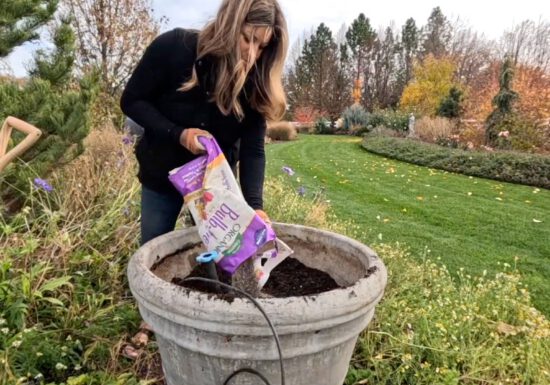
Laura from Garden Answer shows how to plant spring-blooming bulbs in large containers for a big, colorful show next season. She fills eight pots with Menton tulips and Spanish bluebells, feeding them with Espoma Organic Bulb-tone and then topdressing with Espoma Organic Land & Sea Compost to refresh the tired soil and support strong, natural growth.

The Planting Plan: A “Bouquet” in Every Pot

Laura creates a layered “bouquet” effect in each container:

  • Center: Menton tulips
  • Outer edge: Spanish bluebells

Both bloom late in the season, so the colors overlap beautifully. Spanish bluebells grow about 14–18″ tall, while Menton tulips reach 23–25″, giving each pot a soft, tiered look. Planting in raised containers keeps everything at waist height, which makes bulb planting much easier than digging in the ground.

Step-by-Step: How Laura Plants Her Bulb Containers

1. Prepare the Container

Laura removes soil down to about 6 inches deep. This makes room for the first layer of bulbs and ensures they’re planted at the proper depth.

2. Amend the Soil with an Organic Fertilizer

Before placing any bulbs, she sprinkles Espoma Organic Bulb-tone into the container.

Why it helps:

  • Provides slow-release, organic nutrition right where roots grow.
  • Encourages strong root development, which is key for bulbs to overwinter and bloom well.
  • Gentle, natural formula that’s safe for people, pets, and pollinator-friendly gardens when used as directed.

3. Plant Tulips “Shoulder to Shoulder”

Menton tulip bulbs go in first at 6 inches deep, planted:

  • Pointy side up, flat side down.
  • Very close together—“shoulder to shoulder”—rather than spaced as they would be in the ground.

This tight spacing lets her fit about 100 tulip bulbs per pot, creating a dense, show-stopping spring display.

4. Add Spanish Bluebells

She covers the tulips with a couple of inches of soil, then plants the Spanish bluebells in a ring around the outer edge at about 4 inches deep. Bluebell bulbs look a bit different, but the rule still applies: roots down, growth point up.

5. Add compost

Because the potting mix has been used before and is showing roots and wear, Laura doesn’t just add more regular soil. Instead, she topdresses each container with Espoma Organic Land & Sea Compost.

Why it helps:

  • Adds rich organic matter back into tired soil.
  • Improves soil structure and moisture retention, which bulbs love.
  • Supplies a gentle nutrient boost from premium ingredients like lobster and kelp meal, helping bulbs grow strong and bloom beautifully.

6. Water Thoroughly

After planting and topdressing, Laura waters each container deeply.

Her key watering tip:

  • Aim for even moisture across the entire soil surface, not just one side of the pot.
  • In winter, check containers every 2–3 weeks. The goal is soil that’s slightly moist, never soggy, and never bone dry.

Bulb-Specific Tips for Container Success

Laura’s main bulb care reminders:

  • Chill time matters:
    • Tulips and daffodils generally need 12–16 weeks of consistent cold (around 35–45°F).
    • Hyacinths often need 8–10 weeks; crocus and snowdrops around 6–8 weeks.
  • Mild climate? Go pre-chilled:
    If you garden in a warmer region, order pre-chilled bulbs so they arrive ready to plant and still bloom well.
  • Drainage is essential:
    Containers must have drainage holes so bulbs don’t sit in water and rot. In very wet climates, you may need to protect pots from constant rainfall; in dry climates, remember to water occasionally.

With the right chill, good drainage, consistent moisture, and organic nutrition from Bulb-tone and Land & Sea Compost, these containers are now set up for a spectacular spring show—naturally.

*****

Featured Products:

Espoma Organic Bulb-tone bag Espoma Organic Land and Sea Espoma Organic Potting Mix bag


Where to Buy

https://www.espoma.com/wp-content/uploads/2025/12/Espoma_1225_BulbTone_Thumbnail-copy.jpg 1080 1920 Matt Dauphinais https://www.espoma.com/wp-content/uploads/2023/05/espoma-logo340w-1.png Matt Dauphinais2025-12-09 16:44:432025-12-09 16:44:43VIDEO: How to Plant Spring Bulbs in Containers 🌱🌷 with Garden Answer

VIDEO: Planting Hydrangeas 🌸 with Wyse Guide

September 23, 2025/in Blog, Espoma Videos, Flowers, Kaleb Wyse

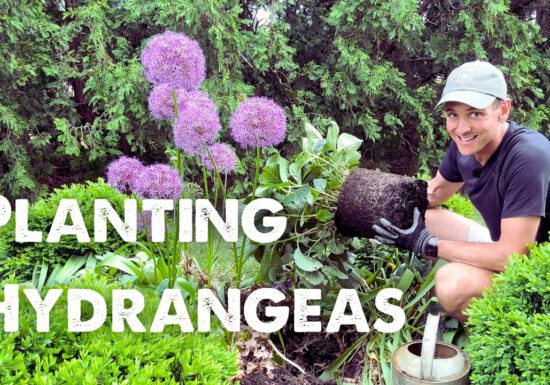
When it comes to hydrangeas, every gardener dreams of full, colorful blooms that light up the landscape. Watch as Kaleb Wyse of Wyse Guide shares how he plants and transplants hydrangeas in his Iowa garden. He walks us through his process step by step—using Espoma Organic Bio-tone Starter Plus to help roots establish, Espoma Organic Holly-tone to feed acid-loving plants, and how using Espoma Organic Soil Acidifier can create the perfect conditions for iconic blue blooms.

Here are six top tips and takeaways from Kaleb’s hydrangea planting project:

1. Choose the Right Variety for Your Climate

Not every hydrangea will thrive just because it’s rated for your USDA zone. Kaleb explains how some bigleaf hydrangeas struggled in his area, so he swapped them for hardier Seaside Serenade Cape Cod hydrangeas, better suited for his Zone 4 garden. Always match your plant choice to both your climate and the light conditions in your garden.

2. Protect Roots During Transplanting

Whether moving a shrub or planting a new one, Kaleb emphasizes the importance of keeping the root ball intact to reduce transplant shock. He carefully lifts and moves hydrangeas with as much surrounding soil as possible, ensuring minimal stress on the plant. 

3. Always Plant with a Good Organic Starter Fertilizer

Every hydrangea Kaleb plants gets a helping of Espoma Organic Bio-tone Starter Plus in the hole. Packed with beneficial microbes and mycorrhizae, Bio-tone encourages strong root development and helps plants adapt quickly to their new home. As Kaleb puts it, he treats transplants like brand-new plants—and Bio-tone gives them the best start possible.

4. Feed with Fertilizer for Acid-Loving Plants

Hydrangeas love soil on the acidic side. That’s why Kaleb sprinkles in Espoma Organic Holly-tone, a slow-release organic fertilizer crafted specifically for acid-loving plants like hydrangeas, azaleas, and blueberries. Holly-tone not only provides balanced nutrition but also contains elemental sulfur to help gently acidify soil over time.

5. Adjust Soil pH 

If your soil isn’t naturally acidic, hydrangeas may need a little extra help. Kaleb mentions how his soil leans neutral, so he often turns to Espoma Organic Soil Acidifier. Made from natural sulfur, it safely lowers soil pH, creating the right conditions for healthier growth and, in the case of bigleaf hydrangeas, can even shift blooms from pink to blue.

6. Prioritize Drainage and Consistent Moisture

Hydrangeas thrive in soil that’s both well-draining and consistently moist. Kaleb demonstrates checking drainage by filling the planting hole with water. If it drains well, you’re set! He also reminds us that even established hydrangeas benefit from supplemental water during dry spells to keep blooms from wilting or scorching in summer heat.

You Can Do It!

Healthy soil, the right plant food, and a watchful eye on moisture make all the difference in hydrangea success. With Espoma Organic Bio-tone Starter Plus, Holly-tone, and Soil Acidifier in your toolkit, you’ll be well on your way to lush, colorful hydrangea blooms—year after year.

*****

Featured Products:

Espoma Organic Bio-tone Starter Plus Bag Image Espoma Organic Holly-tone Espoma Organic Soil Acidifier Bag


Where to Buy

https://www.espoma.com/wp-content/uploads/2025/09/Planting-Hydrangeas.jpg 720 1280 Matt Dauphinais https://www.espoma.com/wp-content/uploads/2023/05/espoma-logo340w-1.png Matt Dauphinais2025-09-23 11:51:362025-09-23 11:51:36VIDEO: Planting Hydrangeas 🌸 with Wyse Guide

VIDEO: Planting Hydrangeas and Yews 🌸🌲 with Wyse Guide

September 16, 2025/in Blog, Espoma Videos, Fall Gardening, Kaleb Wyse

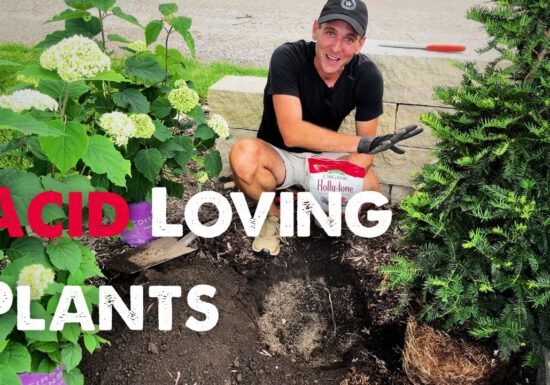
In this Wyse Guide project, Kaleb refreshes the entry to his mom’s driveway with smooth hydrangeas and a Captain yew for four-season structure. He plants each shrub with Espoma Organic Bio-tone Starter Plus to jump-start strong root growth and reduce transplant stress, then adds Espoma Organic Holly-tone because hydrangeas and most yews thrive in slightly acidic soil. Bio-tone delivers beneficial microbes and gentle nutrition right where roots need it; Holly-tone provides a slow, steady feed tailored for acid-loving plants so they establish beautifully in his neutral Iowa soil.

Tips from Wyse Guide:

  1. Plant when you have the window. If the soil is workable and you can water, spring through fall is fair game—plants are often better off in the ground than in pots.
  2. Match plants to the site. Kaleb chose upright, weather-tough, smooth hydrangeas for bloom and a rugged Captain yew for year-round form in part shade with occasional dry spells.
  3. Call before you dig. Always locate underground utilities before starting holes. Safety first.
  4. Plant slightly high. Set the root ball a touch above grade to allow for settling and better oxygen at the crown, especially near thirsty maples.
  5. Prep the roots. Loosen or lightly score tight root balls so roots can spread into native soil. Then, pre-soak the root ball before backfilling.
  6. Feed and mulch smart. Mix Bio-tone and Holly-tone into the planting hole for establishment and acid-loving nutrition. Finish with a 2–3″ layer of compost like Espoma Organic Land & Sea Gourmet Compost mulch to add organic matter to lock in moisture and suppress weeds.

A simple, well-chosen pairing—hydrangeas for flowers and yew for structure—turned this entry into a welcoming focal point. Take your time, let inspiration strike at the nursery, and set new plants up for success with Bio-tone and Holly-ton

Ready to plant? Visit your local garden center for Espoma Organic Bio-tone Starter Plus,  Holly-tone, Land & Sea Compost, and let’s get growing!

*****

Featured Products:

Espoma Organic Bio-tone Starter Plus Bag Image Espoma Organic Holly-tone Organic Fertilizer for all acid loving plants Espoma Organic Land and Sea gourmet compost


Where to Buy

https://www.espoma.com/wp-content/uploads/2025/09/Title-21.jpg 720 1280 Matt Dauphinais https://www.espoma.com/wp-content/uploads/2023/05/espoma-logo340w-1.png Matt Dauphinais2025-09-16 15:28:182025-09-16 15:28:18VIDEO: Planting Hydrangeas and Yews 🌸🌲 with Wyse Guide

VIDEO: August Garden Refresh ☀️🌿🌸 with Skye Hamilton

August 21, 2025/in Blog

Gardening in August isn’t for the faint of heart — it’s hot, it’s scraggly, and it takes motivation.  Skye Hamilton reminds us that the effort is well worth it. With just a few key steps, you can transform your late-summer beds and set the stage for a gorgeous fall garden.

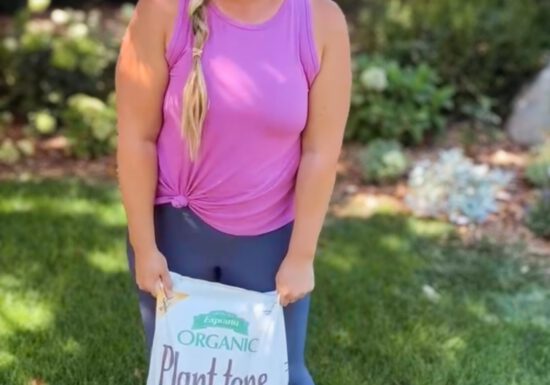
One of Skye’s favorite tips? Feed tired annuals and perennials with a high-quality organic fertilizer like Espoma Organic Plant-tone. This slow-release, all-purpose organic fertilizer gives plants a natural boost without burning, helping them put on their final flush of blooms.

Skye’s August Garden Checklist

  • 🌱 Weed control: Stay on top of weeds to instantly refresh the look and health of your beds.

  • ✂️ Cut back overgrowth: Trim plants for a tidier appearance and encourage reblooming where possible.

  • 🌸 Deadhead rebloomers: Keep flowers coming with consistent deadheading.

  • 🌿 Fertilize: Apply a high-quality organic fertilizer like Espoma Organic Plant-tone to revive perennials and annuals for their late-season show.

  • 🐛 Treat issues: Address pests and diseases before they spread.

So while August gardening may feel intense, remember: a little care now means a thriving, colorful fall garden later. Discover more natural gardening tips and find Espoma Organic Plant-tone at your local garden center today. 🌱

*****

Learn More about Skye Hamilton:

🌸 Website

🌸 Instagram

🌸 Facebook

🌸 YouTube

🌸 Pinterest

🌸 TikTok

Featured Products: 

Espoma Organic Plant-tone organic fertilizerEspoma Organic Bio-tone Starter Plus Bag Image


Where to Buy

https://www.espoma.com/wp-content/uploads/2025/08/image2-1.jpeg 2086 1141 Matt Dauphinais https://www.espoma.com/wp-content/uploads/2023/05/espoma-logo340w-1.png Matt Dauphinais2025-08-21 14:01:012025-08-21 14:01:01VIDEO: August Garden Refresh ☀️🌿🌸 with Skye Hamilton

Bird Friendly Gardening 🕊️🌸 | Growing Joy with Maria

August 13, 2025/in Blog, Flowers, Fruits & Vegetables, Growing Joy with Maria

Bird-Friendly Gardening with Jen McGuinness, Ep 239

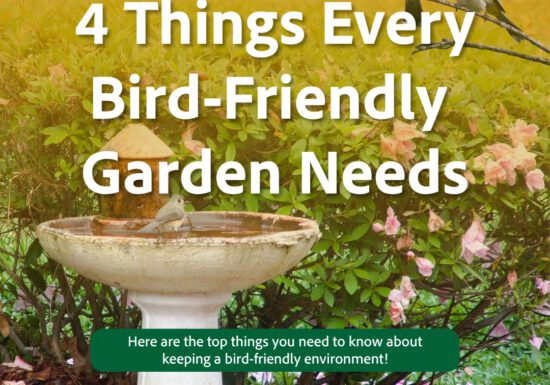
Do you love watching hummingbirds, chickadees, or sparrows right outside your window? One of the key benefits of having a garden is the wildlife that comes to visit your beautiful blooms. Our friend Maria Failla of Growing Joy with Maria gardens specifically for her local birds, because they bring her so much joy, and this blog shares everything she’s learned about bird-friendly gardening.

This blog is inspired by Episode 239 of the Growing Joy with Plants Podcast, where Maria sits down with Jen McGuinness, author of Bird-Friendly Gardening, about how we can make our outdoor spaces safe and welcoming for birds.

Why Should We Help Birds in Our Gardens?

Birds can help pollinate plants and eat harmful insects, which can help keep our garden healthy. But they need our help. Since 1970, about 3 billion birds have disappeared in North America because of habitat loss, pollution, and climate change.

But there’s a way you can make a difference right in your backyard.

What Makes a Garden Bird-Friendly?

A lot of people are probably thinking that bird feeders are enough when they want to help birds, but a bird-friendly garden means using your whole garden to support them by offering them food, water, and shelter.

A bird-friendly garden includes:

  • Native plants that supply seeds, berries, or attract insects (Hummingbirds especially love nectar from flowers)
  • Fresh water sources for drinking and cleaning themselves (and if you have a budget, you can add a solar fountain or mister to your birdbath
  • Safe shelter from predators and bad weather
  • Places to build nests, like trees, grasses, or birdhouses (thick bushes, trees, and tall native grasses are great)

Native plants = natural food for birds in the garden

Add Native Plants to Your Garden

Select native plants when building a bird-friendly garden. You can check your USDA growing zone or use the Audubon Native Plant Finder by simply typing in your zip code to get local recommendations. Garden center employees are also a huge resource that you can ask questions to.

Here are some bird-friendly flowers:

  • Coneflowers and asters
  • Sunflowers
  • Blueberry bushes and crab apple trees
  • Oak trees (they attract insects that the birds eat)
  • Native grasses like Big Bluestem

Using a nutrient-rich soil like Espoma Organic Garden Soil helps these plants grow strong and healthy, which then supports more birds and insects.

add fresh clean water to your bird friendly garden

It’s important to maintain your bird feeders

Make sure to keep your bird feeders clean to stop the spread of diseases like House Finch Eye Disease. Utilize squirrel guards to keep them from stealing from your feathered friends. Different feeders attract different types of birds, so ideally, have a seed feeder and a hummingbird feeder to ensure all your local birds are well fed. 

Note: Maria and Jen love monitoring birds using electronic bird feeders with cameras in them, which use AI to identify the birds that come to visit.

add nesting materials for birds in your garden

Don’t forget nesting areas

To help birds build nests, try leaving out:

  • Twigs
  • Pet hair (like chicken feathers or alpaca furs)
  • Feathers
  • Native grasses

start your bird friendly garden today

Start Small

You don’t need a huge property to create a bird-friendly garden. If you have a small space, you can plant native flowers in containers or hanging baskets. A beautiful hanging basket of fuchsia will keep your hummingbirds happy all summer long!

To keep your plants blooming and productive, feed them during the growing season with a gentle organic fertilizer like Espoma Flower-tone or Berry-tone, depending on what you’re growing.

Birds Bring Joy

Watching birds fly, sing, and raise their babies reminds us that our gardens are part of a whole ecosystem where every creature matters. And when we help birds, we help the Earth. Bird care is ecosystem care.

*****

Learn more about Growing Joy with Maria:

🪴🌿 Website

🪴🌿 Facebook

🪴🌿 Instagram

🪴🌿 YouTube

Featured Products:

Espoma Organic Flower-tone bag Espoma Organic Berry-tone.Espoma Organic Tree-toneEspoma Organic Bio-tone Starter Plus Bag ImageEspoma Organic All-Purpose Garden Soil image


Where to Buy

https://www.espoma.com/wp-content/uploads/2025/08/Bird-friendly-1.jpg 1080 1080 Matt Dauphinais https://www.espoma.com/wp-content/uploads/2023/05/espoma-logo340w-1.png Matt Dauphinais2025-08-13 15:53:262025-08-13 15:55:45Bird Friendly Gardening 🕊️🌸 | Growing Joy with Maria

VIDEO: Planting 🍅 Tomatoes, 🫑 Peppers & 🌿 Herbs with Wyse Guide

August 1, 2025/in Blog, Container Gardening, Espoma Videos, Fruits & Vegetables, Kaleb Wyse, Spring Gardening

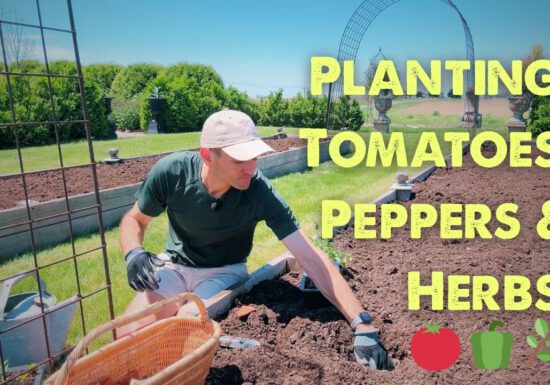
Watch as Kaleb Wyse from Wyse Guide refreshes his raised beds and herb containers. He tops off his raised beds with Espoma Organic Raised Bed Mix and mixes in Espoma Organic Land & Sea Gourmet Compost to improve soil structure and health. He plants heirloom tomatoes and peppers using Espoma Organic Tomato-tone and Bio-tone Starter Plus to give his new plants the nutrients they need to develop strong roots and big blooms.

Kaleb fills terracotta pots with Espoma Organic Potting Mix and mixes in Bio-tone Starter Plus to support healthy growth of basil, rosemary, thyme, and more.

Kaleb’s Top Plant Care Tips:

  • Refresh raised beds as needed—especially if the soil has settled or it’s time to replant—using high-quality organic soil like Espoma Organic Raised Bed Mix and compost like Espoma Organic Land & Sea Gourmet Compost to improve soil structure, boost microbial activity, and maintain healthy growing conditions.
  • Feed tomato plants with a high-quality organic fertilizer like Espoma Organic Tomato-tone, which provides calcium to help support proper fruit production.
  • Whether planting in the ground or containers, mix in an organic starter fertilizer like Espoma Organic Bio-tone Starter Plus to encourage strong root growth and quick establishment.
  • Regularly harvest herbs to stimulate continuous growth.
  • Ensure containers receive consistent watering to prevent drying out.

*****

Learn More about Wyse Guide:

🪴 YouTube

🪴 Facebook

🪴 Instagram

🪴Website

Featured Products:

Espoma Organic Potting soil Mix Big bagEspoma Raised Bed Mix bag Espoma Organic Land and Sea Espoma Organic Bio-tone Starter Plus Bag ImageEspoma Organic Tomato-tone


Where to Buy


https://www.espoma.com/wp-content/uploads/2025/07/Title-17.jpg 720 1280 Matt Dauphinais https://www.espoma.com/wp-content/uploads/2023/05/espoma-logo340w-1.png Matt Dauphinais2025-08-01 14:22:472025-08-01 14:24:47VIDEO: Planting 🍅 Tomatoes, 🫑 Peppers & 🌿 Herbs with Wyse Guide

VIDEO: Agave Repot & Care Tips 🪴 with Summer Rayne Oakes

July 22, 2025/in Blog, Container Gardening, Espoma Videos, Succulents, Summer Rayne Oakes

Follow along with Summer Rayne Oakes as she repots and cares for agave plants and succulents, including cold-hardy varieties that can withstand Zone 5 conditions (–20°F). She highlights the importance of using high-quality organic soils and fertilizers—like those from Espoma Organic—to help these resilient plants thrive.

Key Planting and Repotting Tips for Agave:

  • Soil Mix: Summer recommends blending Espoma Organic Cactus Mix with Espoma Organic Perlite and Espoma Organic Bonsai Mix to create a gritty, well-draining soil that helps prevent root rot.
  • Container Choice: Choose terracotta or fluted-edge pots to promote airflow and support strong root development.
  • Watering: Allow the soil to dry completely between waterings to prevent overwatering.
  • Fertilizing: Summer prefers high-quality organic fertilizer like Espoma Organic Cactus! Liquid Fertilizer for steady, healthy growth and vibrant plants.

Take a cue from Summer and give your agaves the best start with Espoma Organic.

*****

Learn more about Summer Rayne Oakes here:

Website: homesteadbrooklyn.com

YouTube: @summerrayneoakes

Facebook: facebook.com/homesteadbrooklyn

Instagram: instagram.com/homesteadbrooklyn


Featured Products:

Espoma Organic Cactus Mix Espoma Organic Bonsai Mix

Espoma Organic Cactus - organic Liquid Fertilizer


Where to Buy


https://www.espoma.com/wp-content/uploads/2025/07/Ep-413-Cold-Hardy-Agave-3.jpg 1080 1920 Matt Dauphinais https://www.espoma.com/wp-content/uploads/2023/05/espoma-logo340w-1.png Matt Dauphinais2025-07-22 12:27:222025-07-22 12:27:22VIDEO: Agave Repot & Care Tips 🪴 with Summer Rayne Oakes

VIDEO: How to Fertilize Roses 🌹 with Skye Hamilton

July 8, 2025/in Blog, Espoma Videos, Flowers, Skye Hamilton

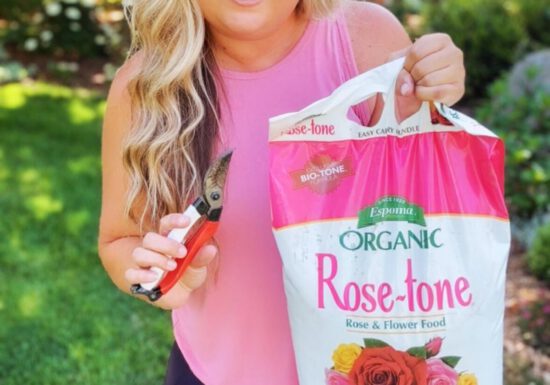
Skye Hamilton @hamiltonhousedesigns shares her secret to achieving multiple flushes of gorgeous rose blooms—feeding them with Espoma Organic Rose-tone! In this video, Skye walks us through her process, showing exactly how to apply Rose-tone to keep roses healthy, vibrant, and blooming repeatedly throughout the season.

 Skye’s top tips for feeding roses:

1) Fertilize & Prune Regularly: Consistent pruning and fertilization encourage repeat blooming and healthier plants.

2) Monthly Feeding: For the most spectacular blooms, feed your roses at least once every month during the growing season.

3) Choose a Quality Fertilizer: Skye recommends Espoma Organic Rose-tone, specially formulated for roses. Rose-tone is a granular, slow-release organic fertilizer enriched with humates and beneficial microbes, providing a rich blend of natural and organic ingredients that promote bigger, more beautiful blooms.

4) Apply Around the Dripline: Skye emphasizes applying fertilizer around the dripline of the plant. The dripline is the area directly beneath the outer circumference of the plant’s branches, where rain naturally drips off the leaves. This is the most effective spot for feeding, as the feeder roots, which absorb nutrients, are concentrated in this location.

5) Water Thoroughly: After applying Rose-tone, water it in thoroughly to ensure nutrients penetrate deep into the soil and reach the roots.

Ready to give your roses the royal treatment? Try Espoma Organic Rose-tone for roses that flourish all season long!

*****

Learn More about Skye Hamilton:

🌹Website

🌹 Instagram

🌹 Facebook

🌹 YouTube

🌹 Pinterest

🌹 TikTok

Featured Products:

Espoma Organic Rose-tone


Where to Buy


https://www.espoma.com/wp-content/uploads/2025/07/SKYE_Rose-tone_Edited.jpg 1920 1080 Matt Dauphinais https://www.espoma.com/wp-content/uploads/2023/05/espoma-logo340w-1.png Matt Dauphinais2025-07-08 12:59:202025-07-08 12:59:20VIDEO: How to Fertilize Roses 🌹 with Skye Hamilton

VIDEO: Tulip Garden Tour with Summer Rayne Oakes 🌷

June 24, 2025/in Blog, Bulbs, Flowers, Summer Rayne Oakes

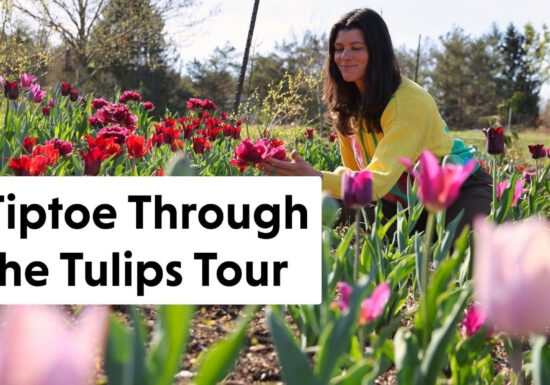
Watch as Summer Rayne Oakes of Flock Finger Lakes takes us on a tour of her stunning tulip garden at her Meadow House Gardens. Last fall, Summer planted over 4,000 tulip bulbs using Espoma Organic Bulb-tone, and today her garden bursts with color from more than 100 tulip cultivars.

In this video, Summer showcases her favorite tulips, including the elegant ‘Sarah Raven,’ captivating ‘Flaming Flag,’ and dreamy ‘Ume no Murasaki.’ She also demonstrates how she feeds her tulips with Espoma Organic Flower-tone, ensuring healthy, vibrant blooms all season.

Summer Rayne Oakes Feeding tulips with Espoma Organic Flower-tone

Summer’s Tips for Planting and Caring for Tulips:

  • Plant bulbs in the fall using a high-quality organic fertilizer like Espoma Organic Bulb-tone for optimal nutrition.
  • Water bulbs thoroughly after planting to help establish roots.
  • Feed tulips after sprouting with a high-quality organic fertilizer like Espoma Organic Flower-tone for lush blooms.
  • Avoid fertilizer contact with blooms or foliage to prevent burning.
  • Consider naturalizing tulip varieties that are known to return each spring.

Bonus Tip: In addition to tulips, Summer planted a variety of perennials throughout her garden beds. Summer recommends planting with a high-quality organic starter fertilizer like Espoma Organic Bio-tone Starter Plus to reduce transplant shock and help promote strong, healthy roots for big, beautiful blooms.

Learn more about Flock Finger Lakes here:

Website: flockfingerlakes.com

Instagram – @flockfingerlakes

YouTube –Flock Finger Lakes

X – @flockny

Facebook –Flock Finger Lakes

Featured Products:


Espoma Organic Flower-tone bag
Espoma Organic Bulb-tone Espoma Organic Bio-tone Starter Plus Bag Image


Where to Buy


https://www.espoma.com/wp-content/uploads/2025/06/Untitled-design-23.jpg 1080 1920 Matt Dauphinais https://www.espoma.com/wp-content/uploads/2023/05/espoma-logo340w-1.png Matt Dauphinais2025-06-24 12:03:052025-06-24 12:15:44VIDEO: Tulip Garden Tour with Summer Rayne Oakes 🌷

VIDEO: Planting a NEW Tree 🌳 🍁 with Wyse Guide!

June 11, 2025/in Blog, Espoma Videos, Kaleb Wyse, Trees & Shrubs

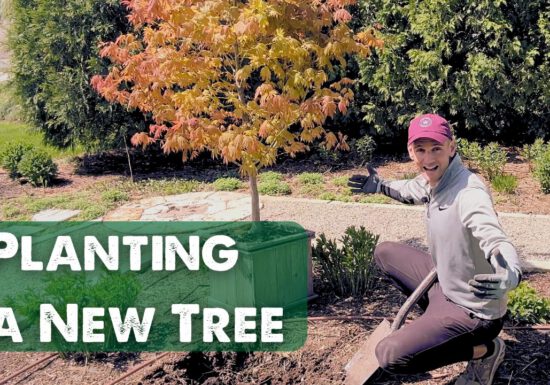
There’s something hopeful about planting a new tree—especially when you know you’ve set it up to thrive. In this video, Kaleb Wyse from Wyse Guide walks us through planting a stunning Northwind Maple and shares the steps he takes to ensure long-term success. His secret? Espoma Organic Bio-tone Starter Plus, the must-have planting partner for strong root development and vigorous growth.

The Tree Planting Process:
Kaleb carefully prepares the site by loosening soil and checking for good drainage. After removing the tree from its container and scarifying the roots (to prevent circling), he sprinkles Espoma Organic Bio-tone Starter Plus into the planting hole. The blend of mycorrhizae, beneficial microbes, and organic nutrients helps reduce transplant shock and promotes deeper, stronger root growth.

Kaleb’s 6 Tree Planting Tips:

  1. Site before you plant: Walk around and view the tree from different perspectives.

  2. Check the root flare: Make sure the base of the trunk sits at or just above soil level.

  3. Loosen compacted roots: Lightly score or cut rootbound roots to encourage outward growth.

  4. Amend your soil: Always plant with a high-quality organic starter fertilizer like Espoma Organic Bio-tone Starter Plus to help promote strong establishment. 
  5. Always plant above grade: Kaleb recommends planting slightly high since the soil will settle.

  6. Water deeply after planting: Soak the tree well to eliminate air pockets and promote strong establishment.

Bonus tip: Kaleb recommends following up with a maintenance feeding later in the season using an organic fertilizer like Espoma Organic Tree-tone, specifically formulated to provide trees with the essential nutrients needed to grow strong, healthy roots. 

Kaleb finishes the project by installing a beautiful fountain nearby—bringing structure, color, and sound to his garden space. The result is a calming, cohesive area that’s rooted in good planning and organic care.

Ready to plant your own tree? Don’t forget the Bio-tone Starter Plus! It’s Kaleb’s go-to for everything from perennials to maples—and the results speak for themselves.

*****

Learn more about Wyse Guide here:

YouTube: www.youtube.com/@WyseGuide 

Facebook: https://www.facebook.com/WyseGuide/

Instagram: https://www.instagram.com/WyseGuide/

Website: https://www.wyseguide.com/


Featured Products:

Espoma Organic Bio-tone Starter Plus Bag Image

Espoma Organic Tree-tone


Where to Buy

https://www.espoma.com/wp-content/uploads/2025/06/Planting-a-New-Tree.jpg 720 1280 Matt Dauphinais https://www.espoma.com/wp-content/uploads/2023/05/espoma-logo340w-1.png Matt Dauphinais2025-06-11 16:57:532025-06-11 16:57:53VIDEO: Planting a NEW Tree 🌳 🍁 with Wyse Guide!
Page 1 of 41234
Where to Buy

Get News & Updates

Recent Posts

  • VIDEO: One Last Autumn Stroll 🍁🍂 with Summer Rayne Oakes
  • VIDEO: How to Plant Spring Bulbs in Containers 🌱🌷 with Garden Answer
  • VIDEO: Bringing In Your Plants for Winter 🪴❄️ with Summer Rayne Oakes
  • Final Fall Plantings & Tips for Bringing Plants Inside for Winter 🍁🪴 with Wyse Guide
  • Simple Fall Plantings 🪴🌻🍁 with Garden Answer

Tags

All-Purpose Potting Mix bio-tone Bio-tone Starter Bio-tone Starter Plus Cactus Mix caring for houseplants Container Gardening DIY project Espoma espoma grown espoma organic Espoma Organics Espoma Video fall gardening Family fert flower garden flowers garden Garden Answer Gardening gardening tips gardens grow holly-tone houseplants Indoor! indoor gardening indoor plants Kaleb Wyse organic organic fertilizer Organic Gardening organic plant food Organic Potting Mix Outdoor Gardening Planting plants Potting Mix potting soil Spring Gardening summer rayne oakes vegetable garden Vegetable Gardening Wyse Guide

Espoma. A Family Tradition Since 1929.

Espoma Organic logo
  • Espoma Dealer
  • Espoma Pro
  • Garden Club
  • Privacy Policy

Scroll to top