Espoma Organic
  • Products
    • Close
    • Product Line Overview
    • Plant food finder
    • Garden Fertilizers
    • Potting Soils
    • Lawn Fertilizers
    • Liquid Fertilizers
    • Single Ingredients
    • Conventional Plant Foods
    • Animal Care Products
  • Where to Buy
  • Our Story
    • Close
    • Our Story
    • Locations
    • Historical Timeline
    • Our Commitment
    • Directions
    • Solar
    • Join our Team
    • Espoma Brand Partners
  • Learn
    • Close
    • Espoma Blog
    • FAQ’s
    • Pocket Guide
    • Espoma Guides
    • Garden Clubs
    • Safe Paws Lawn
    • PRODUCT FACT SHEETS
    • Fertilizer Fundamentals
      • Close
      • Understanding Plant Nutrition
      • Reading Labels
      • Choosing the Right Type of Fertilizer
      • Terms & Definitions
    • Gardening Projects
    • Resource Links
  • Contact Us
  • Menu Menu

Tag Archive for: How To

How to Care for Ferns 🌿 | Growing Joy with Maria

December 22, 2025/in Blog, Growing Joy with Maria

Many plant lovers have killed Boston ferns and sworn off ferns as houseplants, but little do they know that the secret is adding the right ferns to your collection and not the wrong ones.

This blog is inspired by Episode 243 of Growing Joy with Plants Podcast, where Maria talks about fern care, varieties that grow indoors, and simple ways to keep them looking their best.

Why Ferns Are Worth Another Try

Ferns have been around for millions of years, and they date back to prehistoric times. For a plant to survive decade after decade, it needs to be resilient, so it has adapted to changing environments and climates.

In fact, there’s a funny meme where the top picture is a fern growing out of a crack in a rock on the sidewalk, completely neglected, and is thriving, and the bottom photo is a fern indoors, in a pot, completely brown and shriveled. 

How to Care for Your Ferns

Best Light for Ferns: A great thing about ferns is that they’re a low-light-tolerant plant. They grow on the floor and in the shade. This makes ferns the perfect houseplant because we only have so much valuable real estate in our window sills, and most of our homes tend to be low-light.

How to Water Ferns: Your ferns do not want to dry out. Evenly moist soil is what is going to make ferns happy and avoid those crispy brown edges. Use glazed ceramic, plastic pots, or self-watering planters to ensure evenly moist soil. To extend your soil moisture by a few days, add a layer of sphagnum moss on top of the soil to slow down evaporation.

Choosing the Right Potting Mix for Ferns:
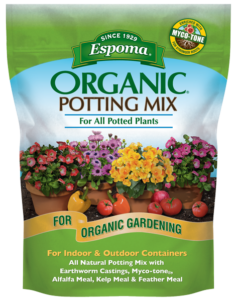
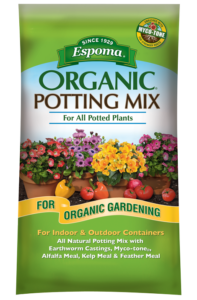
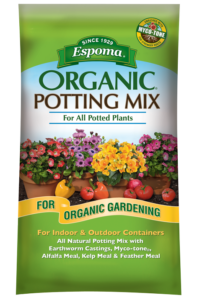
Soil plays a major role in fern success. Ferns need a potting mix that holds moisture while still allowing excess water to drain away. Starting with a high-quality mix like Espoma Organic Potting Mix helps maintain evenly moist soil and supports healthy root systems. Pairing the right soil with containers that have drainage holes makes watering more consistent and stress-free.

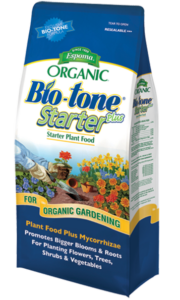
When planting or repotting ferns, mixing in Espoma Organic Bio-tone Starter Plus into the soil can help roots establish more quickly and reduce transplant stress, giving ferns a strong start in their new container.

Ferns need humidity: Any of the ferns that have super delicate, thin fronds (maidenhair ferns, heart leaf ferns, and some Boston ferns) are going to need high humidity (60% to 80%). ​​Put them in a terrarium or under a glass cloche, or keep them near a humidifier.

How to fertilize ferns: Ferns don’t need a ton of fertilizer, which makes Espoma Organic Indoor! Liquid Fertilizer the perfect liquid plant food for it. It’s super gentle and should be used when you see new growth on your plants.

Don’t be afraid to prune ferns: Ferns are like a pet that needs to be groomed occasionally. No matter how humid your home is, you’ll have fronds that turn brown, and you should feel free to remove them. 

Which Ferns Are Difficult to Grow?

Maidenhair ferns and Heart Leaf ferns are challenging to grow. They need so much humidity to grow and such evenly moist soil. They don’t leave a lot of room for error.

Which Ferns Are Best for Beginners?

Bird’s Nest Fern – The leaves are thicker, more succulent, more hearty. The leaves stick out horizontally and cover the soil, so it’s harder for the soil to dry out.

Rabbit’s Foot Fern – This is a super fun fern that has fuzzy rhizomes that grow on top of the soil that look like little rabbit’s feet.

Boston or Lemon Button Fern – This is one of the hardier ferns. It’s very resilient, so if it does get dried out and turns brown, just cut the entire top off, and it’ll just grow back.

Staghorn Fern – Because they’re “epiphytic” and grow on trees, they are a little bit more tolerant of drying out than other ferns. These are commonly mounted on wooden boards, but you can grow them in potting mix.

Troubleshooting Common Fern Problems

Browning on every frond – likely a humidity issue (or underwatering). 

Yellow leaves – usually a sign of overwatering. Make sure your pots have drainage holes, and the soil isn’t staying super wet.

Brown spots – could indicate low humidity or sensitivity to water minerals (use filtered water or distilled water). Fern spores also look like small brown spots, so they could be an indicator of a happy plant!

Balding (patchy, thinning appearance) – likely means the fern needs more light.

Are You Ready to Try Growing Ferns?

Moist soil and humidity are the name of the game. Keep ferns where you’ll see them every day. Use the right pots. Remember, these plants have survived for millions of years. They’re tougher than they look!

Recommended Espoma Organic Products for Fern Success

Choosing the right products can make fern care much easier. These Espoma Organic essentials support healthy roots, consistent moisture, and gentle feeding so your ferns can thrive indoors or out.

Espoma Organic Indoor! Liquid Fertilizer
A gentle liquid plant food ideal for houseplants like ferns. Use during active growth to provide nutrients without the risk of burning.

Espoma Organic Potting Mix
Designed to retain moisture while still draining well, this mix helps create the evenly moist soil conditions ferns need.

Espoma Organic Bio-tone Starter Plus
Best used when planting or repotting, this microbial-rich formula supports root development and helps reduce transplant stress.

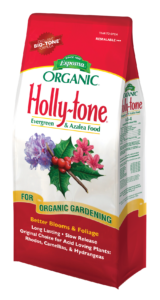
Espoma Organic Holly-tone (for Outdoor Ferns)
For in-ground or outdoor ferns that prefer slightly acidic soil, Holly-tone provides slow-release nutrition and supports long-term soil health when used according to label directions.

*****

Featured Products:
Espoma Organic Holly-toneEspoma Organic Bio-tone Starter Plus Bag Image Espoma Organic Potting Mix Espoma Organic Indoor! liquid fertilizer


Where to Buy


https://www.espoma.com/wp-content/uploads/2025/12/ahmed-xHSzP8XlHkk-unsplash.jpg 960 640 Matt Dauphinais https://www.espoma.com/wp-content/uploads/2023/05/espoma-logo340w-1.png Matt Dauphinais2025-12-22 15:41:322025-12-22 15:41:35How to Care for Ferns 🌿 | Growing Joy with Maria

VIDEO: How to Plant Spring Bulbs in Containers 🌱🌷 with Garden Answer

December 9, 2025/in Blog, Bulbs, Container Gardening, Espoma Videos, Garden Answer

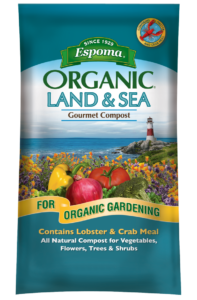
Laura from Garden Answer shows how to plant spring-blooming bulbs in large containers for a big, colorful show next season. She fills eight pots with Menton tulips and Spanish bluebells, feeding them with Espoma Organic Bulb-tone and then topdressing with Espoma Organic Land & Sea Compost to refresh the tired soil and support strong, natural growth.

The Planting Plan: A “Bouquet” in Every Pot

Laura creates a layered “bouquet” effect in each container:

  • Center: Menton tulips
  • Outer edge: Spanish bluebells

Both bloom late in the season, so the colors overlap beautifully. Spanish bluebells grow about 14–18″ tall, while Menton tulips reach 23–25″, giving each pot a soft, tiered look. Planting in raised containers keeps everything at waist height, which makes bulb planting much easier than digging in the ground.

Step-by-Step: How Laura Plants Her Bulb Containers

1. Prepare the Container

Laura removes soil down to about 6 inches deep. This makes room for the first layer of bulbs and ensures they’re planted at the proper depth.

2. Amend the Soil with an Organic Fertilizer

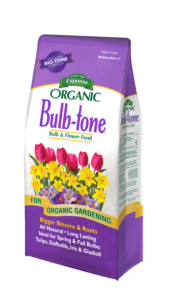
Before placing any bulbs, she sprinkles Espoma Organic Bulb-tone into the container.

Why it helps:

  • Provides slow-release, organic nutrition right where roots grow.
  • Encourages strong root development, which is key for bulbs to overwinter and bloom well.
  • Gentle, natural formula that’s safe for people, pets, and pollinator-friendly gardens when used as directed.

3. Plant Tulips “Shoulder to Shoulder”

Menton tulip bulbs go in first at 6 inches deep, planted:

  • Pointy side up, flat side down.
  • Very close together—“shoulder to shoulder”—rather than spaced as they would be in the ground.

This tight spacing lets her fit about 100 tulip bulbs per pot, creating a dense, show-stopping spring display.

4. Add Spanish Bluebells

She covers the tulips with a couple of inches of soil, then plants the Spanish bluebells in a ring around the outer edge at about 4 inches deep. Bluebell bulbs look a bit different, but the rule still applies: roots down, growth point up.

5. Add compost

Because the potting mix has been used before and is showing roots and wear, Laura doesn’t just add more regular soil. Instead, she topdresses each container with Espoma Organic Land & Sea Compost.

Why it helps:

  • Adds rich organic matter back into tired soil.
  • Improves soil structure and moisture retention, which bulbs love.
  • Supplies a gentle nutrient boost from premium ingredients like lobster and kelp meal, helping bulbs grow strong and bloom beautifully.

6. Water Thoroughly

After planting and topdressing, Laura waters each container deeply.

Her key watering tip:

  • Aim for even moisture across the entire soil surface, not just one side of the pot.
  • In winter, check containers every 2–3 weeks. The goal is soil that’s slightly moist, never soggy, and never bone dry.

Bulb-Specific Tips for Container Success

Laura’s main bulb care reminders:

  • Chill time matters:
    • Tulips and daffodils generally need 12–16 weeks of consistent cold (around 35–45°F).
    • Hyacinths often need 8–10 weeks; crocus and snowdrops around 6–8 weeks.
  • Mild climate? Go pre-chilled:
    If you garden in a warmer region, order pre-chilled bulbs so they arrive ready to plant and still bloom well.
  • Drainage is essential:
    Containers must have drainage holes so bulbs don’t sit in water and rot. In very wet climates, you may need to protect pots from constant rainfall; in dry climates, remember to water occasionally.

With the right chill, good drainage, consistent moisture, and organic nutrition from Bulb-tone and Land & Sea Compost, these containers are now set up for a spectacular spring show—naturally.

*****

Learn more about Garden Answer: 

🪴 YouTube

🪴 Website

🪴 Facebook

🪴 Instagram

Featured Products:
Featured Products:
Espoma Organic Bulb-tone bag Espoma Organic Land and Sea Espoma Organic Potting Mix bag


Where to Buy

https://www.espoma.com/wp-content/uploads/2025/12/Espoma_1225_BulbTone_Thumbnail-copy.jpg 1080 1920 Matt Dauphinais https://www.espoma.com/wp-content/uploads/2023/05/espoma-logo340w-1.png Matt Dauphinais2025-12-09 16:44:432025-12-23 09:58:46VIDEO: How to Plant Spring Bulbs in Containers 🌱🌷 with Garden Answer

Video: How to Manage a Wild Garden with Summer Rayne Oakes 🌿🌸

October 22, 2025/in Blog, Summer Rayne Oakes

Watch as Summer Rayne Oakes @flockfingerlakes tours a small, shrub-forward garden that’s brimming with enthusiasm—thanks to a few “thuggish” growers that love to spread. She shows how her garden beds were built with cardboard, compost, and Espoma Organic soils, and how planting densely with Espoma Organic Bio-tone Starter Plus helped everything establish beautifully. The result: a thriving space that just needs smart, seasonal management.

Summer’s Tips!

1) Decide the goal, then manage to match
Before you pull a single plant from your wild garden, define your vision. If shrubs are meant to be the stars, reduce anything blocking sightlines or competing for height. A clear goal makes every adjustment easier.

2) Build living soil from day one
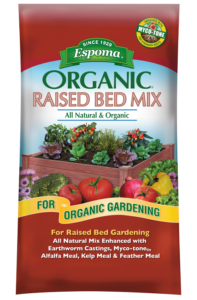
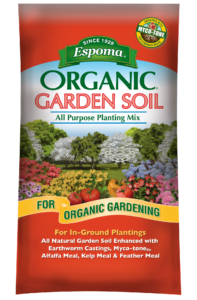
Build a garden bed using organic soil like Espoma Organic Potting Mix, Raised Bed Mix, or All-Purpose Garden soil to create a rich rooting zone. Healthy soil grows resilient plants. Plan for light, regular maintenance.

3) Plant with a quality Starter Fertilizer for confident establishment
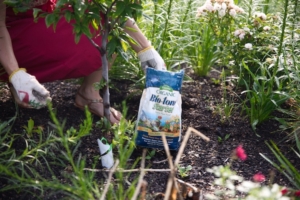
At planting, mix in Espoma Organic Bio-tone Starter Plus. Its slow-release nutrition, beneficial microbes, and mycorrhizal fungi help roots colonize quickly, reduce transplant stress, and set plants up for long-term success.

4) Manage early and often
Make quick passes a habit. Trim seed heads after bloom, thin young growth before it crowds, and lift runners that wander into paths. Small, frequent efforts prevent big overhauls later.

5) Read the site and group accordingly
Let the garden tell you what it wants. Moisture-loving plants often reveal wetter spots; cluster them there and relocate dry-site growers to sunnier, leaner areas. Use edging and pathways to reinforce boundaries.

6) Give energetic growers a job
Channel that vigor. Move fast spreaders to meadows, back corners, or containers where they can thrive freely. Use groundcovers as living mulch in designated zones, but keep stepping stones and entries clear for structure and flow.

Healthy soil and thoughtful plant management help any garden strike the right balance between wild and intentional. With organic soil building and mindful upkeep, you can enjoy a garden that’s full of life—and still beautifully under control.

*****

Featured Products:
Espoma Organic Bio-tone Starter Plus Bag Image Espoma Organic Potting soil Mix Big bag Espoma Raised Bed Mix bag Espoma Organic All-Purpose Garden Soil image


Where to Buy

https://www.espoma.com/wp-content/uploads/2025/10/Plant-Thugs-frame-000004.jpg 1080 1920 Matt Dauphinais https://www.espoma.com/wp-content/uploads/2023/05/espoma-logo340w-1.png Matt Dauphinais2025-10-22 17:18:222025-10-22 17:18:22Video: How to Manage a Wild Garden with Summer Rayne Oakes 🌿🌸

VIDEO: Edible Landscaping 🫑 🍓🌿 | Flock Finger Lakes

September 29, 2025/in Blog, Fruits & Vegetables, Summer Rayne Oakes

Summer Rayne Oakes @FlockFingerLakes takes us on a tour of her garden packed with edible plants. From fruit trees and berry bushes to roses and kale, Summer shows how beauty and function can grow side by side. Along the way, she nourishes her plants with Espoma Organic products to build strong roots, vibrant blooms, and thriving harvests.

Espoma Products Summer Uses in Her Edible Landscape:

Summer Rayne with Bio-tone Starter Plus

  • Bio-tone Starter Plus
    Summer uses Bio-tone Starter Plus when planting apple trees and preparing new beds. With mycorrhizae and beneficial microbes, it jumpstarts root growth and helps plants establish quickly—like “planting insurance” for long-term success.

Summer Rayne with Raised Bed Mix

  • Espoma Organic Potting Soils 
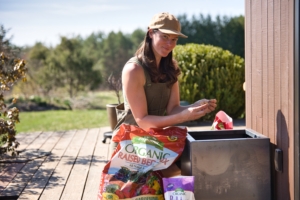
    To build the foundation of her new garden beds, Summer used a mix of Espoma Organic Soils, including Raised Bed Mix, Potting Mix, Land & Sea Compost, and others. These mixes improve soil structure, boost microbial life, and provide the organic matter plants need for healthy growth.

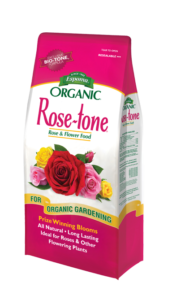
Espoma Organic Rose-tone in a garden

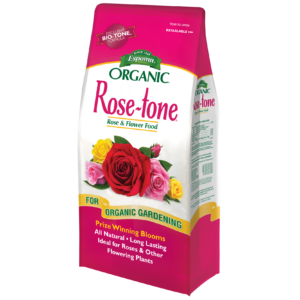
  • Rose-tone
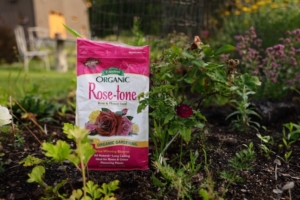
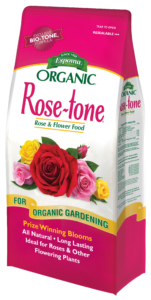
    For her roses, Summer sprinkles Espoma Organic Rose-tone around the root zone. With its 4-3-2 blend, it encourages lush foliage and beautiful blooms while being safe for the soil and pollinators.

Espoma Organic Soil Acidifier

  • Soil Acidifier
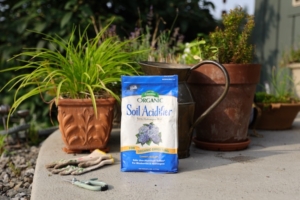
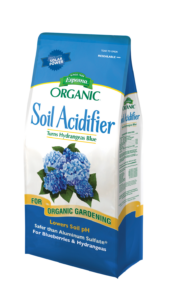
    Blueberries thrive in acidic soil, and Summer keeps them happy with Espoma Organic Soil Acidifier. Made from elemental sulfur and gypsum, it naturally lowers pH to match the needs of acid-loving plants.

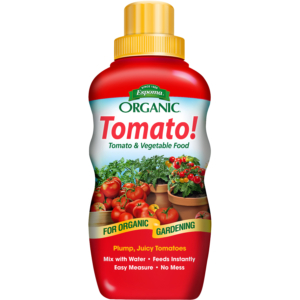
Espoma Organic Tomato! liquid fertilizer

  • Tomato! Liquid Fertilizer
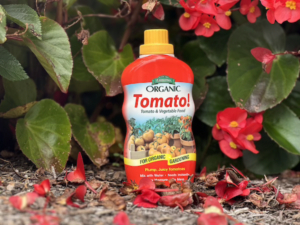
    Summer gives her tomato plants a boost with Espoma Organic Tomato! This easy-to-use liquid concentrate provides balanced nutrition and added calcium to prevent blossom end rot, ensuring plump, juicy fruits all season long.

Bringing It All Together

Summer’s edible landscape is proof that food gardens can be as beautiful as they are bountiful—with the right soil, thoughtful plant choices, and natural care. Ready to start your own edible landscape? Explore Espoma Organic products and discover how to feed your garden naturally. 🌱

*****

Featured Products:
Espoma Organic Bio-tone Starter Plus Bag Image Espoma Organic Rose-tone bag Espoma Organic Soil Acidifier BagEspoma Organic Potting soil Mix Big bag Espoma Raised Bed Mix bag Espoma Organic Land and Sea Espoma Organic Tomato! Liquid Plant Food Image


Where to Buy

https://www.espoma.com/wp-content/uploads/2025/09/Edible-Landscaping-in-Small-Backyard-frame-000003.jpg 1080 1920 Matt Dauphinais https://www.espoma.com/wp-content/uploads/2023/05/espoma-logo340w-1.png Matt Dauphinais2025-09-29 12:49:082025-10-01 12:04:19VIDEO: Edible Landscaping 🫑 🍓🌿 | Flock Finger Lakes

VIDEO: Planting Perennials in Full Sun ☀️🌿🌸 with Garden Answer

August 20, 2025/in Blog, Espoma Videos, Flowers, Garden Answer, Gardening

Laura from Garden Answer shows us how to plant five sun-loving perennials—even in the peak of summer heat. From elegant Siberian iris to bold salvia, she layers color and texture into her garden while reminding us that planting in hot weather can still be successful with the right care. To set her new perennials up for success, Laura uses Espoma Organic Bio-tone Starter Plus, the ultimate “planting insurance” that boosts root growth and helps prevent transplant loss.

6 Quick Tips for Planting Perennials in Summer Heat

  1. Expect a little wilting – It’s normal for new plants to droop in full sun, but they’ll perk back up once the day cools.

  2. Water consistently – Keep soil evenly moist during establishment to reduce stress.

  3. Plant early or late – Beat the midday sun by working in the morning or evening.

  4. Amend your soil – Blend in organic compost like Espoma Organic Land & Sea Gourmet Compost or Espoma Organic All-Purpose Garden Soil for better drainage and nutrient retention.

  5. Feed at planting – Mix Bio-tone Starter Plus right into the hole to encourage strong root growth and long-term success.

  6. Mulch generously – A layer of organic mulch helps conserve water and keep roots cool.

Even on the hottest days, your garden can keep growing with the right prep and care. 🌱 Whether you’re adding in new perennials or refreshing containers, remember that feeding the soil naturally makes all the difference.

👉 Watch Laura’s full video for inspiration, then grab your favorite Espoma Organic products and let’s get growing!

*****

Learn more about Garden Answer here:

🪴 YouTube

🪴 Website

🪴 Facebook

🪴 Instagram

Featured Products:
Espoma Organic Bio-tone Starter Plus Bag ImageEspoma Organic Land and SeaEspoma Organic All-Purpose Garden Soil image


Where to Buy

https://www.espoma.com/wp-content/uploads/2025/08/1-6.jpg 1080 1920 Matt Dauphinais https://www.espoma.com/wp-content/uploads/2023/05/espoma-logo340w-1.png Matt Dauphinais2025-08-20 12:28:582025-08-20 12:28:58VIDEO: Planting Perennials in Full Sun ☀️🌿🌸 with Garden Answer

How to Care for Alocasia | Growing Joy with Maria

August 5, 2025/in Blog, Growing Joy with Maria, Indoor Gardening

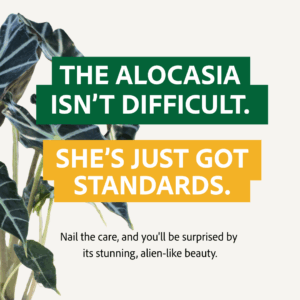
Do you think it’s difficult to care for Alocasia? They are so easy to fall in love with because of their alien-like leaves and colors, but many plant parents feel confused when they suddenly drop leaves or look unhappy. This is particularly true if you’re not a Mindful Plant Parent (find your Plant Parent Personality Here). But the answer is no. Alocasia isn’t a difficult plant; it’s just particular. 

This blog is inspired by Episode 219 of the Growing Joy with Plants podcast with Maria Failla. After years of trial and error, she finally cracked the code on keeping Alocasia alive indoors, and now you can too.

Why So Many People Struggle with Alocasia

Alocasia isn’t “difficult.” It just has high standards. They are native to Southeast Asian rainforests, so they are used to high humidity, indirect light, and evenly moist soil. So most modern homes are not exactly a match. But if you can recreate that environment indoors, your Alocasia will gift you with its stunning leaves that you see all over Pinterest and social media..

How to Care for Alocasia

1) What light do Alocasia need?

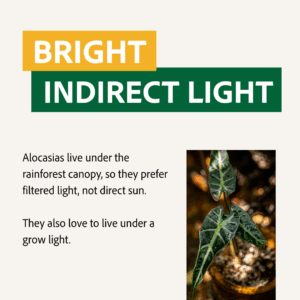
Alocasia like bright indirect light

Bright, Indirect Light

This means “filtered sunlight,” not direct rays. Alocasias prefer to be a few feet from a sunny window or under a grow light. If it’s only holding onto 2 to 3 leaves, that’s a sign it’s starving for more light.

2) How often should I water an Alocasia?

Alocasia like even moisture

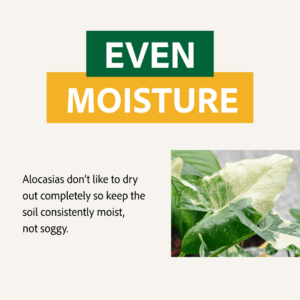
Keep the soil evenly moist at all times.

Alocasia like even moisture, so make sure you’re using quality organic soil like Espoma Organic Potting Mix. Let only the top inch dry out before watering. It stores water in little tuber-like roots that look like mini potatoes, so don’t be alarmed when you see them while repotting!

3) What type of humidity does my Alocasia need?

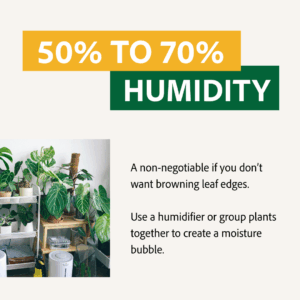
Alocasia like 50% to 70% humidity

High Humidity is Everything

Crispy tips? Curling leaves? That’s low-humidity talking. Alocasia loves 50%–70% humidity, which is achievable with a humidifier, a grouped plant setup, or a closed terrarium. Note that misting is not enough and can even cause fungal issues.

4) When do I fertilize my Alocasia? 

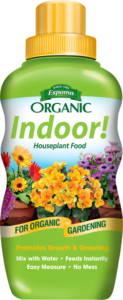
Fertilizer with Espoma Organic Indoor! liquid plant food

Fertilize When It’s Growing

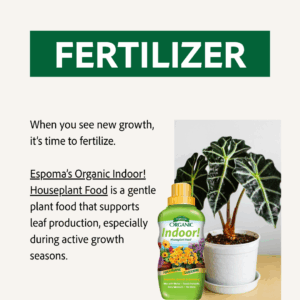
Whenever new leaves appear, it’s time to feed. You can feed them using Espoma Organic Indoor! liquid plant food for greener leaves! Simply dump a capful into your watering can. Many Alocasia under grow lights continue growing through winter, so adjust your fertilizer routine to match the plant and not the calendar.

5) Do Alocasia go dormant? 

Not exactly….In winter, Alocasia may drop a few leaves. This is a natural rest period (also known as quiescence) and not a full dormancy. So don’t freak out if you see a few yellow or dropped leaves come wintertime. It’s natural.

Troubleshooting Common Alocasia Problems


1) Why does my Alocasia have yellowing leaves? 

Yellow leaves on Alocasia are likely due to overwatering. Trim the leaf and let the soil dry slightly before watering again.

2) Why is my Alocasia drooping or wilting?

Drooping or wilting is likely due to underwatering, overwatering, or low humidity.

3) Why can’t my Alocasia grow more than 3 leaves at a time?

It likely needs more light to support a larger leaf system..

4) Why are the edges of my Alocaisa leaf crispy and brown? 

This is usually due to dry air and humidity.

Favorite Alocasia Varieties to Try

If you’re ready to bring one home, here are the top picks for you:

  • Alocasia Ninja – almost black leaves with bold stripes.
  • Alocasia Cuprea (Red Secret) – copper-toned leaves with deep purple backs.
  • Alocasia Dragon Scale – pale green leaves with deep veining!
  • Alocasia Polly (African Mask) –  small, classic that you’ll see in so many garden centers.
  • Alocasia Lola – taller than Polly
  • Alocasia Watsoniana (White Vein) – Glossy leaves with striking white veins.
  • Alocasia Stingray – wild, tail-shaped leaves that really do look like a stingray.

The Alocasia isn't difficult to grow, give it a try! (graphic)

Give Alocasia a Try

The Alocasia is a diva… in the best way. It isn’t impossible to care for, but it just wants what it wants. Give it good light, humidity, and care, and it will grow and give you stunning leaves and be the envy of all your plant friends! Think of it as a little green alien that just needs the right home environment to feel at peace.

Listen to episode 209 of the Growing Joy with Maria Podcast

To learn more about Alocasia care, listen to Episode 219 of the Growing Joy with Plants podcast, all about Alocasia, with Maria Failla.

Learn more about Growing Joy with Maria:

🪴🌿 Website

🪴🌿 Facebook

🪴🌿 Instagram

🪴🌿 YouTube


Featured Products:
Espoma Organic Indoor! liquid fertilizer Espoma Organic Potting Mix


Where to Buy

https://www.espoma.com/wp-content/uploads/2025/08/Alocasia-1.png 1080 1080 Matt Dauphinais https://www.espoma.com/wp-content/uploads/2023/05/espoma-logo340w-1.png Matt Dauphinais2025-08-05 13:05:412025-08-05 13:05:41How to Care for Alocasia | Growing Joy with Maria

VIDEO: How to Fertilize Roses 🌹 with Skye Hamilton

July 8, 2025/in Blog, Espoma Videos, Flowers, Skye Hamilton

Skye Hamilton @hamiltonhousedesigns shares her secret to achieving multiple flushes of gorgeous rose blooms—feeding them with Espoma Organic Rose-tone! In this video, Skye walks us through her process, showing exactly how to apply Rose-tone to keep roses healthy, vibrant, and blooming repeatedly throughout the season.

 Skye’s top tips for feeding roses:

1) Fertilize & Prune Regularly: Consistent pruning and fertilization encourage repeat blooming and healthier plants.

2) Monthly Feeding: For the most spectacular blooms, feed your roses at least once every month during the growing season.

3) Choose a Quality Fertilizer: Skye recommends Espoma Organic Rose-tone, specially formulated for roses. Rose-tone is a granular, slow-release organic fertilizer enriched with humates and beneficial microbes, providing a rich blend of natural and organic ingredients that promote bigger, more beautiful blooms.

4) Apply Around the Dripline: Skye emphasizes applying fertilizer around the dripline of the plant. The dripline is the area directly beneath the outer circumference of the plant’s branches, where rain naturally drips off the leaves. This is the most effective spot for feeding, as the feeder roots, which absorb nutrients, are concentrated in this location.

5) Water Thoroughly: After applying Rose-tone, water it in thoroughly to ensure nutrients penetrate deep into the soil and reach the roots.

Ready to give your roses the royal treatment? Try Espoma Organic Rose-tone for roses that flourish all season long!

*****

Learn More about Skye Hamilton:

🌹Website

🌹 Instagram

🌹 Facebook

🌹 YouTube

🌹 Pinterest

🌹 TikTok

Featured Products:
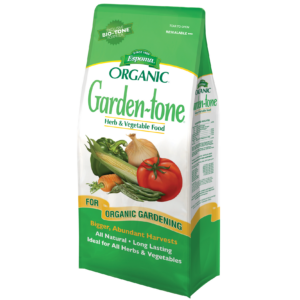
Espoma Organic Rose-tone


Where to Buy


https://www.espoma.com/wp-content/uploads/2025/07/SKYE_Rose-tone_Edited.jpg 1920 1080 Matt Dauphinais https://www.espoma.com/wp-content/uploads/2023/05/espoma-logo340w-1.png Matt Dauphinais2025-07-08 12:59:202025-07-08 12:59:20VIDEO: How to Fertilize Roses 🌹 with Skye Hamilton

VIDEO: How to 🌱 Grow a Whole Salad 🥗 in One Pot! 🪴 | Growing Joy with Maria

May 16, 2025/in Blog, Fruits & Vegetables, Growing Joy with Maria

Who says you need acres of land to grow fresh veggies? Maria, from Growing Joy with Maria, proves you can cultivate an entire salad—including tomatoes, cucumbers, peppers, lettuce, and even edible flowers—all in a single pot! Her compact, balcony-friendly approach uses Espoma Organic products to ensure vibrant growth and delicious harvests.

Maria’s Top Tips & Espoma Essentials:

1) Use Quality Soil: Maria fills her container with an organic potting soil mix like Espoma Organic Potting Mix, creating a loose, nutrient-rich environment perfect for thriving plants.

2) Kickstart Healthy Roots: She incorporates an organic starter fertilizer like our Espoma Organic Bio-tone Starter Plus directly into the soil to enhance root growth and minimize transplant shock, thanks to a rich blend of natural and organic ingredients plus it’s enhanced with beneficial microbes, humates, and mycorrhizae.

3) Continuous Feeding: Maria ensures her plants have steady nutrition throughout the growing season by using Espoma Organic Garden-tone the ultimate organic fertilizer formulated for feeding all your favorite herbs and vegetables! 

4) Companion Planting: Adding edible flowers like violas, snapdragons, and sweet alyssum attracts beneficial pollinators, ensuring a beautiful and productive container.

5) Choose the Right Container: A large, self-watering pot with a trellis allows her microdwarf veggies to flourish vertically, maximizing space.

Try Maria’s easy, organic method to transform your balcony into a lush, productive garden space with Espoma Organic!

*****
Featured Products:
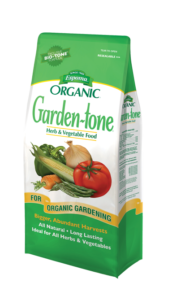
Espoma Organic Bio-tone Starter Plus Bag Image Espoma Organic Garden-tone Espoma Organic Potting soil Mix Big bag


Where to Buy

https://www.espoma.com/wp-content/uploads/2025/05/Thumbnail-1.jpg 720 1280 Matt Dauphinais https://www.espoma.com/wp-content/uploads/2023/05/espoma-logo340w-1.png Matt Dauphinais2025-05-16 16:21:462025-06-05 16:43:25VIDEO: How to 🌱 Grow a Whole Salad 🥗 in One Pot! 🪴 | Growing Joy with Maria

VIDEO: How to Plant a Raised Bed Like a Pro with Farmer Nick

May 7, 2025/in Blog, Espoma Videos, Farmer Nick

We’re always excited to see our brand partner Farmer Nick (@farmernick) bringing his garden to life with organic fertilizer — and his latest reel is packed with great tips for every gardener!

In his recent project, Nick repaired his planting trug and got it ready for a fresh season of growth using organic fertilizer.

Here are his top takeaways:

  • ✅ Even if your soil still looks good, always amend it before planting — Nick uses Espoma Organic Garden-tone to recharge the soil and get it ready for seedlings.

  • ✅ Some fresh organic compost like Espoma Organic Land & Sea Gourmet Compost can also help boost the soil’s nutrient content.

  • ✅ Nick recommends mixing in an organic fertilizer like Espoma Organic Garden-tone with rich organic compost like Espoma Organic Land & Sea Gourmet Compost at least once a month during the growing season to keep plants fed and thriving.

  • ✅ Many gardeners forget that plants need regular feeding — consistent fertilizing leads to healthier plants and bigger yields.

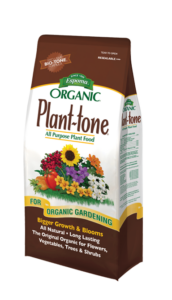
  • ✅ Espoma offers specialized “Tone” fertilizers (like Tomato-tone, Rose-tone, and Plant-tone) so you can meet the unique needs of different plants.

Ready to help your garden thrive? Take a page from Nick’s playbook and feed your plants throughout the season!

*****
Featured Products:
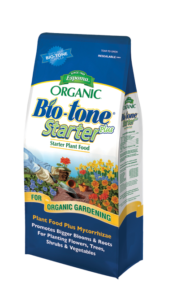
Espoma Organic Potting soil Mix Big bagEspoma Organic Land and SeaEspoma Raised Bed Mix bag  Espoma Organic Tomato-toneEspoma Organic Rose-tone bagEspoma Organic Plant-tone organic fertilizer

Where to Buy

https://www.espoma.com/wp-content/uploads/2025/05/IMG_4939-copy-2.jpg 1600 1200 Matt Dauphinais https://www.espoma.com/wp-content/uploads/2023/05/espoma-logo340w-1.png Matt Dauphinais2025-05-07 13:43:472025-05-07 13:43:47VIDEO: How to Plant a Raised Bed Like a Pro with Farmer Nick

VIDEO: How to Care for Roses 🌹 & Hydrangeas 🌸 with Garden Answer

May 2, 2025/in Blog, Espoma Videos, Garden Answer

Laura from Garden Answer Preps Her Garden for Blooming Success!

Spring is in full bloom, and Laura from Garden Answer is busy giving her garden the nutrients it needs to thrive! In her latest video, Laura shares essential care tips for roses and hydrangeas, starting with careful pruning to encourage healthy new growth. After pruning, she feeds these beautiful flowering shrubs with Espoma Organic Rose-tone, a gentle yet effective slow-release fertilizer specially formulated to deliver vibrant blooms without the risk of burning plants—something common with synthetic fertilizers.

While Rose-tone is primarily designed for roses and other flowering plants, it’s safe for use on hydrangeas as well. However, for optimal results, especially if you’re aiming for blue blooms, Espoma Organic Holly-tone is typically recommended. Holly-tone is formulated for acid-loving plants and contains elemental sulfur, which helps lower soil pH—a key factor in achieving those sought-after blue hydrangea flowers . That said, using Rose-tone won’t harm your hydrangeas and can still provide beneficial nutrients.

Meanwhile, her husband Aaron works to ensure the rest of the garden plants get some love too, applying Espoma Organic Plant-tone to arborvitae and boxwoods. Plant-tone is enriched with beneficial microbes and humates, promoting robust growth and enhancing overall plant vitality.

Watch Laura’s full video for detailed tips on how to care for your garden and learn why Espoma Organic fertilizers are her go-to choice for healthy, flourishing plants!

For more hydrangea care tips, check out our complete guide to growing hydrangeas!

*****

Learn more about Garden Answer here:

https://www.youtube.com/@gardenanswer/featured

https://www.gardenanswer.com/

https://www.facebook.com/gardenanswer

https://www.instagram.com/gardenanswer/

Featured Products:
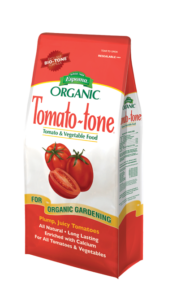
Espoma Organic Rose-tone

Espoma Organic Holly-tone Organic Fertilizer for all acid loving plantsEspoma Organic Plant-tone organic fertilizer


Where to Buy

https://www.espoma.com/wp-content/uploads/2025/05/How-to-Care-for-Hydrangeas-Roses_Thumbnail_WP.jpg 338 600 Matt Dauphinais https://www.espoma.com/wp-content/uploads/2023/05/espoma-logo340w-1.png Matt Dauphinais2025-05-02 15:42:052025-05-02 16:36:28VIDEO: How to Care for Roses 🌹 & Hydrangeas 🌸 with Garden Answer
Page 1 of 512345
Where to Buy

Get News & Updates

Recent Posts

  • VIDEO: Planting the Last Bulbs of the Season with Garden Answer
  • How to Care for Ferns 🌿 | Growing Joy with Maria
  • VIDEO: One Last Autumn Stroll 🍁🍂 with Summer Rayne Oakes
  • VIDEO: How to Plant Spring Bulbs in Containers 🌱🌷 with Garden Answer
  • VIDEO: Bringing In Your Plants for Winter 🪴❄️ with Summer Rayne Oakes

Tags

All-Purpose Potting Mix bio-tone Bio-tone Starter Bio-tone Starter Plus Cactus Mix caring for houseplants Container Gardening DIY project Espoma espoma grown espoma organic Espoma Organics Espoma Video fall gardening Family fert flower garden flowers garden Garden Answer Gardening gardening tips gardens grow holly-tone houseplants Indoor! indoor gardening indoor plants Kaleb Wyse organic organic fertilizer Organic Gardening organic plant food Organic Potting Mix Outdoor Gardening Planting plants Potting Mix potting soil Spring Gardening summer rayne oakes vegetable garden Vegetable Gardening Wyse Guide

Espoma. A Family Tradition Since 1929.

Espoma Organic logo
  • Espoma Dealer
  • Espoma Pro
  • Garden Club
  • Privacy Policy

Scroll to top