Espoma Organic
  • Products
    • Close
    • Product Line Overview
    • Plant food finder
    • Garden Fertilizers
    • Potting Soils
    • Lawn Fertilizers
    • Liquid Fertilizers
    • Single Ingredients
    • Conventional Plant Foods
    • Animal Care Products
  • Where to Buy
  • Our Story
    • Close
    • Our Story
    • Locations
    • Historical Timeline
    • Our Commitment
    • Directions
    • Solar
    • Join our Team
    • Espoma Brand Partners
  • Learn
    • Close
    • Espoma Blog
    • FAQ’s
    • Pocket Guide
    • Espoma Guides
    • Garden Clubs
    • Safe Paws Lawn
    • PRODUCT FACT SHEETS
    • Fertilizer Fundamentals
      • Close
      • Understanding Plant Nutrition
      • Reading Labels
      • Choosing the Right Type of Fertilizer
      • Terms & Definitions
    • Gardening Projects
    • Resource Links
  • Contact Us
  • Menu Menu

Tag Archive for: caring for houseplants

How to Care for Succulents and Cacti in Winter

November 15, 2016/in Indoor Gardening

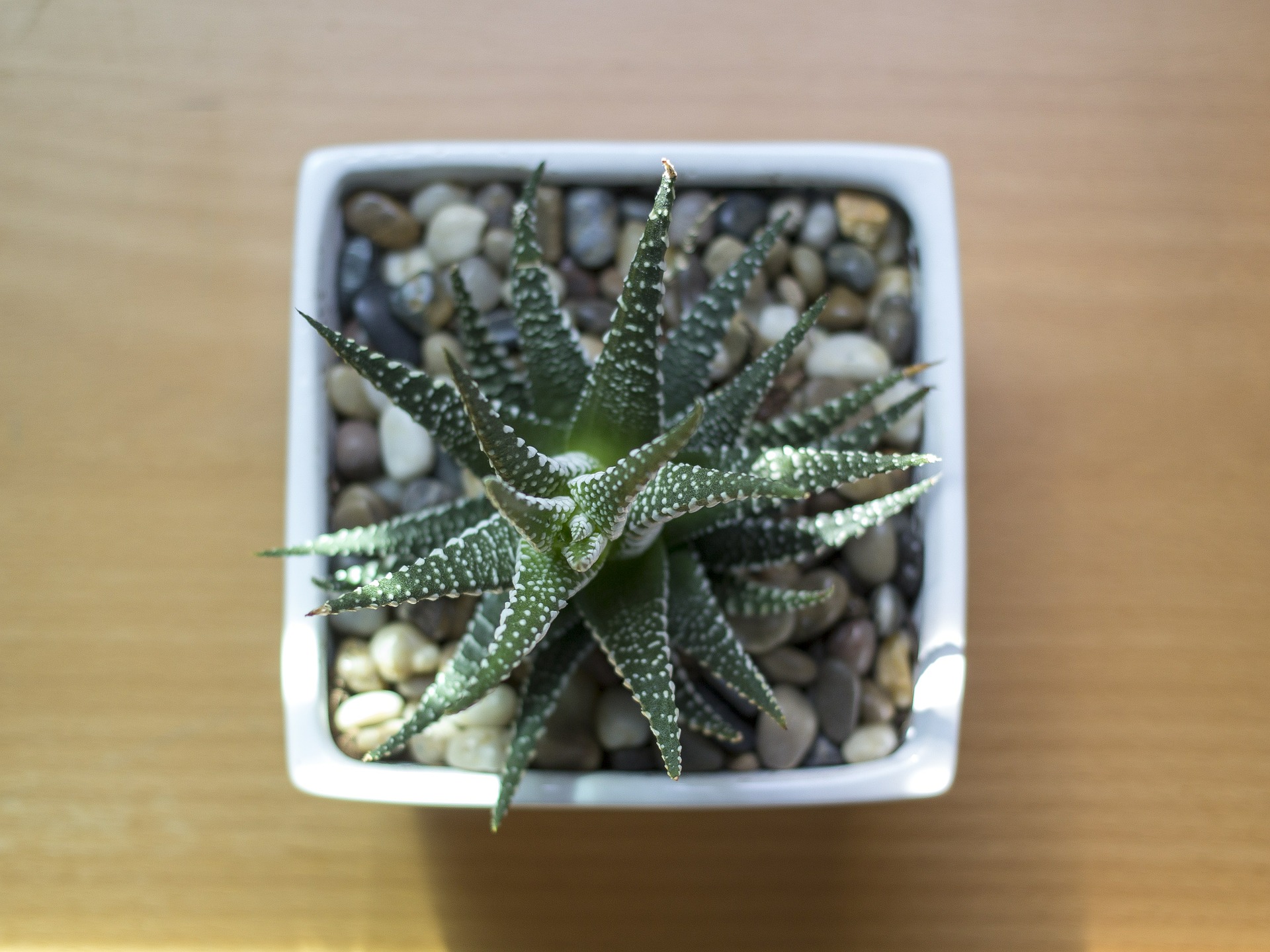
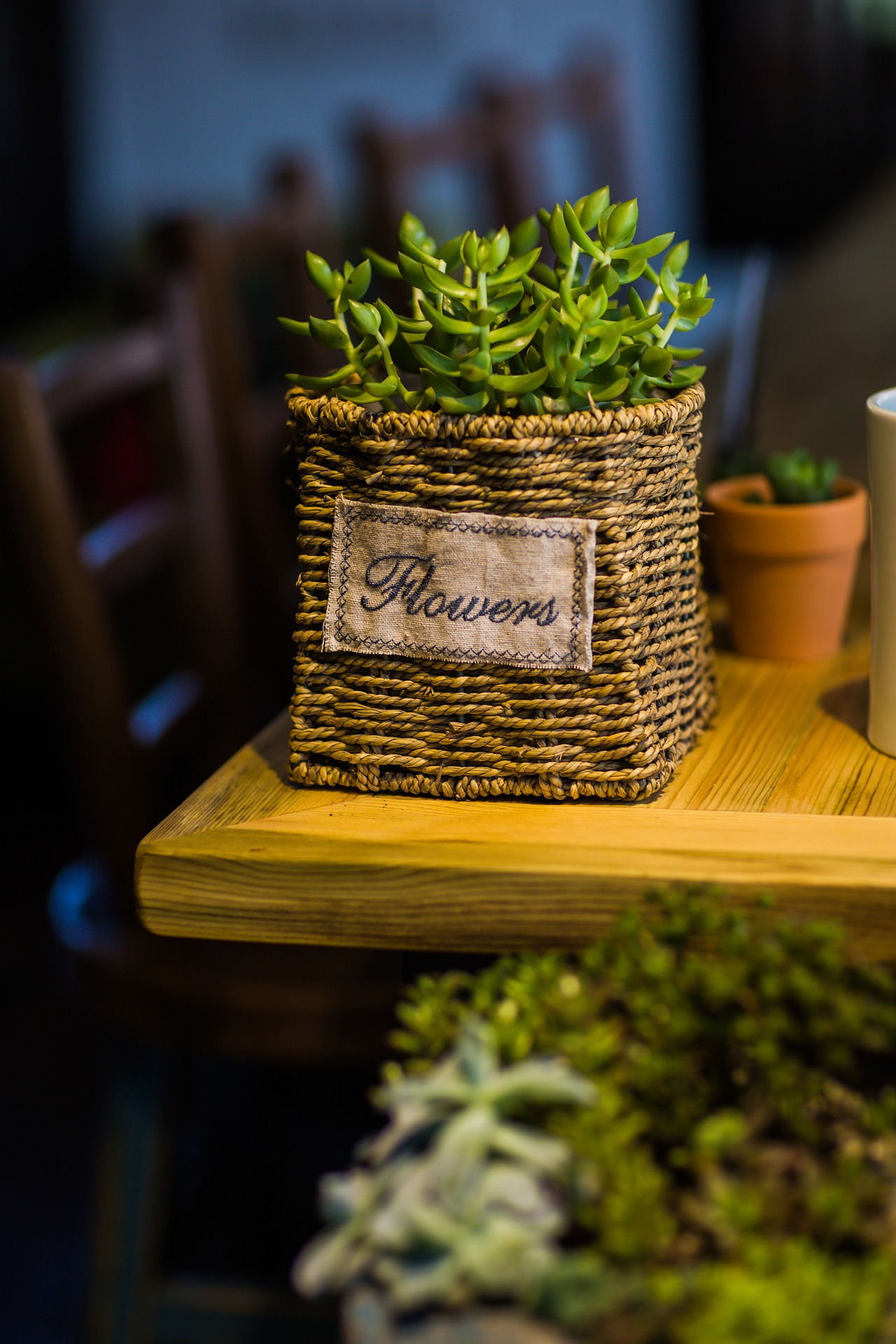
Succulents and cacti are great low-maintenance plants that brighten up the indoors, even during winter’s darkest days. Their unusual shapes and textures add visual interest to any table or windowsill, and with the right care, they’ll stay just fine throughout the long, cold season.

Succulents and cacti make for good houseplants year-round. In winter, plants only need a little light and occasional watering to keep them going. Most cacti and succulents go dormant by the time fall comes around, meaning they will stop growing when temperatures and daylight drop.

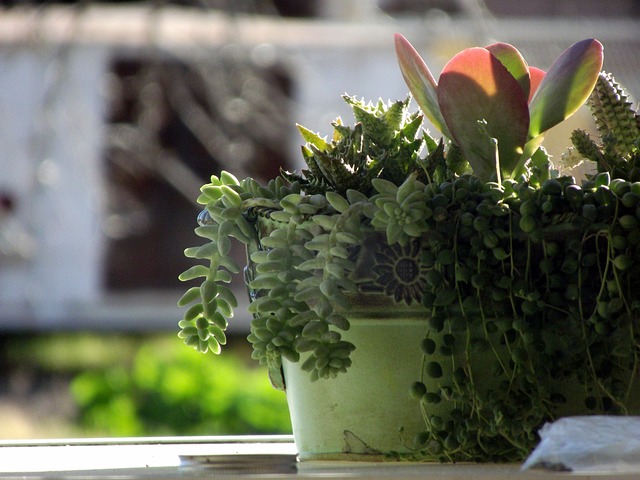
succulent-small

5 Ways to Care for Cacti and Succulents during Winter:

1. Make your cacti or succulent happy by placing the dormant plant in an area where it will thrive. Succulents need less light during the winter and will survive when given indirect light, too. For the best results, make sure your plant receives at least three to four hours of bright light a day. Place are happiest near a south or east facing window.

2. Succulents typically grow in sandy, well-drained soil. Use Espoma’s cacti and succulent mix to give your plant what it needs. Succulents can’t stand overly moist soil, so make sure containers have drainage holes to allow excess water to exit.

succulents-pot

3. Control the temperature. Succulents won’t mind temperatures as low as 50 to 55 degrees, but few will tolerate colder.

4. Succulents need deep watering, but will not use as much water as when they’re experiencing active growth. Water sparingly and from the top, allowing water to trickle through to the bottom. Do not let plants sit in water for a long time. Make sure to keep water off the body of the cactus, it can contribute to rot.

5. Check for pests. Look at leaves monthly for aphids and mealy bugs. If found, move the infested plant away from others and mist with a mixture of 3 parts rubbing alcohol to 1 part water.


No green thumb? No worries? Learn more about caring for cacti and succulents.

https://www.espoma.com/wp-content/uploads/2016/11/succulent-1031541_1920.jpg 1279 1920 espoma https://www.espoma.com/wp-content/uploads/2023/05/espoma-logo340w-1.png espoma2016-11-15 12:15:152024-08-20 07:27:15How to Care for Succulents and Cacti in Winter

6 Steps to Keep African Violets Blooming

November 8, 2016/in Flowers

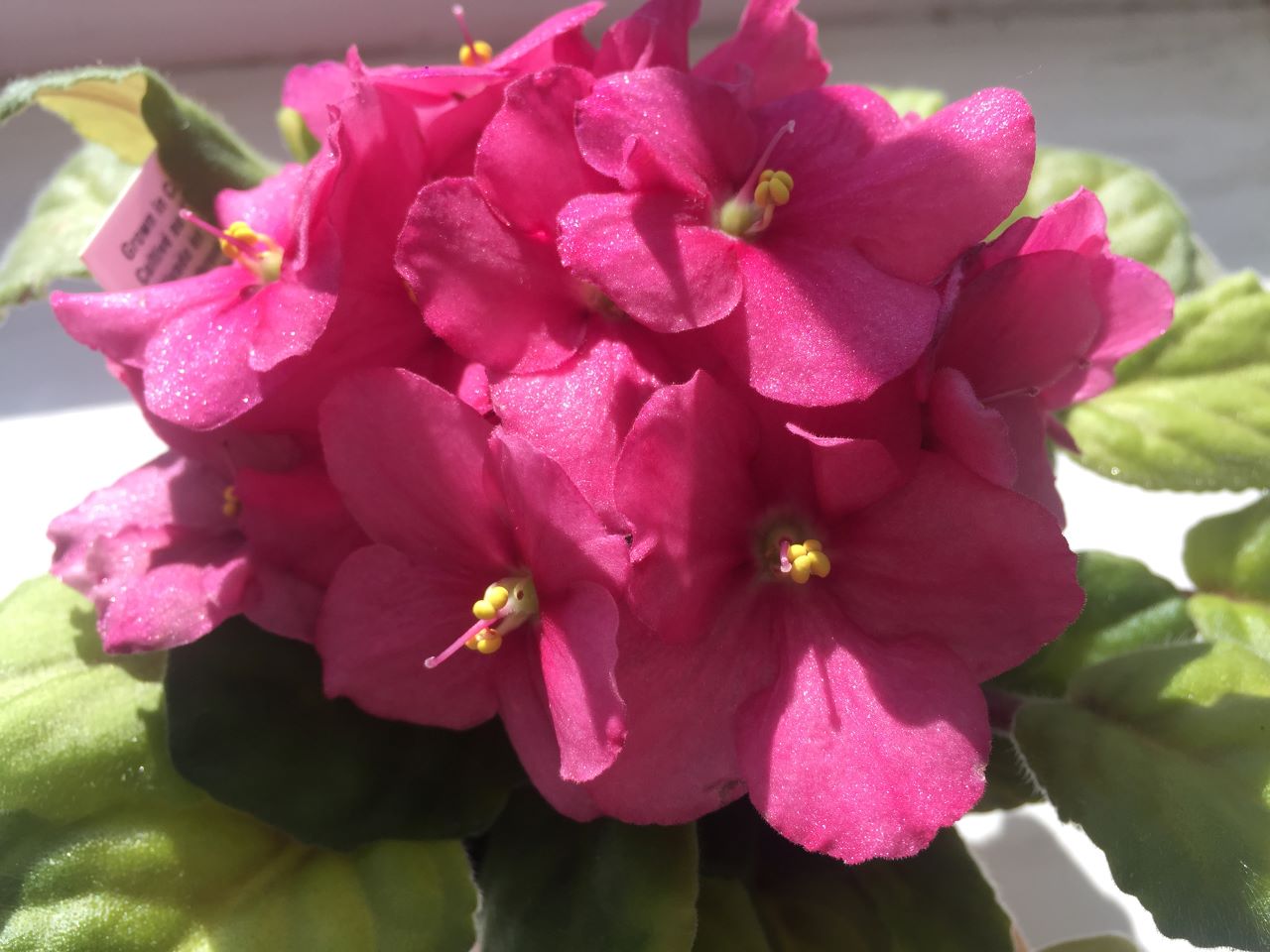
The colorful blooms of African violets are extra special. They’ll instantly add color to any room.

They’re known to bloom continuously, even throughout the darker months of winter. Place them throughout the house to enjoy their colors and velvety texture throughout the year.

Once you get in a regular routine of taking care of African violets, you’ll find they grow very easily. All of their basic needs need to be met though, or they won’t bloom. Give them the right temperature, light and a good feeding, and you’ll be blooming in no time!

he colorful blooms of African violets are extra special. They’ll instantly add color to any room.

Choosing and Caring for African Violets:

1. Start off healthy. Choose a plant with bright emerald leaves and the flower color that you want. Make sure the pot has drainage holes.

2. The right light. The most common reason African violets don’t bloom is because they aren’t getting enough light. African violets need indirect sunlight, direct can burn the leaves. Choose a north- or east- facing window for best results. Keep plants away from cold glass and rotate the pot once a week so all leaves receive light. Extend daylight by placing African violets under a grow light during winter months.

3. Keep warm. African violets prefer the same temperatures most people find comfortable: between 70-80°F during the day, and around 65–70°F at night.

4. Water from below. Fill the saucer using room temperature water. Let sit for about an hour and then pour excess water out. Allow the plant to dry out between waterings.

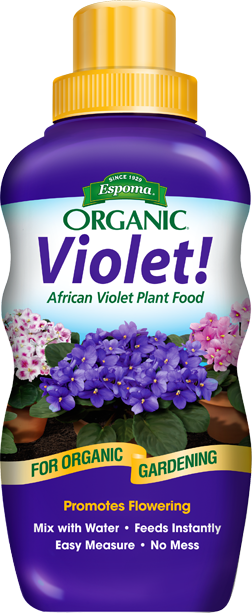
5. Fertilize with Espoma’s new liquid Violet! Indoor houseplant food every 2-4 weeks in spring, summer and fall.

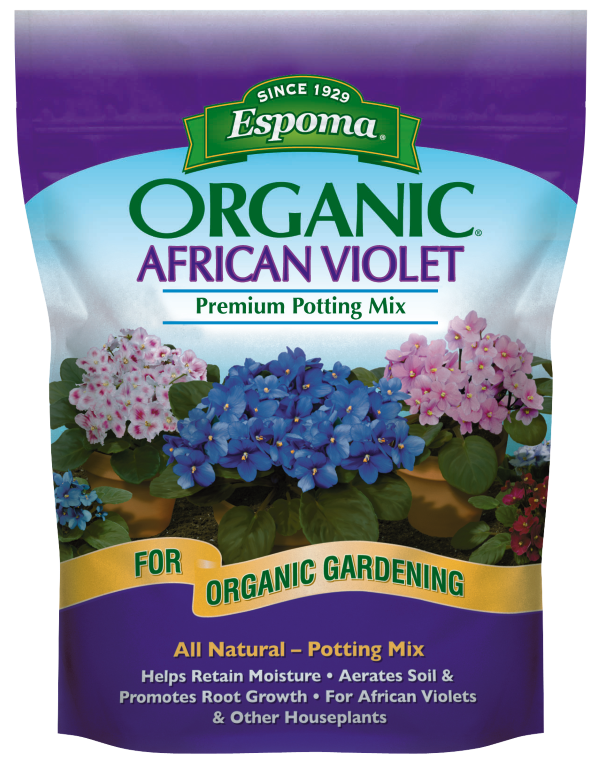
6. Think before replanting. African violets only bloom when they’re root bound. When it is time to repot, be sure to use an organic potting soil made specifically for African violets, such as Espoma’s African Violet Mix. They flower best in small pots — choose one that’s about a third of the diameter of their leaf spread.


Where to Buy


Now that you’re African violet is off to a great start, it’s time to care for your other houseplants!    

https://www.espoma.com/wp-content/uploads/2016/11/african-violet-290097_1920.jpg 1440 1920 espoma https://www.espoma.com/wp-content/uploads/2023/05/espoma-logo340w-1.png espoma2016-11-08 10:48:372024-08-20 07:36:006 Steps to Keep African Violets Blooming

Grab Your Books for a Lesson in Gardening 101

September 6, 2016/in Blog, Fall Gardening

Back to Gardening School: A Fresh Start for Your Garden

Remember the excitement of a new school year? Fresh notebooks, a backpack ready for adventure, and the feeling that anything was possible. That same sense of renewal is waiting in the garden this season.

Whether you’re just starting out or brushing up on your skills, it’s the perfect time to get back to the basics. Sharpen those tools (and pencils) and let’s head to Gardening School.
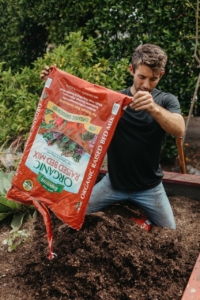
Farmer Nick dumping Espoma Raised bed Mix into a raised garden bed

1. Build a Strong Foundation

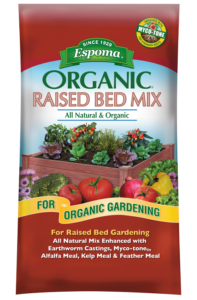
Every successful garden begins with healthy soil. Start with a quick soil test to understand what nutrients your garden may be missing, then build from there. For raised beds, fill them with a rich blend of natural ingredients—like those in Espoma Organic Raised Bed Mix—to create the perfect growing environment. Adding an organic compost such as Espoma Organic Land & Sea Gourmet Compost further improves soil structure, boosts moisture retention, and encourages healthy microbial activity. For container plantings, Espoma Organic All-Purpose Potting Mix provides the ideal balance of drainage and organic matter to keep roots thriving. And whenever new plants go in the ground, a starter fertilizer like Espoma Organic Bio-tone Starter Plus helps them establish quickly by supporting strong, resilient root growth. With the right foundation beneath the surface, the garden above will flourish.
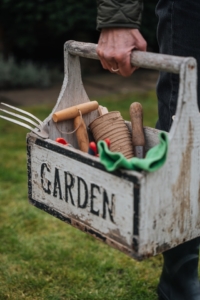
old garden tools

2. Check Your Supplies

Just like gathering fresh notebooks and sharpened pencils, gardeners should review their tools. Replace cracked handles, rusty clippers, or wobbly rakes so nothing slows you down during the season. A little care and preparation now saves frustration later and makes gardening smoother and more enjoyable.
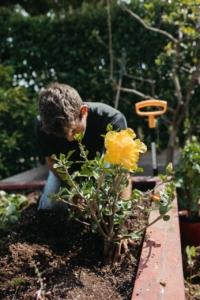
Farmer Nick planting a flowering plant

3. Redefine Your Garden’s Style

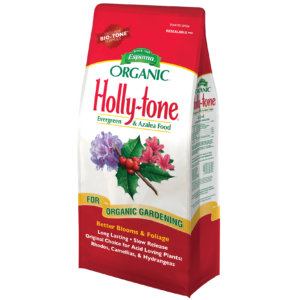
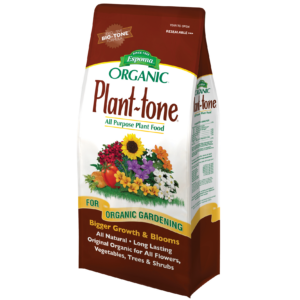
A new season is the perfect time to refresh the look of the garden. Whether the goal is calm and classic or bold and colorful, the right nutrition helps plants live up to their potential. Espoma Organic Plant-tone provides complete, balanced nutrition for a wide variety of plants, while Espoma Organic Holly-tone supports acid-loving favorites such as azaleas, rhododendrons, and hydrangeas. Feeding properly is the simplest way to bring a dream garden style to life.

little girl holding a carrot

4. Learn From Last Season

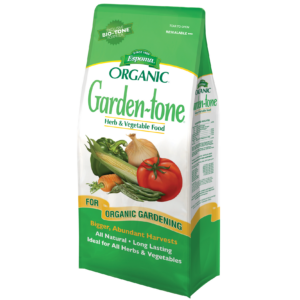
Every garden has its victories and its challenges. Take time to reflect on what thrived and what struggled, then plan for improvement. Espoma Organic Garden-tone is specially formulated for vegetables, helping ensure bigger, tastier harvests season after season. When planting new crops or ornamentals, Espoma Organic Bio-tone Starter Plus gives roots the boost they need to grow stronger and more resilient than before. Each new season builds on last year’s lessons with the right nutrition.
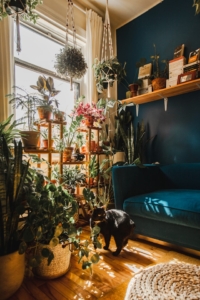
indoor plants

5. Don’t Forget Your Indoor Plants

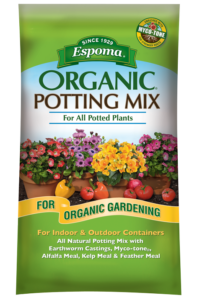
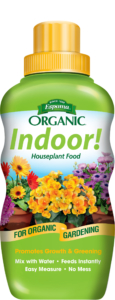
While outdoor gardens take the spotlight, houseplants need care too. Feeding them regularly keeps leaves lush, colors vibrant, and growth steady all year long. Espoma’s Indoor! organic liquid fertilizer makes it easy to give houseplants the nutrition they need with every watering. When repotting, Espoma Organic Potting Mix provides the perfect organic base to keep indoor plants healthy and happy. A thriving indoor garden completes the picture of a gardener’s success.
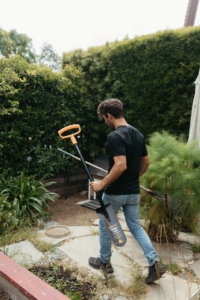
Farmer Nick holding a shovel

6. Sharpen and Shine

Tools are the unsung heroes of every garden. Taking time to clean, sharpen, and maintain them ensures they last longer and work more effectively. Well-maintained tools make every gardening task easier, allowing more energy to be devoted to growing beautiful, thriving plants.

7. Grow Your Community

Gardening is even better when knowledge is shared. One of the most valuable tips to pass along is to start every planting with a quality organic starter fertilizer like Espoma Organic Bio-tone Starter Plus to set roots up for success, and then feed with Espoma Organic Plant-tone throughout the season to keep growth steady and strong. These trusted essentials have been used by generations of gardeners, and passing them along helps the whole community grow stronger together.
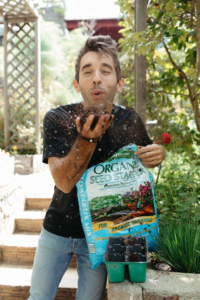
Graduation Time!

Congratulations—you’ve completed your Back-to-Gardening School crash course! Toss those gardening gloves in the air, because the lessons learned here will lead to healthier plants, bigger harvests, and gardens worth celebrating.

At Espoma, teaching organic gardening practices has been a passion since 1929. With products that are safe for people, pets, and the planet, Espoma is here as a mentor and partner on every gardener’s journey. Class dismissed—now go grow with confidence!

Farmer Nick & PlantKids Course 

Looking for a fun way to introduce kids to gardening? Check out our brand partner Farmer Nick’s course, The Adventures of Farmer Nick and Plant! Designed for children ages 4 and up, this 10-episode series inspires a love of gardening and plant science through hands-on lessons. Sometimes silly, always fun, it’s a playful way to spark curiosity and delight both kids and adults alike.

*****

Featured Products:
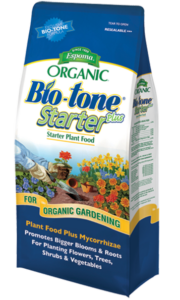
Espoma Organic Bio-tone Starter Plus Bag Image Espoma Organic Holly-tone Organic Fertilizer for all acid loving plantsEspoma Organic Plant-tone organic fertilizerEspoma Organic Garden-tone Espoma Organic Potting soil Mix Big bag Espoma Raised Bed Mix bag Espoma Organic Land and Sea Espoma Organic Indoor! liquid plant food - Organic fertilizer


Where to Buy


https://www.espoma.com/wp-content/uploads/2016/09/9V2A7296.jpg 1280 853 espoma https://www.espoma.com/wp-content/uploads/2023/05/espoma-logo340w-1.png espoma2016-09-06 12:00:482025-09-12 17:16:48Grab Your Books for a Lesson in Gardening 101

A Plant Today Keeps the Doctor Away

November 17, 2015/in Flowers

For most of us, the outdoor gardening season is winding down. Yet, we want to keep that green thumb moving!

Channel your gardening energy indoors. A green-filled oasis awaits you! Add a few indoor plants today!

potted-cactus succulent

Top 3 Reasons Why You Can Never Have Enough Houseplants

Plants add a pop of color and a burst of life to spaces. But, they do even more.

  1. Pollution Solution. Indoor plants scrub the air clean by removing toxins, according to NASA research. Houseplants remove 87 percent of volatile organic compounds (VOCs) that are in everything from rugs and grocery bags to paint and vinyl.
  2. Find Your Focus. Houseplants increase well-being by 47 percent, increase creativity by 45 percent and increase productivity by 38 percent, according to new research.
  3. Combat Colds. Powerful indoor plants can reduce fatigue, coughs, sore throats and other cold-related illnesses by more than 30 percent, found the University of Agriculture in Norway.

orchid houseplant

Caring for Houseplants is Easy

Houseplants provide us with all those benefits and ask for very little in return. Here’s all they need!

  1. Strong Soil. Organic potting soil packed with nutrients, enriched with Myco-tone® and fortified with worm castings sets houseplants up for success. Whether you’re planting new or repotting old plants, use an organic soil.
  2. Light It Right. Check your plant tag to see how much sun your plant needs.
  3. Wow with Water. Water most houseplants when the top of the soil feels dry. Only water succulents and cacti when the soil is completely dry.
  4. Fuel with Organic Fertilizer. . Fertilize houseplants with an organic fertilizer such as Indoor! during active periods of growth. This is usually during the spring and summer.

Those happy houseplants will make you smile every day! Check out Espoma’s “Houseplant” Pinterest board for more inspiration and ideas!

https://www.espoma.com/wp-content/uploads/2015/11/houseplants-792091_640.jpg 426 640 espoma https://www.espoma.com/wp-content/uploads/2023/05/espoma-logo340w-1.png espoma2015-11-17 14:30:452024-08-20 07:40:44A Plant Today Keeps the Doctor Away
Page 12 of 12«‹101112
Where to Buy

Get News & Updates

Recent Posts

  • VIDEO: How to Winterize Your Chicken Coop with Summer Rayne Oakes
  • VIDEO: Planting Spring Bulbs in Containers 🪴🌷 with Summer Rayne Oakes
  • VIDEO: Planting the Last Bulbs of the Season with Garden Answer
  • How to Care for Ferns 🌿 | Growing Joy with Maria
  • VIDEO: One Last Autumn Stroll 🍁🍂 with Summer Rayne Oakes

Tags

All-Purpose Potting Mix bio-tone Bio-tone Starter Bio-tone Starter Plus Cactus Mix caring for houseplants Container Gardening DIY project Espoma espoma grown espoma organic Espoma Organics Espoma Video fall gardening Family fert flower garden flowers garden Garden Answer Gardening gardening tips gardens grow holly-tone houseplants Indoor! indoor gardening indoor plants Kaleb Wyse organic organic fertilizer Organic Gardening organic plant food Organic Potting Mix Outdoor Gardening Planting plants Potting Mix potting soil Spring Gardening summer rayne oakes vegetable garden Vegetable Gardening Wyse Guide

Espoma. A Family Tradition Since 1929.

Espoma Organic logo
  • Espoma Dealer
  • Espoma Pro
  • Garden Club
  • Privacy Policy

Scroll to top