Espoma Organic
  • Products
    • Close
    • Product Line Overview
    • Plant food finder
    • Garden Fertilizers
    • Potting Soils
    • Lawn Fertilizers
    • Liquid Fertilizers
    • Single Ingredients
    • Conventional Plant Foods
    • Animal Care Products
  • Where to Buy
  • Our Story
    • Close
    • Our Story
    • Locations
    • Historical Timeline
    • Our Commitment
    • Directions
    • Solar
    • Join our Team
    • Espoma Brand Partners
  • Learn
    • Close
    • Espoma Blog
    • FAQ’s
    • Pocket Guide
    • Espoma Guides
    • Garden Clubs
    • Safe Paws Lawn
    • PRODUCT FACT SHEETS
    • Fertilizer Fundamentals
      • Close
      • Understanding Plant Nutrition
      • Reading Labels
      • Choosing the Right Type of Fertilizer
      • Terms & Definitions
    • Gardening Projects
    • Resource Links
  • Contact Us
  • Menu Menu

Tag Archive for: caring for houseplants
Big-Leaf Drama – Indoor plants with oversized foliage

December 13, 2017/in Indoor Gardening

There’s no such thing as too many houseplants – nor is there such a thing as too big of a houseplant. Dramatic leaves, oversized foliage and overhanging limbs make houseplants the center of attention in any household.

Depending on where big leaf plants are placed, they can help draw attention to a room or hide that patch in the wall that you don’t want anyone to see.

Our Favorite Oversized Foliage Houseplants

  1. Monstera

Known as the split leaf philodendron, the foliage on this plant is striking. Being a tropical variety, this plant can survive low light and higher humidity. It has large, lush, dark green foliage that stands out against a blank wall. Keep it near a window with indirect light and watch it grow. Don’t forget to share it on Instagram using the hashtag #monsteramonday.

  1. Bird of Paradise

This exotic plant draws attention in your home. Not only is the foliage large, it can grow up to 8 feet tall. The leaves are evergreen and arranged in a way that the leaves look like a bird’s head and beak. Keep it in front of a window that gets 4-5 hours of sunlight a day.

  1. Fiddle Leaf Fig

With its height and large leathery foliage, this houseplant can really change up a room. The glossy foliage will add flare wherever you need a little splash of dark color. Inside, it can grow up to 8 feet tall. It is aesthetically pleasing and can complement any room decor. Keep it in a well-lit spot, where it will get indirect sunlight all day long.


  1. White Snake Plant

This easy to care for plant will certainly make a statement. While the foliage isn’t as wide as the previously listed plants, it can grow up to three foot tall. A snake plant will survive anything. Low light loving and drought tolerant, so if you accidently forget about it for a few days, it will be just fine. Place in an area you want to add a little height for a dramatic appeal to your home.


  1. Rubber Tree

If you’re looking for a tree that gives the best of everything, a rubber tree is for you. It has large evergreen leaves, impressive height and cleans the air around you. It is easy to care for and can survive even after being neglected for a few days. It will eventually reach up to 8 feet tall. Keep it somewhere where you spend a lot of time, especially a home office or a children’s room, in order to really reap the air cleaning benefits.


Just because these houseplants are oversized, doesn’t mean they are too big of a job for Espoma’s Indoor liquid fertilizer. By feeding your houseplants as directed, you keep your attention grabbers happy and healthy.


https://www.espoma.com/wp-content/uploads/2017/12/shutterstock_593969489.jpg 853 1280 espoma https://www.espoma.com/wp-content/uploads/2023/05/espoma-logo340w-1.png espoma2017-12-13 15:46:182019-05-07 10:00:28Big-Leaf Drama – Indoor plants with oversized foliage

How to Decorate for Thanksgiving With Plants

November 22, 2017/in Fall Gardening

Plants are the perfect décor for any holiday occasion, especially Thanksgiving. Houseplants fit in perfectly with the magnificent fall colors and magical feel of autumn. Use plants to transform your holiday table this Thanksgiving into something truly beautiful. What’s even better is there’s a style for every personality!

Use these easy steps to get the perfect look.

1. Pick a Focal Point

Select a plant that will draw your eye and establish the look for your centerpiece. A popular choice in focal plants is the croton, due to its exceptional color and texture, which brings autumn to the table. Crotons come in bright yellow, rich gold, flaming orange, deep red, and burgundy purple which, paired with its height, will brighten the table. Any houseplant with a full autumn palate is perfect to be a focal point.  Keep the plant well-fed with our Indoor! liquid fertilizer to ensure your plant stays full of color all season long.

2. Dress it Up

To make a beautiful centerpiece really feel complete, find a fun container for your plant. If you are using this as a temporary focal point for Thanksgiving, any container will do. Otherwise, if you are looking for a more long term arrangement, be sure the container has proper drainage holes. Another option is to keep it in the original pot and wrap a seasonal cloth around the container to dress it up. Really stretch your creative mind and find a unique container, like a holiday turkey vase or a cornucopia to fill with a houseplant.

3. Accessorize

Be as creative as you’d like by adding supportive accents and characters to your table. Autumn themes accents like pinecones, colorful leaves or various gourds to compliment your focal point plant. Yellow and orange chrysanthemums placed in a smaller container will keep within the Thanksgiving vibe.

The thing to remember is to have fun with it and make something truly unique for the holidays.  Be sure to remember to monitor the light, water and to feed with Indoor! liquid fertilizer as directed for a long lasting beautiful plant.

Need more autumn inspiration? Check out Garden Answer’s make a fall succulent DIY!


https://www.espoma.com/wp-content/uploads/2017/11/shutterstock_702879712.jpg 662 1000 espoma https://www.espoma.com/wp-content/uploads/2023/05/espoma-logo340w-1.png espoma2017-11-22 09:10:052019-05-07 10:01:06How to Decorate for Thanksgiving With Plants

Boost African Violets by Repotting

November 8, 2017/in Indoor Gardening

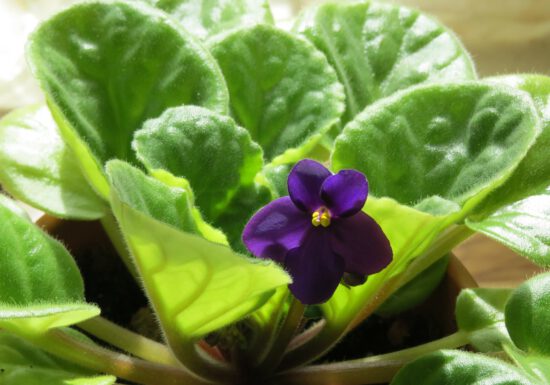
African violets need to be repotted about once a year to keep them growing big and beautiful. It is best to inspect them first to see if their leaves and roots are healthy.

If your African violet is happy and healthy, but needs room to grow or is fresh from the garden center and needs to come out of the plastic pot, transferring it, adding fresh soil and Espoma’s Violet! liquid fertilizer will keep it healthy and prevent it from getting leggy. Plus it will give you an opportunity to really interact with your new (or old) plants and give them some love.

houseplant care, potting soil, indoor plants

Steps to Repotting Your African Violets:

  1. Find the right container for your African violet. Keep in mind that the roots grow more out, not down – a shallow wide container will work better than a narrow tall container. Also, you want to find a slightly bigger container than the one it is now – never smaller.
  2. Fill the new pot with enough of Espoma’s Organic African Violet Potting Mix so the root ball will sit just under the lip. This will allow your plant to have the correct drainage, pH level and nutrients that it needs. African violets don’t like sitting in water, so keeping them in well drained soils will prevent root-rot.
  3. Take your African violet out of the previous pot by gently wrapping your hand around the plant and slowly removing it. Give the pot a squeeze or a small shake if the plant needs help coming out.
  4. Place your African violet centered in the new container. You want the root ball to be below the top of the container.
  5. Fill the container the rest of the way with soil and tuck it in the sides as needed. Be gentle as the leaves will break off if they are handled roughly.
  6. Water to settle the plant. The best way to do that is to soak the bottom of the pot in two inches of water and allow the roots to soak it up. Empty any remaining water after 5 minutes. African violets don’t like water to touch their leaves, so if you can’t soak it, be sure to water under their leaves and only the soil. Remember, the recommended amount  of our Violet! liquid fertilizer to the water to give it a boost.

Repotting or freshly potting your African violets will increase growth and beauty!

To see this done in action, watch Laura replant her African violets!


https://www.espoma.com/wp-content/uploads/2017/11/African-Violet.jpg 859 1280 espoma https://www.espoma.com/wp-content/uploads/2023/05/espoma-logo340w-1.png espoma2017-11-08 09:00:122019-05-07 10:01:06Boost African Violets by Repotting

Hauntingly Good Plants for Halloween

October 25, 2017/in Fall Gardening

The spookiest holiday of the year is just around the corner and trick-or-treaters are getting ready for the big night. This year, decorate your house with creepy, living decorations that will add an eerie twist to your night.

With their creepy names, weird colors and devilish shapes, these plants will be the center of every fun, spooky story you tell. Better yet, these plants can stick around all year with the right light, water and feeding directions.

Top 5 Spookiest Houseplants

Photo courtesy of Costa Farms

Spider Plant

This creepy plant is fun to decorate with due to its long spider-like legs that grow little “spiderlings” on the ends. Transfer it into a hanging plant basket and wrap synthetic web around the outside of the basket. Cover with plastic spiders to give it extra creep. Make it kid-friendly, by painting a container black and adding spider eyes to the front to make it look like one big spider. Spider plants are known for being low-maintenance so they will grow in almost any spot.

Dracula Orchid

The Dracula orchid is not an ordinary orchid. Aptly named, as it blooms, the center of the plant looks like it could bite you with its vampire-like mouth. Wrap your container in a cape and paint it red down the sides to decorate this plant into a creepy vampire.

Photo courtesy of Costa Farms

Devil’s Backbone

Devil’s Backbone gets its name from the interesting zigzagging formation of the leaves resembling a creepy spine as it grows. Invite this devilish plant to your home and hang ghouls and ghosts from it to add a spooky charm. Though it may be called the Devil’s Backbone, it works hard to purify the air from toxins.

Photo courtesy of Costa Farms

Earth Star

With spiky edges and elongated “fingers”, the earth star plant is a creepy addition to your Halloween décor. Transfer into a spooky container and let it spread and it will look like something is crawling toward you. Keep in bright light to encourage growth.

Photo courtesy of Costa Farms

Rope Plant

The rope plant’s foliage that twists and turns looks like something right out of a witch’s lair. Put a spell on your home with the shadows this plant gives off. The rope plant will flower and last up to a month.

Fun and spooky houseplants are the best way to bring live Halloween décor to your home. Feed as directed with Espoma’s Indoor! plant food.


Featured Products:


Where to Buy

https://www.espoma.com/wp-content/uploads/2017/10/devils-backbone.jpg 2448 2448 espoma https://www.espoma.com/wp-content/uploads/2023/05/espoma-logo340w-1.png espoma2017-10-25 11:00:122023-10-31 10:36:16Hauntingly Good Plants for Halloween

Summer Care Tips for Your Favorite Orchid

June 15, 2017/in Indoor Gardening

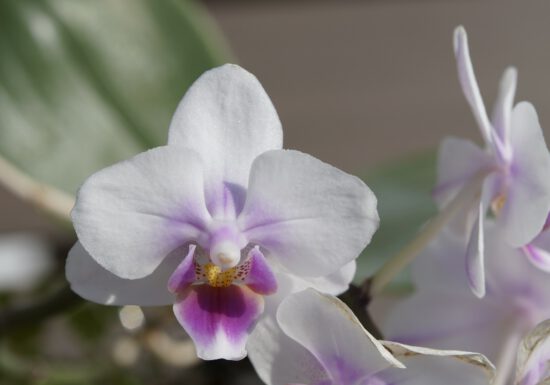
Orchids have become a houseplant fan favorite, and rightfully so. The indoor plants add a touch of the exotic to any home and bloom for weeks at a time. Plus, orchids are typically easy to care for and relatively low-maintenance once they are established.

Here are three ways to keep your orchid happy and healthy this summer.

3 Summer Secrets to Orchid Success

Light

Orchids love light, but direct sun can often burn their delicate leaves and flowers. Avoid damaging orchids, by placing them near a window with a sheer curtain. Sun rays will seep through the curtain, providing your orchid with just the right amount of light. Or, keep your orchid in a well-lit area in your home to completely avoid risk of sun damage.

Temperature

Orchids love warm temperatures during the day; however, they like to keep cool at night. Let your orchid chill at the end of the day in a cooler room. If the heat breaks and temperatures drop below 65 degrees Fahrenheit at night, you can place your orchid outside to cool. Just be sure to remove it from direct sunlight before morning.

Proper Potting

You won’t need to repot your orchid very often, typically once a year. Start with Espoma’s Organic Orchid Mix and then plant your orchid in plastic growing pots. These containers have great drainage, avoiding problems related to overwatering.

If you’d like a more stylish pot to add to your décor, simply place the plastic container inside the decorative one.

Follow these simple tips and your orchid will produce beautiful flowers you’ll be enjoying for years to come!

https://www.espoma.com/wp-content/uploads/2017/06/Orchid-pots.jpg 770 1000 espoma https://www.espoma.com/wp-content/uploads/2023/05/espoma-logo340w-1.png espoma2017-06-15 09:00:112019-05-07 10:02:01Summer Care Tips for Your Favorite Orchid

Three Secrets to Cactus Success

April 25, 2017/in Indoor Gardening

Cacti make the perfect houseplant. Their water-saving properties make them very low-maintenance. They’re trending in the design world, too, making them very stylish additions to any interior.

Growing cacti indoors adds a beautiful touch to any home. And although they can survive with very little care, they won’t necessarily thrive. In order to keep your cacti alive and well, follow these simple care instructions.

Soil

As you probably already know, cacti love desert-like conditions. Think dry, well-drained soil. When planting cacti indoors, be sure to use Espoma’s Organic Cactus Mix. The all natural potting soil provides optimum aeration and drainage to create the best growing conditions. Choose a stylish pot with a drainage hole to match your décor.

Water

One of the biggest causes of death to houseplants is over-watering. When it comes to watering your cactus, less is more. Water sparingly when soil is dry and let the water trickle through. Don’t allow cacti to sit in a pool of water, as this will lead to rotting roots and other complications.

Use your best judgement to decide whether or not your cactus needs some water. Hint – if it looks shriveled, it might mean that it’s dipping into its water reserves. This is when you should give your cactus a little bit of water to replenish it.

Light & Temperature

Keep your cacti happy by placing it on a windowsill or another sunny spot. About 3-4 hours of sunlight every day is ideal for cacti, but they will survive with indirect sunlight, too. We suggest a south or east facing window.

Cacti are also great houseplants because they can tolerate a wide range of temperatures. They can survive in temperatures as low as 50°F and as high as 85°F, making the temperate in your home the perfect environment.

Nutrients

Give your plant a boost by fertilizing as needed with Espoma’s new Cactus! Succulent plant food. This provides plants with the nutrients they need instantly.

Ready to try more desert-like plants? Learn how to care and create a succulent planter.

https://www.espoma.com/wp-content/uploads/2017/04/Cactus-plants.jpg 2621 4500 espoma https://www.espoma.com/wp-content/uploads/2023/05/espoma-logo340w-1.png espoma2017-04-25 09:42:572024-08-21 07:54:16Three Secrets to Cactus Success

Succulent Success – What’s the secret?

April 11, 2017/in Indoor Gardening

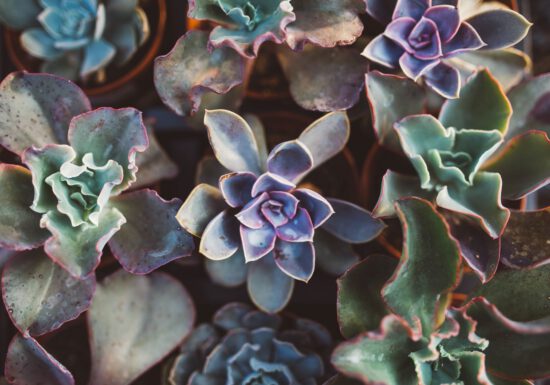
You’ve probably heard the words cacti and succulents thrown around interchangeably. However, this is a common misconception. Technically, all cacti are succulents, but not all succulents are cacti. Cacti are simply one of the many types of succulents.

Succulents are defined by their water retaining cells. Which is one of our favorite things about them because it’s what makes them so low maintenance and drought tolerant.

Another common misconception is that cacti are defined by their prickly needles. Many succulents have spikes similar to cacti, and not all cacti are prickly.

If you’re looking specifically for a cactus, the determining factor is called an areole. They are small, cotton-like lumps on a cactus where the spines grow out of. All cacti have areoles, making it easy to distinguish them from other prickly succulents.

Now that you know the difference, let’s talk about care. Although they’re different plants, cacti and succulents have similar needs. When caring for cacti or succulents, remember they love everything in moderation – not too much, and not too little.

Photo courtesy of Garden Answer

Photo courtesy of Garden Answer

Light

Cacti and succulents thrive in a spot by the window or outdoors in the garden. Too little sunlight will cause loss of color or strange growth patterns. Lack of sun can lead to root rot as the soil may stay  moist for too long.

On the other hand, too much direct sunlight and heat can cause succulents and cacti to sunburn! These burns can change the color and texture of the plant. While most succulents can handle direct sunlight, it takes time for them to become accustomed to a new environment. Don’t move them from a windowsill to full sun in the garden without conditioning them. Gradually place your plant in brighter locations and allow it some time to adjust to its new surroundings.

Water

The same Goldilocks rule goes for watering – not too much, but not too little.

While succulents and cacti are drought tolerant and can survive without water, that doesn’t mean they’ll thrive. They will do best when watered in moderation.

It’s safer to stay on the lighter side of watering rather than giving too much. If you notice the succulent starting to shrivel, its most likely because they are using up the water reserved in their cells. Add a small amount of water to the soil to help them replenish.

Too much water will cause your plant to become mushy and potentially develop root rot. Your succulent or cactus can fall apart right in front of your eyes!

Avoid these problems by using very little water and determining later whether they need more. If you have your plant in a double pot, water it and after a few minutes empty all excess water. Over-watering is just as common of a cause of plant death as under-watering. Use Espoma’s Organic Cactus Mix potting soil to keep roots healthy and to reduce drought-stress in between watering.

Temperature

Succulents and cacti are very flexible when it comes to temperatures. Just be sure to adjust your watering schedule accordingly.

When plants are in cool temps, soil won’t dry as fast. Remember root rot can occur if the soil is too wet for too long. If succulents or cacti are planted outdoors in the hot summer sun, you may need to water more often.

Now that you know the difference between succulents and cacti and the proper care, add some to your garden today!

Feed plants with Espoma’s Cactus! Succulent Plant Food for best results and let us know how your succulent garden turns out!

https://www.espoma.com/wp-content/uploads/2017/04/succulents-and-cactus.jpg 3648 5472 espoma https://www.espoma.com/wp-content/uploads/2023/05/espoma-logo340w-1.png espoma2017-04-11 09:00:242024-08-20 07:46:52Succulent Success – What’s the secret?

How to Care for a Fiddle Leaf Fig

March 24, 2017/in Espoma Videos

Laura from Garden Answer shares her tips for caring for Fiddle Leaf Figs. This “it” plant is loved by designers and decorators for it’s large, violin-shaped leaves. Give fiddle leaf figs everything they need to continue growing healthy and strong year-round.

Visit our YouTube Channel for more gardening videos.


https://www.espoma.com/wp-content/uploads/2017/03/IMG_3139.jpg 719 1280 espoma https://www.espoma.com/wp-content/uploads/2023/05/espoma-logo340w-1.png espoma2017-03-24 13:03:192019-05-07 10:03:17How to Care for a Fiddle Leaf Fig

Indoor Planter Inspiration with Garden Answer

March 16, 2017/in Espoma Videos

The Espoma Company brought Laura from Garden Answer to visit Primex Garden Center near Philadelphia for a container challenge. Watch as Laura picks out plants for easy succulent and fairy gardening containers. Follow along with her how-to instructions as she brings together two lovely containers for indoor gardening. Plus, you’ll learn how to care for and fertilize these indoor gardens.

Want more inspiration? Watch the miniature gnome garden come together in no time at all!

https://www.espoma.com/wp-content/uploads/2017/03/Garden-Center-Projects-Thumb.jpg 1080 1920 espoma https://www.espoma.com/wp-content/uploads/2023/05/espoma-logo340w-1.png espoma2017-03-16 11:59:552019-05-07 10:03:17Indoor Planter Inspiration with Garden Answer

Spring Houseplant Care Tips

March 16, 2017/in Indoor Gardening

After months spent overwintering or dormant, your houseplants are ready to welcome spring with open arms and begin their active growing period. Houseplants are easy to care for but they still need some TLC.

The warmer weather calls for some extra attention! Gear up for repotting, feeding, sunning and scheduling.

Make a happy home for plants with the following tips. Here’s how you do it!

cyclamen-11290_1920

Four Tips for Spring Houseplant Care

  1. Rehome and Repot: When repotting plants, we recommend using a new container that’s a little bigger than your plant’s current home. If you choose to use a previously used container, clean it with soap and water first to rid of any diseases or houseplant pests that could be hiding inside. Once your container is ready, fill it about halfway with Espoma’s potting mix or appropriate soil for your plant type. If any of the roots have grown tightly bound in a circular pattern, gently loosen them to stimulate new growth. Then, place the plant in the center of the new pot and fill with soil to within 1-3” of the rim. Water well and allow the soil to settle. Add more potting soil if necessary.
  2. Give Houseplants a Spring feeding: There’s no doubt that your plants are hungry after a long winter nap! Feed bi-weekly with Espoma’s indoor liquid houseplant food. This gives plants the natural proteins and beneficial microbes they need to provide beautiful results.
  3. Bring Plants Outside: Give plants some fresh air once in a while. As it warms up, set your plants outside during the day to soak up some rays. When the temperatures begin to drop in the evening, it’s time to bring them back inside.
  4. Create a schedule: Houseplants thrive with regular care. Add water if the soil is dry to the touch. But be careful not to water too much or too frequently. Overwatering is the number one cause of houseplant death. So if the is not dry to the touch, check it again in a few days. In order to protect your plants from not getting the right about of water, create a schedule of watering times and days to help you remember when your plants need your attention.

Plants need water, light and nutrients to thrive indoors. So, determine what kind of houseplant you have and it’s specific needs. With the proper care, your plant will let you know it’s happy by maintaining healthy leaves.

Ready to learn more? Find out how to Make a Happy Home for Plants!

https://www.espoma.com/wp-content/uploads/2017/03/Succulent-6.jpg 444 1200 espoma https://www.espoma.com/wp-content/uploads/2023/05/espoma-logo340w-1.png espoma2017-03-16 09:00:472024-08-20 07:53:09Spring Houseplant Care Tips
Page 10 of 12«‹89101112›»
Where to Buy

Get News & Updates

Recent Posts

  • VIDEO: A Formal Garden Tour with Summer Rayne Oakes
  • VIDEO: Repotting in the Greenhouse with Garden Answer
  • VIDEO: How to Winterize Your Chicken Coop with Summer Rayne Oakes
  • VIDEO: Planting Spring Bulbs in Containers 🪴🌷 with Summer Rayne Oakes
  • VIDEO: Planting the Last Bulbs of the Season with Garden Answer

Tags

All-Purpose Potting Mix bio-tone Bio-tone Starter Bio-tone Starter Plus Cactus Mix caring for houseplants Container Gardening DIY project Espoma espoma grown espoma organic Espoma Organics Espoma Video fall gardening Family fert flower garden flowers garden Garden Answer Gardening gardening tips gardens grow holly-tone houseplants Indoor! indoor gardening indoor plants Kaleb Wyse organic organic fertilizer Organic Gardening organic plant food Organic Potting Mix Outdoor Gardening Planting plants Potting Mix potting soil Spring Gardening summer rayne oakes vegetable garden Vegetable Gardening Wyse Guide

Espoma. A Family Tradition Since 1929.

Espoma Organic logo
  • Espoma Dealer
  • Espoma Pro
  • Garden Club
  • Privacy Policy

Scroll to top