Espoma Organic
  • Products
    • Close
    • Product Line Overview
    • Plant food finder
    • Garden Fertilizers
    • Potting Soils
    • Lawn Fertilizers
    • Liquid Fertilizers
    • Single Ingredients
    • Conventional Plant Foods
    • Animal Care Products
  • Where to Buy
  • Our Story
    • Close
    • Our Story
    • Locations
    • Historical Timeline
    • Our Commitment
    • Directions
    • Solar
    • Join our Team
    • Espoma Brand Partners
  • Learn
    • Close
    • Espoma Blog
    • FAQ’s
    • Pocket Guide
    • Espoma Guides
    • Garden Clubs
    • Safe Paws Lawn
    • PRODUCT FACT SHEETS
    • Fertilizer Fundamentals
      • Close
      • Understanding Plant Nutrition
      • Reading Labels
      • Choosing the Right Type of Fertilizer
      • Terms & Definitions
    • Gardening Projects
    • Resource Links
  • Contact Us
  • Menu Menu

Tag Archive for: watering

VIDEO: Planting Shrubs & Harvesting Onions 🌺🧅🌿 with Garden Answer

September 10, 2025/in Blog, Espoma Videos, Flowers, Fruits & Vegetables, Garden Answer

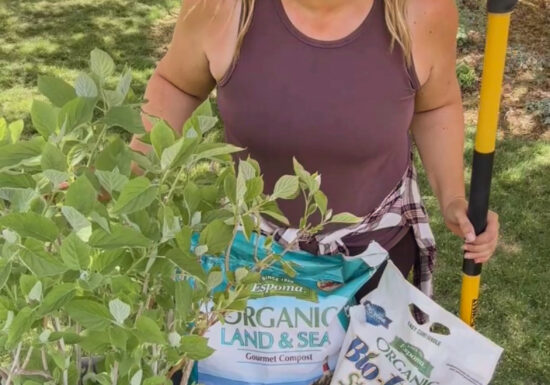
Spend an early morning with Laura from Garden Answer as she plants hibiscus and silverthorn, adding vibrant blooms and silvery foliage for fresh contrast in her garden. To give these new shrubs the best start, she uses Espoma Organic Bio-tone  Starter Plus, ensuring strong roots and healthy growth from day one.

Later, Laura moves to the vegetable garden to harvest onions—planted with Bio-tone and later fed with Espoma Organic Garden-tone—while sharing her favorite tips for growing, curing, and storing a successful harvest.

4 Key Takeaways from Laura’s Garden Day

  1. Start with a high-quality starter fertilizer
    Using a starter fertilizer like Espoma Organic Bio-tone Starter Plus at planting gives shrubs and perennials a strong foundation. It promotes quick root establishment, reduces transplant shock, and sets the stage for healthier growth and more abundant blooms.
  2. Planting shrubs: water, spacing, and layout matter
    Place shrubs where they’ll have room to grow to full size, then step back to check balance and flow in the garden. After planting, create a shallow watering basin around the root zone to ensure deep, even moisture while they establish.
  3. Feed onions consistently through the season
    Laura planted her onions with Bio-tone, then followed up with Garden-tone to keep them growing strong. A steady supply of organic nutrients helps onions size up properly and develop great flavor.
  4. Harvest onions at the right stage
    Onions are ready when their necks soften and the tops flop over. Gently pull them, then cure in a shaded, airy space for 7–10 days to allow skins to dry and harden for better storage.

From thoughtful planting to a plentiful harvest, Laura shows how preparation and care lead to success. A starter fertilizer like Bio-tone Starter Plus sets new plants up for stronger roots, while follow-up feedings with Garden-tone keep vegetables productive and delicious.

Ready to put these tips into action? Try Espoma Organic Bio-tone Starter Plus on your next planting day, and don’t forget to keep edibles thriving with Espoma Organic Garden-tone. Share your garden moments with us @EspomaOrganic on IG—let’s grow together! 🌱

*****

Learn more about Garden Answer here:

🪴 YouTube

🪴 Website

🪴 Facebook

🪴 Instagram

Featured Products:

Espoma Organic Bio-tone Starter Plus Bag Image

Espoma Garden-tone

Where to Buy


https://www.espoma.com/wp-content/uploads/2025/09/Espoma_0925_PlantingHibiscus_Thumbnail.jpg 1080 1920 Matt Dauphinais https://www.espoma.com/wp-content/uploads/2023/05/espoma-logo340w-1.png Matt Dauphinais2025-09-10 16:19:022025-09-10 17:46:14VIDEO: Planting Shrubs & Harvesting Onions 🌺🧅🌿 with Garden Answer

VIDEO: Planting Trees and Perennials 🌳🌺 with Wyse Guide

September 3, 2025/in Blog, Espoma Videos, Flowers, Kaleb Wyse, Summer Gardening

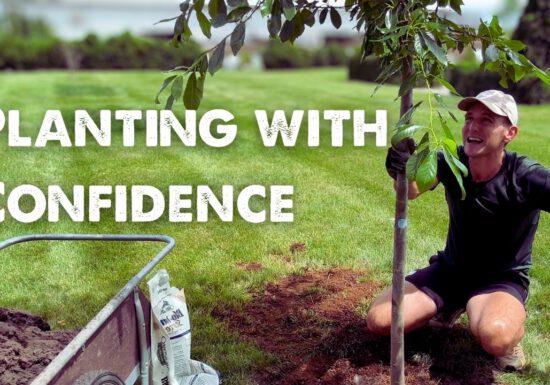
Kaleb Wyse from Wyse Guide shows us that with the right care, you can plant trees and perennials with confidence. In this video, Kaleb is adding an Afterburner black gum tree and fresh perennials to his backyard. To give his new plantings the strongest foundation, Kaleb uses Espoma Organic Bio-tone Starter Plus. This trusted starter fertilizer helps reduce transplant shock, stimulates strong root growth, and enriches the soil—so plants establish quickly and thrive for years to come.

Featured Tips from Kaleb’s Planting Process

  1. Plant year-round when conditions allow
    Don’t wait for the “perfect” season. If you have the time, energy, and right weather, get plants in the ground. They’ll be happier growing in your soil than sitting in containers at a nursery.
  2. Choose the site carefully
    Take time to visualize how a tree or plant will look from multiple angles of your yard and home. Think ahead about how it will grow into the landscape.
  3. Prepare the site well
    Dig a wide hole—wider than the root ball—to give roots room to spread into the native soil. Remove rocks and other large debris.
  4. Prep the roots before planting
    Inspect roots for tight circling, then gently loosen or scarify them to encourage outward growth. Be sure to expose the root flare so the tree can breathe properly.
  5. Always plant with a quality organic starter fertilizer
    Using a starter like Espoma Organic Bio-tone Starter Plus helps reduce transplant shock and promotes strong, lasting roots. Unlike synthetic fertilizers, Bio-tone is gentle, organic, and builds long-term soil health.
  6. Water, stake, and mulch for success
    Give trees a deep initial watering—Kaleb used 10 gallons for his black gum—and continue watering consistently, especially in summer heat. Stake young trees for support and mulch around the base to retain moisture and suppress weeds.

Kaleb finished his project by planting Phantom Joe Pyeweed and Kerodonis Salvia, filling in garden beds with color and texture. His approach shows that planting is less about waiting for the “right” season and more about giving your plants what they need: thoughtful placement, healthy roots, good soil, and consistent care.

Ready to Plant?

For all your plantings, give your plants the best start with Espoma Organic Bio-tone Starter Plus. Build stronger roots, reduce transplant stress, and set your garden up for long-term success.

*****

Learn More about Wyse Guide:

🪴 YouTube

🪴 Facebook

🪴 Instagram

🪴Website

Featured Products:

Espoma Organic Bio-tone Starter Plus Bag Image


Where to Buy

https://www.espoma.com/wp-content/uploads/2025/09/Title-19.jpg 720 1280 Matt Dauphinais https://www.espoma.com/wp-content/uploads/2023/05/espoma-logo340w-1.png Matt Dauphinais2025-09-03 15:58:012025-09-03 15:58:01VIDEO: Planting Trees and Perennials 🌳🌺 with Wyse Guide

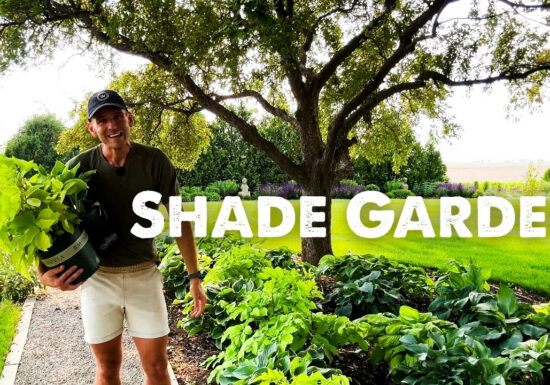
VIDEO: Planting A Shade Garden 🌿 with Wyse Guide

August 13, 2025/in Blog, Espoma Videos, Gardening, Kaleb Wyse

Whether you’re working with dry shade or full sun, Kaleb Wyse of Wyse Guide proves that every pocket of your garden can thrive with the right planning—and a little help from Espoma Organic.

In his latest video, Kaleb brings us along as he refreshes his shade beds and layers in new perennials in full-sun areas, showing how he builds textured, healthy spaces across his Iowa homestead. He’s not just planting—he’s feeding the soil and supporting every root with care.

Kaleb’s shade garden is a great example of adapting to conditions. Not all shade is the same—some spots, often under large trees, are dry shade, where roots compete for moisture and soil drains quickly. Other shady areas, like low spots or places near downspouts, hold more water, creating wet shade. Kaleb’s property has dry shade under mature maple and crabapple trees, so he selects plants that can handle lower moisture while still brightening dim areas.

To get his new additions off to the best start, Kaleb relies on Espoma Organic Bio-tone Starter Plus, his go-to for all new plantings. For hostas and other acid-loving favorites, Espoma Organic Holly-tone is also in his toolkit, enriching the soil with just the right nutrients for long-term success.

🌿 Kaleb’s Top Tips for Planting Success

1) Water Before You Plant
Always begin with a well-watered root ball so plants adjust quickly and absorb water efficiently post-planting.

2) Use a high-quality organic Starter Fertilizer
“It’s like planting insurance!” Kaleb says. He sprinkles Espoma Organic Bio-tone Starter Plus in every hole to encourage strong root development and minimize transplant shock.

3) Only Disturb Roots When Necessary
If roots aren’t bound tightly, skip scarification. Gentle handling helps reduce stress.

4) Embrace Compost—Even Last Year’s Leaves
Kaleb layers homemade compost—or a high-quality mix like Espoma Organic Land & Sea Gourmet Compost, a rich blend of natural ingredients enhanced with lobster and crab shells—right over last year’s fallen leaves. This creates a living mulch that enriches the soil naturally and builds long-term garden health.

5) Group Plants in Odd Numbers
Repeating clusters of five or seven create harmony and visual rhythm, especially in larger beds.

6) Prioritize Soil Coverage
From epimedium to hosta to Agastache, Kaleb aims for dense plantings that naturally suppress weeds and conserve moisture.

Ready to Grow Like Kaleb?

If Kaleb’s video inspires one thing, it’s that soil health is at the heart of every thriving garden. Whether your shade is dry or wet—or your planting area is in full sun—start with rich compost, thoughtful watering, and organic support from Espoma, and your plants will thank you season after season.

Let’s get growing—whether you’re filling a shady nook or bringing a sunlit border to life.

*****

Learn More about Wyse Guide:

🪴 YouTube

🪴 Facebook

🪴 Instagram

🪴Website

Featured Products:

Espoma Organic Bio-tone Starter Plus Bag ImageEspoma Organic Holly-toneEspoma Organic Land and Sea


Where to Buy

https://www.espoma.com/wp-content/uploads/2025/08/Shade-Garden.jpg 720 1280 Matt Dauphinais https://www.espoma.com/wp-content/uploads/2023/05/espoma-logo340w-1.png Matt Dauphinais2025-08-13 12:03:002025-08-14 18:07:24VIDEO: Planting A Shade Garden 🌿 with Wyse Guide

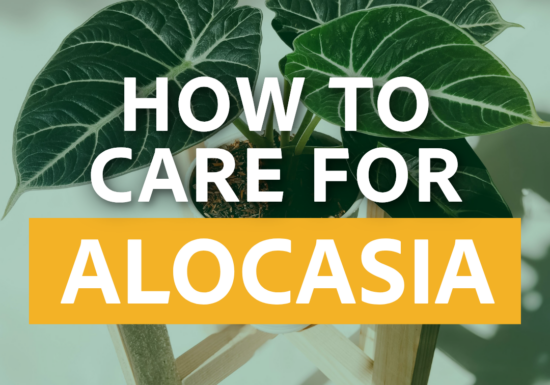
How to Care for Alocasia | Growing Joy with Maria

August 5, 2025/in Blog, Growing Joy with Maria, Indoor Gardening

Do you think it’s difficult to care for Alocasia? They are so easy to fall in love with because of their alien-like leaves and colors, but many plant parents feel confused when they suddenly drop leaves or look unhappy. This is particularly true if you’re not a Mindful Plant Parent (find your Plant Parent Personality Here). But the answer is no. Alocasia isn’t a difficult plant; it’s just particular. 

This blog is inspired by Episode 219 of the Growing Joy with Plants podcast with Maria Failla. After years of trial and error, she finally cracked the code on keeping Alocasia alive indoors, and now you can too.

Why So Many People Struggle with Alocasia

Alocasia isn’t “difficult.” It just has high standards. They are native to Southeast Asian rainforests, so they are used to high humidity, indirect light, and evenly moist soil. So most modern homes are not exactly a match. But if you can recreate that environment indoors, your Alocasia will gift you with its stunning leaves that you see all over Pinterest and social media..

How to Care for Alocasia

1) What light do Alocasia need?

Alocasia like bright indirect light

Bright, Indirect Light

This means “filtered sunlight,” not direct rays. Alocasias prefer to be a few feet from a sunny window or under a grow light. If it’s only holding onto 2 to 3 leaves, that’s a sign it’s starving for more light.

2) How often should I water an Alocasia?

Alocasia like even moisture

Keep the soil evenly moist at all times.

Alocasia like even moisture, so make sure you’re using quality organic soil like Espoma Organic Potting Mix. Let only the top inch dry out before watering. It stores water in little tuber-like roots that look like mini potatoes, so don’t be alarmed when you see them while repotting!

3) What type of humidity does my Alocasia need?

Alocasia like 50% to 70% humidity

High Humidity is Everything

Crispy tips? Curling leaves? That’s low-humidity talking. Alocasia loves 50%–70% humidity, which is achievable with a humidifier, a grouped plant setup, or a closed terrarium. Note that misting is not enough and can even cause fungal issues.

4) When do I fertilize my Alocasia? 

Fertilizer with Espoma Organic Indoor! liquid plant food

Fertilize When It’s Growing

Whenever new leaves appear, it’s time to feed. You can feed them using Espoma Organic Indoor! liquid plant food for greener leaves! Simply dump a capful into your watering can. Many Alocasia under grow lights continue growing through winter, so adjust your fertilizer routine to match the plant and not the calendar.

5) Do Alocasia go dormant? 

Not exactly….In winter, Alocasia may drop a few leaves. This is a natural rest period (also known as quiescence) and not a full dormancy. So don’t freak out if you see a few yellow or dropped leaves come wintertime. It’s natural.

Troubleshooting Common Alocasia Problems


1) Why does my Alocasia have yellowing leaves? 

Yellow leaves on Alocasia are likely due to overwatering. Trim the leaf and let the soil dry slightly before watering again.

2) Why is my Alocasia drooping or wilting?

Drooping or wilting is likely due to underwatering, overwatering, or low humidity.

3) Why can’t my Alocasia grow more than 3 leaves at a time?

It likely needs more light to support a larger leaf system..

4) Why are the edges of my Alocaisa leaf crispy and brown? 

This is usually due to dry air and humidity.

Favorite Alocasia Varieties to Try

If you’re ready to bring one home, here are the top picks for you:

  • Alocasia Ninja – almost black leaves with bold stripes.
  • Alocasia Cuprea (Red Secret) – copper-toned leaves with deep purple backs.
  • Alocasia Dragon Scale – pale green leaves with deep veining!
  • Alocasia Polly (African Mask) –  small, classic that you’ll see in so many garden centers.
  • Alocasia Lola – taller than Polly
  • Alocasia Watsoniana (White Vein) – Glossy leaves with striking white veins.
  • Alocasia Stingray – wild, tail-shaped leaves that really do look like a stingray.

The Alocasia isn't difficult to grow, give it a try! (graphic)

Give Alocasia a Try

The Alocasia is a diva… in the best way. It isn’t impossible to care for, but it just wants what it wants. Give it good light, humidity, and care, and it will grow and give you stunning leaves and be the envy of all your plant friends! Think of it as a little green alien that just needs the right home environment to feel at peace.

Listen to episode 209 of the Growing Joy with Maria Podcast

To learn more about Alocasia care, listen to Episode 219 of the Growing Joy with Plants podcast, all about Alocasia, with Maria Failla.

Learn more about Growing Joy with Maria:

🪴🌿 Website

🪴🌿 Facebook

🪴🌿 Instagram

🪴🌿 YouTube


Featured Products:

Espoma Organic Indoor! liquid fertilizer Espoma Organic Potting Mix


Where to Buy

https://www.espoma.com/wp-content/uploads/2025/08/Alocasia-1.png 1080 1080 Matt Dauphinais https://www.espoma.com/wp-content/uploads/2023/05/espoma-logo340w-1.png Matt Dauphinais2025-08-05 13:05:412025-08-05 13:05:41How to Care for Alocasia | Growing Joy with Maria

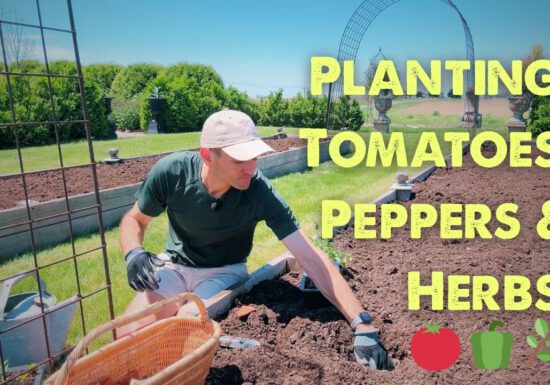
VIDEO: Planting 🍅 Tomatoes, 🫑 Peppers & 🌿 Herbs with Wyse Guide

August 1, 2025/in Blog, Container Gardening, Espoma Videos, Fruits & Vegetables, Kaleb Wyse, Spring Gardening

Watch as Kaleb Wyse from Wyse Guide refreshes his raised beds and herb containers. He tops off his raised beds with Espoma Organic Raised Bed Mix and mixes in Espoma Organic Land & Sea Gourmet Compost to improve soil structure and health. He plants heirloom tomatoes and peppers using Espoma Organic Tomato-tone and Bio-tone Starter Plus to give his new plants the nutrients they need to develop strong roots and big blooms.

Kaleb fills terracotta pots with Espoma Organic Potting Mix and mixes in Bio-tone Starter Plus to support healthy growth of basil, rosemary, thyme, and more.

Kaleb’s Top Plant Care Tips:

  • Refresh raised beds as needed—especially if the soil has settled or it’s time to replant—using high-quality organic soil like Espoma Organic Raised Bed Mix and compost like Espoma Organic Land & Sea Gourmet Compost to improve soil structure, boost microbial activity, and maintain healthy growing conditions.
  • Feed tomato plants with a high-quality organic fertilizer like Espoma Organic Tomato-tone, which provides calcium to help support proper fruit production.
  • Whether planting in the ground or containers, mix in an organic starter fertilizer like Espoma Organic Bio-tone Starter Plus to encourage strong root growth and quick establishment.
  • Regularly harvest herbs to stimulate continuous growth.
  • Ensure containers receive consistent watering to prevent drying out.

*****

Learn More about Wyse Guide:

🪴 YouTube

🪴 Facebook

🪴 Instagram

🪴Website

Featured Products:

Espoma Organic Potting soil Mix Big bagEspoma Raised Bed Mix bag Espoma Organic Land and Sea Espoma Organic Bio-tone Starter Plus Bag ImageEspoma Organic Tomato-tone


Where to Buy


https://www.espoma.com/wp-content/uploads/2025/07/Title-17.jpg 720 1280 Matt Dauphinais https://www.espoma.com/wp-content/uploads/2023/05/espoma-logo340w-1.png Matt Dauphinais2025-08-01 14:22:472025-08-01 14:24:47VIDEO: Planting 🍅 Tomatoes, 🫑 Peppers & 🌿 Herbs with Wyse Guide

VIDEO: Agave Repot & Care Tips 🪴 with Summer Rayne Oakes

July 22, 2025/in Blog, Container Gardening, Espoma Videos, Succulents, Summer Rayne Oakes

Follow along with Summer Rayne Oakes as she repots and cares for agave plants and succulents, including cold-hardy varieties that can withstand Zone 5 conditions (–20°F). She highlights the importance of using high-quality organic soils and fertilizers—like those from Espoma Organic—to help these resilient plants thrive.

Key Planting and Repotting Tips for Agave:

  • Soil Mix: Summer recommends blending Espoma Organic Cactus Mix with Espoma Organic Perlite and Espoma Organic Bonsai Mix to create a gritty, well-draining soil that helps prevent root rot.
  • Container Choice: Choose terracotta or fluted-edge pots to promote airflow and support strong root development.
  • Watering: Allow the soil to dry completely between waterings to prevent overwatering.
  • Fertilizing: Summer prefers high-quality organic fertilizer like Espoma Organic Cactus! Liquid Fertilizer for steady, healthy growth and vibrant plants.

Take a cue from Summer and give your agaves the best start with Espoma Organic.

*****

Learn more about Summer Rayne Oakes here:

Website: homesteadbrooklyn.com

YouTube: @summerrayneoakes

Facebook: facebook.com/homesteadbrooklyn

Instagram: instagram.com/homesteadbrooklyn


Featured Products:

Espoma Organic Cactus Mix Espoma Organic Bonsai Mix

Espoma Organic Cactus - organic Liquid Fertilizer


Where to Buy


https://www.espoma.com/wp-content/uploads/2025/07/Ep-413-Cold-Hardy-Agave-3.jpg 1080 1920 Matt Dauphinais https://www.espoma.com/wp-content/uploads/2023/05/espoma-logo340w-1.png Matt Dauphinais2025-07-22 12:27:222025-07-22 12:27:22VIDEO: Agave Repot & Care Tips 🪴 with Summer Rayne Oakes

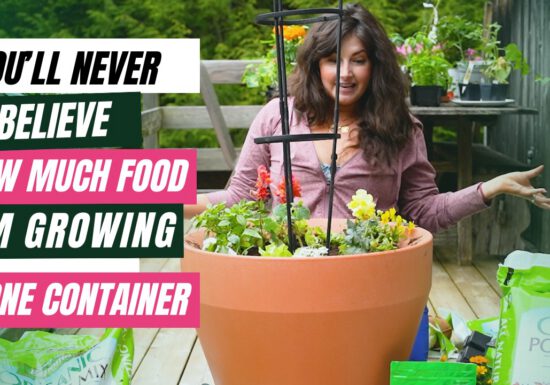
VIDEO: How to 🌱 Grow a Whole Salad 🥗 in One Pot! 🪴 | Growing Joy with Maria

May 16, 2025/in Blog, Fruits & Vegetables, Growing Joy with Maria

Who says you need acres of land to grow fresh veggies? Maria, from Growing Joy with Maria, proves you can cultivate an entire salad—including tomatoes, cucumbers, peppers, lettuce, and even edible flowers—all in a single pot! Her compact, balcony-friendly approach uses Espoma Organic products to ensure vibrant growth and delicious harvests.

Maria’s Top Tips & Espoma Essentials:

1) Use Quality Soil: Maria fills her container with an organic potting soil mix like Espoma Organic Potting Mix, creating a loose, nutrient-rich environment perfect for thriving plants.

2) Kickstart Healthy Roots: She incorporates an organic starter fertilizer like our Espoma Organic Bio-tone Starter Plus directly into the soil to enhance root growth and minimize transplant shock, thanks to a rich blend of natural and organic ingredients plus it’s enhanced with beneficial microbes, humates, and mycorrhizae.

3) Continuous Feeding: Maria ensures her plants have steady nutrition throughout the growing season by using Espoma Organic Garden-tone the ultimate organic fertilizer formulated for feeding all your favorite herbs and vegetables! 

4) Companion Planting: Adding edible flowers like violas, snapdragons, and sweet alyssum attracts beneficial pollinators, ensuring a beautiful and productive container.

5) Choose the Right Container: A large, self-watering pot with a trellis allows her microdwarf veggies to flourish vertically, maximizing space.

Try Maria’s easy, organic method to transform your balcony into a lush, productive garden space with Espoma Organic!

*****
Featured Products:

Espoma Organic Bio-tone Starter Plus Bag Image Espoma Organic Garden-tone Espoma Organic Potting soil Mix Big bag


Where to Buy

https://www.espoma.com/wp-content/uploads/2025/05/Thumbnail-1.jpg 720 1280 Matt Dauphinais https://www.espoma.com/wp-content/uploads/2023/05/espoma-logo340w-1.png Matt Dauphinais2025-05-16 16:21:462025-06-05 16:43:25VIDEO: How to 🌱 Grow a Whole Salad 🥗 in One Pot! 🪴 | Growing Joy with Maria

VIDEO: Transplanting Hydrangeas 🌸🌱 with Skye Hamilton

April 23, 2025/in Blog

If you’re looking to transplant hydrangeas like a pro, Skye Hamilton has you covered. In this informative short video, Skye walks us through a method that’s both plant-friendly and results-driven.

When to Transplant?

Skye recommends making the move in late winter to early spring, a period when hydrangeas are dormant. This timing reduces stress and sets the stage for robust root development.

Soil Prep and Planting

She doesn’t just dig a hole—she prepares it like a home. Skye amends the soil with Espoma Organic Land & Sea Compost, creating a nutrient-rich environment. She also incorporates a high quality organic fertilizer like Espoma Organic Bio-Tone Starter Plus to boost root growth and reduce transplant shock.

Final Touches

Once planted, a deep watering helps the soil settle around the roots. Skye’s method ensures your hydrangea gets the best possible start in its new spot.

With her approach, you’re not just moving a plant—you’re setting it up to thrive.

*****

Learn More about Skye Hamilton:

Website

Instagram

Facebook

YouTube

Pinterest

Featured Products:

Espoma Organic Land and SeaEspoma Organic Bio-tone Starter Plus Bag Image Espoma Organic Flower-tone bag


Where to Buy

https://www.espoma.com/wp-content/uploads/2025/04/image1.jpeg 2071 1179 Matt Dauphinais https://www.espoma.com/wp-content/uploads/2023/05/espoma-logo340w-1.png Matt Dauphinais2025-04-23 12:52:152025-04-29 11:47:01VIDEO: Transplanting Hydrangeas 🌸🌱 with Skye Hamilton

VIDEO: 6 Container Gardening MISTAKES | Growing Joy with Maria

April 10, 2025/in Blog, Espoma Videos, Growing Joy with Maria

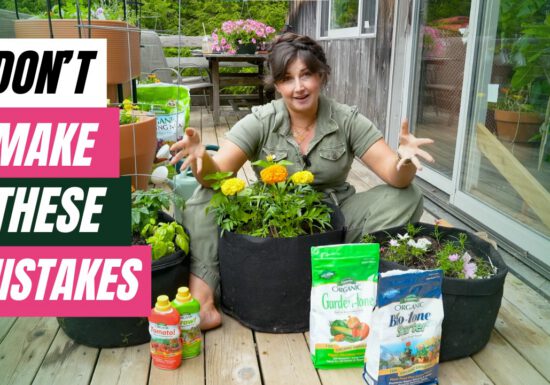
Balcony gardening is a rewarding but sometimes tricky endeavor, especially for beginners. In this video tutorial, Maria shares six common mistakes that she and many others have made while gardening in containers on balconies. She also highlights how Espoma Organic products can help prevent these pitfalls and ensure healthy, thriving plants.

1: Choosing the Wrong Plant Varieties

Many beginners choose plants that are too large for container growth. Maria advises selecting micro, dwarf, or patio-specific varieties like ‘Patio Baby’ eggplant or ‘Tidy Treats’ cherry tomatoes. These are bred to be compact and manageable, ideal for small balcony spaces.

2: Using the Wrong Potting Mix

Standard garden soil is not suitable for containers as it can be too dense and poorly aerated. Maria recommends using Espoma Organic Potting Mix, which includes perlite and wood bark for proper aeration. This ensures that roots receive enough air and water, crucial for healthy plant growth.

 3: Inconsistent Watering

Balcony plants need regular watering, and failing to plan can lead to wilted or dead plants. Maria suggests using self-watering planters or multiple watering cans to maintain consistency. This strategy, along with early morning watering, ensures plants get the hydration they need.

4: Not Fertilizing Regularly

Container soil loses nutrients quickly. Maria uses Espoma Organic Bio-tone Starter Plus, an organic starter fertilizer at the time of planting to minimize transplant shock and boost initial growth. Throughout the season, she fertilizes monthly with Espoma’s specialized granular or liquid fertilizers such as Garden-tone, Flower-tone, Grow, or Tomato! liquid plant food.

5: Forgetting Plant Tags

Keeping track of which plant varieties perform best is essential. Maria emphasizes saving plant tags or using aesthetically pleasing labels. This simple step helps replicate success in future seasons.

6: Misunderstanding Light Exposure

Light availability is often overestimated. Balcony gardeners must consider shadows from buildings, railings, and trees. Maria advises using a compass to determine the direction of exposure and observing the balcony throughout the day to identify sunlight duration. Southern-facing balconies get the most sun, while northern ones are more limited.

Maria’s guidance is a blend of heartfelt experience and practical advice. By using Espoma Organic products and being mindful of these six common mistakes, balcony gardeners can transform small spaces into a gardening paradise. With the right organic soil, fertilizer, and planning, even a modest balcony can yield joy and an abundance of plants.

*****

Learn more about Growing Joy with Maria:

🪴🌿 Website

🪴🌿 Facebook

🪴🌿 Instagram

🪴🌿 YouTube

Featured Products:


Espoma Organic Bio-tone Starter Plus Bag ImageEspoma Organic Garden-toneEspoma Organic Flower-tone bag


Espoma Organic Potting MixGrow! Liquid FertilizerEspoma Organic Tomato! Liquid Plant Food Image


Where to Buy

https://www.espoma.com/wp-content/uploads/2025/04/GJWM_6-Container-Gardeing-Mistakes_Thumbnail-.jpg 720 1280 Matt Dauphinais https://www.espoma.com/wp-content/uploads/2023/05/espoma-logo340w-1.png Matt Dauphinais2025-04-10 11:47:272025-04-10 11:56:58VIDEO: 6 Container Gardening MISTAKES | Growing Joy with Maria

VIDEO: How to Plant LILIES in the Garden || Flock Finger Lakes

April 23, 2024/in Blog, Summer Rayne Oakes

Join Summer Rayne Oakes from  Flock Finger Lakes as she guides you through the process of planting lilies in the garden.

In this tutorial, Summer demonstrates the proper techniques for planting these exquisite flowers and shares invaluable plant care tips to help you ensure your plants thrive.

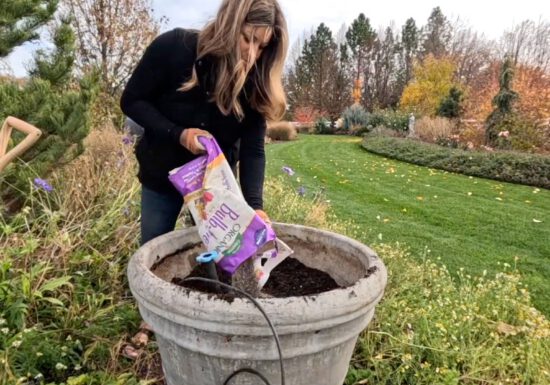
Summer uses Espoma Organic Bulb-tone to feed her lily bulbs, providing them with the essential nutrients they need to bloom.

Learn more about Flock Finger Lakes here:

Website: flockfingerlakes.com

Instagram – @flockfingerlakes

YouTube –Flock Finger Lakes

X – @flockny

Facebook –Flock Finger Lakes

Featured Products:


Where to Buy


https://www.espoma.com/wp-content/uploads/2024/04/Planting-Lilies-in-Garden-IMG_6014-1-scaled.jpeg 1707 2560 Matt Dauphinais https://www.espoma.com/wp-content/uploads/2023/05/espoma-logo340w-1.png Matt Dauphinais2024-04-23 13:00:002025-06-10 14:13:22VIDEO: How to Plant LILIES in the Garden || Flock Finger Lakes
Page 1 of 212
Where to Buy

Get News & Updates

Recent Posts

  • Simple Fall Plantings 🪴🌻🍁 with Garden Answer
  • Video: How to Manage a Wild Garden with Summer Rayne Oakes 🌿🌸
  • VIDEO: Planting Beautiful New Plants and Feeding the Lawn Organically 🌸🚜🌱 with Garden Answer
  • VIDEO: Hydrangea Care Tips 🌿🌸 with Summer Rayne Oakes
  • VIDEO: Planting Boxwoods & Hydrangeas with Garden Answer

Tags

All-Purpose Potting Mix bio-tone Bio-tone Starter Bio-tone Starter Plus Cactus Mix caring for houseplants Container Gardening DIY project Espoma espoma grown espoma organic Espoma Organics Espoma Video fall gardening Family fert flower garden flowers garden Garden Answer Gardening gardening tips gardens grow holly-tone houseplants Indoor! indoor gardening indoor plants Kaleb Wyse organic organic fertilizer Organic Gardening organic plant food Organic Potting Mix Outdoor Gardening Planting plants Potting Mix potting soil Spring Gardening summer rayne oakes vegetable garden Vegetable Gardening Wyse Guide

Espoma. A Family Tradition Since 1929.

Espoma Organic logo
  • Espoma Dealer
  • Espoma Pro
  • Garden Club
  • Privacy Policy

Scroll to top