What’s better than a delicious cone full of ice cream? How about strawberry ice cream made with homegrown strawberries? Follow Garden Answer’s latest video for how it’s done.
https://www.espoma.com/wp-content/uploads/2021/02/citrus-care.jpg10801920Danielle Kirschnerhttps://www.espoma.com/wp-content/uploads/2023/05/espoma-logo340w-1.pngDanielle Kirschner2021-02-25 11:16:262023-03-10 17:35:43Video: How to Grow & Care for Citrus
Interested in trying your hand at the winter seed sowing method? Follow along with @Garden Answer in this new video for some tips, tricks, and other learnings!
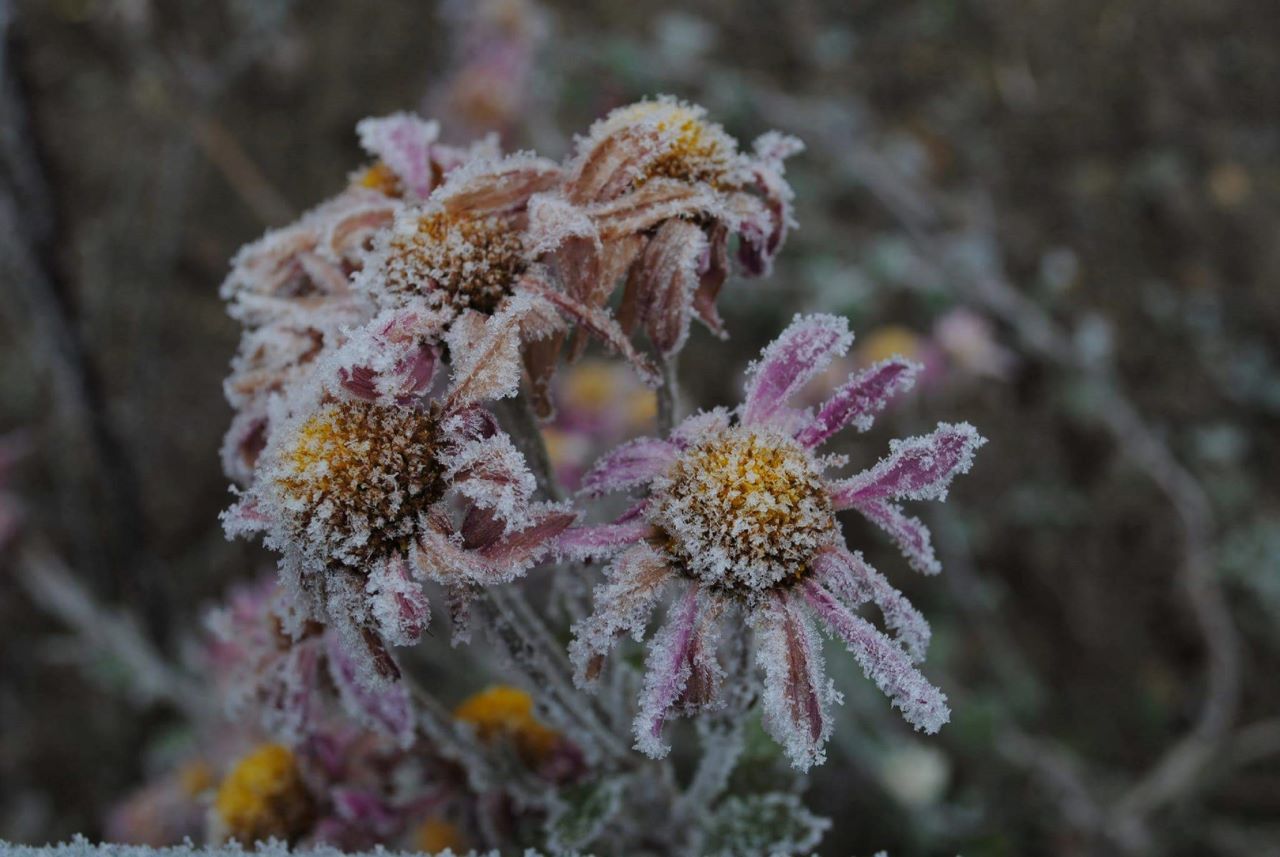
Winter is afoot! With the nights becoming chilly, now is the time to start thinking about what to do with your garden until springtime. Soon enough soil will freeze and many plants will stop growing or die. But there are steps you can take to preserve what you have! Read on to find out how to prepare your garden and save any vegetables you might’ve been growing.
1. Take care of your root crops
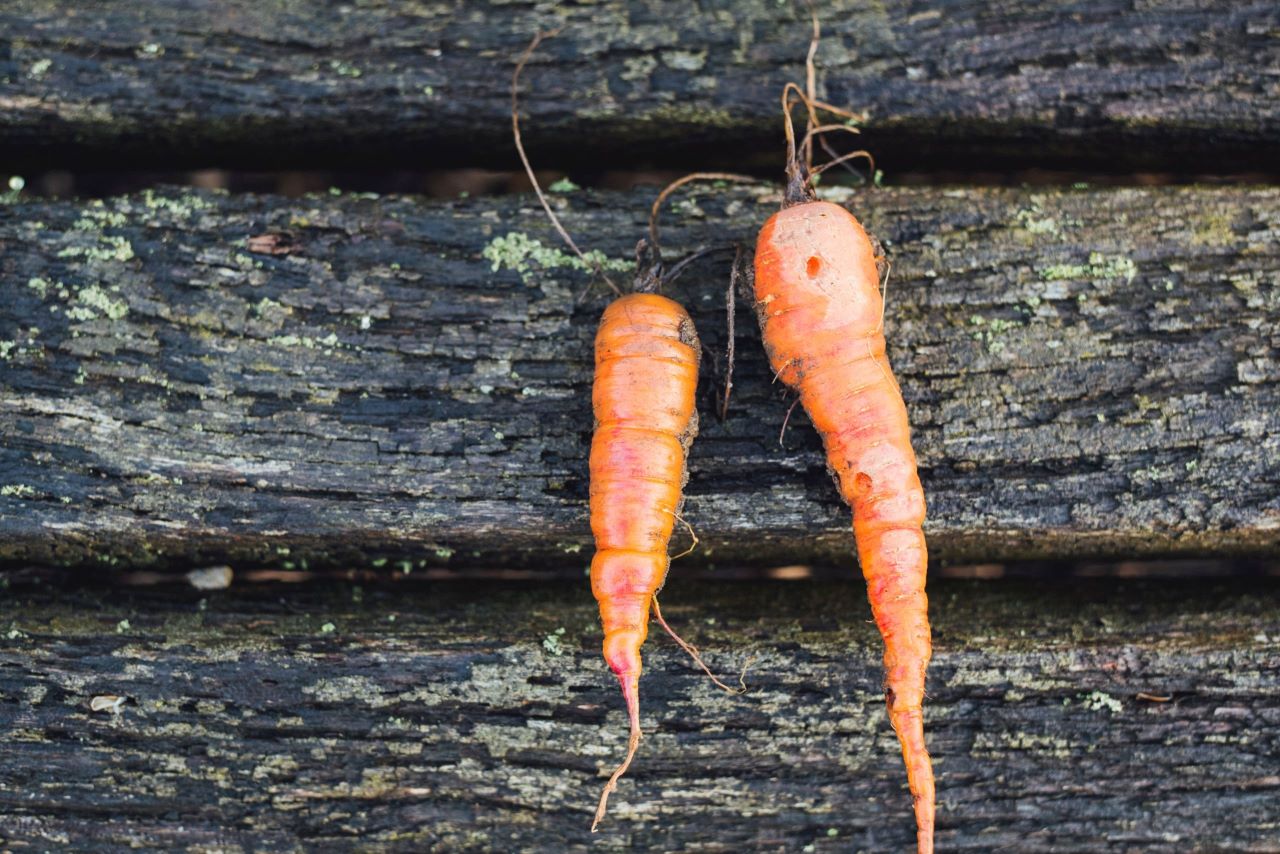
If you have root crops like carrots, beets, or turnips in your garden, you’re in luck! These require less maintenance because they are able to stay inside the ground after a frost. However, make sure you’re taking them out before the ground freezes over or they may die. Some root crops like parsnips even taste better when kept buried in near freezing weather for 2 to 4 weeks!
2. What to do with your leafy greens
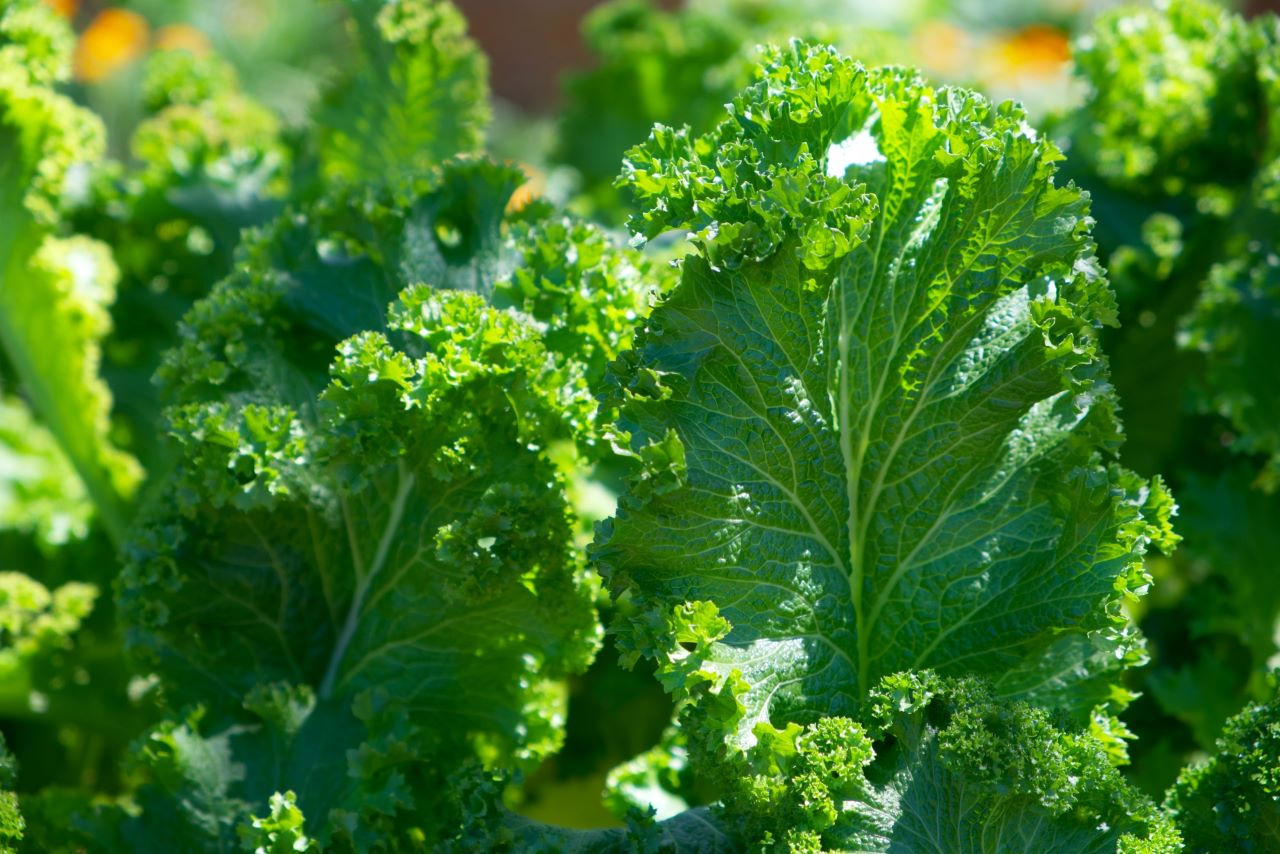
If you’ve been following us for a while and took our advice in August to plant these leafy vegetables, you now get to reap the rewards! It’s time to harvest those sweet greens for some fresh homemade salads and dishes. If you’re willing to wait a little bit, veggies like kale and collards get sweeter with a little light frost. Cabbages and Swiss chard can handle the frost, if you want to harvest them all at once, but their outer covering may get a little damaged. Lettuces, however, cannot withstand the cold. Take them out before the frost hits.
3. Reduce irrigation
If you’re someone who has their sprinklers on overnight or all hours of the day, we have some good news! You can lower the use of sprinklers if you’re in a warmer weather and stop it altogether if you’re in a cooler weather. Now you can save your water usage and lower your water bill without compromising the quality of your lawn. Win-win!
4. Herbs for winter
Herbs may seem like very delicate plants that would be unlikely to survive winter, but that’s not true! Herbs like sage, thyme and chives are hardy perennials that will survive the harsh weather with no problem. Some other herbs like rosemary and basil need to be dug up and brought inside where they will happily continue to grow.
5. Preparing the soil for spring
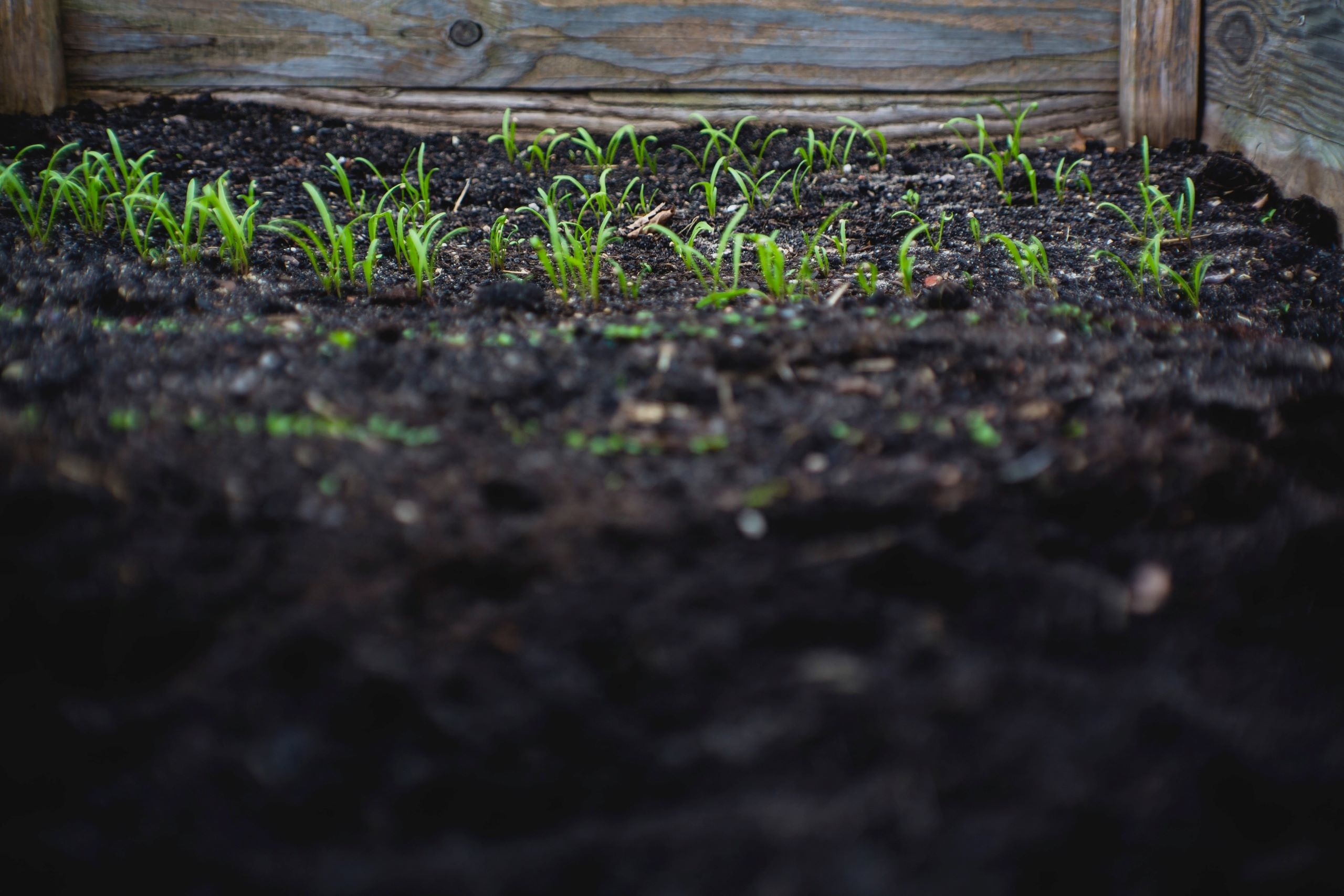
Preparing your soil in advance will make your work much easier come spring. Adding things like compost, manure, bone meal, and kelp will add nutrients to your soil and keep it healthy until spring. You can start working on it right as spring comes instead of having to fill it up with nutrients and wait for them to get incorporated! Add a layer of organic mulch for extra protection from winter rains and keeping your enriched soil safe.
Winter doesn’t have to mean everything dies until the spring! Taking the proper precautions and using the right products can help keep your favorite herbs and veggies growing throughout the colder months. Get started on these steps while the weather is still mild — and if you haven’t already, make sure you’re also caring for your tools and keeping them safe from the icy cold.
https://www.espoma.com/wp-content/uploads/2020/10/ankhesenamun-L1GO3yAV_U8-unsplash.jpg8571280Danielle Kirschnerhttps://www.espoma.com/wp-content/uploads/2023/05/espoma-logo340w-1.pngDanielle Kirschner2020-10-19 10:44:162024-10-18 10:37:40How to Prepare Your Garden for the Winter Season
https://www.espoma.com/wp-content/uploads/2020/10/Screen-Shot-2020-10-12-at-11.30.20-AM.png12062298Danielle Kirschnerhttps://www.espoma.com/wp-content/uploads/2023/05/espoma-logo340w-1.pngDanielle Kirschner2020-10-12 11:59:302024-10-01 13:03:52Video: Planting a Super Tall Rose of Sharon with Garden Answer
https://www.espoma.com/wp-content/uploads/2020/09/Screen-Shot-2020-09-29-at-9.59.14-AM.png397806Danielle Kirschnerhttps://www.espoma.com/wp-content/uploads/2023/05/espoma-logo340w-1.pngDanielle Kirschner2020-09-29 10:22:172024-09-26 15:55:18Video: Time for Fall Wall Planters with Garden Answer
Ever notice how a moment spent tending your plants feels like a mindful pause in a busy day? You’re not just watering—you’re nurturing calm, presence, and connection. We believe that caring for your green companions is one of the most natural forms of self-care. And just like you thrive on nourishing food, your plants thrive when you feed them regularly with Espoma Organic fertilizer —gentle, effective, and safe for people, pets, and the planet.
The Science Behind the Serene
Sharper Mind + Better Mood Studies show that being around plants can boost memory and attention by about 20%, while reducing background noise and enhancing productivity and creativity—especially in home or little work-from-home nooks.
Soil for the Soul That earthy scent? It comes from microbes like Mycobacterium vaccae (lovingly nicknamed “outdoorphins”), and they don’t just feed your plants—they may help boost your mood and immunity, too.
Self-Care That Doesn’t Feel Selfish
Pulling weeds, misting leaves, or simply observing new growth—these are gentle rituals that anchor us in the now. As one soothing tip from our brand partner, Maria Failla of Growing Joy with Maria, reminds us:
“Use watering or caring for them as an excuse to get up from your computer and take some ‘me-time’—because plant care is self-care.”
Pair that with feeding your plants Espoma Organicfertilizer, and you’re nourishing life in every sense.
Indoor Joy: Caring for Your Plants with a Gentle Boost
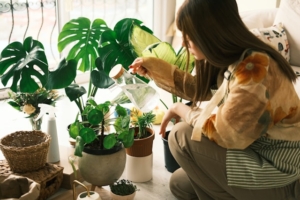
Your indoor plants do more than brighten a room—they improve your air, calm your mind, and remind you to slow down. To keep them thriving year-round, a little extra nourishment goes a long way.
That’s where Espoma Organic Indoor! liquid fertilizer comes in. This gentle, balanced formula is made from natural ingredients and feeds instantly, giving your leafy friends the nutrients they need for lush growth and vibrant color—even in the lower light of winter months.
Self-Care Tip: Pair your plant feeding with your own wellness ritual. Set a reminder every 2–4 weeks to water and feed your plants, then take a few minutes to enjoy a cup of tea nearby. Watch how your plants respond over time—you’ll notice deeper greens, healthier new leaves, and a little spark of joy in your day.
Festive Downtime: Holiday-Ready Green Retreats
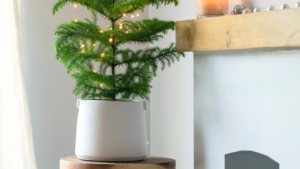
During the busy holiday season, a mini Christmas cypress or Norfolk Island Pine—with its fresh sap-like scent—can be both a peaceful décor choice and a mindful project. Pot it up in our Espoma Organic Potting Mix, give it a slow sip of water, and feed it with an organic fertilizer like Indoor! for lasting joy. It’s a gift that grows for you, not just from you.
Fresh Ways to Deepen Plant-Based Self-Care
Micro-Meditation Moments Set a daily two-minute ritual—touch the soil, check a leaf, breathe deeply. Call it a “plant-powered reset.”
Create a Kitchen Corner of Calm A small shelf of herbs like basil, lavender, or even mint provides an aromatic escape and practical joy when cooking. Watering and feeding them with organic fertilizer like Indoor! can become a lovely action in your daily rhythm.
Mindful Mondays with Biophilia Start your week by simply sitting with your plants—observing new buds, leaf shapes, and subtle color shifts. This biophilic practice connects you to growth and groundedness.
Let Your Care Shine Through
Plant care is not just about pretty greenery—it’s caring for yourself, too. You pause, breathe, tune in, and the soil responds. Whether it’s a festive tree, a potted herb, or a tranquil succulent, your green space is your sanctuary. And with a little love, light, and organic fertilizer, your plants—and your spirit—can truly thrive.
*****
Here are some of our other blogs and videos we think you will enjoy.
https://www.espoma.com/wp-content/uploads/2019/03/IMG_3162.jpeg33686000espomahttps://www.espoma.com/wp-content/uploads/2023/05/espoma-logo340w-1.pngespoma2019-12-11 11:54:012025-08-13 14:53:41Plant Care Is Self-Care: Nurture Yourself as You Nurture Your Plants
English cottage gardens date back centuries. They were used to grow vegetables, herbs for healing, fruit trees, perhaps a beehive, and common flowers. The informal style went through a renaissance in the late 1800’s when they became somewhat more nostalgic than practical.
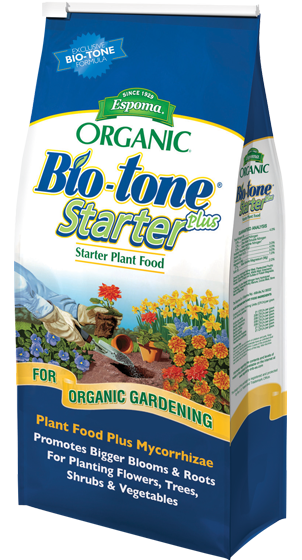
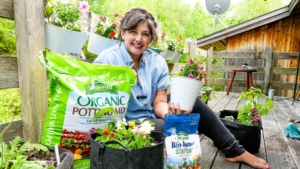
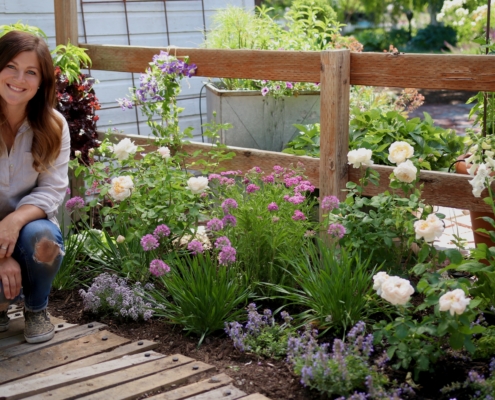
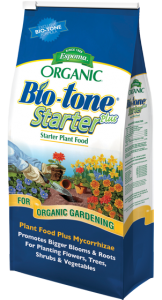
The informal aesthetic of dense planting and natural materials is still en vogue today. In this video, Laura outlines 10 design principles to help you design a cottage garden. Before you start, make sure you have plenty of Espoma’s organic Bio-tone Starter Plus plant food to make sure your plants get the best possible start.
No Straight Lines
Cottage gardens are always informal and a touch whimsical. Avoid straight lines. Gently curving edging looks more natural and playful. If your site restricts you to a straight edge, let the plants spill over it to create an unrestrained look.
Large Groups of the Same Plant
White cottage gardens are more relaxed in their design, it is still best to use large sweeps of the same plant. Think of planting in groups of three, five or seven. That is far more restful to the eye than a jumble of onsies and twosies.
Spacing Doesn’t Matter
This is one time you do not have to follow the advice on the plant tag. Cottage gardens are always densely planted and generally grow more densely packed with time. Annuals and biennials are often used in cottage gardens and will self-sow in the border. Biennials are plants that take two years to grow and flower from seed like the foxgloves shown. Another advantage to planting things close together is that there is less room for weeds to grow.
Color Harmony
It’s very important to pick a collection of plants that have harmonious colors. Without that the border would look chaotic. Garden Answer uses a collection of soft pinks and peaches with touches of blue and lavender. It needn’t always be soft colors, but they do need to be unified in some way.
Use Varied Heights and Textures
In any planting, it’s a good idea to think about texture, height and foliage color as major design elements. Nothing blooms all the time. Varied foliage forms and colors will create interest even when the flowers aren’t in bloom. Laura uses Heuchera specifically for the silvery foliage color.
Anchor Plants/Structural Elements
This is sometimes referred to as the “bones” of a garden. It’s a structural element that all of the other plants get woven around. In this case, it’s a beautiful shrub rose named Rose ‘The Lady Gardener’, a fragrant beauty with full, apricot blossoms. The rose is repeated three times. Repetition is soothing to the eye. It’s possible to use evergreens for a slightly more formal feel, or whatever peaks your interest.
Fragrance
The first thing everyone does when they pick a flower is to hold it up to their nose. Cottage gardens are known for their fragrance. Try to select varieties that smell good at the garden center. Roses, lavender, sweet peas, and sweet alyssum are all good choices.
Not Perfectly Maintained
Along with relaxed design principles, comes relaxed maintenance. Planting tightly will discourage weeds. Annuals like poppies will self-seed and move around the border, just like the biennial foxgloves. Weeding everything that comes up might mean that you weed out these plants and inhibit their spontaneous movements.
The Look Will Change Over Time
This style of gardening is the exact opposite of a formal border filled with geometric shaped boxwood. By its very nature this is meant to be more random. People often sow cosmos, violas and other plants that have a tendency to move around. Let them surprise you. If you really don’t like where one popped up, it’s easy enough to remove.
Be Patient
Being patient is really what gardening is all about. A garden is never really finished. Enjoy the journey!
Garden Answers Plant List
Nepeta ‘Cat’s Pajamas’ – catmint
Achillea – pink yarrow
Allium ‘Serendipity’ – ornamental onion
Rose ‘The Lady Gardener’
Heuchera Dolce ‘Spearmint’ – Coral Bells
Clematis ‘Brother Stephan’
Digitalis Foxy Hybrids – foxglove
Lobularia ‘Blushing Princess’ – sweet alyssum
Here are more videos from Garden Answer we hope you will enjoy.