Espoma Organic
  • Products
    • Close
    • Product Line Overview
    • Plant food finder
    • Garden Fertilizers
    • Potting Soils
    • Lawn Fertilizers
    • Liquid Fertilizers
    • Single Ingredients
    • Conventional Plant Foods
    • Animal Care Products
  • Where to Buy
  • Our Story
    • Close
    • Our Story
    • Locations
    • Historical Timeline
    • Our Commitment
    • Directions
    • Solar
    • Join our Team
    • Espoma Brand Partners
  • Learn
    • Close
    • Espoma Blog
    • FAQ’s
    • Pocket Guide
    • Espoma Guides
    • Garden Clubs
    • Safe Paws Lawn
    • PRODUCT FACT SHEETS
    • Fertilizer Fundamentals
      • Close
      • Understanding Plant Nutrition
      • Reading Labels
      • Choosing the Right Type of Fertilizer
      • Terms & Definitions
    • Gardening Projects
    • Resource Links
  • Contact Us
  • Menu Menu

Tag Archive for: holly-tone

Grab Your Books for a Lesson in Gardening 101

September 6, 2016/in Blog, Fall Gardening

Back to Gardening School: A Fresh Start for Your Garden

Remember the excitement of a new school year? Fresh notebooks, a backpack ready for adventure, and the feeling that anything was possible. That same sense of renewal is waiting in the garden this season.

Whether you’re just starting out or brushing up on your skills, it’s the perfect time to get back to the basics. Sharpen those tools (and pencils) and let’s head to Gardening School.
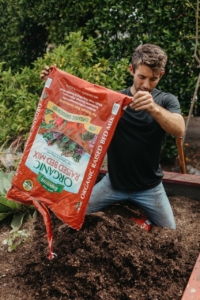
Farmer Nick dumping Espoma Raised bed Mix into a raised garden bed

1. Build a Strong Foundation

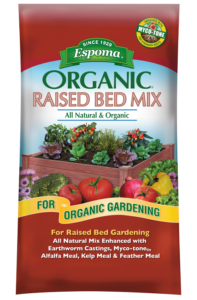
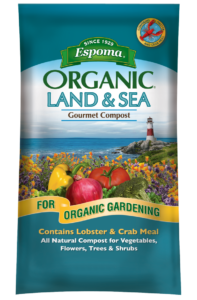
Every successful garden begins with healthy soil. Start with a quick soil test to understand what nutrients your garden may be missing, then build from there. For raised beds, fill them with a rich blend of natural ingredients—like those in Espoma Organic Raised Bed Mix—to create the perfect growing environment. Adding an organic compost such as Espoma Organic Land & Sea Gourmet Compost further improves soil structure, boosts moisture retention, and encourages healthy microbial activity. For container plantings, Espoma Organic All-Purpose Potting Mix provides the ideal balance of drainage and organic matter to keep roots thriving. And whenever new plants go in the ground, a starter fertilizer like Espoma Organic Bio-tone Starter Plus helps them establish quickly by supporting strong, resilient root growth. With the right foundation beneath the surface, the garden above will flourish.
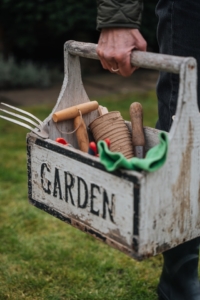
old garden tools

2. Check Your Supplies

Just like gathering fresh notebooks and sharpened pencils, gardeners should review their tools. Replace cracked handles, rusty clippers, or wobbly rakes so nothing slows you down during the season. A little care and preparation now saves frustration later and makes gardening smoother and more enjoyable.
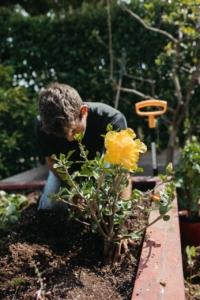
Farmer Nick planting a flowering plant

3. Redefine Your Garden’s Style

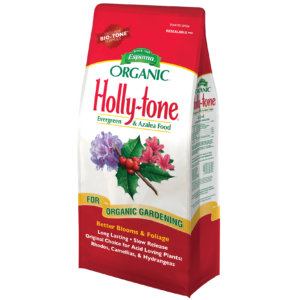
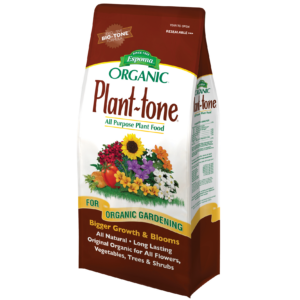
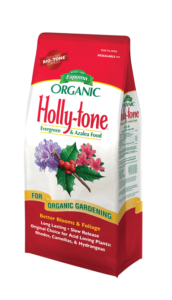
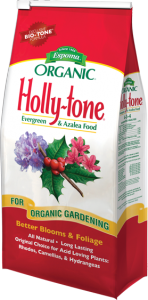
A new season is the perfect time to refresh the look of the garden. Whether the goal is calm and classic or bold and colorful, the right nutrition helps plants live up to their potential. Espoma Organic Plant-tone provides complete, balanced nutrition for a wide variety of plants, while Espoma Organic Holly-tone supports acid-loving favorites such as azaleas, rhododendrons, and hydrangeas. Feeding properly is the simplest way to bring a dream garden style to life.
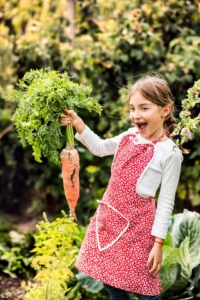
little girl holding a carrot

4. Learn From Last Season

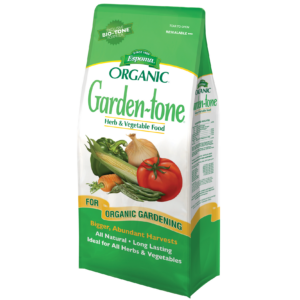
Every garden has its victories and its challenges. Take time to reflect on what thrived and what struggled, then plan for improvement. Espoma Organic Garden-tone is specially formulated for vegetables, helping ensure bigger, tastier harvests season after season. When planting new crops or ornamentals, Espoma Organic Bio-tone Starter Plus gives roots the boost they need to grow stronger and more resilient than before. Each new season builds on last year’s lessons with the right nutrition.

indoor plants

5. Don’t Forget Your Indoor Plants

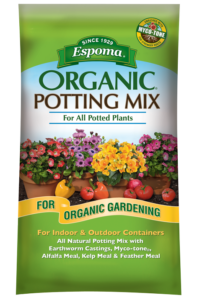
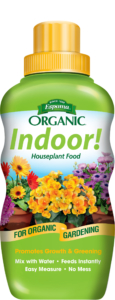
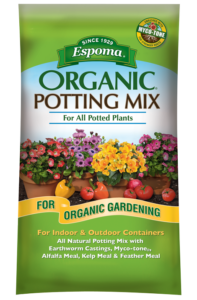
While outdoor gardens take the spotlight, houseplants need care too. Feeding them regularly keeps leaves lush, colors vibrant, and growth steady all year long. Espoma’s Indoor! organic liquid fertilizer makes it easy to give houseplants the nutrition they need with every watering. When repotting, Espoma Organic Potting Mix provides the perfect organic base to keep indoor plants healthy and happy. A thriving indoor garden completes the picture of a gardener’s success.
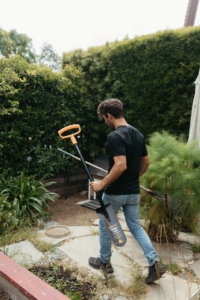
Farmer Nick holding a shovel

6. Sharpen and Shine

Tools are the unsung heroes of every garden. Taking time to clean, sharpen, and maintain them ensures they last longer and work more effectively. Well-maintained tools make every gardening task easier, allowing more energy to be devoted to growing beautiful, thriving plants.
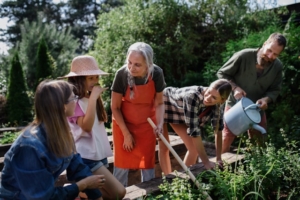
7. Grow Your Community

Gardening is even better when knowledge is shared. One of the most valuable tips to pass along is to start every planting with a quality organic starter fertilizer like Espoma Organic Bio-tone Starter Plus to set roots up for success, and then feed with Espoma Organic Plant-tone throughout the season to keep growth steady and strong. These trusted essentials have been used by generations of gardeners, and passing them along helps the whole community grow stronger together.
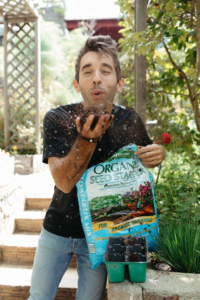
Graduation Time!

Congratulations—you’ve completed your Back-to-Gardening School crash course! Toss those gardening gloves in the air, because the lessons learned here will lead to healthier plants, bigger harvests, and gardens worth celebrating.

At Espoma, teaching organic gardening practices has been a passion since 1929. With products that are safe for people, pets, and the planet, Espoma is here as a mentor and partner on every gardener’s journey. Class dismissed—now go grow with confidence!
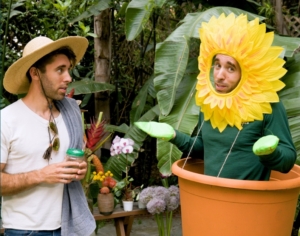
Farmer Nick & PlantKids Course 

Looking for a fun way to introduce kids to gardening? Check out our brand partner Farmer Nick’s course, The Adventures of Farmer Nick and Plant! Designed for children ages 4 and up, this 10-episode series inspires a love of gardening and plant science through hands-on lessons. Sometimes silly, always fun, it’s a playful way to spark curiosity and delight both kids and adults alike.

*****

Featured Products:
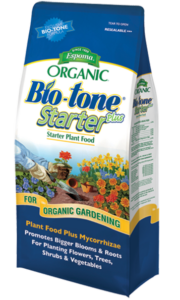
Espoma Organic Bio-tone Starter Plus Bag Image Espoma Organic Holly-tone Organic Fertilizer for all acid loving plantsEspoma Organic Plant-tone organic fertilizerEspoma Organic Garden-tone Espoma Organic Potting soil Mix Big bag Espoma Raised Bed Mix bag Espoma Organic Land and Sea Espoma Organic Indoor! liquid plant food - Organic fertilizer


Where to Buy


https://www.espoma.com/wp-content/uploads/2016/09/9V2A7296.jpg 1280 853 espoma https://www.espoma.com/wp-content/uploads/2023/05/espoma-logo340w-1.png espoma2016-09-06 12:00:482025-09-12 17:16:48Grab Your Books for a Lesson in Gardening 101

Grow Delicious Strawberries in Your Own Garden

July 14, 2016/in Fruits & Vegetables

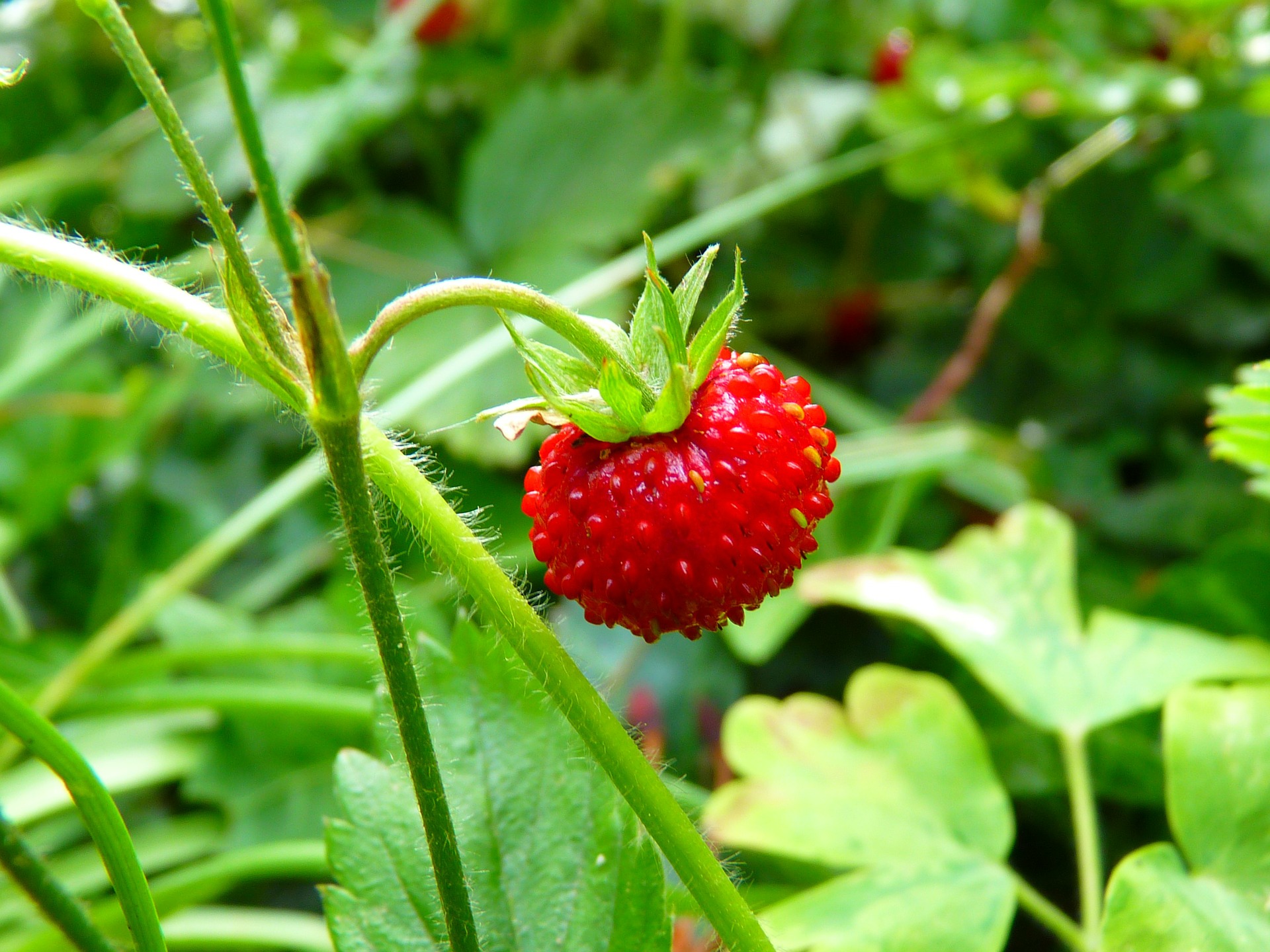
Strawberries are a favorite summer fruit. Yet store-bought berries can’t come near the intense and fresh flavor of those picked right off the vine from your very own garden.

Packed with Vitamin C and fiber, strawberries make a great nutritious and delicious snack. Eat them alone or add to jams, pastries and smoothies.

Find out how you can get the most out of this year’s strawberry harvest.

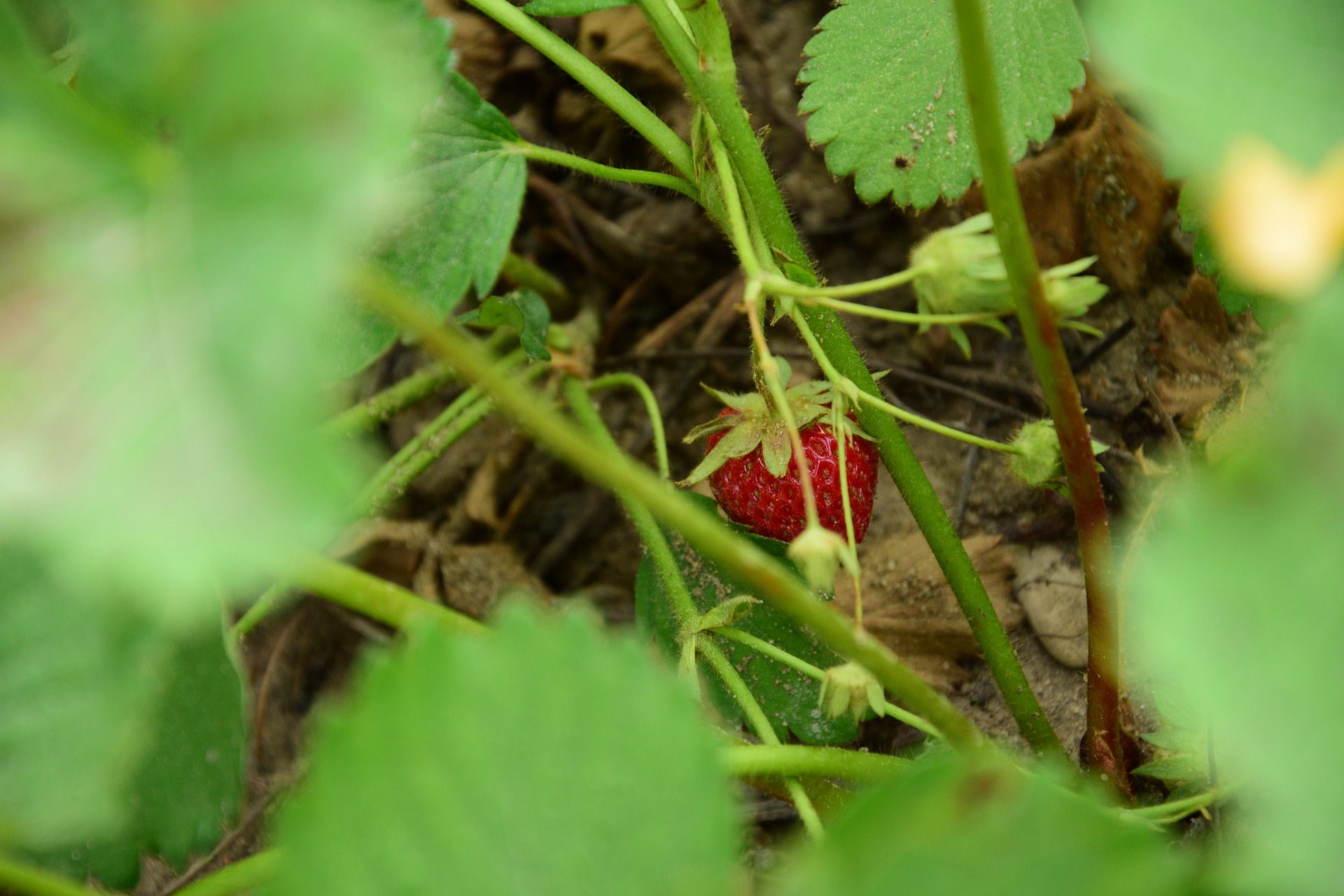
Runners are long stems that “run” off the main strawberry plant to create new plants. Some are good but too many left unkempt will draw nutrients from the main plant and cause it to stop producing fruit.

Stop the Runners

Runners are long stems that “run” off the main strawberry plant to create new plants. Some are good but too many left unkempt will draw nutrients from the main plant and cause it to stop producing fruit.

Snip excess runners off at the base of the plant. Encourage wanted runners to root by gently pressing the end of the runner into the soil.

Beware of Mold

Strawberries are especially susceptible to a gray mold known as Botrytis that makes berries rot. Remove affected leaves and fruit ASAP to prevent further spread.

Keep fungi at bay by planting strawberries in a sunny spot and only watering at the base of the plant in the morning. A layer of straw mulch will also reduce fruit rot.

Temperature

Strawberries love warm weather, but berries suffer once temps rise above 85 degrees. Give them some shade by using row covers that can be found at your local garden center.

Fertilize

Encourage strawberries to grow by adding Espoma’s Holly-tone, an organic plant food perfect for these acid-loving plants.

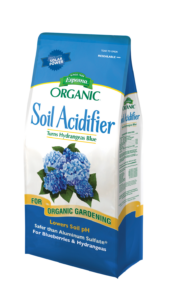
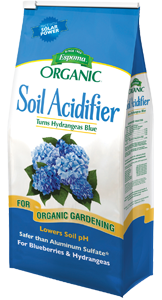
Check the soil to make sure it’s loose and at an ideal pH of 5.5 to 7. If the pH level is too high, add Espoma’s Soil Acidifier for ideal soil conditions.

Now just sit back and wait to enjoy the harvest!

See the Total Berry Guide Here

Espoma products to help you grow your best strawberries yet:


Where to Buy
https://www.espoma.com/wp-content/uploads/2016/07/strawberries-1463806_1920.jpg 1080 1920 espoma https://www.espoma.com/wp-content/uploads/2023/05/espoma-logo340w-1.png espoma2016-07-14 08:00:312022-04-12 14:33:26Grow Delicious Strawberries in Your Own Garden

How to Fertilize Blueberry Plants

June 28, 2016/in Fruits & Vegetables

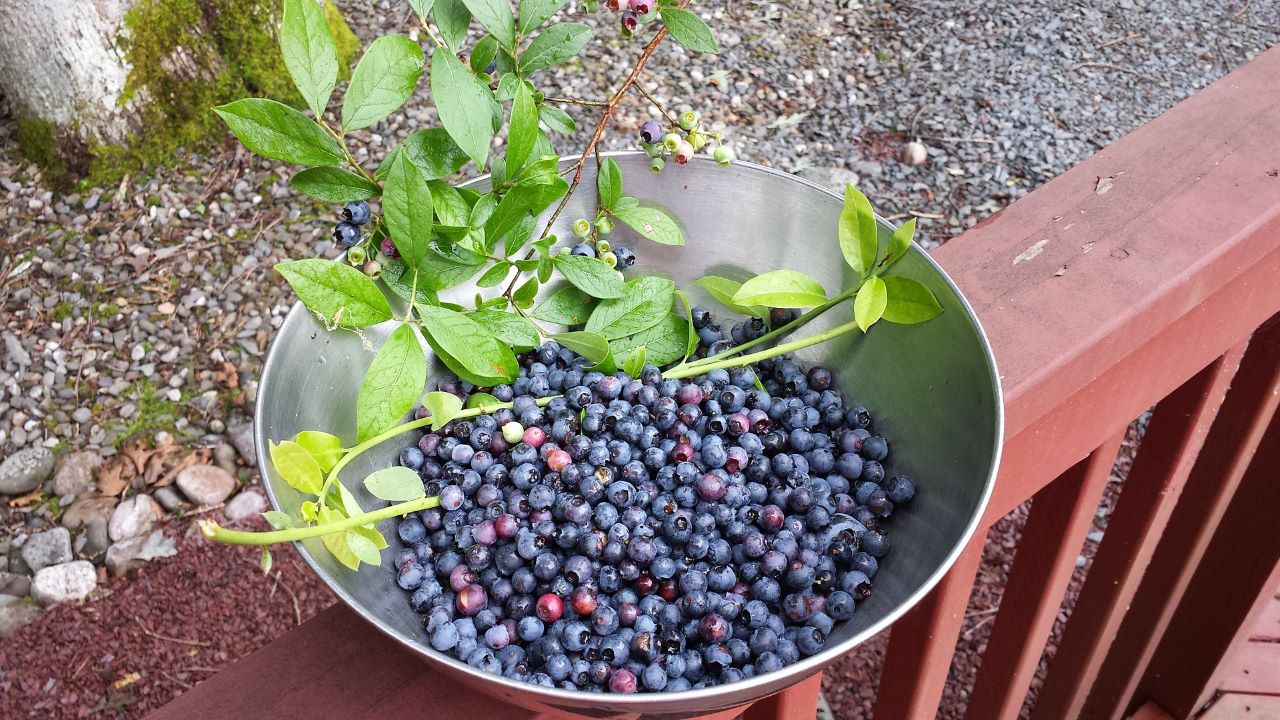
There’s nothing like fresh-picked blueberries to add to a smoothie, salad or dessert. Rich in many health-benefiting nutrients, anti-oxidants, and vitamins, blueberries don’t just taste delicious, they’re also nutritious.

The secret to grow delicious, thriving blueberry plants: feed them, a lot.
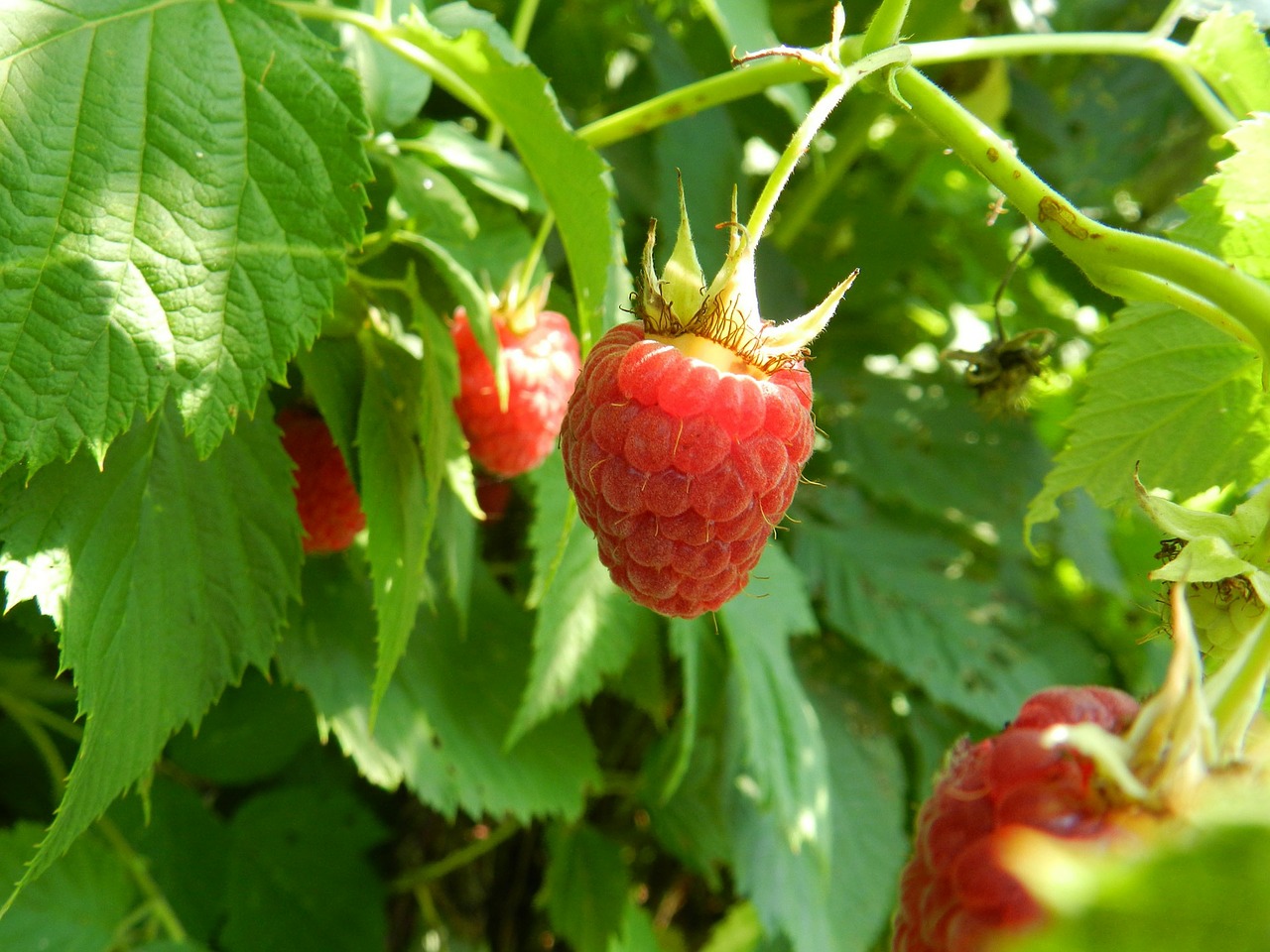
Maximize your blueberry bushes’ health, help it resist insects and diseases, and boost your harvest by providing the right kinds of soil amendments.

When to Fertilize Blueberries

Fertilizing is recommended in early spring before the leaves have grown in. This gives the fertilizer time to be absorbed by the roots of the blueberry before it enters its active growth stage during summer.

Feed new plants once in early spring and again in late spring. Healthy, established plants should not need to be fed more often than once a year.

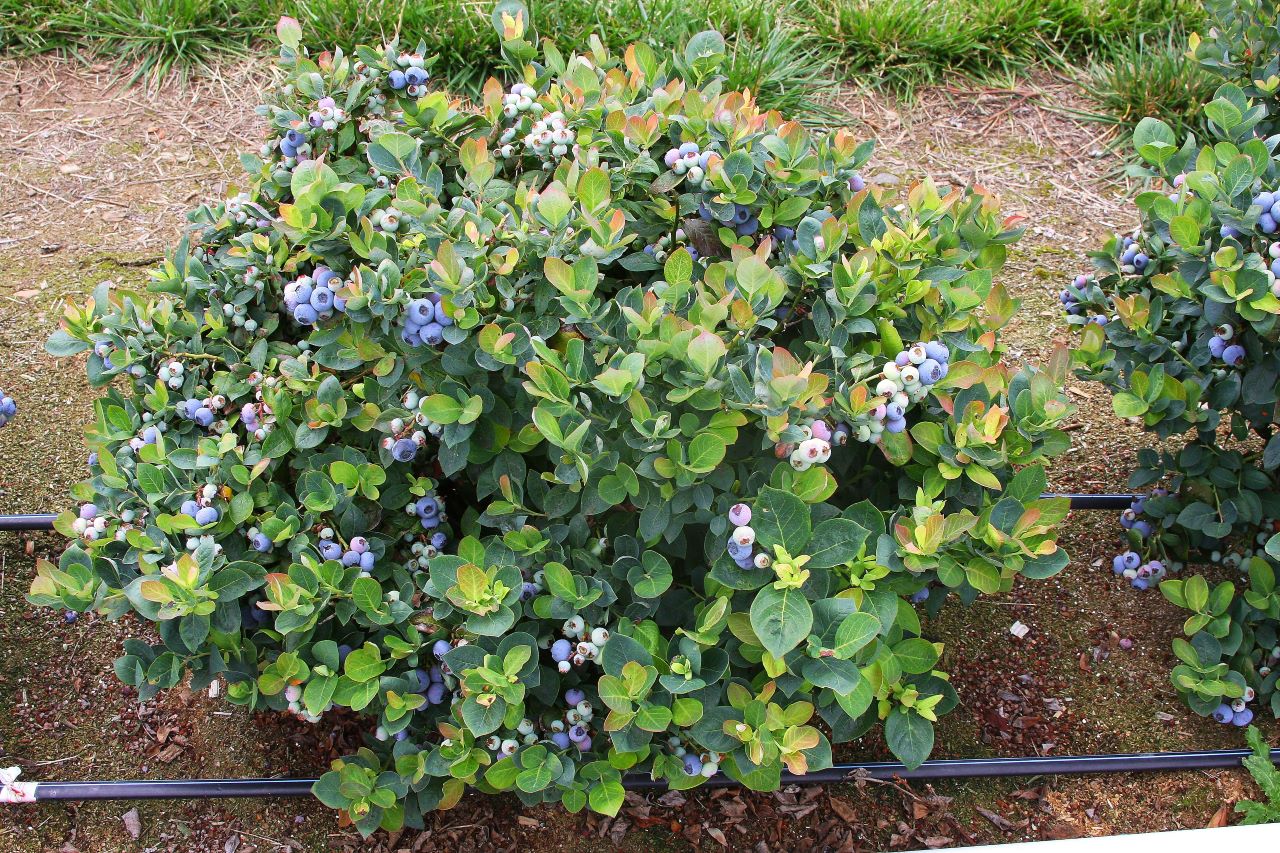
Espoma soil acidifier, Holly-tone, growing blueberries, Brazelberries Peach Sorbet

Photo courtesy of Bushel and Berry™

The Best Fertilizer for Blueberries

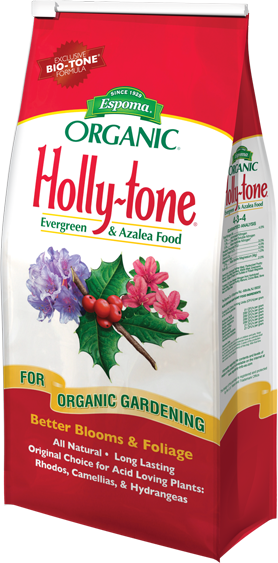
Blueberry bushes respond best to acid fertilizers such as those for rhododendrons and azaleas. Holly-tone has long been used by professional gardeners as the best source of food for berries.

From blocking weeds to conserving water, mulching goes hand in hand with fertilizing and is also very important for blueberry bushes. By feeding as it decomposes, mulch helps to maintain soil acidity. The best mulch options are oak leaves, pine straw or pine bark. Gardeners should spread it in a 3-4” thick layer.

Espoma soil acidifier, Holly-tone, growing blueberries

How to Fertilize Blueberries

For established plants, spread one cupful of Holly-tone per foot of branch spread. Double the quantity if branch spread is 3’ or larger.

If the area to be fed is mulched, remove as much mulch as you can, feed, and then restore the mulch on top of the plant food. If you can’t remove the mulch, just double recommended feeding rates.

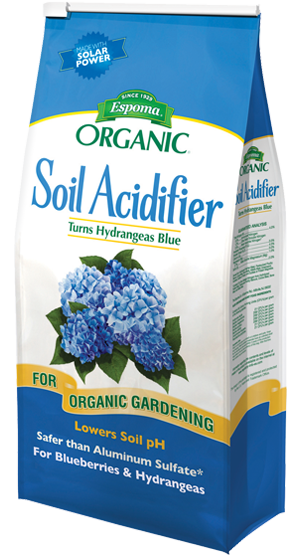
To lower the pH of soils for optimum growth of acid-loving plants such as blueberries, you can also mix in Soil Acidifier as needed.

Always water well after fertilizing.

See the Total Berry Guide Here


Espoma Holly-tone


https://www.espoma.com/wp-content/uploads/2016/06/blueberry-1062712_1280.jpg 853 1280 espoma https://www.espoma.com/wp-content/uploads/2023/05/espoma-logo340w-1.png espoma2016-06-28 08:00:342024-09-27 15:24:33How to Fertilize Blueberry Plants

No Way Blue Jay! Keep Birds from Eating Berries

June 7, 2016/in Fruits & Vegetables


Sun-kissed, slightly tart blueberries. Sweet, juicy raspberries. Scrumptious strawberries as sweet as candy. Sugary, tart blackberries.

Who can resist such delightful, fresh flavors right from the garden?

Certainly not local birds! Crows, blackbirds, robins, jays and more swoop in and eat your berries right from under you!

If you’re growing blueberries (or any berries!), you want to make sure you get to enjoy them, not the birds. Here are our tips for protecting your berries from those hungry birds — while still being kind.

Espoma soil acidifier, Holly-tone, growing blueberries

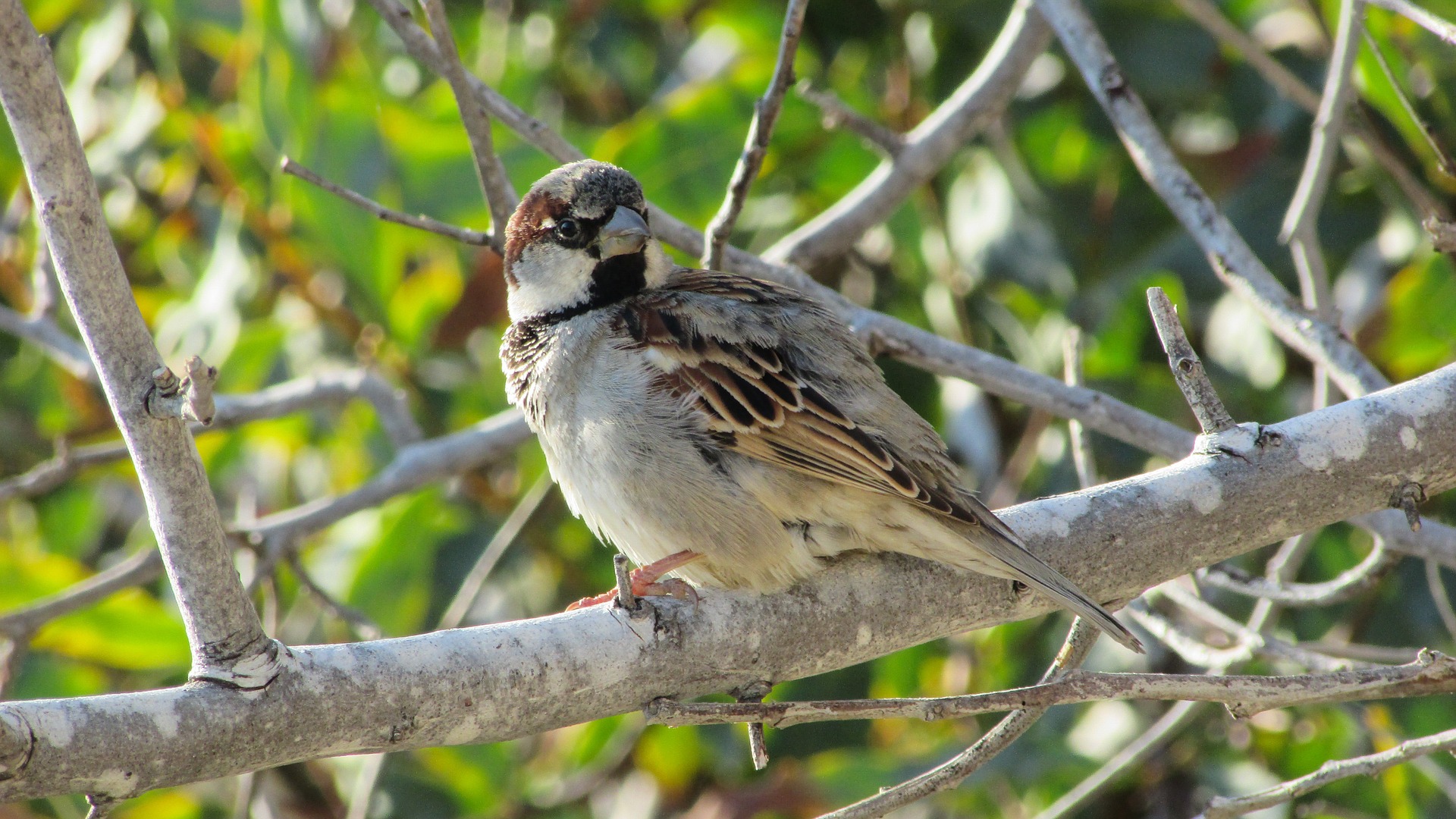
If you’re growing blueberries, make sure you get to enjoy them, not this sparrow. Here are our tips for protecting your berries from those hungry birds — while still being kind.

Take Back the Patch — How to Protect Fruit from Birds, Naturally and Organically

1. Location, Location, Location. Plant or move berries away from hedges and larger shrubs since birds like to rest there.

2. Take Cover! When your berries are immature, add a row cover or bird netting. Make sure the netting is secure, so the birds can’t undo it. This is, hands down, the best way to protect berries.

3. A Sprinkle of Sparkle. Tie a shiny bird scare tape, or foil tape, around your berry bushes or plants to deter birds. Birds don’t like the movement or the tape’s bright reflection.

4. A Dash of Pepper. Sprinkle cayenne pepper around your berry plants as they begin to ripen. This method is super easy, but makes it hard to enjoy eating berries as you pick! You have to wash off the berries before eating to remove any remaining pepper.

5. Snack Attack! Install a few bird feeders to encourage birds to eat there — and not your berry bushes!

Victory! Now, make sure your blueberries continue to thrive by feeding with Holly-tone. Keep the soil acidic, too, with Espoma’s Organic Soil Acidifier.

See the Total Berry Guide Here


https://www.espoma.com/wp-content/uploads/2016/06/sparrow-1265598_1920.jpg 1079 1920 espoma https://www.espoma.com/wp-content/uploads/2023/05/espoma-logo340w-1.png espoma2016-06-07 10:58:062022-04-12 14:40:41No Way Blue Jay! Keep Birds from Eating Berries

The Secret to Strawberry Success

May 19, 2016/in Fruits & Vegetables

When it comes to choosing which berries to add to your organic garden, you can’t go wrong with summer’s favorite fruit — strawberries.

Packed with Vitamin C and fiber, strawberries make the perfect nutritious and delicious snack. Eat them alone or add to jams, pastries and smoothies.

Nothing says summer like the sweet taste of homegrown strawberries.  So, let’s get planting!

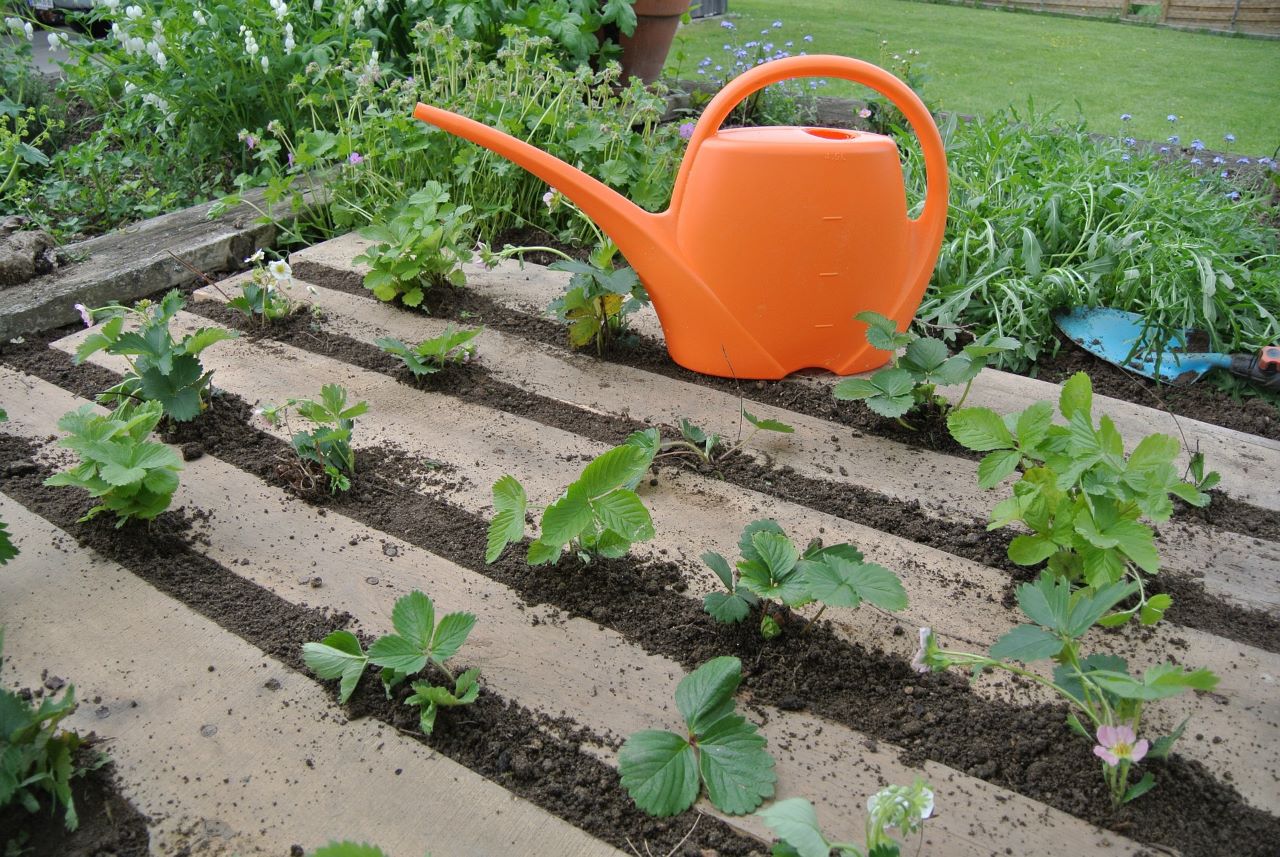
garden-strawberries

Choose Wisely

The first step in planting strawberries is choosing the right variety.

  • June-bearing strawberries produce one large harvest in late spring or early summer.
  • Ever-bearing strawberries produce 2-3 harvests of fruit intermittently during the spring, summer and fall.
  • Day-neutral strawberries continuously produce fruit throughout the growing season when temperatures remain between 35-85°F.

Ask an associate at your local garden center for recommendations for the best variety for your region.

When it comes to choosing which berries to add to your organic garden, you can’t go wrong with summer’s favorite fruit — strawberries.

Start Planting!

Strawberries need lots of sun, so choose a spot accordingly. Soil should be loose and fertile with a pH of 5.5 to 7. If the pH level is too high, add Espoma’s Soil Acidifier for ideal soil conditions.

Plant strawberries in the spring as soon as the ground is workable. Space plants about 18″ apart. Dig holes deep and wide enough to accommodate the entire root system without bending it. Bury the roots, but not the center crown – it requires lots of light and fresh air.

Mix in an organic starter plant food, such as Bio-tone Starter Plus, to keep roots strong.

Encourage growth by adding Espoma’s Holly-tone, an organic plant food perfect for acid-loving plants such as strawberries.

Expect ripe berries about four to six weeks after the plants blossom.

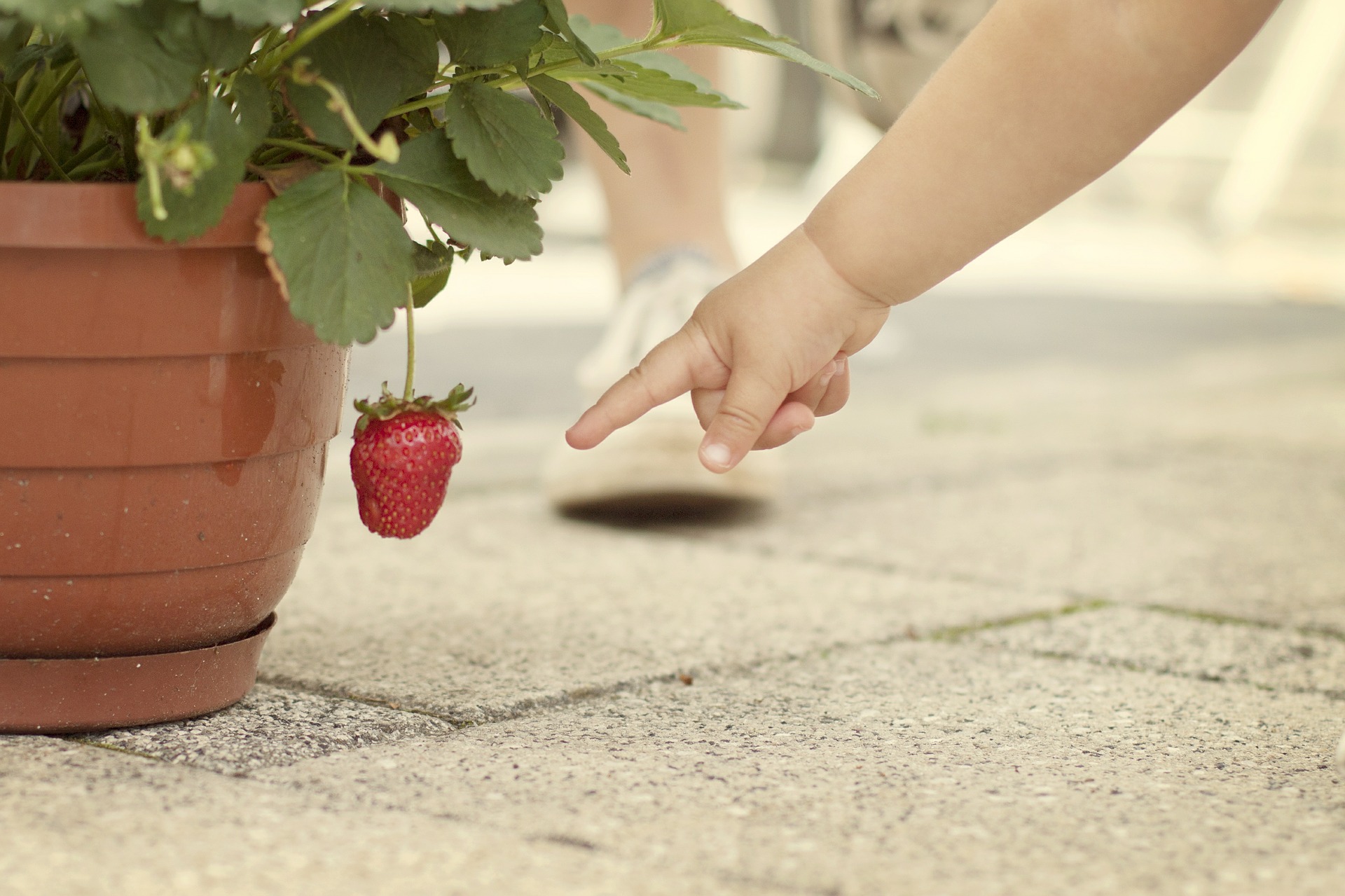
You can still have delicious strawberries if you garden in a small space. They make perfect container plants!

Small Space Strawberries

You can still have delicious strawberries if you garden in a small space. They make perfect container plants! Hanging containers add aesthetic value and are a conversation starter. When plants are off the ground, there is also a decreased risk of pests and disease.

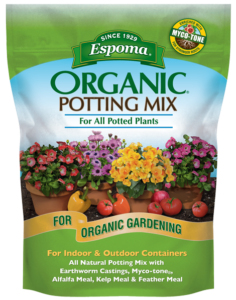
Simply fill a container with Espoma’s Organic Potting Mix and follow the same instructions above for planting strawberries in containers. Water plants well. Set the container in an area where it will receive at least 6 hours of sun. Rotate the container regularly so all sides receive equal light.

Whether you’re planting large beds of strawberries or starting with one small container, these tips will ensure success.

See the Total Berry Guide Here


https://www.espoma.com/wp-content/uploads/2016/05/strawberry-834947_1920.jpg 1893 1920 espoma https://www.espoma.com/wp-content/uploads/2023/05/espoma-logo340w-1.png espoma2016-05-19 08:00:112022-04-12 14:42:25The Secret to Strawberry Success

Plant Hydrangeas to Get the Best Blooms

May 17, 2016/in Flowers

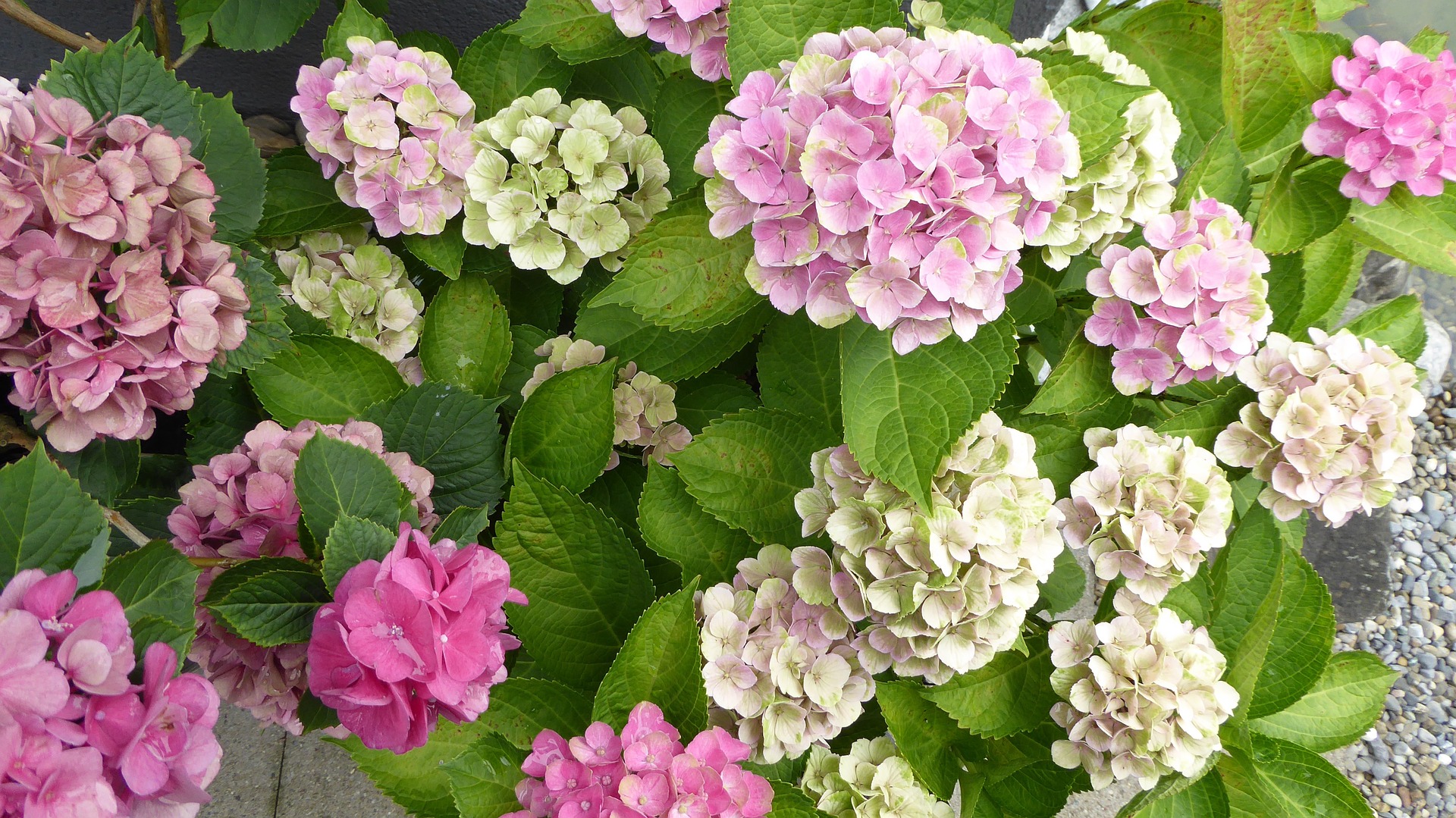
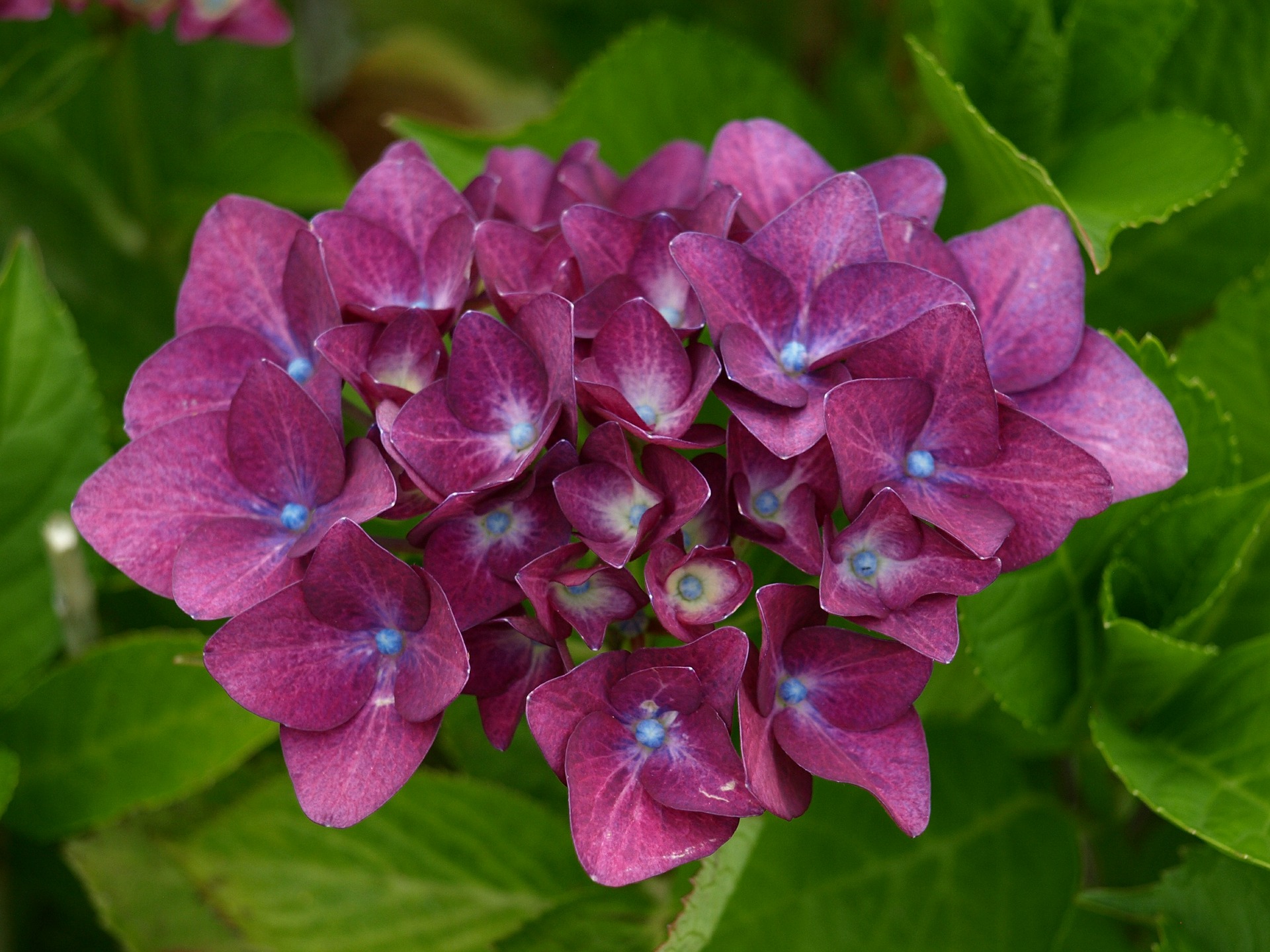
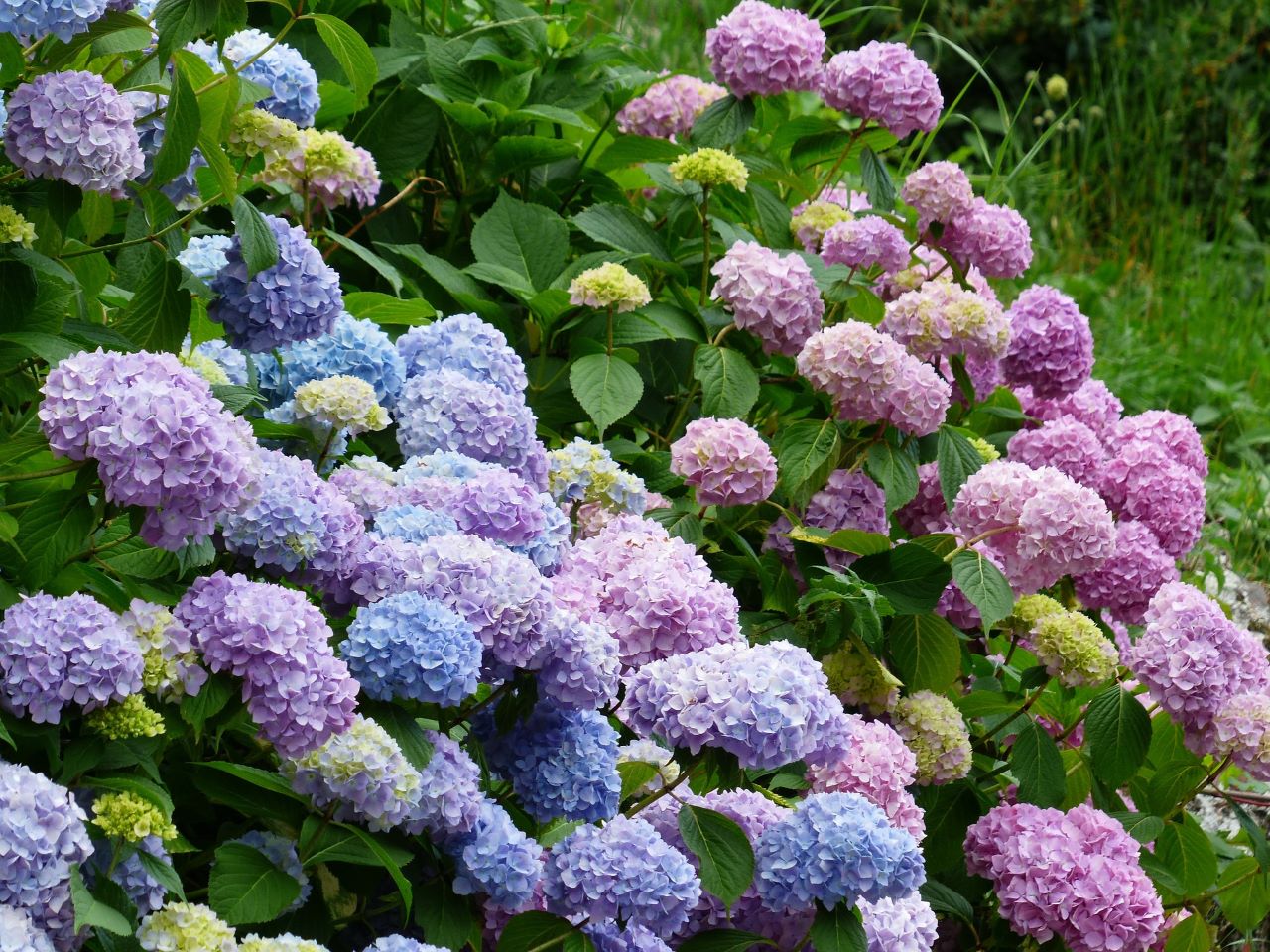
Large, beautiful hydrangeas are a great addition to any landscape. Their bold colors make them perfect for freshly cut or dried flowers. Getting off to the right start in the right location is the difference between a hydrangea bush that blooms for years and one that never does.

Get the beautiful blooms you desire with these hydrangea planting tips.

Care for hydrangeas by planting them in the right spot.

Where should I plant my hydrangea? Choose a spot with moist, well-drained soil. Hydrangeas can grow from 4’ to 12’ in height depending on the variety, so plan accordingly. Most hydrangeas benefit from some shade, especially in hot climates. Too much shade means your hydrangea may not grow flowers.

Check the plant tag to find out how many hours of sun your hydrangea should be getting per day. Panicle hydrangeas tolerate more sun than do other species. And if you live in a region where it gets seriously hot, your hydrangea will need more shade than those grown in colder zones. Hydrangeas in southern climates especially need frequent watering to tolerate that stress.

If you’ve noticed your hydrangea has stopped blooming in recent years, it may be time to evaluate the location. Make sure hydrangeas are still receiving enough daily light and check the growth of nearby trees. Consider moving the hydrangea to a sunnier spot.

hydrangea care, hydrangea color, growing hydrangas

Get Ready to Plant. Once you’ve found the perfect spot, dig a hole twice as large as the hydrangea’s container. Mix in an organic starter plant food, such as Bio-tone Starter Plus, to keep roots strong. Add 1” of compost or Espoma Organic All-purpose Garden Soil to help with nutrients and drainage. Place the hydrangea in the hole at about the same height it was in the container, spreading its roots wide. Backfill the hole with soil and top with 2-3” of mulch.

Water Well. After you plant, water the hydrangea until a puddle forms. Water twice a week for a month. Then water deeply once a week until fall.

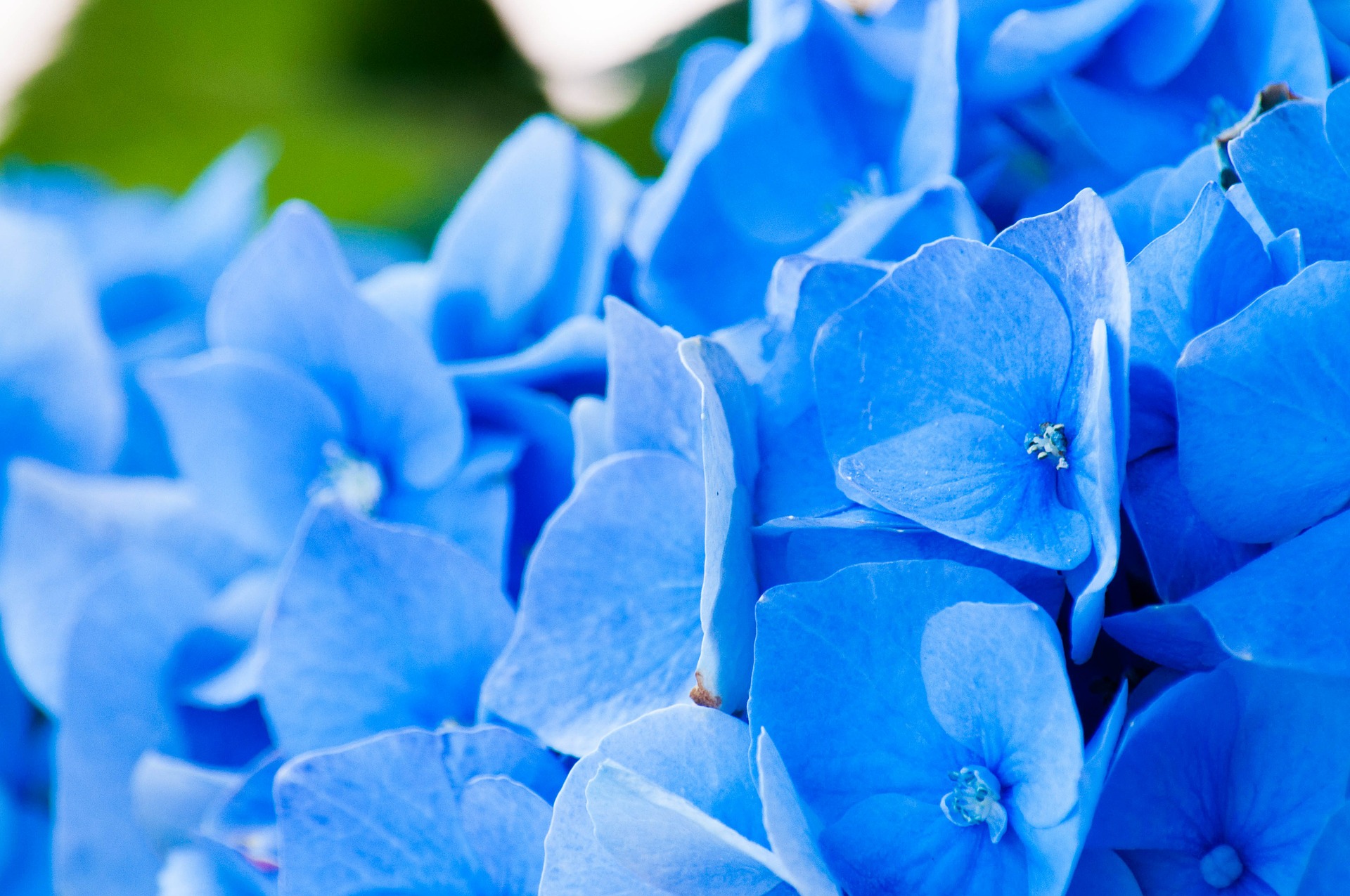
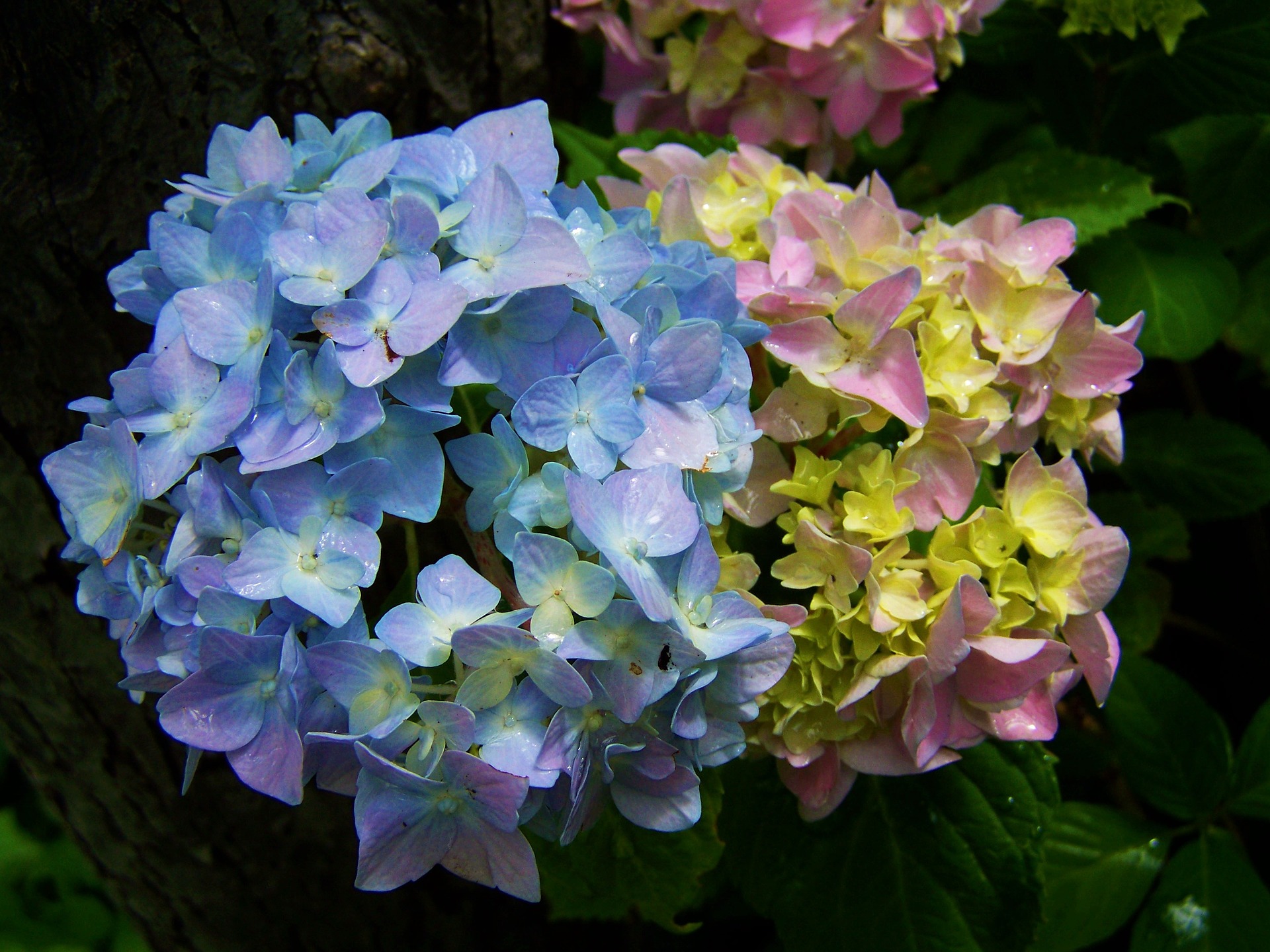
The Finishing Touch. Feed blue hydrangeas with Holly-tone to keep the soil acidic. Otherwise, opt for Flower-tone. For the best hydrangea care, feed 2-3 times throughout the growing season, which is spring until fall.

Guide to Growing Hydrangeas Here

Featured in this Post:


Where to Buy


https://www.espoma.com/wp-content/uploads/2016/05/hydrangeas-898043_1920.jpg 1079 1920 espoma https://www.espoma.com/wp-content/uploads/2023/05/espoma-logo340w-1.png espoma2016-05-17 08:00:092022-04-13 11:33:01Plant Hydrangeas to Get the Best Blooms

Small but Mighty – How to Grow Hydrangeas in Containers

May 12, 2016/in Flowers

When we picture hydrangeas — with their larger-than-life blooms and immense foliage — we naturally envision large plants. Believe it or not, though, hydrangeas come in not one, not two, but three sizes!

No matter how much space you have, find the perfect-sized hydrangea for you. You can even grow hydrangeas in a container.

hydrangea care, hydrangea color, growing hydrangas

Minimal Size, Maximum Blooms! Tips for Growing Hydrangeas in Containers

1. Small Has It All. Pick a hydrangea that will thrive in your small space. Dwarf varieties are petite beauties that pack a powerful punch. Scroll through our Hydrangea Variety Guide to find the right dwarf hydrangea for you. Then, find a spot that matches the amount of light they need.

2. Big, Bold and Full of Holes. Select a pot or re-purpose a container to make a statement. Just make sure it has drainage holes.

3. Solid Gold Soil. Hydrangeas need well-draining soil to thrive, so select a high-quality, organic potting soil Bonus points if it has Myco-tone™ mycorrhizae, which uses 30 percent less water than other soils.

hydrangea care, hydrangea color, growing hydrangas

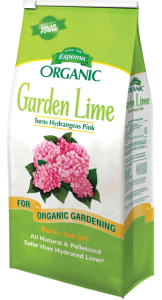
4. Plant with Power. If you want to grow blue hydrangeas, mix in Espoma Organic Soil Acidifier. For pink hydrangeas, add Espoma’s Organic Garden Lime. If you have it, add compost! Then fill planter with potting soil, and plant the hydrangea at the same height it was previously growing.

5. Establish Essentials. When growing hydrangeas in containers, water when the top 1” of soil is dry — or when the hydrangea begins to wilt. For best hydrangea care, feed once a year around June or July with an organic fertilizer. If you want a blue hydrangea color, feed with Holly-tone.

Small space, big blooms! Just think of how lovely your hydrangeas will look glistening in the sun at your Memorial Day party or twinkling in the moonlight during summer garden parties!

To learn more about hydrangeas, check out our organic growing guide. Find the right hydrangea for you by choosing one that loves sun, blooms all summer or is perfect for beginners.

Guide to Growing Hydrangeas Here

Featured in this post:


Espoma Holly-tone


Where to Buy
https://www.espoma.com/wp-content/uploads/2016/05/hydrangeas-759640_1920.jpg 1271 1920 espoma https://www.espoma.com/wp-content/uploads/2023/05/espoma-logo340w-1.png espoma2016-05-12 08:00:592022-04-13 11:18:06Small but Mighty – How to Grow Hydrangeas in Containers

How to Plant Blueberries in Containers

May 3, 2016/in Container Gardening

Laura from Garden Answer shows how to plant blueberries in containers and fertilize with Espoma’s Holly-tone. Watch the video below to see just how easy it is!


See the Total Berry Guide Here


https://www.espoma.com/wp-content/uploads/2016/05/Blueberries-in-Containers-2.jpg 1080 1920 espoma https://www.espoma.com/wp-content/uploads/2023/05/espoma-logo340w-1.png espoma2016-05-03 08:00:522022-04-12 14:44:44How to Plant Blueberries in Containers

Seeing Red: Raspberries in the Garden

April 28, 2016/in Fruits & Vegetables

Raspberries are a summer staple in every kitchen. Make them a staple in the organic garden, too.

Whether you are growing berries for jam, raspberry cobbler, or just to eat as a quick and healthy snack, these sweet little fruits will never disappoint!

If you want to enjoy these delicious summer berries, now is the time to start planting. Here’s how, and when to plant raspberries.

Espoma soil acidifier, Holly-tone, growing berries

Pick a Berry

Summer-bearing fruits bear one crop per season, typically summer. Ever-bearing fruits bear two crops, one in the summer and one in the fall. Choose your variety based on how many berries you’d like to harvest.

Contrary to popular belief, raspberries aren’t always red! They also come in yellow, purple and black, so grow a variety of berries and add some color to your organic garden this summer. Visit your local garden center and they can help you choose a variety best fit for your region.

Espoma soil acidifier, Holly-tone, growing berries

When and Where?

The best time to plant raspberries is in early or mid-spring. These berries are inclined to grow in cooler climates, but the ground might not be workable until after the last frost.

When choosing a location, plant raspberries in an area with full sun and good air circulation. Avoid areas with heavy winds that may damage plants. Leave about 3 feet of space in between each plant.

Because some varieties of raspberries send long canes upward as they grow, they need support. Plant them next to a fence or create a simple support alongside the row with stakes and wire.

Espoma soil acidifier, Holly-tone, growing berries

Soil Conditions

Raspberries will grow best in slightly acidic, well-drained soil. Be sure to test your soil — an ideal pH level is anywhere between 5.5 and 6.5. If the soil is not acidic enough, add Espoma’s Soil Acidifier.

Add an organic plant food to the soil to encourage healthy growth. Espoma’s Holly-tone is perfect for raspberries as it is a slow-release fertilizer for extended feeding. Keep the soil evenly moist and water as needed.

And that’s it! You’ll have juicy, fresh-picked raspberries in no time.

See the Total Berry Guide Here


https://www.espoma.com/wp-content/uploads/2016/04/raspberry-368159_1920.jpg 1280 1920 espoma https://www.espoma.com/wp-content/uploads/2023/05/espoma-logo340w-1.png espoma2016-04-28 08:00:132022-04-12 14:45:36Seeing Red: Raspberries in the Garden

The Time is Ripe to Plant Blackberries

April 26, 2016/in Fruits & Vegetables

Blackberry cobbler, fruit salad, pie, and muffins – oh my!

These yummy berries are loaded with antioxidants and Vitamin-C, which help promote healthy skin and improve memory.

So maybe, it’s ok to have that second slice of cobbler after all?

We’re getting ahead of ourselves, though. Let’s get those blackberries planted first.

Grow Bliss in the Garden! Plant Blackberries

1. Just in Time! The best time to plant blackberries is early spring. If you’re feeling eager, plant them a month before winter’s last frost if the ground is workable. Planting in late fall works, too – as long as winters temps aren’t especially cold.

2. Here or There? Plant blackberries in full sun. Also, blackberries don’t play well with others. Choose a spot that hasn’t had blackberries, blueberries, raspberries, tomatoes, potatoes, eggplants, or peppers growing there in the last few years. Otherwise, leftover diseases or pests from those plants could spread to your blackberries.

Espoma soil acidifier, Holly-tone, growing berries

3. Testing, Testing. Once, you’ve found the prime spot, test the soil. Blackberries prefer well-draining, acidic soil. Add a handful of compost and Espoma’s Organic Soil Acidifier, if needed.

Growing, Growing, Gone! Plant your blackberry 1” deeper than it was growing in its pot. Plant upright varieties 3’ apart and trailing varieties 5-8’ apart. Then, water.

Ready, Set, Wait! Blackberries don’t produce fruit their first year, but they still need TLC to establish. Give them 1-2” of water a week, and organically feed throughout the season with Holly-tone.

See the Total Berry Guide Here


Where to Buy

https://www.espoma.com/wp-content/uploads/2016/04/jametlene-reskp-HGMw8z3NmcU-unsplash-scaled.jpg 1707 2560 espoma https://www.espoma.com/wp-content/uploads/2023/05/espoma-logo340w-1.png espoma2016-04-26 08:00:162024-04-16 11:17:20The Time is Ripe to Plant Blackberries
Page 6 of 7«‹4567›
Where to Buy

Get News & Updates

Recent Posts

  • VIDEO: Planting Spring Bulbs in Containers 🪴🌷 with Summer Rayne Oakes
  • VIDEO: Planting the Last Bulbs of the Season with Garden Answer
  • How to Care for Ferns 🌿 | Growing Joy with Maria
  • VIDEO: One Last Autumn Stroll 🍁🍂 with Summer Rayne Oakes
  • VIDEO: How to Plant Spring Bulbs in Containers 🌱🌷 with Garden Answer

Tags

All-Purpose Potting Mix bio-tone Bio-tone Starter Bio-tone Starter Plus Cactus Mix caring for houseplants Container Gardening DIY project Espoma espoma grown espoma organic Espoma Organics Espoma Video fall gardening Family fert flower garden flowers garden Garden Answer Gardening gardening tips gardens grow holly-tone houseplants Indoor! indoor gardening indoor plants Kaleb Wyse organic organic fertilizer Organic Gardening organic plant food Organic Potting Mix Outdoor Gardening Planting plants Potting Mix potting soil Spring Gardening summer rayne oakes vegetable garden Vegetable Gardening Wyse Guide

Espoma. A Family Tradition Since 1929.

Espoma Organic logo
  • Espoma Dealer
  • Espoma Pro
  • Garden Club
  • Privacy Policy

Scroll to top