Espoma Organic
  • Products
    • Close
    • Product Line Overview
    • Plant food finder
    • Garden Fertilizers
    • Potting Soils
    • Lawn Fertilizers
    • Liquid Fertilizers
    • Single Ingredients
    • Conventional Plant Foods
    • Animal Care Products
  • Where to Buy
  • Our Story
    • Close
    • Our Story
    • Locations
    • Historical Timeline
    • Our Commitment
    • Directions
    • Solar
    • Join our Team
    • Espoma Brand Partners
  • Learn
    • Close
    • Espoma Blog
    • FAQ’s
    • Pocket Guide
    • Espoma Guides
    • Garden Clubs
    • Safe Paws Lawn
    • PRODUCT FACT SHEETS
    • Fertilizer Fundamentals
      • Close
      • Understanding Plant Nutrition
      • Reading Labels
      • Choosing the Right Type of Fertilizer
      • Terms & Definitions
    • Gardening Projects
    • Resource Links
  • Contact Us
  • Menu Menu

Tag Archive for: Espoma

Seven Steps for a Fantastic Fall Garden

September 20, 2022/in Blog, Fruits & Vegetables - None


Fall: it’s the season of transition. The weather is cooling down, the leaves are changing colors, and the air is getting crisp and breezy. While you might be thinking it’s time to pack up the gardening supplies until Spring, there’s no reason the growing has to stop yet! With this seasonal shift comes perfect weather for establishing new plants, great deals at garden stores, and a decrease in pests. In fact, this special season offers plenty of opportunities for preserving, planting, and preparing. Make the most of this time with these seven tips, and get back in the garden! 


     1. Don’t Forget Your Veggies

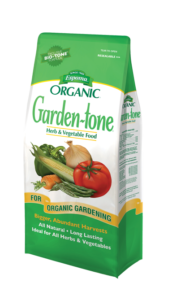
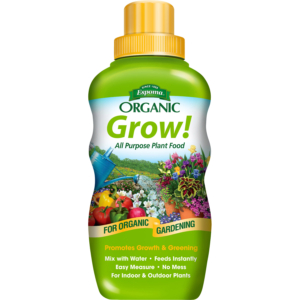
Don’t let the cooler weather fool you, there’s still time for growth. Broccoli, carrots, lettuce, and kale… fall is the season to plant these beloved vegetables. If your vegetable garden needs a boost, use our famous Organic Garden-tone or Grow!


2. Success with Succession

Maximize your harvest all throughout fall with succession planting. Harvest one crop, then replant one with a shorter maturity date, plant companion crops, stagger your seeding so harvest arrives in intervals, or plant a crop with varying maturity dates (broccoli, for example). Try out one of these methods and keep growing with our Garden-tone! 


     3. Bring in the Big Guys

Looking for a bigger way to upgrade your garden this fall? Plant trees and shrubs while the soil is still warm, use our Organic Tree-tone to nurture their development, and give them a chance to lay roots before winter settles in. Just be sure to keep them well-watered and protect those roots with mulch!


     4. Free Fertilizer 

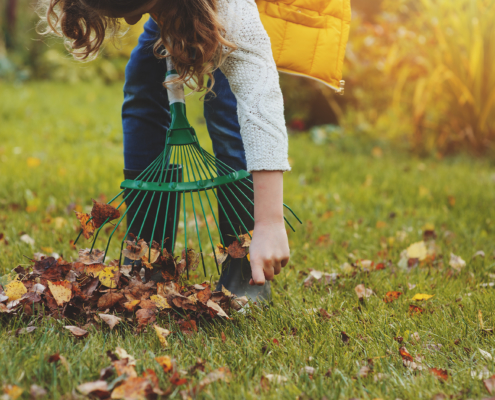
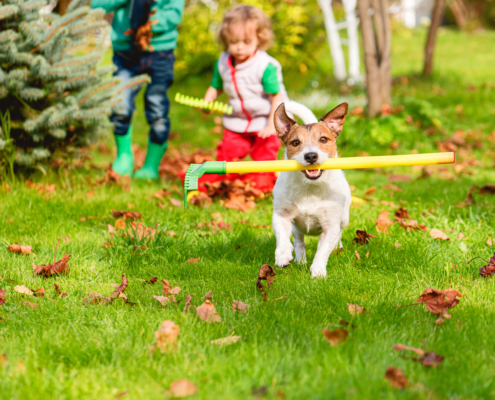
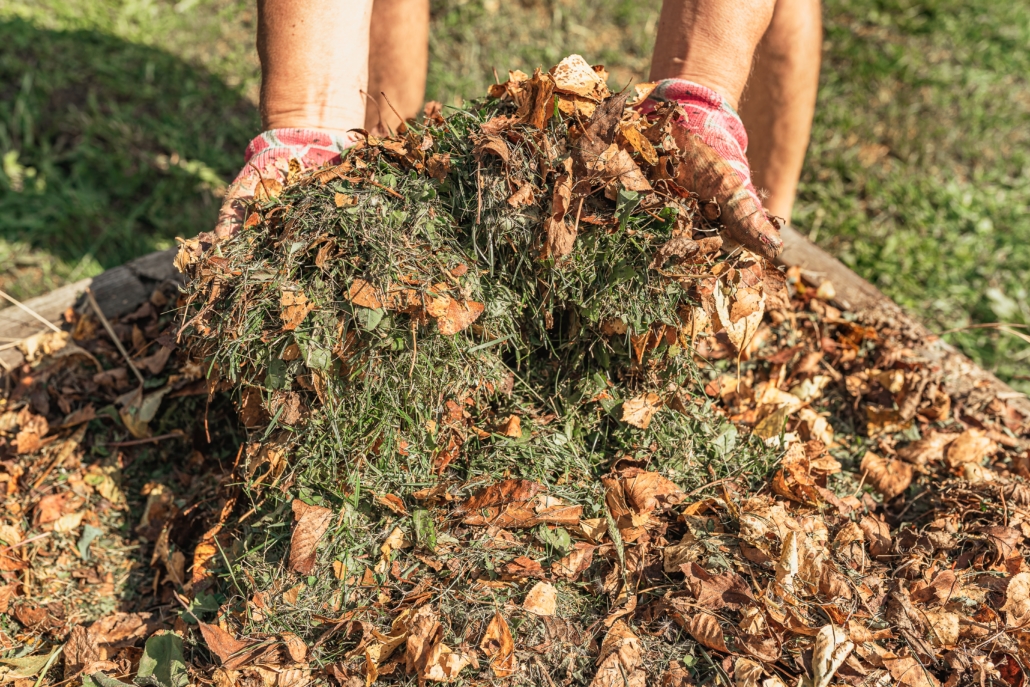
Have you tried using those fall leaves to your advantage? Thick piles of leaves can be a lot for your lawn to tolerate, but mowing over what’s fallen creates smaller pieces that break down in the soil easier. Time to tackle that leaf pile and get your lawn some natural nutrients!


     5. Allium On the Way

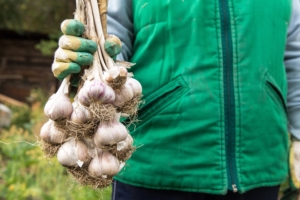
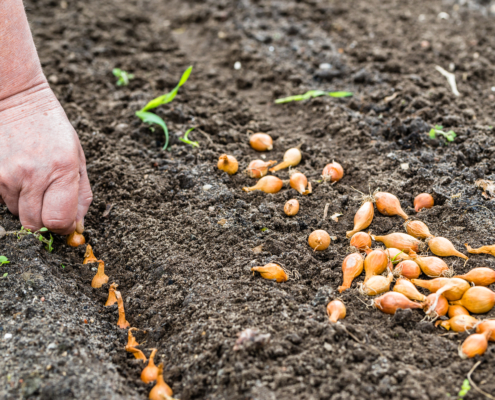
Patience is a virtue… and so is planting ahead! Give your garlic, onions, and shallots a jump-start by planting them after the fall equinox. With full sun, rich soil, and crisp fall weather, your allium vegetables have plenty of time to get rooted before weathering the frost. Check out this article here for more tips on allium planting! 


     6. Take Cover

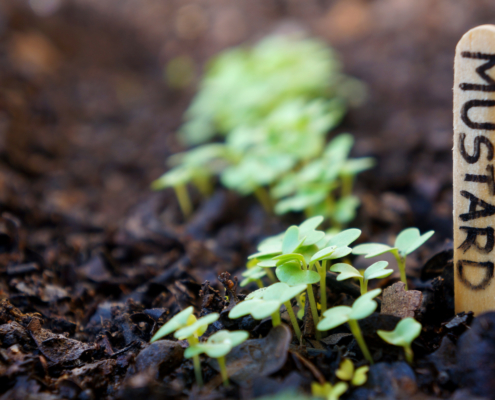
Mustard, peas, and clover are great cover crops to plant in the fall. Not only do cover crops prevent erosion, they can create better, richer soil for gardening. Let them grow throughout the fall and winter, then turn into the soil in the spring to enjoy the nutritious benefits of your labor.


     7. Winterize, Winterize, Winterize

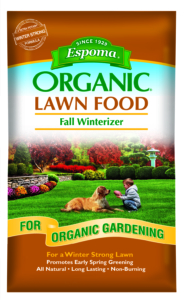
Think of it as a gift to your future self. Keep up with weeding, winterize your watering system, and give your lawn a much-needed refresh with our Organic Fall Winterizer. These little chores make all the difference when getting your garden through upcoming winter frosts.


There’s so much in store this season, and with these tips, you can fall in love with fall gardening. Have your own must-do or want to share a photo of autumn in action? 

*****

Can’t get enough? 

Visit our Facebook page

Or hop on our YouTube Page

Tag us on Instagram! 


Featured Products:
Espoma Organic Grow! Liquid Plant Food ImageEspoma Organic Lawn Food (Fall Winterizer)

Where to Buy


https://www.espoma.com/wp-content/uploads/2022/09/shutterstock_618987614-scaled.jpg 1707 2560 Matt Dauphinais https://www.espoma.com/wp-content/uploads/2023/05/espoma-logo340w-1.png Matt Dauphinais2022-09-20 17:18:122025-10-29 15:03:06Seven Steps for a Fantastic Fall Garden

VIDEO: Catch up with Summer Rayne Oakes’ Shade Garden

September 10, 2022/in Blog, Gardening, Gardening Projects

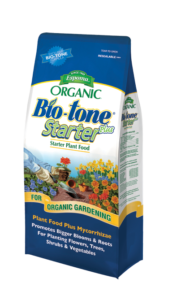
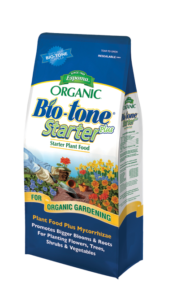
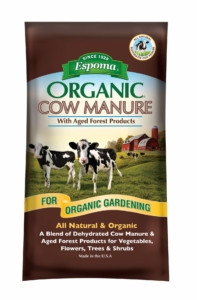
Wow! Look how much the shade garden bed at Flock Finger Lakes has grown. With the help of Espoma Organic Bio-tone Starter Plus and our Organic Cow Manure Compost Blend, your garden can thrive season after season too. 


Learn more about Summer Rayne Oakes here:

Website: homesteadbrooklyn.com

Instagram – @homesteadbrooklyn

YouTube – Summer Rayne Oakes

Twitter – @sroakes

Facebook – Summer Rayne Oakes


Featured Products:


Where to Buy

https://www.espoma.com/wp-content/uploads/2022/07/Shade-Garden-May-IMG_2376-1-scaled.jpeg 1707 2560 Matt Dauphinais https://www.espoma.com/wp-content/uploads/2023/05/espoma-logo340w-1.png Matt Dauphinais2022-09-10 09:33:042022-09-22 10:27:28VIDEO: Catch up with Summer Rayne Oakes’ Shade Garden

VIDEO: Buzzing with Joy Over Summer Rayne Oakes’ Pollination Garden.

September 9, 2022/in Blog, Fruits & Vegetables - None

Variety is the key to pollination, and Summer Rayne Oakes has it down tenfold with over 160 species of plants in her garden at Flock Finger Lakes. Want to know what really makes it buzz? Espoma Organic Bio-tone Starter Plus, of course!

Learn more about Flock Finger Lakes here:

Website: homesteadbrooklyn.com

Instagram – @homesteadbrooklyn

YouTube – Summer Rayne Oakes

Twitter – @sroakes

Facebook – Summer Rayne Oakes


Featured Products:


Where to Buy

https://www.espoma.com/wp-content/uploads/2022/07/Pollinator-Garden-IMG_2320-1-scaled.jpeg 1707 2560 Matt Dauphinais https://www.espoma.com/wp-content/uploads/2023/05/espoma-logo340w-1.png Matt Dauphinais2022-09-09 16:09:302022-09-10 09:41:53VIDEO: Buzzing with Joy Over Summer Rayne Oakes’ Pollination Garden.

VIDEO: Summer Rayne Oakes’ Acid-Loving Groundcover Garden!

September 7, 2022/in Blog, Gardening

Add a little pH pep to your step—your acid-loving plants will really thrive with our Espoma Organic Soil Acidifier. Take it from Summer Rayne Oakes at Flock Finger Lakes as she walks you through her acidic, edible groundcover garden!

Learn more about Summer Rayne Oakes here:

Website: homesteadbrooklyn.com

Instagram – @homesteadbrooklyn

YouTube – Summer Rayne Oakes

Twitter – @sroakes

Facebook – Summer Rayne Oakes


Featured Products:


Where to Buy

https://www.espoma.com/wp-content/uploads/2022/07/Acid-Loving-Plants-IMG_2543-scaled.jpeg 1707 2560 Matt Dauphinais https://www.espoma.com/wp-content/uploads/2023/05/espoma-logo340w-1.png Matt Dauphinais2022-09-07 17:26:022022-09-10 09:42:44VIDEO: Summer Rayne Oakes’ Acid-Loving Groundcover Garden!

Beginners Guide to Growing Cut Flowers

August 18, 2022/in Blog, Bloom and Grow Radio, Flowers

Beginners Guide to Growing Cut Flowers

Growing flowers in your garden can be as appealing as growing food, because not only are flowers beautiful, but they’re pollinator magnets. Let’s get into the basics of growing cut flowers. 

This blog is inspired by Episode 128 of Bloom and Grow Radio Podcast, where host Maria Failla interviewed Brooklyn Sherri, owner of Petal and Herb Farm.

Why Are Seed Packets Important? 

Seed packets can be crucial in helping you understand all the components that go into growing your cut flower garden. They provide information on when to plant, how long until germination, plant description, growing habits, how deep the seed should be planted, and helpful details on growth and harvesting. Make sure you do your homework on the seed company of your choosing to make sure they fit your needs. 

What Is My Growing Zone? 

Your growing zone helps you determine how long your frost-free growing season is. If you’re in the U.S., you can find your USDA plant hardiness zone by entering your zip code. 

Once you find your hardiness zone, you can also search for the last frost date in your zip code. Your first and last frost dates will show you how many frost-free growing days you have in a season. This can help you figure out when to plant each of your cut flower varieties. 

What Growing Conditions Do Flowers Need? 

Most flowers prefer well-draining soil. If you’re starting with clay soil that tends to hold water, you want to amend it with compost or peat moss to provide more drainage. Additionally, you can mix in bagged garden soil, like Espoma’s Vegetable & Flower Garden Soil to add structure and drainage. 

Sun needs will also vary by flower, but a general rule is 6 hours of direct sun for flowers. Whether you’re direct sowing seeds outdoors or transplanting plants, make sure each variety is in a location with enough sun. 

Water requirements for annual flowers may be higher during Summer months, but in general, deep, infrequent watering is best. About one inch of water per week is enough. 

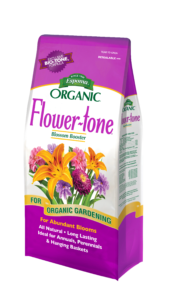
Fertilizing requirements will depend on the specific flower you’re growing. If you notice foliage yellowing, it can often mean your plant is low in nitrogen. Or if you have lots of green foliage but no blooms, that could indicate you have a phosphorous problem. Try Espoma’s Flower-Tone Fertilizer to get large, healthy blooms. 


Now that you know basic care for growing cut flowers, check out our list of the 7 best flowers to grow from seed as a beginner! 

1) Sunflowers

Sunflowers are some of the easiest annual flowers to grow from seed. You can directly sow them outdoors in full sun with minimal effort. They come in so many sizes and colors too! 

2) Zinnias

Zinnias are another easy annual flower to grow from seed in full sun. They only take about 60-70 days to bloom from seed, and there are tons of varieties like double flowered, dwarfs, cactus, and giant zinnias. They also come in a wide range of stunning colors! 

3) Daisies

Unlike sunflowers and zinnias, daisies are a perennial flower that will come back year after year. You can start them from seed outdoors as long as you keep them moist for up to twenty days. Otherwise, they grow great from transplants and continue to spread every year. They come in whites, yellows, pinks, and reds.

4) Sweet Peas

Sweet peas are an annual flower that can deal with cooler temperatures. Plant them in very early Spring and you’ll have beautiful pastel bouquets in a couple of months. Since they are vining plants, give them something to climb like a trellis.

5) Snapdragons

While snapdragons will need to be started from seed indoors 2-3 months before your last frost, the payoff in blooms will be worth it. Pay attention to the seed packet for best germination methods. The more you cut snapdragon blooms and create branching, the more blooms you’ll get. And snapdragons come in so many different colors that you’ll be creating gorgeous bouquets for weeks! 

6) Cosmos

Cosmos are another easy-to-grow annual that produce tons of Summer blooms. They come in a variety of heights and colors, and their long, slender stems make for an easy addition to any cut flower bouquet.

7) Strawflower

And finally we have the humble, yet unmistakable strawflower. This annual is another easy-to-grow flower from seed that can handle any soil quality you have. Its textured petals feel similar to straw and make gorgeous cut or dried flower bouquets. 

*****

To give your cut flowers a healthy start, try using Espoma’s Flower-Tone Fertilizer during the growing season for larger, more abundant blooms. 

About Bloom & Grow Radio Podcast

 Bloom & Grow Radio Podcast helps people care for plants successfully and cultivate more joy in their lives. Host Maria Failla, a former plant killer turned happy plant lady, interviews experts on various aspects of plant care, and encourages listeners to not only care for plants, but learn to care for themselves along the way.

About Our Interviewee

Brooklyn Sherri is a flower farmer with many skills. She runs her own flower farm, Petal & Herb, where they produce flowers, vegetables, berries, herbs, and microgreens all on 5 acres of land in Colorado. Brooklyn also hosts Ya Grandma’s Garden & Houseplants on Clubhouse and teaches horticulture at The Cool Choice to improve the opportunities for children and families in her neighborhood. 

​​Follow Brooklyn:

Instagram

Petal and Herb Farm

Ya Grandma’s Garden & Houseplants on Clubhouse

Featured Products:

Where to Buy


https://www.espoma.com/wp-content/uploads/2022/08/Flower-Power-1-2.png 1080 1080 Matt Dauphinais https://www.espoma.com/wp-content/uploads/2023/05/espoma-logo340w-1.png Matt Dauphinais2022-08-18 15:06:212022-08-19 16:15:16Beginners Guide to Growing Cut Flowers

Beginner’s Guide to Greenhouses

July 29, 2022/in Blog, Bloom and Grow Radio, Container Gardening, Gardening

A Beginner’s Guide to Greenhouses

There comes a time in every plant parent’s life when we start to get curious and excited about having a dedicated space for all of our plants. If you’re an outdoor gardener, the promise of a greenhouse for seed starts and overwintering plants is even more exciting!

If you feel like you’re ready to take the leap of installing a greenhouse – whether it’s a small kit, or a large structure in your backyard – consider this blog a beginner’s guide to building the greenhouse of your dreams!

This blog is inspired by Episode 151 of Bloom and Grow Radio Podcast, where host Maria Failla interviewed Patrick Grubbs, founder of Greenhouse Info. 

Do Greenhouses Need Permits? 

Before you even begin shopping for greenhouses, you need to consider licensing and permitting. In the US, we have two authorities you should keep in mind when you’re building a greenhouse: zoning regulations and building codes. Almost always, you can simply contact your local government office and they’ll be able to tell you all of the required permits for an accessory building with a permanent foundation. 

The one exception? If you’re getting a small greenhouse (or a cold frame) where you don’t need to set up a foundation, those generally aren’t regulated since they aren’t really considered permanent structures. Usually, these are cheaper greenhouse kits that cost about $500 or less. 

What’s the Best Greenhouse Construction Material?

Here are the pros and cons to each type of greenhouse material to help you choose the best option for your space. 

Glass is a classic greenhouse material. 

  • Pros: it lasts forever and is easy to maintain. It’s a great long-term option for permanent greenhouses.
  • Cons: it’s expensive, fragile, and not a great insulator in general. Insulation is really important for greenhouses, especially if you’re in a Northern climate. 

Polycarbonate is one of the most common greenhouse materials. 

  • Pros: it’s strong, durable, and much lighter than glass. 
  • Cons: it starts to yellow and degrade after about 10 years, reducing the amount of light to your plant. Opt for the UV resistant choice to help it last longer. 

Acrylic is another common greenhouse material (brand names like plexiglass). 

  • Pros: strong and durable
  • Cons: fairly expensive and heavy, contracts with temperature fluctuations so you may need a special mounting solution to attach it. 

Polyethylene is another plastic greenhouse material. 

  • Pros: can buy rolls of plastic to replace material
  • Cons: flimsy plastic, likely only used as a temporary material as it’s really only good for one season

Should I use a Greenhouse Kit or DIY My Own Greenhouse?

For a beginner greenhouse hobbyist, a kit is a great option. It’s more affordable, has instructions, and great to start with. A smaller 6’ x 8’ kit that doesn’t need a foundation is a good option and will take a few hours to put together with a group of helpers. Once you get into more of the reclaimed windows and doors for a do-it-yourself greenhouse, carpentry skills are much more of a necessity. 

If you want a permanent structure with a foundation and electricity, it might be time to look into other options outside of kits. This kind of project could require a backhoe, 6’ holes, and electrical wiring to get it up and running. 

How Much Should I Pay for a Beginner Greenhouse? 

A standard 6’ by 8’ greenhouse kit is one of the cheapest starter greenhouses you can get. These kits will probably run you about $500 to $600 for a new kit. Pro tip: check Facebook Marketplace and Craigslist for used greenhouses–you’ll often find some great options for a fraction of the cost. 

When you consider the extra components you need to buy, like fans and heaters, it’ll probably end up costing you around a thousand dollars for a very entry-level greenhouse that will satisfy.

What Direction Should My Greenhouse Face? 

The point of a greenhouse is to capture the heat from the sunlight and maximize the exposure your plants get. The best way to do that in the Northern hemisphere is to align the roof of your greenhouse going East to West. That will ensure you get the maximum amount of sun in both Winter and Summer. Keep in mind that this is the reverse if you’re in the Southern hemisphere.


What Kind of Floor Should My Greenhouse Have? 

The primary consideration for your greenhouse flooring is drainage. If you have a big greenhouse, you might have a foundation underneath like a concrete slab. And in this case, you need to be sure that any water you pour in your greenhouse can get out.

If you don’t have a foundation, you still have the same consideration regarding drainage, it’s just much easier to handle. It can be as simple as concrete pavers with gravel in between. That provides a flat surface, it’s easy to clean and walk on, and it’s stable. Since there’s space in between the pavers, there’s room for water to drain into the ground.

Greenhouse Ventilation Requirements

Greenhouses are super effective at their jobs. They can raise the temperature anywhere from five to 30 degrees Fahrenheit greater than the ambient temperature. You could very easily cook your plants if you don’t have proper ventilation. 

The first thing you need to do for all of your greenhouse air conditioning needs is to calculate the total volume of your greenhouse. Multiply the length times the width times 1.5 of the height, which accounts for the volume that isn’t really there at the top. This number will tell you the cubic feet of air in your greenhouse. 

You’re going to reference this number whenever you’re looking at ventilation or heating options. You want to try to cycle all of the air in your greenhouse in one minute. If you have a 10’ by 10’ by 10’ greenhouse, that equals 1,000 cubic feet of air. You then need to find an exhaust fan that is rated to push 1,000 cubic feet of air per minute. 

Greenhouse Fans

There are a couple types of fans for greenhouses. First is a shop fan or a desk fan, which works for pushing air around, but it’s not the most effective way to cool a greenhouse. 

And second is an exhaust fan that’s set into the walls of your greenhouse and moves air from inside to outside and vice versa. Usually these fans come in pairs so you can put one on each side of the greenhouse to circulate air efficiently. 

Greenhouse Vents

There are many different kinds of greenhouse vents, but the best options are solar vents. They have wax inside of them that expands and contracts when it gets warm, which automatically opens and closes the vents with no electricity. Most greenhouse kits you buy probably won’t have any ventilation built in, so make sure to factor that into the cost of building a greenhouse. 

Ventilation is a necessity for a greenhouse in order to control the humidity, temperature, and air flow. Plan to incorporate fans and vents for proper greenhouse ventilation. 

Managing Humidity and Mold in Your Greenhouse

Ventilation is your number one defense against humidity. A trick to dealing with root rot or mold is to have airflow underneath your pots.

Many greenhouses have plant benches and the bottom of the bench is actually a grate so air and water can freely flow through. This is important because it means the air accesses the plant roots, which is where plants take in most of their oxygen. Having that additional airflow dries out the potting media faster, which will help prevent mold and rot. 

What’s the Ideal Greenhouse Temperature and Humidity?

A good greenhouse temperature is around 80 to 85 degrees Fahrenheit, but it all depends on what you’re growing. Opt for low humidity, especially in Summer, so temperatures are more bearable. 

To really control the temperature in your greenhouse, try a remote thermometer. It makes monitoring the temperature much easier, especially when dealing with snow and freezing outdoor temperatures. You can also plug all of your appliances into a smart plug bar. The bar allows you to connect to Bluetooth using an app, which helps you control temperature, light, and humidity from your phone. 

3 Beginner Greenhouse Tips from Patrick

Tip 1: A greenhouse isn’t necessarily the next step for improving your gardening skills. It’s a whole different category. Unfortunately growing in a greenhouse alone won’t make your plants healthier and happier: there’s a learning curve. Make sure you dial in the right parameters to optimize growth in your greenhouse to get those happy plants. 

Tip 2: You will deal with pests in greenhouses, but you have options. Greenhouses can actually give you enough space for a dedicated quarantine section of insect-ridden plants. You can use a corner shelf with all of your remedy supplies, far away from other plants. Put a sticky note with the date you placed it on the shelf, then transition it to the rest of your plants after about a month. 

You can also implement predatory insects in your greenhouse. Some great examples are ladybugs, praying mantises, lacewings, and parasitic wasps. Just make sure you’re not purchasing the invasive ladybug. 

Tip 3: If you’re not in a place in your life where you expect to be there for a while, then a greenhouse probably isn’t the best option. It’s a big investment in terms of money, time, and space. Many of them are at least a 10 year commitment unless you have a way to transport it. You still have options, like a cold frame or something a bit smaller like a grow tent.

To learn more about greenhouses, check out Patrick’s website Greenhouse Info.

*****

About Bloom & Grow Radio Podcast

Bloom & Grow Radio Podcast helps people care for plants successfully and cultivate more joy in their lives. Host Maria Failla, a former plant killer turned happy plant lady, interviews experts on various aspects of plant care, and encourages listeners to not only care for plants, but learn to care for themselves along the way.

About Our Interviewee

Patrick Grubbs has a B.S. in Biology, where he fell in love with plants through his first botany class. He’s published aquatic ecology research and authored several books related to succulents and gardening pests. 

Patrick has spent a great deal of his career split between science communication and hands-on permaculture and ecology projects. His passion is teaching other people to enjoy plants and animals the same way he does.

​​Follow Patrick:

Website

Email


Where to Buy

https://www.espoma.com/wp-content/uploads/2022/07/Greenhouse-1-1.png 700 700 Danielle Kirschner https://www.espoma.com/wp-content/uploads/2023/05/espoma-logo340w-1.png Danielle Kirschner2022-07-29 16:11:152025-07-30 16:55:28Beginner’s Guide to Greenhouses

VIDEO: Daylilies for Days with Garden Answer!

July 25, 2022/in Blog, Flowers, Garden Answer

Garden Answer’s daylilies certainly brightened our day! Add in some Espoma Organic Bio-Tone Starter Plus and you’ll have every variety blooming and brightening your day in no time too.


Learn more about Garden Answer here:

https://www.youtube.com/c/gardenanswer 

https://www.gardenanswer.com/

https://www.facebook.com/gardenanswer

https://www.instagram.com/gardenanswer/


Featured Products:


Where to Buy

https://www.espoma.com/wp-content/uploads/2022/07/Daylilies.jpg 1080 1920 Matt Dauphinais https://www.espoma.com/wp-content/uploads/2023/05/espoma-logo340w-1.png Matt Dauphinais2022-07-25 11:44:112022-09-09 15:14:55VIDEO: Daylilies for Days with Garden Answer!

VIDEO: Perennial Planting with Garden Answer!

June 28, 2022/in Blog, Flowers, Garden Answer, Landscaping, Spring Gardening

It’s a beautiful day for planting some beautiful perennials! Take it from Garden Answer: a little bit of Espoma Organic Bio-tone Starter Plus goes a long way in getting them off to a great start.

Featured Product:


Where to Buy


https://www.espoma.com/wp-content/uploads/2022/06/thumbnail-2.jpg 1080 1920 espoma https://www.espoma.com/wp-content/uploads/2023/05/espoma-logo340w-1.png espoma2022-06-28 19:28:282022-09-10 09:45:30VIDEO: Perennial Planting with Garden Answer!

Kaleb Wyse: My Annual Plant Haul

June 28, 2022/in Blog, Flowers, Kaleb Wyse, Spring Gardening

Kaleb Wyse, an enthusiastic fourth-generation Iowan gardener, made Wyse Guide as an outlet for his passions in gardening and cooking. This Spring, he’s sharing with us his seasonal plant haul, complete with colorful foliage, fun ferns, and cute succulents. You can watch the full video below:


To start off with, Kaleb picked out some of his go-to annuals to fill in his yard with foliage. He grabbed some Helichrysum plants, a Limelight variety, which he thinks will pair beautifully with the yellow stripes of his Americana Agave. Kaleb also brought home some Purple Lady, Amethyst Falls (an ornamental oregano), and Variegated Lemon.

Kaleb was also excited to fill up his hanging pots with greenery. He had a problem, though. He loves the look of hanging ferns, but with a west-facing porch, he was concerned about sunlight. Luckily, over the years, he’s learned that Kimberly Queen Ferns thrive in full sun. He took a few of those and added some fun succulents around them, like String of Pearls and Senacios. Kaleb also made sure there was plenty of room for the plants to grow, so the baskets still look great when July comes around.

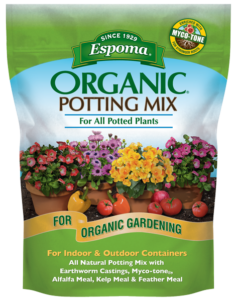
Before adding in his fun plants, though, Kaleb needed to make sure his greenery had all the right nutrients. He started by pouring some Espoma Organic Potting Mix into his hanging containers. This soil is great because it is so versatile and can be used on all indoor and outdoor container plants. Kaleb also added in a bit of Espoma Organic Garden-Tone. While Kimberly Queens don’t need a lot of food, it’s great to add just a little extra nutrients to help them thrive.

Kaleb ended with some words of wisdom for fellow gardeners: “Guess what, it’s not as hard as it looks. We make mistakes, things die, things grow. In the end it just makes us happy, and that’s what matters.” Stay tuned for more tips from Kaleb on Wyse Guide and right here on our own blog!

Featured Products:


Where to Buy

https://www.espoma.com/wp-content/uploads/2022/06/My-Spring-Plant-Haul-3.jpg 1280 1280 espoma https://www.espoma.com/wp-content/uploads/2023/05/espoma-logo340w-1.png espoma2022-06-28 17:14:372022-06-28 17:14:37Kaleb Wyse: My Annual Plant Haul
Why Gardening Should Always be a Team Effort

May 10, 2022/in Blog, Fruits & Vegetables, Gardening, Spring Gardening, Spring Gardening, Summer Gardening, Vegetable Gardening

people gardening together

Spring is here, and there’s no better way to celebrate the new season than by getting outside and gardening. Even better, why not garden with your friends, families, and community members? It’s the perfect way to help our planet while also connecting with the people closest in your life. Don’t believe it? Here’s why gardening with other people should be at the top of your to-do list this spring.

Woman and child in garden

1. It benefits your health.

Verywell Family says that gardening is a moderately intense form of exercise. It’s a great way to burn some calories without feeling like you’ve just run a marathon. This also means it’s a fun way to get your family physically active as well. The website states that, “Kids ages three to five need to get three hours of physical activity each day, and older kids need a minimum of an hour daily.” You and your family can bond over planting onions, corn, potatoes, you name it! As a bonus, Espoma’s Garden-tone Natural & Organic Fertilizer will have your family fawning over your healthy crops all season long.

basket of carrots

2. It benefits the environment.

It goes without saying that when you plant a garden, you’re significantly doing good for the environment. Greenmatters claims that gardening improves air quality, protects soil, lessens global warming, minimizes landfills, and saves different kinds of wildlife. These might seem like daunting tasks, but it’s really easier than you think. Verywell Family suggests that when gardening with your family, “You might invest in a rain barrel and start a compost pile to make your garden more Earth-friendly, too.” 

Gardens for kids are an easy, engaging way to learn more about sustainability and its importance for our planet. And even for those who aren’t children, you’re never too late to learn something new. Gardening can teach your friends, family, and fellow neighbors about all the green benefits of growing plants and crops.

child taking picture of a flower

3. It’s just plain fun.

Whoever you plant your garden with, you go on a journey together to grow something entirely new. 

Harddy explains that “Watching the plants start to grow is an incredible achievement. When the planting is done together as a family, it makes the entire process even more meaningful from start to finish.” 

This rewarding process is a bonding experience that can strengthen your relationship with your family and local community. There’s also tons of ways to spice up your garden to make it a fun time for everyone involved. 

Playful Acre thinks that adding themes to your garden can make your children more engaged and interested in helping out. The blog tells us that having garden bed ideas spanning from “fairy tales to stories to favorite vacations abroad” can make your time outside all the more fulfilling.

Once your luscious garden is complete, the fun does not end there. There’s lots of ways afterwards to enhance the beauty of all your hard work.

Harddy recommends to “Use this time to come up with some beautiful decor you and your children can make together. Buy some terra cotta pots and have everyone paint one in their own unique designs. You can also clip the flowers you’ve grown to make gorgeous decorative arrangements for the dinner table.”

No matter who you garden with, whether your family, friends, or other local green thumbs, social gardening is your answer to springtime fun. Just as importantly, there are health benefits to gardening that keeps you and your close circle physically active on a daily basis. And of course, we need to upkeep our planet to make it a safe, beautiful place for everyone, and gardening helps us accomplish exactly that.

We can’t wait to see you and your squad planting seeds and growing meaningful relationships. Check out all our products ranging from fertilizers, to soils, and everything in between to make your next planting party a success. Happy gardening!

Featured Products


Where to Buy

https://www.espoma.com/wp-content/uploads/2022/05/TeamGarden1.jpg 854 1280 espoma https://www.espoma.com/wp-content/uploads/2023/05/espoma-logo340w-1.png espoma2022-05-10 16:58:052024-10-17 15:05:21Why Gardening Should Always be a Team Effort
Page 22 of 34«‹2021222324›»
Where to Buy

Get News & Updates

Recent Posts

  • VIDEO: Bringing In Your Plants for Winter 🪴❄️ with Summer Rayne Oakes
  • Final Fall Plantings & Tips for Bringing Plants Inside for Winter 🍁🪴 with Wyse Guide
  • Simple Fall Plantings 🪴🌻🍁 with Garden Answer
  • Video: How to Manage a Wild Garden with Summer Rayne Oakes 🌿🌸
  • VIDEO: Planting Beautiful New Plants and Feeding the Lawn Organically 🌸🚜🌱 with Garden Answer

Tags

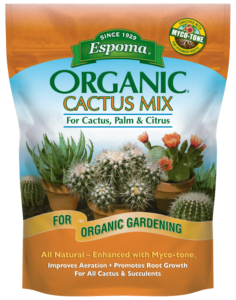
All-Purpose Potting Mix bio-tone Bio-tone Starter Bio-tone Starter Plus Cactus Mix caring for houseplants Container Gardening DIY project Espoma espoma grown espoma organic Espoma Organics Espoma Video fall gardening Family fert flower garden flowers garden Garden Answer Gardening gardening tips gardens grow holly-tone houseplants Indoor! indoor gardening indoor plants Kaleb Wyse organic organic fertilizer Organic Gardening organic plant food Organic Potting Mix Outdoor Gardening Planting plants Potting Mix potting soil Spring Gardening summer rayne oakes vegetable garden Vegetable Gardening Wyse Guide

Espoma. A Family Tradition Since 1929.

Espoma Organic logo
  • Espoma Dealer
  • Espoma Pro
  • Garden Club
  • Privacy Policy

Scroll to top