Espoma Organic
  • Products
    • Close
    • Product Line Overview
    • Plant food finder
    • Garden Fertilizers
    • Potting Soils
    • Lawn Fertilizers
    • Liquid Fertilizers
    • Single Ingredients
    • Conventional Plant Foods
    • Animal Care Products
  • Where to Buy
  • Our Story
    • Close
    • Our Story
    • Locations
    • Historical Timeline
    • Our Commitment
    • Directions
    • Solar
    • Join our Team
    • Espoma Brand Partners
  • Learn
    • Close
    • Espoma Blog
    • FAQ’s
    • Pocket Guide
    • Espoma Guides
    • Garden Clubs
    • Safe Paws Lawn
    • PRODUCT FACT SHEETS
    • Fertilizer Fundamentals
      • Close
      • Understanding Plant Nutrition
      • Reading Labels
      • Choosing the Right Type of Fertilizer
      • Terms & Definitions
    • Gardening Projects
    • Resource Links
  • Contact Us
  • Menu Menu

Tag Archive for: Espoma

Seed Starting 101: How to Start Seeds Successfully

April 5, 2022/in Blog, Bloom and Grow Radio

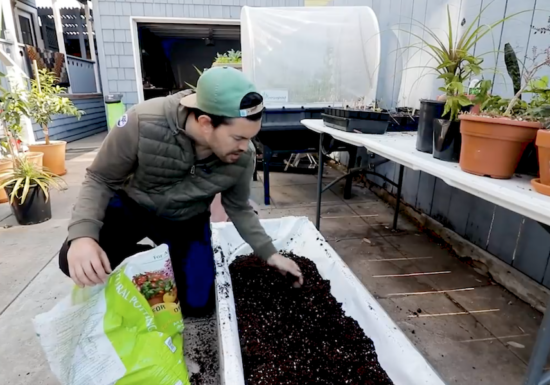
Seed starting setup

Seed starting is upon us in the gardening world! There is no better way to connect with the food we eat than by growing it ourselves. Starting edible plants from seed can be intimidating, but we’re here to break it down and answer all your burning questions. 

This blog is inspired by Episode 114 of Bloom and Grow Radio–where host Maria Failla interviewed Joe Lamp’l–the Joe behind The joe gardener Show.

Before we dive into the how of seed starting, let’s understand the why. 

Why Start Your Garden from Seed? 

In our world of instant gratification, what’s better than starting your gardening season way sooner than most gardeners?! When you start seeds indoors, you get your hands in the dirt and get a jump on the growing season. And what a rewarding feeling it is to start your plants from seed, and enjoy the journey of bringing them from seed to plate. 

If you love your edibles, decide what you want to eat and which varieties you want. Don’t leave it up to what’s available at the garden center. Think about how much you can choose when you start from seed: flavor, varieties, and the stories behind different heirlooms. You can really expand your food choices when you get to pick exactly what you grow. 

Another great reason to start your own seeds is to make sure you’re growing the right kind of plant for your needs. Do you absolutely love tomatoes, but only have a small balcony to grow them? Look for microdwarf tomato varieties that only grow about 1-2 feet tall! If you have a short growing season, you’d also want to make sure you choose “early” or “short season” plant varieties. 

Starting from seed offers us the ability to be in control of the varieties we grow, plan in advance, and save lots of money in the long run. Speaking of starting seeds on a budget…

How to Get Your Seed Starting Setup for Under $100

Your seed starting setup can be super budget-friendly if you take the time to look at the components. For under a hundred dollars, you can put together everything you need! Let’s break down the materials, costs, alternatives, and conditions you need for seed starting. 

Seed Starting Mix

To start, you need a good seed starting mix. It’s called a “mix,” because there’s really no soil in it. It’s made of natural ingredients like peat moss, vermiculite, and perlite. A bag of seed starting mix is going to cost between $5-$10.

Espoma Organics takes the guesswork out of your selection by providing their high quality seed starting mix. 

Seed Starting Trays

With one bag of seed starting mix, you can fill about two seed starting trays, which is your next material needed. Seed starting trays can give you anywhere between 18 to 72 cells to sow your seeds. You can get two trays for about $10. 

Look for seed starting trays with cells about 3.5 inches or smaller. In a traditional seed starting tray, cells are deep so seedling roots have more room to grow down. About 4 weeks from germination you’ll have to transplant your seedlings into a larger individual pot, AKA “potting up”.

Best Grow Lights for Seed Starting

Next is a grow light. Grow lights are where you could spend a lot of money in your seed starting setup, but if you’re on a budget, there is nothing wrong with buying an LED or fluorescent shop light for $20. You can get your seeds sprouted and ready for planting outside in good condition with a very inexpensive shop light. Will it be as good as a seedling that’s under a more expensive light? Maybe not, but all you’re really trying to do is rear those seedlings to the point that they are ready to go outside. Once they get outside, Mother Nature knows what to do and so does that seedling.

What are Heat Mats for Seed Starting important?

Heat mats are seed starting game changers. Heat mats raise the soil temperature, which helps your seeds sprout faster. Seeds have an ideal range of soil temperature in which they sprout the best, and can be anywhere from 65 to 85 degrees Fahrenheit. Seed mats will cost you between $15 and $35, depending on whether you get a thermostat attached.

Once most of your seeds have germinated, remove them from the heat mats. If you leave your seedlings on heat too long, they can start to become leggy. 

Humidity Dome for Germination

You’ll also want a humidity dome. It’s a clear plastic top that you put over the seed tray to hold the moisture in the soil until the seed germinates. If you don’t have a cover on your tray, the moisture won’t stay in the soil and the seed is not as likely to germinate. For two humidity domes, you’ll probably pay about $6. You can also use plastic wrap and lay it over the top to hold in moisture for your seedlings. 

A key point to remember with humidity domes: once your seeds germinate, remove the humidity dome so seedlings get enough oxygen. Airflow brings us to the next material needed. 

Small Fan for Seed Starting

Last but not least, a fan. You can get a cheap clip-on fan for $15. Fans are important because once the seed germinates, you need air movement across that soil surface. Air movement reduces the chance of a fungal disease called damping off, which can kill your seedlings. Fans also simulate wind, making the stems sturdier and ready for outdoor conditions.

Total Seed Starting Materials Cost

Here’s the cost breakdown to get your seed starting setup for less than $100:

Bag of seed starting mix: $10

2 seed starting trays: $10

Shop light: $20

Heat mat: $15 – $35

Humidity dome: $6

Clip-on fan: $15

TOTAL: $81 – $96

All about Seeds: Where to Buy Them, Expiration Dates, & Non-GMOs

It’s important to find a good seed company. Here are some tips when you’re searching: 

  • Look for companies that have been around for a while with a good reputation. 
    • Do they have good customer service? 
    • Are their staff knowledgeable about their seeds? 
  • Find local or regional seed companies that grow their seeds close to home. Some seed companies can outsource their seeds from overseas from a huge commercial supplier. It’s important to know where your seeds are grown. 
  • When you grow seeds adapted to your area, plants have a much better success rate. The more you grow those seeds and save them, the more adapted they’ll become to your specific microclimate too! 

Seed Expiration Dates 

Seed packets will show the day that the seed was packed. Assuming you have leftover seeds and you keep them in a cool, dark, dry place, they will last anywhere from as little as one year to many years, depending on the seed. 

How do you know when a seed is still good or if it’s gone bad? Do a germination test! Before you plant your seeds, put about 10 seeds in a damp paper towel in a plastic bag. Check the moisture daily and after about 10-14 days, your seeds will either have sprouted or not. If 7 out of 10 sprouted, your viability is about 70%. Depending on your viability you can either plant extra or compost unusable seeds.

What are Non-GMO Seeds?

GMO stands for Genetically Modified Organism. Many seed companies have jumped on the bandwagon saying all of their seeds are “certified non-GMO.” There actually aren’t any GMO gardening seeds available for home gardeners. None of the seeds you purchase will ever be GMO seeds. GMO seeds are present in the commercial agriculture industry, but it’s expensive to produce a GMO seed and it’s not anything that we’re going to even be able to buy. So if a company is touting non-GMO seeds, that’s true, they are. But so are everyone else’s.

The Best Time to Start Your Seeds

The most important date you need to know is the last day that you are potentially going to have frost. This is called your frost-free date in Spring. You can find yours by Googling “last frost date” in your area. Once you have that date, then you work backward to about 6-8 weeks. That’s when you’ll be sowing most of your seeds.

You want to time your seed starting so you give your seeds about 6-8 weeks of growing time indoors. By the end of the 6-8 weeks, seedlings will have grown to a sturdy size and are then ready to grow outdoors. If you choose a good seed company, there should be lots of information about this on the back of the seed packet.

If you start your seeds too early, you risk your plants getting too big and outgrowing their space. They’re going to be looking for resources that you probably can’t provide indoors, like more light, nutrition in the soil, and space to grow. The longer your seedlings are confined indoors without the right environment, the more stressed they become. Timing when you plant your seeds is crucial to the seed starting process. 

Let’s Get Planting! 

Now that you’ve got your seed starting setup and timing down, how do you get your seeds in the soil? 

First, look at the information on your seed packet. It will typically have all that important seed starting information you need, including how many weeks to start indoors, days to maturity, and growth patterns. 

Make sure your seed starting mix is pre-moistened, like a damp sponge. Most seeds don’t need light to germinate, but they don’t need to be planted very deeply either. Once you have your seeds in, sprinkle a little bit of extra seed starting mix on top. Spray the tops of the soil gently with water so you don’t move the seeds around too much.

When your seeds are planted, place your humidity dome on top, put your tray on your heat mat, and turn your lights on. Your seedlings are going to sprout in a matter of days to a week, maybe two weeks at most. Once your seeds germinate, remove your humidity dome and turn on your fan. From there, you’re just ensuring that the soil stays moist.

The first leaves that come up are called seed leaves, or cotyledons. In a few weeks, your plants will grow new “true” leaves. Once those new true leaves emerge, you can start to add small amounts of supplemental fertilizer.

Your job over the next 4-5 weeks will be monitoring plant growth and making sure everything looks good. Keeping the lights at the proper distance above the tops of the seedlings is also key–not too close, not too far away.

The Final Step: How to Harden Off Your Plants

Hardening off is about 7 to 10 days of transitioning your seedlings slowly to outdoor conditions. You slowly increase the tender, new leaves’ exposure to sun and wind over about two weeks. Make sure outdoor temperatures are above 45 degrees Fahrenheit with no inclement weather during this period, and bring plants indoors every evening.

Here is a rough schedule to follow: 

  • Days 1-2: 1-3 hours outdoors in shade
  • Days 3-4: 3-5 hours outdoors in shade
  • Days 5-6: 3-5 hours outdoors in morning sun
  • Days 7-8: 7-12 hours outdoors in sun
  • Days 9-10: Leave plants outdoors overnight 

Once you’ve gotten your plants used to the outdoor elements, they’re all ready to be planted in their new homes outdoors! 

*****

Featured Products:


Where to Buy

https://www.espoma.com/wp-content/uploads/2022/04/Seed-starting.png 500 500 espoma https://www.espoma.com/wp-content/uploads/2023/05/espoma-logo340w-1.png espoma2022-04-05 08:25:302023-12-06 13:46:36Seed Starting 101: How to Start Seeds Successfully

Video: Planting Moss Containers for Spring

February 24, 2022/in Espoma Videos, Flowers, Garden Answer, Gardening Projects, Spring Gardening

Take a look at how Laura from @GardenAnswer plants spring moss containers with the help of Espoma! 

Featured:

Where to Buy

https://www.espoma.com/wp-content/uploads/2022/02/Dahlias.jpg 1080 1920 espoma https://www.espoma.com/wp-content/uploads/2023/05/espoma-logo340w-1.png espoma2022-02-24 07:48:222022-02-24 07:54:10Video: Planting Moss Containers for Spring

Video: Planting Dahlias with Garden Answer

February 15, 2022/in Blog, Espoma Videos, Flowers, Garden Answer

Take a look at how Laura from @GardenAnswer plants Dahlias with the help of Espoma! 

Featured Products:


Where to Buy

https://www.espoma.com/wp-content/uploads/2022/02/Dahlias.jpg 1080 1920 espoma https://www.espoma.com/wp-content/uploads/2023/05/espoma-logo340w-1.png espoma2022-02-15 08:34:032023-02-08 19:19:05Video: Planting Dahlias with Garden Answer

Video: Houseplant Upkeep with Garden Answer

February 1, 2022/in Blog, Espoma Videos, Garden Answer

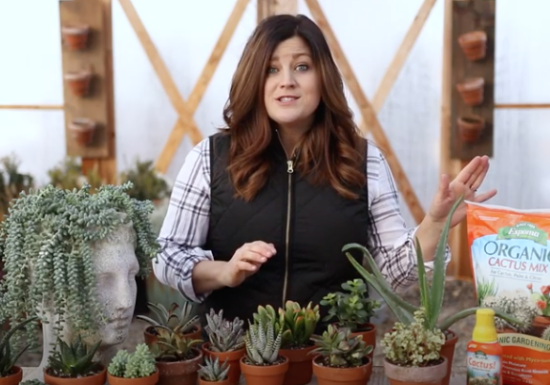
Watch as Laura from @GardenAnswer pots her succulent cuttings, repots her begonia, and grooms her African violets with the help of Espoma! 

Featured Products:


Where to Buy

https://www.espoma.com/wp-content/uploads/2022/02/Capture2.jpg 720 1280 espoma https://www.espoma.com/wp-content/uploads/2023/05/espoma-logo340w-1.png espoma2022-02-01 15:09:182023-01-31 18:43:31Video: Houseplant Upkeep with Garden Answer

Video: Winter Seed Sowing with Garden Answer!

January 19, 2022/in Espoma Videos, Garden Answer

Check out how Laura from @Garden Answer is starting seeds early in the winter season with the help of Espoma.


Featured Products:


Where to Buy

https://www.espoma.com/wp-content/uploads/2022/01/Winter-Seed-Sowing_Thumbnail.png 1014 1834 Danielle Kirschner https://www.espoma.com/wp-content/uploads/2023/05/espoma-logo340w-1.png Danielle Kirschner2022-01-19 15:12:492022-12-20 11:32:25Video: Winter Seed Sowing with Garden Answer!

Video: Lightbulb Terrarium with Garden Answer

January 19, 2022/in Espoma Videos, Garden Answer, Indoor Gardening, Succulents

Looking for some creative terrarium ideas?

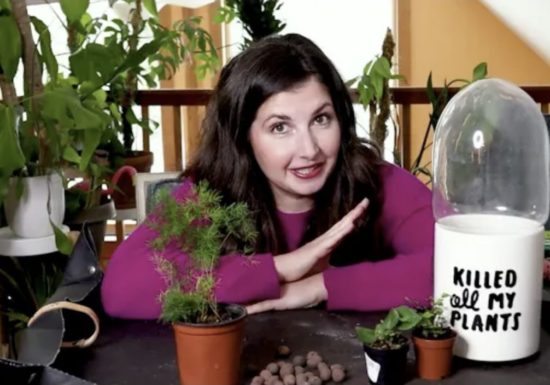
Watch as Laura from @Garden Answer uses a unique lightbulb to plant some succulents!


Featured Products:


Where to Buy

https://www.espoma.com/wp-content/uploads/2022/01/LightbulbTerrarium.jpg 1080 1920 Danielle Kirschner https://www.espoma.com/wp-content/uploads/2023/05/espoma-logo340w-1.png Danielle Kirschner2022-01-19 15:12:442023-01-11 01:25:11Video: Lightbulb Terrarium with Garden Answer

10 Ways to Repurpose Your Christmas Tree

December 22, 2021/in Blog


Photo by Jimmy Chan from Pexels

Now that the holiday season is coming to a close, you’re probably wondering what to do with that giant, luscious tree in your house. Don’t toss it just yet! There are plenty of earth-friendly ways to dispose of or repurpose it. Here are our top 10 ways to repurpose your Christmas tree!

1.) Mulch

Before having your tree picked up by your usual garbage crew, do a quick Google search to see if there are any mulching programs in your area. Old trees can be great to use as barriers against sand and soil erosion, and can also be used for local water-way stabilization. It’s a great way to help your environment!


2.) Compost

There’s always a way to turn your old organic material into compost! Cut the branches to fit the inside of your bin, and layer them in a criss-cross pattern about 6–8 inches high to ensure good airflow through the bottom of the pile. Then add your vegetable scraps, leaf litter, and any other compostable materials. Over time, the branches will break down and turn into compost themselves.


3.) Replant

If you live in a mild climate, you probably purchased your living tree either balled and burlapped or in a pot. If you can’t seem to let it go, just plant it in your yard! Dig a large hole in the ground and water it thoroughly. Then add a thick layer of mulch with either wood chips or leaves. Add some extra nutrients to help it get through the rest of winter with Espoma Evergreen-tone.


Photo by Devin Justesen on Unsplash

4.) Chip it
If you have access to a chipper (which usually can be rented), feed your tree through it. Come springtime, you can use the wood chips to bring nutrients to your soil!


5.) Feed the birds

Did you know that you could turn your old tree into a bird feeder? Remove all of the non-organic decorations like ornaments, hooks, and tinsel. Then place it outside while still in the stand and place it in a spot where you’ll be able to see it from indoors. Next, decorate it again by adding things like orange slices, strung popcorn, little bunches of bird feed, and anything else a bird would like to nibble on. Now you have a wonderful haven for birds to eat and shelter themselves that you can watch all season long from the warmth of your home.


6.) Make a wreath

Gather some wire, scissors, and any other pieces of decoration you’d like to add. Snip off individual branches and create a beautiful decorative wreath for your front door! You can keep this up all winter long — no need to take it down after the holidays have gone.

Photo by Kieran White on Unsplash

christmas tree with christmas lights

Photo by Kieran White on Unsplash


7.) Chop firewood

Have a fireplace? Put your tree to good use and heat up the house using the wood! All you have to do is chop it up and keep it handy for when you’re ready to light a fire.


8.) Get crafty

There are so many different ways to use the trunk of your tree for crafts! Cut thin slices and turn them into rustic coasters. Cut up multiple slices and add it to your wreath. If it’s big enough, slice it, write a fun saying on it, and turn it into a sign! The possibilities are endless.


9.) Make stakes

Got leggy plants? Stake them up with small branches from your tree! No need to go out and buy wire stakes when you can make your own right from home.


10.) Toss it properly

If you just want to throw out the tree, start by contacting your local waste provider as they usually pick up trees in the weeks that follow Christmas.


Keep in mind plastic or flocked trees unfortunately cannot be recycled, and need to be cut into small pieces and disposed of in the regular trash. But if you have a live tree you’re no longer using, consider using some of these nature-friendly tips to give them more uses before finally getting rid of them at the end of the season!

Featured Products


Where to Buy

https://www.espoma.com/wp-content/uploads/2021/12/pexels-jimmy-chan-1723679-2.jpg 853 1280 Danielle Kirschner https://www.espoma.com/wp-content/uploads/2023/05/espoma-logo340w-1.png Danielle Kirschner2021-12-22 16:56:032024-10-17 15:10:2410 Ways to Repurpose Your Christmas Tree

Video: How to Begin Winter Seed Starting with Garden Answer!

December 14, 2021/in Blog, Garden Answer, Indoor Gardening

The cold weather is no match for Laura at Garden Answer’s greenhouse! Follow along to see how Laura gets a head start on seed starting to plant amaryllis bulbs and indoor plants before the spring with the help of Espm Organic Seed Starter and Potting Mix!


Featured Products


Where to Buy

https://www.espoma.com/wp-content/uploads/2021/12/Screen-Shot-2021-12-14-at-10.59.18-AM.png 1440 2780 Danielle Kirschner https://www.espoma.com/wp-content/uploads/2023/05/espoma-logo340w-1.png Danielle Kirschner2021-12-14 11:11:502021-12-14 11:11:50Video: How to Begin Winter Seed Starting with Garden Answer!

Video: Reusing Summer Pots for Fall Plants with Garden Answer!

November 23, 2021/in Fruits & Vegetables - None


Follow along as Laura from @GardenAnswer gives her outdoor plants a fall makeover. Reusing pots for your fall garden is quick and easy with the help of Espoma Organic Potting Mix!


Featured Products:


Where to Buy

https://www.espoma.com/wp-content/uploads/2021/11/Screen-Shot-2021-12-14-at-11.05.42-AM.png 296 600 Danielle Kirschner https://www.espoma.com/wp-content/uploads/2023/05/espoma-logo340w-1.png Danielle Kirschner2021-11-23 16:38:332024-08-13 08:00:00Video: Reusing Summer Pots for Fall Plants with Garden Answer!

Five Herbs to Plant This Fall

October 8, 2021/in Blog, Fruits & Vegetables - None

You may think that when the weather cools, the gardening stops. But it doesn’t have to be that way! Planting herbs in the fall can make for a great head start in the spring. Plus, who doesn’t love to garden year-round? Here are our top five picks to get you started.


Parsley


Did you know that parsley planted in the fall actually produces more harvest than parsley planted in the spring? Grow it in part shade to full sun and keep the soil moist by watering regularly. Give it the healthiest start by using organic potting mix.


Thyme

Thyme is a great addition to almost any dish and the perfect garnish for your fall cocktails! Grow this herb in full sun near your brightest window. As a bonus, you can plant thyme alongside rosemary, which has the same light and watering needs.


organic herb

Sage

Sage is a fragrant herb that also makes a great addition to your kitchen for special meals. Make sure this herb gets plenty of sunlight and water once the top layer of soil is dry. Be wary of mildew growing on your sage, and be sure to give it proper air circulation. Give it a head start with Espoma Bio-tone Starter Plus.

Lavender

Who doesn’t love the smell of lavender? Whether dried or fresh, this fragrant herb can change the ambiance of your home with its calming scent and its beautiful purple appearance. Give your lavender full sun — at least six hour a day — and allow the soil to dry out between waterings. Be careful not to overwater this herb, especially in the cooler months.

Chives 

As another great culinary herb, chives can add the ideal amount of seasoning to so many dishes. Grow them in a sunny spot and be careful not to keep them too close to your heater. Let the soil dry between waterings.

Don’t let the cooler weather stop you from gardening! If you’re struggling to get enough light for any of these herbs, consider supplementing with grow lights.


Where to Buy
 

https://www.espoma.com/wp-content/uploads/2021/10/Header-Image.jpeg 821 1026 Danielle Kirschner https://www.espoma.com/wp-content/uploads/2023/05/espoma-logo340w-1.png Danielle Kirschner2021-10-08 16:19:222024-10-21 12:27:54Five Herbs to Plant This Fall
Page 24 of 34«‹2223242526›»
Where to Buy

Get News & Updates

Recent Posts

  • Video: Feeding Evergreens with Skye Hamilton 🌲
  • VIDEO: A Formal Garden Tour with Summer Rayne Oakes
  • VIDEO: Repotting in the Greenhouse with Garden Answer
  • VIDEO: How to Winterize Your Chicken Coop with Summer Rayne Oakes
  • VIDEO: Planting Spring Bulbs in Containers 🪴🌷 with Summer Rayne Oakes

Tags

All-Purpose Potting Mix bio-tone Bio-tone Starter Bio-tone Starter Plus Cactus Mix caring for houseplants Container Gardening DIY project Espoma espoma grown espoma organic Espoma Organics Espoma Video fall gardening Family fert flower garden flowers garden Garden Answer Gardening gardening tips gardens grow holly-tone houseplants Indoor! indoor gardening indoor plants Kaleb Wyse organic organic fertilizer Organic Gardening organic plant food Organic Potting Mix Outdoor Gardening Planting plants Potting Mix potting soil Spring Gardening summer rayne oakes vegetable garden Vegetable Gardening Wyse Guide

Espoma. A Family Tradition Since 1929.

Espoma Organic logo
  • Espoma Dealer
  • Espoma Pro
  • Garden Club
  • Privacy Policy

Scroll to top