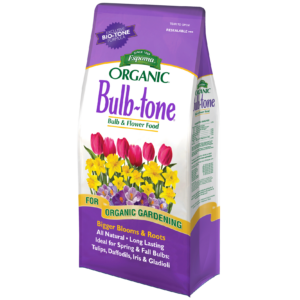
Espoma Organic
  • Products
    • Close
    • Product Line Overview
    • Plant food finder
    • Garden Fertilizers
    • Potting Soils
    • Lawn Fertilizers
    • Liquid Fertilizers
    • Single Ingredients
    • Conventional Plant Foods
    • Animal Care Products
  • Where to Buy
  • Our Story
    • Close
    • Our Story
    • Locations
    • Historical Timeline
    • Our Commitment
    • Directions
    • Solar
    • Join our Team
    • Espoma Brand Partners
  • Learn
    • Close
    • Espoma Blog
    • FAQ’s
    • Pocket Guide
    • Espoma Guides
    • Garden Clubs
    • Safe Paws Lawn
    • PRODUCT FACT SHEETS
    • Fertilizer Fundamentals
      • Close
      • Understanding Plant Nutrition
      • Reading Labels
      • Choosing the Right Type of Fertilizer
      • Terms & Definitions
    • Gardening Projects
    • Resource Links
  • Contact Us
  • Menu Menu

Tag Archive for: Espoma Organics

5 Veggies to Plant in August

August 12, 2020/in Fall Gardening, Fruits & Vegetables, Gardening, Vegetable Gardening

Have you thought ahead to your fall harvest yet? August is prime time to plant delicious and nutritious vegetables that will come to life in the cooler months. And there’s nothing better than being able to spice up your home-cooked dishes using your very own garden — no need to run to the supermarket! Read on to find out which veggies you should be planting right now.


Lettuce

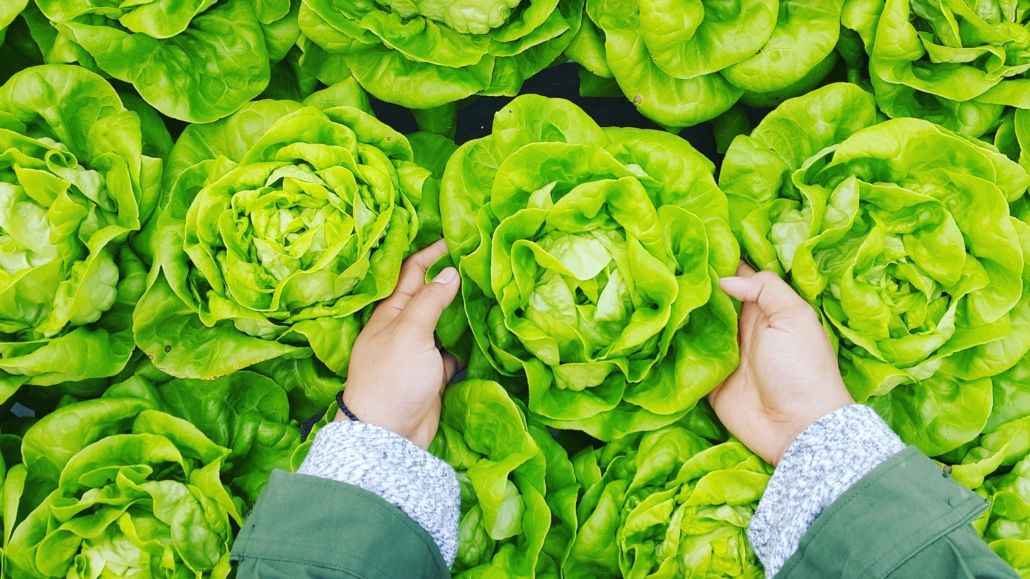
Did you know lettuce cannot be frozen, dried, pickled, or canned? That’s why you have to eat it fresh! Luckily, planting it right now means you’ll be able to enjoy it in just a few months. A fall harvest is ideal as lettuce’s sturdiness prevents any frost from destroying it. These leafy greens are a good source of vitamin C, calcium, iron, and copper — making it the perfect base for a healthy salad. Keep an eye out for the dark green leaves when harvesting as they’re even healthier than the light green ones. 

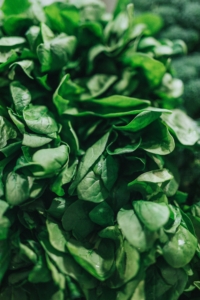
Spinach

Spinach is well known for its low-calorie count and high levels of vitamin A, C, and iron — making it the perfect addition to that healthy salad. This veggie also gives you the highest turnover out of all the others. If collected in small quantities, you can keep harvesting them late until May! The best time to start planting them is now, at the tail end of summer.
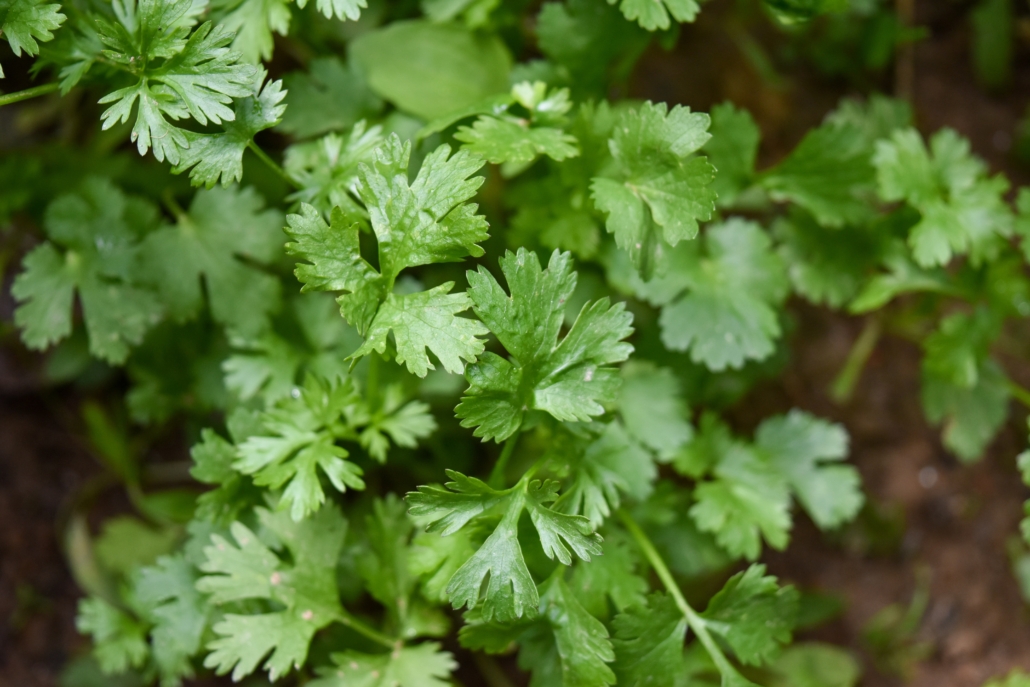
Parsley

Ready for another healthy addition to that salad we’re working on? Parsley is a rich source of Vitamin K, C, and A, and minerals like magnesium, potassium, iron, and calcium. It’s no wonder this veggie has been used in dishes since ancient Rome! It’s also believed to have anti-tumor, anti-bacterial, and antifungal properties. Plant your parsley now to make sure you can reap all these benefits in the fall.

Carrots

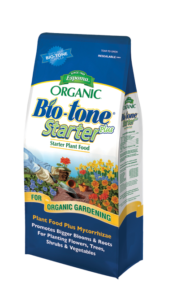
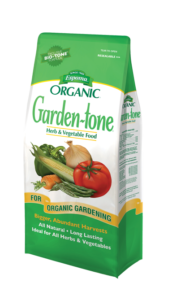
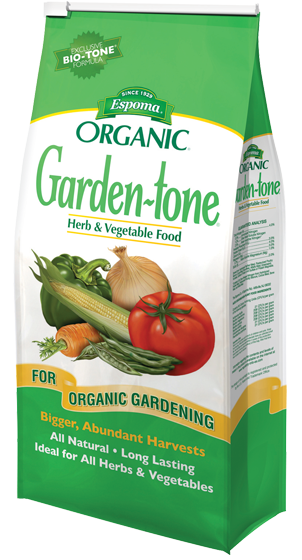
If you’re planning on sowing some veggies that aren’t leafy greens, carrots should definitely be your first choice! As this vegetable grows into the fall season, the cool weather turns the starch to sugar, making them extra delicious. This sweet flavor makes them the perfect side or snack — sauteed, roasted, or even raw! Keep in mind that this plant does need a little extra care compared to some of the others on this list, so be sure to use vegetable food like Garden-tone to provide them with the energy they need to grow.

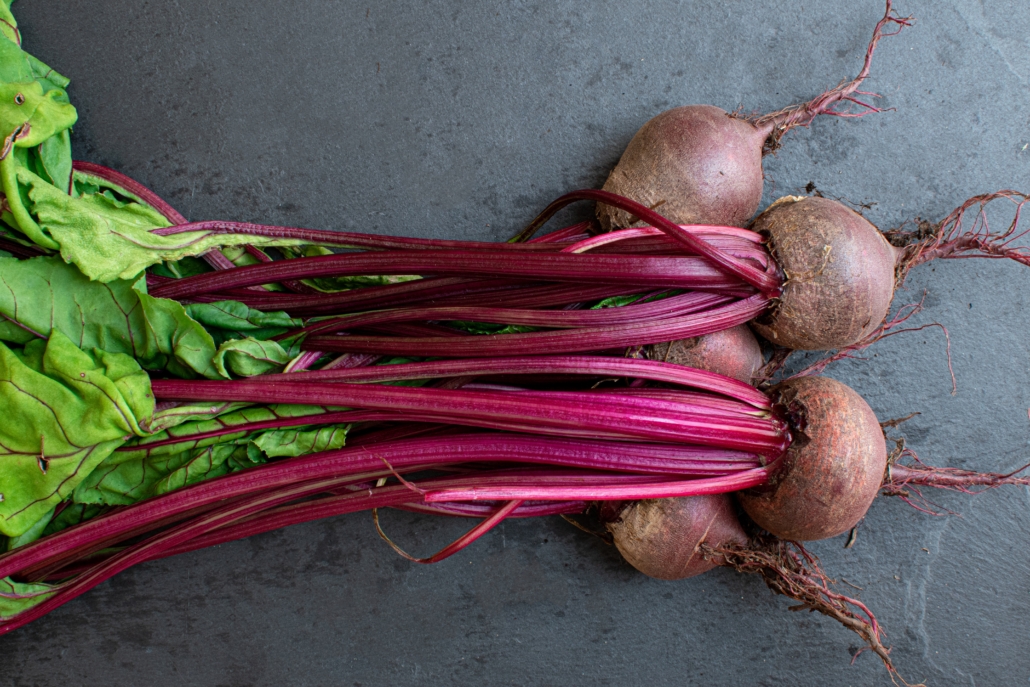
Beets

Last but not least, beets should definitely be on your August to-plant list. Did you know beets are edible from the tip of their green leaves to the bottom of their brown roots? They also help capture some hard-to-catch toxins and flush them out. These same antioxidants provide anti-inflammatory agents that provide a wide array of health benefits. Still not convinced? Since beet juice helps cleanse your liver, it’s thought that it can even help cure hangovers! If you want to make use of the entire plant and enjoy all these delicious benefits, make sure to sow the seeds now — about 8 weeks before the first frost.

*****

Just because summer is winding down, doesn’t mean it’s time to pack up your gardening supplies. August is the perfect time to plant some of your favorite vegetables! Cooking primarily with these veggies straight from your garden will give you some of the freshest and tastiest dishes. So get your family together, head outside, and get planting!


Featured Products:


Where to Buy


https://www.espoma.com/wp-content/uploads/2020/08/sophie-mikat-gCU9ucYYcSQ-unsplash-scaled.jpg 1707 2560 Danielle Kirschner https://www.espoma.com/wp-content/uploads/2023/05/espoma-logo340w-1.png Danielle Kirschner2020-08-12 15:50:192023-08-15 11:22:155 Veggies to Plant in August

Video: Planting for Fall

August 11, 2020/in Espoma Videos, Fruits & Vegetables - None, Garden Answer

Watch Laura from Garden Answer plant for Fall!

Featured Products:

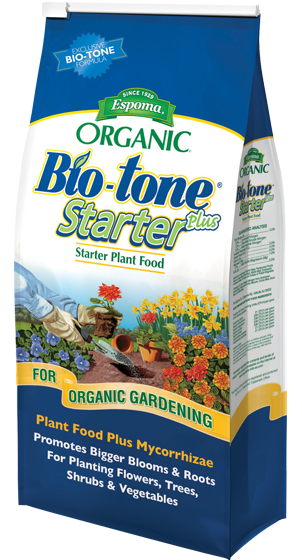
Bio-tone Starter Plus
https://www.espoma.com/wp-content/uploads/2020/08/Planting-for-Fall.jpg 1228 2318 Danielle Kirschner https://www.espoma.com/wp-content/uploads/2023/05/espoma-logo340w-1.png Danielle Kirschner2020-08-11 13:52:062020-08-11 15:43:19Video: Planting for Fall

Video: Planting Fall Crops for Harvest with Garden Answer

August 11, 2020/in Espoma Videos, Fruits & Vegetables - None, Garden Answer

Fall crops already? That’s right! Join Garden Answer and get some great ideas for food crops in the upcoming season.

Featured Products

Garden-tone
Bio-tone Starter Plus
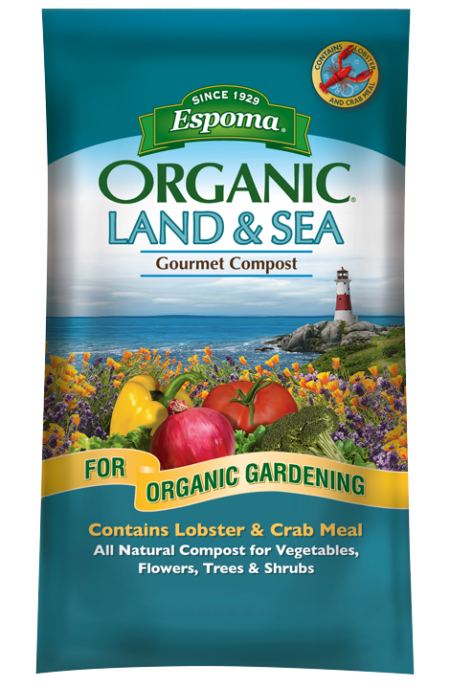
Land & Sea Gourmet Compost
https://www.espoma.com/wp-content/uploads/2020/08/Thumbnail-6.jpg 1080 1920 Danielle Kirschner https://www.espoma.com/wp-content/uploads/2023/05/espoma-logo340w-1.png Danielle Kirschner2020-08-11 13:31:042020-08-11 15:44:10Video: Planting Fall Crops for Harvest with Garden Answer

Video: Tying up & Fertilizing Tomatoes with Bloom and Grow Radio!

August 4, 2020/in Bloom and Grow Radio, Espoma Videos, Fruits & Vegetables, Vegetable Gardening

Are your tomato plants growing out of control? Time to tie them up with Bloom and Grow Radio‘s Tying and Fertilizing Tomatoes video featuring Tomato-tone!

See our guide to growing tomatoes here

Featured Products:

Espoma Organic Tomato-tone
https://www.espoma.com/wp-content/uploads/2020/08/Screen-Shot-2020-08-04-at-2.39.27-PM.png 910 1766 Danielle Kirschner https://www.espoma.com/wp-content/uploads/2023/05/espoma-logo340w-1.png Danielle Kirschner2020-08-04 14:44:422024-09-03 15:26:04Video: Tying up & Fertilizing Tomatoes with Bloom and Grow Radio!

Plant Care Is Self-Care: Nurture Yourself as You Nurture Your Plants

December 11, 2019/in Blog, Indoor Gardening

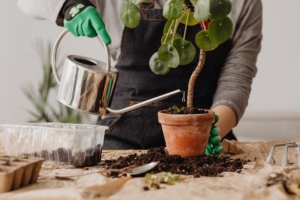
Plant care - person watering a potted plant

Ever notice how a moment spent tending your plants feels like a mindful pause in a busy day? You’re not just watering—you’re nurturing calm, presence, and connection. We believe that caring for your green companions is one of the most natural forms of self-care. And just like you thrive on nourishing food, your plants thrive when you feed them regularly with Espoma Organic fertilizer —gentle, effective, and safe for people, pets, and the planet.


man working in an office filled with plants

The Science Behind the Serene

Sharper Mind + Better Mood
Studies show that being around plants can boost memory and attention by about 20%, while reducing background noise and enhancing productivity and creativity—especially in home or little work-from-home nooks.

Soil for the Soul
That earthy scent? It comes from microbes like Mycobacterium vaccae (lovingly nicknamed “outdoorphins”), and they don’t just feed your plants—they may help boost your mood and immunity, too.


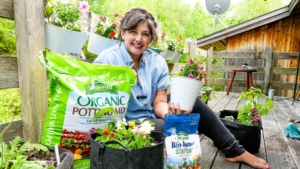
Maria from Growing Joy with Maria with plants and organic potting soil and organic fertilizer from Espoma Organic Potting Mix and Bio-tone on her balcony

Self-Care That Doesn’t Feel Selfish

Pulling weeds, misting leaves, or simply observing new growth—these are gentle rituals that anchor us in the now. As one soothing tip from our brand partner, Maria Failla of Growing Joy with Maria, reminds us:

“Use watering or caring for them as an excuse to get up from your computer and take some ‘me-time’—because plant care is self-care.”

Pair that with feeding your plants Espoma Organic fertilizer, and you’re nourishing life in every sense.


Indoor Joy: Caring for Your Plants with a Gentle Boost

Your indoor plants do more than brighten a room—they improve your air, calm your mind, and remind you to slow down. To keep them thriving year-round, a little extra nourishment goes a long way.

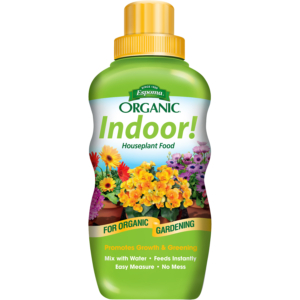
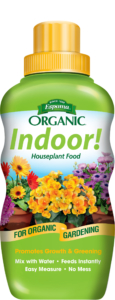
That’s where Espoma Organic Indoor! liquid fertilizer comes in. This gentle, balanced formula is made from natural ingredients and feeds instantly, giving your leafy friends the nutrients they need for lush growth and vibrant color—even in the lower light of winter months.

Self-Care Tip: Pair your plant feeding with your own wellness ritual. Set a reminder every 2–4 weeks to water and feed your plants, then take a few minutes to enjoy a cup of tea nearby. Watch how your plants respond over time—you’ll notice deeper greens, healthier new leaves, and a little spark of joy in your day.


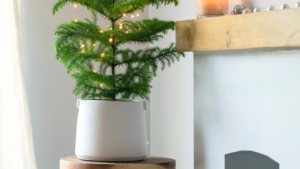
Norfolk-Island-Pine-in-a-white-pot

Festive Downtime: Holiday-Ready Green Retreats

During the busy holiday season, a mini Christmas cypress or Norfolk Island Pine—with its fresh sap-like scent—can be both a peaceful décor choice and a mindful project. Pot it up in our Espoma Organic Potting Mix, give it a slow sip of water, and feed it with an organic fertilizer like Indoor! for lasting joy. It’s a gift that grows for you, not just from you.


Fresh Ways to Deepen Plant-Based Self-Care

  1. Micro-Meditation Moments
    Set a daily two-minute ritual—touch the soil, check a leaf, breathe deeply. Call it a “plant-powered reset.”

  2. Mini Salad Gardens with Maria Failla
    Maria Failla of Growing Joy with Maria, makes self-care—and dinner—even simpler. She grows an entire salad (including herbs, lettuce, mini-tomatoes, and edible blooms) in a single container using Espoma Organic Potting Mix, Bio-tone Starter Plus, and Garden-tone organic fertilizer for steady nourishment. 

  3. Create a Kitchen Corner of Calm
    A small shelf of herbs like basil, lavender, or even mint provides an aromatic escape and practical joy when cooking. Watering and feeding them with organic fertilizer like Indoor! can become a lovely action in your daily rhythm.

  4. Mindful Mondays with Biophilia
    Start your week by simply sitting with your plants—observing new buds, leaf shapes, and subtle color shifts. This biophilic practice connects you to growth and groundedness.


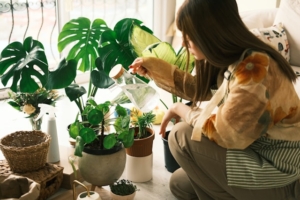
woman watering indoor plants

Let Your Care Shine Through

Plant care is not just about pretty greenery—it’s caring for yourself, too. You pause, breathe, tune in, and the soil responds. Whether it’s a festive tree, a potted herb, or a tranquil succulent, your green space is your sanctuary. And with a little love, light, and organic fertilizer, your plants—and your spirit—can truly thrive.

*****

Here are some of our other blogs and videos we think you will enjoy.

Give Some Green for the Holidays

Parenting Advice for New Plant Parents

Poinsettia Care Guide from Garden Answer

Featured Products:

Espoma Organic Indoor! Liquid Plant Food Image

Espoma Organic Bio-tone Starter Plus Bag ImageEspoma garden-tone

Where to Buy

https://www.espoma.com/wp-content/uploads/2019/03/IMG_3162.jpeg 3368 6000 espoma https://www.espoma.com/wp-content/uploads/2023/05/espoma-logo340w-1.png espoma2019-12-11 11:54:012025-08-13 14:53:41Plant Care Is Self-Care: Nurture Yourself as You Nurture Your Plants

The best indoor plants for small spaces

November 20, 2019/in Blog

Apartments or small spaces are invitations to get creative with décor. There are many different ways you can grow indoor plants. There are plenty of ways to keep houseplants nearby.

To maximize space, design and style, utilize a few small potted plants. Take advantage of vertical spaces with hanging baskets or a green wall. Even small DIY projects such as terrariums or kokedama can instantly perk up a small space.

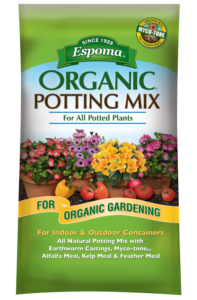
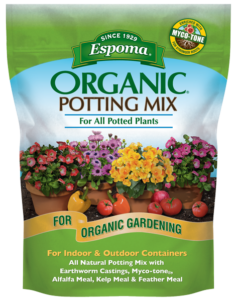
When growing in containers, be sure to use Espoma’s Organic Potting Soil Mix for best results.

These houseplants are a small space gardener’s best friends:

Haworthia ‘Big Band’

A big name for a small plant, but the deep green leaves with white stripes really stand out. They look very modern in small containers with a layer of white gravel on top of the soil. Keep them out of direct light. They grow 2-8 inches tall and wide.

Moth Orchid

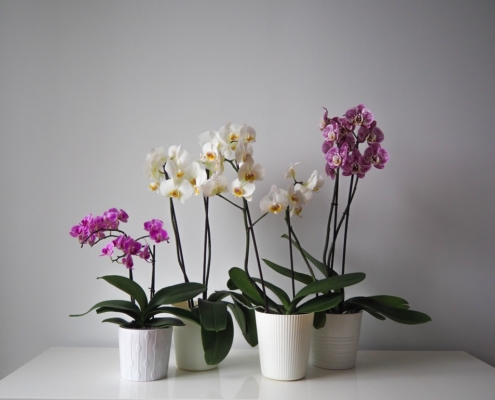
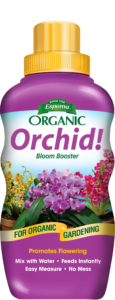
Moth orchids have long, thin stems and large flowers that create a big impact in small places. Plus, they flower for an incredibly long time. These are the easiest orchids to grow, even if you are a beginner. Bonus, they are actually more likely to flower when rootbound, so no need to add more space anytime soon. Water well once a week, then let drain completely. Feed regularly with Orchid! liquid plant food.

African Violet

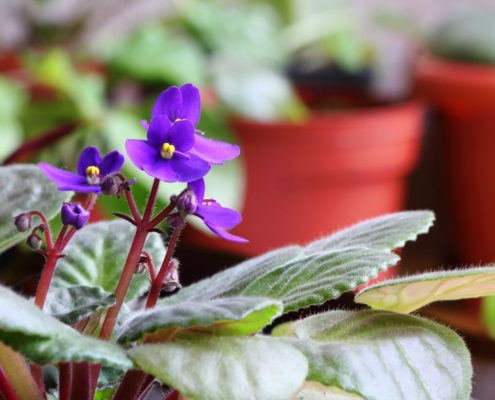
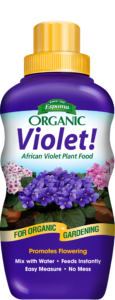
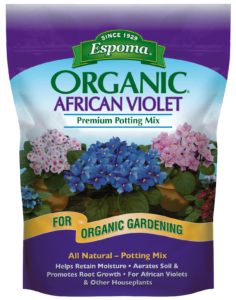
The colorful blooms of African violets instantly add color to any room. They’re known to bloom continuously, even throughout the darker winter months. Slightly root bound plants will continue to bloom, but be sure to repot using Espoma’s African Violet potting mix at least once a year. Water African violets from the bottom to prevent leaves from rotting and never let them sit in standing water.   

Photo courtesy of Costa Farms

Fittonia

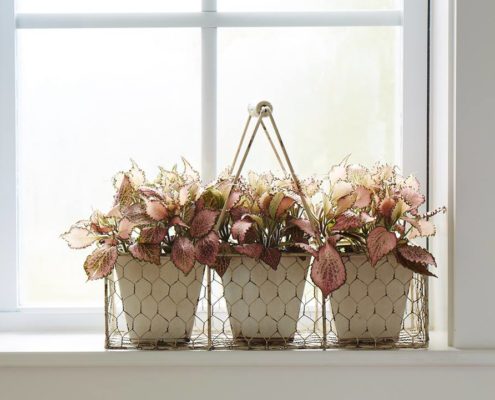
Also known as nerve plant, Fittonia adds a pop of color with leaves that have bright pink, white or red veins. Its petite size allows for it to be placed almost anywhere. Fittonia prefers medium to low light, but tolerates direct sun if the light is filtered through a sheer curtain.

Echeveria

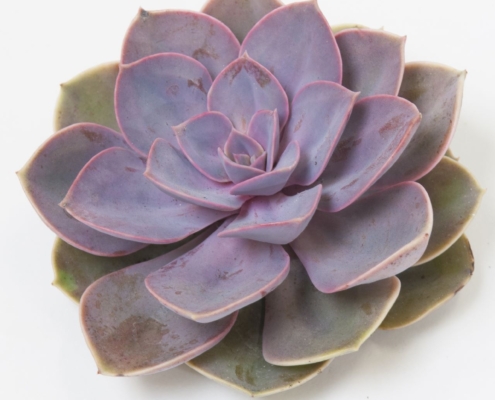
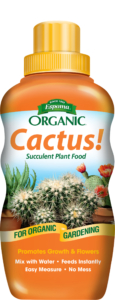
The echeveria is one of the most common types of succulents. Little plants like these are commonly found on office and home desks due to their easy care and small size. A common cause of death, however, is overwatering. Make sure to let your plants’ soil dry completely before giving them another drink. Feed regularly with Espoma’s Cactus! liquid fertilizer for best results.

Try these lowlight houseplants if you want greenery, but lack light. https://youtu.be/SYXv_EcBdEA

*****


Featured Products for houseplants:


Where to Buy
https://www.espoma.com/wp-content/uploads/2017/01/shutterstock_491195248.jpg 2922 4384 espoma https://www.espoma.com/wp-content/uploads/2023/05/espoma-logo340w-1.png espoma2019-11-20 08:00:302022-12-08 14:42:49The best indoor plants for small spaces

Plants to Help You Get Some Rest

November 13, 2019/in Blog, Indoor Gardening

Houseplants are so much more than decorations. They help reduce stress and tension and create a relaxed and happy atmosphere. They absorb carbon dioxide and produce oxygen while purifying the air by removing toxins. They say we spend a third of our life sleeping, so let’s do it in the best possible environment, a room full of house plants.

The best plants for a healthy night’s sleep.   

Photo courtesy of Costa Farms

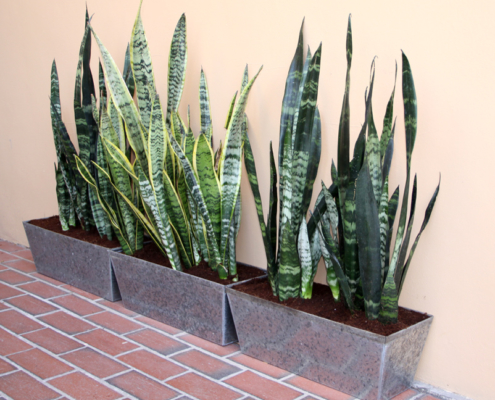
Snake Plant

Snake plants convert carbon dioxide to oxygen at night. It is also one of the easiest and most forgiving houseplants you can grow. Whether you have bright or low light, a snake plant will adjust to it. It doesn’t require much water and even if you forget to water it for a couple of weeks, it will still look great. Overwatering it is really the only way to kill it. 

Photo courtesy of Costa Farms

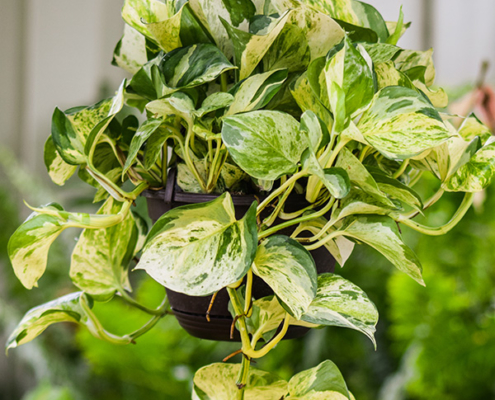
Golden Pothos

A study from NASA shows that pothos removes toxins, mainly carbon monoxide and formaldehyde from the air. This low-maintenance plant grows well in low light. Water it only when completely dry. Always pot your houseplants in quality potting soil like Espoma’s Potting Mix or a mixture of potting mix and Cactus Mix for plants like this that require excellent drainage. 

Photo courtesy of Costa Farms

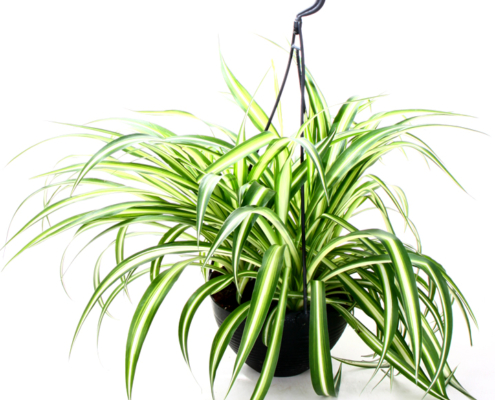
Spider Plant

The spider plant removes formaldehyde from the air, which is a common carcinogen found in many household products and items. This is another easy to grow selection that enjoys bright light, but will adapt to low light situations. Like all house plants, a regular schedule of fertilizing will help keep spider plants in tip-top shape. Organic liquid fertilizer like Espoma’s Indoor! works beautifully and has an easy dose cap, meaning you’ll never use too much or too little.

Photo courtesy of Costa Farms

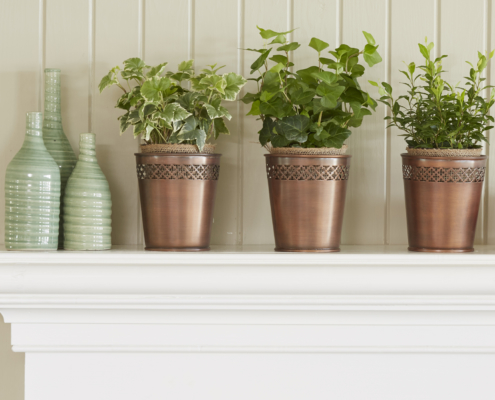
English Ivy

English ivy has the unique ability to clean the air of mold. Ivy is a trailing plant that you can train to grow up a trellis or let it cascade down from a shelf.  It can be an aggressive plant outdoors, but inside it’s well behaved. Keep the soil moist, but not wet, and give it a place with indirect light.

Photo courtesy of Costa Fams

Aloe vera

Aloe has been used as a medicinal plant to heal: sunburn, cuts, insect bites, minor burns, and dry skin. It’s also an air purifier. Aloe likes bright light. Water it well every two weeks or when the soil feels very dry. Fertilize with Cactus!  monthly to give it nutrients.

Photo courtesy of Costa Farms

Peace Lilies

Peace lilies also made it on NASA’s list of toxin removing plants. They can absorb mold spores from the air into their leaves. It’s a pretty plant with calla-like flowers that likes bright light. Regular watering is a must (they’ll let you know when they’re thirsty by letting their leaves droop.)

Lavender

Lavender has been used for centuries for its soothing, sleep-inducing properties. Victorian ladies used to stuff their pillows with lavender to relieve stress. Today you can find a wide array of lavender products to help whisk you off to sleep. Lavender isn’t often sold as a houseplant but you can grow it outdoors and harvest the flowers for the bedroom.

*****

Ready for more relaxing? Check out these blogs for ideas.

Create a Spa in Your Bathroom

Top 5 Low Light Houseplants

How to Decorate for Thanksgiving with Plants


Featured Products:


Where to Buy

https://www.espoma.com/wp-content/uploads/2019/11/timothy-buck-psrloDbaZc8-unsplash-scaled.jpg 2560 2560 espoma https://www.espoma.com/wp-content/uploads/2023/05/espoma-logo340w-1.png espoma2019-11-13 08:00:042022-11-04 17:12:47Plants to Help You Get Some Rest

Garden Answer’s Design Tips for a Romantic Cottage Garden

June 20, 2019/in Blog, Espoma Videos, Garden Answer

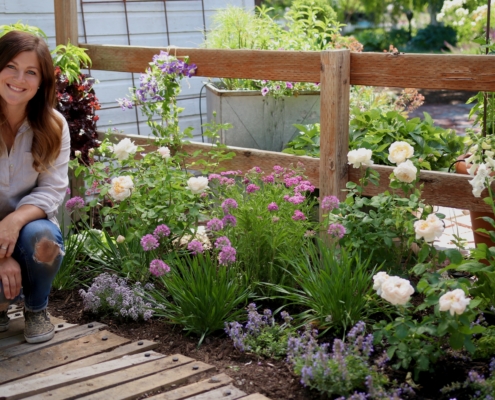
English cottage gardens date back centuries. They were used to grow vegetables, herbs for healing, fruit trees, perhaps a beehive, and common flowers. The informal style went through a renaissance in the late 1800’s when they became somewhat more nostalgic than practical. 

The informal aesthetic of dense planting and natural materials is still en vogue today. In this video, Laura outlines 10 design principles to help you design a cottage garden. Before you start, make sure you have plenty of Espoma’s organic Bio-tone Starter Plus plant food to make sure your plants get the best possible start.

No Straight Lines

Cottage gardens are always informal and a touch whimsical. Avoid straight lines. Gently curving edging looks more natural and playful. If your site restricts you to a straight edge, let the plants spill over it to create an unrestrained look.

Large Groups of the Same Plant

White cottage gardens are more relaxed in their design, it is still best to use large sweeps of the same plant. Think of planting in groups of three, five or seven. That is far more restful to the eye than a jumble of onsies and twosies. 

Spacing Doesn’t Matter

This is one time you do not have to follow the advice on the plant tag. Cottage gardens are always densely planted and generally grow more densely packed with time. Annuals and biennials are often used in cottage gardens and will self-sow in the border. Biennials are plants that take two years to grow and flower from seed like the foxgloves shown. Another advantage to planting things close together is that there is less room for weeds to grow.

Color Harmony

It’s very important to pick a collection of plants that have harmonious colors. Without that the border would look chaotic. Garden Answer uses a collection of soft pinks and peaches with touches of blue and lavender. It needn’t always be soft colors, but they do need to be unified in some way.

Use Varied Heights and Textures

In any planting, it’s a good idea to think about texture, height and foliage color as major design elements. Nothing blooms all the time. Varied foliage forms and colors will create interest even when the flowers aren’t in bloom. Laura uses Heuchera specifically for the silvery foliage color.

Anchor Plants/Structural Elements

This is sometimes referred to as the “bones” of a garden. It’s a structural element that all of the other plants get woven around. In this case, it’s a beautiful shrub rose named Rose ‘The Lady Gardener’, a fragrant beauty with full, apricot blossoms. The rose is repeated three times. Repetition is soothing to the eye.  It’s possible to use evergreens for a slightly more formal feel, or whatever peaks your interest.

Fragrance

The first thing everyone does when they pick a flower is to hold it up to their nose. Cottage gardens are known for their fragrance. Try to select varieties that smell good at the garden center. Roses, lavender, sweet peas, and sweet alyssum are all good choices.

Not Perfectly Maintained

Along with relaxed design principles, comes relaxed maintenance. Planting tightly will discourage weeds. Annuals like poppies will self-seed and move around the border, just like the biennial foxgloves. Weeding everything that comes up might mean that you weed out these plants and inhibit their spontaneous movements.

The Look Will Change Over Time

This style of gardening is the exact opposite of a formal border filled with geometric shaped boxwood. By its very nature this is meant to be more random. People often sow cosmos, violas and other plants that have a tendency to move around. Let them surprise you. If you really don’t like where one popped up, it’s easy enough to remove.

Be Patient

Being patient is really what gardening is all about. A garden is never really finished. Enjoy the journey!

Garden Answers Plant List

Nepeta ‘Cat’s Pajamas’ – catmint

Achillea – pink yarrow

Allium ‘Serendipity’ – ornamental onion

Rose ‘The Lady Gardener’

Heuchera Dolce ‘Spearmint’ – Coral Bells

Clematis ‘Brother Stephan’

Digitalis Foxy Hybrids –  foxglove

Lobularia ‘Blushing Princess’ – sweet alyssum

Here are more videos from Garden Answer we hope you will enjoy.

How to Plant Cottage-Style Flower Beds! 

Plant Your Window Boxes Like Garden Answer

Succulent Pot in a Pot – Quick Version

How to Re-pot Houseplants – Quick Cut

*****

Featured Products:

Where to Buy
https://www.espoma.com/wp-content/uploads/2019/06/IMG_6487.jpeg 3368 6000 espoma https://www.espoma.com/wp-content/uploads/2023/05/espoma-logo340w-1.png espoma2019-06-20 11:00:152024-09-25 16:39:24Garden Answer’s Design Tips for a Romantic Cottage Garden

VIDEO: Spring Flowers Melt the Winter Blues with Garden Answer!

March 19, 2019/in Blog, Flowers, Garden Answer

Spring has sprung and it’s time to get outside and plant up some early spring containers. A trip to the local garden center will surely inspire you. Plant big pots of brightly colored bulbs and annuals to liven up entryways, patios and balconies. Laura from Garden Answer shows you just how easy it is to do in the video below.

Laura fills her containers with tulips and violas, true harbingers of spring. Alternatively, you could also use daffodils and other cold hardy annuals like Iceland poppies or nemesia. In cold climates, it’s important to select plans that are hardy enough to withstand a cold snap.

These early spring containers will flower for a month or so, bridging the gap from early spring to the frost-free date. When it’s time to plant summer containers, replant the tulips out into the garden where they’ll bloom again next spring. The violas may also be moved to a lightly shaded area of the garden.


Four Easy Steps to Early Spring Containers

  1. Prep Containers. Fill containers three-quarters full with good, quality potting soil like Espoma’s Potting Mix and prepare to plant bulbs at the depth they were in the nursery pot.
  2. Add Nutrients. Add Bulb-tone fertilizer to the soil, following package directions.
  3. Get ready to plant. Gently remove the plants from their pots and loosen roots. Add plants.
  4. Finish it up. Backfill containers with more potting soil and water deeply.


Enjoy flowers for even longer by choosing tulips or daffodils that are not yet in full bloom. When finished blooming, just remove the flower stem. The leaves will still provide a vertical accent and the bulbs need the foliage to replenish themselves.

Taking time to deadhead the violas will extend their bloom time. If temperatures are cool, you may only need to water containers once a week.

Check out these videos from Garden Answer about tulips and early spring planting.


Plant Your Window Boxes Like Garden Answer


How to Care For Your Tulips After They’ve Bloomed


Featured Products:


Where to Buy

https://www.espoma.com/wp-content/uploads/2019/03/Thumbnail.jpg 1080 1920 espoma https://www.espoma.com/wp-content/uploads/2023/05/espoma-logo340w-1.png espoma2019-03-19 14:13:302024-03-13 15:58:00VIDEO: Spring Flowers Melt the Winter Blues with Garden Answer!

Fern Care Guide

February 22, 2019/in Blog, Indoor Gardening

Ferns are classic yet fussy houseplants. Laura @GardenAnswer has all the tips and tricks you need to be successful in growing ferns indoors.

Here are 10 things to keep in mind as you tend to your fern:

Light Exposure

Contrary to popular belief, ferns need quite a bit of light. Though, they don’t like to be in direct sunlight as their foliage will change to a light yellow color or burn. Keep them near a place that receives plenty of sunshine throughout the day.

Only a few varieties can handle shade and moisture as most people think. Check your plant tag for the most accurate information about your fern.

Temperature

Ferns like their surroundings to be similar to what we like between 65 and 75°F, matching the temperatures in our home. They don’t like it too drafty so keep them away from doors that lead outside and away from air vents.

Humidity

This is the most important thing to be aware of for keeping your fern healthy, especially if you live in a dry climate. Placing your fern in a bathroom or kitchen near the water source can help, since they typically get more moisture in there naturally.

For a more decorative option, place pebbles in a tray with some water and place your fern on top. The moisture will carry up to the foliage as it evaporates. Add water to the tray as needed.

Soil Type

Use Espoma’s Organic Potting Mix for your ferns. Organic potting mixes have the right kind of drainage and will hold just enough water that is needed without drowning your fern.

Repotting

Typically, ferns need to be repotted every two years. Check its roots once a year. If the roots are starting to circle around the container, it is time to repot. If there is still soil around the edge of it, it should be fine for another year.

When it is time to repot your fern, only go up one size for your container. Be sure there is a drainage hole at the bottom of your container. Place a small layer of Espoma’s Organic Potting Mix in the bottom and fill around the sides as needed.

Watering

Ferns like to be consistently damp, but not wet and soggy like many people think. Each fern and home is a bit different, especially this time of year. Water your fern and keep an eye on it. If the soil at the top feels dry, water it again.
Fertilizing

Ferns like to be fed about once a month during their growing season. Each zone and climate will have a different growing season, which you can ask your local garden center about. Feed your fern with Espoma’s Organic Indoor! liquid plant food. Check the label for instructions on how to use.
Grooming

All houseplants should be groomed about once a month. Remove any foliage that looks damaged, unhealthy, or is turning brown or yellow. Discard any leaves or debris that is on top of the soil to keep insects and diseases at bay.

Insects

The most common insects to watch out for are mealybugs, aphids, fungus mites, white flies, and spider mites for just about any houseplant. If you are unsure of the insect you are dealing with, take a picture and take it to your local garden center. They will be able to offer suggestions on how to get rid of it.

Toxicity

Ferns are non-toxic, but it is still a smart idea to keep your pets and kids away from eating or playing with a fern. That might just cause a tummy ache or a mess in your home!

*****


Where to Buy


https://www.espoma.com/wp-content/uploads/2019/02/fern-1.jpg 1080 1920 espoma https://www.espoma.com/wp-content/uploads/2023/05/espoma-logo340w-1.png espoma2019-02-22 11:00:232024-09-07 08:00:46Fern Care Guide
Page 25 of 27«‹2324252627›»
Where to Buy

Get News & Updates

Recent Posts

  • VIDEO: How to Winterize Your Chicken Coop with Summer Rayne Oakes
  • VIDEO: Planting Spring Bulbs in Containers 🪴🌷 with Summer Rayne Oakes
  • VIDEO: Planting the Last Bulbs of the Season with Garden Answer
  • How to Care for Ferns 🌿 | Growing Joy with Maria
  • VIDEO: One Last Autumn Stroll 🍁🍂 with Summer Rayne Oakes

Tags

All-Purpose Potting Mix bio-tone Bio-tone Starter Bio-tone Starter Plus Cactus Mix caring for houseplants Container Gardening DIY project Espoma espoma grown espoma organic Espoma Organics Espoma Video fall gardening Family fert flower garden flowers garden Garden Answer Gardening gardening tips gardens grow holly-tone houseplants Indoor! indoor gardening indoor plants Kaleb Wyse organic organic fertilizer Organic Gardening organic plant food Organic Potting Mix Outdoor Gardening Planting plants Potting Mix potting soil Spring Gardening summer rayne oakes vegetable garden Vegetable Gardening Wyse Guide

Espoma. A Family Tradition Since 1929.

Espoma Organic logo
  • Espoma Dealer
  • Espoma Pro
  • Garden Club
  • Privacy Policy

Scroll to top