Espoma Organic
  • Products
    • Close
    • Product Line Overview
    • Plant food finder
    • Garden Fertilizers
    • Potting Soils
    • Lawn Fertilizers
    • Liquid Fertilizers
    • Single Ingredients
    • Conventional Plant Foods
    • Animal Care Products
  • Where to Buy
  • Our Story
    • Close
    • Our Story
    • Locations
    • Historical Timeline
    • Our Commitment
    • Directions
    • Solar
    • Join our Team
    • Espoma Brand Partners
  • Learn
    • Close
    • Espoma Blog
    • FAQ’s
    • Pocket Guide
    • Espoma Guides
    • Garden Clubs
    • Safe Paws Lawn
    • PRODUCT FACT SHEETS
    • Fertilizer Fundamentals
      • Close
      • Understanding Plant Nutrition
      • Reading Labels
      • Choosing the Right Type of Fertilizer
      • Terms & Definitions
    • Gardening Projects
    • Resource Links
  • Contact Us
  • Menu Menu

Tag Archive for: Container Gardening

The Easiest Tomatoes to Grow

January 29, 2016/in Vegetable Gardening

Depending on what you’re making and where you live, some tomatoes really are better! With more than 7,500 varieties, you have to know exactly what you’re looking for.

So whether you say to-may-to or to-mah-to, we’re here to help you choose the easiest tomato variety for you.

Cherry Tomatoes ­­are the easiest tomatoes for beginners to grow. They produce crop after crop and have very few problems! Here are a few of the best.

Super sweet 100 tomatoes.

Super sweet 100 tomatoes.

Super Sweet 100

The name says it all – these are sweet and easy. Just one plant can bear more than 1,000 tomatoes. Super Sweet 100s grow in long strands or clusters of more than 100 tomatoes. You’ll have thousands of tomatoes that are high in Vitamin-C by the end of the season.

  • Disease Resistance: V, F and N
  • Growth Type: Indeterminate
  • Time to Maturity: 60-70 days
  • Taste and Texture: Super sweet and juicy with a firm texture
  • Light: Full sun
  • Plant Size: 8-12’
  • Spacing: 18-36” apart
  • Staking: Yes – Cage or stake

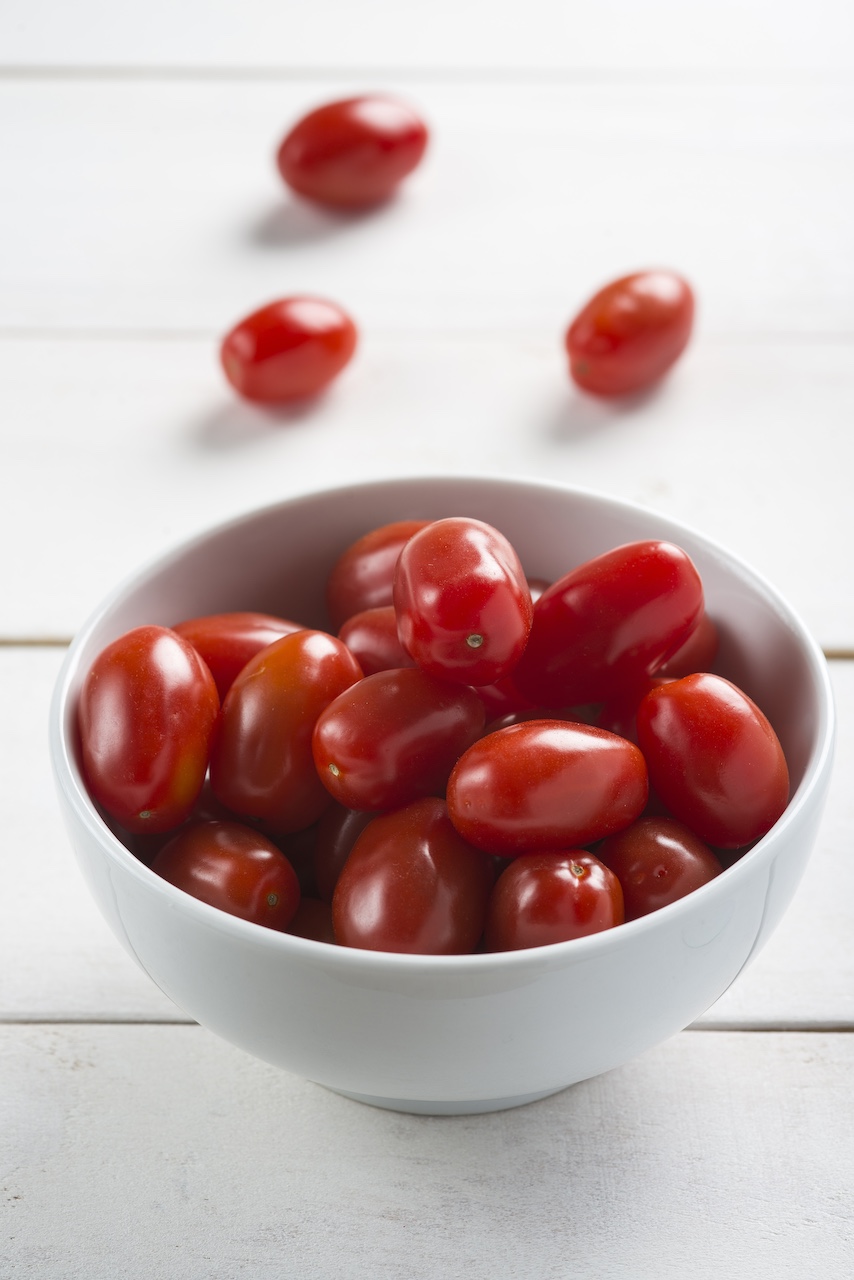
Napa Grape

This classic tomato tastes and looks just like its bigger rivals, but has a higher sugar content than any other grape tomato. Known to be one of the tastiest tomatoes out there, the Napa Grape produces sweet tomatoes that taste yummy in salads or as snacks.

  • Disease Resistance: Very disease resistant
  • Growth Type: Indeterminate
  • Time to Maturity: 65 days
  • Taste and Texture: Sugary with a firm texture
  • Light: Full sun
  • Plant Size: 4-6’
  • Spacing: 24-36” apart
  • Staking: Yes – Cage or stake

Golden Nugget

These sweet tasting tomatoes love cool weather and can withstand the heat. Looking more like tangerines than tomatoes, Golden Nuggets ripen early and produce lots of fruit.

  • Disease Resistance: V and F
  • Growth Type: Determinate
  • Time to Maturity: 55-65 days
  • Taste and Texture: Balanced, mild with a hint of sweetness and a thin skin
  • Light: Full sun
  • Plant Size: 2-3’
  • Spacing: 18-24” apart
  • Staking: No
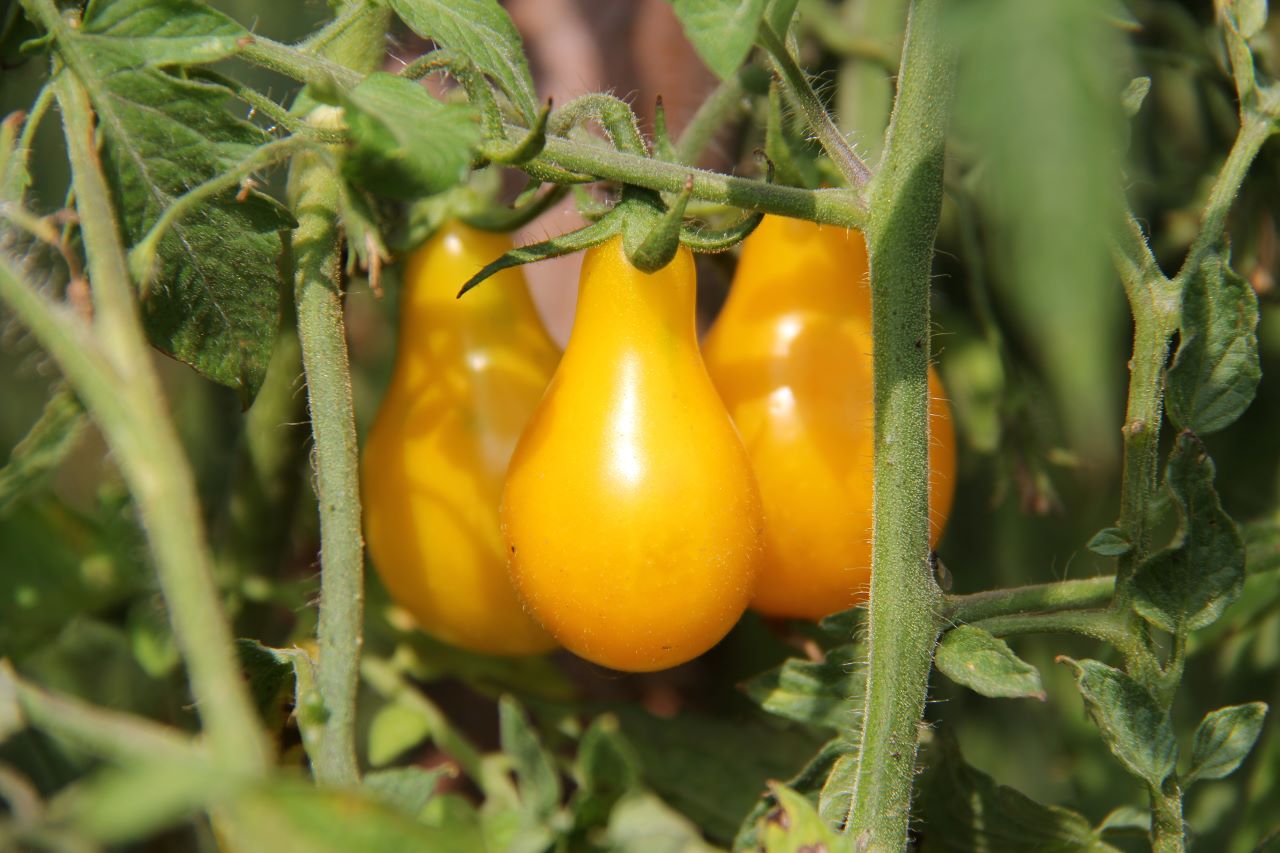
Yellow Pear Tomato

Yellow Pear Tomato

Yellow Pear

Tangy, beautiful and tiny, Yellow Pear tomatoes look charming in salads or as snacks. A favorite of chefs, these dynamic tomatoes love to sprawl, so contain them with a cage or stake.

  • Disease Resistance: Not susceptible to blossom end, but can develop early blight
  • Growth Type: Indeterminate
  • Time to Maturity: 75-80 days
  • Taste and Texture: Tangy yet mild with a slightly firm and mealy texture
  • Light: Full sun
  • Plant Size: 6-12’
  • Spacing: 24-36” apart
  • Staking: Yes – Cage or stake


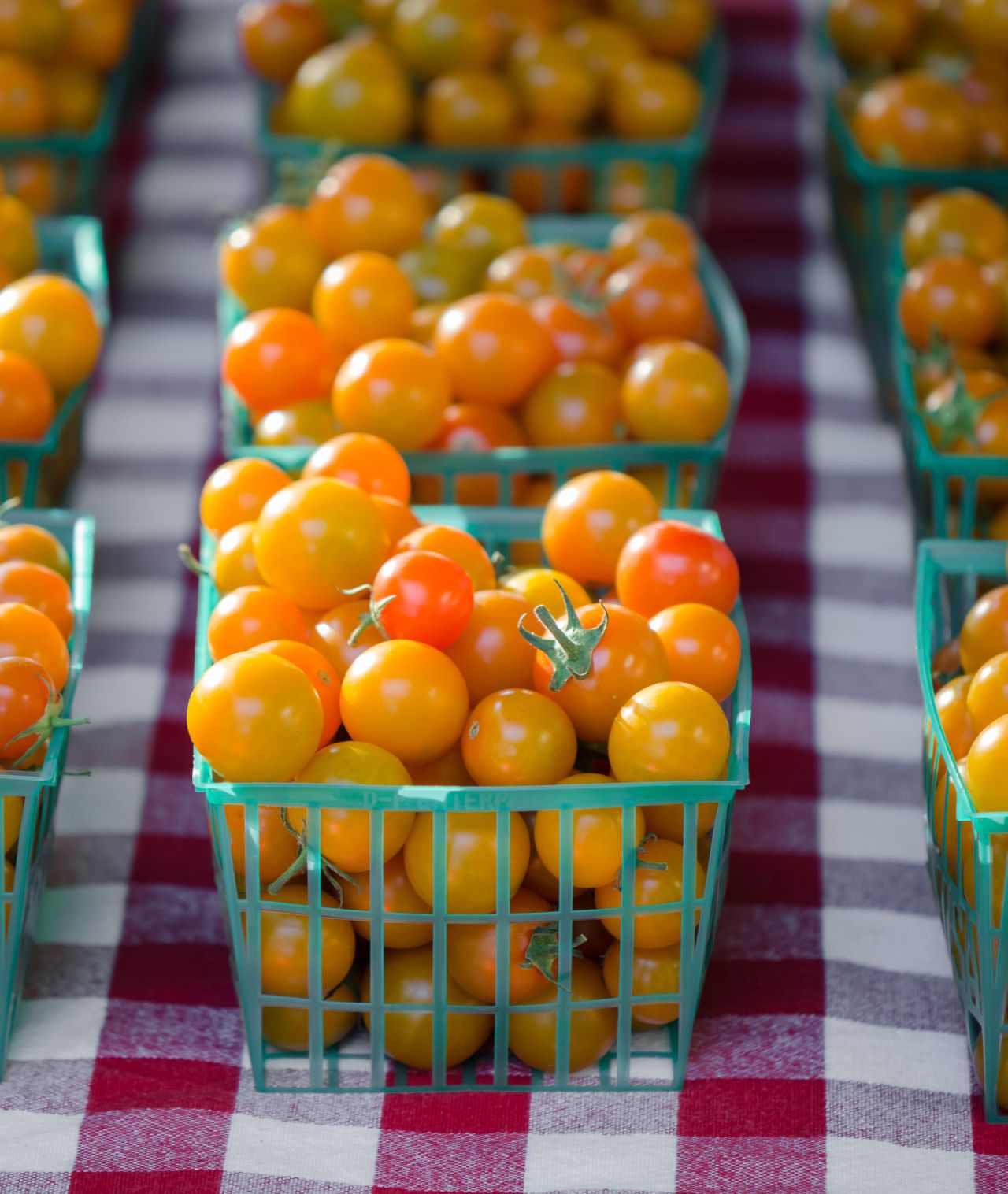
Sungold tomato

Sun gold tomato

Sun Gold

These orange tomatoes taste like tropical fruit and thrive in hot, sultry climates. Grown in long clusters of 10-15 tomatoes, Sun Golds produce fruit well into fall. Plus, these cherry tomatoes can be grown in containers.

  • Disease Resistance: V, F and T
  • Growth Type: Indeterminate
  • Time to Maturity: 55-65 days
  • Taste and Texture: Sweet and fruity taste with a firm, crisp texture
  • Light: Full sun
  • Plant Size: 5-10’
  • Spacing: 24-36” apart
  • Staking: Yes – Cage or stake


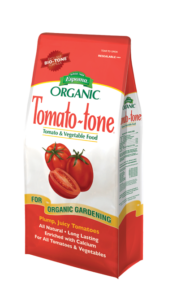
Go forth, and grow! When you’re organic gardening, be sure to feed tomatoes lots of Tomato-tone during the growing season.  


See our guide to growing tomatoes here


Where to Buy


https://www.espoma.com/wp-content/uploads/2016/02/Easiest-Tomatoes.jpg 2848 4272 espoma https://www.espoma.com/wp-content/uploads/2023/05/espoma-logo340w-1.png espoma2016-01-29 08:40:462022-04-12 10:15:18The Easiest Tomatoes to Grow

Bird’s the Word in Winter. Help Feed Them

January 12, 2016/in Gardening

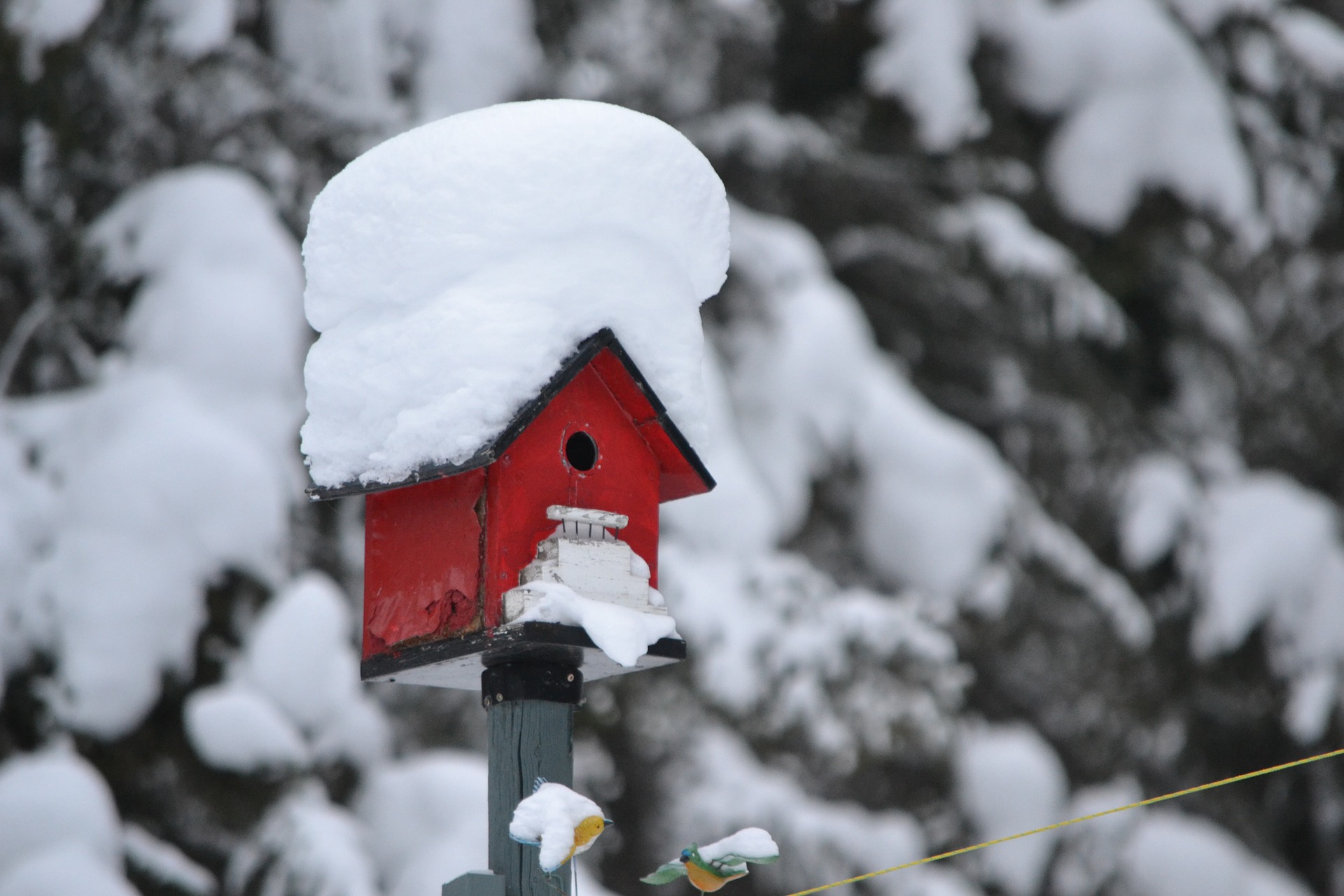
Instead of looking out at a still landscape all winter, infuse your yard with movement. During winter, birds are scavenging for food, looking for a place to take it easy for a while.

winter bird feeding, attract birds to garden, garden for pollinators

While you’re keeping your pets safe in winter, don’t forget about feathered friends. Feed birds this winter, and they’ll happily visit your yard and put on a show — complete with a song and dance! Keep

winter bird feeding, attract birds to garden, garden for pollinators

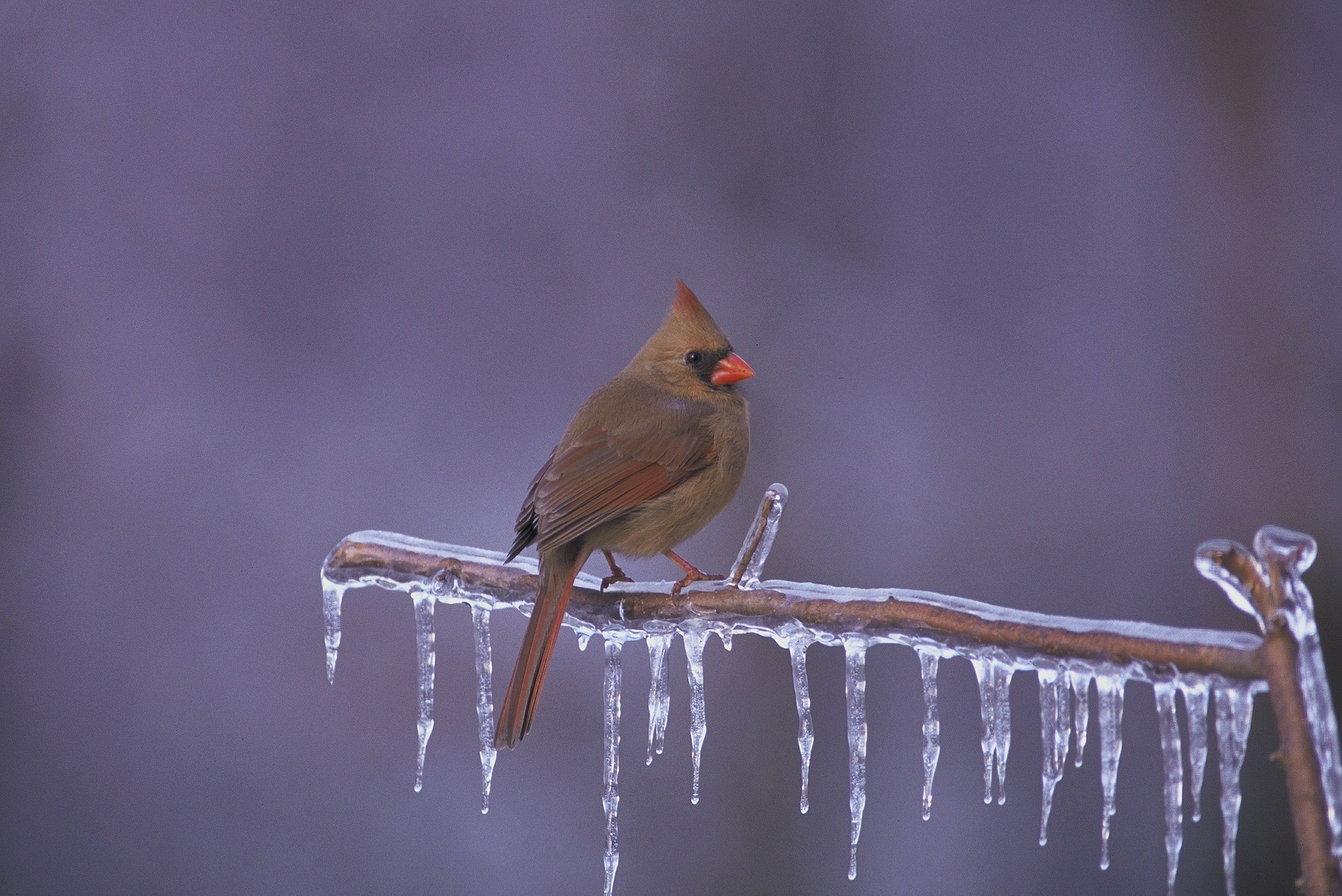
Northern cardinals are beautiful additions to winter landscapes.

Chirp, Chirp! Cheap, Easy Ways to Attract Birds to Garden
Start winter bird feeding to attract birds to the garden. With this trick, you can garden for pollinators all year long!

1. Garland in the Garden. If you have leftover popcorn and cranberry garland from Christmas, string it outside for the birds. None leftover? Make it!

winter bird feeding, attract birds to garden, garden for pollinators

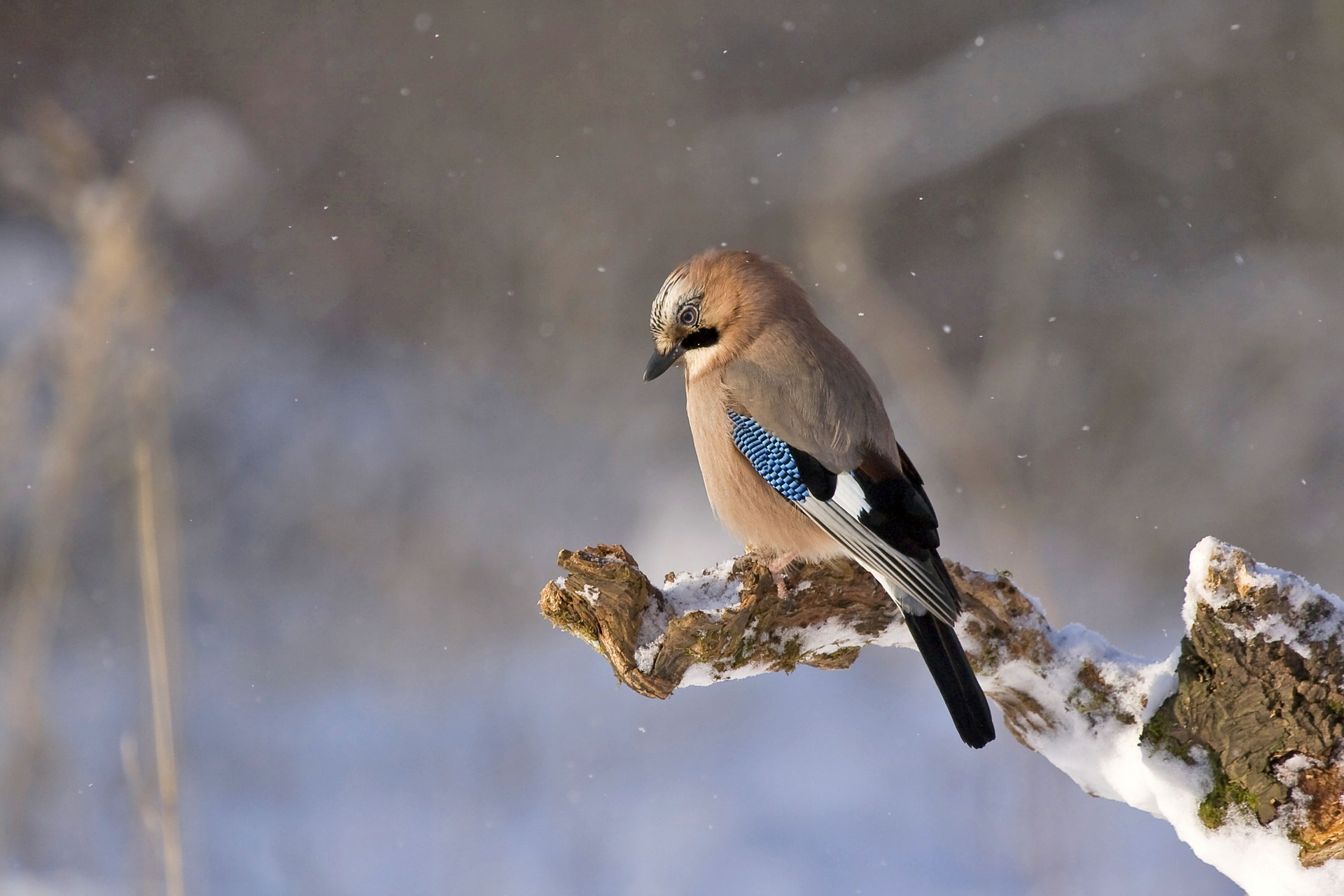
Jays are known for their beautiful bird songs.

2. Field the Feeder. Add a large-capacity feeder or multiple feeders, so you only have to refill weekly. Place in a spot where you can see the feeder that also has a tree or shrub about 10’ away.

winter bird feeding, attract birds to garden, garden for pollinators

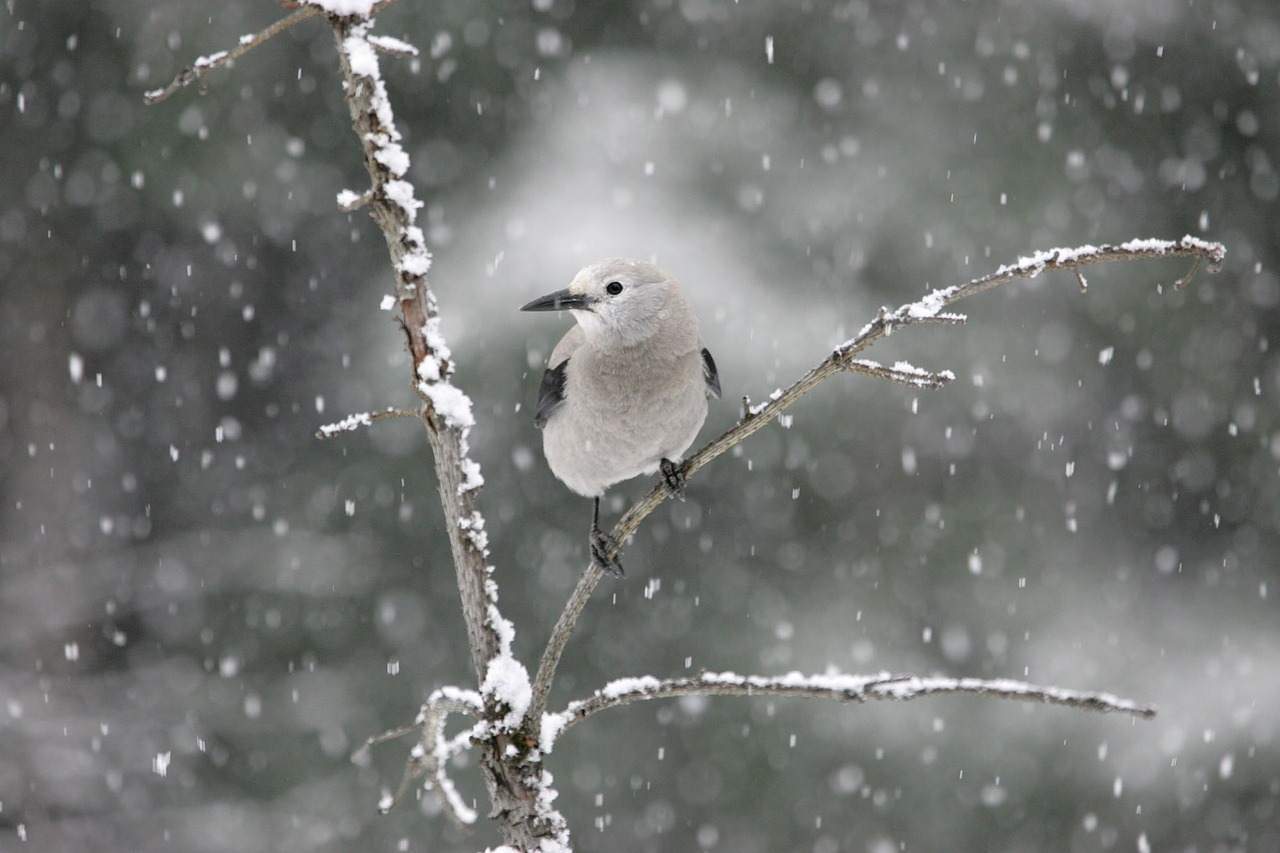
Clark’s nutcrackers nest in late winter when there’s still snow on the ground.

3. Seed to Succeed. DIY a bird seed mix to avoid fillers in bagged birdseed that go uneaten. This way you can attract your favorite birds, too!
• Suet, fruit and peanuts – the ultimate bird party starter. All birds love these!
• Black-oil sunflower seeds – the easy to please seed that cardinals, woodpeckers, blue jays, goldfinches, finches, chickadees, titmice and nuthatches eat. Plus, these deter squirrels and raccoons.
• Thistle seeds – Goldfinches simply love thistle seeds! Only use in thistle feeders.
• Safflower seeds – cardinals, chickadees, titmice and downy woodpeckers snack on safflower. Squirrels don’t like them either!
• White millet – cheap to buy and charming to sparrows, juncos and mourning doves.

winter bird feeding, attract birds to garden, garden for pollinators

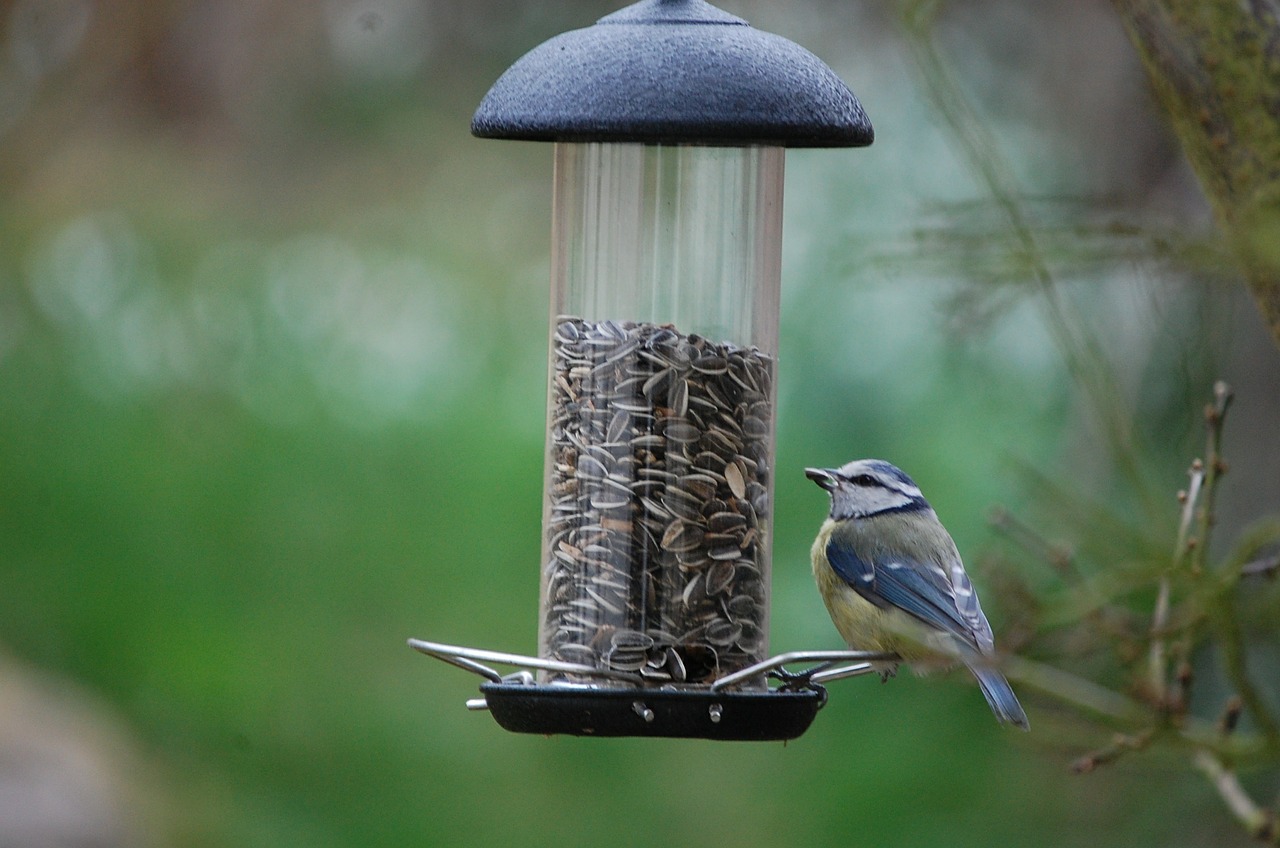
Tits feed on seeds and nuts, especially in the winter.

4. Fill to Thrill. Birds may be slow to find your feeders. Once they do, they’re counting on you. Make sure your feeder is always full, or birds will find a more reliable feeder!

Once you see the first bird enjoying your feeder, you’ll be happy as a lark! A lively, song-filled winter awaits!

https://www.espoma.com/wp-content/uploads/2016/01/bird-107802_1920.jpg 1536 1920 espoma https://www.espoma.com/wp-content/uploads/2023/05/espoma-logo340w-1.png espoma2016-01-12 08:03:092019-05-07 10:07:38Bird’s the Word in Winter. Help Feed Them

Thyme to Plant an Indoor Herb Garden

December 1, 2015/in Blog, Indoor Gardening

Add a dash of delight to your daily routine while keeping winter blues at bay. Start an indoor herb garden today.

Each time you grab sprigs of fresh herbs, you’ll forget all about winter! At that moment, all you’ll think of are the fresh, invigorating flavors of summer.

Plus, starting an indoor herb garden is simple with these tips.

Grow Superb Herbs Indoors

Give savory and sweet herbs these five ingredients, and they’ll flourish inside! Use fresh, flavorful herbs in cocktails, teas and recipes all winter long.

 Ray of Sunshine. Place indoor herbs in the sunniest spot possible. They love natural light and need at least 4 hours of sun every day. Keep herbs warm by avoiding chilly windows.

  1. Heaps of Herbs. Not every herb thrives indoors. Plant these herbs that grow best inside: mint, oregano, parsley, rosemary, sage, thyme, lemongrass, chives and bay.
  2. Pile of Pots. Choose pots or upcycle containers with drainage holes on the bottom. Or place stones in the bottom of the pot before adding soil. For unique, DIY planter ideas, check out our Pinterest page.
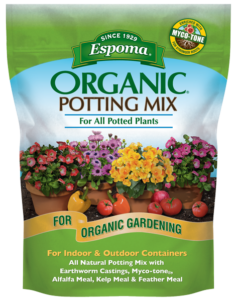
  3. Settle in Soil. Plant herbs in Organic Potting Soil. Pick an organic potting soil that contains earthworm castings and Myco-tone® to ensure herbs grow strong roots.
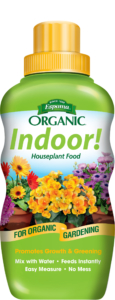
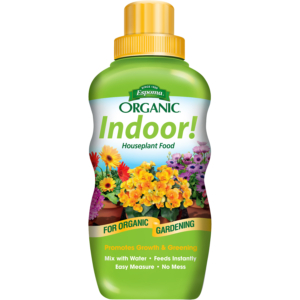
  4. Feed and Repeat. Indoor! is an organic plant food that helps you grow bigger and better herbs. Continue fertilizing herbs once each month.

With your just-plucked herbs, cook up dishes that harness herbs’ intensity. Try a few of our favorite recipes that include herbs here. Bon appétit!

*****

Featured Products:


Where to Buy


https://www.espoma.com/wp-content/uploads/2023/01/matt-montgomery-2fW55mLSiSQ-unsplash-scaled.jpg 1698 2560 espoma https://www.espoma.com/wp-content/uploads/2023/05/espoma-logo340w-1.png espoma2015-12-01 09:40:332023-01-11 01:43:09Thyme to Plant an Indoor Herb Garden

Step-by-Step: Prep the Garden for Winter

November 4, 2015/in Fall Gardening

Did you feel that? Jack Frost has flown in for the season. We’ve already felt the first nip of cold weather, which means your garden has, too.

For many, the first frost date arrives in late October or early November.

Help your garden weather the cold this season. Prepare the lawn and garden beds now for an easy, fruitful spring.

Gardening for winter consists mostly of outdoor cleanup, followed by an indoor revival. Cleanup first, though!

winter lawn

Clip, Drip and Equip the Garden before Winter

  • Discard the Deceased. Compost spent annuals and vegetable plants.
  • Protect Perennials. Water perennials (rose bushes included!) once more. Then, after the ground freezes, cut perennials back to 3”, and remove any dead or diseased cane on roses. Finally, mulch.
  • Create a Clean Slate. Remove weeds from garden beds and then create superb soil. Take the soil test and add organic amendments as needed. After a hard freeze, mulch beds.

winter-lawn-care

So Long to the Lawn

  • No More Mow. Stop mowing the lawn once the grass stops growing, usually in late October or early November.
  • Seal the Seed. Reseed bare, thin spots in the lawn.
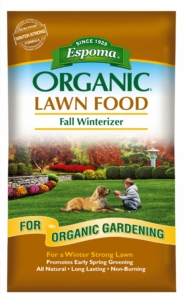
  • Winterize to Win. Apply Espoma’s organic Fall Winterizer to cool-season grasses. This is hands down the year’s most important lawn fertilization!

winter garden tips

Ta-Ta for Now Trees

  • Leave the Leaves. Turn those golden leaves into garden gold by composting them!
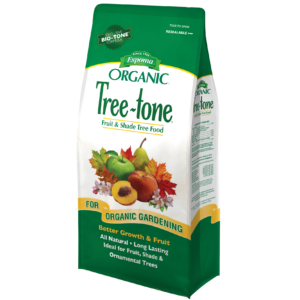
  • Bolster the Bark. Feed trees with an organic tree fertilizer, such as Espoma’s Tree-tone for winter sustenance.
  • Stare at the Bare. After the leaves have fallen, examine your tree for weak spots and problems to prevent damage from fallen tree limbs during snow storms.

Your garden’s been put to bed for the winter and will surely sleep soundly. Now, let’s focus on those incredible indoor plants to keep you gardening all winter long.

*****

Featured Products:


Where to Buy

https://www.espoma.com/wp-content/uploads/2015/11/bush-582239_640.jpg 480 640 espoma https://www.espoma.com/wp-content/uploads/2023/05/espoma-logo340w-1.png espoma2015-11-04 14:50:392023-11-13 14:16:47Step-by-Step: Prep the Garden for Winter

Host a Haunted Homegrown Halloween Dinner

October 27, 2015/in Fall Gardening

Round up the whole gang and dress in your best for a spine-chilling, homegrown Halloween meal.

Start by gathering the fruits of your organic fall gardening efforts, or head to your local farmer’s market to see what’s in season.

Boo! Prepare a Spooky and Scrumptious Homegrown Halloween Dinner (Because even goblins and ghouls prefer homegrown on Halloween.)

halloween decor

Scary Snacks. Cook up a few frightful and finger-licking good snacks.

  • Phantom Pumpkin Pudding – Stuffed with yummy cranberry-raisin bread pudding.
  • Cackling Caramel Apples – Use fresh-picked apples for the best taste!
  • Ghouly Goodies – Make with homegrown or local eggs.
  • Midnight Morsels – Dark cheeses and fruits elevate this cheese tray from berry to scary!

Capture

Frightening Feast. All the best fall flavors featured in fangtastic dishes.

  • Witches’ Brew – A cursed homemade cider.
  • Sinister Soup – A terrorific tomato soup.
  • Autumn Arugula Salad – Shadowy colors and supernaturally good squash.
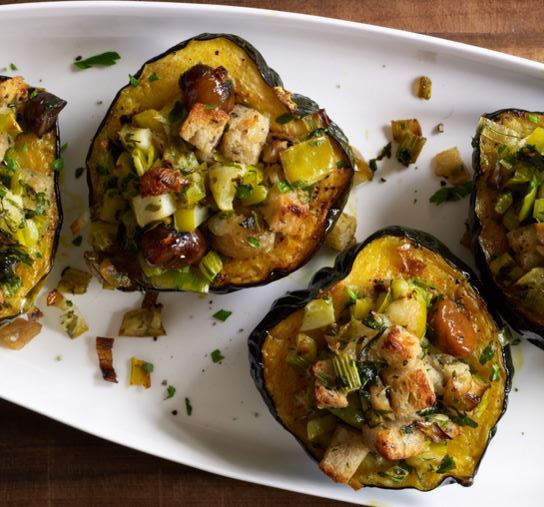
  • Acorn Squash Cauldrons – Overflowing with chestnuts, apples and leeks.
  • Bewitched Brussel Sprouts – Oozing balsamic goodness.

halloween decor

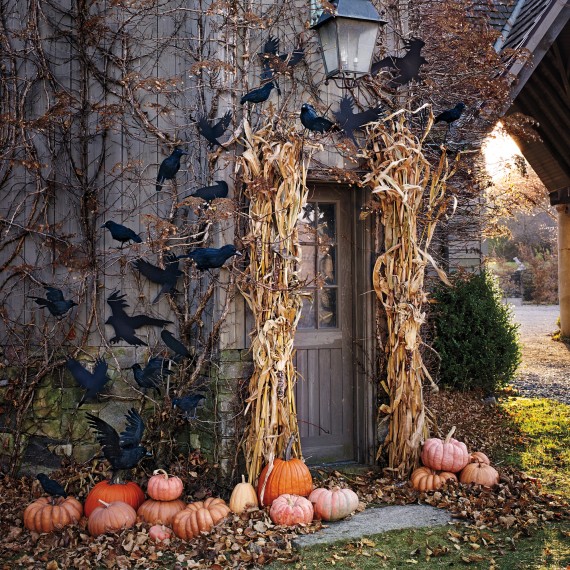
Daring Decor. Use organic and recycled material to create eco-friendly Halloween decor.

  • Stack, scatter and spread pumpkins and gourds inside!
  • Transform old wine bottles into decorative jack-o-lanterns.
  • Add corn stalks and Indian corn.
  • Make a spooky skeleton using recycled milk jugs.
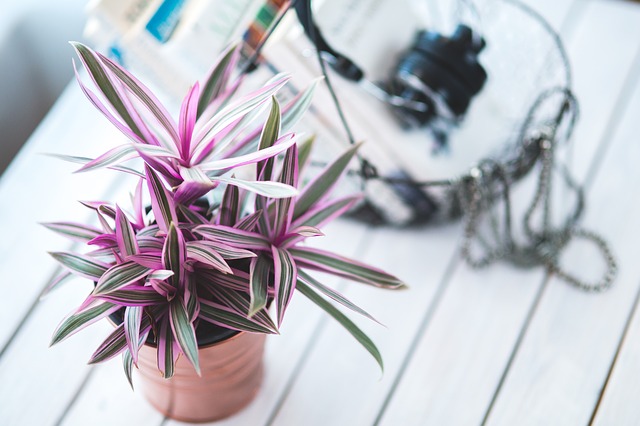
  • Plant paranormal plants in dark containers using organic soil. We’re thinking: spider plants, earth star plants, black orchids and Venus flytraps.

And don’t forget to Post a Pumpkin. Whether you carve, paint or bedazzle your pumpkin, there is still time to show it off in our “Pumpkin Decorating Contest.”

  • To enter, like Espoma on Facebook.
  • Click the Contest Tab and upload a picture of your pumpkin.
  • The photo with the most “likes” on November 3 wins $250. So encourage friends to vote.

Talk about a hoot of a Halloween party! Imagine how much fun your friends and family will find this homegrown Halloween garden dinner!

https://www.espoma.com/wp-content/uploads/2015/10/Capture2.jpg 476 739 espoma https://www.espoma.com/wp-content/uploads/2023/05/espoma-logo340w-1.png espoma2015-10-27 08:32:442024-09-06 13:32:41Host a Haunted Homegrown Halloween Dinner

Celebrate National Indoor Plant Week

September 17, 2015/in Gardening, Indoor Gardening

Indoor plants are the superheroes of the plant world. They have the power to aid in concentration, increase productivity and even boost well-being.

To honor these green heroes, the third week of September is recognized as National Indoor Plant Week. So let’s celebrate!

The US Environmental Protection Agency (EPA) ranks indoor air pollution as one of the top threats to public health. We spend as much as 90 percent of our lives indoors — so it’s time to add some greenery.

Houseplants are surprisingly easy to take care of with these six tips.

1. Bring them indoors. Many people place their houseplants outside in the summer, but when temperatures start to drop below 50º at night, it’s time to bring them in! Check houseplants for pests before moving them. Help houseplants to adjust by bringing them in at night and returning them outdoors during the day. Over the course of two weeks, gradually increase the amount of time plants spend indoors.

houseplant

2. New space. Repot houseplants if they’re in need of some additional space. Select a pot that is at least 2” larger than your current container and transfer. Use Espoma’s Organic Potting Mix to fill the rest of the container.

houseplants

3. Pick the right spot. A houseplant lets you know the spot is right by maintaining healthy leaves. If there’s enough light for you to read by, there’s probably enough for a low-light houseplant. Avoid placing plants near heat or air conditioning ducts, on TVs, or between the curtains and a chilly window.

houseplants

4. Give them a drink. If the soil is dry about an inch below the surface, add water. But don’t overwater! It’s the number one cause of houseplant death. Collect excess water in a tray or saucer and never allow plants to sit in water.

houseplant

5. Stay Comfortable. Houseplants are happiest when temperatures are between 70 and 80ºF during the day and 10-15º cooler at night.

potting soil

6. Feed houseplants. Fertilize houseplants with an organic fertilizer such as Indoor! during active periods of growth. This is usually during the spring and summer.

With these tips, your houseplants will be looking their best in no time! Tell us about your favorite houseplant in the comments!

*****

Featured Products:


Where to Buy


https://www.espoma.com/wp-content/uploads/2015/09/orchid-4780_640.jpg 426 640 espoma https://www.espoma.com/wp-content/uploads/2023/05/espoma-logo340w-1.png espoma2015-09-17 10:07:212024-08-20 07:42:16Celebrate National Indoor Plant Week

Make a Splash in the Garden for Your Labor Day Bash

September 1, 2015/in Fall Gardening

Labor Day is about relaxing, having fun and soaking up every last second of summer. And, it’s the perfect time to reflect on all of your summertime garden accomplishments. Need you look any further than your pile of super-ripe tomatoes or your luscious roses

But just because summer is ending doesn’t mean your garden has to! Your garden can look as fabulous as ever for your Labor Day bash or just to head into fall with these late-summer gardening tips.

Tips to Display a Lavish Garden on Labor Day

  1. Aiding the Fading. Walk through the garden and remove any plants that are done for the season. Be sure to compost them!
  2. Love Late-Bloomers. Swap annuals that have stopped blooming or look less than stellar with late-summer blooming flowers. Plant these colorful annuals to end the summer with a bang: celosia, zinnias, salvia, chrysanthemum or pansies. Boost your blooms with organic Flower-tone.
  3. Include Fresh Food. Hosting a Labor Day party? Plan your menu and snacks by seeing what’s ready for harvest in your garden. Guests love hearing that you grew your organic fruits and veggies. Plus, the home grown flavors will blow them away. Here are some of our favorite garden-to-table recipes. Be sure your fall veggies are planted, too.
  4. Pose with a Rose. Pair your homegrown menu with a homegrown tablescape. Cut garden roses. Pop single flowers in unexpected containers and space them along your table. Intersperse with glass ball jars or votives that have a fresh sprig of herbs tied around them.
  5. Plant Permanent. Late summer and early fall are perfect for adding perennials. Plant fall-blooming perennials before your Labor Day party to add a splash of color to your garden. Black-eyed susan, asters, sedum, daylilies, coneflowers and yarrow will wow for years.
  6. A Breath of Fresh Air. The late-summer heat takes a lot out of your favorite plants in the garden. Give them a good watering before the party, so they’ll look their best!

Now, you’re ready to end the summer in style! A table filled with just-plucked edibles, fresh cut roses and friends and family… That’s the essence of summer.

https://www.espoma.com/wp-content/uploads/2015/08/sparkler-839806_640.jpg 426 640 espoma https://www.espoma.com/wp-content/uploads/2023/05/espoma-logo340w-1.png espoma2015-09-01 09:13:272019-05-07 10:08:09Make a Splash in the Garden for Your Labor Day Bash

Fall into Fall. Easy Ways to Transform Garden

August 18, 2015/in Lawn, Vegetable Gardening

Those dog days of summer are hot, hot, hot. But, the end is surely in sight!

Yes, that means cooler weather is on its way. Fall will settle in soon — especially if the “Back to School” ads are any indicator.

Get your garden ready for the coming season. Stick with us, and you could be eating fresh lettuce in October — maybe even November!

Help Your Garden Fall into Fall

  1. Enchant the Plants. Plant fall veggie starts or transplants You can even sow seeds directly into the garden. Choose fast-growing, frost-tolerant plants such as broccoli, cabbage, kale, cauliflower, beets, carrots, green onions, lettuce and spinach.
  2. Do the Can-Can. If your harvest is maturing faster than you can eat it, store it! There are many ways beyond canning to stockpile your fresh produce for winter. Try making jams or pickles. Freeze raw fruit, veggies or herbs. Make tomato sauce, or slow-roast them.Longfield Gardens
  3. Boost your Keep annual flowers blooming as long as possible! The trick? Apply Espoma Organic’s Flower-tone often!
  4. Ahead with Red. Tomato plants not performing anymore? Or have lackluster leaves? Feed ‘em Tomato-tone to help them pull through until the first frost.
  5. Divide in Stride. Divide and transplant spring-flowering and other dormant perennials. To reduce stress, do so during the coolest part of the day, and don’t skimp on the water!
  6. Finish with Gusto. Deadhead flowers to keep them flowering. Also, keep pinching off those suckers on tomatoes! They can create a heck of a mess later on.
  7. Bury the Bulb. While you’re tidying up, plant those dreamy, spring-blooming flower bulbs.

Ah, the garden will soon be ready for fall. For now, though, the summer sun is still shining! Kick back, relax and enjoy every last drop of summer.  

https://www.espoma.com/wp-content/uploads/2015/08/canning-728269_640.jpg 426 640 espoma https://www.espoma.com/wp-content/uploads/2023/05/espoma-logo340w-1.png espoma2015-08-18 08:07:262019-05-07 10:08:09Fall into Fall. Easy Ways to Transform Garden

Plant Flower Bulbs in Three Easy Steps

August 11, 2015/in Flowers, Spring Gardening

Tips for planting bulbs from Longfield Gardens, premium online bulb source

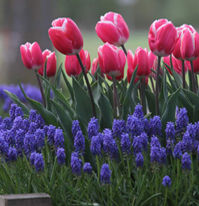
Fall is planting time for spring-blooming bulbs such as tulips, daffodils and alliums. There’s nothing difficult about planting bulbs and you can plant dozens of them in just a few minutes.

Spring bulbs are always the first flowers to bloom each spring,” said Hans Langeveld, co-owner of Longfield Gardens. “You plant them in fall and then forget about them until spring rolls around and your garden is filled with flowers that are ready to bloom.”

Langeveld assures gardeners that creating a colorful spring garden requires just 3 easy steps: choosing your bulbs, knowing when to plant, and following some basic planting instructions.
Longfield Gardens


Best Time for Planting Bulbs

“You want to get the bulbs into the ground at the proper planting time for your region,” Langeveld said.

As a general rule, spring-blooming bulbs can be planted anytime before the soil begins to freeze. But bulbs will benefit from having a few weeks to establish roots before the ground is frozen.

Gardeners can reference this map for recommended planting times. Light purple areas should plant bulbs from September to October; medium purple from September to November and dark purple areas should plant between October and December.

Planting is as Easy as 1-2-3

Choosing a good planting location is important. “Bulbs will grow almost anywhere,” said Langeveld. “They will do best in Longfield Gardenssoil that drains well.”

The planting part is easy and the same instructions can be applied to all types of bulbs:

  1. Dig a hole 3-4 times deeper than the height of the bulb.
  2. Set the bulbs into the hole, following spacing guidelines.
  3. Cover bulbs with soil and water only if the soil is very dry.

And of course, we at Espoma recommend a fertilizer made for bulbs such as Bulb-tone.

“Remember when planting bulbs to avoid the temptation to plant them in single rows. For the most natural look, group them in a pyramid, rectangle or circular shape,” Langeveld said.

To see the complete selection of fall-planted, spring-blooming bulbs from Longfield Gardens, click HERE.

https://www.espoma.com/wp-content/uploads/2015/08/Capture.jpg 229 668 espoma https://www.espoma.com/wp-content/uploads/2023/05/espoma-logo340w-1.png espoma2015-08-11 08:16:082024-09-06 11:30:25Plant Flower Bulbs in Three Easy Steps

How to Water Plants When It’s Hot

July 29, 2015/in Container Gardening, Flowers, Fruits & Vegetables, Lawn, Summer Gardening

When it’s hot, dry and muggy, the only cure is a cold drink. Well, your plants think so, too.

The trick to keeping your garden hydrated during the hottest days is not to water more. It’s to water smarter. We’ll teach you how to conserve water and keep your garden and lawn looking good with these tips. garden tips

How to Smartly Shower Flowers and Lawns:

  1. Morning Glory. Water before 9 a.m. in summer. As the day heats up, water can evaporate before your plants have a chance to soak it up.
  2. Water Deeply. Deep watering is most effective since it goes right to the roots. Plan on deeply watering your garden frequently with a nice soak. Hold the hose on each plant and count to 20. 30 minutes after watering, ensure the soil is moist 8”
  3. Prep to Step. Step in the lawn before watering. If you leave footprints behind, water. Properly watered grass springs right back up.
  4. Precise Advice. Generally, plants, flowers and lawns need 1” of water a week. Use a rain gauge to make sure you’re not over or under watering. Check the gauge after it rains.
  5. Cool Tools. Add a soaker hose or automated drip irrigation system to save you tons of time and wasted water. Installing them is a project, but one that will pay off for many years to come!
  6. Clean Green. When watering, get right to the roots. Wetting plant leaves just goes to waste. Plus, wet leaves provide the perfect environment for mold and disease to thrive.
  7. Thank You Very Mulch! A garden with 2-3” of mulch can reduce water consumption by 25-50 percent. Since organic mulch decomposes, consistently add more mulch.

Nice! You’re saving water, and keeping your garden blooming! Treat yourself by hopping in the pool or sipping an ice-cold drink in the shade. You’ve earned it!

https://www.espoma.com/wp-content/uploads/2015/07/Capture.jpg 426 640 espoma https://www.espoma.com/wp-content/uploads/2023/05/espoma-logo340w-1.png espoma2015-07-29 09:05:582019-05-07 10:08:09How to Water Plants When It’s Hot
Page 15 of 16«‹13141516›
Where to Buy

Get News & Updates

Recent Posts

  • VIDEO: How to Winterize Your Chicken Coop with Summer Rayne Oakes
  • VIDEO: Planting Spring Bulbs in Containers 🪴🌷 with Summer Rayne Oakes
  • VIDEO: Planting the Last Bulbs of the Season with Garden Answer
  • How to Care for Ferns 🌿 | Growing Joy with Maria
  • VIDEO: One Last Autumn Stroll 🍁🍂 with Summer Rayne Oakes

Tags

All-Purpose Potting Mix bio-tone Bio-tone Starter Bio-tone Starter Plus Cactus Mix caring for houseplants Container Gardening DIY project Espoma espoma grown espoma organic Espoma Organics Espoma Video fall gardening Family fert flower garden flowers garden Garden Answer Gardening gardening tips gardens grow holly-tone houseplants Indoor! indoor gardening indoor plants Kaleb Wyse organic organic fertilizer Organic Gardening organic plant food Organic Potting Mix Outdoor Gardening Planting plants Potting Mix potting soil Spring Gardening summer rayne oakes vegetable garden Vegetable Gardening Wyse Guide

Espoma. A Family Tradition Since 1929.

Espoma Organic logo
  • Espoma Dealer
  • Espoma Pro
  • Garden Club
  • Privacy Policy

Scroll to top