Espoma Organic
  • Products
    • Close
    • Product Line Overview
    • Plant food finder
    • Garden Fertilizers
    • Potting Soils
    • Lawn Fertilizers
    • Liquid Fertilizers
    • Single Ingredients
    • Conventional Plant Foods
    • Animal Care Products
  • Where to Buy
  • Our Story
    • Close
    • Our Story
    • Locations
    • Historical Timeline
    • Our Commitment
    • Directions
    • Solar
    • Join our Team
    • Espoma Brand Partners
  • Learn
    • Close
    • Espoma Blog
    • FAQ’s
    • Pocket Guide
    • Espoma Guides
    • Garden Clubs
    • Safe Paws Lawn
    • PRODUCT FACT SHEETS
    • Fertilizer Fundamentals
      • Close
      • Understanding Plant Nutrition
      • Reading Labels
      • Choosing the Right Type of Fertilizer
      • Terms & Definitions
    • Gardening Projects
    • Resource Links
  • Contact Us
  • Menu Menu

Tag Archive for: All-Purpose Potting Mix

VIDEO: Houseplant Heaven with Garden Answer

October 26, 2022/in Blog, Espoma Videos, Garden Answer, Greenhouse Gardening, Indoor Gardening

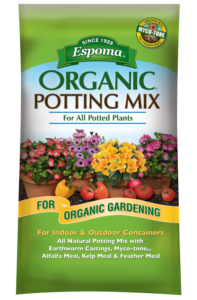
Is it even possible to have too many houseplants? Not if you’re an expert like Garden Answer! With the help of Espoma’s Organic Potting Mix, walk through a whole haul of exciting, unique, and beautiful houseplants from the research phase all the way to repotting. 


Learn more about Garden Answer here:

https://www.youtube.com/c/gardenanswer 

https://www.gardenanswer.com/

https://www.facebook.com/gardenanswer

https://www.instagram.com/gardenanswer/


Featured Products:


Where to Buy

https://www.espoma.com/wp-content/uploads/2022/10/thumbnail.jpg 1080 1920 Matt Dauphinais https://www.espoma.com/wp-content/uploads/2023/05/espoma-logo340w-1.png Matt Dauphinais2022-10-26 18:45:572023-12-04 12:39:03VIDEO: Houseplant Heaven with Garden Answer

8 Terror-ific Plants to Spookify your Home & Garden for Halloween

October 21, 2022/in Blog, Flowers, Holidays

Pumpkin-picking isn’t the only way to get into the Halloween spirit! With dark shades, peculiar shapes, and scientific names plucked right from the mad scientist’s shelf, plants are a crafty way to give your home and garden a spooky touch your trick-or-treaters will love. Plus, if October isn’t enough to motivate you, these eight plant picks are a great way to spice up your space year-round!


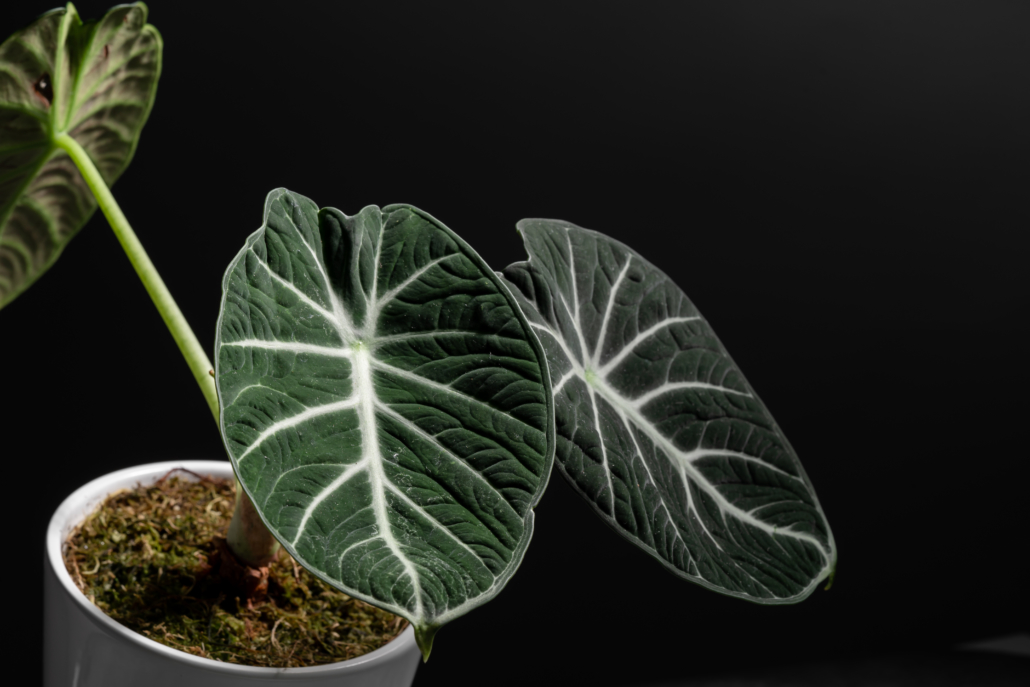
‘Black Velvet’ Elephant Ear— Alocasia reginula

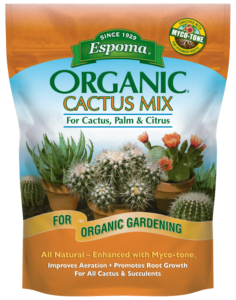
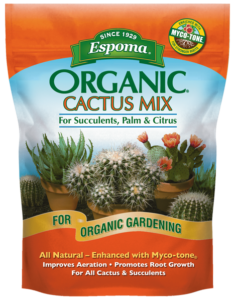
This striking plant earns the name ‘Black Velvet’ for its gothic, nearly black foliage accented by silvery-white veins. This tropical houseplant, a dwarf variety of the Elephant Ear plant, loves warm, moist places and well-drained soil. We suggest a 50/50 combination of our Espoma Organic Potting Soil and Espoma Organic Cactus Mix to keep those ‘Black Velvet’ leaves nice and spooky!


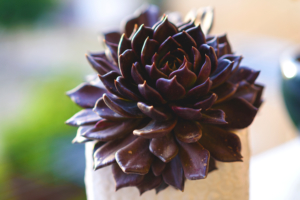
‘Black Prince’ Echeveria— Echeveria affinis

Everyone loves a cutesy succulent, but a ‘Black Prince’ Echeveria is the key to adding some drama to your arrangement. Accented by salmon to red-colored flowers in the fall and early winter, this deep purple, nearly black succulent provides spooktacular color contrast against typical green succulents. Water sparingly and keep the ‘Black Prince’ in the bright light to prevent the dark foliage from fading. 


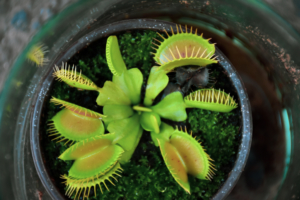
Venus Flytrap— Dionaea muscipula

Dun dun… dun dun… it’s everyone’s favorite insect-eating, horror-movie-starring plant: the Venus flytrap! The carnivorous Venus flytrap has “jaws” that can snap shut in less than a second, and while they’re nowhere near as frightening as Halloween decorations make them out to be, this plant can be a unique, scary-cool addition to your little garden of horrors. 


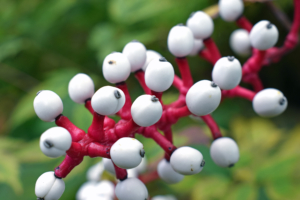
Doll’s Eyes— Actaea pachypoda

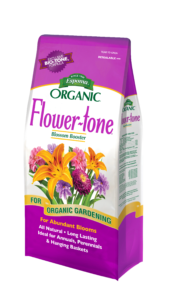
Doll’s eyes plant, also called white baneberry, has an alien appearance with creepy clusters of eyeball-like berries. A slow-growing perennial, Doll’s eyes plant is best planted during late fall or early spring, and it can be a low-maintenance, ornamental addition to your garden, especially with a boost from Espoma Organic Flower-Tone. Just beware of the plant’s berries because they are very toxic if ingested. (Eye wouldn’t be caught dead eating one!)


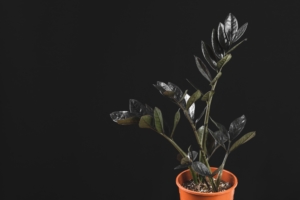
Raven ZZ— Zamioculcas zamiifolia

A group of ravens may be called an unkindness, but there’s nothing mean-spirited about the easy-to-grow Raven ZZ! One of the most loved and sought after houseplants for plant parents and interior designers alike, its shiny, dark foliage and upright form make it a bold way to add a gothic element to your space. To keep a Raven healthy, don’t overwater it!


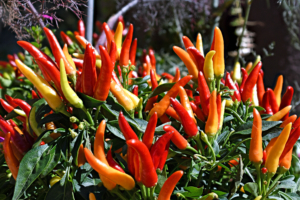
Ornamental Peppers— Capsicum annuum

Want some witchy fingers clawing through your garden? Give your Halloween decor a little pepper-power with ornamental peppers! Coming in a variety of funky shapes and colors, including vibrant oranges, reds, greens, and purples, you can enjoy these plants before the first frost sets in by keeping them in a container in the fall months. 


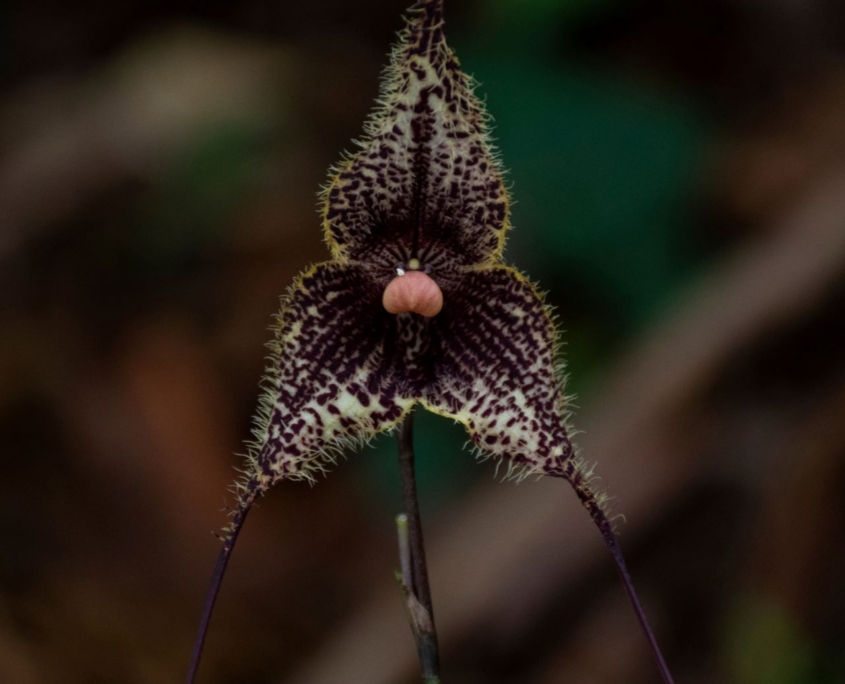
Dracula Orchid— Dracula vampira

Based on its name, it’s no surprise that the Dracula Orchid would be a perfect addition to your home and garden this Halloween. At the center of the bloom, the plant has a vampire-like (or for the Netflix buffs, a Demogorgon-like) mouth that looks ready to bite you. Want to add a festive touch? Wrap your container in a cape and paint it red down the sides to give your Dracula Orchid the proper outfit. 


Dracula orchid, small purple flower


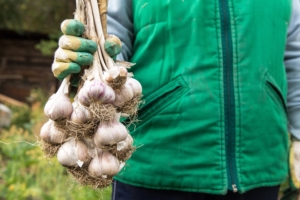
Garlic— Allium sativum

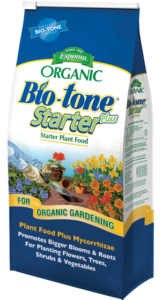
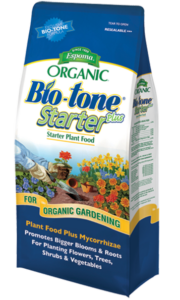
More of a vampire hunter than a Twilight lover? Time to stock up on garlic. Folklore has taught us that garlic is the best way to ward off vampires, and in addition to its protective properties, allium vegetables also do very well this time of year. Kickstart the bulb-planting process with our Espoma Organic Bio-Tone Starter Plus. 


*****

Espoma’s All Purpose Potting Mix and Indoor! fertilizer will help ensure those peculiar plants grow healthy and strong. We hope these eight plants help you and your garden get in the Halloween spirit! Have a spooky suggestion we left out?


Visit our Facebook page

Or on our YouTube Page

Tag us on Instagram!


Featured Products:


Where to Buy


https://www.espoma.com/wp-content/uploads/2022/10/Espoma-Spooky-Szn-Garden-2022-BLOG-Image-1-scaled.jpg 1703 2560 Matt Dauphinais https://www.espoma.com/wp-content/uploads/2023/05/espoma-logo340w-1.png Matt Dauphinais2022-10-21 15:55:012024-09-24 16:21:168 Terror-ific Plants to Spookify your Home & Garden for Halloween

Rubber Plant Care and FAQs

April 19, 2022/in Blog, Bloom and Grow Radio, Indoor Gardening, Indoor Gardening

Rubber Plant Care Guide

Rubber Plant Care and FAQs

Rubber plants (Ficus elastica) don’t get enough credit in the tropical plant world. These humble plants are usually available at the garden center and always affordable, but they tend to get overlooked by some of the “sexier Instagram-worthy plants.” They can be hardy, growing into 6 foot trees from a small 4-inch pot, and come in beautiful variegated varieties. Rubber plants are fantastic for many more reasons that we’re going to dive into.

This blog is inspired by Episode 148 of Bloom and Grow Radio–where host Maria Failla interviewed Raffaele Di Lallo, founder of Ohio Tropics. 

Let’s first look at different types of rubber plants! 

Types of Rubber Plants

The two types of rubber plants are non-variegated and variegated.

Non-Variegated Rubber Plants: 

Ficus elastica ‘Decora’: typical shiny, green leaves

Ficus elastica ‘Robusta’: similar, but larger leaves 

Ficus elastica ‘Burgundy’: gorgeous, super dark, almost black leaves and stems

Variegated Rubber Plants: 

Ficus elastica ‘Tineke’: different shades of green, yellow, and cream 

Ficus elastica ‘Ruby’: beautiful pink variegation 

Ficus elastica ‘Doescheri’: leaves are a little bit narrower

PART 1: How to Take Care of Rubber Plants

No matter the variety of rubber plant you have, the care is almost identical. The only minor difference is that variegated plants need more volume of light than non-variegated plants. 

Rubber plants come from the Moraceae family, which also contains figs and mulberries. But don’t be fooled: rubber plants are actually toxic. If you break off a branch or leaf, you’ll notice a white substance dripping out that’s quite toxic to humans and animals. This white latex-like liquid was originally used to create rubber, hence the name rubber plant. Make sure to wear gloves when handling or pruning the plant. 

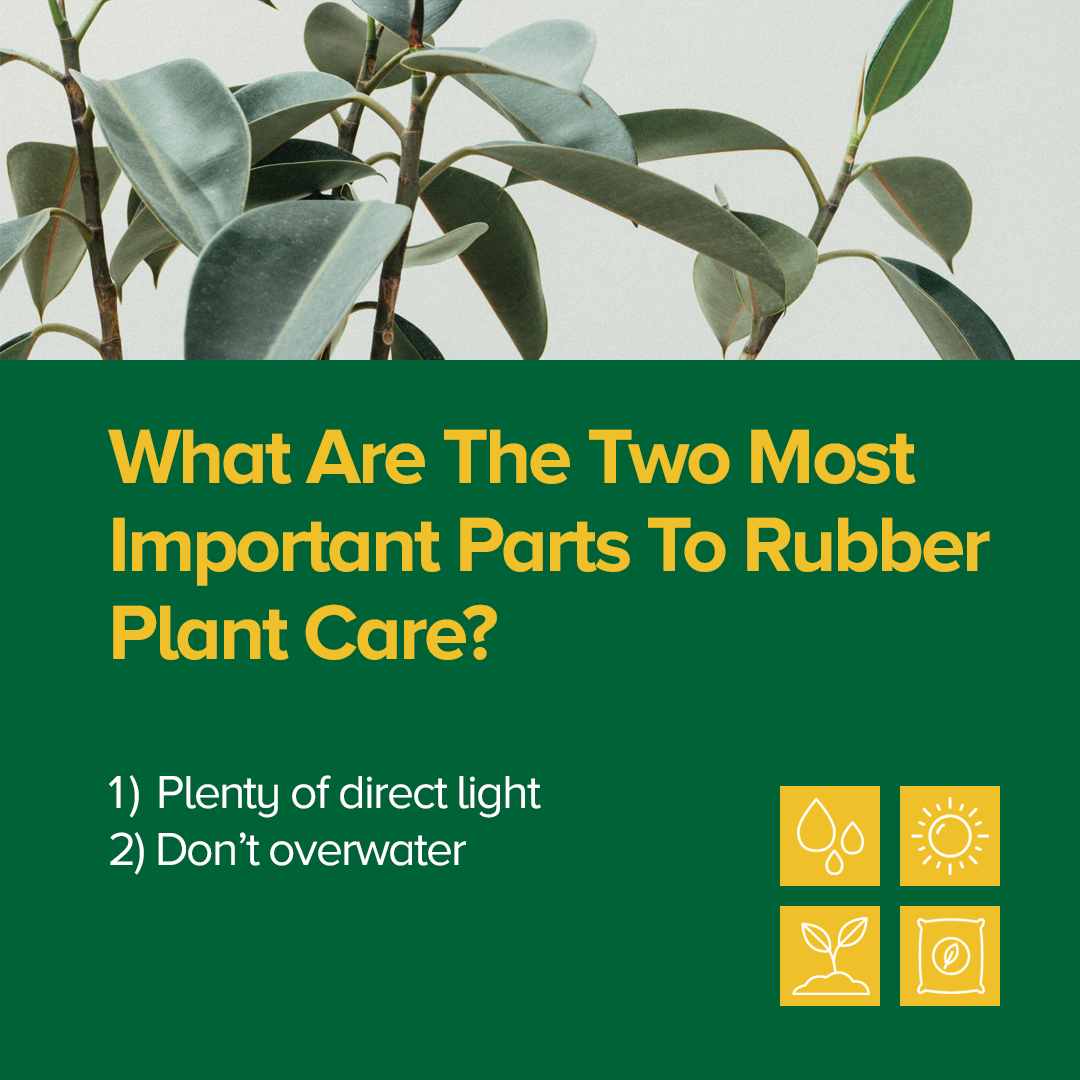
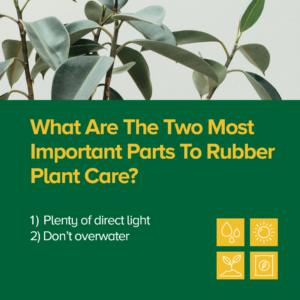
An easy-to-follow care plan for rubber plants is 1) make sure it gets plenty of direct light and 2) don’t overwater. Let’s get into more details below!
Rubber Plants Most Important Tips

How to Water Rubber Plants

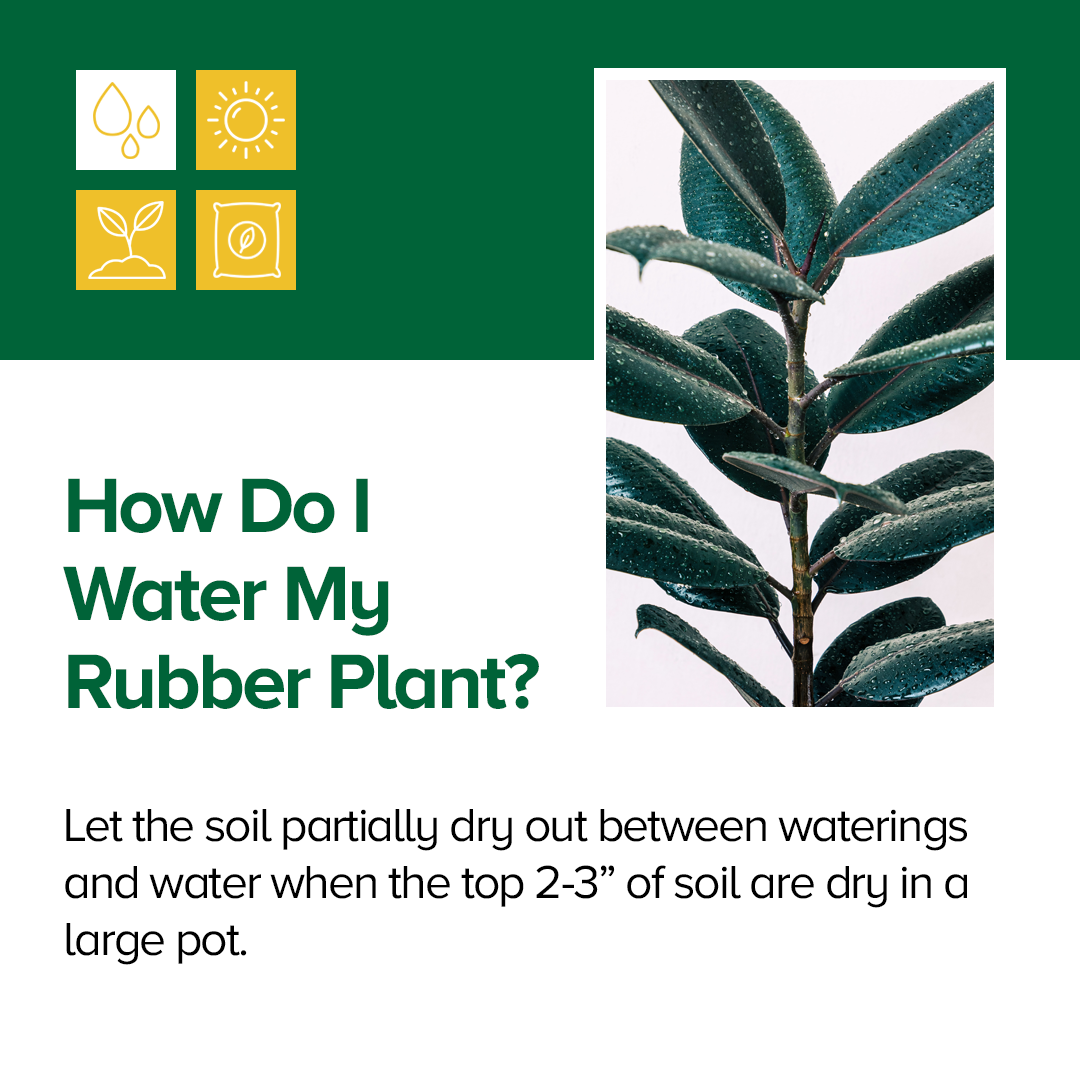
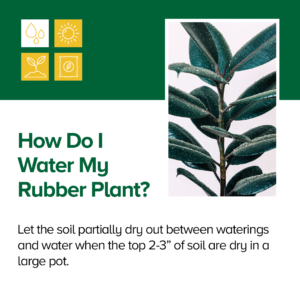
Rubber plants need to dry out sufficiently between waterings. Your finger is your best friend when it comes to determining moisture in your potting mix. Use your finger to determine how dry the potting mix has gotten. If you have a small four-inch pot, let the top 1/2 inch dry out before watering it again thoroughly. If you have a much bigger pot (around 15 inches), let at least the top quarter of the soil (2-3”) in your pot dry out before watering again. 

Always water your rubber plant thoroughly and always have a drainage hole in your pot. Don’t let your soil completely dry out, or you risk stressing out your plant’s roots. How to water rubber plant
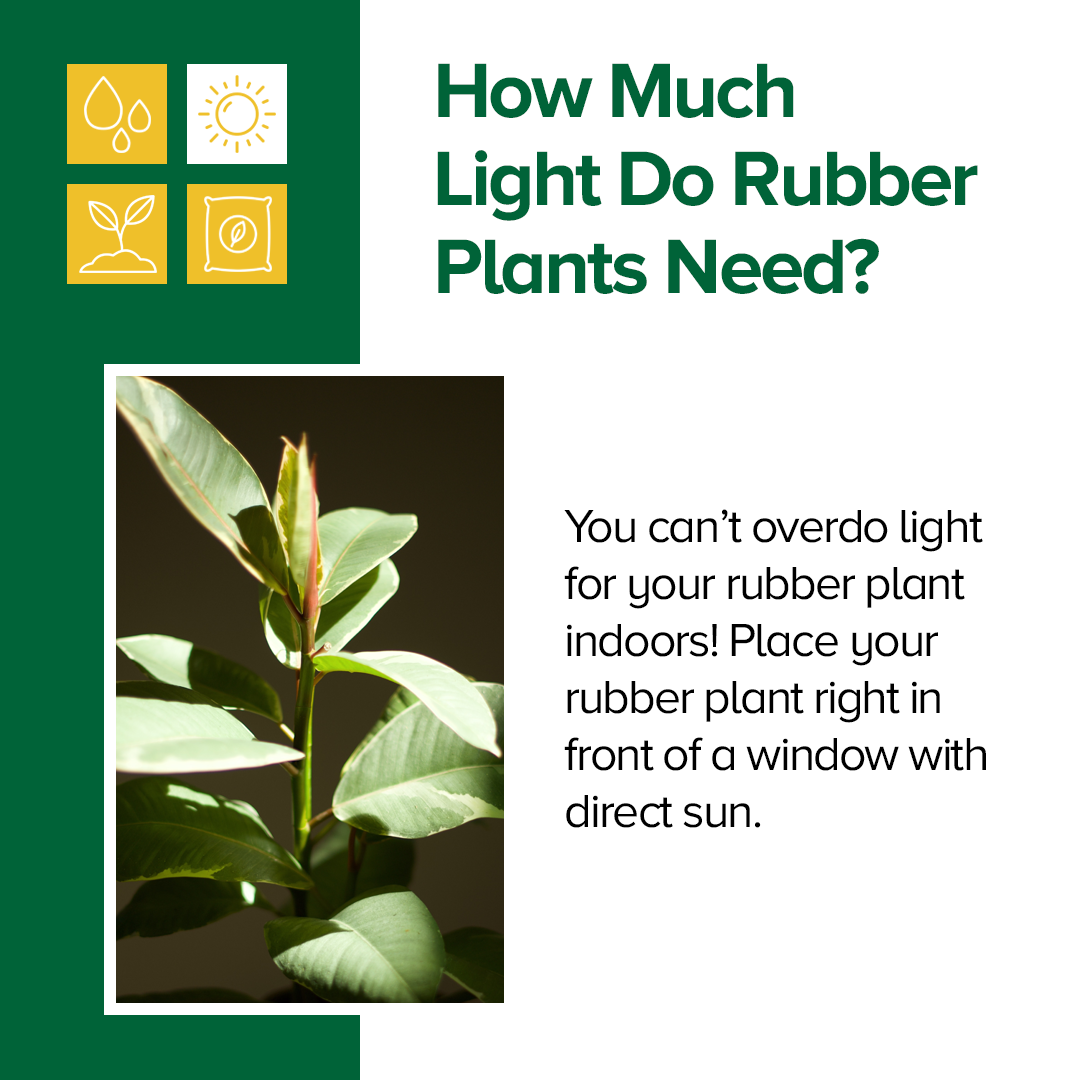
How Much Light Do Rubber Plants Need? 

Oftentimes rubber plants are labeled as low light plants, but they really are low light tolerant. You can’t overdo light for your rubber plant indoors! As a general rule of thumb, put your rubber plant right in front of a window, preferably a window with some direct sun. 

An Eastern-facing window that gets morning sun is beautiful, or a Western-facing window that gets afternoon sun is great too. If you live in the Northern hemisphere and you have an unobstructed Southern window, those tend to get a ton of direct sun. Now, if you’re in the Southern hemisphere, North and South are reversed and you’ll have to adjust appropriately.

When it comes to water, the more light you have, the quicker your soil is going to dry out, because your plant will be growing more. So if you have plenty of sun, then you have to monitor your plant a lot more frequently, because it’s going to dry out quicker. How Much Light for Rubber Plant

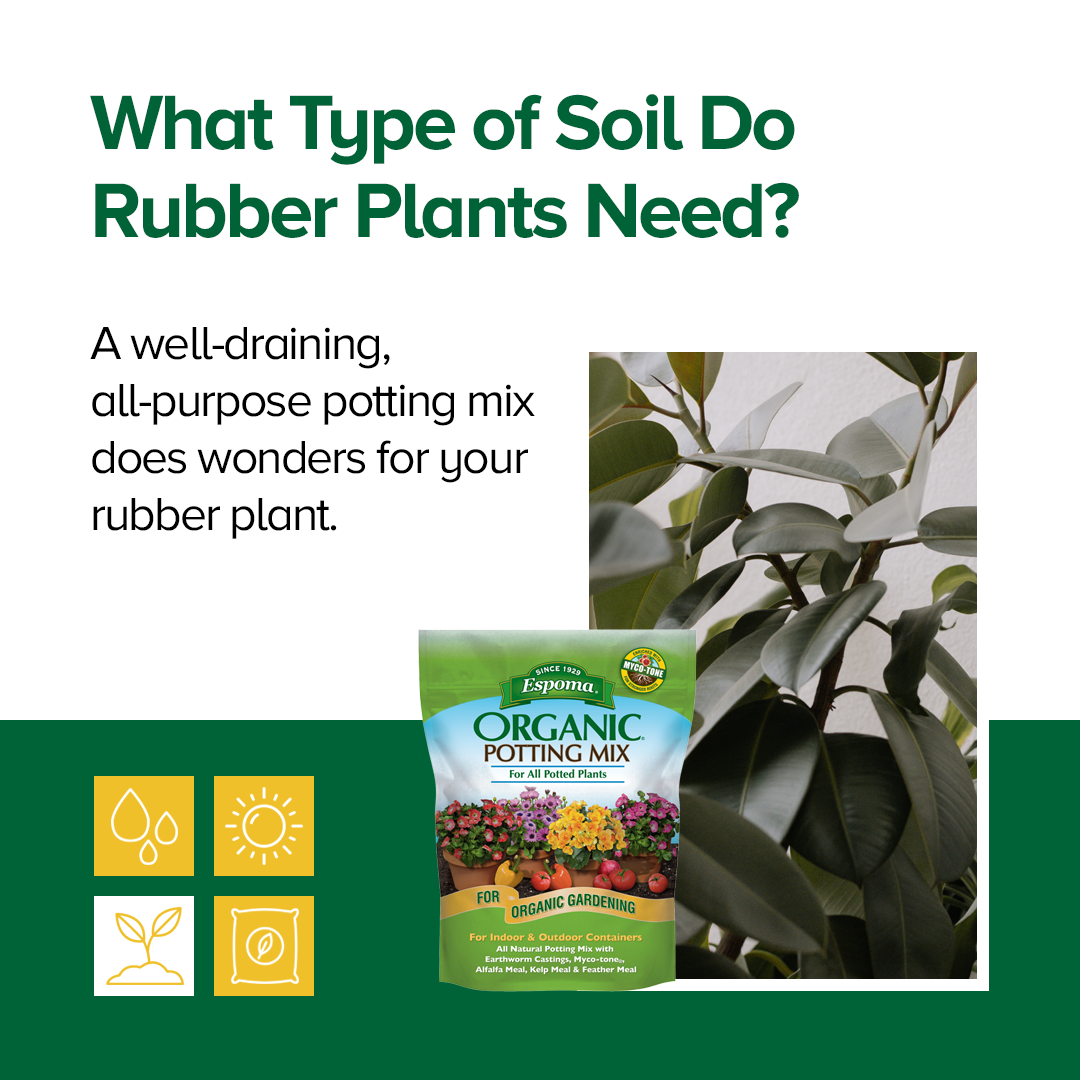
What Type of Soil Do Rubber Plants Need? 

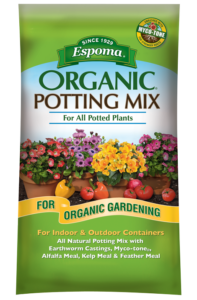
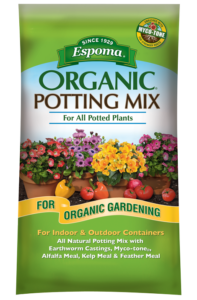
A well-draining, all-purpose potting mix will do wonders for your rubber plant. Check out Espoma’s Organic Potting Soil Mix to get you started; it’s often the best soil for indoor plants. Adding in perlite or orchid mix will provide that extra aeration to make sure your mix is well draining. To get a good balance between moisture retention and drainage, use three parts all-purpose potting mix and one part perlite. 
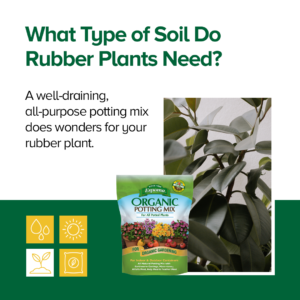
What Type of Soil for Rubber Plant

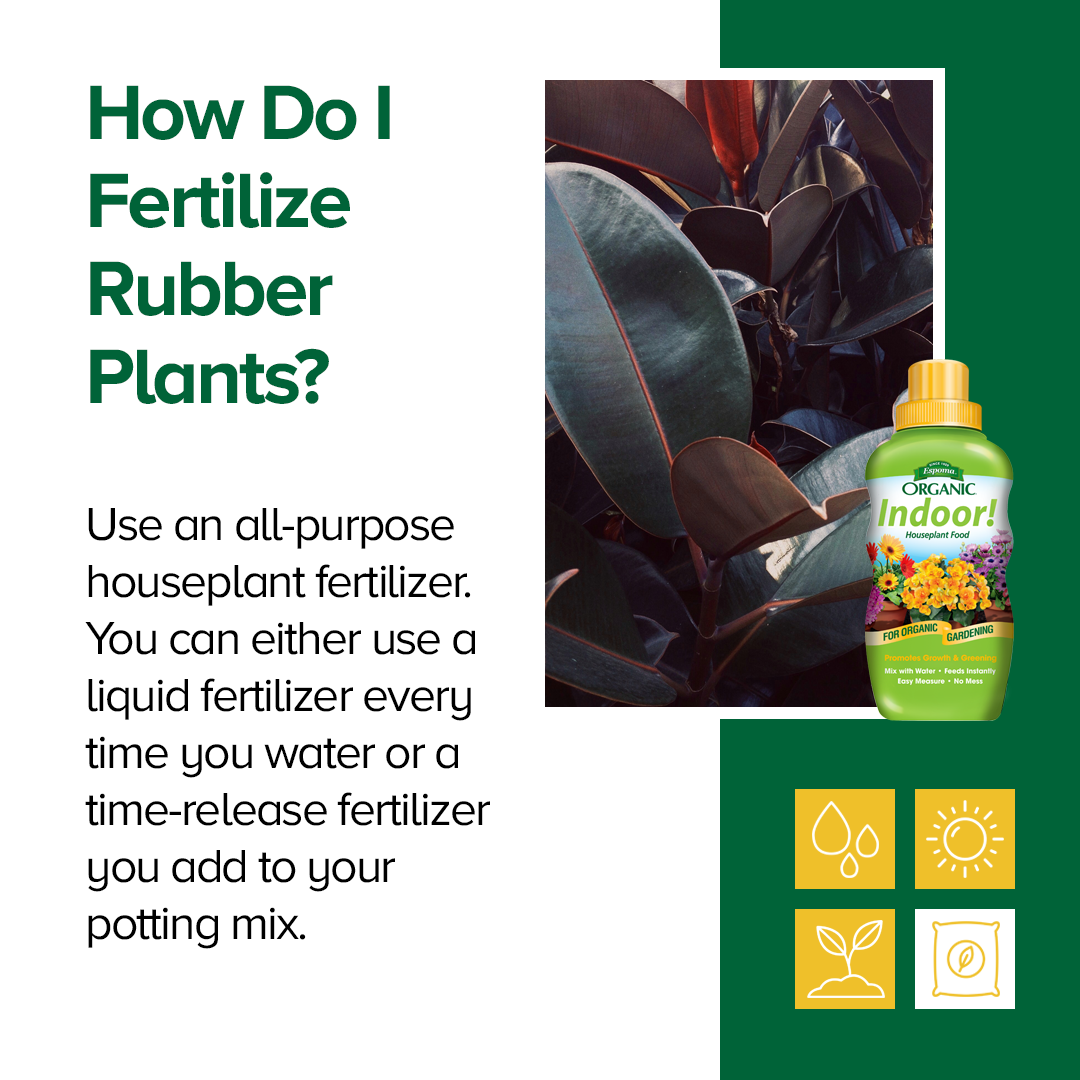
How to Fertilize Rubber Plants

You can use any all-purpose houseplant fertilizer for rubber plants. There are two options: liquid fertilizer or a slow-release fertilizer you can add to your potting mix. 

If you don’t like liquid fertilizers, you can always use a slow-release plant food  that you add to your potting mix when you plant your rubber plant. Those fertilizers generally last up to 6 months. 

Now that you know all about rubber plant care, let’s get into some frequently asked questions! 
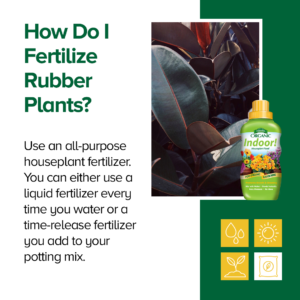
How to fertilize rubber plants

PART 2: Rubber Plant Frequently Asked Questions and Answers from Raffaele di Lallo

Why Is My Rubber Plant Not Growing? 

Your rubber plant needs more light! If your rubber plant is in a far corner from your window, it might be time to move it to brighter light. Remember, rubber plants thrive in bright, direct sunlight. 

How Do I Get My Rubber Plant to Branch and Be Bushier Instead of Taller? 

Don’t be afraid to prune! Just hack it off wherever you want (just not all the way down to the soil) and chop off a good portion of it. Pruning your rubber plant forces new branches to form, resulting in a bushier rubber plant. 

You can also try air layering, which is propagating from stems still attached to the plant. Take a sharp knife and make a diagonal cut about halfway into your rubber plant trunk. Then add some sphagnum moss in the cut and wrap the entire branch with moss. Put plastic wrap around it and tie it on both ends. Over the course of a few months, it’s going to send out roots from where you cut it, which you should be able to see through the plastic wrap. Then you simply cut the stem right under your air layering and replant it. 

What Are the Best Ways to Propagate a Rubber Plant?

The first way to propagate a rubber plant is air layering, described above. This works especially well if you have woody branches already formed. Air layering takes a few months to achieve new root growth. 

The second propagation method is making individual node cuttings. Find the spot where the leaf meets the branch and cut it off on each side, leaving half an inch on either side. You’re basically left with a leaf and then part of the stem, where the node is. At that point, you can either stick the stem in water or soil to grow roots. 

Be aware that if you try propagating your rubber plant in winter, you might have a lower success rate and it will be substantially slower compared to trying it in spring or summer when the plant is actively growing

Why Are New Leaves on My Rubber Plants Smaller Than the Older Ones?

Number one, our conditions at home are nothing like ideal conditions in the greenhouses that these plants were grown in. That in and of itself could be a cause. 

Poor, inconsistent conditions could be your second culprit. Poor lighting and letting your plant dry out too much as its developing new leaves can also affect the leaf size.

Why is My Rubber Plant Dropping Leaves? 

Rubber plants don’t like to be moved, first and foremost. And if you bring your plant home and shove it in a dark hole, you will get leaves dropping off. Your plant is not going to be able to support all the leaves it had when it was growing in good conditions.

If your plant is horribly root bound, it’s going to be very hard to keep up with the watering required to keep the roots hydrated. This could also be contributing to dropping leaves. At that point, you really need to re-pot it in a bigger pot. 

My Rubber Plant Looks Healthy, But the Branches Are All Over the Place. Why Is This Happening?

Indoors, we don’t have the benefit of wind that strengthens plants outside. Because of this, our indoor plants may need a little help compensating. It’s totally okay to tie up your plant. Rafaelle uses a bamboo stake that he inserted right through the root ball, gently tying the branches that were getting unruly. 

Why Are the Edges of My Variegated Rubber Plant Browning? 

You might not be watering your rubber plant properly. Avoid letting your soil dry out completely or letting your rubber plant soak in water for too long. Once you get the watering right, make sure your rubber plant is supplemented with enough light! 

What Are the Tiny White Spots on My Rubber Plant? 

Those tiny white spots are called lithocysts and pose no harm to your rubber plant. They are cells that contain calcium carbonate. 

Which Rubber Plant Should I Get?

Now that you know how to care for rubber plants and troubleshoot any issues, let’s figure out which rubber plant is right for you! 

If you’re getting your first rubber plant and have never grown one before, Raffaele recommends sticking with a non-variegated plant, since they’re going to be a little bit easier to care for. ‘Robusta’ is a great beginner rubber plant. And if you really love variegated plants, try the ‘Tineke’ or the ‘Ruby’ cultivars. 

Want to learn more about rubber plants and houseplants? Make sure to check out Raffaele’s blog and brand new book, Houseplant Warrior coming out soon! 


About Bloom & Grow Radio Podcast

Bloom & Grow Radio Podcast helped people care for plants successfully and cultivate more joy in their lives. Host Maria Failla, a former plant killer turned happy plant lady, interviews experts on various aspects of plant care, and encourages listeners to not only care for plants, but learn to care for themselves along the way.

About Our Interviewee

Engineer and plant parent for more than thirty years, Raffaele Di Lallo knows that the world of houseplants can be full of confusing myths and conflicting care advice. Raffaele started his blog Ohio Tropics focused on gardening with a tropical flare in cold weather climates. It quickly became a blog all about houseplant care. Five years later and he’s still writing about all things houseplants! 

His new book Houseplant Warrior: 7 Keys to Unlocking the Mysteries of Houseplant Care demystifies every aspect of plant parenting and is set to release on March 15, 2022. Houseplant Warrior is particularly relevant for the beginner or any houseplant aficionado struggling with their houseplants. Raffaele teaches a holistic approach to houseplant care and understanding how all of the conditions work together.

​​Follow Raffaele: 

Blog

Instagram

YouTube

Book


Featured Products
Where to Buy

https://www.espoma.com/wp-content/uploads/2022/04/Rubber-Plant-1.png 1080 1080 espoma https://www.espoma.com/wp-content/uploads/2023/05/espoma-logo340w-1.png espoma2022-04-19 14:09:282024-09-06 10:49:10Rubber Plant Care and FAQs

Video: Planting Moss Containers for Spring

February 24, 2022/in Espoma Videos, Flowers, Garden Answer, Gardening Projects, Spring Gardening

Take a look at how Laura from @GardenAnswer plants spring moss containers with the help of Espoma! 

Featured:

Where to Buy

https://www.espoma.com/wp-content/uploads/2022/02/Dahlias.jpg 1080 1920 espoma https://www.espoma.com/wp-content/uploads/2023/05/espoma-logo340w-1.png espoma2022-02-24 07:48:222022-02-24 07:54:10Video: Planting Moss Containers for Spring

Video: Planting Dahlias with Garden Answer

February 15, 2022/in Blog, Espoma Videos, Flowers, Garden Answer

Take a look at how Laura from @GardenAnswer plants Dahlias with the help of Espoma! 

Featured Products:


Where to Buy

https://www.espoma.com/wp-content/uploads/2022/02/Dahlias.jpg 1080 1920 espoma https://www.espoma.com/wp-content/uploads/2023/05/espoma-logo340w-1.png espoma2022-02-15 08:34:032023-02-08 19:19:05Video: Planting Dahlias with Garden Answer

Video: Houseplant Upkeep with Garden Answer

February 1, 2022/in Blog, Espoma Videos, Garden Answer

Watch as Laura from @GardenAnswer pots her succulent cuttings, repots her begonia, and grooms her African violets with the help of Espoma! 

Featured Products:


Where to Buy

https://www.espoma.com/wp-content/uploads/2022/02/Capture2.jpg 720 1280 espoma https://www.espoma.com/wp-content/uploads/2023/05/espoma-logo340w-1.png espoma2022-02-01 15:09:182023-01-31 18:43:31Video: Houseplant Upkeep with Garden Answer

Video: Winter Seed Sowing with Garden Answer!

January 19, 2022/in Espoma Videos, Garden Answer

Check out how Laura from @Garden Answer is starting seeds early in the winter season with the help of Espoma.


Featured Products:


Where to Buy

https://www.espoma.com/wp-content/uploads/2022/01/Winter-Seed-Sowing_Thumbnail.png 1014 1834 Danielle Kirschner https://www.espoma.com/wp-content/uploads/2023/05/espoma-logo340w-1.png Danielle Kirschner2022-01-19 15:12:492022-12-20 11:32:25Video: Winter Seed Sowing with Garden Answer!

5 Ways to Make Your Garden More Festive

December 22, 2020/in Blog, Gardening

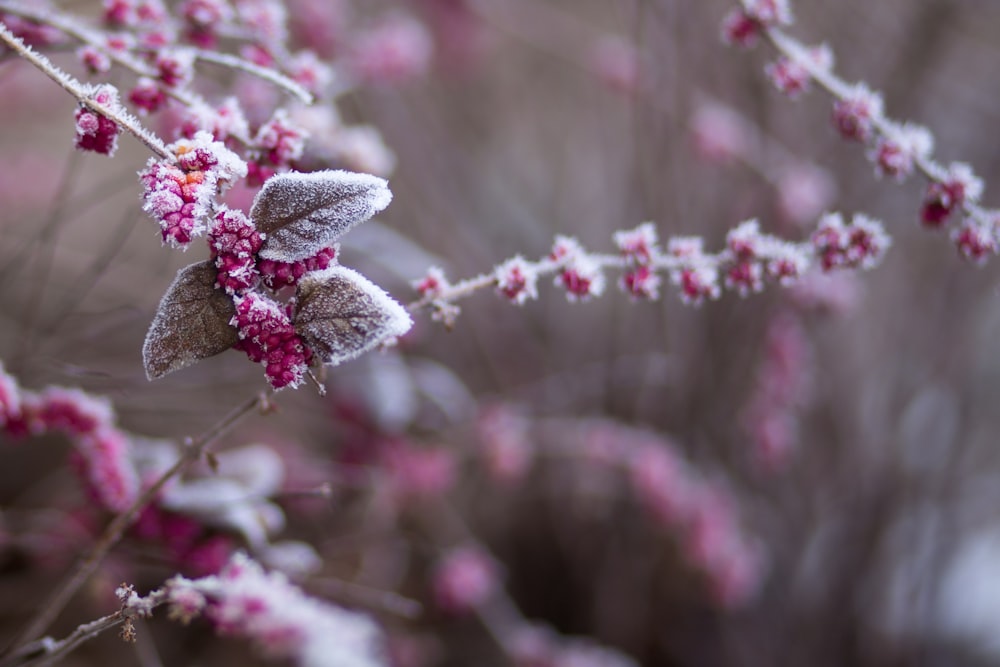
purple flower covered with snow

The holidays are officially underway, and while you’re probably already in the process of decorating your tree and other indoor spaces, have you stopped to think about your garden? Decorating the outside of your house can bring even more joy to your community and will give your greenery some extra love during the colder months.

Here are 5 ways to decorate your garden for the ultimate holiday curb appeal.


1. Start with the basics

You don’t have to run out and buy new decorations right away! Instead, use what you already have. If you have a few plants in pots, that’s a perfect place to start. Add some festive flair to your containers by painting them with holiday images and colors, or just tie some gift bows around them. If filling new containers, use Espoma Potting Mix to give plants a healthy start with our Myco-tone Advantage. Feed your new houseplants with Espoma Organic Indoor! Liquid plant food. 

snowman and santa claus near house decor

2. Light it up!

You can’t go wrong with string lights during the holidays. While you might be used to lining walkways or hanging them from your roof, try changing things up and wrapping the lights around your shrubs or lining the garden with them. This will bring a festive feeling to your garden while also bringing more attention to your hardy plant babies. (Give them the credit they deserve for making it through this chilly time of year!)

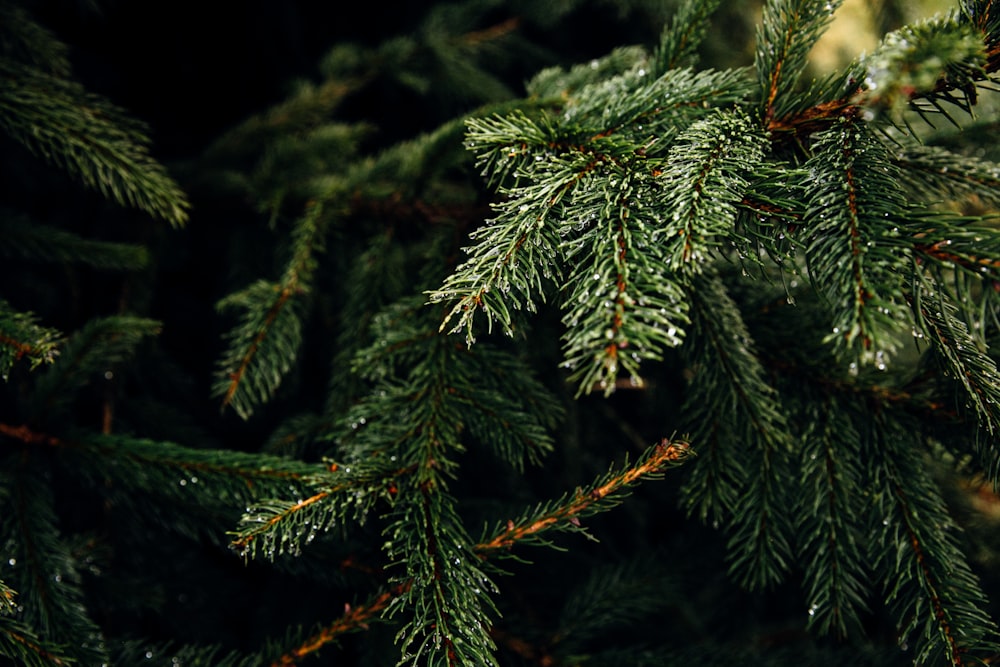
green tree leaves

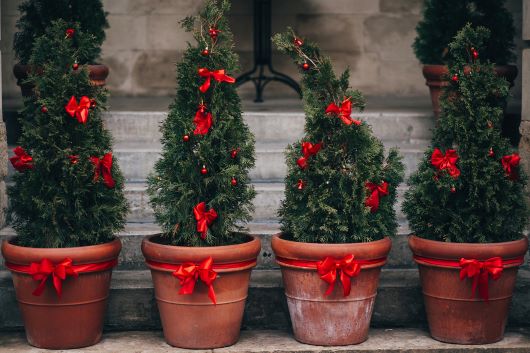
3. Bring the tree outside

Why keep the glory of your Christmas tree limited to indoors? Plant an evergreen outside and decorate it just the same to bring the holiday cheer so even more people can appreciate it. Now you have the opportunity to decorate two of them in completely different ways! Maybe the outdoor version will have a theme and be more photogenic while the kids can have free reign of the one indoors. Plus, you can never go wrong with adding a tree to your property if you have the space!

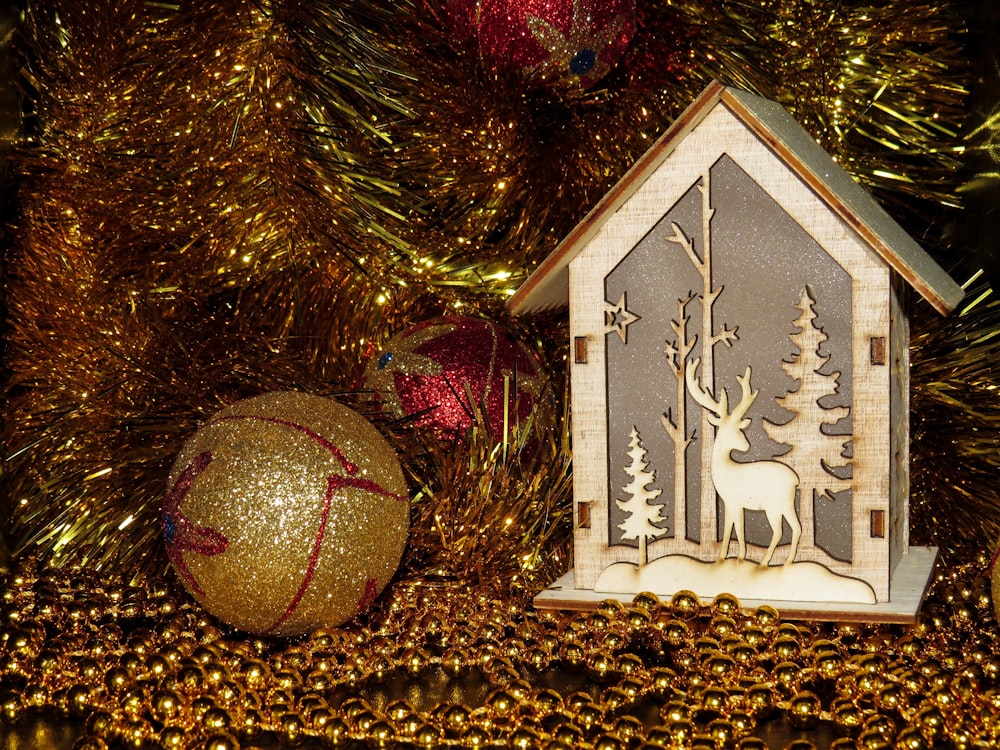
gold bauble

4. Decorations everywhere!

Similar to the tree, why keep the fun decor inside? Treat the rest of your garden the same and let loose with ribbon, tinsel, and decorations galore. Stick candy canes in the soil for that classic holiday vibe or strew about pinecones for a more rustic look. Try placing old ornaments on any plants with strong enough stems to replicate a mini Christmas tree. Get creative with this one and make it your own!

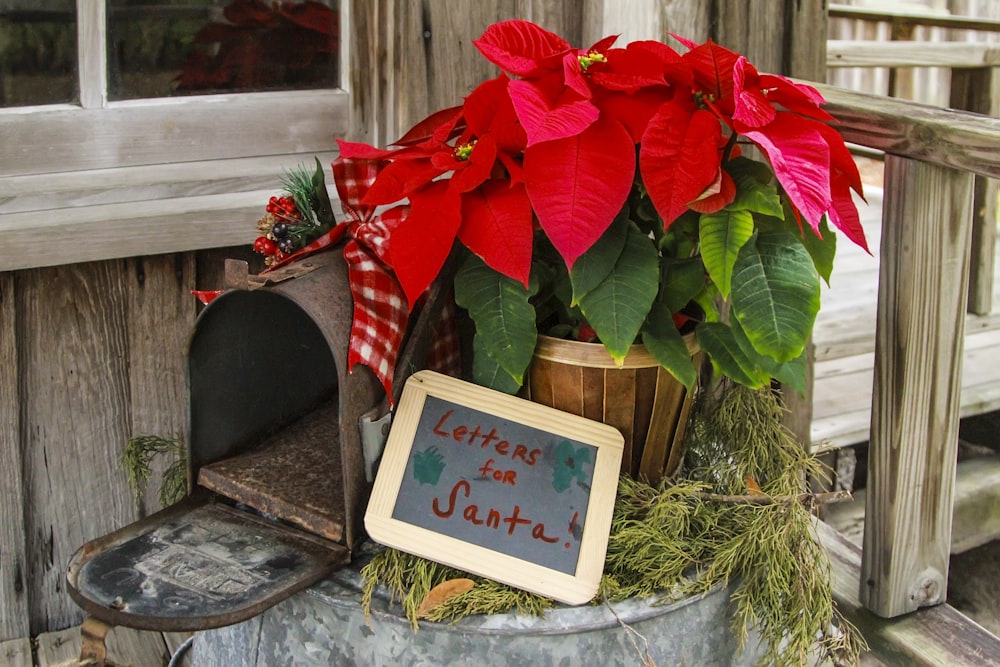
red poinsettia flowers near photo frame

5. Include your mailbox

Whether or not your mailbox is near your garden, extend your greenery to it to tie it together with your home’s festive look. This can be done simply by draping or wrapping a garland around it, but you can also fancy it up with some of the same bits of decor used in the garden like lights or bows. If there’s enough space, bring a potted plant or two over to show the neighborhood that this is a plant-loving home!

Go ahead and pick and choose which decor tips you want to incorporate, or go wild and use them all! Remember that curb appeal shouldn’t be reserved just for the warmer months. Even if you’re spending your holidays social-distance style, adding outdoor decor will extend your festive spirit to all who pass by!

*****

Featured Products:


Where to Buy
https://www.espoma.com/wp-content/uploads/2020/12/mick-haupt-KPOTowEvT3E-unsplash-scaled.jpg 1707 2560 Danielle Kirschner https://www.espoma.com/wp-content/uploads/2023/05/espoma-logo340w-1.png Danielle Kirschner2020-12-22 14:43:282024-09-17 14:44:385 Ways to Make Your Garden More Festive

Video: Time for Fall Wall Planters with Garden Answer

September 29, 2020/in Blog, Fall Gardening, Garden Answer

Watch as Laura from Garden Answer creates a beautiful planter for Fall using Flower-tone and Potting Soil Mix!

Learn more about Garden Answer here:

https://www.youtube.com/c/gardenanswer

https://www.gardenanswer.com/

https://www.facebook.com/gardenanswer

https://www.instagram.com/gardenanswer/

Featured Products:

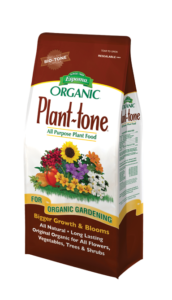
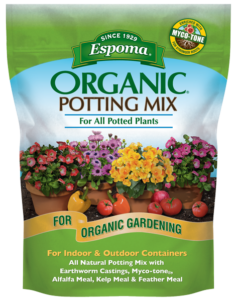
Espoma Organic Flower-tone bagEspoma Organic Potting Mix bag


Where to Buy


https://www.espoma.com/wp-content/uploads/2020/09/Screen-Shot-2020-09-29-at-9.59.14-AM.png 397 806 Danielle Kirschner https://www.espoma.com/wp-content/uploads/2023/05/espoma-logo340w-1.png Danielle Kirschner2020-09-29 10:22:172024-09-26 15:55:18Video: Time for Fall Wall Planters with Garden Answer

Plant Care Is Self-Care: Nurture Yourself as You Nurture Your Plants

December 11, 2019/in Blog, Indoor Gardening

Plant care - person watering a potted plant

Ever notice how a moment spent tending your plants feels like a mindful pause in a busy day? You’re not just watering—you’re nurturing calm, presence, and connection. We believe that caring for your green companions is one of the most natural forms of self-care. And just like you thrive on nourishing food, your plants thrive when you feed them regularly with Espoma Organic fertilizer —gentle, effective, and safe for people, pets, and the planet.


man working in an office filled with plants

The Science Behind the Serene

Sharper Mind + Better Mood
Studies show that being around plants can boost memory and attention by about 20%, while reducing background noise and enhancing productivity and creativity—especially in home or little work-from-home nooks.

Soil for the Soul
That earthy scent? It comes from microbes like Mycobacterium vaccae (lovingly nicknamed “outdoorphins”), and they don’t just feed your plants—they may help boost your mood and immunity, too.


Maria from Growing Joy with Maria with plants and organic potting soil and organic fertilizer from Espoma Organic Potting Mix and Bio-tone on her balcony

Self-Care That Doesn’t Feel Selfish

Pulling weeds, misting leaves, or simply observing new growth—these are gentle rituals that anchor us in the now. As one soothing tip from our brand partner, Maria Failla of Growing Joy with Maria, reminds us:

“Use watering or caring for them as an excuse to get up from your computer and take some ‘me-time’—because plant care is self-care.”

Pair that with feeding your plants Espoma Organic fertilizer, and you’re nourishing life in every sense.


Indoor Joy: Caring for Your Plants with a Gentle Boost

Your indoor plants do more than brighten a room—they improve your air, calm your mind, and remind you to slow down. To keep them thriving year-round, a little extra nourishment goes a long way.

That’s where Espoma Organic Indoor! liquid fertilizer comes in. This gentle, balanced formula is made from natural ingredients and feeds instantly, giving your leafy friends the nutrients they need for lush growth and vibrant color—even in the lower light of winter months.

Self-Care Tip: Pair your plant feeding with your own wellness ritual. Set a reminder every 2–4 weeks to water and feed your plants, then take a few minutes to enjoy a cup of tea nearby. Watch how your plants respond over time—you’ll notice deeper greens, healthier new leaves, and a little spark of joy in your day.


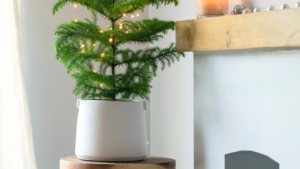
Norfolk-Island-Pine-in-a-white-pot

Festive Downtime: Holiday-Ready Green Retreats

During the busy holiday season, a mini Christmas cypress or Norfolk Island Pine—with its fresh sap-like scent—can be both a peaceful décor choice and a mindful project. Pot it up in our Espoma Organic Potting Mix, give it a slow sip of water, and feed it with an organic fertilizer like Indoor! for lasting joy. It’s a gift that grows for you, not just from you.


Fresh Ways to Deepen Plant-Based Self-Care

  1. Micro-Meditation Moments
    Set a daily two-minute ritual—touch the soil, check a leaf, breathe deeply. Call it a “plant-powered reset.”

  2. Mini Salad Gardens with Maria Failla
    Maria Failla of Growing Joy with Maria, makes self-care—and dinner—even simpler. She grows an entire salad (including herbs, lettuce, mini-tomatoes, and edible blooms) in a single container using Espoma Organic Potting Mix, Bio-tone Starter Plus, and Garden-tone organic fertilizer for steady nourishment. 

  3. Create a Kitchen Corner of Calm
    A small shelf of herbs like basil, lavender, or even mint provides an aromatic escape and practical joy when cooking. Watering and feeding them with organic fertilizer like Indoor! can become a lovely action in your daily rhythm.

  4. Mindful Mondays with Biophilia
    Start your week by simply sitting with your plants—observing new buds, leaf shapes, and subtle color shifts. This biophilic practice connects you to growth and groundedness.

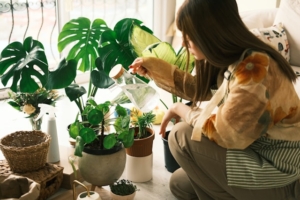
woman watering indoor plants
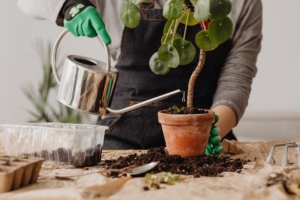
Let Your Care Shine Through

Plant care is not just about pretty greenery—it’s caring for yourself, too. You pause, breathe, tune in, and the soil responds. Whether it’s a festive tree, a potted herb, or a tranquil succulent, your green space is your sanctuary. And with a little love, light, and organic fertilizer, your plants—and your spirit—can truly thrive.

*****

Here are some of our other blogs and videos we think you will enjoy.

Give Some Green for the Holidays

Parenting Advice for New Plant Parents

Poinsettia Care Guide from Garden Answer

Featured Products:

Espoma Organic Indoor! Liquid Plant Food Image

Espoma Organic Bio-tone Starter Plus Bag ImageEspoma garden-tone

Where to Buy

https://www.espoma.com/wp-content/uploads/2019/03/IMG_3162.jpeg 3368 6000 espoma https://www.espoma.com/wp-content/uploads/2023/05/espoma-logo340w-1.png espoma2019-12-11 11:54:012025-08-13 14:53:41Plant Care Is Self-Care: Nurture Yourself as You Nurture Your Plants
Page 10 of 12«‹89101112›»
Where to Buy

Get News & Updates

Recent Posts

  • VIDEO: A Formal Garden Tour with Summer Rayne Oakes
  • VIDEO: Repotting in the Greenhouse with Garden Answer
  • VIDEO: How to Winterize Your Chicken Coop with Summer Rayne Oakes
  • VIDEO: Planting Spring Bulbs in Containers 🪴🌷 with Summer Rayne Oakes
  • VIDEO: Planting the Last Bulbs of the Season with Garden Answer

Tags

All-Purpose Potting Mix bio-tone Bio-tone Starter Bio-tone Starter Plus Cactus Mix caring for houseplants Container Gardening DIY project Espoma espoma grown espoma organic Espoma Organics Espoma Video fall gardening Family fert flower garden flowers garden Garden Answer Gardening gardening tips gardens grow holly-tone houseplants Indoor! indoor gardening indoor plants Kaleb Wyse organic organic fertilizer Organic Gardening organic plant food Organic Potting Mix Outdoor Gardening Planting plants Potting Mix potting soil Spring Gardening summer rayne oakes vegetable garden Vegetable Gardening Wyse Guide

Espoma. A Family Tradition Since 1929.

Espoma Organic logo
  • Espoma Dealer
  • Espoma Pro
  • Garden Club
  • Privacy Policy

Scroll to top