As the season winds down, Laura from Garden Answer takes on her final bulb planting of the year, sharing practical planting and bulb-care tips along the way. In this project, she plants more than 300 Thalia daffodils alongside a mix of spring bloomers, including Persian Pearl, Snowdrops, and Lilac Wonder—showing how late-season planting can still deliver impressive results.
Laura walks us through her process, emphasizing the importance of proper bulb depth, spacing, and soil preparation. These foundational steps help bulbs establish strong roots before winter, setting the stage for healthy growth and vibrant blooms in spring.
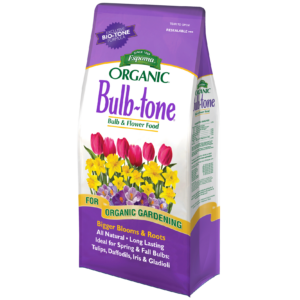
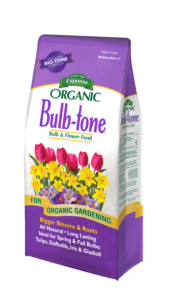
To support early root development, Laura incorporates Espoma Organic Bulb-tone at the time of planting. This organic, slow-release fertilizer is specially formulated for bulbs and helps:
Encourage strong root growth before dormancy
Support bigger, more vibrant spring blooms
Feed gradually over time for long-term plant health
Reduce the risk of burning young roots compared to quick-release fertilizers
By combining proven planting techniques with the right nutrition, this end-of-season bulb planting shows how a little extra care now can make a big difference when spring arrives.
https://www.espoma.com/wp-content/uploads/2025/12/Espoma_1225_GardenAnswer_Bulbs_Thumbnail.png7201280Matt Dauphinaishttps://www.espoma.com/wp-content/uploads/2023/05/espoma-logo340w-1.pngMatt Dauphinais2025-12-23 10:38:372025-12-23 11:06:16VIDEO: Planting the Last Bulbs of the Season with Garden Answer
Laura from Garden Answer shows how to plant spring-blooming bulbs in large containers for a big, colorful show next season. She fills eight pots with Menton tulips and Spanish bluebells, feeding them with Espoma Organic Bulb-tone and then topdressing with Espoma Organic Land & Sea Compost to refresh the tired soil and support strong, natural growth.
The Planting Plan: A “Bouquet” in Every Pot
Laura creates a layered “bouquet” effect in each container:
Center: Menton tulips
Outer edge: Spanish bluebells
Both bloom late in the season, so the colors overlap beautifully. Spanish bluebells grow about 14–18″ tall, while Menton tulips reach 23–25″, giving each pot a soft, tiered look. Planting in raised containers keeps everything at waist height, which makes bulb planting much easier than digging in the ground.
Step-by-Step: How Laura Plants Her Bulb Containers
1. Prepare the Container
Laura removes soil down to about 6 inches deep. This makes room for the first layer of bulbs and ensures they’re planted at the proper depth.
2. Amend the Soil with an Organic Fertilizer
Before placing any bulbs, she sprinkles Espoma Organic Bulb-tone into the container.
Why it helps:
Provides slow-release, organic nutrition right where roots grow.
Encourages strong root development, which is key for bulbs to overwinter and bloom well.
Gentle, natural formula that’s safe for people, pets, and pollinator-friendly gardens when used as directed.
3. Plant Tulips “Shoulder to Shoulder”
Menton tulip bulbs go in first at 6 inches deep, planted:
Pointy side up, flat side down.
Very close together—“shoulder to shoulder”—rather than spaced as they would be in the ground.
This tight spacing lets her fit about 100 tulip bulbs per pot, creating a dense, show-stopping spring display.
4. Add Spanish Bluebells
She covers the tulips with a couple of inches of soil, then plants the Spanish bluebells in a ring around the outer edge at about 4 inches deep. Bluebell bulbs look a bit different, but the rule still applies: roots down, growth point up.
5. Add compost
Because the potting mix has been used before and is showing roots and wear, Laura doesn’t just add more regular soil. Instead, she topdresses each container with Espoma Organic Land & Sea Compost.
Why it helps:
Adds rich organic matter back into tired soil.
Improves soil structure and moisture retention, which bulbs love.
Supplies a gentle nutrient boost from premium ingredients like lobster and kelp meal, helping bulbs grow strong and bloom beautifully.
6. Water Thoroughly
After planting and topdressing, Laura waters each container deeply.
Her key watering tip:
Aim for even moisture across the entire soil surface, not just one side of the pot.
In winter, check containers every 2–3 weeks. The goal is soil that’s slightly moist, never soggy, and never bone dry.
Bulb-Specific Tips for Container Success
Laura’s main bulb care reminders:
Chill time matters:
Tulips and daffodils generally need 12–16 weeks of consistent cold (around 35–45°F).
Hyacinths often need 8–10 weeks; crocus and snowdrops around 6–8 weeks.
Mild climate? Go pre-chilled: If you garden in a warmer region, order pre-chilled bulbs so they arrive ready to plant and still bloom well.
Drainage is essential: Containers must have drainage holes so bulbs don’t sit in water and rot. In very wet climates, you may need to protect pots from constant rainfall; in dry climates, remember to water occasionally.
With the right chill, good drainage, consistent moisture, and organic nutrition from Bulb-tone and Land & Sea Compost, these containers are now set up for a spectacular spring show—naturally.
https://www.espoma.com/wp-content/uploads/2025/12/Espoma_1225_BulbTone_Thumbnail-copy.jpg10801920Matt Dauphinaishttps://www.espoma.com/wp-content/uploads/2023/05/espoma-logo340w-1.pngMatt Dauphinais2025-12-09 16:44:432025-12-23 09:58:46VIDEO: How to Plant Spring Bulbs in Containers 🌱🌷 with Garden Answer
Fall might feel like the end of the gardening season, but as Kaleb from Wyse Guide shows, it’s actually a perfect time to plant and bring in your favorite tropical plants for the winter months.
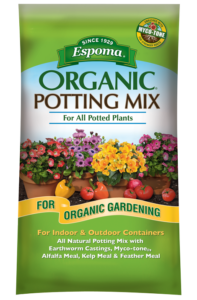
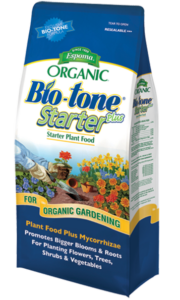
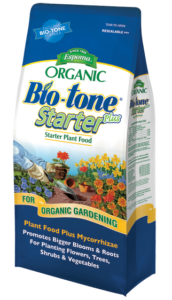
In this project, Kaleb refreshes the front of his home with hydrangeas, using Espoma Organic Bio-tone Starter Plus to support strong root growth, then replants a massive elephant ear and pots it up in Espoma Organic Potting Mix so he can enjoy it again next year.
Kaleb’s late fall gardening tips:
1. Plant for Roots, Not Blooms Kaleb takes advantage of fall’s warm soil and cool air to give hydrangeas time to establish. Adding Espoma Organic Bio-tone Starter Plus helps new shrubs settle in quickly and build the strong root systems that lead to better growth next spring.
2. Build Healthy Soil & Keep Watering Hydrangeas thrive in rich, well-draining soil, so Kaleb amends where needed and uses drip irrigation to keep moisture consistent on his sunny, south-facing porch. Even with drip, he checks soil weekly and waters during fall—and even winter warm-ups—so new roots never dry out.
3. Store Tropicals to Enjoy Them Again Instead of letting frost take his elephant ear, Kaleb trims it back and pots it into Espoma Organic All-Purpose Potting Mix. Over winter, it rests indoors with minimal watering, ready to return outdoors next season.
Even as the season slows, there’s still so much you can do to care for your garden. A little fall planting, some root-focused feeding, and thoughtful winter storage of warm-season plants can set you up for an even more beautiful spring.
https://www.espoma.com/wp-content/uploads/2025/11/Bring.jpg7201280Matt Dauphinaishttps://www.espoma.com/wp-content/uploads/2023/05/espoma-logo340w-1.pngMatt Dauphinais2025-11-18 15:54:332025-11-18 15:54:33Final Fall Plantings & Tips for Bringing Plants Inside for Winter 🍁🪴 with Wyse Guide
In this Wyse Guide project, Kaleb refreshes the entry to his mom’s driveway with smooth hydrangeas and a Captain yew for four-season structure. He plants each shrub with Espoma Organic Bio-tone Starter Plus to jump-start strong root growth and reduce transplant stress, then adds Espoma Organic Holly-tone because hydrangeas and most yews thrive in slightly acidic soil. Bio-tone delivers beneficial microbes and gentle nutrition right where roots need it; Holly-tone provides a slow, steady feed tailored for acid-loving plants so they establish beautifully in his neutral Iowa soil.
Tips from Wyse Guide:
Plant when you have the window. If the soil is workable and you can water, spring through fall is fair game—plants are often better off in the ground than in pots.
Match plants to the site. Kaleb chose upright, weather-tough, smooth hydrangeas for bloom and a rugged Captain yew for year-round form in part shade with occasional dry spells.
Call before you dig. Always locate underground utilities before starting holes. Safety first.
Plant slightly high. Set the root ball a touch above grade to allow for settling and better oxygen at the crown, especially near thirsty maples.
Prep the roots. Loosen or lightly score tight root balls so roots can spread into native soil. Then, pre-soak the root ball before backfilling.
Feed and mulch smart. Mix Bio-tone and Holly-tone into the planting hole for establishment and acid-loving nutrition. Finish with a 2–3″ layer of compost like Espoma Organic Land & Sea Gourmet Compostmulch to add organic matter to lock in moisture and suppress weeds.
A simple, well-chosen pairing—hydrangeas for flowers and yew for structure—turned this entry into a welcoming focal point. Take your time, let inspiration strike at the nursery, and set new plants up for success with Bio-tone and Holly-ton
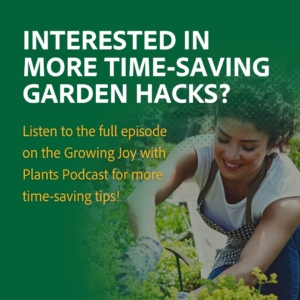
Has your garden started to feel like a tedious task on your never-ending to-do list? Here are 10 ways to avoid garden burnout by making gardening more efficient and simple, so you can enjoy it without feeling weighed down.
One of Kim’s foundational philosophies is to break down large tasks into smaller, manageable ones (3-, 5-, 8-, 10-, or 30-minute jobs), which is the basis of her book. The 10 Minute Gardener also organizes these by season (early, mid, late, dormant), so you can adapt them no matter where you garden.
Practical Time-Saving Tactics You Can Try Today
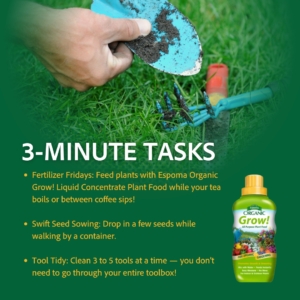
3-Minute Gardening Tasks
Fertilizer Fridays – Every Friday, while your tea kettle is boiling or you’re sipping coffee, take 3 minutes to fertilize your plants with an organic liquid fertilizer like Espoma Organic Indoor! Houseplant Food. You can also water them or pick off brown leaves.
Swift Growth Seed Sowing – Keep a small basket of seeds handy by your back door or in your pocket. During a quick break, pop a few pea seeds along a trellis or lettuce seeds into a container to keep succession planting going.
Three-Minute Tool Tidy – Clean and oil a few garden tools, like pruners, that may be getting rusty or sticky.
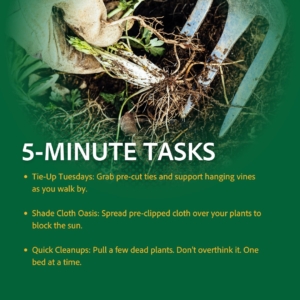
5-Minute Gardening Tasks
Tie-Up Tuesday (and Thursday!) – Dedicate a few minutes twice a week to trellis plants like cucumbers. Keep tie tape or twine in your pocket so you can do this quickly while walking through the garden.
Shade Cloth Oasis – Pre-clip shade cloth to trellises so you can dash out and cover plants when the sun is blazing.
End-of-Season Cleanups – Pull out dead plants and toss them into nearby trash bins or pop-up bins to keep your garden tidy.
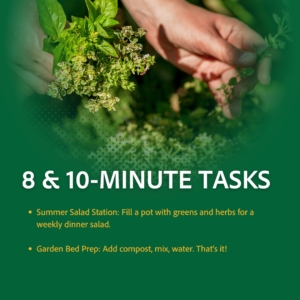
8- & 10-Minute Gardening Tasks
Summer Salad Station – Plant a container with salad greens, a tomato or cucumber, and herbs for a quick, ready-to-harvest dinner garden.
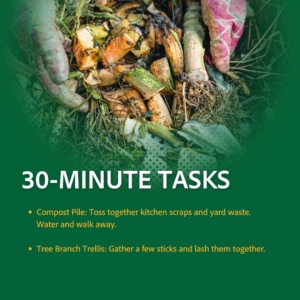
Compost Pile Refresh – Toss together kitchen scraps and yard waste to build your compost pile. Give it a splash of water, then walk away and let nature do the work.
Tree Branch Trellis – Gather a few sturdy sticks and lash them together to create a simple, rustic trellis for climbing plants.
Be Consistent and Keep Things Within Reach
The key is to keep everything handy and accessible. You don’t need complicated strategies to make gardening easier. Keep a basket of seeds by the door, stash pruners in multiple spots, and have tie tape at the ready. Making tools and supplies accessible ensures you stay consistent and efficient.
https://www.espoma.com/wp-content/uploads/2025/09/Time-Saving-1.jpg10801080Matt Dauphinaishttps://www.espoma.com/wp-content/uploads/2023/05/espoma-logo340w-1.pngMatt Dauphinais2025-09-11 16:15:582025-09-11 16:15:5810 Time-Saving Tactics for a More Efficient Garden | Growing Joy with Maria
Kaleb Wyse from Wyse Guide shows us that with the right care, you can plant trees and perennials with confidence. In this video, Kaleb is adding an Afterburner black gum tree and fresh perennials to his backyard. To give his new plantings the strongest foundation, Kaleb uses Espoma Organic Bio-tone Starter Plus. This trusted starter fertilizer helps reduce transplant shock, stimulates strong root growth, and enriches the soil—so plants establish quickly and thrive for years to come.
Featured Tips from Kaleb’s Planting Process
Plant year-round when conditions allow
Don’t wait for the “perfect” season. If you have the time, energy, and right weather, get plants in the ground. They’ll be happier growing in your soil than sitting in containers at a nursery.
Choose the site carefully
Take time to visualize how a tree or plant will look from multiple angles of your yard and home. Think ahead about how it will grow into the landscape.
Prepare the site well
Dig a wide hole—wider than the root ball—to give roots room to spread into the native soil. Remove rocks and other large debris.
Prep the roots before planting
Inspect roots for tight circling, then gently loosen or scarify them to encourage outward growth. Be sure to expose the root flare so the tree can breathe properly.
Always plant with a quality organic starter fertilizer
Using a starter like Espoma Organic Bio-tone Starter Plus helps reduce transplant shock and promotes strong, lasting roots. Unlike synthetic fertilizers, Bio-tone is gentle, organic, and builds long-term soil health.
Water, stake, and mulch for success
Give trees a deep initial watering—Kaleb used 10 gallons for his black gum—and continue watering consistently, especially in summer heat. Stake young trees for support and mulch around the base to retain moisture and suppress weeds.
Kaleb finished his project by planting Phantom Joe Pyeweed and Kerodonis Salvia, filling in garden beds with color and texture. His approach shows that planting is less about waiting for the “right” season and more about giving your plants what they need: thoughtful placement, healthy roots, good soil, and consistent care.
Ready to Plant?
For all your plantings, give your plants the best start with Espoma Organic Bio-tone Starter Plus. Build stronger roots, reduce transplant stress, and set your garden up for long-term success.
https://www.espoma.com/wp-content/uploads/2025/09/Title-19.jpg7201280Matt Dauphinaishttps://www.espoma.com/wp-content/uploads/2023/05/espoma-logo340w-1.pngMatt Dauphinais2025-09-03 15:58:012025-09-03 15:58:01VIDEO: Planting Trees and Perennials 🌳🌺 with Wyse Guide
Watch as Summer Rayne Oakes of Flock Finger Lakes takes us on a tour of her stunning tulip garden at her Meadow House Gardens. Last fall, Summer planted over 4,000 tulip bulbs using Espoma OrganicBulb-tone, and today her garden bursts with color from more than 100 tulip cultivars.
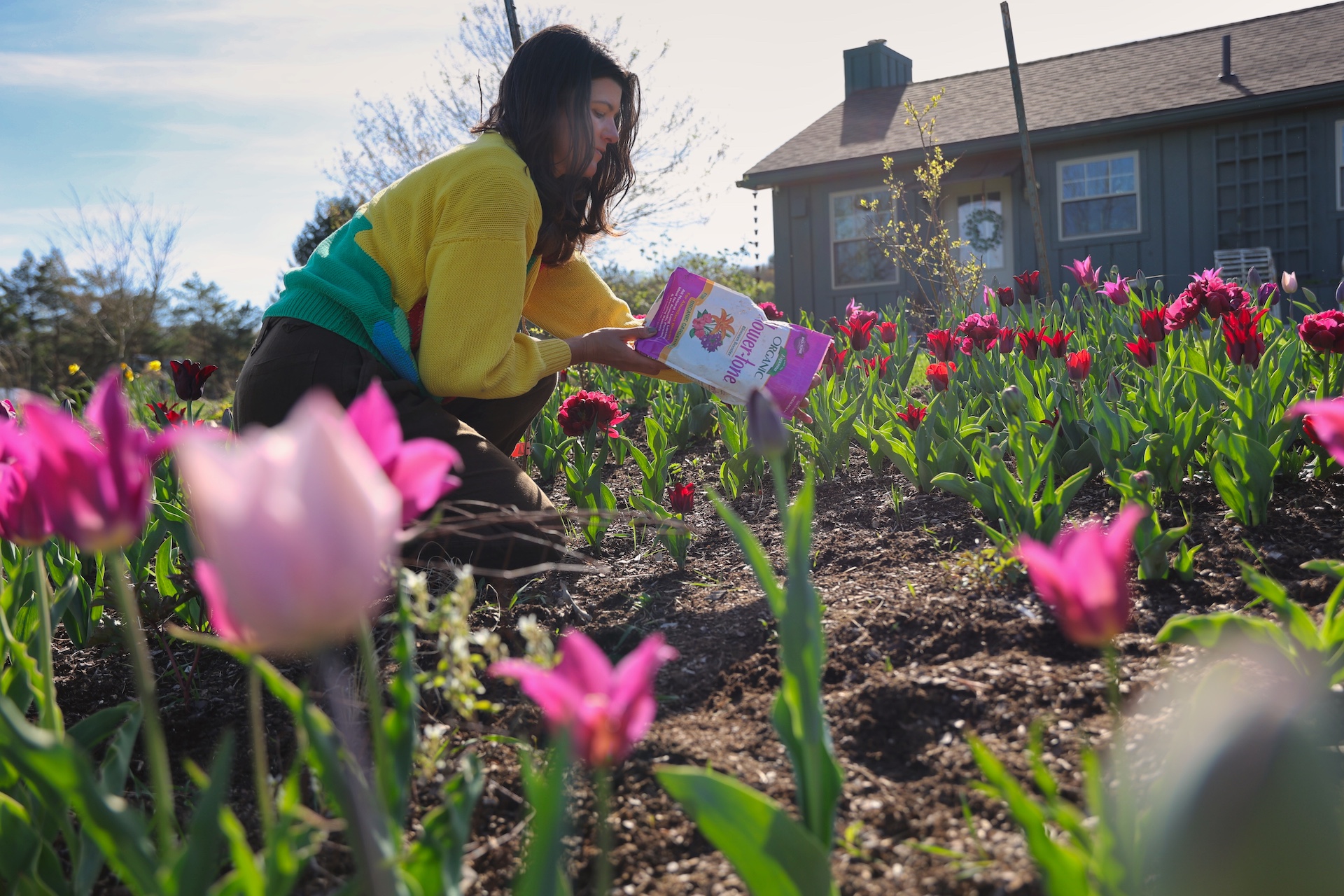
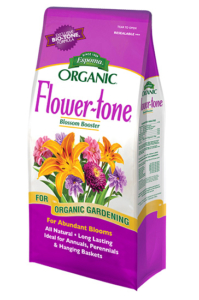
In this video, Summer showcases her favorite tulips, including the elegant ‘Sarah Raven,’ captivating ‘Flaming Flag,’ and dreamy ‘Ume no Murasaki.’ She also demonstrates how she feeds her tulips with Espoma Organic Flower-tone, ensuring healthy, vibrant blooms all season.
Summer’s Tips for Planting and Caring for Tulips:
Plant bulbs in the fall using a high-quality organic fertilizer like Espoma Organic Bulb-tone for optimal nutrition.
Water bulbs thoroughly after planting to help establish roots.
Feed tulips after sprouting with a high-quality organic fertilizer like Espoma Organic Flower-tone for lush blooms.
Avoid fertilizer contact with blooms or foliage to prevent burning.
Consider naturalizing tulip varieties that are known to return each spring.
Bonus Tip: In addition to tulips, Summer planted a variety of perennials throughout her garden beds. Summer recommends planting with a high-quality organic starter fertilizer like Espoma Organic Bio-tone Starter Plus to reduce transplant shock and help promote strong, healthy roots for big, beautiful blooms.
Spring is stirring in the Finger Lakes, and Summer Rayne Oakes of Flock Finger Lakes is already deep into her garden chores. In this video, she takes us on an early-season walk through her ever-evolving landscape highlighting emerging bulbs, sharing design plans, and laying the groundwork for a bountiful, sustainable year ahead.
Summer uses organic products for all her gardening projects—including our trusted Tone line of organic fertilizers, premium Potting Mixes, and organic Liquid Fertilizers—to create healthy, thriving spaces across her property. When planting new bulbs like daffodils and tulips, she relies on Espoma Organic Bulb-tone to set them up for success. And whenever she plants something new, Espoma Organic Bio-tone Starter Plus is her go-to to support strong root development from day one.
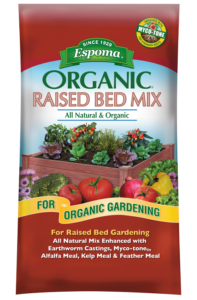
For all her new garden beds, Summer builds nutrient-rich soil from the ground up with Espoma Organic Raised Bed Mix, Land & Sea Gourmet Compost, and our premium Potting Mix—ensuring each planting area is full of organic matter, supports microbial life, and has optimum moisture-holding capacity.
From rewilding meadows and restoring forest edges to designing pollinator patches and building a 60-foot sustainable chicken coop, Summer’s garden isn’t just beautiful—it’s intentional. Her approach reflects a great mission: to nourish plants, support biodiversity, and build a healthier planet from the soil up. 🌱
Watch the full garden walk to get inspired for your own spring garden reset!
Watch Kaleb Wyse of Wyse Guide as he gets to work prepping and planting his raised beds for spring. His go-to formula? Healthy soil and smart planting techniques.
Kaleb starts by refreshing his beds with Espoma Organic Raised Bed Mix, a rich, fluffy blend made specifically for raised garden beds. It’s well-draining, holds adequate moisture, and helps create the ideal environment for Kaleb’s spring vegetables.
To give his New plants a strong start, Kaleb uses Espoma Organic Bio-tone Starter Plus, sprinkling it into the planting holes. This organic fertilizer promotes strong root growth and helps plants establish quickly.
Kaleb’s Top Spring Planting Tips:
Refresh raised beds each year with an organic soil mix like Espoma Organic Raised Bed Mix
Watch Kaleb Wyse of Wyse Guide takes us through his springtime ritual of pruning and fertilizing fruit trees on his Iowa farm.Kaleb emphasizes the importance of proper pruning to encourage healthy growth and feeding with a high-quality organic fertilizer like Espoma Organic Tree-tone.
🌿 Why Espoma Organic Tree-tone?
Kaleb trusts Espoma Organic Tree-tone for its all-natural, slow-release formula that provides essential nutrients to the entire tree—roots, trunk, and canopy.Its exclusive Bio-tone microbes enhance nutrient absorption, promoting robust growth and fruit production.
✂️ Kaleb’s Top Tree Pruning Tips
Timing is Key: Prune in late winter or early spring before new growth starts.
Shape Matters: Aim for an open center to allow sunlight and air circulation.
Clean Cuts: Use sharp tools to make precise cuts, reducing the risk of disease.
By combining these pruning techniques with the nourishment from Espoma Organic Tree-tone, Kaleb ensures his fruit trees are healthy and productive throughout the growing season.
https://www.espoma.com/wp-content/uploads/2025/05/Pasted-Graphic.jpeg7201280Matt Dauphinaishttps://www.espoma.com/wp-content/uploads/2023/05/espoma-logo340w-1.pngMatt Dauphinais2025-05-14 13:01:072025-05-19 13:36:07VIDEO: Prune & Feed Trees Like a Pro with Wyse Guide 🌳