Espoma Organic
  • Products
    • Close
    • Product Line Overview
    • Plant food finder
    • Garden Fertilizers
    • Potting Soils
    • Lawn Fertilizers
    • Liquid Fertilizers
    • Single Ingredients
    • Conventional Plant Foods
    • Animal Care Products
  • Where to Buy
  • Our Story
    • Close
    • Our Story
    • Locations
    • Historical Timeline
    • Our Commitment
    • Directions
    • Solar
    • Join our Team
    • Espoma Brand Partners
  • Learn
    • Close
    • Espoma Blog
    • FAQ’s
    • Pocket Guide
    • Espoma Guides
    • Garden Clubs
    • Safe Paws Lawn
    • PRODUCT FACT SHEETS
    • Fertilizer Fundamentals
      • Close
      • Understanding Plant Nutrition
      • Reading Labels
      • Choosing the Right Type of Fertilizer
      • Terms & Definitions
    • Gardening Projects
    • Resource Links
  • Contact Us
  • Menu Menu

Tag Archive for: Indoor!

The Gift That Keeps on Growing: Why Green Gifting is the Way to Go

December 6, 2022/in Fruits & Vegetables - None

The holidays are right around the corner, and gift shopping is in full swing. Not sure what to get the gardener in your life? We’ve got you covered. Even for those less horticulturally inclined, a low-maintenance plant can be a welcome addition to their home or office. Plant presents are going to be all the rage this year, and when you pair them with a bottle of Espoma Organic Liquid Fertilizer, they’ll only continue to grow for holiday seasons to come. Here’s our guide to meaningful plant presents and why green giving is a great option for the holidays!


5 Recommendations for a Meaningful Plant Present

     1. Aloe Vera

Health is wealth, and just one aloe vera plant can bring significant medicinal benefits! Aloe can be used to treat burns, improve digestion, nourish skin, and more. These super air-purifying succulents are also easy to care for, and they only need bright natural light and infrequent watering (typically every 3 weeks, but longer in the winter). Gift aloe vera with good wishes for your recipient’s health, and pair your present with Espoma Organic Cactus! Liquid Fertilizer to keep the love growing. 


     2. Christmas Cactus

If the name isn’t enough of an indicator, Christmas cactus plants make great holiday gifts! They’re low-maintenance like aloe vera, thriving in bright sunlight and with spaced-out watering. Christmas cacti are known to bloom red, pink, orange, or cream flowers right around the end of December, year after year. With a bottle of Espoma Organic Cactus! Liquid Fertilizer and care instructions, a Christmas cactus is a living, reblooming reminder of love. That’s a gift that truly keeps on giving!


3. Peace Lily

The peace lily is an oh-so aesthetically pleasing present to put on your shopping list. With dark green foliage and elegant white flowers, the peace lily is a visually striking addition to any space. It symbolizes purity, rebirth, and tranquility and is a great way to express your genuine support for someone. The peace lily is also easy to care for because the flowers will droop as a signal that the plant needs more water. With visual beauty and simple maintenance, the air-purifying peace lily is a lovely gift that will last beyond the holiday season.


 4. Philodendron

Looking for something with more of an artsy touch? Philodendrons are a frequent feature in modern art, making them perfect for a creative plant lover. The plant symbolizes health, growth, and beauty, so they make ideal gifts for someone entering a new phase in life. Philodendrons vary in appearance, but their low-maintenance nature makes them a common pick for plant parents. Amp up the love by gifting a heart-leaf philodendron variation and include a bottle of Espoma Organic Indoor! Liquid Fertilizer to keep the plant thriving for years to come! 

Tropical, philodendron Hederaceum Micans' Houseplant With Heart Shaped Leaves


5. Poinsettia

This wouldn’t be a proper plant-centric gift guide without mentioning the poinsettia. More than 100 varieties of poinsettias are available today in a wide range of colors, but you can’t go wrong with classic red and green. Poinsettias are easy to find around the holidays and not too difficult to care for—just be sure to limit their exposure to the cold, as cool temperatures can cause the leaves to drop prematurely. To make this festive plant present extra special, repot it in a decorative container!


Why Gift a Plant Present?

Sustainable gifts have been on the rise for years now, and what better way to go green than by supporting a local gardening store and gifting a thoughtfully picked plant? Plants make beautiful decor items, functional air purifiers, and unique reminders of love. With a symbolic selection, care instructions, decorative repotting, and a boost from an Espoma Organic Liquid Fertilizer, a plant present will leave a lasting impact on your recipient’s health and happiness… even if they are a bit difficult to wrap.

*****

We hope this plant-centric gift guide helps you incorporate a little fun and foliage into your holiday shopping this season. Have a plant present idea we missed? 

Share it with us on our Facebook page

Or on our YouTube Page

Tag us on Instagram!


Featured Products:


Where to Buy


https://www.espoma.com/wp-content/uploads/2022/12/Image-1-scaled.jpg 1704 2560 Matt Dauphinais https://www.espoma.com/wp-content/uploads/2023/05/espoma-logo340w-1.png Matt Dauphinais2022-12-06 19:08:312024-10-17 13:13:02The Gift That Keeps on Growing: Why Green Gifting is the Way to Go

BAGR Blog 159: Houseplants that Bloom

November 22, 2022/in Blog, Bloom and Grow Radio

This blog is inspired by Episode 159 of Bloom and Grow Radio Podcast, where host Maria Failla interviewed Lisa Eldred Steinkopf of The Houseplant Guru.

Houseplants are celebrated for their amazing foliage, but are often overlooked for another ability—the ability to bloom! To give us a better grasp of this beautiful subcategory, let’s dive into the must-knows of houseplants that bloom. 

How to Care for Blooming Houseplants

The main difference between blooming houseplants and normal foliage houseplants is light requirements. If you want to start caring for blooming houseplants, you need to have a good light setup.

Blooming houseplants require a bit more light. That can look like a Southern-, Western-, or an Eastern-facing window for natural light. If you have Northern-facing windows, you will need to supplement with grow lights.

The type of grow light you have will determine the amount of hours needed, but at most your blooming houseplants will need 12 hours of direct light. Inadequate lighting is often the culprit if your blooming houseplants don’t bloom. 

What Does a Houseplant Bloom Cycle Look Like?

Across blooming houseplants, there are long-day, short-day, and day-neutral plants that affect the bloom cycle. A day-neutral plant like the African violet (Saintpaulia) can bloom year round, as it’s not sensitive to day length. A short-day plant, however, will start blooming when the nights get longer, focusing on how much darkness they need.

Houseplants like poinsettias, kalanchoe, and cyclamen are all short-day plants, blooming in the Fall when nights are longer. Most of the annual flowers outdoors like snapdragons and marigolds need light for as long as possible to bloom, so they are categorized as long-day plants. These long-day flowers bloom best in Summer when day length is greatest.

If your plant is not blooming within a year, it may need something different. Often the key can be more light, but it could also be that it’s simply not mature enough yet to produce blooms. If you grow a citrus from seed, it won’t flower for six to seven years—but if you grow a cutting from a mature plant, it could bloom within a year. Consider a plant’s maturity for each variety before you write off your plant parent skills. 

Fertilizing Requirements for Blooming Houseplants

While sun and photosynthesis tend to be the most important factors in getting your plants to bloom, fertilizers can certainly help. An all-purpose fertilizer like Espoma’s Organic Indoor Houseplant Food is a great overall fertilizer. To help your blooms last longer, Espoma’s Super Bloom Booster that’s high in phosphorus will give your plants strong, healthy blooms. Opt for every two to four weeks if you choose a liquid fertilizer. 

How to Make Blooms Last Longer

To get your houseplant blooms to last as long as possible, focus on consistency. Blooming plants want consistent moisture, so do not let them dry out. Keep your plants in a well-lit spot, but not so hot that they become stressed. Be consistent with moisture and temperature during blooming and your plants will be happy. 

Now that we’ve covered some basic care for blooming houseplants, let’s go into some great starter plants for beginners. 

The 6 Best Blooming Houseplants for Beginners

The crown of thorns (Euphorbia milii) is a wonderful blooming houseplant if you have high light. It can even bloom year round with enough light. They come in many colors ranging from white. red, yellow, pink, and orange. 

Hoyas (Hoya carnosa) are another blooming houseplant that are great for beginners. The key with hoyas is to know they won’t bloom until they’re mature enough. It can take anywhere from three to seven years for hoya plants to reach maturity.

Air plants (Tillandsias) are next for beginners. While they need lots of light, they almost constantly bloom and grow. They will send out new pups, because once they bloom, they slowly die off. 

The holiday cactus (Schlumbergera spp.) is another great beginner blooming houseplant, and an often underrated one. Holiday cacti include Christmas, Easter, and Thanksgiving varieties, each slightly different in the shape of their stem segments. Their blooms also come in a range of colors including pink, orange, salmon, and white. 

African violets (Streptocarpus sect. Saintpaulia) are another beautifully blooming houseplant that would be a great fit for a mindful plant parent. African violets prefer to never dry out and to be repotted about every 6 months. Their leaves and stems are easy to propagate, making them a fun houseplant to share with other plant lovers. Try feeding your violets with Espoma Organic Violet! African violet liquid plant food.

The goldfish plant (Columnea nematanthus) is another fantastic blooming houseplant that doesn’t need much light to bloom. Their blooms are orange and shaped like goldfish, looking like a sea of goldfish swimming when in full bloom.

Intermediate Level Blooming Houseplants

If you’re ready to move up to the intermediate level, here are three blooming houseplants to get you started. 

Orchid cacti (Epiphyllums) are a type of climbing cacti with flat, leaflike stems. Despite being a tropical succulent, they actually need stretches of cold before they will bloom again. Give them enough light and enough of a cold period, and you’ll be wowing everyone with these stunning blooms.  

Bromeliads (Bromeliaceae) are another long-blooming houseplant that are typically bought in their blooming stage. Their blooms eventually die back, but not before they send out new babies at the bottom.

While there are beginner orchids, there are plenty of interesting varieties for an intermediate plant parent to try. Dendrobiums, Cattleyas, and Miltonias tend to be a bit more care intensive. To troubleshoot why your orchid isn’t blooming, it can often be a lack of light. Orchids also need to be repotted at least every two years to ensure adequate air for their roots. Try Espoma’s Organic Orchid Mix potting soil to help with drainage and aeration. Apply Espoma Organic Orchid! liquid plant food to make sure your plant has the essential nutrients needed for successful growth. 

*****

For an in-depth look into blooming houseplants, make sure to read Lisa’s new book Bloom: The Secrets of Growing Flowering Houseplants Year-Round. 

About Bloom & Grow Radio Podcast

 Bloom & Grow Radio Podcast helps people care for plants successfully and cultivate more joy in their lives. Host Maria Failla, a former plant killer turned happy plant lady, interviews experts on various aspects of plant care, and encourages listeners to not only care for plants, but learn to care for themselves along the way.

About Our Interviewee

Lisa Eldred Steinkopf is The Houseplant Guru. She’s a blogger, freelance writer, and houseplant enthusiast who loves taking care of her own plants and teaching others to take care of theirs. If you love plants, want to know more, or are just looking to keep your houseplant plant alive, you’re in the right place!

Lisa’s new book Bloom: The Secrets of Growing Flowering Houseplants Year-Round celebrates the beloved houseplants we can grow for blooms in addition to foliage. It focuses on how to get many houseplants to bloom and how to keep them in bloom. 

​​Follow Lisa:

Website

Instagram

Facebook

Books


Featured Products: 


Where to Buy


https://www.espoma.com/wp-content/uploads/2022/11/ryan-gerrard-J7DoRy8SLkA-unsplash-scaled.jpg 2560 1707 Matt Dauphinais https://www.espoma.com/wp-content/uploads/2023/05/espoma-logo340w-1.png Matt Dauphinais2022-11-22 17:19:592022-11-22 17:27:03BAGR Blog 159: Houseplants that Bloom

Popular Aroids to Add to Your Collection

November 3, 2022/in Blog, Fruits & Vegetables - None, Indoor Gardening

This blog is inspired by Episode 153 of Bloom and Grow Radio Podcast, where host Maria Failla interviewed Enid Offolter, owner of NSE Tropicals.

​​Aroids have always been fascinating with their different leaf shapes, structures, and textures, so it’s no surprise that this set of plants are blooming into popularity. In this blog we discuss five popular and unique aroids to add to your collection. This blog is definitely geared towards you curious-collector plant parent types out there, so let’s dive in!

What Are Aroids? 

Aroids are in the family Araceae, which includes many common houseplants like philodendrons, anthuriums, monsteras, ZZ plants, and pothos. Many of these are “moderate light” plants indoors, mimicking their natural growing conditions as understory plants outdoors. To learn more about aroids check out our blog, “What’s An Aroid?”

Why Are Aroids So Popular? 

Aroids grow well indoors, which helps their popularity because plant parents can grow them easily. They are surprisingly hardy and difficult to kill. Most aroids are also easy to propagate and share with other plant lovers. They come in many different forms too: big round leaves that give you a tropical look, skinny leaves, and three-inch tall all the way up to three-feet tall aroids. 

Now that you’ve learned a bit about aroids, let’s jump into 5 unique aroids that would be great additions to any plant collection. 

5 Popular & Unique Aroids

Unique Aroid #1: Philodendron tortum 

Philodendron tortum has long, skinny leaflets that look similar to a fern and prefers to climb. New growth emerges like a corkscrew and plants can grow about 18 inches to two-feet tall. It’s a fascinating philodendron that adds interesting textures to your collection. 

Being pretty easy to care for, Philodendron tortum doesn’t create much drama or stress. It prefers indoor light conditions at mid-range to bright light with well-draining soil. 


Unique Aroid #2: Philodendron bernardopazzii

Next up is Philodendron bernardopazzii with its glossy green leaves and lighter veins down the center. Long, narrow leaves can grow up to three feet in a large enough environment, and form a slender heart shape. The stems also have a bit of red in them. 

Philodendron bernardopazzii is another aroid that’s easy to care for. Give it something to climb for support and it will be even happier. It prefers mid-range to bright light and well-draining soil. 


Unique Aroid #3: Anthurium veitchii

Anthurium veitchii has a long leaf that’s corrugated with ribs all the way down its heart shape. Leaves are about eight-inches wide and can grow up to five-feet long in a beautiful shade of green.

Its care can be slightly more difficult than the previous two aroids. It needs more humidity than philodendrons and better placement. Because it can grow long, try growing Anthurium veitchii in a hanging basket or on top of a pedestal. It can get by on a little less light than the above philodendrons, but still prefers medium light. Make sure you plant it in well draining soil. 


Unique Aroid #4: Anthurium ‘Selby’s Silver’

Anthurium ‘Selby’s Silver’ is named in honor of Selby Botanical Gardens in Sarasota, Florida. This aroid can grow in much smaller pots with its small, clumping leaves. It stays relatively normal in size with leaves about three-inches long. Its new leaves are reddish, so you’re likely to have all different color leaves growing at the same time.

Anthurium ‘Selby’s Silver’ is another that’s a bit more delicate than a philodendron. Opt for a well-draining soil like our Organic Potting Soil Mix combined with our Organic Charcoal to add even better drainage. These aroids prefer a decent amount of humidity and medium light as well. 


Unique Aroid #5: Philodendron distantilobum

And finally we have Philodendron distantilobum. This climbing aroid has a similar leaf shape to  Philodendron tortum, but much wider. New growth also has the corkscrew curl as well. Provide some extra support for this climber, since it attaches to structures as it grows. 

Similar to the other philodendrons, medium to bright light and well draining soil is preferred. 


*****

Want to know more about aroids and unique houseplants? Check out Enid Offolter’s new book, Welcome to the Jungle: Rare Tropical Houseplants to Collect, Grow, and Love. 


About Bloom & Grow Radio Podcast


Bloom & Grow Radio Podcast helps people care for plants successfully and cultivate more joy in their lives. Host Maria Failla, a former plant killer turned happy plant lady, interviews experts on various aspects of plant care, and encourages listeners to not only care for plants, but learn to care for themselves along the way.


About Our Interviewee


NSE Tropicals is well known for its large selection of hard-to-find anthuriums, philodendrons, and other unusual plants. Their online store is dedicated to bringing the odd, unusual, rare, exotic or seemingly unattainable to fellow collectors. 


Enid Offolter of NSE Tropicals just released her new book, Welcome to the Jungle: Rare Tropical Houseplants to Collect, Grow, and Love. This book is all about unusual aroids and how to care for them. It profiles 50 plants that aren’t so common in the plant trade and you certainly won’t find at big box stores. 

​​Follow Enid & NSE Tropicals:

Website

Instagram

Facebook


Featured Products:


Where to Buy

https://www.espoma.com/wp-content/uploads/2022/11/Unique-Aroids-1.png 1080 1080 Matt Dauphinais https://www.espoma.com/wp-content/uploads/2023/05/espoma-logo340w-1.png Matt Dauphinais2022-11-03 16:57:442024-09-06 11:12:55Popular Aroids to Add to Your Collection

VIDEO: Houseplant Heaven with Garden Answer

October 26, 2022/in Blog, Espoma Videos, Garden Answer, Greenhouse Gardening, Indoor Gardening

Is it even possible to have too many houseplants? Not if you’re an expert like Garden Answer! With the help of Espoma’s Organic Potting Mix, walk through a whole haul of exciting, unique, and beautiful houseplants from the research phase all the way to repotting. 


Learn more about Garden Answer here:

https://www.youtube.com/c/gardenanswer 

https://www.gardenanswer.com/

https://www.facebook.com/gardenanswer

https://www.instagram.com/gardenanswer/


Featured Products:


Where to Buy

https://www.espoma.com/wp-content/uploads/2022/10/thumbnail.jpg 1080 1920 Matt Dauphinais https://www.espoma.com/wp-content/uploads/2023/05/espoma-logo340w-1.png Matt Dauphinais2022-10-26 18:45:572023-12-04 12:39:03VIDEO: Houseplant Heaven with Garden Answer

8 Terror-ific Plants to Spookify your Home & Garden for Halloween

October 21, 2022/in Blog, Flowers, Holidays

Pumpkin-picking isn’t the only way to get into the Halloween spirit! With dark shades, peculiar shapes, and scientific names plucked right from the mad scientist’s shelf, plants are a crafty way to give your home and garden a spooky touch your trick-or-treaters will love. Plus, if October isn’t enough to motivate you, these eight plant picks are a great way to spice up your space year-round!


‘Black Velvet’ Elephant Ear— Alocasia reginula

This striking plant earns the name ‘Black Velvet’ for its gothic, nearly black foliage accented by silvery-white veins. This tropical houseplant, a dwarf variety of the Elephant Ear plant, loves warm, moist places and well-drained soil. We suggest a 50/50 combination of our Espoma Organic Potting Soil and Espoma Organic Cactus Mix to keep those ‘Black Velvet’ leaves nice and spooky!


‘Black Prince’ Echeveria— Echeveria affinis

Everyone loves a cutesy succulent, but a ‘Black Prince’ Echeveria is the key to adding some drama to your arrangement. Accented by salmon to red-colored flowers in the fall and early winter, this deep purple, nearly black succulent provides spooktacular color contrast against typical green succulents. Water sparingly and keep the ‘Black Prince’ in the bright light to prevent the dark foliage from fading. 


Venus Flytrap— Dionaea muscipula

Dun dun… dun dun… it’s everyone’s favorite insect-eating, horror-movie-starring plant: the Venus flytrap! The carnivorous Venus flytrap has “jaws” that can snap shut in less than a second, and while they’re nowhere near as frightening as Halloween decorations make them out to be, this plant can be a unique, scary-cool addition to your little garden of horrors. 


Doll’s Eyes— Actaea pachypoda

Doll’s eyes plant, also called white baneberry, has an alien appearance with creepy clusters of eyeball-like berries. A slow-growing perennial, Doll’s eyes plant is best planted during late fall or early spring, and it can be a low-maintenance, ornamental addition to your garden, especially with a boost from Espoma Organic Flower-Tone. Just beware of the plant’s berries because they are very toxic if ingested. (Eye wouldn’t be caught dead eating one!)


Raven ZZ— Zamioculcas zamiifolia

A group of ravens may be called an unkindness, but there’s nothing mean-spirited about the easy-to-grow Raven ZZ! One of the most loved and sought after houseplants for plant parents and interior designers alike, its shiny, dark foliage and upright form make it a bold way to add a gothic element to your space. To keep a Raven healthy, don’t overwater it!


Ornamental Peppers— Capsicum annuum

Want some witchy fingers clawing through your garden? Give your Halloween decor a little pepper-power with ornamental peppers! Coming in a variety of funky shapes and colors, including vibrant oranges, reds, greens, and purples, you can enjoy these plants before the first frost sets in by keeping them in a container in the fall months. 


Dracula Orchid— Dracula vampira

Based on its name, it’s no surprise that the Dracula Orchid would be a perfect addition to your home and garden this Halloween. At the center of the bloom, the plant has a vampire-like (or for the Netflix buffs, a Demogorgon-like) mouth that looks ready to bite you. Want to add a festive touch? Wrap your container in a cape and paint it red down the sides to give your Dracula Orchid the proper outfit. 


Dracula orchid, small purple flower


Garlic— Allium sativum

More of a vampire hunter than a Twilight lover? Time to stock up on garlic. Folklore has taught us that garlic is the best way to ward off vampires, and in addition to its protective properties, allium vegetables also do very well this time of year. Kickstart the bulb-planting process with our Espoma Organic Bio-Tone Starter Plus. 


*****

Espoma’s All Purpose Potting Mix and Indoor! fertilizer will help ensure those peculiar plants grow healthy and strong. We hope these eight plants help you and your garden get in the Halloween spirit! Have a spooky suggestion we left out?


Visit our Facebook page

Or on our YouTube Page

Tag us on Instagram!


Featured Products:


Where to Buy


https://www.espoma.com/wp-content/uploads/2022/10/Espoma-Spooky-Szn-Garden-2022-BLOG-Image-1-scaled.jpg 1703 2560 Matt Dauphinais https://www.espoma.com/wp-content/uploads/2023/05/espoma-logo340w-1.png Matt Dauphinais2022-10-21 15:55:012024-09-24 16:21:168 Terror-ific Plants to Spookify your Home & Garden for Halloween

Bonsai Care 101

May 3, 2022/in Blog, Bloom and Grow Radio, Bonsai, Container Gardening, Indoor Gardening, Indoor Gardening

Picture of Bonsai tree

Bonsai Care 101

Bonsai trees–if you’re a millennial, you probably remember them from The Karate Kid movies. Did you know it’s actually pronounced “bone-sigh”? Bonsai means “to plant in a container or a potted plant.”

This blog all about bonsai care is inspired by Episode 119 of Bloom and Grow Radio–where host Maria Failla interviewed Bjorn from Eisei-En Bonsai.

Can Any Tree Be a Bonsai?

There are 3 characteristics to look for to help transform trees into the bonsai art we know and love:

  • Smaller leaves. You’re trying to create a large tree shrunk down into miniature form–so if you’re using a trunk with very large leaves, it looks quite out of proportion with the overall size of the plant.
  • Plants with bark on them. You should have to work with woody plants to achieve the true bonsai form. All of the conifers like juniper and pine are great for this!
  • Look for plants with apical dominance. Apical what?! Apical dominance means the bud at the tip of the stem stops the growth that occurs on the other buds along the stem. It does this to become the dominant stem and allow woody plants to grow taller–which is great for bonsai shaping!

Are Bonsai Grown Indoors or Outdoors?

You may be wondering, “can I grow a bonsai as a houseplant?” And the answer is yes–but with a few caveats.

You need to figure out if it’s a tropical or a temperate climate tree. Temperate climate trees have four seasons and need to go through their life cycles outdoors–think oaks and maples.

Tropical climate trees do not survive freezing temperatures and suffer in below 55 degrees F conditions, so these would be better options as indoor bonsai plants. Ficuses like the Weeping Fig (Ficus benjamina) and the Pot-Bellied Ficus (Ficus microcarpa) would both work great!

If you want an indoor bonsai, try sticking with the subtropical and tropical climate plants. And check out the Top 5 Bonsai Trees (Indoor and Outdoor Options) with Bjorn from Eisei-en Bonsai for more variety options!

How to Care for Bonsai Trees

Now that we know more about what to look for, let’s jump right into bonsai care. We’ll cover all the basics for soil, fertilizer, water, light, and pruning. Buckle up, ‘cause we’re on this road of planty learning for a while!

What Is the Right Soil for Bonsai?

Since your goal is total control over the growth of the bonsai, you have to use almost entirely inorganic components when you mix your soil together. To make your own, try getting your hands on these 3 basic components:

  1. Expanded Shale: great for aeration and drainage
  2. Calcined Clay: holds a lot of moisture, but also releases that moisture & fertilizer back to the plants easily
  3. Aged Forest Products: also good for aeration, drainage, and root growth.

The particle size is quite large at 3/16 inch to ensure as much drainage and aeration to the root system as possible. Don’t want to make your own soil mix? Check out our Organic Bonsai Mix.

By keeping the plants in a mostly inert soil mix, you can then decide how much fertilizer to give the tree and the type of growth that you’re going to get out of the plant.

Bonsai Potting Mix

How Do I Fertilize Bonsai? 

Fertilizer is the key to controlling your plant’s growth. To keep the soil from clogging up, Bjorn recommends distributing bonsai fertilizer by adding synthetic or organic fertilizer to a tea bag and slowly allowing the nutrients to leach into the soil. Every time you water your bonsai, water directly over your nutrient tea bag.

So how much fertilizer and what type of fertilizer should you apply? That all depends on the stage of tree development.

  • Young Trees: at this stage you want to thicken the trunk of the plant. Use a very high-nitrogen synthetic or inorganic fertilizer, which produces elongating, inner nodes and bigger leaves on your tree.
  • Older Trees: with older trees, you’re simply in maintenance mode. Here you’ll need fertilizer that has a much lower nitrogen value and well-rounded, equal amounts of nutrients.

Bonsai Fertilizers

How Do I Water Bonsai?

Since you’re using a rockier, more aerated soil, you’ll be watering more frequently than you would a regular potting mix.

A good general watering rule with bonsai plants: Bjorn suggests checking on them twice a day and water when the soil surface is slightly dry. Stick to the basic schedule of checking on your bonsai morning and evening, and all should be well in the bonsai world!

Bonsai Watering Guidelines

How Much Light Do Bonsai Need? 

In general, you want your bonsai plants to have as much light as possible. Bjorn says the more light you have, the smaller the leaf size and the softer the branch structure. In the long run it will be easier to maintain that tree’s shape.

If you plan to keep an outdoor bonsai, morning sun and afternoon shade is best during summer. Indoor bonsai plants will need supplemental light, especially during the fall and winter months. Generally speaking, 12-14 hours of direct light is best for bonsai growth.

Bonsai Light Guidelines

How to Prune Bonsai? 

You might have guessed that pruning is one of the most important factors in creating a bonsai tree. There are two main parts to pruning: roots and shoots. Let’s go over both.

What is the difference between Root Pruning and Shoot Pruning?

Root pruning should happen every 2-5 years in spring when you notice water is no longer penetrating the soil and simply pooling on the surface. Remove a lot of the old soil with a root rake or wooden chopstick. You will inevitably remove some roots through that process, but removing that old soil exposes the outer and underside of the root system. Make sure you don’t prune back more than 20-30% of the roots. Then simply replenish the space you’ve created with new potting mix. Since the mix is fresh, make sure to use your hands to pat the soil within the root system of the plant and give it a good watering to help settle the soil.

Shoot pruning is also done every 2-5 years in late spring or early summer after new growth has appeared. Your bonsai should have put out about 6-10 leaves–cut it back to two leaves with dormant buds. Essentially, you want to look for those little bitty nubs that are right at the base of the leaves. As long as you’re counting at least two, you can cut them back.

Think about pruning like you’re always trying to push the growth back and create desired directionality in one direction or another within the plant. Make sure to avoid pruning your roots and shoots in the same year–that would be far too much stress on your precious bonsai.

Bonsai Pruning Guidelines

Bonsai is a Wonderful Practice for Mindful Plant Parents!

Are you someone who likes to interact with your plants on a daily basis, control all the elements, and look towards the future? Then the bonsai is a perfect fit for you! Caring for a bonsai is one of the most engaging and interesting hobbies you can get into. It really shifts your perspective on instant gratification, which will definitely make you think differently about not only plants, but also life in general.

Ready, Set, Grow!

If you’re ready to grow your own bonsai, make sure to check out the Eisei-en Bonsai YouTube channel with Bjorn and find all the specific guidelines for each tree variety along with tons of other helpful information.

Where can one buy a bonsai tree? If you’re in Nashville, Tennessee, you absolutely have to get one of Bjorn’s bonsai plants at Eisei-En Bonsai Garden. Otherwise, check out Brussel’s Bonsai online for plants, tools, and pots!


About Bloom & Grow Radio Podcast

Bloom & Grow Radio Podcast helped people care for plants successfully and cultivate more joy in their lives. Host Maria Failla, a former plant killer turned happy plant lady, interviews experts on various aspects of plant care, and encourages listeners to not only care for plants, but learn to care for themselves along the way.

About Our Interviewee

Bjorn from Eisei-En Bonsai

Bjorn Bjorholm’s bonsai love started when he got a bonsai tree for his 13th birthday after watching all the Karate Kid movies. Even though his first bonsai croaked (hello plant parent initiation), Bjorn was hooked and founded the Knoxville Bonsai Society in high school with his father. After graduating from the University of Tennessee focusing on Japanese language and business, he moved to Japan and began a bonsai apprenticeship for 6 years under Master Keiichi Fujikawa at Kouka-en bonsai nursery in Osaka, Japan. His tenure as an apprentice at Kouka-en was followed by three years as artist-in-residence, making him the first foreign-born working bonsai professional in Japan. Bjorn now owns Eisei-en Bonsai in Nashville, TN, the premier bonsai garden, nursery and school of the Eastern US.

Follow Bjorn:

Website

Instagram

YouTube


References

  1. Episode 119 of Bloom and Grow Radio
  2. How Woody Plants Grow: https://extension.illinois.edu/blogs/garden-scoop/2020-12-12-how-woody-plants-grow
    1. Used to describe apical dominance
  3. Temperate Deciduous Forest: https://earthobservatory.nasa.gov/biome/biotemperate.php
    1. Used for temperate tree examples
  4. Ficus benjamina: https://plants.ces.ncsu.edu/plants/ficus-benjamina/
    1. Used for info on Ficus benjamina
  5. Ficus microcarpa: https://plants.ces.ncsu.edu/plants/ficus-microcarpa-ginseng/
    1. Used for info on Ficus microcarpa
  6. A Bonsai Close-Up on Indoor Tropical Bonsai: https://prairiestatebonsai.com/a-bonsai-close-up-on-indoor-tropical-bonsai/
    1. Used for indoor bonsai light requirements

Featured Products


Indoor Liquid Plant foodBonsai potting mix


Where to Buy

https://www.espoma.com/wp-content/uploads/2022/05/Bonsai-Care-1.png 700 700 espoma https://www.espoma.com/wp-content/uploads/2023/05/espoma-logo340w-1.png espoma2022-05-03 07:43:152024-10-01 17:32:39Bonsai Care 101

Video: 7 Indoor Succulents for Beginners with Garden Answer!

February 17, 2021/in Blog, Espoma Videos, Garden Answer, Indoor Gardening, Succulents

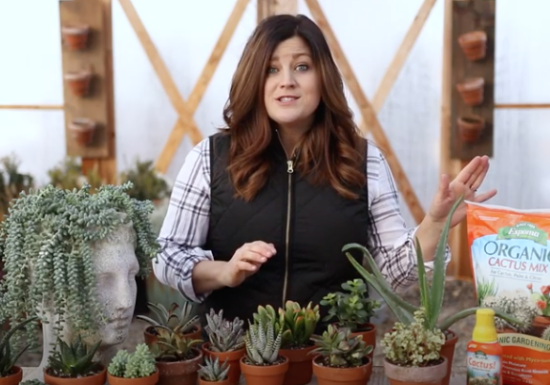
Are you ready to bring succulents into your home but not sure where to start?  Laura from Garden Answer has you covered! In this video, she shares her top seven beginner-friendly indoor succulents and simple care tips to help them thrive. Laura recommends starting with a high-quality organic potting soil like Espoma Organic Cactus Mix and feeding with an organic fertilizer like Espoma Organic Cactus! Liquid Plant Food.

Learn more about Garden Answer here:

https://www.youtube.com/c/gardenanswer

https://www.gardenanswer.com/

https://www.facebook.com/gardenanswer

https://www.instagram.com/gardenanswer/

Featured Products:

Espoma Organic Cactus! - Organic liquid fertilizer - organic fertilizer Espoma Organic Cactus Mix - Organic potting soil


Where to Buy
https://www.espoma.com/wp-content/uploads/2021/02/Screen-Shot-2021-02-17-at-5.11.44-PM.png 403 791 Danielle Kirschner https://www.espoma.com/wp-content/uploads/2023/05/espoma-logo340w-1.png Danielle Kirschner2021-02-17 17:25:102024-12-12 16:55:59Video: 7 Indoor Succulents for Beginners with Garden Answer!

5 Trailing Plants to Spice Up Your Indoor Jungle

February 16, 2021/in Blog, Gardening, Indoor Gardening

trailing plant

Just because it’s winter doesn’t mean you can keep growing your indoor garden! The perfect way to turn it into an indoor jungle is to utilize trailing plants and high spaces around your home. These plants are characterized by their ability to grow long so they can gracefully drape down from bookshelves or windowsills. Here are some of the best ones to integrate:

1. Philodendron 

If you’re a new plant parent, philodendron may be the best choice to start. There are over 200 different types of just this plant alone, so you have plenty of options. The most important things to remember are to place it in indirect sunlight and water about once a week. Be careful because direct sunlight can cause sunburn on their leaves.

2. Pothos

This long, leafy vine also prefers indirect sunlight and moist soil. One of the most common problems with this trailing plant is that it can get thirsty very easily, so make sure to look out for signs of a dry habitat such as crispy brown leaf tips. For optimal care, they should be kept in a room that is 70°-90ºF during the day and above 60º F at night. That means keep them away from any drafty windows for the remainder of winter!

String of Pearls succulent plant in a wicker basket

3. String of Pearls 

Another great starter trailing plant is the string of pearls. Unlike philodendron or pothos, this succulent thrives in bright light and can survive with less water. Be sure to check the soil and verify that it’s dried between waterings to avoid root rot from overwatering! If you’re ready to see this plant baby thrive in the coming growing season, stock up on indoor plant food and feed them every other month until spring and summer, then up their feeding schedule to once a month.

Green and purple inchplant

4. Inchplant

These beautiful purple leaves on top of trailing stems are perfect for hanging baskets! You need to make sure your inchplant is getting plenty of sun, because their overall health will decline if kept in low light for too long. The best way to help them thrive is to place them on a sunny windowsill. 

arrowhead plant

5. Arrowhead Plant

This plant is known for its beautiful large leaves that resemble arrows. They prefer bright light and moderate watering in addition to well-draining, acidic soil. A great way to make sure this plant stays happy and healthy is to give it the quality soil it craves. Don’t forget to repot your plants at least once a year with our Organic Potting Mix.


Have you decided which of these plants you want hanging around yet? There are plenty of options to greenify your shelfs and ceiling space, and many of them are easy to care for! Plus, adding these plants now will mean lots of new, beautiful growth in the coming warmer months.

Featured Products:


Where to Buy


https://www.espoma.com/wp-content/uploads/2021/02/lead-image.jpg 854 1280 Danielle Kirschner https://www.espoma.com/wp-content/uploads/2023/05/espoma-logo340w-1.png Danielle Kirschner2021-02-16 17:01:192024-10-18 09:38:075 Trailing Plants to Spice Up Your Indoor Jungle

Video: Air Plant Care Guide

February 16, 2021/in Blog, Espoma Videos, Garden Answer

Learn all about air plants as Laura from Garden Answer explains what they are and how to care for them.

Featured Products:

Where to Buy


https://www.espoma.com/wp-content/uploads/2021/02/Screen-Shot-2021-02-16-at-12.59.56-PM.png 1182 2088 Danielle Kirschner https://www.espoma.com/wp-content/uploads/2023/05/espoma-logo340w-1.png Danielle Kirschner2021-02-16 13:06:052021-02-16 13:06:05Video: Air Plant Care Guide

5 Ways to Make Your Garden More Festive

December 22, 2020/in Blog, Gardening

purple flower covered with snow

The holidays are officially underway, and while you’re probably already in the process of decorating your tree and other indoor spaces, have you stopped to think about your garden? Decorating the outside of your house can bring even more joy to your community and will give your greenery some extra love during the colder months.

Here are 5 ways to decorate your garden for the ultimate holiday curb appeal.


1. Start with the basics

You don’t have to run out and buy new decorations right away! Instead, use what you already have. If you have a few plants in pots, that’s a perfect place to start. Add some festive flair to your containers by painting them with holiday images and colors, or just tie some gift bows around them. If filling new containers, use Espoma Potting Mix to give plants a healthy start with our Myco-tone Advantage. Feed your new houseplants with Espoma Organic Indoor! Liquid plant food. 

snowman and santa claus near house decor

2. Light it up!

You can’t go wrong with string lights during the holidays. While you might be used to lining walkways or hanging them from your roof, try changing things up and wrapping the lights around your shrubs or lining the garden with them. This will bring a festive feeling to your garden while also bringing more attention to your hardy plant babies. (Give them the credit they deserve for making it through this chilly time of year!)

green tree leaves

3. Bring the tree outside

Why keep the glory of your Christmas tree limited to indoors? Plant an evergreen outside and decorate it just the same to bring the holiday cheer so even more people can appreciate it. Now you have the opportunity to decorate two of them in completely different ways! Maybe the outdoor version will have a theme and be more photogenic while the kids can have free reign of the one indoors. Plus, you can never go wrong with adding a tree to your property if you have the space!

gold bauble

4. Decorations everywhere!

Similar to the tree, why keep the fun decor inside? Treat the rest of your garden the same and let loose with ribbon, tinsel, and decorations galore. Stick candy canes in the soil for that classic holiday vibe or strew about pinecones for a more rustic look. Try placing old ornaments on any plants with strong enough stems to replicate a mini Christmas tree. Get creative with this one and make it your own!

red poinsettia flowers near photo frame

5. Include your mailbox

Whether or not your mailbox is near your garden, extend your greenery to it to tie it together with your home’s festive look. This can be done simply by draping or wrapping a garland around it, but you can also fancy it up with some of the same bits of decor used in the garden like lights or bows. If there’s enough space, bring a potted plant or two over to show the neighborhood that this is a plant-loving home!

Go ahead and pick and choose which decor tips you want to incorporate, or go wild and use them all! Remember that curb appeal shouldn’t be reserved just for the warmer months. Even if you’re spending your holidays social-distance style, adding outdoor decor will extend your festive spirit to all who pass by!

*****

Featured Products:


Where to Buy
https://www.espoma.com/wp-content/uploads/2020/12/mick-haupt-KPOTowEvT3E-unsplash-scaled.jpg 1707 2560 Danielle Kirschner https://www.espoma.com/wp-content/uploads/2023/05/espoma-logo340w-1.png Danielle Kirschner2020-12-22 14:43:282024-09-17 14:44:385 Ways to Make Your Garden More Festive
Page 4 of 8«‹23456›»
Where to Buy

Get News & Updates

Recent Posts

  • Video: Feeding Evergreens with Skye Hamilton 🌲
  • VIDEO: A Formal Garden Tour with Summer Rayne Oakes
  • VIDEO: Repotting in the Greenhouse with Garden Answer
  • VIDEO: How to Winterize Your Chicken Coop with Summer Rayne Oakes
  • VIDEO: Planting Spring Bulbs in Containers 🪴🌷 with Summer Rayne Oakes

Tags

All-Purpose Potting Mix bio-tone Bio-tone Starter Bio-tone Starter Plus Cactus Mix caring for houseplants Container Gardening DIY project Espoma espoma grown espoma organic Espoma Organics Espoma Video fall gardening Family fert flower garden flowers garden Garden Answer Gardening gardening tips gardens grow holly-tone houseplants Indoor! indoor gardening indoor plants Kaleb Wyse organic organic fertilizer Organic Gardening organic plant food Organic Potting Mix Outdoor Gardening Planting plants Potting Mix potting soil Spring Gardening summer rayne oakes vegetable garden Vegetable Gardening Wyse Guide

Espoma. A Family Tradition Since 1929.

Espoma Organic logo
  • Espoma Dealer
  • Espoma Pro
  • Garden Club
  • Privacy Policy

Scroll to top