Espoma Organic
  • Products
    • Close
    • Product Line Overview
    • Plant food finder
    • Garden Fertilizers
    • Potting Soils
    • Lawn Fertilizers
    • Liquid Fertilizers
    • Single Ingredients
    • Conventional Plant Foods
    • Animal Care Products
  • Where to Buy
  • Our Story
    • Close
    • Our Story
    • Locations
    • Historical Timeline
    • Our Commitment
    • Directions
    • Solar
    • Join our Team
    • Espoma Brand Partners
  • Learn
    • Close
    • Espoma Blog
    • FAQ’s
    • Pocket Guide
    • Espoma Guides
    • Garden Clubs
    • Safe Paws Lawn
    • PRODUCT FACT SHEETS
    • Fertilizer Fundamentals
      • Close
      • Understanding Plant Nutrition
      • Reading Labels
      • Choosing the Right Type of Fertilizer
      • Terms & Definitions
    • Gardening Projects
    • Resource Links
  • Contact Us
  • Menu Menu

Tag Archive for: Espoma Organic Bio-tone

How to Care for Ferns 🌿 | Growing Joy with Maria

December 22, 2025/in Blog, Growing Joy with Maria

Many plant lovers have killed Boston ferns and sworn off ferns as houseplants, but little do they know that the secret is adding the right ferns to your collection and not the wrong ones.

This blog is inspired by Episode 243 of Growing Joy with Plants Podcast, where Maria talks about fern care, varieties that grow indoors, and simple ways to keep them looking their best.

Why Ferns Are Worth Another Try

Ferns have been around for millions of years, and they date back to prehistoric times. For a plant to survive decade after decade, it needs to be resilient, so it has adapted to changing environments and climates.

In fact, there’s a funny meme where the top picture is a fern growing out of a crack in a rock on the sidewalk, completely neglected, and is thriving, and the bottom photo is a fern indoors, in a pot, completely brown and shriveled. 

How to Care for Your Ferns

Best Light for Ferns: A great thing about ferns is that they’re a low-light-tolerant plant. They grow on the floor and in the shade. This makes ferns the perfect houseplant because we only have so much valuable real estate in our window sills, and most of our homes tend to be low-light.

How to Water Ferns: Your ferns do not want to dry out. Evenly moist soil is what is going to make ferns happy and avoid those crispy brown edges. Use glazed ceramic, plastic pots, or self-watering planters to ensure evenly moist soil. To extend your soil moisture by a few days, add a layer of sphagnum moss on top of the soil to slow down evaporation.

Choosing the Right Potting Mix for Ferns:
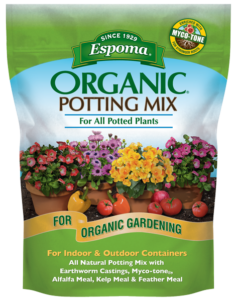
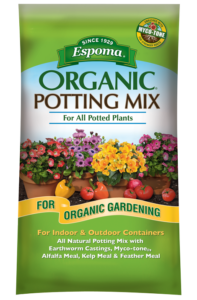
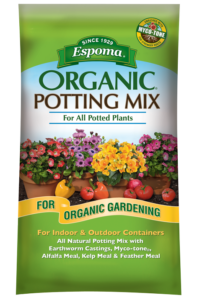
Soil plays a major role in fern success. Ferns need a potting mix that holds moisture while still allowing excess water to drain away. Starting with a high-quality mix like Espoma Organic Potting Mix helps maintain evenly moist soil and supports healthy root systems. Pairing the right soil with containers that have drainage holes makes watering more consistent and stress-free.

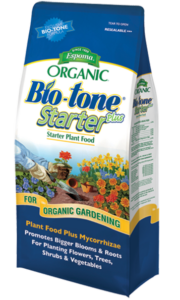
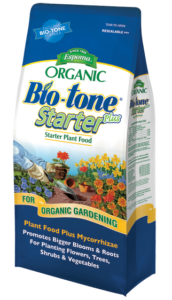
When planting or repotting ferns, mixing in Espoma Organic Bio-tone Starter Plus into the soil can help roots establish more quickly and reduce transplant stress, giving ferns a strong start in their new container.

Ferns need humidity: Any of the ferns that have super delicate, thin fronds (maidenhair ferns, heart leaf ferns, and some Boston ferns) are going to need high humidity (60% to 80%). ​​Put them in a terrarium or under a glass cloche, or keep them near a humidifier.

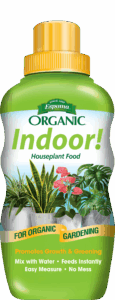
How to fertilize ferns: Ferns don’t need a ton of fertilizer, which makes Espoma Organic Indoor! Liquid Fertilizer the perfect liquid plant food for it. It’s super gentle and should be used when you see new growth on your plants.

Don’t be afraid to prune ferns: Ferns are like a pet that needs to be groomed occasionally. No matter how humid your home is, you’ll have fronds that turn brown, and you should feel free to remove them. 

Which Ferns Are Difficult to Grow?

Maidenhair ferns and Heart Leaf ferns are challenging to grow. They need so much humidity to grow and such evenly moist soil. They don’t leave a lot of room for error.

Which Ferns Are Best for Beginners?

Bird’s Nest Fern – The leaves are thicker, more succulent, more hearty. The leaves stick out horizontally and cover the soil, so it’s harder for the soil to dry out.

Rabbit’s Foot Fern – This is a super fun fern that has fuzzy rhizomes that grow on top of the soil that look like little rabbit’s feet.

Boston or Lemon Button Fern – This is one of the hardier ferns. It’s very resilient, so if it does get dried out and turns brown, just cut the entire top off, and it’ll just grow back.

Staghorn Fern – Because they’re “epiphytic” and grow on trees, they are a little bit more tolerant of drying out than other ferns. These are commonly mounted on wooden boards, but you can grow them in potting mix.

Troubleshooting Common Fern Problems

Browning on every frond – likely a humidity issue (or underwatering). 

Yellow leaves – usually a sign of overwatering. Make sure your pots have drainage holes, and the soil isn’t staying super wet.

Brown spots – could indicate low humidity or sensitivity to water minerals (use filtered water or distilled water). Fern spores also look like small brown spots, so they could be an indicator of a happy plant!

Balding (patchy, thinning appearance) – likely means the fern needs more light.

Are You Ready to Try Growing Ferns?

Moist soil and humidity are the name of the game. Keep ferns where you’ll see them every day. Use the right pots. Remember, these plants have survived for millions of years. They’re tougher than they look!

Recommended Espoma Organic Products for Fern Success

Choosing the right products can make fern care much easier. These Espoma Organic essentials support healthy roots, consistent moisture, and gentle feeding so your ferns can thrive indoors or out.

Espoma Organic Indoor! Liquid Fertilizer
A gentle liquid plant food ideal for houseplants like ferns. Use during active growth to provide nutrients without the risk of burning.

Espoma Organic Potting Mix
Designed to retain moisture while still draining well, this mix helps create the evenly moist soil conditions ferns need.

Espoma Organic Bio-tone Starter Plus
Best used when planting or repotting, this microbial-rich formula supports root development and helps reduce transplant stress.

Espoma Organic Holly-tone (for Outdoor Ferns)
For in-ground or outdoor ferns that prefer slightly acidic soil, Holly-tone provides slow-release nutrition and supports long-term soil health when used according to label directions.

*****

Featured Products:
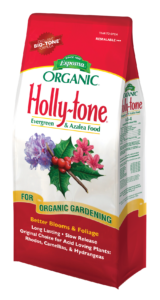
Espoma Organic Holly-toneEspoma Organic Bio-tone Starter Plus Bag Image Espoma Organic Potting Mix Espoma Organic Indoor! liquid fertilizer


Where to Buy


https://www.espoma.com/wp-content/uploads/2025/12/ahmed-xHSzP8XlHkk-unsplash.jpg 960 640 Matt Dauphinais https://www.espoma.com/wp-content/uploads/2023/05/espoma-logo340w-1.png Matt Dauphinais2025-12-22 15:41:322025-12-22 15:41:35How to Care for Ferns 🌿 | Growing Joy with Maria

VIDEO: One Last Autumn Stroll 🍁🍂 with Summer Rayne Oakes

December 11, 2025/in Blog, Summer Rayne Oakes

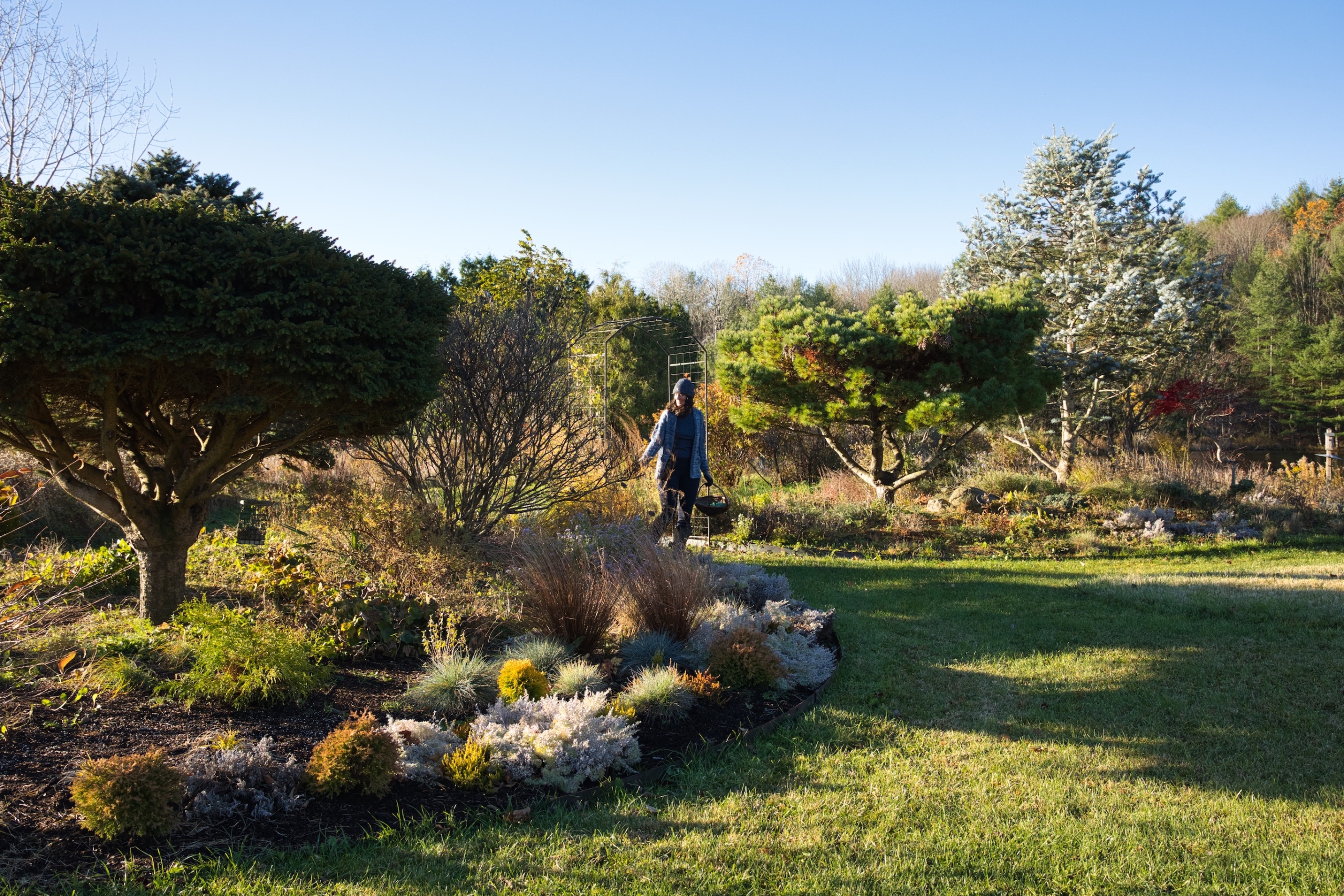
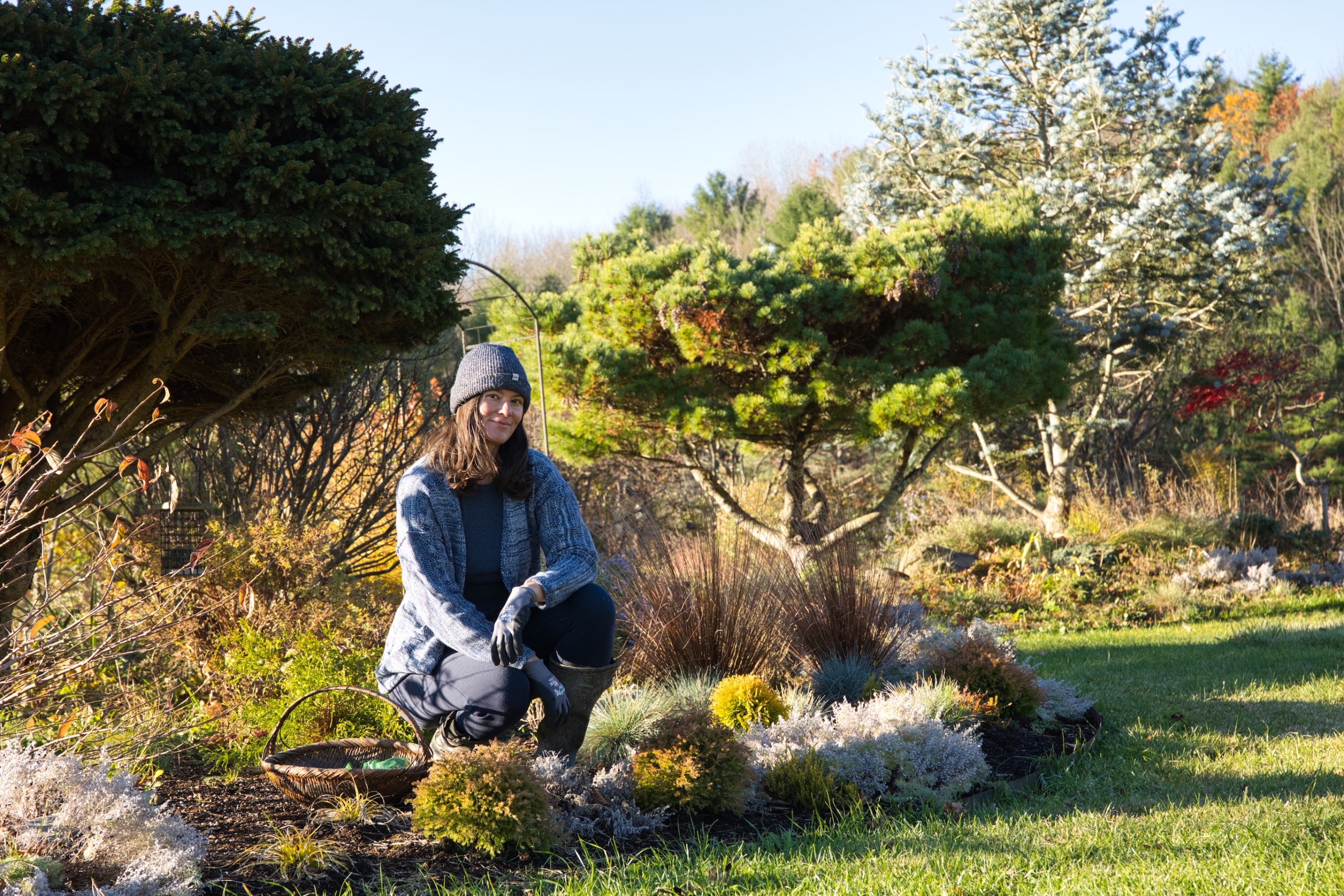
Fall always feels like the quickest season in the garden, and in her final autumn tour at Flock Finger Lakes, Summer Rayne Oakes invites us to slow down and savor what’s left before winter fully settles in. As she walks the property, you’ll see how the gardens she’s been nurturing with Espoma Organic Fertilizers and Potting Soils have grown into layered, living spaces that carry beauty even as the blooms fade and the days grow shorter.

A Farewell Walk Through the Pollinator & Herb Gardens

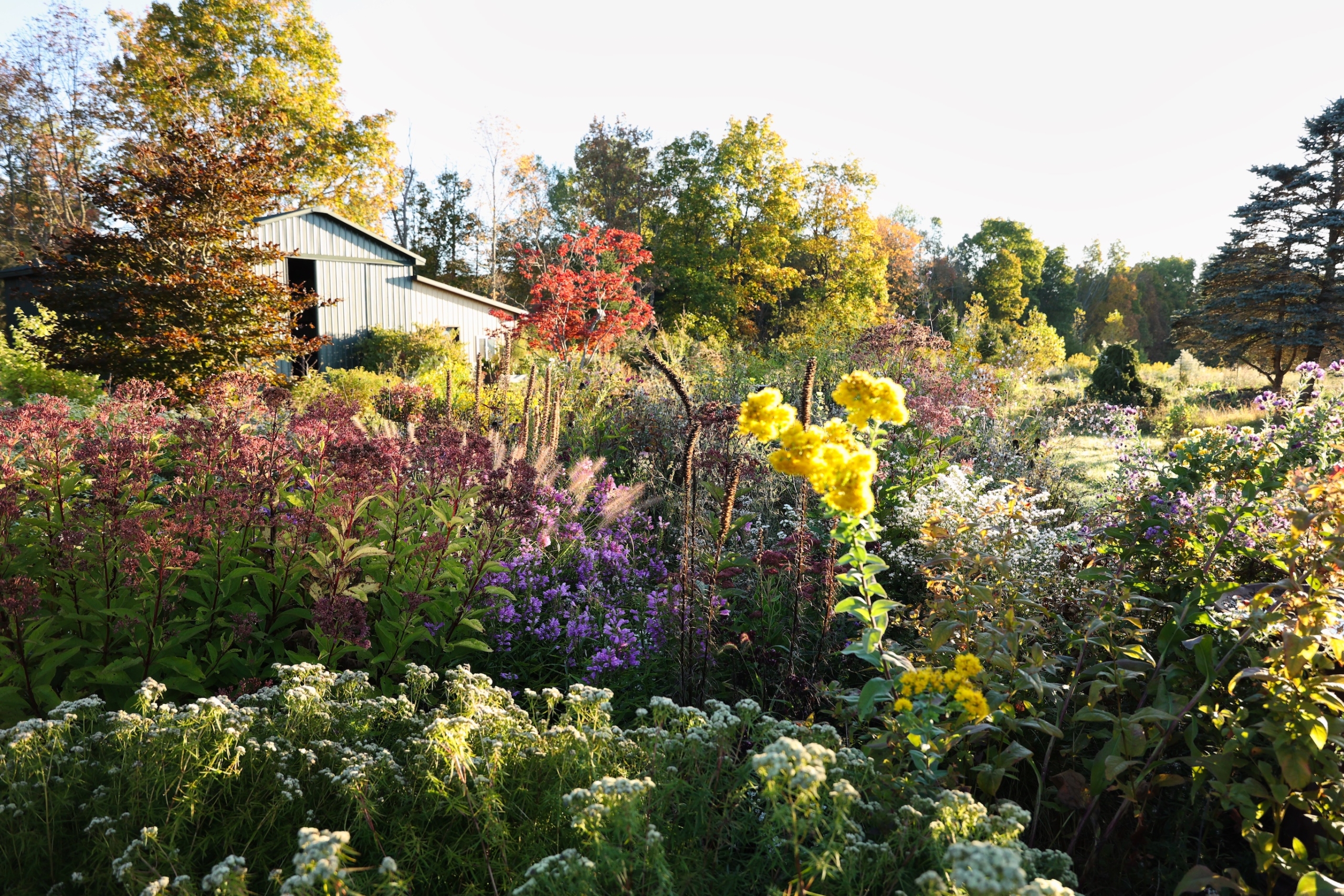
The tour begins on a crisp morning among the pollinator and herb gardens, where most of the leaves have already dropped, but the seed heads still stand tall. Summer lets them remain for the songbirds, creating a soft, textural landscape that feels both wild and intentional. From there, she moves to a front garden bed, gently tucking in Virginia bluebells beneath a freshly prepared layer of mulch and rich soil, imagining how their spring flowers will weave into the story of next year’s garden.

Soft Light on the Pond, Meadow, and Grasses

In the video, Summer moves down to the pond and meadow, where goldenrods, asters, sedges, and native grasses catch the low autumn light. The seed heads shimmer, the pond sits quietly in the background, and you get the sense that the garden is exhaling after a full season of growth. A visit to the compost pile reminds us that all of this beauty is supported by what’s happening beneath the surface: wood chips, sawdust, clippings, and plant debris slowly transforming into the soil that will feed future plantings.

The Meadow House gardens

At the Meadow House gardens, the mood shifts to one of hopeful beginnings. These beds are still young, yet already filled with perennials, bulbs, and containers that will be tucked away for protection as temperatures drop. You can almost imagine how full and lush it will all look when spring and summer return.

Reflecting on Five Seasons of Growth

Summer reflects on five years of tending this land and how much has changed in that time—tiny trees now casting shade, shrubs filling out, meadows finding their own rhythm. It’s a gentle, grateful goodbye to fall, and a quiet nod toward all that’s still to come.

*****

Featured Products:
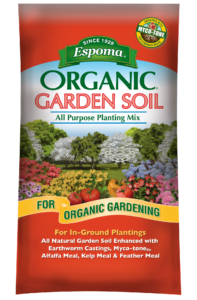
 Espoma Organic All-Purpose Garden Soil imageEspoma Organic Potting Mix bag Espoma Raised Bed Mix bag Espoma Organic Land and SeaEspoma Organic Bio-tone Starter Plus Bag ImageEspoma Organic Bulb-tone bag


Where to Buy

https://www.espoma.com/wp-content/uploads/2025/12/Fall-Garden-Tour-frame-000001-copy.jpg 540 960 Matt Dauphinais https://www.espoma.com/wp-content/uploads/2023/05/espoma-logo340w-1.png Matt Dauphinais2025-12-11 11:51:162025-12-11 11:51:16VIDEO: One Last Autumn Stroll 🍁🍂 with Summer Rayne Oakes

Final Fall Plantings & Tips for Bringing Plants Inside for Winter 🍁🪴 with Wyse Guide

November 18, 2025/in Blog, Espoma Videos, Kaleb Wyse, Trees & Shrubs

Fall might feel like the end of the gardening season, but as Kaleb from Wyse Guide shows, it’s actually a perfect time to plant and bring in your favorite tropical plants for the winter months.

In this project, Kaleb refreshes the front of his home with hydrangeas, using Espoma Organic Bio-tone Starter Plus to support strong root growth, then replants a massive elephant ear and pots it up in Espoma Organic Potting Mix so he can enjoy it again next year.

Kaleb’s late fall gardening tips:

1. Plant for Roots, Not Blooms
Kaleb takes advantage of fall’s warm soil and cool air to give hydrangeas time to establish. Adding Espoma Organic Bio-tone Starter Plus helps new shrubs settle in quickly and build the strong root systems that lead to better growth next spring.

2. Build Healthy Soil & Keep Watering
Hydrangeas thrive in rich, well-draining soil, so Kaleb amends where needed and uses drip irrigation to keep moisture consistent on his sunny, south-facing porch. Even with drip, he checks soil weekly and waters during fall—and even winter warm-ups—so new roots never dry out.

3. Store Tropicals to Enjoy Them Again
Instead of letting frost take his elephant ear, Kaleb trims it back and pots it into Espoma Organic All-Purpose Potting Mix. Over winter, it rests indoors with minimal watering, ready to return outdoors next season.

Even as the season slows, there’s still so much you can do to care for your garden. A little fall planting, some root-focused feeding, and thoughtful winter storage of warm-season plants can set you up for an even more beautiful spring. 

*****

Featured Products:
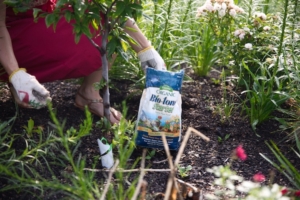
Espoma Organic Bio-tone Starter Plus Bag Image Espoma Organic Potting soil Mix Big bag

Where to Buy

https://www.espoma.com/wp-content/uploads/2025/11/Bring.jpg 720 1280 Matt Dauphinais https://www.espoma.com/wp-content/uploads/2023/05/espoma-logo340w-1.png Matt Dauphinais2025-11-18 15:54:332025-11-18 15:54:33Final Fall Plantings & Tips for Bringing Plants Inside for Winter 🍁🪴 with Wyse Guide

Simple Fall Plantings 🪴🌻🍁 with Garden Answer

November 4, 2025/in Blog, Container Gardening, Espoma Videos, Garden Answer

Laura from Garden Answer brings a burst of fresh autumn color to the garden! 🌻 She shares an update on her sunflowers, plants new boxwoods with Espoma Organic Bio-tone Starter Plus to help the roots establish naturally, and refreshes her fall containers with vibrant ornamental kale, rudbeckia, and pansies. Using Espoma Organic Potting Mix, Laura ensures every plant has the rich, healthy soil it needs to thrive this season.

*****

Learn more about Garden Answer: 

🪴 YouTube

🪴 Website

🪴 Facebook

🪴 Instagram

Featured Products:

Espoma Organic Bio-tone Starter Plus Bag ImageEspoma Organic Potting soil Mix Big bag


Where to Buy


https://www.espoma.com/wp-content/uploads/2025/11/Untitled-design-33.jpg 720 1280 Matt Dauphinais https://www.espoma.com/wp-content/uploads/2023/05/espoma-logo340w-1.png Matt Dauphinais2025-11-04 14:17:122025-11-04 15:25:15Simple Fall Plantings 🪴🌻🍁 with Garden Answer

Video: How to Manage a Wild Garden with Summer Rayne Oakes 🌿🌸

October 22, 2025/in Blog, Summer Rayne Oakes

Watch as Summer Rayne Oakes @flockfingerlakes tours a small, shrub-forward garden that’s brimming with enthusiasm—thanks to a few “thuggish” growers that love to spread. She shows how her garden beds were built with cardboard, compost, and Espoma Organic soils, and how planting densely with Espoma Organic Bio-tone Starter Plus helped everything establish beautifully. The result: a thriving space that just needs smart, seasonal management.

Summer’s Tips!

1) Decide the goal, then manage to match
Before you pull a single plant from your wild garden, define your vision. If shrubs are meant to be the stars, reduce anything blocking sightlines or competing for height. A clear goal makes every adjustment easier.

2) Build living soil from day one
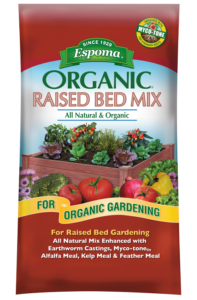
Build a garden bed using organic soil like Espoma Organic Potting Mix, Raised Bed Mix, or All-Purpose Garden soil to create a rich rooting zone. Healthy soil grows resilient plants. Plan for light, regular maintenance.

3) Plant with a quality Starter Fertilizer for confident establishment
At planting, mix in Espoma Organic Bio-tone Starter Plus. Its slow-release nutrition, beneficial microbes, and mycorrhizal fungi help roots colonize quickly, reduce transplant stress, and set plants up for long-term success.

4) Manage early and often
Make quick passes a habit. Trim seed heads after bloom, thin young growth before it crowds, and lift runners that wander into paths. Small, frequent efforts prevent big overhauls later.

5) Read the site and group accordingly
Let the garden tell you what it wants. Moisture-loving plants often reveal wetter spots; cluster them there and relocate dry-site growers to sunnier, leaner areas. Use edging and pathways to reinforce boundaries.

6) Give energetic growers a job
Channel that vigor. Move fast spreaders to meadows, back corners, or containers where they can thrive freely. Use groundcovers as living mulch in designated zones, but keep stepping stones and entries clear for structure and flow.

Healthy soil and thoughtful plant management help any garden strike the right balance between wild and intentional. With organic soil building and mindful upkeep, you can enjoy a garden that’s full of life—and still beautifully under control.

*****

Featured Products:
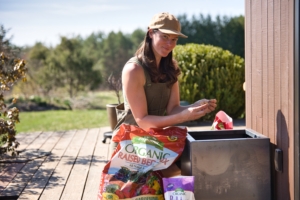
Espoma Organic Bio-tone Starter Plus Bag Image Espoma Organic Potting soil Mix Big bag Espoma Raised Bed Mix bag Espoma Organic All-Purpose Garden Soil image


Where to Buy

https://www.espoma.com/wp-content/uploads/2025/10/Plant-Thugs-frame-000004.jpg 1080 1920 Matt Dauphinais https://www.espoma.com/wp-content/uploads/2023/05/espoma-logo340w-1.png Matt Dauphinais2025-10-22 17:18:222025-10-22 17:18:22Video: How to Manage a Wild Garden with Summer Rayne Oakes 🌿🌸

VIDEO: Edible Landscaping 🫑 🍓🌿 | Flock Finger Lakes

September 29, 2025/in Blog, Fruits & Vegetables, Summer Rayne Oakes

Summer Rayne Oakes @FlockFingerLakes takes us on a tour of her garden packed with edible plants. From fruit trees and berry bushes to roses and kale, Summer shows how beauty and function can grow side by side. Along the way, she nourishes her plants with Espoma Organic products to build strong roots, vibrant blooms, and thriving harvests.

Espoma Products Summer Uses in Her Edible Landscape:

Summer Rayne with Bio-tone Starter Plus

  • Bio-tone Starter Plus
    Summer uses Bio-tone Starter Plus when planting apple trees and preparing new beds. With mycorrhizae and beneficial microbes, it jumpstarts root growth and helps plants establish quickly—like “planting insurance” for long-term success.

Summer Rayne with Raised Bed Mix

  • Espoma Organic Potting Soils 
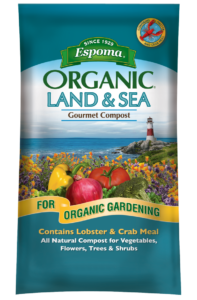
    To build the foundation of her new garden beds, Summer used a mix of Espoma Organic Soils, including Raised Bed Mix, Potting Mix, Land & Sea Compost, and others. These mixes improve soil structure, boost microbial life, and provide the organic matter plants need for healthy growth.

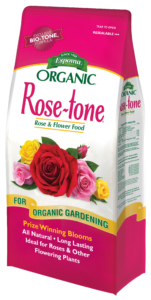
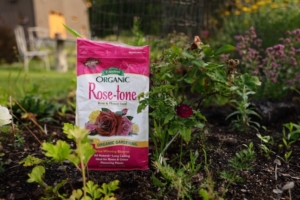
Espoma Organic Rose-tone in a garden

  • Rose-tone
    For her roses, Summer sprinkles Espoma Organic Rose-tone around the root zone. With its 4-3-2 blend, it encourages lush foliage and beautiful blooms while being safe for the soil and pollinators.

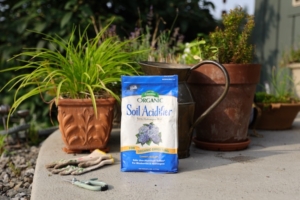
Espoma Organic Soil Acidifier

  • Soil Acidifier
    Blueberries thrive in acidic soil, and Summer keeps them happy with Espoma Organic Soil Acidifier. Made from elemental sulfur and gypsum, it naturally lowers pH to match the needs of acid-loving plants.

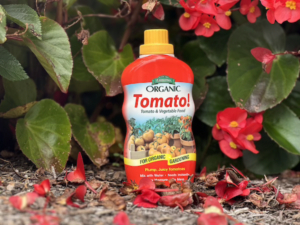
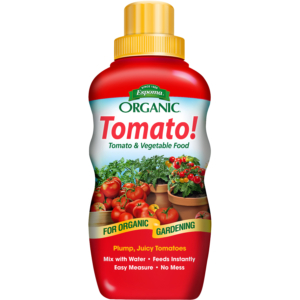
Espoma Organic Tomato! liquid fertilizer

  • Tomato! Liquid Fertilizer
    Summer gives her tomato plants a boost with Espoma Organic Tomato! This easy-to-use liquid concentrate provides balanced nutrition and added calcium to prevent blossom end rot, ensuring plump, juicy fruits all season long.

Bringing It All Together

Summer’s edible landscape is proof that food gardens can be as beautiful as they are bountiful—with the right soil, thoughtful plant choices, and natural care. Ready to start your own edible landscape? Explore Espoma Organic products and discover how to feed your garden naturally. 🌱

*****

Featured Products:
Espoma Organic Bio-tone Starter Plus Bag Image Espoma Organic Rose-tone bag Espoma Organic Soil Acidifier BagEspoma Organic Potting soil Mix Big bag Espoma Raised Bed Mix bag Espoma Organic Land and Sea Espoma Organic Tomato! Liquid Plant Food Image


Where to Buy

https://www.espoma.com/wp-content/uploads/2025/09/Edible-Landscaping-in-Small-Backyard-frame-000003.jpg 1080 1920 Matt Dauphinais https://www.espoma.com/wp-content/uploads/2023/05/espoma-logo340w-1.png Matt Dauphinais2025-09-29 12:49:082025-10-01 12:04:19VIDEO: Edible Landscaping 🫑 🍓🌿 | Flock Finger Lakes

VIDEO: Planting Hydrangeas 🌸 with Wyse Guide

September 23, 2025/in Blog, Espoma Videos, Flowers, Kaleb Wyse

When it comes to hydrangeas, every gardener dreams of full, colorful blooms that light up the landscape. Watch as Kaleb Wyse of Wyse Guide shares how he plants and transplants hydrangeas in his Iowa garden. He walks us through his process step by step—using Espoma Organic Bio-tone Starter Plus to help roots establish, Espoma Organic Holly-tone to feed acid-loving plants, and how using Espoma Organic Soil Acidifier can create the perfect conditions for iconic blue blooms.

Here are six top tips and takeaways from Kaleb’s hydrangea planting project:

1. Choose the Right Variety for Your Climate

Not every hydrangea will thrive just because it’s rated for your USDA zone. Kaleb explains how some bigleaf hydrangeas struggled in his area, so he swapped them for hardier Seaside Serenade Cape Cod hydrangeas, better suited for his Zone 4 garden. Always match your plant choice to both your climate and the light conditions in your garden.

2. Protect Roots During Transplanting

Whether moving a shrub or planting a new one, Kaleb emphasizes the importance of keeping the root ball intact to reduce transplant shock. He carefully lifts and moves hydrangeas with as much surrounding soil as possible, ensuring minimal stress on the plant. 

3. Always Plant with a Good Organic Starter Fertilizer

Every hydrangea Kaleb plants gets a helping of Espoma Organic Bio-tone Starter Plus in the hole. Packed with beneficial microbes and mycorrhizae, Bio-tone encourages strong root development and helps plants adapt quickly to their new home. As Kaleb puts it, he treats transplants like brand-new plants—and Bio-tone gives them the best start possible.

4. Feed with Fertilizer for Acid-Loving Plants

Hydrangeas love soil on the acidic side. That’s why Kaleb sprinkles in Espoma Organic Holly-tone, a slow-release organic fertilizer crafted specifically for acid-loving plants like hydrangeas, azaleas, and blueberries. Holly-tone not only provides balanced nutrition but also contains elemental sulfur to help gently acidify soil over time.

5. Adjust Soil pH 

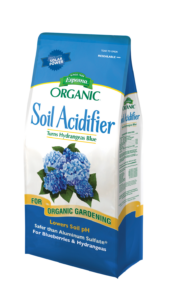
If your soil isn’t naturally acidic, hydrangeas may need a little extra help. Kaleb mentions how his soil leans neutral, so he often turns to Espoma Organic Soil Acidifier. Made from natural sulfur, it safely lowers soil pH, creating the right conditions for healthier growth and, in the case of bigleaf hydrangeas, can even shift blooms from pink to blue.

6. Prioritize Drainage and Consistent Moisture

Hydrangeas thrive in soil that’s both well-draining and consistently moist. Kaleb demonstrates checking drainage by filling the planting hole with water. If it drains well, you’re set! He also reminds us that even established hydrangeas benefit from supplemental water during dry spells to keep blooms from wilting or scorching in summer heat.

You Can Do It!

Healthy soil, the right plant food, and a watchful eye on moisture make all the difference in hydrangea success. With Espoma Organic Bio-tone Starter Plus, Holly-tone, and Soil Acidifier in your toolkit, you’ll be well on your way to lush, colorful hydrangea blooms—year after year.

*****

Featured Products:
Espoma Organic Bio-tone Starter Plus Bag Image Espoma Organic Holly-tone Espoma Organic Soil Acidifier Bag


Where to Buy

https://www.espoma.com/wp-content/uploads/2025/09/Planting-Hydrangeas.jpg 720 1280 Matt Dauphinais https://www.espoma.com/wp-content/uploads/2023/05/espoma-logo340w-1.png Matt Dauphinais2025-09-23 11:51:362025-09-23 11:51:36VIDEO: Planting Hydrangeas 🌸 with Wyse Guide

VIDEO: Planting Beautiful Rugosa Roses! 🌹🌿 with Garden Answer

September 19, 2025/in Blog

From planning to petals, follow along as Laura from Garden Answer plants ten Rugosa roses in three beautiful varieties: the classic single pink Rosa rugosa, the crisp white Rosa rugosa ‘Alba’, and the fluffier double white ‘Blanc Double de Coubert.’ These own-root roses (no grafts here!) were chosen for their strength, fragrance, and show-stopping hips that carry color from summer into winter.

Laura’s #1 Planting Tip:

Always plant with a high-quality organic starter fertilizer like Espoma Organic Bio-tone Starter Plus!

When Laura plants, she reaches for Espoma Organic Bio-tone® Starter Plus. It’s her go-to because it:

  • Builds stronger roots fast. Bio-tone is packed with beneficial microbes and mycorrhizae that help new plantings establish quickly.
  • Reduces transplant stress. Healthier roots mean better water and nutrient uptake—so plants settle in and start growing.
  • Feeds gently and naturally. An organic, starter-grade fertilizer that supports early growth without pushy top growth.
  • Works for everything you plant. Ideal for shrubs, perennials, trees, veggies, and roses of all kinds. If it’s going in the ground, mix in Bio-tone.

How Laura uses it: At planting time, she mixes Espoma Organic Bio-tone Starter Plus into the backfill soil and sets each rose at its current soil level (since these are own-root roses). Then she waters in well to activate the microbes and help eliminate air pockets.

Planting Pro Tip: Always backfill, then water deeply to settle soil around roots. Consistent moisture after planting helps Bio-tone’s microbes go to work.

Rugosa Roses: Tough, textural, and full of seasonal interest

Laura is planting Rugosas for their resilience and beauty:

  • Cold-hardy and adaptable. Depending on variety, Rugosas can thrive from roughly Zones 2–10, making them a great choice for many climates.
  • Size & presence. Expect a medium to tall shrub—often 5–7+ feet at maturity—so give them room to show off.
  • Sun & low maintenance. They love full sun and don’t need deadheading. Occasional shaping and removal of dead wood keeps them tidy.
  • Iconic hips. Big, colorful hips provide long-lasting interest—and look gorgeous against evergreens and conifers, just like Laura’s pairings.
  • Own-root reliability. Because these roses are grown on their own roots, if they die back and regrow, they’ll still return true to variety.

No matter what you’re planting, success starts below the soil line. Espoma Organic Bio-tone Starter Plus sets roots up to thrive—from shrubs like Rugosas to perennials, edibles, and young trees—so your garden establishes faster, stays healthier, and looks better, sooner.

Let’s get growing—with roots first. 🌱

Learn more about Garden Answer here:

🪴 YouTube

🪴 Website

🪴 Facebook

🪴 Instagram

Featured Products: 
Espoma Organic Bio-tone Starter Plus Bag Image


Where to Buy

https://www.espoma.com/wp-content/uploads/2025/09/Espoma_0925_10Roses_Thumbnail-copy.jpg 720 1280 Matt Dauphinais https://www.espoma.com/wp-content/uploads/2023/05/espoma-logo340w-1.png Matt Dauphinais2025-09-19 13:56:342025-09-19 14:00:45VIDEO: Planting Beautiful Rugosa Roses! 🌹🌿 with Garden Answer
Where to Buy

Get News & Updates

Recent Posts

  • VIDEO: Planting the Last Bulbs of the Season with Garden Answer
  • How to Care for Ferns 🌿 | Growing Joy with Maria
  • VIDEO: One Last Autumn Stroll 🍁🍂 with Summer Rayne Oakes
  • VIDEO: How to Plant Spring Bulbs in Containers 🌱🌷 with Garden Answer
  • VIDEO: Bringing In Your Plants for Winter 🪴❄️ with Summer Rayne Oakes

Tags

All-Purpose Potting Mix bio-tone Bio-tone Starter Bio-tone Starter Plus Cactus Mix caring for houseplants Container Gardening DIY project Espoma espoma grown espoma organic Espoma Organics Espoma Video fall gardening Family fert flower garden flowers garden Garden Answer Gardening gardening tips gardens grow holly-tone houseplants Indoor! indoor gardening indoor plants Kaleb Wyse organic organic fertilizer Organic Gardening organic plant food Organic Potting Mix Outdoor Gardening Planting plants Potting Mix potting soil Spring Gardening summer rayne oakes vegetable garden Vegetable Gardening Wyse Guide

Espoma. A Family Tradition Since 1929.

Espoma Organic logo
  • Espoma Dealer
  • Espoma Pro
  • Garden Club
  • Privacy Policy

Scroll to top