VIDEO: How to Plant Spring Bulbs in Containers 🌱🌷 with Garden Answer
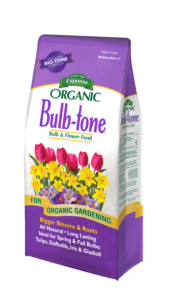
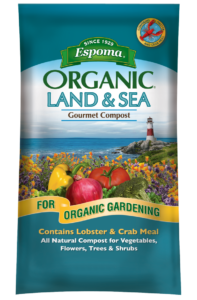
Laura from Garden Answer shows how to plant spring-blooming bulbs in large containers for a big, colorful show next season. She fills eight pots with Menton tulips and Spanish bluebells, feeding them with Espoma Organic Bulb-tone and then topdressing with Espoma Organic Land & Sea Compost to refresh the tired soil and support strong, natural growth.
The Planting Plan: A “Bouquet” in Every Pot
Laura creates a layered “bouquet” effect in each container:
- Center: Menton tulips
- Outer edge: Spanish bluebells
Both bloom late in the season, so the colors overlap beautifully. Spanish bluebells grow about 14–18″ tall, while Menton tulips reach 23–25″, giving each pot a soft, tiered look. Planting in raised containers keeps everything at waist height, which makes bulb planting much easier than digging in the ground.
Step-by-Step: How Laura Plants Her Bulb Containers
1. Prepare the Container
Laura removes soil down to about 6 inches deep. This makes room for the first layer of bulbs and ensures they’re planted at the proper depth.
2. Amend the Soil with an Organic Fertilizer
Before placing any bulbs, she sprinkles Espoma Organic Bulb-tone into the container.
Why it helps:
- Provides slow-release, organic nutrition right where roots grow.
- Encourages strong root development, which is key for bulbs to overwinter and bloom well.
- Gentle, natural formula that’s safe for people, pets, and pollinator-friendly gardens when used as directed.
3. Plant Tulips “Shoulder to Shoulder”
Menton tulip bulbs go in first at 6 inches deep, planted:
- Pointy side up, flat side down.
- Very close together—“shoulder to shoulder”—rather than spaced as they would be in the ground.
This tight spacing lets her fit about 100 tulip bulbs per pot, creating a dense, show-stopping spring display.
4. Add Spanish Bluebells
She covers the tulips with a couple of inches of soil, then plants the Spanish bluebells in a ring around the outer edge at about 4 inches deep. Bluebell bulbs look a bit different, but the rule still applies: roots down, growth point up.
5. Add compost
Because the potting mix has been used before and is showing roots and wear, Laura doesn’t just add more regular soil. Instead, she topdresses each container with Espoma Organic Land & Sea Compost.
Why it helps:
- Adds rich organic matter back into tired soil.
- Improves soil structure and moisture retention, which bulbs love.
- Supplies a gentle nutrient boost from premium ingredients like lobster and kelp meal, helping bulbs grow strong and bloom beautifully.
6. Water Thoroughly
After planting and topdressing, Laura waters each container deeply.
Her key watering tip:
- Aim for even moisture across the entire soil surface, not just one side of the pot.
- In winter, check containers every 2–3 weeks. The goal is soil that’s slightly moist, never soggy, and never bone dry.
Bulb-Specific Tips for Container Success
Laura’s main bulb care reminders:
- Chill time matters:
- Tulips and daffodils generally need 12–16 weeks of consistent cold (around 35–45°F).
- Hyacinths often need 8–10 weeks; crocus and snowdrops around 6–8 weeks.
- Mild climate? Go pre-chilled:
If you garden in a warmer region, order pre-chilled bulbs so they arrive ready to plant and still bloom well. - Drainage is essential:
Containers must have drainage holes so bulbs don’t sit in water and rot. In very wet climates, you may need to protect pots from constant rainfall; in dry climates, remember to water occasionally.
With the right chill, good drainage, consistent moisture, and organic nutrition from Bulb-tone and Land & Sea Compost, these containers are now set up for a spectacular spring show—naturally.
*****
Learn more about Garden Answer:
🪴 YouTube
🪴 Website
Featured Products:
Featured Products: