Espoma Organic
  • Products
    • Close
    • Product Line Overview
    • Plant food finder
    • Garden Fertilizers
    • Potting Soils
    • Lawn Fertilizers
    • Liquid Fertilizers
    • Single Ingredients
    • Conventional Plant Foods
    • Animal Care Products
  • Where to Buy
  • Our Story
    • Close
    • Our Story
    • Locations
    • Historical Timeline
    • Our Commitment
    • Directions
    • Solar
    • Join our Team
    • Espoma Brand Partners
  • Learn
    • Close
    • Espoma Blog
    • FAQ’s
    • Pocket Guide
    • Espoma Guides
    • Garden Clubs
    • Safe Paws Lawn
    • PRODUCT FACT SHEETS
    • Fertilizer Fundamentals
      • Close
      • Understanding Plant Nutrition
      • Reading Labels
      • Choosing the Right Type of Fertilizer
      • Terms & Definitions
    • Gardening Projects
    • Resource Links
  • Contact Us
  • Menu Menu

Tag Archive for: Espoma Organic Potting Mix

How to Care for Ferns 🌿 | Growing Joy with Maria

December 22, 2025/in Blog, Growing Joy with Maria

Many plant lovers have killed Boston ferns and sworn off ferns as houseplants, but little do they know that the secret is adding the right ferns to your collection and not the wrong ones.

This blog is inspired by Episode 243 of Growing Joy with Plants Podcast, where Maria talks about fern care, varieties that grow indoors, and simple ways to keep them looking their best.

Why Ferns Are Worth Another Try

Ferns have been around for millions of years, and they date back to prehistoric times. For a plant to survive decade after decade, it needs to be resilient, so it has adapted to changing environments and climates.

In fact, there’s a funny meme where the top picture is a fern growing out of a crack in a rock on the sidewalk, completely neglected, and is thriving, and the bottom photo is a fern indoors, in a pot, completely brown and shriveled. 

How to Care for Your Ferns

Best Light for Ferns: A great thing about ferns is that they’re a low-light-tolerant plant. They grow on the floor and in the shade. This makes ferns the perfect houseplant because we only have so much valuable real estate in our window sills, and most of our homes tend to be low-light.

How to Water Ferns: Your ferns do not want to dry out. Evenly moist soil is what is going to make ferns happy and avoid those crispy brown edges. Use glazed ceramic, plastic pots, or self-watering planters to ensure evenly moist soil. To extend your soil moisture by a few days, add a layer of sphagnum moss on top of the soil to slow down evaporation.

Choosing the Right Potting Mix for Ferns:
Soil plays a major role in fern success. Ferns need a potting mix that holds moisture while still allowing excess water to drain away. Starting with a high-quality mix like Espoma Organic Potting Mix helps maintain evenly moist soil and supports healthy root systems. Pairing the right soil with containers that have drainage holes makes watering more consistent and stress-free.

When planting or repotting ferns, mixing in Espoma Organic Bio-tone Starter Plus into the soil can help roots establish more quickly and reduce transplant stress, giving ferns a strong start in their new container.

Ferns need humidity: Any of the ferns that have super delicate, thin fronds (maidenhair ferns, heart leaf ferns, and some Boston ferns) are going to need high humidity (60% to 80%). ​​Put them in a terrarium or under a glass cloche, or keep them near a humidifier.

How to fertilize ferns: Ferns don’t need a ton of fertilizer, which makes Espoma Organic Indoor! Liquid Fertilizer the perfect liquid plant food for it. It’s super gentle and should be used when you see new growth on your plants.

Don’t be afraid to prune ferns: Ferns are like a pet that needs to be groomed occasionally. No matter how humid your home is, you’ll have fronds that turn brown, and you should feel free to remove them. 

Which Ferns Are Difficult to Grow?

Maidenhair ferns and Heart Leaf ferns are challenging to grow. They need so much humidity to grow and such evenly moist soil. They don’t leave a lot of room for error.

Which Ferns Are Best for Beginners?

Bird’s Nest Fern – The leaves are thicker, more succulent, more hearty. The leaves stick out horizontally and cover the soil, so it’s harder for the soil to dry out.

Rabbit’s Foot Fern – This is a super fun fern that has fuzzy rhizomes that grow on top of the soil that look like little rabbit’s feet.

Boston or Lemon Button Fern – This is one of the hardier ferns. It’s very resilient, so if it does get dried out and turns brown, just cut the entire top off, and it’ll just grow back.

Staghorn Fern – Because they’re “epiphytic” and grow on trees, they are a little bit more tolerant of drying out than other ferns. These are commonly mounted on wooden boards, but you can grow them in potting mix.

Troubleshooting Common Fern Problems

Browning on every frond – likely a humidity issue (or underwatering). 

Yellow leaves – usually a sign of overwatering. Make sure your pots have drainage holes, and the soil isn’t staying super wet.

Brown spots – could indicate low humidity or sensitivity to water minerals (use filtered water or distilled water). Fern spores also look like small brown spots, so they could be an indicator of a happy plant!

Balding (patchy, thinning appearance) – likely means the fern needs more light.

Are You Ready to Try Growing Ferns?

Moist soil and humidity are the name of the game. Keep ferns where you’ll see them every day. Use the right pots. Remember, these plants have survived for millions of years. They’re tougher than they look!

Recommended Espoma Organic Products for Fern Success

Choosing the right products can make fern care much easier. These Espoma Organic essentials support healthy roots, consistent moisture, and gentle feeding so your ferns can thrive indoors or out.

Espoma Organic Indoor! Liquid Fertilizer
A gentle liquid plant food ideal for houseplants like ferns. Use during active growth to provide nutrients without the risk of burning.

Espoma Organic Potting Mix
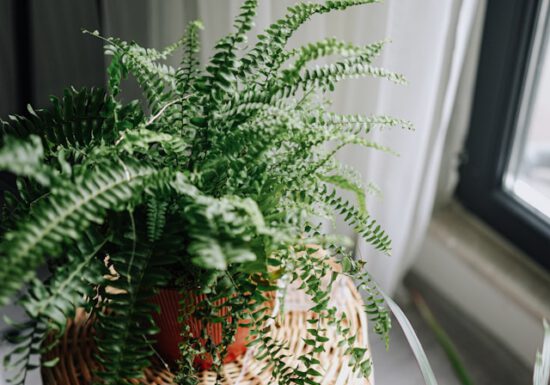
Designed to retain moisture while still draining well, this mix helps create the evenly moist soil conditions ferns need.

Espoma Organic Bio-tone Starter Plus
Best used when planting or repotting, this microbial-rich formula supports root development and helps reduce transplant stress.

Espoma Organic Holly-tone (for Outdoor Ferns)
For in-ground or outdoor ferns that prefer slightly acidic soil, Holly-tone provides slow-release nutrition and supports long-term soil health when used according to label directions.

*****

Featured Products:

Espoma Organic Holly-toneEspoma Organic Bio-tone Starter Plus Bag Image Espoma Organic Potting Mix Espoma Organic Indoor! liquid fertilizer


Where to Buy


https://www.espoma.com/wp-content/uploads/2025/12/ahmed-xHSzP8XlHkk-unsplash.jpg 960 640 Matt Dauphinais https://www.espoma.com/wp-content/uploads/2023/05/espoma-logo340w-1.png Matt Dauphinais2025-12-22 15:41:322025-12-22 15:41:35How to Care for Ferns 🌿 | Growing Joy with Maria

VIDEO: One Last Autumn Stroll 🍁🍂 with Summer Rayne Oakes

December 11, 2025/in Blog, Summer Rayne Oakes

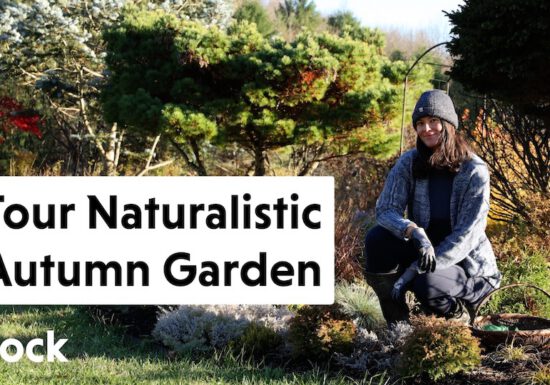
Fall always feels like the quickest season in the garden, and in her final autumn tour at Flock Finger Lakes, Summer Rayne Oakes invites us to slow down and savor what’s left before winter fully settles in. As she walks the property, you’ll see how the gardens she’s been nurturing with Espoma Organic Fertilizers and Potting Soils have grown into layered, living spaces that carry beauty even as the blooms fade and the days grow shorter.

A Farewell Walk Through the Pollinator & Herb Gardens

The tour begins on a crisp morning among the pollinator and herb gardens, where most of the leaves have already dropped, but the seed heads still stand tall. Summer lets them remain for the songbirds, creating a soft, textural landscape that feels both wild and intentional. From there, she moves to a front garden bed, gently tucking in Virginia bluebells beneath a freshly prepared layer of mulch and rich soil, imagining how their spring flowers will weave into the story of next year’s garden.

Soft Light on the Pond, Meadow, and Grasses

In the video, Summer moves down to the pond and meadow, where goldenrods, asters, sedges, and native grasses catch the low autumn light. The seed heads shimmer, the pond sits quietly in the background, and you get the sense that the garden is exhaling after a full season of growth. A visit to the compost pile reminds us that all of this beauty is supported by what’s happening beneath the surface: wood chips, sawdust, clippings, and plant debris slowly transforming into the soil that will feed future plantings.

The Meadow House gardens

At the Meadow House gardens, the mood shifts to one of hopeful beginnings. These beds are still young, yet already filled with perennials, bulbs, and containers that will be tucked away for protection as temperatures drop. You can almost imagine how full and lush it will all look when spring and summer return.

Reflecting on Five Seasons of Growth

Summer reflects on five years of tending this land and how much has changed in that time—tiny trees now casting shade, shrubs filling out, meadows finding their own rhythm. It’s a gentle, grateful goodbye to fall, and a quiet nod toward all that’s still to come.

*****

Learn more about Flock Finger Lakes here:

Website: flockfingerlakes.com

Instagram – @flockfingerlakes

YouTube –Flock Finger Lakes

X – @flockny

Facebook –Flock Finger Lakes

Featured Products:

 Espoma Organic All-Purpose Garden Soil imageEspoma Organic Potting Mix bag Espoma Raised Bed Mix bag Espoma Organic Land and SeaEspoma Organic Bio-tone Starter Plus Bag ImageEspoma Organic Bulb-tone bag


Where to Buy

https://www.espoma.com/wp-content/uploads/2025/12/Fall-Garden-Tour-frame-000001-copy.jpg 540 960 Matt Dauphinais https://www.espoma.com/wp-content/uploads/2023/05/espoma-logo340w-1.png Matt Dauphinais2025-12-11 11:51:162026-01-06 13:12:24VIDEO: One Last Autumn Stroll 🍁🍂 with Summer Rayne Oakes

VIDEO: How to Plant Spring Bulbs in Containers 🌱🌷 with Garden Answer

December 9, 2025/in Blog, Bulbs, Container Gardening, Espoma Videos, Garden Answer

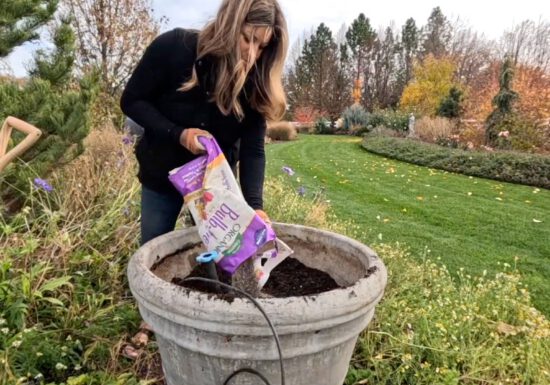
Laura from Garden Answer shows how to plant spring-blooming bulbs in large containers for a big, colorful show next season. She fills eight pots with Menton tulips and Spanish bluebells, feeding them with Espoma Organic Bulb-tone and then topdressing with Espoma Organic Land & Sea Compost to refresh the tired soil and support strong, natural growth.

The Planting Plan: A “Bouquet” in Every Pot

Laura creates a layered “bouquet” effect in each container:

  • Center: Menton tulips
  • Outer edge: Spanish bluebells

Both bloom late in the season, so the colors overlap beautifully. Spanish bluebells grow about 14–18″ tall, while Menton tulips reach 23–25″, giving each pot a soft, tiered look. Planting in raised containers keeps everything at waist height, which makes bulb planting much easier than digging in the ground.

Step-by-Step: How Laura Plants Her Bulb Containers

1. Prepare the Container

Laura removes soil down to about 6 inches deep. This makes room for the first layer of bulbs and ensures they’re planted at the proper depth.

2. Amend the Soil with an Organic Fertilizer

Before placing any bulbs, she sprinkles Espoma Organic Bulb-tone into the container.

Why it helps:

  • Provides slow-release, organic nutrition right where roots grow.
  • Encourages strong root development, which is key for bulbs to overwinter and bloom well.
  • Gentle, natural formula that’s safe for people, pets, and pollinator-friendly gardens when used as directed.

3. Plant Tulips “Shoulder to Shoulder”

Menton tulip bulbs go in first at 6 inches deep, planted:

  • Pointy side up, flat side down.
  • Very close together—“shoulder to shoulder”—rather than spaced as they would be in the ground.

This tight spacing lets her fit about 100 tulip bulbs per pot, creating a dense, show-stopping spring display.

4. Add Spanish Bluebells

She covers the tulips with a couple of inches of soil, then plants the Spanish bluebells in a ring around the outer edge at about 4 inches deep. Bluebell bulbs look a bit different, but the rule still applies: roots down, growth point up.

5. Add compost

Because the potting mix has been used before and is showing roots and wear, Laura doesn’t just add more regular soil. Instead, she topdresses each container with Espoma Organic Land & Sea Compost.

Why it helps:

  • Adds rich organic matter back into tired soil.
  • Improves soil structure and moisture retention, which bulbs love.
  • Supplies a gentle nutrient boost from premium ingredients like lobster and kelp meal, helping bulbs grow strong and bloom beautifully.

6. Water Thoroughly

After planting and topdressing, Laura waters each container deeply.

Her key watering tip:

  • Aim for even moisture across the entire soil surface, not just one side of the pot.
  • In winter, check containers every 2–3 weeks. The goal is soil that’s slightly moist, never soggy, and never bone dry.

Bulb-Specific Tips for Container Success

Laura’s main bulb care reminders:

  • Chill time matters:
    • Tulips and daffodils generally need 12–16 weeks of consistent cold (around 35–45°F).
    • Hyacinths often need 8–10 weeks; crocus and snowdrops around 6–8 weeks.
  • Mild climate? Go pre-chilled:
    If you garden in a warmer region, order pre-chilled bulbs so they arrive ready to plant and still bloom well.
  • Drainage is essential:
    Containers must have drainage holes so bulbs don’t sit in water and rot. In very wet climates, you may need to protect pots from constant rainfall; in dry climates, remember to water occasionally.

With the right chill, good drainage, consistent moisture, and organic nutrition from Bulb-tone and Land & Sea Compost, these containers are now set up for a spectacular spring show—naturally.

*****

Learn more about Garden Answer: 

🪴 YouTube

🪴 Website

🪴 Facebook

🪴 Instagram

Featured Products:

Featured Products:

Espoma Organic Bulb-tone bag Espoma Organic Land and Sea Espoma Organic Potting Mix bag


Where to Buy

https://www.espoma.com/wp-content/uploads/2025/12/Espoma_1225_BulbTone_Thumbnail-copy.jpg 1080 1920 Matt Dauphinais https://www.espoma.com/wp-content/uploads/2023/05/espoma-logo340w-1.png Matt Dauphinais2025-12-09 16:44:432025-12-23 09:58:46VIDEO: How to Plant Spring Bulbs in Containers 🌱🌷 with Garden Answer

VIDEO: Bringing In Your Plants for Winter 🪴❄️ with Summer Rayne Oakes

November 20, 2025/in Blog, Container Gardening, Espoma Videos, Indoor Gardening, Succulents, Summer Rayne Oakes

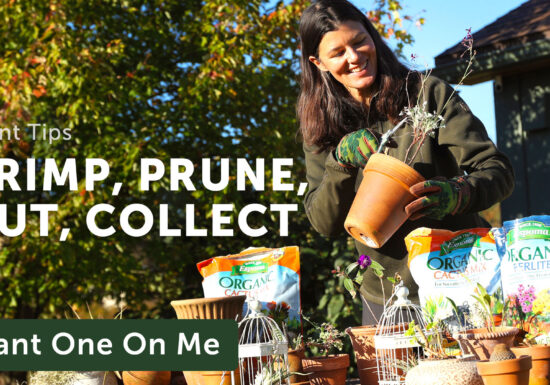
When the mornings turn chilly and frost threatens, it’s time to bring your non-cold-hardy plants indoors. In this video, Summer Rayne Oakes demonstrates how she gathers her Aloes, Pelargoniums, Euphorbias, air plants, and more, refreshing containers with Espoma Organic Cactus Mix, and Espoma Organic Perlite to help them settle in for the winter months.

Here are six quick tips to help you do the same.

1. Bring Plants In Before the First Freeze

Any tender plant—succulents, tropicals, Pelargoniums, air plants—needs to move indoors once nighttime temperatures dip into the 30s and low 40s °F. Cold snaps can damage foliage fast.

2. Check for Pests and Outdoor Debris

Before carrying your plants inside, give them a quick inspection:

  • Look for ants or insects in the soil
  • Remove spent leaves
  • Trim away any mushy or damaged growth

This keeps your indoor environment clean and your plants stress-free.

3. Give Overgrown Plants a Gentle Trim

A light haircut helps plants transition into winter dormancy. Summer trims her Pelargoniums to remove dead growth and tidy the shape, making them easier to overwinter.

4. Refresh Soil With a Fresh Organic Potting Mix

After a full season outdoors, potting soil can become compacted, washed out by rain, or depleted of nutrients. Refreshing the top few inches—or fully repotting—gives plants the clean, breathable foundation they need to stay healthy indoors.

For most houseplants, reach for Espoma Organic All-Purpose Potting Mix. It’s rich, airy, and packed with organic ingredients that support strong roots through winter.

Summer uses Espoma Organic Cactus Mix for her succulents because they need faster drainage and extra airflow around their roots. This helps prevent rot during the cooler months when succulents naturally take up less water.

Adding a scoop of Espoma Organic Perlite boosts drainage even more—great for Aloes, Agaves, and Euphorbias heading into low-light, low-growth winter conditions.

5. Repot or Divide Crowded Succulents

Aloes and other succulents often outgrow their pots by fall. Take a cue from Summer and divide offsets or repot into fresh soil so each plant has room to breathe indoors.

6. Feed Indoor Plants Through Winter

Even during slower growth, indoor plants still appreciate gentle nourishment. Use a high-quality organic liquid fertilizer—like Espoma Organic Indoor! —to keep roots strong and foliage healthy all winter long.

A little effort goes a long way!

A little trimming, a pest check, and a refresh with Espoma Organic potting soils and a little liquid fertilizer is all it takes to help your plants thrive indoors this winter.

Let’s get growing—indoors! 🌿

*****

Featured Products:

Espoma Organic Potting MixOrganic Potting soil -Espoma Organic Cactus MixEspoma Organic PerliteEspoma Organic Indoor! liquid fertilizer


Where to Buy


https://www.espoma.com/wp-content/uploads/2025/11/Ep-431-Primp-Prune-collect-B.jpg 1080 1920 Matt Dauphinais https://www.espoma.com/wp-content/uploads/2023/05/espoma-logo340w-1.png Matt Dauphinais2025-11-20 12:28:022025-11-20 12:28:02VIDEO: Bringing In Your Plants for Winter 🪴❄️ with Summer Rayne Oakes

Simple Fall Plantings 🪴🌻🍁 with Garden Answer

November 4, 2025/in Blog, Container Gardening, Espoma Videos, Garden Answer

Laura from Garden Answer brings a burst of fresh autumn color to the garden! 🌻 She shares an update on her sunflowers, plants new boxwoods with Espoma Organic Bio-tone Starter Plus to help the roots establish naturally, and refreshes her fall containers with vibrant ornamental kale, rudbeckia, and pansies. Using Espoma Organic Potting Mix, Laura ensures every plant has the rich, healthy soil it needs to thrive this season.

*****

Learn more about Garden Answer: 

🪴 YouTube

🪴 Website

🪴 Facebook

🪴 Instagram

Featured Products:

Espoma Organic Bio-tone Starter Plus Bag ImageEspoma Organic Potting soil Mix Big bag


Where to Buy


https://www.espoma.com/wp-content/uploads/2025/11/Untitled-design-33.jpg 720 1280 Matt Dauphinais https://www.espoma.com/wp-content/uploads/2023/05/espoma-logo340w-1.png Matt Dauphinais2025-11-04 14:17:122025-11-04 15:25:15Simple Fall Plantings 🪴🌻🍁 with Garden Answer

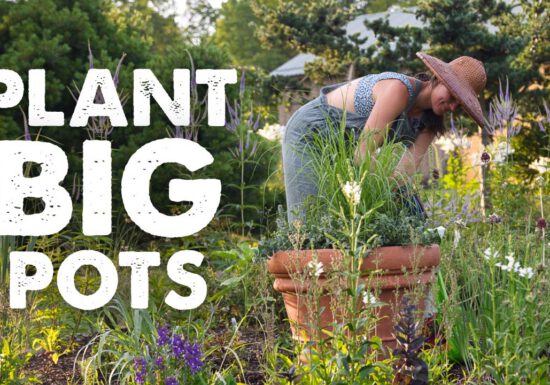
VIDEO: Planting in BIG Reused Planters 🪴🌿 with Summer Rayne Oakes

September 17, 2025/in Blog, Container Gardening, Summer Rayne Oakes

Summer Rayne Oakes of Flock Finger Lakes turns three massive terracotta planters—rescued from a second-hand store —into statement containers for the garden. Because the pots are deep and heavy, she creates a lightweight false bottom with Espoma Organic Perlite, then tops it with Espoma Organic Potting Mix before planting a mix of ornamental grasses, pollinator favorites, and trailing accents.

Why Espoma Organic Potting Mix?
Espoma Organic Potting Mix is crafted for container success—indoors or out. It’s rich and fluffy for easy root growth, holds moisture without getting waterlogged, and drains well to keep roots happy. The blend includes organic ingredients and Myco-tone, a proprietary blend of mycorrhizae that supports strong root systems and helps plants use water and nutrients more efficiently. In large planters where every inch counts, that balance of aeration, structure, and organic nutrition is exactly what new plantings need to establish quickly.

 Tips & Takeaways from Summer’s Container Build

  1. Use Perlite as a False Bottom. 
     A layer of Espoma Organic Perlite can work beautifully as a false bottom in oversized containers for shallower-rooted plants when you don’t need the full depth of soil. It also reduces the planter’s weight. But for deep tap-rooted or tree-like plantings, it’s best to skip this method. 
  2. Choose Plants for Season-Long Interest.
    Summer anchors the pot with Pennisetum ‘Ginger Love’ for structure and gorgeous backlit plumes into fall and winter, then layers in Verbena bonariensis ‘Meteor Shower’ (pollinator magnet), sneezeweed ‘Morheim Beauty’ for warm tones, Beautyberry ‘Pearl Glam’ for three-season appeal, ornamental oregano (Oregon Kent beauties) for texture, and a trailing annual morning glory to spill over the rim.
  3. Design for the View.
    Think about the angle most people will see. Summer places taller plants toward the back and lets trailers cascade in the foreground to create depth and a “finished” look from the main viewpoint.
  4. Shop Smart in Mid-Summer.
    July–August can be slim pickings at local nurseries. If inventory looks tired, consider ordering online, mixing annuals with perennials, or planting what you can now and editing later. Containers are wonderfully changeable.
  5. Plant for Pollinators and Wildlife.
    By mixing grasses, flowering perennials, and nectar-rich annuals, Summer builds a container that feeds bees, butterflies, and other pollinators—bringing life and movement to her garden space.

Share your container build with us using #EspomaOrganic on IG—we’d love to see what you create!

Featured Products:

Espoma Organic Potting Mix Espoma Organic Potting Mix


Where to Buy

https://www.espoma.com/wp-content/uploads/2025/09/Title-22.jpg 720 1280 Matt Dauphinais https://www.espoma.com/wp-content/uploads/2023/05/espoma-logo340w-1.png Matt Dauphinais2025-09-17 15:39:232025-09-17 15:54:10VIDEO: Planting in BIG Reused Planters 🪴🌿 with Summer Rayne Oakes

Bird Friendly Gardening 🕊️🌸 | Growing Joy with Maria

August 13, 2025/in Blog, Flowers, Fruits & Vegetables, Growing Joy with Maria

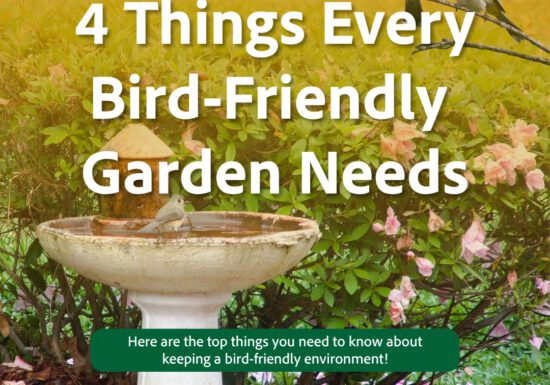
Bird-Friendly Gardening with Jen McGuinness, Ep 239

Do you love watching hummingbirds, chickadees, or sparrows right outside your window? One of the key benefits of having a garden is the wildlife that comes to visit your beautiful blooms. Our friend Maria Failla of Growing Joy with Maria gardens specifically for her local birds, because they bring her so much joy, and this blog shares everything she’s learned about bird-friendly gardening.

This blog is inspired by Episode 239 of the Growing Joy with Plants Podcast, where Maria sits down with Jen McGuinness, author of Bird-Friendly Gardening, about how we can make our outdoor spaces safe and welcoming for birds.

Why Should We Help Birds in Our Gardens?

Birds can help pollinate plants and eat harmful insects, which can help keep our garden healthy. But they need our help. Since 1970, about 3 billion birds have disappeared in North America because of habitat loss, pollution, and climate change.

But there’s a way you can make a difference right in your backyard.

What Makes a Garden Bird-Friendly?

A lot of people are probably thinking that bird feeders are enough when they want to help birds, but a bird-friendly garden means using your whole garden to support them by offering them food, water, and shelter.

A bird-friendly garden includes:

  • Native plants that supply seeds, berries, or attract insects (Hummingbirds especially love nectar from flowers)
  • Fresh water sources for drinking and cleaning themselves (and if you have a budget, you can add a solar fountain or mister to your birdbath
  • Safe shelter from predators and bad weather
  • Places to build nests, like trees, grasses, or birdhouses (thick bushes, trees, and tall native grasses are great)

Native plants = natural food for birds in the garden

Add Native Plants to Your Garden

Select native plants when building a bird-friendly garden. You can check your USDA growing zone or use the Audubon Native Plant Finder by simply typing in your zip code to get local recommendations. Garden center employees are also a huge resource that you can ask questions to.

Here are some bird-friendly flowers:

  • Coneflowers and asters
  • Sunflowers
  • Blueberry bushes and crab apple trees
  • Oak trees (they attract insects that the birds eat)
  • Native grasses like Big Bluestem

Using a nutrient-rich soil like Espoma Organic Garden Soil helps these plants grow strong and healthy, which then supports more birds and insects.

add fresh clean water to your bird friendly garden

It’s important to maintain your bird feeders

Make sure to keep your bird feeders clean to stop the spread of diseases like House Finch Eye Disease. Utilize squirrel guards to keep them from stealing from your feathered friends. Different feeders attract different types of birds, so ideally, have a seed feeder and a hummingbird feeder to ensure all your local birds are well fed. 

Note: Maria and Jen love monitoring birds using electronic bird feeders with cameras in them, which use AI to identify the birds that come to visit.

add nesting materials for birds in your garden

Don’t forget nesting areas

To help birds build nests, try leaving out:

  • Twigs
  • Pet hair (like chicken feathers or alpaca furs)
  • Feathers
  • Native grasses

start your bird friendly garden today

Start Small

You don’t need a huge property to create a bird-friendly garden. If you have a small space, you can plant native flowers in containers or hanging baskets. A beautiful hanging basket of fuchsia will keep your hummingbirds happy all summer long!

To keep your plants blooming and productive, feed them during the growing season with a gentle organic fertilizer like Espoma Flower-tone or Berry-tone, depending on what you’re growing.

Birds Bring Joy

Watching birds fly, sing, and raise their babies reminds us that our gardens are part of a whole ecosystem where every creature matters. And when we help birds, we help the Earth. Bird care is ecosystem care.

*****

Learn more about Growing Joy with Maria:

🪴🌿 Website

🪴🌿 Facebook

🪴🌿 Instagram

🪴🌿 YouTube

Featured Products:

Espoma Organic Flower-tone bag Espoma Organic Berry-tone.Espoma Organic Tree-toneEspoma Organic Bio-tone Starter Plus Bag ImageEspoma Organic All-Purpose Garden Soil image


Where to Buy

https://www.espoma.com/wp-content/uploads/2025/08/Bird-friendly-1.jpg 1080 1080 Matt Dauphinais https://www.espoma.com/wp-content/uploads/2023/05/espoma-logo340w-1.png Matt Dauphinais2025-08-13 15:53:262025-08-13 15:55:45Bird Friendly Gardening 🕊️🌸 | Growing Joy with Maria

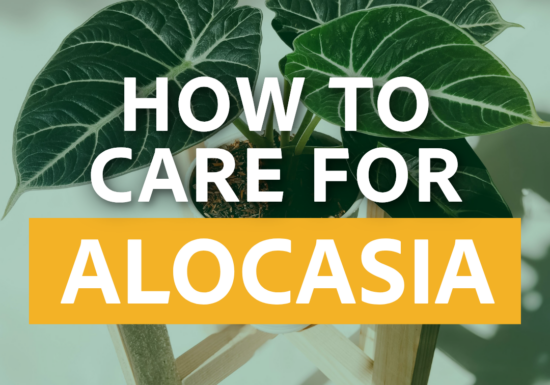
How to Care for Alocasia | Growing Joy with Maria

August 5, 2025/in Blog, Growing Joy with Maria, Indoor Gardening

Do you think it’s difficult to care for Alocasia? They are so easy to fall in love with because of their alien-like leaves and colors, but many plant parents feel confused when they suddenly drop leaves or look unhappy. This is particularly true if you’re not a Mindful Plant Parent (find your Plant Parent Personality Here). But the answer is no. Alocasia isn’t a difficult plant; it’s just particular. 

This blog is inspired by Episode 219 of the Growing Joy with Plants podcast with Maria Failla. After years of trial and error, she finally cracked the code on keeping Alocasia alive indoors, and now you can too.

Why So Many People Struggle with Alocasia

Alocasia isn’t “difficult.” It just has high standards. They are native to Southeast Asian rainforests, so they are used to high humidity, indirect light, and evenly moist soil. So most modern homes are not exactly a match. But if you can recreate that environment indoors, your Alocasia will gift you with its stunning leaves that you see all over Pinterest and social media..

How to Care for Alocasia

1) What light do Alocasia need?

Alocasia like bright indirect light

Bright, Indirect Light

This means “filtered sunlight,” not direct rays. Alocasias prefer to be a few feet from a sunny window or under a grow light. If it’s only holding onto 2 to 3 leaves, that’s a sign it’s starving for more light.

2) How often should I water an Alocasia?

Alocasia like even moisture

Keep the soil evenly moist at all times.

Alocasia like even moisture, so make sure you’re using quality organic soil like Espoma Organic Potting Mix. Let only the top inch dry out before watering. It stores water in little tuber-like roots that look like mini potatoes, so don’t be alarmed when you see them while repotting!

3) What type of humidity does my Alocasia need?

Alocasia like 50% to 70% humidity

High Humidity is Everything

Crispy tips? Curling leaves? That’s low-humidity talking. Alocasia loves 50%–70% humidity, which is achievable with a humidifier, a grouped plant setup, or a closed terrarium. Note that misting is not enough and can even cause fungal issues.

4) When do I fertilize my Alocasia? 

Fertilizer with Espoma Organic Indoor! liquid plant food

Fertilize When It’s Growing

Whenever new leaves appear, it’s time to feed. You can feed them using Espoma Organic Indoor! liquid plant food for greener leaves! Simply dump a capful into your watering can. Many Alocasia under grow lights continue growing through winter, so adjust your fertilizer routine to match the plant and not the calendar.

5) Do Alocasia go dormant? 

Not exactly….In winter, Alocasia may drop a few leaves. This is a natural rest period (also known as quiescence) and not a full dormancy. So don’t freak out if you see a few yellow or dropped leaves come wintertime. It’s natural.

Troubleshooting Common Alocasia Problems


1) Why does my Alocasia have yellowing leaves? 

Yellow leaves on Alocasia are likely due to overwatering. Trim the leaf and let the soil dry slightly before watering again.

2) Why is my Alocasia drooping or wilting?

Drooping or wilting is likely due to underwatering, overwatering, or low humidity.

3) Why can’t my Alocasia grow more than 3 leaves at a time?

It likely needs more light to support a larger leaf system..

4) Why are the edges of my Alocaisa leaf crispy and brown? 

This is usually due to dry air and humidity.

Favorite Alocasia Varieties to Try

If you’re ready to bring one home, here are the top picks for you:

  • Alocasia Ninja – almost black leaves with bold stripes.
  • Alocasia Cuprea (Red Secret) – copper-toned leaves with deep purple backs.
  • Alocasia Dragon Scale – pale green leaves with deep veining!
  • Alocasia Polly (African Mask) –  small, classic that you’ll see in so many garden centers.
  • Alocasia Lola – taller than Polly
  • Alocasia Watsoniana (White Vein) – Glossy leaves with striking white veins.
  • Alocasia Stingray – wild, tail-shaped leaves that really do look like a stingray.

The Alocasia isn't difficult to grow, give it a try! (graphic)

Give Alocasia a Try

The Alocasia is a diva… in the best way. It isn’t impossible to care for, but it just wants what it wants. Give it good light, humidity, and care, and it will grow and give you stunning leaves and be the envy of all your plant friends! Think of it as a little green alien that just needs the right home environment to feel at peace.

Listen to episode 209 of the Growing Joy with Maria Podcast

To learn more about Alocasia care, listen to Episode 219 of the Growing Joy with Plants podcast, all about Alocasia, with Maria Failla.

Learn more about Growing Joy with Maria:

🪴🌿 Website

🪴🌿 Facebook

🪴🌿 Instagram

🪴🌿 YouTube


Featured Products:

Espoma Organic Indoor! liquid fertilizer Espoma Organic Potting Mix


Where to Buy

https://www.espoma.com/wp-content/uploads/2025/08/Alocasia-1.png 1080 1080 Matt Dauphinais https://www.espoma.com/wp-content/uploads/2023/05/espoma-logo340w-1.png Matt Dauphinais2025-08-05 13:05:412025-08-05 13:05:41How to Care for Alocasia | Growing Joy with Maria

VIDEO: Planting Hydrangeas in containers 🪴🌸 and more with Garden Answer

July 15, 2025/in Blog, Container Gardening, Espoma Videos, Flowers, Garden Answer

Spend a day with Laura from Garden Answer as she decorates her garden with a variety of flourishing colors! 🌸 She starts by prepping her front porch containers with Espoma Organic Potting Mix, the perfect base for Fairytrail Green Hydrangeas.

Later on, she adds plants to more containers throughout her garden and adds a pop of bright color with Bubblegum Petunias, applying Espoma Organic Bio-tone Starter Plus, giving her new plants the nutrients needed to grow deeper roots and bigger blooms.

Learn more about Garden Answer here:

YouTube

Website

Facebook

Instagram

Featured Products:

Espoma Organic Bio-tone Starter Plus Bag ImageEspoma Organic Potting soil Mix Big bag


Where to Buy


https://www.espoma.com/wp-content/uploads/2025/07/Espoma_0725_FairytrailHydrangeas_Thumbnail.jpg 1080 1920 Matt Dauphinais https://www.espoma.com/wp-content/uploads/2023/05/espoma-logo340w-1.png Matt Dauphinais2025-07-15 11:05:362025-07-15 11:05:36VIDEO: Planting Hydrangeas in containers 🪴🌸 and more with Garden Answer

VIDEO: Hanging Baskets for Shade 🌿🌸 with Skye Hamilton

July 8, 2025/in Blog, Container Gardening, Espoma Videos, Skye Hamilton

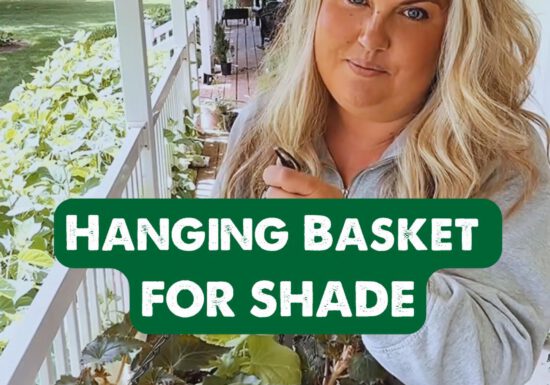
Watch Skye Hamilton @hamiltonhousedesigns as she shares her go-to strategy for full, eye-catching hanging baskets in spaces with dappled or minimal sunlight. She adds a creative twist on the classic “thriller, filler, spiller” method—think filler, spiller, and longer spiller! Skye recommends using a strong, high-quality organic potting soil like Espoma Organic Moisture Mix to help retain moisture, as hanging pots can dry out quickly.

While Moisture Mix is Skye’s go-to for hanging baskets, Espoma Organic Potting Mix is also a fantastic option for all container planting. 

Skye’s top tips for successful shade baskets:

1) SKyle likes to use 16” baskets and adds a plastic liner (snip a drainage hole) to help retain moisture.

2) Choose shade-loving annuals—these plant types can thrive in shady conditions and often have smaller root systems, letting you plant more closely.

3) Aim for 5–7 plants per basket to create a full, cascading look.

4) Focus on “fillers, spillers, and longer spillers” to build depth and interest.

5) Let trailing plants cascade over the sides for that overflowing feel.

6) Water consistently and use soil that helps with moisture retention, like Espoma Organic Moisture Mix.

Bonus Tip:

When planting, Skye adds Espoma Organic Bio-tone Starter Plus to provide the nutrients needed for strong root growth and big, beautiful blooms. 

*****

Learn More about Skye Hamilton:

🌹Website

🌹 Instagram

🌹 Facebook

🌹 YouTube

🌹 Pinterest

🌹 TikTok

Featured Products:

Espoma Organic Bio-tone Starter Plus Bag Image Espoma Organic Potting Mix Espoma Organic Moisture Mix


Where to Buy


https://www.espoma.com/wp-content/uploads/2025/07/Hanging-Baskets-for-SHADE.jpg 1920 1080 Matt Dauphinais https://www.espoma.com/wp-content/uploads/2023/05/espoma-logo340w-1.png Matt Dauphinais2025-07-08 16:34:202025-07-08 16:34:20VIDEO: Hanging Baskets for Shade 🌿🌸 with Skye Hamilton
Page 1 of 212
Where to Buy

Get News & Updates

Recent Posts

  • VIDEO: How to Winterize Your Chicken Coop with Summer Rayne Oakes
  • VIDEO: Planting Spring Bulbs in Containers 🪴🌷 with Summer Rayne Oakes
  • VIDEO: Planting the Last Bulbs of the Season with Garden Answer
  • How to Care for Ferns 🌿 | Growing Joy with Maria
  • VIDEO: One Last Autumn Stroll 🍁🍂 with Summer Rayne Oakes

Tags

All-Purpose Potting Mix bio-tone Bio-tone Starter Bio-tone Starter Plus Cactus Mix caring for houseplants Container Gardening DIY project Espoma espoma grown espoma organic Espoma Organics Espoma Video fall gardening Family fert flower garden flowers garden Garden Answer Gardening gardening tips gardens grow holly-tone houseplants Indoor! indoor gardening indoor plants Kaleb Wyse organic organic fertilizer Organic Gardening organic plant food Organic Potting Mix Outdoor Gardening Planting plants Potting Mix potting soil Spring Gardening summer rayne oakes vegetable garden Vegetable Gardening Wyse Guide

Espoma. A Family Tradition Since 1929.

Espoma Organic logo
  • Espoma Dealer
  • Espoma Pro
  • Garden Club
  • Privacy Policy

Scroll to top