Espoma Organic
  • Products
    • Close
    • Product Line Overview
    • Plant food finder
    • Garden Fertilizers
    • Potting Soils
    • Lawn Fertilizers
    • Liquid Fertilizers
    • Single Ingredients
    • Conventional Plant Foods
    • Animal Care Products
  • Where to Buy
  • Our Story
    • Close
    • Our Story
    • Locations
    • Historical Timeline
    • Our Commitment
    • Directions
    • Solar
    • Join our Team
    • Espoma Brand Partners
  • Learn
    • Close
    • Espoma Blog
    • FAQ’s
    • Pocket Guide
    • Espoma Guides
    • Garden Clubs
    • Safe Paws Lawn
    • PRODUCT FACT SHEETS
    • Fertilizer Fundamentals
      • Close
      • Understanding Plant Nutrition
      • Reading Labels
      • Choosing the Right Type of Fertilizer
      • Terms & Definitions
    • Gardening Projects
    • Resource Links
  • Contact Us
  • Menu Menu

Tag Archive for: Tree-tone

Fragrance of Fall – Plant Something Sweet

August 22, 2017/in Flowers

As autumn nears, we’re dreaming of cooler weather, cozy sweaters and pumpkin everything.

The flavors and aromas of autumn float around the air and it is full of bliss.

As the trees change color and the pumpkins begin taking shape, step outside to experience this bliss and the crispness of the air.

Fill your garden with these sweet smelling plants to keep the fragrance of fall floating around your garden all season. Make sure you fertilize with Espoma’s Liquid Bloom! Plant Food to maximize the fragrance.

Chrysanthemum

Add some classic beauty to your garden with a simple Chrysanthemum. Some varieties have an earthy, herb-like smell. It blooms with many varieties, so choosing what color you desire adds to the value. The classic mum will get you in the autumn spirit in no time. Plant in full sun in zones 3-9 and feed regularly with Espoma’s liquid Bloom! for gorgeous flowers.

Katsura

As the leaves of this tree turn to gold, orange or red, the brown sugar scent closely follows. This multi-hued tree has all of the redeeming fall qualities. Known for its shade protection, katsura is a great addition to your garden. The sweet fragrance can be enjoyed from a considerable distance. It is perfect to get you into the autumn feel. Plant in full to partial sun in zones 4-9 and use Bio-tone Starter Plus when planting to help katsura establish roots.

Flowering Tobacco Plant

Best for filling gaps in your garden, this tall fragrant beauty will keep you enjoying its white tubular flowers all autumn long. Known as a night plant, the terrific smell of jasmine is found most powerful at dusk. They are wonderful at attracting hummingbirds. Plant in full to partial sun in Zones 10-11 and feed regularly with Plant-tone to ensure superior growth.

Chaste Tree

This shrub releases refreshing fragrances of sage. And with its light blue flowers on a wooded stem, it’s a great addition to a cut flower fall bouquet. Plant in full sun in zones 6-9 and feed regularly with Tree-tone for strong roots and trunk.

Fragrant Angel Coneflower

Mix and match colorful coneflowers, just be sure to include the fragrant angel. The large sweetly scented flowers are made up of two rows of white petals surround a greenish, orange cone. They tend to smell of vanilla which is wonderful wafting through the air in autumn. Plant in full sun in zones 4-9 and feed regularly with Espoma’s liquid Bloom! for gorgeous flowers.

Tea Olive

Known as the “false holly,” tea olives grow into dense evergreen shrubs or trees and have leaves that look like holly. Their flowers commonly come in white, but can surprise you with yellow or orange blooms. The apricot fragrance from these shrubs will make you happy you welcomed them into your garden! Plant in full to sun in zones 7-10 and feed regularly with Holly-tone to provide essential nutrients.


Stuck on what else to plant this fall? Learn how to plant the perfect tree this season to enjoy for generations to come!
https://www.espoma.com/wp-content/uploads/2017/08/tea-olive.jpg 652 1000 espoma https://www.espoma.com/wp-content/uploads/2023/05/espoma-logo340w-1.png espoma2017-08-22 14:50:282024-08-19 13:57:48Fragrance of Fall – Plant Something Sweet

Top Five Trees to Plant for Bees

June 6, 2017/in Fruits & Vegetables - None

Bees, birds, butterflies and other pollinators are responsible for pollinating 85 percent of the planet’s flowers and more than a third of our fruits and vegetables. Without bees, the shelves at our grocery stores would look pretty sparse.


Starting a pollinator garden is easy. But, trees in your landscape are just as important as colorful flowers.


Bee sure to plant some of these trees for the bees!


5 Top Trees For Bees:


Native Oaks

Provide bees with winter shelter and habitat by planting native oaks.  Native plants are one of the best ways to help pollinators, after all. Choose native oaks to support pollinators throughout the year, but especially during winter when these strong trees make for excellent shelter. In fact, more than 500 pollinator species call native oaks home, returning year after year.


Magnolias

The nourishing pollen and sweet nectar of magnolia trees supports pollinators year round. However pollinators aren’t the only ones that love magnolias. Known for their vibrant blooms, fruit flies, leafhoppers and more are known to visit these trees, too.


Tupelo

Have you heard of Tupelo honey? There’s no doubt that bees love Tupelo trees for food and shelter. Plus, tupelo trees provide colorful pops of foliage to the fall landscape with their yellow, red and orange leaves.


Yellow Poplar/Tulip Tree

Not actually a poplar, this tree is actually a member of the magnolia family. It gets its name from the large, tulip-like flowers it produces. Its greenish yellow blooms and sweet nectar attract pollinators to the yellow poplar.


Black Cherry

Add this sweet, fruit tree to welcome pollinators to your landscape. Not only are black cherry trees practically irresistible to bees and caterpillars, these trees also look spectacular.


Once you have picked the perfect tree, keep pollinators coming back for years by keeping your tree healthy. Fertilize regularly with Espoma’s Tree-tone.


What to know more? Watch this video to find out how to fertilize trees.

https://www.espoma.com/wp-content/uploads/2017/06/Magnolia-tree-bee.jpg 2808 4212 espoma https://www.espoma.com/wp-content/uploads/2023/05/espoma-logo340w-1.png espoma2017-06-06 15:16:112019-05-07 10:02:01Top Five Trees to Plant for Bees

Fall is for Planting: Trees

October 11, 2016/in Trees & Shrubs

The best time to plant a tree or shrub is in the fall. A well-placed tree will cool your home in summer and block cold winter winds. Not to mention that the aesthetics can increase your home’s curb appeal and add value.

Even though you may be prepping for winter, you can still set your new tree or shrub up for success by planting it in a spot where it can thrive for generations to come.

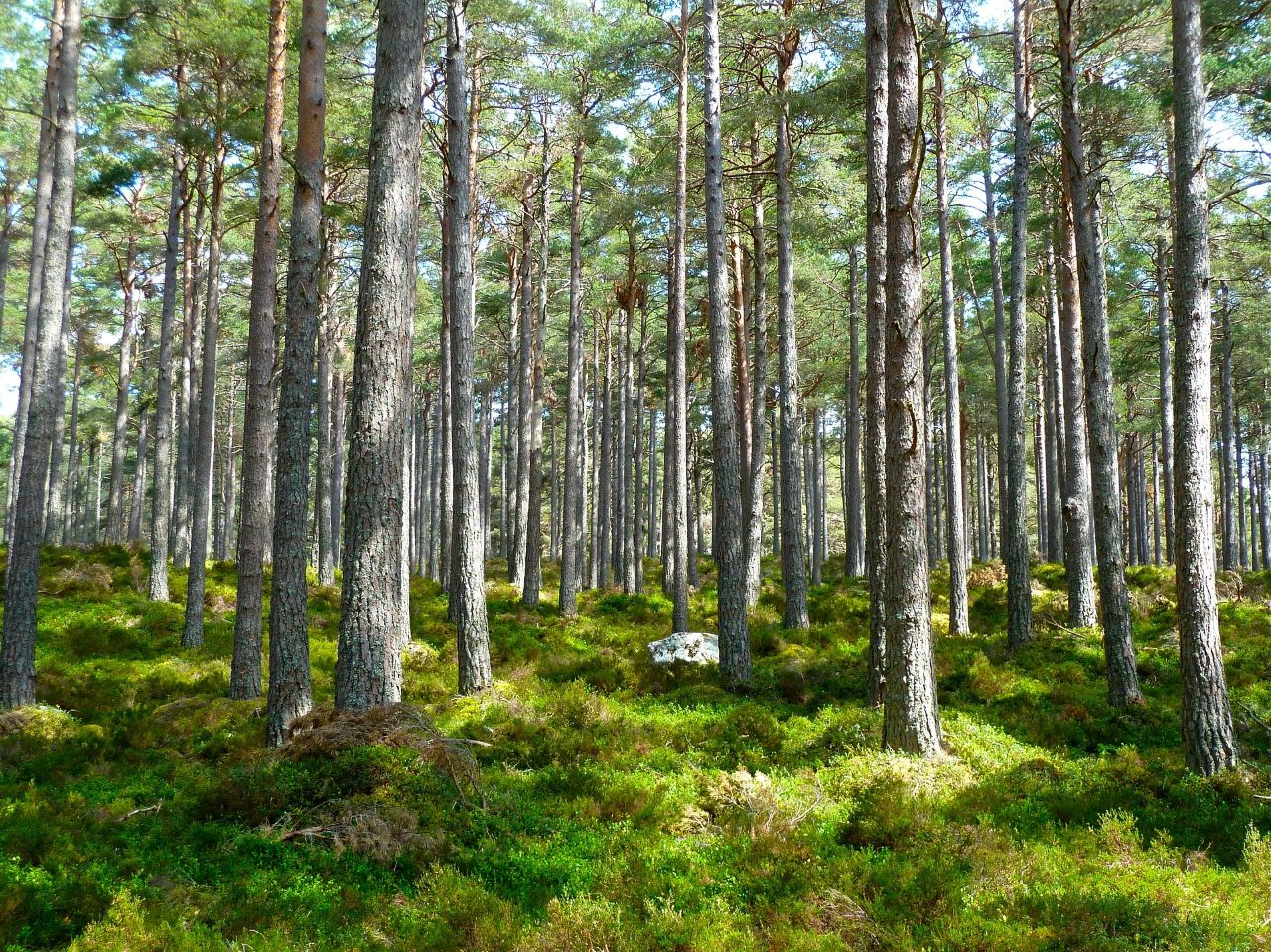
forest-272595_1920

Decide on the right tree for your yard and needs before you plant. Choose a tree based on the characteristics you want — shade, wildlife habitat, privacy or to block the wind. Check out the below six steps from Hillermann Nursery and Florist to start planting this fall.

6 Easy Steps to Plant a Tree or Shrub

You’ve found the right tree and the perfect spot, now it’s time for the fun part. It doesn’t take much to plant a tree — just a shovel, tape measure and hose. To help your new tree survive, you’ll need to put in extra effort. Use these tips to help your new tree to grow.

  1. Size up your yard for the perfect spot. Take the amount of sunlight, ground vegetation and hazards like wires or pipes into consideration. Plant at least 15 feet away from your house, sidewalks, driveways and other trees. Allocate enough space in the yard for your new tree to grow. Consider its mature height, crown spread, and root space. A fully grown tree will take up much more space than your tiny sapling. Look up to make sure a fully grown tree won’t interfere with anything overhead.
  2. Start digging. Dig a hole twice as wide and the same depth as the root ball. Then, arrange the tree at the same depth it was growing before and fill half the hole with compost or Espoma Organic All Purpose Garden Soil.
  3. Give trees a boost. Mix in an organic fertilizer such as Bio-tone Starter Plus with the soil. For a trunk diameter up to 1.5 inches, use 4 pounds of Tree-tone. If the trunk is 2-3”, use 4 pounds of Tree-tone per inch. So, if your tree trunk is 2.5 inches, use 10 pounds of Tree-tone. And, for tree trunks over 3 inches, use 5 pounds of Espoma Tree-Tone per inch.
  4. Stake the tree. Use two opposing, flexible ties to stake the tree. Place ties on the lower half of the tree to allow trunk movement.
  5. Help your new tree become established by watering it weekly for the first two years.
  6. Finish with mulch. Use 2 ½ -3 inches of shredded hardwood or leaf mulch around the plant. Do not over mulch up to the trunk or “volcano” mulch. This can kill the tree.

Planting a tree is an investment in your home and your community that will pay off for years to come. To learn about fertilizing established trees, watch this Garden Answer video.

https://www.espoma.com/wp-content/uploads/2016/10/tree-402953_1920.jpg 1267 1920 espoma https://www.espoma.com/wp-content/uploads/2023/05/espoma-logo340w-1.png espoma2016-10-11 08:00:512019-05-07 10:04:20Fall is for Planting: Trees

How to Fertilize Trees

June 14, 2016/in Blog, Espoma Videos, Garden Answer

Laura from Garden Answer demonstrates how to fertilize a tree using Espoma’s Tree-tone. The slow release formula provides a long lasting nutrient reservoir to feed the entire tree, leaves, trunk, and roots.

Learn more about Garden Answer here:

Youtube

Website

Facebook

Instagram


Featured Products:


Where to Buy

https://www.espoma.com/wp-content/uploads/2016/06/Tree-Fertilizer-Thumbnail.jpg 720 1280 espoma https://www.espoma.com/wp-content/uploads/2023/05/espoma-logo340w-1.png espoma2016-06-14 13:17:502024-03-06 12:32:30How to Fertilize Trees

Love Your Trees? Keep Them Healthy with an Organic Feeding

April 23, 2015/in Trees & Shrubs

If you start each day by sipping a cup of coffee and gazing at your trees through the window, then you know just how valuable trees are to your daily life. There is nothing quite like watching the evolution of seasons, from leaves budding, blossoming, changing color and eventually falling.

However, spring and summer offer spectacular viewing, just when our trees are in full flowering and blooming stages for the season.

Blooming trees are a sure sign of warmer weather and a shady escape from the sun. Plus, if they’re fruit trees, they offer that fresh homegrown taste of summer.

While your trees might look like they’re doing fine on their own, they need a bit of TLC from time to time.

Trees need proper food. When fed, shade trees grow larger and resist diseases better. Plus, fruit trees produce more fruit regularly when fertilized.

Reap the benefits and feed trees now before growth starts.

So, what plant food is right for your trees?

If you want less work (and who doesn’t?), use a slow release fertilizer to keep trees well fed until fall.

If you’re feeding fruit trees, an organic fertilizer is a must. After all, you and your family will be eating these homegrown fruits. The only way to get that piece of mind is to use a 100 percent organic fertilizer on fruit trees.

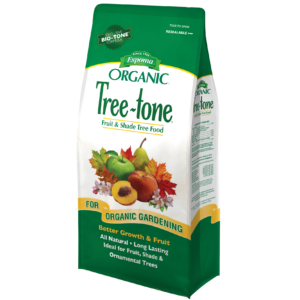
Organic Tree-tone from Espoma works wonders for all shade, fruit or ornamental trees. Since it’s made just for trees, this organic plant food provides the exact nutrients they need.

To know how much tree fertilizer to use, first measure your tree trunk all the way around, and at a height 4 feet above the ground. Divide that number by 3, and there’s your tree trunk diameter!

Fertilize New Trees When Planting:

Kudos for planting a tree! Trees help reduce the carbon footprint, increase home value, help prevent soil erosion and provide homes for our feathered friends.

To begin, dig a hole twice as wide and the same depth as the root ball. Then, arrange the tree at the same depth it was growing before and fill half the hole with compost or an organic peat moss.

For a trunk diameter up to 1.5 inches, use 4 pounds of Tree-tone. If the trunk is 2-3”, use 4 pounds of Tree-tone per inch. So, if your tree trunk is 2.5 inches, use 10 pounds of Tree-tone. And, for tree trunks over 3 inches, use 5 pounds of Espoma Tree-Tone per inch.

Now, mix in the organic Tree-Tone with the soil.

Pack soil to remove any air pockets, then water. Once the soil settles, fill the remainder of the hole with amended soil.

Next, evenly spread 2-3” of mulch around the tree’s drip line. Keep mulch far away from the tree trunk, and keep it even — not in a pile like a volcano.

Organically Feed Established Trees:

Do you have a small, medium or large sized tree? Small trees have up to 3” in trunk diameter, medium tree trunks are 3-6” and large trees have a diameter over 6”.

Feed Small and Medium Trees:

For small trees, use 3 pounds of Tree-tone. For medium trees, feed them 4 pounds of Tree-Tone per inch.

Sprinkle the organic tree food under and slightly beyond the branch spread.

Feed Large Trees with an Organic Fertilizer:

Large trees need food delivered right to their roots.

Under the tree’s outermost branches, make holes 2-3” in diameter, 12-18” deep and 2-3’ apart using an auger or iron bar.

Use 6 pounds of Tree-tone per inch of your tree’s diameter, and divide the organic tree food among the holes.

Then, fill holes with soil. Finish by watering.

What are your most loved trees in your yard? Comment below!

https://www.espoma.com/wp-content/uploads/2015/04/Love-Your-Trees-Keep-Them-Healthy-with-an-Organic-Feeding.jpg 1280 960 espoma https://www.espoma.com/wp-content/uploads/2023/05/espoma-logo340w-1.png espoma2015-04-23 07:51:412019-05-07 10:09:24Love Your Trees? Keep Them Healthy with an Organic Feeding
Page 2 of 212
Where to Buy

Get News & Updates

Recent Posts

  • VIDEO: Bringing In Your Plants for Winter 🪴❄️ with Summer Rayne Oakes
  • Final Fall Plantings & Tips for Bringing Plants Inside for Winter 🍁🪴 with Wyse Guide
  • Simple Fall Plantings 🪴🌻🍁 with Garden Answer
  • Video: How to Manage a Wild Garden with Summer Rayne Oakes 🌿🌸
  • VIDEO: Planting Beautiful New Plants and Feeding the Lawn Organically 🌸🚜🌱 with Garden Answer

Tags

All-Purpose Potting Mix bio-tone Bio-tone Starter Bio-tone Starter Plus Cactus Mix caring for houseplants Container Gardening DIY project Espoma espoma grown espoma organic Espoma Organics Espoma Video fall gardening Family fert flower garden flowers garden Garden Answer Gardening gardening tips gardens grow holly-tone houseplants Indoor! indoor gardening indoor plants Kaleb Wyse organic organic fertilizer Organic Gardening organic plant food Organic Potting Mix Outdoor Gardening Planting plants Potting Mix potting soil Spring Gardening summer rayne oakes vegetable garden Vegetable Gardening Wyse Guide

Espoma. A Family Tradition Since 1929.

Espoma Organic logo
  • Espoma Dealer
  • Espoma Pro
  • Garden Club
  • Privacy Policy

Scroll to top