Espoma Organic
  • Products
    • Close
    • Product Line Overview
    • Plant food finder
    • Garden Fertilizers
    • Potting Soils
    • Lawn Fertilizers
    • Liquid Fertilizers
    • Single Ingredients
    • Conventional Plant Foods
    • Animal Care Products
  • Where to Buy
  • Our Story
    • Close
    • Our Story
    • Locations
    • Historical Timeline
    • Our Commitment
    • Directions
    • Solar
    • Join our Team
    • Espoma Brand Partners
  • Learn
    • Close
    • Espoma Blog
    • FAQ’s
    • Pocket Guide
    • Espoma Guides
    • Garden Clubs
    • Safe Paws Lawn
    • PRODUCT FACT SHEETS
    • Fertilizer Fundamentals
      • Close
      • Understanding Plant Nutrition
      • Reading Labels
      • Choosing the Right Type of Fertilizer
      • Terms & Definitions
    • Gardening Projects
    • Resource Links
  • Contact Us
  • Menu Menu

Tag Archive for: tips

VIDEO: Planting Spring Bulbs in Containers 🪴🌷 with Summer Rayne Oakes

January 6, 2026/in Blog, Bulbs, Espoma Videos, Summer Rayne Oakes

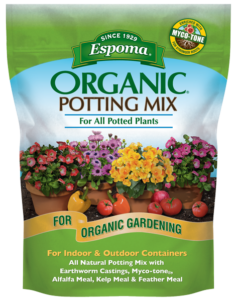
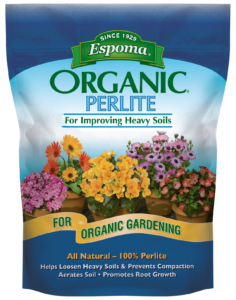
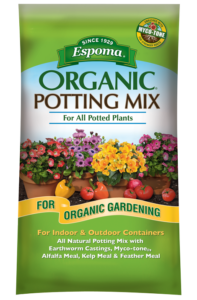
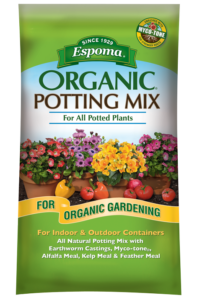
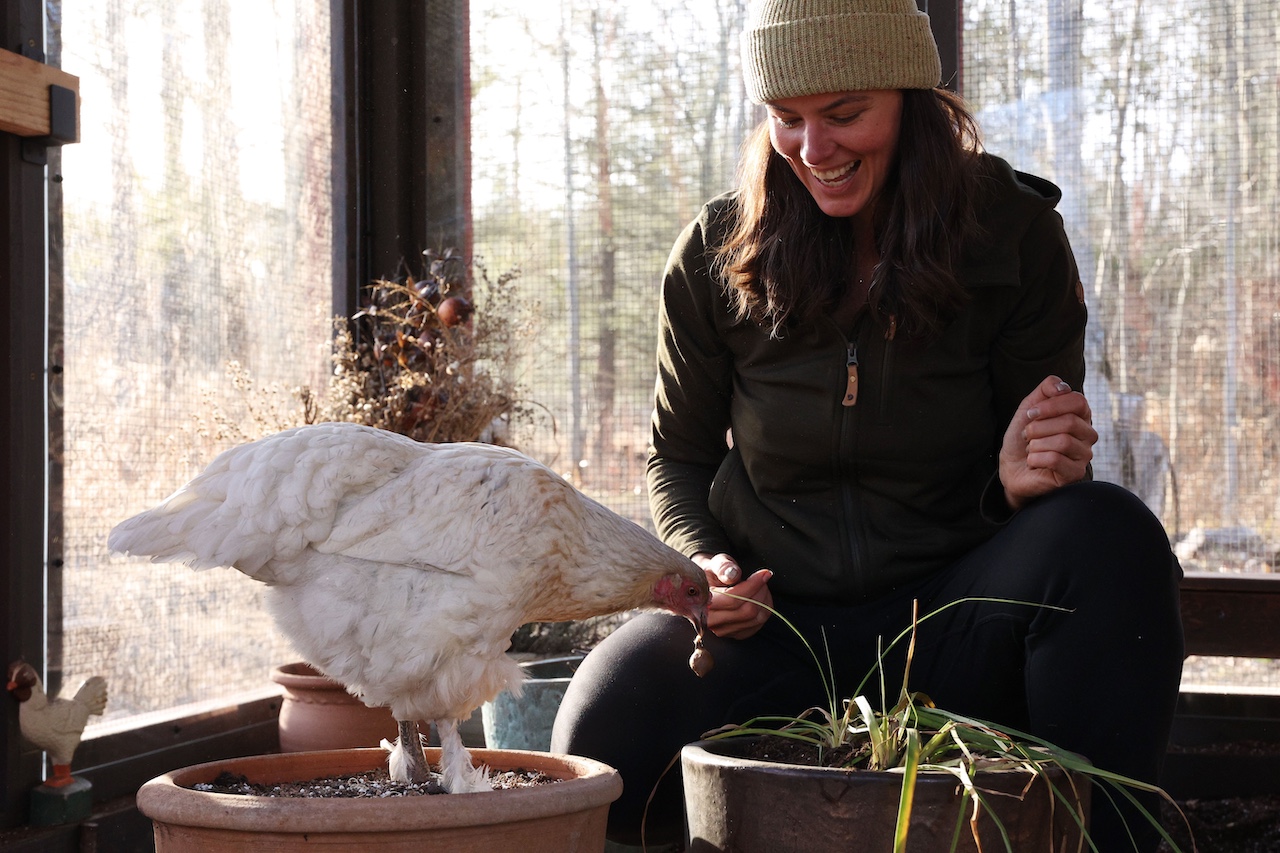
When the garden beds are resting, container gardening keeps the joy of planting alive. In a recent video on her Flock Finger Lakes channel, Summer Rayne Oakes shows how she extends the season by layering spring-flowering bulbs in containers, tucked inside her chicken and duck run. Using Espoma Organic Potting Mix and Espoma Organic Perlite, Summer creates a well-draining, root-friendly environment that helps bulbs overwinter successfully and burst into bloom come spring.


Summer’s Top 3 Tips for Planting Bulbs in Containers

1. Start with a High-Quality, Well-Draining Soil Mix

Healthy bulbs begin with the right foundation. Summer uses Espoma Organic Potting Mix as her base because it’s lightweight, rich in organic matter, and formulated specifically for container gardening. It holds just the right amount of moisture while still allowing excess water to drain away—critical for preventing bulb rot during winter storage.

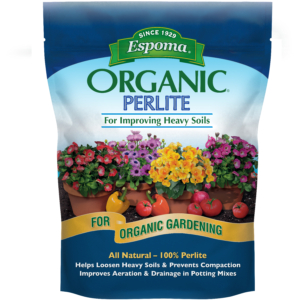
To further improve drainage, she blends in Espoma Organic Perlite, which keeps the soil loose and airy. This extra oxygen around the bulbs encourages strong root development and helps containers handle fluctuating winter and spring conditions.

2. Layer Bulbs

One of Summer’s favorite techniques is layering bulbs by size and bloom time. Larger, later-blooming bulbs like tulips and daffodils go deeper in the pot, while smaller, early bloomers like snowdrops are placed closer to the surface. This creates a succession of blooms from early to late spring—all in one container.

Planting bulbs a bit closer together in containers also creates a fuller, more impactful display, making pots look lush when they come into flower.

3. Protect Containers While Letting Them Chill

Bulbs need a cold period to bloom, and Summer’s chicken and duck run doubles as a cold greenhouse thanks to added panels. Containers stay protected from harsh weather while still experiencing natural temperature changes. A light soil topper can also help discourage curious critters from digging, especially when overwintering bulbs in shared garden spaces.

Summer Rayne Oaks Planting spring bulbs in a container with a chicken

Let’s Get Growing

Layering bulbs in containers is a simple, rewarding way to extend the gardening season and enjoy months of spring color. With Espoma Organic Potting Mix and Espoma Organic Perlite, you’re giving bulbs the well-draining, nutrient-rich environment they need to thrive—naturally.

*****

Learn more about Flock Finger Lakes here:

Website: flockfingerlakes.com

Instagram – @flockfingerlakes

YouTube –Flock Finger Lakes

X – @flockny

Facebook –Flock Finger Lakes

Featured Products:

Espoma Organic Potting Mix Espoma Organic Perlite


Where to Buy

https://www.espoma.com/wp-content/uploads/2026/01/Bulbs-with-Chickens-IMG_6466-1.jpeg 853 1280 Matt Dauphinais https://www.espoma.com/wp-content/uploads/2023/05/espoma-logo340w-1.png Matt Dauphinais2026-01-06 13:45:242026-01-06 13:45:24VIDEO: Planting Spring Bulbs in Containers 🪴🌷 with Summer Rayne Oakes

VIDEO: Planting the Last Bulbs of the Season with Garden Answer

December 23, 2025/in Blog, Bulbs, Espoma Videos, Garden Answer

As the season winds down, Laura from Garden Answer takes on her final bulb planting of the year, sharing practical planting and bulb-care tips along the way. In this project, she plants more than 300 Thalia daffodils alongside a mix of spring bloomers, including Persian Pearl, Snowdrops, and Lilac Wonder—showing how late-season planting can still deliver impressive results.

Laura walks us through her process, emphasizing the importance of proper bulb depth, spacing, and soil preparation. These foundational steps help bulbs establish strong roots before winter, setting the stage for healthy growth and vibrant blooms in spring.

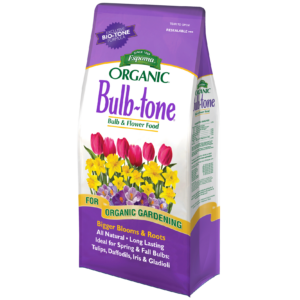
To support early root development, Laura incorporates Espoma Organic Bulb-tone at the time of planting. This organic, slow-release fertilizer is specially formulated for bulbs and helps:

  • Encourage strong root growth before dormancy
  • Support bigger, more vibrant spring blooms
  • Feed gradually over time for long-term plant health
  • Reduce the risk of burning young roots compared to quick-release fertilizers

By combining proven planting techniques with the right nutrition, this end-of-season bulb planting shows how a little extra care now can make a big difference when spring arrives.

Learn more about Garden Answer: 

🪴 YouTube

🪴 Website

🪴 Facebook

🪴 Instagram

Featured Products:

Espoma Organic Bulb-tone


Where to Buy

https://www.espoma.com/wp-content/uploads/2025/12/Espoma_1225_GardenAnswer_Bulbs_Thumbnail.png 720 1280 Matt Dauphinais https://www.espoma.com/wp-content/uploads/2023/05/espoma-logo340w-1.png Matt Dauphinais2025-12-23 10:38:372025-12-23 11:06:16VIDEO: Planting the Last Bulbs of the Season with Garden Answer

VIDEO: How to Plant Spring Bulbs in Containers 🌱🌷 with Garden Answer

December 9, 2025/in Blog, Bulbs, Container Gardening, Espoma Videos, Garden Answer

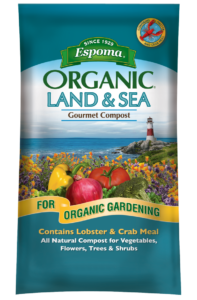
Laura from Garden Answer shows how to plant spring-blooming bulbs in large containers for a big, colorful show next season. She fills eight pots with Menton tulips and Spanish bluebells, feeding them with Espoma Organic Bulb-tone and then topdressing with Espoma Organic Land & Sea Compost to refresh the tired soil and support strong, natural growth.

The Planting Plan: A “Bouquet” in Every Pot

Laura creates a layered “bouquet” effect in each container:

  • Center: Menton tulips
  • Outer edge: Spanish bluebells

Both bloom late in the season, so the colors overlap beautifully. Spanish bluebells grow about 14–18″ tall, while Menton tulips reach 23–25″, giving each pot a soft, tiered look. Planting in raised containers keeps everything at waist height, which makes bulb planting much easier than digging in the ground.

Step-by-Step: How Laura Plants Her Bulb Containers

1. Prepare the Container

Laura removes soil down to about 6 inches deep. This makes room for the first layer of bulbs and ensures they’re planted at the proper depth.

2. Amend the Soil with an Organic Fertilizer

Before placing any bulbs, she sprinkles Espoma Organic Bulb-tone into the container.

Why it helps:

  • Provides slow-release, organic nutrition right where roots grow.
  • Encourages strong root development, which is key for bulbs to overwinter and bloom well.
  • Gentle, natural formula that’s safe for people, pets, and pollinator-friendly gardens when used as directed.

3. Plant Tulips “Shoulder to Shoulder”

Menton tulip bulbs go in first at 6 inches deep, planted:

  • Pointy side up, flat side down.
  • Very close together—“shoulder to shoulder”—rather than spaced as they would be in the ground.

This tight spacing lets her fit about 100 tulip bulbs per pot, creating a dense, show-stopping spring display.

4. Add Spanish Bluebells

She covers the tulips with a couple of inches of soil, then plants the Spanish bluebells in a ring around the outer edge at about 4 inches deep. Bluebell bulbs look a bit different, but the rule still applies: roots down, growth point up.

5. Add compost

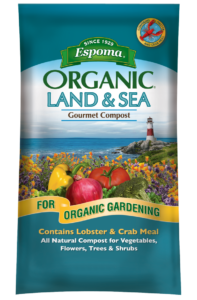
Because the potting mix has been used before and is showing roots and wear, Laura doesn’t just add more regular soil. Instead, she topdresses each container with Espoma Organic Land & Sea Compost.

Why it helps:

  • Adds rich organic matter back into tired soil.
  • Improves soil structure and moisture retention, which bulbs love.
  • Supplies a gentle nutrient boost from premium ingredients like lobster and kelp meal, helping bulbs grow strong and bloom beautifully.

6. Water Thoroughly

After planting and topdressing, Laura waters each container deeply.

Her key watering tip:

  • Aim for even moisture across the entire soil surface, not just one side of the pot.
  • In winter, check containers every 2–3 weeks. The goal is soil that’s slightly moist, never soggy, and never bone dry.

Bulb-Specific Tips for Container Success

Laura’s main bulb care reminders:

  • Chill time matters:
    • Tulips and daffodils generally need 12–16 weeks of consistent cold (around 35–45°F).
    • Hyacinths often need 8–10 weeks; crocus and snowdrops around 6–8 weeks.
  • Mild climate? Go pre-chilled:
    If you garden in a warmer region, order pre-chilled bulbs so they arrive ready to plant and still bloom well.
  • Drainage is essential:
    Containers must have drainage holes so bulbs don’t sit in water and rot. In very wet climates, you may need to protect pots from constant rainfall; in dry climates, remember to water occasionally.

With the right chill, good drainage, consistent moisture, and organic nutrition from Bulb-tone and Land & Sea Compost, these containers are now set up for a spectacular spring show—naturally.

*****

Learn more about Garden Answer: 

🪴 YouTube

🪴 Website

🪴 Facebook

🪴 Instagram

Featured Products:

Featured Products:

Espoma Organic Bulb-tone bag Espoma Organic Land and Sea Espoma Organic Potting Mix bag


Where to Buy

https://www.espoma.com/wp-content/uploads/2025/12/Espoma_1225_BulbTone_Thumbnail-copy.jpg 1080 1920 Matt Dauphinais https://www.espoma.com/wp-content/uploads/2023/05/espoma-logo340w-1.png Matt Dauphinais2025-12-09 16:44:432025-12-23 09:58:46VIDEO: How to Plant Spring Bulbs in Containers 🌱🌷 with Garden Answer

VIDEO: Bringing In Your Plants for Winter 🪴❄️ with Summer Rayne Oakes

November 20, 2025/in Blog, Container Gardening, Espoma Videos, Indoor Gardening, Succulents, Summer Rayne Oakes

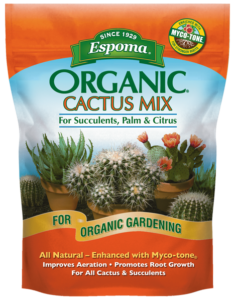
When the mornings turn chilly and frost threatens, it’s time to bring your non-cold-hardy plants indoors. In this video, Summer Rayne Oakes demonstrates how she gathers her Aloes, Pelargoniums, Euphorbias, air plants, and more, refreshing containers with Espoma Organic Cactus Mix, and Espoma Organic Perlite to help them settle in for the winter months.

Here are six quick tips to help you do the same.

1. Bring Plants In Before the First Freeze

Any tender plant—succulents, tropicals, Pelargoniums, air plants—needs to move indoors once nighttime temperatures dip into the 30s and low 40s °F. Cold snaps can damage foliage fast.

2. Check for Pests and Outdoor Debris

Before carrying your plants inside, give them a quick inspection:

  • Look for ants or insects in the soil
  • Remove spent leaves
  • Trim away any mushy or damaged growth

This keeps your indoor environment clean and your plants stress-free.

3. Give Overgrown Plants a Gentle Trim

A light haircut helps plants transition into winter dormancy. Summer trims her Pelargoniums to remove dead growth and tidy the shape, making them easier to overwinter.

4. Refresh Soil With a Fresh Organic Potting Mix

After a full season outdoors, potting soil can become compacted, washed out by rain, or depleted of nutrients. Refreshing the top few inches—or fully repotting—gives plants the clean, breathable foundation they need to stay healthy indoors.

For most houseplants, reach for Espoma Organic All-Purpose Potting Mix. It’s rich, airy, and packed with organic ingredients that support strong roots through winter.

Summer uses Espoma Organic Cactus Mix for her succulents because they need faster drainage and extra airflow around their roots. This helps prevent rot during the cooler months when succulents naturally take up less water.

Adding a scoop of Espoma Organic Perlite boosts drainage even more—great for Aloes, Agaves, and Euphorbias heading into low-light, low-growth winter conditions.

5. Repot or Divide Crowded Succulents

Aloes and other succulents often outgrow their pots by fall. Take a cue from Summer and divide offsets or repot into fresh soil so each plant has room to breathe indoors.

6. Feed Indoor Plants Through Winter

Even during slower growth, indoor plants still appreciate gentle nourishment. Use a high-quality organic liquid fertilizer—like Espoma Organic Indoor! —to keep roots strong and foliage healthy all winter long.

A little effort goes a long way!

A little trimming, a pest check, and a refresh with Espoma Organic potting soils and a little liquid fertilizer is all it takes to help your plants thrive indoors this winter.

Let’s get growing—indoors! 🌿

*****

Featured Products:

Espoma Organic Potting MixOrganic Potting soil -Espoma Organic Cactus MixEspoma Organic PerliteEspoma Organic Indoor! liquid fertilizer


Where to Buy


https://www.espoma.com/wp-content/uploads/2025/11/Ep-431-Primp-Prune-collect-B.jpg 1080 1920 Matt Dauphinais https://www.espoma.com/wp-content/uploads/2023/05/espoma-logo340w-1.png Matt Dauphinais2025-11-20 12:28:022025-11-20 12:28:02VIDEO: Bringing In Your Plants for Winter 🪴❄️ with Summer Rayne Oakes

Final Fall Plantings & Tips for Bringing Plants Inside for Winter 🍁🪴 with Wyse Guide

November 18, 2025/in Blog, Espoma Videos, Kaleb Wyse, Trees & Shrubs

Fall might feel like the end of the gardening season, but as Kaleb from Wyse Guide shows, it’s actually a perfect time to plant and bring in your favorite tropical plants for the winter months.

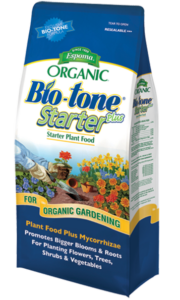
In this project, Kaleb refreshes the front of his home with hydrangeas, using Espoma Organic Bio-tone Starter Plus to support strong root growth, then replants a massive elephant ear and pots it up in Espoma Organic Potting Mix so he can enjoy it again next year.

Kaleb’s late fall gardening tips:

1. Plant for Roots, Not Blooms
Kaleb takes advantage of fall’s warm soil and cool air to give hydrangeas time to establish. Adding Espoma Organic Bio-tone Starter Plus helps new shrubs settle in quickly and build the strong root systems that lead to better growth next spring.

2. Build Healthy Soil & Keep Watering
Hydrangeas thrive in rich, well-draining soil, so Kaleb amends where needed and uses drip irrigation to keep moisture consistent on his sunny, south-facing porch. Even with drip, he checks soil weekly and waters during fall—and even winter warm-ups—so new roots never dry out.

3. Store Tropicals to Enjoy Them Again
Instead of letting frost take his elephant ear, Kaleb trims it back and pots it into Espoma Organic All-Purpose Potting Mix. Over winter, it rests indoors with minimal watering, ready to return outdoors next season.

Even as the season slows, there’s still so much you can do to care for your garden. A little fall planting, some root-focused feeding, and thoughtful winter storage of warm-season plants can set you up for an even more beautiful spring. 

*****

Featured Products:

Espoma Organic Bio-tone Starter Plus Bag Image Espoma Organic Potting soil Mix Big bag

Where to Buy

https://www.espoma.com/wp-content/uploads/2025/11/Bring.jpg 720 1280 Matt Dauphinais https://www.espoma.com/wp-content/uploads/2023/05/espoma-logo340w-1.png Matt Dauphinais2025-11-18 15:54:332025-11-18 15:54:33Final Fall Plantings & Tips for Bringing Plants Inside for Winter 🍁🪴 with Wyse Guide

Video: How to Manage a Wild Garden with Summer Rayne Oakes 🌿🌸

October 22, 2025/in Blog, Summer Rayne Oakes

Watch as Summer Rayne Oakes @flockfingerlakes tours a small, shrub-forward garden that’s brimming with enthusiasm—thanks to a few “thuggish” growers that love to spread. She shows how her garden beds were built with cardboard, compost, and Espoma Organic soils, and how planting densely with Espoma Organic Bio-tone Starter Plus helped everything establish beautifully. The result: a thriving space that just needs smart, seasonal management.

Summer’s Tips!

1) Decide the goal, then manage to match
Before you pull a single plant from your wild garden, define your vision. If shrubs are meant to be the stars, reduce anything blocking sightlines or competing for height. A clear goal makes every adjustment easier.

2) Build living soil from day one
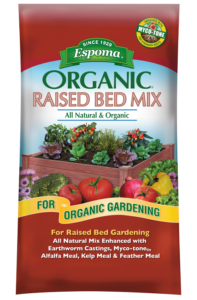
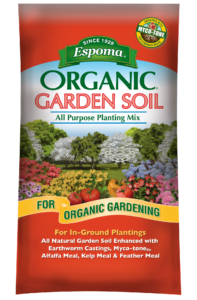
Build a garden bed using organic soil like Espoma Organic Potting Mix, Raised Bed Mix, or All-Purpose Garden soil to create a rich rooting zone. Healthy soil grows resilient plants. Plan for light, regular maintenance.

3) Plant with a quality Starter Fertilizer for confident establishment
At planting, mix in Espoma Organic Bio-tone Starter Plus. Its slow-release nutrition, beneficial microbes, and mycorrhizal fungi help roots colonize quickly, reduce transplant stress, and set plants up for long-term success.

4) Manage early and often
Make quick passes a habit. Trim seed heads after bloom, thin young growth before it crowds, and lift runners that wander into paths. Small, frequent efforts prevent big overhauls later.

5) Read the site and group accordingly
Let the garden tell you what it wants. Moisture-loving plants often reveal wetter spots; cluster them there and relocate dry-site growers to sunnier, leaner areas. Use edging and pathways to reinforce boundaries.

6) Give energetic growers a job
Channel that vigor. Move fast spreaders to meadows, back corners, or containers where they can thrive freely. Use groundcovers as living mulch in designated zones, but keep stepping stones and entries clear for structure and flow.

Healthy soil and thoughtful plant management help any garden strike the right balance between wild and intentional. With organic soil building and mindful upkeep, you can enjoy a garden that’s full of life—and still beautifully under control.

*****

Learn more about Flock Finger Lakes here:

Website: flockfingerlakes.com

Instagram – @flockfingerlakes

YouTube –Flock Finger Lakes

X – @flockny

Facebook –Flock Finger Lakes

Featured Products:
Espoma Organic Bio-tone Starter Plus Bag Image Espoma Organic Potting soil Mix Big bag Espoma Raised Bed Mix bag Espoma Organic All-Purpose Garden Soil image


Where to Buy

https://www.espoma.com/wp-content/uploads/2025/10/Plant-Thugs-frame-000004.jpg 1080 1920 Matt Dauphinais https://www.espoma.com/wp-content/uploads/2023/05/espoma-logo340w-1.png Matt Dauphinais2025-10-22 17:18:222026-01-06 13:11:55Video: How to Manage a Wild Garden with Summer Rayne Oakes 🌿🌸

VIDEO: Planting Hydrangeas 🌸 with Wyse Guide

September 23, 2025/in Blog, Espoma Videos, Flowers, Kaleb Wyse

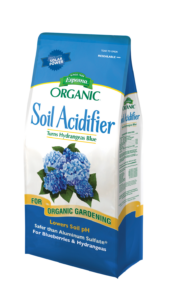
When it comes to hydrangeas, every gardener dreams of full, colorful blooms that light up the landscape. Watch as Kaleb Wyse of Wyse Guide shares how he plants and transplants hydrangeas in his Iowa garden. He walks us through his process step by step—using Espoma Organic Bio-tone Starter Plus to help roots establish, Espoma Organic Holly-tone to feed acid-loving plants, and how using Espoma Organic Soil Acidifier can create the perfect conditions for iconic blue blooms.

Here are six top tips and takeaways from Kaleb’s hydrangea planting project:

1. Choose the Right Variety for Your Climate

Not every hydrangea will thrive just because it’s rated for your USDA zone. Kaleb explains how some bigleaf hydrangeas struggled in his area, so he swapped them for hardier Seaside Serenade Cape Cod hydrangeas, better suited for his Zone 4 garden. Always match your plant choice to both your climate and the light conditions in your garden.

2. Protect Roots During Transplanting

Whether moving a shrub or planting a new one, Kaleb emphasizes the importance of keeping the root ball intact to reduce transplant shock. He carefully lifts and moves hydrangeas with as much surrounding soil as possible, ensuring minimal stress on the plant. 

3. Always Plant with a Good Organic Starter Fertilizer

Every hydrangea Kaleb plants gets a helping of Espoma Organic Bio-tone Starter Plus in the hole. Packed with beneficial microbes and mycorrhizae, Bio-tone encourages strong root development and helps plants adapt quickly to their new home. As Kaleb puts it, he treats transplants like brand-new plants—and Bio-tone gives them the best start possible.

4. Feed with Fertilizer for Acid-Loving Plants

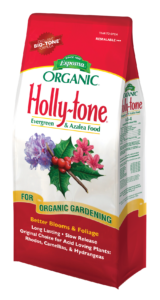
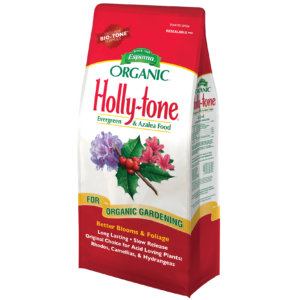
Hydrangeas love soil on the acidic side. That’s why Kaleb sprinkles in Espoma Organic Holly-tone, a slow-release organic fertilizer crafted specifically for acid-loving plants like hydrangeas, azaleas, and blueberries. Holly-tone not only provides balanced nutrition but also contains elemental sulfur to help gently acidify soil over time.

5. Adjust Soil pH 

If your soil isn’t naturally acidic, hydrangeas may need a little extra help. Kaleb mentions how his soil leans neutral, so he often turns to Espoma Organic Soil Acidifier. Made from natural sulfur, it safely lowers soil pH, creating the right conditions for healthier growth and, in the case of bigleaf hydrangeas, can even shift blooms from pink to blue.

6. Prioritize Drainage and Consistent Moisture

Hydrangeas thrive in soil that’s both well-draining and consistently moist. Kaleb demonstrates checking drainage by filling the planting hole with water. If it drains well, you’re set! He also reminds us that even established hydrangeas benefit from supplemental water during dry spells to keep blooms from wilting or scorching in summer heat.

You Can Do It!

Healthy soil, the right plant food, and a watchful eye on moisture make all the difference in hydrangea success. With Espoma Organic Bio-tone Starter Plus, Holly-tone, and Soil Acidifier in your toolkit, you’ll be well on your way to lush, colorful hydrangea blooms—year after year.

*****

Featured Products:

Espoma Organic Bio-tone Starter Plus Bag Image Espoma Organic Holly-tone Espoma Organic Soil Acidifier Bag


Where to Buy

https://www.espoma.com/wp-content/uploads/2025/09/Planting-Hydrangeas.jpg 720 1280 Matt Dauphinais https://www.espoma.com/wp-content/uploads/2023/05/espoma-logo340w-1.png Matt Dauphinais2025-09-23 11:51:362025-09-23 11:51:36VIDEO: Planting Hydrangeas 🌸 with Wyse Guide

VIDEO: Planting in BIG Reused Planters 🪴🌿 with Summer Rayne Oakes

September 17, 2025/in Blog, Container Gardening, Summer Rayne Oakes

Summer Rayne Oakes of Flock Finger Lakes turns three massive terracotta planters—rescued from a second-hand store —into statement containers for the garden. Because the pots are deep and heavy, she creates a lightweight false bottom with Espoma Organic Perlite, then tops it with Espoma Organic Potting Mix before planting a mix of ornamental grasses, pollinator favorites, and trailing accents.

Why Espoma Organic Potting Mix?
Espoma Organic Potting Mix is crafted for container success—indoors or out. It’s rich and fluffy for easy root growth, holds moisture without getting waterlogged, and drains well to keep roots happy. The blend includes organic ingredients and Myco-tone, a proprietary blend of mycorrhizae that supports strong root systems and helps plants use water and nutrients more efficiently. In large planters where every inch counts, that balance of aeration, structure, and organic nutrition is exactly what new plantings need to establish quickly.

 Tips & Takeaways from Summer’s Container Build

  1. Use Perlite as a False Bottom. 
     A layer of Espoma Organic Perlite can work beautifully as a false bottom in oversized containers for shallower-rooted plants when you don’t need the full depth of soil. It also reduces the planter’s weight. But for deep tap-rooted or tree-like plantings, it’s best to skip this method. 
  2. Choose Plants for Season-Long Interest.
    Summer anchors the pot with Pennisetum ‘Ginger Love’ for structure and gorgeous backlit plumes into fall and winter, then layers in Verbena bonariensis ‘Meteor Shower’ (pollinator magnet), sneezeweed ‘Morheim Beauty’ for warm tones, Beautyberry ‘Pearl Glam’ for three-season appeal, ornamental oregano (Oregon Kent beauties) for texture, and a trailing annual morning glory to spill over the rim.
  3. Design for the View.
    Think about the angle most people will see. Summer places taller plants toward the back and lets trailers cascade in the foreground to create depth and a “finished” look from the main viewpoint.
  4. Shop Smart in Mid-Summer.
    July–August can be slim pickings at local nurseries. If inventory looks tired, consider ordering online, mixing annuals with perennials, or planting what you can now and editing later. Containers are wonderfully changeable.
  5. Plant for Pollinators and Wildlife.
    By mixing grasses, flowering perennials, and nectar-rich annuals, Summer builds a container that feeds bees, butterflies, and other pollinators—bringing life and movement to her garden space.

Share your container build with us using #EspomaOrganic on IG—we’d love to see what you create!

Featured Products:

Espoma Organic Potting Mix Espoma Organic Potting Mix


Where to Buy

https://www.espoma.com/wp-content/uploads/2025/09/Title-22.jpg 720 1280 Matt Dauphinais https://www.espoma.com/wp-content/uploads/2023/05/espoma-logo340w-1.png Matt Dauphinais2025-09-17 15:39:232025-09-17 15:54:10VIDEO: Planting in BIG Reused Planters 🪴🌿 with Summer Rayne Oakes

VIDEO: Planting Hydrangeas and Yews 🌸🌲 with Wyse Guide

September 16, 2025/in Blog, Espoma Videos, Fall Gardening, Kaleb Wyse

In this Wyse Guide project, Kaleb refreshes the entry to his mom’s driveway with smooth hydrangeas and a Captain yew for four-season structure. He plants each shrub with Espoma Organic Bio-tone Starter Plus to jump-start strong root growth and reduce transplant stress, then adds Espoma Organic Holly-tone because hydrangeas and most yews thrive in slightly acidic soil. Bio-tone delivers beneficial microbes and gentle nutrition right where roots need it; Holly-tone provides a slow, steady feed tailored for acid-loving plants so they establish beautifully in his neutral Iowa soil.

Tips from Wyse Guide:

  1. Plant when you have the window. If the soil is workable and you can water, spring through fall is fair game—plants are often better off in the ground than in pots.
  2. Match plants to the site. Kaleb chose upright, weather-tough, smooth hydrangeas for bloom and a rugged Captain yew for year-round form in part shade with occasional dry spells.
  3. Call before you dig. Always locate underground utilities before starting holes. Safety first.
  4. Plant slightly high. Set the root ball a touch above grade to allow for settling and better oxygen at the crown, especially near thirsty maples.
  5. Prep the roots. Loosen or lightly score tight root balls so roots can spread into native soil. Then, pre-soak the root ball before backfilling.
  6. Feed and mulch smart. Mix Bio-tone and Holly-tone into the planting hole for establishment and acid-loving nutrition. Finish with a 2–3″ layer of compost like Espoma Organic Land & Sea Gourmet Compost mulch to add organic matter to lock in moisture and suppress weeds.

A simple, well-chosen pairing—hydrangeas for flowers and yew for structure—turned this entry into a welcoming focal point. Take your time, let inspiration strike at the nursery, and set new plants up for success with Bio-tone and Holly-ton

Ready to plant? Visit your local garden center for Espoma Organic Bio-tone Starter Plus,  Holly-tone, Land & Sea Compost, and let’s get growing!

*****

Featured Products:

Espoma Organic Bio-tone Starter Plus Bag Image Espoma Organic Holly-tone Organic Fertilizer for all acid loving plants Espoma Organic Land and Sea gourmet compost


Where to Buy

https://www.espoma.com/wp-content/uploads/2025/09/Title-21.jpg 720 1280 Matt Dauphinais https://www.espoma.com/wp-content/uploads/2023/05/espoma-logo340w-1.png Matt Dauphinais2025-09-16 15:28:182025-09-16 15:28:18VIDEO: Planting Hydrangeas and Yews 🌸🌲 with Wyse Guide

10 Time-Saving Tactics for a More Efficient Garden | Growing Joy with Maria

September 11, 2025/in Blog, Gardening, Growing Joy with Maria

Has your garden started to feel like a tedious task on your never-ending to-do list? Here are 10 ways to avoid garden burnout by making gardening more efficient and simple, so you can enjoy it without feeling weighed down.

This blog is inspired by Episode 266 of the Growing Joy with Plants Podcast, where Maria chats with CaliKim, YouTube gardening educator and author of The 10 Minute Gardener. Together, they share time-saving hacks to help you enjoy gardening again—without the stress.

Start Small, Stay Consistent

One of Kim’s foundational philosophies is to break down large tasks into smaller, manageable ones (3-, 5-, 8-, 10-, or 30-minute jobs), which is the basis of her book. The 10 Minute Gardener also organizes these by season (early, mid, late, dormant), so you can adapt them no matter where you garden.

Practical Time-Saving Tactics You Can Try Today

3 minute tasks

3-Minute Gardening Tasks

  • Fertilizer Fridays – Every Friday, while your tea kettle is boiling or you’re sipping coffee, take 3 minutes to fertilize your plants with an organic liquid fertilizer like Espoma Organic Indoor! Houseplant Food. You can also water them or pick off brown leaves.

  • Swift Growth Seed Sowing – Keep a small basket of seeds handy by your back door or in your pocket. During a quick break, pop a few pea seeds along a trellis or lettuce seeds into a container to keep succession planting going.

  • Three-Minute Tool Tidy – Clean and oil a few garden tools, like pruners, that may be getting rusty or sticky.

5-Minute Gardening Tasks

  • Tie-Up Tuesday (and Thursday!) – Dedicate a few minutes twice a week to trellis plants like cucumbers. Keep tie tape or twine in your pocket so you can do this quickly while walking through the garden.

  • Shade Cloth Oasis – Pre-clip shade cloth to trellises so you can dash out and cover plants when the sun is blazing.

  • End-of-Season Cleanups – Pull out dead plants and toss them into nearby trash bins or pop-up bins to keep your garden tidy.

8 & 10-minute tasks

8- & 10-Minute Gardening Tasks

  • Summer Salad Station – Plant a container with salad greens, a tomato or cucumber, and herbs for a quick, ready-to-harvest dinner garden.

  • Hustle & Bustle Garden Bed Prep – In spring, refresh your garden beds with soil amendments like Espoma Organic Land & Sea Gourmet Compost and worm castings.

30 min tasks

30-Minute Gardening Tasks

  • Compost Pile Refresh – Toss together kitchen scraps and yard waste to build your compost pile. Give it a splash of water, then walk away and let nature do the work.

  • Tree Branch Trellis – Gather a few sturdy sticks and lash them together to create a simple, rustic trellis for climbing plants.

Be Consistent and Keep Things Within Reach

The key is to keep everything handy and accessible. You don’t need complicated strategies to make gardening easier. Keep a basket of seeds by the door, stash pruners in multiple spots, and have tie tape at the ready. Making tools and supplies accessible ensures you stay consistent and efficient.

Listen to the Growing Joy with Plants Podcast

For more time-saving tips, listen to Episode 266 of the Growing Joy with Plants Podcast!

Featured Products:

Espoma Organic Land and Sea Espoma Organic Indoor! liquid fertilizer


Where to Buy

https://www.espoma.com/wp-content/uploads/2025/09/Time-Saving-1.jpg 1080 1080 Matt Dauphinais https://www.espoma.com/wp-content/uploads/2023/05/espoma-logo340w-1.png Matt Dauphinais2025-09-11 16:15:582025-09-11 16:15:5810 Time-Saving Tactics for a More Efficient Garden | Growing Joy with Maria
Page 1 of 512345
Where to Buy

Get News & Updates

Recent Posts

  • VIDEO: Planting Spring Bulbs in Containers 🪴🌷 with Summer Rayne Oakes
  • VIDEO: Planting the Last Bulbs of the Season with Garden Answer
  • How to Care for Ferns 🌿 | Growing Joy with Maria
  • VIDEO: One Last Autumn Stroll 🍁🍂 with Summer Rayne Oakes
  • VIDEO: How to Plant Spring Bulbs in Containers 🌱🌷 with Garden Answer

Tags

All-Purpose Potting Mix bio-tone Bio-tone Starter Bio-tone Starter Plus Cactus Mix caring for houseplants Container Gardening DIY project Espoma espoma grown espoma organic Espoma Organics Espoma Video fall gardening Family fert flower garden flowers garden Garden Answer Gardening gardening tips gardens grow holly-tone houseplants Indoor! indoor gardening indoor plants Kaleb Wyse organic organic fertilizer Organic Gardening organic plant food Organic Potting Mix Outdoor Gardening Planting plants Potting Mix potting soil Spring Gardening summer rayne oakes vegetable garden Vegetable Gardening Wyse Guide

Espoma. A Family Tradition Since 1929.

Espoma Organic logo
  • Espoma Dealer
  • Espoma Pro
  • Garden Club
  • Privacy Policy

Scroll to top